UOB raises Vietnam 2025 growth forecast to 7.5 per cent

Following 7.5 per cent growth in the first six months and expectations of further stimulus, UOB revised its full-year GDP forecast to 7.5 per cent, up from 6.9 per cent. Vietnam’s real GDP expanded 7.96 per cent on-year in the second quarter, outpacing Bloomberg’s 6.85 per cent estimate and UOB’s own 6.1 per cent projection, bringing first-half growth to its highest level since 2011.

UOB’s September 17 report highlighted that Vietnam’s strong first-half growth was underpinned by a 14 per cent on-year export surge, boosted by improved sentiment after the US lowered its ‘Liberation Day’ tariff on April 2 to a temporary 10 per cent baseline for 90 days. Tariff uncertainty eased further in the second half as the US finalised country-specific rates ahead of the August 1 deadline, with Vietnam’s rate set at 20 per cent.

Data from July indicates that growth momentum remains positive, though the outlook is tempered by tariff developments. Exports rose 17 per cent on-year to a record $42.3 billion, bringing year-to-date growth close to 16 per cent. However, the trade surplus narrowed to $9.5 billion in the first seven months, compared to $14 billion a year earlier, due to higher imports from front-loaded export orders.

“Despite tariff pressures, annual exports could still rise by about 10 per cent (compared to 14 per cent in 2024), assuming a moderate 1–5 per cent pace for the rest of 2025,” UOB said in the report.

Other indicators also signal resilience. The Purchasing Managers’ Index rebounded to 52.4 in July after three straight months below 50, while manufacturing output rose 9 per cent on-year despite a high base. Overseas capital inflows remained strong, with $13.6 billion in realised investment as of July, up from $12.6 billion in the same period last year, suggesting full-year inflows could surpass $20 billion (compared to $25.4 billion in 2024).

Amid external headwinds, Vietnam announced a $48 billion infrastructure scheme in mid-August, spanning 250 projects. Of these, 129 state-funded initiatives worth $18 billion will prioritise urban development and transport, while 121 projects valued at $30.5 billion will draw financing from other sources, including foreign enterprises.

“Despite tariff threats and uncertainty, Vietnam’s economy continues to show resilience and dynamism. Export performance has been particularly strong, though risks remain if US demand weakens amid tariff-induced price pressures,” UOB said.

Following robust 7.5 per cent growth in the first half of 2025 and expected support from stronger government investment, UOB revised its full-year GDP forecast to 7.5 per cent, up from 6.9 per cent previously and just under 7.1 per cent in 2024. Growth is projected at 7.6 per cent on-year in the third quarter and 7.2 per cent in the fourth. For 2026, UOB maintains its projection at 7 per cent. By comparison, the government is targeting 8.3–8.5 per cent growth this year.

Inflation, however, shows little sign of easing. Headline inflation reached 3.3 per cent year-to-date in July, versus 3.6 per cent on average in 2024 and 3.26 per cent in 2023. Housing and construction materials (5.9 per cent on-year average so far, with an 18.8 per cent weighting) and healthcare (18 per cent on-year average, with a 5.4 per cent weighting) remain the main drivers.

“Combined with decent growth prospects in the second half of 2025 and persistent VND weakness, these factors would constrain the State Bank of Vietnam’s (SBV) ability to ease policy,” UOB said, expecting the refinancing rate to remain at 4.5 per cent.

“If business and labour market conditions deteriorate sharply, there is a possibility for the SBV to cut the refinancing rate in a single step to the COVID-19 low of 4 per cent, though this is not our base case,” the report added.

Bucking the regional trend, the VND slid to a record low of 26,436 per USD in August, down 3.4 per cent year-to-date and marking its fourth straight year of depreciation. While Vietnam secured a trade deal with the US that lowered tariff rates to 20 per cent from the 46 per cent announced in April, uncertainty remains over the 40 per cent transhipment tariff.

“This could prompt firms to reassess supply chain strategies, potentially dampening Vietnam’s attractiveness for foreign investment,” UOB said.

Looking ahead, the VND may continue to underperform compared to regional peers in capturing any upside from expected US Federal Reserve rate cuts. UOB’s upward revision of Vietnam’s GDP growth forecast to 7.5 per cent in 2025, from 7.1 per cent in 2024, could lend some support. Its updated USD/VND projections are 26,300 in the fourth quarter of 2025, 26,200 in the first quarter of 2026, 26,100 in the second, and 26,000 in the third.
Citi raises forecast for Vietnam’s 2025 GDP growth Citi raises forecast for Vietnam’s 2025 GDP growth

Citi remains cautiously optimistic on Vietnam’s growth outlook, although US tariffs on Vietnam will increase post a recently agreed trade deal.

ADB trims Vietnam’s GDP forecast to 6.3 per cent for 2025 ADB trims Vietnam’s GDP forecast to 6.3 per cent for 2025

The Asian Development Bank (ADB) has revised Vietnam’s GDP growth forecast for 2025 down to 6.3 per cent from the 6.6 per cent it predicted in April.

Vietnam’s export resilience tested amid rising US tariff pressure Vietnam’s export resilience tested amid rising US tariff pressure

As the United States slaps a 20 per cent countervailing tariff on Vietnamese exports, concerns loom over the policy’s implications for Vietnam’s growth trajectory. Despite mounting trade headwinds, Le Trung Hieu, deputy director general of the National Statistics Office, outlines why the country remains confident of meeting its ambitious target of over 8 per cent GDP growth in 2025.

World Bank forecasts Vietnam’s GDP growth to reach 6.6 per cent in 2025 World Bank forecasts Vietnam’s GDP growth to reach 6.6 per cent in 2025

Vietnam’s GDP growth is forecast to reach 6.6 per cent in 2025, according to the latest report by the World Bank.

Exchanges – core of building trust and transparency in Vietnams digital asset market
Danang Finance and Tech Week took place from August 28-30

The event, on August 29, took place as Vietnam finalises its legal framework for digital assets under the newly passed Law on Digital Technology Industry, marking a new chapter for the market with greater transparency and oversight. It also supported the development of an international financial centre in Vietnam, with Danang as a key location.

Nguyen Thanh Nghi, Head of the Central Committee for Policy and Strategy, emphasised, “The integration of finance, technology, and semiconductors at this event shows Danang’s thorough preparation and reflects a long-term strategy to turn the city into a new financial and technological hub for Vietnam and the region.”

Among these areas, blockchain and semiconductors are two of the 11 strategic national technology sectors prioritised for research, development, and mastery. For blockchain, key product groups will focus on digital assets, cryptocurrencies, digital identity and data encryption, cybersecurity, and traceability. Meanwhile, the semiconductor industry will research, and pilot the production and commercialisation of specialised chips, AI, the Internet of Things (IoT), and photonic chips.

Deputy Minister of Finance Nguyen Thi Bich Ngoc noted that Danang’s strategic location on the East-West economic corridor, combined with a deep-water seaport and modern international airport, provides substantial potential to become a financial centre supporting logistics, risk insurance, and cross-border trade. This is not just a geographic advantage, but also a major benefit for the ecosystem of finance, logistics, insurance, and risk management.

Exchanges – core of building trust and transparency in Vietnams digital asset market
The Vietnam Finance Forum took place on August 28

Nguyen Van Quang, Secretary of Danang Party Committee, said the event was symbolic, underscoring the city’s pioneering role in digital economic development and modern finance.

For Vietnam, particularly Danang, seizing opportunities in these sectors is especially important. As major global financial centres are redefining development models based on innovation and technology, Danang holds advantages in location, infrastructure, human resources, and policy direction to become a new growth pole.

“Fintech, blockchain, semiconductors, and green finance are no longer unfamiliar concepts. They are becoming crucial pillars shaping the future global economy. With its current potential, Danang is ready to welcome cooperation, investment, and major policy initiatives aligned with the goal of forming Vietnam’s international financial centre in the city,” Quang said.

During the panel discussion, delegates agreed that digital asset exchanges play a central role in ensuring transparency, liquidity, and investor confidence, both for individuals and institutions. Representatives from both domestic and international platforms emphasised the need to prioritise tools for open data, such as proof of reserve, open APIs for third-party auditing, and strict risk control processes to prevent market manipulation.

Le Sy Nguyen, CEO of the Web3 exchange BITGP, said, “A transparent exchange is not just a place to trade, but a platform that sets standards for the market. Requirements like KYC, AML, liquidity disclosures, and user asset protection should be seen as fundamental, not burdensome.”

Experts also discussed the exchanges’ role in connecting innovative projects (builders) with the community and investors. They emphasised the need to establish fair and clear listing mechanisms for Vietnamese projects, helping domestic Web3 products reach users. Models like innovation zone, launchpad, or sandbox-based trial listings were considered suitable directions.

Exchanges – core of building trust and transparency in Vietnams digital asset market
A panel discussion on building a digital asset market

As an exchange built on the technology and liquidity of Bitget, a platform that has implemented builder support models in many countries- BITGP announced it is currently localising listing standards and community support, while also being ready to share international experiences in areas such as risk management, digital asset classification, and hybrid CeFi-DeFi trading.

Delegates also pointed out challenges stemming from inconsistent regulations, especially as Vietnam is in the process of preparing a sandbox mechanism. Ensuring fair competition among exchanges while maintaining compliance with international standards is considered a prerequisite for a sustainable environment.

“We hope to see clear criteria for the sandbox, allowing the trial of models such as real-world asset tokenisation, non-custodial wallets, and automated liquidity services, all within a supervised framework. Thereby, both investors and businesses can feel more secure,” Nguyen added.

In the long term, exchanges are also expected to contribute to policy consultations, market data sharing, and co-designing experimental frameworks with regulatory agencies, following an open but controlled approach. This is considered a key foundation for moving Vietnam’s digital assets out of the grey zone and into a legal, recognised part of the national digital economy.

Digital assets set for expansion in Vietnam amid new legal foundation Digital assets set for expansion in Vietnam amid new legal foundation

Vietnam’s growing interest in digital assets is creating significant opportunities, supported by a young workforce and rapid adaptability.

Hanoi forum to focus on future of sci-tech, innovation, and digital transformation Hanoi forum to focus on future of sci-tech, innovation, and digital transformation

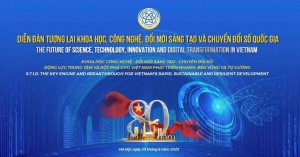
The Ministry of Science and Technology (MoST) will host a forum about the future of sci-tech, innovation, and digital transformation in Hanoi on August 29, expecting to attract policymakers, domestic and international businesses, embassies, leading experts, and international organisations.

Vietnam announces five major sci-tech initiatives Vietnam announces five major sci-tech initiatives

The Ministry of Science and Technology (MoST) hosted a forum on the future of science, technology, innovation, and national digital transformation at the Vietnam National Exhibition Centre in Hanoi on August 29.

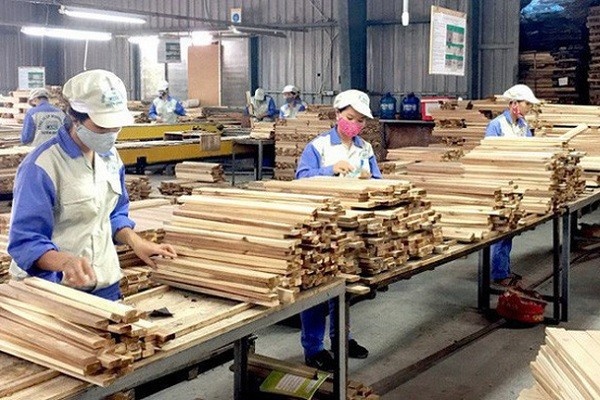
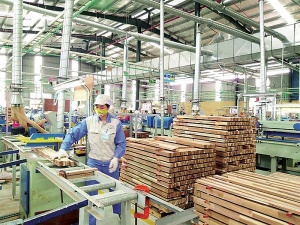
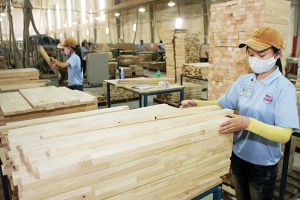
According to the latest data from the Department of Customs, wood and wood products ranked seventh among Vietnam’s top ten export categories in the first seven months of 2025, reaching $9.65 billion, up 8.1 per cent on-year.

The United States remained Vietnam’s largest export market, accounting for $5.41 billion or 56 per cent of the total, up 10.5 per cent from the same period last year.

Experts attribute Vietnam’s strong position in the US market – now among the top three wood exporters to the country – to its cost advantages, including low labour costs and the use of 70 per cent domestically sourced materials.

Wood industry faces mounting challenges amid US tariff pressure

However, the US administration announcement in early April of a potential 46 per cent countervailing tariff on Vietnamese goods immediately placed the wood sector among those most at risk. If implemented, this tariff would significantly erode the price competitiveness of Vietnamese wood products, pushing up costs significantly.

During the tariff negotiation phase, with businesses hopeful for a more moderate 20 per cent rate, many leading exporters ramped up production to seize a ‘golden window’, resulting in relatively strong short-term growth.

Yet, business results from the second quarter (Q2) of 2025 suggest that the anticipated recovery has not fully materialised.

In Q2 of 2025, Duc Thanh Wood Processing JSC reported a 20 per cent decline in revenue to approximately $2.84 million. Its post-tax profit, however, rose 13 per cent to nearly $680,000, mainly due to cost-cutting measures and workforce reduction.

Similarly, An Cuong Wood Working JSC saw a 6 per cent drop in revenue, down to $38.4 million, while its post-tax profit rose 17 per cent to $5.52 million, driven largely by financial gains- specifically, the sale of shares in Central Hill Estate JSC.

Meanwhile, Thuan An Wood Processing JSC posted a 19 per cent decline in revenue to 2.16 million, with post-tax profits plummeting 38 per cent to just $40,000.

In contrast, Phu Tai JSC, which operates across multiple sectors, reported strong growth with revenue reaching $77.6 million and post-tax profits reaching $5.3 million, up 18.6 per cent and 17 per cent on-year, respectively.

Looking ahead to the second half of the year, export prospects appear even more uncertain. Tran Quoc Manh, vice chairman of Vietnam Handicraft Exporters Association, noted that adverse impacts are becoming visible as early as Q3, particularly in August and September.

“Most businesses are still operating but largely in a holding pattern,” Manh said. “Selling prices are falling, product ranges are narrowing, and many customers, despite having placed orders, are delaying delivery ahead of market developments. Even import partners are uncertain about the situation, which is causing transaction timelines to stretch out.”

He added that while the US market is already facing difficulties, the European market continues to shrink, increasing the pressure on Vietnamese exporters. The situation is expected to deteriorate further in Q4 as orders continue to decline.

Dang Quoc Hung, chairman and CEO of Alliance Handicraft and Wooden Fine Art Corporation, warned that the export wood market will face even greater challenges in the near future.

“Maritime freight costs have been trending upward, especially on routes to Europe and the US. However, the greater concern lies in the countervailing tariffs. Some recent shipments to the US have already encountered tax-related hurdles, and this is expected to continue affecting orders in the upcoming months. As taxes increase, companies are forced to raise prices, which reduces competitiveness and directly hits sales,” Hung explained.

Hung also pointed out a shift in buyer expectations. “Previously, exporters typically absorbed all import taxes for shipments to the US, but now clients are pushing for shared cost responsibility. This forces businesses to raise prices, impacting customers and partners directly, some of whom have already raised concerns in recent weeks.”

Despite growing instability, the Vietnam Timber and Forest Products Association remains optimistic that the country can still achieve its 2025 wood and wood product export target of $18 billion. However, the industry’s heavy dependence on the US market poses significant risks. Any fluctuation in American consumer demand can immediately affect Vietnam’s export revenues. As a result, regulatory bodies are encouraging firms to diversify their markets and tap into new growth areas.

Echoing this sentiment, Manh from Vietnam Handicraft Exporters Association said, “In reality, this is incredibly difficult. No market can replace the US in the short term.”

Wood industry striving to regain growth momentum Wood industry striving to regain growth momentum

Having undergone numerous hardships, businesses in the wood industry are showing great resilience with a high level of adaption and flexibility to regain their growth momentum.

Wood industry eyes positive signals in early 2025 Wood industry eyes positive signals in early 2025

Figures from Foreign Trade Agency under Ministry of Industry and Trade show that Vietnam’s export value of wood and wood products in the first half of January reached $738.8 million, a 15.6 per cent jump on-year.

Wood exporters wary about surging tariff pressures Wood exporters wary about surging tariff pressures

Wood businesses are closely monitoring market developments to swiftly craft solutions in response to volatile tariff policies on a global scale.

The event attracted the participation of ministries, central departments and agencies, and leaders of localities; embassies and international organisations in Vietnam, along with leading scientists and experts, and domestic and international tech corporations.

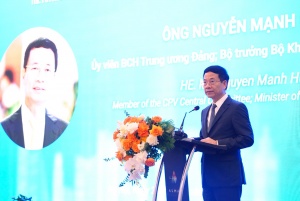
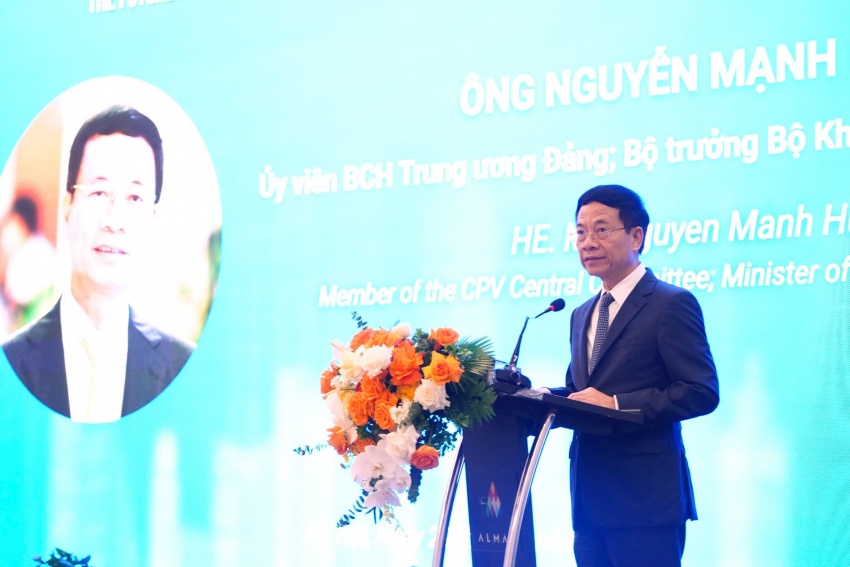
Making then opening speech, Minister of Science and Technology Nguyen Manh Hung said that over the past 80 years, science and technology have contributed to national development and integration. From achievements in agriculture, healthcare, and industry, to applications in daily life, science and technology have become a pillar closely associated with Vietnam’s development process.

Vietnam announces five major sci-tech initiatives
Minister of Science and Technology Nguyen Manh Hung. Photo: MoST

“Today, the new world context is posing great challenges and opportunities for Vietnam. We are entering the era of AI, big data, green energy, and a digital economy, an era in which knowledge, innovation, and technology become the most important production resources. In the previous century, natural resources and cheap labour were competitive, but now knowledge, technology, and innovation are the keys to determining the national position,” the minister said.

The event had four sessions. The first focused on discussing the future of sci-tech, with an emphasis on fundamental and strategic technologies.

The second delved into solutions to promote innovation and build a national innovative startup ecosystem.

Vietnam announces five major sci-tech initiatives
The launch of initiatives. Photo: MoST

The third discussed digital transformation, especially digital infrastructure and digital society, focusing on the future of national digital infrastructure, the application of digital transformation in state administration, healthcare, education, finance, and agriculture, and connecting digital transformation with innovation to drive double-digit GDP growth.

Session four focused on in-depth discussions about four topics: developing human resources for the future of sci-tech, innovation, and digital transformation; perfecting mechanisms, policies, and laws on sci-tech, innovation, and digital transformation; strengthening international cooperation; and promoting the leading role of technology enterprises.

At the forum, five major initiatives, creating a breakthrough foundation for the development of sci-tech in the digital age, were announced.

They included the science and technology exchange, the national initiative portal, a national strategic technology portfolio, Techfest 2025, and an annual report about the future of science, technology, innovation, and digital transformation to be released from 2026

Dialogue highlights role of innovation in advancing Vietnam's private economy Dialogue highlights role of innovation in advancing Vietnam’s private economy

Deputy Minister of Finance Nguyen Duc Tam has met with Boston Consulting Group (BCG) to deepen cooperation on policy development aimed at fostering Vietnam’s private sector.

Dassault Systèmes and Viettel ink MoU to boost Vietnam's high-tech sector Dassault Systèmes and Viettel ink MoU to boost Vietnam’s high-tech sector

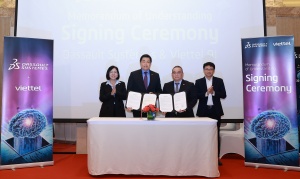
Dassault Systèmes and Viettel signed an MoU to strengthen strategic cooperation in AI, machine learning (ML), digital design, and simulation on August 20.

Hanoi forum to focus on future of sci-tech, innovation, and digital transformation Hanoi forum to focus on future of sci-tech, innovation, and digital transformation

The Ministry of Science and Technology (MoST) will host a forum about the future of sci-tech, innovation, and digital transformation in Hanoi on August 29, expecting attract to attract, domestic and international businesses, embassies, leading experts, and international organizations.

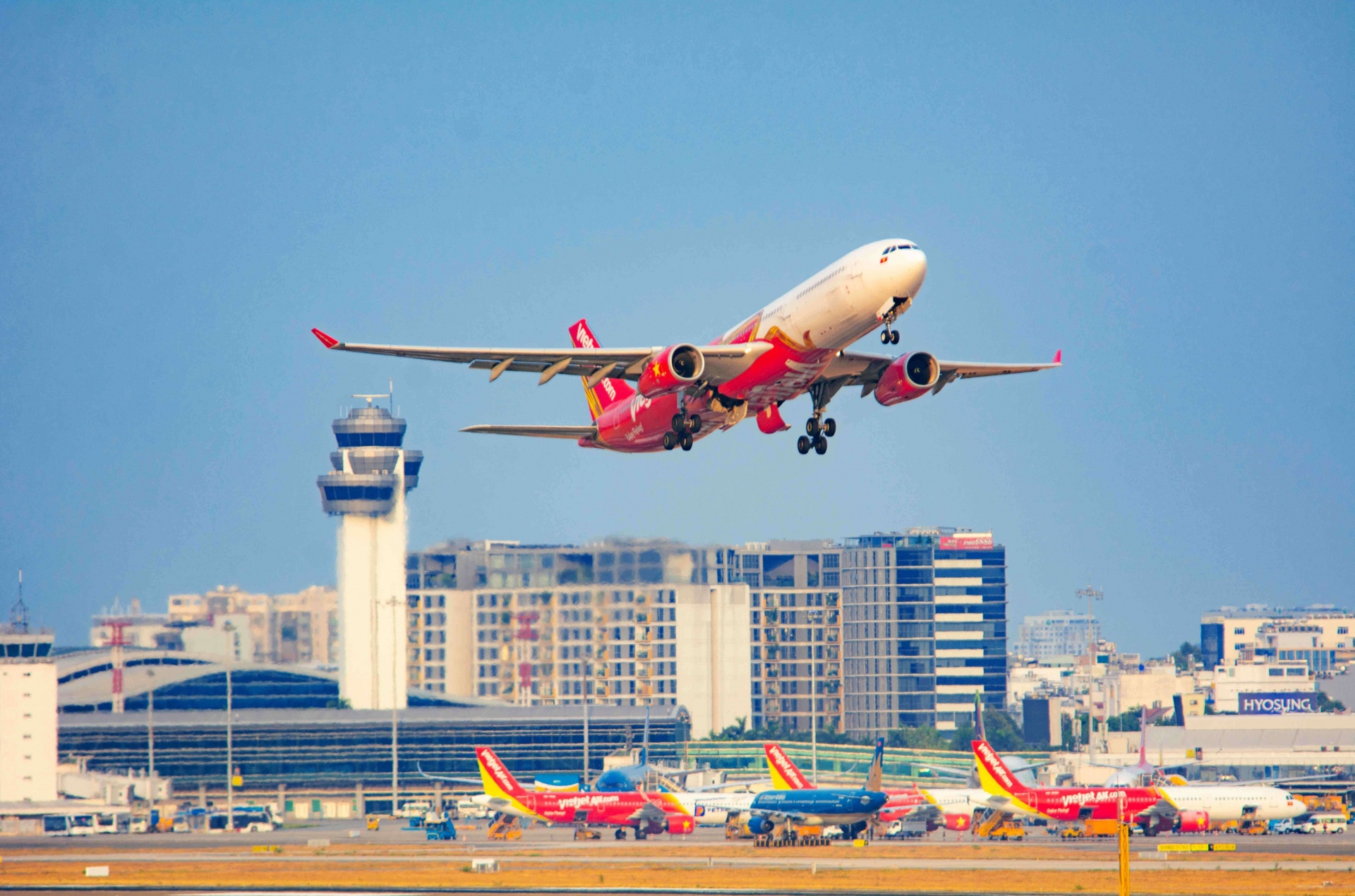
Vietjet soars in the first half of 2025

In its audited report released on August 30, the airline posted air transport revenue of VND35.6 trillion ($1.35 billion) and a pre-tax profit of nearly VND1.6 trillion ($60.7 million), up 37 per cent on-year. Consolidated revenue reached VND35.84 trillion ($1.36 billion) with pre-tax profit exceeding VND1.65 trillion ($62.6 million), a 65 per cent increase.

Vietjet operated 79,000 flights with 14.4 million passengers for the first six months of the year. It paid over VND4.53 trillion ($171.8 million) in taxes and fees. The company’s financial indicators remain strong, with excellent liquidity and consolidated assets exceeding VND112 trillion (approximately $4.25 billion).

Vietjet soars in the first half of 2025

For the same period, Vietjet placed an order for an additional 20 A330neo aircraft with Airbus, raising its total order to 40, making it the airline with the largest A330neo order in the world.

At the 2025 Paris Air Show, Vietjet secured a historic order for 100 A321neo aircraft, along with 50 purchase options – the largest deal in the industry – positioning Vietjet among the top 10 airlines globally in terms of aircraft orders.

Additionally, Vietjet and Rolls-Royce have signed an agreement for 40 Trent 7000 engines to power 20 wide-body Airbus A330neo aircraft, bringing the total number of Trent 7000 engines ordered by Vietjet to 80.

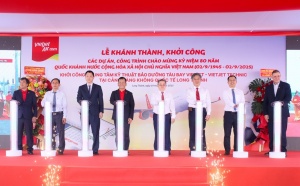
Vietjet also kicked off the construction of its Aircraft Maintenance Technical Centre in Long Thanh International Airport earlier this year, featuring hangars 3 and 4 which will be capable of servicing 10 aircraft simultaneously by international standards. This is a key component of the 80 initiatives celebrating Vietnam’s 80th National Day.

Furthermore, Vietjet has rolled out self-service ground operations at major airports to enhance service quality, optimise operations, and deliver an exceptional experience for passengers.

Vietjet soars in the first half of 2025

Vietjet has also been recognised by AirlineRatings as the ‘World’s Best Ultra Low-Cost Carrier’, while Forbes Vietnam has ranked Vietjet among the Top 5 revenue-generating enterprises for 2024 and in the Top 50 best-listed companies for 2025.

With a solid financial base, a focus on fleet modernisation, and key infrastructure projects underway, Vietjet is targeting sustainable growth and wider international expansion in the second half of 2025. These efforts are expected to attract investment and support Vietnam’s position as a regional aviation hub.

Vietjet announces new managing director Vietjet announces new managing director

Vietjet Aviation JSC has announced the appointment of Nguyen Thanh Son as the company’s managing director, succeeding Dinh Viet Phuong, leading the new age carrier in the next era of development.

Vietjet outperforms targets, wins Long Thanh project bid Vietjet outperforms targets, wins Long Thanh project bid

Vietjet’s Q2 business results have surpassed expectations while marking significant milestones with substantial aircraft orders, the expansion of ground self-service operations, and winning project bids at Long Thanh International Airport.

Vietjet starts work on aircraft maintenance facility in Long Thanh Vietjet starts work on aircraft maintenance facility in Long Thanh

Vietjet has started construction of an Aircraft Maintenance Technical Centre at Long Thanh International Airport in the southern province of Dong Nai.

Vietnam’s legal framework is gradually being refined to accelerate sustainable development. The directive to focus on sci-tech and innovation is core for environmental, social, and governance (ESG) considerations, while the country has also laid out a path to reduce single-use plastics, with the target of 100 per cent eco-friendly packaging by 2030. These measures mark a deliberate effort to embed ESG in national development strategy.

For companies, however, the transition is far from straightforward. Implementing ESG often increases operating costs by 10–20 per cent of initial budgets and requires expertise that many firms lack. The challenge is particularly acute for small and medium-sized enterprises, which make up 97 per cent of Vietnam’s business community. Limited data, fragmented reporting frameworks, and weak internal capacity leave many struggling to produce credible sustainability disclosures.

Despite such constraints, momentum is evident. Surveys strongly suggest that 80 per cent of Vietnamese enterprises have either committed, or plan to commit, to ESG targets within four years. Viet Research found that 96 per cent of surveyed firms have adopted sustainability or net-zero objectives, with 93 per cent pledging concrete carbon reduction.

This rapid evolution of corporate consciousness reflects both external pressure from investors, consumers and trading partners, and recognition that ESG is linked to long-term competitiveness.

Leading groups such as Vinamilk, PNJ, Masan, and SABECO show how ESG can be embedded across sectors, with initiatives covering renewable energy, labour standards and governance transparency. In export industries, alignment with international ESG norms is increasingly the price of market access.

Listed firms and foreign-invested enterprises, accustomed to higher disclosure thresholds, are already setting the pace. For others, the strategic question is how quickly they can bridge the gap between aspiration and delivery.

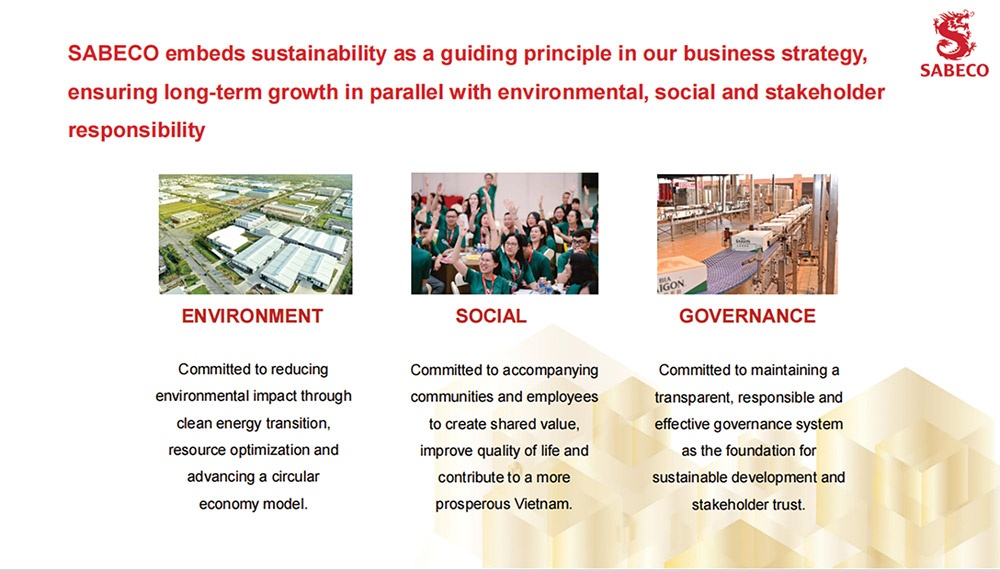
With a heritage of 150 years, SABECO has long been a household name in Vietnam. Yet the company has chosen not to rest on legacy. Today it operates 25 breweries, serves more than 200,000 outlets nationwide, and exports to over 35 countries. Its ambition is clear: to use scale and influence not only to deliver quality products, but also to lead the industry towards sustainable development.

SABECO among pioneers in sustainable development
Nguyen Hoang Giang, a SABECO executive board member, provided details on the group’s ESG credentials

Nguyen Hoang Giang, general director of Saigon Trading Company and executive board member of SABECO, emphasises that ESG is at the heart of this transformation.

“We do not wait for perfect conditions to act. Transformation must begin internally, step by step, with consistency and a clear objective,” he explained at the Vietnam Corporate Sustainability Forum 2025.

The company has made significant strides under the environmental pillar. By the end of 2024, 64 per cent of SABECO’s breweries were equipped with solar power systems, while 40 per cent of total production energy came from renewables. More than 64 per cent of waste was recycled or reused, water consumption per product unit was reduced by 7.3 per cent compared with 2023, and greenhouse gas emissions fell by 9.3 per cent from the baseline year.

These achievements form part of SABECO’s net-zero 2050 roadmap, which includes an interim target to reduce emissions by 42 per cent by 2030.

Beyond environmental impact, SABECO recognises its responsibility to the community. Over the past year, the company installed over 100km of solar-powered street lighting across 34 provinces, brought support to 37,500 people under the “63 provinces, one Tet” campaign, and created 30 sports facilities for local communities.

“A business is only sustainable if the community around it grows sustainably,” Giang said.

Governance is the third foundation of SABECO’s ESG strategy. All breweries have received ISO certifications on food safety and environmental management. Suppliers are evaluated on ESG criteria and required to comply with a strict code of conduct. A dedicated research and development centre has also been established to drive innovation and sustainability in brewing.

The company also works closely with PRO Vietnam and the Ministry of Agriculture and Environment to implement extended producer responsibility for packaging. Transparency is reinforced through whistle-blower channels and robust anti-corruption processes.

SABECO has institutionalised these efforts. In 2024, it published its first independent sustainability report, aligned with international GRI standards, and established a board-level Sustainability and Risk Governance Committee. ESG performance has been integrated into internal KPIs across multiple functions, ensuring that sustainability is not rhetoric but practice.

These results demonstrate that sustainability and competitiveness can go hand in hand. In a market where consumers are increasingly attentive to responsible brands, and international partners demand ESG compliance, SABECO’s strategy offers both resilience and opportunity. Rather than viewing ESG as a cost burden, the company positions it as a growth platform and a way to create long-term value.

The transformation is also in line with Vietnam’s evolving policy framework, with regulatory expectations tightening. SABECO’s proactive approach shows how a leading domestic enterprise can not only comply with these requirements but also set industry benchmarks.

As global markets raise the bar, Vietnamese businesses face increasing pressure to close the gap between aspiration and execution. SABECO’s case illustrates that the transition is possible when leadership commitment is strong, investment is strategic, and community engagement is authentic.

“Development based on ESG ensures that no-one is left behind,” Giang added. “The value created is sustainable not only for the enterprise, but also for the nation.”

SABECO among pioneers in sustainable development
SABECO targets 8 per cent profit growth in 2025 SABECO targets 8 per cent profit growth in 2025

Saigon Beer-Alcohol-Beverage Corporation (SABECO) reaffirmed its market leadership and commitment to sustainable growth at its Annual General Meeting on April 24 in Ho Chi Minh City, announcing robust results for 2024 and setting ambitious targets for the year ahead.

Tangible action evident at SABECO Tangible action evident at SABECO

Reinforcing its leadership in the circular economy, Saigon Beer-Alcohol-Beverage Corporation is turning environmental goals into shared value across its operations and communities.

SABECO turns sustainability aspirations into concrete action SABECO turns sustainability aspirations into concrete action

SABECO showcased its environmental, social, and governance (ESG) strategy at the Vietnam Corporate Sustainability Forum 2025 (VCSF 2025) in Hanoi, turning a 150-year legacy into concrete actions for sustainable growth amid global uncertainty.

THACO unveils latest innovations at national showcase

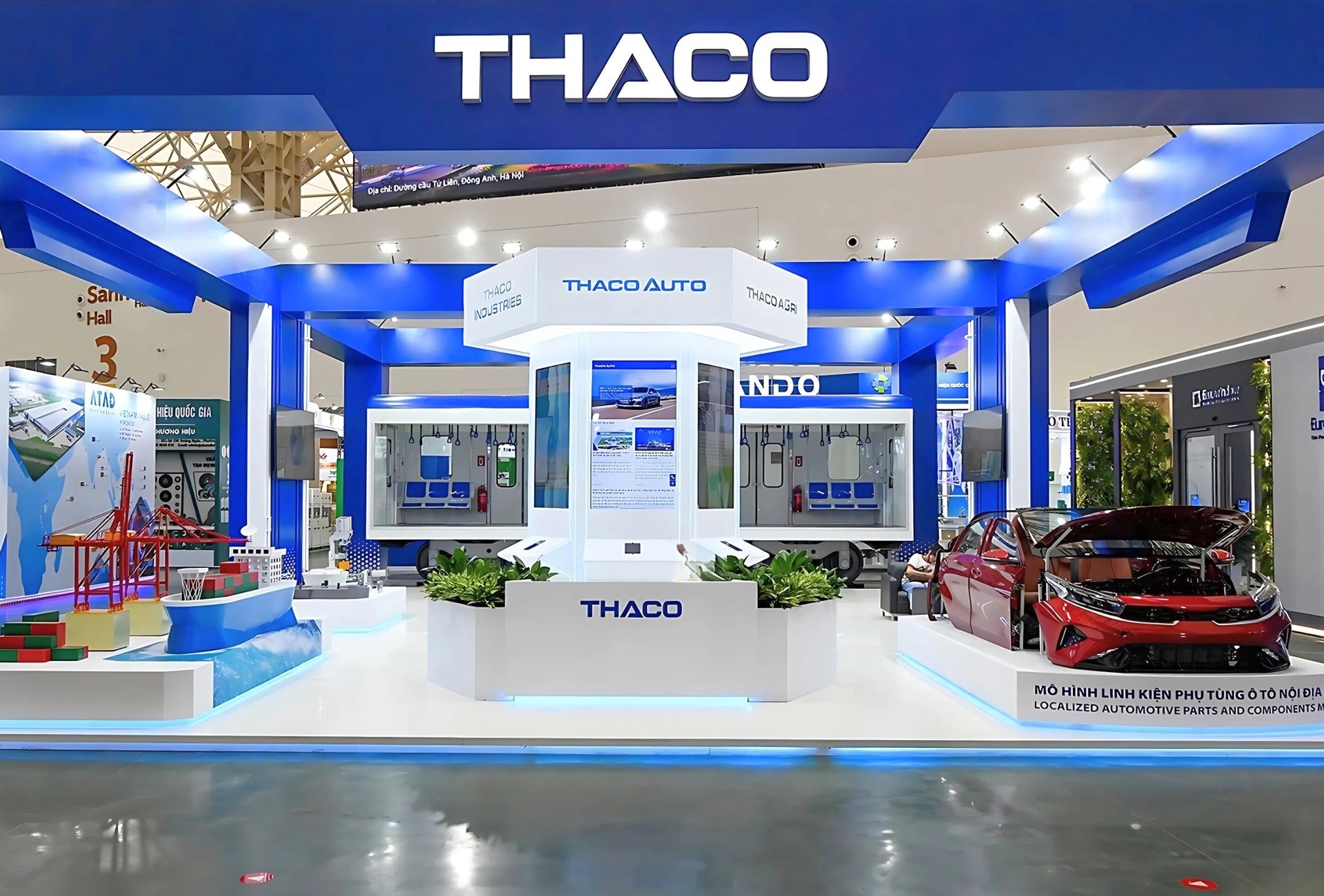
Running from August 28 to September 5, the exhibition highlights Vietnam’s achievements across multiple sectors. At its 200-square-metre booth, THACO is presenting products ranging from autonomous robots and ship-to-shore cranes to auto parts and components for export. The company has also unveiled an urban train carriage model, manufactured at the THACO Chu Lai Industrial Park, for the first time.

The carriage measures 10 metres in length, 2.95 metres in width, and 3.9 metres in height, with a weight of 10 tonnes excluding bogies. Designed with 26 seats and 124 standing places, it can carry up to 150 passengers.

The train body frame is made from high-strength steel and aluminium alloy. It is manufactured on a modern production line under a closed-loop process that covers fabrication, welding, surface treatment, and finishing paint, meeting international standards EN 12663-1, EN 14067-1, and EN 14067-4 for durability, safety, and aesthetics. This strategic step paves the way for THACO to enter the railway sector, the country’s spearhead infrastructure sector.

THACO also introduced the AI navigation assistant robot TIAR-01 at the event, featuring a modern design, omnidirectional movement, and an automatic SLAM navigation system. TIAR-01 boasts smart features, such as guiding and supporting visitors, looking up information, updating news quickly, interacting for entertainment, and monitoring environmental conditions.

THACO unveils latest innovations at national showcase

In parallel to this, the autonomous mobile robot AMR for transporting luggage is also equipped with SLAM navigation technology. It features flexible movement, obstacle avoidance, and real-time route calculation. Powered by a lithium battery, it operates for 6–8 hours. The robot is equipped with a 2D LIDAR sensor, bumper, 3D camera, and an emergency stop button to ensure maximum safety.

In the field of heavy machinery, THACO displayed the ship-to-shore (STS) crane model – equipment for loading and unloading container ships at international seaports. The STS cranes are 900 tonnes in weight, with a lifting capacity of 50 tonnes, a 40-metre reach, a lifting speed of 50m/minute, a hoisting speed empty of 120m/minute, and trolley speed of 150m/minute, ensuring high loading and unloading productivity.

THACO unveils latest innovations at national showcase

THACO also introduced a model of the Chu Lai seaport, part of THILOGI’s integrated logistics hub combining road, seaport, and maritime transport. Positioned as a key gateway for the central region, the port facilitates trade flows linking southern Laos, northern Cambodia, and Vietnam’s Central Highlands with major markets including China, South Korea, Japan, and India.

Among the standout exhibits was a model of the KIA K3 passenger car, built with parts and components manufactured by THACO Industries, including the body frame, interior and exterior elements, power systems, electrical equipment, and refrigeration units. Mechanical components for export, produced on advanced lines imported from Germany, Japan, Switzerland, and South Korea, are already being supplied to markets such as the United States, Australia, Japan, and Finland – strengthening the reputation of Vietnamese engineering internationally.

The TACO booth has been regarded as one of the exhibition’s highlights, showcasing the company’s latest products while demonstrating its strategy of sustainable development, increased localisation, and investment in advanced technology.

The exhibition further offered a platform for THACO to present nearly 30 years of accumulated technical and technological achievements. The products on display are designed for practical use, reflecting the group’s commitment to real work and real value.

THACO lays out plans for $1 billion industrial park THACO lays out plans for $1 billion industrial park

Truong Hai Auto Corporation (THACO) is planning to begin the construction of a mechanical industrial park in the southern province of Binh Duong worth over $1 billion in September.

THACO Group to invest over $1 billion in Binh Duong industrial park THACO Group to invest over $1 billion in Binh Duong industrial park

THACO Group will build a 786-hectare industrial park in Binh Duong at a cost of over $1 billion, with construction scheduled to start in September.

Italy deepens Vietnam ties as SACE backs Gelex and THACO's growth plans Italy deepens Vietnam ties as SACE backs Gelex and THACO’s growth plans

SACE, the Italian insurance and finance group fully owned by the Italian Ministry of Economy and Finance, together with HSBC and LBBW, has finalised two medium-long term loans totalling $139 million, guaranteed by SACE, for Gelex Group and THACO AGRI, two of Vietnam’s leading industrial players.

AirlineRatings names Vietjet among world’s top sustainable carriers

The first Sustainability Awards 2025 announced by AirlineRatings on September 4 aimed to honour airlines that have taken great strides to slash their environmental footprints. Among the seven global winners, Vietnam is among three low-cost airlines taking the lead in green aviation and environmental impact reduction towards sustainable development.

Vietjet is flying up front in Asia-Pacific with a new and modern fleet mainly consisting of A321neo aircraft, which save fuel, reduce carbon emissions, and lower noise significantly compared to the previous generation of aircraft. The airline has pioneered using sustainable aviation fuel (SAF) alongside many fuel-saving operation solutions.

Vietjet is the first airline to release an environmental, social, and governance report for sustainable development in Vietnam. The airline has signed a cooperation agreement with Petrolimex Aviation to use the first SAF blended in Vietnam in accordance with the ISCC EU standard, meeting stringent sustainability requirements.

As of 2025, Vietjet had invested tens of billions of dollars to order 40 wide-body A330neo aircraft. The A330neo is the new generation of the A330 wide-body aircraft, which reduces fuel consumption and carbon emissions by 25 per cent. At the same time, Vietjet has placed an order for an additional 100 A321neo aircraft to modernise its fleet, contributing to the goal of net-zero emissions by 2050 and the sustainable development of the global aviation industry.

AirlineRatings is used by millions of passengers from 195 countries. It has become the industry standard for safety and product rating. Vietjet has been ranked by AirlineRatings as one of the world’s safest airlines for consecutive years and has maintained the seven-star safety ranking, the highest available, since 2018.

Petrolimex fuels Vietjet's first sustainable flights in Vietnam Petrolimex fuels Vietjet’s first sustainable flights in Vietnam

Vietjet has taken a landmark step in Vietnam’s aviation sector by becoming the first carrier to operate flights using locally produced sustainable aviation fuel.

Vietjet starts work on aircraft maintenance facility in Long Thanh Vietjet starts work on aircraft maintenance facility in Long Thanh

Vietjet has begun construction of an Aircraft Maintenance Technical Center at Long Thanh International Airport in the southern province of Dong Nai.

Vietjet soars in the first half of 2025 Vietjet soars in the first half of 2025

Vietjet has reported strong first-half results for 2025, reinforcing its international profile and Vietnam’s ambition to become a regional aviation hub.

Masan High-Tech Materials to grab opportunities from rising tungsten prices

Amid geopolitical and global trade fluctuations, strategic minerals such as tungsten are increasingly asserting their vital role for high-tech industries.

The price of APT, the main raw material for tungsten production, is currently fluctuating around $630/MTU, which is nearly double the estimated average price of MSR in 2024 ($318/MTU) and the highest in more than 13 years.

According to securities firm VietCap, this stems from the fact that China has imposed export controls since February, causing exports to fall by about 17 per cent as of July. At the same time, the US imposed a 25 per cent tariff on some Chinese tungsten products and banned the Department of Defence from purchasing tungsten from countries such as China, Russia, Iran, and North Korea.

This forced US, EU, and Japanese businesses to locate alternative sources of supply from other countries, including Vietnam. Vietnam currently ranks second in the world in tungsten production with about 3,400 tonnes in 2024, accounting for nearly 22 per cent of US imports.

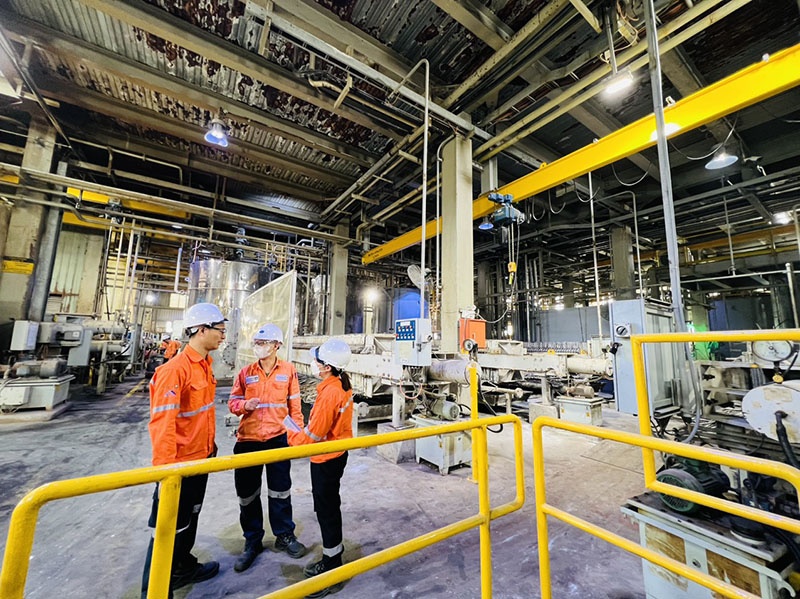
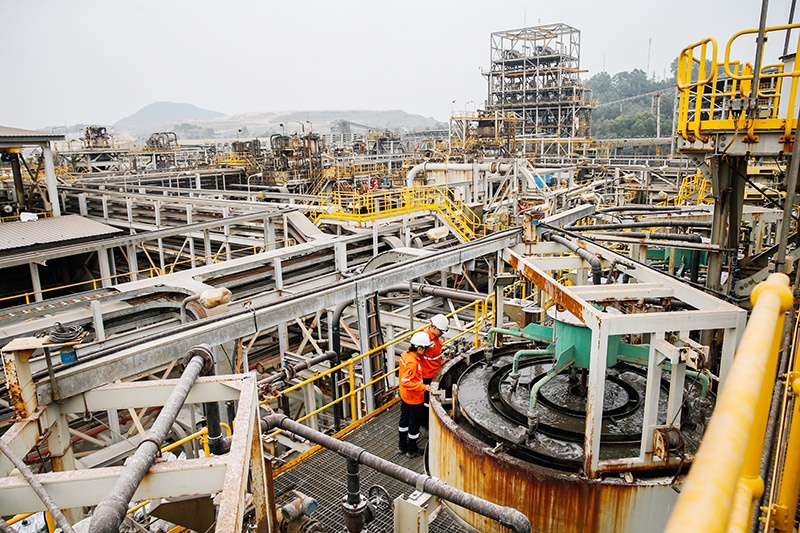
To seize the opportunities, MSR announced the “Back to Basics” strategy in the past year, focusing on operational optimisation, cost efficiency, and sustainable development to ensure strong margins at the mine and processing plant. MSR is pursuing the delivery of products in line with the world’s most stringent technical and environmental standards, prompting the company to increase the product value and promote tungsten recycling.

Masan High-Tech Materials to grab opportunities from rising tungsten prices

Improved business performance

In the first half of 2025, MSR generated revenue of nearly VND3 trillion ($114.67 million), up 20 per cent on-year. In the second quarter, the company achieved a revenue of VND1.6 trillion ($61.2 million), up nearly 28 per cent on-year. Its after-tax profit reached VND6 billion ($229,000), an improvement of VND400 billion ($15.3 million) from the same period last year. Its earnings before interest, taxes, depreciation, and amortisation (EBITDA) increased strongly to 35 per cent in the second quarter of 2025, compared with 12 per cent from a year ago.

The figures reflect the dual benefits of MSR, as the company not only benefits from the rising selling prices of APT, bismuth, and fluorspar, but also receives support from the HC Starck deconsolidation. Thus, the company can ease financial pressure while channelling its resources into strategic products.

According to VietCap, MSR is expected to contribute around 6.5 per cent of Masan Group’s operating profit in 2025. This is a notable transformation compared to previous years, when mining was considered “non-core” and recorded losses.

Golden period for mining industry

Not only benefitting from global trends, MSR stands to enjoy opportunities from local policies. In 2023, the government approved the master plan on exploration, exploitation, processing, and use of mineral resources until 2030, with a vision to 2050, with a priority on sustainable extraction and deep processing over raw exports.

In parallel, the revised Law on Geology and Mineral Resources, which took effect on July 1, aims to enhance transparency, improve the efficiency of state management, and encourage capable enterprises to participate more deeply in global supply chains.

Masan High-Tech Materials to grab opportunities from rising tungsten prices

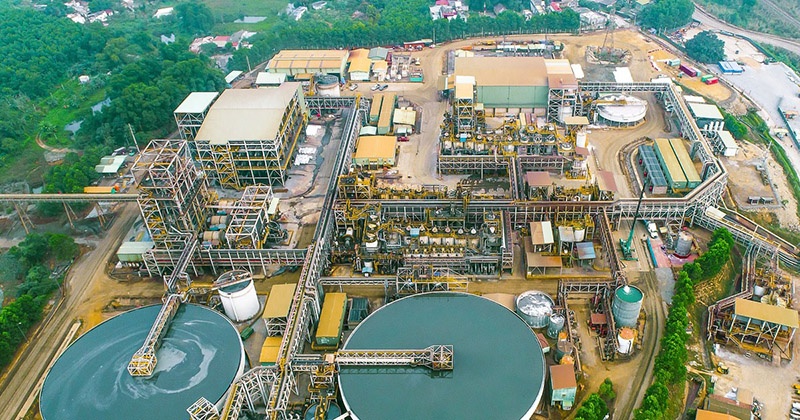
Against this backdrop, with the Nui Phao mine and its “Back to Basics” strategy, MSR is poised to seize the best opportunities to climb the global supply chain.

Moreover, there is a rising demand for strategic minerals in the era of green technologies, creating more opportunities for MSR. The company could affirm its role in the global supply chain as a reliable alternative supplier outside China while pursuing sustainable development through higher value-added products, operational efficiency, and recycling expansion. More importantly, MSR not only makes a positive contribution to Masan Group’s consolidated earnings but also helps elevate Vietnam’s position on the global high-tech minerals map.

That said, MSR must maintain capital efficiency, optimise costs, and manage market risks amid commodity price volatility and increasingly stringent environmental requirements. This is the key factor for the company to both seize opportunities and ensure sustainable development.

The booming demand from high-tech industries, coupled with tighter global supply, is creating a “golden opportunity” for MSR. With the Nui Phao mine and a comprehensive operational strategy, MSR is entering a new growth phase.

Masan Group Corporation is one of Vietnam’s leading corporations, focusing on the consumer and retail sectors. Driven by the principle of “doing well by doing good”, the group aims to provide high-quality daily necessities, meeting the increasingly versatile demand of 100 million consumers in Vietnam and abroad.

Masan’s ecosystem includes subsidiaries and brands across sectors with high growth potential. Masan Consumer is in the fast-moving consumer goods industry with flagship brands like Chin-Su, Nam Ngu, Omachi, Kokomi, and Wake-Up 247. Masan MEATLife specialises in branded meat with the MEATDeli, Ponnie, and Heo Cao Boi brands. WinCommerce is running the WinMart and WinMart+ retail chains, while Phuc Long Heritage is operating the tea and coffee chain. Masan High-Tech Materials is in the high-tech materials sector.

MHT advances its 'Back to Basics' strategy MHT advances its ‘Back to Basics’ strategy

Masan High-Tech Materials (MHT) has reaffirmed its commitment to delivering value through the execution of its ‘Back-to-Basics’ strategy.

Masan poised to lead Vietnam's evolving consumer market Masan poised to lead Vietnam’s evolving consumer market

Rising disposable incomes and evolving consumption patterns in Vietnam present multi-billion dollar growth potential for businesses operating closed-loop retail ecosystems.

Masan hits over 50 per cent of 2025 profit target Masan hits over 50 per cent of 2025 profit target

Masan Group Corporation released its unaudited management accounts for the second quarter and first half of 2025 on July 28, highlighting a steady performance across its business segments and achieving over 50 per cent of its full-year profit target.

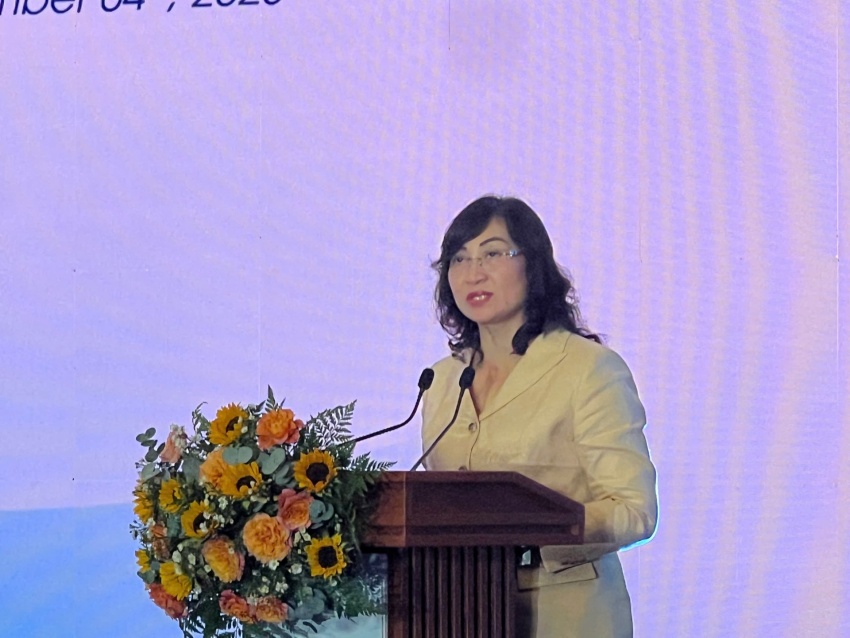
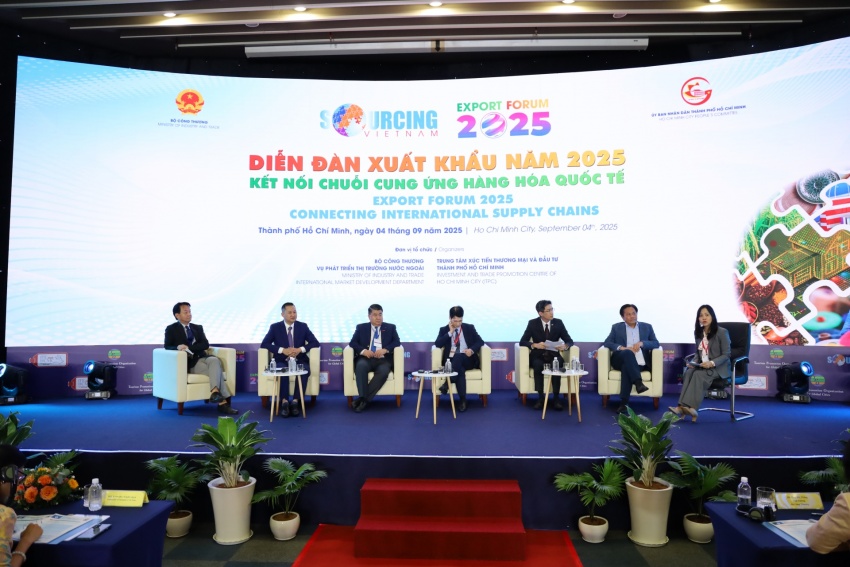
Vietnam’s total export-import turnover has hit almost $515 billion since the start of the year, Deputy Minister of Industry and Trade Phan Thi Thang noted at the Vietnam International Sourcing 2025 and Ho Chi Minh City Export Forum, held alongside the Ho Chi Minh City International Travel Expo on September 4.

At the opening ceremony, Thang highlighted that Vietnam’s export performance in the first seven months of 2025 reflects a broader shift in business models. Local enterprises are moving beyond pure outsourcing to become product development partners and co-creators with global brands.

“International businesses now increasingly see Vietnam as a leading regional manufacturing hub, offering a diverse range of goods at competitive prices with steadily improving quality,” she said.

MoIT confident in hitting trade growth targets for 2025
Deputy Minister of Industry and Trade Phan Thi Thang

According to the Ministry of Industry and Trade (MoIT), in 2024, Vietnam’s total import–export turnover exceeded $786 billion, with exports reaching $405 billion, up 14.3 per cent. Thirty-seven items surpassed the $1 billion mark, and eight items exceeded $10 billion.

“The target of 12 per cent growth in import-export turnover in 2025 is achievable, as in the first seven months Vietnam’s total export–import turnover reached nearly $515 billion, up over 16 per cent on-year. International tourism contributed about 8 per cent to Vietnam’s GDP in 2024, with over 18 million international arrivals, and this figure is expected to rise to 25 million in 2025,” Thang said.

Thang also noted that the Party, state, and government have recently introduced key strategies to sustain and accelerate economic growth. These include fostering the private sector, driving breakthroughs in science, technology, and innovation, renewing legal frameworks, and deepening international integration.

According to Ta Hoang Linh, director general of the Department of Foreign Market Development under the MoIT, Vietnam attracts investors thanks to its strategic geographical location, stable political environment, competitive labour costs, and a network of 17 free trade agreements with more than 60 countries, which helps businesses diversify supply chains and mitigate tariff-related risks.

However, Linh noted that Vietnamese enterprises also face numerous challenges that must be overcome, saying, “Although Vietnam’s workforce is young and abundant, in sectors such as semiconductors, high technology, logistics, and supply chain management, the number of internationally qualified personnel remains insufficient to meet the increasingly high demands of global partners.”

In addition, Linh added that trade barriers such as anti-dumping duties and trade defence investigations from the US and EU, along with fierce competition from foreign-invested enterprises, put domestic firms under pressure to improve product quality, strictly comply with rules of origin, and protect intellectual property.

To overcome these challenges, Linh believes that businesses need to enhance production capacity through technological investment, process optimisation, and compliance with international standards on quality and sustainability.

“Companies should also make full use of free trade agreements, master rules of origin to take advantage of tariff preferences and expand export markets,” said Linh. “Furthermore, building close relationships with distributors and international partners through trade promotion events, direct connections with importers, and cooperation with Vietnam’s overseas trade offices will help businesses access sustainable cooperation opportunities and strengthen global credibility.”

VIS 2025 and ITE HCMC 2025 gathered 450 purchasing delegations from 60 countries and territories to Vietnam to source products. These delegations included both traditional markets such as the US, the EU, Japan, and South Korea, as well as emerging potential regions such as the Middle East, Latin America, and Eastern European countries.

More than 400 Vietnamese businesses with 12,000 products, exhibited across 10,000 square metres, ranging from agricultural products, beverages, processed foods to consumer industrial goods such as textiles, footwear, furniture, packaging, and even supporting industries, participated in the connections. Sixty trade offices and branches worldwide also brought business delegations to the event.

MoIT confident in hitting trade growth targets for 2025
Experts discuss ways to unlock opportunities for Vietnamese businesses to join global supply chains
Trump-Era Tariffs Reshape Lubricant Supply Chains Trump-Era Tariffs Reshape Lubricant Supply Chains

As costs climb, global lubricant players pivot East, accelerating Asia’s rise as the new supply chain hub.

Businesses shift to local supply chains and market diversification amid new US tariffs Businesses shift to local supply chains and market diversification amid new US tariffs

Vietnamese businesses are adapting to new US tariffs by investing in local supply chains, exploring new export markets, and innovating to maintain competitiveness in a challenging global landscape.

Rising supply chain demands tackled amid global headwinds Rising supply chain demands tackled amid global headwinds

The supporting industry is now increasingly important for the business community, including those from Japan, especially in the context that altered US tariffs are making great impacts on the global supply chain.