According to the Vietnam F&B Market Report for the first half of 2025, released on October 10 by iPOS.vn in collaboration with Nestlé Vietnam, more than 50,000 food and beverage outlets shuttered, marking the second major shakeout since early 2024. The report highlights the challenging and unpredictable conditions facing the industry.
Vietnam F&B sector faces second major shakeout as 50,000 outlets close in H1 2025

The report estimates total industry revenue at around $16.2 billion in the first six months of this year, only slightly higher than the $16.1 billion recorded in the same period of 2024. This performance is well below expectations, as surveys at the end of last year projected a growth rate of around 10 per cent for 2025.

Once again, the industry failed to deliver, with rising input costs continuing to erode margins. Rental, raw materials, and labour costs all climbed, with pork prices up 12.75 per cent, food up 4.15 per cent, and housing, electricity, water, and fuel up 5.7 per cent. Under these pressures, many outlets limited promotional activities and discounts, stalling overall revenue growth.

At the business level, performance was uneven. While almost 35 per cent of enterprises reported stable revenue and close to one fifth achieved growth above 5 per cent, 18 per cent saw serious declines, up from 14.3 per cent a year earlier. A positive signal, however, is that Vietnamese consumers have not drastically cut back on dining. A mid-year survey found that more than 54 per cent intend to maintain their food and beverage budgets, while 38 per cent plan to reduce spending. This has supported operator confidence, with just under 68 per cent planning expansion in the second half of the year, compared to 32 per cent taking a cautious approach. Still, given current consumption inertia, researchers forecast that growth in the latter half of 2025 will likely peak at around 9.6 per cent compared to the first half.

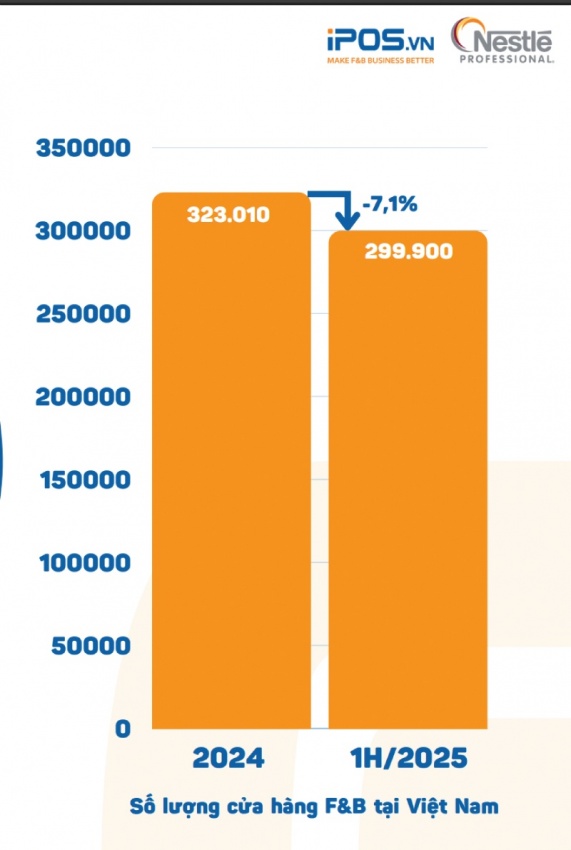
One of the most striking findings is the scale of closures. By June 30, the country counted just under 300,000 active F&B outlets, down 7.1 per cent from 2024, meaning more than 50,000 outlets had disappeared. The steepest contractions occurred in Hanoi and Ho Chi Minh City, both recording declines of more than 11 per cent. This wave far exceeds that of mid-2024, when about 30,000 outlets closed, equivalent to a 4 per cent reduction.

By the end of that year, however, new openings offset the loss, lifting the total to over 323,000 outlets. The latest contraction underscores the ‘open fast – close fast – learn fast’ phenomenon that has swept through small businesses, with many experimental models lasting only two or three months before shutting down due to limited financial capacity or insufficient market potential.

According to Nguyen Do Anh Quan, brand director of iPOS.vn, “The first half of the year is often a period of natural filtering for the sector, before a new wave of openings and restructuring emerges later on. While smaller outlets have borne the brunt, larger chains have focused on restructuring their portfolios, closing underperforming sites while repositioning in iconic locations and upgrading customer experience.”

Another notable trend has been widespread price hikes. Some 45 per cent of businesses increased prices in the first half of 2025, particularly in the mass and mid-tier segments, where adjustments risk customer loss. Among them, almost a third raised prices by less than 5 per cent, just over a tenth by 5–10 per cent, and just over 1 per cent by more than 10 per cent.

Rising input costs were cited as the main driver, with more than 35 per cent pointing to more expensive raw materials, 21 per cent to regulatory changes such as e-invoices and taxation, and 20 per cent to higher labour costs. Rent was also a factor, with almost 14 per cent attributing price increases to rental pressures, while only 3.6 per cent followed pre-set adjustment schedules.

Industry experts stressed that nearly half of operators raising prices in just six months signals a sector-wide trend, not isolated cases. “The F&B sector is entering a stage where pricing power is becoming a measure of adaptability. Companies with strong brands, differentiated products, and loyal customers will find room to increase prices, while those relying heavily on price-sensitive consumers risk losing revenue if they fail to align pricing with strategy,” added Quan.

NVIDIA explores path to sovereign AI for Vietnam

To help foster AI innovation for everyone, everywhere, NVIDIA hosts specialised events – including AI Days – for and in different pockets of the world. These events draw in hundreds of enthusiasts, developers, researchers, and startups to explore the latest technologies making AI breakthroughs possible.

On September 23, more than 800 joined NVIDIA AI Day Ho Chi Minh City to learn about sovereign AI – including 15 breakout sections on physical, agentic, and generative AI, as well as AI factories that are enabling innovation on regional, national, and global scales.

Chuck Tybur, head of the NVIDIA Partner Network, gave the opening remarks, highlighting the importance of sovereign AI and key components for sovereign AI success.

He noted that, “Ho Chi Minh City displays dynamic economic growth, relentless innovation, and an entrepreneurial spirit.”

“Vietnam puts AI at the centre of its economic strategy,” said Vo Xuan Hoai, deputy director of the Vietnam National Innovation Centre, adding that the centre supports and develops the nation’s startup and innovation ecosystem, contributing to the development of science and technology in the region.
The latest AI trends in Vietnam showcase how the technology is driving digital transformation across government services, finance, smart manufacturing, healthcare, and creative industries.

“Vietnamese people have achieved remarkable excellence in STEM fields, with many young students excelling in mathematics, science, and technology,” said Jensen Huang, founder and CEO of NVIDIA, during his visit to Vietnam last year. “This provides a solid foundation for developing future technologies.”

Vietnam-based NVIDIA partners and customers are advancing the nation’s role in the next industrial revolution fuelled by AI. GreenNode is building large-scale Vietnamese Large Language Models (LLMs) with high-quality, extensively tailored datasets and scalable, secure deployment capabilities. FPT is showcasing end-to-end AI development with a domestic AI factory, using NVIDIA H100 and H200 GPUs for secure, accelerated model training, fine-tuning, and enterprise deployment of AI agents.

VNPT AI is advancing its AI capabilities by integrating the NVIDIA DeepStream software development kit with in-house AI models including for computer vision, automatic speech recognition, LLMs for real-time video analytics, and intelligent video-query applications. Meanwhile, Zalo is developing sovereign LLMs tailored to the country’s unique linguistic and cultural needs.

Looking forward, Vietnam aims to build three national data centres and be among the top four AI nations in Southeast Asia by 2030.

“Nowadays, in the tech era, sovereignty also extends to technology,” said Tuan Minh Pham, CEO of FPT Software and executive vice president of FPT Corporation. “Our mission is not only to develop the country or protect our independence in cyberspace, but also to ensure national security, the privacy of our people and resilience against external factors. I believe that AI and sovereign AI are very important to propel Vietnam further and support the country in speed and scalability to catch up with developed nations.”

AI transforms Vietnam's businesses for the better AI transforms Vietnam’s businesses for the better

While AI is a key in the process of innovation and accelerating economic development, it needs support from many sides to strengthen the workforce and related startups.

AI boom drives data center surge in Southeast Asia AI boom drives data center surge in Southeast Asia

AI is fueling an unprecedented surge in data center demand that Southeast Asia is not yet ready to meet.

Innovation Day Hanoi 2025: AI-ready infrastructure to power Vietnam's future Innovation Day Hanoi 2025: AI-ready infrastructure to power Vietnam’s future

Schneider Electric, a leader in the digital transformation of energy management and automation, hosted Innovation Day 2025 in Hanoi on September 17, gathering more than 500 experts, customers, and partners from diverse sectors.

Private sector set to power Thai Nguyen’s post-merger economy

Following the administrative merger of Thai Nguyen and Bac Kan provinces on July 1, the population size, geographical scope, economic structure, spatial planning, and enterprise development needs have undergone significant changes. It is essential to enhance activities and policy mechanisms to support the private economy’s growth while implementing simplified, transparent, and efficient administrative procedures for business registration and startup activities. This aims to foster both the quantity and quality of the private economy in the new era.

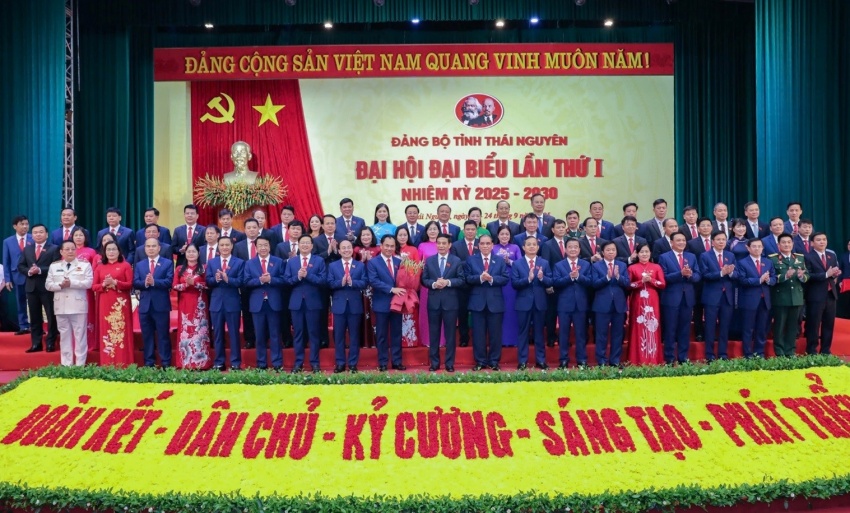
At the first Thai Nguyen Party Congress for the 2025–2030 term on September 22, the Department of Finance outlined the province’s private sector development strategy to 2030, with a vision to 2045. The plan positions the private economy as a key growth driver, taking the lead in science, technology, innovation, and digital transformation, while contributing to the implementation of Resolution No.57-NQ/TW and other Party guidelines and policies.

Looking towards 2045, the private economy in the province is expected to grow rapidly, robustly, and sustainably, proactively participating in global production and supply chains with high competitiveness in the region. The goal is to have approximately 35,000 enterprises operating in the economy by 2045, contributing over 60 per cent to the province’s regional GDP.

To achieve these objectives, one proposed solution is to continue pushing administrative reforms, streamlining the apparatus, and simplifying administrative procedures to make them accessible and easy for businesses and citizens to navigate.

Additionally, the province needs to accelerate digital transformation, applying technology to streamline administrative procedures, state management, and support businesses in handling procedures and documents electronically.

A key solution proposed by the Department of Finance is to establish a platform to support startups, expand the one-stop-shop model, synchronise information systems for handling specialised administrative procedures, and ensure inter-agency connectivity. Simultaneously, policies to support startups for disadvantaged groups and specific regions should be developed.

The Department of Finance outlined a roadmap to 2030 with specific tasks. In the 2025–2026 phase, the province will focus on developing and issuing a standardised set of administrative procedures province-wide and piloting the “One-Stop Startup Support” model in 10 wards and communes, while providing training for all staff handling applications at the ward and commune levels.

In the 2026–2028 phase, the ‘One-Stop Startup Support’ model will be expanded across the province. This is also the appropriate time to launch the Thai Nguyen Startup Support Portal. From 2028 to 2030, the province will maintain and upgrade the digitalised administrative support system while conducting evaluations based on key indicators namely the number of new enterprises, business satisfaction levels, and average processing times for applications.

A new era of growth

The merger with Bac Kan has expanded Thai Nguyen’s development space and scale, opening diverse opportunities for robust growth. For the 2025–2030 term, the province targets becoming a modern industrial centre with high average income by 2030, aiming for annual economic growth of 10.5 per cent and contributing to the national goal of double-digit growth in 2026–2030.

Private sector set to power Thai Nguyen’s post-merger economy
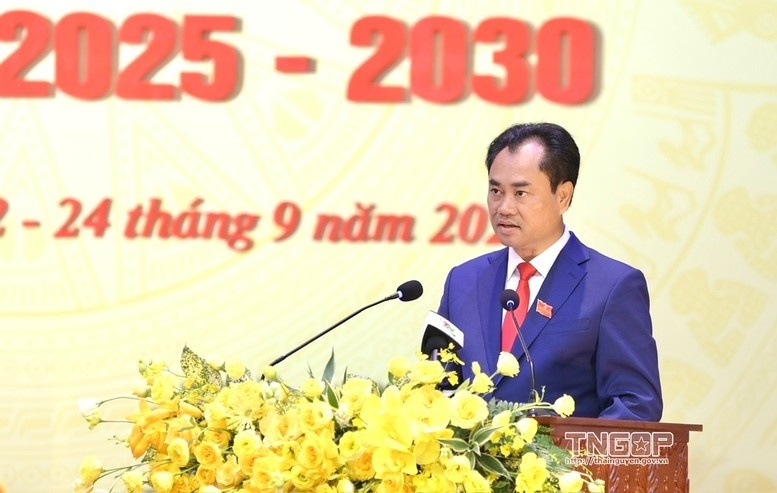
Trinh Viet Hung, alternate member of the 13th Party Central Committee, Deputy Secretary of Thai Nguyen Party Committee and Chairman of Thai Nguyen People’s Committee

In his opening speech at the Congress, Trinh Viet Hung, alternate member of the 13th Party Central Committee, Deputy Secretary of Thai Nguyen Party Committee and Chairman of Thai Nguyen People’s Committee declared, “The Party Committee has outlined seven key tasks and three important development areas, focusing on developing synchronised and modern infrastructure, advancing science, technology, innovation, digital transformation, improving human resource quality, making the private economy a key economic driver, and promoting green and circular economies.”

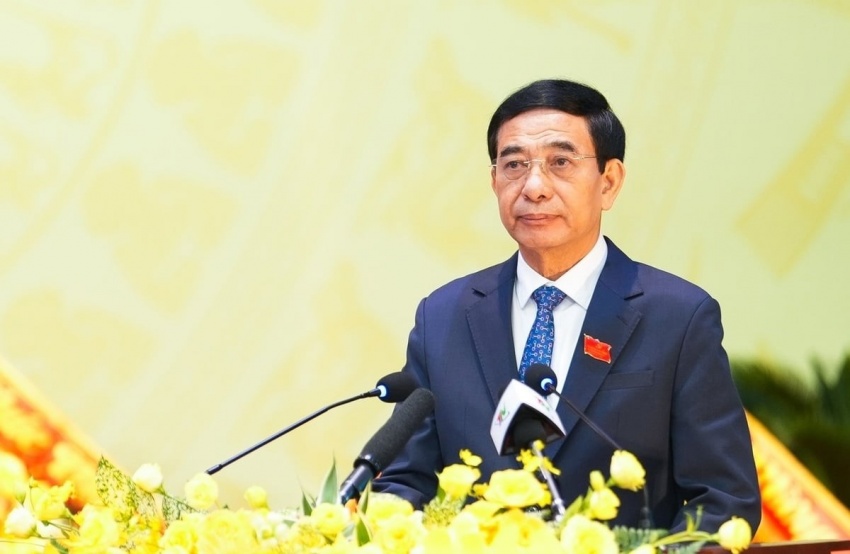
Speaking at the Thai Nguyen Party Congress, General Phan Van Giang, Politburo Member and Minister of Defence, said “The province must prioritise building synchronised, modern infrastructure; advancing science, technology, innovation, digital transformation, and workforce quality; and positioning the private sector as a key economic driver alongside green and circular growth. Immediately after the Congress, the Thai Nguyen Party Executive Committee should issue an action plan and mobilise resources for implementation.”

Private sector set to power Thai Nguyen’s post-merger economy
General Phan Van Giang, Politburo Member and Minister of Defence

General Phan Van Giang urged the province to strengthen planning and planning management, clearly defining its role within the northern key economic region and the capital region, with a focus on regional connectivity to drive growth and affirm its position as a hub for the northern midland and mountainous area.

“Prioritise the development of high-tech industries with strong competitive advantages, environmental sustainability, and efficient use of land and labour,” he stressed. “Give particular attention to attracting key sectors such as supporting industries, electronics, IT, and deep mineral processing.”

Thai Nguyen emerges as a catalyst for Vietnam’s low-carbon future Thai Nguyen emerges as a catalyst for Vietnam’s low-carbon future

As the global economy accelerates its shift towards sustainability and carbon neutrality, Thai Nguyen province is positioning itself at the forefront of Vietnam’s green transition.

Thai Nguyen targets green and sustainable agricultural sector Thai Nguyen targets green and sustainable agricultural sector

Thai Nguyen province is implementing comprehensive solutions to develop green, smart, and sustainable production zones, thereby enhancing the value of agricultural products and adapting to climate change.

Thai Nguyen to host first Party Congress since merger with Bac Kan Thai Nguyen to host first Party Congress since merger with Bac Kan

Thai Nguyen is preparing for a pivotal political milestone as the province convenes its first Party Congress since merging with Bac Kan, outlining priorities and goals for the 2025–2030 development phase.

Thai Nguyen opens first Party Congress since Bac Kan merger Thai Nguyen opens first Party Congress since Bac Kan merger

Thai Nguyen Party Committee has opened its first congress for the 2025–2030 term, a significant milestone following its recent merger with Bac Kan province.

The draft consists of six chapters and 29 articles, reducing six articles, with some changes compared to the current law. It is expected that the amended law will be submitted to the National Assembly for consideration and approval at its upcoming 10th session.

The workshop was co-chaired by Vu Hai Quan, permanent Deputy Minister of Science and Technology, and Nguyen Phuong Tuan, Vice Chairman of the NA Committee on Science, Technology and Environment, with the participation of NA deputies, experts, scientists, and businesses.

Perfecting legal corridor to boost high-tech sector
The workshop was co-chaired by Vu Hai Quan, permanent Deputy Minister of Science and Technology, and Nguyen Phuong Tuan, Vice Chairman of the NA Committee on Science, Technology and Environment. Photo: MST

According to Quan, the amendments aim to concretise the Party’s policies, especially Politburo Resolution No. 57-NQ/TW dated December 2024 on breakthroughs in science and technology development, innovation, and national digital transformation. The resolution identifies high technology as a driving force for the country’s industrialisation and modernisation. Therefore, the amended law needs to create a transparent, stable, and attractive legal corridor; promote research, development, application and transfer of high technology; and encourage domestic and foreign enterprises to invest.

The draft inherits as much as possible of the relevant regulations, and at the same time adjusts according to the new management thinking: effective management instead of process management. The law focuses on attracting social resources and encouraging businesses to fund research and development (R&D) in high technology, instead of relying solely on the state budget.

The law focuses on six policy groups, including completing the concept and criteria of high technology; redesigning the system of policies and beneficiaries of priority policies, incentives, and investment support; encouraging the development of the high-tech ecosystem; supplementing new regulations on high-tech park and high-tech urban models; supplementing and completing state management regulations on high technology, management, inspection, supervision, and efficiency assessment mechanisms; and supplementing regulations on requirements for comprehensive digital transformation of high-tech activities.

At the event, participants highly appreciated the draft law for covering the basic necessary contents. However, many opinions said that it is necessary to supplement clearer regulations on incentive mechanisms, criteria for establishment and operation of high-tech zones, high-tech urban areas, and high-tech agricultural zones, associated with ensuring security and safety, especially for foreign-invested projects.

They also proposed separate provisions on the development of high-tech industries, strategic industries, and supporting industries, serving the development of high-tech industries, with specific policies such as improving business capacity, supporting participation in the supply chain, and encouraging the production of components and core materials.

Perfecting legal corridor to boost high-tech sector
Photo: MST

In addition, there should be policies to encourage domestic enterprises to transfer technology after mastering, pay attention to the development of high-tech industries and strategic technologies, and have incentive mechanisms that are strong, clear, and consistent with relevant laws to increase feasibility and consistency in implementation.

Tuan emphasised, “To have a good and feasible law, it is necessary to first finalise the concepts, terminology, and application criteria clearly and easily. However, it is also important to note that in all issues of technology transfer, digital transformation, AI, high technology, and people are still the core factor. Therefore, it is necessary to have a strong enough policy to train, attract, and retain high-quality human resources, but must avoid overlapping with the provisions of other laws.”

Ho Chi Minh City seeks US investment in green and high-tech sectors Ho Chi Minh City seeks US investment in green and high-tech sectors

Chairman of Ho Chi Minh City People’s Committee Phan Van Mai has invited US corporations to invest in the sustainable and high-tech sectors, aligning with the city’s green growth strategy for 2030 and beyond to 2050.

Dassault Systèmes and Viettel ink MoU to boost Vietnam’s high-tech sector Dassault Systèmes and Viettel ink MoU to boost Vietnam’s high-tech sector

Dassault Systèmes and Viettel signed an MoU to strengthen strategic cooperation in AI, machine learning (ML), digital design, and simulation on August 20.

Vietnamese industry moves towards greener and high-tech future Vietnamese industry moves towards greener and high-tech future

Vietnam’s industrial sector is accelerating its shift towards sustainability and advanced technologies, with green manufacturing, semiconductors, and data infrastructure emerging as new growth pillars.

British pig meat expands reach to Vietnam

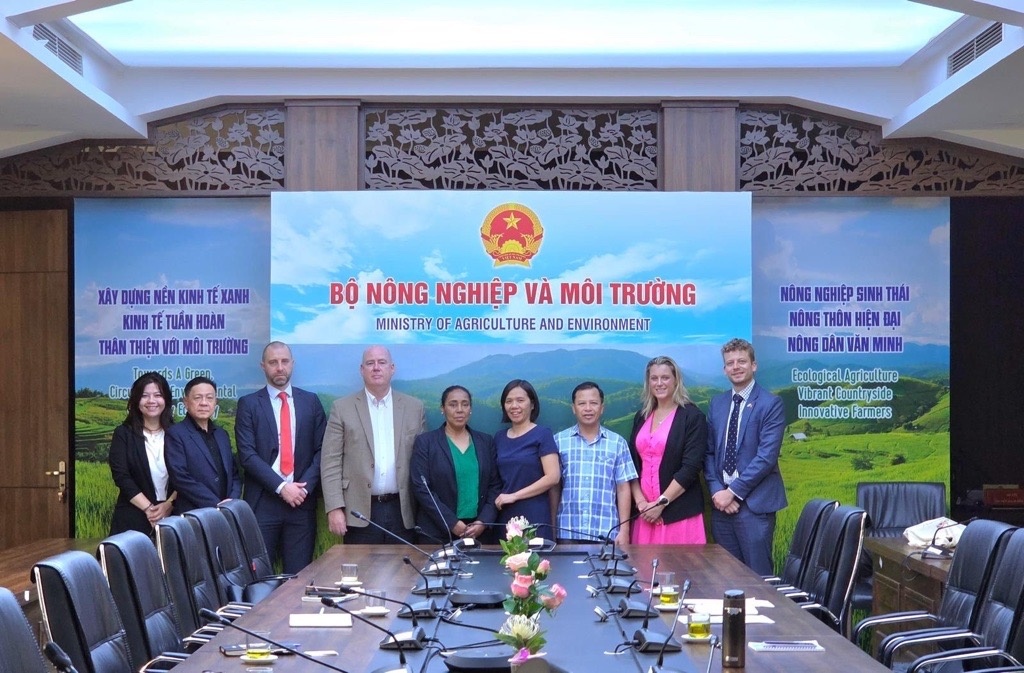
From September 23-25, the UK ’s Agriculture and Horticulture Development Board (AHDB) led the mission, supported by the Department for Business and Trade, to provide more market insight into Vietnam and help export businesses identify opportunities for trade.

The three-day mission included coordinated meetings for British exporters with key contacts in Hanoi and Ho Chi Minh.

The mission followed the recent publication of figures for the first half of 2025: the value of total UK red meat exports, including offal, were up nearly 10 per cent on-year at £966 million ($1.3 billion).

Susan Stewart, AHDB head of international trade development, said, “Pork export work adds £56 ($75.32) per head to the sector and maintaining a wide portfolio of markets is key to ensure the industry optimises the opportunities available. While the value of pig meat exports, including offal, to Vietnam in the first half of this year was worth £68,324 ($91,904), we have identified it as a market with growth potential.”

Stewart further noted, “The focus of the mission to Vietnam has been very much on offal products, which are in high demand, demonstrating the value of balancing the carcass and developing markets for products that don’t command major demand domestically in the UK. We have plants listed to export to Vietnam, and we are looking to grow that trade and diversify our offering across different markets in Southeast Asia.”

“Gaining further insight into consumer trends and making connections with key contacts in-market is critical in helping our pig meat exports thrive, and we were delighted to support our levy payers on this mission,” he added.

The mission forms part of AHDB’s wider activity to encourage international trade development for the red meat and dairy sectors, which also includes participation in major international trade shows, inward trade missions to the UK and support for market access work.

Stewart added, “AHDB’s export work is highly valued by our levy payers and our aim is to build on the successes of recent years to help ensure our red meat exports continue to thrive globally. Collaboration is key, and we will continue to work with the industry and government to help deliver tangible outcomes for the sector.”

Exporting activities take up priority for pork businesses Exporting activities take up priority for pork businesses

Expanding export markets is likely to be one of the solutions to reverse the loss of momentum in live hog and pork product sales, according to industry leaders.

Vietnam among world's top 10 countries for pork consumption Vietnam among world’s top 10 countries for pork consumption

Vietnam is now one of the world’s top 10 countries for pork consumption, latest statistics have revealed.

UK pork firms granted access to the Vietnamese market UK pork firms granted access to the Vietnamese market

British pork producers will now have access to the Vietnamese market for the first time after Vietnamese authorities gave the go-ahead for selected pork sites acrossthe UKto start commercial trade between the two countries.

VinFast clinches $100m green financing deal with MUFG

Announced on September 25, the facility is structured as a green loan, with proceeds dedicated to supporting VinFast’s growth as a pure-electric vehicle (EV) company. The agreement also marks the beginning of a long-term partnership with MUFG, reflecting both parties’ shared commitment to advancing the green transition in Vietnam and globally.

VinFast aims to deploy the new capital on key projects to expand the company’s business and presence in Asia, boost revenue, and optimise costs to achieve long-term success.

“The inaugural $100 million green credit facility from MUFG Bank bolsters our financial capacity while underscoring our commitment to the global green energy transition,” said Pham Nguyen Anh Thu, deputy CEO of Investment of VinFast. “We value MUFG’s leadership in sustainable finance in Vietnam, and look forward to developing a long-term and prosperous partnership.”

Takao Nozaki, MUFG Bank’s managing director and regional head of Vietnam, said, “We are delighted to support the sustainable development of VinFast and its emergence as a pioneering force in the EV industry. Our partnership with VinFast aligns with MUFG’s strategic priorities in encouraging net-zero cooperation, supporting green transition and the growth of clean energy solutions globally.”

This first-time collaboration underscores MUFG’s confidence in VinFast’s groundbreaking vision, growth potential, and inspiring development story, whilst promising to unlock future development opportunities. Together, the parties aim to explore the potential of the rapidly growing EV industry while creating positive values for the community.

The facility agreement between VinFast and MUFG Bank comes at a time when MUFG is playing a prominent role in supporting Vietnam’s sustainable development. As chairman of the Banking Working Group (2023-2025), MUFG has coordinated with Vietnamese ministries to organise specialised discussions on green finance, carbon credit mechanisms, startup support, and environmental, social, and governance initiatives, affirming its position as a crucial green finance bridge.

Eight years since its establishment, VinFast has emerged as one of the few pure-EV companies globally with a diverse product portfolio and a successfully listing on NASDAQ. In 2024, the company secured the number one position in the domestic automotive market, established presence in key markets such as North America and Europe, and is steadily expanding into promising markets such as India, Indonesia, and the Philippines, leveraging the strength of Vingroup’s comprehensive green ecosystem built around VinFast vehicles.

VinFast begins production in India at new EV assembly plant VinFast begins production in India at new EV assembly plant

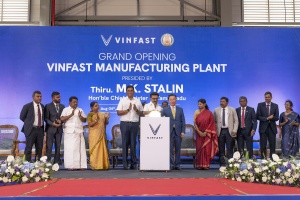
VinFast inaugurated its new electric vehicle (EV) assembly plant on August 4 at SIPCOT Industrial Park in Tamil Nadu, India.

VinFast to receive additional $1.52 billion through spin-off of R&D assets VinFast to receive additional $1.52 billion through spin-off of R&D assets

VinFast is set to receive another $1.52 billion from founder Pham Nhat Vuong, who has committed to buy the EV maker’s research and development (R&D) arm.

Vingroup to build $850m EV-support industrial hub in Ha Tinh Vingroup to build $850m EV-support industrial hub in Ha Tinh

Vinhomes Ha Tinh Industrial Park Investment JSC, part of Vingroup, will develop factories for lease for the electric vehicle supply chain in Vung Ang Economic Zone.

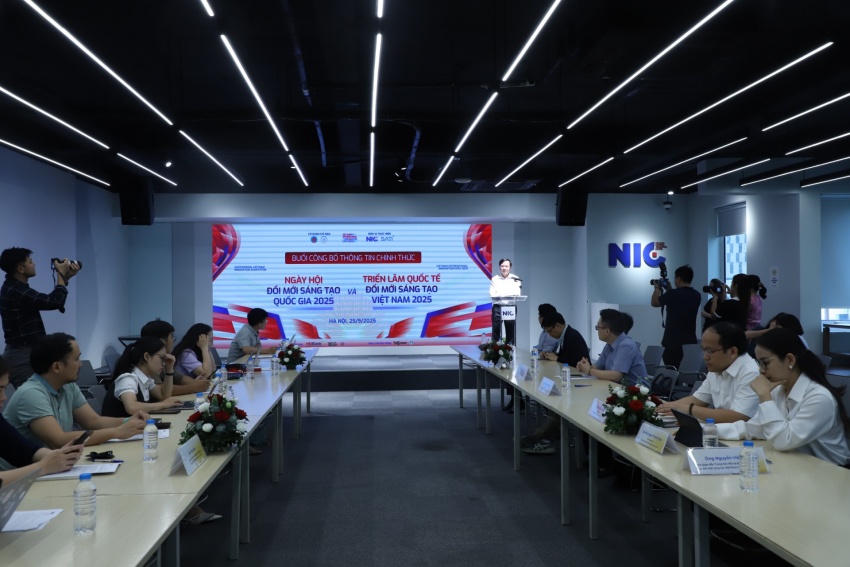
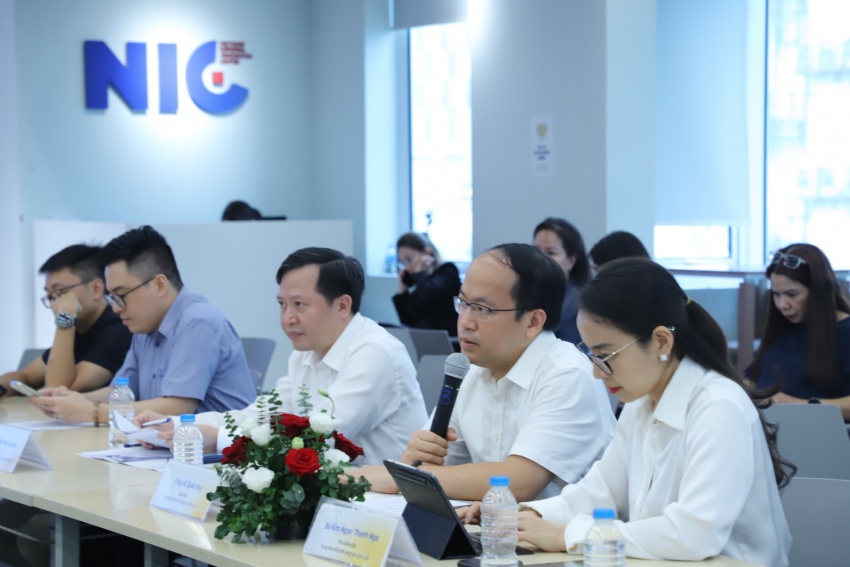
On the afternoon of September 25, the National Innovation Centre (NIC), in collaboration with the State Agency for Technology Innovation (SATI) under the Ministry of Science and Technology (MoST), held a press conference to announce details of the upcoming events.

Vietnam International Innovation Exhibition 2025 gathers leading tech firms

As an annual celebration in response to National Innovation Day (October 1), the events serve as a powerful statement affirming the central role of innovation in promoting rapid and sustainable growth.

This year’s event carries the message “Innovation for all – Driving force for national development”, reflecting a vision of innovation that extends beyond laboratories or scientific experts. It emphasises the importance of engaging every citizen and enterprise to create a collective force for national progress.

The event is expected to attract over 800 delegates, including leaders of the Party, state, ministries, local authorities, the business community, research institutions, universities, international organisations, and the media.

At the ceremony, the MoST will announce the Provincial Innovation Index (PII 2025), a vital tool for assessing and comparing the innovation capacities of provinces and cities. This index is intended to foster healthy competition among localities and encourage government authorities to invest in and implement policies that promote innovation.

Numerous initiatives led by enterprises, international organisations, and experts will also contribute to a vibrant, innovation-driven atmosphere throughout society.

At the press conference, Vu Quoc Huy, director of NIC, emphasised, “The National Innovation Day and the VIIE are concrete actions to realise Resolution No.57/NQ-TW of the Politburo on breakthroughs in science, technology, innovation, and digital transformation. These events offer a platform for stakeholders in the innovation ecosystem to meet, share, connect, and build meaningful partnerships.”

He added that Vietnam is entering a new development phase, where innovation is no longer optional but a necessary condition for enhancing productivity and competitiveness. The 2025 event thus holds significant importance as both a forum to honour outstanding scientific and technological achievements and a key networking opportunity for policymakers, businesses, research institutions, investors, and international organisations.

This multidimensional interaction will help shape a more complete innovation ecosystem, creating a strong ripple effect across society and laying the groundwork for a prosperous and thriving Vietnam.

Vietnam International Innovation Exhibition 2025 gathers leading tech firms

Echoing this view, Nguyen Mai Duong, director general of SATI, reaffirmed that science, technology, and innovation are central drivers of national development. He emphasised the importance of synchronised coordination between the state, businesses, academic institutions, international organisations, and experienced professionals to ensure the effective implementation of innovation policies.

“As part of the event, the MoST will host the Innovation Policy Forum to assess the effectiveness of current policies and propose solutions to institutionalise major strategies through decrees and circulars. This is an opportunity to share practical experiences and successful approaches to policy implementation, thereby fostering support for businesses, students, and the public,” Duong added.

VIIE 2025 will be held over three days, and is expected to attract around 40,000 visitors. The exhibition will showcase hundreds of leading tech enterprises and thousands of innovative products and services from domestic and international companies, startups, research institutes, and universities.

Technologies on display will span 11 key sectors as outlined in Decision 1131/QĐ-TTg dated June 12, 2025, by the Prime Minister, including digital technology, renewable energy, advanced materials, biomedical technology, smart agriculture, high-quality human resource education and training. They are considered crucial for Vietnam’s transition towards a knowledge-based and green economy.

In addition to exhibitions, a wide range of side activities will be held, such as forums and thematic seminars on innovation policy; strategic technology discussions; human resource development and STEM education workshops; the kick-off of the 2026 National VEX Robotics Championship; Award ceremonies honouring individuals and groups who have received international STEM awards; E-vehicle test drives; The Better Choice Awards, celebrating standout innovative products.

Notably, this year’s exhibition will feature pavilions from global tech powerhouses such as the US, Germany, France, and Japan, creating a dynamic international space for interaction and cooperation. This fosters opportunities for investment promotion, strategic partnerships, and the advancement of frontier technologies, contributing to Vietnam’s goal of becoming a high-income nation by 2045.

With its large scale, diverse content, and broad participation from all elements of the innovation ecosystem, National Innovation Day 2025 and the VIIE 2025 and resources, sending a powerful message about a resilient, creative Vietnam with aspirations for global leadership.

Vietnam Innovation Network in South Korea to grow tech Vietnam Innovation Network in South Korea to grow tech

Party General Secretary To Lam has urged the Vietnam Innovation Network in South Korea to spearhead initiatives and foster connections that bring global expertise and cutting-edge advancements to Vietnam.

UK-Vietnam semiconductor collaboration gains momentum UK-Vietnam semiconductor collaboration gains momentum

The UK-Vietnam Semiconductor Workshop took place in Hanoi on August 18, bringing together government representatives, universities, tech companies, and research institutions.

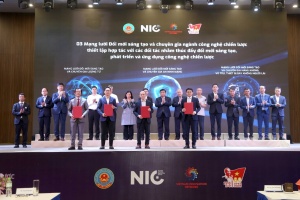
Strategic technology networks launched Strategic technology networks launched

In a defining step towards establishing a high-tech-driven economy, Vietnam has launched three new high-level technology networks, including quantum technology, cybersecurity, and aerospace and unmanned aerial vehicles (UAVs).

Exhibition celebrates 80 years of Vietnam’s financial sector Exhibition celebrates 80 years of Vietnam’s financial sector

The Ministry of Finance is running an exhibition booth themed “80 years of Vietnam’s financial sector – creation and development”. This is part of the “National Achievements Exhibition” commemorating the 80th anniversary of National Day, which will run until September 5.

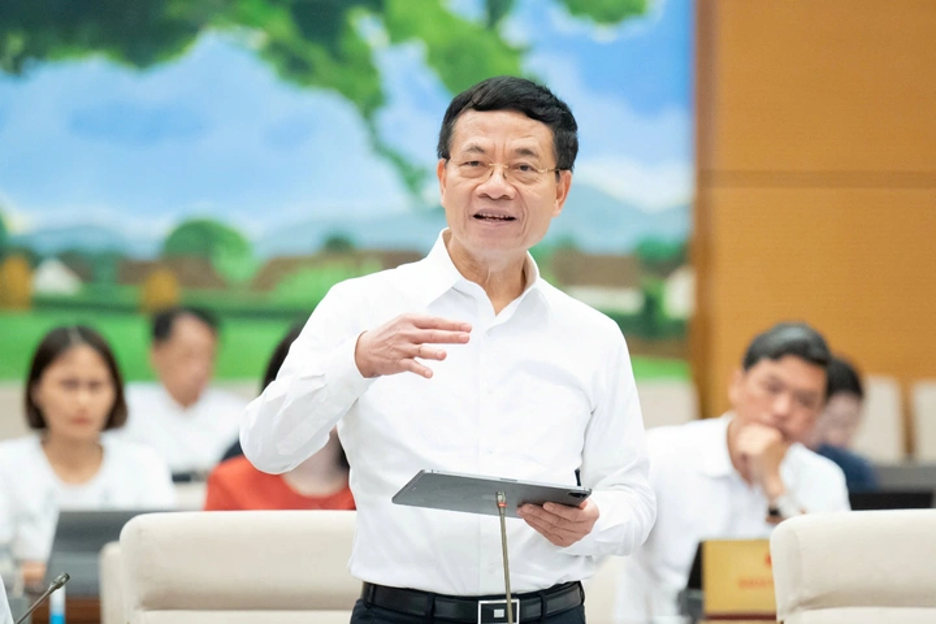
Minister of Science and Technology Nguyen Manh Hung made the statement at a meeting on September 23 with the National Assembly (NA) Standing Committee to discuss draft amendments to the law.

Hung said that enterprises will determine the value of IPR for internal management, then through an intermediary organisation. The valuation will be made public before a transaction in accordance with international practice.

Vietnam amends Law on Intellectual Property
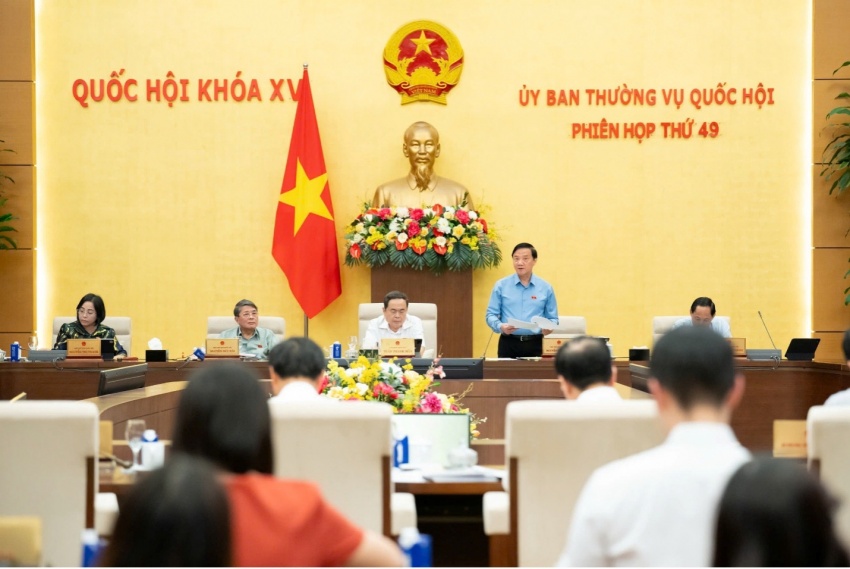
The NA Standing Committee discussed the draft amendments to the IP law. Photo: National Assembly Portal

Responding to questions from some NA delegates about AI, he explained that using public data to train AI does not require copyright permission, as long as it is not copied verbatim because if it is banned, it will reduce competitiveness. Many countries such as Japan have legalised this regulation. For works created by AI, if the AI ​​is created without human participation, it is not protected and must be labelled; on the contrary, if humans use AI as a tool, it is still protected.

In the face of the fact that original news produced by press agencies is often used by aggregators, making greater profits while journalists have to put in more effort, Chairman of the NA Committee on Culture and Social Affairs Nguyen Dac Vinh suggested that the drafting agency should study and supplement regulations to protect the rights of the mainstream press. There should be an agreement mechanism among press agencies to ensure legitimate rights and create revenue.

Regarding this issue, Hung said that copying articles without agreement is a violation, especially on social networks and aggregator sites. The ministry will coordinate with the Ministry of Culture, Sports, and Tourism to clarify and ensure that no additional administrative procedures arise.

Vietnam amends Law on Intellectual Property
Minister of Science and Technology Nguyen Manh Hung. Photo: National Assembly Portal

Other comments from delegates on the legal responsibilities of intermediary platforms, decentralisation, and new concepts will be considered and specified in decrees and circulars to both ensure consistency in the legal system and avoid increasing procedural burdens.

NA Vice Chairman Nguyen Khac Dinh suggested that comments and ideas should be fully considered, especially on adding regulations for new IP subjects such as digital derivative products, AI, and big data. They should clearly specify the effective date, and add transitional provisions to avoid legal gaps.

The draft law is expected to create a modern legal corridor, and improve the protection and exploitation of intellectual property values, thereby contributing to promoting innovation, digital transformation, and international integration.

As planned, the draft amendments will be submitted to the NA’s 10th session in October.

Conforming to treaty via Law on IP Conforming to treaty via Law on IP

In the last few years, Vietnam has signed a certain number of international trade agreements which require Vietnam to accede to or approve the WIPO Copyright Treaty (WCT) within a prescribed time period. Partner Nguyen Thi Hong Anh and junior associate Vu Hoang Ha Thu of Indochine Counsel take a look at amendments and supplements made in the Law on Intellectual Property in June.

A helping hand for tech through altered IP law A helping hand for tech through altered IP law

The long-awaited amended Law on Intellectual Property is expected to boost innovation and commercialization of intellectual property assets in Vietnam once it takes effect in 2023. Huynh Thanh Dat, Minister of Science and Technology, talked to Hoang Giang about the important highlights that will create breakthroughs in the field.

Vietnam ranks 44th in 2025 WIPO Global Innovation Index Vietnam ranks 44th in 2025 WIPO Global Innovation Index

Vietnam has maintained 44th position in the global innovation ranking for 2025, according to the World Intellectual Property Organization (WIPO).

WIPO director general to visit Vietnam WIPO director general to visit Vietnam

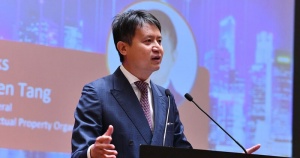
Director general of the World Intellectual Property Organization (WIPO) Daren Tang will visit Vietnam on September 25-26 at the invitation of the Ministry of Science and Technology, aiming to expand cooperation in the field of intellectual property and innovation.

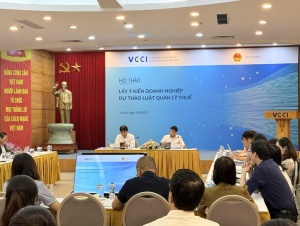
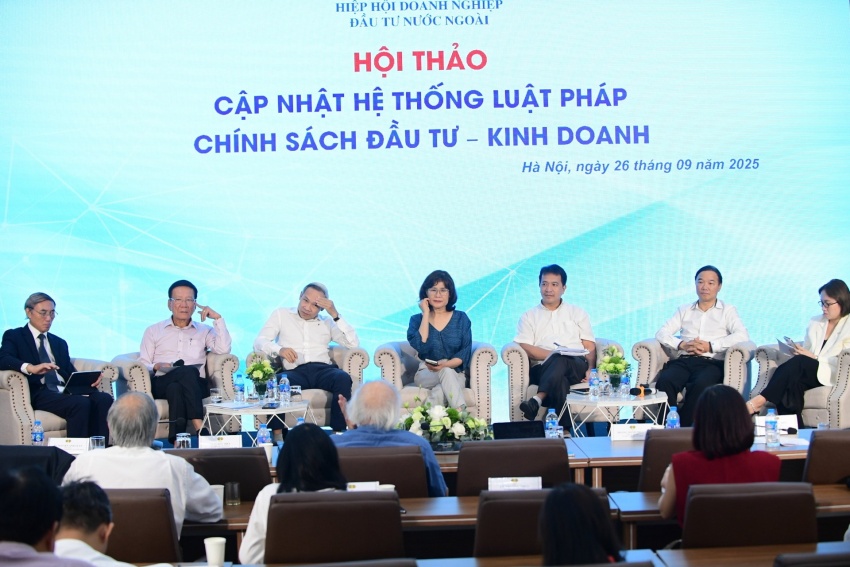
The Vietnam Association of Foreign-Invested Enterprises (VAFIE) held a seminar on September 26 to provide members with timely updates and systematic analysis of key legal and policy changes. Among the highlights was Decree No.70/2025/ND-CP on invoices and documents, a significant step in modernising tax management but one that raises challenges for smaller household businesses.

Need to assess impact of Decree 70 on business activities
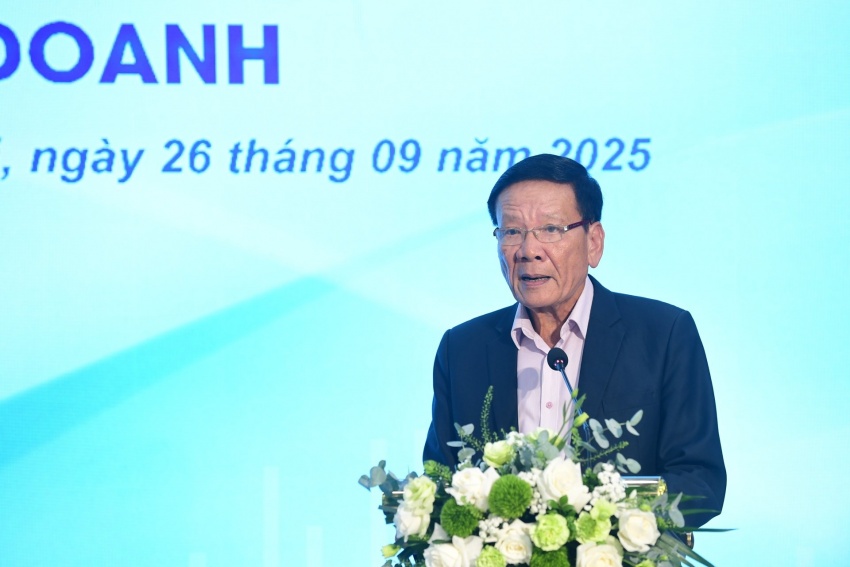
Nguyen Anh Tuan, chairman of VAFIE

In his opening remarks, Nguyen Anh Tuan, chairman of VAFIE, highlighted how Vietnam’s legal and investment policy systems have been continuously improved to meet the needs of economic growth and international integration, especially since 2024, with many key legal documents revised and supplemented.

“Institutional reform is being vigorously advanced to clear the ‘bottleneck of bottlenecks’ and transform the framework from a hindrance into a national competitive advantage, as directed by Party General Secretary To Lam,” he said.

Tuan stressed that businesses must quickly grasp new legal regulations on investment and business to ensure compliance and seize the opportunities created by institutional reform for their development.

However, practical implementation of investment business laws shows that several obstacles and difficulties have also arisen. These need timely resolution to encourage investment and production-business development, contributing to fast and sustainable national growth, with this year’s GDP growth target above 8 per cent, and aiming for double-digit growth in the coming years.

One of the greatest concerns at the seminar was the impact of Decree No.70/2025/ND-CP, which amends Decree No.123/2020/ND-CP on invoices and documents.

While participants recognised the decree’s aim of bringing household businesses into a stricter, more transparent tax framework to enhance oversight, prevent fraud, and ensure fairness, several experts and enterprises voiced concerns over challenges in its implementation.

“This domestic tax policy have such a wide-ranging impact on foreign-invested enterprises. Many companies, especially in consumption goods, saw revenues decline immediately after Decree 70 took effect, as their distribution systems heavily depend on small household businesses,” said Nguyen Viet Ha, vice chair of the American Chamber of Commerce in Hanoi.

Need to assess impact of Decree 70 on business activities

According to a survey of the Vietnam Chamber of Commerce and Industry in July, nearly 90 per cent of household businesses are unaware of their obligations regarding e-invoices from POS systems. Only 11.4 per cent fully understand the regulations; 68 per cent have basic knowledge or are unclear on how to comply; 20.7 per cent completely lack understanding or knowledge of how to implement the changes.

Moreover, tax authority support is limited. More than half of all household businesses have never received guidance, and only 14.2 per cent received specific instructions.

“As a result, the new regulation unintentionally creates administrative burdens for small household businesses,” said Ha before proposing to allow for at least a one-year transition period with no penalties during the initial phase to help households adapt.

She suggested raising the revenue threshold for applying POS-based e-invoices connected to the tax authority from VND1 billion ($40,000) to VND2-3 billion ($80,000-120,000) per year, in line with market realities.

Ha also proposed to allow small retailers like groceries, food stalls to use simple invoices without immediate connection to the tax system; as well as implement tax exemption/reduction for the first 6–12 months, and support with affordable POS systems/software, especially for vulnerable groups.

While commenting on the draft Law on Tax Administration, some experts highlighted an issue that household businesses are now required to fulfill two obligations simultaneously, including issuing e-invoices, and maintaining input accounting records

Observers argued this places a heavy burden on small household businesses, which typically lack dedicated accounting departments. They reported rising costs for accounting services, complicated procedures, and a higher risk of non-compliance or incorrect filings, leading to potential fines.

According to international best practices, in Japan, small household businesses only need to issue simplified invoices and are not required to maintain detailed accounting systems. Singapore applies a simplified accounting regime, requiring only the retention of basic documents for inspection when needed.

Huong Vu, VAFIE’s vice chairwoman and CEO of EY Vietnam, proposed allowing e-invoices to replace accounting books and introducing a simplified accounting regime for small household businesses with annual revenue under $120,000. Under this mechanism, such businesses would only need to store input and output invoices and record revenue using simple tax authority forms, without preparing detailed financial statements.

“Amending the Law on Tax Administration should reflect the spirit of reform – cutting down forms, eliminating duplication between e-invoices and accounting books, and making compliance easier for small businesses, while still giving tax authorities sufficient information for oversight,” she said.

Tax sector pushes digital transformation in administration overhaul Tax sector pushes digital transformation in administration overhaul

The tax sector is restructuring administrative processes to build a modern, transparent system, leveraging digital technology and data to improve compliance, efficiency, and risk management.

Key tax reforms set to boost efficiency and digital governance Key tax reforms set to boost efficiency and digital governance

Le Thi Duyen Hai, deputy secretary general of the Vietnam Tax Consultants’ Association, highlights key reforms in the amended Law on Tax Administration aimed at minimising procedures and promoting digital tax governance.

Tax procedures for household businesses to be simplified Tax procedures for household businesses to be simplified

The Ministry of Finance is finalising the revised Law on Tax Administration, aiming to simplify procedures and increase voluntary compliance.

Sanyo Denki to develop a new plant in Vietnam

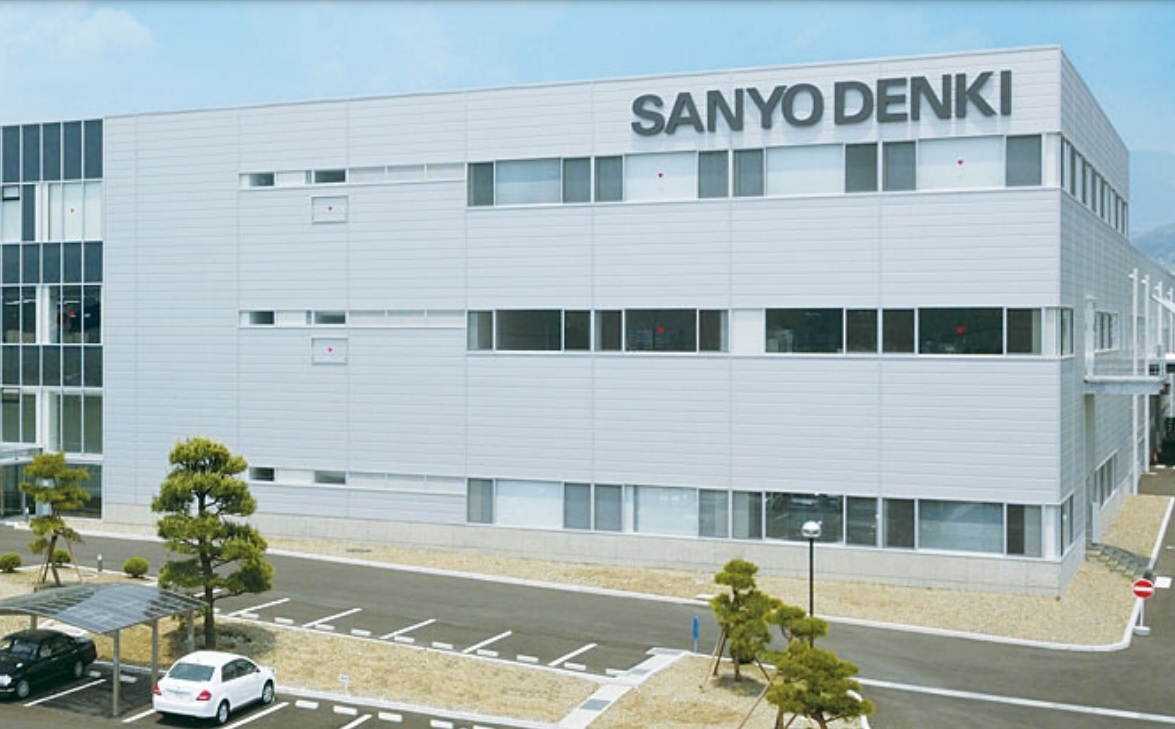
The facility, located in Thang Long Industrial Park II, Hung Yen, will cover 47,800 square metres and produce cooling fans, stepping motors, and servo motors. Construction is scheduled to start in September 2026, with operations expected to begin in 2027. With an investment of 7 billion yen ($47 million), the plant will have a monthly output capacity of 500,000 cooling fans, 50,000 stepping motors, and 5,000 servo motors.

This facility will become Sanyo Denki’s third large-scale production base, following Ueda, Nagano in Japan and the Subic Bay Freeport Zone in the Philippines. By expanding its global production network, the company aims to reinforce supply stability and enhance its ability to serve customers worldwide.

Sanyo Denki produces and sells cooling fans, power supply devices, and servomotors, operating across five regions: Japan, North America, Europe, East Asia, and Southeast Asia.

Launched in 2021, the group’s 9th Medium-Term Management Plan, ‘Break the Shell’, aims to offer top-tier products and services to customers worldwide. Over the past five years, Sanyo Denki has pursued a range of initiatives to achieve this goal.

In the plan’s final year, business conditions remain strong. Rising demand for high-performance servers and telecommunications equipment, driven by AI growth, along with expanding markets for semiconductor manufacturing, robotics, and other precision machinery, have prompted the company to build a new plant in Vietnam. This facility will help meet demand with high-quality, high-performance products and extensive customisation options.

Japan's Marubeni Corporation to step up investments in Vietnam Japan’s Marubeni Corporation to step up investments in Vietnam

Japan’s Marubeni Corporation plans to expand its investments across sectors ranging from renewable energy to industrial parks and workforce training in Vietnam.

PAN Group signs deal with Japanese partners to drive sustainable agriculture PAN Group signs deal with Japanese partners to drive sustainable agriculture

The PAN Group has signed a cooperation agreement with Japanese partners AGRI SMILE and Mitsubishi Research Institute, Inc. to contribute to sustainable agriculture in Vietnam.

Ham Kiem II Industrial Park attracts Japanese businesses Ham Kiem II Industrial Park attracts Japanese businesses

Ham Kiem II Industrial Park in Lam Dong province has been attracting Japanese and domestic enterprises looking to explore investment opportunities.