According to a newly released report from the Ministry of Agriculture and Environment, import value in July alone was estimated at close to $400 million.

Vietnam spends nearly $2.6 billion on meat and dairy imports

Dairy products posted the sharpest growth, reaching more than $860 million, while meat and post-slaughter by-products accounted for over $1 billion. The surge was driven largely by rising domestic demand, especially as volatile feed prices pushed local meat costs to levels that are hard to compete with imports.

The Southeastern Livestock Association said that high production costs at home stem from dependence on imported feed ingredients and small-scale farming, while deeper market integration has made it easier for foreign products to reach Vietnamese consumers.

“Against this backdrop, the domestic livestock sector is being forced to adapt by improving productivity, upgrading processes, and diversifying product lines,” a representative of the Southeastern Livestock Association said.

However, the association also stressed that for competition to be truly fair, tighter control over imported meat quality is essential. This is particularly important given that African swine fever remains present, raising the risk of substandard meat entering the market if oversight is lacking.

Posco interested in $2.2 billion Quynh Lap LNG thermal power plant Brazil’s JBS to inject $100 million to build two meat factories in Vietnam Meat samples from C.P. Vietnam stores test negative for disease following allegations Vietnam delegation eyes over $2 billion in US agri-import deals

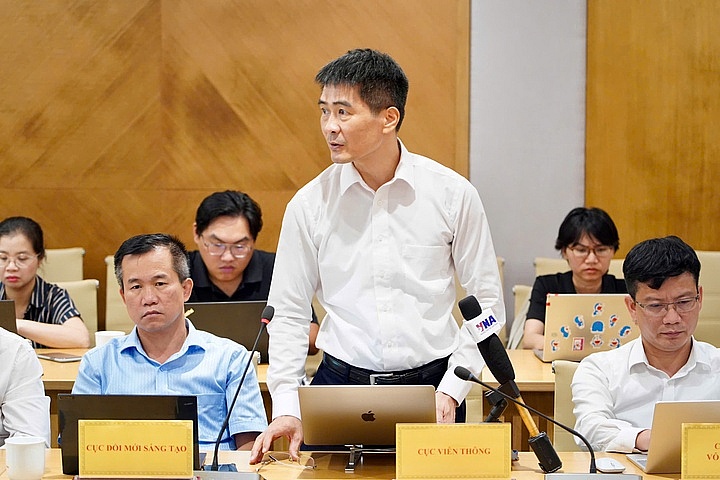
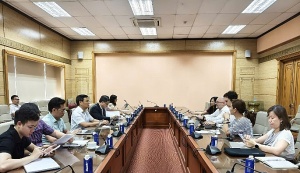
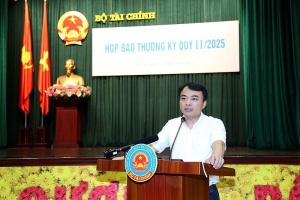
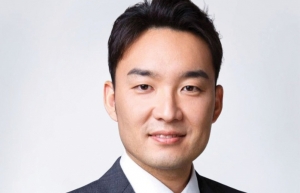
Nguyen Phong Nha, deputy general director of the Authority of Telecommunications, made the statement at a press briefing on August 5.

Starlink yet to submit application to deploy satellite internet service in Vietnam
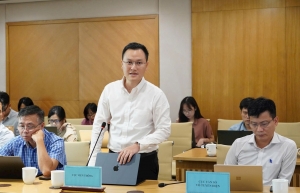
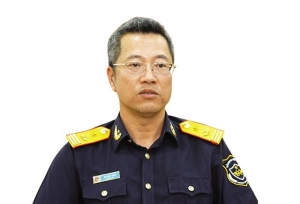
Nguyen Phong Nha, deputy general director of the Authority of Telecommunications. Photo: MST

He added that Starlink has received approval from the government for testing in Vietnam. Currently, the authority is preparing the contents with related ministries to be able to approve the licence soon when SpaceX, the company that owns Starlink, submits the application to deploy immediately.

According to the MST, the Starlink service can be deployed three months after the licence is issued. Starlink is a low-orbit satellite internet system with 6,750 satellites flying at an altitude of 550 km. The service is available in more than 125 countries and territories, with five million users.

Starlink yet to submit application to deploy satellite internet service in Vietnam
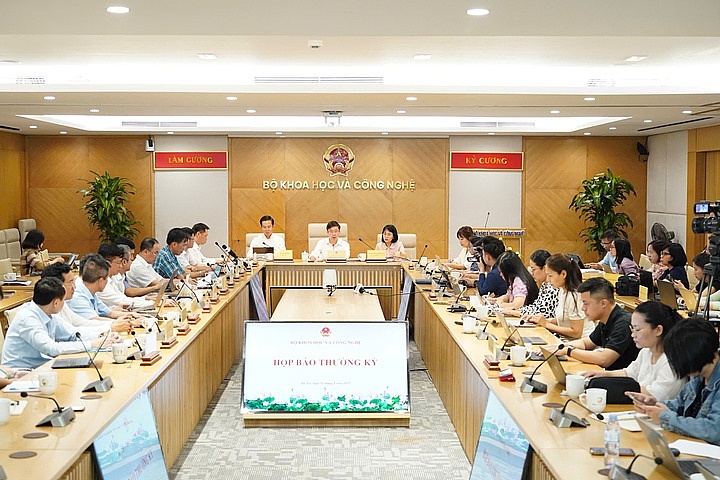
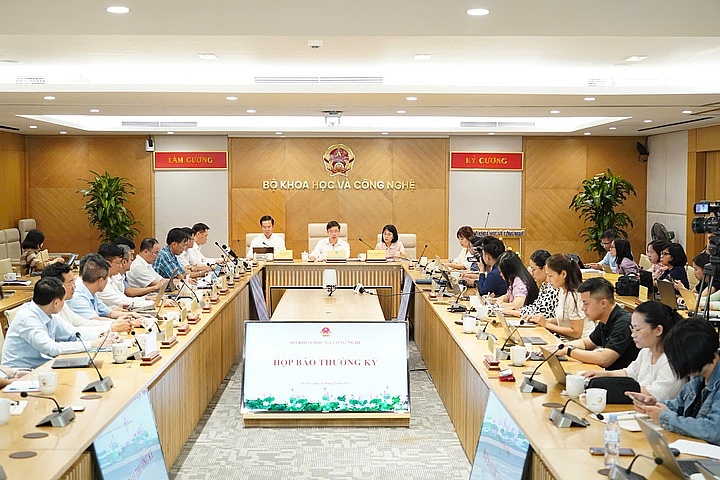
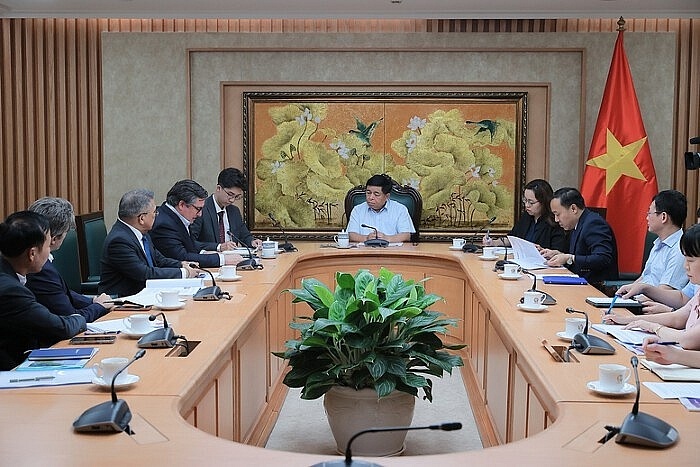
The press briefing held on August 5. Photo: MST

When the process is completed, Vietnam will be the fifth country in Southeast Asia to have Starlink satellite internet, after the Philippines, Malaysia, Indonesia, and Timor Leste.

According to Doan Quang Hoan, vice president of the Vietnam Radio and Electronics Association and former director of the Radio Frequency Department, satellite internet can quickly cover all the signal depressions in Vietnam, which the country is striving to do.

SpaceX eyes Vietnam for $1.5 billion satellite internet investment SpaceX eyes Vietnam for $1.5 billion satellite internet investment

Tim Hughes, senior vice president of SpaceX, a global leader in space exploration and satellite communications, revealed plans for a $1.5 billion investment in Vietnam.

SpaceX seeks opportunities in Vietnam’s healthcare sector SpaceX seeks opportunities in Vietnam’s healthcare sector

American space technology company SpaceX is planning to expand its presence in Vietnam by seeking opportunities in the healthcare sector, which is accelerating digital transformation.

SpaceX to launch 100 per cent foreign-invested business in Vietnam SpaceX to launch 100 per cent foreign-invested business in Vietnam

SpaceX is completing procedures to establish a 100 per cent foreign-invested business in Vietnam.

In July, the total revenue of the entire science and technology industry reached nearly VND499 trillion ($19.96 billion), an increase of 22.6 per cent over the same period last year, contributing more than VND107 trillion ($4.28. billion) to the national GDP.

During the period, the ICT industry’s revenue reached VND478.54 trillion ($19.14 billion), up 9.4 per cent. Postal output reached 330 million parcels, up 18.7 per cent.

Science and technology continues to drive digital economic growth
The press meeting on August 5. Photo: MST

Vietnam’s mobile network speed ranked 19th globally (148.64 Mbps), up 29 places. Total transactions on the national data integration and sharing platform (NDXP) reached 3.3 billion.

The VQII infrastructure quality index in June increased by 2.054 per cent, contributing an estimated $0.87 billion to GDP. Mobile game downloads in Vietnam in the first six months of the year reached 5.2 billion, and are expected to exceed 10.3 billion by the end of the year.

Revenue from major e-commerce platforms reached VND387.5 trillion ($15.5 billion), up 21.5 per cent. Vietnam’s AI economic scale is expected to reach $120-130 billion by 2040.

In July, the ministry consulted the government and the prime minister to issue one decree and three important decisions. Decree No.194/2025/ND-CP lays the legal foundation to promote connection and data sharing among state agencies, aiming to build a transparent and effective digital government.

Decisions No.1562/QD-TTg and No.1565/QD-TTg establish technical infrastructure and policies to ensure comprehensive digital transformation, and the personalisation of public services with individuals and businesses at the centre.

The ministry also coordinated with ministries and agencies to develop and submit to the government new decrees on supporting specialised officials in digital transformation and the public-private partnership mechanism in science and technology.

In addition, three new circulars were issued to specify regulations on information systems, and data and telecommunications management, enhancing the effectiveness of state management.

In August, the ministry will focus on developing and submitting to the government four draft laws: the amended Law on High Technology; the amended Law on Technology Transfer; amendments to the Law on Intellectual Property; and the Law on Digital Transformation for approval at the 10th session of the 15th National Assembly.

It will also develop, complete, and submit to the government 16 draft decrees guiding the implementation of four laws which were passed by the National Assembly at the 9th session of the 15th National Assembly.

The ministry will also develop a project to form large-scale strategic domestic technology enterprises to develop digital infrastructure, digital human resources, digital data, strategic digital technologies, and network security, and support and develop digital technology enterprises to reach out globally.

New decree positions sci-tech as key driver of regional development New decree positions sci-tech as key driver of regional development

The Vietnamese government issued a decree on June 12 to decentralise state management of science and technology to local people’s committees.

Vietnam launches science and technology exchange Vietnam launches science and technology exchange

Vietnam’s Ministry of Science and Technology (MoST) launched a science and technology exchange on June 30, aiming to boost technology transactions, and improve productivity and efficiency.

PPPs in science and technology pave way for private investment PPPs in science and technology pave way for private investment

New mechanisms are opening up the door for the private sector in science and technology and digital transformation in the form of public-private partnerships (PPPs).

Customs reform to prioritise high-tech and innovative businesses Customs reform to prioritise high-tech and innovative businesses

Au Anh Tuan, deputy director general of the Department of Vietnam Customs, outlines key changes to the Customs Law aimed at simplifying procedures and offering more incentives for high-tech, innovative, and semiconductor businesses, and helping to support supply chains and boost the startup ecosystem.

PPP rules to power Vietnam’s innovation PPP rules to power Vietnam’s innovation

Unprecedented regulations on public-private partnerships in the science and technology sector are expected to accelerate innovation and digital transformation across Vietnam’s business community.

Under the cooperation agreement, AIG has invested in and acquired over 52.8 per cent of shares in GC Food, a market leader in the processing of aloe vera and nata de coco.

This is a strategic move by AIG to reinforce its position in the field of deep-processed agricultural products, while also fulfilling its commitment to positioning Vietnam as a leading global hub for high-quality agricultural processing and exports.
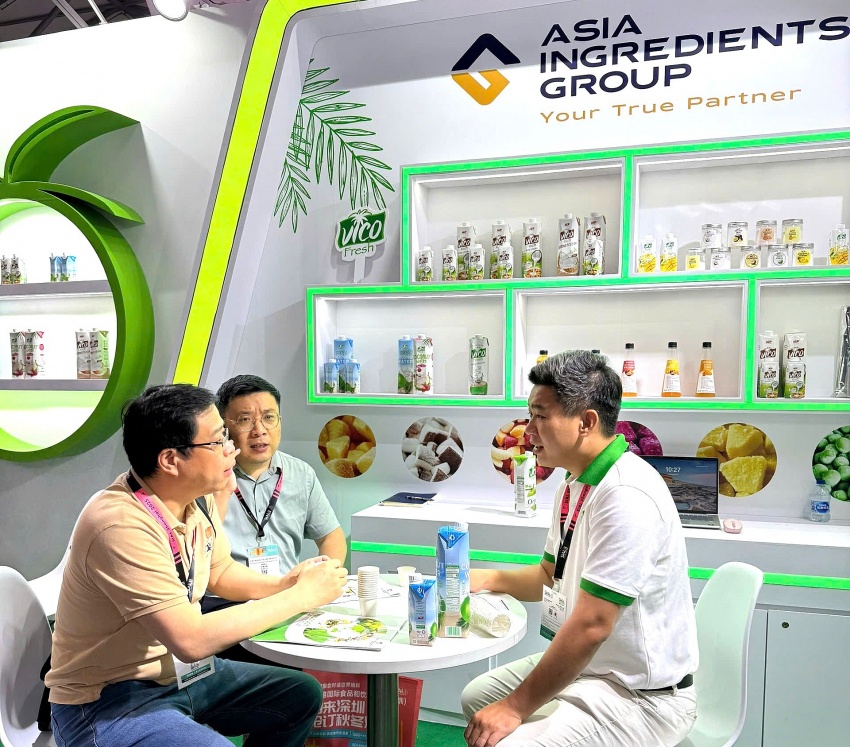
Asia Ingredients Group makes strategic investment in GC Food to boost agri-exports
AIG’s high-quality products made from Vietnamese raw materials meet global standards and cater to international consumer preferences

AIG, under the leadership of its founder and chairman Nguyen Thien Truc, has consistently invested in and developed a diverse ecosystem of deep-processed agricultural production across Vietnam’s rich and fertile farming regions.

AIG is known as a pioneer in deep-processed agricultural products, with a business ecosystem spanning across Vietnam. The group currently leads the market in processed coconut products such as Vico Fresh UHT coconut water, desiccated coconut, coconut milk, and coconut milk powder, produced by Asia Coconut Processing.

In addition, AIG owns Mekong Delta Gourmet, which specialises in purées, fresh fruit juices, and frozen fruits; Asia Specialty Ingredients in Hung Yen, which manufactures essential oils and flavourings from cinnamon, star anise, and basil; and Asia Hoa Son Corporation in Nghe An province, which produces tapioca starch, dried cassava residue, and glucose syrup.

GC Food brings to the table a strong advantage in aloe vera and nata de coco sourcing, with the largest raw material areas in Vietnam and a tightly controlled production process that adheres to high safety and quality standards. Both companies share a common vision and development strategy focused on sustainable, high-quality agriculture.
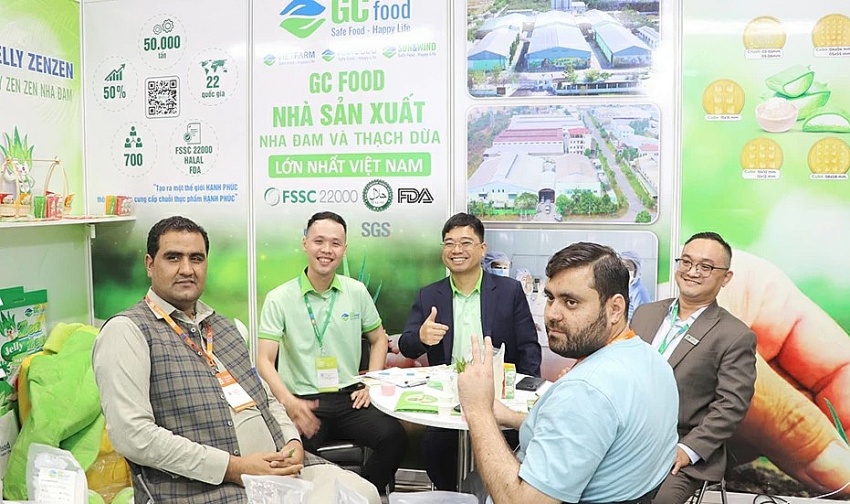
Asia Ingredients Group makes strategic investment in GC Food to boost agri-exports

GC Food has officially joined AIG’s ecosystem of agricultural production and deep processing, helping to unlock the export potential of Vietnamese agricultural products in global markets

With a shared goal of unlocking the full potential of Vietnamese agriculture and delivering high-quality products to the market, AIG’s investment in GC Food is expected to contribute significantly to enhancing the value of Vietnamese agricultural products.

The partnership between AIG and GC Food not only optimises resources but also expands the product portfolio, diversifies export markets, and adds more value to Vietnamese agricultural products.

In addition, leveraging GC Food’s large-scale, closed-loop production system, AIG continues to diversify its sourcing regions and portfolio of high-quality, distinctly Vietnamese agricultural products. This enables AIG to further promote sustainable agricultural development while contributing to job stability for hundreds of farming households and improving livelihoods in local communities.

Global consumption is shifting rapidly towards deeply processed agricultural goods that are traceable, safe, and sustainable.

According to OECD-FAO forecasts, global agricultural consumption will increase by 13 per cent by 2034.

At the same time, foreign-invested enterprises and major retail chains are prioritising partnerships with suppliers that own certified raw material zones, apply advanced technologies, and are transparent in quality control.

According to the Ministry of Agriculture and Environment, Vietnam’s agricultural export turnover reached $21.49 billion in the first seven months of 2025, up 17 per cent on-year. The country is gradually transforming into a globally influential agri-exporter, thanks to a combination of state policy and corporate production capacity.
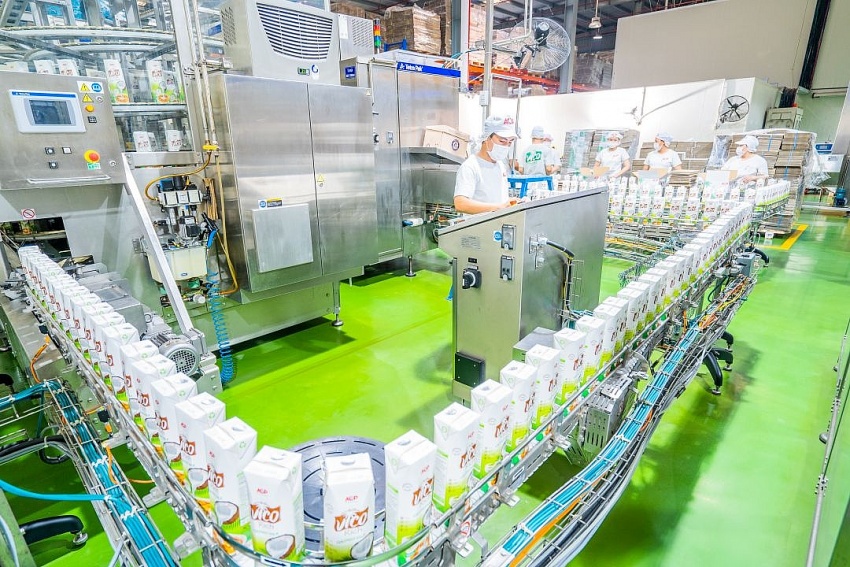
Asia Ingredients Group makes strategic investment in GC Food to boost agri-exports
AIG’s agricultural processing facilities utilise automated production lines and modern quality control systems that meet European standards

This presents major opportunities, but also significant challenges for Vietnamese businesses looking to integrate more deeply into the global value chain. It demands serious investment in product quality, processing technology, and supply chain management.

AIG is among the pioneers riding this wave. With a closed-loop ecosystem from raw material cultivation to research and development (R&D), processing, and product distribution, AIG is aiming to build a national brand for Vietnamese agricultural products, distinctive and globally competitive.

As part of its long-term development strategy, AIG continues to invest in state-of-the-art processing facilities that meet international standards that cover ISO, HACCP, FSSC, Halal, and more. As a result, AIG’s agricultural products meet the stringent requirements of demanding markets like the EU, US, Japan, and South Korea.

Beyond manufacturing, AIG has established an R&D centre with a team of senior experts to constantly innovate and develop products aligned with market trends.

The company also promotes the development of clean raw material zones through sustainable partnerships with local farmers, ensuring stable input and improved incomes for rural communities.
Asia Ingredients Group makes strategic investment in GC Food to boost agri-exports
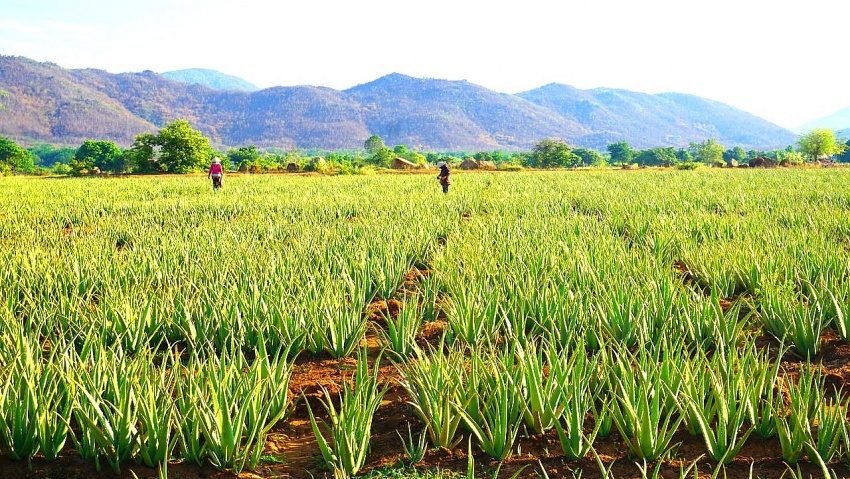
GC Food’s expansive aloe vera farming areas contribute to expanding AIG’s effective agribusiness partnership model across Vietnam’s agricultural export value chain

In parallel, AIG places strong emphasis on international trade promotion. The group regularly participates in major global food exhibitions such as Anuga in Germany, Foodex Japan, Thaifex Anuga Asia in Thailand, SIAL Shanghai, and Seoul Food, helping to enhance brand awareness and expand global partnerships.

Today, AIG’s processed agricultural products are present in over 50 countries and territories, helping Vietnamese agri-products reach further and grow stronger on the international stage.

Amid rapidly evolving global market dynamics, AIG is demonstrating that Vietnamese enterprises are fully capable of mastering supply chains and building a national food brand, leveraging the country’s abundant agricultural potential and supportive government policies, combined with strong private-sector efforts.

The investment in GC Food marks a strategic move that further underscores AIG’s robust growth trajectory and its firm commitment to elevating the global standing of Vietnamese agricultural products.
Japan’s Marubeni becomes strategic partner of AIG Japan’s Marubeni becomes strategic partner of AIG

Marubeni Growth Capital Asia Pte (MGCA), a subsidiary of the Marubeni group, acquired a significant minority stake in Vietnam-based Asia Ingredients Group (AIG) on November 6.

AIG awards 177 scholarships to talented students in challenging situations AIG awards 177 scholarships to talented students in challenging situations

Asia Ingredients Group (AIG) has awarded 177 scholarships to talented but disadvantaged students, showing the company’s long-term commitment to supporting the community.

AIG contributions vast for delta’s human resources AIG contributions vast for delta’s human resources

Asia Ingredients Group is determined to build a positive working culture and attract young talent by constantly seeking cooperation opportunities to develop high-quality human resources on its journey towards sustainable development.

On July 31, the White House announced an adjustment to US countervailing duties, reducing tariffs on Vietnamese goods from 46 per cent to 20 per cent, effective from August 7. Goods that are shipped and cleared before 12:01AM on October 5, however, will still be subject to the previous tariff rate.

According to businesses in the textile and garment sector, while the new tariff is still high, it represents a significant improvement compared to the original 46 per cent, reflecting the efforts made by the Vietnamese government during negotiations.

Textiles and garments generated an export value reaching $44 billion in 2024, with the United States accounting for $16.1 billion. Therefore, when the 20 per cent tariff is applied, the increase in product costs will place significant pressure on firms’ competitiveness.

Businesses shift to local supply chains and market diversification amid new US tariffs

Vietnam, however, is not alone, as many other apparel-exporting countries are facing similar challenges.

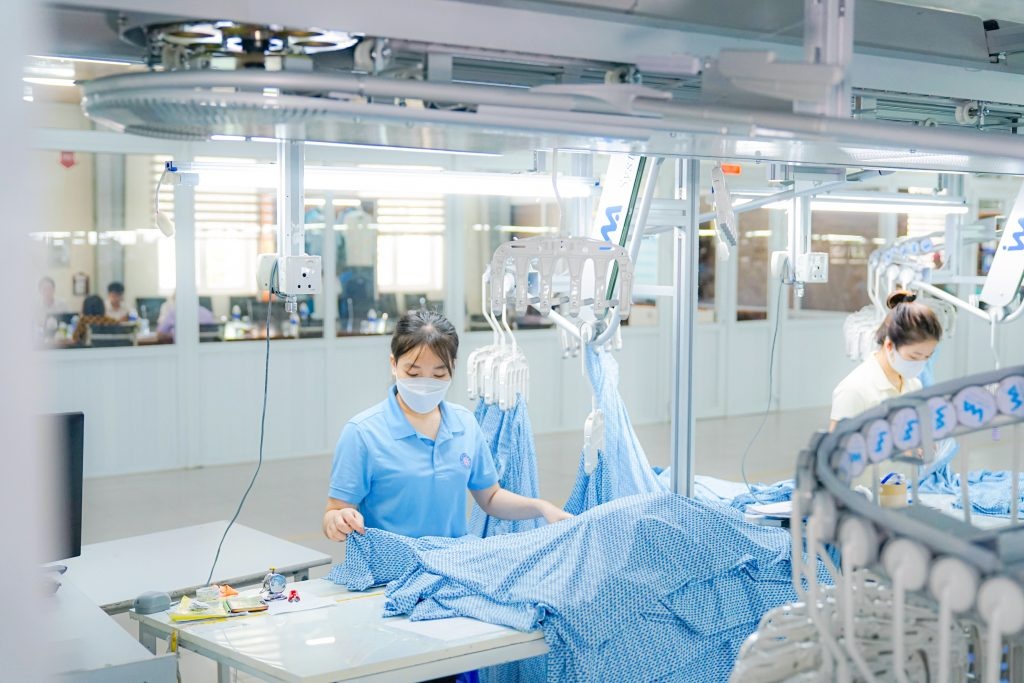
Leaders of the Vietnam National Textile and Garment Group said that their member units are actively developing a list of raw materials that can be sourced domestically to avoid overseas dependency, and are making production processes more transparent to meet international standards.

To retain orders and secure growth, many businesses have intensified the localisation of raw materials, reinforced domestic supply networks, and sought customers in new markets. This strategy also helps mitigate supply chain risks and bolsters the ability to meet traceability requirements.

In the region, other apparel exporting countries such as Bangladesh, which faces a 20 per cent tariff, and India with 25 per cent tariff, are making competition even fiercer, not just for goods but also in attracting foreign investment.

Vlad Savin, managing director of corporate advisory firm Acclime Vietnam, noted that instead of viewing tariffs as a hindrance, Vietnamese businesses should see this as a catalyst for reforms and transformations.

Alongside this, strategic policy responses are necessary to protect domestic industries, innovate production models, and enhance competitiveness.

“Investing in automation and sustainable production is no longer an option; it is a strategic necessity, especially when it comes to supplier diversification,” he said.

The 2025 Business Confidence Report by the government’s Private Economic Development Research Board reveals that 51.6 per cent of export companies are planning to expand into new markets to cope with tariffs.

In addition, around 35 per cent of local firms are proactively seeking new outlets, 20.8 per cent are focusing on localising production chains, and 14.3 per cent are exploring new raw material suppliers.

Currently, over half of Vietnam’s export value to the US consists of high-tech items such as smartphones and electronic components, along with textiles, footwear, furniture, and agricultural products. This marks a shift in Vietnam’s export structure from simple processing to products with high technology content.

A major advantage for local firms is the country’s 17 free trade agreements (FTAs) signed with more than 60 countries and territories. This not only expands market access but also helps businesses adjust their strategies and reduce dependence on core markets.

According to the Vietnam Leather and Footwear Association, companies should effectively leverage FTAs such as the EU-Vietnam Free Trade Agreement, Comprehensive and Progressive Agreement for Trans-Pacific Partnership (CPTPP), and Regional Comprehensive Economic Partnership (RCEP) to boost exports to the EU, Japan, Canada, Australia, and other developed economies.

Strengthening trade relationships with ASEAN, South Korea, the Middle East, and Africa also offers new advantages for Vietnamese businesses.

Tran Ngoc Anh, a professor at Indiana University (the US), noted that US tariff policies are reshaping global trade flows. The US, however, remains a key market both in terms of scale and long-term potential.

“Vietnam needs to seize this opportunity to increase its purchases from the US, invest more in supporting industries, boost material self-sufficiency, and enhance product design and development capabilities. Only by moving up the value chain will Vietnam be able to compete sustainably,” he noted.

The local business community hopes the government will continue negotiations with the US to adjust tariff policies in a more favourable direction in the forthcoming years.

How Vietnamese logistics can contend with shifting global supply chains How Vietnamese logistics can contend with shifting global supply chains

In the midst of uncertain trade tensions, among ASEAN countries, Vietnam continues to stand out as one of the most attractive logistics markets.

Businesses urged to invest proactively in face of tariffs Businesses urged to invest proactively in face of tariffs

As global tariff policies become increasingly complex, Vietnam is being urged to adopt adaptive strategies to mitigate adverse impacts on its export enterprises and safeguard the stability of domestic supply chains.

Vietnamese businesses navigate US tariffs Vietnamese businesses navigate US tariffs

As US tariffs continue to pressure global trade, Vietnamese businesses are undergoing a comprehensive transformation, from supply chains and production to markets and services, to adapt and stay competitive.

KUALA LUMPUR, MALAYSIA – Media OutReach Newswire – 7 August 2025 – At Wesley Methodist School Kuala Lumpur (International) (WMSKLI), Unity Day is not just a celebration, it is a bold reflection of what the school truly stands for: unity, respect, and a deep-rooted pride in Malaysia’s heritage.
This year’s Unity Day was a vibrant showcase of Malaysia’s multicultural richness, brought to life through traditional attire, cultural performances, interactive booths, and nostalgic games. Students, teachers, and guests from all walks of life came together, not just to enjoy the celebration, but to honour what it means to be Malaysian.
While WMSKLI delivers the globally recognised Cambridge IGCSE curriculum, the school remains intentionally grounded in Malaysian values. What makes WMSKLI unique is its deliberate commitment to instil national pride, even among students pursuing international education.
In a purposeful initiative, WMSKLI encourages its Year 11 students to take the SPM Bahasa Malaysia and Sejarah (History) papers. This effort is not merely academic and preparing them to be highly employable in Malaysia, but it is also about giving students a deeper understanding of their cultural roots, national language, and the historical journey that shaped the modern Malaysia.
Unity Day is more than a day of celebration. It is a mirror of WMSKLI’s intentional fostering of unity amidst diversity. Through shared experiences: be it food, dance, language, or heritage, students are taught to celebrate differences and find strength in common ground.
From the chants of dikir barat to the beat of kompang, from colourful baju kurung to traditional Indian dances, Unity Day served as a powerful reminder: while our cultures may differ, the spirit of unity binds us all.
In today’s fast-paced global landscape, WMSKLI stands out as a school that educates not only for success, but for significance. Here, students are nurtured to lead with empathy, grounded in their heritage, and respectful of others.
Unity Day beautifully captured this vision. It reminded everyone that being truly international does not mean leaving behind one’s roots. At WMSKLI, it means embracing them and using them to shape a more connected, compassionate world.
https://kl.wms.edu.my/

The issuer is solely responsible for the content of this announcement.

Aboitiz Group seeks opportunities to invest in Vietnam’s power projects
Aboitiz Group is seeking opportunities to invest in Vietnam’s power projects. Photo:VGP

Danel C. Aboitiz, chairman and CEO of Aboitiz Power, made the statement during a meeting with Deputy Prime Minister Nguyen Chi Dung on August 5.

“In addition to its expertise in coal power and experience in developing hydropower projects, the group is researching the application of AI to build maintenance systems and enhance the operational efficiency of power plants,” Aboitiz said.

DPM Dung emphasised that Vietnam is striving for rapid and sustainable economic growth, targeting double-digit growth to lay the foundation for achieving its two centennial goals. Consequently, the demand for electricity, particularly for emerging industries such as AI and big data, is significant.

“Vietnam is committed to ensuring energy development meets three key criteria: sufficient, clean, and stable power. In all circumstances, the power supply must be adequate to meet economic development needs,” he said.

To meet the growing electricity demand, Vietnam introduced the National Power Development Plan VIII, aiming for renewable energy sources to account for approximately 28-36 per cent of total capacity by 2030 and 74-75 per cent by 2050.

Vietnam will continue to refine its legal framework, create a favourable legal corridor, and develop a synchronised, smart grid system to promote the implementation of large-scale, high-impact power projects.

“Aboitiz will promptly engage in detailed discussions with the Ministry of Industry and Trade and relevant localities to identify suitable investments, particularly in wind power, solar power, and LNG. The group should explore investments in renewable energy power plant models integrated with data centres, and develop supporting industries to serve the group’s projects in Vietnam, with an eye towards exporting to international markets,” the DPM said.

Established in 1988, Aboitiz Power currently operates nearly 50 power plants in the Philippines, with a total capacity of approximately 5,000 MW, including thermal power, hydropower, geothermal, wind, and solar power sources.

In Vietnam, since 2014, the group has invested in the agricultural sector, operating animal feed production plants in various localities such as Ho Chi Minh City, Tay Ninh and Dong Thap provinces.

British International Investment commits $50 million to VPBank British International Investment commits $50 million to VPBank

British International Investment (BII), a UK development finance institution (DFI) and impact investor, on July 29 announced a $50 million loan to VPBank, supporting Vietnam’s green energy transition.

Green finance the key to unlocking Vietnam’s energy future Green finance the key to unlocking Vietnam’s energy future

As Vietnam strengthens its commitment to achieve net-zero emissions by 2050, the challenge is not whether a clean energy transition will occur, but how it will be financed. Green finance is no longer a niche concept. It is now the foundational mechanism required to mobilise the trillions of VND needed to reshape the national energy landscape.

Zoe Energy Retains BNEF Tier 1 Battery Status Zoe Energy Retains BNEF Tier 1 Battery Status

Consistency is power — Zoe holds its spot among the world’s energy storage elite.

National energy master plan revision task approved National energy master plan revision task approved

The guiding principle for revising the national energy master plan is that energy development must align with the country’s socio-economic development strategy. The energy system should be optimised as a whole, targeting sustainable and diverse development to ensure stable and adequate energy supply to meet national goals.

HONG KONG SAR – Media OutReach Newswire – 8 August 2025 – Last week, the Hong Kong Special Administrative Region (HKSAR) Government published a comprehensive report on the city’s business environment, coinciding with the announcement of the city’s advance estimates on economic performance in the second quarter of 2025. The report’s analysis together with positive economic data accurately reflect Hong Kong’s resilient business-friendly environment with strong appeal for companies and talent from around the world.
In the April-to-June period, Hong Kong recorded solid 3.1% year-on-year GDP growth. This 10th consecutive quarter of economic expansion was supported by strong exports performance and improved domestic demand: total exports of goods recorded an increase of 11.5% over a year earlier, while private consumption expenditure increased by 1.9%.
This solid broad-based performance could be vividly seen in the high number of visitors to the city, including tourists and business visitors drawn by an array of events across town ranging from trade fairs to cultural festivals to mega sports events.
One such event was the first Hong Kong Football Festival at the new Kai Tak Sports Park (KTSP) which saw close to 100,000 football fans packing the Kai Tak Stadium over two match days featuring games between Liverpool and AC Milan followed by Arsenal against Tottenham Hotspur. The crowd included the one-millionth spectator at the Kai Tak Stadium since it opened just five months ago.
Hong Kong welcomed about 24 million visitors in the first half of 2025, representing a year-on-year increase of 12%. Visitor arrivals from the Mainland saw a year-on-year increase of 10% while those from the rest of the world increased 17% over the same period last year.
Unique Strengths under ‘One Country, Two Systems’
The economic statistics fully endorse the analysis in the Government’s 102-page “Report on Hong Kong’s Business Environment: Unique Strengths under ‘One Country, Two Systems'”. Under “One Country, Two Systems”, Hong Kong is known for its robust legal and financial systems, simple and low tax regime, strategic location at the heart of Asia, advanced infrastructure, pool of top-notch talent, and high-quality professional services. With its close connectivity to leading global business centres, Hong Kong offers a dynamic, free and open, convenient and safe place for doing business, making it a preferred destination for corporate investment.
Beyond tourism services, developments in other sectors have been picking up in recent years, further boosting confidence in the local economy.
Despite continued global uncertainties, the sentiment about Hong Kong’s stock market has steadily improved. In the first half of 2025, the Hang Seng Index has risen by more than 4,000 points, registering an increase of about 20%.
The amount of IPO fundraising reached over US$13.6 billion in the first six months of the year, placing Hong Kong in a leading position among major global exchanges. Vibrant IPO activities continued in July with nine IPOs raising more than US$2.3 billion.
Meanwhile, overall investment expenditure increased further alongside the economic expansion.
The HKSAR Government’s Office for Attracting Strategic Enterprises (OASES) has successfully attracted 84 strategic enterprises to set up or expand their operations in Hong Kong. It is expected that they will invest a total of around US$6.4 billion and create more than 20,000 jobs in Hong Kong in the coming few years.
Also, since January 2023, Invest Hong Kong has assisted more than 1,300 overseas and Mainland China companies to set up or expand their business in Hong Kong, bringing in foreign direct investment of more than US$20.3 billion.
Initiatives to attract top talents and professionals from around the world are also paying dividends. Various talent attraction schemes have received nearly 500,000 applications with nearly 330,000 of them approved and almost 220,000 talents already arrived in Hong Kong.
Amid lingering uncertainties in the external environment, the HKSAR Government will continue striving to promote economic growth on different fronts and make the most of the city’s longstanding and unique “One Country, Two Systems” advantages to maintain the city’s reputation as a resilient, open, free and competitive economy.
https://www.brandhk.gov.hk/

The issuer is solely responsible for the content of this announcement.

HONG KONG SAR – Media OutReach Newswire – 8 August 2025 – Cyberport led a delegation of its FinTech start-ups to participate in MyFintech Week 2025 (MyFW 2025), held in Kuala Lumpur from 4 to 7 August. During the event, Cyberport witnessed its community start-ups signing multiple Memorandum of Understanding (MoUs) with international and local FinTech partners, promoting cross-border innovation and strengthening ties between Hong Kong and the ASEAN region in FinTech and innovative technology applications.
Themed “Ideate, Innovate, Co-create: Shaping the Future of Finance,” MyFW 2025 focused on regional collaboration and reshaping the financial landscape to drive a more innovative and inclusive future. Cyberport organised a series of exclusive side events throughout the week, including: a start-up pitch session showcasing innovative solutions to Malaysian and regional investors; panel discussions fostering in-depth exchanges between Hong Kong and local FinTech ecosystems; and MoU signing ceremonies for five cross-border partnership agreements. Among these partnerships was the launch of a groundbreaking digital insurance programme with the potential to benefit over 100 million users, underscoring Hong Kong’s pivotal role as a “super connector” and “super value-adder” in advancing regional FinTech collaboration.
Simon Chan, Chairman of Cyberport, said, “As a key economy in ASEAN, Malaysia is experiencing rapid growth in FinTech, offering significant opportunities for Hong Kong’s technology enterprises to expand into the ASEAN market. Cyberport, as Hong Kong’s digital technology hub and key incubator, is committed to connecting local start-ups with regional opportunities, helping them showcase their innovative capabilities and explore international markets. By leading our start-ups to MyFW 2025, we aim to deepen I&T exchange between Hong Kong and ASEAN, further strengthening Hong Kong’s position as a regional digital economy and FinTech hub.”
Cyberport Start-ups Sign Multiple MoUs in Malaysia
Cyberport start-up Coded Solution, a blockchain project consulting and Blockchain as-a-Service (BaaS) technology service provider, has parented with Malaysia’s leading FinTech company VSure Tech to officially launch the “Flexi Benefits” pilot programme. This initiative marks a significant integration of the traditional insurance industry with Web3.0 blockchain technology. The programme will be trialled with SMEs on the VSure.life platform and is expected to expand across Southeast Asia. It adopts an on-demand, embedded insurance model that offers flexible coverage tailored to business needs. Leveraging VSure’s extensive regional partner network in Southeast Asia, the programme has the potential to reach over 100 million users, demonstrating substantial scalability.
In the area of green and sustainable finance, Coded Solution signed an MoU with Malaysian e-payment provider AsiaPay Malaysia to introduce the Green Assets Reward Program (GARP) — a tokenised carbon credit reward solution—to the Malaysian market. The GARP programme will officially launch in Hong Kong during “Hong Kong Green Week” on 11 September, followed by its promotion in Malaysia and other regional markets. The initiative aims to showcase Hong Kong’s successful green finance innovation model to Malaysia and the broader ASEAN region. In addition, the two parties plan to sponsor a recent Green and Sustainable Fintech Proof-of-Concept Funding Support Scheme with Bizteg Solutions Limited, under the Carbon Trading Analytics and Technology category.
At the same time, Coded Solution signed an MoU with Sinegy DAX Sdn Bhd, Malaysia’s first homegrown and regulated digital asset exchange, to jointly develop a secure and user-friendly platform for secondary market trading of tokenised financial products. This collaboration will introduce new investment opportunities in innovative financial products, injecting vitality into capital markets and expanding investor access to asset tokenisation in the region.
Cyberport incubatee BRDGX, a cross-border payment solutions provider, has signed an MoU with global payment service provider Visa Direct. The collaboration aims to blends Visa’s global network with BRDGX’s expertise in local currency enablement for Southeast Asia, regulatory compliance, and payment orchestration—empowering businesses to make faster, more secure cross-border transactions. Supported by the Cyberport Incubation Programme (CIP), BRDGX has successfully expanded into multiple Southeast Asian markets, with Malaysia as a key growth market, showcasing Cyberport’s commitment and strategic support for its community start-ups and FinTech innovation.
Another Cyberport start-up, BlueOnion, a FinTech and RegTech solution provider, signed an MoU with ESG Malaysia. The agreement covers multiple areas, including ESG capacity building and training, policy advocacy and engagement, and pilot programme development aimed at advancing corporate’s ESG awareness and sustainable business practices. BlueOnion is recognised for its unified FinTech and RegTech platform, excelling in sustainability data collection, greenwashing detection, and compliance workflow automation. This partnership reflects a shared commitment to advancing sustainable business practices in Southeast Asia and supporting the establishment of regional ESG standards.
Cyberport Hosts Exclusive Side Events to Support Start-ups Expanding into the Southeast Asian market
Cyberport hosted the “MyFintech Week 2025 – Cyberport Side Event” on 4 August, with support from the Fintech Association of Malaysia (FAOM), Malaysia Digital Economy Corporation (MDEC), Invest Hong Kong (InvestHK), and the Securities Commission Malaysia. The programme featured start-up pitches, pilot programme launches, MoU signing ceremonies, and two panel discussions on “Bridging Traditional & Digital Finance” and “Financial Resilience and Tech Inclusion for an Aging Society. These panels included contributions from senior representatives of Vsure, CoKeeps, KAMI, Sunway Sanctuary, Care Concierge, and MHub. Cyberport representatives also attended MoU signing ceremonies on 5 August and facilitated investor meetings on 6 August with GoBi Partners, The Hive, HeliCap, Artem Ventures Sdn Bhd, and Vynn Capital. These meetings introduced innovative solutions from Hong Kong FinTech start-ups to Malaysian investment institutions. Through these activities, Cyberport aims to lay a strong foundation for its start-ups’ growth in Malaysia, further enhancing Hong Kong’s FinTech influence in Southeast Asia.
Cyberport is Committed to Fostering the FinTech Ecosystem, Strengthening its Role as “Super Connector”
Cyberport is actively expanding its overseas network and has signed cooperation agreements with innovation institutions from multiple countries such as Malaysia, Thailand, South Korea, Japan, and the Middle East. It is actively promoting the establishment and development of local start-ups in the ASEAN market and has achieved significant results. To date, over 80 Cyberport companies have successfully entered Malaysia and the broader ASEAN market, including markets such as Singapore, Indonesia, Thailand, the Philippines, and Vietnam.
As Hong Kong’s largest FinTech community, Cyberport is home to over 440 FinTech enterprises spanning virtual assets, digital banking, electronic payments, wealthtech, and insurtech. In alignment with national and HKSAR government strategies to actively expand into Middle Eastern and Southeast Asian markets, the delegation to Malaysia further reinforces Cyberport’s role as a bridge connecting Hong Kong’s vibrant FinTech ecosystem with regional markets.
Looking ahead, Cyberport is committed to strengthening its role as a catalyst for collaboration between ASEAN and Hong Kong. It will continue to support park companies in expanding into Mainland China and other high-potential, high-growth overseas markets, while also attracting top talent and leading tech enterprises from abroad to develop in Hong Kong. Together, these efforts will drive innovation and technology development, solidifying Hong Kong’s position as both a “super connector” and a “super value-adder.”
For more information, please visit https://www.cyberport.hk/en

The figure suggests that entrepreneurs continue to identify viable business opportunities in the current market.

A total of 174,000 businesses were newly established or resumed operations in the first seven months of 2025, a significant 22.9% year-on-year increase, according to the National Statistics Office (Ministry of Finance).

The figure suggests that entrepreneurs continue to identify viable business opportunities in the current market.

Of the total, 107,700 were newly registered enterprises with a combined registered capital of VND928.4 trillion (approximately $35.5 billion). This represents a 10.6% rise in the number of new businesses and a 5.5% increase in registered capital compared to the same period in 2024.

A particularly noteworthy trend is the massive injection of supplementary capital into the economy, which surged to over VND3.3 trillion (nearly $126 million), a staggering 93.7%  increase year-on-year. This indicates that both new and existing companies are actively investing more funds to expand production and business activities, reflecting strong confidence in the prospects for economic recovery.

Data from the National Business Registration System further confirms this trend, showing that supplementary capital from existing businesses reached over VND2.4 trillion (nearly $92 million) in the seven – month period, nearly 2.9 times higher than the same period in 2024.

Structurally, the service sector remains the primary engine of growth, accounting for the largest share of new enterprises with 83,200 businesses, up 13.1%.

Key industries such as wholesale and retail, along with processing and manufacturing, also posted robust growth of 16.8% and 19.6%, respectively, signaling that the core pillars of the economy continue to function effectively.

However, the overall picture is not without its concerns. A less optimistic note emerged from the number of businesses exiting the market and a significant slowdown in new registrations in July 2025.

Compared to the previous month, the number of newly established enterprises in July plummeted by 32.3%, with a corresponding 33.6% drop in registered capital. This sharp month-on-month decline suggests that challenges may lie ahead as the year progresses.