How do you define the new era for Vietnam’s digital economy, and what makes it different from the past decade?

Ericsson a trusted partner in the digital economy
Rita Mokbel, president of Ericsson Vietnam

Over the past decade, Vietnam has laid the foundations of its digital economy through connectivity, ICT services, and early digital adoption. Today, we are entering a much more ambitious, innovation-led phase: one powered by 5G, AI, and cloud.

Vietnam has built a vision to become a high-income economy by 2045 with the digital economy contributing 30 per cent of the GDP by 2030. The Vietnamese government plays a very important role in terms of removing barriers and promoting the rapid infrastructure build out. Vietnam also plans to develop 100 smart cities by 2040.

The country plans to continue leveraging 5G to achieve the country’s digital transformation programme focusing on digital government, economy, and society. The recent launch of 5G in Vietnam serves to fulfil the government’s vision of leveraging science, technology, and innovation to drive the digital transformation of enterprises and accelerate the adoption of Industry 4.0 across the nation. It will also create the next wave of inclusive and sustainable socioeconomic development for Vietnam.

With 5G deemed critical infrastructure for the digital economy in Vietnam, how would you rank the urgency of deploying 5G, expanding fiber, and upgrading legacy networks?

5G is the backbone for digitalising economies and a driver of inclusive growth. Digital transformation is the closest thing to a silver bullet for tackling global challenges, helping countries and enterprises unlock economic growth and provide opportunities for people to earn, learn and socialise.

An Ericsson Study indicates that a 10 per cent increase in mobile broadband adoption can increase GDP by up to 0.8 per cent.

A balanced, simultaneous focus on all three areas – upgrading legacy infrastructure, expanding fiber-optic networks, and deploying 5G – is the most effective approach for Vietnam’s digital economy. These elements are interdependent and support each other, creating a stronger overall digital ecosystem. A prioritised, multi-pronged approach is essential for achieving Vietnam’s 2030 digital economy goals.

By focusing on all three areas in a coordinated manner, Vietnam can build robust, secure, and reliable digital infrastructure that supports current needs and is ready for the future.

It starts with the foundation, upgrading legacy networks to free up resources; building the backbone by expanding fiber-optic infrastructure, which is a prerequisite for a high-performing digital ecosystem; and then launching the innovation layer by deploying 5G, strategically targeting high-impact areas first to maximise economic benefits.

5G is a key enabler for the digital economy in Vietnam. It is a platform to connect everything that can be connected, from everyday wearables to industrial machinery, and delivery drones to logistical robots.

With the rollout of private 5G networks, how do you see these impacting sectors like manufacturing, logistics, healthcare, education, and smart cities?

When it comes to enterprises, 5G is the foundation for flexible efficient operations, increasing productivity, improving knowledge base and ensuring cost savings. There are also numerous existing and future 5G use-cases that can bring a paradigm shift across enterprises, helping them become more efficient and future-ready as well as sustainable.

For example, the manufacturing industry stands to benefit from the deployment of Industry 4.0 concepts and technologies, deriving new level of efficiencies, quality improvement, and higher productivity.

Digitalisation will create opportunities to transform healthcare in Vietnam by enabling the transition from offline to online care. 5G is revolutionising the healthcare industry by enabling advanced connectivity solutions, improving surgeries and care in hospitals, and extending the hospital care to the patient’s homes.

As the leading hospital in the National University Health System, the National University Hospital in Singapore has adopted 5G as the advanced connectivity solution to develop innovative healthcare solutions that improve patient experience and proactively enhance healthcare availability and efficiency.

Another example I can cite is from ports. Efficient seaports are the backbone of modern shipping. Increasing terminal efficiency is a constant chase for better utilisation of quays, cranes, and vehicles, and a reduction in the environmental impact. The Rotterdam World Gateway is the world’s first fully electric and carbon-neutral container terminal and a port taking advantage of advanced 5G infrastructure.

Also, upgraded mobile infrastructure can support mission-critical applications as well as for ambulances, fire brigades, and drones for crisis situations.

5G is the common thread underpinning the success of new and exciting enterprise use cases and solutions due to its seamless, reliable, and secure connectivity.

Building the digital economy is also about talent and innovation. Can you share how Ericsson Vietnam is partnering with Vietnamese universities or institutions to develop a next-generation workforce?

We believe that technology alone is not enough to drive progress; it must go hand in hand with human capital development, innovation, and inclusive growth. That is why in Vietnam, our efforts extend well beyond deploying networks to supporting the country’s socioeconomic development in meaningful ways.

We are also committed to building Vietnam’s future talent pool. Through our Ericsson Educate programme in partnership with RMIT and PTIT, we are equipping students with essential knowledge in areas such as 5G, AI, and blockchain.

This programme not only provides access to world-class learning resources but creates opportunities for research collaboration and industry projects. By strengthening digital skills and encouraging innovation, we help to accelerate Vietnam’s digital economy while supporting a more inclusive and sustainable future.
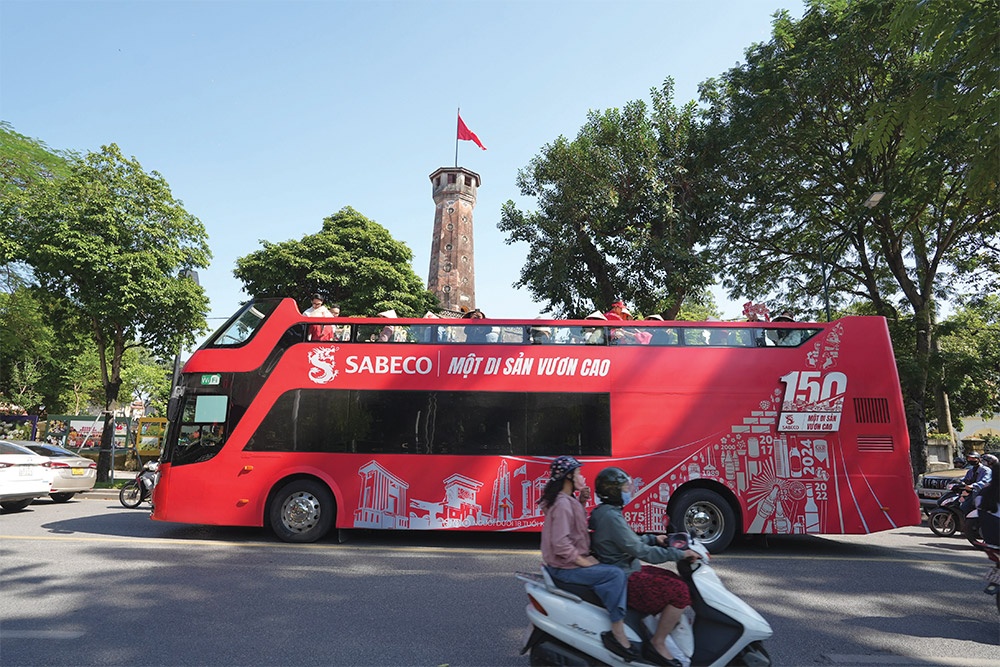

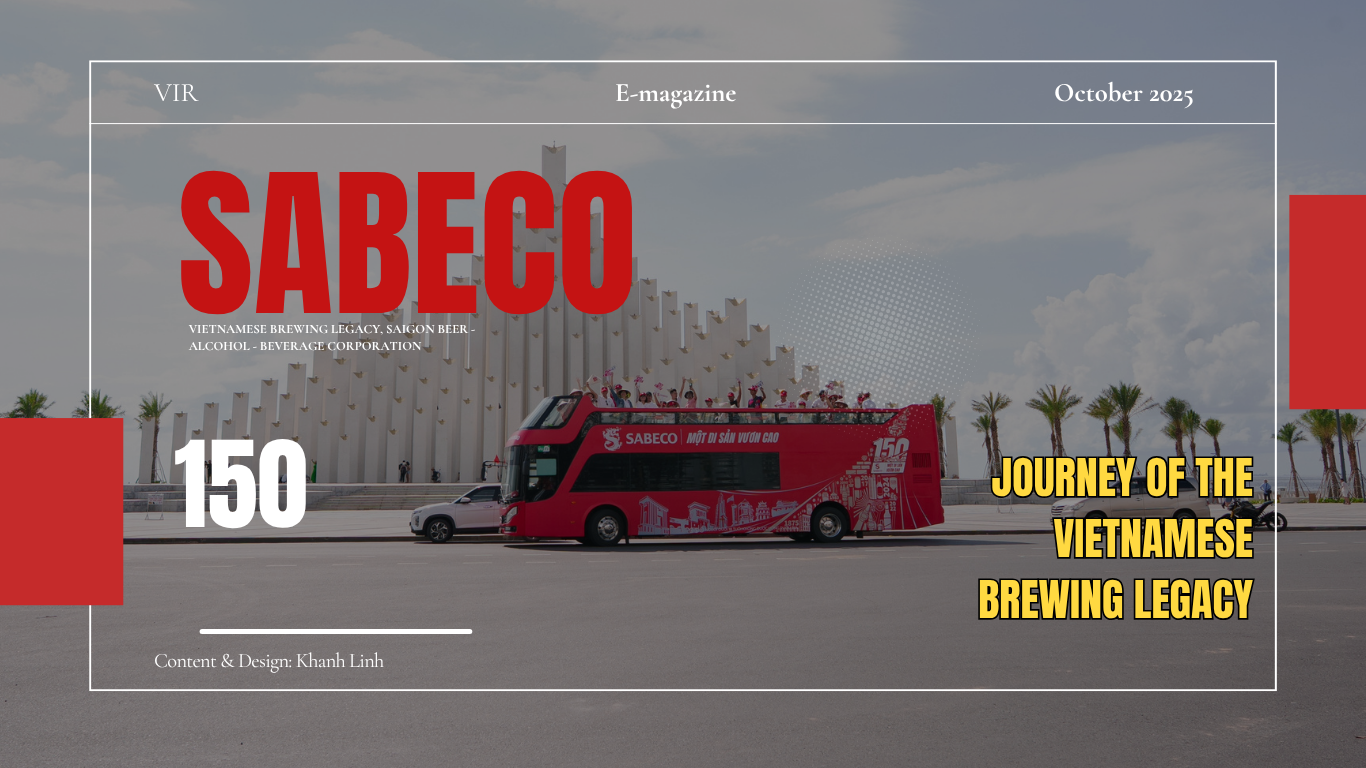
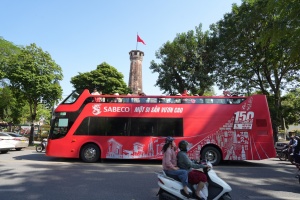
When a bright red double-decker bus appears on the streets of any Vietnamese city, it immediately becomes the focal point of attention. Residents gather instinctively, some out of curiosity, others out of recognition of the national campaign it represents.

A journey carrying 150 years of brewing across Vietnam
The red SABECO bus travelled from south to north, eventually reaching the capital for a two-day celebration on November 15-16

This striking bus, with its bold colour and heritage-inspired design, is the travelling centrepiece of the Heritage Journey initiative from Saigon Beer-Alcohol-Beverage Corporation (SABECO), a nationwide celebration marking 150 years of brewing. Yet as the journey has unfolded, it has grown to represent far more than an anniversary. It has become a moving museum, a cultural touchstone and, profoundly, a symbol of unity and compassion in a year marked by severe storms and floods.

From Ho Chi Minh City to the highlands of Dak Lak, from the coastal towns of Khanh Hoa to the final homecoming in Hanoi, the bus carries a story of heritage that embodies the connection between a company and its people, shaped through memory, progress, responsibility, and shared identity.

The southern leg of the journey begins in Ho Chi Minh City, birthplace of modern Vietnamese brewing since 1875. Here, the red double-decker bus makes its debut in front of large weekend crowds.

Families queue patiently to board the mobile exhibition, where the lower deck displays archival photographs, early brewing equipment, vintage branding, and a museum-style timeline tracing SABECO’s evolution through colonial transformation, wartime scarcity, and industrial expansion.

Each exhibit highlights the resilience of the company and the broader story of how beer became embedded in Vietnamese social life – from Lunar New Year reunions and neighbourhood gatherings to celebrations marking family milestones.

Children rush to the open-top deck, delighted by the novelty of seeing the city from above, while older visitors linger over historical artefacts, recalling the early days when beer was a luxury enjoyed only on special occasions. At every stop in the city, the energy is palpable.

Chronicle of Southern heritage

Leaving Ho Chi Minh City, the bus heads southwest towards the Mekong Delta, stopping first in Can Tho city. Residents arrive early, eager to explore the interactive exhibition, which includes digital storytelling screens and hands-on displays illustrating the brewing process. The atmosphere feels festive, with music, local cuisine, and community booths adding to the sense of celebration.

In Vinh Long province, the journey reaches one of its most memorable moments. Despite heavy rain throughout the day, approximately 1,500 residents gather under umbrellas and raincoats to welcome the bus. Entire families join guided tours inside the exhibition space, while others line up for activities hosted in nearby tents.

The rain does little to dampen spirits. Instead, it creates a shared sense of resilience and pride. People speak openly about their own histories with Saigon Beer or 333, sharing memories of celebrations, reunions, and significant life events where beer played a role. In these moments, heritage becomes personal – something held collectively yet experienced individually.

Sustainability also forms a core message of the southern leg. In Can Tho and Dak Lak, SABECO introduced recycling machines that accept used cans and bottles. Children eagerly participate, celebrating each successful deposit, while adults appreciate the promotion of environmentally responsible habits. The initiative reinforces that a company with 150 years of history must both preserve its past and demonstrate care for future generations.

At night, the journey transforms into Heritage Nights in Ho Chi Minh City, Vinh Long, and Dak Lak. Open-air squares fill with music, culinary showcases, and vibrant performances. The illuminated red bus becomes a backdrop for cultural storytelling, its presence both iconic and comforting.

Visitors enjoy food stalls offering regional dishes, listen to musicians perform timeless Vietnamese songs, and take part in heritage-focused activities designed to foster community pride. In these moments, the bus becomes a symbol of shared cultural identity.

Reflecting on the journey’s early momentum, SABECO general director Lester Tan said, “Marking 150 years is not simply a retrospective celebration. It is a reaffirmation of our commitment to the Vietnamese people and a reminder that heritage carries responsibilities as well as achievements.”

As the bus continues its path northward, the journey takes on deeper layers of responsibility and emotion. The stops in Vung Tau, Dak Lak, Khanh Hoa, Binh Dinh, and Nghe An highlight the diverse cultural richness of central Vietnam – from coastal towns known for their seafood and fishing heritage to highland communities defined by coffee, traditions and ethnic diversity. In each location, crowds gather around the bus, drawn by its engaging displays and the sense of excitement it brings.

A journey carrying 150 years of brewing across Vietnam

A journey of connection

However, the central provinces have also faced immense challenges in recent months. Severe storms and floods have caused widespread damage, leaving families displaced and infrastructure weakened. Against this backdrop, the Heritage Journey evolves from a celebration into a testament of solidarity.

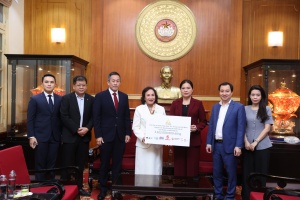
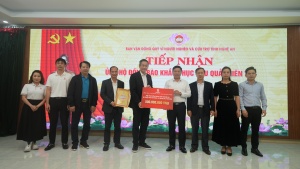
In response to the devastation, SABECO announced a VND3 billion ($120,000) financial contribution through the Vietnam Fatherland Front Central Committee to support emergency relief and long-term reconstruction. This fund assists with repairing damaged homes, restoring essential services, and helping families regain economic stability.

In Nghe An province, which experienced particularly heavy losses, SABECO contributed an additional VND500 million ($20,000) to support urgent local recovery efforts.

At several stops – especially in Khanh Hoa, Binh Dinh (now supported through Gia Lai coordination) and Nghe An, the “Connection Wall” becomes the emotional heart of the campaign. Residents are invited to write messages of encouragement, strength, and solidarity for families affected by the storms. Over time, the wall fills with hundreds of handwritten notes, some expressing simple wishes for healing, others sharing personal reflections of past hardships and the power of community resilience.

By the time the bus completes its journey through the central provinces, nearly 10,000 people have directly participated in the tour’s exhibitions, workshops, and community activities. SABECO also launched the Ambassador of National Progress Award in partnership with Dai Doan Ket newspaper, which recognises 150 individuals nationwide who embody courage, innovation, and community leadership. This initiative aligns with the campaign’s overarching message: that Vietnam’s progress is built on the contributions of ordinary people.

The journey’s final stretch took the bus northward to Hanoi, where history and modernity intersect seamlessly – and the capital’s deep cultural roots provided a fitting stage for the conclusion of the 150-year celebration.

On November 15-16, the red bus stood proudly at Hanoi Opera House in the morning, a historic site synonymous with elegance and civic pride. In the afternoon, it moved to Tran Nhan Tong Walking Street, a bustling public space known for its lively weekend atmosphere. Crowds gathered throughout the two-day event, exploring the bus, taking photographs, and engaging with heritage displays.

For older residents, the exhibition brought back memories of early beer culture in Hanoi. For younger participants, it offered insight into the craftsmanship, sustainability, and community values shaping the future of Vietnamese brewing.

From the vibrant energy of Ho Chi Minh City to the reflective calm of Hanoi, the red double-decker bus has carried the voices, emotions, and aspirations of thousands of Vietnamese people. It has stood under relentless rain in Vinh Long, beside the sea breeze in Vung Tau, and among mountain winds in Dak Lak. It has travelled roads lined with palm trees, pine forests, and city lights, uniting communities across geography and circumstance.

The relief support for storm-hit provinces, the Connection Walls filled with handwritten messages, and the thousands who participated all underscore that a 150-year legacy is meaningful only when it is shared and carried forward together.

As the red bus finally comes to rest, the journey it represents continues – moving through the people, the memories, and the communities it touched. In the words of CEO Tan: “Heritage does not remain behind us. It travels with us, guiding us as we build the next chapters of Vietnam’s story together.”

150 years of SABECO: A journey through Vietnam’s brewing heritage 150 years of SABECO: A journey through Vietnam’s brewing heritage

To commemorate 150 years of contributing to Vietnam’s brewing industry, SABECO launched its “150 Years of a Living Legacy: Ever Growing, Ever Reaching” campaign on September 10.

TCC Group and SABECO join storm-relief efforts to aid communities TCC Group and SABECO join storm-relief efforts to aid communities

TCC Group in Vietnam and its subsidiaries, including SABECO, have stepped forward to aid recovery efforts following recent typhoons that caused widespread damage across the country.

SABECO extends support to central provinces following floods SABECO extends support to central provinces following floods

SABECO has donated VND1 billion ($40,000) to Nghe An and Ha Tinh to help local communities recover from recent storms.

SABECO strengthens community bonds through Inspiring Torchbearers Award SABECO strengthens community bonds through Inspiring Torchbearers Award

SABECO has introduced the Inspiring Torchbearers Award in collaboration with Dai Doan Ket Newspaper and the Vietnam Fatherland Front, with the launch of a public voting platform marking the beginning of a journey to spread positive values ​​widely across communities.

SABECO concludes 'Legacy on the Move' series in Hanoi SABECO concludes ‘Legacy on the Move’ series in Hanoi

SABECO’s ‘Legacy on the Move’ series has wrapped up in Hanoi, bringing community activities and city tours that fostered solidarity and support for storm-hit areas.

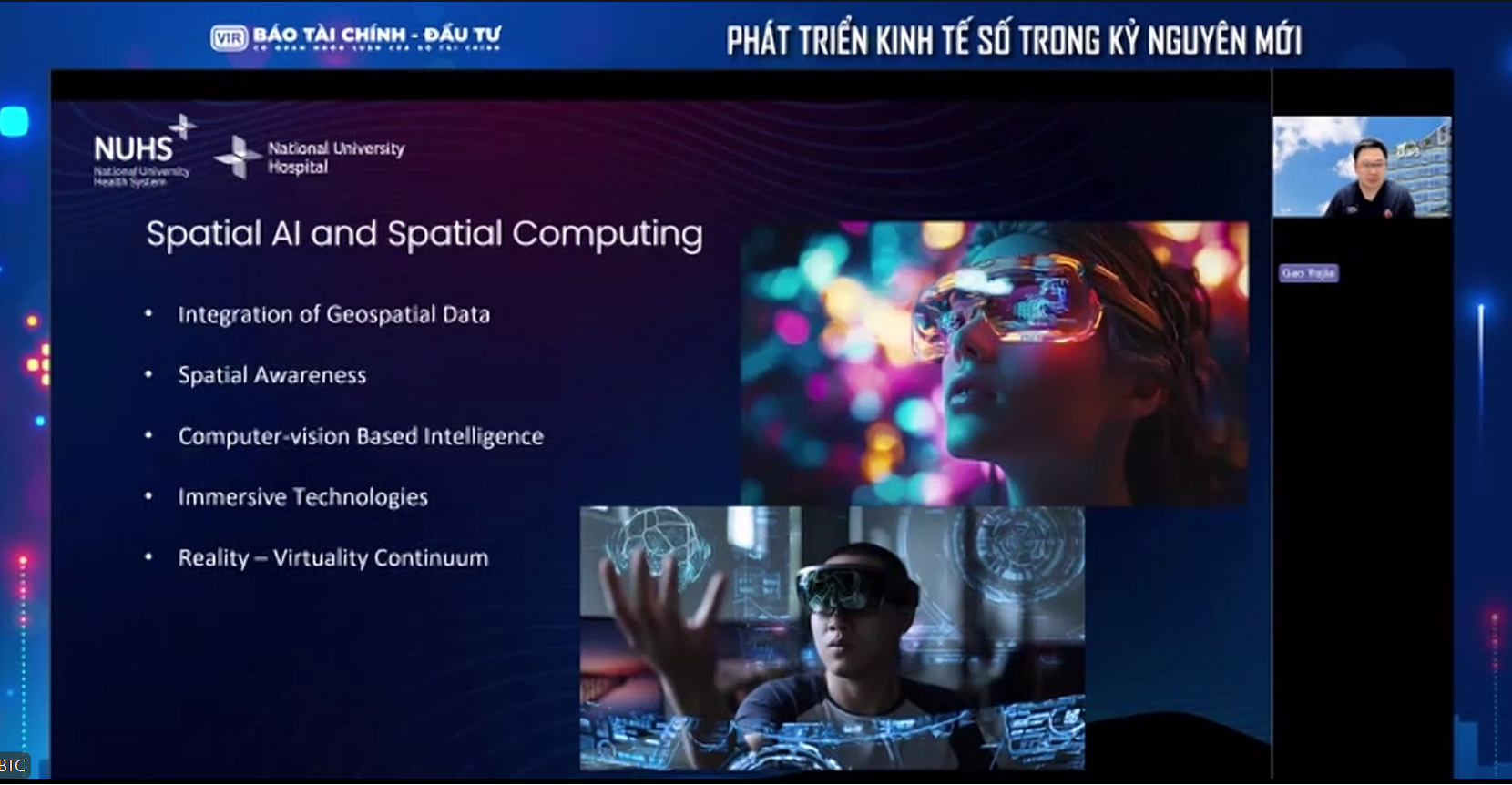
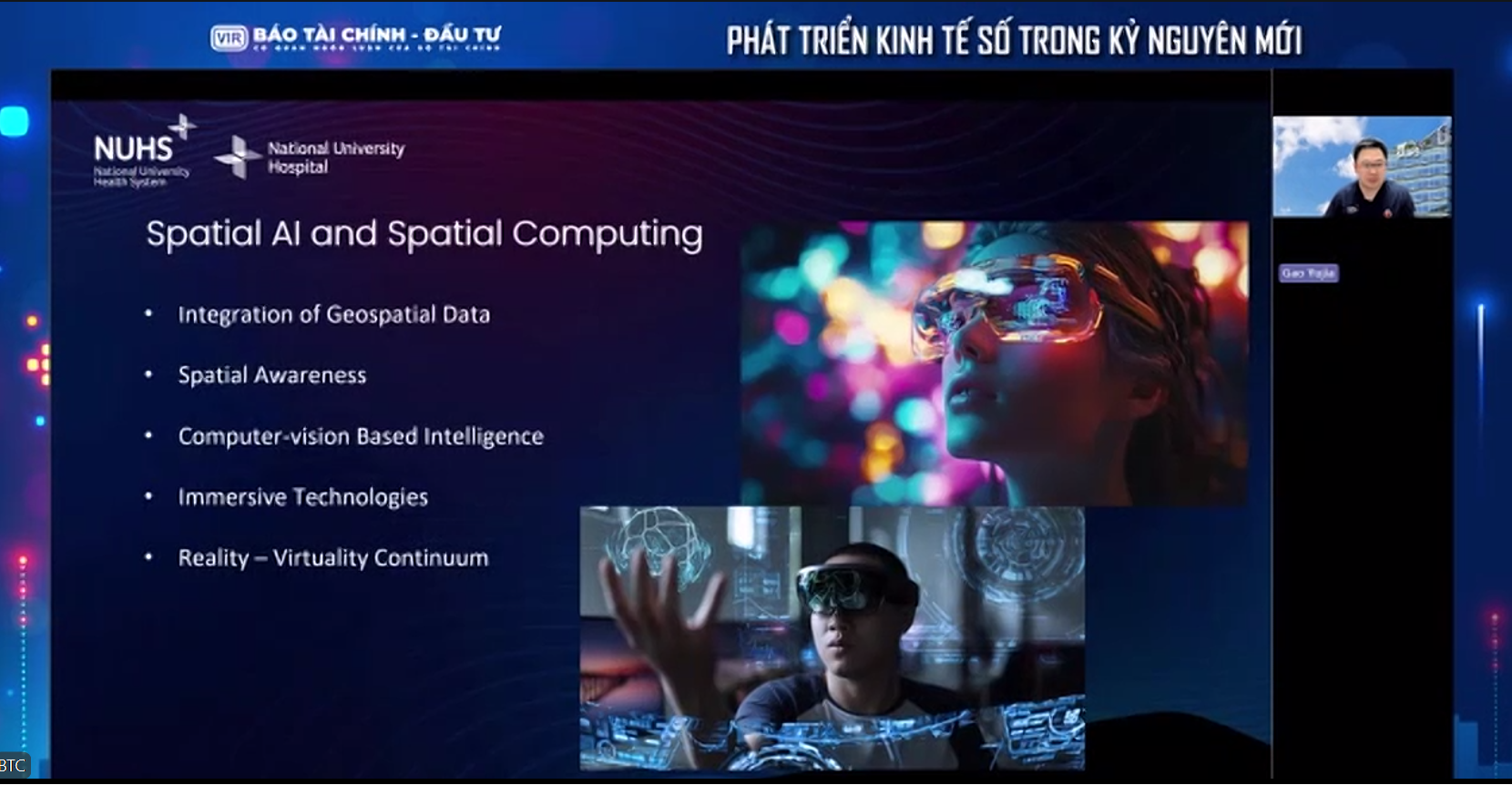
Gao Yujia, a professor at the National University Hospital in Singapore, delivered a keynote speech on convergence of 5G and AI in healthcare during the event, themed on empowering digital economy growth in the new era.

AI and 5G harnessed to revolutionise healthcare

Over the past 5–10 years, the world has witnessed an exponential increase in the application of AI in healthcare, according to Yujia.

“Indeed, the AI revolution in healthcare began with simple applications such as medical imaging diagnostics. AI is used to analyse X-ray and MRI scans to significantly reduce reading times for doctors. Meanwhile, early-warning systems in emergency departments adopt AI to improve detection rates and recommend potential interventions,” Yuija said.

The revolution in wearable devices has brought significant changes to health behaviours and health practices, Yujia added. “Data from smartwatches have encouraged people to better take care of their health, surpassing any initiatives to educate and raise health awareness in place over the past decade,” Yuija said.

The boom in telehealth during the pandemic marked a major turning point in healthcare innovation. Telehealth has gradually transformed into a primary care option. At the same time, the use of surgical robots has grown, not only within individual hospitals but also through cross-border collaboration. For instance, a surgeon in China can operate a surgical robot to treat a patient in Greece.

The concept of the medical metaverse, including VR/AR and mixed reality, is building momentum, and the technologies are increasingly being applied to simulate environments in three dimensions.

Today, large language models and generative AI are now widely used, but the enormous amount of data they rely on raises a critical question: how to utilise these resources responsibly and sustainably in a highly connected world.

“Another concept is spatial AI, or spatial computing, where AI operates within three-dimensional space rather than only processing two-dimensional or structured data. Through the use of geospatial data to improve spatial awareness, coupled with computer vision–based analysis, we are moving into the next phase of AI integration in healthcare,” Yujia said. “All these advancements in healthcare require solid network infrastructure to support data transmission, data processing, and analysis through cloud computing, enabling AI systems to function in daily clinical practice.”

Meanwhile, the National University Hospital in Singapore has begun deploying 5G within its healthcare system. The 5G network is implemented as a private virtual network, and allows the hospital to leverage public infrastructure while maintaining a secure, enterprise-level private network that can be accessed from anywhere in Singapore.

In practice, the National University Hospital in Singapore now has nationwide 5G coverage. The hospital has also deployed numerous AI applications from physical workstations and moved them to the 5G network.

VIR conference targets the next wave of digital growth VIR conference targets the next wave of digital growth

VIR is set to host a major conference on Vietnam’s digital economy, bringing together policymakers, international organisations, and business leaders.

Empowering digital economy growth in new era Empowering digital economy growth in new era

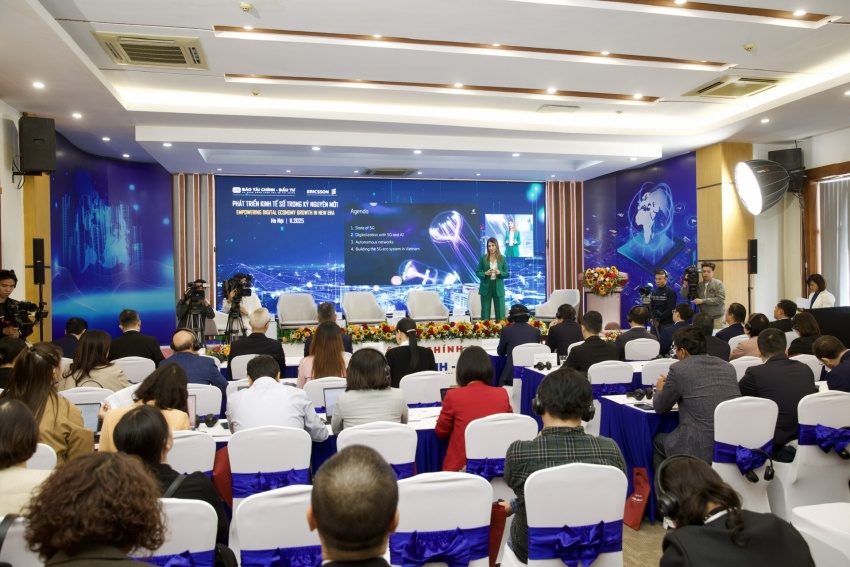
A conference on the digital economy is taking place this morning (November 25) featuring a policy dialogue between government agencies and the business community, offering a platform for stakeholders to share concerns and explore cooperation opportunities.

Vietnam boasts potential to develop medical tourism Vietnam boasts potential to develop medical tourism

With reasonable costs, advanced equipment, a team of good doctors, and a patient-centred care model, Vietnam has great potential to become a prestigious medical tourism destination in Southeast Asia.

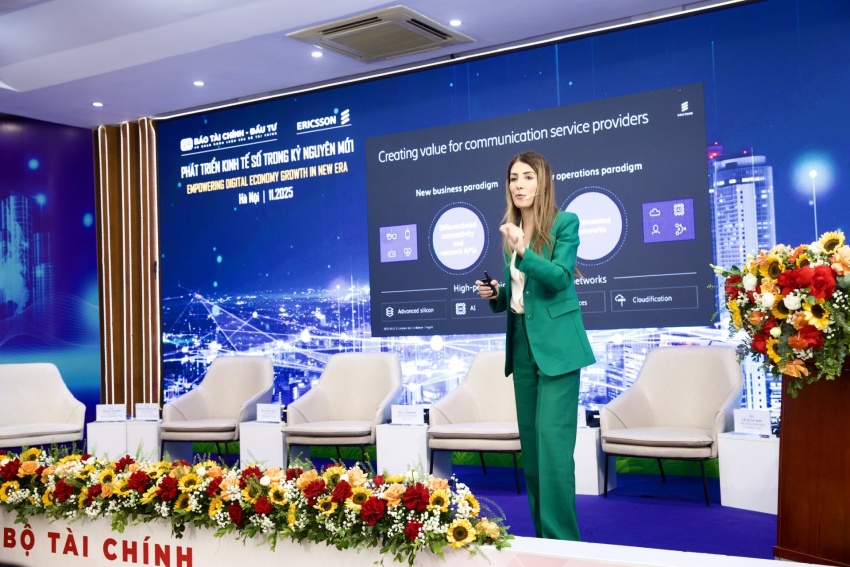
Rita Mokbel, president of Ericsson Vietnam, told a conference on empowering the digital economy on November 25 that 5G adoption is accelerating fast in the country.

Vietnam has creativity, determination, and talent to excel as leader in digital age
Rita Mokbel, president of Ericsson Vietnam

According to Mokbel, some 360 communication service providers have deployed 5G and nearly 100 service providers have launched or soft-launched 5G standalone. Around 2.9 billion 5G mobile subscriptions exist today – the fastest technology uptake in history, and expected to nearly double by 2029.

“The share of mobile data traffic over 5G is expected to rise from 43 to 83 per cent by 2029. This means there is a deep integration of connectivity in our digital life,” Mokbel said. “The global monthly average data traffic per smartphone is currently 21 gigabytes. This shows that the more we create reliable, trusted networks, the more people will use them.”

Vietnam has made many achievements so far. In just 12 months, it has licensed and deployed 5G in major cities. The digital infrastructure strategy for 2025 is also showing great results: 80 million internet users and up to 10 million 5G subscriptions.

The world is paying attention, Mokbel insisted, with global icons like Lego choosing Vietnam for its manufacturing.

Vietnam’s ambition is one of the most inspiring in Asia: to become a high-income country by 2045, with the digital economy contributing 30 per cent of its total GDP. “This is absolutely achievable with the policies already led and set by the government,” Mokbel said.

A high-performing, high-capacity network is not a luxury any more; it is the foundation for a digital economy, and 5G is the platform to enable new technologies, in addition to providing open, resilient, and secure connectivity.

“Think about a runner standing on the starting line of a race: focused, ready, and waiting for the signal to happen. Here in Vietnam, the signal has started. It is the time to unlock full potential,” Mokbel noted. “With 5G standalone, Vietnam will open new opportunities in enterprise service innovation and digital public services. It provides tailored and high-performance networks essential for mission-critical services.”

Vietnam has creativity, determination, and talent to excel as leader in digital age

In a smarter city, it recognises the vehicle type and adjusts accordingly. Traffic lights turn green when an ambulance approaches. Lanes widen or shrink according to the vehicle size. A bike lane appears when a cyclist is approaching.

“This is what we call a programmable network. It is able to recognise the service and adjust itself to provide the best performance, efficiency, and safety,” Mokbel said. “This is where AI comes into the picture. AI enables the network to automatically configure and set up services, predict failures before they happen, and continuously adjust itself. We are moving towards what we call intent-based networks and autonomous networks.”

No digital transformation succeeds in isolation and a strong ecosystem built on collaboration is needed, including government leadership, industry partnership, and academia alliances. “By investing in people, we can ensure that Vietnam’s digital economy is inclusive, sustainable, and innovation-led,” she explained.

“Imagine that everything you dream of, everything can be conveyed so you can feel and touch it. It is only the foundation we build now with 5G and AI that will determine how ready we are for that future,” she added.

Today, Ericsson powers well over 160 live 5G networks, representing half of the 5G traffic outside China.

5G to drive next growth phase in Vietnam 5G to drive next growth phase in Vietnam

Vietnam has experienced 5G commercialisation for almost a year now. Rita Mokbel, president at Ericsson Vietnam, talked to VIR’s Bich Thuy about how it is contributing further to the country’s digital transformation.

Ericsson expands Vietnamese presence with new Hanoi office Ericsson expands Vietnamese presence with new Hanoi office

Ericsson on September 12 announced the inauguration of its new office in Hanoi, marking another milestone in its 32-year journey in Vietnam.

Empowering digital economy growth in new era Empowering digital economy growth in new era

A conference on the digital economy is taking place this morning (November 25) featuring a policy dialogue between government agencies and the business community, offering a platform for stakeholders to share concerns and explore cooperation opportunities.

Vietnam’s digital economy to touch $39 billion in 2025

Vietnam’s digital economy continues its upward trend as gross merchandise value (GMV) is projected to reach $39 billion in 2025, up from $34 billion in 2024.

E-commerce maintains its leading role, rising 17 per cent to $25 billion. Transport and food continues its trajectory as it jumps 20 per cent to $5 billion. Online travel is set to increase 16 per cent to $4 billion, while online media is expected to grow 16 per cent to $6 billion.

The report said Vietnam’s economy has demonstrated strong resilience, largely powered by a dynamic private sector. Primary growth engines are robust export growth, fuelled by significant foreign investment in manufacturing, and a double-digit expansion in domestic retail sales.

The State Bank of Vietnam has delivered crucial support in the form of a flexible monetary policy that has maintained macroeconomic stability, it added. The effective partnership between private-sector vigour and supportive governance has enabled the country to successfully navigate global economic headwinds.

As part of a national digital transformation agenda, Vietnam has rolled out electronic IDs for all residents and businesses, streamlining access to online public services. Banks have recently completed a comprehensive verification of all digital payment accounts, an initiative that has standardised customer information and significantly curbed fraud. The passage of new laws on digital technology and data provides fresh incentives for tech firms while establishing robust legal frameworks for digital assets, AI, and data usage.

Merchant adoption of cashless options and the growth of active e-wallet accounts to 30 million set off a surge in non-cash and VietQR payments in 2024, towards a target of 80 per cent cashless transactions in e-commerce by 2030. As of this year, QR payments in Vietnam are fully interoperable with those in Thailand and Cambodia, creating new potential for tourism and economic flows between the nations.

According to the report, Vietnamese users rank first in Southeast Asia for AI engagement and trust, leading in daily interactions and willingness to share data for personalised experiences. Some 81 per cent of Vietnamese respondents say they interact with AI tools and features every day, while nearly 60 per cent say they have conversations with and ask questions of AI chatbots. Meanwhile, half of users say they expect AI to make decisions faster and with less mental effort.

Vietnam’s video commerce market has sustainable foundations, as seller and transaction numbers grow in lockstep. In 2025, Vietnam is home to 650,000 video commerce sellers and stores, a surge of 60 per cent on-year. Meanwhile, transaction volume is expected to reach $1.3 billion, an increase of 60 per cent on-year.

The top 10 video commerce sellers per category drive 20 per cent of the total category. The average order value ranges between $5.50 and $7 per order. Fashion and accessories take the lead in video commerce GMV, followed by beauty and personal care, phone electronics, and everyday supplies.

Empowering digital economy growth in new era Empowering digital economy growth in new era

A conference on the digital economy is taking place this morning (November 25) featuring a policy dialogue between government agencies and the business community, offering a platform for stakeholders to share concerns and explore cooperation opportunities.

VIR conference targets the next wave of digital growth VIR conference targets the next wave of digital growth

VIR is set to host a major conference on Vietnam’s digital economy, bringing together policymakers, international organisations, and business leaders.

Vietnam strengthens 5G to unlock digital economy Vietnam strengthens 5G to unlock digital economy

The Asia-Pacific’s digital transformation landscape is witnessing Vietnam steadily asserting its position as a rising force, drawing recognition from global industry players.

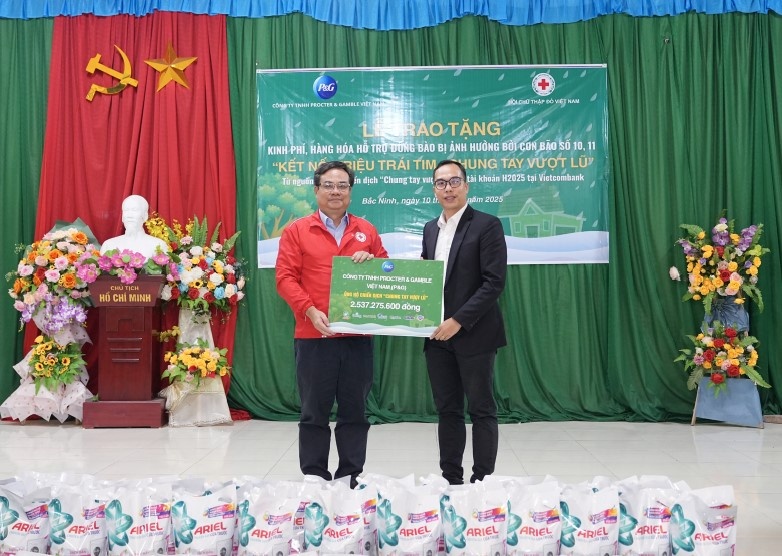
Through close collaboration with the Vietnam Red Cross and CARE International, P&G Vietnam, a subsidiary of American multinational corporation P&G, has launched a support package to help flood-affected communities stabilise and rebuild their lives.

P&G Vietnam delivers support to communities affected by floods

The support package includes nearly 15,000 essential household and personal care products from P&G brands such as Ariel, Downy, Safeguard, Gillette, Pantene, Head & Shoulders, and Rejoice.

These products, distributed by the Vietnam Red Cross, aim to help families maintain hygiene and health during these difficult times.

In addition, P&G employees have also made personal cash contributions through the company’s labour union, demonstrating their spirit of care and solidarity with the community.

Throughout November, representatives from P&G Vietnam presented the company’s contribution to the Vietnam Red Cross and joined a field visit to Yen The commune in the northern province of Bac Ninh, to personally deliver the donation to families most affected by the disaster.

P&G Vietnam delivers support to communities affected by floods

Beyond emergency relief, P&G Vietnam continues to work with CARE International in Vietnam to implement a long-term recovery programme in Cao Bang province, supporting approximately 3,000 ethnic minority people from Thanh Long and Can Yen communes.

P&G’s support includes providing hygiene kits, winter blankets, and mosquito nets to households, improving people’s access to essential non-food items and ensuring warmth for the coming winter.

Support also covers providing vulnerable households with multi-purpose cash transfers, enabling them to meet essential food, health, and livelihood needs; and rebuilding three typhoon-damaged schools and replacing lost learning materials, helping children return to safe and equipped classrooms.

In the aftermath of the storm season, P&G also worked with the Vietnam Red Cross under the Children’s Safe Drinking Water programme to distribute over 463,000 P&G Purifier of Water sachets, equivalent to more than 4.6 million litres of clean water, across Cao Bang, Thai Nguyen, Lang Son, and Nghe An provinces.

P&G Vietnam delivers support to communities affected by floods

Marwane Tahri, general director of P&G Vietnam, said the company had extended deepest sympathies to all individuals and families severely affected by the recent storms and floods.

“With these essential household and personal care products, we hope to bring comfort and timely support to people during this difficult period. P&G Vietnam remains committed to standing by communities in need and will continue to drive long-term initiatives through our partnerships to help them recover and rebuild sustainably,” Tahri said. “I would like to express my sincere gratitude to the leadership of the Vietnam Red Cross, CARE International, and local authorities for their tireless efforts in disaster relief and recovery.”

Vu Thanh Luu, vice president of Vietnam Red Cross said, “I sincerely thank P&G Vietnam for accompanying us and providing essential supplies to Bac Ninh and other affected localities. This support reflects the company’s strong sense of social responsibility and contributes meaningfully to ensuring social welfare for people in disaster-hit areas. We deeply appreciate the compassion and solidarity of P&G and all its employees.”

P&G Vietnam gains AmCham CSR Award for fourth straight year P&G Vietnam gains AmCham CSR Award for fourth straight year

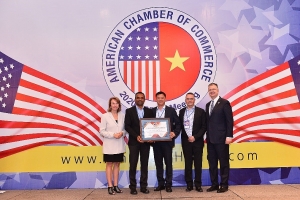
P&G Vietnam has gained the AmCham Corporate Social Responsibility (CSR) Recognition Award for the fourth consecutive year, reflecting its commitment to being a good corporate citizen with impactful social contributions.

P&G Vietnam continues to support Vietnam in fourth wave of COVID-19 P&G Vietnam continues to support Vietnam in fourth wave of COVID-19

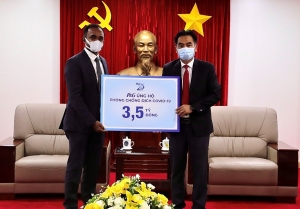
As Vietnam is facing the growing fourth wave of COVID-19 in many cities and provinces, P&G Vietnam has stepped up as a force for good to provide support to local governments and people in the fight against the pandemic.

P&G Vietnam and Central Retail Vietnam push forward new green initiative P&G Vietnam and Central Retail Vietnam push forward new green initiative

On September 8, P&G Vietnam and Central Retail Vietnam, two businesses pioneering sustainability, joined forces for a day of volunteering in Dong Nai Nature Reserve in southern Vietnam, as part of the ‘Forests For Good’ initiative.

On November 25, at the Digital Transformation 2025 conference organised by VIR, leading Vietnamese technology and telecommunications enterprises together with international organisations demonstrated that Vietnam’s digital economy has expanded at a remarkable speed, as AI and 5G open a new chapter for the country’s digital future.

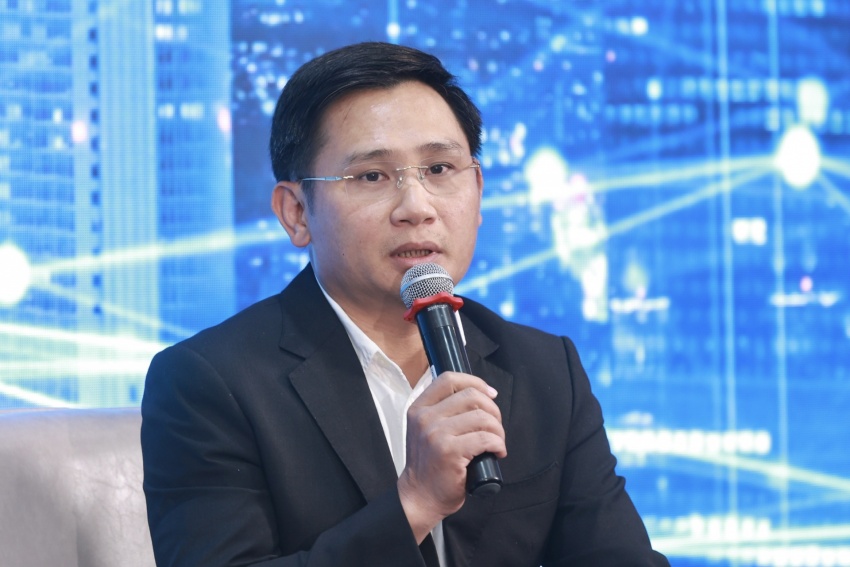
Nguyen Phong Nha, deputy general director of the Authority of Telecommunications under the Ministry of Science and Technology, said that Vietnam now possesses an advanced telecommunications infrastructure that fully meets the needs of the digital economy, with technologies on par with developed nations.

“The rapid expansion of 5G and fibre-optic networks reflects the strong efforts of Vietnam’s telecom operators. Cloud computing technologies are also ready to support national infrastructure, forming a modern, resilient, and well-covered telecommunications backbone,” he added. “This proves that Vietnam’s infrastructure can fully meet the needs of businesses and economic sectors, and is prepared for foreign investors seeking to enter the Vietnamese market.”

New policy momentum powers Vietnam’s digital economy
Nguyen Phong Nha, deputy general director of the Authority of Telecommunications under the Ministry of Science and Technology

To further accelerate national digital economic development, four new strategic resolutions, including Resolutions 57-NQ/TW, 59-NQ/TW, 66-NQ/TW, and 68-NQ/TW, have been adopted. This four-pillar framework focuses on science and technology, international integration, legal reform, and private-sector development, creating new room for enterprises and markets to grow.

Assessing this policy momentum, Nha noted that the resolutions have been translated into sector-specific actions, with the Ministry of Science and Technology (MST) playing a crucial role in promoting innovation.

“From a policy perspective, institutional improvements and legal reforms have advanced rapidly. New policies are being put into practice within a short timeframe, enhancing transparency and facilitating trustworthy, efficient digital-based economic activities,” he said.

Beyond policy support, Nha highlighted how telecom enterprises have acted swiftly to enhance infrastructure resilience. For example, networks in storm-affected areas were restored within just 48-72 hours.

“Foreign high-tech firms investing in Vietnam’s telecom infrastructure are also committed to providing safe, disaster-resilient equipment, while small- and medium-sized enterprises and startups are building applications on digital platforms,” he emphasised.

From a European perspective, Yves Vanderstraeten, vice-chairman of the Digital Sector Committee at EuroCham, stressed that Vietnam is advancing rapidly, with strong momentum in its digital economy and online trade. He noted that the Vietnamese government has shown clear commitment to digital transformation.

“The UN e-government index shows Vietnam rising 15 places, from 86 to 71, which is the proof of strong commitment and tangible progress achieved in a relatively short time,” he said.

“EuroCham’s quarterly surveys show that European investor confidence in Vietnam is significantly higher than two years ago. We remain very optimistic about future investment opportunities,” he added.

From an enterprise standpoint, Hoang Van Ngoc, chief of the strategy division at Viettel, identified four major trends currently shaping the landscape of Vietnam’s digital economy.

“First is the AI-isation of everything, which is driving the digital economy. Second is the rise of data: data extraction, analysis, utilisation, and building ecosystems around data. Third is the shift to cloud computing. And fourth is innovation across digital platforms and data-driven ecosystems,” Ngoc stated.

New policy momentum powers Vietnam’s digital economy
Hoang Van Ngoc, chief of the strategy division at Viettel

Reflecting on Vietnam’s position in the global digital era, the Viettel representative described Vietnam as one of the fastest-growing digital transformation nations. The government aims for the digital economy to contribute 30 per cent of GDP, and Vietnam’s annual digital-economy growth rate of 25-30 per cent is among the highest in the region.

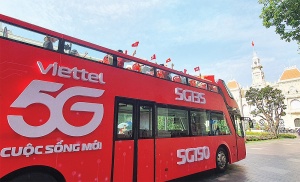
“Vietnam enjoys several advantages: a dynamic and open government committed to institutional reform; a large and expanding base of digital subscribers; and one of the most advanced telecommunications infrastructures in the world. Viettel alone will operate 28,000 5G stations by the end of 2025, with 90 per cent population coverage,” the representative noted.

“Vietnam also has strong IT talent, and importantly, we have transitioned from being digital-product consumers to digital-product creators, with the potential to export these solutions,” Ngoc added.

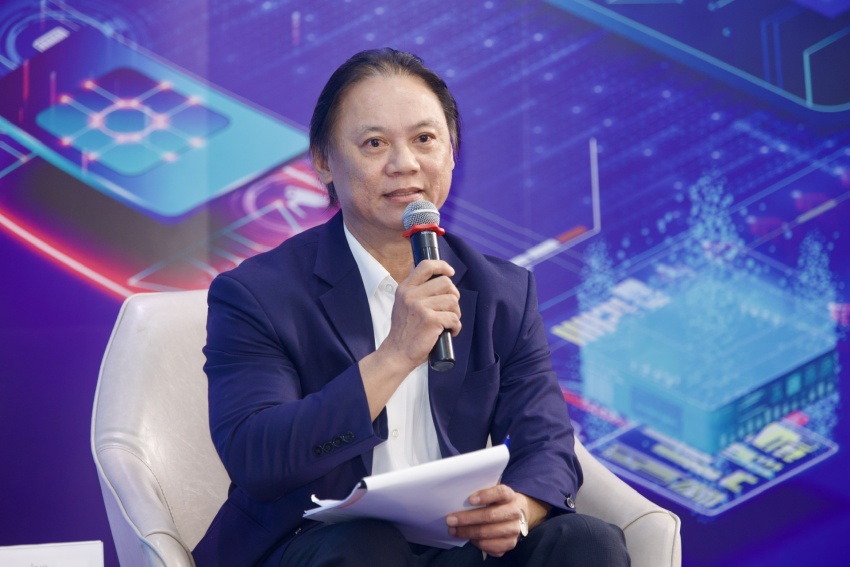
Sharing the perspective of another major telecom-digital enterprise, Le Xuan Son, deputy general director of VNPT-IT, emphasised the central role of human capital in executing the digital-economy agenda.

“Vietnam can now be fully confident about its infrastructure. Issues such as submarine cable incidents have greatly diminished, and cybersecurity remains secure. The newly issued resolutions act as a powerful catalyst: Resolution 57 serves as the locomotive guiding technological direction, Resolution 66 provides the institutional railway tracks, Resolution 69 supports international integration, and Resolution 68 empowers private-sector dynamism. Together, they form a machine driving digital economic development,” he said.

New policy momentum powers Vietnam’s digital economy
Le Xuan Son, deputy general director of VNPT-IT

However, Son also acknowledged existing limitations that must be addressed. For instance, Vietnam’s sandbox mechanisms remain underdeveloped, and while “Made in Vietnam” digital platforms are encouraged, their presence remains limited.

“In our view, digital economy progress cannot be measured merely by internet penetration or GDP growth. The digital economy is fundamentally data-driven; when data becomes a core asset and is effectively governed, growth potential becomes immense. Technology provides the tools, but people are the decisive factor in execution,” Son noted, adding that human capability will determine the success of the four strategic resolutions.

Bui Kim Thuy, vice-president of the President Club, noted that while citizens may not fully grasp the conceptual details of the four resolutions, they clearly perceive the outcomes: Vietnam’s internet and 5G quality is among the world’s best, yet prices remain among the lowest.

“Nearly all citizens have access to high-speed internet, including free access in many public spaces. This leaves a very positive impression among both domestic users and foreign experts,” she said.

Discussing sandbox implementation under the new resolutions, Thuy pointed out the unique challenges facing state-owned enterprises.

“The dual mandate of generating business results while fulfilling state responsibilities means they cannot take risks the way private firms can. In a recent discussion with leaders of a major state-owned economic group, they noted that private firms can operate at a loss for years, whereas a single year of losses would be disastrous for SOEs. This makes sandbox experimentation extremely difficult without special mechanisms approved by the government or the Politburo,” Thuy stated.

She further emphasised the critical importance of 5G, calling it the backbone of the digital economy.

“Many large corporations are already deploying 5G to optimise real-time production. Vietnam’s top enterprises are surpassing national standards in technology adoption. The biggest challenge now lies within small- and medium-sized enterprises, where digital technology adoption remains limited, creating significant disparities in implementation capacity,” she added.

New policy momentum powers Vietnam’s digital economy
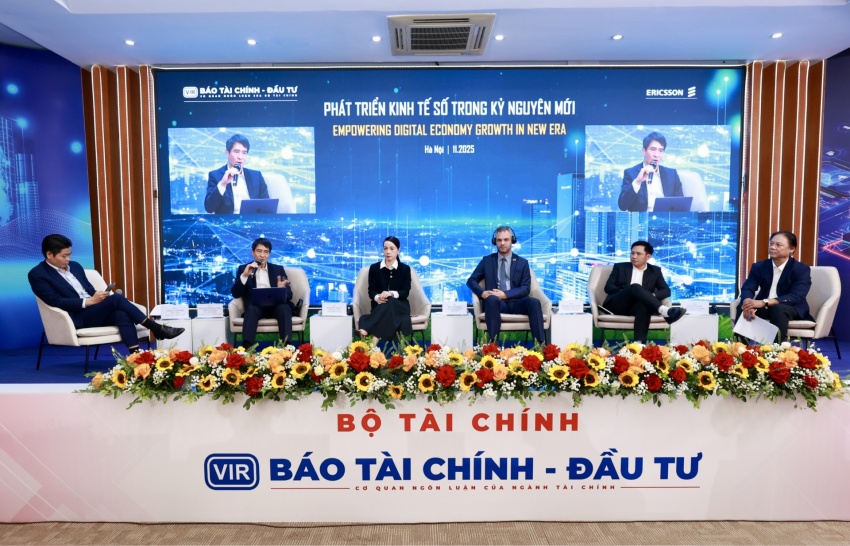
Overview of the panel discussion
Empowering digital economy growth in new era Empowering digital economy growth in new era

A conference on the digital economy is taking place this morning (November 25) featuring a policy dialogue between government agencies and the business community, offering a platform for stakeholders to share concerns and explore cooperation opportunities.

AI and 5G harnessed to revolutionise healthcare AI and 5G harnessed to revolutionise healthcare

The convergence of AI and 5G is transforming healthcare, enabling innovations that enhance connectivity, efficiency, and patient-centred care, as heard at a VIR conference in Hanoi on November 25.

Vietnam has the talent to excel in digital age: Ericsson Vietnam has the talent to excel in digital age: Ericsson

Ericsson’s leader in Vietnam has explained how a strong 5G foundation will allow every business to operate with the speed and precision.

At COP30 last week in Brazil, Vietnam’s Ministry of Agriculture and Environment (MAE) became a member of the Alliance of Countries for Food System Transformation (ACF). The moves underscores Vietnam’s proactive role in global efforts to ensure food security, enhance climate resilience, and reduce emissions from agriculture, one of the key sources of national greenhouse gas emissions.

Sustainability gains ground with collabs
Vietnam is expanding green cooperation with international partners based on transparency, Photo: Shutterstock

The ACF, launched in 2023, was established with the objective of accelerating a comprehensive transformation of global food systems towards greater sustainability. Vietnam’s admission into the alliance reflects international recognition of the country’s efforts to reform its agricultural and food production systems in recent years.

Speaking at the Ministerial Meeting of ACF, Deputy Minister Le Cong Thanh of Agriculture and Environment said, “Joining the ACF will help Vietnam foster innovation, access technical and financial resources for agricultural transformation, and create opportunities to share our experience while learning from other member countries.”

The alliance is built upon core principles such as strengthening food and nutrition security, promoting equity and sustainable livelihoods, enhancing climate resilience, reducing emissions, and protecting natural ecosystems and biodiversity. These principles align closely with Vietnam’s shift towards multi-value agriculture, which places emphasis on productivity, quality, sustainability, nutrition, and low emissions.

Vietnam’s participation in the ACF will support the implementation of several national strategies, including those on sustainable agriculture, climate change, biodiversity strategy, and sustainable food system transformation. The move also elevates Vietnam’s position in global initiatives on agriculture and food systems, sectors crucial to the global effort to keep temperature rise below 1.5°C.

Deputy Minister Thanh said, “Vietnam is ready to expand cooperation with international partners under Article 6 of the Paris Agreement, based on transparency and credibility.”

This also reflects Vietnam’s proactive approach to new carbon market mechanisms, increasingly important for climate finance mobilisation.

Beyond international negotiations, numerous cooperation projects between Vietnam and global partners are being implemented nationwide, helping translate policy commitments into tangible action.

On November 18, the United Nations Development Programme (UNDP) in Vietnam, in partnership with the Dutch Embassy and the DEEP C Industrial Zone complex in Haiphong city, launched a pilot project on industrial wastewater reuse. The project adopts nano-filtration membrane technology combined with reverse osmosis to treat wastewater at the central treatment plant, producing water suitable for reuse, such as cooling or cleaning solar panels within the industrial zone.

The pilot is also expected to pave the way for large-scale wastewater reuse across other industrial zones in Vietnam. By providing empirical data and assessments of technical and financial feasibility, it will contribute to shaping Vietnam’s national standards for wastewater reuse, an essential component of the circular economy transition.

Francesca Nardini, deputy resident representative of UNDP Vietnam, noted, “Piloting four technology schemes will help assess cost and performance based on evidence. This will lay the groundwork for industrial symbiosis, an essential condition for eco-industrial parks, while strengthening water security and reducing environmental impacts.”

In mid-November, the Vietnam Agency of Seas and Islands under the MAE, together with the UNDP, launched another major initiative to support an action plan on ocean plastic waste. Funded by the Global Environment Facility, the four-year project starts with a pilot in Gia Lai province.

Nguyen Duc Toan, director general of the agency, said the 2020 pandemic led to a dramatic increase in single-use plastics and medical waste, creating significant pressure on marine ecosystems. “The new project will accelerate behaviour change, improve collection and recycling, and scale up successful models previously supported by the UNDP, such as the material recovery facility in Quy Nhon and other models,” Toan said.

The project aims to reduce 2,000 tonnes of plastic waste and improve more than seven kilometres of marine habitat. Local-level interventions such as source separation, reduced waste generation, and enhanced recycling will lead to tangible improvements, the UNDP added.

Vietnam’s international cooperation momentum continued in the middle of November, as MAE Minister Tran Duc Thang met with the EU Delegation to Vietnam.

Both sides discussed accelerating approval procedures for a €20 million ($23 million) technical assistance project for Vietnam’s forestry sector, expected to enhance sustainable forest management, and anti-deforestation commitments aligned with EU global priorities. The EU also proposed signing an MoU on circular economy cooperation and climate action, further operationalising the strategic partnership between Vietnam and the EU in agriculture and environmental governance.

Earlier in the month, the MAE also signed an MoU with the World Wide Fund for Nature. The renewed cooperation will focus on three priority areas: promoting sustainable agro-forestry-fishery, applying nature-based solutions; conserving ecosystems and biodiversity, strengthening landscape connectivity and community participation; and enhancing climate resilience, reducing emissions, and promoting a green transition, moving towards carbon crediting mechanisms in agriculture and forestry.

At a conference on the implementation of a circular economy in Vietnam on November 11 in Hanoi, Phi Vinh Tuong, deputy director of the Institute of World Economics and Politics, said that the topic has become a global trend as countries confront rising sea levels, climate change, and resource crises.

“For Vietnam, the circular economy is no longer an option but an inevitable pathway to meet sustainable development goals, fulfill its net-zero emissions commitment by 2050, and concretise the nation’s action plan on the issue by 2035,” he asserted.

Tuong pointed out numerous challenges in developing the circular economy in Vietnam, both in policy and implementation, warning that Vietnam risks being excluded from global value chains if it does not rapidly adopt relevant practices.

“Although several relevant economic development policies have been issued, they remain fragmented, lack sector-specific guidance, and lack mechanisms for intersectoral coordination. Recycling infrastructure and national material-flow databases are still weak, while enterprise capacity, especially among small and medium-sized enterprises, also remains limited,” he said.

Proposing solutions to accelerate development, Tuong explained the need to immediately improve governance frameworks for the circular economy, establish intersectoral coordination mechanisms, and prioritise relevant models in key sectors such as agriculture, processing and manufacturing, and urban development.

“Designing green financial mechanisms, encouraging related investment, and developing green credit systems and circular economy funds to support enterprises are also needed,” he said.

At the same event, Le Van Loi, president of the Vietnam Academy of Social Sciences, said the government’s approval of an action plan on the issue towards 2035 is a strategic step to translate key directions in the Law on Environmental Protection 2020, the green growth strategy, and the national climate change strategy into practice.

“The circular economy is becoming the architectural foundation for national development amid the dual transition of digitalisation and green transformation. It provides a pathway to reduce dependence on resource extraction, optimise energy use, and create economic value chains built on recycling, reuse, and technological innovation,” Loi said.

Meanwhile, Bui Quang Tuan, vice president of the Vietnam Economic Scientific Association, highlighted another limitation: Vietnam’s growth model still relies heavily on cheap labour, with limited spillover effects from foreign-invested enterprises, particularly in technological capabilities.

“Notably, contributions from science, technology, and innovation to economic growth remain modest. Vietnam has yet to participate deeply in global value chains, and its economy is not truly green. The circular economy is still in its early stages in certain sectors such as agriculture and eco-industrial parks,” he said.

Nguyen Dinh Dap of the Vietnam Academy of Social Sciences noted that most domestic enterprises lack the resources needed for the transition. Such development requires innovation, scientific application, and access to advanced technologies.

“To develop the circular economy, enterprises need teams of skilled experts capable of addressing challenges across the entire value chain. Therefore, the biggest puzzle for enterprises is securing financial resources to pursue green production and suitable business models,” he said.

To provide practical support, Dap suggested that the government should introduce incentives such as VAT reductions, tax exemptions, and subsidies to encourage circular business models. Initial financing support for enterprises is also essential to facilitate their transition towards relevant business practices.

Over the past decade, Vietnam has gradually built a policy foundation for the development of green banking, particularly following the government’s net-zero commitments made in 2021. The State Bank of Vietnam (SBV) has played a central role since issuing the green banking development scheme in 2018.

The scheme aimed that by 2025, at least 10 commercial banks had officially implemented green banking models and green credit accounts for at least 5 per cent of total outstanding loans in the economy.

According to the SBV, by the end of 2024, total outstanding green credit in Vietnam’s banking system reached approximately $25.5 billion, accounting for 4.5 per cent of total outstanding loans, 1.6 times higher than in 2021. State-owned commercial banks accounted for about 60 per cent of total green credit, demonstrating a clear shift in lending portfolios towards environmentally friendly sectors.

However, it was acknowledged at the November 11 event that implementation still faces limitations. Some guiding documents remain inconsistent across agencies, while appraisal procedures for green projects lack uniform standards. Additionally, Vietnam still lacks specific regulations on environmental, social, and governance disclosure, making monitoring and transparency difficult.

According to Vietnam’s action plan for the circular economy towards 2035, the country aims to build a sustainable production and consumption system, and promote efficient resource use.

The roadmap prioritises the 2025-2030 period to reduce resource extraction and increase resource efficiency, achieving indicators comparable with leading ASEAN countries. The goal for 2035 is to establish a comprehensive and competitive circular economy and position Vietnam as a regional innovation hub in related development.

Key targets include reducing the exploitation and use of non-renewable resources and water resources; improving the efficiency of resource, material, and energy use; and achieving ASEAN-leading indicators in the efficient use of land, water, and minerals.

Manufacturers last week sent comments about their issues in recycling packaging products during the extended producer responsibility (EPR) process to the Agribusiness and Environment Working Group of the Vietnam Business Forum.

A representative of the working group said that weak enforcement on waste segregation at source and the fragmented nature of waste collection, which relies heavily on the informal sector, continue to make the process expensive.

“The quality and volume of materials collected fluctuate, creating supply chain instability. This causes a disparity where the cost to collect, sort, and process waste into high-quality recycled materials is higher than the cost of importing new raw materials,” the representative said.

“Markets for recycled materials are immature. Most of Vietnam’s recycling operations are small-scale and use outdated, manual processes. This results in recycled materials of lower quality that cannot compete with the quality and consistency of virgin materials,” he added.

Meanwhile, a report from the Green Growth Sector Committee under the European Chamber of Commerce in Vietnam noted that EPR regulations currently do not have any incentives for producers that use recycled materials. These kinds of incentives would help facilitate the development of the recycling industry at this early stage and create a mechanism for the circular economy, it said. Some other issues in misalignment are being addressed in an anticipated draft EPR decree.

Members offer several recommendations, including the proposal to offer incentives for recycled materials and allow self-recycling efforts to count towards fund contributions to boost related investments.

In September, the Ministry of Agriculture and Environment (MAE) submitted a draft decree on EPR to the Ministry of Justice (MoJ), a key step towards consolidating scattered regulations and ensuring the policy becomes a practical tool for circular economy transition.

According to the draft submission, previous legislation has laid the foundation for implementing EPR under the 2020 Law on Environmental Protection. However, in practice, provisions remain fragmented across multiple documents, making them difficult for businesses to follow and for regulators to monitor effectively.

“EPR is still new to Vietnam, covering a wide range of stakeholders. As a market-based environmental policy, it plays a key role in steering the country towards a circular economy by requiring producers to take responsibility for the post-consumer stage of products,” the MAE noted in the draft submitted to the MoJ.

Given the complexity and wide scope of the policy, it believes that issuing a standalone decree dedicated solely to EPR is essential. The move would unify current rules, enhance transparency, and provide a clear framework for businesses to comply while improving state oversight, the draft added.

Many foreign enterprises are interested in Vietnam’s recycling market potential. Nguyen Thanh Yen, deputy head of Legal Policy at the Department of Environment under the MAE, said, “Implementing this policy creates export advantages and creates a foundation for sustainable business development. At the same time, they will inspect enterprises that have not fulfilled their obligations and impose administrative sanctions on violating enterprises.”

Larry Lee, deputy general director in charge of strategic assets and sustainable development at Saigon Beer-Alcohol-Beverage Corporation (SABECO), said, “Packaging is the starting point in the transformation journey of enterprises. Thus, all of the company’s primary and secondary packaging can be reused or recycled. The unit has also reduced the thickness of aluminium can lid rolls, saving 15 per cent of raw materials and reducing emissions in transportation.”

SABECO is deploying a closed-loop recycling model for glass bottles, aluminium cans, and paper packaging, aiming for all packaging to be designed under a circular model by 2040.

In the paper industry, a field heavily dependent on recycled materials, the story is even more difficult. Hoang Trung Son, director of Dong Tien Paper Company, said more than half of recycled paper materials must be imported because the domestic collection system has high costs and lacks valid documentation.

“One of the major barriers is the regulation on depositing scrap imports from 18-20 per cent, while the procedures are complicated and businesses are susceptible to input VAT collection if they do not have standard documents,” Son said.

The Vietnam Pulp and Paper Association, of which Son is also chairman, proposed a number of solutions, such as tax exemption for collection businesses, allowing recycling units to pay input VAT to collectors, and promoting specialisation of the waste collection system to increase input quality.

Le Viet Dong Hieu, deputy marketing director of Duy Tan Plastic, said the production cost of products using recycled materials is still higher than that of virgin materials due to the complex processing, modern technology requirements, and strict quality control.

“This somewhat limits the green consumption trend. If supported by policies, and taxes, it will also be a strong support to help recycled products compete and attract more users in the market,” Hieu said.