At a recent investor meeting, Taseco Real Estate Investment JSC (Taseco Land) said it estimates 2025 revenue at around $153 million, 2.3 times higher than the previous year, with after-tax profit approximating $24.6 million.

On that basis, the company has set targets for 2026 of $480 million in revenue and about $120 million in after-tax profit, equivalent to roughly three times and five times its 2025 performance, respectively.

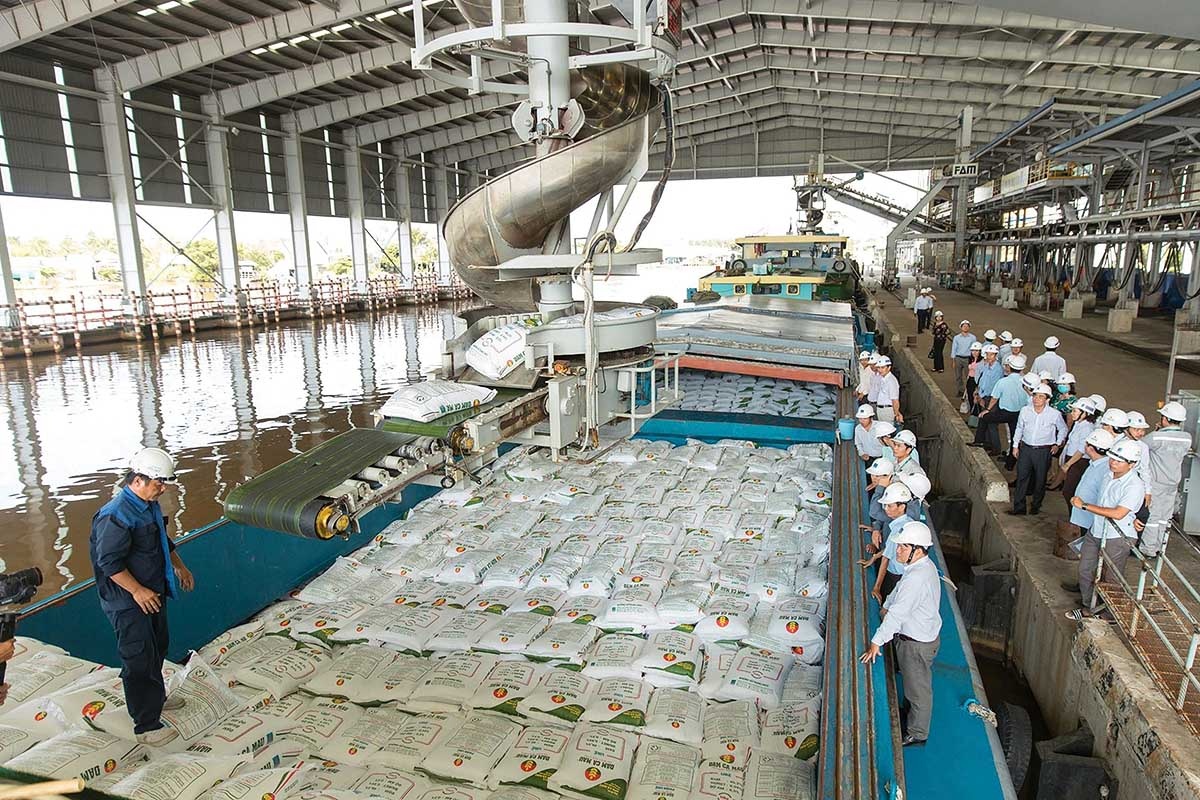
In the fertiliser and chemicals sector, Petrovietnam Ca Mau Fertiliser Corporation (PVCFC) has approved its 2026 plan with consolidated revenue of around $704.6 million and consolidated after-tax profit of about $47.28 million.
High targets, hard choices: companies weigh risks in 2026
Firms’ caution in crafting business plans reflects their maturity in development

The parent company is expected to post revenue of approximately $644.6 million and after-tax profit of around $46.9 million, pay a 10 per cent dividend, and allocate $29.3 million for capital expenditure and asset procurement.

Meanwhile, Vietnam Rubber Group (VRG) has chosen for a more cautious approach. After estimating 2025 consolidated revenue of around $1.28 billion and pre-tax profit of around $277.2 million, both posting double-digit growth, the group has set its 2026 plan with an increase of about 5 per cent, corresponding to revenue of approximately $1.34 billion and pre-tax profit of about $291 million.

At a smaller but still notable scale, Petroleum Packaging JSC, a member of PVCFC, has set 2026 targets of around $16.44 million and $360,000 million in after-tax profit, up 34 per cent and 20 per cent, respectively, compared with its 2025 plan.

Looking at these figures, it is clear that a growth mindset has returned across many businesses. However, behind the impressive plans lie major questions about execution capacity.

For real estate companies, sharp growth hinges heavily on legal progress, project implementation capability, and market absorption.

For industrial and agricultural enterprises, commodity price volatility, input costs, and export demand remain hard-to-predict variables. Even large groups such as VRG have chosen to set “moderate” targets to preserve safety margins amid lingering market uncertainty.

The common thread is that 2026 business planning is no longer a simple arithmetic exercise, but a careful balancing act between growth ambition, financial capacity, and risk tolerance.

One notable shift in this year’s planning season is the return of cash flow to centre stage. Many companies are willing to accept lower profit margins in exchange for faster capital turnover, inventory reduction, and less reliance on debt financing.

At the same time, pressures related to environmental, social, and governance standards and digital transformation are quietly reshaping business plan structures.

Many investments are aimed not only at scaling up operations, but also at meeting environmental standards, occupational safety requirements, and supply chain transparency- the factors that increasingly have a direct impact on access to capital and markets.

Domestically, demand is recovering but uneven across sectors, meanwhile input costs remain unpredictable. These realities are forcing companies to scrutinise every underlying assumption, from market prospects and cash flows to execution capacity.

According to a newly released forecast by Vietcombank Securities, many companies could record profit growth in the fourth quarter of 2025 of several tens of per cent, or even securing multiple-fold increases on-year. Bright spots span banking, securities, real estate, industrial parks, steel, energy, and retail.

Adding a broader market perspective, SSI Research estimates that Q4/2025 profits of 47 companies within its observation rose by about 20 per cent on-year, higher than the growth recorded in the first nine months of the year.

Overall, corporate profits are showing a clearer recovery trend in the final quarter of the year. However, the pronounced divergence also serves as a reminder that entering 2026, growth will no longer follow a straight line, forcing businesses to approach the new planning season with greater caution and more meticulous calculations than ever before.
Banpu reveals green business plan strategy Banpu reveals green business plan strategy

Leading global energy provider Banpu Pcl. has kicked off its 5-year business plan to drive a greener and smarter strategy forward by leveraging technology and digital tools across the organization, accelerating the growth and transition towards green energy to embrace future trends.

Six must-have steps for your business plan now Six must-have steps for your business plan now

As the world begins to reactivate and reimagine itself from the impact of the pandemic, it is time to take a deep breath and assess the situation. To use a sporting analogy, we are in the tunnel ahead of what could be the biggest game of our lives. With the right strategy in place, there are great victories to be won. Without it, failure is unavoidable.

Securities firms falling short of business plans Securities firms falling short of business plans

Securities firms are testifying gloomy business results in the year to date due to unfavorable market developments.

Together, the companies aim to develop industrial and physical AI solutions that will bring AI-driven innovation to every industry and industrial workflow, as well as accelerate each other’s operations.

Siemens and NVIDIA expand partnership to build industrial AI operating system
CEOs of Siemens AG and NVIDIA

To support development, NVIDIA will provide AI infrastructure, simulation libraries, models, frameworks, and blueprints, while Siemens will commit hundreds of industrial AI experts and leading hardware and software.

“Together, we are building the industrial AI operating system, redefining how the physical world is designed, built, and run, to scale AI and create real-world impact,” said Roland Busch, president and CEO of Siemens AG.

“By combining NVIDIA’s leadership in accelerated computing and AI platforms with Siemens’ leading hardware, software, industrial AI, and data, we’re empowering customers to develop products faster with the most comprehensive digital twins, adapt production in real time, and accelerate technologies from chips to AI factories,” he said.

“Generative AI and accelerated computing have ignited a new industrial revolution, transforming digital twins from passive simulations into the active intelligence of the physical world,” said Jensen Huang, founder and CEO of NVIDIA. “Our partnership with Siemens fuses the world’s leading industrial software with NVIDIA’s full-stack AI platform to close the gap between ideas and reality,- empowering industries to simulate complex systems in software, then seamlessly automate and operate them in the physical world.”

Accordingly, Siemens and NVIDIA will work together to build AI-accelerated industrial solutions across the full lifecycle of products and production, enabling faster innovation, continuous optimisation, and more resilient, sustainable manufacturing.

The companies aim to build the world’s first fully AI-driven adaptive manufacturing sites globally, starting in 2026 with the Siemens Electronics Factory in Erlangen, Germany, as the first blueprint.

Using an “AI Brain”, powered by software-defined automation and industrial operations software, combined with NVIDIA Omniverse libraries and NVIDIA AI infrastructure, factories can continuously analyse their digital twins, test improvements virtually, and turn validated insights into operational changes on the shop floor.

This results in faster, more reliable decision-making from design to deployment, raising productivity while reducing commissioning time and risk.

The companies aim to scale these capabilities across key verticals and several customers are already evaluating some of the capabilities, including Foxconn, HD Hyundai, KION Group, and PepsiCo.

With the partnership expansion, Siemens will complete GPU acceleration across its entire simulation portfolio and expand support for NVIDIA CUDA-Xlibraries and AI physics models, enabling customers to run larger, more accurate simulations faster.

By applying industrial AI operating logic to semiconductors and AI factories, Siemens and NVIDIA will accelerate the engines of the AI revolution.

Starting with semiconductor design and building on NVIDIA’s extensive use of Siemens’ tools, Siemens will integrate NVIDIA CUDA-X libraries, PhysicsNeMo, and GPU acceleration across its EDA portfolio with a focus on verification, layout, and process optimisation, to target 2-10x speed-ups in key workflows.

Siemens and NVIDIA will also jointly develop a repeatable blueprint for NextGen AI factories, accelerating the industrial AI revolution and providing the high-performance foundation for their AI-accelerated industrial portfolios.

This blueprint will balance the next-generation high-density computing demands for power, cooling, and automation while ensuring technologies are well positioned for both speed and efficiency, and optimising the full lifecycle, from planning and design to deployment and operations.

The combined effort bridges NVIDIA’s AI platform roadmap, AI infrastructure expertise, partner ecosystem, and the accelerated power of NVIDIA Omniverse library-based simulation with Siemens’ strengths in power infrastructure, electrification, grid integration, automation, and digital twins.

Together, the companies aim to accelerate deployment, increase energy efficiency, and improve resilience for industrial-scale AI infrastructure worldwide.

Siemens and NVIDIA aim to accelerate each other’s operations and portfolios by implementing technologies on their own systems before scaling them across industries.

Along with this, NVIDIA will assess Siemens offerings to streamline and optimise its own operations and offerings, and Siemens will assess its own workloads and collaborate with NVIDIA to accelerate them and integrate AI into Siemens’ customer portfolio.

By accelerating one another and improving themselves, Siemens and NVIDIA are creating concrete proof points of value and scalability for customers.

Siemens and AIT unveil digital switchboard tailored for high-end clients Siemens and AIT unveil digital switchboard tailored for high-end clients

Siemens Vietnam and AIT Corporation have launched the SIVACON S8, a next-generation digital main switchboard, in Ho Chi Minh City.

How smart infrastructure and digitalisation power the systemic transition How smart infrastructure and digitalisation power the systemic transition

As COP30 in Brazil underscored the urgency of climate action, Dr. Thai-Lai Pham, CEO of Siemens ASEAN and Vietnam, shares how smart infrastructure and digitalisation are driving systemic change. Drawing on insights from the Siemens Infrastructure Transition Monitor 2025, he highlights pathways to decarbonisation, resilience, and a sustainable future.

VinSpeed and Siemens strengthen cooperation for high-speed rail development VinSpeed and Siemens strengthen cooperation for high-speed rail development

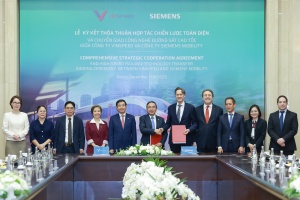
VinSpeed ​​High-Speed ​​Railway Investment and Development JSC (a member of Vietnam’s leading conglomerate Vingroup) and Siemens Mobility signed a deal on December 17 in Hanoi, launching a broad cooperation for high-speed rail in Vietnam.

Double-digit GDP growth within reach with shift to higher-value expansion

Exports have outperformed expectations and reached GDP growth targets early. How do you assess this achievement in terms of sustainability and risk?

In 2024, Vietnam’s total import-export value exceeded $786 billion, up 15.4 per cent on-year, with exports reaching $406 billion, up 14.3 per cent – an unprecedented achievement. However, this record was quickly broken.

According to data from Vietnam Customs, as of December 15, the country’s total import-export value had reached $883.7 billion, including $451.2 billion in exports – surpassing the entire 2024 figure and rising nearly 17 per cent on-year. This exceeded the target set to secure 8 per cent GDP growth, which required export growth of more than 12 per cent.

Export turnover has risen year after year over a prolonged period, with the sole exception of 2023. This sustained growth highlights Vietnam’s strengthening position and credibility in global export markets.

Vietnam has become a critically important link in the global production and trade chain. However, an economy that relies too heavily on exports faces potential risks in the future when export growth inevitably slows.

Foreign-invested enterprises (FIEs) generate nearly three-quarters of export turnover. Is this dependence a structural weakness or a transitional phase?

This is a real challenge that requires addressing multiple issues.

First, like other developing economies, Vietnam has a strong demand for foreign capital and has worked to create the most attractive possible investment and business environment to draw in investment, including facilitating exports by the foreign direct investment (FDI) sector through the signing of and participation in 20 free trade agreements.

Second, the share of exports by domestic enterprises must be increased to reduce the proportion of FDI exports in total export turnover.

Third, rising exports from the FDI sector are very welcome, as they make an important contribution to Vietnam’s economy. However, the problem is that the value-added content of goods produced in Vietnam by FIEs remains low.

More precisely, Vietnam has largely served as a base for processing, assembly, packaging, and testing. Most of the raw materials, equipment, and machinery used to produce export commodities by FIEs are imported.

The only way to address this challenge is to develop supporting industries and proactively secure sources of materials and components to supply FIEs.

When supporting industries develop, the value added of goods produced in Vietnam by the FDI sector increases. In that case, rising exports also mean rising exports of domestically produced content.

Moreover, when Vietnamese firms participate deeply in global production chains, foreign businesses are more likely to commit to long-term investment in Vietnam, as their dependence on imported inputs is reduced and the risk of supply-chain disruptions is minimised.

By contrast, if activities are limited to processing and assembly, FIEs can leave at any time if other locations in the world offer more attractive investment conditions – especially lower labour costs.

If export growth slows, can the country still aim for double-digit GDP growth by focusing on higher value-added exports and expanding the trade surplus?

Export strategy needs to shift from chasing high growth rates to maximising the value added by exports produced in Vietnam.

GDP can be measured in several ways, but a widely used approach defines it as the sum of final consumption by households and government, gross capital formation, and the trade balance.

Under this framework, when exports and imports rise in tandem and the trade surplus remains modest, exports make only a limited contribution to overall GDP growth.

For example, as of December 15, Vietnam’s trade balance recorded a surplus of $18.64 billion, while imports reached $432.54 billion, up 19.4 per cent on-year. If import turnover – particularly raw materials and fuels, which account for 41 per cent – could be reduced, the trade surplus could increase by several tens of billions of dollars, significantly boosting GDP growth.

Therefore, shifting the focus from quantity to quality in exports is essential. Even if export turnover grows more slowly, or does not grow at all, an increase in the value-added content produced in Vietnam combined with a large trade surplus would allow exports to make a substantial contribution to GDP growth.

How can Vietnam enhance the value and competitiveness of its exports in the years ahead?

Textiles and footwear, for example, make a major contribution to the country’s export turnover. However, if Vietnam limits itself to producing basic apparel, hats, and standard footwear, its export competitiveness will continue to erode, as domestic labour costs have been on the rise.

Therefore, instead of mass-market products, firms should focus on goods made from silk, lotus fibre, and other natural fabrics that are environmentally friendly, higher in value, and better aligned with consumption trends in developed markets.

Encouragingly, Resolution No.68-NQ/TW requires the government to promptly develop and refine the legal framework as well as introduce innovative policies that encourage investment in R&D.

It allows enterprises to allocate up to 20 per cent of taxable corporate income to establish funds for science and technology development, innovation, digital transformation, and R&D.

Meanwhile, Resolution No.57-NQ/TW on breakthroughs in the development of sci-tech, innovation, and national digital transformation sets out a series of incentive and preferential mechanisms for R&D activities.

It firmly mandates R&D expenditure at 2 per cent of GDP, allocates at least 3 per cent of total annual state budget spending to sci-tech development, innovation, and national digital transformation, and calls for a gradual increase in line with development needs.

As Vietnam enters a new era with aspirations to rise, prosper, and achieve greater national strength – expressed through setting a double-digit GDP growth target in 2026 and beyond – the country has sufficient grounds to prioritise economic expansion, provided that macroeconomic stability is maintained, inflation is kept under control, and the major balances of the economy are safeguarded.

Businesses set ambitious double-digit growth targets Businesses set ambitious double-digit growth targets

Ongoing economic recovery continues to serve as a driving force, enabling businesses from various sectors to accelerate growth, with many firms are setting business plans with double-digit growth targets.

Hanoi maintains strong tourism momentum with double-digit growth in July Hanoi maintains strong tourism momentum with double-digit growth in July

Hanoi Department of Tourism has reported a robust performance in July, with the capital welcoming approximately 2.8 million visitors, up 10.3 per cent on-year.

Driving double-digit growth through green and circular transformation in Vietnam Driving double-digit growth through green and circular transformation in Vietnam

The circular economy has been identified as a strategic pillar of Vietnam’s new green growth model. At the same time, it is considered as a strategic key enabling Vietnam to seize opportunities for breakthrough development.

Vietnam’s GDP Grows by 8.02 per cent in 2025

The Statistics Office under the Ministry of Finance reported that Vietnam’s GDP expanded by an estimated 8 per cent on-year in 2025, the second-highest growth rate in the 2011–2025 period, behind only 2022. In its socioeconomic report released on January 5, the agency said GDP growth accelerated quarter by quarter, rising by 7 per cent in the first quarter, 8.16 per cent in the second, and 8.25 per cent in the third, before reaching almost 8.5 per cent in the fourth quarter – the highest fourth-quarter growth rate recorded over the period.

By sector, agriculture, forestry and fisheries grew by 3.7 per cent, contributing just over 5 per cent to the increase in total value added across the economy. Industry and construction expanded by 9.7 per cent, contributing just under 46 per cent, while the services sector grew by 8.8 per cent, accounting for almost half of overall growth.

In the fourth quarter of 2025, final consumption increased by 7.15 per cent on year; gross capital formation rose by almost 9 per cent, while both exports and imports of goods and services both grew by around 19 per cent.

For the year as a whole, GDP growth in 2025 was estimated at 8 per cent compared with 2024, again second only to the growth rate recorded in 2022 during the 2011-2025 period. Of the increase in total value added of the entire economy, agriculture, forestry and fisheries rose by 3.8 per cent, contributing 5.3 per cent; industry and construction grew by 8.95 per cent, contributing 44 per cent; and services expanded by 8.6 per cent, contributing 51 per cent.

Within the agriculture, forestry and fisheries sector, despite adverse impacts from storms and flooding, timely response and recovery measures helped production remain stable. Value added in agriculture in 2025 was estimated to increase by 3.5 per cent on year; forestry grew by 5.7 per cent, while fisheries expanded by over 4.4 per cent.

In the industry and construction sector, industrial production recorded its highest growth rate since 2019. Value added in industry in 2025 was estimated to rise by 8.8 per cent on-year, contributing around 35 per cent to total value-added growth of the economy.

Within the industrial sector, manufacturing and processing increased by just under 10 per cent, the highest rate during 2019-2025, continuing to serve as a key driver of economic growth and contributing 31.5 per cent. Water supply and waste and wastewater management grew by 7.8 per cent; electricity production and distribution increased by 6.4 per cent; mining edged up by 0.42 per cent; construction grew by 9.6 per cent.

Strong growth in trade and tourism activities, together with a record number of international visitors to Vietnam in 2025, made a positive contribution to the services sector growth. Value added in services in 2025 was estimated to increase by 8.62 per cent, second only to the growth rate recorded in 2022 during the 2011-2025 period.

Several major market-oriented service industries made significant contributions to overall value-added growth, including wholesale and retail trade, which rose by 8.5 per cent on-year and contributed 10.6 per cent; transport and warehousing, up 11 per cent and contributing 8.7 per cent; finance, banking and insurance, growing by 7.8 per cent and contributing 5.7 per cent; and accommodation and food services, increasing by 10 per cent and contributing over 3.3 per cent.

In terms of economic structure in 2025, agriculture, forestry and fisheries accounted for over 11.5 per cent of GDP; industry and construction 37.6 per cent; services almost 43 per cent; and taxes on products less subsidies on products around 8 per cent. The corresponding shares in 2024 were 12 per cent, 37.5 per cent, 42 per cent, and 8 per cent, respectively.

Regarding GDP use in 2025, final consumption rose by 7.95 per cent on-year; gross capital formation increased by 8.7 per cent; exports of goods and services grew by 16.3 per cent; and imports of goods and services rose by 17 per cent.

At current prices, Vietnam’s GDP in 2025 was estimated at VND12.85 quadrillion ($514 billion), an increase of $38 billion compared with 2024 ($476 billion). GDP per person at current prices was estimated at VND125.5 million ($5,000) per person, up $300 from 2024 ($4,700).

Labour productivity across the entire economy in 2025 at current prices was estimated at VND245 million ($9,800) per worker, an increase of $626 compared with 2024. At constant prices, labour productivity rose by 6.8 per cent. Improvements in workforce quality continued, with the proportion of trained workers holding qualifications or certificates in 2025 estimated at 29 per cent, up 0.8 percentage points from 2024. Economic growth remained robust, and the overall size of the economy continued to expand.

OECD projects moderation in Vietnam’s GDP growth over next two years OECD projects moderation in Vietnam’s GDP growth over next two years

Vietnam’s economic growth is expected to slow in the coming years, with real GDP projected at 6.2 per cent in 2026 and 5.8 per cent in 2027, the OECD has said.

UOB sees Vietnam growth easing in fourth quarter UOB sees Vietnam growth easing in fourth quarter

United Overseas Bank (UOB) expects Vietnam’s economic growth to ease in the fourth quarter, though full-year expansion remains robust.

Vietnam’s GDP forecast to grow by 9 per cent in 2026 Vietnam’s GDP forecast to grow by 9 per cent in 2026

Vietnam’s real GDP is forecast to grow by 9 per cent in 2026, underpinned by an ambitious government agenda aimed at positioning the year as a critical to the country’s development trajectory, according to a report by KIS Research.

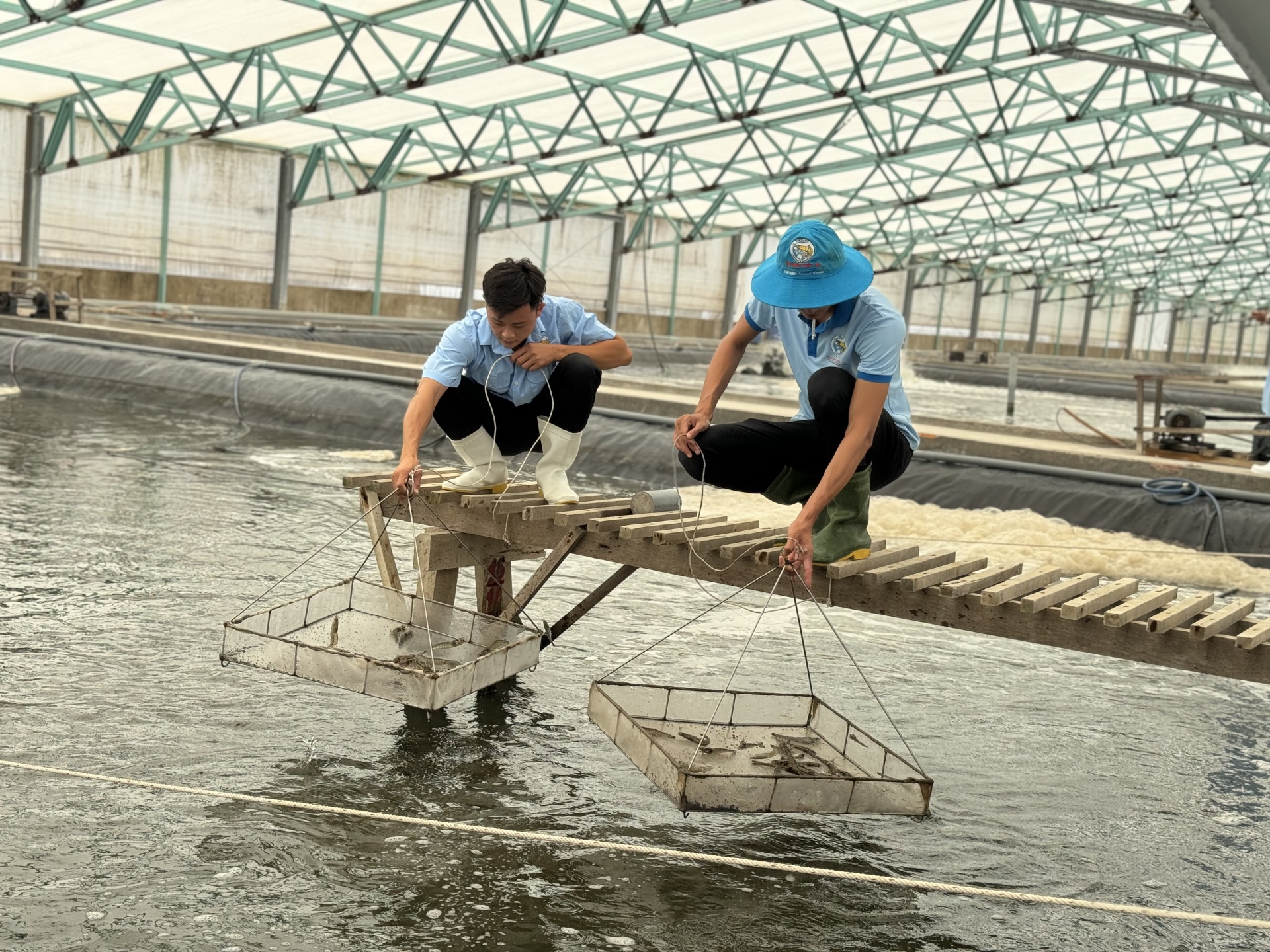
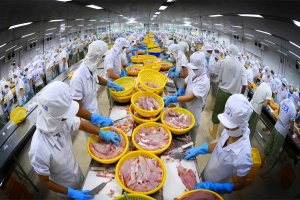
According to the Vietnam Association of Seafood Exporters and Producers (VASEP), export turnover exceeded $11.3 billion in 2025, up 13 per cent on year. Shrimp remained the largest export earner at $4.65 billion, rising 20 per cent from 2024, while lobster exports more than doubled to $817 million, reflecting strong demand across major markets.

Photo: Hoang Oanh
Photo: Hoang Oanh

Basa fish ranked second, with exports reaching $2.19 billion, an 8 per cent rise. Other marine fish took in $2.16 billion, up 12 per cent, supported by diversified markets. By contrast, tuna exports declined due to prolonged raw material shortages and tighter regulations related to illegal, unreported, and unregulated (IUU) fishing.

Exports to the United States reached nearly $1.9 billion in 2025, up just 3 per cent amid policy uncertainty, tariff risks, and technical barriers. Growth elsewhere helped offset the slowdown, with China (including Hong Kong), the EU, and markets under the Comprehensive and Progressive Agreement for Trans-Pacific Partnership (CPTPP) emerging as key drivers.

Exports to CPTPP markets and the EU both posted double-digit growth, reaching more than $3 billion and $1.2 billion, respectively. China (including Hong Kong) recorded the strongest increase, up 29 per cent to $2.45 billion, driven by demand for live lobster, crab, shellfish, and clams.

VASEP attributed the sector’s performance to exporter flexibility and effective market timing amid global volatility. A tightening global supply following a period of low prices also helped lift demand.

Looking ahead to 2026, VASEP cautioned that market conditions remain uncertain. US trade policies and technical barriers may continue to prompt exporters worldwide to diversify markets, intensifying competition in the EU, China, ASEAN, and the Middle East. The unresolved IUU yellow card remains a key constraint on access to Western markets.

For basa fish, analysis by Mirae Asset Securities forecasts improved consumption in the United States and stable demand in China. Exports to the EU and Brazil are expected to remain steady in 2026, though competition may intensify as global exporters gradually shift away from the US market.

Vietnam’s seafood exporters suffering with euro fluctuation Vietnam’s seafood exporters suffering with euro fluctuation

EVFTA advantages threatened by tough competition EVFTA advantages threatened by tough competition
Vietnam’s seafood imports surge 30 per cent in first 10 months Vietnam’s seafood imports surge 30 per cent in first 10 months
Seafood exporters urged to prepare for expected downturn in 2026 Seafood exporters urged to prepare for expected downturn in 2026
Favourable tariff outlook offers boost for Vietnamese exporters Favourable tariff outlook offers boost for Vietnamese exporters

Seafood exports to Japan surge towards new annual record Seafood exports to Japan surge towards new annual record

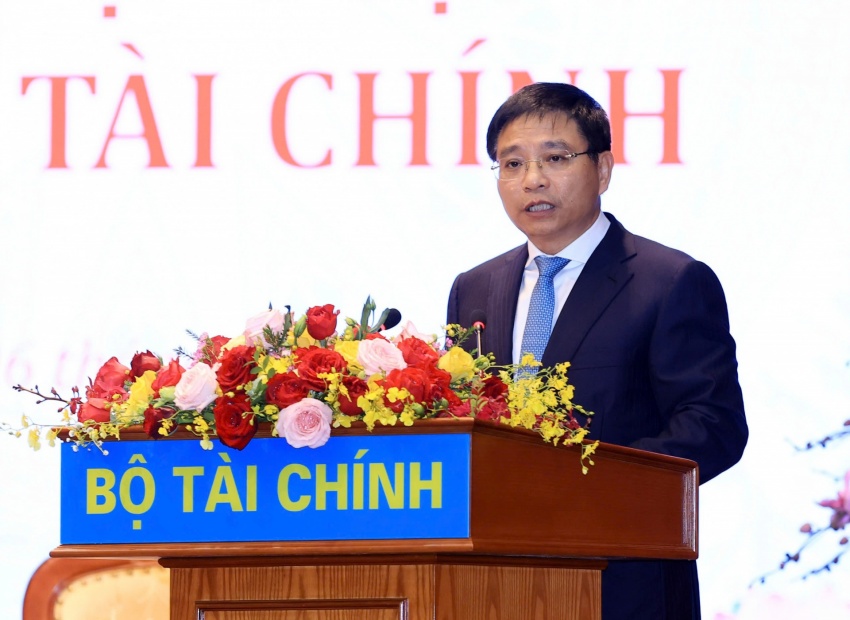
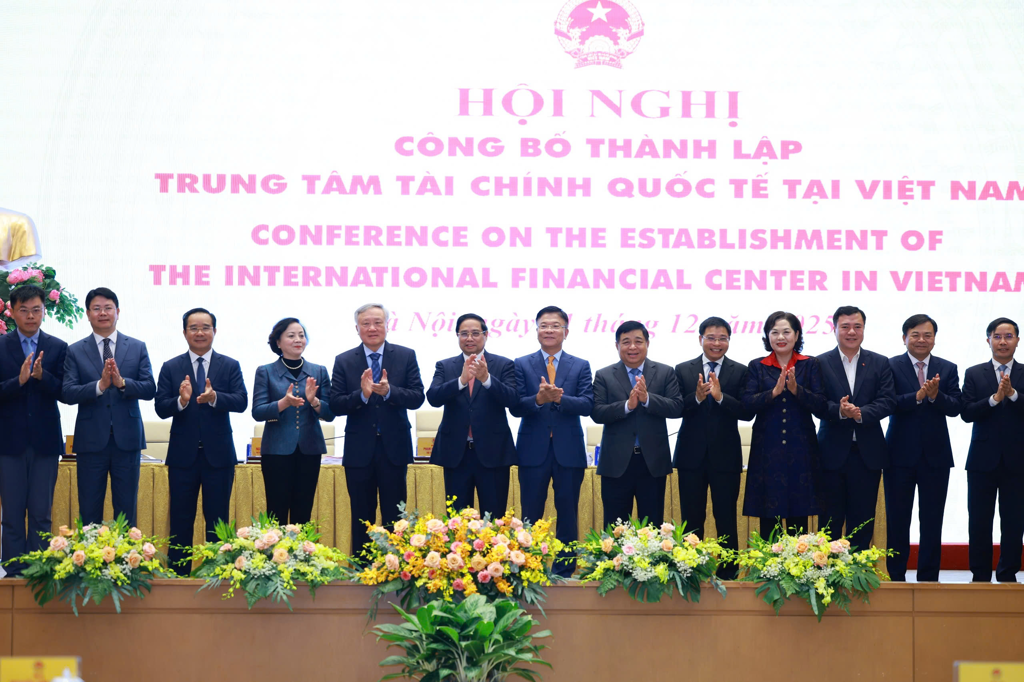
Finance sector lays firm groundwork for 2026 after major reform

The conference was honuored by the attendance and keynote remarks of Prime Minister Pham Minh Chinh, alongside members of the Party Central Committee, deputy prime ministers, leaders of central Party and state bodies, National Assembly agencies, and local authorities.

Addressing the conference, Minister of Finance Nguyen Van Thang said this was the first annual review conducted under the ministry’s new organisational structure following the merger and consolidation of the MoF, the Ministry of Planning and Investment, the State Capital Management Committee at Enterprises, and Vietnam Social Security.

“The entire financial sector has strengthened in solidarity and determination to fulfill all assigned tasks as we enter a new phase of development in 2026,” he said.

The minister added that 2025 had been marked by significant challenges, particularly heightening uncertainty and volatility in global financial and trade markets, as well as severe impacts from natural disasters, flooding, and climate change. At the same time, the financial sector undertook an unprecedented organisational overhaul from central to local levels, cutting 37 per cent of focal units.

“These developments posed considerable challenges for the entire sector. However, the MoF maintained unity and overcame difficulties to achieve encouraging results,” the minister said.

First, on institutions, the MoF focused on developing the largest volume of legal and policy documents ever, coupled with renewed thinking and approaches to remove obstructions, promote decentralisation and delegation, and promptly meet new development requirements.

Second, the MoF advises the government on scenarios and policy solutions to achieve economic growth of at least 8 per cent while keeping inflation at its lowest possible level.

Third, fiscal policy management was conducted in a proactive, decisive, and effective manner, with clear priorities. Tax and fee reductions and extensions were implemented to support production and business, alongside enhanced revenue management linked to digital transformation to ensure accurate collections. Recurrent expenditure was strictly curtailed to increase spending on development, social security, and national defence and security.

Fourth, administrative procedures and business conditions were further streamlined, improving the investment and business environment and contributing to the mobilisation of social investment and the development of all economic sectors.

Fifth, financial and securities markets continued to develop in a more modern, efficient, sustainable, and integrated direction.

Sixth, the effectiveness of the social insurance system and insurance market was strengthened to mitigate economic risks and support sustainable and inclusive development.

Finance sector lays firm groundwork for 2026 after major reform
Minister of Finance Nguyen Van Thang

In addition to these achievements, Minister Thang also pointed to several disadvantages and difficulties. Foremost among them was pressure on financial policy management to mobilise social investment at around 40 per cent of GDP to achieve double-digit growth, while maintaining macroeconomic stability.

It is also necessary to further innovate and improve financial and investment policy solutions to create breakthroughs in developing economic sectors and financial markets, in line with resolutions and conclusions of the Party and National Assembly, and the direction of the government and the prime minister.

“Moreover, workloads are increasing and requirements are becoming more demanding, while some tasks and projects have yet to fully meet development needs,” the minister said, while calling on the entire sector to draw valuable lessons and best practices to work more effectively.

Looking to 2026, the minister said that this is a year of particular importance, marking the first year of implementing the Resolution of the 14th National Party Congress. While external conditions remain unfavourable and unpredictable, and the economy still faces internal constraints and challenges, the Party, National Assembly, government and the prime minister have set very ambitious targets: economic growth of at least 10 per cent in 2026, while maintaining macroeconomic stability, controlling inflation at around 4.5 per cent, ensuring major economic balances, strengthening social security, improving living standards, and meeting the requirements of rapid, sustainable, and inclusive national development.

The MoF and the entire financial sector must act with greater resolve and determination, continue to comprehensively renew thinking and approaches across all areas of work, and closely and effectively coordinate with ministries, agencies, and localities to promptly implement the Party’s guidelines, National Assembly resolutions, and the direction of the government and the prime minister, in response to increasingly demanding requirements.

Following the minister’s remarks, under the chairmanship of PM Chinh, the conference focused on discussions and substantive, candid contributions to the 2025 situation and key solutions for 2026.

Government moves to establish International Financial Center Government moves to establish International Financial Center

The government has officially announced the establishment of an International Financial Center (IFC), signaling a major policy push to elevate the country’s role in regional finance.

Tax sector wraps up 2025 and sets priorities for next year Tax sector wraps up 2025 and sets priorities for next year

The tax authorities closed 2025 with record revenue collections and digital adoption while outlining key priorities for 2026, including expanding the tax base, preventing revenue losses, and improving taxpayer services.

Vietnam GDP posts second-strongest growth since 2011 Vietnam GDP posts second-strongest growth since 2011

Vietnam’s economy delivered one of its strongest growth performances in more than a decade last year, with momentum building steadily through the quarters and peaking at year-end.

Stock market starts 2026 with growth and governance in focus Stock market starts 2026 with growth and governance in focus

Vietnam’s stock market began its first trading session of 2026 on a confident note, with lingering underscoring its role as a key pillar for rapid yet sustainable economic growth in the next phase of national development.

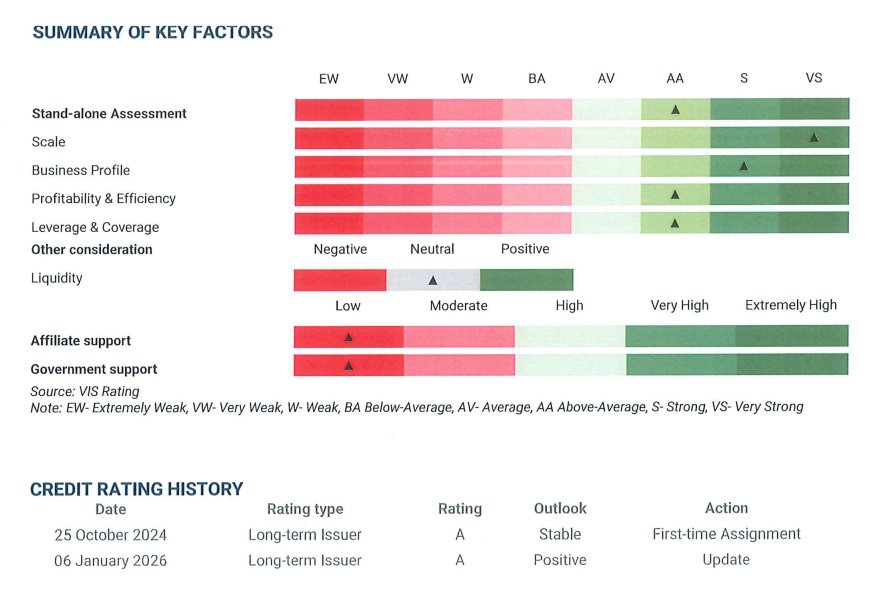
GELEX is the first enterprise to receive an outlook upgrade from VIS Rating in the 2025 rating cycle, issued on January 6, and among the rare cases to achieve such an improvement within less than one year. This reflects the group’s above-average pace of improvement in financial quality and operating performance, at a time when credit assessment standards are becoming increasingly stringent. The upgrade also recognises GELEX’s governance capability, adaptability, and potential for further rating improvement in the medium term.

GELEX’s credit rating outlook upgraded to 'Positive' by VIS Rating
VIS Rating has upgraded GELEX’s long-term A rating outlook from “Stable” to “Positive”

The maintained A rating, together with the upgraded outlook, reflects expectations that GELEX’s revenue and operating cash flows will continue to strengthen over the next 12-18 months, supported by the solid fundamentals of its core businesses in electrical equipment and building materials.

From 2024 through the first nine months of 2025, GELEX recorded nearly 15 per cent revenue growth, significantly exceeding the average growth rate from 2021-2023. The group’s earnings before interest, taxes, depreciation, and amortisation (EBITDA) margin improved to approximately 23 per cent, indicating continued enhancements in operating efficiency and cost management at the consolidated level.

The electrical equipment segment remains the primary growth driver for GELEX. Through market expansion, new product development, and optimisation of its manufacturing value chain, the group has significantly increased its industry market share.

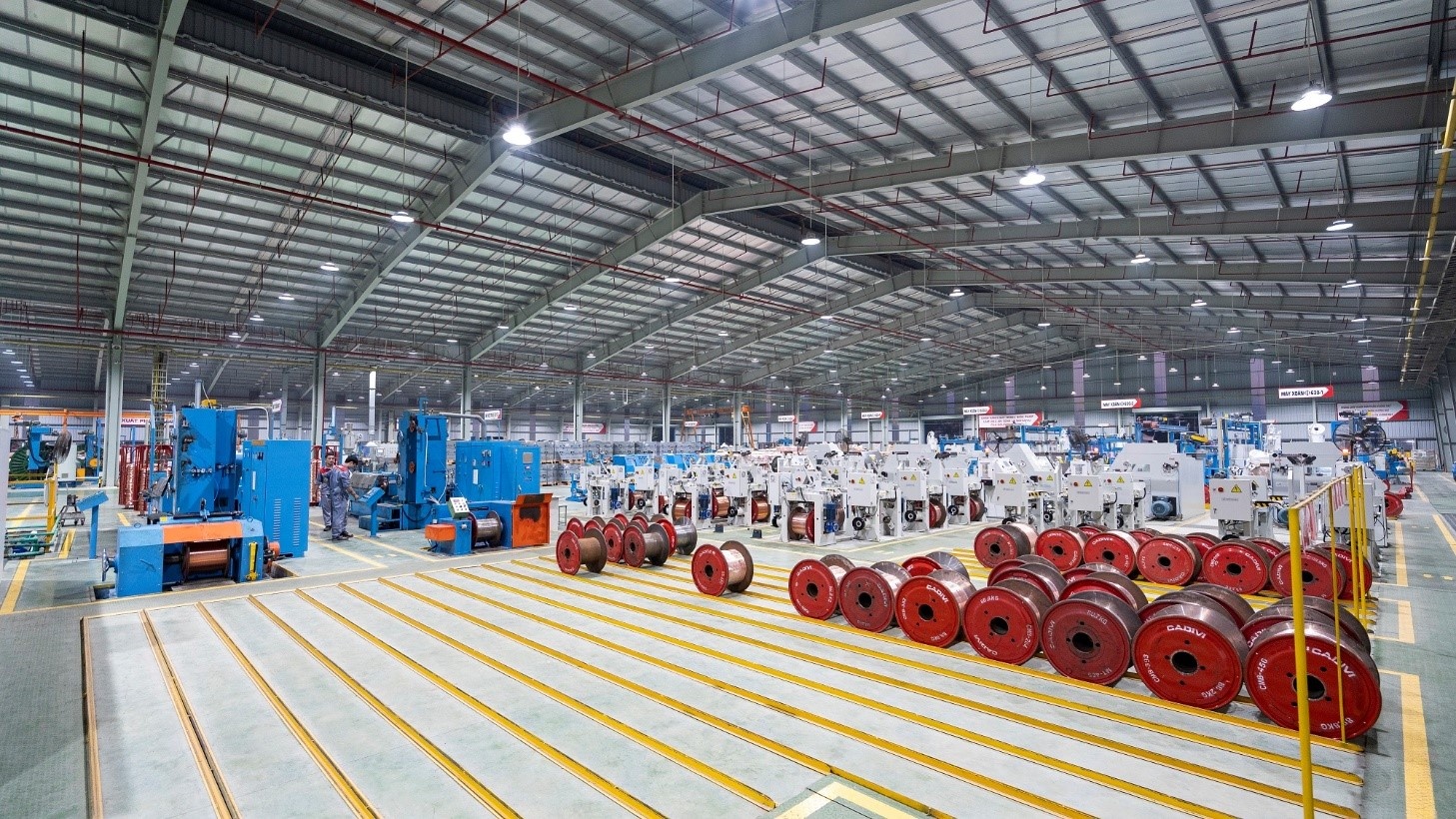
In particular, CADIVI, GELEX’s key subsidiary in power cables, expanded its presence in northern Vietnam from early 2024, contributing to a higher nationwide market share in the power cable segment. Supported by scale expansion and improved production efficiency, the EBITDA margin of the electrical equipment segment increased sharply from around 13 per cent to over 20 per cent in the first nine months of 2025.

GELEX’s credit rating outlook upgraded to 'Positive' by VIS Rating
The electrical equipment business continues to be the main contributor to GELEX’s revenue and profit growth

VIS Rating expects this segment to maintain stable growth momentum, supported by strong demand for electrical products amid robust public and private investment in power infrastructure nationwide.

For GELEX Infrastructure, profitability in the building materials segment is expected to improve, driven by the recovery of the real estate market, easing competition in the construction glass segment following Vietnam’s initiation of anti-dumping investigations on certain imported products in July 2025, and the restructuring of sales channels at several subsidiaries.

The utilities segment, with EBITDA margins exceeding 70 per cent, is forecast to further strengthen the group’s overall growth following the completion of a plan to double water treatment capacity in the first quarter of 2026.

Strong demand for industrial infrastructure is expected to support leasing activities and cash flows in the industrial real estate segment. GELEX Infrastructure plans to commence sales of a new residential real estate project in Haiphong, developed in cooperation with Frasers Property (Singapore), including both low-rise and high-rise components, in Q1.

GELEX subsidiaries also plan to expand residential land banks and develop additional new projects. From 2026-2027, GELEX is expected to achieve average annual revenue growth of approximately 14 per cent, while maintaining an EBITDA margin of around 20 per cent.

GELEX’s credit rating outlook upgraded to 'Positive' by VIS Rating
Artist’s impression of the ANmaison project in Haiphong

VIS Rating notes that GELEX’s profitability and operating cash flow (CFO) remain strong, providing a solid foundation for maintaining stable financial safety indicators. Specifically, the EBIT-to-interest coverage ratio stands at approximately 4.5-5.0 times, while the CFO-to-debt ratio has been maintained at 15-20 per cent.

These metrics indicate that GELEX has adequate financial headroom to implement its medium- and long-term investment plans, while maintaining effective control over leverage and liquidity risks amid ongoing volatility in the financial environment.

According to VIS Rating, GELEX’s credit rating could be upgraded in the medium term if the group continues to sustain EBITDA margins above 20 per cent, maintains a CFO-to-debt ratio above 20 per cent, and adheres to a prudent investment strategy with limited reliance on excessive borrowing.

Conversely, overly rapid investment expansion or delays in the implementation of key projects could place pressure on cash flows and liquidity, potentially affecting the group’s rating outlook in the future.

The affirmation of GELEX’s A credit rating and the upgrade of its outlook to “Positive” provide clear evidence of the group’s credit strength, financial governance capability, and sustainable business foundation. This result not only reinforces the confidence of investors and credit institutions, but also gives GELEX a significant advantage in accessing long-term capital at more competitive costs, supporting the realisation of its sustainable growth strategy.

VIS Rating is an independent credit rating agency in Vietnam, licensed by the Ministry of Finance since September 2023, established through cooperation with Moody’s and other partners under a Vietnam Bond Market Association initiative. VIS Rating provides credit risk and financial capacity assessments for domestic enterprises.

GELEX Infrastructure secures $40 million SACE Push loan for facility GELEX Infrastructure secures $40 million SACE Push loan for facility

HSBC and the Italian Export Credit Agency have agreed a loan of $40 million for GELEX Infrastructure JSC.

GELEX completes international financing transaction worth $79 million GELEX completes international financing transaction worth $79 million

GELEX Group announced the completion of a loan facility guaranteed by the Italian Export Credit Agency (SACE) with a total value of $79 million on May 29.

FPT and GELEX sign deal to develop blockchain tech for global markets FPT and GELEX sign deal to develop blockchain tech for global markets

FPT Corporation and GELEX Group signed an agreement on the development of blockchain technology in Hanoi on December 25.

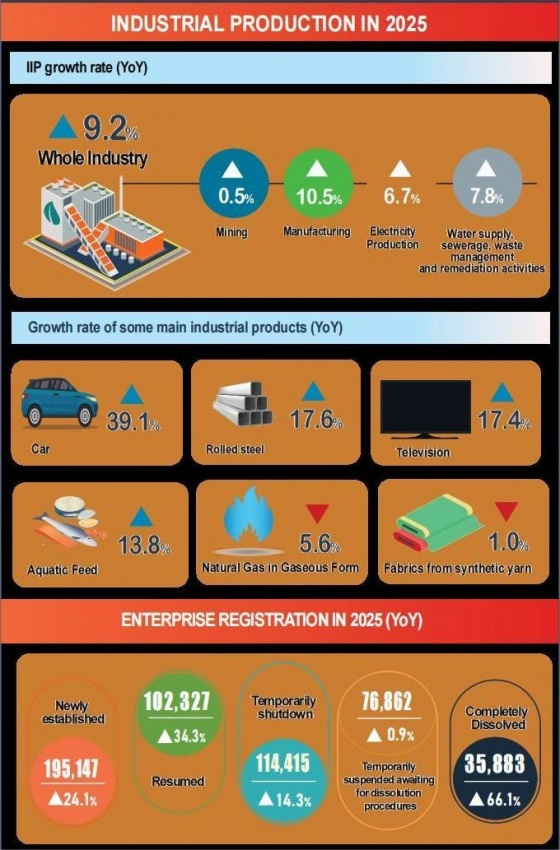
According to data released on January 5 by the National Statistic Office under the Ministry of Finance, the industrial production index (IIP) rose an estimated 9.2 per cent in 2025 compared with the previous year, up from an 8.2 per cent increase in 2024. This marked the highest annual growth rate since 2019, confirming a clear acceleration in industrial momentum.

The recovery gained further traction in the final quarter of the year, when the IIP was estimated to have increased by 9.9 per cent on-year. The fourth quarter surge was attributed largely to accelerating production and supply efforts towards the year-end, as enterprises sought to meet both domestic consumption and export demand during the peak season.

Vietnam’s industrial output hits seven-year high in 2025
Source: National Statistic Office

Manufacturing remained the primary growth engine. In 2025, the manufacturing and processing sector expanded by 10.5 per cent, compared with 9.5 per cent a year earlier, contributing 8.4 percentage points to overall IIP growth. Electricity production and distribution rose by 6.7 per cent, adding 0.6 percentage points, while water supply and waste management activities increased by 7.8 per cent, contributing 0.1 percentage points. Mining recorded a modest rise of 0.5 per cent after contracting sharply in 2024, also adding 0.1 percentage point to the overall increase.

At a more granular level, several key second-tier industries posted double-digit growth, reflecting a broad-based recovery in industrial activity. Motor vehicle manufacturing led the expansion with a 22 per cent increase, followed by non-metallic mineral products at 16.2 per cent. Rubber and plastic products rose by 15.7 per cent, basic metals by 15.4 per cent, and garment production by 13.2 per cent.

Other notable performers included fabricated metal products, excluding machinery and equipment, which grew by 12.5 per cent, chemicals and chemical products at 12.4 per cent, leather and related products at 11.1 per cent, and food processing at 11 per cent. Output of coke and refined petroleum products rose by 10.8 per cent, paper and paper products by 10.4 per cent, furniture by 9.4 per cent, and electronics, computers, and optical products by 8.3 per cent.

By contrast, a small number of sectors recorded slower growth or contraction. Hard coal and lignite mining rose by just 2.5 per cent, while crude oil and natural gas extraction declined by 2.5 per cent compared with the previous year, continuing the downward trend.

The industrial upturn was also reflected across localities. The IIP increased on-year in all 34 provinces and centrally governed cities reporting industrial activity in 2025. Several localities achieved particularly strong growth, driven by rapid expansion in manufacturing and electricity generation. Meanwhile, provinces with more modest increases were those where manufacturing, power production, or mining grew slowly or declined.

Output of major industrial products strengthened markedly during the year. Automobile production surged by 39.1 per cent, while rolled steel increased by 17.6 per cent and television output by 17.4 per cent. Aquaculture feed and everyday clothing both rose by 13.8 per cent, cement by 13.6 per cent, leather footwear by 13.3 per cent, processed seafood by 11.1 per cent, and NPK compound fertilisers by 10.7 per cent.

However, not all products shared the upward trend. Natural gas in gaseous form fell by 5.6 per cent, fabrics made from man-made fibres declined by 1 per cent, and monosodium glutamate output edged down by 0.2 per cent.

Consumption indicators also pointed to sustained demand. In December 2025, the consumption index of the manufacturing sector slipped by 0.4 per cent from the previous month but rose by a strong 12.2 per cent on-year. For the full year, manufacturing consumption increased by 9.9 per cent compared with 2024, although this was slightly lower than the 11.4 per cent growth recorded a year earlier.

Inventory levels rose alongside expanding production. As of December 31, inventories in the manufacturing sector were estimated to be 6.2 per cent higher than at the end of November and 13.1 per cent higher than a year earlier. The average inventory ratio for manufacturing in 2025 stood at 81.1 per cent, up from 77.1 per cent in 2024, reflecting both higher output and stock accumulation in certain industries.

Labour indicators reinforced the positive outlook. As of December 1, employment in industrial enterprises had increased by 0.8 per cent compared with the previous month and by 2.4 per cent on-year. Employment rose across state-owned, non-state, and foreign-invested enterprises, with the strongest annual growth of 3.3 per cent recorded in the foreign-invested sector.

By industry, employment in manufacturing rose by 0.9 per cent on-month and 2.4 per cent on-year, while power generation and distribution saw a 2.9 per cent annual increase. These trends highlight the role of industrial expansion in supporting job creation and economic stability.

Taken together, the strong performance of industrial production, consumption, and employment in 2025 highlights a broad-based recovery and sets a favourable foundation for industrial growth in the year ahead.

E-commerce market undergoes transformation amid rising competition and regulation

In the third quarter of 2025, Shopee remained the market leader with a 56 per cent share, but sales growth slowed to 4 per cent on-year, signalling saturation amid rising competition and costs.

TikTok Shop is rapidly closing the gap, posting 69 per cent growth and expanding market share from 30 per cent to 41 per cent, driven by its livestream and short-video “shoppertainment” model.

Lazada held a stable 3 per cent share, while Tiki continued to lose ground, with sales down to 80 per cent.

In the first half of 2025, TikTok Shop saw explosive seller growth of 96 per cent to 267,000, while other platforms declined sharply, with Shopee down 32 per cent to 210,000, losing roughly a third of its active sellers. TikTok Shop’s average transaction value per product rose 10 per cent on-year to approximately VND130,000 ($4.95), signalling a shift beyond low-priced, trend-driven goods towards higher-quality brands, while Shopee’s fell 7.2 per cent to VND107,000 ($4.07), reinforcing its value-for-deals positioning.

In the third quarter of 2025, top-grossing categories were beauty (VND17.7 trillion or $673.4 million), home and living (VND13.8 trillion or $525 million), and women’s fashion (VND12.1 trillion or $460.4 million).

Shoppertainment became the “new industry benchmark”. Following TikTok’s dominance, other platforms have adopted livestreaming and short-video selling. Brands are also expanding sales channels accordingly. Nina Live Hub, a vibrant livestream solution provider, now offers end-to-end services and has expanded into a full ecosystem with Nina Ecom Centre, covering creator training, creator network management, storefront operations, and revenue management across e-commerce platforms.

Effective July 1, 2025, e-commerce platforms are required to withhold VAT and personal income tax (PIT) on sales made through their sites. Platforms must collect 1 per cent VAT and 0.5 per cent PIT on revenue from goods sold by domestic individuals and household businesses.

This mechanism effectively turns platforms into tax collectors, formalising the income of thousands of micro-entrepreneurs and reducing the ability for sellers to operate informally. This also increases operational complexity and compliance costs from upgrading billing systems, seller classification, reporting and reconciliation.

The report shows the rollout of new e-commerce regulations is expected to formalise the market and improve transparency, while increasing compliance burdens, especially for sellers operating through social commerce channels

Market success will increasingly depend on government and private-sector investment in e-commerce enablers and cross-border logistics, enabling small- and medium-sized enterprises to meet international quality and sustainability standards and scale Vietnam’s digital export potential.

Larger platforms and well-capitalised direct-to-consumer brands are likely to use AI to boost productivity and reduce costs by 10-30 per cent, while smaller players that lag in AI adoption may struggle to remain competitive on cost and operational efficiency.

Vietnam's retail market tops $269 billion in 2025 amid e-commerce boom Vietnam’s retail market tops $269 billion in 2025 amid e-commerce boom

Vietnam’s retail market recorded a five-year high in revenue, reaching $269 billion in 2025, according to the Vietnam Domestic Market Report 2025 released by the Ministry of Industry and Trade.

Vietnam emerges as Southeast Asia's cross-border e-commerce hub Vietnam emerges as Southeast Asia’s cross-border e-commerce hub

Vietnam is rapidly emerging as a regional powerhouse in cross-border e-commerce, driven by strategic initiatives from global players and backed by supportive government policies.

Vietnam's digital economy to touch $39 billion in 2025 Vietnam’s digital economy to touch $39 billion in 2025

Vietnam’s digital economy will reach $39 billion by the end of 2025, with double-digit growth across all sectors, according to the e-Conomy SEA 2025 report by Google, Temasek, and Bain & Company.

On January 5, alongside the announcement of the national GDP growth figure for 2025, estimated at 8.02 per cent, the National Statistics Office (NSO) under the Ministry of Finance released a report on the growth of gross regional domestic product (GRDP) across 34 localities nationwide.

Preliminary estimates show that regional GDP growth rates ranged from 5.84 per cent to 11.89 per cent.

Most localities recorded growth rates above 7 per cent, with only five provinces posting growth below this threshold. Meanwhile, six localities achieved growth of over 10 per cent.

Six localities record double-digit growth as regional performance diverges in 2025
Quang Ninh province saw regional GDP growth topping at 11.89 per cent in 2025

According to the NSO, the regional GDP growth across localities generally followed the overall trajectory of the economy, continuing its recovery and expansion. However, growth rates remained uneven among regions.

In the group with growth exceeding 10 per cent, Quang Ninh took the lead with 11.89 per cent, followed by Haiphong at 11.81 per cent.

Next came Ninh Binh at 10.65 per cent, then Phu Tho at 10.52 per cent, Bac Ninh at 10.27 per cent, and Quang Ngai at 10.02 per cent.

Meanwhile, the group of localities with lower growth rates included Vinh Long, Thai Nguyen, and Tuyen Quang, with growth ranging from 5.84 per cent to 6.4 per cent.

Vinh Long recorded the lowest growth at 5.84 per cent, followed by Thai Nguyen at 6.33 per cent, Tuyen Quang at 6.4 per cent, Lam Dong at 6.42 per cent, and Daklak at 6.68 per cent.

However, the NSO noted that, despite difficulties, no locality experienced stagnant growth.

According to the agency, among key localities, Hanoi, Ho Chi Minh City, Haiphong, Dong Nai, and Bac Ninh continued to play a pillar role in the economy, making the largest contribution to national GDP growth.

These are the five largest local economies in the country. In 2025, the group accounted for as much as 55.4 per cent of national growth.

Of this, Hanoi recorded growth of 8.16 per cent, while Ho Chi Minh City grew by 7.53 per cent. Together, the two cities contributed 36.1 percentage points to national growth.

Alongside Hanoi and Ho Chi Minh City, other centrally run cities also posted relatively strong growth.

Danang recorded upbeat growth, estimated at 9.18 per cent, while Can Tho grew by 7.23 per cent and Hue by 8.5 per cent. Haiphong was the centrally run city sitting at the top at 11.8 per cent.

By region, the NSO reported that the Red River Delta continued to serve as a key growth engine for the country, with the growth estimated at 9.74 per cent, higher than the national average, contributing as much as 36.41 per cent to overall growth, the highest among all regions.

Meanwhile, the northern midlands and mountainous region posted estimated growth of 8.53 per cent, contributing 7.77 per cent to national growth.

The north central region recorded estimated GRDP growth of 8.37 per cent, contributing 6.47 per cent to national growth.

The south central coast and Central Highlands region was estimated to grow by 7.74 per cent, contributing 9.56 per cent to national growth.

The southwest region remained the largest economic region in the country, with estimated growth of 7.98 per cent and a contribution of 31.4 per cent to overall growth.

This region is home to major industrial, service, logistics, and financial centres, with Ho Chi Minh City and Dong Nai serving as growth engines that generate strong spillover effects nationally.

Meanwhile, the Mekong Delta recorded estimated growth of 7.24 per cent, contributing 8.39 per cent to overall national growth.

Businesses set ambitious double-digit growth targets Businesses set ambitious double-digit growth targets

Ongoing economic recovery continues to serve as a driving force, enabling businesses from various sectors to accelerate growth, with many firms are setting business plans with double-digit growth targets.

Hanoi maintains strong tourism momentum with double-digit growth in July Hanoi maintains strong tourism momentum with double-digit growth in July

Hanoi Department of Tourism has reported a robust performance in July, with the capital welcoming approximately 2.8 million visitors, up 10.3 per cent on-year.

Driving double-digit growth through green and circular transformation in Vietnam Driving double-digit growth through green and circular transformation in Vietnam

The circular economy has been identified as a strategic pillar of Vietnam’s new green growth model. At the same time, it is considered as a strategic key enabling Vietnam to seize opportunities for breakthrough development.