Innovation to support modern healthcare development

In Vietnam, the implementation not only helps modernise the healthcare sector, but is also linked to the goal of sustainable development, following the direction of Resolution No.72-NQ/TW of the Politburo on breakthrough innovation in protecting, caring for and improving people’s health.

Diagnostics plays a critical role in modern healthcare. According to experts, tests to detect disease, health status and infectiousness account for up to 70 per cent of clinical decisions, helping doctors to make accurate treatment decisions. However, the current budget for diagnostics accounts for only about 2-3 per cent of total healthcare costs, making upgrading testing infrastructure an urgent need.

In response to the need to improve diagnostic efficiency, since 2010, Roche has been providing pharmaceutical and in-vitro diagnostics with a mission to advance science and improve people’s health around the world. In Vietnam, it has pioneered the implementation of laboratory automation. Bach Mai Hospital is the first partner to apply this solution, shortening the test processing time from 3-4 hours to only 1-2 hours, even when receiving over 40,000 samples per day.

“Over 28 years working at the hospital, I have witnessed a long journey of modernising the testing equipment system,” said Dr. Dao Huyen Quyen, head of Biochemistry at Bach Mai Hospital. “During that journey, I appreciate the companionship and contribution of Roche Diagnostics Vietnam in implementing automation. These solutions have made an important contribution to improving operational efficiency, reducing errors and shortening the time to return results to patients.”

Assoc. Prof. Dr. Nguyen Thi Ngoc Lan, head of the Department of Testing at Hanoi Medical University Hospital shared, “IT is the management platform of modern smart laboratories. With Roche’s automation systems and advanced management software, the entire testing process is monitored in real time, from sample collection to result reporting. This represents an essential step in enhancing quality and efficiency in patient care.”

With nearly 60 years of presence in Vietnam and 15 years of pioneering laboratory automation, Roche has installed dozens of total laboratory automation systems in major hospitals and diagnostic laboratories nationwide, reaffirming its leading position in the diagnostics area.

Laboratory automation reflects Roche’s long-term commitment to modernising and strengthening healthcare for the people in Vietnam.

“Laboratory automation is not only about instruments and technology: it represents Roche’s enduring commitment to advancing healthcare systems,” said Ricky He, general manager of Roche Diagnostics Vietnam. “Roche is committed to advancing science and transforming healthcare by delivering innovative solutions. We are dedicated to providing excellent service that support healthcare professionals and stakeholders, thus advancing healthcare in Vietnam.”

Behind the success of the implementation of these automation systems is the hidden continuous contribution of Roche’s team from different departments, especially the professional service team. Ensuring the smooth operation of an automated laboratory system requires seamless coordination between hardware, software, data flow, and stringent operational processes. Modern medical device engineers need to understand not only the machines, but also have a firm grasp of clinical workflows, IT, data security, and systems thinking.

It is a steadfast journey in which Roche has continuously accompanied the healthcare sector, striving to address the burden of disease in society, particularly in diagnostics to jointly build a strong medical community and pioneering the application of scientific and technological advances to improve the quality of healthcare for the people in Vietnam.
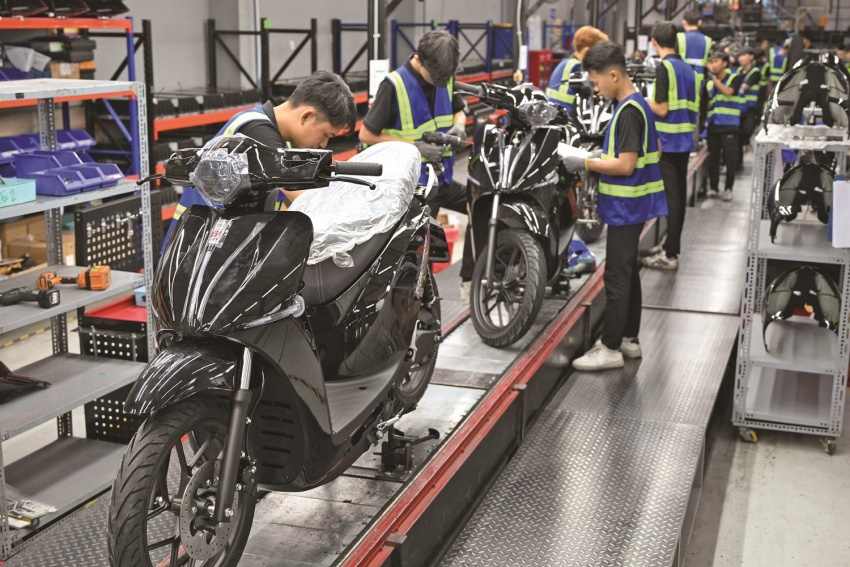
Dat Bike’s latest funding round underscores the growing confidence of international investors in Vietnam’s EV sector. Lead investor F.C.C. Co., Ltd., a Tokyo-listed global leader in motorcycle components, sees Dat Bike as a key innovator who shapes the future of mobility in ASEAN.

The round was also joined by leading names such as Rebright Partners, Cathay Ventures, Jungle Ventures, and AiViet Venture to support the company’s mission of driving Vietnam’s green transition. These strategic partnerships not only provide capital, but also technical expertise, helping Dat Bike enhance product quality, manufacturing efficiency, and supply chain sustainability.

Dat Bike’s post-funding development plan reflects a clear commitment to sustainable development through quality and trust. By focusing first on its service foundation before scaling aggressively, the company ensures that every new rider experiences reliability. That is the key factor in Vietnam’s nationwide transition from gasoline to electric motorbikes.

The company is channelling the new capital into strengthening its foundation for sustainable growth, starting with a comprehensive upgrade of its service ecosystem nationwide.

Dat Bike’s first strategic move after this successful fundraising round is to transform its existing 3S (sales, service, and spare parts) store system into comprehensive electric motorbike care hub centres across the country. These enhanced centres will serve as a backbone of the after-sales ecosystem, ensuring customers receive consistent and high-quality support throughout their ownership journey.

The first centre under this model has begun operation on Au Co in Ho Chi Minh City. It allows walk-in service without prior appointment, and can accommodate up to 10 vehicles simultaneously, significantly reducing wait time for customers.

Each service centre is equipped with dedicated electric vehicle (EV) specific tools such as insulation testers, battery charge-discharge benches, lifting tables, motor diagnostic sensors, and leak-detection systems.

Beyond technical capabilities, the centres prioritise customer comfort, providing free EV charging, complimentary beverages, and a dedicated waiting lounge.

Dat Bike accelerates sustainable mobility
Dat Bike pioneers in EV conversion in Vietnam through innovation and sustainable development

Strength and innovation

Recognising that electric motorbikes require distinct expertise compared to traditional petrol vehicles, Dat Bike has also invested heavily in training of staff. Technicians undergo rigorous factory training, theoretical and practical assessments, and certification for diagnosing and repairing all Dat Bike models, with ongoing upskilling to maintain the highest service standards.

These service centres are envisioned as comprehensive support hubs where customers can test, purchase, and maintain their electric bikes in one seamless experience.

“Sustainability is not only about reducing emissions. It is about building a long-lasting ecosystem that customers can rely on every day. When riders feel confident in our service network, they feel confident in choosing electric”, said Son Nguyen, CEO of Dat Bike.

At the same time, Dat Bike plans to open 50 new 3S stores by the end of 2025 and reach 150 locations in 2026, extending its reach to both major cities and emerging urban areas. The goal is clear: make electric mobility accessible, reliable, and worry-free for every Vietnamese rider.

The company’s service-centre model underpins this expansion, enabling faster technical support, shorter maintenance queues, and more consistent customer experience nationwide.

Dat Bike’s successful fundraising of $22 million amidst an economic slowdown is also a testament to the strength and innovation of its products.

With performance and efficiency that rival petrol motorbikes, Dat Bike has proven that electric two-wheelers can meet the demands of everyday Vietnamese riders. The company’s in-house developed battery technology allows its latest model, Dat Bike Quantum, to travel up to 285km on a single charge. The battery boasts a lifespan of up to 25 years, and energy refill costs are only about one-tenth of those for a traditional motorbike.

In addition, Dat Bike users can charge easily at home using standard electrical outlets, which eliminates the need for complex public charging infrastructure and saves significant time for daily commuters.

These strengths convinced international investors that Dat Bike is capable of leading Vietnam’s EV transformation through local innovation and sustainable practices.

With plans the continued rollout of improved manufacturing and research and development capabilities, Dat Bike is paving the way for an electric mobility ecosystem that is built to last.

“Our vision goes beyond selling bikes. We are building a sustainable future for clean, reliable, and proudly Vietnamese electric mobility,” said CEO Nguyen.

Photo: Hoang Oanh
Photo: Hoang Oanh

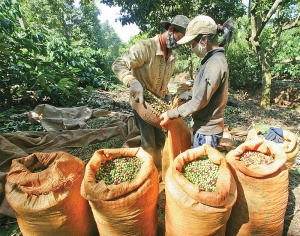
According to data from the General Department of Vietnam Customs, coffee exports in November totalled 88,812 tonnes, generating $507.6 million in revenue. This represents on-month increases of 30 per cent in volume and 28.7 per cent in value. Compared with November last year, exports surged by 41 per cent in volume and 44.4 per cent in value, marking the eighth consecutive month of growth.

The strong performance in November was largely attributed to fresh supply from the new harvest, which enabled exporters to secure raw materials and accelerated deliveries. In addition, elevated coffee prices and recovering demand from key markets continued to support export momentum.

Cumulatively, Vietnam exported around 1.4 million tonnes of coffee during the first 11 months of 2025, earning $7.94 billion. This represents on-year increases of 15.1 per cent in volume and 60.9 per cent in value, setting a new all-time high for the sector and comfortably exceeding the 2024 record.

Average export prices remain a key driver of growth. Over the 11-month period, Vietnam’s coffee export price stood at around $5,661 per tonne, up 39.8 per cent compared to the same period in 2024.

In November alone, the average export price stood at $5,715 per tonne, down 1 per cent from October but still 2.4 per cent higher than a year earlier.

In terms of markets, the EU remains Vietnam’s largest coffee export destination, accounting for 41.4 per cent of total export volume and 40.4 per cent of export value.

Shipments to the EU reached 580,422 tonnes, worth $3.2 billion, representing on-year increases of 21.5 per cent in volume and 69.2 per cent in value, further consolidating Vietnam’s position in the bloc.

Germany leads EU imports both in scale and growth, with export turnover exceeding $1 billion, nearly double from a year earlier. Italy followed with $615.8 million, up 52.9 per cent, while Spain recorded $575.5 million, a 40.4 per cent increase.

Beyond Europe, coffee exports to Japan and the United States also posted robust growth, rising by 52.9 per cent and 56.8 per cent to $553.8 million and $432.8 million, respectively.

Several smaller markets recorded particularly sharp increases. Exports to Mexico rose 18-fold, while shipments to Algeria quadrupled. Canada saw a 2.2-fold increase, Cambodia rose 3.2 times, and South Africa recorded growth of more than eightfold.

Looking ahead, the Vietnam Coffee and Cocoa Association forecasts that output for the 2025-2026 crop year will rise by around 10 per cent compared to the previous season, in line with earlier projections.

Supply pressures ahead for Vietnam's coffee exporters Supply pressures ahead for Vietnam’s coffee exporters

Vietnam's coffee heartland embraces green standards for global reach Vietnam’s coffee heartland embraces green standards for global reach
Vietnam's coffee exports shift towards higher-value products Vietnam’s coffee exports shift towards higher-value products

Brands strategise to expand F&B portfolios Brands strategise to expand F&B portfolios

Nestlé Vietnam honors farmers for sustainable agricultural development Nestlé Vietnam honors farmers for sustainable agricultural development

Mexico spending on Vietnamese coffee skyrockets nearly 35 times Mexico spending on Vietnamese coffee skyrockets nearly 35 times
Market data as of December shows broad-based price increases across major tungsten products. The price of tungsten ore has climbed nearly 150 per cent since the start of the year, lifting tungsten prices to their highest levels since 2013.

Tungsten surges to 12-year high as world enters a new 'black gold' race

The primary catalyst behind the surge is China, which controls approximately 70-80 per cent of global tungsten production and export capacity. Throughout 2025, China has tightened export restrictions on strategic minerals, including tungsten, by enforcing stricter quotas and licensing regimes.

The resulting supply contraction has rapidly tightened global markets, exposing the extent to which key industrial sectors remain reliant on Chinese output. Analysts increasingly compare today’s tungsten market to historic oil markets, where highly concentrated supply rendered prices acutely sensitive to geopolitical and policy decisions.

Structural demand

On the demand side, tungsten consumption is rising steadily and is expected to remain structurally strong. Tungsten is essential to defence systems, renewable energy infrastructure, semiconductors, photovoltaics, precision tooling, and advanced hard materials.

Unlike cyclical commodities, demand from these sectors is highly resilient and less vulnerable to short-term economic fluctuations. At the same time, the development of new tungsten mines remains constrained by high capital intensity, long lead times, and tightening environmental standards.

As a result, many analysts believe the tungsten market has entered a prolonged period of structural undersupply, likely sustaining a materially higher price environment for years to come.

Tungsten surges to 12-year high as world enters a new 'black gold' race

In this context, tungsten is increasingly referred to as the “black gold” of the modern economy. If oil powered the industrial expansion of the 20th century, tungsten underpins the technologies shaping the 21st, from defence and clean energy to semiconductors and advanced manufacturing.

The sharp rise in tungsten prices reflects a broader revaluation of strategic minerals, where supply chain security, geopolitical resilience, and resource sovereignty now rival traditional supply and demand fundamentals in determining value.

Vietnam’s emerging strategic advantage

As major economies move to diversify supply chains and reduce reliance on China, countries with tungsten dependence resources and downstream capabilities outside China are gaining strategic importance. Vietnam is among a small group of nations that combine meaningful reserves with industrial-scale mining and processing capacity.

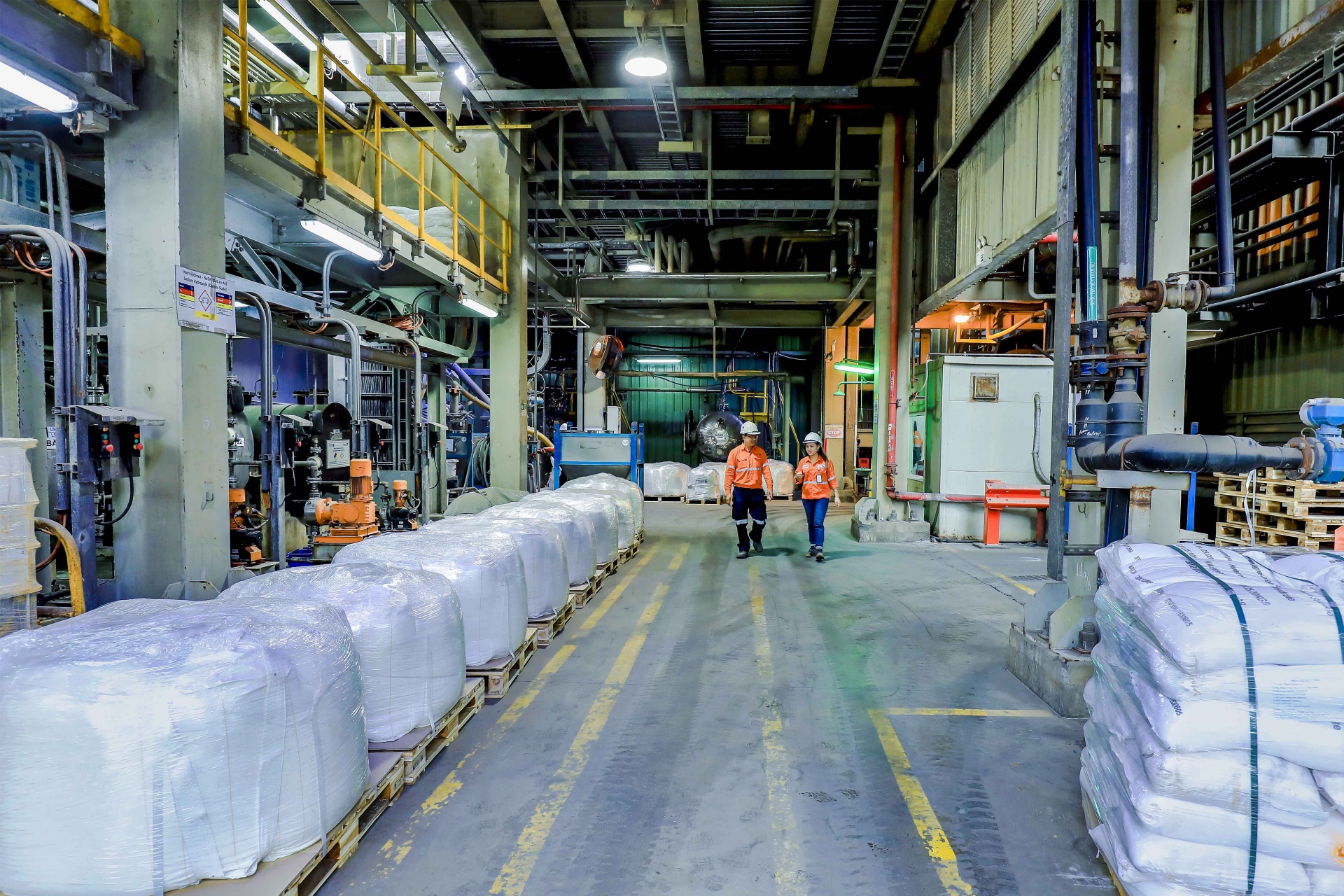
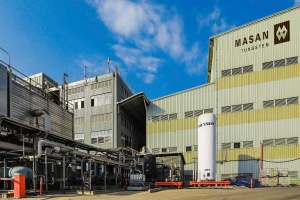
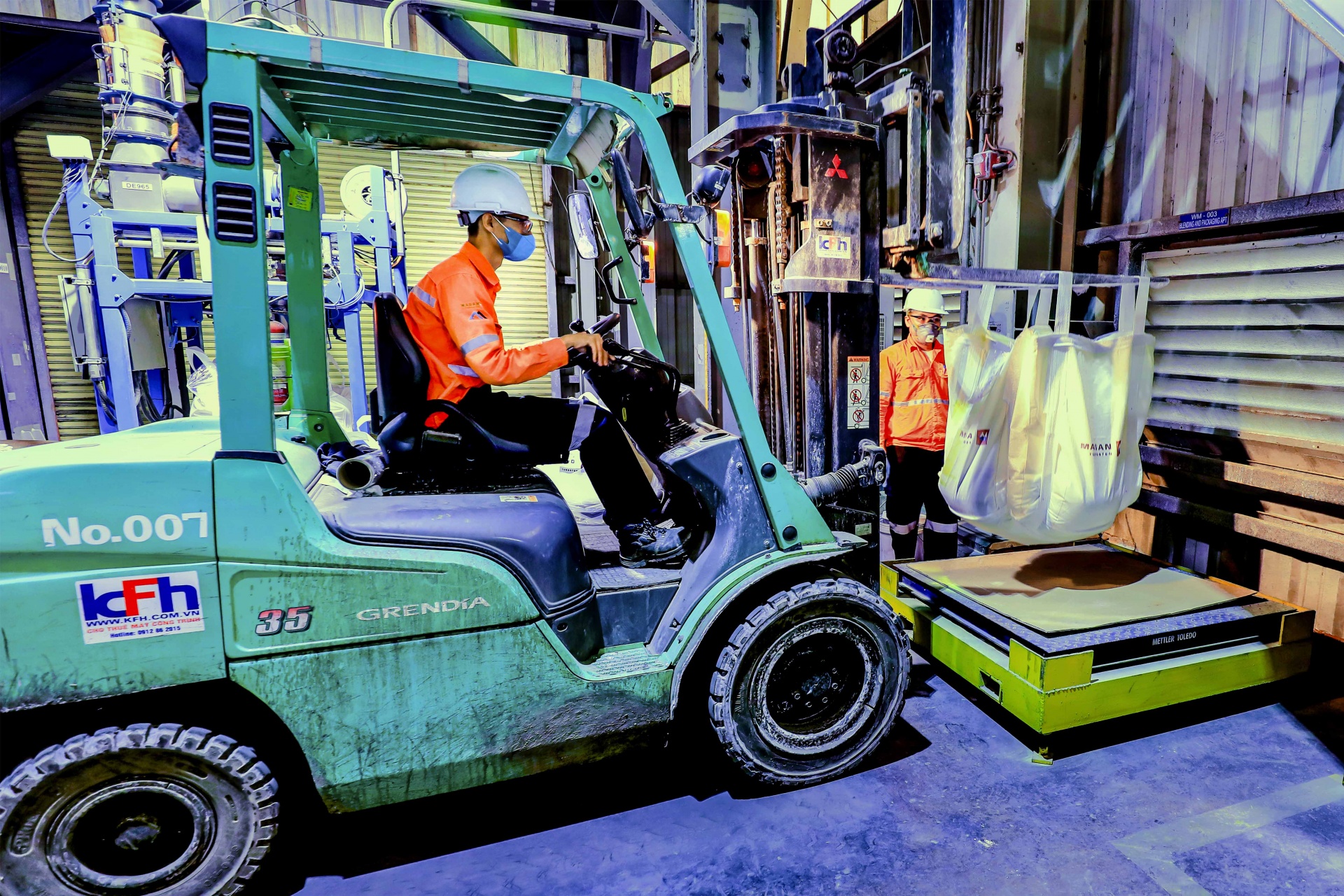
Vietnam’s tungsten resources are largely concentrated at the Nui Phao tungsten gomtallic mine in Thai Nguyen province, one of the world’s largest tungsten mines outside China, operated by Masan High-Tech Materials, a member of Masan Group. The operation extends well beyond ore extraction, with significant investments in downstream processing, producing ammonium paratungstate, tungsten oxides, and other advanced materials supplied to global markets.

Given constrained global supply and rising demand, tungsten prices are expected to remain elevated over the medium term, reinforcing its role as a strategic input to the high-tech economy. As global supply chains are reconfigured to reduce concentration risk, countries with secure resources and advanced processing capabilities are set to increase geopolitical and economic relevance.

For Vietnam, this moment represents more than a commodity cycle, it is an opportunity to secure a lasting position in the world’s emerging black gold race.

Tungsten surges to 12-year high as world enters a new 'black gold' race
MHT advances its 'Back to Basics' strategy MHT advances its ‘Back to Basics’ strategy

Masan High-Tech Materials (MHT) has reaffirmed its commitment to delivering value through the execution of its ‘Back-to-Basics’ strategy.

German Parliamentary State Secretary Stefan Rouenhoff visits Nui Phao tungsten mine German Parliamentary State Secretary Stefan Rouenhoff visits Nui Phao tungsten mine

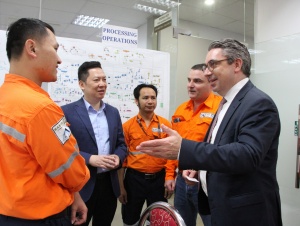
Stefan Rouenhoff, Parliamentary State Secretary at the Federal Ministry for Economic Affairs and Energy of Germany, led a high-level delegation of ministry officials and senior executives to visit Masan High-Tech Materials (MHT), the operator of Nui Phao mine in Thai Nguyen province.

Masan Group reports strong Q3 growth nearing full-year targets Masan Group reports strong Q3 growth nearing full-year targets

Masan Group has reported strong third-quarter results, with revenue and profit both rising sharply and nearly reaching its full-year targets.

Top 10 notable events of Vietnam’s industry and trade sector in 2025
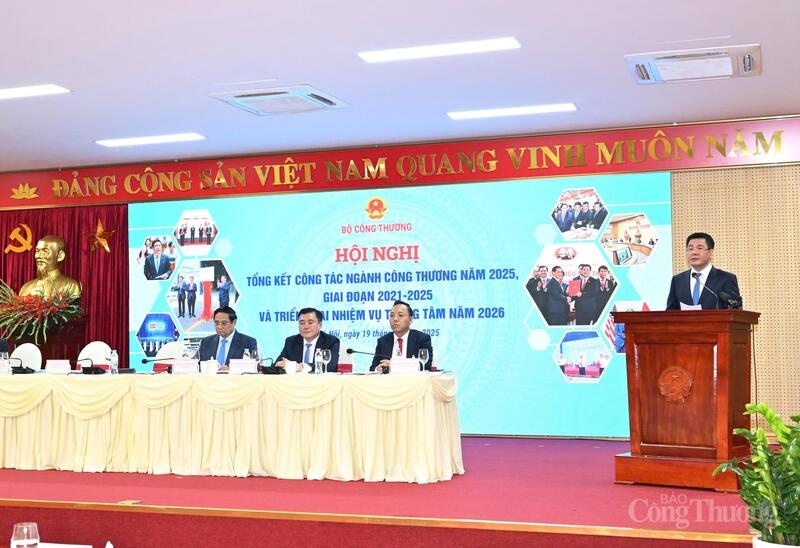
The year-end review ceremony of the Ministry of Industry and Trade in 2025. Photo: baocongthuong.vn

On December 19, at the year-end review ceremony of the Ministry of Industry and Trade in 2025, the 10 most notable events of the industry and trade sector were highlighted.

First, it was a breakthrough year for policy advisory work and institutional improvement, creating a new runway for development ahead of the nation’s new era of advancement.

Second, industrial production recovered strongly, achieving growth of 9.5 per cent, while the processing and manufacturing sector grew by 10.6 per cent, the highest level in five years. This momentum provides for a gradual transformation from a production workshop to deeper participation in global supply chains.

Third, the supply of strategic input materials for production was well secured; the domestic market developed robustly, growing by nearly 10 per cent. Vietnamese goods accounted for 90 per cent of distribution channels, creating a new internal engine for growth.

Fourth, import-export turnover reached a historic peak of more than $920 billion, with exports exceeding $470 billion. Vietnam entered the top 15 trading nations worldwide, ranked second in ASEAN, and recorded 10 consecutive years of a trade surplus, achieving a record surplus despite a challenging and unfavourable global context.

Fifth, e-commerce has been accelerating in a more sustainable manner, surpassing $31 billion, accounting for 10 per cent of total retail sales and two-thirds of the digital economy. Vietnam maintained its position among the world’s top 10 fastest-growing e-commerce markets and ranked third in ASEAN by scale.

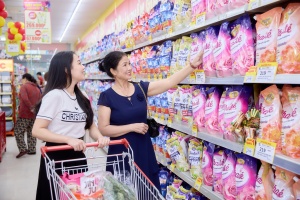
In 2025, the domestic market continued to play a pivotal “shock absorber” role for the economy. Total retail sales of goods and consumer service revenues were estimated at VND7 quadrillion ($280 billion), up nearly 10 per cent on-year. This growth rate was the highest in many years, more than 71 per cent higher than in 2021, and particularly significant amid weak consumer demand across Asia.

Vietnam’s consumer market expanded strongly and is currently ranked 32nd globally, with further improvements likely. The 2025 ASEAN Consumer Confidence Index showed Vietnam scoring 67 points, leading the region.

Sixth, trade promotion achieved a strong breakthrough, elevating national position, brand value, and soft power, with Vietnam’s ranking rising by seven places thanks to trade performance.

In 2025, a dramatic shift in trade promotion thinking was recorded. No longer confined to in-person events, the effective use of digital platforms and cross-border e-commerce marketplaces brought Vietnamese products closer to international consumers, turning challenges from the pandemic into leveraging for sustainable export growth.

Seventh, competition management, consumer protection, and trade remedies to support domestic production made significant progress, particularly after five years of implementing the Secretariat’s Directive No.30-CT/TW.

Eighth, organisational streamlining continued alongside resolution and administrative procedure reductions. The sector proactively took the lead in deploying officers to groundswell levels and supporting the two-tier local government model.

Ninth, economic integration continued to be comprehensively renewed: the launch of the FTA Index, expansion of global market space, flexible and effective responses to US tariff policies, and further diversification of markets and supply chains.

By the end of 2025, Vietnam had signed and implemented 17 free trade agreements (FTAs). This extensive FTA network enables Vietnam to access most major global markets, placing the country among the world’s leading nations in terms of the number of FTAs ​​concluded. It serves as a “golden passport” for Vietnamese goods to reach global markets.

Tenth, an energy breakthrough: Vietnam ranked among the leading countries in ASEAN and the top 20 worldwide in total installed power generation capacity across all energy sources. The country launched a series of billion-dollar gas-to-power projects, and completed the 500 kV Lao Cai – Vinh Yen transmission line and a range of other key energy projects, underpinned by strategic energy policies.

Vietnam kicks off National E-commerce Week Vietnam kicks off National E-commerce Week

The Department of E-commerce and Digital Economy under the Ministry of Industry and Trade held a press conference on November 4 to introduce Vietnam National E-commerce Week and Online Friday 2025.

Vietnam – CPTPP trade turnover reaches nearly $103 billion in the first 10 months Vietnam – CPTPP trade turnover reaches nearly $103 billion in the first 10 months

Vietnam and 11 member countries of the Comprehensive and Progressive Agreement for Trans-Pacific Partnership (CPTPP) achieved a trade turnover of $102.8 billion in the first 10 months of the year, marking a 20.6 per cent increase on-year.

Vietnam sets pace for dual transition in industry and trade Vietnam sets pace for dual transition in industry and trade

Vietnam’s industry and trade sector is accelerating its digital transformation and pursuing greener growth, while confronting the challenges of deploying technology, restructuring energy systems, and managing cyber risks at the same time.

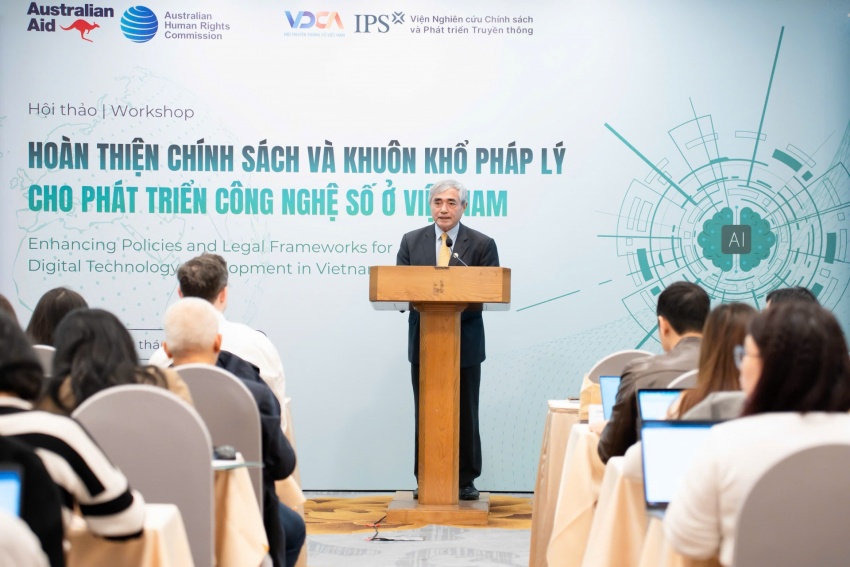
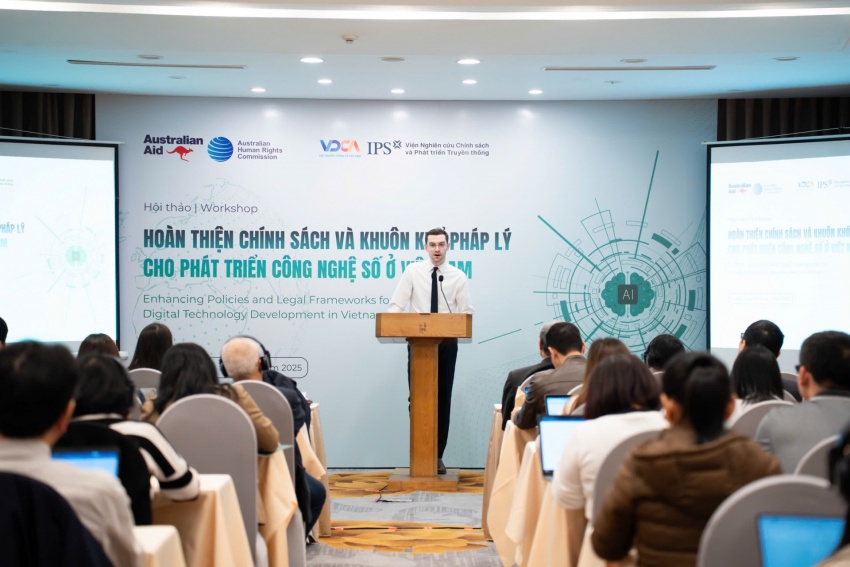
On December 18 in Hanoi, the Vietnam Digital Communications Association (VDCA), in coordination with the Institute for Policy and Media Development Studies, held a workshop to discuss policies and legal frameworks for the development of digital technology in Vietnam.

The event took place against the backdrop of Vietnam’s recent major institutional advances, particularly following the National Assembly’s passage of the Artificial Intelligence Law along with legal documents governing data and electronic transactions on the afternoon of December 10.

The workshop also formed part of the Vietnam-Australia Responsible Technology Technical Cooperation Programme for the 2023-2026 period, which focuses on developing an appropriate AI governance framework and safeguarding human rights in the digital environment. The initiative aims to further refine policies, shape a safe and transparent digital ecosystem, and lay the foundation for sustainable innovation in Vietnam.

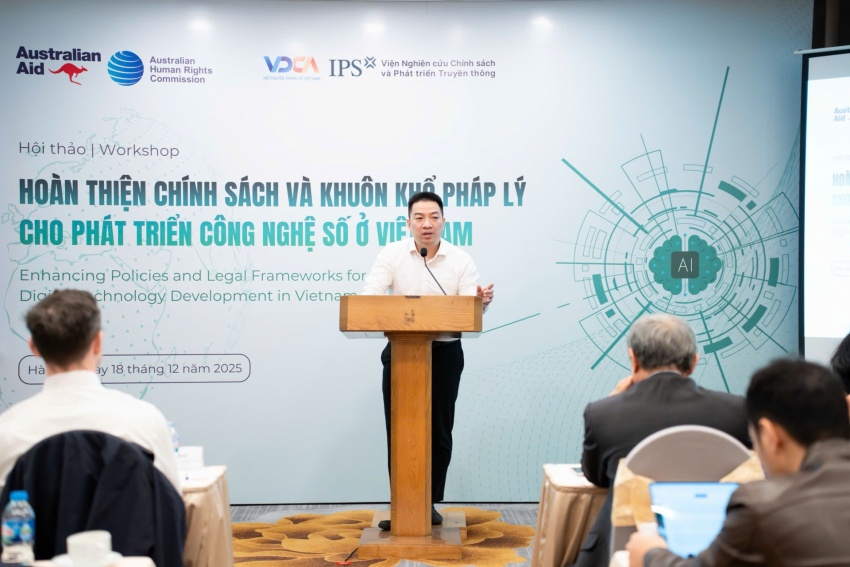
Sharing data at the event, Nguyen Minh Hong, chairman of VDCA, cited findings from the Southeast Asia Digital Economy Report, noting that Vietnam’s digital economy is estimated at $40 billion, ranking third in Southeast Asia, with growth of 17 per cent compared to 2024 and continuing to lead ASEAN in terms of growth rate.

“Vietnam is witnessing a rapid expansion and maturation of its digital ecosystem and digital economy,” said Hong. “However, digital technology development also presents significant challenges, particularly the ethical and responsible use of technology, and how to ensure that all citizens, including vulnerable and disadvantaged groups, can be included and benefit from technological progress.”

According to Hong, the workshop was organised to review Vietnam’s recent policy additions while discussing key issues such as safeguarding human rights in the digital environment, international experience in AI governance, and major highlights of the new law on AI.

Human-centred governance seen as key to AI development
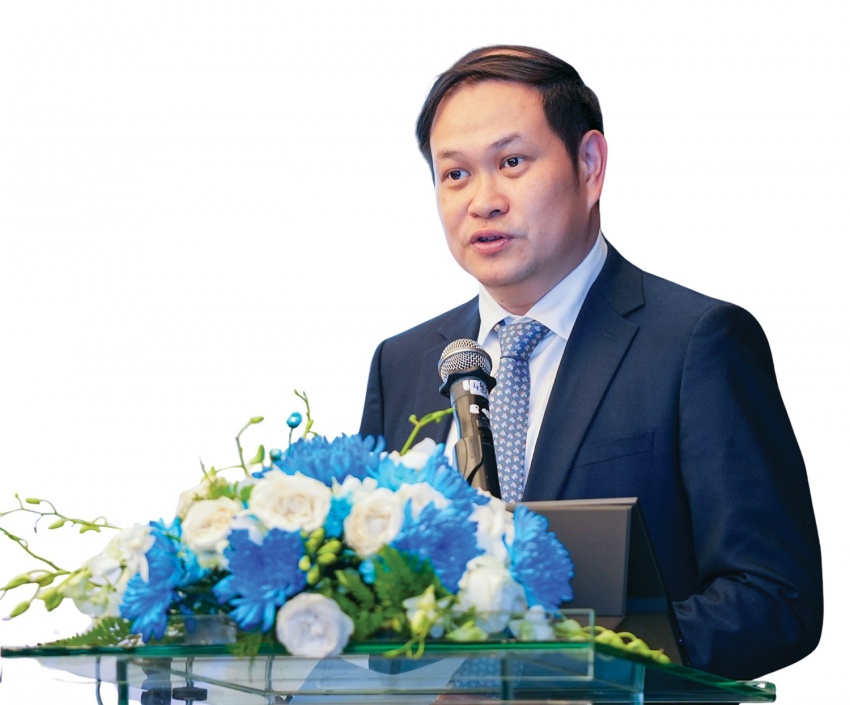
Nguyen Minh Hong, chairman of the Vietnam Digital Communications Association

From an international perspective, Joe Bourke, second secretary at the Australian Embassy in Vietnam, noted that Australia has recently launched its National AI Plan and established an AI Safety Institute to ensure that technology is developed in a safe and inclusive manner.

“The Australian government is committed to working alongside Vietnam through bilateral cooperation schemes with partners such as IPS, the Vietnam Chamber of Commerce and Industry, and the Ho Chi Minh National Academy of Politics to build a digital transformation roadmap grounded in human rights and aligned with international best practices,” he said.

Human-centred governance seen as key to AI development
Joe Bourke, second secretary at the Australian Embassy in Vietnam

From the human rights protection angle, Joanna Mansfield, head of International Engagement at the Australian Human Rights Commission, stressed the importance of striking a balance between innovation and the protection of human rights.

“Emerging technologies, including AI, carry risks of misuse if not properly governed. AI therefore must be developed for people, rather than to infringe upon or undermine fundamental rights,” said Mansfield.

“Embedding human rights from the design stage, ensuring transparency and accountability, and paying particular attention to the protection of vulnerable communities are becoming increasingly urgent requirements in the current context,” she added.

Discussing policy aspects, Ho Duc Thang, director of the National Institute for Digital Technology and Digital Transformation under the Ministry of Science and Technology, observed that amid the rapid development of models such as ChatGPT, Vietnam is becoming the fourth market globally, after the EU, South Korea, and Japan, to make concerted efforts in AI governance.

“The newly enacted Artificial Intelligence Law is among the fastest-passed laws in Vietnam’s legislative history. Its core principle lies in striking a balance while prioritising development through mechanisms such as AI vouchers and free computing infrastructure for small and medium-sized enterprises,” he said.

Human-centred governance seen as key to AI development
Ho Duc Thang, director of the National Institute for Digital Technology and Digital Transformation

One notable feature highlighted by Thang is the development of an AI ethics assessment framework.

“This is essentially a specialised certification examination for computer systems to ensure human-centricity and transparency in line with Vietnamese values before they are deployed at scale,” stated Thang.

Complementing this perspective, Prof. Jeannie Marie Paterson, director of the Centre for Artificial Intelligence and Digital Ethics at the University of Melbourne, Australia, offered comparative insights into the value frameworks underpinning Australia’s and Vietnam’s regulatory approaches.

Paterson proposed six principles for the responsible use of AI, including identifying accountable entities, understanding impacts and planning accordingly, measuring and managing risks, ensuring transparency, conducting testing and monitoring, and maintaining meaningful human oversight.

“While Australia tends to rely more on flexible, guidance-based mechanisms, or soft law, Vietnam demonstrates strong commitment through concrete legal obligations on safety and sustainable development,” she said.

SOAR initiative launched at TECHFEST Vietnam 2025 SOAR initiative launched at TECHFEST Vietnam 2025

Vietnam is turning to social open innovation to bridge technology, people, and sustainable development, launching the SOAR initiative.

MST to allocate $3.8 billion for sci-tech in 2026 MST to allocate $3.8 billion for sci-tech in 2026

State funding for science, technology, innovation, and digital transformation is set to rise sharply, signalling stronger policy support for these fields in the coming year.

TECHFEST Vietnam 2025 links startups with policy and capital TECHFEST Vietnam 2025 links startups with policy and capital

TECHFEST Vietnam continues to position itself as the country’s central platform for innovative entrepreneurship, linking ideas, capital, and expertise across the startup ecosystem.

Why global standards matter in digital world Why global standards matter in digital world

Vietnam is advancing one of the most ambitious digital transformation agendas in Southeast Asia. From digital payments and e-government services to AI-driven manufacturing and smart city systems, digital technologies are reshaping the country’s economic landscape at remarkable speed.

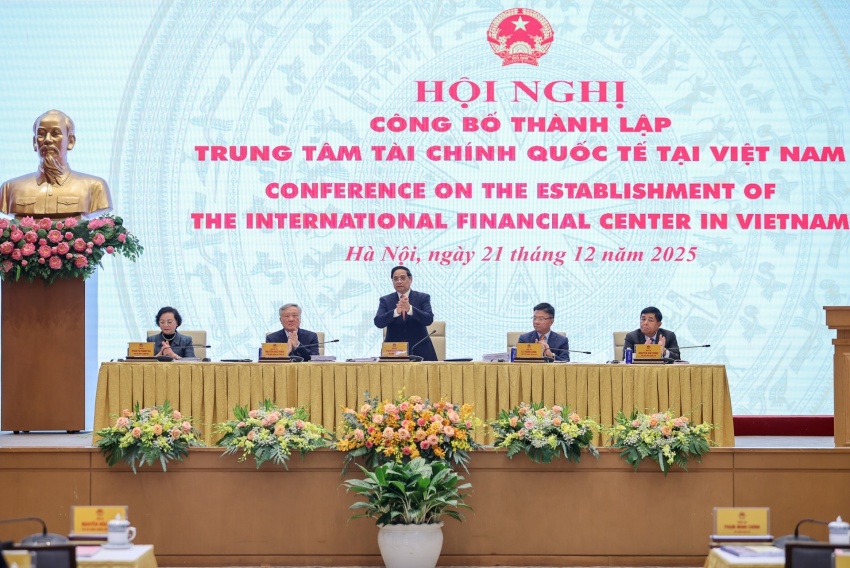
First members of Danang International Finance Centre revealed
Photo: VGP

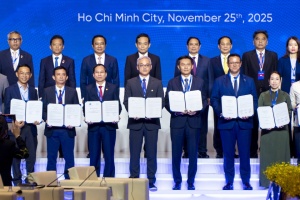
The names of the first 10 members, including a bank, were disclosed during the government-organised conference announcing the establishment of the IFC on December 21.

The first members named are Makara Capital Vietnam Holdings One Member Co., Ltd.; APEX; Vietnam IFC Services Co., Ltd; Bybit Technology Vietnam Co., Ltd; DTC Pay Vietnam JSC; Valverde Investment Partners Pte. Ltd.; 9Pay One Member Co., Ltd; Danang Fintech Lab Co., Ltd; Siglaw IFC One Member Co., Ltd; Verichains Solutions JSC; and Vietcombank, the state-owned lender.

Danang People’s Committee said the city received 70 letters of interest from organisations seeking IFC membership, underlining the model’s appeal amid Vietnam’s push to develop its financial sector.

In addition, the city signed more than 20 memorandums of understanding across areas including training, consulting, communications, ecosystem development, and investment promotion. Partners include Binance, Tether, Bybit, Abu Dhabi Global Market, DTCpay, APEX Group, and Frankfurt Main Finance, among others.

Under the plan, the Ho Chi Minh City hub in the Thu Thiem area will serve as a large-scale financial gateway, focusing on equities, bonds, banking, fund management, and listing services, while connecting global capital flows with Vietnamese enterprises.

Meanwhile, Danang will be developed as a niche financial centre, leveraging its living environment and tourism infrastructure to focus on fintech, wealth management, and green finance, and serving as a testing ground for future financial models.

Investor confidence key to attracting capital Investor confidence key to attracting capital

The International Finance Corporation (IFC) and the World Bank (WB) have praised Vietnam’s growth prospects and the growing confidence of investors following numerous positive reforms.

Vietnam Future Economy Summit to outline strategies for sustainable growth Vietnam Future Economy Summit to outline strategies for sustainable growth

A conference is on the horizon to explore strategies for Vietnam to sustain high growth and achieve sustainable development amid global uncertainties.

Vietnam urged to elevate standards to advance IFC ambitions Vietnam urged to elevate standards to advance IFC ambitions

Vietnam is well-positioned to develop an International Financial Centre (IFC), supported by its fast-growing economy, youthful talent pool, and strong manufacturing base. However, experts note that significant legal, regulatory, and administrative reforms are still needed to turn this potential into reality.

Ho Chi Minh City taps Ant International to strengthen fintech and IFC ambitions Ho Chi Minh City taps Ant International to strengthen fintech and IFC ambitions

Singapore online finance firm Ant International is boosting support for Ho Chi Minh City’s bid to become an international financial centre, focusing on digital innovation and talent development.

Rare, beautiful, sustainable: the mark of iconic real estate Rare, beautiful, sustainable: the mark of iconic real estate

The Privé stands out as a rare riverside compound next to Thu Thiem, embodying the three defining values of iconic real estate: scarcity, beauty, and long-term sustainability.

UOB: An outstanding year but momentum to slow ahead
Source: UOB

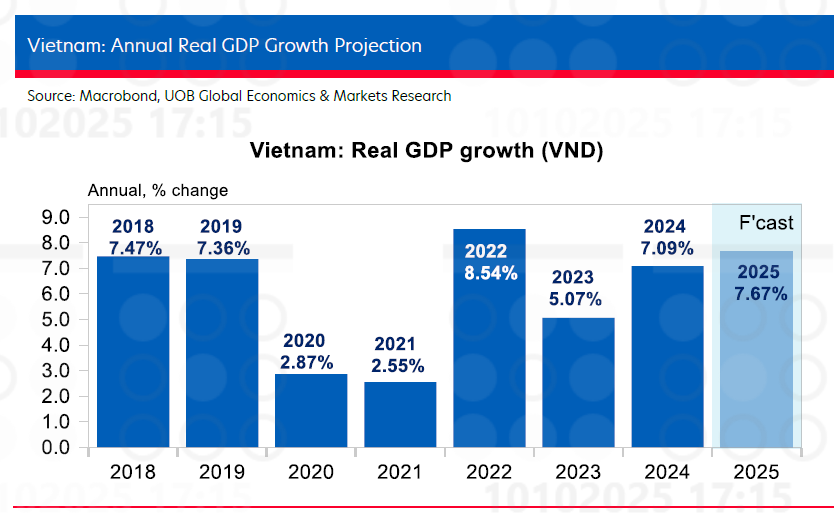
In a report released on December 22, UOB projected fourth-quarter growth at 7.2 per cent on-year, following a strong 8.23 per cent rise in the third quarter – the highest since the post-Covid rebound – after 8.19 per cent in the second quarter. The bank noted that resilient exports and production helped sustain growth despite headwinds from US tariffs.

In the first 10 months of the year, Vietnam’s exports surged 16.8 per cent on-year, despite a high base a year ago at 14.2 per cent on-year. One key driver was shipments to the US, which jumped by 28.1 per cent on-year during the same period (24.3 per cent last year), as orders accelerated (like front-loading) after US reciprocal tariff rates were dialled back to a base rate of 10 per cent globally. Cumulative trade surplus in October came in at $18.7 billion, smaller compared to the $22.4 billion in 2024, due to sharply higher input requirements in response to export demand.

Manufacturing saw a broad-based increase in tandem, increasing 10.8 per cent on-year in the first nine months, a faster pace compared to the 9.4 per cent rise in the same period in 2024. With four consecutive months of above-50 readings, Vietnam’s Purchasing Managers’ Index suggests that the outlook for the manufacturing sector remains positive.

UOB report noted that despite volatility in US trade and tariff policies since early 2025, foreign investment into Vietnam has continued to gain traction, supported by investor confidence in the outlook for the country and ASEAN. As supply chain realignments persist, realised foreign investment recorded $21.3 billion in the first 10 months, well above our expectations of $20 billion for the full year and $19.6 billion in the same period in 2024. The pipeline remains strong, as indicated by registered overseas funding which jumped 15 per cent on-year to $31.5 billion, from $27.3 billion in the same period last year.

Domestic sentiment is similarly upbeat, with retail sales expanding at an average 9.8 per cent on-year in the first 10 months, ahead of the 8.6 per cent pace in 2024. This comes on the back of rising inbound visitors. In the first 10 months, visitor arrivals surged by more than 21 per cent on-year to 17.2 million, from more than 14.1 million in the same period last year. Based on the current momentum, 2025 is on track to exceed the record 18 million visitors in 2019 and will be an added catalyst for domestic spending.

“With real GDP expanding by a robust 7.85 per cent on-year in the first three quarters, Vietnam’s outlook remains positive for 2026,” UOB reported. “However, one downside risk to watch is the implementation of the final reciprocal tariff rates since August, which saw the rate for Vietnam staying at 20 per cent, which could potentially dampen global trade activity going into 2026 as US consumers and producers are burdened with higher import costs.”

Due to a high base in the fourth quarter last year, UOB anticipates the final quarter would be a challenge, given a backdrop of tariffs and trade frictions. As such, UOB anticipates Vietnam’s fourth-quarter growth to slow to 7.2 per cent on-year, for a full-year expansion of 7.7 per cent. It would be even more daunting to achieve the official 8.3-8.5 per cent projection, which would require the fourth quarter expansion in the range of 9.7-10.5 per cent on-year.

“For 2026, Vietnam’s growth pace could moderate slightly to 7 per cent due to base effects and dissipation of front-loading,” UOB anticipated.

Vietnam’s inflation rate has yet to show a meaningful slowdown. Inflation rate in the first 10 months hit 3.3 per cent, compared to the average of 3.6 per cent in 2024 and 3.26 per cent in 2023. Main drivers continue to be costs of housing and construction materials (6.2 per cent on-year average, 18.8 per cent weight) and healthcare (17 per cent on-year average, 5.4 per cent weight).

“Combined with the potential for decent growth prospects going into 2026 and persistent VND weakness, these factors would constrain the State Bank of Vietnam’s (SBV) ability to ease policy,” UOB reported. “As such, we expect the SBV to keep its refinancing rate steady at 4.5 per cent.”

The VND is on track to finish weaker against the USD for the fourth consecutive year. While tariff-related uncertainties weighed on sentiment, stronger-than-expected GDP growth helped limit losses, keeping the year-to-date depreciation at a modest 3.5 per cent, broadly in line with prior years. Volatility remained contained, supported by the SBV holding its benchmark rate steady at 4.5 per cent throughout the year and deploying foreign currency interventions to smooth market fluctuations.

Looking ahead to 2026, UOB expects the VND to continue underperforming regional peers despite a broadly softer USD backdrop. UOB maintains a cautious stance on the VND, and updated USD/VND forecasts are at 26,300 in the first quarter next year, 26,100 in the second quarter, 26,000 in the third quarter, and 25,900 in the fourth quarter.

UOB Vietnam elevates retail banking experience with enhanced credit card suite UOB Vietnam elevates retail banking experience with enhanced credit card suite

UOB Vietnam has unveiled a refreshed credit card portfolio, offering enhanced lifestyle benefits and exclusive privileges through partnerships with renowned brands.

Vietnam's Q3 growth surged on export strength: UOB Vietnam’s Q3 growth surged on export strength: UOB

Vietnam’s economic performance so far in 2025 has been deemed stronger than expected, and with an expansion of 7.85 per cent on-year achieved in the first three quarters, the outlook remains positive for 2025, according to UOB (United Overseas Bank).

Vietnam leads ASEAN in consumer optimism Vietnam leads ASEAN in consumer optimism

Vietnam continues to lead the region in consumer optimism, according to the sixth edition of the ASEAN Consumer Sentiment Study (ACSS) released by UOB on November 20.