Vietnam seeks stronger strategic autonomy, new growth drivers through AI and innovation
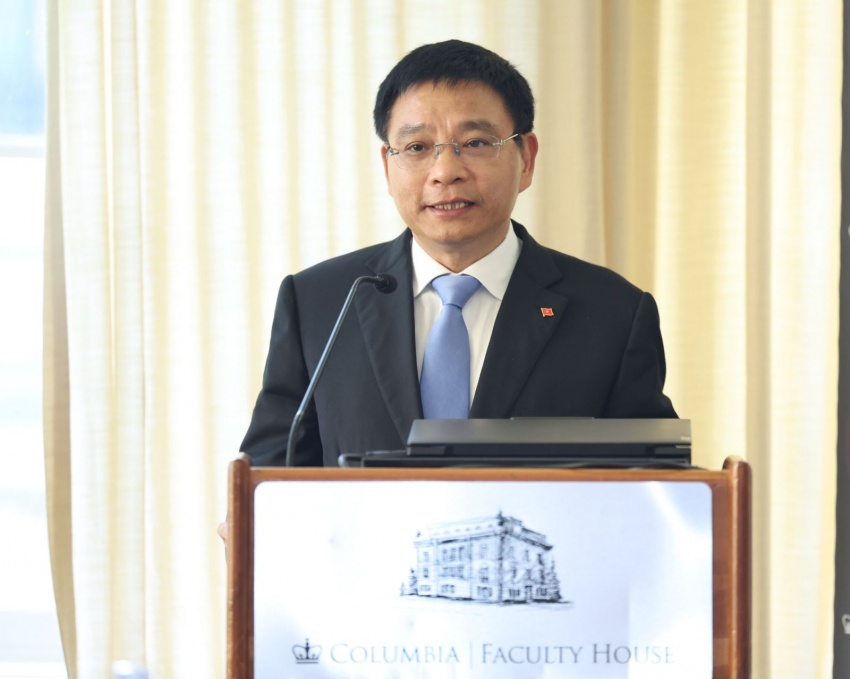
DPM Nguyen Van Thang. Photo: VNA

Speaking at the closing ceremony, Deputy Prime Minister Nguyen Van Thang thanked the Weatherhead East Asian Institute, US experts and scholars, and others involved in the programme for their contributions, knowledge and experience, and warm welcome for the Vietnamese delegation.

The DPM shared the assessment of professors and experts that the world is at a critical turning point, with challenges increasingly intertwined with opportunities for countries seeking greater self-reliance and development.

To achieve its target of maintaining double-digit economic growth, Vietnam recognises the need to maintain macroeconomic stability, adapt to external shocks and leverage science and technology, innovation, digital transformation, AI and modern financial infrastructure as key drivers of growth.

Institutional reform, creating a favourable environment for innovation and strengthening national competitiveness will be crucial for Vietnam to participate more deeply in global supply and value chains, he said.

Thang expressed his confidence that the success of VLP 2026 would strengthen knowledge links between the two countries and contribute to deepening and making the Comprehensive Strategic Partnership between Vietnam and the US more substantive.
Vietnam seeks stronger strategic autonomy, new growth drivers through AI and innovation
Photo: VNA

At the closing session, Columbia University executive vice president Amy Hungerford spoke highly of the frank, substantive and multidimensional discussions held throughout the VLP.

She highlighted the university’s role in encouraging dialogue and connecting policymakers, academics and businesses, and reaffirmed Columbia University’s commitment to long-term cooperation with Vietnam.

The university hopes to expand teaching and research activities with Vietnam, while viewing VLP 2026 as the starting point for a sustainable dialogue and cooperation relationship between the two sides, she said.

During the discussion, US professors and experts highlighted Vietnam’s potential for a major economic breakthrough. They also said that mastering technology and developing modern digital financial infrastructure would provide important leverage for improving labour productivity and national competitiveness.

Against this backdrop, the scholars recommended that Vietnam apply AI and data technologies to strengthen its capacity for self-reliance.

They also called for the development of a forward-looking institutional framework to boost innovation, master foundational technologies and ensure the safe governance of technology-driven financial models.

Capital-market reforms should be pursued alongside the modernisation of the banking system to optimise resource allocation and support high growth while maintaining macroeconomic stability, the experts said.
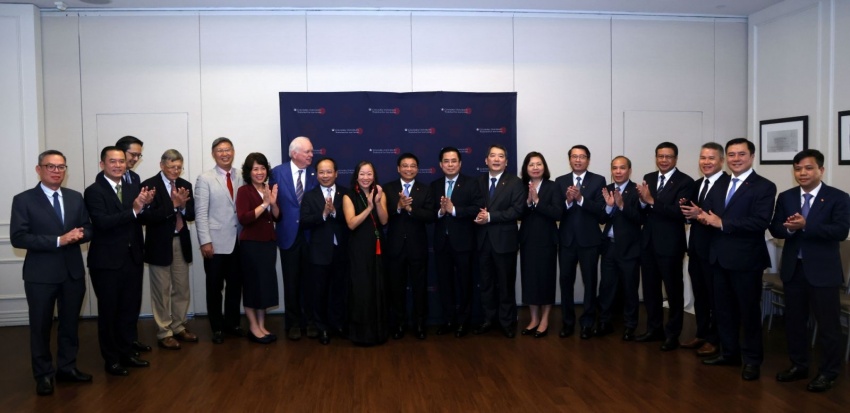
Vietnam seeks stronger strategic autonomy, new growth drivers through AI and innovation
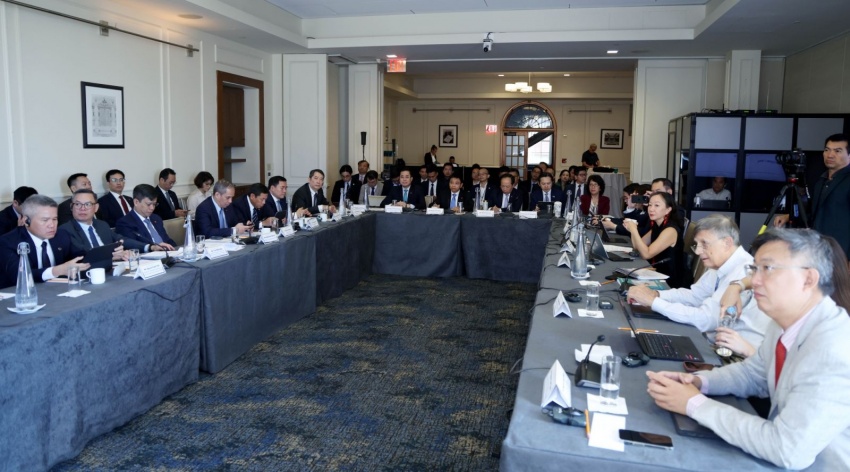
Vietnamese delegation. Photo: VNA

During the discussions, the DPM and members of the Vietnamese delegation shared Vietnam’s perspectives, vision, development priorities and specific policy solutions.

They emphasised that strengthening domestic capacity and strategic self-reliance would play a decisive role, while Vietnam should make the most of international resources with breakthrough potential to maintain macroeconomic stability, improve institutions and boost new growth drivers. These efforts are expected to create a stronger foundation for Vietnam to achieve its national development goals.

The DPM asked ministries, agencies and members of the delegation to study the valuable recommendations from the VLP and use them to advise the government on macroeconomic management and socioeconomic development policymaking.

Vietnam and US Treasury deepen financial cooperation Vietnam and US Treasury deepen financial cooperation

On June 15, at the headquarters of Vietnam’s Ministry of Finance, Minister of Finance Ngo Van Tuan received a delegation from the US Department of the Treasury, led by Robert Kaproth, Deputy Assistant Secretary of the Treasury.

Vietnam and US launch real-time customs data exchange to enhance transparency Vietnam and US launch real-time customs data exchange to enhance transparency

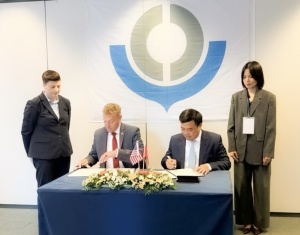
Vietnam Customs and US Customs have signed an MoU on the electronic exchange of cargo manifest and shipment information.

Enablence Technologies and ShunYun Technology complete volume production readiness at Vietnam fab
Photo courtesy of Enablence

Enablence is a leading supplier of planar lightwave circuit (PLC) optical chips for datacom, telecommunications, AI, and advanced vision applications while SYT is a semiconductor assembly (OSAT) leader.

“The launch of Enablence’s new production fab in Vietnam provides, an end-to-end optical supply chain alternative, which could mitigate supply chain risk for North American cloud hyperscalers, optical module manufacturers, and telecom customers by reducing their reliance on Chinese-origin supply,” said Todd Haugen, CEO of Enablence Technologies.

Following the strategic OSAT partnership between Enablence and SYT announced in March 2026, all major production-line equipment is now production qualified at SYT’s site in Vietnam. The initial production lines, which include Enablence’s core passive optical component portfolio, have successfully produced qualified samples, which have been released to key North American customers for evaluation.

With the production facility now complete, Enablence’s supply chain integrates chip design in Ottawa, Canada; wafer fabrication, specialised assembly, packaging and test at Enablence’s Silicon Valley Fab in Fremont, California; and advanced, high-volume packaging and assembly at SYT’s facility in Vietnam. This model was purpose-built to mitigate risk for North American cloud hyperscalers and Tier-1 optical module makers who currently source much of their optical chips in China.

SYT has completed installation of all production-line equipment and successfully produced qualified samples at its advanced manufacturing facility in Vietnam. Initial samples have already been released to key customers for evaluation, marking the transition from installation to qualified, production capability.

Optical chip manufacturing takes place in Fremont, CA, while assembly and packaging are now executed via dedicated, qualified production capacity at SYT’s facility in Vietnam, giving the completed platform full supply chain origin compliance outside of China. Having invested in new tooling and infrastructure upgrades at its Silicon Valley Fab, Enablence is now capable of fulfilling production orders for North American and global partners.

The completed platform directly supports high-speed PLC products, including Enablence’s FR4 wavelength management solutions, and custom optical engines which are required for Co-Packaged Optics and Linear Pluggable Optics deployed in AI clusters.

“The completion of our Vietnam production facility with SYT marks the final leg in building a fully compliant, resilient supply chain for the optical components that power AI infrastructure, automotive LiDAR, warehouse robotics and medical imaging,” said Haugen.

“With chip design in Ottawa, wafer fabrication at our Silicon Valley Fab, and now qualified, high-volume packaging and assembly with SYT in Vietnam, Enablence can now provide hyperscalers, module manufacturers, and telecom operators an immediate, qualified, and fully compliant alternative to Chinese-origin supply, including supporting the deployment of 800G and 1.6T optical infrastructure,” he said.

Vietnam and WEF to strengthen cooperation in AI and semiconductor technology Vietnam and WEF to strengthen cooperation in AI and semiconductor technology

Vietnam and the World Economic Forum (WEF) have agreed to strengthen cooperation in AI and semiconductor technology, following a meeting in Hanoi.

Regional cooperation crucial as Southeast Asia’s AI boom accelerates Regional cooperation crucial as Southeast Asia’s AI boom accelerates

Southeast Asia’s AI boom is attracting data centres, cloud infrastructure, and semiconductor investment, but these gains do not automatically translate into a collective regional win for ASEAN.

Japanese firm inaugurates polysilicon facility in Ho Chi Minh City Japanese firm inaugurates polysilicon facility in Ho Chi Minh City

Tokuyama Vietnam on August 13 held an inauguration ceremony for its polysilicon manufacturing plant at Phu My 3 Specialised Industrial Park (Phu My 3 SIP) in Ho Chi Minh City.

UNICEF Vietnam recently brought together business leaders, investors, foundations, and philanthropists in Ho Chi Minh City for its Business Leadership Dialogue focusing on a fundamental recognition that Vietnam’s long-term prosperity will ultimately depend on the children who become tomorrow’s workforce, consumers, entrepreneurs, and leaders.

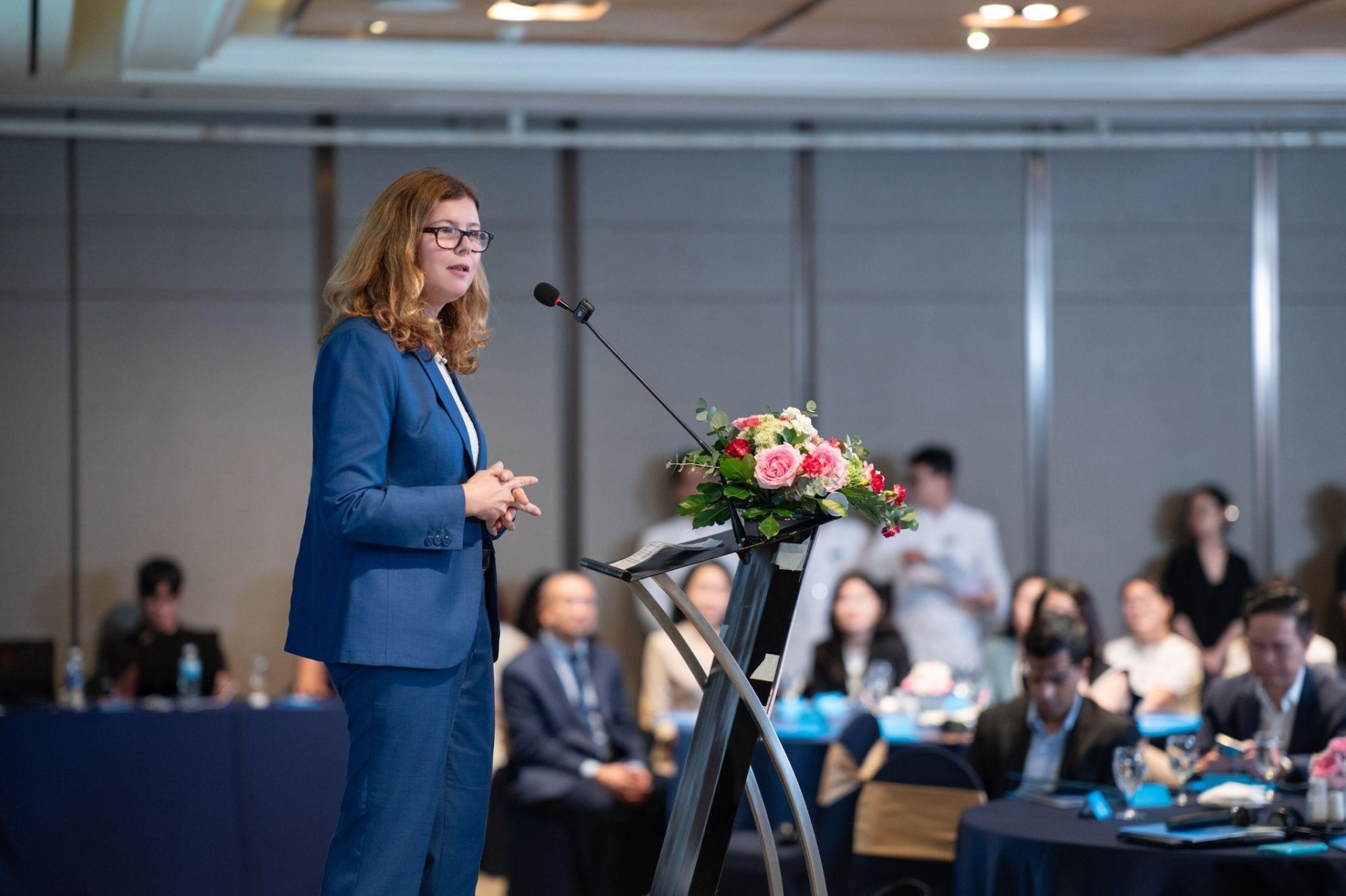
UNICEF’s representative in Vietnam Silvia Danailov connected economic development directly to the investment into children.

“While AI, infrastructures and investment will shape your businesses, what is really the most important is how we invest in people, how we invest in children growing up. They will become the workforce, innovators, entrepreneurs and leaders who define Vietnam’s next chapter. So it is about investing in Vietnam’s future through its children,” she said.

When purpose becomes part of the business: Investing in Vietnam’s future through children (PR)
Silvia Danailov, UNICEF’s representative in Vietnam, shared remarks on the future of children in Vietnam. Photo: UNICEF Vietnam

The case has become more urgent as Vietnam enters a defining decade of demographic ageing, climate change and rapid digitalisation.

A smaller future workforce will need to be more productive, communities will require greater resilience to climate risks, and technological change will demand new skills.

The ability of children to grow up healthy, educated, protected and digitally capable will influence not only their individual prospects but also the strength of the economy they will manage.

This gives businesses a stake in children’s wellbeing that extends beyond philanthropy. Children are connected to the future availability of skilled employees, the resilience of communities and supply chains, and the long-term health of consumer markets.

The question for corporate leaders is how to turn that stake into action that is beneficial to both society and the business.

Turning purpose into a force for sustainable impact

The case studies shared at the dialogue suggested that credible action begins where a social need intersects with a company’s existing capabilities.

For Kimberly-Clark – a global consumer goods company best known for trusted personal care and hygiene brands, maternal health, newborn care and menstrual health are closely connected to the consumers served by brands such as Huggies and Kotex.

The company contributes knowledge of babies, mothers and women, while UNICEF provides technical expertise, public trust, government relationships and the ability to reach underserved communities at scale.

Nitish Gupta, managing director for Southeast Asia and general manager for Vietnam at Kimberly-Clark, argued that the value of the partnership rests on this combination rather than on funding alone.

“Coming together is about more than funding. It is the combination of shared purpose and complementary strengths that can create long-term impact for society,” he said.

According to Gupta, Kimberly-Clark’s investment of more than $2 million aims to provide direct health benefits to 1.3 million babies, children and mothers, while reaching another 2.5 million people through education and behaviour-change activities.

Sustaining that ambition requires companies to look beyond quarterly targets or a single annual programme and build partnerships that can develop knowledge, measure results and expand over several years.

When purpose becomes part of the business: Investing in Vietnam’s future through children (PR)
Panellists spoke about business as a force for sustainable impact. Photo: UNICEF Vietnam

Biti’s offers a different route to the same destination. Children have been central to the Vietnamese footwear company’s customer base for generations, making the provision of affordable, quality school shoes one way its social purpose is expressed through everyday business.

Le Quyen Vuu, Biti’s CEO, explained that the company subsequently expanded this commitment into mental wellbeing.

Biti’s introduced its Happy Business programme for employees before working with a non-governmental organisation for approximately eight years to support Happy School initiatives at 16 schools in Hue and Hanoi.

“It’s very important to invest in the wellbeing of our children because Vietnam can only have sustainable success when we have new, healthy, happy and flourishing human capital,” she said.

From business leadership to family philanthropy

The move towards business-integrated purpose is also changing philanthropy. Ann Putnam Marks, UNICEF’s regional partnerships lead for Asia-Pacific, described a shift from one-off giving towards longer-term partnerships that combine private capital with expertise, networks and operating capacity.

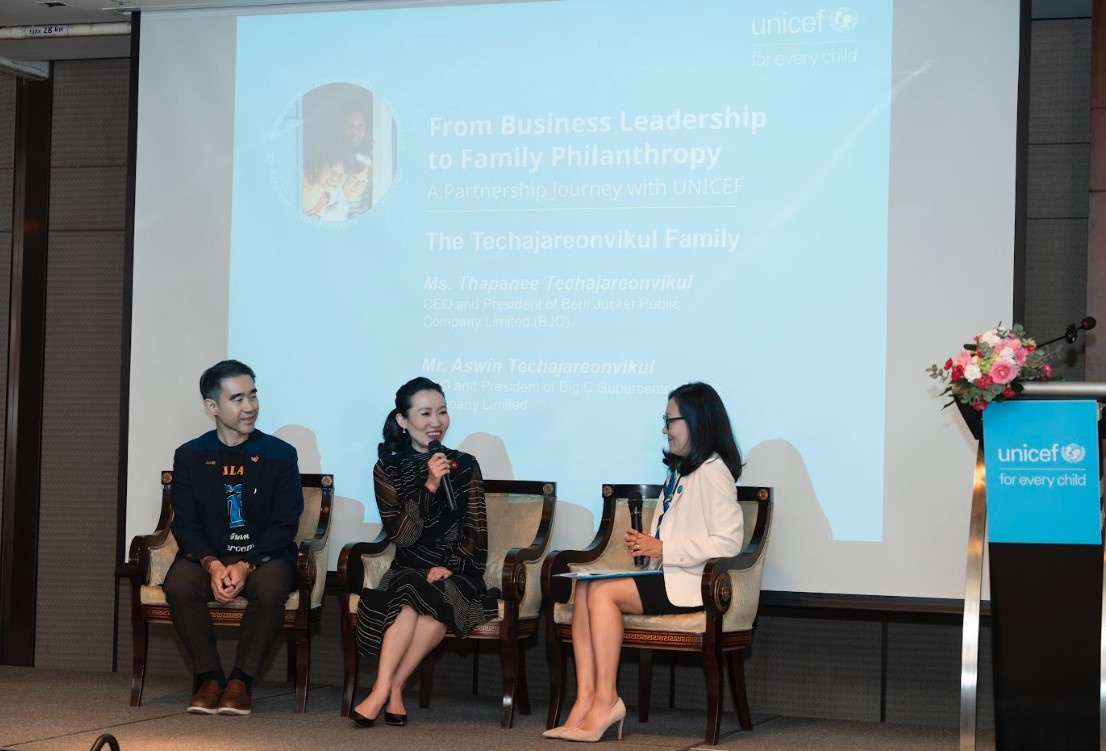
Special guests Techajareonvikul family’s partnership with UNICEF Thailand demonstrates how family capital, corporate reach and UNICEF expertise can reinforce one another.

Through BJC Big C Foundation, the family has applied UNICEF’s knowledge of early childhood development across a major retail business.

Family-friendly workplace policies, office nurseries, breastfeeding spaces and children’s corners bring the partnership into the daily experience of employees and customers, while the Healthy Checkout Lanes initiative extends it to decisions about what shoppers see and buy.

When purpose becomes part of the business: Investing in Vietnam’s future through children (PR)
The Techajareonvikul Family were special guests at the dialogue. Photo: UNICEF Vietnam

The Techajareonvikul Family’s special guests Thapanee and Aswin Techajareonvikul have extended the BJC Big C Foundation – UNICEF partnership into their family by involving their three children, in visits to UNICEF’s global supply, research and headquarters operations. Those experiences connect the values guiding today’s business leaders with the responsibilities that the next generation may inherit.

“Right now, our employees already have the knowledge of what we have learned and what we have appreciated from UNICEF’s guidance. They also know the importance of keeping family members and the family of the community in mind, and they also feel proud,” said Thapanee.

“I believe that this healthy environment is the heart and the core of being successful in business, and of being a part of society. And so, it’s really the legacy that we would leave to live on for generations to come, and also for our kids to continue, just like what we have learned from our parents: to give back to society.”

Examples shared in Ho Chi Minh City point to the same conclusion: purpose becomes credible when it changes a business decision. What companies sell, how they support employees, where investors place capital and what business families teach the next generation will help determine whether Vietnam’s present growth develops the human capability required to sustain it.

Government launches child protection programme for 2026–2030 Government launches child protection programme for 2026–2030

The government has issued a national programme on child protection and the prevention of child labour for the 2026–2030 period.

Vietnam strives to build safer digital environment to protect children online Vietnam strives to build safer digital environment to protect children online

The Ministry of Justice and UNICEF, with support from the European Union Delegation through the EU Justice and Legal Empowerment Programme, convened a policy dialogue on child protection in the digital environment on August 21.

Kimberly-Clark and UNICEF strengthen child and maternal healthcare Kimberly-Clark and UNICEF strengthen child and maternal healthcare

Kimberly-Clark Vietnam and UNICEF renew partnership with a $2.05 million commitment to expand essential care for mothers, newborns, and girls nationwide.

Why child online safety is now a business imperative Why child online safety is now a business imperative

As Vietnam marks the Month of Action for Children under the theme “Happy, Safe and Confident Children in the Digital World,” Silvia Danailov, UNICEF Representative in Vietnam, shares her views on why child online safety is no longer just a social issue, but a core business responsibility in the digital age.

Photo: Thoi bao tai chinh

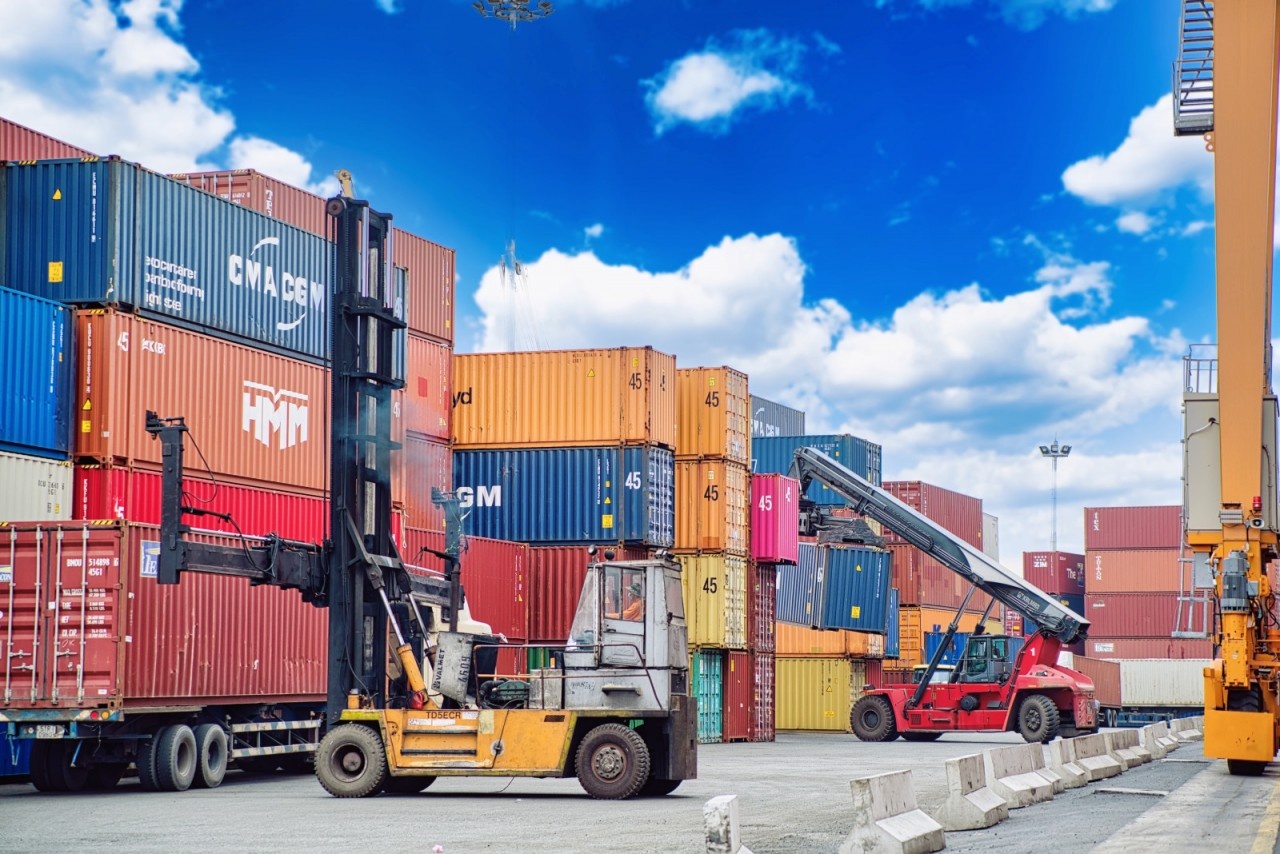
Speaking at a logistics conference on August 26, Ho Thi Quyen, deputy director of the Ho Chi Minh City Investment and Trade Promotion Centre, said that Vietnam is now home to more than 34,000 logistics companies, with the sector contributing around 4.5-5 per cent of GDP.

However, logistics costs remain high at approximately 16 per cent of GDP. Digital transformation is therefore seen as a key solution to reducing costs while improving connectivity and efficiency across the logistics supply chain.

“Under the development strategy for the 2025-2035 period, digital transformation has been identified as one of the key directions for improving productivity and bringing logistics costs down to around 12-15 per cent of GDP,” Quyen said.

According to Ngo Khac Le, deputy secretary-general of the Vietnam Logistics Business Association, digital transformation is also creating a widening gap between logistics companies. While larger enterprises have made relatively widespread use of electronic documentation, small- and medium-sized enterprises continue to face constraints in terms of financial resources and technology.

“If we do not move quickly enough to keep pace, we will not be able to become part of the regional and global logistics services supply chain,” Le said.

To narrow this gap, he said that state agencies should continue upgrading digital platforms and improving interoperability between different systems. This would enable businesses to reduce their reliance on paper documentation, shorten processing times, and lower costs.

Beyond digital connectivity, the logistics sector also needs to strengthen links between localities as cargo volumes continue to expand.

Nguyen Duy Hung, standing vice chairman of the Dong Nai Logistics Association, said that stronger logistics connectivity was needed between Ho Chi Minh City and the neighbouring provinces of Dong Nai and Tay Ninh, as well as the Mekong Delta, to expand the sector’s development space and improve the efficiency of cargo transportation.

“The closer the connections, the greater the momentum and driving force for development across localities,” Hung said.

He proposed closer coordination between authorities, associations, and businesses in logistics planning and infrastructure development. He also suggested considering sandbox mechanisms to allow the controlled testing of new models, helping policies keep pace with the rapid development of the sector.

These demands are becoming increasingly pressing as manufacturers continue to expand their investments in Vietnam, increase production capacity, and raise output for export.

At Nestlé Vietnam, for example, the Nestlé Tri An factory has received nearly $600 million in investment over the past five years, almost tripling its production capacity. The factory recently began operating a new production line for instant coffee packaged in glass jars, with a capacity of 350,000 jars per day for export to 11 countries.

In the high-tech sector, Intel Products Vietnam has shipped more than 4 billion products over the past two decades, contributing over $110 billion to Vietnam’s export value. In 2025 alone, the company contributed approximately $11.67 billion in export value.

Intel has increased its total investment in Vietnam to $4.1 billion and continues to expand production of high-tech products, including processors for personal computers and products serving AI applications.

The expansion of manufacturing and export production is also reflected in Vietnam’s growing trade figures. According to the Customs Department, total goods import-export turnover in the first half of August 2026 reached approximately $52.33 billion, up 1.54 per cent compared with the first half of July. As of August 15, Vietnam’s total goods trade had reached $712.72 billion, up 28.3 per cent on-year.

Green logistics vital for businesses to join global supply chain Green logistics vital for businesses to join global supply chain
FIATA 2025 Congress highlights Vietnam’s role in green logistics FIATA 2025 Congress highlights Vietnam’s role in green logistics
Driving skills award elevates traffic safety standards Driving skills award elevates traffic safety standards
Middle East conflict disrupts supply chains, pressures logistics firms Middle East conflict disrupts supply chains, pressures logistics firms

Hong Kong-Vietnam logistics pact signed by HAFFA and IILS Hong Kong-Vietnam logistics pact signed by HAFFA and IILS
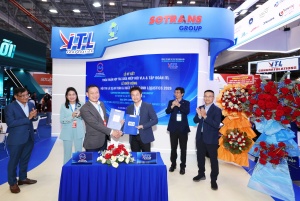
VLA and ITL launch Vietnam Logistics Safe & Excellent Driving Skills Award 2026 VLA and ITL launch Vietnam Logistics Safe & Excellent Driving Skills Award 2026

Dong Thap eyes success as Mekong transshipment hub Dong Thap eyes success as Mekong transshipment hub
What foreign investors need when choosing industrial real estate in Vietnam What foreign investors need when choosing industrial real estate in Vietnam
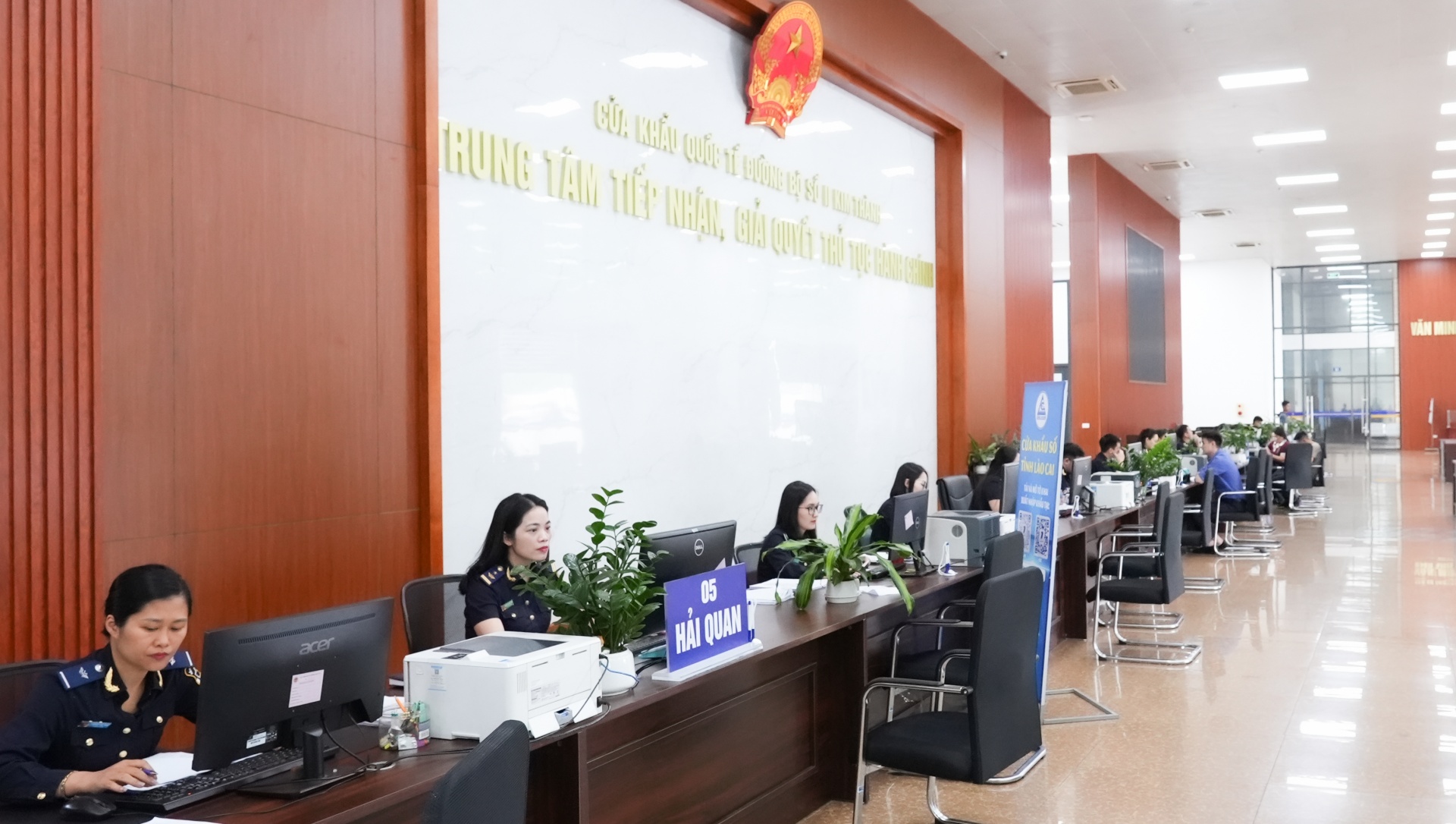

After a more than two month pilot, the centralised customs clearance model has reduced the processing time for a shipment by 12 per cent compared with May 2026 and by around 14 per cent compared with the first quarter of 2026, while also reducing direct contact between businesses and customs officials.

Every day, tens of thousands of customs declarations are processed at seaports, border gates and international airports across the country.

As cross-border flows of goods continue to grow, the customs authority is required not only to maintain strict controls to prevent fraud, but also to shorten processing times, reduce costs and facilitate trade as much as possible for businesses.

Centralised customs clearance paves the way for smarter trade
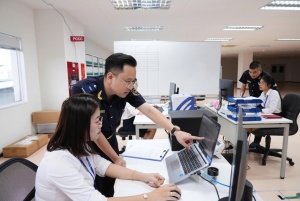
Centralised customs clearance model is bringing visible improvements to customs procedures processing. Photo: baodautu.vn

The shift from geographically decentralised management to centralised customs clearance based on a unified data platform is emerging as an important step in the development of digital and smart customs.

According to Dao Duy Tam, head of the Customs Control and Supervision Department under the General Department of Vietnam Customs, the centralised customs clearance is in line with the Party and state’s direction on digital transformation, administrative reform and the establishment of a unified focal point for administrative work.

The Customs Department began piloting the centralised customs clearance model at Customs Branch No. III from June 1, following the direction of the Ministry of Finance’s leadership set out in Notice No 710/TB-BTC dated September 12, 2025.

The pilot was also developed as part of the Customs Department’s broader programme to modernise customs procedures and boost digital transformation.

After the initial pilot period, the model has delivered a number of positive results. One of the most notable changes has been the digitisation of documents.

Customs declarants can submit dossiers in the form of data fields, with the support of AI tools to convert information. This enables businesses to avoid re-entering data, reduce errors and cut the costs of printing and storing paper documents.

More importantly, processing procedures under the centralised model establish a unified workflow, limiting differences in implementation among units.

This makes processing times more predictable for businesses, allowing them to organise logistics activities more actively and reduce compliance costs.

According to the Customs Department, the customs clearance time for a shipment after the introduction of the centralised model fell by 12 per cent compared with May and by around 14 per cent compared with the first quarter of 2026.

Another benefit of the model is that it promotes paperless administrative procedures.

As documents are digitised and processed centrally through the system, customs declarants have less need for direct contact with customs officials.

This not only saves businesses time but also helps eliminate intermediary stages in administrative procedures. The Customs Department has identified reducing direct contact between businesses and customs officials as one of the model’s key objectives.

However, according to the Customs Department, centralised customs clearance is not simply a matter of transferring existing procedures to an electronic system.

The core of the model is a change in management thinking: from processing procedures according to geographical areas to centralised, data-based management; and from a fragmented approach to a unified process across the entire system.

Dao Duy Tam said the Customs Department considers changing perceptions and mindsets a decisive factor, requiring a shift from manual management to digital thinking and from decentralisation to centralisation. This is intended to prevent different units from applying different approaches, reduce problems arising in practice, and improve transparency in the handling of procedures.

This also marks an important step on the journey towards building digital and smart Customs, as data is gradually becoming the foundation for both regulatory management and services for businesses.

Vietnam Customs signs cooperation deal with UK authorities Vietnam Customs signs cooperation deal with UK authorities

Vietnam Customs has signed a Declaration of Intent with His Majesty’s Revenue and Customs (HMRC) of the United Kingdom, strengthening bilateral cooperation on trade and border management.

Tax and customs policies refined to support enterprise growth Tax and customs policies refined to support enterprise growth

Vietnam is advancing tax and customs reform, with an October 16 dialogue creating a platform to refine laws, streamline procedures, and strengthen the Ministry of Finance’s efforts to back growth.

Data-driven risk management signals major shift in customs administration Data-driven risk management signals major shift in customs administration

The Ministry of Finance has introduced a new circular transforming customs management through digital data-based risk assessment, easing border procedures while strengthening compliance and post-clearance oversight for import-export businesses.

Customs Law amendments to strengthen digital integration Customs Law amendments to strengthen digital integration

Vietnam’s proposed amendments to the Customs Law would expand automated data control, strengthen inter-agency data sharing, and establish a regulatory framework for the fast-growing cross-border e-commerce sector.

Under its 2026-2030 capital restructuring plan, State Capital Investment Corporation (SCIC) is expected to fully divest its holdings in firms across a wide range of sectors, from industrial manufacturing, steel, textiles and energy to construction, logistics, trade and seafood.

Among the notable names are Tien Phong Plastic JSC, Domesco Medical Import Export Corporation, Vietnam Steel Corporation (VNSTEEL), and Vietnam National Seaproducts Corporation (Seaprodex), to name but a few.

The legal framework for SCIC’s capital restructuring plan is provided by prime ministerial Decision No.40/2026/QD-TTg, issued on August 5, and government’s Decree No.57/2026/ND-CP, issued on February 12, establishing a clearer legal framework for the restructuring of state capital during 2026-2030.

SCIC divestment drive opens investment opportunities across key sectors
Photo: Dung Minh

Under the new regulations, state-owned enterprises are divided into three main groups. The first comprises enterprises in which the state retains 100 per cent ownership, including those in railways, air traffic management, postal services, banknote printing, lotteries and Vietnam Bank for Agriculture and Rural Development.

The second consists of businesses in which the state holds at least 65 per cent of the capital, covering airports, seaports and large-scale mineral extraction units.

The remaining group comprises enterprises in which the state holds from 50 per cent to less than 65 per cent, including key petroleum importers with a market share of at least 30 per cent, such as Petrolimex, and telecommunications infrastructure service providers.

According to experts, once ownership limits for each sector are clearly defined, investors will have a better basis for identifying enterprises where state capital could be increased and those where there is room for the state to reduce its ownership.

Of the 66 enterprises on the list for full divestment over the next five years, many own valuable land banks, having established brands, strong market positions or high state ownership ratios.

A notable example is VNSTEEL, where SCIC is currently the controlling shareholder with a 93.93 per cent stake, equivalent to more than 636.8 million shares. With a market share of around 11.6 per cent in the construction steel segment, it is expected to benefit directly from strong growth in public investment in the coming years.

In terms of business performance, VNSTEEL posted impressive results in the first six months of the year, with revenue reaching $989.9 million and pre-tax profit nearly $28.7 million, up 13.2 per cent and 72.4 per cent, respectively, from the same period in 2025.

Notably, this growth follows a recovery that began in 2025, when the company recorded pre-tax profit of $26.4 million, up 69.6 per cent on-year.

Another company of interest in SCIC’s portfolio is Seaprodex. As of the end of 2025, SCIC held approximately 63.38 per cent of the company. Seaprodex’s appeal to the market extends beyond its seafood export business to its valuable land bank.

At Tien Phong Plastic, SCIC is currently the largest shareholder, holding a 37.1 per cent stake, and the company is on the list of enterprises slated for full divestment. It is one of the major players in the plastic pipe industry, with approximately 60 per cent of the northern market and 30 per cent of the nationwide market.

According to its business performance reports for 2022-2025, Tien Phong Plastic’s pre-tax profit has grown by more than 10 per cent annually. In the first six months of 2026, the company posted pre-tax profit approximating $35.2 million, up 38.4 per cent on-year.

Domesco Medical Import Export Joint Stock Corporation – a company operating four factories meeting GMP-WHO standards, including three pharmaceutical chemical plants and one plant producing herbal medicines and health supplements – will also be divested by SCIC.

SCIC had previously launched its divestment plan three times through auctions of more than 12.1 million shares, equivalent to 34.71 per cent of Domesco’s charter capital, but the process has yet to be completed. At the most recent offering in 2025, the total starting price for the share lot was set at more than $61.2 million.

SCIC will continue to invest in and retain stakes in 21 entities operating in its strategic areas of strength, including manufacturing, infrastructure, technology and healthcare.

Notable names in this portfolio include Vietnam Dairy Products JSC, Saigon Beer – Alcohol – Beverage Corporation, FPT Corporation, Hau Giang Pharmaceutical JSC, Traphaco JSC, Bao Minh Insurance Corporation, Vietnam National Reinsurance Corporation and Song Da Corporation.

According to a report by BIDV Securities Company (BSC), the equitisation and divestment of state-owned enterprises, along with IPO activities in the stock market, are showing signs of picking up again after a prolonged subdued period.

Alongside the requirement to restructure the state-owned enterprise sector, the need to mobilise resources for economic development and policy changes, BSC expects the market could be entering a new wave of IPOs, equitisation and divestment through share auctions.

SCIC to hold 31.08 per cent of charter capital of Vietnam Airlines SCIC to hold 31.08 per cent of charter capital of Vietnam Airlines

State Capital Investment Corporation bought Vietnam Airlines (HSX: HVN) shares to hold at least 31.08 per cent of the charter capital to help the company overcome its difficulties amid the COVID-19 pandemic.

SCIC plans to sell stakes in over 30 enterprises SCIC plans to sell stakes in over 30 enterprises

State Capital Investment Corporation (SCIC) will offload capital in 31 enterprises, including FPT Corporation, Tien Phong Plastic, and other companies on the stock exchange.

SACE and SCIC sign MoU to strengthen cooperation between Italy and Vietnam SACE and SCIC sign MoU to strengthen cooperation between Italy and Vietnam

Italian insurance and finance group SACE announced on October 24 that it had signed an MoU with the State Capital Investment Corporation (SCIC).

State sector sees broad-based profit surge as major groups deliver strong results State sector sees broad-based profit surge as major groups deliver strong results

A broad-based upswing among state-owned groups and corporations was recorded in 2025, with many key entities recording double-digit growth in both revenue and profit.