Customs Law amended to advance digital and smart customs
Deputy Minister of Finance Le Tan Can. Photo: chinhphu.vn

On September 10, the Office of the State President held a press conference to announce presidential orders promulgating laws passed by the 16th National Assembly at its first extraordinary session, including the amended Customs Law, which is Law No.11/2026/QH16, passed by the National Assembly on August 23, and will take effect on March 1, 2027.

Deputy Minister of Finance Le Tan Can said that the Customs Law has been amended five times. However, further amendments were considered necessary to redesign customs procedures, develop digital and smart customs systems, strengthen customs management, facilitate trade, and ensure consistency with international rules and related legislation.

The amended law provides a legal basis for redesigning customs management processes, restructuring IT systems, and strengthening interconnected data sharing among ministries, sectors, and local authorities. It also promotes administrative reform and reduces procedural costs, expands decentralisation and delegation of authority to local customs authorities, and encourages voluntary compliance based on taxpayers’ and customs declarants’ levels of legal compliance and risk.

A key focus of the amended law is to simplify administrative procedures and advance digital customs. Customs procedures will be streamlined through revised regulations on customs dossiers, the National Single Window, risk and compliance management, and customs dossier inspections.

The law removes conditions applicable to customs procedure agents and their employees to align with the Law on Investment – No.143/2025/QH15.

It also extends the permitted storage periods for goods kept in bonded warehouses, duty-free goods business locations, and cargo consolidation points, while removing the requirement to apply for extensions. For bonded warehouses and cargo consolidation points, businesses will face fewer reporting requirements, while IT will play a greater role in management.

Inspection and supervision procedures for goods transported under customs supervision will also be simplified. Customs declarants will only need to notify customs authorities, instead of registering the shipment and waiting for customs approval.

The amended law also revises provisions on supplementary customs declarations and authorises the Minister of Finance (MoF) to issue detailed regulations on this matter. The MoF will also be empowered to decide on other special cases eligible for exemption from physical inspection of goods.

The MoF will issue detailed regulations on customs procedures, inspection and supervision for goods exported to or imported through postal and express delivery services.

To reflect actual customs management practices and ensure consistency with relevant legislation, the law adds Article 16a on customs inspection and supervision of goods exported to and imported through e-commerce platforms.

The provision provides a comprehensive legal basis for customs management of goods traded through e-commerce platforms while facilitating cross-border e-commerce activities.

The law also introduces the concept of “duty-free goods business locations” and revises the definitions of “bonded warehouses” and “customs declarants” to reflect commercial practices and align with the Law on E-commerce, the Law on Postal Services and other relevant legislation.

The locations where bonded warehouses, cargo consolidation points, and areas for the gathering, inspection, and supervision of imported and exported goods can be established will be expanded to include free trade zones, logistics centres, concentrated digital technology zones, and industrial clusters.

The amended law also introduces rights and obligations for duty-free goods businesses and responsibilities for competent agencies, organisations, and individuals involved in planning and construction design related to free trade zones.

Another new provision assigns warehouse, yard, and port operators’ responsibility for destroying abandoned goods that cause environmental pollution.

To strengthen inspection and efforts to combat smuggling and trade fraud, the amended law gives customs authorities the power to proactively suspend transit goods where there are clear grounds to suspect that the goods infringe intellectual property rights.

Consistent with this provision, the Law on Intellectual Property has also been amended to empower customs authorities to proactively suspend transit goods suspected of being counterfeit or otherwise infringing intellectual property rights.

The amended law also revises the principles governing post-clearance audits. The time limit for such audits and extensions has been changed from “10 working days” to “no more than 20 days”, with the government tasked with providing detailed regulations on related matters.

Regulations on goods classification codes under lists of goods subject to import and export licences, conditions, and specialised inspection requirements have also been revised to ensure consistency with the commodity codes in Vietnam’s import and export goods classification.

In addition, the law classifies transhipment goods as goods transported under customs supervision. It revises the responsibilities of customs authorities in collecting taxes and other payments to ensure consistency with the Law on Tax Administration, amends regulations on customs valuation of exported goods, and removes provisions concerning tax-suspension warehouses.

The amended law also revises several provisions of the Law on the Organisation of Criminal Investigation Bodies, the Criminal Procedure Code, and the Law on Handling Administrative Violations to ensure consistency with the titles, functions, and responsibilities under the current organisational structure of state agencies.

Vietnam has the scale international brands look for. DataReportal’s Digital 2026 report counted 85.6 million internet users at the end of 2025 – 84.2 per cent of the population – alongside 79 million social media identities.

Reaching those people is the easy part. Getting them to choose a foreign brand over a familiar local one is harder, and that gap is what separates a digital marketing agency in Vietnam that runs campaigns from one that builds a market position.

Competition is intensifying at the same time. The e-Conomy SEA 2025 report from Google, Temasek and Bain & Company estimated Vietnam’s digital economy at $39 billion in 2025, up 17 per cent on-year, with e-commerce accounting for roughly two-thirds of that value. Every point of growth pulls in more local, regional and international players bidding for the same attention.

What everyone is seeing now is a market that is highly reachable and difficult to localise well, making it all the harder to coordinate across the channels where decisions actually happen.

AI-ready digital marketing agency in Vietnam
Vietnamese purchase journeys now span social media, search, marketplaces and messaging platforms. Image: Evato

Vietnamese buyers rarely decide on one channel

A single platform rarely does it for an average Vietnamese consumer. The typical path runs from a TikTok video to a Google search, then to Facebook comments or a marketplace listing to check price and reviews, and finally to a Zalo message, a Messenger chat or a website form. The last step in that sequence is often the one foreign marketing stacks are least equipped to measure.

That makes a single translated landing page and a few paid campaigns an incomplete answer. A working strategy has to specify how Vietnamese users search, what they treat as proof, which platforms carry weight in the category, and what kind of content moves someone from interest to enquiry.

As Vincent On, founder and CEO of On Digitals – a Vietnam-focused digital marketing agency that helps international brands connect with Vietnamese consumers, explains, “Foreign brands usually do not fail in Vietnam because they lack marketing assets, but because their global brand voice does not always match how Vietnamese customers find, compare and trust a brand.”

To support that journey, a local agency should be able to coordinate search engine optimisation, content, pay-per-click, social outreach and website development across Google, Meta, TikTok, Zalo and LinkedIn. Running those channels under one plan is what keeps messaging consistent and reporting readable.

AI-ready digital marketing agency in Vietnam
Foreign brands need local insight, not only translated campaigns, to compete in Vietnam. Image: Evato

AI adoption is accelerating, speed not the constraint

AI is now part of routine business operations in Vietnam. AWS research published in September 2025 – the Unlocking Vietnam’s AI Potential study, conducted with Strand Partners – found that 18 per cent of Vietnamese businesses had adopted AI, up from 13 per cent a year earlier, a 39 per cent increase on-year. The same study found that 74 per cent of adopters still use AI for basic efficiency work.

For marketing teams, that second number matters more than the first. The tools are widely available and cheap, which means speed of production has stopped being a differentiator. What a team does with the output is.

AI-ready digital marketing agency in Vietnam
AI is accelerating marketing production, while local teams remain responsible for interpretation and decision-making. Image: Evato

AI finds the patterns, local teams decide what they mean

AI can cluster keywords, draft ad variations and summarise a competitive set in minutes. What it cannot reliably do is read local context. A product category searched in English in Vietnam often signals a procurement officer at a foreign-invested factory; the same category searched in Vietnamese more often signals a domestic reseller comparing price.

That single distinction changes the keyword list, the landing page and the follow-up channel – and it comes from people working the market, not from a model.

Search behaviour, platform preference, language nuance and buying triggers all vary by industry and by region. AI can surface the pattern. Someone still has to judge which keywords carry real purchase intent, which messages will land with a Vietnamese audience, and which channels deserve the next increment of budget.

On Digitals combines AI-supported workflows with local market knowledge, so foreign companies adapt global strategy to Vietnamese customer behaviour rather than shipping generic AI-generated campaigns.
Most foreign brands do not arrive in Vietnam short of marketing assets. They arrive with brand guidelines, approved messaging, product pages and campaign frameworks – all built for another market.
What is missing is the layer underneath: localised keywords, culturally relevant examples, the right platform mix, and content that answers what a Vietnamese buyer actually weighs before committing.

On Digitals works on that layer, turning global direction into local execution across search, content, paid media and digital infrastructure. The goal is a Vietnam growth system that can be measured and improved over time, not a campaign calendar.

For companies entering or scaling in Vietnam, the practical starting point is a review of current search visibility, paid media opportunities, local content gaps and the conversion path. That review usually shows quickly where local execution will move the number fastest.

Unilever Vietnam embraces machine learning and AI in marketing Unilever Vietnam embraces machine learning and AI in marketing

Applying machine learning and AI to digital marketing and distribution channels is one of the key focuses of Unilever Vietnam in promoting digital transformation at businesses.

Meta VP discusses AI’s role in Vietnam’s digital economy Meta VP discusses AI’s role in Vietnam’s digital economy

Speaking at the Meta Marketing Summit Vietnam in Hanoi on May 8, Benjamin Joe, vice president of Meta, Southeast Asia, sat down with VIR to discuss how AI can offer local businesses greater capabilities to unlock their growth potential in today’s digital economy.

Carlsberg Asia partners with RedNote for regional digital marketing campaign Carlsberg Asia partners with RedNote for regional digital marketing campaign

Beverage brand Carlsberg Asia partnered with social platform RedNote on 20 August 2026, launching its regional “Cheers from the Origin” digital marketing campaign featuring actor Shawn Dou.

AI adoption reshapes marketing across Southeast Asia AI adoption reshapes marketing across Southeast Asia

AI is rapidly reshaping marketing across Southeast Asia, including Vietnam, as businesses move beyond experimentation to integrate the technology into their core marketing strategies, according to a new report.

More than three decades ago, M.C., a 49-year-old living in Canada, underwent surgery for scoliosis. Over the past year, she had developed severe back pain that radiated down her right leg, forcing her to stop after walking 100 to 200 metres.

After being examined at several major hospitals in Canada and the United States, doctors determined that she had L4-L5 spondylolisthesis, causing spinal stenosis and nerve root compression.

Her case was considered complex because she still had an old spinal fixation system in place. With conventional treatment, the doctors would have had to remove the entire existing system and replace it with a new one.

After doctors explained the significant risks associated with such major surgery while the likelihood of success remained uncertain, M.C. hesitated to undergo the procedure. She continued searching for hope and eventually decided to travel halfway around the world to Vietnam, seeking treatment at FV Hospital.

After directly examining the patient, Dr Tran Luong Anh, specialist level II, head of Neuro-Surgery and Spine Surgery, said “After more than 30 years, the bone has healed and covers almost the entire plate-and-screw system. If we wanted to remove it, we would have to break through the healed bone, making the surgery extremely complex and risky.”

The situation was further complicated by a screw in the right side of the L4 vertebra that had broken long ago, with the fractured portion embedded deep within the vertebral body, leaving no room for placement of a new screw.

Before deciding on surgery, the FV team collaborated with the Pain Clinic to perform a nerve block to accurately identify the source of the pain.

The results showed that her symptoms were actually caused by spondylolisthesis and nerve compression. Because the pain relief provided by the nerve block lasted less than a month, surgery was considered the only optimal solution to preserve the patient’s mobility.

A novel treatment strategy from the FV team of experts

Recognising this as a rare case involving a unique anatomical structure, the FV medical team agreed on a novel treatment strategy: retaining the entire existing plate-and-screw system and adding a new fixation system only to the lower section, thereby minimising tissue damage to the patient. To carry out this plan, the hospital ordered specialised connecting components from overseas because they were not yet available on the domestic market.

Flying halfway around the world to Vietnam for treatment of spinal stenosis (PR)
The surgery was performed with the assistance of a navigation system. Photo: FV Hospital

To place new screws while avoiding the fractured screw lodged deep within the vertebral body, the surgical team used a navigation system.

Based on data from computed tomography images, the system reconstructed the spinal anatomy in 3D in real time, allowing the surgeons to accurately visualise and track the trajectory of the surgical instruments down to the millimetre throughout the procedure.

“Navigation helps us choose a safe trajectory for screw placement and avoid the fractured screw remaining inside the vertebral body. If the screw deviates by just a few millimetres, the patient may require revision surgery or experience impaired mobility,” Dr. Luong Anh said.

A typical surgery for spondylolisthesis takes approximately two hours. However, due to the rare complexity of this case, the procedure lasted longer than expected.

After more than three hours of surgery, the doctors successfully placed four new screws, replaced the artificial disc at the L4-L5 level, and decompressed the compressed nerve root.

Experts urge caution about persistent back pain

After surgery, the patient remained in the hospital for about a week and underwent physical therapy. Her pain gradually improved, and her mobility recovered well. One month after surgery, she was discharged from the hospital and returned to Canada.

Flying halfway around the world to Vietnam for treatment of spinal stenosis (PR)
The patient’s letter to Dr. Tran Luong Anh sent before returning home. Photo: FV Hospital

According to Dr. Luong Anh, people should not ignore persistent back pain, pain radiating down the legs, or difficulty walking or standing for extended periods.

These symptoms may be warning signs of serious conditions such as spondylolisthesis, spinal stenosis, or nerve compression. In patients with a history of spinal surgery, anatomical changes over time can make subsequent treatment much more complex. Early diagnosis and timely intervention at reputable healthcare facilities are key to protecting mobility and quality of life.

For more information about the treatment of spinal conditions at FV Hospital, readers can visit FV Hospital at 6 Nguyen Luong Bang street, Tan My ward (formerly District 7), Ho Chi Minh City, or call (028) 35 11 33 33. FV accepts Vietnam’s public health insurance, private health insurance, and offers instalment payment options for hospital bills.
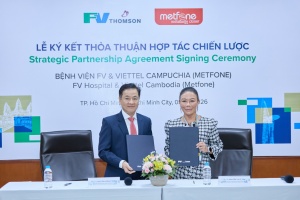
FV and Metfone launch Vietnam-Cambodia health corridor to ease cross-border care FV and Metfone launch Vietnam-Cambodia health corridor to ease cross-border care

The collaboration between FV Hospital and Viettel Cambodia (Metfone) is expected to streamline cross-border healthcare for Cambodian patients, making access to high-quality services more convenient, transparent, and seamless.

Robotic surgery at FV Hospital removes stage 3A lung tumour Robotic surgery at FV Hospital removes stage 3A lung tumour

A 42-year-old pharmacist diagnosed with stage 3A lung cancer involving major blood vessels made a rapid recovery after doctors at FV Hospital successfully removed the tumour using the Da Vinci Xi robotic surgery system.

Personalised lung cancer treatment: From genetic technology to robotic surgery Personalised lung cancer treatment: From genetic technology to robotic surgery

The era of personalised medicine is transforming the way lung cancer is treated. By analysing the molecular characteristics of each tumour, doctors at FV Hospital can tailor treatment strategies to individual patients instead of relying on the one-size-fits-all approaches used in the past.

Non-smoker diagnosed with early-stage lung cancer during routine health check-up Non-smoker diagnosed with early-stage lung cancer during routine health check-up

Chev Cheng, a 54-year-old Cambodian, was diagnosed with early-stage lung cancer during a routine health check-up and successfully treated with robot-assisted surgery using the da Vinci Xi surgical system at FV Hospital, avoiding chemotherapy and radiation therapy.

Institutional reform does not create competitiveness overnight, but it can build the confidence businesses need to make long-term investments.

More than three decades of development among Vietnamese private enterprises shows that as the business environment becomes increasingly transparent, the private sector gains greater room to build its internal capabilities, invest for the long term and gradually strengthen its competitiveness.

If fair rules in sport motivate athletes to continually push beyond their limits, a healthy competitive business environment similarly gives companies the confidence to invest in technology, innovation and long-term strategies.

Through policy recommendations submitted to the government over the years, Vietnam’s private business community has shown that what it needs is not preferential treatment or privileges, but a transparent, stable and consistent business environment where every player can grow on the strength of its own capabilities.

“Businesses do not need preferential treatment; they need a stable, predictable, transparent and fair environment; they need their business and property rights to be protected; they need streamlined administrative procedures and a consistent policy implementation system from the central to local levels. Reform only truly matters when it delivers tangible results,” said Nguyen Duy Hung, member of the Board of Directors at Tan Hiep Phat Beverage Group, one of the leading fast-moving consumer goods (FMCG) businesses in the country.

Established in 1994, just a few years after the Law on Enterprises expanded the space for the private sector, Tan Hiep Phat was among the businesses that came of age alongside the country’s reform drive. More than three decades later, Tan Hiep Phat has become the only Vietnamese firm among the top five leading beverage companies in Vietnam.

The journey of companies such as Tan Hiep Phat, therefore, serves as a reflection of the relationship between the business environment and the process of building internal capabilities within the private sector.

Hung uses the metaphor of “where the soil is fertile, birds will come to nest”: when confidence is strengthened, “flows of knowledge, talent, technology and legitimate aspirations for prosperity will naturally find their way in.”

From reform to resilience: How Vietnamese businesses build long-term strength (PR)
Nguyen Duy Hung, member of the Board of Directors at Tan Hiep Phat. Photos: Tan Hiep Phat Beverage Group

But reform only creates the space for development. Opportunities become competitive advantages only when businesses have the determination to invest in capabilities that form a lasting foundation.

Building internal strength through manufacturing and technology

According to the Vietnam Private Economy Report and Provincial Competitiveness Index 2025, Vietnam’s private economic sector currently provides jobs for approximately 26 million people, equivalent to 50.2 per cent of total employment nationwide.

Behind this scale lies the production capacity accumulated over many years by millions of businesses, with leading companies playing an important role in shaping supply chains, creating jobs and generating spillover effects across other parts of the economy.

According to Nguyen Van Viet, chairman of the Vietnam Beer – Alcohol – Beverage Association (VBA), persistent investment in modern production technologies and quality control in line with international standards not only enables businesses to provide consumers with quality products at reasonable prices, but also helps raise standards across the beverage industry and strengthen the competitiveness of domestic companies.

From reform to resilience: How Vietnamese businesses build long-term strength (PR)
When a manufacturing company makes long-term investments, the value it creates extends beyond the company itself, spreading throughout the wider ecosystem

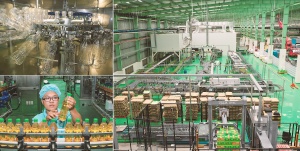
Tan Hiep Phat is an example of this process of accumulation. Nearly two decades ago, when most of the market was still using conventional filling technology, the company chose to invest in an Aseptic filling system from Germany – a technology requiring substantial investment and stringent operating standards.

Aseptic technology enables the product and packaging to be sterilised separately before filling in a sterile environment, helping control product quality and safety without the use of preservatives to extend shelf life.

From reform to resilience: How Vietnamese businesses build long-term strength (PR)
Aseptic filling technology requires stringent technical operation and a long payback period

This was not simply a technology decision, but a decision to invest in long-term capabilities. The substantial investment required, stringent technical operating requirements and longer payback period made it far from an easy choice.

In return, Aseptic technology has become one of the key foundations that have enabled Tan Hiep Phat to build its manufacturing capabilities and develop its core products over the years.

More importantly, the company did not stop at adopting the technology. Through continuous operation and improvement, Tan Hiep Phat has gradually built up its capabilities, mastered the technology and worked with international partners to develop solutions better suited to Vietnam’s climate, raw materials and consumer needs.

Over more than 30 years, the company has continuously reinvested in its production capabilities, gradually building a system of four manufacturing clusters in the country’s key economic regions – Ninh Binh, Danang, Ho Chi Minh City and Can Tho – with 12 Aseptic filling lines and total investment exceeding $300 million.

The company has also brought its products to demanding markets such as France, the Netherlands, Australia and Canada by meeting globally-recognised standards including the Food and Drug Administration, Halal, ISO and HACCP.

These figures reflect more than the scale of investment. More importantly, they represent a decades-long process of building capabilities – a process that is still ongoing at Tan Hiep Phat.

In 2025, the company decided to invest an additional $100 million in next-generation production lines to enhance its manufacturing capacity and meet growing market demand. As the company has expanded, so have tens of thousands of partners across its supply chain matured and grown alongside it.

Seen through this lens, Tan Hiep Phat is more than simply a beverage company. Behind every bottle of Zero Degree Green Tea, Dr Thanh Herbal Tea or Number 1 Energy Drink lies an extensive economic ecosystem spanning farmers in raw-material growing regions, packaging companies, logistics providers and technology partners, through to distributors and retailers across the country.

This is also how the capabilities of individual businesses are transformed into the capabilities of an entire industry. And as more Vietnamese companies choose to invest in capabilities rather than pursue short-term growth alone, today’s private-sector investments will become part of Vietnam’s comprehensive productive capacity and economic competitiveness in the future.

Tan Hiep Phat joins efforts to care for children Tan Hiep Phat joins efforts to care for children

In the course of its business, southern beverage major Tan Hiep Phat is also diligently caring for children, striving to be always of good service to society.

Tan Hiep Phat: a 30-year journey of sustainable development Tan Hiep Phat: a 30-year journey of sustainable development

In early October, Tan Hiep Phat, Vietnam’s leading beverage manufacturer, in collaboration with the Red Cross Society of Hau Giang Province, awarded 200 scholarships, each worth VND1 million ($39.54) to disadvantaged students.

Tan Hiep Phat awards 200 scholarships to disadvantaged students in Binh Duong Tan Hiep Phat awards 200 scholarships to disadvantaged students in Binh Duong

On October 28, Tan Hiep Phat, Vietnam’s leading beverage manufacturer, joined forces with Binh Duong Youth Union to award 200 scholarships to underprivileged students.

Tan Hiep Phat - 30 years of perseverance and breakthroughs Tan Hiep Phat – 30 years of perseverance and breakthroughs

Overcoming challenges, many beverage businesses have affirmed their breakthrough with synergy coming from a chain of links that have been persistently built over decades.

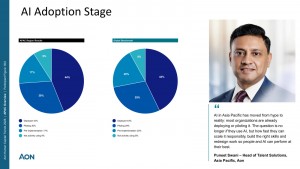
Globally, AI adoption is outpacing workforce readiness. Nearly three in four organisations have deployed or are piloting AI, yet only 18 per cent report that most of their workforce has joined AI reskilling or upskilling programmes. Asia-Pacific faces a similar challenge with 74 per cent of organisations deploying or piloting AI, but only 21 per cent believe they can effectively recruit and retain enough AI-skilled talent.

Vietnam reflects this broader regional trend. The country aims to rank among the world’s top 30 nations in data exploitation and AI development by 2045, yet adoption remains uneven. ITViec’s 2025 Survey found that 73 per cent of surveyed companies in Vietnam had integrated AI to some extent, while only 13.8 per cent had reached scaled or full adoption. At the same time, Amazon Web Services (AWS)’s 2025 Research found that 55 per cent of adopters cited lack of digital skills as the main barrier to expanding AI use.

These findings highlight that AI transformation is not just a technology deployment exercise. Organisations that thrive will be those that redesign work around effective human and AI collaboration, supported by the right skills, role clarity, governance and sustained change management.

AI changes tasks before it changes jobs

The key workforce question is not whether AI will replace jobs, but how it will reshape the tasks that make up those jobs, how it will be automated, augmented or kept deeply human. Most roles comprise multiple tasks, and AI will affect those tasks differently, and they will change at different speeds.

In Vietnam, the International Labour Organisation estimates that 20.8 per cent of employment, equivalent to 11.5 million jobs, is potentially exposed to generative AI. However, only 1.8 per cent of jobs fall into the highest exposure category, suggesting that AI is more likely to transform tasks within existing roles than drive widespread occupational displacement.

This distinction is important because workforce planning therefore needs to move from broad job titles to understand how individual tasks are changing and task-level analysis. In customer service, AI may support ticket routing, response drafting, knowledge retrieval and reporting, while enabling employees to focus more on complex problem-solving cases, relationships, judgment and service recovery. In software development, AI may reduce time spent on routine and repetitive coding while increasing the importance of architecture, quality assurance, validation, system integration and higher-value problem solving.

Workforce readiness is the ROI multiplier

AI value depends on how well organisations redesign the system around the tool. Too often, deployment is measured by activity: logins, prompts or tools rolled out. Yet activity alone is not impact.

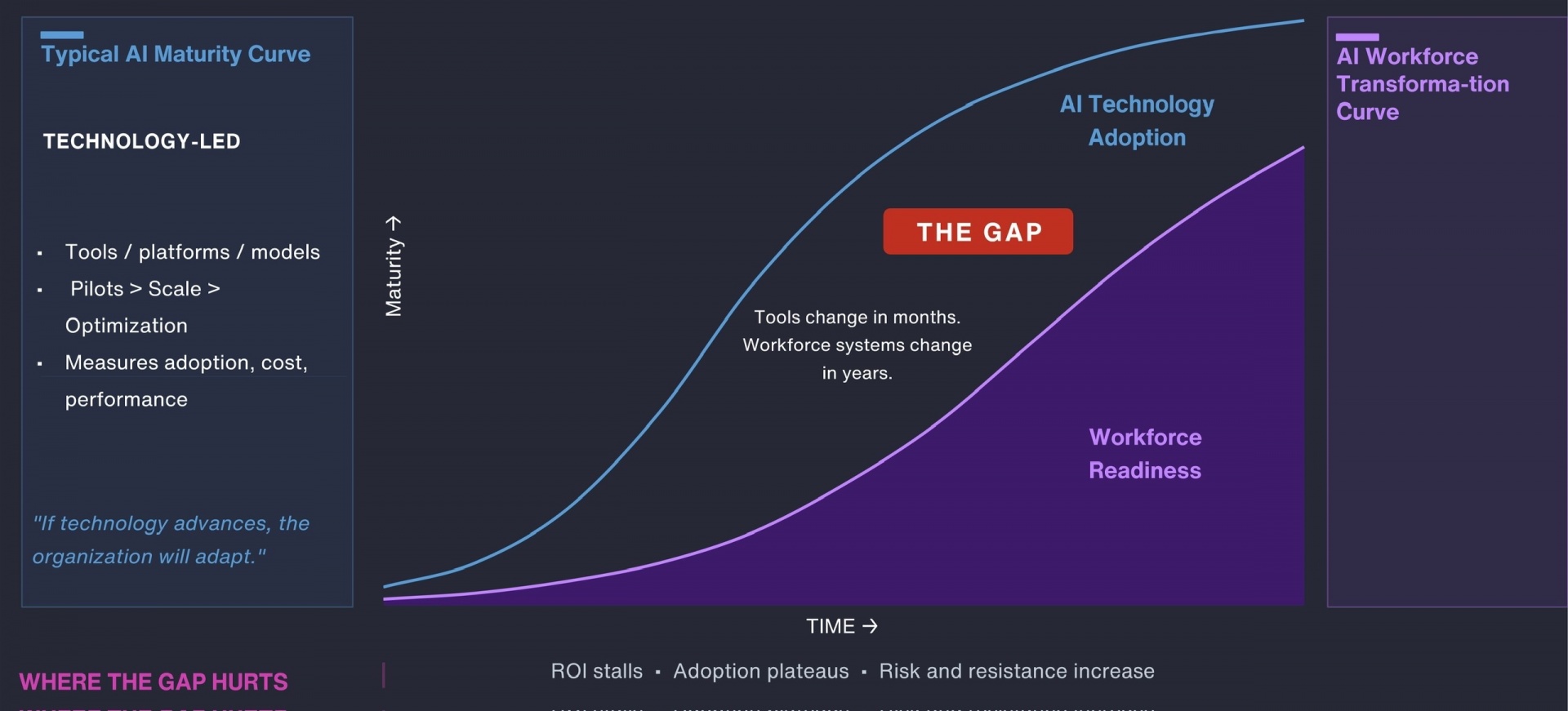
The challenge is that technology evolves in months, while skills, job architecture, performance systems, learning infrastructure and culture can take years to adapt. When adoption outpaces readiness, return on investment can stall, usage can plateau and risk or resistance can increase.

Workforce resilience will decide Vietnam’s advantage in the age of AI
Technology evolves in months, while skills, job architecture, performance systems, learning infrastructure and culture can take years to adapt. Photo: Aon

Leaders should therefore view AI readiness as an integrated people strategy built on four pillars: skills and learning, job design and job architecture, metrics and incentives, and governance and trust. Together, these pillars connect AI investment to business priorities, not just experimentation.

What leaders should do now

During the Aon’s Vietnam HR Insights Seminar in Hanoi on August 4 and in Ho Chi Minh City on August 8, people professionals and specialists from over 100 organisations across Hanoi and Ho Chi Minh City got together and discussed ưhat a typical AI workforce transformation journey should look like.

Identify where AI can create the highest business value. Not every workflow needs AI, and not every use case deserves equal investment. Leaders should prioritise areas where AI can improve productivity, quality, customer experience or decision speed.

Quantify the workforce impact. Organisations need to map how AI will reshape roles and tasks, identify automation risk and pinpoint new value-creating activities.

Redesign work before scaling tools. Automating old workflows can create fragmentation and anxiety. Redesigning jobs, processes and operating models clarifies what AI should do, where human judgment matters and how to avoid bottlenecks or disruption across the value chain.

Build structured reskilling pathways. Training should not be generic. It should be role-based, practical and linked to future skills, career paths and redeployment opportunities.

Align governance and incentives. If employees are expected to use AI responsibly and productively, performance systems, leadership behaviours and governance guardrails must reinforce that expectation.

Create a credible transition path for people. AI workforce transformation will succeed only if employees understand how their roles will change, what support they will receive and how they can stay relevant. Employee communication and wellbeing should be prioritised throughout the journey.

Workforce resilience will decide Vietnam’s advantage in the age of AI
People professionals and specialists across Hanoi and Ho Chi Minh City got together at Aon’s Vietnam HR Insights Seminar 2026. Photo: Aon

Vietnam’s AI opportunity is real, but the next phase depends on whether organisations can turn national ambition into workforce readiness and business execution.

For Vietnam’s employers, the strategic question is no longer, “How fast can we adopt AI?” It is, “How ready is our workforce to use AI to create measurable business value?” The companies that answer with discipline will move beyond pilots, reduce risk and build a more adaptable workforce for the future.

APAC leads AI adoption but lags in workforce readiness, Aon study finds APAC leads AI adoption but lags in workforce readiness, Aon study finds

Aon’s inaugural Human Capital Trends Study has revealed a critical gap in Asia-Pacific between organizations’ rapid AI adoption and their workforce readiness to support it.

Cyber incidents – a 'litmus test' of a company’s management capability Cyber incidents – a ‘litmus test’ of a company’s management capability

The increasing number, frequency and severity of ransomware attacks are forcing companies to rethink their approach to risk.

Aon appoints Stephen as CEO for Indonesia Aon appoints Stephen as CEO for Indonesia

Aon appointed Stephen as CEO for Indonesia, effective 3 August, subject to regulatory approval, the global professional services firm announced.

Hanoi welcomes education leaders from across Asia for GALTI 2026
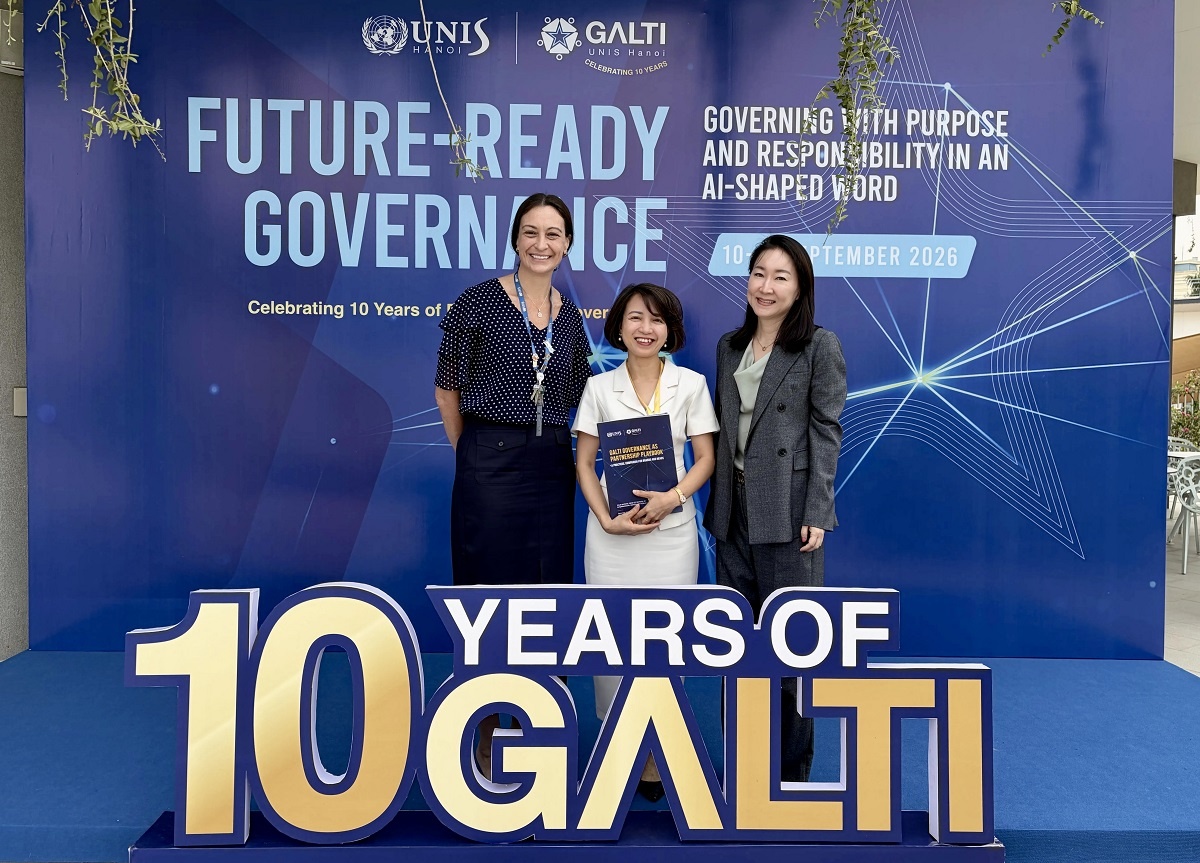
Hanoi welcomes education leaders from across Asia for GALTI 2026 (Photo: UNIS Hanoi)

Heads of school and board chairs from leading international schools across Asia convened for the opening of the Governance as Leadership Training Institute (GALTI) 2026 at United Nations International School of Hanoi (UNIS Hanoi).

Hosted from September 10-12, the three-day Institute brought education leaders from cities including Beijing, Guangzhou, Hong Kong, Kuala Lumpur, Seoul, Singapore, and Taipei to Hanoi. Together, they explored how school boards and senior leaders can govern responsibly, strengthen institutional leadership and prepare their schools for a rapidly changing future.

This year’s Institute marks GALTI’s tenth anniversary and focuses on the theme “Future-ready governance: Governing with purpose and responsibility in an AI-shaped world.”

The participation of Vietnamese education leaders creates an important opportunity for dialogue between national and local education authorities and international school leaders from across the region. It also reflects Hanoi’s growing role as a centre for educational exchange, innovation and leadership.

“Education leaders from across the region will see in Hanoi what our community sees every day: Vietnam is not simply responding to the future of education; it is helping to shape it,” said Dr Liz Gale, head of school at UNIS Hanoi.

“Governance in an AI-shaped world is not a challenge that any one school can address alone. We are proud to bring boards and heads together at UNIS Hanoi to learn from one another and consider how schools can use emerging technologies responsibly, ethically and in the best interests of students.”

As part of the official opening, participants attended a keynote session examining the responsibilities of school leaders and governing boards in responding to artificial intelligence. The session considered how schools can embrace innovation while protecting student wellbeing, academic integrity, equity, and the human relationships at the centre of education.

Students also played an active role in welcoming delegates to UNIS Hanoi. Student representatives led campus tours and share their perspectives on how artificial intelligence is influencing their learning and their hopes for the future of education.

Hanoi welcomes education leaders from across Asia for GALTI 2026
Ngo Thi Diep Lan, vice head of the Private and Foreign-Invested Education Department (middle) took a photo with Dr Liz Gale, head of school (left) & Maria Chung, board chair at UNIS Hanoi (Photo: UNIS Hanoi)

“Decisions made at the governance level shape the future of a school,” said Rami Madani, head of school at the International School of Kuala Lumpur and facilitator of GALTI 2026.

“Bringing boards and heads from across Asia together at UNIS Hanoi allows us to examine difficult questions openly, learn from one another and strengthen education across the region.”

GALTI is designed as a working institute rather than a traditional conference. Through keynote discussions, practical workshops, and scenario-based sessions, Board members and Heads of School examine areas including responsible AI governance, crisis leadership, head–board partnerships, strategic decision-making, and effective governance practices.

Participants will leave the Institute with practical resources that they can adapt for their own schools, such as governance frameworks, Board agendas, leadership dashboards, professional-development plans, and partnership agreements.

Beyond regional governance, since 2020, GALTI has directly supported local educational development through the UNIS Hanoi Learning Together Fund. Financial contributions generated from the Institute fund Learning Together Vietnam, an annual, not-for-profit education conference which brings together hundreds of Vietnamese and international educators working across Early Years to Grade 12 to learn from one another, exchange innovative classroom practices, and collaborate to advance education across Vietnam.

By hosting GALTI 2026, UNIS Hanoi continues its long-standing role as a bridge between Vietnam’s education community and international schools across Asia. The gathering supports the exchange of knowledge, strengthens professional relationships and reinforces Hanoi’s position as a place where regional education leaders come together to learn.

The Governance as Leadership Training Institute brings together international school Heads and governing Board members to strengthen school governance and the Head–Board partnership. Established in 2014, GALTI celebrates its tenth anniversary in 2026. The Institute is grounded in the principle that strong school governance depends on a purposeful partnership between a school’s Board and its Head of School.

UNIS Hanoi is one of only two United Nations schools in the world, offering the full International Baccalaureate continuum to a diverse student body representing over 65 nationalities. A pioneer in international education in Vietnam, UNIS Hanoi combines academic excellence with a mission-driven ethos to inspire lifelong learners who will create a more peaceful and sustainable world.

UNIS Hanoi empowers youth to drive Vietnam’s green transformation UNIS Hanoi empowers youth to drive Vietnam’s green transformation

The Gaia Green Future Talk brought together policymakers, industry leaders, and young innovators to explore how Vietnam’s next generation can drive the green transition through innovation and collaboration.

UNIS Hanoi marks UN Day with 3,000-strong celebration UNIS Hanoi marks UN Day with 3,000-strong celebration

The United Nations International School of Hanoi (UNIS Hanoi), one of only two UN-affiliated schools in the world, marked UN Day with a celebration reflecting peace, diversity, and partnerships.

Lighting the path: how education fuels Vietnam’s climate resilience Lighting the path: how education fuels Vietnam’s climate resilience

Dr. Elizabeth Gale, head of school at UNIS Hanoi, discussed how education, which is considered a soft tool, is fuelling Vietnam’s climate resilience.

On September 14, ACCA held a ceremony to mark its 25th anniversary in Vietnam, bringing together representatives from regulatory authorities, professional bodies, businesses, partners, experts, and the ACCA community to reflect on its journey of supporting the development and integration of Vietnam’s accounting, auditing and finance professions, as well as the business community.

At the event, ACCA reaffirmed its commitment to contributing to Vietnam’s development, expressing appreciation to its partners, members and students, while also setting out new directions for collaboration in response to rapid changes in technology, ESG and sustainability requirements.

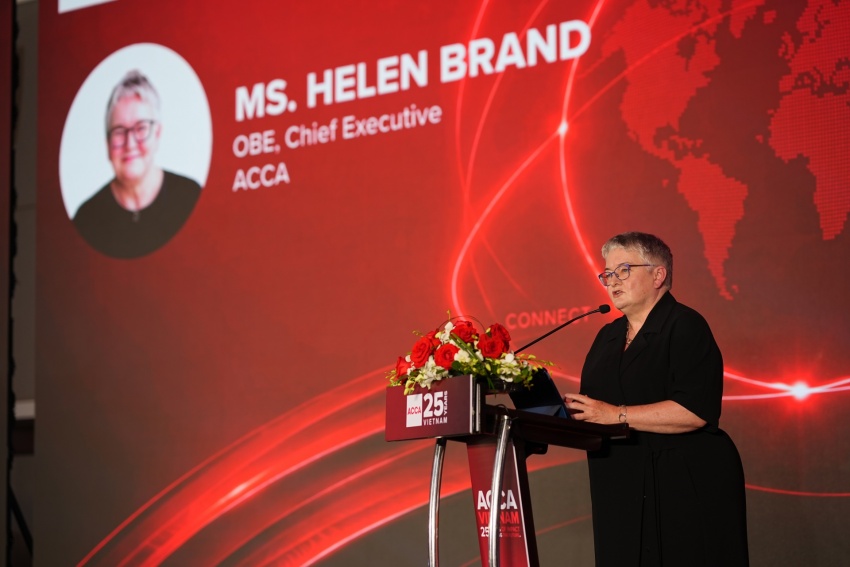
Speaking at the event, Helen Brand, ACCA’s chief executive, expressed her appreciation to the State Audit Office of Vietnam (SAV), the Ministry of Finance, strategic partners, and the ACCA community in Vietnam.

“We want to continue working alongside all of you to build a sustainable and prosperous economy that benefits all people in Vietnam. ACCA is ready to play an active role in supporting economic growth, developing a highly skilled workforce, and helping realise Vietnam’s ambition of becoming a competitive international financial centre,” said Brand.

ACCA marks 25 years in Vietnam
Helen Brand, ACCA’s chief executive. Photo: ACCA Vietnam

Ha Thi My Dung, deputy state auditor general of SAV, delivered remarks congratulating ACCA Vietnam on its 25th anniversary and stated that the SAV has always regarded ACCA as one of its important partners.

“I am confident that ACCA will continue to build on its role, reputation and international experience and make an even greater contribution to the development of Vietnam’s professional community,” Dung said. “From the SAV’s side, we look forward to continuing our close cooperation with ACCA, strengthening the sharing of international experience and knowledge; enhancing cooperation in training and human resource development; exchanging views on innovation in audit methodologies and the application of technology and AI; and encouraging professional activities aligned with new requirements for public financial management and sustainable development.”

25 years

ACCA’s story in Vietnam began in 2001 with just 11 members. Today, ACCA has more than 1,300 members across the country and more than 7,000 students on their journey towards becoming ACCA members.

Behind these figures is a dynamic and growing community present across every sector of the economy, taking on critical roles ranging from accounting, auditing and finance to governance, strategy and sustainability.

This growth has been driven by extensive cooperation between ACCA and regulatory authorities, professional bodies, businesses, and educational institutions in Vietnam and around the world. At the same time, ACCA has promoted a range of initiatives to strengthen professional capabilities and expand opportunities for Vietnam’s finance professionals to access global standards and the international finance community.

Beyond professional development, ACCA has also established itself as a pioneering organisation in Vietnam, making significant contributions to policy dialogue and discussions on governance, strategy, environmental, social, and governance (ESG), sustainability reporting and issues directly affecting business operations.

Through its network of experts and corporate partners across 179 countries, ACCA promotes the sharing of international knowledge and best practices, helping organisations strengthen their financial and governance capabilities while preparing finance professionals for the evolving demands of business.

In particular, as the finance function increasingly shifts from a focus on reporting and control towards strategic planning and value creation, ACCA continues to equip professionals with the capabilities to take on roles extending beyond traditional finance, including risk management and strategy, as well as ESG, sustainability and transformation.

ACCA’s 25-year journey in Vietnam has unfolded alongside the professionalisation, integration and transformation of the economy. Building on this foundation, ACCA said that they would continue working to connect Vietnam with the global professional community, boost international standards, and support the development of a finance workforce capable of creating value for the economy and global markets.

ACCA marks 25 years in Vietnam
ACCA Vietnam: 25 Years of Impact, Shaping the Future. Photo: ACCA Vietnam

Amid shared challenges such as climate change, the emergence of new technologies such as AI, and growing demands for transparency, the role of the accounting, auditing and finance community continues to expand significantly. For ACCA, these shifts require professionals not only to keep their technical knowledge up to date, but also to strengthen their adaptability, strategic thinking and ability to create value.

“This remains a key focus of ACCA’s direction in Vietnam in the next phase: continuing to connect Vietnam’s professional community with global standards, knowledge and opportunities,” said Brand.

“Perhaps the world has never needed the capabilities and qualities of professional accountants more than it does today,” she added. “However, we believe that professional accountants equipped with the right knowledge, skills and qualities can help organisations and countries overcome these challenges.”

The 25th anniversary, therefore, is not only an occasion for the ACCA community to celebrate what has been built over the past quarter-century. It also provides a foundation for ACCA to continue working alongside Vietnam in building a dynamic, sustainable and prosperous economy.

ACCA marks 25 years in Vietnam

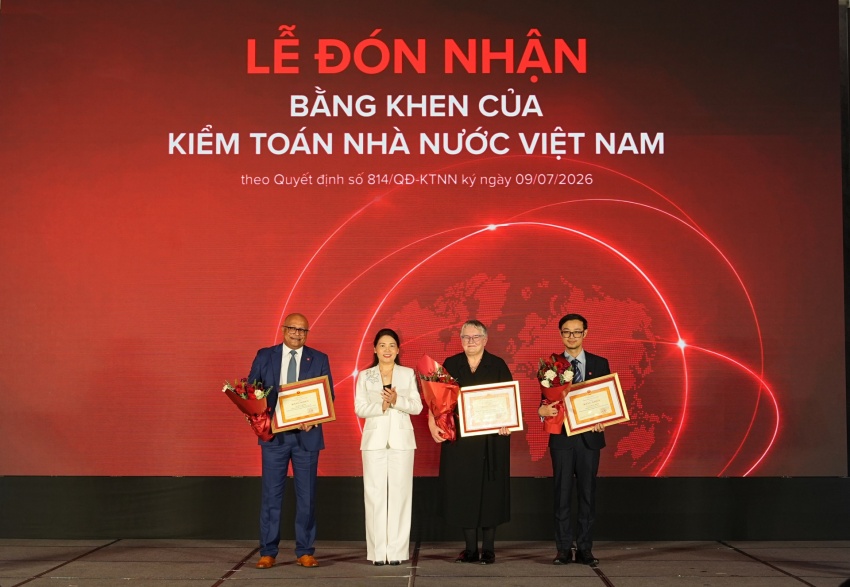
At the event, ACCA was honoured to receive Certificates of Merit and Letters of Commendation for its collective and individual contributions from the State Audit Office of Vietnam on July 9.

The recognition reflects ACCA’s contributions throughout its cooperation with the State Audit Office of Vietnam and marks a meaningful milestone in the cooperative and friendly relationship between the two organisations.

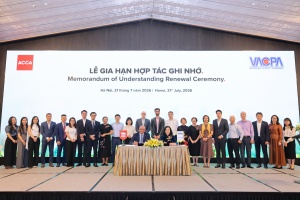
ACCA and VACPA deepen partnership to support Vietnam's green finance transition ACCA and VACPA deepen partnership to support Vietnam’s green finance transition

The renewal of the MoU between ACCA Vietnam and the VACPA marks not only a new chapter in their long-standing partnership, but also a shared commitment to build a transparent, sustainable financial ecosystem and address the growing risk of greenwashing.

Building trust is vital for green finance transition Building trust is vital for green finance transition

Vietnam has taken an important policy step with its Green Taxonomy, but stronger professional judgement will be required across the financial ecosystem. Talking to VIR’s Hazy Tran, To Quoc Hung, country manager of ACCA Vietnam, said that Vietnamese businesses need to move beyond a compliance-driven approach by building a reliable data foundation.

Since the outset of the year, natural rubber prices in major producing markets across Southeast Asia have risen sharply, surpassing their highest levels of the past 10 years.

Accordingly, SVR10 rubber prices are forecast to remain elevated at around $2.5/kg through the first half of 2027, as processing plants stockpile more raw materials amid concerns over potential supply shortages.

Looking ahead to the rubber market, analysts at MB Securities (MBS) said the impact of El Nino could reduce tapping yields in the new 2027 crop season, potentially pushing SVR10 prices higher, with the average price expected to reach around $2.8-3/kg in the second half of 2027.

Rising prices and land conversions set to drive rubber profits
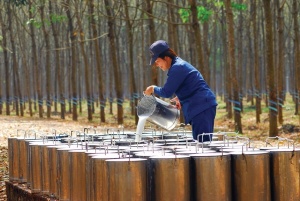
Photo: baodautu.vn

However, downward price pressure remains as consumption demand weakens in major markets such as China and the United States.

For Vietnam’s domestic rubber industry, according to the National Statistics Office of Vietnam, natural rubber output reached 308,000 tonnes in the second quarter of 2026, up 5 per cent, bringing first-half output to 440,000 tonnes, up 3 per cent. This was the highest level recorded during 2021-2026, as higher natural rubber prices since the beginning of the year encouraged growers to increase tapping.

Higher global natural rubber prices also lifted Vietnam’s average rubber export price by 4 per cent on-year to $1,924 per tonne.

Rubber export volume reached 638,000 tonnes, down 8 per cent on-year. As a result, Vietnam’s rubber export value in the first half of 2026 surpassed $1.2 billion.

In terms of markets, Vietnam’s rubber exports declined mainly due to weak demand from China. By contrast, exports to several other markets posted relatively strong growth, with Indonesia becoming Vietnam’s second-largest rubber export market.

MBS forecasts that Vietnam’s rubber export value in 2026 could exceed the annual target and rise 6 per cent on-year, driven by a 15 per cent increase in the average selling price despite an 8 per cent on-year decline in export volume.

Companies in the industry also reported strong profit growth in the first half of 2026.

Specifically, Vietnam Rubber Group JSC’s net profit rose 68 per cent, driven by a 44 per cent increase in latex sales revenue and more than $41.1 million in income from rubber tree liquidation.

At Phuoc Hoa Rubber JSC, net profit surged 245 per cent in the first half, as latex sales revenue increased 31 per cent on-year. Other companies also recorded positive net profit growth, with Dong Phu Rubber JSC up 58 per cent and Tay Ninh Rubber JSC up 35 per cent.

2026 is forecast to be a bumper year for the rubber industry, with revenue and gross profit from rubber latex sales expected to increase 28 per cent and 48 per cent on-year, respectively.

Gross profit margin is projected to expand by 5 percentage points, supported by expectations that rubber prices will remain elevated through the end of this year before breaking higher in the second half of 2027.

Tree liquidation and compensation from the conversion of rubber plantation land will make a significant contribution to profits. In addition to the positive outlook for rubber, land conversion activities are expected to provide significant support for earnings during 2026-2027.

Several projects involving the conversion of rubber plantation land are expected to be implemented during 2026-27, including the Eco-Smart Industrial-Urban-Service Park and Social Housing project in Binh Duong ward (Ho Chi Minh City), VSIP III Binh Duong Industrial Park (IP), Bac Tan Uyen 1 IP, Hiep Thanh IP, Thanh Duc IP, and a high-tech agriculture project in Dong Nai city in the southern region.

Against this backdrop, MBS forecasts aggregate net profit of the rubber companies within its coverage universe to increase 92 per cent on-year.

The outlook for rubber companies is strongly supported by expectations for robust earnings growth and attractive valuations compared with previous development cycles.

At the same time, Decision No.40/2026/QD-TTg has raised hopes that the state may reduce its ownership stake in GVR during 2026-2030, supporting gains in rubber stocks and improving their liquidity.

In addition, gradually increasing cash dividend policies over the years, against a backdrop of companies with healthy financial positions and low debt levels, are another factor worth noting.

Nevertheless, risks to the sector remain, MBS said. Potential risks include a decline in rubber prices due to weaker vehicle consumption in China and the US; extreme weather causing diseases in rubber trees and reducing output; and adequate supplies meeting required standards from Africa, which could put downward pressure on global prices.

Rubber firms report positive Q3 performance Rubber firms report positive Q3 performance

A price surge in the third quarter (Q3) has helped rubber companies to gain significant revenue and profit after years of struggling with low prices.

Rubber industry to bounce back in 2025 Rubber industry to bounce back in 2025

Vietnam’s rubber industry is poised for strong growth in 2025, driven by rising rubber prices, expanding production, and increased export opportunities, despite potential challenges from global trade policies and shifting market dynamics.

HanoiPlas 2025 showcases advanced plastics, rubber, recycling solutions HanoiPlas 2025 showcases advanced plastics, rubber, recycling solutions

HanoiPlas 2025, the 13th edition of the Hanoi International Plastics and Rubber Industry Exhibition, is taking place from June 4-7, attracting over 200 exhibitors from 11 countries and regions.

Rubber sector gains momentum from commodity rally and land windfall Rubber sector gains momentum from commodity rally and land windfall

Surging natural rubber prices, improving export demand and lucrative industrial land conversion plans are combining to fuel renewed investor appetite for rubber stocks.

On September 10, Great Place to Work announced the Best Workplaces in Asia 2026 ranking. With this result, Greenfeed has made its debut on a workplace ranking at the regional level.

The recognition follows Greenfeed’s inclusion in the Top 10 Best Workplaces in Vietnam 2026 in the large enterprise category, announced by Great Place to Work in May.

“From a Vietnamese agriculture – food company, we made our first appearance on a workplace ranking at the Asian level. This is more than a title; it reflects our ongoing efforts to build a workplace where people are well cared for, empowered to grow and given opportunities to create positive value together with the organisation,” said Greenfeed representative.

Sustainable growth starts with suitable people

Founded in 2003, Greenfeed has grown from an animal feed manufacturer into a diversified group with a 3F Plus agricultural ecosystem spanning animal and aqua feed, breeding and farming, food, logistics and technology.

The company currently employs more than 5,500 people across offices, manufacturing plants, farms and business units in Vietnam, Laos, Cambodia and Myanmar.

Greenfeed Vietnam named among Best Workplaces in Asia 2026
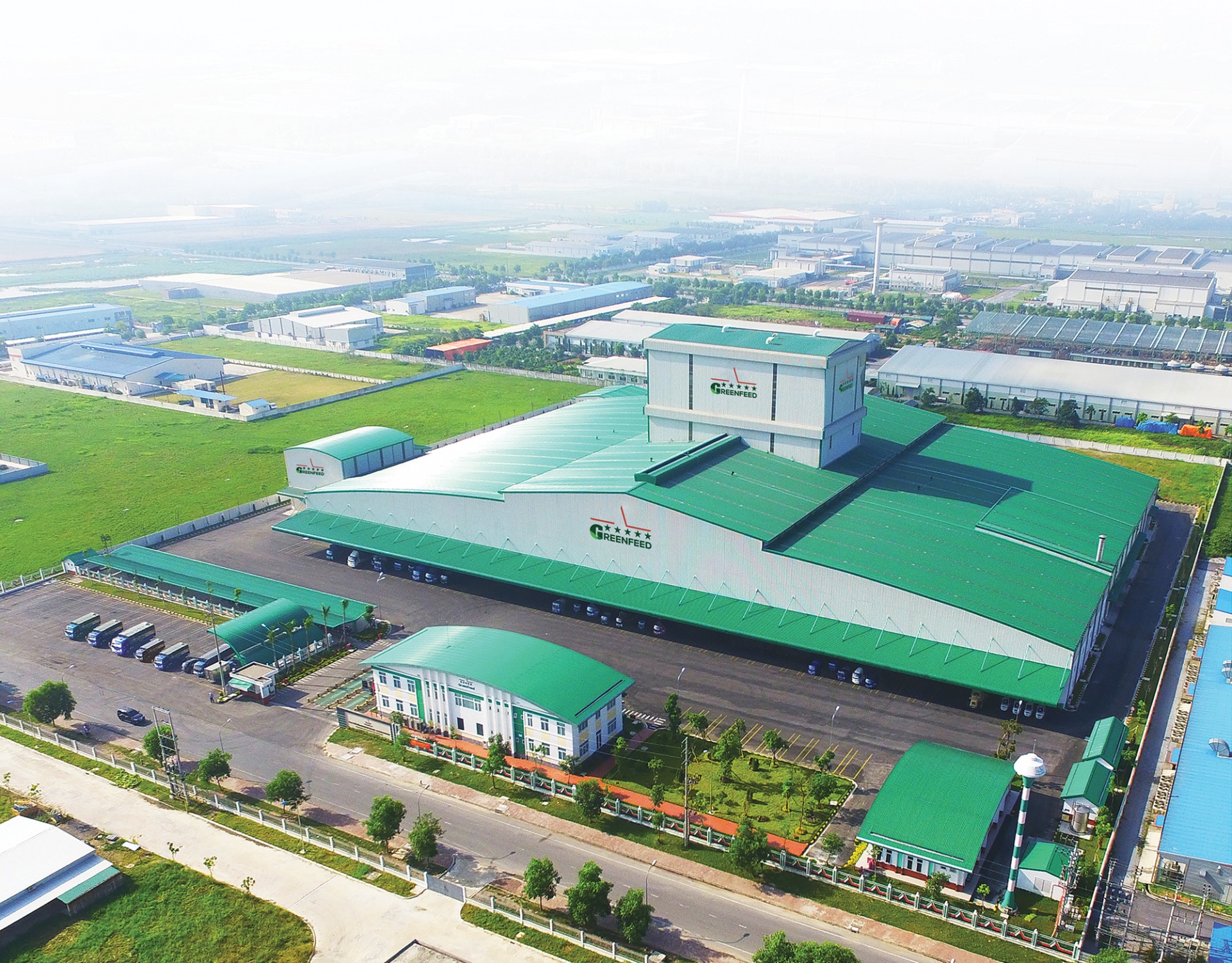
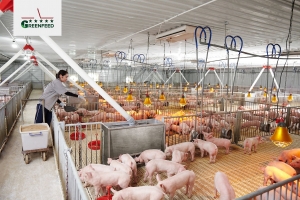
An animal feed mill of Greenfeed in Vietnam. Photo: Greenfeed

According to Greenfeed, having the suitable people is the foundation of sustainable growth and a key driver of transformation across the organisation.

Guided by the direction of “Synergising transformation into resilience”, the company focuses on creating a safe, inclusive and engaging workplace while enabling employees to learn, develop and grow alongside the organisation amid changing market conditions.

Through training, capability development and stronger collaboration across its member companies, Greenfeed is continuously strengthening adaptability, operational effectiveness and organisational capabilities to support long-term growth.

The company’s business operations and corporate culture are guided by the Greenfeed Way, a shared framework of values, standards and behaviours consistently applied across the Group.

According to the Great Place to Work survey conducted by the company in 2025, 95 per cent of employees rated Greenfeed as a great place to work, significantly higher than the 59 per cent market benchmark.

A people-centred workplace

At Greenfeed, a healthy and human-centred workplace is shaped by the real experiences of its people throughout their journey with the company.

The company invests in initiatives that support employee wellbeing, strengthen team connections, develop individual capabilities and create opportunities to contribute to the community.

In 2026, the company organised Greenfeed Day, a team-building programme held across multiple locations in Vietnam and Southeast Asia, bringing together more than 5,000 employees.

Its total wellbeing programme, Greencare, also takes a proactive approach to health prevention, with nearly 12,000 employees and their family members participating in health insurance coverage.

In talent development, the company continues to strengthen training initiatives and build its leadership pipeline. In 2025 alone, the company delivered over 53,000 hours of training, with more than 4,700 participants from over 2,700 employees.

A key initiative is the internal Leader for Goodness (L4G) development programme, which comprises five tracks: GreenSeed (Potential Intern Programme), GreenShine (Management Trainee Programme), GreenLead, GreenExperts and G30+. Each track is designed to support employees at different stages of their development while building on their professional strengths.

Greenfeed Vietnam named among Best Workplaces in Asia 2026
Staff enthusiastically participated in activities during Greenfeed Day 2026. Photo: Greenfeed

Organised by Great Place to Work, a global authority on workplace culture, the Best Workplaces in Asia ranking recognises organisations with outstanding workplace cultures across the region.

The ranking is based on employee feedback, with assessments covering workplace experience and organisational culture.

GREENFEED Vietnam exports high-quality breeding stock GREENFEED Vietnam exports high-quality breeding stock

GREENFEED Vietnam JSC has exported to Cambodian market its first batch of GF24 (Camborough®48) breed, a superior genetic breed transferred through the genetic marker technology of PIC – a world-leading swine genetic company.

IFC invests $43 million in GREENFEED Vietnam through a seven-year bond IFC invests $43 million in GREENFEED Vietnam through a seven-year bond

To support the country’s growing livestock industry, IFC is helping GREENFEED Vietnam Corporation increase its pig breeding and farming capacity, which will help ensure a reliable supply of safe and quality pork while enhancing livestock production practices in Vietnam.

GreenFeed honoured for outstanding contributions in agriculture GreenFeed honoured for outstanding contributions in agriculture

GreenFeed Vietnam has been honoured to receive a certificate of merit from the Ministry of Agriculture and Rural Development for outstanding contributions to the development of Vietnam’s agriculture for 2022-2023.

3F Plus clean pork amazes Michelin-starred chefs 3F Plus clean pork amazes Michelin-starred chefs

During two gala nights at the international culinary event 100 Flavours on November 26 and 28, 13 Michelin-starred chefs crafted elevated fine-dining menus inspired by premium Vietnamese ingredients.

Vietnamese-made Kim Long buses debut in Thailand
Photo: Kim Long Motor

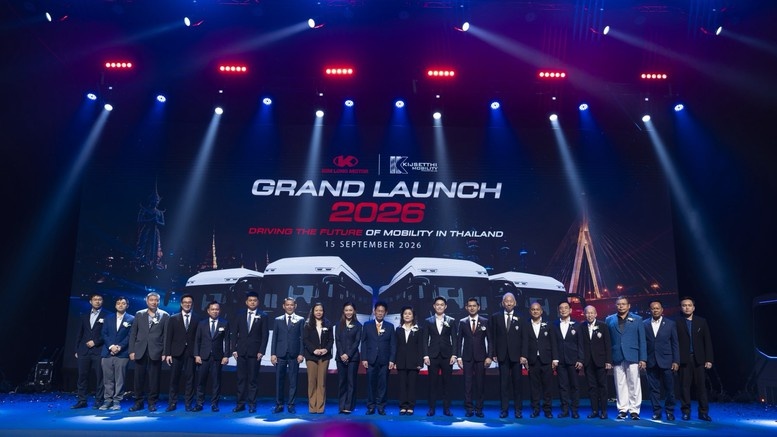
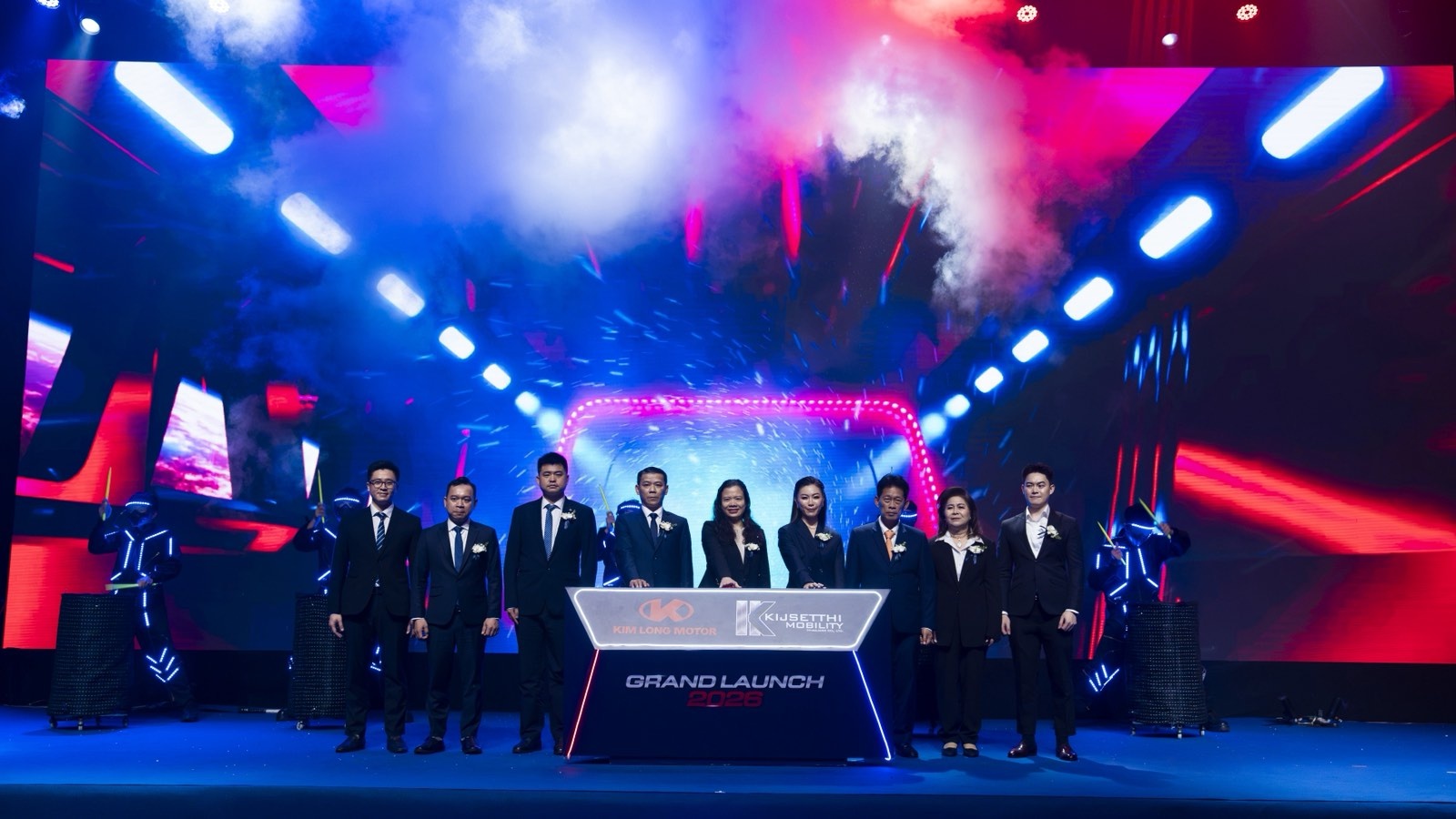
The launch ceremony took place on September 15 in collaboration with KIJSETTHI Mobility, introducing Kim Long-branded buses to the Thai market.

KIJSETTHI Mobility has been Kim Long Motor’s authorised distributor in Thailand since April with the Thai company taking steps to implement a sales and after-sales service network nationwide since then. Building on Kim Long Motor’s research and development (R&D) and manufacturing capabilities and KIJSETTHI Mobility’s strong understanding of the local market, the two parties aim to establish a professional distribution and service platform, delivering high-quality, operationally optimised transport solutions for Thailand.

In addition, KIJSETTHI Mobility has completed a system of showrooms, authorised service stations, and genuine spare parts warehouses, offering 24/7 technical support and warranty services to ensure peace of mind for customers investing in Kim Long products.

As part of the partnership roadmap, Phase 1 will see the introduction of Kim Long commercial vehicles to the Thai market, developing next-generation EURO 5-compliant internal combustion engine models as well as fully electric vehicles. In parallel, the two companies will strengthen their nationwide distribution and service networks, alongside ongoing customer feedback to further enhance product quality.

In Phase 2, Kim Long Motor will progressively shift from Completely Built-Up exports to local assembly in Thailand, with the aim of achieving a localisation rate of more than 50 per cent. From 2027 to 2030, the company plans to establish Thailand as a strategic manufacturing and export hub for the ASEAN market, helping expand the supply chain, foster supporting industries, and generate employment opportunities for local communities.

Addressing the event, Dao Viet Anh, general director of Kim Long Motor, said, “We are proud to be a pioneer in bringing Vietnamese-branded commercial vehicles to Thailand. As one of ASEAN’s major automotive hubs, Thailand serves as a strategic gateway for Vietnamese-made Kim Long products to prove their engineering, quality, and service capabilities. Alongside KIJSETTHI Mobility, we will continuously refine our operational and after-sales platform. Kim Long aims to become a gateway contributing positively to Vietnam–Thailand economic cooperation.”

At the ceremony, Kim Long Motor introduced bus models developed and produced on automated and digitised production lines. The company maintains autonomy across the value chain, from interior and exterior components to the chassis, body, engine, battery, and electrical systems. Consequently, the localisation rate for Kim Long diesel buses has reached 90 per cent, while pure electric vehicles stand at 60 per cent, with a target of reaching 90 per cent by late 2026.

Designed for the Thai market, the launched models prioritise performance, safety, and passenger comfort across flexible configurations. The 12-metre KIMLONG99 series offers seating for 42 to 44 passengers and is suited to inter-provincial travel, while the compact 7.9-m KIMLONG19-N21 features a 21-seat layout designed for urban transit, short-haul routes, and high-frequency shuttle services.

Vietnamese-made Kim Long buses debut in Thailand
Photo: Kim Long Motor

All models feature spacious interiors with premium leather seats, integrated USB charging ports (Type A and Type C), refrigerators, and high-capacity air conditioning systems with individual vents for each seat. For safety, flexible internal, and external camera systems assist drivers, while international-standard emergency exits enable proactive emergency response.

A major highlight is the powerful YUCHAI K11 engine, offering fuel efficiency (19–21 litres per 100 km) to optimise operating costs. On this occasion, Kim Long Motor and KIJSETTHI Mobility handed over the first batch of KIM LONG buses to Thai customers.

Chalakorn Setthabunnatat, general director of KIJSETTHI Mobility, said, “We are delighted that our collaboration has resulted in the official launch of KIM LONG buses – well-invested in design, amenities, and superior performance – to Thai customers. We highly appreciate KIM LONG Motor’s R&D capabilities and product optimisation for local transit needs. I am confident that our nationwide network will enable KIJSETTHI Mobility to partner long-term with Kim Long Motor in creating comprehensive transport solutions for Thailand.”

At the event, KIJSETTHI Mobility secured an immediate order for 50 Kim Long buses.

Taking place on the occasion of the 50th anniversary of Vietnam-Thailand diplomatic relations, the launch reflects the deepening spirit of cooperation between the two countries. It also affirms the capacity of Vietnamese enterprises to pursue international economic integration and advance national industrial development strategies.

From Kim Long buses entering Thailand’s roads to the strategic vision of joint production and ASEAN-wide expansion, Kim Long Motor and KIJSETTHI Mobility are steadily building a sustainable growth strategy and opening a new chapter for the region’s automobile industry.

Kim Long Motor ships first batch of electric buses to Thailand Kim Long Motor ships first batch of electric buses to Thailand

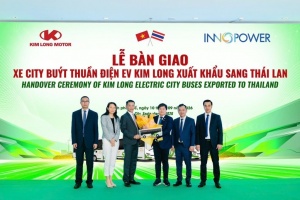
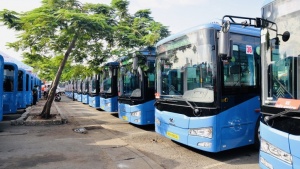
Kim Long Motor Hue has completed the handover of nine fully electric buses to Thailand’s INNOPOWER, the first batch in a contract for 113 vehicles.

Kim Long Motor pioneering fuel-efficient engines and green transition Kim Long Motor pioneering fuel-efficient engines and green transition

Recent geopolitical tensions in the Middle East have continued to raise risks for the global energy market, with diesel prices rising sharply and unpredictably, placing pressure on fuel-intensive sectors such as long-distance passenger transport.

Kim Long Motor exports first buses to Thailand in regional push Kim Long Motor exports first buses to Thailand in regional push

Kim Long Motor has exported its first batch of locally manufactured buses to Thailand, marking a significant step in the company’s international expansion strategy.