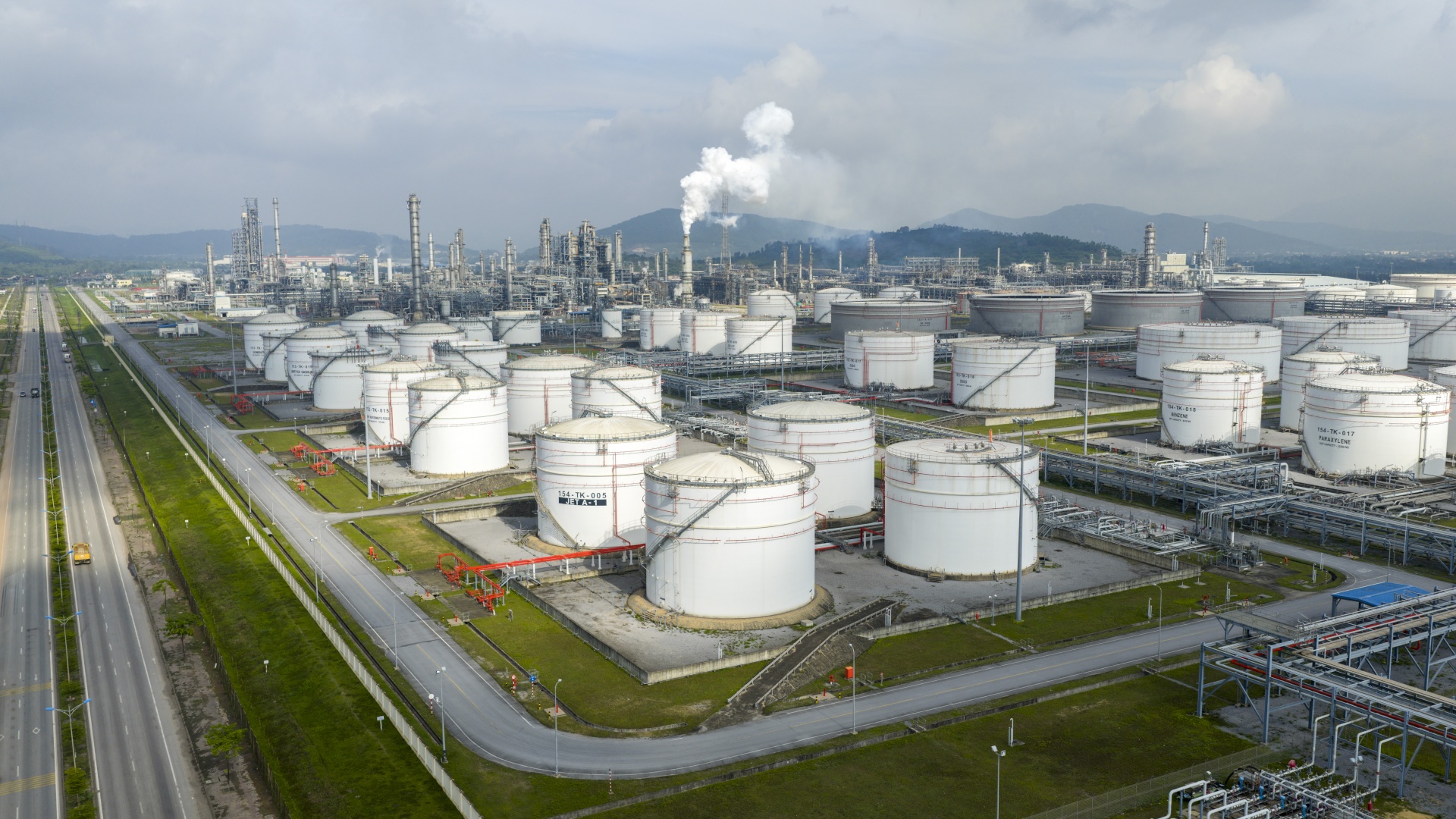
NSRP navigates global energy supply volatility
Photo: NSRP

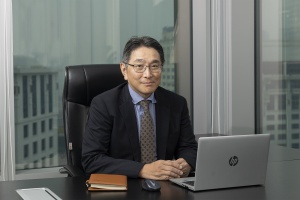
Against geopolitical uncertainty and global energy supply volatility, what are NSRP’s initiatives to guarantee its crude oil supply and maintain uninterrupted operations?

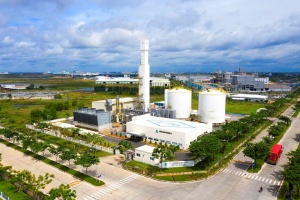
Ensuring crude oil supply security remains one of NSRP’s top priorities. Despite ongoing geopolitical uncertainties in the Middle East and volatility in the global oil market, the refinery has continued to operate safely, stably, and without interruption.

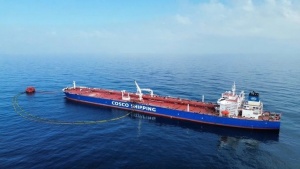
In fact, NSRP began implementing its crude oil diversification strategy as early as late 2025 to enhance feedstock flexibility and strengthen operational resilience. A significant milestone was achieved in January 2026, when the company successfully processed its first non-Kuwaiti crude oil cargo, Das Blend, comprising approximately one million barrels.

The cargo arrived at NSRP’s port in late December 2025 and was received and processed safely in full compliance with the refinery’s stringent operational standards. This achievement not only demonstrated NSRP’s technical capabilities but also established a strong foundation for long-term feedstock diversification.

Building on this success, NSRP has progressively expanded its crude slate and, to date, has successfully processed ten crude oil grades other than Kuwait Export Crude. This has significantly enhanced the refinery’s feedstock flexibility, enabling NSRP to broaden its sourcing options, strengthen resilience against supply disruptions, and optimise crude selection from both technical and commercial perspectives.

While Kuwait remains NSRP’s long-term strategic partner and most important crude oil supplier, the company has adopted a more flexible procurement approach by combining traditional supply sources with suitable alternative crude grades. Following earlier supply disruptions, NSRP resumed imports of Kuwaiti crude oil in September 2026, with additional cargoes already scheduled in the coming months.

Looking ahead, NSRP will continue to balance long-term supply agreements with spot market opportunities, while further expanding its crude oil evaluation and testing programme. This approach will help enhance supply security, mitigate geopolitical risks, and strengthen the refinery’s long-term competitiveness, operational flexibility, and sustainable performance.
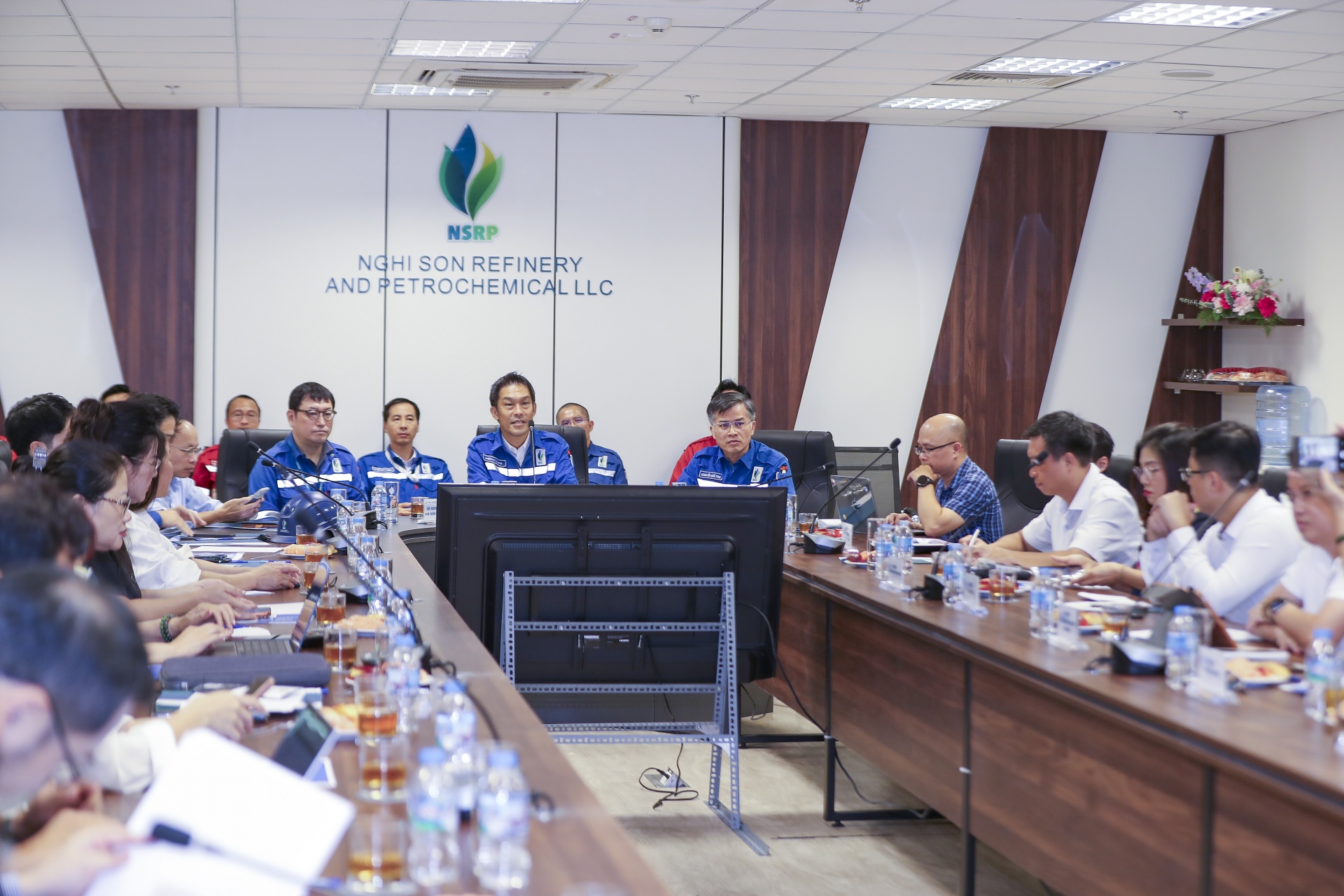
NSRP navigates global energy supply volatility
Photo: NSRP

What are the key focus areas for NSRP to navigate the challenging global environment?

Global oil markets have experienced significant volatility in 2026, particularly following geopolitical developments in the Middle East. As of the end of August, NSRP’s average crude purchase price had increased by approximately 63 per cent compared with the beginning of the year. At design capacity, every sustained $10 per barrel increase in crude prices could represent approximately $2.5 million of additional crude cost per day.

However, refinery profitability ultimately depends on refining margins rather than crude prices alone. Through crude optimisation, disciplined operations, and strong product margins, particularly in middle distillates, NSRP has continued to maintain solid business performance.

In addition, NSRP’s products are marketed through the existing offtake arrangement with Petrovietnam Distribution Branch (PVNDB), which distributes NSRP fuel products nationwide through a broad network of petroleum traders.

During periods of market volatility, our priority is to maintain stable refinery operations and maximise production. We work closely with the off taker to optimise allocation planning, logistics, and inventory management to ensure reliable and uninterrupted fuel supply to the domestic market while meeting contractual commitments.

Could you shed some light on NSRP’s operational and financial performance in 2026?

NSRP continues to operate safely, stably, and efficiently with high reliability and strong operational performance. During the first 9 months of 2026, the refinery processed approximately 8.38 million tonnes of crude oil and supplied around 6.54 million tonnes of petroleum products to the market.

We expect to supply an additional 2.69 million tonnes in the fourth quarter, bringing total 2026 product supply to more than 9.2 million tonnes. This will allow NSRP to continue contributing approximately 35-40 per cent of Vietnam’s domestic fuel demand, reinforcing our role as a key pillar of the country’s energy security.

NSRP’s operational and financial performance has improved significantly in 2026. This improvement has been driven by strong refinery utilisation, healthy refining margins, feedstock optimisation, and disciplined cost and working-capital management.

Beyond short-term profitability, our focus is on building a more resilient, financially sustainable, and commercially competitive business capable of delivering stable performance throughout refining cycles. In parallel, shareholders continue to discuss long-term financial restructuring initiatives to further strengthen NSRP’s financial foundation.
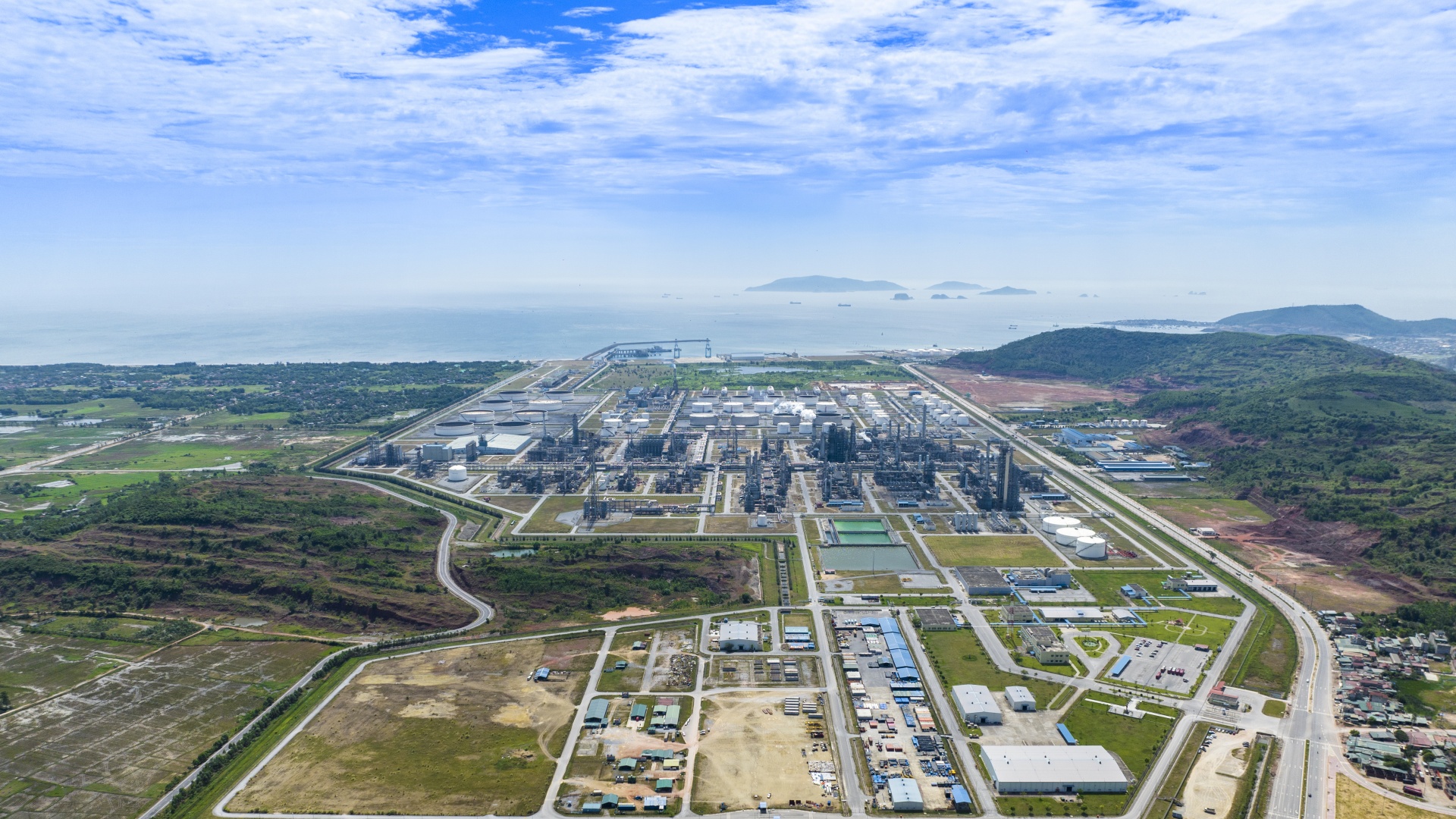
NSRP navigates global energy supply volatility
Photo: NSRP

How does NSRP leverage its large-scale industrial assets to generate value beyond energy supply?

NSRP’s contribution extends well beyond fuel production. Since commencing commercial operations in late 2018, the company has contributed approximately VND 147 trillion ($5.65 billion) to the state budget as of August 2026, making it one of Vietnam’s major industrial contributors.

Looking ahead, our ambition is to become a world-class energy and industrial company that is operationally excellent, financially strong, commercially independent, and sustainably profitable, while continuing to support Vietnam’s energy security, industrial development, and economic growth.

Furthermore, NSRP is committed to supporting Vietnam’s energy transition and net-zero ambitions. Since July 2026, the refinery has been producing base petrol as blend stock for RON95 E10, with production averaging approximately 250,000 tonnes per month and accounting for around 90 per cent of our petrol output.

At the same time, we are advancing studies on carbon capture solutions, including a CCS feasibility study focused on capturing CO₂ from refinery operations. We are also evaluating opportunities to utilise captured CO₂ and surplus hydrogen in higher-value and lower-carbon products, supporting both sustainability goals and long-term business competitiveness.

What are NSRP’s plans to increase the long-term competitiveness of the refinery?

Moving forward, NSRP’s strategy is to enhance competitiveness through refinery optimisation, higher utilisation, and deeper petrochemical integration. The refinery has already demonstrated the capability to operate at 125 per cent of design capacity. Our current objective is to sustain the aforesaid rate before the second Turnaround in August 2027 and seek approval for higher operation thereafter.

At the same time, we are studying opportunities in olefins, polymers, bitumen, lubricant-related products, and other petrochemical value chains to create greater value from existing refinery assets and strengthen long-term competitiveness.
From mega project to long-term growth platform for Thanh Hoa From mega project to long-term growth platform for Thanh Hoa

Nearly a decade after commencing operations, Nghi Son Refinery and Petrochemical LLC has emerged as a significant contributor to regional development, demonstrating how a large-scale industrial project can generate lasting economic value, strengthen industrial capabilities, and support long-term growth.

Nghi Son Refinery and Petrochemical remains committed to safety and stability Nghi Son Refinery and Petrochemical remains committed to safety and stability

Nghi Son Refinery and Petrochemical LLC (NSRP) has several measures to maintain optimal production and business efficiency of the refinery in 2024. So Hasegawa, general director of NSRP, spoke with VIR’s Thanh Van about the company’s efforts.

Nghi Son refinery processes first non-Kuwaiti crude cargo Nghi Son refinery processes first non-Kuwaiti crude cargo

Nghi Son Refinery and Petrochemical has taken a key step towards diversifying its crude supply and strengthening operational flexibility.

AI beginning to reshape recruitment criteria
Source: BUV

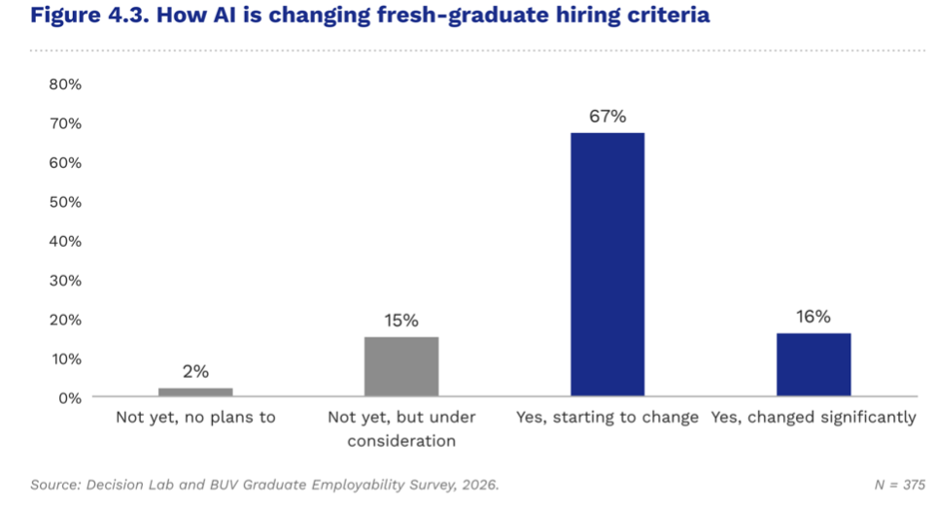
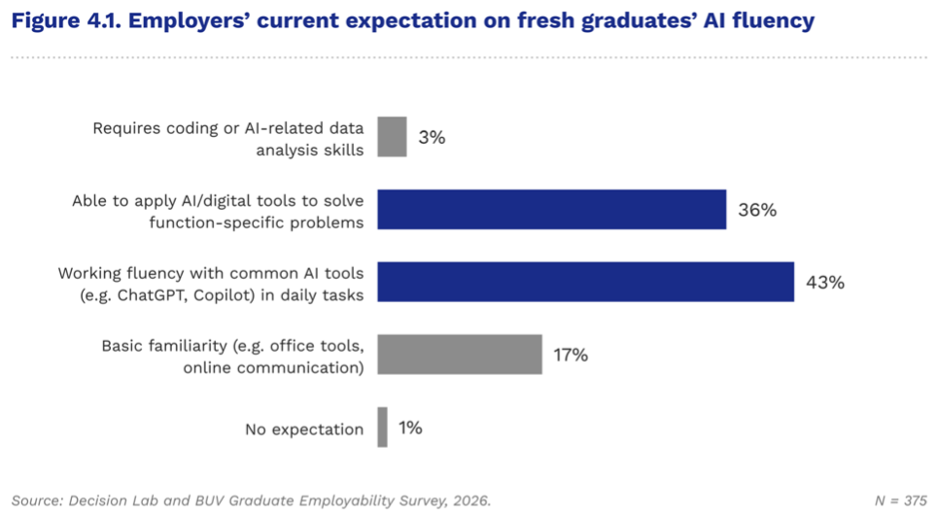
Some 83 per cent of employers say AI has changed, or is beginning to change, their hiring criteria, while 94 per cent report higher expectations for digital and AI capabilities than they had two to three years ago. However, businesses are not necessarily looking for AI engineers. Instead, they want graduates who can use common AI tools fluently in their daily work or apply them to solve problems specific to their roles.

These are among the key findings of the Vietnam Employability Report 2026: Beware the Gap – Are Graduates Set up for Success in a World of New Possibilities?, released on October 8 by British University Vietnam (BUV) in collaboration with research firm Decision Lab. The research surveyed 375 domestic and international companies on their hiring decisions for fresh graduates.

The findings were presented at the International Conference on Educational Cooperation in the Digital Era and Education & EdTech Exhibition, hosted by the Ministry of Education and Training.

Widest gaps emerge in real-world working situations

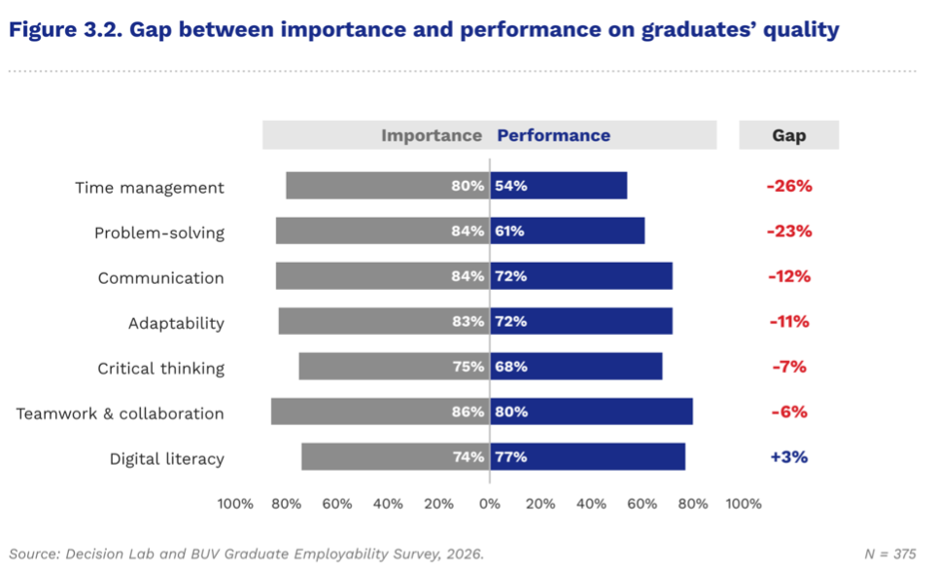
The report assessed seven capability areas among fresh graduates. Employers considered all seven important, with between 74 and 86 per cent rating each as important. Yet graduates fell short of employers’ expectations in six of the seven areas.

Time management recorded the widest gap, at 26 percentage points, followed by problem-solving at 23 points. Communication and adaptability showed gaps of 12 and 11 points, respectively. Digital literacy was the only capability area in which graduates exceeded expectations, by three percentage points.

These shortcomings become particularly apparent when young employees face urgent tasks, incomplete information, or work requiring coordination with several people. In such situations, employers need staff who can manage their commitments, flag potential delays early, and propose solutions independently rather than wait for detailed instructions.

AI beginning to reshape recruitment criteria
Source: BUV

The findings suggest that the gap between education and employment is not simply a matter of academic knowledge. It also concerns graduates’ ability to apply what they have learnt, organise their work independently, and make decisions in real-world situations.

Employers also tend to favour international degrees, with more than half expressing a preference for graduates with such qualifications. Their perceived advantages extend beyond English-language proficiency. Employers describe these graduates as typically more confident, more comfortable working in multicultural environments, and more willing to ask questions, challenge assumptions, and present their views to senior colleagues.

While 83 per cent of employers say AI has changed, or is beginning to change, their hiring criteria, only 3 per cent require AI programming or data analysis skills. Instead, 79 per cent want graduates to use common AI tools fluently in their daily work or apply AI to the specific problems they encounter in their roles.

This points to a shift towards combining technological proficiency with problem-solving and adaptability. As AI tools become more widely available, candidates’ competitive advantage will depend not only on their ability to use technology, but also on how effectively they evaluate information, choose appropriate approaches, and take responsibility for their work.

However, collaboration between businesses and universities remains largely concentrated on recruitment. Although 59 per cent of surveyed employers take on student interns, only 15 per cent contribute to curriculum design, while 23 per cent do not collaborate with any university.

The report identifies three conditions for internships to genuinely build capability: meaningful work, close supervision, and evidence of the student’s contribution. Expanding internship opportunities therefore needs to go hand in hand with improving the quality of workplace experience and encouraging businesses to play a more active role in education and training.

AI beginning to reshape recruitment criteria
Source: BUV

From qualifications to workplace capabilities

Against this backdrop, BUV introduced its new “Degree Plus” education model, which combines an academic degree with additional professional and personal skills development, alongside international experiences. Under the model, students receive a Global Employment Passport upon graduation, in addition to a degree awarded by a UK university.

The model is built around three pillars. The Professional Skills pillar includes modules on time management, project management, applied AI, and digital literacy. The Personal Skills pillar focuses on strategic thinking, problem-solving, resilience, and adaptability. The International Mobility pillar provides opportunities for students to participate in exchanges, study programmes, and internships abroad through the university’s international partner network.

Students can also apply their knowledge through internships and real-world projects with more than 500 corporate partners in BUV’s network. The approach aims to bring academic learning closer to labour-market requirements, moving beyond qualifications alone as a measure of graduate readiness.

The model is also positioned in the context of Politburo Resolution No.71-NQ/TW on breakthroughs in education and training development. The resolution highlights the need to raise digital and AI competency standards, develop the qualities and capabilities of Vietnamese people for a new era, and prepare Vietnamese citizens to become global citizens.

“The more powerful technology becomes, the sharper human judgement needs to be. The key question is no longer simply what qualification a student holds at graduation, but what their actual capabilities allow them to do on their first day at work,” said Paul Bennett, chief marketing officer at BUV.

According to the report, closing the gap between qualifications and capabilities requires action from government, employers, universities, and students alike. Stronger dialogue between educational institutions and the labour market, more responsive curricula, and regular feedback mechanisms will be essential to preparing graduates for an evolving economy.

Rick Bennett, deputy vice-chancellor and vice-president at BUV, said, “The university was making the full report publicly available and would continue the research regularly for the benefit of the wider education sector.”

These issues were also explored at a panel discussion, “Shaping the Talent Profile for the Industry 4.0 Era,” which examined how universities, employers, and other stakeholders could work more closely together on curriculum design, expanded workplace opportunities, and regular feedback from the labour market.

Vietnam job market hits new milestone with rising salaries and race for AI talent Vietnam job market hits new milestone with rising salaries and race for AI talent

Caution and stability drive Vietnam’s workforce trends Caution and stability drive Vietnam’s workforce trends
Vietnam's recruitment market shows resilience in H1 Vietnam’s recruitment market shows resilience in H1

New Zealand boosts education engagement with Vietnam New Zealand boosts education engagement with Vietnam
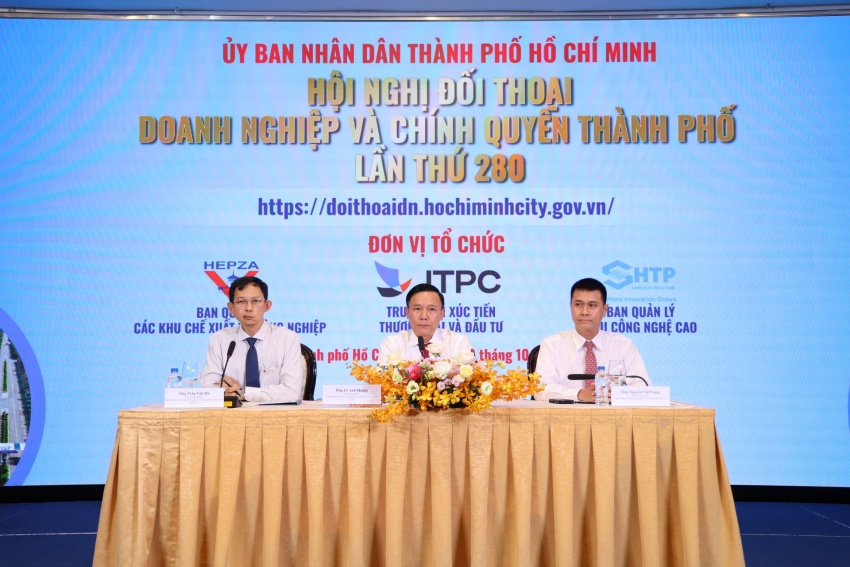
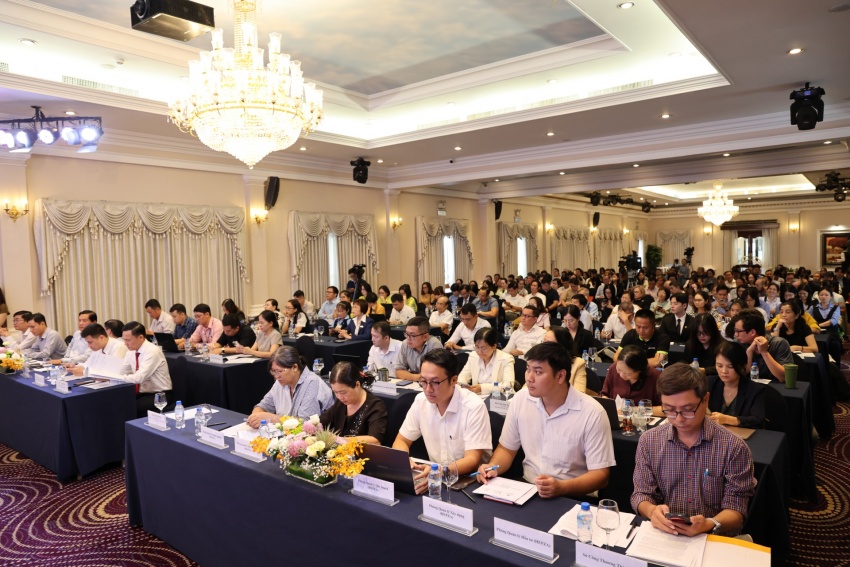
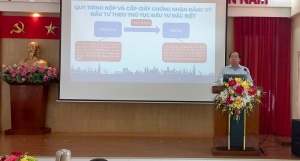
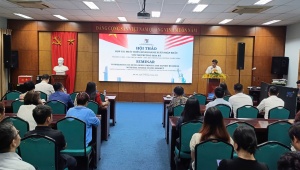
The dialogue was organised by Ho Chi Minh City Investment and Trade Promotion Centre (ITPC), in coordination with Ho Chi Minh City Export Processing and Industrial Zones Management Authority (HEPZA) and Saigon Hi-Tech Park Management Authority (SHTP), to address difficulties faced by businesses operating in high-tech parks, export processing zones, and industrial parks.

Ho Chi Minh City holds dialogue with businesses to address operational hurdles
HEPZA and SHTP leaders, together with representatives of specialised departments, engage directly with businesses at the event. Photo: ITCP

The event attracted nearly 300 delegates representing government departments and agencies, local authorities, business associations, and enterprises operating in these zones.

Businesses raised difficulties in implementing policies, navigating administrative procedures, and conducting investment, production, and business activities. Relevant authorities discussed the issues and provided guidance on solutions within their mandates.

Le Anh Hoang, deputy director of ITPC, explained that addressing difficulties faced by businesses in export processing zones, industrial parks, and high-tech parks was essential to boosting production and business activities and enhancing the city’s competitiveness.

“These zones play an important role in attracting investment, developing manufacturing, boosting exports, and advancing technological innovation. Simplifying administrative procedures and resolving shortcomings in policy implementation would therefore help businesses maintain and expand their operations,” Hoang said.

Tran Viet Ha, deputy head of HEPZA, said the city was shifting from a focus on administrative procedures to monitoring and managing the entire project implementation process, from investment preparation through to the commencement of operations.

According to Ha, export processing zones and industrial parks in the city currently have more than 5,400 registered projects, with total investment of approximately $82 billion. From the beginning of 2026 to the date of the conference, foreign direct investment reached around $5.6 billion.

However, Ha added, obstacles remain in project implementation. HEPZA aims to facilitate the early implementation of projects following registration and reduce procedures related to planning and construction. Some areas have yet to meet expectations.

“HEPZA will directly resolve issues within its authority, while coordinating with other agencies to address cross-sectoral matters,” he said.

At the dialogue, leaders of HEPZA, SHTP and relevant agencies discussed and responded to various groups of business recommendations, focusing on investment procedures, financial obligations, customs, environmental issues, and infrastructure.

Answering questions addressed by representatives from enterprises, on taxation, the authorities provided guidance on resolving issues related to non-agricultural land use tax, reconciling tax payment data, adjusting tax deductions, and late payment interest arising from disruptions in the transfer of management data. Other issues included the consideration of tax exemption and reduction decisions, as well as VAT regulations applicable to bank service fees and the business activities of export enterprises.

In investment, land allocation, and business registration, discussions covered procedures for processing applications to amend investment policy approvals in parallel with land allocation applications, handling investment security deposits, and adding business lines. The acceptance of electronic Investment Registration Certificates and Business Registration Certificates in administrative procedures was also discussed as a means of reducing time and costs for businesses.

In customs and import-export activities, the authorities discussed procedures for returning imported raw materials that fail to meet quality standards, declaring goods descriptions and HS codes, and re-exporting raw and auxiliary materials overseas for machinery testing.

The dialogue also addressed difficulties involving coordination among management agencies, the protection of property rights, and the settlement of disputes between domestic suppliers and enterprises operating in non-tariff zones.

On green transition and energy, discussions covered environmental criteria for existing industrial parks, procedures for upgrading production lines, installing energy-saving equipment, recovering waste heat, and improving environmental protection facilities.

Delegates also discussed the direct power purchase agreement mechanism, plans for developing clean hydrogen energy, electricity supply, water supply and drainage infrastructure, and waste treatment.

Regarding market support and supply chains, businesses proposed solutions on pricing mechanisms, measures to boost domestic sales of high-tech products, and incentives for foreign-invested enterprises to procure solutions and equipment from domestic agents and distributors, thereby developing a high-tech services ecosystem.

Ho Chi Minh City holds dialogue with businesses to address operational hurdles
Many businesses attend the event. Photo: ITCP
HEPZA proposes 30 per cent slash on CIT to relieve burden on businesses HEPZA proposes 30 per cent slash on CIT to relieve burden on businesses

Ho Chi Minh City Export Processing Zone and Industrial Zones Authority (HEPZA) has made a number of proposals to the municipal People’s Committee to support businesses and workers during the COVID-19 pandemic, including reducing corporate income tax (CIT).

Ho Chi Minh City introduces special procedures for industrial zone investment projects Ho Chi Minh City introduces special procedures for industrial zone investment projects

Ho Chi Minh City Export Processing Zones and Industrial Parks Management Authority will apply special investment procedures to special investment projects.

Ho Chi Minh City calls for investment in 38 new industrial parks Ho Chi Minh City calls for investment in 38 new industrial parks

Ho Chi Minh City is preparing to seek for developers for 38 new industrial parks covering a total area of more than 23,000 hectares under its master plan through 2030, with a vision to 2050.

Photo: Baodautu
Photo: baodautu.vn

Figures released on September 21 showed goods trade reached nearly $55 billion in the first 15 days of September alone, bringing cumulative turnover since the beginning of the year to more than $825 billion. The strong growth reflects robust trade flows, with demand for consumer goods and production inputs remaining high.

Exports surpassed $400.8 billion, up 23.2 per cent on-year, while imports stood at almost $424.4 billion, up 36 per cent. The faster growth in imports pushed the trade deficit to around $23.5 billion.

With trade flows expanding by nearly 30 per cent on-year, demand for consumer goods and production inputs remains strong. The National Statistics Office said export growth has been driven by processing and manufacturing, particularly electronics, machinery and equipment, supporting Vietnam’s industrialisation and deeper integration into global supply chains.

If the current momentum is maintained, Vietnam’s total trade turnover could reach or exceed $1.2 trillion this year, marking a significant milestone as the country pursues stronger economic growth.

Processing and manufacturing continued to account for a major share of Vietnam’s trade. Computers, electronic products and components remained the leading category, with exports of $9.6 billion and imports of $13.1 billion in the first half of September.

In the first nine months to September 15, exports of computers, electronic products and components reached about $111 billion, while imports approached $175 billion. Machinery, equipment, tools and spare parts followed, with exports of $50.7 billion and imports of nearly $51 billion.

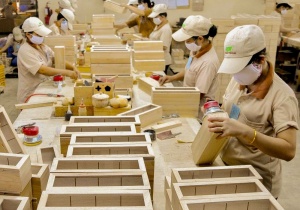
However, the strong overall trade performance masks growing difficulties among several domestic export sectors, including agriculture, forestry and fisheries, textiles and garments, footwear, and wood products, which are facing weaker export prices and tougher market conditions.

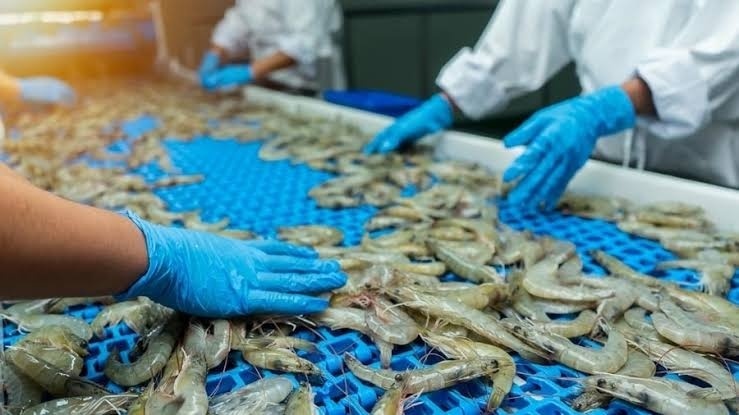
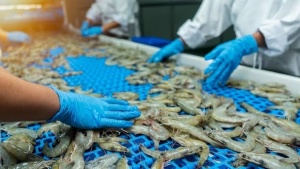
Seafood exporters said the period would normally mark the beginning of a peak season ahead of year-end consumption. This year, however, demand has been subdued amid rising global supply, putting greater pressure on producers to meet stricter quality requirements while maintaining competitive prices.

At the same time, production costs, including electricity, water, financing, interest payments, and wages, have risen sharply.

“We are trying to hold on and get through this difficult period,” an executive at a seafood exporter said.

Analysis from the Vietnam Association of Seafood Exporters and Producers also points to mounting pressure. Seafood exports reached $1.1 billion in August, up 6.4 per cent on-year, but growth slowed significantly compared with the 11.9 per cent increase recorded during the first eight months of the year.

The United States, an important market for Vietnamese seafood, saw exports fall 3.8 per cent in August to $182 million. Shrimp exports declined 12.6 per cent, while basa fish exports plunged 49.3 per cent. The EU market also contracted by 6.2 per cent, particularly for shrimp, tuna and octopus.

China, Vietnam’s largest seafood market and an important growth driver, also showed signs of slowing, with growth in August reaching 16.5 per cent, compared with 32 per cent during the first eight months.

Prof. Dr Vo Xuan Vinh, director of the Institute of Business Research at the University of Economics Ho Chi Minh City, said the widening trade deficit could weigh on GDP growth, particularly as Vietnam seeks to achieve double-digit economic growth this year.

However, he noted that the composition of imports remains an important consideration, as machinery, equipment and production inputs account for a large proportion of total imports.

“Imports are mainly serving two purposes: domestic consumption and the processing of goods for export,” Vinh said.

“The greater concern is that although the scale of trade is expanding, domestic businesses have yet to make a stronger breakthrough. High financing costs and difficulties in accessing capital are among the current constraints, alongside other factors related to businesses’ compliance costs,” he said.

These pressures are affecting the competitiveness of domestic exporters, while higher fuel prices and logistics costs are also contributing to the widening trade deficit, according to Vinh.

Foreign-invested enterprises (FIEs) continue to play a major role in Vietnam’s external trade. As of September 15, FIEs had generated over $321.4 billion in exports, accounting for about 80 per cent of the national total, while their imports approached $312.7 billion, or nearly 74 per cent of the total. The sector therefore recorded a trade surplus of approximately $8.7 billion.

Vietnam urged to strengthen compliance and competitiveness to expand US market access Vietnam urged to strengthen compliance and competitiveness to expand US market access
C/O delays threaten seafood and footwear exports C/O delays threaten seafood and footwear exports
Nestlé Vietnam beefs up production capacity for coffee exports Nestlé Vietnam beefs up production capacity for coffee exports
Thousands of connections expected at SECC furniture, sourcing events Thousands of connections expected at SECC furniture, sourcing events
Vietnam wood exports near $11.7 billion in eight months Vietnam wood exports near $11.7 billion in eight months
Listed manufacturers see brighter business prospects amid rising costs Listed manufacturers see brighter business prospects amid rising costs
Rising prices and land conversions set to drive rubber profits Rising prices and land conversions set to drive rubber profits

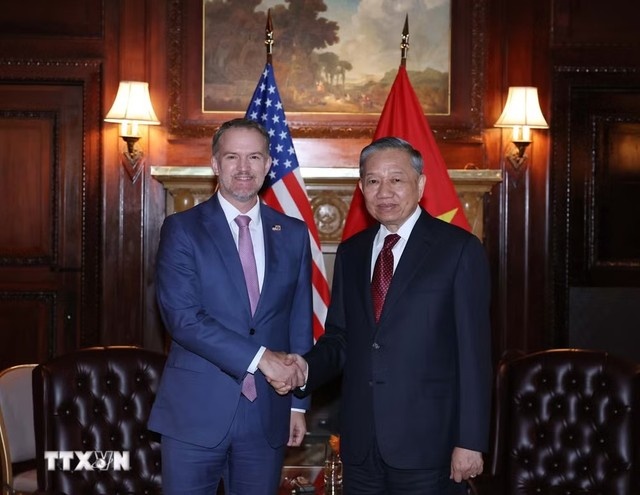
As part of his working trip to attend the high-level general debate of the 81st session of the United Nations General Assembly and conduct bilateral activities in the United States, Party General Secretary and State President To Lam met with Ambassador Jamieson Greer, United States Trade Representative, in New York on September 21.

Vietnam-US trade talks near final outcome
Party General Secretary and State President To Lam meets with Ambassador Jamieson Greer, United States Trade Representative. Image courtesy of VNA

Party General Secretary and State President To Lam noted that economic, trade and investment cooperation is one of the most important pillars of the relationship between the two countries, directly benefiting businesses and individuals while contributing to the development of each country.

In recent times, Vietnam has made efforts to substantively encourage cooperation activities and increase purchases of goods from the US to help move bilateral trade towards greater balance, while generating additional orders, jobs and direct benefits for businesses and workers in both countries.

Ambassador and US Trade Representative Greer highly appreciated Party General Secretary and State President Lam’s attention and Vietnam’s efforts to balance trade between the two countries.

He said the two negotiating teams had made significant efforts and worked hard, achieving substantial progress and coming very close to a final outcome.

Vietnam and the US have gone through multiple rounds of negotiations under the reciprocal trade agreement, with the two sides reaching a high degree of consensus and holding relatively close positions.

In October 2025, the two countries agreed to issue a joint statement on a framework for reciprocal, fair, and balanced trade. The statement outlined the key elements of the agreement, under which Vietnam and the US will work constructively to address both sides’ concerns regarding non-tariff barriers, finalise commitments related to digital trade, services and investment, and discuss intellectual property, as well as strengthen cooperation to enhance supply chain resilience.

Last year witnessed remarkable growth in Vietnam-US trade. According to Vietnam Customs, two-way trade reached approximately $172.5 billion, with Vietnam’s exports to the US exceeding $153 billion and imports from the US reaching $19.3 billion.

In the first eight months of 2026, bilateral trade continued its upward trajectory, reaching new milestones. Two-way trade hit a record $137.4 billion.

Vietnamese passion fruit to break into US market Vietnamese passion fruit to break into US market

Passion fruit will become the ninth Vietnamese fruit to receive permission to enter the US market, following dragon fruit, mango, longan, lychee, rambutan, star apple, pomelo, and coconut.

Raising product quality to secure Vietnam’s position in US market Raising product quality to secure Vietnam’s position in US market

Vietnam must accelerate product upgrades and supply chain transparency to maintain its export strength in the United States as the demand rebounds and buyers seek quality, responsibility, and production reliability.

US-Vietnam partnership targets tilapia development and soy-based aquafeed trade US-Vietnam partnership targets tilapia development and soy-based aquafeed trade

The US is set to invest $15.2 million in a five-year project aimed at improving Vietnam’s tilapia value chain while expanding trade in soy-based aquaculture feed and tilapia products.

Vietnam urged to strengthen compliance and competitiveness to expand US market access Vietnam urged to strengthen compliance and competitiveness to expand US market access

On August 18, the Vietnam Trade Promotion Agency organised a seminar on cooperation on developing import and export business with the US market.

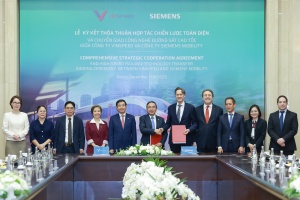
Valued at up to approximately $1.15 billion, the contract builds on the Comprehensive Strategic Cooperation and Technology Transfer Agreement signed by the two parties in December 2025, translating the strategic partnership between VinSpeed and Siemens Mobility into concrete projects and implementation.

VinSpeed will be responsible for project development, track construction and civil works, whereas Siemens Mobility – a global leader in high-speed rail technology and solutions – will serve as the technology partner, providing advanced rail systems and the necessary technical expertise.

VinSpeed and Siemens Mobility sign Turkey contract on high-speed rail development in Vietnam (PR)
The Velaro Novo train model for deployment in Vietnam. Image courtesy of Siemens

Siemens Mobility will deliver 10 Velaro Novo trains for two rail lines, including the 121-km Hanoi-Quang Ninh line with four stations and the 54-km Ben Thanh-Can Gio line with two stations, together with communications and electrification.

Velaro Novo is Siemens Mobility’s next-generation distributed-power electric multiple unit, with speeds of up to 350 km/h.

Each 200-m-long train set comprises seven cars with 760 seats and is designed to optimise energy efficiency and passenger capacity.

With its wide body and ‘empty tube’ structural design, Velaro Novo offers at least 10 per cent more passenger capacity than previous generations, enhancing operational efficiency for operators.

The train sets will feature Automatic Train Operation (ATO) technology integrated with a European Train Control System (ETCS) Level 2 signalling platform, enabling automatic optimisation of train spacing while improving precision and energy efficiency through intelligent control of speed, acceleration and braking.

This will mark the world’s first deployment of ATO over ETCS in a national high-speed rail network, marking a new step towards a safer, more efficient and environmentally friendly future for the rail sector.

Pham Thieu Hoa, CEO of VinSpeed, said, “The signing of the contract with Siemens Mobility marks an important step in realising VinSpeed’s high-speed rail lines in Vietnam. The combination of VinSpeed’s project implementation capabilities with Siemens Mobility’s advanced rail technology and global experience will provide a foundation for bringing modern, efficient and sustainable operating solutions to the new rail lines, while laying the groundwork for the development of an integrated high-speed transport system in Vietnam.”

Michael Peter, CEO of Siemens Mobility, said, “Vietnam is entering an exciting new era of mobility, and we are proud to contribute to this transformation. With our Velaro Novo trains, which consume 30 per cent less energy than previous models and offers more than 10 per cent additional passenger capacity, combined with state-of-the-art ETCS Level 2 signalling and advanced electrification systems, we are providing Vietnam with a truly sustainable and efficient transport solution.”

VinSpeed was established with the mission to pioneer the development of high-speed rail and modern transport infrastructure projects in Vietnam, applying leading standards of technology, efficiency, and sustainability. It is aiming to become a driving force in the transformation of transport infrastructure, shaping the future of Vietnam’s rail industry in line with international benchmarks.

Siemens Mobility is a separately managed company of global tech giant Siemens AG. In fiscal year 2025, which ended on September 30, 2025, Siemens Mobility posted revenue of $14.2 billion and employed around 43,400 people worldwide.

Siemens Mobility finalises contract for 2,000km high-speed rail system in Egypt Siemens Mobility finalises contract for 2,000km high-speed rail system in Egypt

Siemens Mobility and its consortium partners Orascom Construction and The Arab Contractors have signed a contract with the Egyptian National Authority for Tunnels, a governmental authority under the jurisdiction of the Ministry of Transport of Egypt, to create the sixth-largest high-speed rail system in the world, according to a statement released by Siemens AG on May 28.

VinSpeed and Siemens strengthen cooperation for high-speed rail development VinSpeed and Siemens strengthen cooperation for high-speed rail development

VinSpeed ​​High-Speed ​​Railway Investment and Development JSC (a member of Vietnam’s leading conglomerate Vingroup) and Siemens Mobility signed a deal on December 17 in Hanoi, launching a broad cooperation for high-speed rail in Vietnam.

How Siemens supports the green and digital transitions How Siemens supports the green and digital transitions

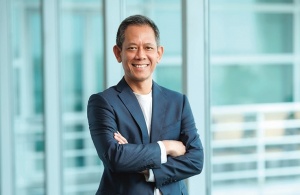
Anchored in the EU-Vietnam Comprehensive Strategic Partnership and Global Gateway, Siemens leverages its expertise in electrification, automation and digitalisation to support Vietnam’s greener, digital economy, CEO Pham Thai Lai told VIR’s Khoi Nguyen about how the company is partnering for impacts.

Siemens and Infineon advance with silicon carbide technology Siemens and Infineon advance with silicon carbide technology

Infineon Technologies AG and Siemens AG are partnering to advance electrical protection and ensure reliable operations in data centres, production facilities and battery storage systems, according to a joint statement released on June 8.

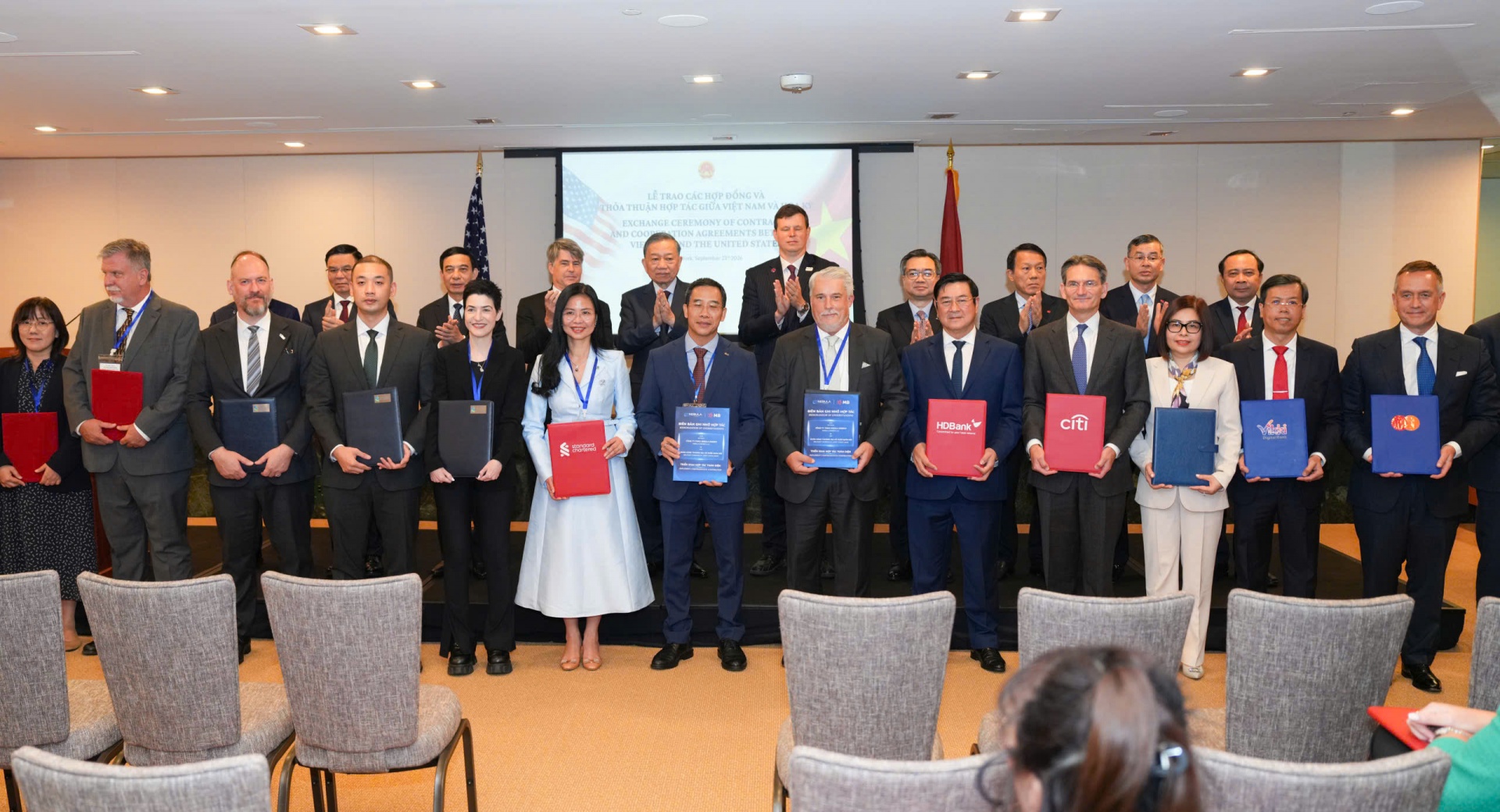
On September 23 in New York, EQuest Education Group, EQuest Capital, and Standard Chartered Bank’s New York branch signed an MoU during the official visit of General Secretary and President To Lam to the US. The signing ceremony was witnessed by President Lam and Richard Dean McClellan, CEO of VIFC-HCMC.

VIFC-HCMC facilitates $325 million in international capital for Vietnam’s education development
Image courtesy of VIFC-HCMC

The agreement was executed by senior executives from both sides, including Mandy DeFilippo, CEO of Standard Chartered for the United States and Europe, Americas, Middle East and Africa; Nguyen Quoc Toan, chairman of EQuest Education Group; and Truong Hoang Nam, deputy CEO in charge of Finance at EQuest Education Group and director of EQuest Capital.

Standard Chartered will act as a strategic partner to structure and participate in arranging financing packages. The mobilised capital will be disbursed through EQuest Capital before being deployed into education infrastructure and quality initiatives across Vietnam, with Ho Chi Minh City serving as the central hub.

EQuest Capital operates as a member of VIFC-HCMC, established under Resolution No.222/2025/QH15 of the National Assembly and Decree No.323/2025/ND-CP of the government.

Through VIFC-HCMC’s financial ecosystem, preferential tax policies, foreign exchange management mechanisms, and internationally aligned legal framework, EQuest Capital will receive, structure, and deploy investment capital directly into key projects.

The funds will be allocated across five core strategic priorities. These include building a technology-focused university campus offering undergraduate and postgraduate courses in AI, cybersecurity, data science, robotics, semiconductors, industrial systems engineering, nursing, and healthcare.

The group will also expand international university partnerships across Asia and the United States, develop a multi-level international K-12 school network for local and expatriate families, scale existing private K-12 school brands, and advance education technology platforms in Vietnam and globally.

In addition to capital mobilisation, Standard Chartered plans to explore credit products and foreign exchange management solutions for EQuest’s global network of faculty members and experts.

Truong Hoang Nam, deputy CEO in charge of finance at EQuest, highlighted that the agreement represents a critical milestone in the group’s strategy of sourcing international resources.

“Through the partnership with Standard Chartered and the connecting role of VIFC-HCMC, EQuest expects to progressively expand its access to long-term capital,” Nam said. “This will allow us to invest in infrastructure, develop new training programmes, and elevate overall educational quality in Vietnam.”

Highlighting the broader economic impact, Richard Dean McClellan, CEO of VIFC-HCMC, noted that the deal reflects the financial centre’s fundamental purpose.

“The partnership embodies the very role VIFC-HCMC aspires to play, which is bringing international financial institutions to long-term investment projects in Vietnam,” McClellan said.

He added that directing global capital into concrete education development projects enables domestic firms to integrate into international financial networks, while supporting national policies to attract private funding and build high-quality human resources.

Following the signing, all parties will evaluate project feasibility, determine financing structures, and develop implementation roadmaps, with disbursement subject to project progress and regulatory approvals.

EQuest Education Group is one of Vietnam’s largest private education outfits, operating across K-12, higher and vocational education, and EdTech.

As of September, EQuest manages more than 25 institutions nationwide, serving nearly 20,000 K-12 students and 10,000 higher education students, alongside 180,000 global users on its EdTech platforms. The group has previously raised capital from international financial backers, including Vietnam Oman Investment, TAEL Partners, and KKR.

New Zealand boosts education engagement with Vietnam New Zealand boosts education engagement with Vietnam
Education New Zealand (ENZ) brought together more than 50 New Zealand education providers and nearly 200 Vietnamese education partners at its 2026 Agent & Counsellor Seminar in Ho Chi Minh City and Hanoi to strengthen cooperation and expand student recruitment between the two countries.

VIFC-HCMC, Touchstone Partners, Temasek Foundation to collaborate on green economy VIFC-HCMC, Touchstone Partners, Temasek Foundation to collaborate on green economy

On May 29, the Vietnam International Financial Centre in Ho Chi Minh City, Touchstone Partners and Temasek Foundation signed a trilateral strategic collaboration agreement to mobilise financial resources to advance technology development, contributing to Vietnam’s green transition.

VIFC-HCMC opens new channel for infrastructure financing VIFC-HCMC opens new channel for infrastructure financing

Vietnam’s International Financial Centre in Ho Chi Minh City is laying the groundwork for a new capital-raising channel, connecting the city’s vast infrastructure needs with long-term domestic and international investment flows.

VIFC-HCMC and ACCA prioritise global-standard finance talent VIFC-HCMC and ACCA prioritise global-standard finance talent

The development of an international financial centre is placing greater emphasis on finance professionals equipped to meet global standards, as the Vietnam International Financial Centre in Ho Chi Minh City moves towards full operation and deeper engagement with international capital

Minister of Science and Technology Vu Hai Quan presented the licence to Amazon Kuiper representative on September 23 in New York, in the presence of Party General Secretary and State President To Lam.

According to the licence, Amazon Kuiper Vietnam is authorised to establish a private telecommunications network using satellite transmission to test and verify the operation of customer terminal equipment, thereby evaluating the quality of products manufactured in Vietnam.

Amazon Kuiper licensed for private satellite telecommunications network in Vietnam
Minister of Science and Technology Vu Hai Quan granted the license to Amazon Kuiper. Photo: MST

The network is established by connecting satellite systems with ground infrastructure in Vietnam, operating nationwide. According to regulations, the enterprise must comply with regulations on telecommunications, radio frequencies, technical standards, service quality, and information security.

The licensing provides a basis for Amazon to test equipment manufactured in Vietnam, contributing to the promotion of high-tech industries, expanding supply chains, and strengthening cooperation in developing next-generation connectivity infrastructure.

Amazon Kuiper Vietnam, established in 2024, is Amazon’s legal entity in Vietnam specialising in satellite connectivity. Its Amazon Leo, formerly known as Project Kuiper, is a broadband network utilising over 3,000 low-orbit satellites, aiming to provide high-speed, low-latency connectivity to areas difficult to access by traditional infrastructure.

As part of the working visit to the US, on September 22, Minister Quan met with leaders of major groups, including Anthropic, Amazon, and Oracle. These corporations proposed various areas of cooperation with Vietnam in AI, data centres, supporting digital transformation for businesses, training and developing technology human resources, and exploring the possibility of establishing Centres of Excellence in Vietnam.

BSR signs crude oil purchase framework agreement with ExxonMobil Asia Pacific
BSR president & CEO Nguyen Viet Thang (sixth from the left, front row) presents the Framework Agreement to representatives of ExxonMobil Asia Pacific. Photo courtesy of BSR

On September 23, Petrovietnam Refining and Petrochemical Corporation exchanged a Framework Agreement for crude oil purchases with ExxonMobil Asia Pacific, opening a new avenue of cooperation in feedstock supply for Dung Quat Refinery.

The signing was witnessed by Party General Secretary and State President To Lam, together with senior leaders of the Party, the state, and the government of Vietnam. It was part of a roundtable with executives from leading US corporations.

The agreement with ExxonMobil Asia Pacific comes as Petrovietnam Refining and Petrochemical Corporation (BSR) accelerates its strategy to diversify crude oil sources, enhance operational flexibility, and strengthen resilience against increasingly unpredictable developments in the global energy market.

Since the beginning of 2026, the corporation has identified, evaluated, and expanded crude oil supply sources from multiple regions worldwide, including the US. BSR has also signed crude oil supply agreements with Chevron to help ensure a stable feedstock supply for the refinery.

A key competitive advantage of Dung Quat Refinery lies in its growing capability to receive and process a wide range of crude oil grades. Since the beginning of 2026, BSR has successfully tested three additional crude oil grades, bringing the total number of crude types that can be processed at the refinery to 40, including 12 domestic grades, and 28 imported grades.

In 2026 alone, BSR mastered the processing technology for Nigeria’s Erha crude at a maximum blending ratio of approximately 45 per cent by volume, and Sao Vang – Dai Nguyet condensate at up to around 12 per cent by volume.

Expanding its crude oil basket gives BSR greater flexibility to select the most suitable feedstock in response to market conditions, while reducing reliance on traditional supply sources. In 2025, Dung Quat Refinery imported approximately 8.28 million tonnes of crude oil, with imported crude accounting for around 31 per cent of total feedstock.

In 2026, to safeguard supply security and respond to geopolitical uncertainties, BSR has prioritised balancing domestic crude oil sources, while maintaining imported crude at approximately 15 per cent, sourced from regions including West Africa, the Mediterranean, and Southeast Asia.

Through the Framework Agreement, BSR continues to expand its network of international crude oil suppliers, creating additional feedstock options for Dung Quat Refinery. The agreement also aligns with the corporation’s strategy to strengthen feedstock security, enhance its ability to respond to oil market volatility, and reinforce the refinery’s operational resilience.

BSR secures three months of crude supply for Dung Quat refinery BSR secures three months of crude supply for Dung Quat refinery

Binh Son Refining and Petrochemical has secured enough crude oil to operate its Dung Quat refinery for the next three months amid Middle East supply disruptions.

BSR steps up research into green hydrogen-based fuels BSR steps up research into green hydrogen-based fuels

As Vietnam advances its energy transition, Binh Son Refining and Petrochemical JSC (BSR) is partnering with the German Development Agency (GIZ) to assess the potential of green hydrogen-based synthetic fuels to support Vietnam’s decarbonisation goals.

BSR seeks $600 million for Dung Quat refinery expansion BSR seeks $600 million for Dung Quat refinery expansion

BSR is seeking $600 million in financing for the Dung Quat Oil Refinery expansion and upgrade project.

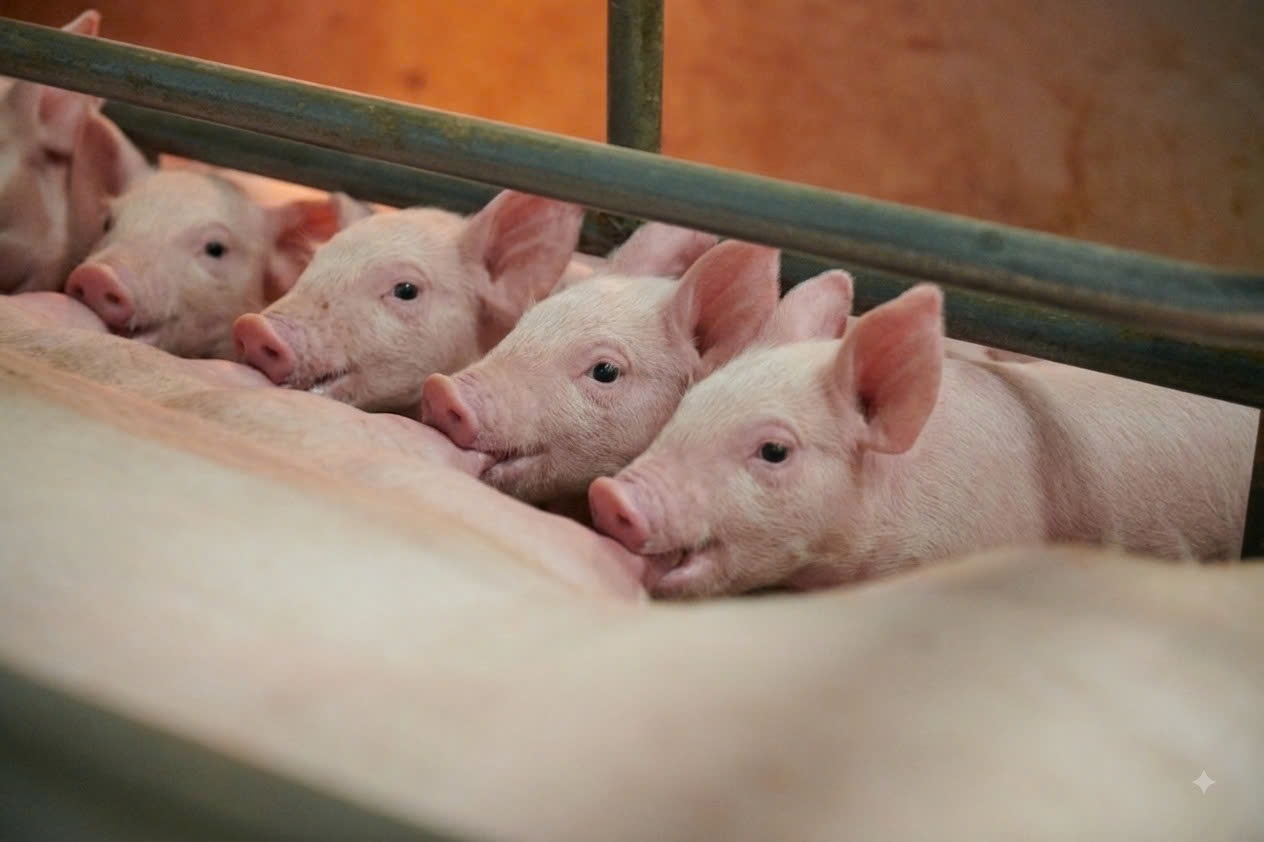
Launched in September, the product responds to advances in genetics, farm management, and nutrition that have continued to improve sow reproductive performance, with many farms in Vietnam now recording more than 14 piglets per litter. However, sow milk production does not necessarily increase at the same rate, making it challenging to fully meet piglets’ nutritional needs during their first weeks of life.

In addition, smaller or later-born piglets may be disadvantaged when competing for their mother’s milk, increasing the risk of nutritional deficiencies. This can slow growth, increase the risk of digestive disorders, affect weaning weight, and ultimately impact the efficiency of the entire production cycle.

According to Greenfeed, the period from birth to weaning is a critical stage during which piglets’ digestive and immune systems, as well as their ability to metabolise nutrients, develop rapidly.

Greenfeed rolls out early-life nutrition solution for piglets
Photo: Greenfeed

Ensuring adequate nutrition during this period can improve feed utilisation, reduce the pressure associated with disease treatment, and support long-term farming efficiency. G.Nutri Premium was developed based on research in Nutrigenomics and Microbiome, combining prebiotics, probiotics, synbiotics, organic trace minerals, and acidification technology. The formulation is designed to support the establishment of beneficial gut microbiota, maintain digestive balance, and enhance nutrient absorption.

Designed to replicate the composition and characteristics of sow’s milk, G.Nutri Premium provides high-quality protein, easily digestible energy, and essential nutrients for piglets from birth to weaning.

According to Greenfeed, combining targeted nutritional supplementation with improved nutrient absorption can support growth performance, improve herd uniformity, and establish a stronger foundation for subsequent stages of production.

Greenfeed has demonstrated the strong performance of G.Nutri Premium under practical farming conditions.

A study conducted on suckling piglets showed that those receiving G.Nutri Premium at the recommended dosage achieved an average weaning weight of 6.62 kg per piglet, approximately 12 per cent higher than the group that did not receive supplemental milk.

Average daily weight gain from three days of age to weaning reached 234.6g per piglet per day, approximately 17 per cent higher than the non-supplemented group. The study also recorded a 20.1 per cent reduction in the incidence of diarrhoea among piglets receiving G.Nutri Premium compared with those not receiving supplemental milk.

Positive results were also observed at Greenfeed’s customer farms. Piglets receiving G.Nutri Premium achieved an average weaning weight of 6.9kg per piglet, 8 per cent higher than the group without supplemental milk. Average daily weight gain from three days of age to weaning increased by 11 per cent, while the pre-weaning mortality rate was maintained below 2.3 per cent, lower than that of the group without supplemental milk.

Greenfeed rolls out early-life nutrition solution for piglets
Proper early-life nutrition sets the foundation for healthy piglet growth. Photo: Greenfeed

As the livestock industry moves towards higher productivity and more sustainable production, G.Nutri Premium aims to help farmers optimise growth performance, improve herd uniformity, and enhance production efficiency from the earliest stage of a piglet’s life.

Greenfeed said it will continue investing in research and development of science- and farm-based nutritional solutions to improve production efficiency and promote greener, healthier, and more sustainable livestock farming.

3F Plus clean pork amazes Michelin-starred chefs 3F Plus clean pork amazes Michelin-starred chefs

During two gala nights at the international culinary event 100 Flavours on November 26 and 28, 13 Michelin-starred chefs crafted elevated fine-dining menus inspired by premium Vietnamese ingredients.

Greenfeed secures hat-trick of sustainability awards Greenfeed secures hat-trick of sustainability awards

Greenfeed has strengthened its sustainability credentials with recognition from three prestigious domestic and international awards in June.

Greenfeed retains spot among best companies to work for in Asia Greenfeed retains spot among best companies to work for in Asia

On July 9, Greenfeed was named among ‘Best Companies to Work for in Asia’ at the HR Asia Awards 2026 for the second consecutive year.

Greenfeed Vietnam named among Best Workplaces in Asia 2026 Greenfeed Vietnam named among Best Workplaces in Asia 2026

Greenfeed is the first and only Vietnamese agriculture-food company to be recognised among the Best Workplaces in Asia 2026 in the large enterprise category by Great Place to Work.