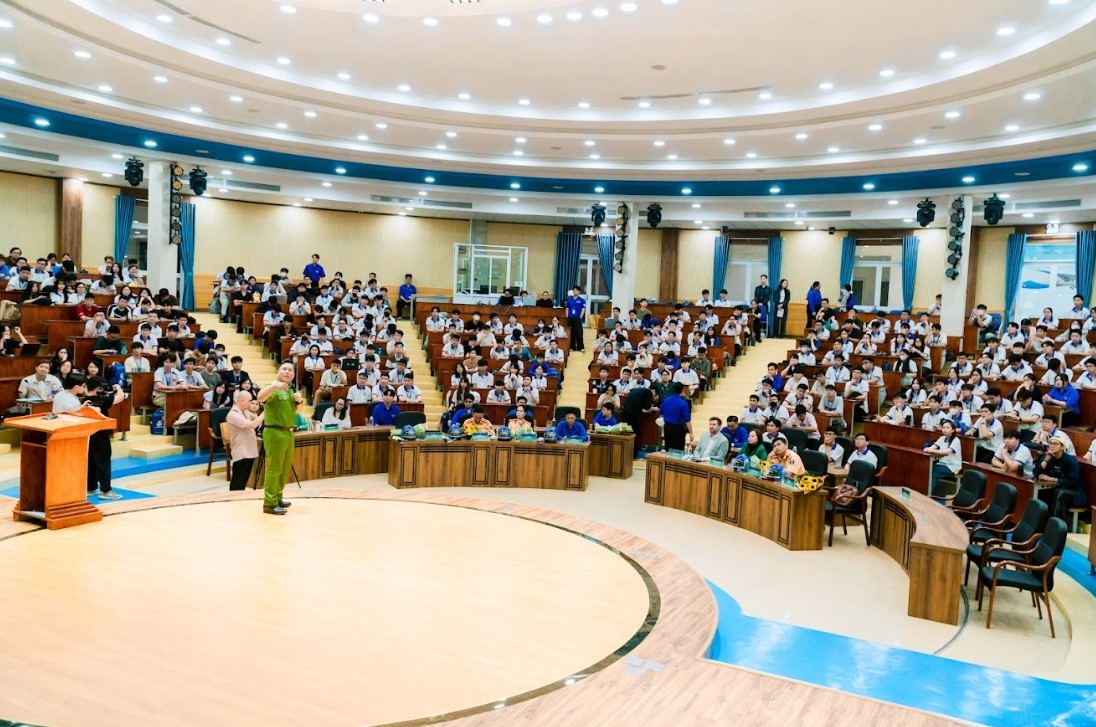
The event continues the joint efforts by HEINEKEN Vietnam and the Ho Chi Minh City Traffic Police to promote a culture of traffic safety and the responsible behaviour of “when you drive, never drink” among young people, youth union members, and the wider community, contributing to a safer and more sustainable Ho Chi Minh City.

HEINEKEN Vietnam partners with Ho Chi Minh City Traffic Police on road safety drive
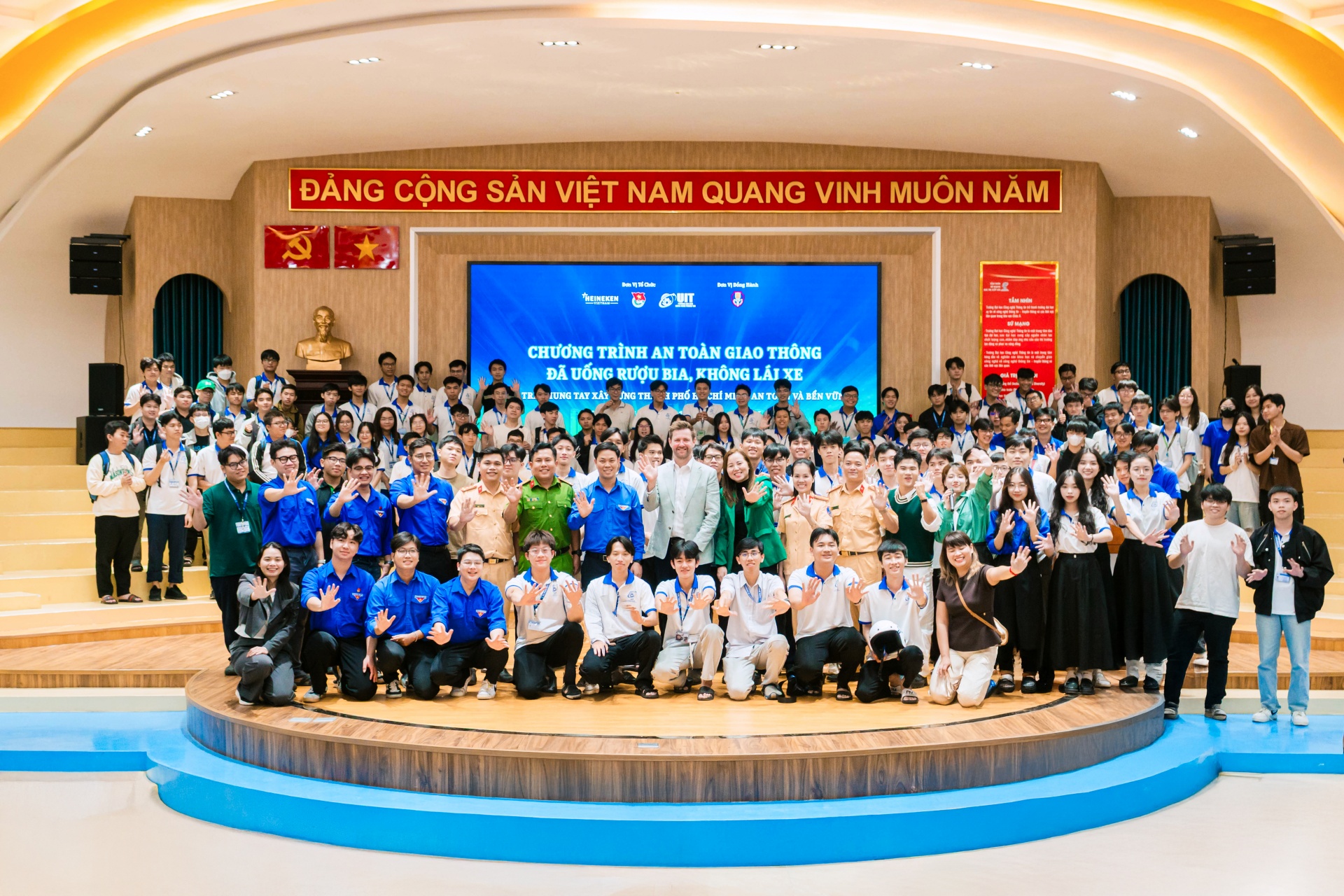
Representatives of the partnership and students of UIT-VNUHCM

Speaking at the event, James Crampton, corporate affairs director at HEINEKEN Vietnam , said, “As a leading beverage company in Vietnam, we recognise our responsibility to advocate moderation where alcohol is consumed through practical and relatable initiatives. The partnership with Ho Chi Minh City Traffic Police represents an important step in our journey towards reducing harmful drinking and promoting responsible consumption, as we work closely with authorities to empower young people and encourage behaviour that protect both themselves and others.”

“As Tet approaches, we will continue to roll out further initiatives with our partner to raise awareness and drive meaningful impact in support of responsible drinking and traffic safety,” he noted.

HEINEKEN Vietnam partners with Ho Chi Minh City Traffic Police on road safety drive
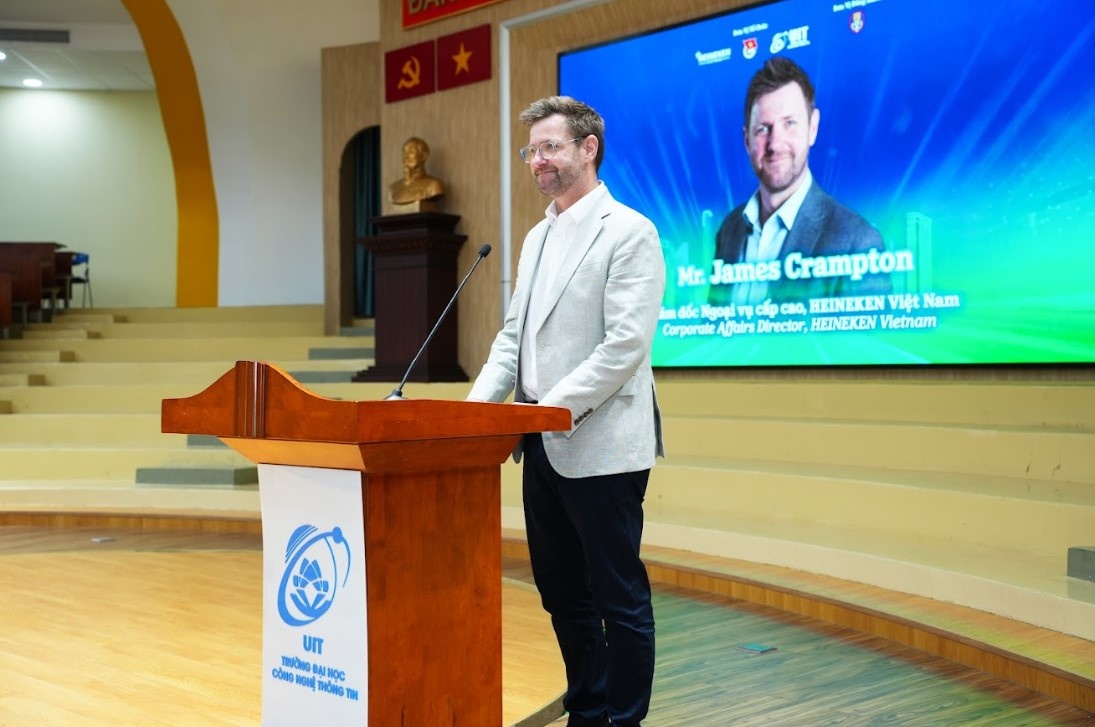
James Crampton, corporate affairs director at HEINEKEN Vietnam

The event offered a variety of exciting and interactive activities that helped students engage with traffic safety knowledge in a practical and accessible way, including fast-paced quizzes, short scenario-based videos, and knowledge-based trivia.

“Today’s event was really useful and felt very relevant to students, with case studies and scenarios that we could easily relate to. It made the content easier to understand and remember, and really encouraged us to take our responsibility seriously when participating in traffic,” shared Nguyen Quoc Dat, a Youth Union member at the Faculty of Information Science and Engineering, UIT-VNUHCM.

HEINEKEN Vietnam partners with Ho Chi Minh City Traffic Police on road safety drive
Students receive traffic safety guidance from the Ho Chi Minh City Traffic Police

On this occasion, HEINEKEN Vietnam also awarded three scholarships worth VND5 million ($200) each to outstanding students from disadvantaged backgrounds in recognition of their academic achievements and active involvement in Youth Union and student activities.

The scholarships aim to encourage these students to continue their efforts and serve as role models in “Traffic Safety – When you drive, never drink” among the younger generation.

Through the initiative, HEINEKEN Vietnam, through its Heineken 0.0 brand, will continue to collaborate with the Ho Chi Minh City Traffic Police to roll out traffic safety and responsible drinking initiatives targeting new drivers and road users as the new lunar year approaches, raising awareness and promoting encouraging safer, more responsible behaviour on the road.

HEINEKEN Vietnam continues sustainability ambitions amid challenging times HEINEKEN Vietnam continues sustainability ambitions amid challenging times

HEINEKEN Vietnam issued an update on its sustainability progress on September 10, highlighting its continued efforts and achievements towards “Brewing a Better Vietnam” – despite a challenging year.

HEINEKEN Vietnam's journey towards net zero HEINEKEN Vietnam’s journey towards net zero

HEINEKEN Vietnam, a staple in Vietnam’s beverage industry for over 30 years, is reinforcing its commitment to Vietnam’s sustainable development goals.

HEINEKEN Vietnam's clear path towards net-zero HEINEKEN Vietnam’s clear path towards net-zero

Pioneering through many sustainable development initiatives, HEINEKEN Vietnam is making efforts to promote transformation towards overall net-zero goals. Tran Ngoc Anh, the company’s corporate affairs director, talked to VIR’s Bich Thuy about the journey.

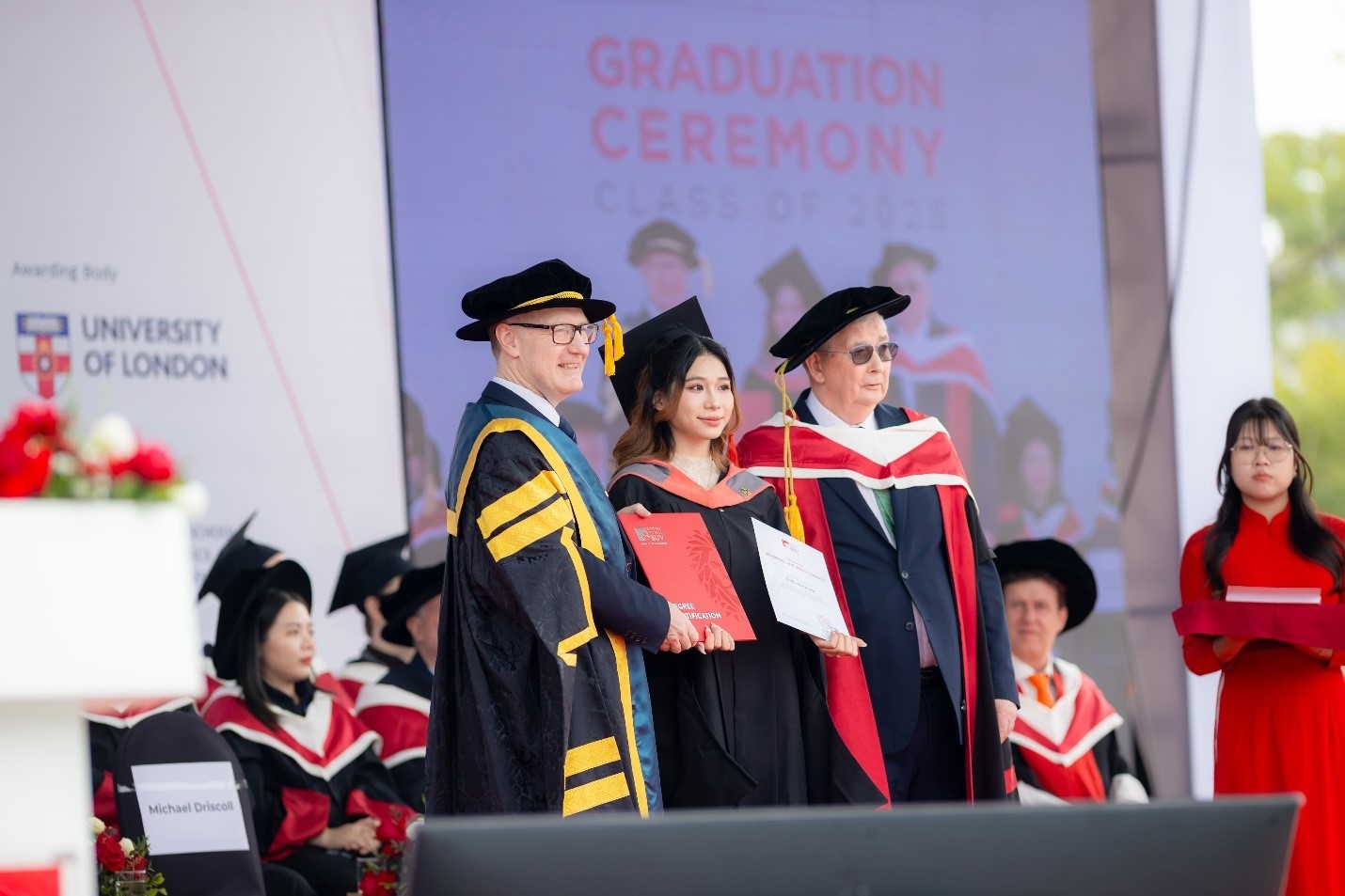
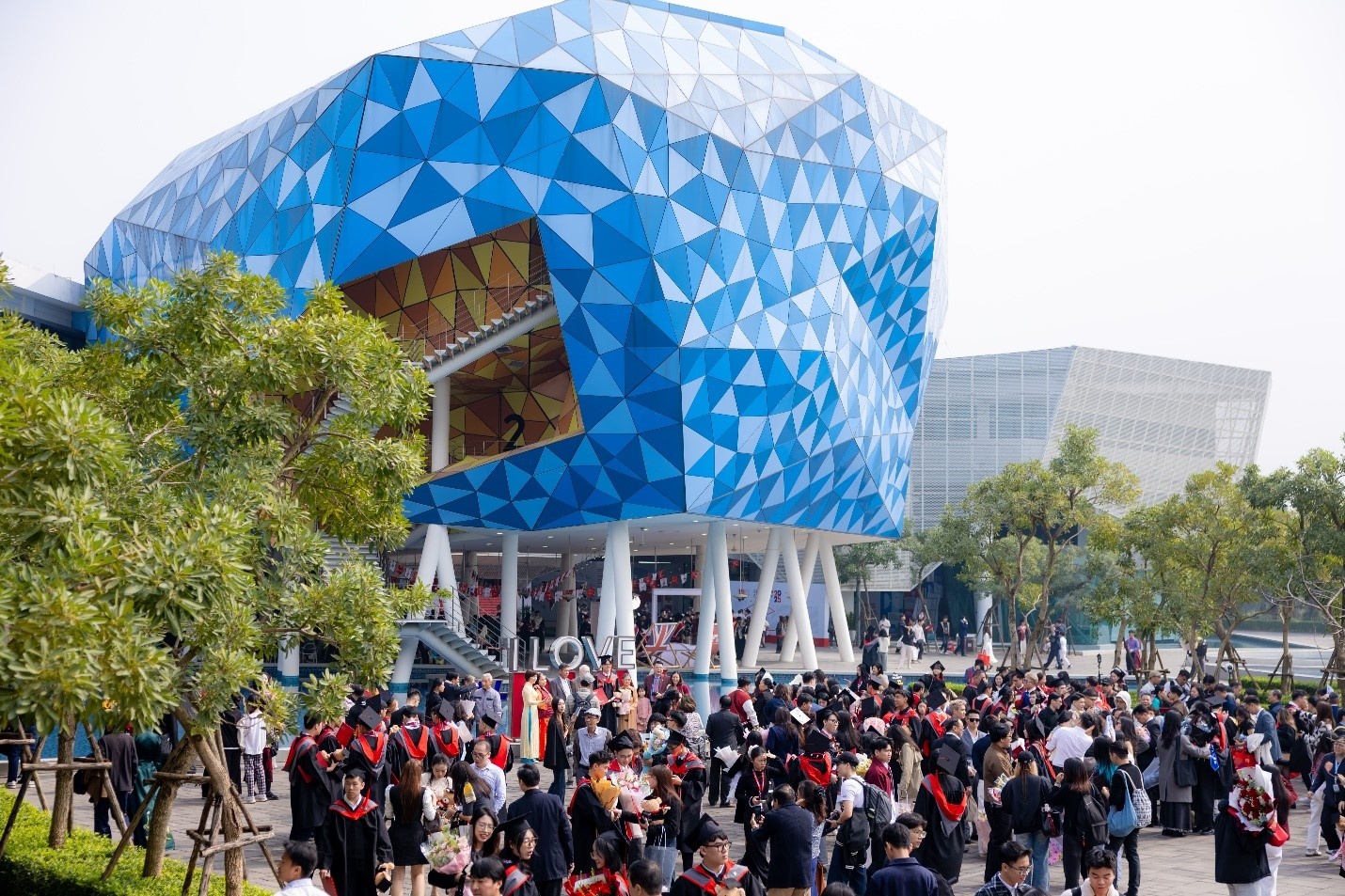
At a graduation ceremony held in Ecopark, BUV honoured more than 600 new bachelor’s and master’s graduates. The event, following the university’s April ceremony, took place on its QS 5-star campus – a designation awarded under the QS Stars Rating System, an international benchmarking framework developed by Quacquarelli Symonds to assess university quality worldwide.

Over 600 students graduate at BUV’s December ceremony
The 2025 BUV graduating cohort stands out for consistency, academic depth, and strong research capability

The graduates came from 13 programmes, including Finance awarded by the University of London; Business Management, International Business Management, Marketing Management, Accounting and Finance, Finance and Economics, Game Design and Programming, Contemporary Creative Practice, Computer Science, Events Management, Tourism Management awarded by University of Staffordshire; and International Hospitality Management, Finance, and Economics awarded by BUV.

Around 30 per cent of students graduated with First Class Honours – achieving over 70/100 in all modules across their entire course – a sharp increase compared with the same period last year and on par with the average rate in the UK, according to the UK’s Higher Education Statistics Agency.

Around 20 per cent of BUV graduates continue to pursue postgraduate study at leading institutions worldwide, such as the London School of Economics and Political Science, the University of St Andrews, Monash University, and the University of Sydney – all renowned for their highly selective admissions and rigorous academic standards.

Nearly half of all BUV students secure employment even before formally receiving their degree, joining major companies in Vietnam and abroad, including Vinamilk, Techcombank, MB Bank, Vingroup, Panasonic, YouTube, Boston Consulting Group, KPMG, Ernst & Young (EY), VTV, VNG, Gameloft, Shopee, SSI and others.

Many of these employers are part of the Big 4 in banking and auditing – Deloitte, PwC, EY, and KPMG – or appear in Vietnam’s VNR100 list of leading enterprises.

More than 20 per cent of students choose the entrepreneurial path, developing projects that have been refined over several years. These include Young Vitality – a ‘knowledge gym’ focused on scientific nutrition, smart exercise, and healthy living – and 204 Production, an agency specialising in photography and video.

Such startups benefit from BUV’s highly applied learning environment, where students are supported through product development, real-world testing and business-model experimentation.

Over 600 students graduate at BUV’s December ceremony
BUV students shine on their graduation day

Speaking at the ceremony, valedictorian Doan Thuy Duong, bachelor of Accounting and Finance, said. “The most valuable thing we gain from BUV goes beyond a British degree – it is a way of thinking, a way of solving problems, and the confidence to step into a highly competitive world. Each of us has our own journey, but we share the same spirit: to keep striving and to create real value.”

In his congratulatory message to BUV graduates, Iain Frew, British Ambassador to Vietnam, highlighted the university’s pivotal role in educational cooperation between the two countries – a cornerstone of the UK-Vietnam Comprehensive Strategic Partnership.

“I believe this year’s graduates will continue to serve as a bridge between the two education systems, bringing the values, knowledge and spirit of ambition gained at BUV to benefit their communities, contribute to Vietnam, and strengthen ties between our two nations,” he said.

The 2025 graduating class highlights BUV’s implementation of a Triple Quality Assurance framework, unique among higher-education institutions in Vietnam.

At the local level, BUV is the only foreign-invested university in Vietnam with institutional quality both internationally accredited and recognised by the Ministry of Education and Training.

At the national level, BUV is the first university in Vietnam and ASEAN to receive full institutional accreditation from the Quality Assurance Agency for Higher Education, meeting UK and European higher-education standards. At the global level, the university has maintained an overall QS 5-star rating across all key categories for six consecutive years.

Over 600 students graduate at BUV’s December ceremony
BUV’s QS 5-star campus on graduation day

Prof. Raymond Gordon, president and vice-chancellor of BUV, highlighted the value of a British degree earned in Vietnam, saying, “Our graduates enter the labour market with a clear advantage: a UK-standard academic foundation, advanced academic English, and a global mindset – the qualities employers worldwide are seeking.”

Acknowledging the determination and resilience of BUV students undertaking rigorously quality-assured UK programmes, Prof. Phil Allmendinger, pro vice-chancellor (Education) of the University of London, said, “The world today needs graduates like you – those who can think critically, act responsibly and lead with vision.”

The achievements of BUV graduates also underscore the university’s ongoing efforts to elevate higher education standards in Vietnam.

As it works towards recognition among the top universities in Vietnam and the region, and aims for a place in Asia’s top 100, BUV remains focused on its mission of equipping students with knowledge, practical experience and a global mindset through a British education benchmarked against international standards.

Through this approach, the university cultivates graduates who are confident, responsible and prepared to navigate a rapidly evolving world.

British University Vietnam named international partner of University of London British University Vietnam named international partner of University of London

British University Vietnam has been designated as an international partner of the University of London, making it one of only a small number worldwide to receive this designation.

From Red Carpet to Vietnam: British film expert mentors filmmakers From Red Carpet to Vietnam: British film expert mentors filmmakers

In an age where technology can transform every frame, Paul D.J. Moody, a British filmmaker and educator, believes that people remain the heart of film and education. This conviction has brought him to Vietnam, where he is nurturing young talent to tell the stories that reach audiences here and abroad.

BUV brings two centuries of Manchester educational excellence to Vietnam BUV brings two centuries of Manchester educational excellence to Vietnam

The new programmes at BUV meet global trends and provide Vietnamese students access to two centuries of academic heritage from Manchester, the cradle of Britain’s Industrial Revolution.

PPL extends its reach into ASEAN
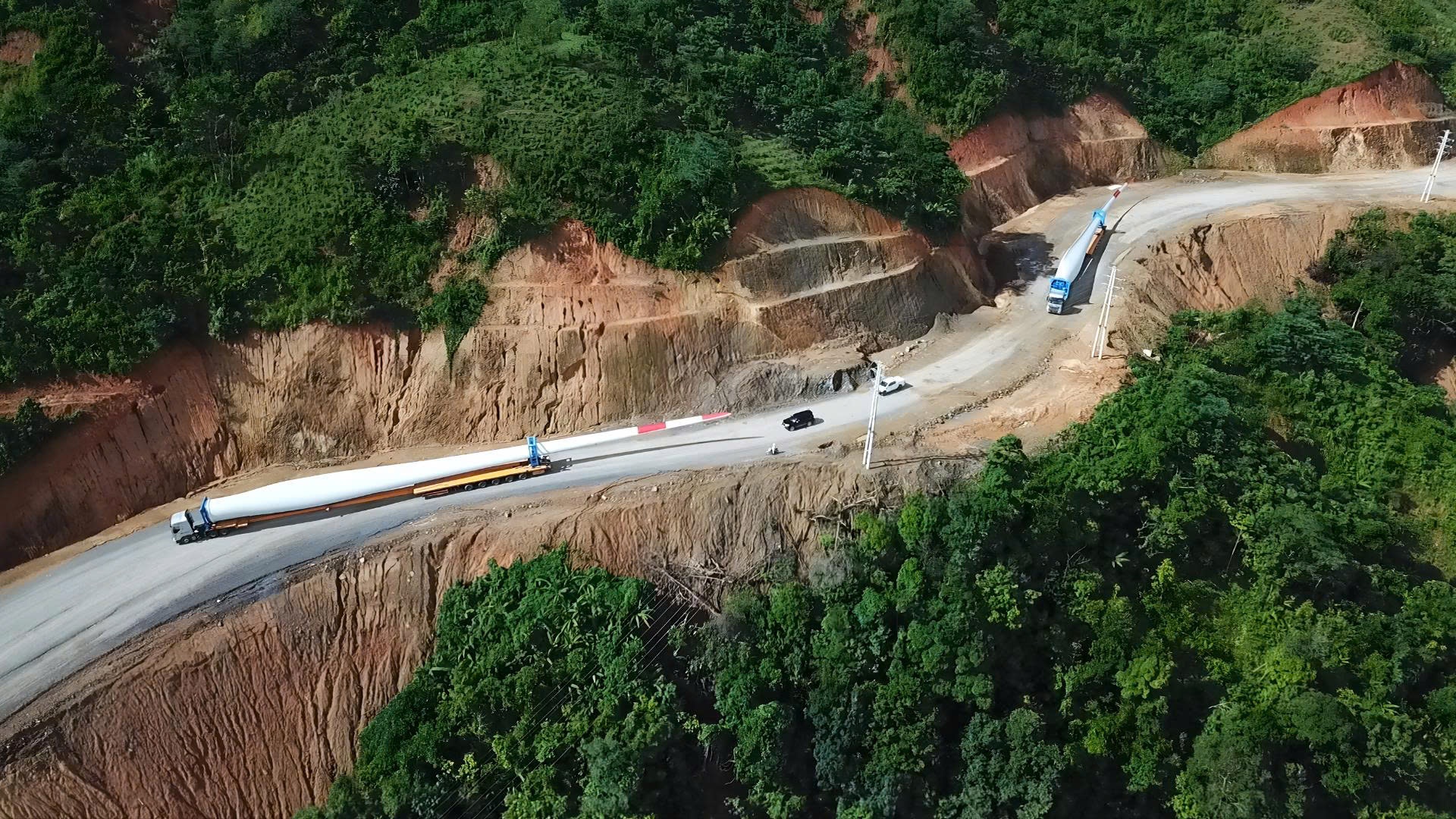
PPL’s ​​specialised tractor-trailer is transporting wind turbine blades

Building on domestic experience, Precious Prestige Logistics (PPL) is expanding into the international market. Since 2024, the company has successfully conducted a site-move and load-out of 33 offshore substation topsides for the Greater Changhua 2b&4 venture, carried out by Petrovietnam Technical Services Corporation (PTSC) for Danish partner Ørsted.

In total, nearly 800 shipments were transported over 18 months, contributing to 9.7 million safe working hours of the entire project. The success has established PPL as an indispensable link in the offshore wind supply chain.

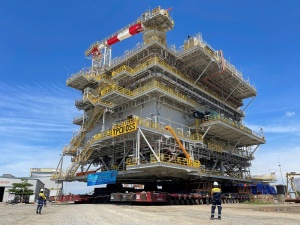
In 2025, PPL also marked an important milestone in its development history with the successful site-move and load-out of a 4,000-tonne offshore substation topside. The topside, fabricated by PV Shipyard from August 2023 to June this year, is a key component of the offshore substation system, exported to Taiwan.

With dimensions of 58x39x37m high, including launch beams, the topside is not only the heaviest structure transported by self-propelled modular transporters in Vietnam, but also one of the heaviest substation topsides ever manufactured domestically for export.

PPL extends its reach into ASEAN

In the wind sector, each shipment is extremely large and categorised as oversized and overweight cargo. To manage such loads, PPL has pioneered the adoption of transport route simulation systems, field surveys, specialised trailer designs, and implementation processes in line with international safety standards.

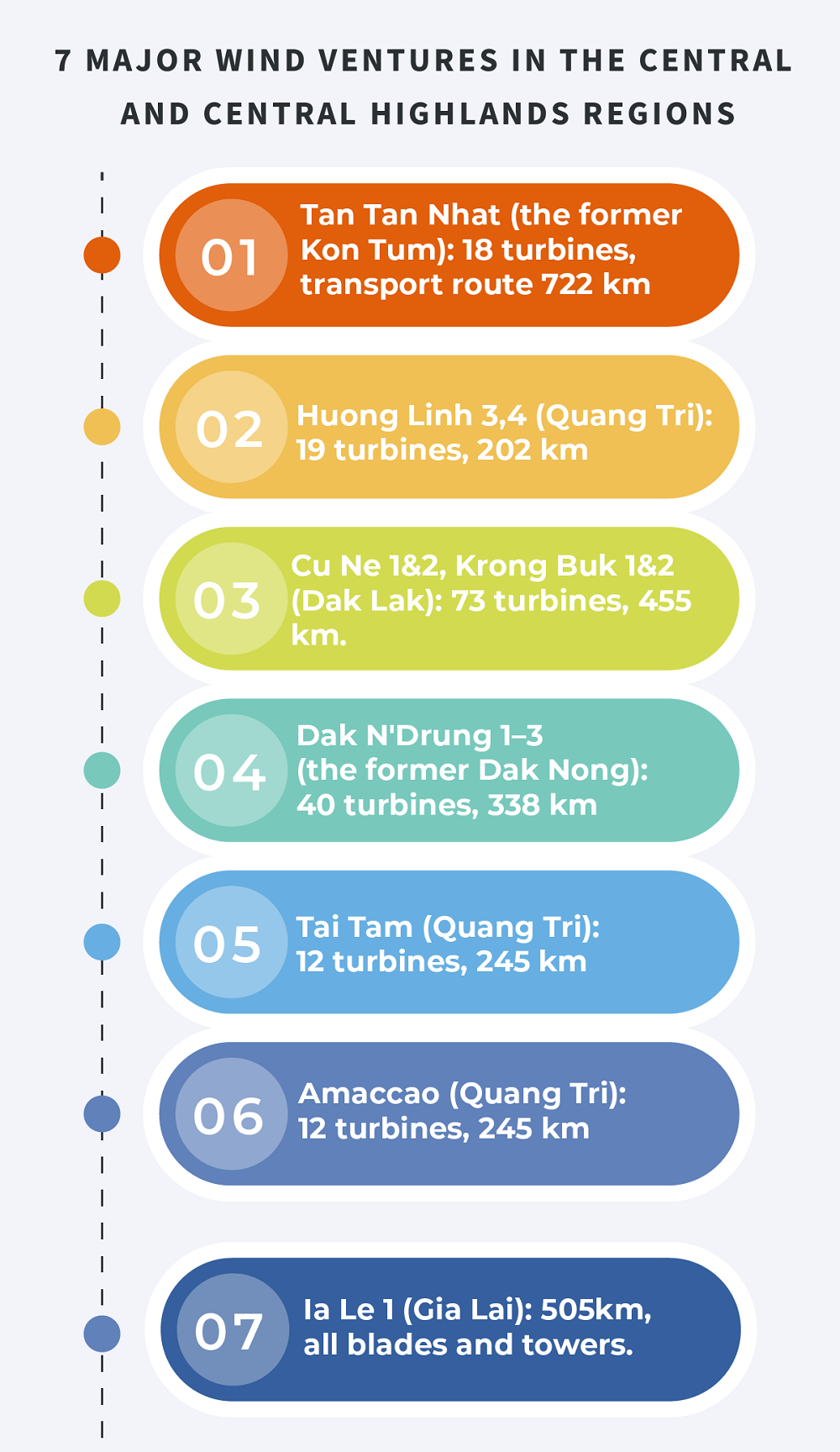
A notable example is the Tan Tan Nhat wind farm in the former province of Kon Tum, where PPL handled shipments weighing up to 114 tonnes and 76.5 metres long along the longest transport route of 722km. These achievements underscored the company’s technical capabilities and utmost safety standards, reaffirming its pioneering role in super-long and superheavy transportation for wind power ventures nationwide.

Do Hoang Phuong, chairman and CEO of PPL, said Vietnam’s wind power industry entered a golden period between 2020 and 2022. “In 2020 alone, the country had 106 wind power ventures nationwide, yet only around 40 prime movers were capable of pulling wind power equipment up to 100 tonnes per shipment. A lack of internal capacity remains a major challenge for Vietnam’s logistics industry,” Phuong said.

By addressing this issue, PPL has quickly emerged as Vietnam’s leading wind power transportation company. During this period, the company participated in seven major wind ventures across the central and Central Highlands regions, delivering nearly 200 complete sets of wind power equipment in a safe and timely manner.

Key ventures included 18 turbines for the aforementioned Tan Tan Nhat wind farm; 19 turbines for Huong Linh 3,4 in Quang Tri province; and 73 turbines for Cu Ne 1,2 and Krong Buk 1,2 in Dak Lak province. “To complete these ventures, PPL passed through challenging terrain, steep mountain passes, and long distances. These challenges were compounded by global supply chain disruptions during the pandemic, which caused shortages of specialised transport equipment,” Phuong said.

Despite such obstacles, PPL met all project timelines, ensuring the wind power ventures were connected to the grid as scheduled. As a result, PPL has earned the reputation as Vietnam’s leading wind power transportation company thanks to its safe, innovative, and efficient solutions.

From a homegrown transportation company, PPL has engaged in the global supply chain, especially in the production and logistics of offshore substation topsides for export.

ASEAN has endorsed an action plan to increase the share of renewable electricity to 45 per cent of total capacity by 2030. Meanwhile, the ASEAN Power Grid initiative aims to support cross-border power grid ventures. With its proven track record, PPL is well-positioned to become a strategic partner in ASEAN’s energy network, supporting green transition and sustainable development in the region.

To realise this vision, PPL is aligning its operations and safety standards with international benchmarks while investing in fleets, lifting equipment, and digital logistics systems. The company is also deepening partnerships with regional investors, contractors, and original equipment manufacturers, while developing manufacturing capabilities for wind power components serving the ASEAN market.

As ASEAN heralds a new era of sustainable energy collaboration, PPL’s vision of “From Vietnam to ASEAN” is more than a slogan – it represents an action plan to bring Vietnamese logistics capabilities to the region and contribute to ASEAN’s greener energy future.

PPL’s journey to become leading player in Vietnam’s heavy transport segment PPL’s journey to become leading player in Vietnam’s heavy transport segment

Precious Prestige Trading and Logistics One Member Co., Ltd. (PPL) has set a record for Vietnam’s logistics industry by successfully performing a site-move and load-out of a 4,000-tonne offshore substation topside.

PPL earns Asia-Pacific Corporate Excellence Award PPL earns Asia-Pacific Corporate Excellence Award

Precious Prestige Trading and Logistics One Member Co., Ltd. (PPL) has earned the Corporate Excellence Award at the 2025 Asia-Pacific Enterprise Awards (APEAs), in recognition of its growing international stature.

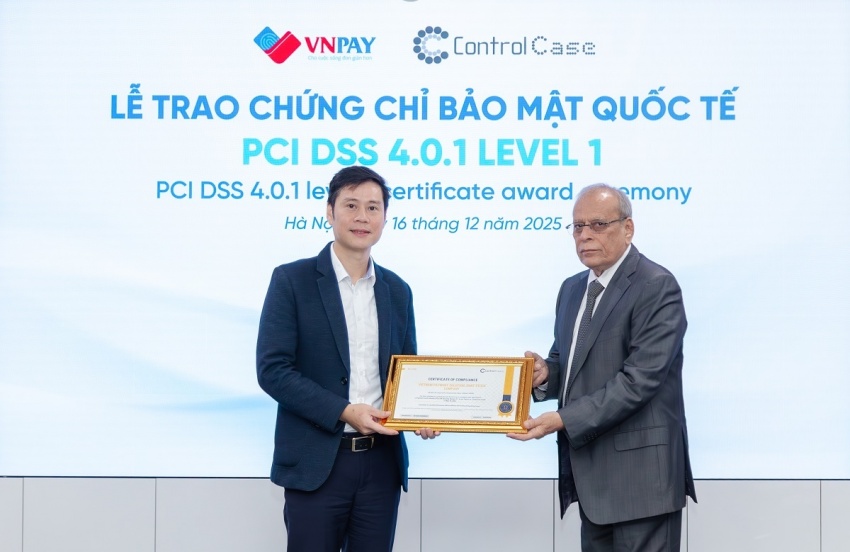
On December 16, VNPAY was granted the PCI DSS 4.0.1 certification by international assessment organisation Control Case for six services, including Cloud, Payment Gateway, SmartPOS, VNTAP-HCE, Tap to Phone, and PhonePOS. The services met all 12 core security requirements under the global Payment Card Industry Data Security Standard, as issued by the PCI Security Standards Council.

VNPAY has earned the highest-level PCI DSS certification since 2020, for six straight years, keeping pace with ongoing updates to the standard. To maintain this certification, VNPAY’s services must comply with 12 principles, meet more than 250 stringent requirements on information security and data management, and fully satisfy six security goals in line with PCI DSS standards: Build and maintain a secure network; Protect cardholder data; Maintain a vulnerability management programme; Implement strong access control measures; Regularly monitor and test networks; and maintain an information security policy.

Tran Manh Cuong, deputy CEO of VNPAY, said, “The attainment of the highest-level PCI DSS 4.0.1 certification demonstrates VNPAY’s long-term commitment to building and maintaining security systems in line with international standards. VNPAY will continue to improve and enhance its security standards with a view to maximising customer data protection and contributing to a safe and sustainable digital payment ecosystem.”

VNPAY services achieve the highest-level PCI DSS international security certificates for six consecutive years
Tran Manh Cuong (left), deputy CEO of VNPAY, receives the PCI DSS 4.0.1 Level 1 certificate

The PCI DSS certificate is a mandatory information security standard for all businesses that store, process, or transmit payment card data. The standard is managed by five international payment organisations, namely Visa, MasterCard, American Express, Discover, and JCB.

PCI DSS 4.0.1 is a security standard encompassing a rigorous and stringent set of requirements to ensure the protection of cardholder data throughout the storage, processing, and transmission through technical, procedural, and human control measures.

VNPAY services achieve the highest-level PCI DSS international security certificates for six consecutive years
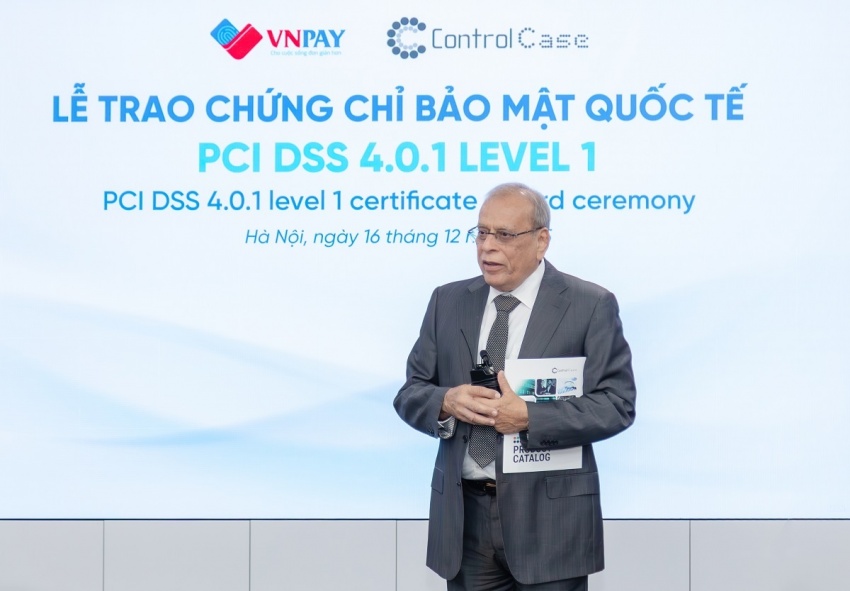
Suresh Kumar Dadlani, chairman and director of Control Case, awarded the PCI DSS 4.0.1 Level 1 international security certificate to VNPAY

VNPAY Cloud provides cloud computing and AI services for large enterprises, financial partners, banks, and fintechs. In line with the future development trend of cloud models, the company is focusing on developing its cloud services as software-as-a-service products, allowing businesses to easily reach their customers, expand the digital ecosystem, and meet rapidly growing needs.

VNPAY SmartPOS is a comprehensive payment solution enabling businesses to deploy various payment methods easily. The devices have built-in features including card payment, VNPAY-QR code payment, invoice printing, and barcode scanning, thereby making payment flexible and fast.

SmartPOS integrates features includingcard payment, VNPAY-QR code payment, invoice printing, and barcode scanning.

VNPAY services receive the highest-level PCI DSS international security certificates for six consecutive years
SmartPOS integrates features such as card payment, VNPAY-QR payment, receipt printing, and barcode scanning.

VCB Tap to Phone is a tap to pay solution on smartphones, transforming any NFC-enabled Android smartphones into Visa’s contactless POS devices or enabling payments on other smartphones integrated with cards with just a few steps. With VCB Tap to Phone, businesses can process transactions by tapping into smartphones rather than using traditional POS devices. The service offers convenience and flexibility in payment while reducing investment costs for businesses.

VNPAY PhonePOS turns a phone into a point of sale. With an Android phone with NFC support, any point of sale can accept international cards quickly, conveniently, and safely. This marks a strategic step in VNPAY’s journey to complete its cashless payment ecosystem and underscores its commitment to supporting partners in effective digital transformation at the point of sale.

VNTAP (Tap2Pay) is an advanced card payment technology integrated into the VNPAY app. Card information is tokenised on the application, turning Android phones into cards with touch payment technology. It enables customers to make payments anytime, anywhere at NFC-enabled POS terminals without a physical card. VNTAP delivers a simple, seamless, and secure experience in line with digital technology trends.

VNPAY services achieve the highest-level PCI DSS international security certificates for six consecutive years
Receiving the highest PCI DSS certification for six consecutive years is a significant milestone in VNPAY’s journey to improve security standards

The VNPAY Payment Gateway is an intermediary gateway connecting businesses with banks. Customers can use bank cards/accounts, QR Pay/VNPAY-QR features built into 40 mobile banking applications, the VNPAY app, and over 15 e-wallets to pay for transactions. There are over 450,000 VNPAY-QR payment acceptance points using TLS 1.2 encryption with strong encryption algorithms.

VNPAY PhonePOS empowers small merchants to accept international card payments and serve foreign customers VNPAY PhonePOS empowers small merchants to accept international card payments and serve foreign customers

VNPAY PhonePOS empowers small businesses to accept international cards using just a smartphone.

VNPAY clinches two titles at the 2025 ABF FinTech Awards VNPAY clinches two titles at the 2025 ABF FinTech Awards

VNPAY was honoured with two gongs at the 2025 Asia Banking & Finance (ABF) FinTech Awards, underscoring the company’s efforts to drive technological innovation and refine its comprehensive digital ecosystem strategy.

VNPAY chairman named among Top 10 Outstanding Entrepreneurs VNPAY chairman named among Top 10 Outstanding Entrepreneurs

Tran Tri Manh, chairman of the Board of Directors of VNPAY, was honoured as one of the Top 10 Outstanding Vietnamese Entrepreneurs at Vietnam New Economy Forum in Hanoi on October 2.

Looking back on your career and leadership approach, what drew you back to Vietnam to lead Mondelez Kinh Do at this stage of its development?

I’ve spent more than 25 years building my career across many countries and cultures, starting in India, then moving to Nigeria, Singapore, Indonesia, and ultimately Vietnam.

Working across diverse markets has shown me how people, cultures, and consumer behaviours differ, and what truly motivates them. These experiences have shaped a leadership style that values ​​empathy, adaptability, and a profound understanding of local context.

Mondelez Kinh Do targets localised growth strategy
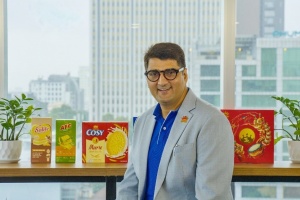
Vaibhav Bhanchawat, vice president and managing director of Mondelez Kinh Do Vietnam

Vietnam, in particular, stands out to me. The country shows promising economic growth, significant headroom in per-capita consumption, and a dynamic, fast-evolving innovation landscape.

From an innovation perspective, Vietnam is one of the most exciting markets in the region, with consumers being incredibly open to trying new products.

This makes it an ideal environment for brands to test, refine, and introduce new ideas. For a global organisation like ours, with scale, capability, and deep category expertise, combining those strengths with a consumer base eager to experiment opens tremendous opportunities.

Another factor that drew me back is the quality of talent in Vietnam. I have always found Vietnamese professionals to be resilient and capable problem-solvers. This blend of determination, resilience, and solution-oriented thinking is truly unique and energising.

Mondelez Kinh Do - a chapter of purpose-led leadership in Vietnam
Mondelez Kinh Do’s diverse, capable, and future-ready workforce

Having experienced this firsthand, returning to Vietnam felt natural. The market’s potential, combined with the strength of its people, makes it an incredibly inspiring place to lead Mondelez Kinh Do into its next chapter.

How would you evaluate the company’s development journey and the values ​​it has contributed to Vietnam’s snacking culture?

Mondelez Kinh Do’s journey in Vietnam is defined by our ability to combine global expertise with strong local heritage, creating meaningful value for consumers.

Our portfolio brings together iconic Vietnamese brands such as Kinh Do, Cosy, AFC and Solite with global favourites like Oreo, LU, Ritz and Cadbury, allowing us to preserve cultural familiarity while introducing world-class snacking experiences that expand choice and elevate everyday enjoyment.

A key part of our contribution lies in making quality snacking accessible to all Vietnamese consumers. Solite exemplifies this, appealing to consumers from major cities to rural areas with products that feel both familiar and premium.

At the same time, our distribution network of more than 450,000 retail outlets gives consumers nationwide access to a wider range of products. This scale ensures that our offerings are available in every community.

We have also focused on delivering better value. By investing in automation and digitalisation, we continuously improve efficiency and pass those benefits back to consumers, through more consistent quality, competitive pricing, and products tailored to local tastes.

What are the key priorities of Mondelez Kinh Do’s purpose-led growth strategy in Vietnam for the forthcoming years?

At Mondelez Kinh Do, our purpose of ‘empowering people to snack right’ shapes how we prioritise our portfolio, innovate, and create long-term value for Vietnamese consumers.

In the years ahead, we will continue to strengthen the brands that are part of Vietnam’s culture, giving consumers products that they feel familiar, accessible, and emotionally resonant.

Alongside that, we will expand our global portfolio to bring world-class snacking experiences closer to more Vietnamese consumers. With our distribution and manufacturing capabilities, our consumers across the country can enjoy high-quality and globally trusted snacks.

To strengthen connection with the Vietnamese market, we invest heavily in seasonal categories like traditional Lunar New Year (Tet) and Mid-Autumn, crafting gift assortments that elevate moments of sharing and connection. In doing so, we help consumers snack right during the moments that matter most.

Mondelez Kinh Do - a chapter of purpose-led leadership in Vietnam
Mondelez Kinh Do has invested significantly in its Tet gift portfolio

Finally, we are accelerating digitalisation to create more value at every shopping touchpoint, using AI and data-driven tools to place the right products in the right outlets at the right time.

The latest consumer snacking trends report includes key insights in Vietnam. How will it guide product innovation and brand building for Mondelez Kinh Do?

Mondelez Kinh Do’s first-ever Vietnam State of Snacking Report reveals strong potential in Vietnam, with 95 per cent of locals snacking daily. The report highlights that while consumer motivations for snacking – nutrition, indulgence, or healthier choices – are broadly similar across markets, the real differences lie in the way our consumers want to experience products.

This is where packaging and other sensory experience become critical. Those preferences inspire us to go further in developing seasonal Tet packages that mix global and local brands, or Kinh Do fresh portfolio for those preferring convenience, and so on.

To achieve this, we launched a regional research and development hub in Singapore, combining advanced technology and market expertise to blend global scale with local relevance. For example, our Vietnamese Kinh Do mooncake innovations are developed through this integrated system while staying culturally authentic.

How is the company directing its investments in Vietnam to strengthen long-term growth while advancing its sustainability goals?

Our investment philosophy for Vietnam is clear – we invest strategically where it strengthens our long-term growth engine and reflects our purpose. Over the past years, a significant portion has gone into enhancing our manufacturing footprint with sustainability at the core of our operations.

We’ll continue to drive our four sustainability engines, aligned with Mondelēz International’s 2030 goals, consisting of packaging, ingredients, climate, and social impact.

Up to now, we’ve already achieved a milestone of 100 per cent recyclable packaging.

We’re also utilising sustainable sourcing, leveraging cage-free eggs into our portfolio, as well as reducing food waste, CO₂ emissions, and water usage in manufacturing beside creating impactful changes to the employees and community.
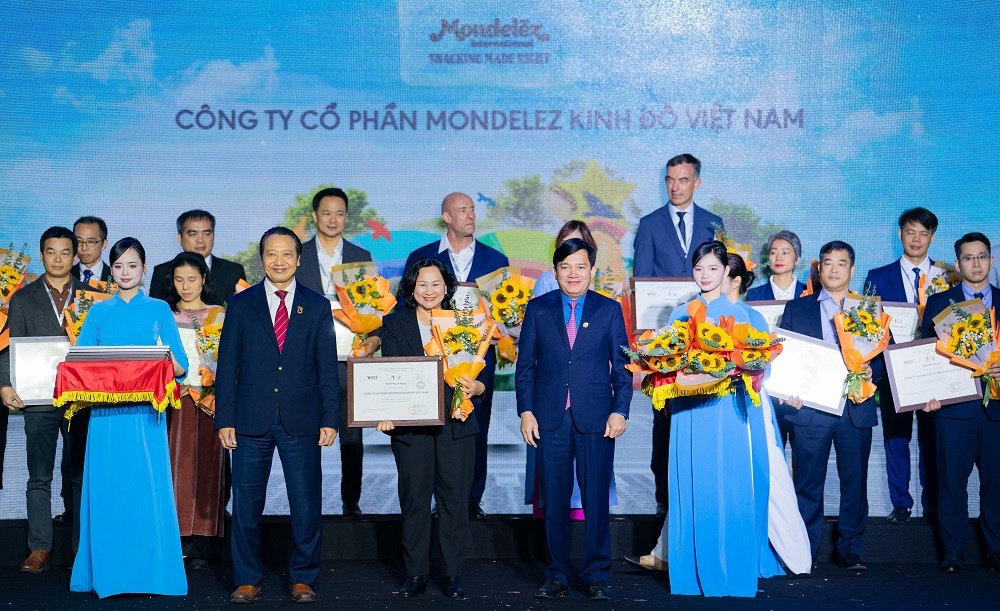
Mondelez Kinh Do - a chapter of purpose-led leadership in Vietnam
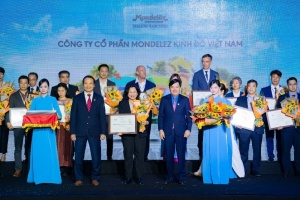
Mondelez Kinh Do receives Top 100 sustainability recognition in Vietnam under the 2025 Corporate Sustainability Index

We are also making sustained investments in brand building. Vietnam is a dynamic market, and strong consumer awareness is critical for both our local jewels and global power brands.

Another priority is our route-to-market and talent ecosystem. We continue to invest in the capability of our teams, our distributor network, and digital tools that help retailers grow alongside us. Furthermore, we are investing in our people, the talent driving innovation, commercial excellence, and execution every day.

By balancing between brand innovations, operational efficiency, people-first culture and environmental responsibility, this enables us to optimise performance, create lasting value for consumers, communities, employees, and the broader market we serve.
Mondelez Kinh Do unveils first Vietnam snacking trends report Mondelez Kinh Do unveils first Vietnam snacking trends report

Mondelez Kinh Do has released the first-ever ‘Vietnam State of Snacking Report’, providing a comprehensive look into the changing behaviours, expectations and values that are shaping the way Vietnamese enjoy snacking today.

Mondelez Kinh Do provides learning support to children in remote communities Mondelez Kinh Do provides learning support to children in remote communities

Mondelez Kinh Do and its employees have donated books and learning materials through the ‘Love Library’ initiative, improving learning conditions for more than 6,000 students across seven localities in Vietnam.

Mondelez Kinh Do secures fourth Top 100 Sustainable Company nod Mondelez Kinh Do secures fourth Top 100 Sustainable Company nod

Mondelez Kinh Do Vietnam has secured a place among the country’s most sustainable manufacturers for the fourth year running, reflecting the food manufacturer’s long-term push to integrate sustainability across its operations.

The World Health Organization (WHO) has emphasised that protecting human health is now integral to climate action, as rising temperatures and shifting weather patterns fuel the spread of infectious diseases, with dengue fever becoming one of the most pressing concerns.

Once considered a seasonal illness, dengue is now a year-round public health threat, infecting more than 14 million people and caused 12,000 deaths globally in 2024.

Fuelled by climate change, growing urbanisation and increased travel, dengue is one of the fastest-growing mosquito-borne diseases, threatening nearly half the global population. Vietnam is among the most affected countries. Rising temperatures, off-season rains, and frequent natural disasters also enable Aedes mosquitoes to breed year-round. These factors are straining Vietnam’s healthcare system and reshaping disease patterns nationwide.

In response to this growing threat, Takeda, a global biopharmaceutical company with a 244-year history, has made dengue prevention a priority. It has actively supported the development and implementation of the Roadmap to Advance Dengue Prevention & Control in APEC Economies 2026-2030. This initiative aims to accelerate progress in dengue prevention, empowering member economies to adopt a proactive, coordinated, and context-specific approach.

The roadmap also emphasises the importance of long-term planning, risk reduction, and health system strengthening, while promoting regional collaboration to achieve the global goal of zero preventable dengue deaths by 2030.

Takeda supports health resilience amid climate change challenges

After more than four decades of research and development, Takeda’s dengue vaccine has now been approved in over 40 countries, including Vietnam, where the Ministry of Health granted approval in 2024. With over 18 million doses distributed globally, the vaccine is being rolled out in public programmes in Brazil, Argentina, and Indonesia, with five public programmes targeting school children. This reflects the growing role of the vaccine in efforts to prevent dengue, a disease for which no specific treatment is currently available.

Takeda’s approach goes beyond vaccine development. The company is actively working to ensure that vaccines reach the people who need them the most through health system strengthening, public-private partnerships, supply reliability and access strategies.

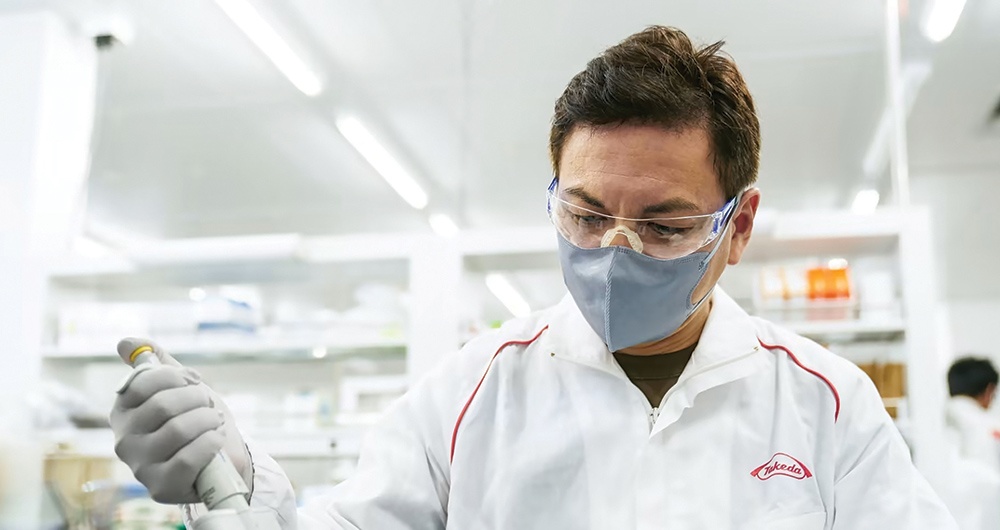
The company also supports local capacity-building by training healthcare professionals and raising public awareness in collaboration with medical societies and hospitals.

Benjamin Ping, general manager of Takeda Vietnam, said, “We are working closely with governments and partners to achieve the WHO’s goal of zero preventable dengue deaths by 2030. Addressing climate-driven health challenges requires shared responsibility, long-term commitment, and innovation that truly benefits people and the planet.”

With the view that human health and planetary health are inseparable, Takeda is integrating climate risk management into its global business strategy. The company is driving towards net-zero emissions across its entire value chain by 2040, including plans to use 100 per cent renewable electricity in the manufacturing of its dengue vaccine by the end of 2025.

At Takeda’s dengue vaccine site in Singen, Germany, the company partnered with Schott Pharma and Corplex to recycle plastic transportation trays, creating a closed-loop system that reduced emissions by up to 50 per cent per tray, while using 70 per cent recycled content.

In Vietnam, Takeda is aligning its local operations with these global goals by assessing options to reduce its environmental footprint across the country’s value chain. Takeda’s Vietnam office was selected for meeting both LEED and WELL certifications, demonstrating how workplace design can support both environmental performance and employee wellbeing.

Tackling dengue effectively requires cross-sector partnership. Governments provide direction and policy frameworks, non-governmental organisations bring deep community engagement, and companies like Takeda contribute scientific expertise to develop innovative vaccines that address major public health needs safely, swiftly, and at scale.

All sectors work together to share knowledge, resources, and common goals to build stronger, more resilient health systems. This integrated approach, combining vaccination, vector control, and health-system strengthening, reduces hospitalisation and saves lives and enhances preparedness for future climate-sensitive diseases.

Takeda dedicated to advanced healthcare Takeda dedicated to advanced healthcare

Global biopharmaceutical company Takeda is committed to supporting Vietnam’s healthcare advancement by bringing life-transforming medicine and vaccines to the population. Benjamin Ping, the new general manager of Takeda Vietnam, talked to VIR’s Tung Anh about his leadership approach to foster innovation and collaboration, ensuring Takeda’s positive and impactful presence in local healthcare.

Experts warn of unpredictable severity of dengue fever Experts warn of unpredictable severity of dengue fever

Dengue fever is becoming increasingly difficult to predict in terms of timing and outbreak scale. If people are negligent or mismanage the illness, it can quickly worsen and lead to death.

Takeda continues health equity efforts across Asia-Pacific Takeda continues health equity efforts across Asia-Pacific

With the mission of creating better health for a brighter future, Takeda has advanced continuous efforts to deliver equitable healthcare for diverse needs.

At the Vietnam Socioeconomic Achievements Exhibition in August in Hanoi, TH Group showcased what it described as a “digital miracle” to visitors: an advanced traceability technology that allows comprehensive tracking of every stage in the 12-step production process of TH true MILK – from pasture, farms, and factory all the way to consumer’s dining tables.

High-tech adoption for TH true MILK

This innovation mirrors the agricultural digitalisation vision persistently pursued by the company, in which modern agricultural development is inseparable from data, technology, and AI.

With this major step, TH has become the first dairy enterprise in Vietnam to provide traceability data on the National Data Association’s (NDA) Trace platform, a blockchain-based, nationally integrated system developed by Vietnamese experts, featuring decentralised identity technology.

The technology allows users to control their digital identities by managing their own personal data, which is secured using cryptography and distributed ledger technology like blockchain.

Each batch of TH true MILK is provided with a unique digital ID, enabling end-to-end tracking from raw material input, production, quality control, packaging, and transportation to final distribution.

Every action in the supply chain is recorded, verified, and protected against tampering or forgery. This technology complies with international GS1 standards and is compatible with EBSI Trace 4EU – the European Union’s global traceability system – providing comprehensive assistance for the enterprise’s cross-border supply chain connection.

On every TH milk carton, the QR code works as a digital certificate of trust. “When scanning the code, consumers can access full details about the milk’s origin, production process, ingredients, nutritional content, storage instructions, expiry date, and packaging specifications,” said Nguyen Xuan Khoa, chief information officer at TH Group. “They can even discover what, when, and how the cows were fed and treated, and how they were milked. Everything is transparent and verifiable.”

TH taking the lead in using data and technology for product traceability has marked a defining moment in its 15-year journey to bring greater transparency to the Vietnamese dairy market in a bid to protect consumers’ health.

TH Group has spent years advocating for clearer labelling regulations, urging authorities to revise the technical standards for dairy ingredient declarations on product packaging. The company has consistently adhered to full disclosure of its raw materials. All of its products are made from pure fresh milk sourced directly from its own dairy farms, processed using world-class technology to preserve the natural purity and nutritional essence of its milk products.

Product traceability is the latest solution in TH Group’s evolving ecosystem of high-tech innovation and scientific management. The company has consistently stressed the crucial role of digital transformation in unlocking the full potential of agriculture. In TH’s strategy, agricultural products must meet two key criteria including competitive pricing and high quality – both of which require high technology.

Thanks to a vast data repository accumulated over the past 15 years, TH Group is now well positioned to implement a comprehensive traceability system. For consumers, scanning a QR code on TH true MILK packaging reveals a journey that begins in the feed crop fields that nourish TH’s nearly 70,000-strong dairy herd.

These fields are maintained by smart irrigation systems that use sensors to monitor soil moisture and adjust water usage accordingly. Crops such as maize, kaoliang, and mombasa and mulato grass are continuously monitored by sensors and AI-powered analytics to ensure optimal nutritional value. TH’s automated machinery performs the work equivalent of hundreds of manual labourers each day.

Each TH dairy cow is installed with an electronic identification chip connected with Afifarm, an advanced Israeli livestock management software. This system provides real-time tracking of each cow’s health, diet, milk output, and reproductive cycle.

TH has also adopted IVF technology for dairy cows, enabling the group to independently breed high-quality herds. Data collected from farm to factory is synchronised, ensuring consistent quality control from the milking stage.

Since it was established, TH’s fresh milk processing plant was equipped with state-of-the-art technology sourced from G7 nations and Europe. It currently produces one million litres per day – a record for Vietnam’s dairy industry.

Particularly, TH Group has applied an enterprise resource planning platform from SAP to manage and analyse real-time data across the entire production chain. This system allows TH to anticipate market demand, adjust production schedules, and accurately plan agricultural activities such as sowing, fertilising, and harvesting, ensuring that product quality remains consistently high.

TH Group commences construction of foodstuff factory in Thai Binh TH Group commences construction of foodstuff factory in Thai Binh

On February 18, TH Group commenced the construction of a foodstuff factory in Quynh Trang commune in the northern province of Thai Binh’s Quynh Phu district, marking an important milestone on the company’s journey to bring consumers nutritious and safe products such as fresh milk, vegetables, and drinking water, among many others.

TH Group showcases products at CAEXPO 2024 TH Group showcases products at CAEXPO 2024

TH Group, the owner of the TH True Milk brand, is showcasing its high-quality products at the 21st China-ASEAN Expo (CAEXPO) from September 24-28.

Thai Huong: a visionary business leader bridging Vietnam and Russia Thai Huong: a visionary business leader bridging Vietnam and Russia

Russian President Vladimir Putin has presented the Order of Friendship to Thai Huong, founder and chairwoman of the Strategic Council of TH Group, and general director of BAC A BANK.

Kaluga governor praises TH Group’s world-leading dairy farm Kaluga governor praises TH Group’s world-leading dairy farm

Governor of Russia’s Kaluga province visited TH Group’s high-tech dairy farm in Nghe An, the world’s largest closed-loop facility of its kind.

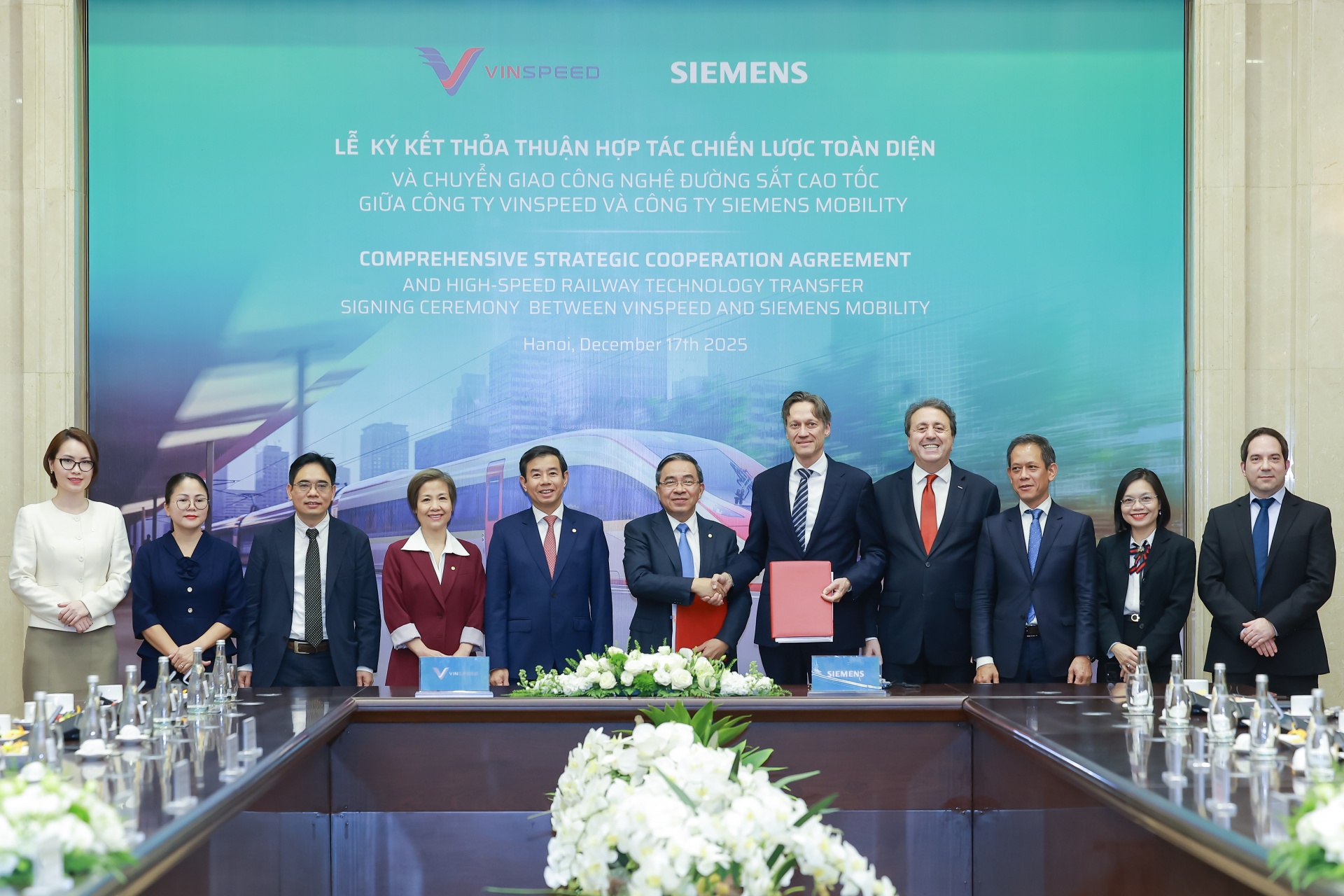
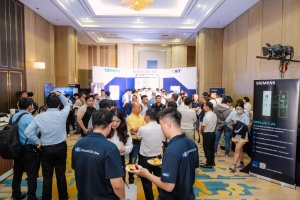
Siemens Mobility will serve as a technology partner, responsible for the design, supply, and integration of modern Velaro Novo trains and key railway subsystems, including ETCS level 2 signalling with automatic train operation (ATO), telecommunications, and electrification systems.

VinSpeed ​​and Siemens strengthen cooperation for high-speed rail development in Vietnam

Siemens Mobility is also exploring opportunities to deliver advanced maintenance services.

Both parties are committed to close collaboration, laying the foundation for the development of a modern, international-standard rail infrastructure in Vietnam.

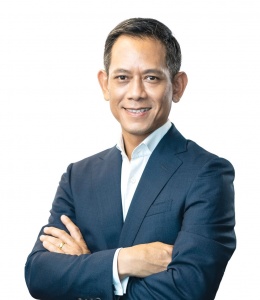
Giving remarks at the agreement signing ceremony, Michael Peter, CEO of Siemens Mobility, said, “We are proud that the global frontrunner VinSpeed ​​has selected Siemens Mobility to deliver Vietnam’s first high-speed rail lines. This confidence in our turnkey expertise and technology underscores Siemens’ position as the partner of choice for ambitious mobility projects worldwide.”

“Velaro Novo, our most advanced high-speed train platform, delivers up to 30 per cent lower energy consumption, 10 per cent higher passenger capacity, and proven reliability, tailored for Vietnam’s challenging terrain. Together, we are setting new standards for rail travel, driving innovation, and helping position Vietnam as a leader in high-speed mobility,” he noted.

Pham Thieu Hoa, CEO of VinSpeed, said the strategic cooperation with Siemens Mobility marks an important step in VinSpeed’s roadmap for developing modern transport infrastructure in Vietnam.

“The combination of VinSpeed’s execution capabilities and deep understanding of the domestic market with Siemens Mobility’s global experience and advanced technology will create a strong foundation for delivering international-standard high-speed rail lines, contributing to propelling economic development and improving quality of life for the Vietnamese people,” he added.

VinSpeed ​​and Siemens strengthen cooperation for high-speed rail development in Vietnam
The Velaro Novo high-speed train will get exposure across Vietnam

Two high-speed routes have already been proposed: the Hanoi-Quang Ninh (Halong) line, covering 121 km with four stations; and the Ben Thanh-Can Gio line, spanning 54 km with two stations. All lines will be equipped with state-of-the-art rail technologies.

Active in Vietnam since 1993, Siemens has played a pivotal role in supporting Vietnam’s industrialisation, providing advanced technologies and solutions across sectors such as energy, healthcare, and transportation.

In the rail sector, Siemens is a partner to deliver modern passenger and freight transportation, enabling operators to shape today’s and tomorrow’s mobility.

With a strong local presence, including offices in Hanoi, Danang, and Ho Chi Minh City, Siemens offers digital solutions and software, rail infrastructure, rail services, rolling stock and components, and turnkey rail solutions, continuing to contribute to Vietnam’s growth, innovation, and integration into the global economy.

Siemens leads technology transformation towards sustainability in Vietnam Siemens leads technology transformation towards sustainability in Vietnam

Siemens is harnessing advanced digital technologies and AI to drive global sustainability, enhancing efficiency, reducing emissions, and supporting Vietnam’s transition towards a smarter, cleaner future.

Siemens and AIT unveil digital switchboard tailored for high-end clients Siemens and AIT unveil digital switchboard tailored for high-end clients

Siemens Vietnam and AIT Corporation have launched the SIVACON S8, a next-generation digital main switchboard, in Ho Chi Minh City.

Harnessing technology for a sustainable future in Vietnam Harnessing technology for a sustainable future in Vietnam

Siemens is driving Vietnam’s green growth through digital innovation. From advanced automation to digital twin technology, the company industries helps boost efficiency, cut emissions, and build resilience. Thai-Lai Pham, president & CEO of Siemens ASEAN & Vietnam, shared with VIR’s Olivia Bui how company global sustainability strategies are shaping Vietnam’s transformation.

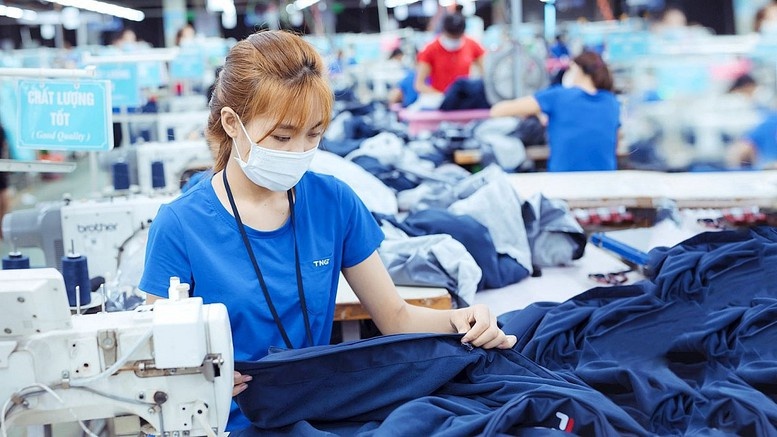
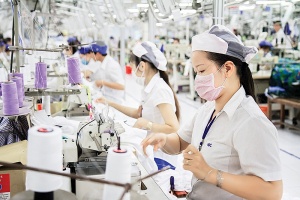
The apparel sector is in a final sprint to complete its 2025 targets, with total export value estimated at $46 billion, against the backdrop of sharp fluctuations in the global market.

Although this figure falls short of the original $48 billion target, it still represents a 5.6 per cent increase on-year, helping Vietnam retain its position among the world’s top three garments and textiles exporters.

“A shortfall of $2 billion was unavoidable in 2025 due to a series of disruptions stemming from global market shifts and international policy changes,” said Vu Duc Giang, chairman of the Vietnam Textile and Apparel Association (VITAS), at a press conference in Hanoi on December 10.

Garment and textile sector seeks new growth after volatile year

Escalating US-China trade tensions have pushed up tariffs on many textile-based products, while a complex geopolitical environment has directly affected global orders and purchasing power. On the demand side, consumers have continued to tighten spending, forcing manufacturers to accept smaller orders with faster delivery requirements and compressed production timelines.

This has significantly eroded profit margins. Businesses have had to constantly juggle fragmented orders, adjust production plans and increase investment to meet green standards and traceability requirements to retain international clients.

The business picture at Thanh Cong Textile Garment Investment Trading JSC (TCM) clearly reflects the sector’s growing divergence. Over the first 10 months of the year, TCM recorded profits approximating $9.5 million, down 2 per cent on-year, while revenue came to around $120.1 million, a decline of 5 per cent.

Its operating cash flow for the first nine months contracted approximately $3.8 million, compared with a positive $12.2 million in the same period last year. Even so, the company has secured additional orders through the first quarter of 2026, supported by seasonal holiday demand and a competitive edge as the US imposes higher tariffs on imports from several other exporting countries.

“As profit margins narrow and cash flows weaken, the industry is being forced to reassess internal capabilities, from production organisation to the level of autonomy within supply chains,” said Cao Huu Hieu, general director of the Vietnam National Textile and Garment Group, noting that the sector’s most enduring challenge remains dependence on imported raw materials.

The yarn segment totally relies on imported cotton, along with 90-95 per cent of fibres and a wide range of chemicals and dyes, posing a major risk should the US tighten tariffs on products with a high proportion of third-country origin.

According to VITAS, the Middle East and Africa are emerging as new growth destinations for Vietnamese garments and textiles exports, as traditional markets become increasingly volatile.

In the Middle East alone, the sector’s exports generated around $1 billion in 2024 and reached $700 million in just the first seven months of 2025. These results highlight the industry’s adaptability, as Vietnamese firms not only defended their mass-market segments but also gradually moved into higher value-added product lines with greater technological and design content.

Alongside export market expansion, many local garment manufacturers, including foreign-backed firms, are accelerating overseas investments.

Currently, nearly 30 companies in the sector have established a presence in Indonesia, Myanmar, and parts of Africa, South Asia, and Latin America. Pioneers such as May Song Hong and Phong Phu International Textile Group are gradually building multinational production networks, enhancing competitiveness and gaining greater resilience against global shocks.

“The multi-site production model allows companies to spread political and trade risks, optimise labour and transportation costs, and strengthen their reputation and ability to retain international customers,” said Vu Duc Giang, chairman of VITAS.

In practice, labour costs at factories in countries such as Indonesia and Egypt are significantly lower than in Vietnam, offering a clear advantage in product pricing.

Beyond labour considerations, many host countries enjoy favourable trade relations with major markets, with low or even zero tariffs, allowing firms to benefit from preferential treatment at the export stage. In addition, logistics costs and access to raw materials in some markets are better aligned with long-term production scale expansion strategies.

“We are gradually reducing our reliance on the US market, which is particularly vulnerable to policy shifts and tariff changes,” said Tran Nhu Tung, chairman of the Board at TCM.

Instead, TCM is intensifying its focus on the EU and markets covered by the Comprehensive and Progressive Agreement for Trans-Pacific Partnership and the Regional Comprehensive Economic Partnership to capitalise on tariff incentives and access orders with higher technical requirements.

This strategy is expected to help TCM protect profit margins, improve cash flow in the short term, and create additional growth momentum from late 2025 into the first half of 2026.

Textile apparel firms see mixed performance Textile apparel firms see mixed performance

Amid a rebound in momentum, businesses in the textile and apparel sector have delivered a mixed business picture so far this year.

Apparel sector players being proactive to surmount hard times Apparel sector players being proactive to surmount hard times

Despite being bottomed-out, textile and garment firms remain prudent in business performance for the rest of this year to weather stormy times.

Garment giants post robust Q1 profits despite global trade headwinds Garment giants post robust Q1 profits despite global trade headwinds

Vietnamese textile apparel producers saw impressive profit growth in the first quarter (Q1) of 2025, signaling a strong recovery in the sector.

Tien Phong Plastic ready for a new growth cycle
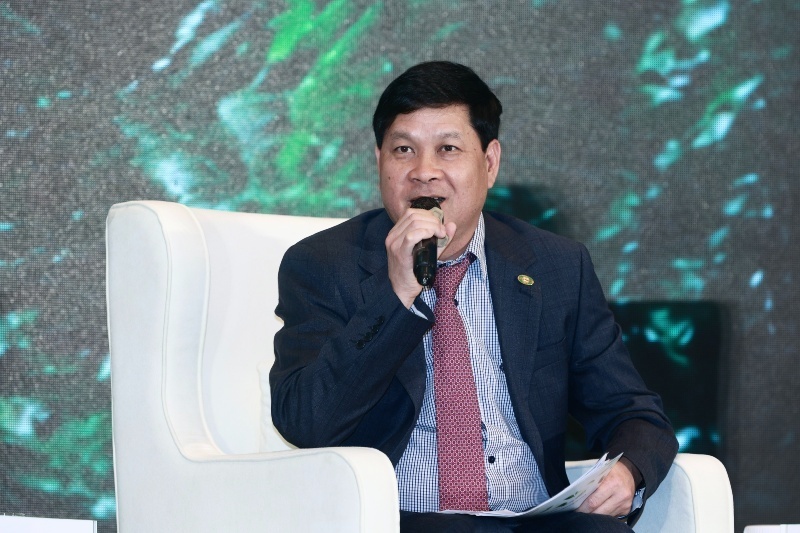
Chu Van Phuong, general director of Tien Phong Plastic JSC

At the Sustainable Development 2025 Conference on November 27 in Hanoi, Chu Van Phuong, general director of Tien Phong Plastic JSC, said that in the plastics industry, continuous innovation is essential. Technology evolves rapidly, and tomorrow will always be different from yesterday, which is why Tien Phong Plastic has always considered the updating of machinery and production lines as a matter of survival.

All plastic pipe manufacturing equipment meets the latest global standards, enabling higher productivity, energy savings, and reduced material loss. This foundation has helped the company maintain its market-leading position for decades, from its establishment in 1960 to today.

Reflecting on the company’s 65-year development journey, Phuong said that the enterprise has grown on the basis of technological innovation, the use of eco-friendly materials, and continuous optimisation of production processes.

“Tien Phong Plastic’s green strategy is demonstrated through its proactive shift towards environmentally friendly raw materials and chemicals. The company is among the first in Vietnam to pioneer the use of green materials in plastic pipe production,” he said. “At the same time, all scrap generated along the production line is reused internally, with nothing discharged into the external environment, significantly reducing solid waste.”

Along with advancements in technology and materials, Tien Phong Plastic strictly adheres to regulations on solid waste treatment and workplace environmental standards. This governance approach has continuously earned recognition from numerous domestic and international organisations.

In August, the company’s products received the four-leaf Green Mark certification (the highest level in the system) from the Singapore Green Building Council. This acknowledges the company’s persistent efforts and affirms the quality standards of Tien Phong-branded plastic pipes.

“The greatest benefit of investing in green technology goes beyond reduced operating costs, it lies in market trust. Major developers such as Vingroup, Sun Group, and Vinaconex have prioritised Tien Phong Plastic’s products for their projects,” Phuong emphasised.

“Developers highly value Tien Phong Plastic’s emerging role in manufacturing environmentally friendly products. This is the competitive advantage that green technology brings,” he added.

Tien Phong Plastic ready for a new growth cycle
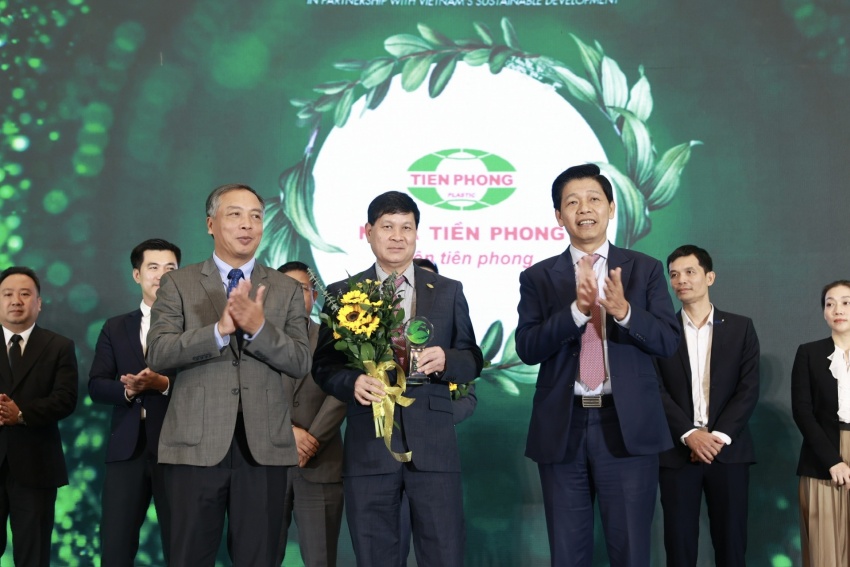
Tien Phong Plastic was honoured for its contribution to sustainable development at the conference

The brand has also been honoured with many major awards, including State-level distinctions such as the Labour Hero Medal and the Order of Independence, national and regional recognitions. Tien Phong Plastic is also one of only two Vietnamese enterprises to have twice received prestigious Asia-level awards from international organisations.

Beyond technology, the company is currently working with consulting firms to conduct a comprehensive review of operations and assess alignment with environmental, social, and governance (ESG) criteria. Although the full ESG framework is not yet complete, Phuong believes the current assessment has already revealed many opportunities for improvement and future capacity building.

“Based on our working sessions with consultants, we found that two factors are decisive: the leadership’s vision and genuine commitment, along with a sufficiently standardised system of processes to ensure that all activities are controlled and continuously improved,” Phuong said.

He noted that ESG is a long-term journey requiring persistence, but the earlier a company begins, the greater its advantage in competition and in meeting international standards. “Technological innovation is no longer just a requirement of the times, it is a condition for long-term survival. Without innovation, we will fall behind immediately,” Phuong noted.

From the perspective of a 65-year-old brand, his message also serves as a reminder to the wider business community of their responsibility to the environment and the sustainable future of Vietnam’s materials industry.

Siemens leads technology transformation towards sustainability in Vietnam Siemens leads technology transformation towards sustainability in Vietnam

Siemens is harnessing advanced digital technologies and AI to drive global sustainability, enhancing efficiency, reducing emissions, and supporting Vietnam’s transition towards a smarter, cleaner future.

Green manufacturing insights and transformations: SABECO's path to industry leadership Green manufacturing insights and transformations: SABECO’s path to industry leadership

In an era when global market forces, consumer expectations, and national emphasis converge towards sustainability, green manufacturing has shifted from a corporate aspiration to an economic imperative. For Vietnam, this shift is especially urgent, and highly strategic.

Experts weigh in on Vietnam's sustainability progress and future priorities Experts weigh in on Vietnam’s sustainability progress and future priorities

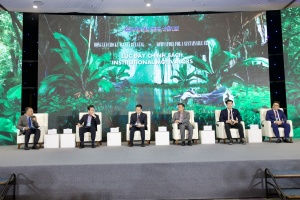
A panel discussion hosted by VIR saw experts assess Vietnam’s sustainability progress and offer recommendations to speed up its green transition on November 27.