Sustainability is moving beyond a trending concept to become a defining principle of architecture and design. The question is no longer whether beauty and environmental responsibility can coexist, but how they can harmonise within our living spaces. As one of the world’s leading manufacturers in paints and coatings, AkzoNobel is at the forefront of this transformation, bringing forward fresh perspectives and practical solutions to the urgent challenges of climate and community wellbeing.

Wijnand Bruinsma, director of sustainability at AkzoNobel, directly leads these efforts. He focuses on driving climate change mitigation strategies, community projects, and product innovations to reduce the industry’s carbon footprint. In this conversation, he shared his candid and practical insights on balancing aesthetics with sustainability, and how collaboration and technology are shaping the future of design.
AkzoNobel: from painting walls to painting the future
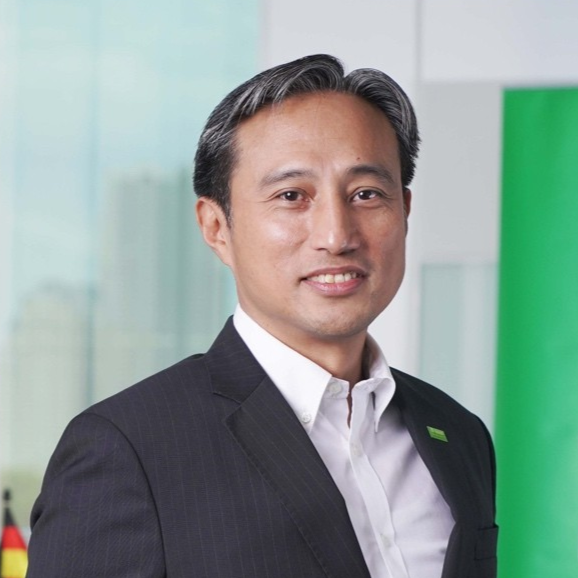
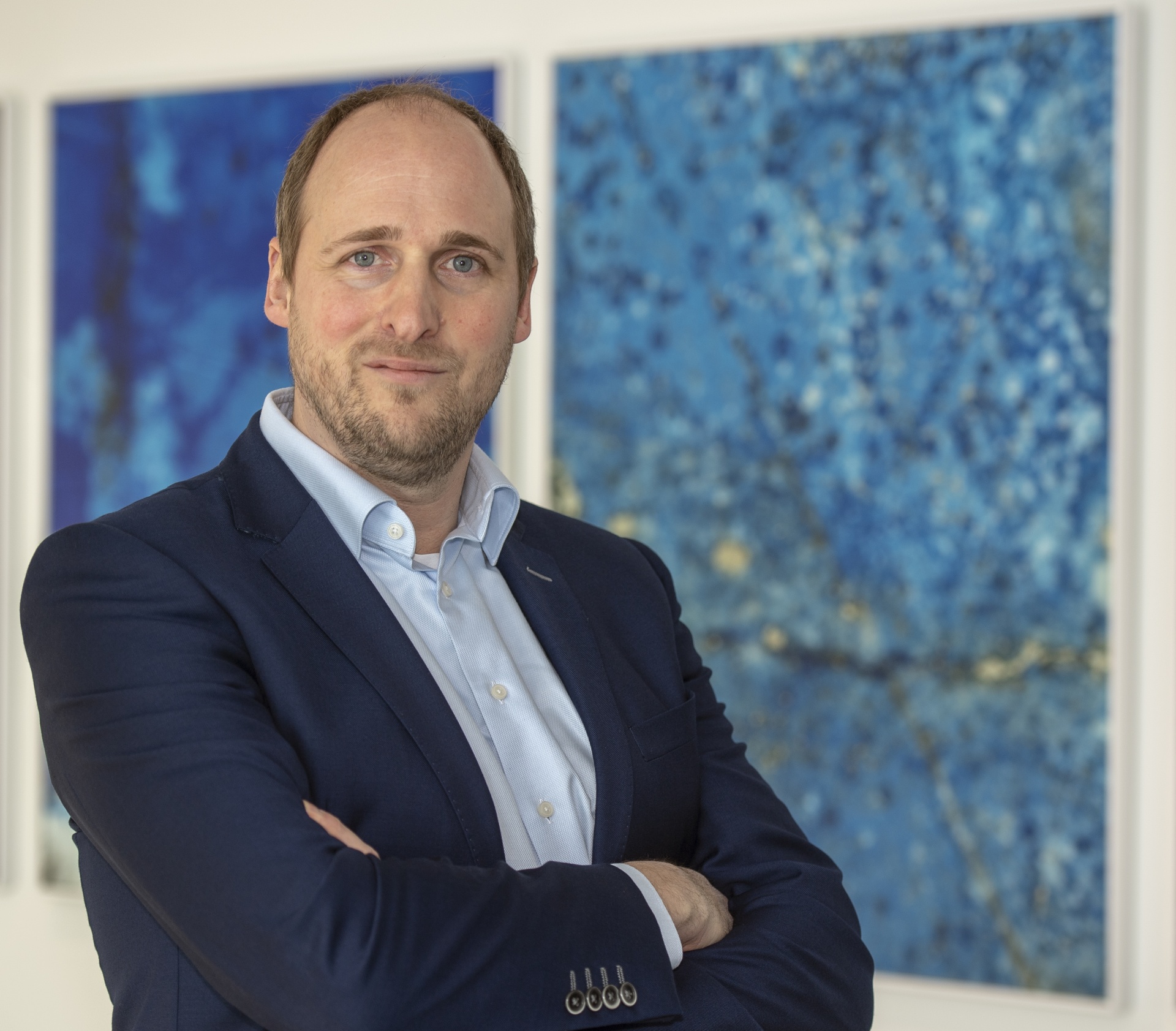
Wijnand Bruinsma, director of sustainability at AkzoNobel

What recent initiatives has AkzoNobel led to address climate change?

Over the past 45 years, the average global temperature has risen by nearly 1 °C. That might sound like a small number, but it’s actually immense, as we have only about one more degree to spare over several centuries. Meanwhile, atmospheric carbon levels have increased by roughly 25 per cent, leading to severe impacts like natural disasters and heat stress. This shows that climate change is not just a headline, but a tangible reality that directly affects our lives.

The world will face even greater challenges ahead, and I firmly believe that businesses play a central role in moderating climate impact. At AkzoNobel, we have set two major ambitions.

Within AkzoNobel operations: Our 130 manufacturing sites worldwide aim to cut carbon emissions by 50 per cent by 2030, compared with 2018 levels. By the end of last year, we had already achieved a 41 per cent reduction and are moving closer to our target this year.

Across our entire value chain: Beyond internal operations, we also aim for a 50 per cent emissions reduction among our suppliers and customers by 2030 (taking 2018 as our baseline).

These are complex tasks, but we are making steady, measurable progress.

In your opinion, are cross-sector research and collaboration the ideal solutions for environmental challenges?

When it comes to sustainability, the most important keyword is collaboration.

First, collaboration must happen within the company. Different departments, from marketing to research and development and supply chain, each see emerging trends and challenges from unique angles. What matters is connecting these insights to develop actionable solutions.

Next is partnership with direct partners who are our customers, suppliers, and neighbouring businesses⁠ to drive change together.

And the third level, which is both the most complex and the most critical, is collaboration across the entire value chain. We work closely with green building councils, non-governmental organisations, and policymakers because no single entity can provide a complete solution to environmental challenges on its own.

What role do technology and innovation play in realising AkzoNobel’s sustainable solutions?

At AkzoNobel, we are applying a range of modern technologies. With the number of professional painters declining globally, we’ve started using robots to handle wall painting. In research and development, we are experimenting with quantum computing to shorten the development process for paint formulation. We’ve also launched Coatings AI in our powder coatings business. This tool uses AI to help customers optimise paint usage and minimise waste while maintaining surface protection.

In regions with specific climates, such as Southeast Asia, what sustainable solutions is AkzoNobel focusing on to meet local market needs?

For wall paints and coatings in Southeast Asia, I would emphasise two key points: first, reducing heat and improving climate resilience; and second, contributing positively to human health and wellbeing. These are the two core priorities when developing sustainable products for this region.

Many Asian cities are already hot and are getting hotter due to the urban heat island effect. To address this, we have developed KeepCool Technology, which reflects sunlight and lowers the surface temperatures of buildings by up to 5 °C compared with conventional paint solutions. That translates to a 15 per cent reduction in air-conditioning energy use, achieved through a paint layer less than one millimetre thick.

AkzoNobel: from painting walls to painting the future
The Dai Lanh Lighthouse, one of three lighthouses renovated under AkzoNobel’s “Lighthouse Protection Campaign”, was protected by Dulux Weathershield, a premium exterior paint with the ultimate protection against harsh weather

We’ve also created paint products capable of absorbing volatile organic compounds (VOCs) such as formaldehyde. This helps to improve indoor air quality for urban residents.

What role do paints and coatings play in creating spaces that are both beautiful and sustainable?

Some might wonder, how can something less than a millimetre thick make a difference in sustainability and climate resilience? I believe this is the superpower of paints and coatings. They not only bring aesthetic value but also contribute to improving air quality, reducing heat buildup, and even protecting buildings for years. This is crucial when the construction industry accounts for nearly 40 per cent of global carbon emissions.

Through advanced technologies, AkzoNobel’s goal is to prove that even a thin coating can make a lasting impact on health, the environment, and the community.
AkzoNobel: from painting walls to painting the future
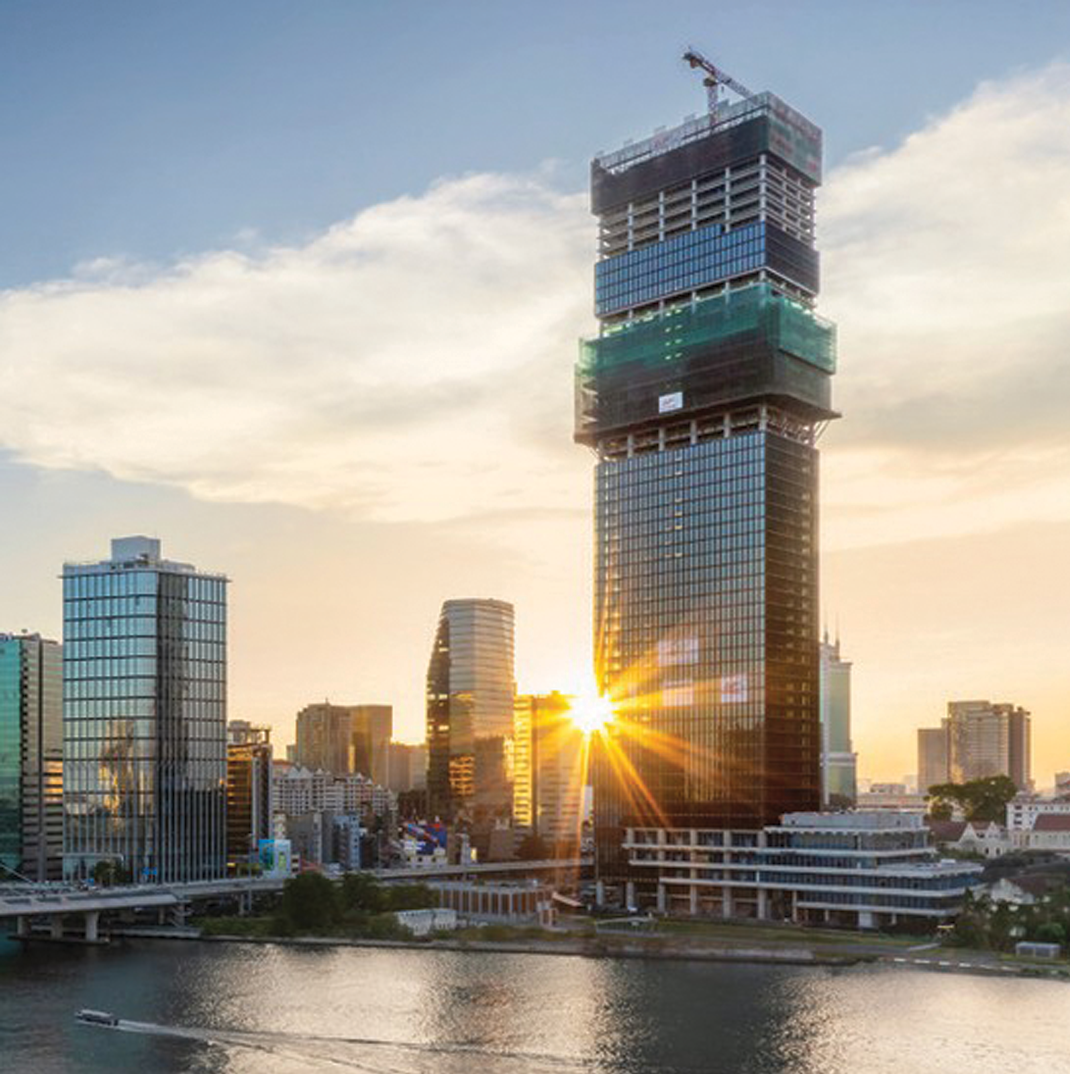
AkzoNobel is proud to protect the exterior of Grand Marina Saigon, including windows, facades, and sunshades, with Interpon D2525 powder coatings

Could you share some projects that illustrate AkzoNobel’s approach to sustainability, especially those connected to the community?

In Vietnam, we have participated in preserving coastal lighthouses and renovating 14 decorating schools, giving children better spaces to learn and grow. In Indonesia, one of our most meaningful projects involved repainting a school canteen entirely in yellow. That simple change drastically reduced the number of flies, thereby improving hygiene and student health.

To me, that is the true power of paint, and especially of colour. A single coat can change behaviour, enhance wellbeing, and elevate quality of life. And that’s why I believe sustainability is not just a concept, but a journey of tangible benefits for society.

AkzoNobel launches campaign to drive sustainable wood manufacturing AkzoNobel launches campaign to drive sustainable wood manufacturing

AkzoNobel Wood Finishes has rolled out a new regional campaign, highlighting practical steps for wood product manufacturers to boost efficiency and cut emissions.

AkzoNobel introduces air-purifying Dulux paint to Vietnam AkzoNobel introduces air-purifying Dulux paint to Vietnam

AkzoNobel has introduced Dulux Ambiance AirFresh, a premium interior paint designed to purify indoor air and promote healthier living spaces.

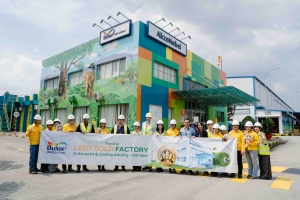
AkzoNobel secures Vietnam's first LEED Gold factory certification AkzoNobel secures Vietnam’s first LEED Gold factory certification

AkzoNobel is setting a new benchmark for sustainable manufacturing in Vietnam’s paints and coatings industry, reaffirming its global commitment to green innovation and environmental responsibility.

.

What makes Vietnam an attractive destination for European investment in sustainable port development?

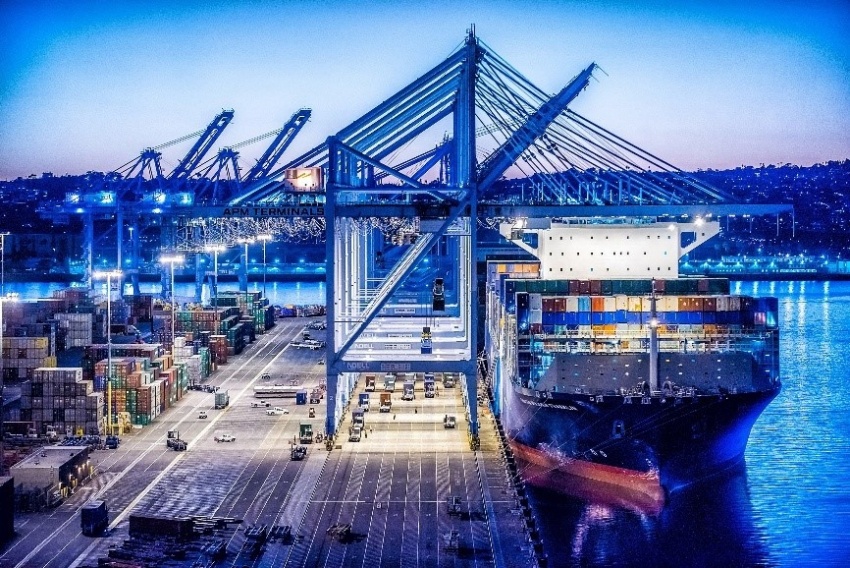
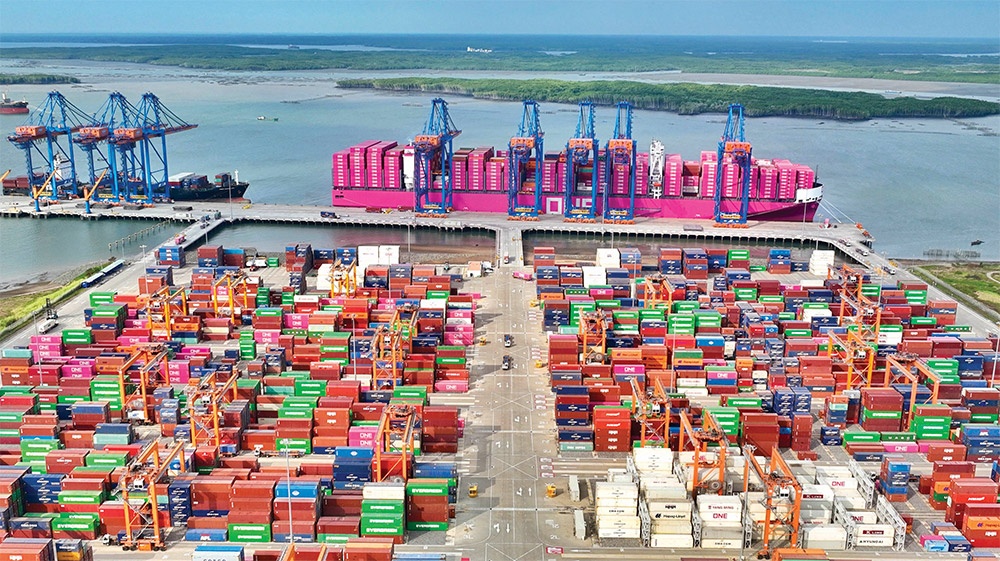
Vietnam is rapidly modernising its infrastructure, positioning itself as a strategic logistics hub in Southeast Asia. The country’s investment in deepwater ports, expressways, and intermodal connectivity reflects a clear ambition to become a gateway for regional trade. Projects like the Lien Chieu Port in Danang and the expansion of Lach Huyen terminals in Haiphong and Cai Mep terminals in Ho Chi Minh are designed to handle ultra-large vessels and integrate with global shipping routes.

European expertise to boost Vietnam’s sustainable logistics push
Photo: EuroCham

For European investors, Vietnam offers a compelling mix of strategic location, political stability, and a young, hard-working and tech-savvy workforce. The government’s commitment to green port development and its alignment with international standards related to environmental, social, and governance (ESG) principals make it an attractive destination for sustainable investment. Vietnam’s EU-Vietnam Free Trade Agreement further enhances its appeal by reducing trade barriers and promoting regulatory alignment.

How can sustainable port operations drive economic growth while helping Vietnam meet its net-zero goals?

Ports are the backbone of Vietnam’s export-driven economy, contributing significantly to GDP and employment. Sustainable port operations – such as electrified cargo handling, shore power systems, and smart traffic management – enhance efficiency while reducing environmental impact.

By adopting green port models, Vietnam can increase throughput capacity, reduce operational costs, and attract high-value international cargo. Such improvements support economic growth while aligning with Vietnam’s net-zero commitment. The shift towards sustainability also opens doors to climate finance, green bonds, and technology transfer from European partners such as Maersk.

European expertise to boost Vietnam’s sustainable logistics push
Photo: EuroCham

What practical steps can Vietnamese businesses take to make their supply chains more sustainable and ethical?

Vietnamese businesses, regardless of size, can make their supply chains greener by investing in green energy generation, such as installing solar panels on buildings and plants where possible, and improving energy efficiency through upgrades to LED lighting and the use of electric vehicles in warehouses and fleets.

They can also engage suppliers by encouraging upstream partners to adopt ESG standards, supported by training or incentives, while advancing circular logistics by reducing packaging waste and promoting reuse whenever feasible.

Ethical supply chains also require transparency, fair labour practices, and community engagement. European buyers such as Ikea and Zara increasingly demand ESG compliance, making sustainability not just a moral imperative but a competitive advantage.

How can European best practices in green logistics be effectively implemented in Vietnam?

APM Terminals, as part of Maersk, has pioneered green transformation globally in our portfolio of over 60 ports – through electrified equipment, data-driven operations, and carbon-neutral targets. In Vietnam, these practices are being adapted through a series of targeted initiatives.

First, pilot projects are introducing electric cranes and automated gate systems at key terminals, such as the Hateco Haiphong International Container Terminal strategic partnership.

Second, local partnerships allow close collaboration with Vietnamese authorities and suppliers to tailor solutions to local conditions.

Finally, dedicated training initiatives are helping upskill Vietnamese port workers in green operations and digital tools. Measurable progress includes reduced fuel consumption, shorter vessel turnaround times, shorter truck turnaround times and lower carbon intensity per container. These results demonstrate that global standards can be localised effectively, with strong operator commitment and local stakeholder engagement.

How are logistics companies using digitalisation to drive both efficiency and environmental sustainability?

Digitalisation is a powerful enabler of sustainability, especially for resource-constrained logistics firms.

AI and predictive analytics can optimise routes, reduce idle time, and forecast demand more accurately. Automation allows robots to plan operations with optimal energy consumption, and the extensive use of sensors enables automated facilities to save on lighting costs due to the much-reduced need for human eye recognition in operations.

Digital twins support the simulation of port operations to test energy-saving scenarios before implementation. Meanwhile, cloud-based platforms enhance collaboration across supply chains and reduce paper-based processes. By combining digital and green strategies, companies can cut costs, improve resilience, and meet ESG targets. Government incentives for digital adoption – such as tax breaks and training subsidies – can further accelerate this twin transition.

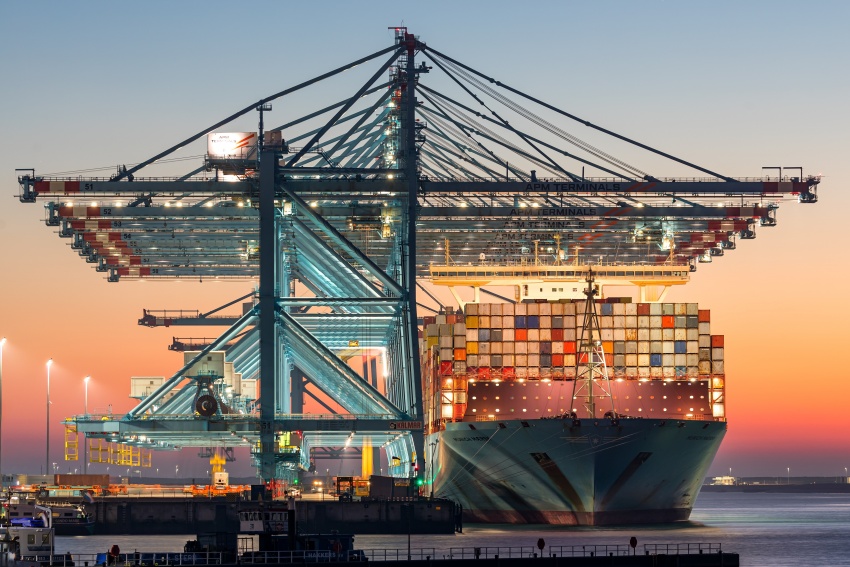
European expertise to boost Vietnam’s sustainable logistics push
APM Terminals’ fully automated and zero-carbon terminal in the Netherlands. Photo: EuroCham

What impact will upcoming regulations and green standards have on the operations of logistics businesses?

Sustainability is becoming a regulatory and market access requirement, instead of a voluntary choice. In Vietnam and globally, upcoming standards are set to reshape the logistics and export landscape. Carbon reporting mandates will require the disclosure of Scope 1, 2, and eventually Scope 3 emissions.

ESG compliance for exporters, particularly alignment with EU regulations such as the Carbon Border Adjustment Mechanism, will help strengthen brand reputation and improve access to global markets. Additionally, green port certifications will benchmark environmental performance and unlock opportunities for green finance. These regulations will reshape logistics operations – from procurement to delivery.

Stronger public–private partnerships are essential to navigate this shift. Government can provide policy clarity, infrastructure funding, and regulatory alignment, while foreign investors bring capital, technology, and global networks. Local enterprises contribute market knowledge and execution capability. Together, they can build a resilient, green logistics ecosystem. At APM terminals, we have seen two proven examples in our Cai Mep and Haiphong partnerships in the last two decades.

How does APM Terminals see its role in advancing sustainable logistics in Vietnam, and what opportunities do platforms like Green Economy Forum (GEF) 2025 offer to support this vision?

At GEF 2025, APM Terminals aims to convey a clear message: green logistics is not just possible – it is profitable, scalable, and urgent. We will showcase our commitment below for our existing businesses and future initiatives in Vietnam by investing in sustainable infrastructure, such as low-emission terminals and smart port technologies; fostering inclusive growth by creating jobs, empowering local communities, and supporting small- and medium-sized enterprises; and driving collaborative innovation by partnering with Vietnamese stakeholders to co-develop solutions.

GEF is a vital platform to bridge European investors and Vietnamese policymakers. It fosters dialogue, trust, and actionable partnerships. By aligning on shared goals – economic growth, environmental stewardship, and regional connectivity – we can turn ambition into impact.

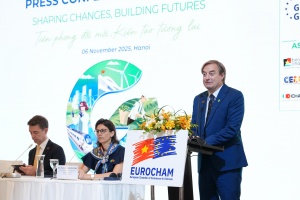
GEF 2025, co-hosted by EuroCham and VIETRADE under the Ministry of Industry and Trade, took place on November 27 in Hanoi. The event featured one high-level plenary session, nine thematic conferences, three technical workshops, and one exclusive networking evening, fostering constructive dialogues between policymakers, business leaders, and innovators to advance Vietnam’s green transition across sectors.

EuroCham to host green economy forum EuroCham to host green economy forum

The European Chamber of Commerce in Vietnam (EuroCham) will host the Green Economy Forum (GEF) 2025 in Hanoi on November 27.

EuroCham honours pioneers of sustainable growth in Vietnam EuroCham honours pioneers of sustainable growth in Vietnam

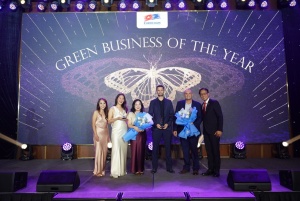
The European Chamber of Commerce in Vietnam (EuroCham) gathered government partners, international investors, and business leaders to celebrate business excellence and sustainable innovation at its annual Gala Dinner & Business Awards.

Financing the future: how EU–Vietnam cooperation can power green transformation Financing the future: how EU–Vietnam cooperation can power green transformation

As Vietnam and the EU navigate climate pressures and shifting global trade, the central challenge is how to mobilise capital, innovate, and collaborate for a green and resilient economy. Erick Contreras, vice-chair of EuroCham Vietnam, talked to VIR’s Bich Thuy about how European businesses are helping fuel Vietnam’s green transformation, and how platforms such as the Green Economy Forum 2025 are key to deepening cooperation.

Airlines race to patch Airbus A320/A321 fleets

In an announcement on November 28, the European aircraft manufacturer said the updates affect a significant portion of the A320 family fleet, prompting airlines to review operations and prepare for possible short-term changes to flight schedules as the checks and modifications are carried out.

According to a preliminary assessment, analysis of in-service aircraft indicates that a significant number of A320 family jets could be affected and may require immediate precautionary action.

An emergency airworthiness directive issued by the European Union Aviation Safety Agency requires affected airlines to implement the modification before their next flight, effective from 23:59 UTC on November 29.

Airlines race to patch Airbus A320/A321 fleets

Based on this foundation, Airbus has released a notice to operators, requesting immediate precautionary action through the available software and/or hardware updates.

The incident is expected to lead to operational disruptions for passengers globally at the weekend. In Vietnam, 63 planes of Vietnam Airlines and 65 planes of Vietjet are thought to be affected.

Airlines race to patch Airbus A320/A321 fleets
Airbus and FPT deepen digital partnership Airbus and FPT deepen digital partnership

Airbus signed a new supplier agreement with leading Vietnam-based technology and IT services provider FPT on June 11 to strengthen their long-standing collaboration.

Vietjet places new order for 100 A321neo aircraft Vietjet places new order for 100 A321neo aircraft

Vietjet and aircraft manufacturer Airbus on June 17 announced a major new order for 100 A321neo aircraft, with the potential to add another 50 in the future.

Vietjet orders 100 Airbus A321neo aircraft Vietjet orders 100 Airbus A321neo aircraft

Vietjet has made a significant order for 100 Airbus A321neo aircraft, marking a new milestone in UK-Vietnam ties.

New phase launched to support women-led ventures

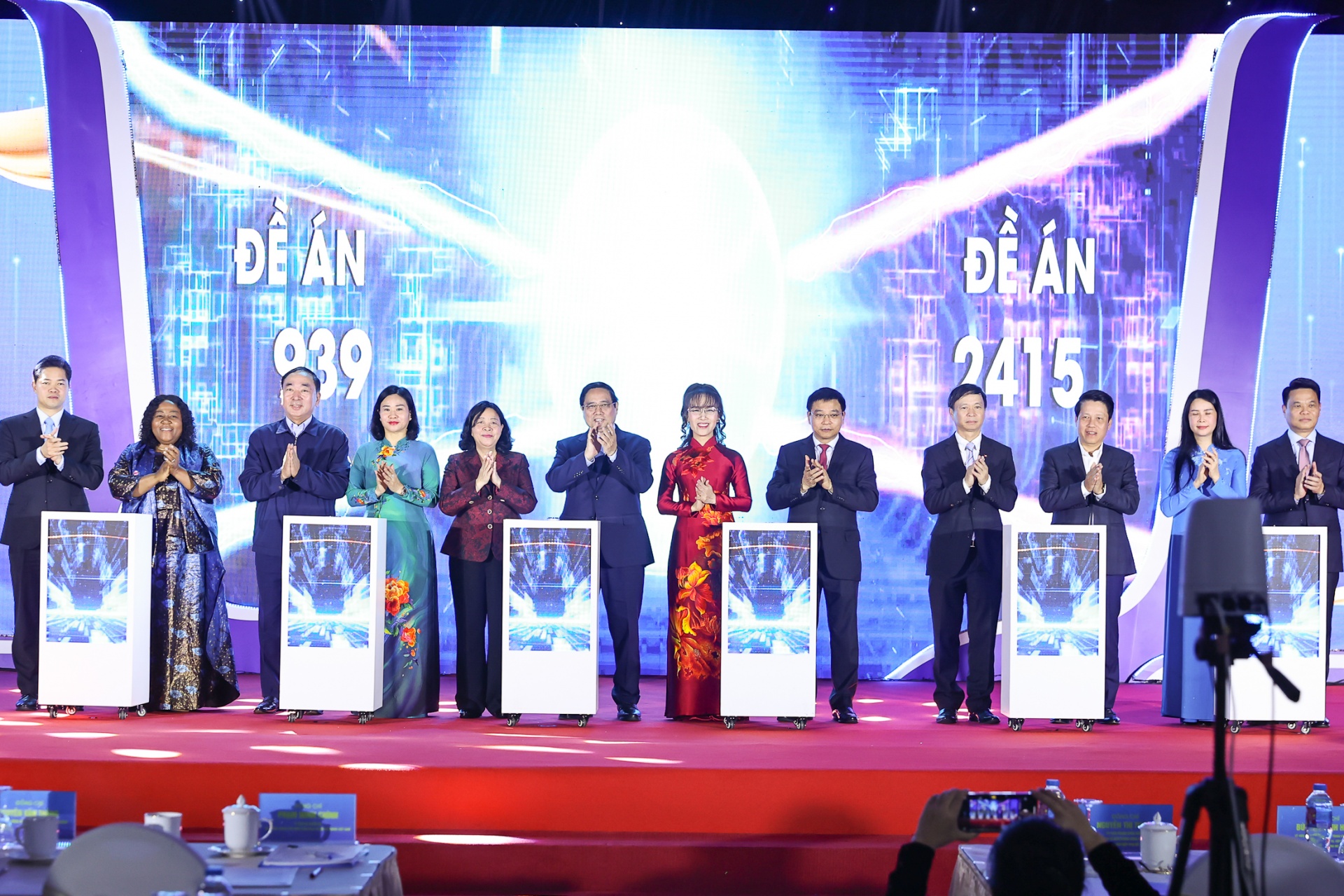
On November 30 in Hanoi, local authorities convened a conference to assess the achievements of Project 939 – which backed female-led startups from 2017 to 2025 – and to introduce Project 2415, a new scheme aimed at supporting women entrepreneurs from 2026 to 2035. The event connected virtually with 34 locations across Vietnam and featured a ceremony honouring standout women-led cooperatives of 2025.

Project 939 has delivered strong results over its eight-year implementation. Nearly $16.8 million was mobilised from the state budget, including just under $3 million at the central level and about $13.8 million from provincial and municipal sources. This was supplemented by $8 million in socialised funding, with close to $1.4 million contributed centrally and more than $6.3 million at local level. All targets were met, with several surpassed, demonstrating the effectiveness of the programme in supporting female-led entrepreneurship.

“The scheme has raised women’s awareness and ignited their aspirations, thereby sparking the growing female entrepreneurial movement. It has provided practical support in capital, knowledge, and skills, facilitating hundreds of thousands of women confidently starting up their businesses,” said Nguyen Thi Tuyen, president of the Vietnam Women’s Union.

Speaking at the conference, Caroline T. Nyamayemombe, the United Nations Women country representative in Vietnam, stated, “UN Women is proud to work alongside the Vietnam Women’s Union, providing technical support, advocacy tools, gender-responsive budgeting, and global knowledge sharing. We have witnessed Vietnamese women turning ideas into businesses, villages into thriving cooperatives, and challenges into opportunities.”

Nguyen Thi Phuong Thao, chairwoman of Sovico Group, noted that entrepreneurship has never been easy, especially for women, saying, “Many women still have to juggle work and family, social expectations, and the pressure to make a living, especially disadvantaged women, ethnic minority women, and women in remote areas.”

New phase launched to support women-led ventures
Nguyen Thi Phuong Thao, chairwoman of Sovico Group

Comprehending the challenges, Thao said, “Enterprises such as Sovico, Vietjet, HDBank, and Vikki Digital Bank are committed to supporting the Vietnam Women’s Union – to increase women’s access to capital, enhance digital capabilities, build startup ecosystems, and offer training, networking, and leadership programmes for women in business across the country.”

“We have seen women starting businesses from small home kitchens, women selling goods on digital platforms from remote villages, and mothers caring for children while building business models. Women are truly the ‘silent warriors’ of the private economy–quiet yet resilient contributors to growth, innovation, and national prosperity. And society’s mission today is to give women the opportunity to shine,” she said.

“Project 939 has been a source of motivation for Vietnamese women. When women rise, families thrive, communities grow stronger, and the nation becomes more prosperous,” added Thao.

Addressing the conference, Prime Minister Pham Minh Chinh said, “This event is significant in celebrating effective models and honouring outstanding women. At the same time, it sets out the direction, tasks, and solutions for implementing Project 2415 in the period ahead, with a progressive spirit and long-term strategic vision. The goal is to meet new demands and build a dynamic, connected, and sustainable ecosystem to support women’s entrepreneurship.”

New phase launched to support women-led ventures

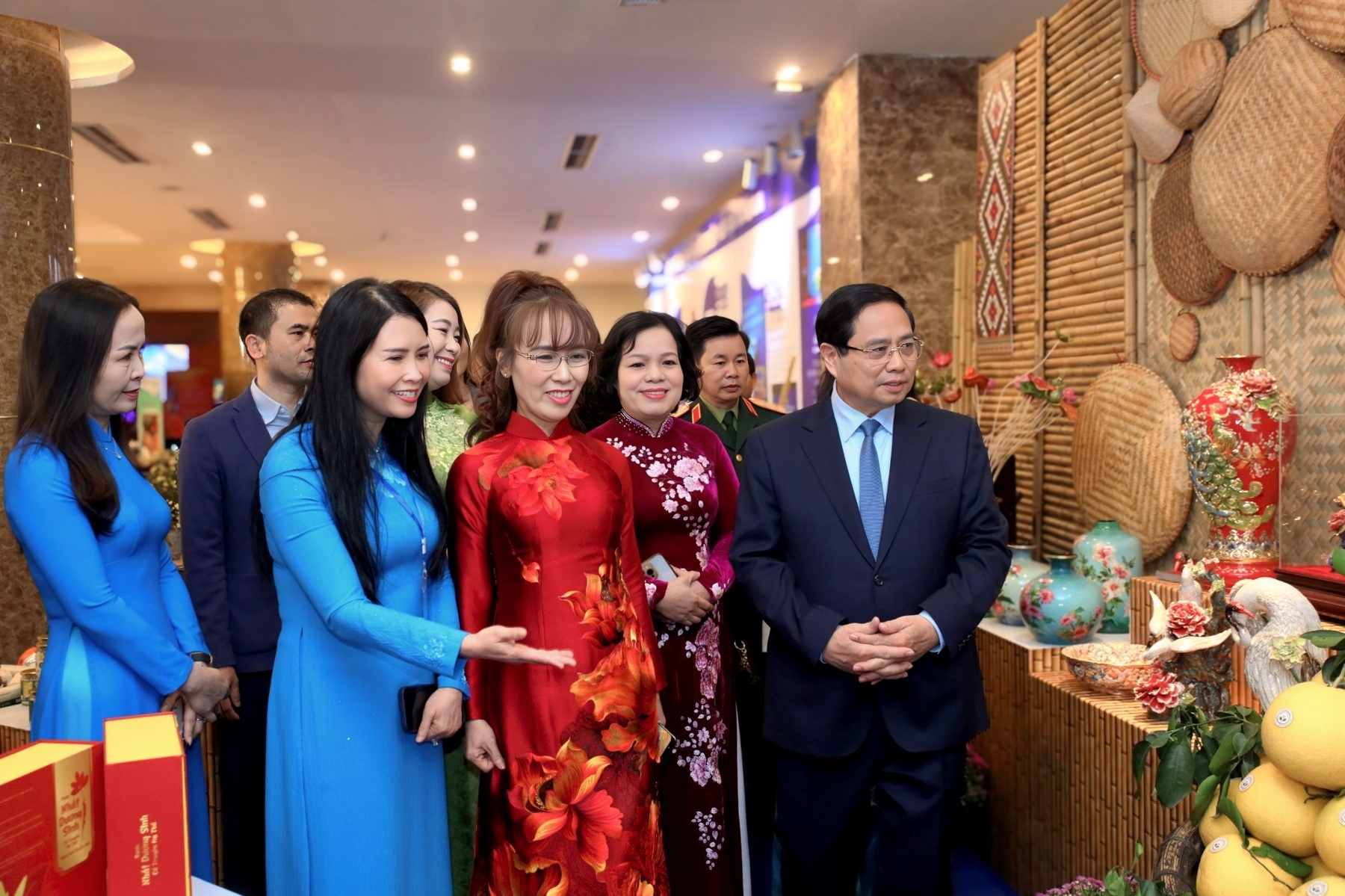
PM Chinh commended distinguished female entrepreneurs, including Thao, and congratulated women-led enterprises such as Vietjet and Vinamilk for extending their reach to international markets and participating in global value chains.

“Women play a central role as an essential component of society,” said the prime minister. “Women are also a revolutionary force that has made a significant contribution to Vietnam’s glorious victories throughout its heroic history of nation-building and defence. No matter where they are, in any circumstances, or in any position, Vietnamese women always strive to overcome all adversities, prejudices, and obstacles, strongly promoting traditions and good qualities.”

The PM added that women are the keepers of the warmth in every family and pioneers in creating sustainable social values, directly contributing to national development.

Vietjet inspires and empowers women to soar in aviation Vietjet inspires and empowers women to soar in aviation

Vietjet demonstrated its unwavering commitment to sustainable development and gender equality at the 2025 Women in Aviation International-Singapore Chapter (WAI-SG) Gala Dinner held on October 16.

Vietnamese women taking flight in aviation industry Vietnamese women taking flight in aviation industry

Ahead of Vietnamese Women’s Day, the Civil Aviation Authority of Vietnam and Boeing co-hosted a seminar on sustainable human resource development in aviation, focusing on gender diversity and long-term workforce growth.

Vietjet completes Airbus A320/A321 updates ahead of deadline Vietjet completes Airbus A320/A321 updates ahead of deadline

Vietjet has completed urgent software and hardware updates on its A320/A321 fleet, finishing ahead of schedule and reinforcing its safety standards.

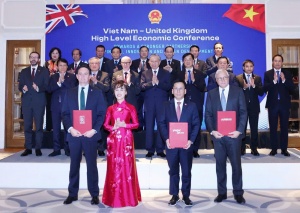
A Czech-Vietnamese business forum held on November 20 in Hanoi coincided with the visit of Miloš Vystrčil, President of the Senate of the Parliament of the Czech Republic, to Vietnam on November 18-22.

Czech enterprises strengthen presence
Vietnam is a gateway for Czech enterprises seeking to expand into Asia, Photo: Le Toan

“Vietnam remains a very appealing destination for investors, and Czech businesses feel this too. For 75 years, our relationship has been strong and enduring, far apart, yet always close,” said Vystrčil at the forum. “This year marks the 75th anniversary of Vietnam-Czech diplomatic relations. I hope that our countries can continue to maintain and further strengthen this enduring friendship.”

Vystrčil emphasised that the Czech Republic serves as a gateway for Vietnamese goods to enter the European market, while Vietnam plays an equally important role as a bridge for Czech enterprises seeking to expand into Asia.

The complementary strengths of the two countries, a well-developed industrial and technological base in the Czech Republic and a dynamic, fast-growing market in Vietnam, create broad opportunities for trade, investment, and knowledge exchange, particularly in energy, innovation, science and technology, and other high-potential sectors, he added.

Nguyen Anh Tuan, deputy director of the Foreign Investment Agency under the MoF, highlighted the long-standing and close nature of bilateral relations. The Czech Republic was among the first 10 countries worldwide to establish diplomatic ties with Vietnam, and one of the first EU members to sign the Vietnam-EU Free Trade Agreement.

“The Czech Republic is a leading partner for Vietnam in employment cooperation and economic engagement with Central and Eastern Europe, while Vietnam remains the Czech Republic’s top partner in economic, trade, and investment cooperation within ASEAN,” he noted.

Despite decades of solid relations, current bilateral investment remains below the potential achievable between the two countries. Both sides are encouraged to take proactive measures to deepen collaboration in sectors where each enjoys a competitive advantage.

During the forum, Czech enterprises also expressed interest in exploring deeper partnerships with Vietnamese counterparts, signalling a growing appetite for collaboration beyond traditional trade channels.

Nguyen Manh Tung, CEO and Founder of Czech Viet, a company connecting businesses and organisations, highlighted the growing interest of Czech companies in the Vietnamese market. Many are seeking partners, investment opportunities, and avenues for business expansion, reflecting a broad and increasingly active space for bilateral collaboration.

“Being of Vietnamese origin, I see the potential for stronger economic and trade ties between our two countries,” Tung said. “Our work focuses on facilitating connections, supporting companies in navigating both markets, and encouraging sustainable investment and knowledge exchange that benefits businesses on both sides.”

He stressed that successful cooperation requires more than trade alone. Czech Viet acts as a bridge, helping businesses identify suitable partners, understand local practices, and optimise their investment strategies to maximise opportunities in both countries.

“Our aim is to support projects that contribute to long-term, mutually beneficial cooperation between Vietnam and the Czech Republic, particularly in sectors such as energy, automotive, healthcare, IT, and environmental management, where both countries have complementary strengths,” Tung added.

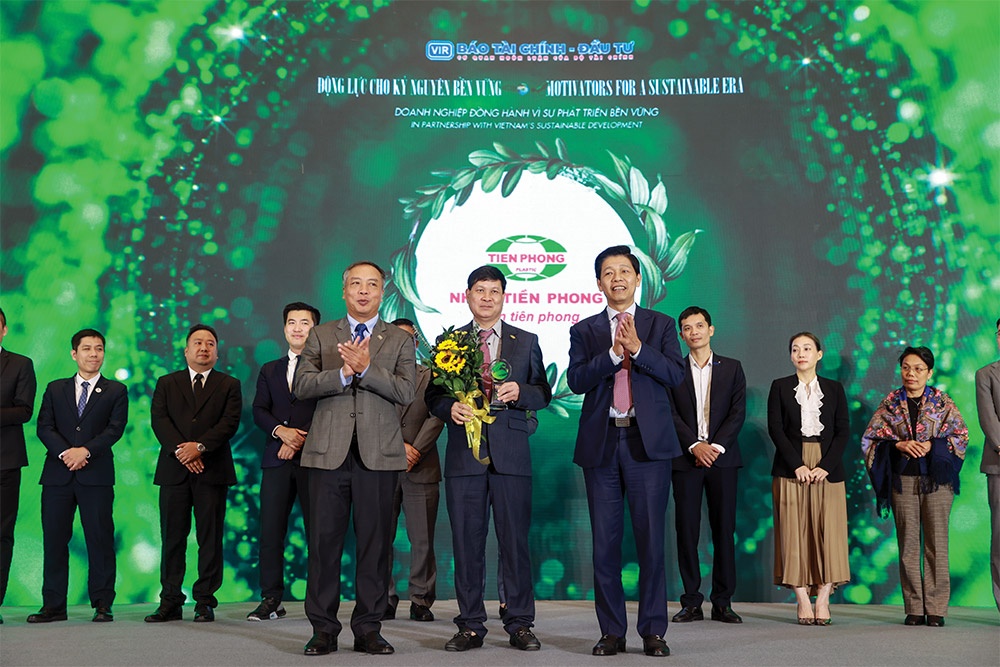
During the Sustainable Development 2025 conference in Hanoi on November 27, Tien Phong Plastic was honoured for its contributions in this area.

Tien Phong strives for a greener plastics industry
Tien Phong Plastic has received accolades for its efforts towards a greener industry

“Throughout its development journey, we have consistently updated and adopted the world’s latest technologies, machinery, and equipment. This has significantly improved labour productivity and achieved effective energy savings,” said Chu Van Phuong, general director of Tien Phong Plastic.

The company is proud to be one of the first enterprises in Vietnam to pioneer the use of environmentally friendly chemicals and raw materials that are safe for health, Phuong added.

“We reuse 100 per cent of the waste generated during production and are committed to zero solid waste discharge into the external environment. The treatment of solid waste and other types of waste strictly complies with state regulations,” Phuong said at the conference.

Along with improving production processes, Tien Phong Plastic has also acquired technology transfers from international corporations to develop products that meet global standards. Products such as double-wall corrugated PP pipes, spiral-core uPVC pipes, and specialised products for drainage systems have been exported to numerous international construction projects.

Thanks to a comprehensive implementation of solutions, from technology and raw materials to the working environment, its product lines were awarded 4-Tick certification by the Singapore Green Building Council in August, deemed the highest level for green building materials.

The international certification confirms that the company’s products meet the strictest standards in energy efficiency, use of renewable resources, water management, green space development, improvement of living environment quality, and minimisation of ecological impact. It also reflects the company’s strategic vision of creating sustainable green value alongside safe, modern, and environmentally friendly construction projects.

The certification serves as a powerful lever for Tien Phong Plastic to expand its market share in green projects, smart cities, and modern infrastructure. It aims to become a billion-dollar enterprise by 2035 and further establish its position on the global green industry map.

In October, the company was honoured to again receive the 2025 Asia-Pacific International Quality Award at the World Class level – the highest recognition for quality and corporate governance. In the 25 years since the award’s inception, only two Vietnamese enterprises have received this award twice.

“This achievement opens wider doors for the company to reach further on the international stage, strongly affirming that Vietnamese brands possess the capability and potential to compete globally, lead trends in green, sustainable, and integrated development in the construction sector, and spread value across multiple industries.” Phuong said.

Tien Phong Plastic has innovated technology, modernised production lines, used 100 per cent safe and environmentally friendly raw materials, and applied advanced management systems such as ISOs. It has also implemented waste treatment solutions, recycling up to 80 per cent of used water back into production. All factories uniformly apply 5S, Lean Six Sigma, and OEE practices to save energy, reduce emissions, increase productivity, and create a safe and employee-friendly working environment.

“The company has also integrated environmental, social, and governance criteria throughout its production and business activities, a crucial step to meet increasingly stringent global requirements while demonstrating its commitment to sustainable development, where economic benefits are inseparable from environmental and social responsibility,” Phuong explained.

The company’s pioneering efforts in applying green solutions and moving towards carbon-neutral production have been recognised through the trust of domestic and international partners. It is currently a strategic partnership with major global and local corporations. In addition, top investors and developers such as Vingroup, Sun Group, Coteccons, and Newtecons consistently trust and prioritise the brand’s products.

Tien Phong Plastic’s products are exported to markets such as Australia, New Zealand, Japan, and Germany, alongside trademark protection in China, Myanmar, and Thailand.

Fly to Con Dao from 0 VND with Vietjet mega promotion

The offer is available from now until December 4 on www.vietjetair.com and the Vietjet mobile app, applicable to travel dates from December 4 to March 28, 2026 (*).

Accordingly, Vietjet will operate one return flight per day on each route. Specifically, the flights will depart from Ho Chi Minh City at 11:00 and arrive in Con Dao at 11.40. In the opposite direction, the flights depart from Con Dao at 09.20 and arrive in Ho Chi Minh City at 10:05. For the Hanoi –⁠ Con Dao route, the flights depart from Hanoi at 06:45 and arrive in Con Dao at 08:55. In the opposite direction, the flights depart from Con Dao at 12:05 and arrive in Hanoi at 14:20.

From December 15, the frequency on both routes will increase to two return flights daily, offering even more convenient travel options for residents and visitors.

Fly to Con Dao from 0 VND with Vietjet mega promotion

Con Dao is an ideal destination for those seeking tranquillity and untouched natural beauty. Beyond its crystal-clear waters, lush forests, and slow-paced lifestyle, the island preserves many significant historical landmarks, allowing travellers to better understand an important chapter of the nation’s past.

To ensure a seamless journey to this exceptional destination, Vietjet operates a modern fleet, provides quality service, and offers competitive fares –⁠ delivering a comfortable and enjoyable flying experience to Con Dao, a land rich in history and breathtaking landscapes.

(*) The promotion does not apply during peak travel periods.

Airlines race to patch Airbus A320/A321 fleets Airlines race to patch Airbus A320/A321 fleets

Airbus has requested urgent software and hardware updates for a number of A320 and A321 aircraft, a move that could disrupt airline schedules worldwide.

Vietjet completes Airbus A320/A321 updates ahead of deadline Vietjet completes Airbus A320/A321 updates ahead of deadline

Vietjet has completed urgent software and hardware updates on its A320/A321 fleet, finishing ahead of schedule and reinforcing its safety standards.

New phase launched to support women-led ventures New phase launched to support women-led ventures

A nationwide conference reviewed a flagship initiative for female-led startups and launched a new decade-long support programme, with Prime Minister Pham Minh Chinh presiding.

At VIR’s digital economy development conference held on November 25, policymakers, businesses, and experts discussed the solutions to unlock AI and 5G prospects to support the country’s digital economy development.

The event heard that 5G is bringing a clear competitive advantage to pioneering countries such as India and Malaysia, and expect this to happen to Vietnam as the government encourages network operators to speed up 5G deployment.

Seck Yee Chung, vice president of the Singapore Chamber of Commerce in Vietnam said 5G and AI together presents an extraordinary, time-sensitive opportunity for the region to leapfrog into a future shaped by intelligent connectivity, digital sovereignty, and inclusive growth.

“When integrated with AI, 5G becomes the infrastructure of innovation, enabling smart factories, precision agriculture, immersive education, AI-powered healthcare, and climate-resilient infrastructure,” Chung said.

5G is providing a competitive edge to countries like India and Malaysia, with governments creating the enablers. India has rolled out the fastest 5G networks, achieving 90 per cent 5G coverage in just 21 months. Today, India has 394 million 5G subscriptions and the highest data consumption globally, at 36 GB per month per active smartphone user. Government recognition of the need for digital infrastructure, effective spectrum allocation and management, and strong support for simplified deployment rules has enabled India to carry this out.

In Malaysia, the DNB network has become a global showcase for 5G. Based on the government’s commitment to leverage 5G to drive Malaysia’s leadership in the region, the country is enjoying more than 80 per cent coverage, one year ahead of schedule. As in the case of India, full 5G coverage is expected to create a GDP uplift of up to RM150 billion ($36.3 billion) by 2030 in Malaysia.

In Vietnam, since the first commercial 5G network was launched in October 2024, all major operators have provided the service, aiming to cover almost the entire population in the coming years.

Nguyen Phong Nha, deputy general director of the Authority of Telecommunications under the Ministry of Science and Technology, said that Vietnam’s telecommunications network currently has advanced technology equivalent to that of developed countries. Currently, the 5G network is widely covered and the fiber optic cable system reaches every village.

“Network operators are ready to cooperate with enterprises to deploy telecommunications application services on 5G networks through virtual network models. This is an opportunity for technology enterprises, and startups to deploy applications for all industries such as smart seaports, smart transportation, and online public services,” Nha said.

Hoang Van Ngoc, director of Strategy at Viettel, said that there are four major trends: AI use, the cloud, data mining and analysis, and innovation on digital platforms and data ecosystems. Ngoc noted that the government’s target is 30 per cent of GDP contribution from the digital economy, while the digital economic growth rate in Vietnam is already among the highest in the region, about 25-30 per cent per year.

“We have a dynamic and open government that promotes institutional change and a desire for transformation,” Ngoc said. “We have a large digital subscriber base and modern telecommunications infrastructure, and we have a high-quality workforce in the IT sector compared to the regional average.”

More importantly, Vietnam has transformed itself from a consumer of digital products to a producer of digital products, and can move towards exporting because of the advantages, Ngoc added.

However, Dong Manh Cuong, head of the Business School at British University Vietnam, said that as new technology platforms develop rapidly, the shortage of hybrid human resources becomes more evident. They must be able to operate blockchain-based financial models, optimise supply chains based on real-time data from 5G, or develop new fintech services.

“Vietnam’s biggest challenge today is not a lack of personnel, but a lack of the right people at the intersection of business and technology – people who are capable of turning technology into productivity, efficiency, and real economic value for businesses and the digital economy,” Cuong explained.

How do you define the new era for Vietnam’s digital economy, and what makes it different from the past decade?

Ericsson a trusted partner in the digital economy
Rita Mokbel, president of Ericsson Vietnam

Over the past decade, Vietnam has laid the foundations of its digital economy through connectivity, ICT services, and early digital adoption. Today, we are entering a much more ambitious, innovation-led phase: one powered by 5G, AI, and cloud.

Vietnam has built a vision to become a high-income economy by 2045 with the digital economy contributing 30 per cent of the GDP by 2030. The Vietnamese government plays a very important role in terms of removing barriers and promoting the rapid infrastructure build out. Vietnam also plans to develop 100 smart cities by 2040.

The country plans to continue leveraging 5G to achieve the country’s digital transformation programme focusing on digital government, economy, and society. The recent launch of 5G in Vietnam serves to fulfil the government’s vision of leveraging science, technology, and innovation to drive the digital transformation of enterprises and accelerate the adoption of Industry 4.0 across the nation. It will also create the next wave of inclusive and sustainable socioeconomic development for Vietnam.

With 5G deemed critical infrastructure for the digital economy in Vietnam, how would you rank the urgency of deploying 5G, expanding fiber, and upgrading legacy networks?

5G is the backbone for digitalising economies and a driver of inclusive growth. Digital transformation is the closest thing to a silver bullet for tackling global challenges, helping countries and enterprises unlock economic growth and provide opportunities for people to earn, learn and socialise.

An Ericsson Study indicates that a 10 per cent increase in mobile broadband adoption can increase GDP by up to 0.8 per cent.

A balanced, simultaneous focus on all three areas – upgrading legacy infrastructure, expanding fiber-optic networks, and deploying 5G – is the most effective approach for Vietnam’s digital economy. These elements are interdependent and support each other, creating a stronger overall digital ecosystem. A prioritised, multi-pronged approach is essential for achieving Vietnam’s 2030 digital economy goals.

By focusing on all three areas in a coordinated manner, Vietnam can build robust, secure, and reliable digital infrastructure that supports current needs and is ready for the future.

It starts with the foundation, upgrading legacy networks to free up resources; building the backbone by expanding fiber-optic infrastructure, which is a prerequisite for a high-performing digital ecosystem; and then launching the innovation layer by deploying 5G, strategically targeting high-impact areas first to maximise economic benefits.

5G is a key enabler for the digital economy in Vietnam. It is a platform to connect everything that can be connected, from everyday wearables to industrial machinery, and delivery drones to logistical robots.

With the rollout of private 5G networks, how do you see these impacting sectors like manufacturing, logistics, healthcare, education, and smart cities?

When it comes to enterprises, 5G is the foundation for flexible efficient operations, increasing productivity, improving knowledge base and ensuring cost savings. There are also numerous existing and future 5G use-cases that can bring a paradigm shift across enterprises, helping them become more efficient and future-ready as well as sustainable.

For example, the manufacturing industry stands to benefit from the deployment of Industry 4.0 concepts and technologies, deriving new level of efficiencies, quality improvement, and higher productivity.

Digitalisation will create opportunities to transform healthcare in Vietnam by enabling the transition from offline to online care. 5G is revolutionising the healthcare industry by enabling advanced connectivity solutions, improving surgeries and care in hospitals, and extending the hospital care to the patient’s homes.

As the leading hospital in the National University Health System, the National University Hospital in Singapore has adopted 5G as the advanced connectivity solution to develop innovative healthcare solutions that improve patient experience and proactively enhance healthcare availability and efficiency.

Another example I can cite is from ports. Efficient seaports are the backbone of modern shipping. Increasing terminal efficiency is a constant chase for better utilisation of quays, cranes, and vehicles, and a reduction in the environmental impact. The Rotterdam World Gateway is the world’s first fully electric and carbon-neutral container terminal and a port taking advantage of advanced 5G infrastructure.

Also, upgraded mobile infrastructure can support mission-critical applications as well as for ambulances, fire brigades, and drones for crisis situations.

5G is the common thread underpinning the success of new and exciting enterprise use cases and solutions due to its seamless, reliable, and secure connectivity.

Building the digital economy is also about talent and innovation. Can you share how Ericsson Vietnam is partnering with Vietnamese universities or institutions to develop a next-generation workforce?

We believe that technology alone is not enough to drive progress; it must go hand in hand with human capital development, innovation, and inclusive growth. That is why in Vietnam, our efforts extend well beyond deploying networks to supporting the country’s socioeconomic development in meaningful ways.

We are also committed to building Vietnam’s future talent pool. Through our Ericsson Educate programme in partnership with RMIT and PTIT, we are equipping students with essential knowledge in areas such as 5G, AI, and blockchain.

This programme not only provides access to world-class learning resources but creates opportunities for research collaboration and industry projects. By strengthening digital skills and encouraging innovation, we help to accelerate Vietnam’s digital economy while supporting a more inclusive and sustainable future.

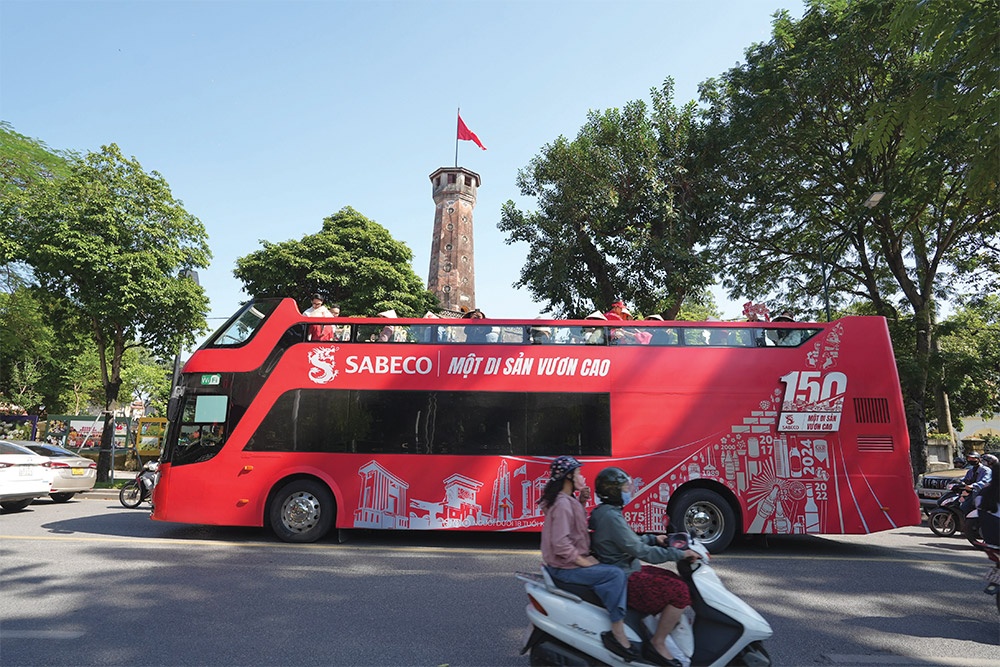
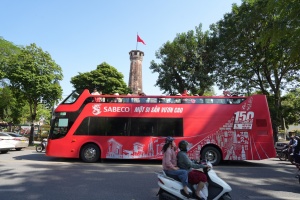
When a bright red double-decker bus appears on the streets of any Vietnamese city, it immediately becomes the focal point of attention. Residents gather instinctively, some out of curiosity, others out of recognition of the national campaign it represents.

A journey carrying 150 years of brewing across Vietnam
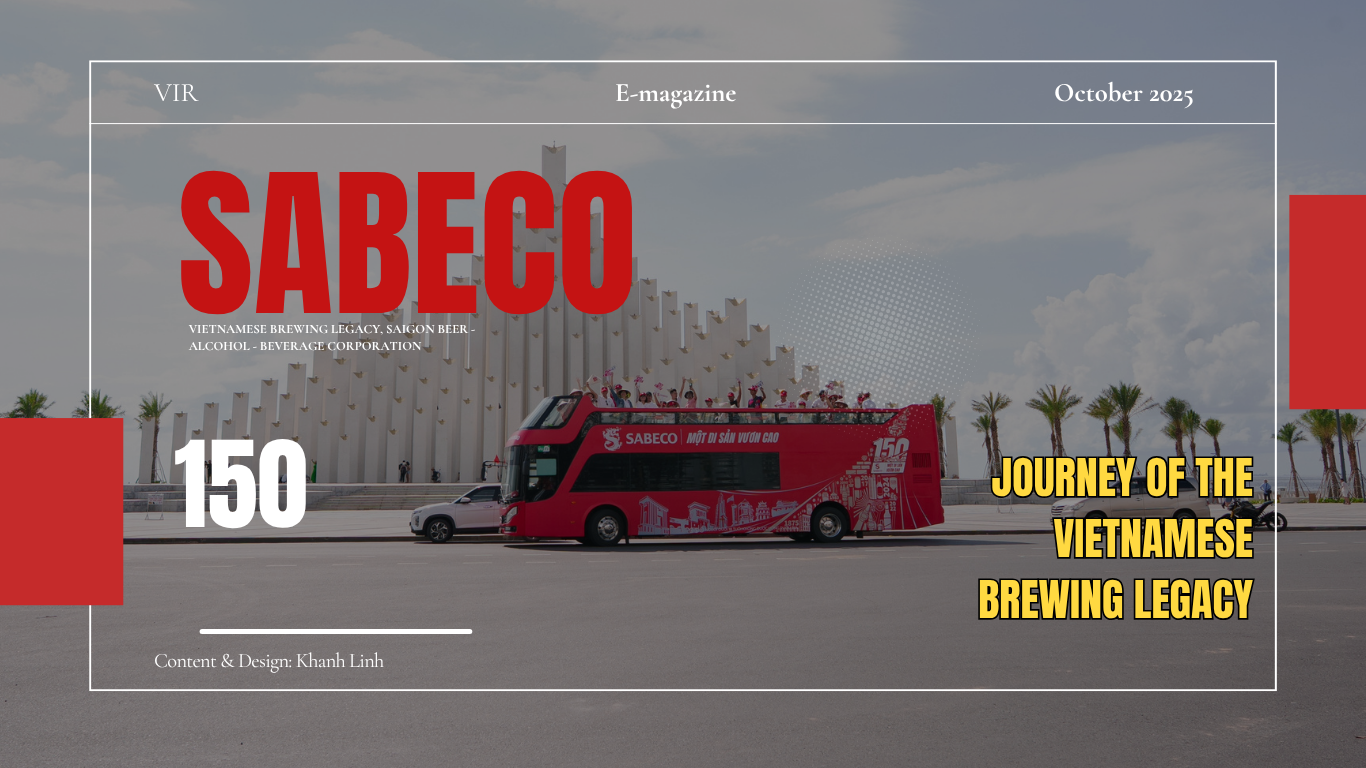
The red SABECO bus travelled from south to north, eventually reaching the capital for a two-day celebration on November 15-16

This striking bus, with its bold colour and heritage-inspired design, is the travelling centrepiece of the Heritage Journey initiative from Saigon Beer-Alcohol-Beverage Corporation (SABECO), a nationwide celebration marking 150 years of brewing. Yet as the journey has unfolded, it has grown to represent far more than an anniversary. It has become a moving museum, a cultural touchstone and, profoundly, a symbol of unity and compassion in a year marked by severe storms and floods.

From Ho Chi Minh City to the highlands of Dak Lak, from the coastal towns of Khanh Hoa to the final homecoming in Hanoi, the bus carries a story of heritage that embodies the connection between a company and its people, shaped through memory, progress, responsibility, and shared identity.

The southern leg of the journey begins in Ho Chi Minh City, birthplace of modern Vietnamese brewing since 1875. Here, the red double-decker bus makes its debut in front of large weekend crowds.

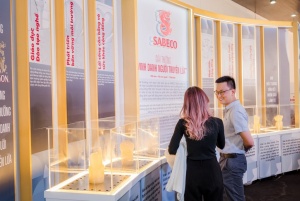
Families queue patiently to board the mobile exhibition, where the lower deck displays archival photographs, early brewing equipment, vintage branding, and a museum-style timeline tracing SABECO’s evolution through colonial transformation, wartime scarcity, and industrial expansion.

Each exhibit highlights the resilience of the company and the broader story of how beer became embedded in Vietnamese social life – from Lunar New Year reunions and neighbourhood gatherings to celebrations marking family milestones.

Children rush to the open-top deck, delighted by the novelty of seeing the city from above, while older visitors linger over historical artefacts, recalling the early days when beer was a luxury enjoyed only on special occasions. At every stop in the city, the energy is palpable.

Chronicle of Southern heritage

Leaving Ho Chi Minh City, the bus heads southwest towards the Mekong Delta, stopping first in Can Tho city. Residents arrive early, eager to explore the interactive exhibition, which includes digital storytelling screens and hands-on displays illustrating the brewing process. The atmosphere feels festive, with music, local cuisine, and community booths adding to the sense of celebration.

In Vinh Long province, the journey reaches one of its most memorable moments. Despite heavy rain throughout the day, approximately 1,500 residents gather under umbrellas and raincoats to welcome the bus. Entire families join guided tours inside the exhibition space, while others line up for activities hosted in nearby tents.

The rain does little to dampen spirits. Instead, it creates a shared sense of resilience and pride. People speak openly about their own histories with Saigon Beer or 333, sharing memories of celebrations, reunions, and significant life events where beer played a role. In these moments, heritage becomes personal – something held collectively yet experienced individually.

Sustainability also forms a core message of the southern leg. In Can Tho and Dak Lak, SABECO introduced recycling machines that accept used cans and bottles. Children eagerly participate, celebrating each successful deposit, while adults appreciate the promotion of environmentally responsible habits. The initiative reinforces that a company with 150 years of history must both preserve its past and demonstrate care for future generations.

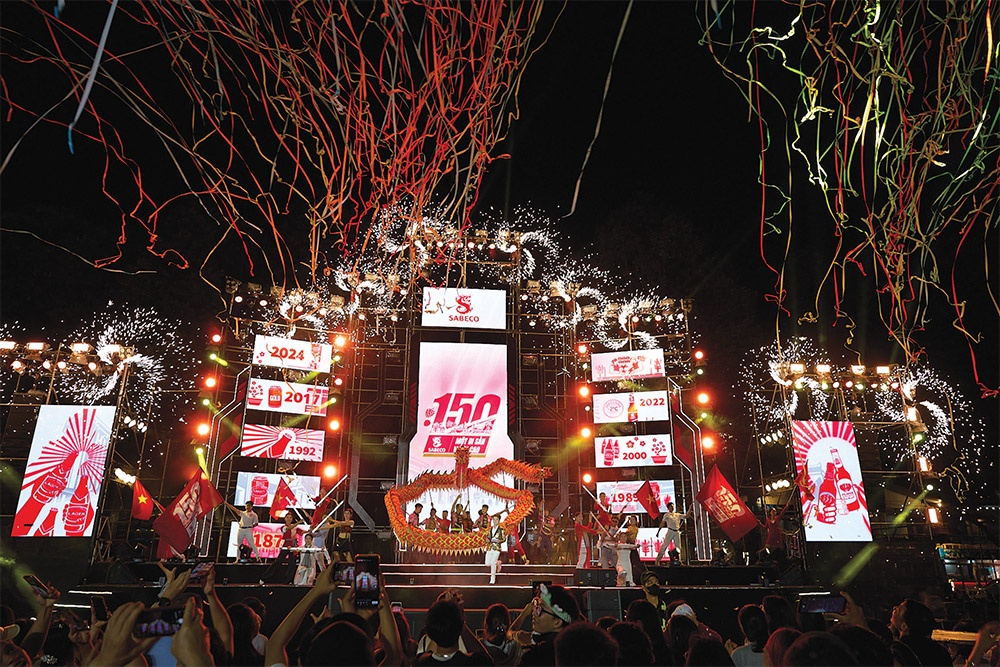
At night, the journey transforms into Heritage Nights in Ho Chi Minh City, Vinh Long, and Dak Lak. Open-air squares fill with music, culinary showcases, and vibrant performances. The illuminated red bus becomes a backdrop for cultural storytelling, its presence both iconic and comforting.

Visitors enjoy food stalls offering regional dishes, listen to musicians perform timeless Vietnamese songs, and take part in heritage-focused activities designed to foster community pride. In these moments, the bus becomes a symbol of shared cultural identity.

Reflecting on the journey’s early momentum, SABECO general director Lester Tan said, “Marking 150 years is not simply a retrospective celebration. It is a reaffirmation of our commitment to the Vietnamese people and a reminder that heritage carries responsibilities as well as achievements.”

As the bus continues its path northward, the journey takes on deeper layers of responsibility and emotion. The stops in Vung Tau, Dak Lak, Khanh Hoa, Binh Dinh, and Nghe An highlight the diverse cultural richness of central Vietnam – from coastal towns known for their seafood and fishing heritage to highland communities defined by coffee, traditions and ethnic diversity. In each location, crowds gather around the bus, drawn by its engaging displays and the sense of excitement it brings.

A journey carrying 150 years of brewing across Vietnam

A journey of connection

However, the central provinces have also faced immense challenges in recent months. Severe storms and floods have caused widespread damage, leaving families displaced and infrastructure weakened. Against this backdrop, the Heritage Journey evolves from a celebration into a testament of solidarity.

In response to the devastation, SABECO announced a VND3 billion ($120,000) financial contribution through the Vietnam Fatherland Front Central Committee to support emergency relief and long-term reconstruction. This fund assists with repairing damaged homes, restoring essential services, and helping families regain economic stability.

In Nghe An province, which experienced particularly heavy losses, SABECO contributed an additional VND500 million ($20,000) to support urgent local recovery efforts.

At several stops – especially in Khanh Hoa, Binh Dinh (now supported through Gia Lai coordination) and Nghe An, the “Connection Wall” becomes the emotional heart of the campaign. Residents are invited to write messages of encouragement, strength, and solidarity for families affected by the storms. Over time, the wall fills with hundreds of handwritten notes, some expressing simple wishes for healing, others sharing personal reflections of past hardships and the power of community resilience.

By the time the bus completes its journey through the central provinces, nearly 10,000 people have directly participated in the tour’s exhibitions, workshops, and community activities. SABECO also launched the Ambassador of National Progress Award in partnership with Dai Doan Ket newspaper, which recognises 150 individuals nationwide who embody courage, innovation, and community leadership. This initiative aligns with the campaign’s overarching message: that Vietnam’s progress is built on the contributions of ordinary people.

The journey’s final stretch took the bus northward to Hanoi, where history and modernity intersect seamlessly – and the capital’s deep cultural roots provided a fitting stage for the conclusion of the 150-year celebration.

On November 15-16, the red bus stood proudly at Hanoi Opera House in the morning, a historic site synonymous with elegance and civic pride. In the afternoon, it moved to Tran Nhan Tong Walking Street, a bustling public space known for its lively weekend atmosphere. Crowds gathered throughout the two-day event, exploring the bus, taking photographs, and engaging with heritage displays.

For older residents, the exhibition brought back memories of early beer culture in Hanoi. For younger participants, it offered insight into the craftsmanship, sustainability, and community values shaping the future of Vietnamese brewing.

From the vibrant energy of Ho Chi Minh City to the reflective calm of Hanoi, the red double-decker bus has carried the voices, emotions, and aspirations of thousands of Vietnamese people. It has stood under relentless rain in Vinh Long, beside the sea breeze in Vung Tau, and among mountain winds in Dak Lak. It has travelled roads lined with palm trees, pine forests, and city lights, uniting communities across geography and circumstance.

The relief support for storm-hit provinces, the Connection Walls filled with handwritten messages, and the thousands who participated all underscore that a 150-year legacy is meaningful only when it is shared and carried forward together.

As the red bus finally comes to rest, the journey it represents continues – moving through the people, the memories, and the communities it touched. In the words of CEO Tan: “Heritage does not remain behind us. It travels with us, guiding us as we build the next chapters of Vietnam’s story together.”

150 years of SABECO: A journey through Vietnam’s brewing heritage 150 years of SABECO: A journey through Vietnam’s brewing heritage

To commemorate 150 years of contributing to Vietnam’s brewing industry, SABECO launched its “150 Years of a Living Legacy: Ever Growing, Ever Reaching” campaign on September 10.

TCC Group and SABECO join storm-relief efforts to aid communities TCC Group and SABECO join storm-relief efforts to aid communities

TCC Group in Vietnam and its subsidiaries, including SABECO, have stepped forward to aid recovery efforts following recent typhoons that caused widespread damage across the country.

SABECO extends support to central provinces following floods SABECO extends support to central provinces following floods

SABECO has donated VND1 billion ($40,000) to Nghe An and Ha Tinh to help local communities recover from recent storms.

SABECO strengthens community bonds through Inspiring Torchbearers Award SABECO strengthens community bonds through Inspiring Torchbearers Award

SABECO has introduced the Inspiring Torchbearers Award in collaboration with Dai Doan Ket Newspaper and the Vietnam Fatherland Front, with the launch of a public voting platform marking the beginning of a journey to spread positive values ​​widely across communities.

SABECO concludes 'Legacy on the Move' series in Hanoi SABECO concludes ‘Legacy on the Move’ series in Hanoi

SABECO’s ‘Legacy on the Move’ series has wrapped up in Hanoi, bringing community activities and city tours that fostered solidarity and support for storm-hit areas.