In a recent report submitted to the government, the Ministry of Finance (MoF) noted that the national economic landscape – viewed both from a macro and local perspective – showed encouraging signs.

“All major economic centres reported inspiring results in the first eight months of 2025,” the report emphasised.

Specifically, all 34 localities across the country recorded on-year increases in their Index of Industrial Production (IIP).

Economic growth hinges on regional powerhouses to hit 2025 targets
Ho Chi Minh City places focus on accelerating public investment to promote growth

Accordingly, Phu Tho led with a remarkable surge of 26.2 per cent, followed by Ninh Binh at 22.8 per cent, Hue at 18.7 per cent, Nghe An at 16.4 per cent, and Quang Ninh at 15.6 per cent, to name but a few.

Beyond industrial production, each locality made its own mark on socioeconomic development during August and over the eight-month period.

For instance, Hanoi’s tourism sector staged a strong recovery, with 3.18 million visitors in August alone — up 27.5 per cent year-on-year.

Haiphong stood out with a state budget revenue approximating $5.27 billion, showing nearly 30 per cent jump on-year. Meanwhile, its IIP rose by 14.5 per cent, reaffirming its role as a key growth driver in the Red River delta.

Bac Ninh overtook Ho Chi Minh City to become the country’s top exporter in August, with export value reaching nearly $8.7 billion, up 33 per cent on-year.

Other localities also saw solid performance. Dong Nai attracted over $2 billion in foreign direct investment (FDI) and saw the establishment of 4,971 new businesses.

Phu Tho, in addition to leading in IIP growth, also recorded strong FDI inflows with 39 new projects.

Meanwhile, Da Nang remained a major tourism magnet with 12.8 million tourist arrivals over eight months.

An Giang’s industrial production value rose 13.9 per cent, while its tourism sector skyrocketed by 76 per cent; or Lam Dong in the Central Highlands region sustained stable growth, with exports up 64.7 per cent on-year.

The country’s economic locomotive — Ho Chi Minh City — also saw strong momentum.

At a meeting held on September 9 to review the economic and social performance of August and the first eight months, Ho Chi Minh City People’s Committee Chairman Nguyen Van Duoc noted, “The city has effectively executed its dual mandate – ensuring smooth operations under the new two-tier local government model, while simultaneously focusing on economic and social recovery – continuing to play the role as a national growth driver.”

During the eight-month period, Ho Chi Minh City’s IIP rose by nearly 6 per cent on-year. Total retail sales of goods and consumer service revenue grew by 15.6 per cent. The city’s export value touched $61.2 billion, maintaining its top position nationwide and marking a 6.35 per cent increase on-year.

Notably, the MoF highlighted that diverse localities have proactively adjusted their growth scenarios in accordance with Resolution 226/NQ-CP, issued on August 5 by the government.

Many even set targets surpassing those assigned by the central government. For example: Quang Ninh aims for 14 per cent GRDP growth, compared to the assigned 12.5 per cent; Haiphong targets 12.35 per cent growth, higher than the allocated 12.2 per cent; Phu Tho striving for 10.3 per cent growth compared to a 10 per cent government target); or Dong Nai and Danang both aiming for 10 per cent growth, exceeding their respective targets of 8.7 per cent and 9 per cent.

“This demonstrates the strong determination and development potential of localities in contributing to the nation’s overall growth goals,” the MoF Ministry stated in the report.

While the socioeconomic situation remains optimistic, Minister of Finance Nguyen Van Thang offered a candid assessment in the report to the government, “The growth task for 2025 still faces many challenges. Although forecasts suggest Vietnam’s GDP growth could reach a minimum of 8 per cent this year, reaching the 8.3–8.5 per cent target will require significant effort.”

Many growth-promoting measures are being vigorously implemented – with local-level commitment playing a crucial role, particularly from key economic engines and strategic localities.

To achieve its assigned target of 8.5 per cent regional GDP growth in 2025, Ho Chi Minh City has mapped out a scenario projecting 10.22–10.38 per cent growth in Q3, and 10.4 per cent in Q4. The city is also prioritising the acceleration of public investment disbursement, as Chairman Nguyen Van Duoc noted that public investment disbursement in Ho Chi Minh City is still unstable, which could negatively impact the city’s growth rate.

Alongside Ho Chi Minh City, growth momentum is also expected from other dynamic provinces such as Phu Tho, Bac Ninh, and Quang Ninh.

“Phu Tho’s growth target for this year is 10.3 per cent, and the province aims for an average annual growth rate of 11–12 per cent in the 2026–2030 period,” said Tran Duy Dong, Chairman of Phu Tho People’s Committee in a recent talk with VIR.

He added that Phu Tho will focus on key pillars such as attracting investment in high-tech, processing, and manufacturing sectors; accelerating strategic infrastructure projects; developing green and sustainable agriculture; and applying advanced technologies to enhance GRDP growth — thereby contributing to national economic expansion.

“Numerous measures to boost growth are being actively and firmly implemented, with the relentless efforts of localities being a pivotal factor, especially among the country’s economic leaders and high-potential localities,” he noted.
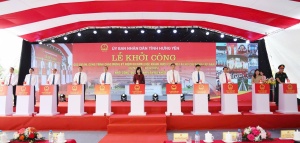
Hung Yen breaks ground on three major projects worth over $720 million Hung Yen breaks ground on three major projects worth over $720 million

In celebration of the 80th anniversary of the August Revolution and National Day, Hung Yen province launched three major development projects on August 19 with a combined investment of approximately $720 million.

Investment in energy - foundation for high and sustainable economic growth Investment in energy – foundation for high and sustainable economic growth

The Vietnam Institute of Economics and World held a forum to discuss energy development and economic growth in Hanoi on August 21.

Vietnam marks date with project bonanza Vietnam marks date with project bonanza

Construction of hundreds of projects, both state and privately funded, is hoped to be a major propellant for national economic growth this year.

Vietnamese businesses face challenges with succession planning

The study, “Success in succession: Building a leadership pipeline to keep your business thriving”, found that 87 per cent of businesses face challenges, with 44 per cent lacking a plan and over one in five rating their strategies as ineffective. More than half also cited unclear policies and procedures, underscoring the need for structured approaches. At the same time, the report highlights the benefits of effective succession, planning from ensuring leadership continuity and reducing disruptions to improving retention and helping organisations adapt to future challenges.

Vietnam’s workforce dynamics are adding complexity to these challenges. The country is facing the dual pressures of an aging workforce and the reluctance of younger generations to step into leadership roles. According to the survey, 37 per cent of organisations reported difficulties in transferring knowledge and expertise to younger employees, while 22 per cent said younger generations are not interested in pursuing leadership positions.

A further 16 per cent highlighted challenges in finding suitable replacements for retiring employees, and 18 per cent expressed concerns about losing critical skills and experience. This demographic shift is making it increasingly difficult for Vietnamese businesses to ensure smooth leadership transitions and secure long-term organisational resilience.

“In Vietnam’s fast-changing business environment, succession planning is more than a strategic move – it’s a necessity. With limited resources for development and few clear advancement pathways, companies must take proactive steps to identify high-potential talent and nurture them through structured development plans. This not only strengthens leadership pipelines but also ensures long-term organisational resilience,” said Phuc Pham, country manager of Robert Walters Vietnam.

In addition to demographic pressures, the report highlights cultural and organisational factors that shape how companies in Vietnam approach succession planning. Findings show that 67 per cent of organisations emphasise maintaining harmony, 45 per cent respect hierarchy and seniority, and 20 per cent note family influence in business decisions.

On the organisational side, 59 per cent of respondents cited a scarcity of qualified talent, 55 per cent pointed to rigid structures, and 35 per cent said factors such as organisational size and industry type complicating the process. Other barriers include insufficient resources for training and leadership development (53 per cent) and lack of leadership buy-in, both making it harder to sustain effective strategies. Together, these realities create substantial obstacles to building strong leadership pipelines and make succession planning in Vietnam particularly complex.

The shortage of qualified leaders, combined with structural constraints, leaves many organisations unprepared for leadership changes. Larger businesses must navigate intricate hierarchies, while industries face specific requirements that further complicate planning. Without a robust plan, companies risk operational disruption, weakened morale, and loss of stakeholder confidence when transitions occur unexpectedly.

To overcome these barriers, the report outlines a practical six-step framework to help organisations design and maintain effective succession plans. It encourages companies to first identify critical roles and align them with long-term business objectives, before selecting high-potential employees and assess their readiness for leadership responsibilities.

From there, businesses are urged to develop personalized career paths and retention plans to keep successors engaged, while also planning for positions that may require external recruitment. Finally, companies are advised to review and communicate their succession strategies regularly to ensure alignment with evolving organisational needs.

“Effective succession planning is not just about preparing replacements – it’s about preparing the organisation for the future. In a context where resources for development are limited, and career progression opportunities are unclear, companies in Vietnam need to identify the right internal talent and create personalized development roadmaps to retain and nurture them into future leaders,” added Pham.

The report surveyed close to 100 organisations in Vietnam. Respondents came from a diverse range of industries, including manufacturing, fast-moving consumer goods, healthcare, technology, and logistics. The study provides an in-depth look into how Vietnamese companies currently approach succession planning, while also highlighting opportunities for businesses to strengthen their leadership pipelines and future-proof their organisations.

Vietnam thirsty for semiconductor human resources Vietnam thirsty for semiconductor human resources

Human resources are a key factor in Vietnam’s participation in the semiconductor industry, but to quickly improve both quantity and quality, sustainable, long-term training and appropriate strategies are essential.

Gearing human resources towards business success amidst evolving challenges Gearing human resources towards business success amidst evolving challenges

The changing needs of Vietnam’s workforce, particularly those of the younger generation, are driving the need for businesses to adapt their strategies to attract and retain top talent.

Advancing STEM education: developing human resources for high-tech industries Advancing STEM education: developing human resources for high-tech industries

The National Innovation Center (NIC) collaborated with Study Group (UK) to organize a conference on April 9 with the topic “Advancing STEM education: Solutions for developing human resources for high-tech industries”.

Cancer is quickly becoming one of the most pressing health burdens in Vietnam and Southeast Asia, with rising incidence rates, healthcare systems are already strained and under pressure.

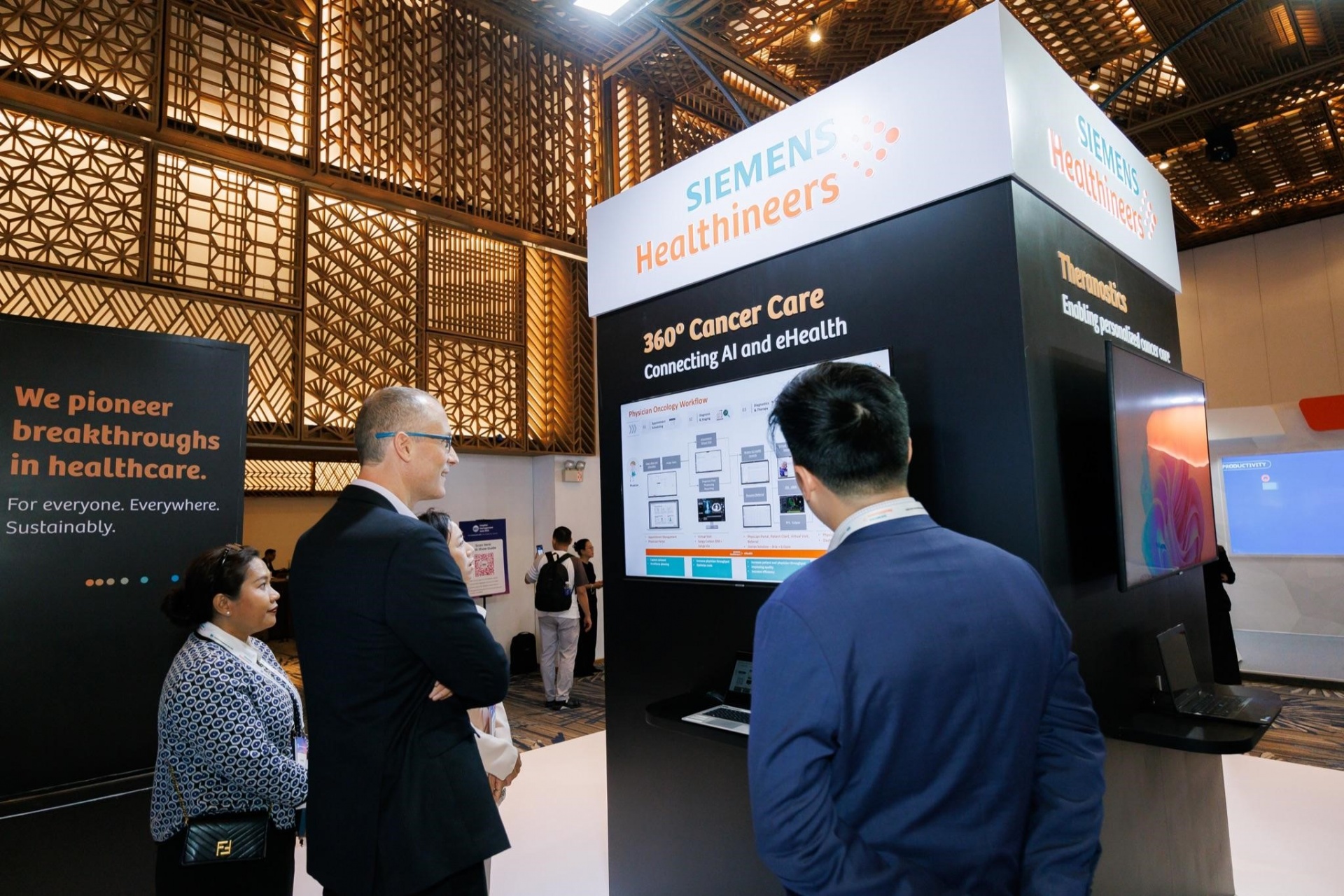
Siemens Healthineers’ end-to-end approach to comprehensive cancer care
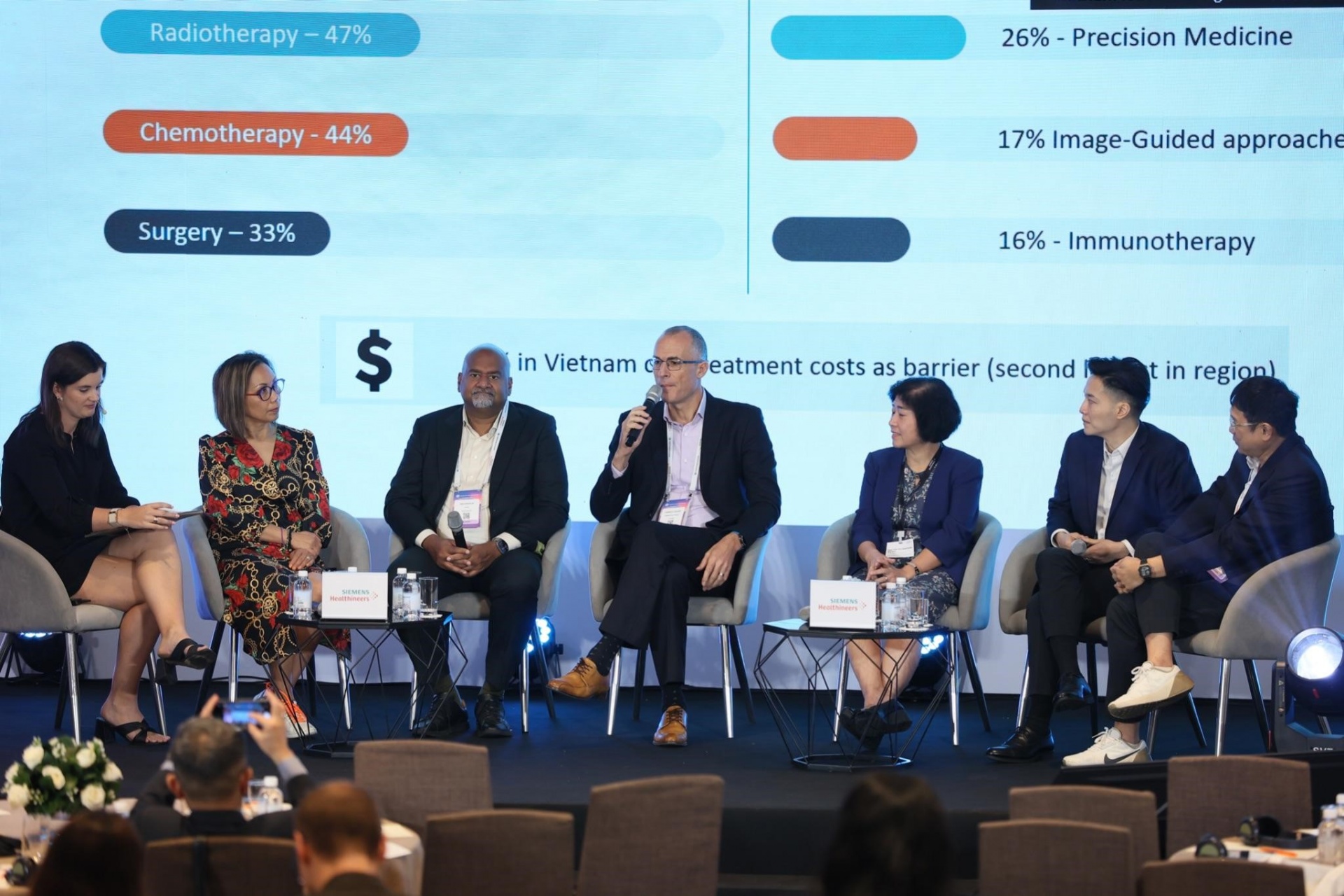
Through the panel discussion, Siemens Healthineers brought together experts and stakeholders to review and analyse the survey findings

To gauge awareness, Siemens Healthineers – part of German tech powerhouse Siemens AG – partnered with research firm YouGov in late July to survey more than 6,000 people across six Southeast Asian markets, including Vietnam.

The findings, released in early September, underscore the disconnect between perception and practice. While 84 per cent of respondents said early screening is critical, only 34 per cent undergo regular checks.

“In Vietnam, 35 per cent of participants said they skipped screening because they didn’t see the need, 22 per cent cited high costs, and another 22 per cent said they feared a diagnosis,” the report said.

The survey also found gaps in understanding post-treatment care. Although 74 per cent had heard of follow-up support, nearly half could not explain what it involves.

Awareness of therapies remains skewed towards conventional methods like radiotherapy (47 per cent), chemotherapy (44 per cent), and surgery (33 per cent), while familiarity with newer options such as immunotherapy (16 per cent), image-guided treatment (17 per cent), and personalised medicine (26 per cent) remains low.

From device supplier to strategic partner

The World Health Organization and the International Agency for Research on Cancer recorded 20 million new cases globally in 2022, a figure projected to rise 77 per cent by 2050 to more than 35 million annually.

In Vietnam, the surge reflects an ageing population, high pollution levels, smoking, alcohol consumption, and low participation in preventive health programmes. Cancer is now among the country’s leading causes of death.

In Southeast Asia, Siemens Healthineers is shifting its focus from selling medical devices to acting as a strategic partner in building integrated ecosystems for healthcare. The strategy reflects a rising demand for specialised treatment and the need for systemic reform.

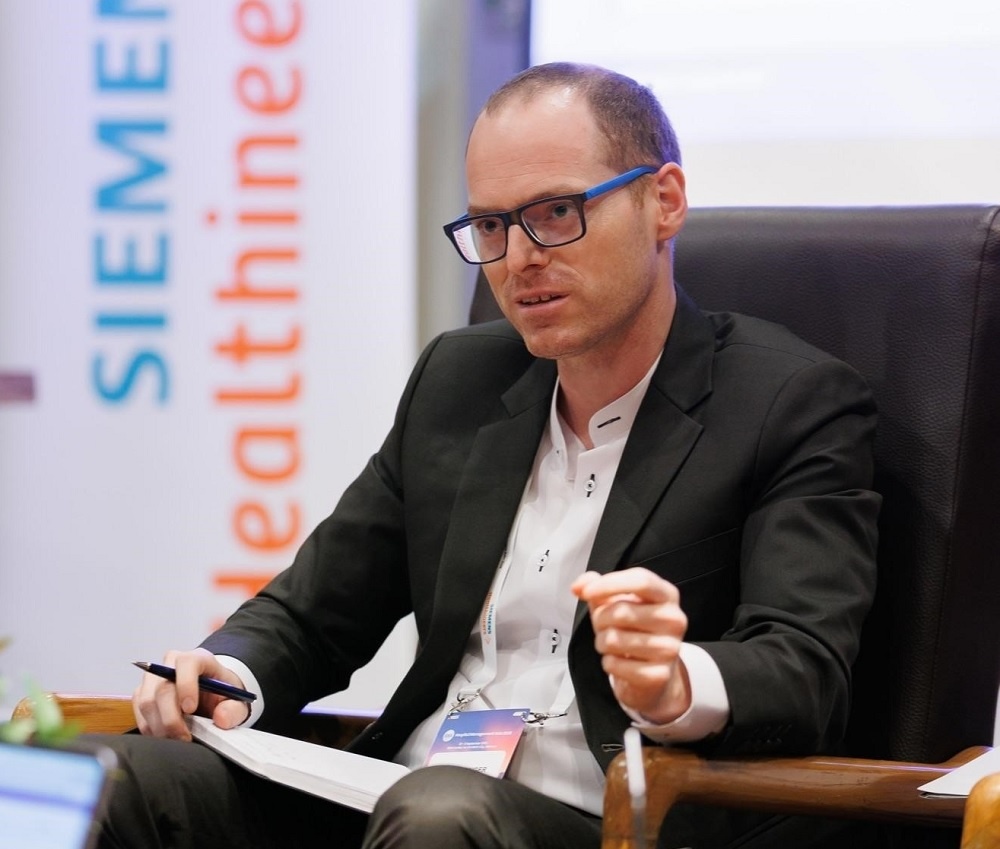
“Getting the diagnosis right is the only way to get the treatment right,” said Fabrice Leguet, Siemens Healthineers’ managing director for Southeast Asia, at the Hospital Management Asia Conference in Ho Chi Minh City on September 10.

The company is deploying digital tools to create end-to-end solutions – from capturing health data to supporting accurate diagnoses and enabling tailored treatment plans. These platforms are designed to streamline care, cut costs, and boost survival rates.

Siemens Healthineers’ end-to-end approach to comprehensive cancer care
Siemens Healthineers unveiled innovative healthcare solutions, reaffirming its pioneering role in medical technology

Leguet predicted Vietnam’s hospital system will increasingly move towards specialised centres. He cited a cardiology facility in Can Tho where patients can be treated within six hours – the ‘golden window’ in emergency medicine – as a model that could be adapted for oncology.

Breast, lung, liver, stomach, colorectal, prostate, and skin cancers could each benefit from dedicated centres with focused workflows and expert doctors.

Yet access remains limited. Despite 90 per cent of Vietnamese being enrolled in public health insurance, many modern cancer therapies are not reimbursed, leaving families to shoulder steep costs.

Drug prices remain high relative to incomes, and national treatment guidelines lag international standards.

“We need the government to step in and negotiate lower drug prices while updating treatment protocols in line with global practices,” said Assoc. Prof. Tran Thi Thanh Huong, vice director of the Vietnam National Cancer Institute. “Technology and partnerships with companies like Siemens Healthineers are critical to improving patient access.”

Breaking barriers

Siemens Healthineers executives say Vietnam’s corporate health checkups are in good position because they are already mandatory compared to countries such as Germany or the US, but they should be expanded to include comprehensive testing such as advanced diagnostic screenings like mammography or even CT lung cancer screening in future.

“Unfortunately, given high pollution in some areas and smoking incidence, low dose chest CT scans can be vital for early lung cancer detection,” said Fabian Martin Singer, general manager of Siemens Healthineers in Vietnam.

Singer also highlighted the importance of public procurement policies. The system has traditionally placed strong emphasis on price, but it is encouraging to see recent steps towards enabling the purchase of high-end equipment, which will help ensure patients benefit from both advanced technology and strong clinical outcomes,” he said.

He noted that private hospitals are raising standards by investing in advanced equipment, and emphasised that with continued support and clear guidelines, public facilities – which serve the majority of patients – will be further empowered to provide access to quality equipment.

He offered to collaborate with the government to prioritise cancer care, channel resources into rural technology and training, and leverage international expertise. “Global collaboration is critical if Vietnam wants to build specialised cancer centres that truly deliver world-class care,” Singer said.

From his experience, Singer acknowledged that Vietnam’s hospitals, like those in Germany, are mostly general hospital facilities that treat every disease.

Siemens Healthineers’ end-to-end approach to comprehensive cancer care

“But health systems worldwide are shifting to centres of excellence,” he said. “These are built around a few diseases, with specialised doctors, tailored workflows, and the right technology.”

He cited SIS stroke centre in Can Tho, where patients can arrive even by speedboat and receive imaging and treatment within six hours – the golden window for survival. “That’s the only way to secure good outcomes,” Singer said.

The same model, he argued, should guide cancer care. Vietnam should develop purpose-built oncology centres – even breast- or lung-cancer-specific facilities – rather than adding wards to general hospitals.

Siemens Healthineers, he added, will support that shift not only with technology but also with planning, education, and international collaboration. “We can connect Vietnamese doctors with global experts and help bring the latest knowledge into practice here,” Singer added.

On the other hand, technology and awareness campaigns are also part of the strategy. Siemens Healthineers partners with hospitals who use social media platforms such as Facebook and Zalo to spread accurate and novel health information.

For instance, Singer pointed to Family Medical Practice Vietnam’s breast cancer campaign, which highlighted the case of a Vietnamese woman who is a survivor diagnosed at an early stage through screening and AI confirmation. “She shared her story on Facebook, and it inspired many women to learn from her experience,” he said.

Corporate health programmes, Singer added, could become a cornerstone of Siemens Healthineers’ partnerships in Vietnam – not only to raise clinical standards but also to harness social media for education and early detection.

“Cancer should no longer be seen as a death sentence, but as a journey where patients need long-term support,” Singer said. “That requires connecting technology, expertise, and awareness – and putting patients at the centre.”

Siemens kicks off digital training Siemens kicks off digital training

About 1,400 apprentices and university students in work-study programmes have started their professional careers at 23 Siemens locations across Germany.

Hanoi Medical University Hospital opens Breast Imaging Centre with Siemens Healthineers Hanoi Medical University Hospital opens Breast Imaging Centre with Siemens Healthineers

Hanoi Medical University Hospital (HMUH) has acquired the first MAMMOMAT Revelation system from Siemens Healthineers, marking a major advancement in breast cancer screening and diagnosis in Vietnam.

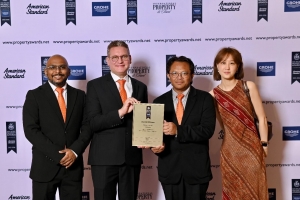
Siemens Healthineers wins best office interior in Malaysia Siemens Healthineers wins best office interior in Malaysia

The award reflects the brand’s commitment to workplace innovation and wellbeing.

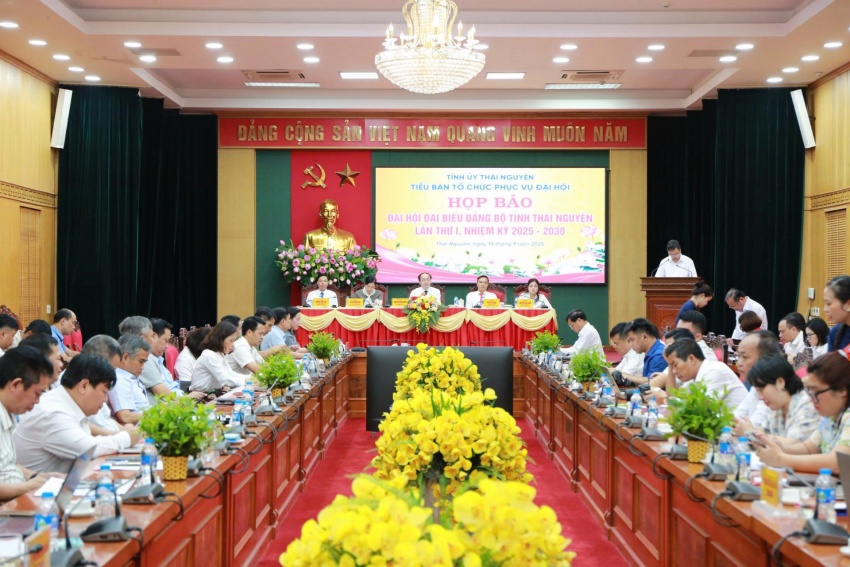
The Congress of Thai Nguyen Party Committee will take place during September 22–24 at the Thai Nguyen Cultural Centre. Framed under the motto ‘Solidarity – Democracy – Discipline – Innovation – Development’, the event will review achievements from the past five years, outline priorities for the new term, and contribute to the draft documents of the 14th National Party Congress.

Thai Nguyen poised for first provincial Party Congress: Unity – Renewal - Aspiration for growth
The press conference to announce the first Congress of Thai Nguyen Party Committee

Despite the impacts of the global pandemic and economic fluctuations, Thai Nguyen has maintained stable growth. The provincial economy expanded at an average annual rate of over 8 per cent, with industrial and service sectors taking an increasing share of the economy. As a hub for electronics and high-tech manufacturing, the province continued to attract major investment and consolidate its role as one of Vietnam’s leading industrial centres.

Agriculture and rural development also saw progress. The new rural development scheme brought significant improvements in infrastructure and living standards, with many communes recognised as new-style rural areas. Social initiatives were effectively implemented; poverty rates declined by an average of more than 2 per cent annually. Education and healthcare services advanced, while cultural life became more vibrant.

At the same time, political stability, national defence, and public security were firmly maintained. The Party Committee emphasised discipline and integrity in leadership, strengthening both capacity and unity across the system. These achievements have reinforced public trust in the Party’s leadership and built a solid foundation for the province’s next stage of development.

The upcoming congress brings together 446 official delegates representing more than 140,000 Party members, along with guests from central agencies, neighbouring provinces, and former provincial leaders. Delegates were carefully selected for their integrity, competence, and ability to contribute constructively to the congress.

Preparation for the congress has been carried out thoroughly and scientifically. The draft political report, after wide consultation with officials, experts, and citizens, sets out clear directions: 36 key targets across all fields, seven central tasks, and three strategic breakthroughs. These focus on modernising infrastructure, advancing science and technology, accelerating digital transformation, strengthening the workforce, and encouraging green and circular economic models.

Personnel work was conducted in line with Party principles, ensuring continuity and renewal in leadership. All 96 Party sub-committees under Thai Nguyen Party Committee successfully held their congresses ahead of schedule, demonstrating strong unity and readiness.

Nguyen Dang Binh, Standing Deputy Secretary of Thai Nguyen Party Committee and Chairman of the People’s Council said, “The congress takes place at a pivotal moment, marking Thai Nguyen’s strong transformation in the new development stage. Preparations are complete, ensuring that the congress will be a great success.”

Thai Nguyen was established through the merger of Thai Nguyen and Bac Kan provinces. It now comprises 92 commune-level administrative units, with a total natural area of over 8,375 square kilometres and a population of nearly 1.8 million. The provincial Party organisation currently has 96 sub-committees with more than 140,000 members. From July 28 to August 18, all 96 sub-committees held their first congresses for the 2025-2030 term, 13 days ahead of schedule.

Thai Nguyen poised for first provincial Party Congress: Unity – Renewal - Aspiration for growth
Nguyen Dang Binh, Standing Deputy Secretary of Thai Nguyen Party Committee and Chairman of Thai Nguyen People’s Council

In the run-up to the congress, a wide range of activities have been launched, creating an atmosphere of enthusiasm and solidarity. Key infrastructure projects were inaugurated as symbolic gifts to the congress. Cultural, artistic, and sporting events have been organised across districts, together with exhibitions showcasing socioeconomic achievements and signature local products.

Public communication efforts have also been intensified, encompassing documentaries, media campaigns, banners, publications, and exhibitions, to spread awareness of the congress and garner support from all walks of life.

Looking ahead, Thai Nguyen aims to become a modern industrial centre with an above-middle-income status by 2030. The congress will set ambitious but realistic targets, positioning the province to leverage its industrial base, scientific and educational strengths, and cultural heritage. Development will go hand in hand with social equity, environmental sustainability, and the protection of national security.

With unity, determination, and innovation, the Party organisation and people of Thai Nguyen enter the new term with confidence. The first congress is not just a milestone in the province’s political life but also a launchpad for a future of rapid, distinctive, and sustainable development, reflecting the aspirations of nearly 1.8 million people in the province.

Thai Nguyen accelerates industrial park expansion to boost investment Thai Nguyen accelerates industrial park expansion to boost investment

Thai Nguyen is ramping up industrial infrastructure projects to lure foreign investment and drive growth, with major initiatives unveiled ahead of National Day.

Thai Nguyen aims for double-digit growth this year Thai Nguyen aims for double-digit growth this year

Thai Nguyen province is entering a phase of comprehensive breakthroughs, including infrastructure development and improvements to the investment environment, digital transformation, labour productivity, and support for local businesses.

Thai Nguyen emerges as a catalyst for Vietnam’s low-carbon future Thai Nguyen emerges as a catalyst for Vietnam’s low-carbon future

As the global economy accelerates its shift towards sustainability and carbon neutrality, Thai Nguyen province is positioning itself at the forefront of Vietnam’s green transition.

Thai Nguyen targets green and sustainable agricultural sector Thai Nguyen targets green and sustainable agricultural sector

Thai Nguyen province is implementing comprehensive solutions to develop green, smart, and sustainable production zones, thereby enhancing the value of agricultural products and adapting to climate change.

Vietnam generates around 1.8 million tonnes of plastic waste each year, with up to 0.73 million tonnes ending up in the ocean, yet only 27 per cent is recycled, according to the Centre for Natural Resources and Environment Communication, Ministry of Agriculture and Environment.

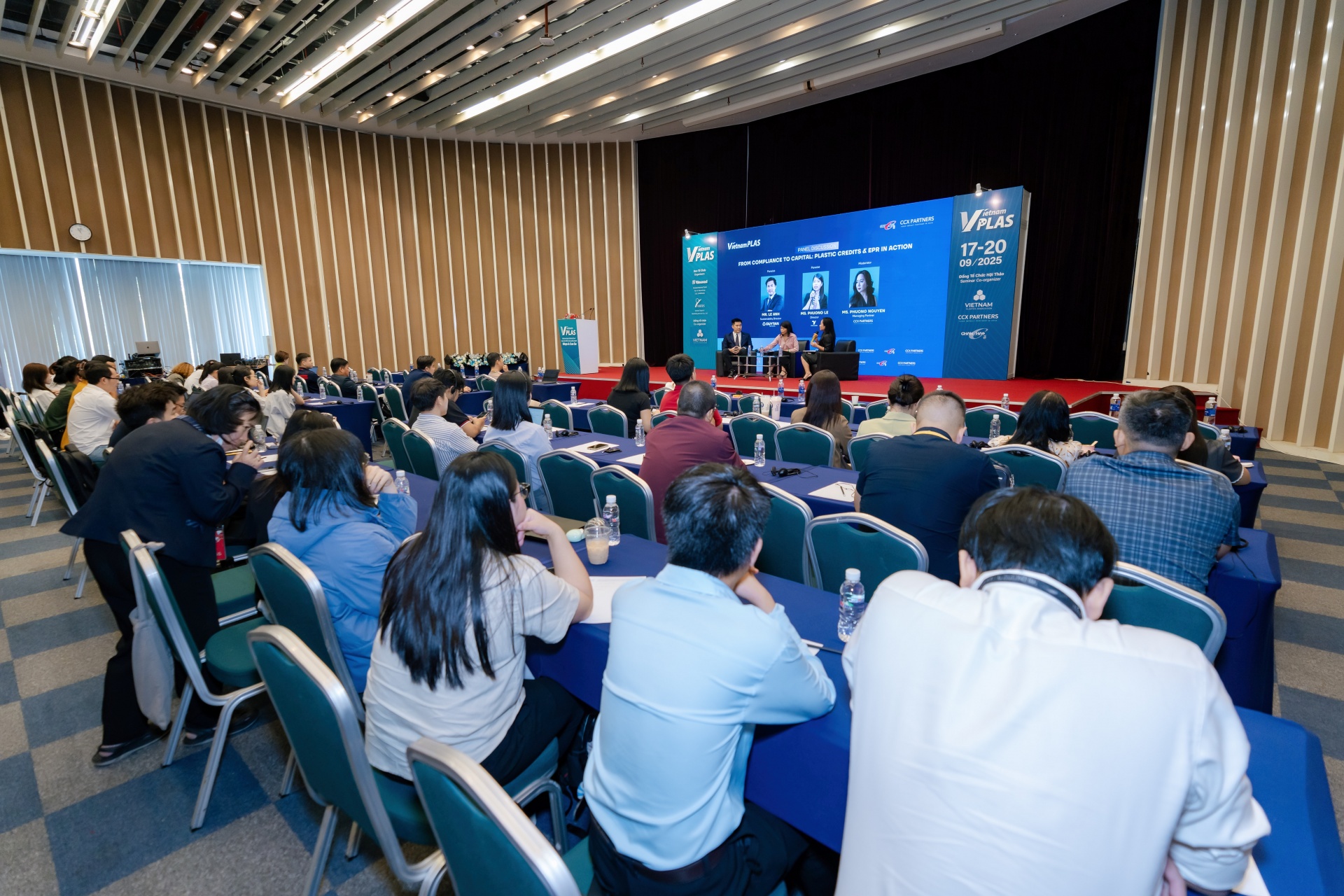
To address this challenge, and unlock new opportunities, the executive seminar “GreenPlas Vietnam: Financing the Circular Future” was held at the Vietnam International Plastics & Rubber Industry Exhibition 2025, co-hosted by Chan Chao International and CCX Partners. It brought together manufacturers, suppliers and innovators to discuss how Extended Producer Responsibility (EPR) policies, Vietnam’s Green Taxonomy, investment, and partnerships can drive the shift toward circularity.

GreenPlas 2025 towards a greener plastics future via policy reinforcement, partnership and investment
Plastic industry leaderships and international exhibitors attending Seminar inside Vietnam Plastics and Rubber Industry Exhibition 2025

The morning Strategy Forum featured Le Anh, sustainability director of Duy Tan Recycling, Phuong Le, director of Thinh Vuong Plastics, and Phuong Nguyen, managing partner of CCX Partners, in a candid dialogue about EPR implementation and green investment. The conversation took place in the broader context of Vietnam’s ongoing “Doi moi 2.0” reform agenda, including four major resolutions passed between late 2024 and 2025 on technology and innovation, internationalisation, law enforcement, and private sector growth.

“Sustainability and recycling strategy have always been a need for Vietnamese companies even before EPR, for the purpose of saving costs and streamlining production machinery,” Le said.

For multinationals with clear sustainability roadmaps, the path is straightforward. Major players like Duy Tan Recycling, embedded in fast moving consumer goods (FMCG) supply chains, have a head start. The tougher question is whether Vietnam’s smal-and-medium – sized enterprises (SMEs) can secure a meaningful seat at the table in this transition.

GreenPlas 2025 towards a greener plastics future via policy reinforcement, partnership and investment
“Scaling Plastics Circularity through Co-creating Partnerships” panel discussion

The afternoon Innovation Forum spotlighted bold solutions from emerging players: BOTOL with its smart bottle collection machines, BUYO with biodegradable plastics from agricultural byproducts, and Turn Green with its breakthrough water-soluble plastic technology.

“It takes forever for start-ups to get into the supply chain. That’s why we need strategic partnerships and co-creation to truly contribute,” said Jonathan Sourintha, co-founder of Turn Green.

Speakers emphasised that innovation alone is not enough. Progress requires collaboration across the entire value chain, from material suppliers to FMCG and F&B companies piloting applications, as well as accelerator programmes and impact funds providing the capital to scale.

The message from GreenPlas Vietnam 2025 was clear: no single player can carry this transition alone. Partnerships, reinforced by financing and strong policy alignment, will determine whether Vietnam’s plastics industry can move beyond compliance and transform sustainability into a true competitive advantage.

Retailers step up to reduce plastic waste Retailers step up to reduce plastic waste

The role of retailers is becoming increasingly important not only in adjusting business operations but also in leading sustainable consumption trends, as Vietnam faces mounting pressure from plastic pollution.

Binh Minh Plastics honoured by Forbes Vietnam for sustainable growth Binh Minh Plastics honoured by Forbes Vietnam for sustainable growth

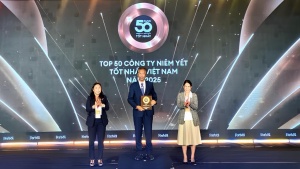
Binh Minh Plastics JSC, partnered with SCG, has once again been named among the top 50 listed companies by Forbes Vietnam.

VietnamPlas 2025 showcases eco-friendly innovations for global growth VietnamPlas 2025 showcases eco-friendly innovations for global growth

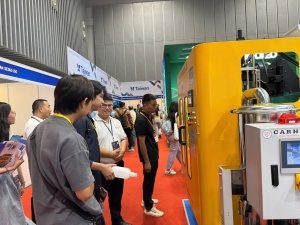
VietnamPlas 2025 is taking place from September 17–20 in Ho Chi Minh City, spotlighting eco-friendly advancements to drive future growth, address evolving market demands, and foster regional and global collaboration.

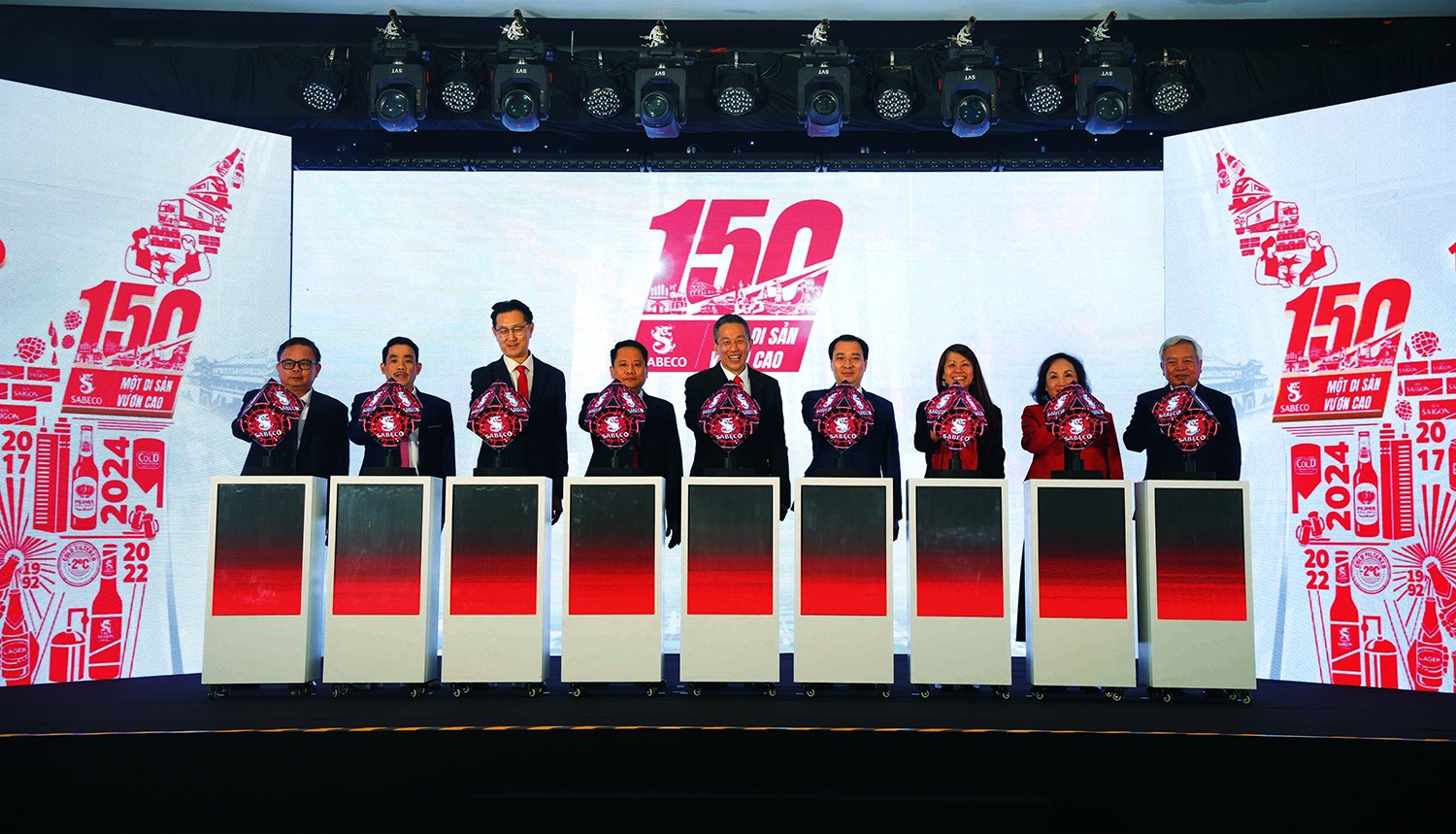
On September 10, the company launched its “150 Years of a Living Legacy Ever Growing, Ever Reaching” campaign in Ho Chi Minh City. The initiative reflects the company’s determination to tie corporate development to national progress.

SABECO celebrates 150 years with new meaningful strategy

At the heart of the campaign is Legacy On The Move, a mobile exhibition housed in a specially designed bus. Over two months, it will travel through provinces and cities, beginning at the historic Bia Saigon brewery in Ho Chi Minh City and ending in Hanoi. Along the way, it will stop in Can Tho, Vinh Long, Vung Tau, Dak Lak, Khanh Hoa, Binh Dinh, and Nghe An, connecting SABECO’s story with communities across the country. The journey symbolises both geographical and generational connection, taking heritage directly to the people who have made SABECO a household name.

The campaign also introduces Legacy Nights, large-scale community events staged in Ho Chi Minh City, Vinh Long, Khanh Hoa, Dak Lak, and Hanoi. Combining cultural performance, interactive installations, and brand experiences, these events are designed to extend the anniversary beyond ceremonial speeches into spaces where people can celebrate, learn, and engage.

Just two days after the campaign launch, SABECO staged the first Legacy Night in Ho Chi Minh City. Thousands of participants attended the event, which transformed the venue into a vibrant showcase of history, innovation, and community.

SABECO celebrates 150 years with new meaningful strategy

The design of the event was ambitious: five immersive zones with each telling a chapter of SABECO’s story. The 150 Steps From Heritage zone retraced the company’s milestones; the Legacy of Progress zone highlighted its three flagship brands, reintroduced through interactive installations; the Legacy of Stewardship emphasised sustainability with displays of green initiatives; the Legacy of Brewing Excellence honoured brewmasters and international awards; while the Legacy with Communities zone offered games, local cuisine, and live performances by popular artists.

CEO Lester Tan stressed that the events aspire to create meaningful spaces for communities to connect and celebrate, while reinforcing commitment to unity and a thriving future.

“From tradition to transformation, SABECO’s legacy has been built with pioneering spirit, bold innovation, and a deep commitment to giving back to society. The campaign is our tribute to these values, where we express our pride in heritage, while reaffirming our unwavering commitment to Vietnam’s future,” he said.

That vision is underlined by the creation of the Ambassador of National Progress Award, developed with Dai Doan Ket newspaper under the guidance of the Vietnam Fatherland Front. The award will honour 150 unsung heroes across the nation: ordinary citizens whose resilience, unity, and service embody the values SABECO wishes to celebrate.

Vu Van Tien, member of the Presidium of the Vietnam Fatherland Front, said, “This initiative nurtures solidarity and encourages younger generations to carry forward the mission of building a progressive, civilised society enriched with cultural identity. With active participation from businesses and society, it will cultivate compassion, responsibility, and unity.”

By linking its anniversary with civic recognition, SABECO positions itself as a partner in nation-building, intertwining its corporate narrative with Vietnam’s broader aspirations.

The balance of celebration and strategy is deemed crucial for the company. Vietnam’s beer industry remains one of Asia’s fastest-growing, buoyed by demographics and rising incomes. Yet competition has intensified as global brewers target the domestic market. SABECO, with 25 breweries and 11 subsidiaries nationwide, enjoys scale and reach, but heritage alone cannot secure its future.

SABECO celebrates 150 years with new meaningful strategy
SABECO is connecting people young and old through meaningful community activities

The 150-year campaign therefore doubles as a repositioning exercise, asserting SABECO’s identity as both authentically Vietnamese and globally credible.

That duality is reinforced by its sustainability agenda. SABECO has expanded environmental, social, and governance programmes. These include cutting energy and water use, promoting recycling, encouraging active lifestyles, and empowering communities. International recognition has been received through awards at the World Beer Awards and International Beer Cup in 2024, and a place in Fortune’s ranking of the Top 500 companies in Southeast Asia.

In this sense, leaders said the 150-year milestone is both backward-looking and forward-facing. It celebrates brewing heritage while signalling transformation into a modern, purpose-driven enterprise. Heritage provides the emotional foundation, while innovation and sustainability provide the competitive edge.

When a small ice workshop opened in Saigon in 1875, few could have imagined it would evolve into Vietnam’s largest brewer and a national icon. Over the next century and a half, what became SABECO grew alongside the country’s modern history. Its flagship brands Bia

Saigon, 333, and Lac Viet are deemed social symbols, present at weddings, Lunar New Year reunions, football celebrations, and countless gatherings across the nation.

As the campaign travels northward, culminating in Hanoi, it mirrors SABECO’s journey: from colonial-era origins to a modern corporation embedded in national identity, from a domestic brewer to a company aiming for regional influence. The symbolism is clear: SABECO wants to be remembered not just for what it brewed, but for what it contributed to Vietnam’s story.

“The spirit of togetherness defines who we are, fuels our progress, and continues to inspire our vision to thrive for tomorrow – not just as a leading beverage company, but as a brand that embodies the pride and spirit of Vietnam,” Tan explained.

SABECO turns sustainability aspirations into concrete action SABECO turns sustainability aspirations into concrete action

SABECO showcased its environmental, social, and governance (ESG) strategy at the Vietnam Corporate Sustainability Forum 2025 (VCSF 2025) in Hanoi, turning a 150-year legacy into concrete actions for sustainable growth amid global uncertainty.

SABECO among pioneers in sustainable development SABECO among pioneers in sustainable development

Pioneering groups such as Saigon Beer-Alcohol-Beverage Corporation, known as SABECO, are proving that sustainability can deliver both resilience and market leadership in Vietnam.

SABECO reaffirms commitment to brewing excellence on 150th anniversary SABECO reaffirms commitment to brewing excellence on 150th anniversary

SABECO celebrated its 150th anniversary on September 10 by launching the “150 Years of a Living Legacy: Ever Growing, Ever Reaching” campaign.

From a young startup with aspirations to resolve bottlenecks in Vietnam’s real estate market, Meey Group has become a proptech company with a clear global vision and a comprehensive globalisation strategy. The group represents a generation of ambitious and visionary Vietnamese technology entrepreneurs.

The Vietnam Private Sector Forum 2025, held by the Vietnam Young Entrepreneurs Association last week, attracted thousands of entrepreneurs and businesses nationwide. The event gathered government leaders, policymakers, and the business community, creating a constructive platform for policy–business dialogue.

Meey Group leads Vietnam’s visionary proptech wave
Meey Group represents a generation of ambitious and visionary tech entrepreneurs

As a pioneering business in innovation, Meey Group leaders participated in the session on sci-tech and innovation. At a high-level dialogue session with the presence of Prime Minister Pham Minh Chinh, Meey Group chairman Hoang Mai Chung presented key recommendations on the policies for tech enterprises.

Against the backdrop of the drastic transformation, technology plays a key role in all socioeconomic activities. The government’s policies create unprecedented growth momentum in the long term to help Vietnam take off. In particular, major institutional directions on sci-tech, the private sector, and more position companies like Meey Group at the core of national strategic priorities.

Significant potential

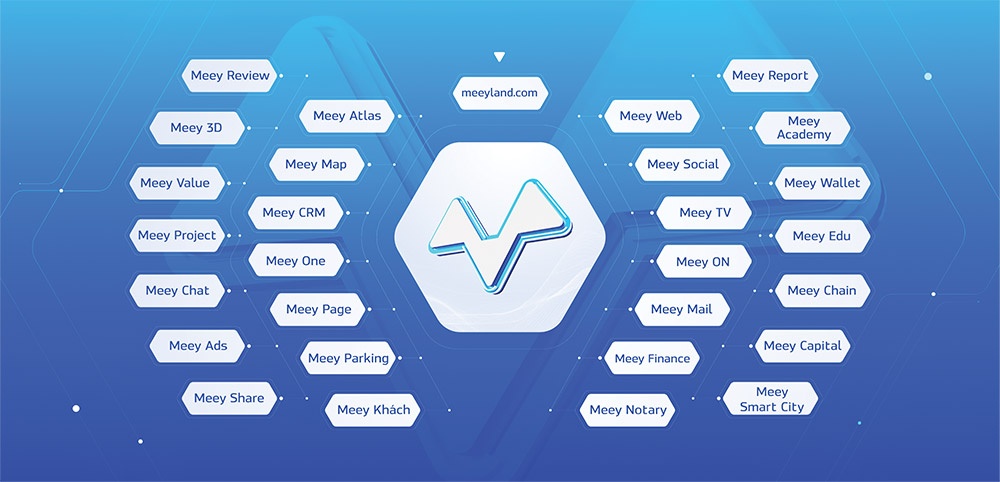
With the aspirations to resolve bottlenecks in the real estate market, after six years of development, Meey Group has developed a digital ecosystem comprising 26 platforms serving different segments of the real estate value chain. From planning information search and verification with Meey Map, objective valuation with Meey Value, and VR experience with Meey 3D to asset management and digital marketing, the ecosystem lays a solid foundation for liquidity, scalability, and significant valuation potential.

“We are building an operating system for the real estate market, with technology as the soul of our development strategy. The system is scalable and ready for expansion in the international markets,” said chairman Chung.

The company’s digital transformation products go beyond solving the lack of transparency in data and fragmentation in transaction processes. On top of that, the company’s tech ecosystem delivers data analytics solutions for state agencies to regulate policies.

The group has attracted the attention of international funds thanks to its steadfast commitment to investing in digital technology, which changes the digital transformation mindset of the entire chain from real estate investors, developers, brokers, financial institutions, and people to regulatory bodies.

On September 9, the government established a tokenised asset pilot programme, which opens up new breakthrough opportunities. A highlight of the programme is legalising tokenisation of real assets, offering a potential solution to the chronic capital shortage faced by small- and medium-sized enterprises in Vietnam, especially tech startups like Meey Group.

Vietnam currently ranks among the world’s top five countries for digital asset adoption, with 17–21 million digital asset holders. Meey Group sees enormous potential in applying blockchain and tokenisation to the real estate sector.

Meey Group leads Vietnam’s visionary proptech wave
Meey Group’s ecosystem can be a template for other budding startups

A vision for innovation

Nguyen Ly Kieu Anh, chief strategy officer of Meey Group, said, “Vietnam’s future growth comes from three vital elements: institutional reform, widespread technology adoption, and restructuring/diversifying growth investment models that link tradition with innovation. Within this framework, the digital economy will take the lead, with data as a strategic resource, digital platforms as the core infrastructure, AI as the growth engine, and innovation as the constant driver.”

Guided by this vision, Meey Group is laying solid foundations for its next phase of growth through an initial public offering (IPO) and international capital raising. Its strategic cooperation with ARC Group – a global financial advisory firm behind numerous successful IPOs, mergers and acquisitions, and other deals worth tens of billions of US dollars – is a significant step towards this goal.

When working with Meey in the past, international investors expressed intention to invest in homegrown companies, especially startups with attractive opportunities and the potential to redefine industries and profoundly impact socioeconomic life.

At last week’s event, Kieu Anh also presented recommendations on smart governance in an innovative environment. “We propose building a fast-track mechanism for technology businesses, applying a sandbox to test new models, and changing the mindset from prohibition to permission for unprecedented ideas,” Kieu Anh said. “When a startup must devote most of its time and resources to explaining itself to regulatory bodies instead of developing products, it is a major loss for both the company and the country.”

Citing examples from developed financial markets such as Singapore and the United States, Kieu Anh also proposed that the government create conditions for businesses to mobilise community capital in a more responsible and transparent manner and implement a quick approval mechanism for potential projects to create growth momentum and affirm the Vietnamese brand.

With a clear and transparent development strategy and strategic consensus from investors, Meey Group believes it will gradually cement its position and quickly become a leading fintech institution in the real estate sector in Vietnam and the wider region.

Meey Group’s journey from a tech startup to an internationally recognised company can create a ripple effect across Vietnam’s tech ecosystem. If it can achieve a successful IPO in the US in the coming time, it will set a precedent for other Vietnamese tech firms to pursue global ambitions, strengthening the nation’s presence on the global technology map.

Meey Group’s message “Born in Vietnam, Build for the World” is an affirmation that Vietnamese enterprises can both maintain their identity and origin and build solutions with global applications. This is the story the company is writing on the journey to conquer the dream of becoming an international tech unicorn.

US-based GEM commits $80 million investment to proptech firm Meey Group US-based GEM commits $80 million investment to proptech firm Meey Group

US-headquartered Global Emerging Markets (GEM) signed an investment agreement with Meey Land Group JSC (Meey Group), a Vietnamese proptech firm, on May 13.

The handover ceremony took place on September 21 at Boeing’s Delivery Centre in the US city of Seattle, Washington, with Vietnam’s State President Luong Cuong, senior officials from both countries, and business partners in attendance. The event marks the beginning of Vietjet’s rollout of 200 Boeing 737 aircraft, underscoring the growing aviation and economic ties between Vietnam and the United States.

Vietjet takes delivery of first Boeing 737-8 in $32bn order
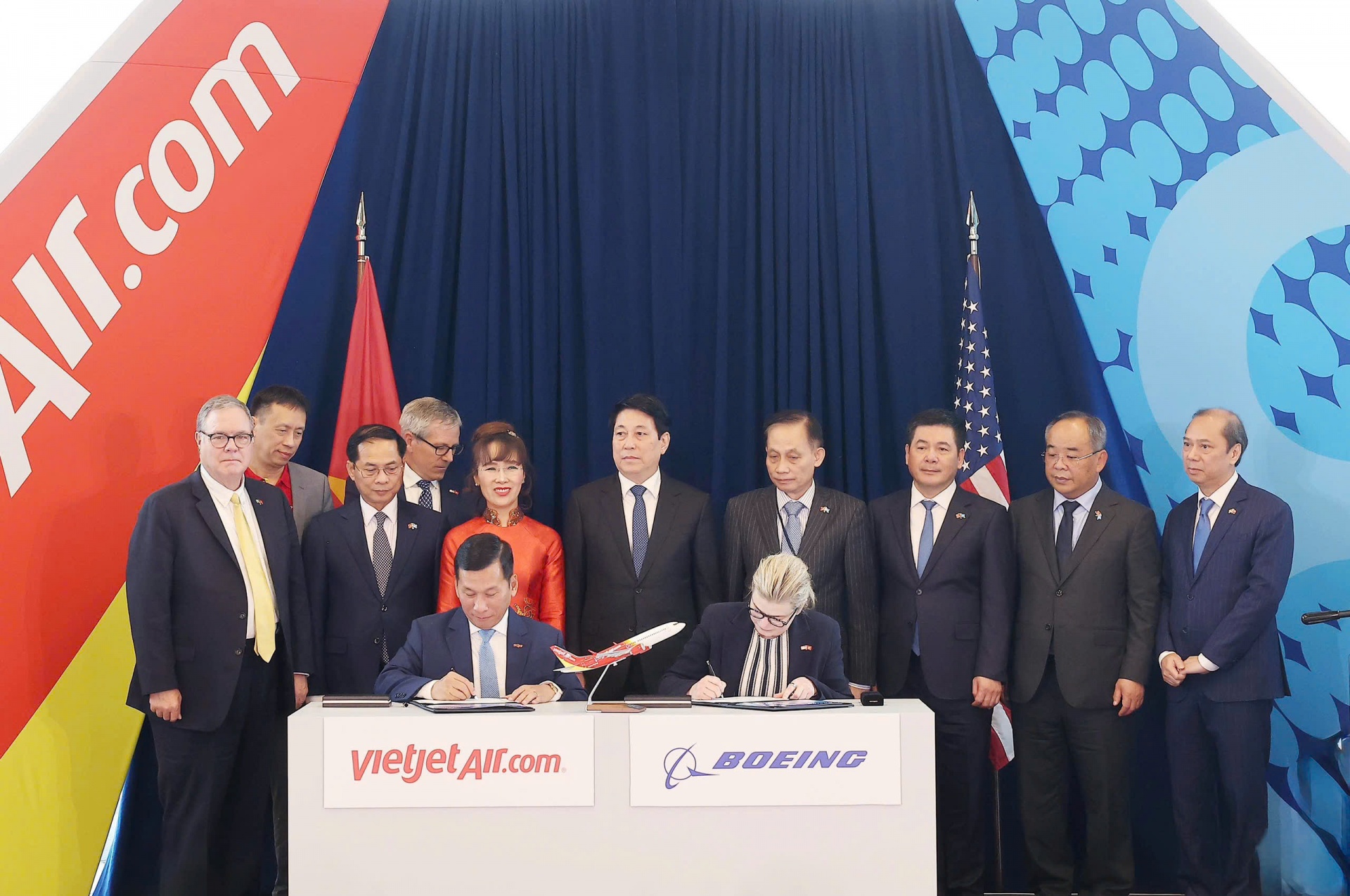
Vietjet CEO Dinh Viet Phuong and president and CEO of Boeing Commercial Airplanes Stephanie Pope, sign the delivery certificate

The event coincided with the 30th anniversary of Vietnam–US diplomatic normalisation and marked a major milestone in the partnership between Vietjet and Boeing. It also stood as a powerful symbol of the Comprehensive Strategic Partnership, reinforcing trade and investment ties while supporting hundreds of thousands of jobs in the US.

The new aircraft, along with hundreds more to be delivered in the forthcoming years, will be deployed on Vietjet’s high-demand regional routes, enhancing the travel experience for millions of passengers.

The new deal also underscores Vietjet’s commitment to expanding its international network, while contributing to the sustainable development of the aviation industry regionally and globally.

Vietjet takes delivery of first Boeing 737-8 in $32bn order
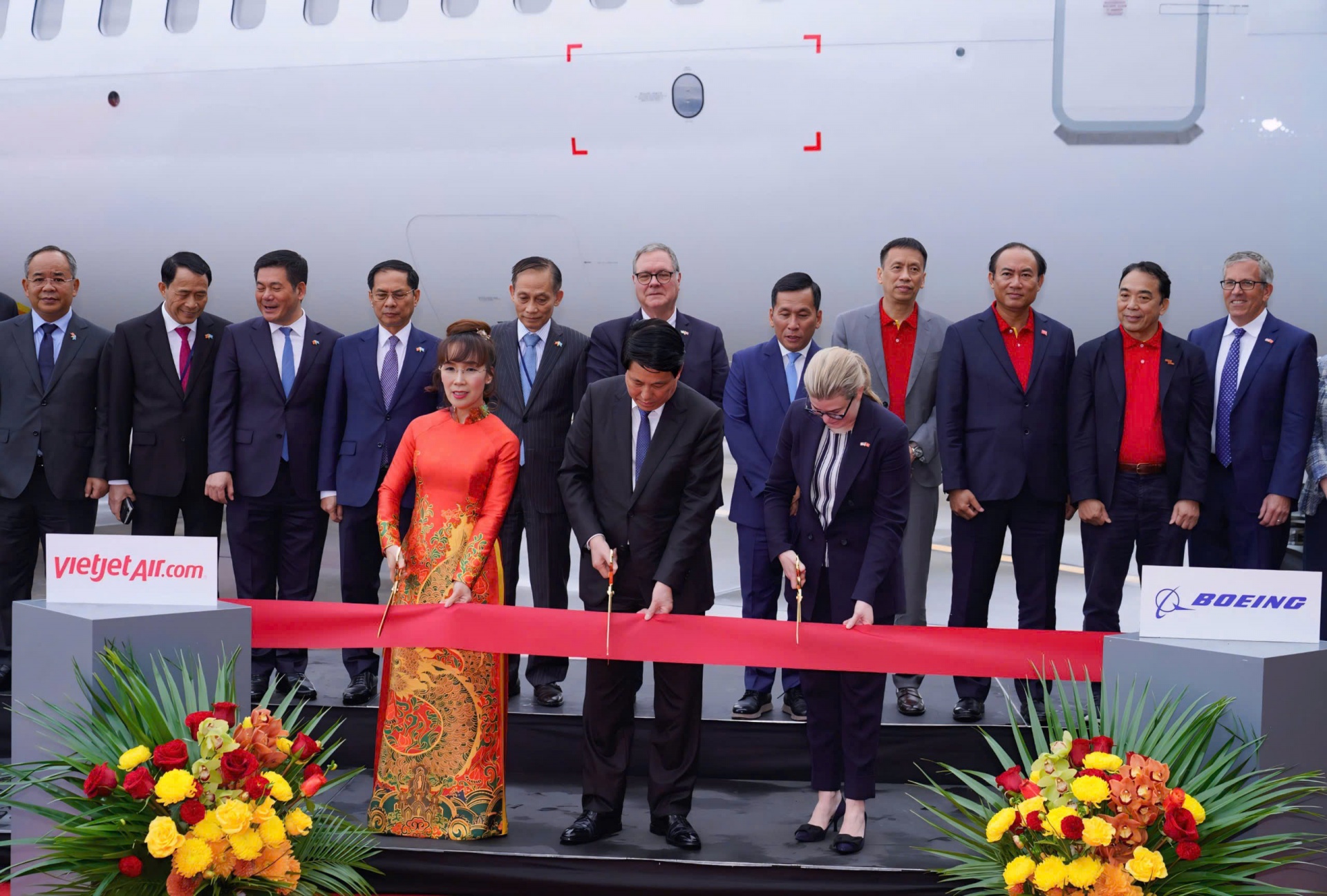
Vietnam’s President Luong Cuong, together with leaders of Vietjet and Boeing in Seattle

“The first Boeing aircraft received under this historic order is the result of nearly a decade-long partnership between Boeing and Vietjet. It marks the start of hundreds more deliveries in the years ahead,” said Nguyen Thi Phuong Thao, chairwoman of Vietjet, speaking at the event.

“This milestone strengthens bilateral trade, symbolises the US-Vietnam Comprehensive Strategic Partnership, and reflects our shared ambition to reach new heights in aviation. It also delivers real benefits to both economies and creates more jobs for the American people,” she added.

Stephanie Pope, president and CEO of Boeing Commercial Airplanes, said, “On behalf of the Boeing team, we are honoured to join Vietjet in celebrating the airline’s first Boeing airplane. The 737-8 will support the airline’s network growth, opening new routes to serve Southeast Asia and reinforcing the strength of one of the region’s most dynamic new-generation airlines.”

Vietjet is a full member of the International Air Transport Association (IATA) and holds the IATA Operational Safety Audit certification. As Vietnam’s largest private carrier, it has been awarded the highest 7-star safety rating by Airlineratings.com and consistently ranked among the world’s top 50 airlines for financial health and operational performance by Airfinance Journal The airline has also been recognised as Best Low-Cost Carrier by organisations including Skytrax, CAPA, and AirlineRatings.

Vietjet outperforms targets, wins Long Thanh project bid Vietjet outperforms targets, wins Long Thanh project bid

Vietjet’s Q2 business results have surpassed expectations while marking significant milestones with substantial aircraft orders, the expansion of ground self-service operations, and winning project bids at Long Thanh International Airport.

Vietjet soars in the first half of 2025 Vietjet soars in the first half of 2025

Vietjet has reported strong first-half results for 2025, reinforcing its international profile and Vietnam’s ambition to become a regional aviation hub.

AirlineRatings names Vietjet among world’s top sustainable carriers AirlineRatings names Vietjet among world’s top sustainable carriers

Vietjet has received the Sustainability Award 2025 from AirlineRatings, an organisation specialising in evaluating global airline services and safety.

UOB raises Vietnam 2025 growth forecast to 7.5 per cent

Following 7.5 per cent growth in the first six months and expectations of further stimulus, UOB revised its full-year GDP forecast to 7.5 per cent, up from 6.9 per cent. Vietnam’s real GDP expanded 7.96 per cent on-year in the second quarter, outpacing Bloomberg’s 6.85 per cent estimate and UOB’s own 6.1 per cent projection, bringing first-half growth to its highest level since 2011.

UOB’s September 17 report highlighted that Vietnam’s strong first-half growth was underpinned by a 14 per cent on-year export surge, boosted by improved sentiment after the US lowered its ‘Liberation Day’ tariff on April 2 to a temporary 10 per cent baseline for 90 days. Tariff uncertainty eased further in the second half as the US finalised country-specific rates ahead of the August 1 deadline, with Vietnam’s rate set at 20 per cent.

Data from July indicates that growth momentum remains positive, though the outlook is tempered by tariff developments. Exports rose 17 per cent on-year to a record $42.3 billion, bringing year-to-date growth close to 16 per cent. However, the trade surplus narrowed to $9.5 billion in the first seven months, compared to $14 billion a year earlier, due to higher imports from front-loaded export orders.

“Despite tariff pressures, annual exports could still rise by about 10 per cent (compared to 14 per cent in 2024), assuming a moderate 1–5 per cent pace for the rest of 2025,” UOB said in the report.

Other indicators also signal resilience. The Purchasing Managers’ Index rebounded to 52.4 in July after three straight months below 50, while manufacturing output rose 9 per cent on-year despite a high base. Overseas capital inflows remained strong, with $13.6 billion in realised investment as of July, up from $12.6 billion in the same period last year, suggesting full-year inflows could surpass $20 billion (compared to $25.4 billion in 2024).

Amid external headwinds, Vietnam announced a $48 billion infrastructure scheme in mid-August, spanning 250 projects. Of these, 129 state-funded initiatives worth $18 billion will prioritise urban development and transport, while 121 projects valued at $30.5 billion will draw financing from other sources, including foreign enterprises.

“Despite tariff threats and uncertainty, Vietnam’s economy continues to show resilience and dynamism. Export performance has been particularly strong, though risks remain if US demand weakens amid tariff-induced price pressures,” UOB said.

Following robust 7.5 per cent growth in the first half of 2025 and expected support from stronger government investment, UOB revised its full-year GDP forecast to 7.5 per cent, up from 6.9 per cent previously and just under 7.1 per cent in 2024. Growth is projected at 7.6 per cent on-year in the third quarter and 7.2 per cent in the fourth. For 2026, UOB maintains its projection at 7 per cent. By comparison, the government is targeting 8.3–8.5 per cent growth this year.

Inflation, however, shows little sign of easing. Headline inflation reached 3.3 per cent year-to-date in July, versus 3.6 per cent on average in 2024 and 3.26 per cent in 2023. Housing and construction materials (5.9 per cent on-year average so far, with an 18.8 per cent weighting) and healthcare (18 per cent on-year average, with a 5.4 per cent weighting) remain the main drivers.

“Combined with decent growth prospects in the second half of 2025 and persistent VND weakness, these factors would constrain the State Bank of Vietnam’s (SBV) ability to ease policy,” UOB said, expecting the refinancing rate to remain at 4.5 per cent.

“If business and labour market conditions deteriorate sharply, there is a possibility for the SBV to cut the refinancing rate in a single step to the COVID-19 low of 4 per cent, though this is not our base case,” the report added.

Bucking the regional trend, the VND slid to a record low of 26,436 per USD in August, down 3.4 per cent year-to-date and marking its fourth straight year of depreciation. While Vietnam secured a trade deal with the US that lowered tariff rates to 20 per cent from the 46 per cent announced in April, uncertainty remains over the 40 per cent transhipment tariff.

“This could prompt firms to reassess supply chain strategies, potentially dampening Vietnam’s attractiveness for foreign investment,” UOB said.

Looking ahead, the VND may continue to underperform compared to regional peers in capturing any upside from expected US Federal Reserve rate cuts. UOB’s upward revision of Vietnam’s GDP growth forecast to 7.5 per cent in 2025, from 7.1 per cent in 2024, could lend some support. Its updated USD/VND projections are 26,300 in the fourth quarter of 2025, 26,200 in the first quarter of 2026, 26,100 in the second, and 26,000 in the third.

Citi raises forecast for Vietnam’s 2025 GDP growth Citi raises forecast for Vietnam’s 2025 GDP growth

Citi remains cautiously optimistic on Vietnam’s growth outlook, although US tariffs on Vietnam will increase post a recently agreed trade deal.

ADB trims Vietnam’s GDP forecast to 6.3 per cent for 2025 ADB trims Vietnam’s GDP forecast to 6.3 per cent for 2025

The Asian Development Bank (ADB) has revised Vietnam’s GDP growth forecast for 2025 down to 6.3 per cent from the 6.6 per cent it predicted in April.

Vietnam’s export resilience tested amid rising US tariff pressure Vietnam’s export resilience tested amid rising US tariff pressure

As the United States slaps a 20 per cent countervailing tariff on Vietnamese exports, concerns loom over the policy’s implications for Vietnam’s growth trajectory. Despite mounting trade headwinds, Le Trung Hieu, deputy director general of the National Statistics Office, outlines why the country remains confident of meeting its ambitious target of over 8 per cent GDP growth in 2025.

World Bank forecasts Vietnam’s GDP growth to reach 6.6 per cent in 2025 World Bank forecasts Vietnam’s GDP growth to reach 6.6 per cent in 2025

Vietnam’s GDP growth is forecast to reach 6.6 per cent in 2025, according to the latest report by the World Bank.

Exchanges – core of building trust and transparency in Vietnams digital asset market
Danang Finance and Tech Week took place from August 28-30

The event, on August 29, took place as Vietnam finalises its legal framework for digital assets under the newly passed Law on Digital Technology Industry, marking a new chapter for the market with greater transparency and oversight. It also supported the development of an international financial centre in Vietnam, with Danang as a key location.

Nguyen Thanh Nghi, Head of the Central Committee for Policy and Strategy, emphasised, “The integration of finance, technology, and semiconductors at this event shows Danang’s thorough preparation and reflects a long-term strategy to turn the city into a new financial and technological hub for Vietnam and the region.”

Among these areas, blockchain and semiconductors are two of the 11 strategic national technology sectors prioritised for research, development, and mastery. For blockchain, key product groups will focus on digital assets, cryptocurrencies, digital identity and data encryption, cybersecurity, and traceability. Meanwhile, the semiconductor industry will research, and pilot the production and commercialisation of specialised chips, AI, the Internet of Things (IoT), and photonic chips.

Deputy Minister of Finance Nguyen Thi Bich Ngoc noted that Danang’s strategic location on the East-West economic corridor, combined with a deep-water seaport and modern international airport, provides substantial potential to become a financial centre supporting logistics, risk insurance, and cross-border trade. This is not just a geographic advantage, but also a major benefit for the ecosystem of finance, logistics, insurance, and risk management.

Exchanges – core of building trust and transparency in Vietnams digital asset market
The Vietnam Finance Forum took place on August 28

Nguyen Van Quang, Secretary of Danang Party Committee, said the event was symbolic, underscoring the city’s pioneering role in digital economic development and modern finance.

For Vietnam, particularly Danang, seizing opportunities in these sectors is especially important. As major global financial centres are redefining development models based on innovation and technology, Danang holds advantages in location, infrastructure, human resources, and policy direction to become a new growth pole.

“Fintech, blockchain, semiconductors, and green finance are no longer unfamiliar concepts. They are becoming crucial pillars shaping the future global economy. With its current potential, Danang is ready to welcome cooperation, investment, and major policy initiatives aligned with the goal of forming Vietnam’s international financial centre in the city,” Quang said.

During the panel discussion, delegates agreed that digital asset exchanges play a central role in ensuring transparency, liquidity, and investor confidence, both for individuals and institutions. Representatives from both domestic and international platforms emphasised the need to prioritise tools for open data, such as proof of reserve, open APIs for third-party auditing, and strict risk control processes to prevent market manipulation.

Le Sy Nguyen, CEO of the Web3 exchange BITGP, said, “A transparent exchange is not just a place to trade, but a platform that sets standards for the market. Requirements like KYC, AML, liquidity disclosures, and user asset protection should be seen as fundamental, not burdensome.”

Experts also discussed the exchanges’ role in connecting innovative projects (builders) with the community and investors. They emphasised the need to establish fair and clear listing mechanisms for Vietnamese projects, helping domestic Web3 products reach users. Models like innovation zone, launchpad, or sandbox-based trial listings were considered suitable directions.

Exchanges – core of building trust and transparency in Vietnams digital asset market
A panel discussion on building a digital asset market

As an exchange built on the technology and liquidity of Bitget, a platform that has implemented builder support models in many countries- BITGP announced it is currently localising listing standards and community support, while also being ready to share international experiences in areas such as risk management, digital asset classification, and hybrid CeFi-DeFi trading.

Delegates also pointed out challenges stemming from inconsistent regulations, especially as Vietnam is in the process of preparing a sandbox mechanism. Ensuring fair competition among exchanges while maintaining compliance with international standards is considered a prerequisite for a sustainable environment.

“We hope to see clear criteria for the sandbox, allowing the trial of models such as real-world asset tokenisation, non-custodial wallets, and automated liquidity services, all within a supervised framework. Thereby, both investors and businesses can feel more secure,” Nguyen added.

In the long term, exchanges are also expected to contribute to policy consultations, market data sharing, and co-designing experimental frameworks with regulatory agencies, following an open but controlled approach. This is considered a key foundation for moving Vietnam’s digital assets out of the grey zone and into a legal, recognised part of the national digital economy.

Digital assets set for expansion in Vietnam amid new legal foundation Digital assets set for expansion in Vietnam amid new legal foundation

Vietnam’s growing interest in digital assets is creating significant opportunities, supported by a young workforce and rapid adaptability.

Hanoi forum to focus on future of sci-tech, innovation, and digital transformation Hanoi forum to focus on future of sci-tech, innovation, and digital transformation

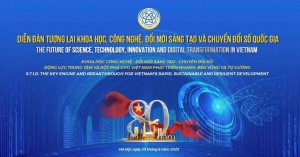
The Ministry of Science and Technology (MoST) will host a forum about the future of sci-tech, innovation, and digital transformation in Hanoi on August 29, expecting to attract policymakers, domestic and international businesses, embassies, leading experts, and international organisations.

Vietnam announces five major sci-tech initiatives Vietnam announces five major sci-tech initiatives

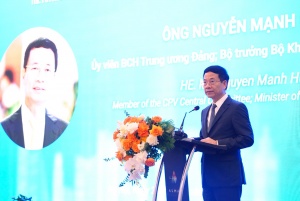
The Ministry of Science and Technology (MoST) hosted a forum on the future of science, technology, innovation, and national digital transformation at the Vietnam National Exhibition Centre in Hanoi on August 29.