Daiwa Securities to increase stake in SSI amid private placement

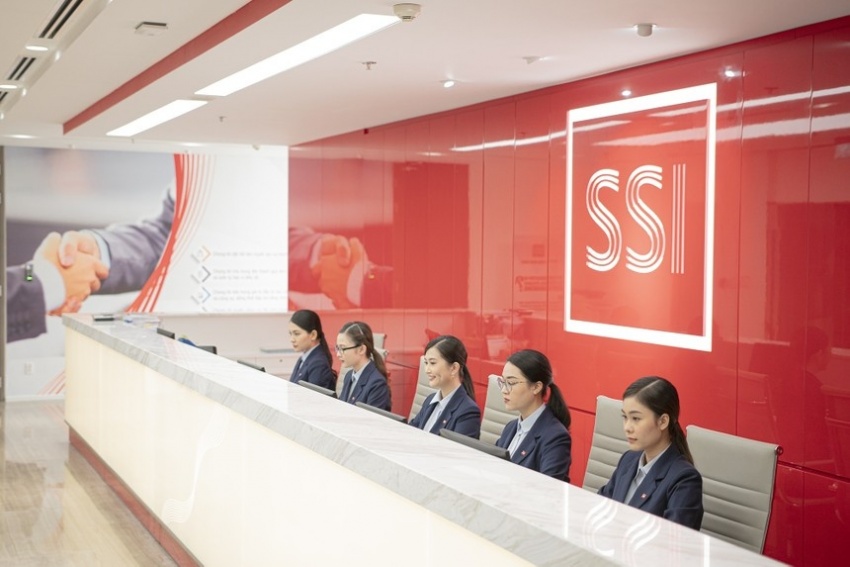
SSI, one of Vietnam’s leading securities firms, is conducting a private placement of 104 million shares to 18 professional investors, aiming to raise VND3.25 trillion ($130 million). Daiwa Securities has registered to buy nearly 16 million shares at VND31,300 ($1.25) each, a transaction worth over VND497 billion (around $19.9 million).

Daiwa Securities Group Inc. is already SSI’s largest shareholder, holding over 301 million shares, equivalent to over 15.25 per cent stake in the company. If the transaction is successful, Daiwa’s shareholding will increase to over 317 million shares. The transaction is scheduled to take place from August 29 to September 26.

Daiwa Securities Group is one of Japan’s ‘Big Four’ securities conglomerates, alongside Nomura, SMBC Nikko, and Mizuho. Established in 1902, the group operates in various sectors, including brokerage, investment, and asset management.

In 2011, Daiwa became a strategic shareholder of SSI by acquiring a 20 per cent stake. Last November, Daiwa exercised its right to purchase an additional 23.2 million SSI shares in a rights issue for existing shareholders.

SSI’s Board of Directors approved a plan on August 12 to offer more than 104 million shares in a private placement to 18 professional investors, including 14 institutions and four individuals.

At VND31,300 ($1.25) per share, the company aims to raise VND3.25 trillion ($130 million), with half allocated to investing in certificates of deposit and half for margin lending.

SSI recorded operating revenue of VND2.99 trillion ($119.6 million) in the second quarter of 2025, up nearly 30 per cent on-year. After-tax profit reached VND968 billion ($38.7 million), the highest in nearly four years.

For the first six months, SSI achieved revenue of VND5.15 trillion ($206 million) and profit of VND1.8 trillion ($72 million), up 20 per cent and 11 per cent respectively compared to the same period last year, surpassing 54 per cent of its annual target.

As of June 30, SSI’s total assets reached nearly VND92 trillion ($3.6 billion), an increase of VND19 trillion ($760 million) from the beginning of the year. Equity stood at approximately VND27.7 trillion ($1.17 billion), while margin lending hit a record of VND32.8 trillion ($1.3 billion), providing significant momentum for SSI to continue its strong performance in the upcoming quarters.
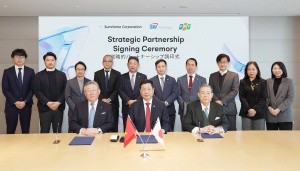
Sumitomo Corporation and SBI Holdings acquire stakes in FPT's AI Japan facility Sumitomo Corporation and SBI Holdings acquire stakes in FPT’s AI Japan facility

Sumitomo Corporation and SBI Holdings will each invest 20 per cent in FPT Smart Cloud Japan, a subsidiary of FPT Corporation.

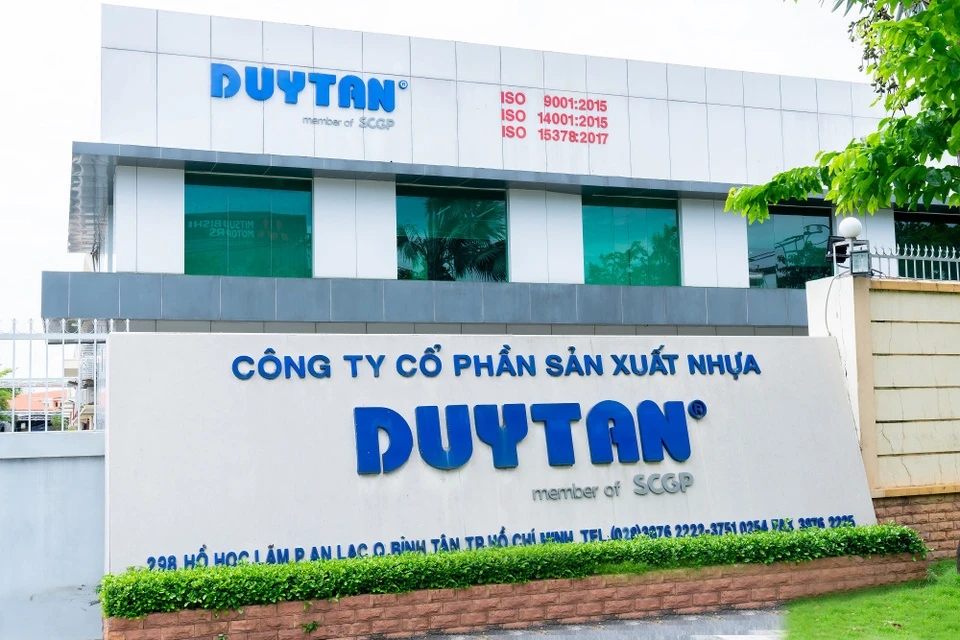
SCGP acquires additional 30 per cent stake in Duy Tan Plastics SCGP acquires additional 30 per cent stake in Duy Tan Plastics

SCG Packaging Public Co., Ltd. (SCGP) announced on June 10 that it has strengthened its consumer packaging business through an investment in Duy Tan Plastics Manufacturing Corporation (Duy Tan JSC).

E-commerce credibility at stake as Vietnam moves to curb counterfeit goods E-commerce credibility at stake as Vietnam moves to curb counterfeit goods

Vietnam is set to tighten oversight of livestream sales and digital advertising amid rising concern over counterfeit goods on e-commerce platforms, in a bid to protect consumer trust and ensure fair competition.

Altri to acquire AeoniQ stake, scaling climate-positive textile yarn Altri to acquire AeoniQ stake, scaling climate-positive textile yarn

The deal accelerates global efforts to commercialise sustainable, carbon-negative fashion materials.

South Korea’s SK Leaveo, the biodegradable materials investment arm of SKC, earlier in August secured strategic funding of $40 million from the International Finance Corporation to finance construction of its biodegradable plastics plant in northern Haiphong.

The facility is part of SK Leaveo’s strategy to capture the growing demand for environmentally friendly packaging. The project will increase value addition and manufacturing complexity in the plastic packaging industry.

The funds will be used to complete and operate the Vietnam production facility, which is scheduled for completion in this quarter. SK Leaveo plans to reach an annual output of 70,000 tonnes of reinforced PBAT, aiming for commercialisation in the first half of 2026.

The previous month, Swedish packaging and processing giant Tetra Pak began to implement an additional aseptic production line, worth around $113 million at its Binh Duong facility.

Nguyen Thanh Giang, managing director of Tetra Pak Vietnam, said, “Vietnam’s packaging industry is at a pivotal moment. With rising consumer demand for sustainable and innovative solutions, the need for safe, lower climate-impact, and future-ready packaging is more critical than ever. Paper-based packaging, especially in the ready-to-drink segment, is leading this transformation.”

Tetra Pak’s expansion of the Binh Duong factory doubles its capacity to over 30 billion packs annually and adds 15 additional innovative and sustainable packaging formats. This enables faster delivery of just 7-10 days, giving Vietnamese manufacturers greater agility to meet trends like ready-to-drink and plant-based nutrition.

“With 99 per cent of domestic volume sourced for our local customers and cutting-edge Swedish technology, we’re building a resilient supply chain while ensuring food safety and quality,” Giang added. “The new capacity will contribute 55 per cent for Vietnam, 29 per cent to Malaysia, Singapore, Philippines, and Indonesia, and 12 per cent to Thailand, as well as to other countries including Australia and New Zealand.”

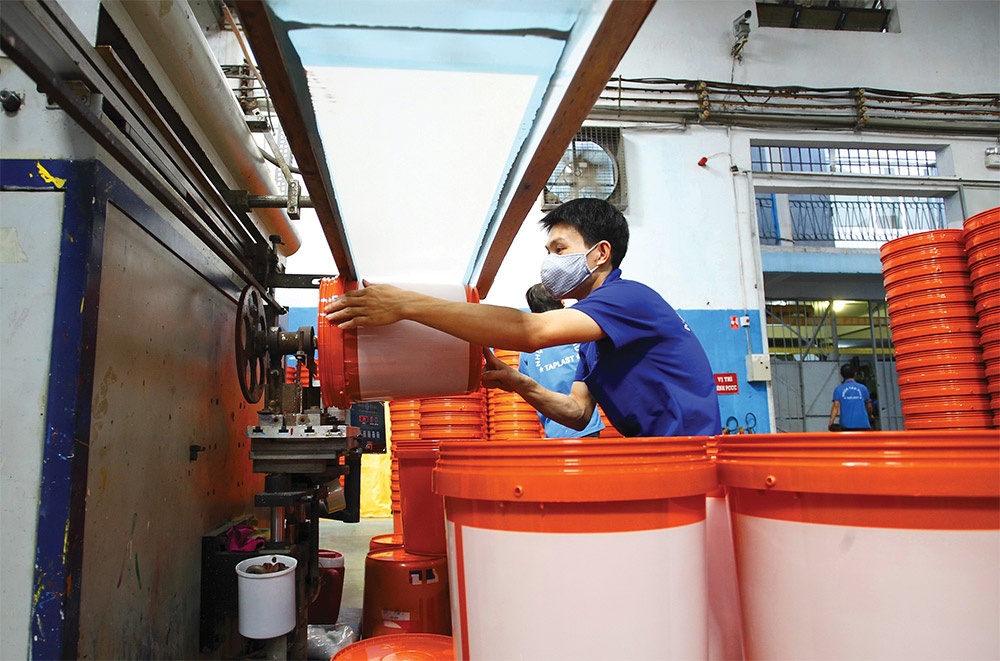
Elsewhere, Thailand’s SCG Packaging (SCGP) in June strengthened its consumer packaging business through an investment in Duy Tan Plastics Manufacturing Corporation.

The company has purchased an additional 30 per cent stake in Duy Tan. The investment, totalling approximately $109 million, raises SCGP’s total shareholding to 100 per cent. The funding is intended to broaden its range of solutions, diversify its product offerings, and deliver integrated services in response to the growing demand for packaging solutions. The move follows SCGP’s acquisition of 70 per cent of Duy Tan in 2021.

According to research by Dezan Shira & Associates, Vietnam’s packaging industry presents compelling growth fundamentals that foreign investors may not be able to ignore. Both paper and plastic packaging are growing at an annual rate of 8-10 per cent, with paper packaging expected to reach $4.54 billion by 2030, up from $2.85 billion in 2025. Vietnam’s packaging exports already exceed $2 billion annually.

Driving investment now is a policy shift, including Vietnam’s net-zero commitments and a long-term e-commerce plan regarding recyclable packaging that creates immediate demand for advanced, sustainable technologies.

Than Quoc Khanh, international business advisor at Dezan Shira & Associates in Hanoi, said, “The packaging industry is undergoing fundamental restructuring. Foreign companies are buying established players outright – the SCG acquisition of Duy Tan being a prime example – which creates a two-tier system of well-capitalised, advanced operations versus smaller local manufacturers finding their niche.”

Khanh further noted Tetra Pak’s aseptic packaging expansion showcases the stark technology gap that local competitors cannot match. This pressure, however, drives specialisation. Vietnamese companies like Ngoc Nghia, Bao Van, and Nhua Tan Tien have secured strong positions in eco-friendly PET bottles by leveraging relationships and agility. Meanwhile, high-tech segments like dairy packaging remain foreign-dominated due to technical complexity.

“Sustainability requirements are reshaping competitive dynamics entirely. When companies like SK Leaveo bring biodegradable materials to the market, they’re not just offering alternatives – they’re setting new standards,” Khanh said. “Local companies face a choice: adapt quickly or risk relegation to low-value segments. The winners will be those combining local market understanding with advanced capabilities, whether through partnerships or organic development.”

The Ministry of Agriculture and Environment (MoAE) is publicly soliciting opinions from agencies, organisations, businesses, and relevant stakeholders on the draft decree regulating the recycling responsibilities for products and packaging, as well as the waste management responsibilities of producers and importers.

EPR crucial to promote responsibility
EPR is gradually being embraced by businesses as a vital part of their sustainability strategies, photo Le Toan

Ho Kien Trung, deputy director of the Department of Environment under the MoAE, said extended producer responsibility (EPR) is a crucial policy tool to promote the responsibility of producers and importers in collecting, recycling, and managing post-use products and packaging.

“The 2020 Environmental Protection Law marks a significant milestone by clearly stipulating the recycling and waste management responsibilities of producers and importers,” Trung said.

“However, as EPR is a new policy, some regulations still need clarification and resolution. Thus, this decree not only specifies the mechanisms for implementing the responsibility but also clarifies regulations on financial mechanisms to support recycling and waste management, creating a transparent, feasible legal framework aligned with the practical requirements of environmental management in the new era.”

The draft 2025 EPR decree largely incorporates the provisions of Decree No.08/2022/ND-CP on elaboration of several articles of the Law on Environmental Protection and Decree No.05/2025/ND-CP, which amend and supplementing a number of articles of Decree 08, while supplementing and clarifying certain regulations based on practical implementation.

It also provides detailed provisions on mechanisms to support recycling and waste management funded by contributions from producers and importers.

“Recent practical experience shows EPR is a new policy with a broad scope, affecting various groups such as producers, importers, and recycling businesses,” said Nguyen Hung Thinh, deputy director of the Department of Environment and a representative of the decree drafting committee.

“However, many businesses still face limitations in accessing and fully understanding EPR regulations due to the lack of a cohesive regulatory system. Currently, EPR-related provisions are integrated into comprehensive environmental decrees, which results in fragmented regulations that are difficult to reference and implement consistently,” Thinh added.

The decree drafting committee noted that developing a standalone decree comprehensively addressing EPR is both necessary and appropriate. Consolidating all EPR-related regulations into a single, independent legal document not only addresses current shortcomings but also systematises regulations in a centralised, unified, and transparent manner. This facilitates businesses in referencing and fulfilling their responsibilities, as well as supports state agencies in providing guidance, management, and oversight.

At the Green Packaging Forum in Hanoi two weeks ago, Nguyen Thanh Yen, deputy head of the Legal Issues and Policies Division of the Department of Environment under the MoAE, emphasised the central role of businesses in implementing EPR and boosting the circular economy.

He mentioned that EPR is gradually being embraced by businesses as an indispensable part of sustainable development strategy. The policy is not only about the collection and treatment of post-consumer packaging but also serves as a starting point for businesses to improve product design, optimise packaging materials and lifecycle, better manage recycling processes, and minimise environmental impact.

“In the fast-moving consumer goods sector, where packaging has a short lifecycle and high consumption rate, EPR helps businesses enhance their competitive capacity, increase compliance with international standards, and gradually integrate into global supply chains with stricter requirements on ESG,” Yen added.

Bui Le Thanh Khiet, head of the Plastic Waste Circular Economy Group at the Institute for Circular Economy Development, said the food and beverage industry is most affected by EPR due to the volume of packaging discarded annually.

According to Wifitalents’ Food Packaging Industry Statistics 2025, approximately 78 million tonnes of plastic from food packaging are generated every year. Businesses are required to declare and report through the national electronic EPR system and can choose to recycle on their own or contribute to the Environment Protection Fund.

“First and foremost, businesses need to invest in collection, classification, and recycling infrastructure, promote the application of modern processing technologies, expand cooperation with environmental technology startups, and implement digital transformation in packaging and waste management,” Khiet stated.

In the food sector, Sao Khue Food JSC (SKfood) has launched rice straws, a small product with great environmental value since 2019.

This type of straw can biodegrade on its own, without the need for collection. If released into the water environment, it will become food for fish, and when it enters the soil, it will decompose into natural fertiliser.

Pham Thi Bich Phuong, sales director of SKfood, stated, “Exporting to demanding markets implies that products must meet strict environmental standards. By meeting them, SKfood has quickly conquered the European market, where plastic straws are completely banned.”

Since early August, Vietnam’s monetary market has shown fresh signals regarding interest rate trends. According to the latest report from Bao Viet Securities, deposit rates have inched up at several key maturities after remaining relatively low in previous months.

Specifically, the average six-month deposit rate rose by 0.01 percentage points to 4.48 per cent, while the 12-month rate increased from 5.04 to 5.07 per cent.

This trend highlights a divergence in the banking sector. While state-owned commercial banks have largely maintained deposit rates at major maturities, many private banks have adjusted rates upward to attract deposits.

For instance, at its July 31 rate adjustment, Eximbank raised deposit rates by 0.1 percentage points for terms of 12 months and above, leaving shorter-term deposits largely unchanged. TPBank also increased rates by 0.1 percentage points across all tenors below 12 months, reflecting an effort to remain competitive in attracting deposits.

Market data as of August 8 show deposit rates for short-term tenors of one to three months ranging from 1.6 to 4.1 per cent per year, medium-term deposits of six to nine months at 2.9-5.25 per cent, and 12-month deposits at 3.7-5.6 per cent.

Saigonbank offered the highest 12-month savings rate at 5.6 per cent, followed closely by BVBank at 5.55 per cent, while NCB, Nam A Bank, BAC A BANK, and Vietbank each applied 5.5 per cent.

According to Bao Viet Securities, these adjustments came shortly after the State Bank of Vietnam (SBV) convened a meeting with commercial banks in early August, reaffirming its commitment to a flexible monetary policy and sustained liquidity support. The SBV urged banks to implement measures to reduce deposit rates to stabilise the money market and create space for lower lending rates.

“With inflation under control and exchange rate pressures moderate, the SBV is likely to maintain operating rates, deposit rates, and lending rates at relatively low levels. This is considered one of the key tools to stimulate credit demand and support economic growth,” the report noted.

MB Securities’ (MBS) latest report also echoed this view, highlighting that after a modest dip in June, deposit rates began edging up again in July. TPBank, VPBank, and Eximbank raised their deposit rates by 0.1-0.2 percentage points per year across maturities ranging from one to 36 months.

“The upward adjustment reflects an ongoing imbalance between credit growth and deposit mobilisation,” the report said. “By July 29, system-wide credit had expanded 9.8 per cent compared with the end of 2024 and 19.8 per cent on-year, according to the SBV.”

Therefore, MBS estimated that credit growth currently outpaces deposit growth by 1.3–1.5 times, creating pressure on private lenders to raise deposit rates to maintain funding stability.

MBS expects deposit rates to remain under pressure for the rest of 2025, particularly after the SBV granted banks additional credit room to meet the economy’s capital needs. At the same time, the central bank continues to urge institutions to implement synchronised measures aimed at lowering deposit rates, thereby creating scope for reduced lending rates.

Market analysts largely share this assessment. Dinh Duc Quang, managing director of the Currency Trading Division at UOB Vietnam, said that credit growth, which had already approached 10 per cent in the first half of the year, could expand by 18-20 per cent for the whole of 2025 under the current interest rate environment.

However, he noted that commercial banks’ capacity to further reduce VND deposit and lending rates in the remaining months is limited, as August deposit rates were only 0.2-0.4 percentage points lower than the same period in 2024, depending on tenor.

“These levels remain broadly in line with international USD rates and recent USD/VND exchange rate developments,” Quang told VIR. He added that external conditions, such as modest tariff impacts and successful stock market upgrades attracting foreign capital, could potentially push VND rates down by 0.5-0.75 percentage points.

Nguyen Hoang Linh, head of Research at Vietcombank Fund Management, said that the scope for further interest rate cuts is narrow. “Given the divergence between credit growth and money supply growth, the room for commercial banks to continue reducing rates is limited, and any further cuts will largely depend on external factors,” he said.

Linh underlined the pivotal role of the SBV in balancing monetary objectives, noting that interest rates remain one of the most important tools in the central bank’s multi-objective policy. He added that sustaining low rates and stability also requires coordinated government efforts, including accelerated public investment, improvements to the investment climate, boosting exports, and market diversification.

CIT eligibility may help pull in investment
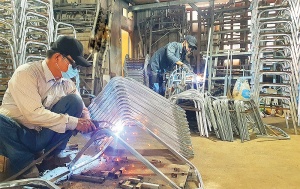
New tax frameworks are expected to help enterprises get more funding and expand domestic production, photo Le Toan

According to the draft decree on guiding the implementation of the Law on Corporate Income Tax (CIT), which has been submitted for approval, the Ministry of Finance proposes expanding incentives, extending periods of tax exemption and reduction, and applying lower tax rates for prioritised projects.

These aim to support businesses and promote investment in key sectors and priority areas.

Under the draft, enterprises with income eligible for incentives under this law will be exempt from CIT for four years and benefit from a 50 per cent tax reduction for the following nine years.

This exemption and reduction policy also applies to income generated from enterprises operating in vocational education and high-level skills training, provided they are located in incentivised areas.

If such enterprises operate outside these incentivised areas, the four-year tax exemption still applies, but the 50 per cent tax reduction is limited to a maximum of five subsequent years.

For certain other categories, the tax incentives are defined as a two-year exemption and a 50 per cent decrease for the following four years. In the case of new ventures in especially encouraged sectors, the government is authorised to extend the exemption and reduction period up to 1.5 times the standard duration mentioned above, provided that the total incentive period does not surpass the lifespan of the project.

The draft specifies that the tax exemption and reduction period is calculated from the first year the enterprise generates taxable income from the undertaking. If the enterprise does not have taxable income within the first three years of generating revenue, the exemption and reduction period will start from the fourth year.

The draft also includes detailed provisions regarding tax incentives for business expansion. If an enterprise expands its operations, whether by increasing scale, enhancing capacity, upgrading technology, reducing pollution, or improving the environment, any additional income generated from the expansion will receive the same tax incentives as the existing scheme for the remainder of the applicable period.

The draft decree also proposes a preferential tax rate of 10 per cent for 15 years for income from certain new projects in incentivised sectors or in areas with difficult or extremely difficult socioeconomic conditions. Eligible areas include high-tech zones, high-tech agricultural zones, dedicated digital technology parks, and economic zones subject to tax incentives.

Additionally, a 10 per cent tax rate without a time limit will apply to specific cases, such as enterprises operating in incentivised sectors within incentivised locations; publishers, cooperatives, and cooperative unions operating under current regulations; and media agencies carrying out activities aligned with priority sectors.

A tax rate of 15 per cent is proposed for income generated from specific business activities not located in incentivised areas.

For new initiatives in certain priority sectors, implemented in economic zones or areas with difficult socioeconomic conditions (but not in areas qualifying for special incentives), a preferential tax rate of 17 per cent will be applied for a period of 10 years. For certain specific activities, the 17 per cent tax rate may be applied indefinitely.

These consist of new investments with capital of $240,000 or more, those producing globally competitive products, achieving annual revenue of $800 million within five years of revenue generation, consistently employing 6,000 workers or more, or investing in essential economic and technical infrastructure.

The draft decree, once enacted, is expected to create momentum for the country to pull in more funding and expand domestic production.

Figures from the National Statistics Office showed that in the first seven months of 2025, the number of businesses registering to halt performance hit 88,600, up 13.6 per cent on-year.

Moreover, 41,500 enterprises halted operations to await dissolution procedures, up 16.7 per cent on-year; and 14,300 businesses completed such procedures, up 20.5 per cent on-year. On average each month, 20,600 enterprises left the market.

CIT law amendments boast exceptional sci-tech incentives CIT law amendments boast exceptional sci-tech incentives

Vietnam is drafting major changes to its corporate income tax legislation, offering unprecedented incentives in sci-tech and digital transformation.

Smaller businesses the focal point of CIT law amendments Smaller businesses the focal point of CIT law amendments

Hundreds of thousands of smaller enterprises in Vietnam are set to benefit from a reduction in corporate income tax from next year, meaning more opportunities to improve their competitiveness.

CIT specifics address smaller firms CIT specifics address smaller firms

Hundreds of thousands of micro- and small-sized enterprises in Vietnam will be entitled to a decrease in corporate income tax from this October, meaning more opportunities to ameliorate their competitiveness.

Strengthening development cooperation between Vietnam and United Nations organisations
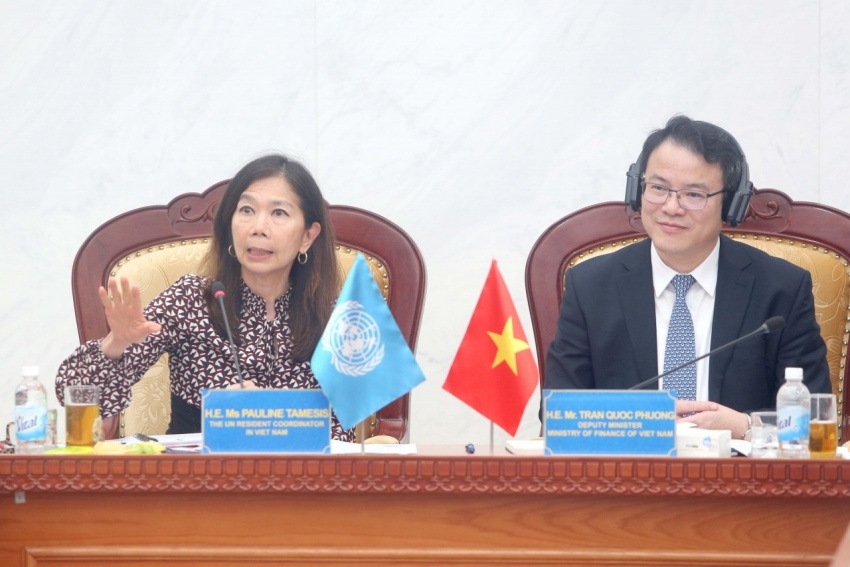
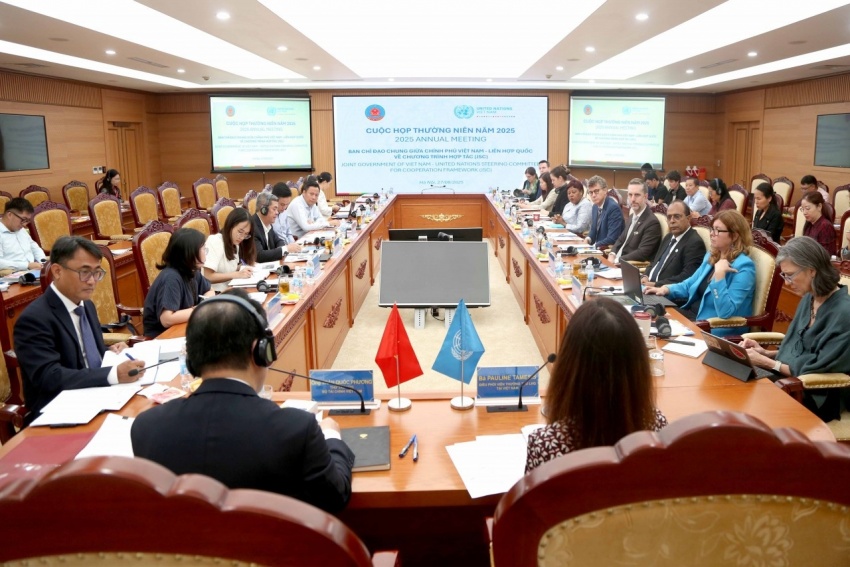
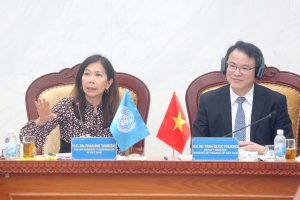
Deputy Minister of Finance Tran Quoc Phuong and UN Resident Coordinator Pauline Tamesis co-chairing the meeting

Deputy Minister of Finance Tran Quoc Phuong stated that Vietnam’s government considers official development assistance (ODA), concessional loans from foreign donors, and non-refundable ODA, as important resources. These are prioritised for investment in key infrastructure and economic projects with high spillover effects and for promoting socioeconomic development.

“Notably, with amendments to the Law on Public Investment, Law on State Budget, Law on Bidding, and Law on Management and Use of Public Assets, the Vietnamese government has strongly decentralised and delegated authority in the management and use of non-refundable ODA,” Phuong stated.

Therefore, the deputy minister asked to focus on issues related to development cooperation between Vietnam and the UN. This includes sharing and reviewing reports on the overall mobilisation and use of ODA funded or co-mobilised by the UN. Challenges and obstacles also needed to find appropriate solutions, as well as setting the direction for building the next cooperation strategy for 2027-2031.

Agreeing with Phuong, Tamesis emphasised that the purpose of the meeting was to establish a strategic dialogue to identify strategic priorities for Vietnam’s upcoming socioeconomic development plans, provide feedback and practical guidance on processes and priorities to accelerate implementation of the current Cooperation Fund, and jointly design a new one.

She proposed restructuring the JSC into a platform for strategic policy dialogue. “We could elevate the JSC into a forum for identifying emerging opportunities and risks, exchanging knowledge, conducting evidence-based research and analysis, and building new partnerships. It would also help set international standards and norms, provide access to global expertise, and offer policy advice on critical development transitions and financial options,” she said.

Additionally, the forum would outline potential issues to initiate dialogue on financing policies for national development priorities and explore breakthroughs amid growth risks, laying the groundwork for substantive recommendations for the new Comprehensive Partnership Fund.

Tamesis further suggested, “Amid declining ODA, Vietnam should turn external financial challenges into opportunities, by enhancing the role of domestic finance and leveraging ODA as a catalyst for key investment priorities.”

As a developing economy, Vietnam has room to improve domestic resource mobilisation. It is well positioned to channel foreign direct investment into sustainable development sectors such as renewable energy, climate-resilient infrastructure, digital transformation, and technology.

Strengthening development cooperation between Vietnam and United Nations organisations

Under the coordination of the two co-chairs, participants presented and listened to discussions on such topics as implementation results and evaluations of the 2022–2026 Cooperation Framework; progress achieved, challenges, and priorities for 2025-2026; updates on the draft amendment to Decree No.114/2021/ND-CP, with a focus on solutions to overcome obstacles in managing and receiving UN non-refundable ODA; a presentation of the Cooperation Framework evaluation for 2022–2026; the roadmap for developing the 2027-2031 cooperation framework; updates on the country analysis including consultation results; and the anticipated priorities of Vietnam’s 2026-2030 Socioeconomic Development Plan.

Deputy Minister Phuong said that the Vietnamese government has completed a legal framework concerning the management and use of non-refundable aid, including UN technical support, within the broader scope of non-refundable aid.

He called on ministries and agencies to continue close coordination with UN organisations, actively resolve difficulties, and urgently approve and implement projects. He urged UN agencies to actively mobilise resources, engage in technical discussions with the Ministry of Finance and relevant partners, and provide project direction that aligns with the Vietnamese government’s priorities.

FDI in Vietnam surges on strong reinvestment and share purchases FDI in Vietnam surges on strong reinvestment and share purchases

Foreign investment in Vietnam continues to rise sharply, driven by capital adjustments and share purchases, despite a dip in newly registered funds.

Finance sector proud of a glorious tradition, ready to grow alongside the nation Finance sector proud of a glorious tradition, ready to grow alongside the nation

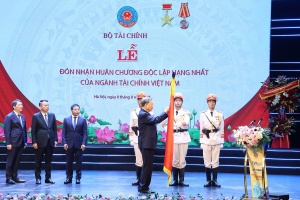
The Ministry of Finance (MoF) held a ceremony to mark the 80th anniversary of Vietnam’s finance sector on August 8, and received the first-class independence medal in recognition of the sector’s significant contributions to the nation’s development.

Ministry of Finance proposes simplifying procedures for overseas investment Ministry of Finance proposes simplifying procedures for overseas investment

The Ministry of Finance is looking to simplify procedures for overseas investment to encourage domestic firms to expand their operations in international markets.

Strategic technology networks launched Strategic technology networks launched

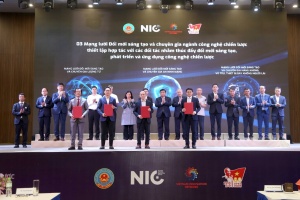
In a defining step towards establishing a high-tech-driven economy, Vietnam has launched three new high-level technology networks, including quantum technology, cybersecurity, and aerospace and unmanned aerial vehicles (UAVs).

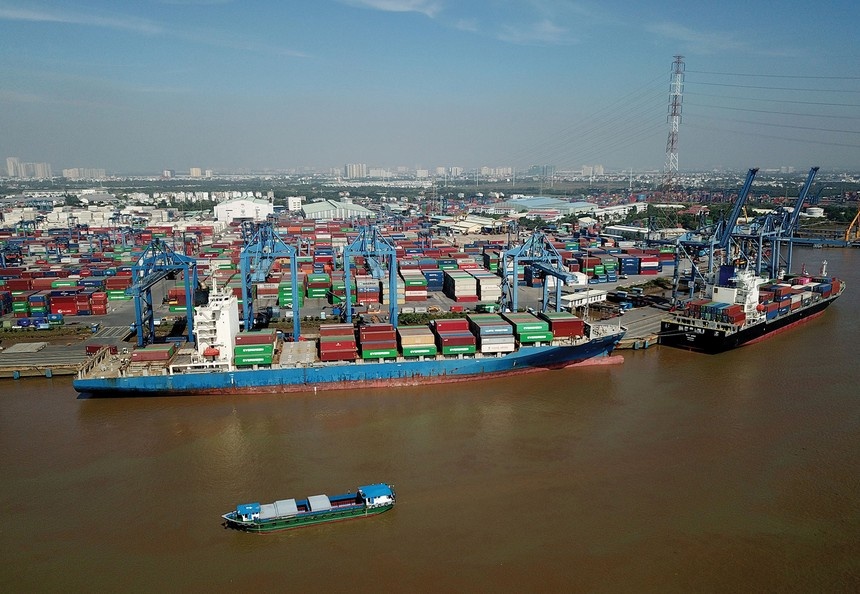
Vietnam’s outlook for imports, exports, and cargo throughput via seaports is considered favourable in the forthcoming months, as the country faces a 20 per cent reciprocal tariff rate from the United States, significantly lower than China’s 55 per cent and India’s 25 per cent, and on par with Bangladesh.

Maritime logistics firms thrive on global trade dynamics

At the same time, Vietnamese exporters are effectively leveraging preferential tariffs through the country’s extensive network of free trade agreements, allowing for more flexible and efficient operations.

As the global economy improves, trade demand is expected to rise sharply, thereby stimulating import-export activities and the entire logistics supply chain.

In the long term, Shinhan Securities predicts that high US tariffs on imports, especially from China, will shift trade flows, making intra-Asia and Asia-Europe routes more active, as Vietnamese firms diversify their export markets to reduce dependence on the US.

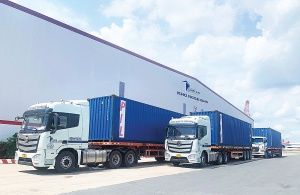
Hanoi-based Hai Minh JSC has established new agency offices in Hong Kong and India, and plans to launch new services on the Ho Chi Minh City – Shanghai – Port Klang route. It also intends to set up an agency for an Asian shipping line in Haiphong.

Meanwhile, Hai An Transport and Stevedoring JSC is planning to further expand its fleet over the next five years, aiming for longer routes such as the Mediterranean, Europe, and the US West Coast.

The development of larger-sized vessels is in line with Hai An’s long-term strategy to enter trade lanes that account for nearly 40 per cent of global container traffic.

Hai An currently operates 17 container vessels with a total capacity of 28,200 TEUs, primarily serving domestic and intra-Asia routes.

The company’s board of directors recently approved a plan to build two new container vessels in China, each with a capacity of 2,300 TEUs, with a total investment of up to $92 million.

According to Hai An’s leadership, over the past five years since the company began leasing out vessels, this business segment has become increasingly significant, currently contributing about 60 per cent of total revenue, while self-operated services account for the remaining 40 per cent.

Shinhan Securities expects Hai An’s business performance in the second half of the year to remain favourable, driven by strong freight rates for new vessels and the launch of additional intra-Asia routes amid rising global trade demand.

For Gemadept Corporation (GMD), MB Securities forecasts that the company will increase its cargo volume on intra-Asia routes and expand into new markets to offset the decline in US-bound shipments.

In addition, higher service fees are expected to contribute positively to Gemadept’s second-half business results. MB Securities’ forecasts suggest Gemadept’s net profit will grow by 16.5 per cent in 2025 and 14.4 per cent in 2026.

Vietnam Container Shipping JSC (Vinconship: ticker VSC) stated that it is not heavily reliant on the US market, as it focuses on domestic and intra-Asia routes.

Goods exported to the US only account for about 3.9 per cent of the company’s total handling volume. Furthermore, the company has prepared contingency plans to mitigate any potential tariff impacts.

Becoming a major shareholder in both Vinaship JSC and Hai An has helped Viconship improve profitability through indirect revenue streams from the two firms.

Both Vinaship and Hai An are expected to witness profit growth in 2025, benefiting from the trend of front-loading shipments, early orders placed ahead of potential tariff changes, thereby boosting Viconship’s financial results.

In mid-August, Viconship and Hai An announced they will establish Hai An Green Shipping Lines Co., Ltd., with an expected investment of around $180 million to build a pair of 7,000 TEU container vessels.

Overall, logistics enterprises remain among the sectors with strong long-term prospects. Vu Thanh Hai, chairman of Hai An JSC, noted that Vietnam is targeting at least 8 per cent economic growth this year and double-digit growth between 2026 and 2030.

“As the economy improves, trade demand will rise significantly, further stimulating import-export activities and the entire logistics supply chain,” he said.

On the stock market, VSC shares recorded five consecutive ceiling gains from August 12 to 18. Other maritime transport stocks also saw positive momentum, such VSC rising more than 26 per cent in value, and GMD increasing by 3.6 per cent.

In the first seven months of 2025, Vietnam’s total import-export value reached $514.7 billion, up 16.3 per cent on-year. Imports totalled $252.26 billion, up 17.9 per cent; while exports reached $262.4 billion, up 14.8 per cent compared to the same period last year.

Alongside export growth, seaport operations have remained vibrant.

According to the Haiphong Maritime Administration, as of the end of July, total cargo throughput via Haiphong’s ports had reached 65.5 million tonnes, showing a 7 per cent jump on-year.

According to the Ho Chi Minh City Maritime Administration, in the first half of 2025, container throughput at Cai Mep – Thi Vai (including domestic cargo) reached 5.96 million TEUs, up 17 per cent compared to the same period last year.

The fourth quarter, the peak season for retail and import-export activities, is expected to maintain the bustling pace at seaports, providing a boost to maritime transport and logistics companies.

Logistics groups vow to partner up locally Logistics groups vow to partner up locally

The growth of exports to important overseas markets is sustaining the growth momentum of Vietnam’s logistics sector.

Green is new buzzword for logistics arena Green is new buzzword for logistics arena

As sustainable development becomes a mandate to operate in the logistics industry, companies are stepping up their efforts to green their operations.

Pros and cons must be tackled in logistics industry Pros and cons must be tackled in logistics industry

More tariff barriers around the globe are expected to affect the logistics industry in some shape or form. Dao Trong Khoa, president of the Vietnam Logistics Business Association, spoke to VIR’s Thuy Nguyen about what may lie ahead.

Exhibition “80 years of Vietnam's financial sector – creation and development”
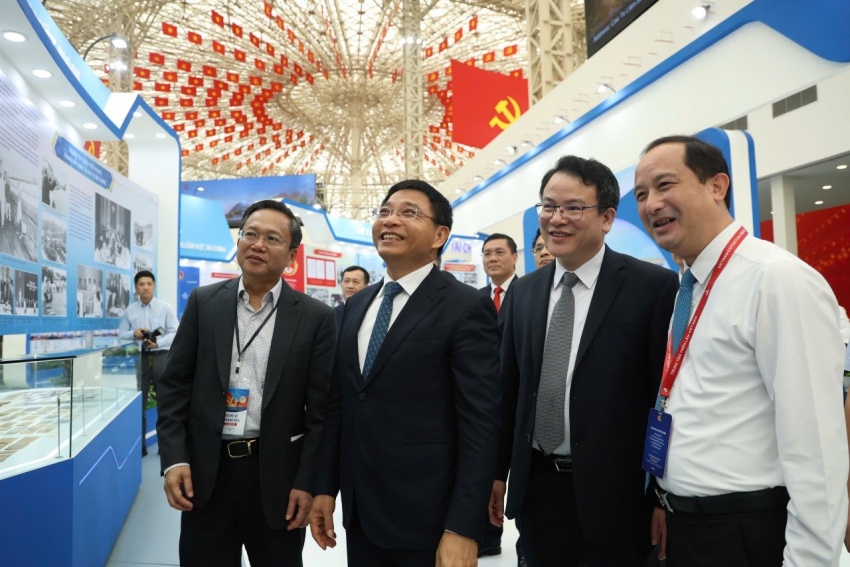
Minister of Finance Nguyen Van Thang, and Deputy Minister of Finance Tran Quoc Phuong (middle). Photo: Dung Minh

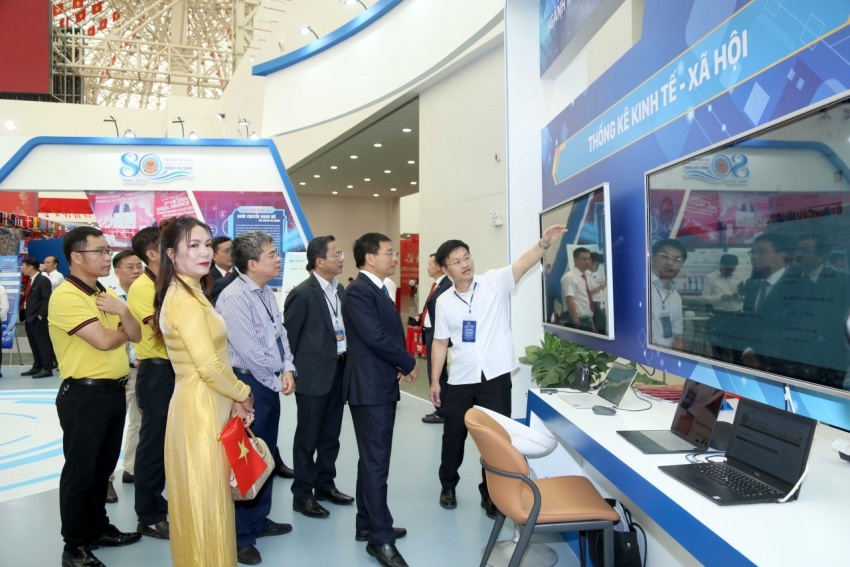
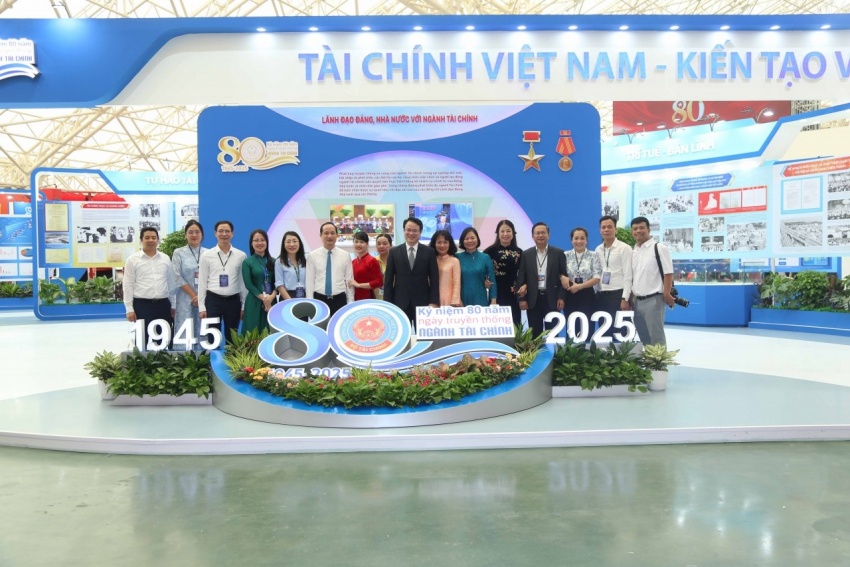
On the opening day of the exhibition, Minister of Finance Nguyen Van Thang and Deputy Minister of Finance Tran Quoc Phuong, along with leaders of the Ministry of Finance (MoF), visited the exhibition.

The MoF’s exhibition space spans 680 square metres, located in zone H8 at the National Exhibition Centre in Hanoi’s Dong Anh, summarising the formation and major achievements of the finance sector over 80 years of building and developing alongside the nation.

Exhibition “80 years of Vietnam's financial sector – creation and development”
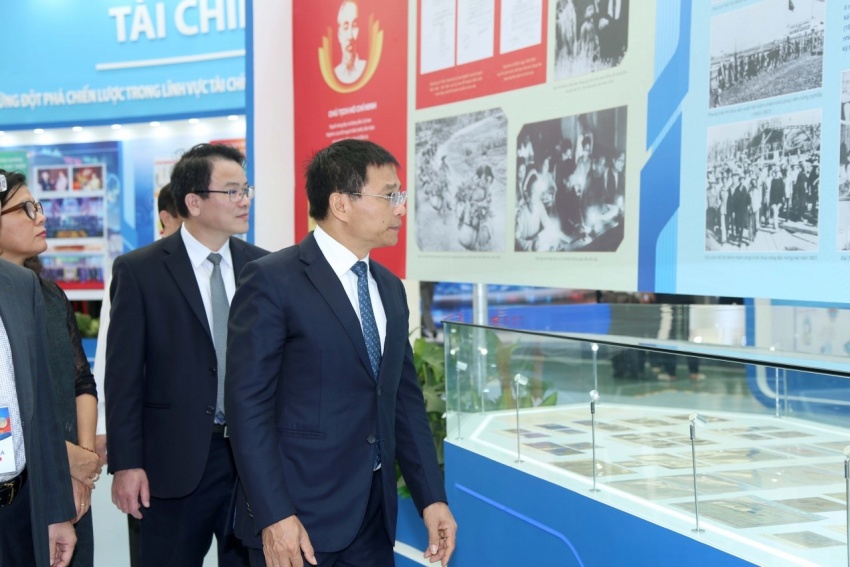
MoF leaders view the financial sector’s history. Photo: Duc Minh

Featuring thousands of documents, photographs, and valuable artifacts, the MoF’s exhibition booth introduces the images and activities of the ministry throughout different periods, using dynamic and engaging displays that creatively blend tradition and modernity. The exhibition affirms the role, growth, and significant contributions of the finance sector to the nation’s struggles for independence, reunification, renovation, and international integration.

Exhibition “80 years of Vietnam's financial sector – creation and development”
The Statistics Office booth. Photo: Duc Minh

The ministry’s exhibition space combines traditional and modern elements. A ceremonial area features the 80-year-old financial sector logo prominently displayed at the entrance, along with images of Party and state leaders with the financial sector. The exhibition focuses on creation and development, and the MoF’s booth also includes a special display area titled “The Financial Sector Steadily Entering a New Era”.

Exhibition “80 years of Vietnam's financial sector – creation and development”
High technologies and digital transformation. Photo: Dung Minh

In addition, in zone H2, there are 16 booths representing 16 major groups and corporations under the MoF’s management, including: Vietnam National Coal and Mineral Industries Group; Vietnam Posts and Telecommunications Group; Vietnam National Industry and Energy Group; Vietnam Electricity Group; Vietnam National Chemical Group; Vietnam National Coffee Corporation; Vietnam National Shipping Lines; State Capital Investment Corporation; Northern Food Corporation; Southern Food Corporation; Vietnam National Petroleum Group; Bao Viet Holdings; Airports Corporation of Vietnam; Vietnam Railways Corporation; Vietnam Airlines; Vietnam Expressway Corporation.

Exhibition “80 years of Vietnam's financial sector – creation and development”
Deputy Minister Phuong with MoF staff. Photo: Duc Minh

With the overarching theme of “Economic Locomotives”, these booths highlight the strategic and essential roles of these groups and corporations in leading key economic sectors, ensuring macroeconomic stability, promoting sustainable growth, and contributing to national construction and defence.

Short-term traders highlight risk from securities tax change Short-term traders highlight risk from securities tax change

A proposal to introduce a 20 per cent tax rate on net profits from securities trading is drawing significant attention from the investment community.

Vietnam and South Korea strengthen exchanges on stock market supervision Vietnam and South Korea strengthen exchanges on stock market supervision

A delegation from the Ministry of Finance (MoF) led by Deputy Minister Nguyen Duc Chi had a working session with the on August 25 in Seoul.

Strategic technology networks launched Strategic technology networks launched

In a defining step towards establishing a high-tech-driven economy, Vietnam has launched three new high-level technology networks, including quantum technology, cybersecurity, and aerospace and unmanned aerial vehicles (UAVs).

Vietnam and UN plan to enhance development cooperation Vietnam and UN plan to enhance development cooperation

Deputy Minister of Finance Tran Quoc Phuong and United Nations (UN) Resident Coordinator Pauline Tamesis co-chaired a meeting of the Joint Steering Committee (JSC) on cooperation between Vietnam and the UN on August 27.

MELBOURNE, Australia, Aug. 18, 2025 /PRNewswire/ — Leaders from Australia’s environment sector have delivered a set of recommendations to the government ahead of its three-day economic roundtable this week.

The recommendations followed an environmental economic reform roundtable convened on Friday by the environment sector, in response to concerns over the lack of environmental input into the Treasurer’s Canberra event.

The roundtable was attended by CEOs and policy leaders from 25 organisations with key roles in nature conservation and land management in Australia, including Greening Australia, the Indigenous Desert Alliance, the North Australian Land and Sea Management Alliance, the Biodiversity Council, the Australian Wildlife Conservancy, WWF Australia, the Nature Conservancy, Landcare Australia and NRM Regions Australia.

Despite the environment underpinning Australia’s GDP and export earnings, there will only be minimal representation at the Canberra event, which aims to build consensus on strategies to boost productivity, enhance economic resilience, and strengthen budget sustainability.

Australian Land Conservation Alliance CEO Dr Jody Gunn said other industry groups had been engaged in earlier roundtables to feed into the Treasury discussions and agenda. “The environment sector had encouraged the Minister for Environment and Water, Murray Watt’s office to hold or co-host a discussion, and whilst this was not taken up, we were pleased to have a representative from Minister Watt’s office attend Friday’s roundtable.”

“Nature’s economic role is too important to leave out of national reform conversations. If we ignore nature, productivity suffers. If we invest in the solutions it brings, we all win — with stronger regional economies, better disaster resilience, and healthier communities.”

Among the recommendations are calls for stronger laws for nature that underpin long-term economic growth, a review of tax settings to incentivise conservation and environmental restoration activities, the need to embed connection with Country and draw upon the knowledge and relationship Indigenous Australians have with the land, and workforce planning for the environment sector.

Environment leaders warn that without nature-based investment and reform, the ongoing decline of our natural capital—soil, water, native vegetation, and biodiversity—will erode productivity, economic growth, and disaster resilience.

Dr Gunn emphasised, “Nature is essential economic infrastructure and through the roundtable recommendations, the environment sector is highlighting the need for it to have a key seat at the table for sustainable economic reform.”

“We’ll continue advancing nature-based solutions, delivering results on the ground, and working to make sure it is part of the broader economic reform conversation.”

“Failing to seize this opportunity would be outdated thinking: the economy does not exist in isolation from the natural world that sustains it.”

Key asks:

1. Put nature at the heart of economic planning and reform

Governments should treat nature like any other critical economic asset — forecasting how the loss of forests, waterways, soils, and wildlife will impact jobs, exports, and the cost of living.

2. Invest in nature and make it easier for others to do the same

We need more funding from both government and business to protect and restore nature. That means direct investment, smarter policies, and reforms that unlock private capital — without letting governments off the hook.

3. Stop paying for damage, start funding solutions

Right now, public money is still flowing to activities that harm nature. Governments should phase out these harmful subsidies and redirect them into projects that regenerate ecosystems and support long-term prosperity.

4. Strengthen and enforce the laws that protect nature

Environmental laws must be clear, consistent, and properly enforced. That includes finishing national reforms, resourcing regulators, and creating an independent agency to ensure transparency, accountability, and certainty.

5. Back solutions that work for people, climate, and Country

Nature, climate, and people are deeply connected. Supporting Indigenous-led land and sea management, aligning climate and biodiversity policies, and ensuring environmental markets deliver real, lasting benefits, is critical.

GURUGRAM, India, Aug. 18, 2025 /PRNewswire/ — VVDN Technologies, a global provider of software, product engineering and electronics manufacturing services & solutions, today announced the acquisition of GGS Engineering Services, a leading engineering solutions company specializing in offering enhanced ER&D services for the Automotive, MedTech and Aerospace industries.

With this acquisition, VVDN has onboarded engineers with two decades of experience in Mechanical Design, Analysis, Simulation, Virtual Manufacturing and Technical Publications.

The key benefits of this acquisition for OEMs include:

  • Innovative Product Development with Accelerated Time-to-Market.
  • Value Added Engineering for Cost Optimization.
  • Scalable Engineering Talent Solutions.

The integration of GGS Engineering’s mechanical and electrical expertise with VVDN’s embedded systems and manufacturing prowess creates a unique vertically integrated solution for OEMs across key industries such as:

  • Automotive: GGS enables OEMs to create innovative designs that meet modern consumer expectations. VVDN now will be addressing the sector’s rapidly evolving needs for cabin designs, vehicle electrification, NVH (Noise, Vibration, Harshness) refinement, and cutting-edge styling and wire harness.
  • MedTech: VVDN will be serving MedTech customers with added portfolio by supporting them in the development of customized, precise, and efficient medical devices, implants, and surgical tools
  • Aerospace: Combined with GGS experience in CAD/CAM skillset, VVDN will be able to support OEMs and Tier 1s to design and manufacture complex aircraft components with precision and efficiency.

Together, VVDN & GGS set the stage for smarter machines, faster development, and stronger competitive advantages across industries. The combined entity will operate under the VVDN umbrella, with GGS’ leadership and founding teams continuing to play a pivotal role in the business.

Puneet Agarwal, CEO – VVDN Technologies: “We are delighted to welcome GGS Engineering Services into the VVDN family. Their proven excellence in mechanical engineering and design significantly enhances our value proposition to global clients. Our strengthened expertise now allows us to deliver comprehensive, cost-optimized product development for the automotive, medical, and aerospace industries—positioning VVDN to expand its footprint in automotive ER&D space. We look forward to working together to deliver accelerated innovation and end-to-end engineering leadership.”

This acquisition is a crucial step in VVDN’s growth strategy, enabling the company to aggressively penetrate the multi-billion-dollar global ER&D market and unlock new revenue opportunities across high-growth verticals.