EU Council president to visit Vietnam amid partnership upgrade
Photo: VNA

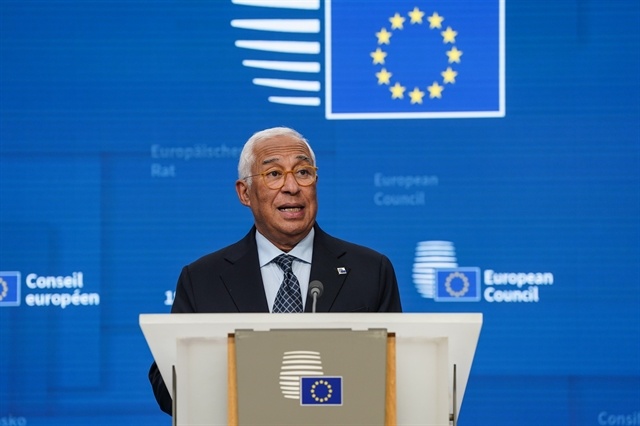
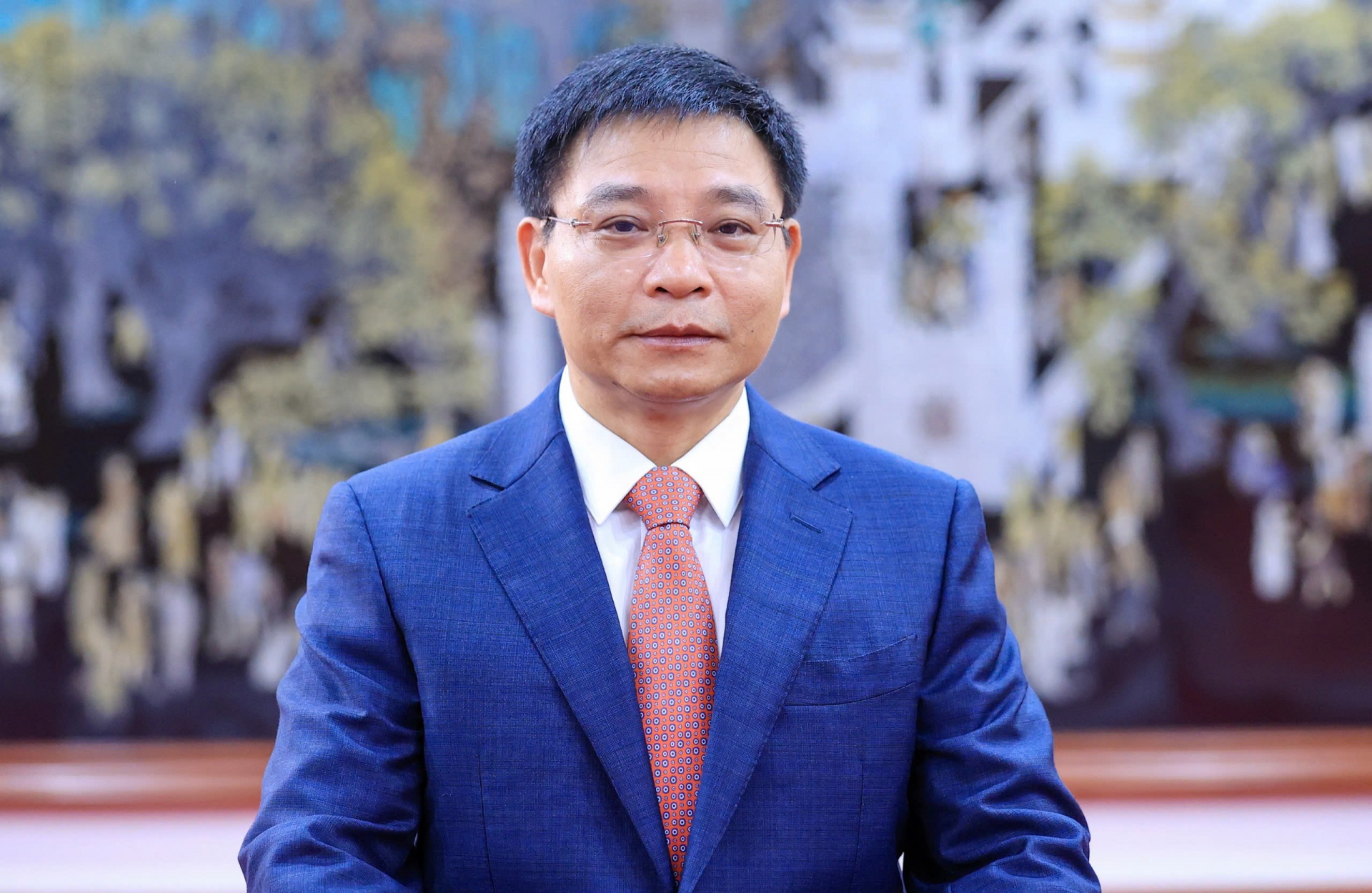
European Council President António Costa will visit Vietnam on January 29, as the EU and Vietnam elevate their relationship to a Comprehensive Strategic Partnership, coinciding with the 35th anniversary of bilateral diplomatic ties.

His programme includes meetings with Communist Party General Secretary To Lam, State President Luong Cuong, Prime Minister Pham Minh Chinh, and National Assembly Chairman Tran Thanh Man, as well as a site visit to Hanoi Metro Line 3, a project co-financed by the European Investment Bank.

“The European Union is committed to strengthening and deepening its ties with Vietnam, building on shared values and mutual goals. For 35 years, our partnership has grown in depth and ambition. I am honoured to travel to Vietnam to mark the upgrade of our relationship to a Comprehensive Strategic Partnership,” said Costa.

EU-Vietnam cooperation today spans trade, sustainable development, innovation, governance, and global security.

Among the most significant achievements of the past decade is the EU–Vietnam Free Trade Agreement, which came into force in 2020. As the EU’s first free trade agreement with a developing country, this agreement has helped raise bilateral trade by around 40 per cent and expanded EU investment in Vietnam from €22 billion ($18.5 billion) to more than €30 billion ($25.3 billion).

Looking towards the future, the EU and Vietnam are working closely to elevate their ties to a Comprehensive Strategic Partnership. Both sides see considerable potential in deepening cooperation across the green transition, research and innovation, science and technology, and digital transformation, including skills development and future-oriented sectors such as semiconductors. At the same time, cooperation in maritime security, cybersecurity, and crisis management is expected to expand as both partners navigate a more complex global environment.

European businesses already play a strong role in Vietnam’s development, and predictable, transparent, and coherent policies will help further attract high-quality investment that aligns with Vietnam’s ambitions for a green, digital, and high-income future.

European business confidence reaches highest in seven years European business confidence reaches highest in seven years

EuroCham released the Q4 2025 edition of its Business Confidence Index (BCI) on January 13, recording its highest level in seven years and marking a decisive shift in European business sentiment.

EVN and AFD sign credit agreement for Vietnam’s first pumped storage hydropower plant EVN and AFD sign credit agreement for Vietnam’s first pumped storage hydropower plant

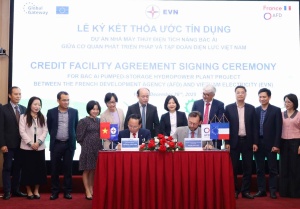
Vietnam Electricity (EVN) and the French Development Agency (AFD) signed a credit facility agreement worth €76 million ($89.5 million) for the Bac Ai Pumped Storage Hydropower Plant on December 26.

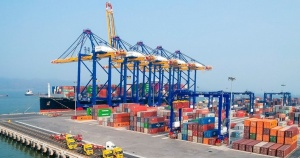
European expertise to boost Vietnam’s sustainable logistics push European expertise to boost Vietnam’s sustainable logistics push

As Vietnam expands its role in global manufacturing and trade, the demand for smart, low-carbon logistics is becoming increasingly urgent to support its net-zero goals. Dan Jian, principal of Investment for the Asia and Middle East Region at APM Terminals under the Maersk Group, spoke with VIR’s Bich Thuy about how European expertise can help accelerate the sustainable logistics transition.

How prepared is Vietnam for digital economy development, and what progress has been made so far?

Digital economy takes centre stage in Vietnam’s new growth model
Le Trung Hieu

In 2020, the Prime Minister approved a national digital transformation scheme under Decision No.749/QD-TTg. Its objectives are to develop digital government, the digital economy, and digital society, while fostering Vietnamese digital technology enterprises capable of competing and expanding into global markets.

The initiative prioritises the development of digital technology enterprises, shifting the IT sector away from assembly and outsourcing towards mastery of digital products and Industry 4.0 technologies. It also promotes digital content, creative industries, the sharing economy, e-commerce and smart manufacturing, while accelerating digital transformation within enterprises to strengthen competitiveness at both firm and economy-wide levels.

Given the increasingly important role of the digital economy in the local economy, the 2021 revised Law on Statistics introduced the indicator “share of digital economy value added in GDP” into the National Statistical Indicator System.

The content and publication cycle of this indicator are specified in Decree No.94/2022/ND-CP. Since 2023, the General Statistics Office, now the National Statistics Office, has compiled and published this indicator in accordance with regulations and will continue to do so in the forthcoming period.

What results have been achieved in the five years since implementing Decision No.749?

Compilation results for 2025 show that the digital economy continues to affirm its role as one of the key growth drivers of Vietnam’s economy, closely linked to the national digital transformation process.

The share of digital economy added value in GDP in 2025 is estimated at 14.02 per cent, equivalent to more than $72 billion, up 1.64 times compared to 2020.

The digital economy has expanded in both breadth and depth. Core digital economy sectors account for over 60 per cent of total digital economy value, while the level of digitalisation across industries and sectors has continued to expand, particularly in trade, finance, public administrative services and energy infrastructure.

On average during the 2021-2025 period, the share of digital economy added value in GDP reached approximately 13.2 per cent, with core digital economy sectors contributing 8.13 per cent and the digitalisation of other sectors contributing 5.05 per cent.

These results reflect the initial effectiveness of the National Digital Transformation Strategy, the leading role of digital government, as well as the concerted efforts of all levels, sectors, the business community and citizens in developing the digital economy and digital society.

The core digital economy is seen as the backbone of the wider digital economy. How is this sector developing in Vietnam?

The core digital economy includes sectors such as the manufacturing of electronic products, computers and optical products; software publishing; telecommunications; computer programming; IT consultancy and related activities; data processing, hosting and portal activities.

According to statistics, in 2025, core digital economy sectors contributed approximately 8.4 per cent of GDP, equivalent to $43.3 billion, accounting for more than 60 per cent of total digital economy value.

Digitalised sectors – those using core digital economy products as production and business inputs – accounted for around 5.6 per cent of GDP, equivalent to $28.8 billion.

Some digitalised sectors with high digital economy added value include wholesale and retail trade applying digital technologies (e-commerce), accounting for about 12 per cent of total digital economy added value.

Service sectors applying IT in production, business and management have shown rapid growth, contributing to an increase in the share of digital economy from the services sector in the GDP from 6.5 per cent in 2020 to a little over 7 per cent in 2025.

This demonstrates the clear efforts of the government, ministries, sectors and localities in encouraging IT development and accelerating the digitalisation of economic sectors.

At the local level, how is the digital economy shaping regional growth dynamics in Vietnam?

In 2025, the digital economy became a significant factor, creating marked differences in growth among localities.

Among 34 provinces and centrally governed cities, four recorded a digital economy value-added share in regional GDP exceeding 20 per cent, including Bac Ninh at around 46 per cent, Thai Nguyen at almost 30 per cent, Haiphong at over 22 per cent and Phu Tho at close to 23 per cent.

The country’s two economic growth poles, Hanoi and Ho Chi Minh City, also reported digital economy shares of over 17 per cent and 13 per cent of GDP, respectively.

Localities with a high digital economy share are typically major destinations for foreign direct investment in high-tech industrial manufacturing, resulting in a large proportion of core digital economy sectors in regional GDP.

The disparity in the digital economy’s contribution to regional GDP reflects differences in industrial development levels, digital infrastructure, investment attraction capacity, and the extent of digital technology application in socioeconomic development across localities.

Resolution No.57-NQ/TW targets the digital economy contributing at least 30 per cent of GDP by 2030. In your view, is this target achievable?

During the 2021-2025 period, the digital economy emerged as a key pillar of the National Digital Transformation Strategy. E-commerce, digital payments, online services, smart logistics and data-driven business models all recorded strong growth.

In particular, the development of digital government – through electronic identification, national population databases and online public services – has created an important foundation for reducing transaction costs, enhancing transparency and strengthening digital trust.

These factors have directly contributed to the expansion of the digital economy’s scale, demonstrating the mutually reinforcing relationship between digital transformation and economic growth.

The digital economy serves as a central driving force for rapid and sustainable growth by improving labour productivity, renewing growth models, expanding market space, and enhancing service quality and living standards for the population.

The results achieved in 2025 demonstrate the strong commitment and high determination of the government, ministries, sectors, localities, the business community and citizens in developing the digital economy and digital society, in line with the spirit of Resolution 57.

New policy momentum powers Vietnam’s digital economy New policy momentum powers Vietnam’s digital economy

Vietnam’s digital transformation is entering a decisive new phase, as AI, 5G, and bold institutional reforms converge to propel the country towards one of the fastest-growing digital economies in the region, driven by strong government commitment and rising confidence from leading local tech enterprises.

5G and AI to shape next phase of digital economy 5G and AI to shape next phase of digital economy

The convergence of 5G and AI is expected to shape the future of industries and the next phase of digital economy growth in Vietnam.

Main drivers for Vietnam’s digital economy future Main drivers for Vietnam’s digital economy future

As businesses look to Vietnam for innovation and investment opportunities, understanding the forces shaping this evolving landscape has become crucial. Yves Vanderstraeten, vice chairman of the European Chamber of Commerce in Vietnam’s Digital Sector Committee, discussed with VIR’s Minh Anh the motivations propelling the digital economy.

TikTok penalised $35,000 in Vietnam for violations
Photo: Minh Son

Following an inspection of compliance with laws on the protection of consumer rights, the National Competition Commission in January issued a decision to sanction TikTok Pte., Ltd., headquartered in Singapore, with a fine of VND880 million ($35,000).

The decision said that TikTok committed several violations, including failing to provide a mechanism that allows consumers to choose whether their personal information may be used for advertising and promotional purposes.

The company was also found to have included prohibited clauses in its standard terms and conditions, in violation of regulations governing general transaction conditions. In addition, TikTok provided incomplete information regarding the content and characteristics of transactions between consumers and business entities, thereby causing confusion for consumers.

Furthermore, the company failed to establish appropriate procedures, processes, methods or measures tailored to vulnerable consumer groups to ensure their rights to lodge complaints, request dispute resolution, and exercise other consumer rights.

The National Competition Commission has required TikTok to immediately cease the violating practices, review and improve its policies and practices, and ensure full and accurate compliance with the laws on consumer protection.

In Vietnam, TikTok is one of the most vibrant e-commerce platforms. According to the Online Retail Platform Market Report 2025 released by data platform Metric on January 15, gross merchandise value across the four major platforms of Shopee, Lazada, Tiki, and TikTok Shop reached around $16 billion. Of this total, Shopee and TikTok Shop together accounted for 97 per cent of market share.

Shopee and TikTok Shop account for 8 per cent of Vietnam’s retail market Shopee and TikTok Shop account for 8 per cent of Vietnam’s retail market

In 2025, transaction value on Shopee and TikTok Shop exceeded $16.3 billion, equivalent to nearly 8 per cent of Vietnam’s total retail market.

Vietnam's retail market tops $269 billion in 2025 amid e-commerce boom Vietnam’s retail market tops $269 billion in 2025 amid e-commerce boom

Vietnam’s retail market recorded a five-year high in revenue, reaching $269 billion in 2025, according to the Vietnam Domestic Market Report 2025 released by the Ministry of Industry and Trade.

E-commerce market undergoes transformation amid rising competition and regulation E-commerce market undergoes transformation amid rising competition and regulation

Intensifying competition and tighter regulations reshaped Vietnam’s e-commerce market in 2025, according to the Vietnam Tech & Venture Capital Outlook 2025 report by VinVentures released on January 2.

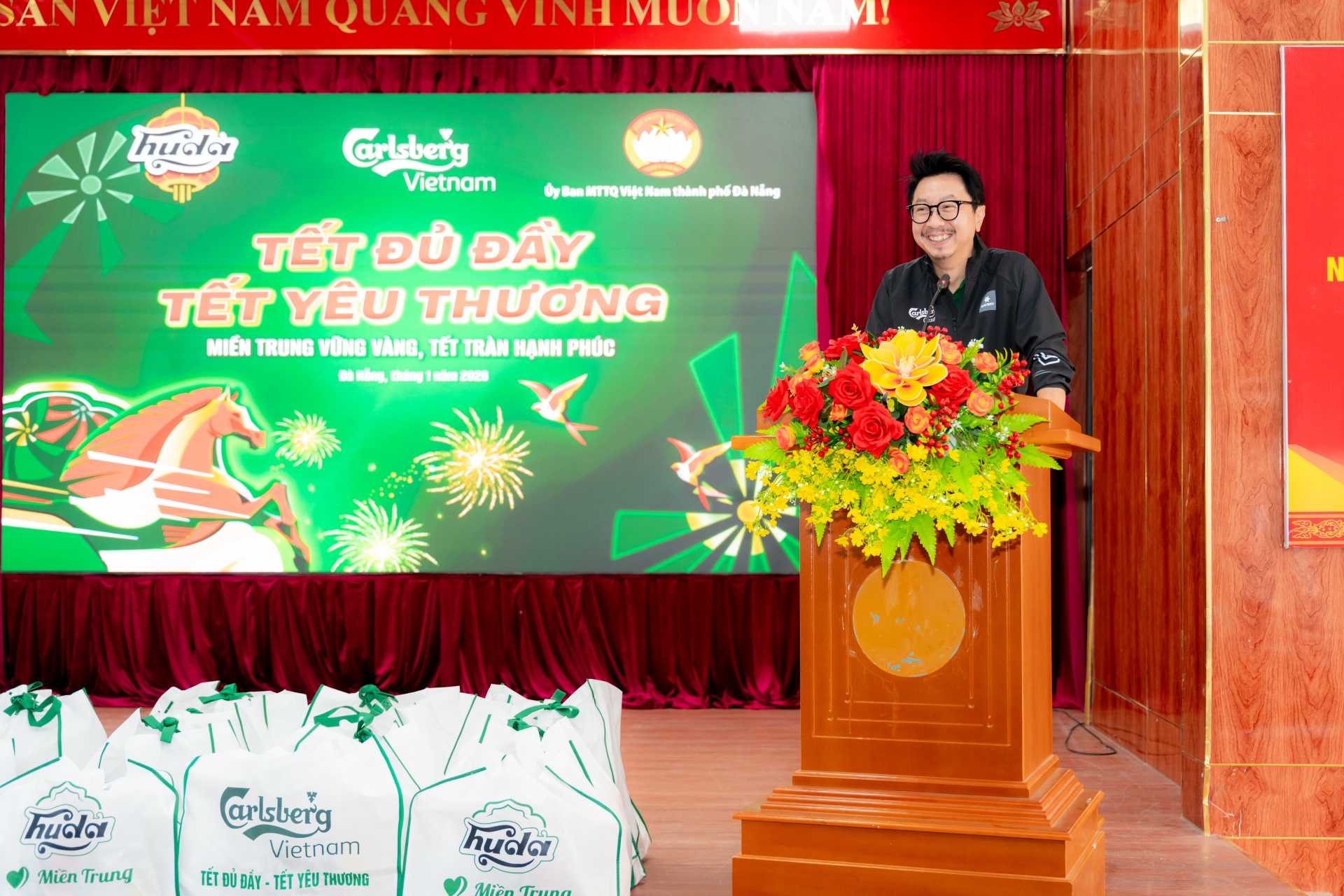
Through its “Tet is Full, Tet is Love” campaign, Carlsberg Vietnam and its local brand Huda have delivered 7,500 Tet care packages containing essential goods to underprivileged families across seven provinces and cities in the central region, continuing a long-standing effort to support communities during the most important holiday of the year.

Carlsberg Vietnam delivers Lunar New Year support in Central region
Andrew Khan, managing director of Carlsberg Vietnam, speaks at the Tet gift-giving ceremony

For Carlsberg Vietnam, growth in Central Vietnam has never been viewed purely through a business lens. Over the past three decades, the company has pursued sustainable development with a consistent focus on community connection, seeking to contribute not only through high-quality products and world-class operations, but also through tangible initiatives that support people’s wellbeing and quality of life.

Huda, born and raised in the Central region, embodies that commitment. Closely tied to local identity and culture, the brand has remained dedicated to standing with Central communities, especially during meaningful moments such as Lunar New Year, when the idea of togetherness holds its deepest value.

Carlsberg Vietnam delivers Lunar New Year support in Central region
A Carlsberg Vietnam representative hands over Tet care packages and engages with local residents during the community programme in Central Vietnam

In 2026, “Tet is Full, Tet is Love” marks its 11th consecutive year, an enduring journey to support the communities. Over time, the initiative has become a cherished Lunar New Year tradition, rooted in Carlsberg Vietnam’s long-standing connection with Central Vietnam, where Huda has been part of local life for generations.

This year, the programme carries an especially meaningful theme, “Mien Trung vung vang, Tet tran hanh phuc”, which means, ‘A resilient Central Vietnam, a Tet filled with happiness’. The theme reflects the region’s resilience, and Carlsberg Vietnam’s commitment to staying close to Central communities, in both good times and challenging ones.

2025 was a difficult year for the area, as historic floods and severe storms caused widespread disruption. In response, Carlsberg Vietnam contributed VND1.5 billion ($57,240) to support relief and recovery efforts in Hue and Danang – two of the hardest-hit localities, helping provide urgent assistance for affected households, facilitate home repairs, and aid livelihood restoration.

Carrying that commitment into the year-end season, throughout January 2026, over 7,500 Tet care packages have been distributed across Thanh Hoa, Nghe An, Ha Tinh, Quang Tri (including areas formerly part of Quang Binh), Hue, Danang (including areas formerly part of Quang Nam), and Quang Ngai. The programme is implemented in close collaboration with the Vietnam Fatherland Front Committees in each locality, ensuring the gifts reach the right recipients and the families most in need.

Carlsberg Vietnam delivers Lunar New Year support in Central region
Carlsberg Vietnam representatives, with residents at the Tet gift-giving ceremony, as part of the company’s annual community support initiative in Central Vietnam

Each care package is more than practical support; it is also a message of encouragement, reinforcing the belief that progress is strongest when communities move forward together. Through this initiative, Carlsberg Vietnam continues to underline that sustainable growth must go together with social responsibility, and that long-term trust is built through actions delivered consistently, year after year.

“Tet is one of the most meaningful moments of the year for Vietnamese families. It is a time of togetherness, gratitude, and new beginnings,” said Andrew Khan, managing director of Carlsberg Vietnam. “And while it is a time of celebration, it is also a time of compassion – a reminder that a meaningful Lunar New Year is one that everyone should be able to experience, especially those who may still be facing hardship.”

“Our commitment to Central Vietnam is not just about business development, it is also about creating positive impact so that lives can become more complete, more secure, and more meaningful,” he added. “Through our campaign, we hope to welcome a brighter new year together with local communities, while continuing to contribute to the region’s sustainable development – for a better today, and a brighter tomorrow.”

Carlsberg Vietnam delivers Lunar New Year support in Central region
Carlsberg Vietnam continues its long-term journey of community engagement in Central Vietnam

“Tet is Full, Tet is Love” is one of Carlsberg Vietnam’s signature community initiatives in Central Vietnam. Over the past 10 years, the programme has supported more than 75,000 households, helping thousands of families welcome the New Year with greater reassurance and dignity.

The company has also invested in long-term solutions that improve everyday quality of life, including the “Fresh Water for Beloved Central” programme. Now in its seventh year, the initiative has delivered more than 3.3 million cubic metres of clean water to nearly 9,500 households, improving access to clean water for approximately 40,000 people across Central Vietnam.

Carlsberg Vietnam delivers Lunar New Year support in Central region
“Tet is Full, Tet is Love” is one of Carlsberg Vietnam’s long-standing community initiatives, reflecting the company’s belief that sustainable progress is built through consistent action and shared responsibility

“Tet is Full, Tet is Love” reflects Carlsberg Vietnam’s deep-rooted bond with Central Vietnam, shaped through long-term partnership, sustained community support, and a belief that progress only matters when it is shared. As the New Year approaches, the message of “Mien Trung vung vang, Tet tran hanh phuc” affirms the hope that, after a challenging year, more families can welcome the Year of the Fire Horse with renewed strength, comfort, and optimism.

Carlsberg Vietnam and Grab encourage responsible enjoyment and safer mobility Carlsberg Vietnam and Grab encourage responsible enjoyment and safer mobility

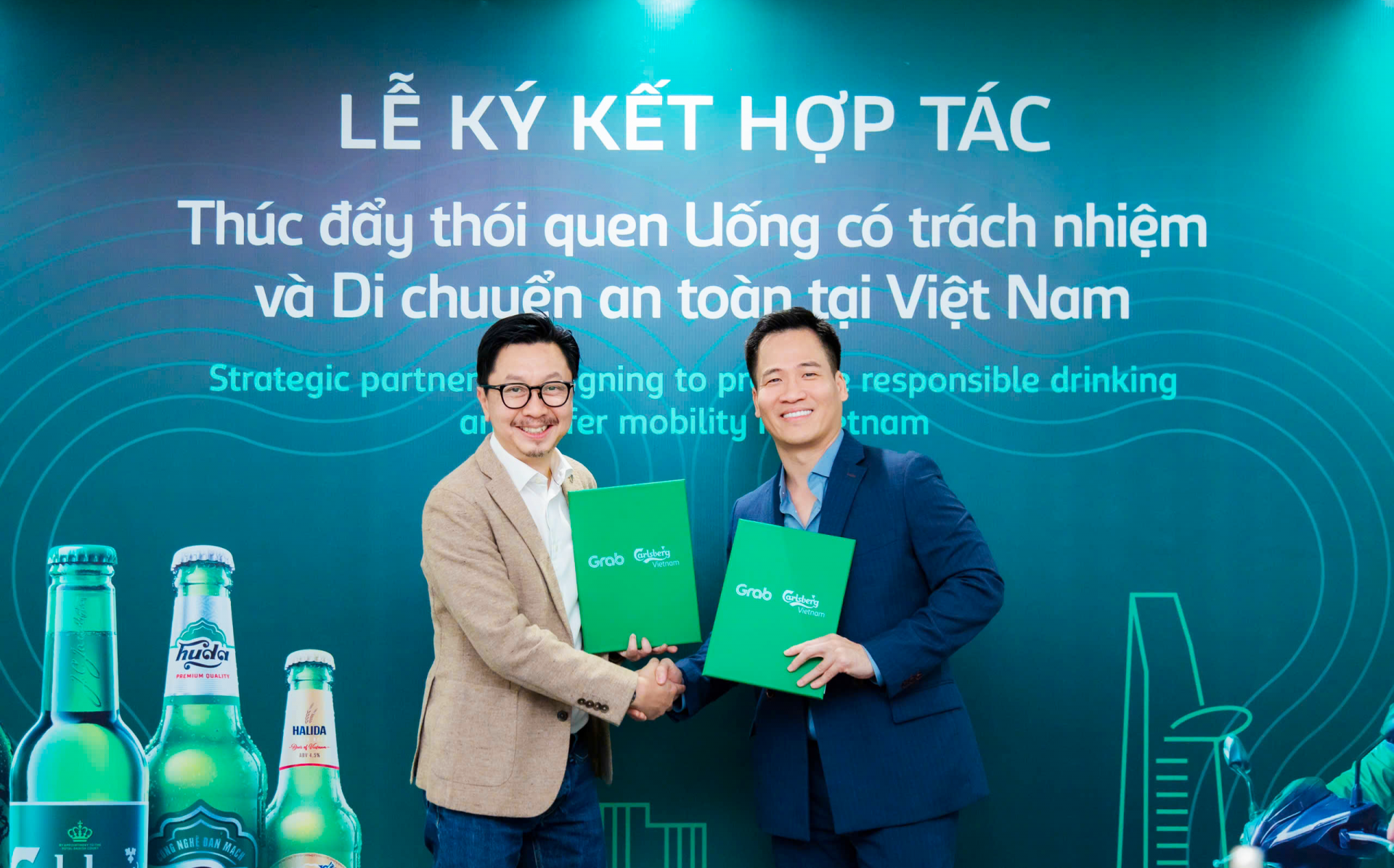
On January 16, Carlsberg Vietnam and Grab signed an MoU to promote responsible drinking and safer mobility across Vietnam.

Carlsberg Vietnam makes progress in diversity, equity and inclusion Carlsberg Vietnam makes progress in diversity, equity and inclusion

As leadership expectations evolve, diversity, equity and inclusion (DE&I) is increasingly viewed as a driver of long-term performance. Susanne Skippari, chief people and culture officer of Carlsberg Group, shares her perspectives with VIR’s Thanh Van.

Carlsberg Vietnam donates nearly $56,000 to support Hue and Danang after floods Carlsberg Vietnam donates nearly $56,000 to support Hue and Danang after floods

Following devastating floods in Central Vietnam, Carlsberg has contributed VND1.5 billion ($56,977) to support relief and recovery efforts in Hue and Danang, two localities hardest hit by the historic rainfall and landslides.

Vietnam to lead trade growth in ASEAN

According to HSBC’s ASEAN Perspectives 2026 report on January 26, although there are fears over tariffs while the frontloading of export demand is set to pull back, ASEAN’s trade engines will endure. In fact, despite all the noise over tariffs, the region’s exports outperformed in 2025, it said.

The finer details suggest that this outperformance will likely be sustained, with ASEAN seeing its global market share in exports jump from approximately 7.4 per cent in 2023 to approximately 9.4 per cent by 2025, putting a floor under how much any easing in demand will weigh on the region.

This increase was neither driven by any boom in exports to the usual destinations like the US, China, or even intra-ASEAN, but by a broad-based increase in exports to the rest of the world. With the region seen as a “tariff haven” and a supplier of hardware to the AI boom, ASEAN has what it takes to endure any trade challenges in 2026 and still attract the overseas funding it needs to keep on going.

Against the backdrop, thanks to their domestic strengths and supportive policies, Vietnam, Malaysia, and Singapore are emerging as leading engines of trade growth in the region. Apart from their tenacious – but prudent – fiscal policy, their gains in trade have translated into gains in wages and jobs.

In Vietnam, the spillover effects of trade are clearly evident in the employment and consumer markets. With higher wages, retail sales in Vietnam grew 9.6 per cent on-year until November 2025. Confidence in the economy also persists, with credit growth in late 2025 still on the rise.

The report also pointed out that Vietnam is among the economies with the most impressive fiscal strength in the region, along with Indonesia, Malaysia, and Singapore.

With the public debt-to-GDP ratios low, Vietnam is pumping the fiscal irons in 2026, accruing fiscal deficits that are above their pre-pandemic averages. Vietnam is set to boost its infrastructure spending as it undergoes an expansive reform agenda, with a fiscal deficit-to-GDP target that is slightly above the pre-pandemic levels of approximately 4.1 per cent.

HSBC forecasts that Vietnam is expected to grow in line or above potential in 2026, and will witness robust wage growth, strong credit. and retail sales.

Vietnam’s GDP forecast to grow by 9 per cent in 2026 Vietnam’s GDP forecast to grow by 9 per cent in 2026

Vietnam’s real GDP is forecast to grow by 9 per cent in 2026, underpinned by an ambitious government agenda aimed at positioning the year as a critical to the country’s development trajectory, according to a report by KIS Research.

Exports cement role as central pillar Exports cement role as central pillar

Vietnam’s export prospects for 2026 remain positive on the back of recovering major markets, with attention increasingly shifting to value-added content and economic self-reliance.

Vietnam forecasts rice exports of 7.73 million tonnes in 2026 Vietnam forecasts rice exports of 7.73 million tonnes in 2026

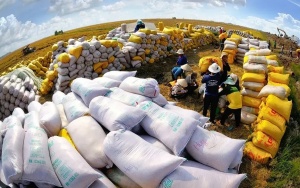
Vietnam is expected to export around 7.73 million tonnes of rice in 2026, according to the Ministry of Agriculture and Environment (MAE).

Financial sector charts next steps as Party Congress convenes

How do you assess the Ministry of Finance’s performance in implementing financial and state budget tasks, as well as its progress in improving mechanisms, policies, and legal frameworks across the financial, investment, and state treasury sectors in recent years?

Over the past five years, the financial and budget duties have been carried out amid unfathomable developments domestically and internationally, which have posed numerous challenges.

However, thanks to great efforts by the entire political system under the sound leadership of the Party, National Assembly, and government; by concerted actions from ministries, agencies, sectors, and localities; along with proactive, flexible, and timely direction of the financial sector, the task of financial and budget management has been effectively carried out with several noteworthy outcomes, with the accomplishment of all key targets for the 2021-2025 period.

Financial and budget sources have been mobilised, managed, and used in a more increasingly effective manner, making an important contribution to the implementation of national socioeconomic goals.

Firstly, the financial sector has provided timely consultancy and deployed plans, mechanisms, policies, and solutions for socioeconomic development; boosting economic growth in association with macroeconomic stability. The state budget overspending in the 2021 – 2025 period occupied about 3.1 – 3.2 per cent of GDP; public debt is estimated at 35 – 36 per cent of GDP – meaning they were effectively controlled, contributing to strengthening the national credibility ranking.

Secondly, the national law system on finance and state coffers have improved in a concentrated manner. In the 2021 – 2025 period, the MoF enacted 32 laws and resolutions of the National Assembly and the National Assembly Standing Committee, and 168 decrees. It also enacted within its jurisdiction 436 circulars, focusing on removing obstructions, and boosting decentralisation and empowerment, cutting and reducing administrative procedures, meeting new development requirements in the new period.

Thirdly, management of state budget revenues has been strengthened, with revenue structure focused in a more sustainable manner. The ratio of state budget mobilisation averaged over the past five year has hit 18.3 per cent of GDP. At the same time, exemption, reduction, and extension of assorted taxes and fees were worth about VND1.1 quadrillion ($44 billion) used for supporting individuals and enterprises during the pandemic, and for them to recover and promote production and business activities post-pandemic.

Fourthly, the financial sector has also increased revenues and save expenditures valued at about VND1.5 quadrillion ($60 billion) which have been earmarked for development investment, national defence and security, science and technology, salary reform, social security, removal of dilapidated houses, and construction of schools in border areas.

Fifthly, the country’s development investment has increased by 32 per cent of all state budget spending. It has used with focuses, ensuring sufficient funding for strategic infrastructure projects with high spillover effects.

Sixthly, the country’s investment and business climate has continued to be ameliorated, with all economic sectors encouraged for development. At present, more than one million enterprises are operating in Vietnam, up 46 per cent over 2020. Total development investment in the 2021–2025 period accounted for 32.2 per cent of GDP – in which the private sector and state-owned enterprises held more than 65 per cent.

Seventhly, Vietnam has continued to stand out as a bright spot in attracting foreign direct investment (FDI), ranking among the world’s group of 15 largest developing countries with wooed FDI. Foreign capital accounts for approximately 16 per cent of total development investment.

Eighthly, capital markets in Vietnam have developed in a safer, more sustainable and more integrated direction, gradually becoming an important channel for capital mobilisation for the economy. By the end of 2025, the bond market is estimated to have reached a size of around VND3.93 quadrillion ($157.2 billion), tantamount to 30.7 per cent of GDP. Stock market capitalisation is projected to have hit nearly VND10 quadrillion ($400 billion), or 77.9 per cent of GDP. In 2025, Vietnam’s stock market fully met the required criteria and was upgraded from a frontier market status to an emerging market status.

Finally, the MoF has actively promoted regional economic development, sectoral development, and new economic sectors and models. It has also participated in the establishment of international financial centres and free trade zones. Moreover, it has also effectively coordinated with relevant agencies in ensuring social security, ensuring that economic growth goes well hand in hand with social progress and equity.

What key tasks and solutions will the financial sector prioritise to maintain macroeconomic stability and promote rapid, sustainable growth in the period ahead?

In the coming time, the MoF will centre on the synchronous implementation of key tasks and solutions.

First and foremost is deploying a reasonably expansionary proactive fiscal policy, focused, and targeted. It is also to strengthen the leading role of the central budget, while also encouraging proactivity and creativity from ministries, sectors, and localities.

Fiscal policy will be closely coordinated with monetary policy to maintain macroeconomic stability, contribute to achieving double-digit growth, and transforming the national development model.

In addition, a focus will also be placed on enhancing the effectiveness and efficiency of state budget revenue and expenditure management; ensuring correct, sufficient, and timely collection, linked with nurturing and developing sustainable revenue sources.

We will strive to maintain the average state budget mobilisation rate in the 2026-2030 period at about 18 per cent of GDP, and increase development investment expenditure to around 40 per cent of total state budget expenditure. Furthermore, we will also strictly control the budget deficit and public debt in line with the economy’s borrowing and repayment capacity, thereby contributing to improvements in the national credit rating.

Simultaneously, we will also continue institutional and law system improvement in finance and state budget. We will also utilise digital transformation and administrative procedure reform, enhancing capacity and effectiveness in management and supervision.

What solutions are being prioritised to develop different economic sectors, as well as the capital and stock markets?

The MoF will concentrate on bettering the effectiveness of the state-owned economic sector, enabling it to truly play a leading and pioneering role in key, essential, and strategic sectors.

What is more, the private sector will also be further developed in line with the spirit of the Politburo’s Resolution No.68-NQ/TW issued last May on private sector development. Efforts are to be made to have around two million operational enterprises by 2030, with technological capability, innovation and digital transformation ranking among the leading groups in ASEAN and Asia.

The MoF will also develop capital markets and the stock market into important channels for medium- and long-term capital mobilisation, with opportunities tapped into effectively from the stock market upgrade. We will also complete the legal framework for new trends such as digital assets, green transition, and digital transformation.

In addition, we will also centre on selectively luring in FDI, with priority placed on large-scale, high-technology and environmentally friendly projects. It is also necessary to strengthen linkages between domestic enterprises and foreign-invested enterprises, so that Vietnamese businesses can deeper participate in global value chains and supply chains.

To achieve the highest possible outcomes in celebration of the 14th National Party Congress, the Ministry of Finance has launched an emulation drive to accelerate and make breakthroughs in successfully fulfilling the goals and tasks set out in the Resolution of the 13th National Party Congress within the financial sector.

This initiative is being carried out widely, synchronously, and consistently throughout the whole financial sector, closely linked with emulation movements aimed to excellently accomplishing assigned political tasks.

The initiative features diverse content and forms closely associated with the implementation of central resolutions on administrative reform and the MoF’s schemes on administrative reform. Important attention would be paid to human resource development and the promotion of digital transformation in the financial field.

AMRO forecasts 7.6 per cent GDP growth for Vietnam in 2026

Vietnam’s GDP growth is forecast to reach 7.6 per cent in 2026, according to a quarterly update released on January 21 by the ASEAN+3 Macroeconomic Research Office (AMRO). ASEAN+3 comprises the 10 ASEAN member states together with China, Japan, and South Korea, and the bloc’s overall growth is projected to moderate to 4 per cent in 2026.

The growth updates reflect upward revisions of 0.2 percentage points for both years compared with the October 2025 update. The region’s solid performance last year was underpinned by less severe tariff outcomes than initially expected, resilient technology export growth, strong investment in ASEAN, and accommodative macroeconomic policies.

“The ASEAN+3 region has demonstrated notable resilience, navigating global uncertainties more effectively than anticipated,” said AMRO chief economist Dong He. “Strong technology demand and robust foreign direct investment inflows into emerging sectors, including advanced electronics, electric vehicles, and digital services, have helped cushion growth despite ongoing tariff headwinds.”

Vietnam remains a bright spot in the region, with GDP growth of 8.02 per cent in 2025. International organisations have issued more positive growth projections for Vietnam this year, reflecting the country’s robust fundamentals and resilience amid global uncertainties.

Specifically, Standard Chartered predicts Vietnam’s GDP growth at around 7.2 per cent in 2026. GDP growth is projected at approximately 6.5 per cent in the first half and is expected to accelerate to around 8 per cent in the latter half, lifting full-year growth to 7.2 per cent.

Likewise, the World Bank predicts Vietnam’s GDP growth at 6.3 per cent in 2026 and 6.7 per cent in 2027 in its January 2026 edition of its Global Economic Prospects. The growth projections for Vietnam are 0.2 and 0.3 percentage points above the forecasts in the June 2025 edition of the report.

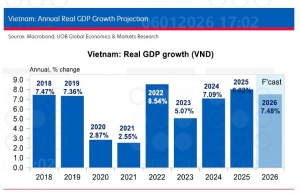
UOB lifts Vietnam growth outlook to 7.5 per cent for 2026 UOB lifts Vietnam growth outlook to 7.5 per cent for 2026

Vietnam has entered 2026 with solid economic momentum, supported by strong growth last year and a more upbeat outlook from regional economists.

HSBC forecasts Vietnam's GDP growth to hit 6.7 per cent in 2026 HSBC forecasts Vietnam’s GDP growth to hit 6.7 per cent in 2026

HSBC has said it expects Vietnam’s GDP growth to hit 6.7 per cent this year, down from an 8 per cent expansion last year.

Three key dynamics supporting Vietnam’s GDP growth in 2026 Three key dynamics supporting Vietnam’s GDP growth in 2026

The three key dynamics to drive 2026 GDP growth include a modest consumption recovery, the infrastructure-real estate growth nexus, and resilient exports to the US, according to a report by VinaCapital published on January 19.

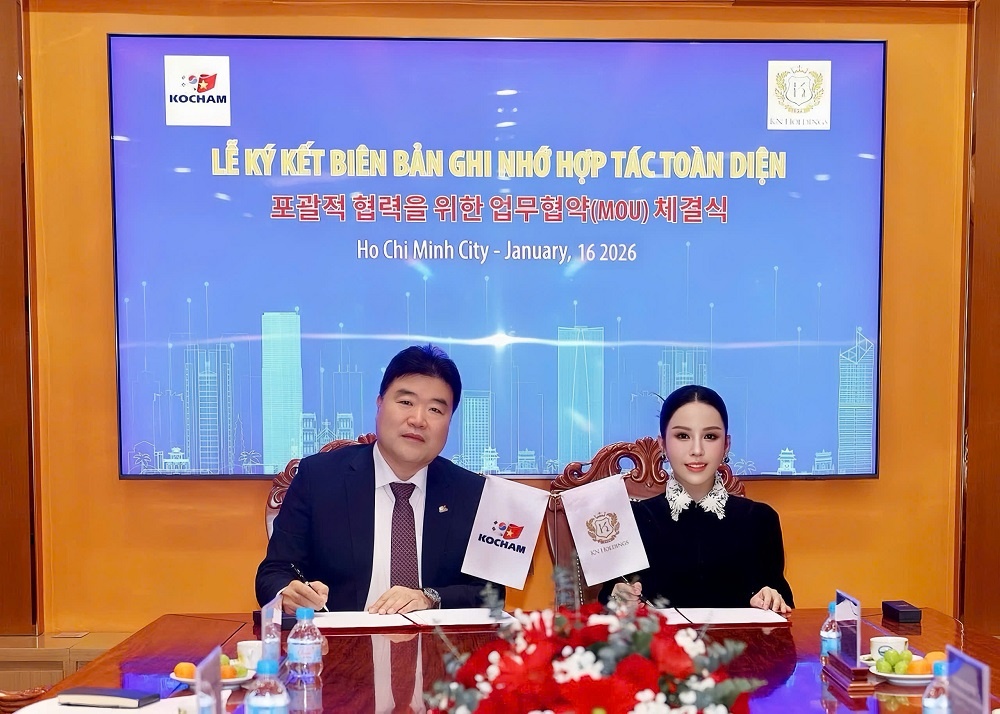
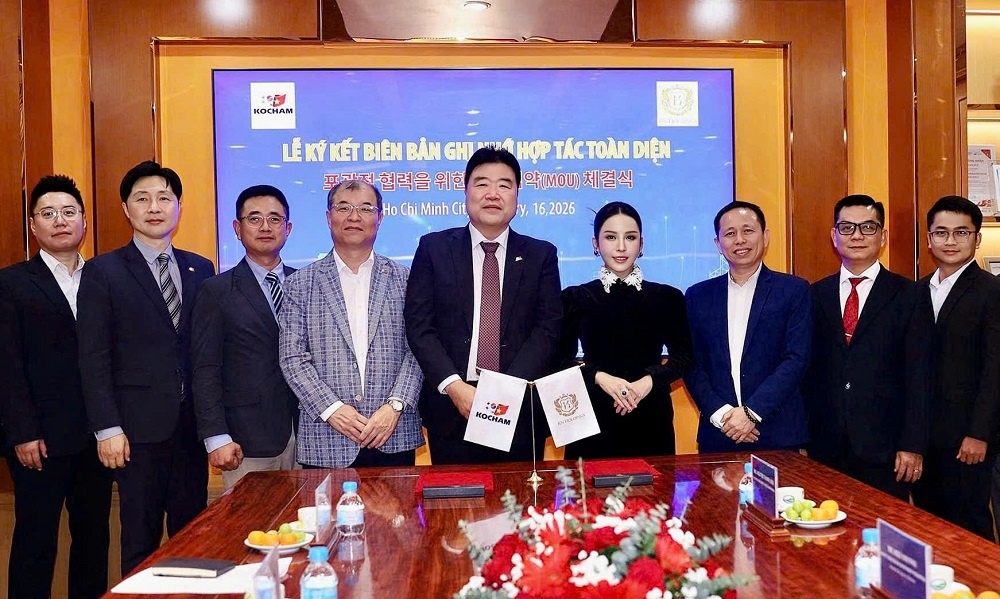
The MoU was signed by Kim Nyoun Ho, chairman of KoCham, and Le Nu Thuy Duong, vice chairwoman and general director of KN Holdings.

KoCham and KN Holdings strengthen cooperation on eco-industrial parks

Under the agreement, the two sides aim to strengthen information exchange, support investment connectivity, and facilitate Korean enterprises in exploring investment and production opportunities in industrial parks (IPs) developed by KN Holdings in Vietnam.

Leaders of KN Holdings highly appreciated the role of KoCham in connecting and supporting the Korean business community in Vietnam. The cooperation is expected to create effective channels for investors to access a modern and environmentally friendly IP ecosystem in line with sustainable development trends.

The cooperation focuses on the KN Industrial City parks invested in and developed by KN Holdings in Dong Nai province. This is a new-generation IP model oriented towards ecological standards set by the United Nations Industrial Development Organization.

KoCham and KN Holdings strengthen cooperation on eco-industrial parks

The IPs feature integrated infrastructure, the use of clean energy, and a wide range of amenities supporting both enterprises and workers, including worker housing, training centres, and human resource development facilities.

Notably, KN Industrial City is among the few models in Vietnam targeting net-zero emissions by 2050. This orientation aligns with Vietnam’s commitments as well as the national strategy on green growth and sustainable development.

According to the MoU, KN Holdings and KoCham agreed to focus cooperation on three key areas. The first is supporting Korean enterprises in stabilising their production activities and gradually expanding investment in Vietnam. The second is promoting supply chain linkages, partnerships, and the development of an industrial ecosystem within the KN Industrial City parks. The third is serving as a bridge between businesses and government agencies to help build a transparent, stable, and favourable investment environment.

Representatives of KoCham highly valued KN Holdings’ systematic development strategy, particularly its balanced approach between economic efficiency, environmental protection, and community benefits.

KoCham also asserted its commitment to actively supporting its members, especially Korean enterprises in southern Vietnam, in exploring and connecting with investment opportunities within the IP ecosystem developed by KN Holdings.

KoCham and KN Holdings strengthen cooperation on eco-industrial parks

In addition to economic cooperation, both sides expressed their intention to jointly implement social responsibility activities in Dong Nai province. Proposed programmes include charitable initiatives, scholarships for disadvantaged students, and support for local communities.

The signing of the MoU between KoCham and KN Holdings is expected to lay an important foundation for substantive investment cooperation in the coming period.

The event also underscores KN Holdings’ commitment to supporting foreign investors and contributing to the deeper, more effective, and more sustainable development of Vietnam-Korea economic relations.

Corporations contribute to building modern industrial country Corporations contribute to building modern industrial country

The biggest corporations in the country raised practical suggestions at a meeting with the prime minister on solutions of the country’s socioeconomic development on September 21.

KN Holdings advocates for better housing in Dong Nai KN Holdings advocates for better housing in Dong Nai

Dong Nai People’s Committee held a launch ceremony on March 28 for an initiative to eliminate temporary and dilapidated houses.

KN Holdings signs clean energy pact with Samsung C&T KN Holdings signs clean energy pact with Samsung C&T

Vietnamese conglomerate KN Holdings has signed an MoU with Samsung C&T to develop three floating solar power projects totalling 864MW, marking a major step in Vietnam–Korea energy cooperation and the country’s green transition ambitions.

Industry-trade sector aims to turn challenges into opportunities in new era
Acting Minister of Industry and Trade Le Manh Hung delivers a speech at a discussion during the 14th National Party Congress on January 21 (Photo: VNA)

Hanoi – In the years ahead, Vietnam’s industry and trade sector will focus on turning challenges from green and digital trends into opportunities for breakthroughs, contributing to Vietnam’s development in the new era, stated Acting Minister of Industry and Trade Le Manh Hung at a discussion during the 14th National Party Congress on January 21.

Hung said that in the 2021–2025 term, Vietnam’s economy overcame major challenges and achieved impressive results. Within these achievements, the sector played a pivotal role as a strategic pillar and a key driver of socio-economic development.

Industrial production recovered strongly, growing by an average of 6.1% per year, with processing and manufacturing expanding by 6.9% annually, driving economic growth and industrialisation.

Localisation rates improved, several key industries successfully integrated into global value chains, and the energy sector developed robustly, placing Vietnam among regional leaders in power system scale in Southeast Asia while ensuring national energy security.

Import-export activities remained a bright spot, growing at an average of 10.9% per year, with sustained trade surpluses supporting foreign exchange reserves and macroeconomic stability, he noted.

The domestic market kept growing at a steady 7.7% a year, helping cushion the impact of external shocks, while e-commerce surged by more than 20% annually, fueling the digital economy and digital transformation in businesses. On the global front, active engagement in 17 free trade agreements boosted exports, drew foreign investment, improved competitiveness, and sped up economic restructuring.

However, the minister acknowledged persistent challenges, including limited technological self-reliance, low value-added and labour productivity, slow progress in green and smart production, lagging energy infrastructure, and heavy reliance on imported inputs and the FDI sector. Trade and logistics infrastructure remains fragmented, with high logistics costs, he added.

Hung underlined that in the context of a new era driven by science, technology, innovation, green transition and digital transformation, and deep international integration, the Ministry of Industry and Trade will focus on key priorities.

These include improving institutions and policies, promoting the “dual transformation” – combining green transition with energy security and digital transformation, restructuring industry and trade to raise productivity and competitiveness, with processing and manufacturing to account for 28–30% of GDP.

Other key priorities include developing foundational and emerging industries and leading domestic enterprises, strengthening autonomous supply chains and linkages between domestic and FDI firms, advancing effective international integration while diversifying markets and supply sources, and accelerating digital transformation and administrative reform to reduce business costs.

He reaffirmed the sector’s commitment to shifting from a “management” mindset to a “development-enabling” approach, accompanying enterprises, mobilising resources, and turning green and digital challenges into opportunities for breakthroughs, contributing to Vietnam’s development in the new era.

Hanoi – Member of the Party Central Committee and Minister of Health Dao Hong Lan has underscored the determination to shift Vietnam’s healthcare system from a treatment-oriented approach to comprehensive, people-centred care across the life cycle, while speaking with the press on the implementation of the Politburo’s Resolution No. 72 issued on September 9, 2025.

Health minister highlights comprehensive, people-centred healthcare orientation
Member of the Party Central Committee and Minister of Health Dao Hong Lan (Photo: VNA)

She said Resolution No. 72 provides a breakthrough orientation for the protection, care and improvement of the people’s health. It places the people’s health at the centre of all healthcare policies and services, while aiming to address long-standing bottlenecks in the health sector that have yet to be fundamentally resolved.

Resolution No. 72 marks a major transformation in healthcare thinking, from a primary focus on medical examination and treatment to comprehensive healthcare, with stronger emphasis on disease prevention and early and remote care. Healthcare delivery will be closely linked with comprehensive health management throughout the life cycle, representing a significant shift in how the sector operates in the coming period.

To implement the resolution, the Ministry of Health has advised the Government to issue Resolution No. 282/NQ-CP on an action programme with clearly defined tasks and timelines. After three months of implementation, coordination among ministries, sectors and localities has been strengthened, generating initial positive results. Many localities have actively developed resolutions, programmes and plans to concretise the resolution in line with local conditions.

In addition, institutional reform has been identified as a key priority, she said. The minister noted that shortcomings in mechanisms and policies have created obstacles in healthcare delivery, making it essential to continue reviewing and improving the legal framework, while ensuring close coordination between the State, the private sector and the public. The mobilisation and effective use of both public and private resources, along with greater public participation in health protection and self-care, are viewed as crucial factors.

Regarding resources, the focus will be placed on implementing a National Target Programme on healthcare development over the next decade, alongside effective management of the health insurance fund toward universal coverage and enhanced engagement of private healthcare providers.

Human resources and digital transformation were also highlighted as critical pillars. The Ministry of Health is prioritising training for healthcare workers, particularly at the grassroots and preventive levels, while promoting the application of digital technologies such as electronic medical records, digital health records and sector-wide databases to improve service quality and accessibility.

Through these comprehensive and coordinated solutions, Vietnam aims to ensure healthcare for the people from early prevention, from afar and right at the grassroots level, contributing to the goal of a healthier and more sustainable nation.