PV Gas reduces LPG deliveries amid Middle East conflict disruptions

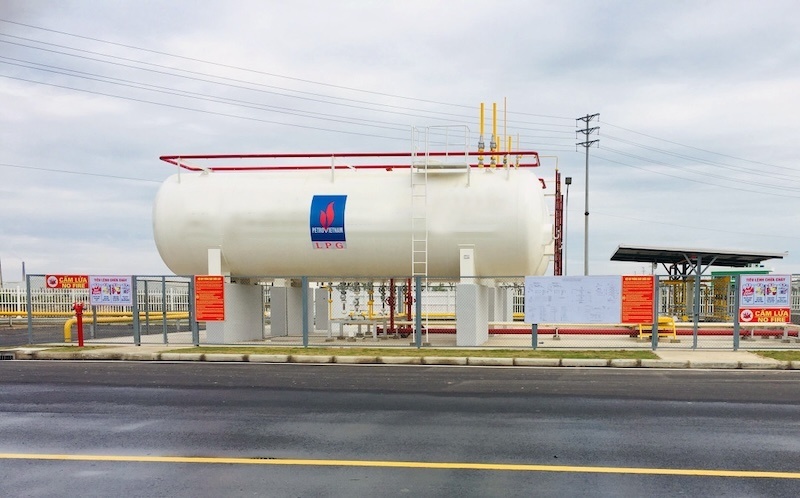
LPG storage tanks supplying customers

On March 2, PVGas Trading – the trading arm of Vietnam Gas Corporation (PV Gas) issued an urgent force majeure notice to its customers in southern Vietnam, citing two primary causes behind the disruption.

The first stems from an official force majeure declaration by the company’s international supplier following the collapse of a loading bridge at the NGL Juaymah facility on February 23. The incident has disrupted contracted shipments of propane and butane.

As a result, all LPG cargoes scheduled to arrive at the Thi Vai and Diem Dien refrigerated terminals from March 10 have been postponed.

The second factor relates to escalating armed conflict in the Middle East, which has affected the transit of refrigerated LPG vessels through the Strait of Hormuz. As of 3 p.m. on March 2, 2026, at least two very large crude carriers had reportedly been struck by missiles while passing through the strategic waterway. In addition, several NGL/LPG production facilities operated by suppliers in the region have come under attack and sustained significant damage.

For safety reasons, all very large gas carriers transporting refrigerated LPG from the Middle East under delivery commitments scheduled from the second half of March through the end of April 2026 currently have no confirmed delivery plans to PV Gas Trading.

Given these force majeure circumstances, PV Gas Trading said it would adjust its imported LPG delivery schedule through March 10, 2026, and is currently unable to arrange imported supply for customers beyond that date.

The company stressed that the situation was beyond its control.

PV Gas Trading is working with partners to secure alternative supply sources at the earliest possible time. However, it is facing significant challenges as the broader East Asian market is experiencing tight supply conditions. Some countries, including Thailand, have reportedly activated emergency measures, including temporary bans on fuel exports.

In the interim, the company has urged customers to adjust their consumption plans or seek alternative supply sources while awaiting feasible solutions.

SABECO celebrates diverse Tet Traditions

SABECO, in coordination with the Central Committee of the Vietnam Fatherland Front (VFF), has implemented its ‘Chung Vi Tet Viet-Gan Ket Muon Mien’ (Taste of Belonging) campaign across 17 provinces, encouraging cultural traditions and community solidarity during the Lunar New Year period.

This year’s initiative marks a strategic shift in SABECO’s engagement with the festive period. For the first time, the company has elevated its annual activities into a nationwide cultural platform that celebrates Vietnam’s regional diversity while strengthening shared national identity. The campaign reflects SABECO’s broader commitment to preserving traditional values, deepening community bonds, and contributing to inclusive social development.

The programme highlights the New Year as a moment of reunion, gratitude, and mutual support rather than merely a festive celebration. By placing local traditions at the centre of its activities, the company is seeking to ensure that every community can see its own cultural identity reflected in a collective Vietnamese Tet narrative.

The campaign unfolded across northern, central, and southern Vietnam through immersive, locally tailored experiences. Each destination featured interactive spaces that recreated region-specific Lunar New Year customs, from traditional crafts and folk performances to communal rituals and storytelling sessions. Instead of a one-size-fits-all approach, SABECO curated each event to resonate with local heritage, fostering both pride in tradition and cross-regional appreciation.

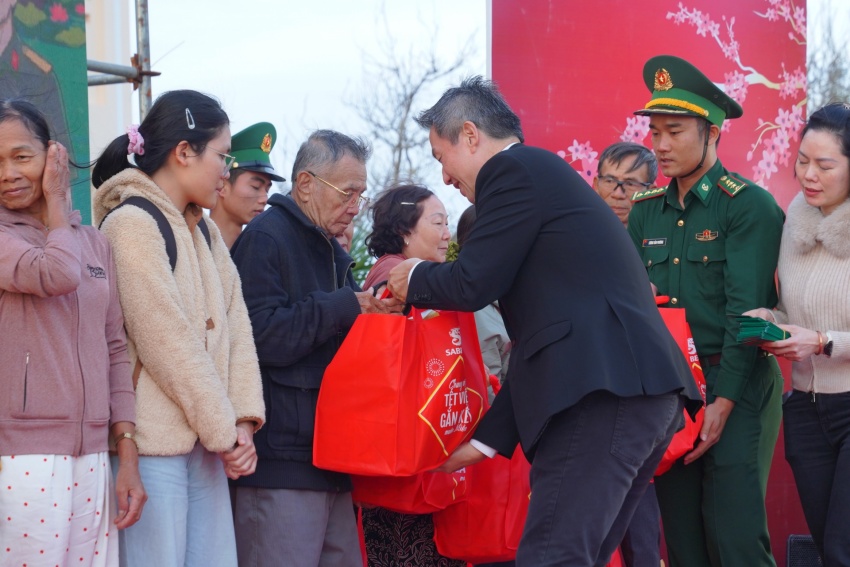
In parallel, SABECO partnered with the VFF to distribute 6,700 “Gift of Belonging” Tet packages to frontline workers and underprivileged households across 17 localities. At a time when many families still face economic difficulties, these gifts carried both practical support and symbolic recognition, care, and solidarity.

SABECO’s leadership emphasised that the true impact of the campaign went beyond mere numbers.

SABECO celebrates diverse Tet Traditions

According to Lester Tan, general director of SABECO, the success of “Taste of Belonging” lies in its emotional resonance rather than its scale.

“For 150 years, the company has been celebrating Tet together with Vietnam in all locations, and we commit to always contributing back to society to make sure that everybody can move forward together as one nation,” he said.

His remarks underline the company’s long-term vision: a business that grows alongside the country while actively supporting social cohesion and cultural continuity.

The final phase of the campaign took place on February 8 in Quang Nam, Quang Ngai, Lao Cao and Tuyen Quang, provinces representing distinct cultural regions of Vietnam. These last stops will close a meaningful journey that has connected communities across geographical and cultural divides.

Beyond physical events, SABECO has extended the initiative through the #ChungViTetViet social engagement platform, running until February 25. The campaign invites people nationwide to share personal Lunar New Year stories and images, collectively creating a living “Vietnamese Tet mosaic” that celebrates regional differences within a shared spirit of joy and unity.

SABECO celebrates diverse Tet Traditions

The “Taste of Belonging” campaign illustrates how leading enterprises can play a constructive role in cultural preservation and social development. By blending community engagement, tradition, and digital participation, SABECO has set a strong example of purpose-driven corporate citizenship.

More than creating memorable Tet experiences, the initiative reinforces the company’s long-term mission: connecting communities, honouring cultural heritage, and contributing to a more cohesive and prosperous Vietnam.

With a 150-year brewing legacy, SABECO stands as one of Vietnam’s leading companies. Rooted in heritage while embracing innovation, the company continues to evolve as a progressive, future-ready business shaping a new era for Vietnam’s beverage industry.

Operating 25 breweries and 11 trading subsidiaries nationwide, SABECO boasts an extensive distribution network and a strong brand portfolio led by its iconic Bia Saigon range (Lager, Chill, Special, Gold, Export, and Export Premium), alongside 333 (including 333 Pilsner) and Bia Lac Viet.

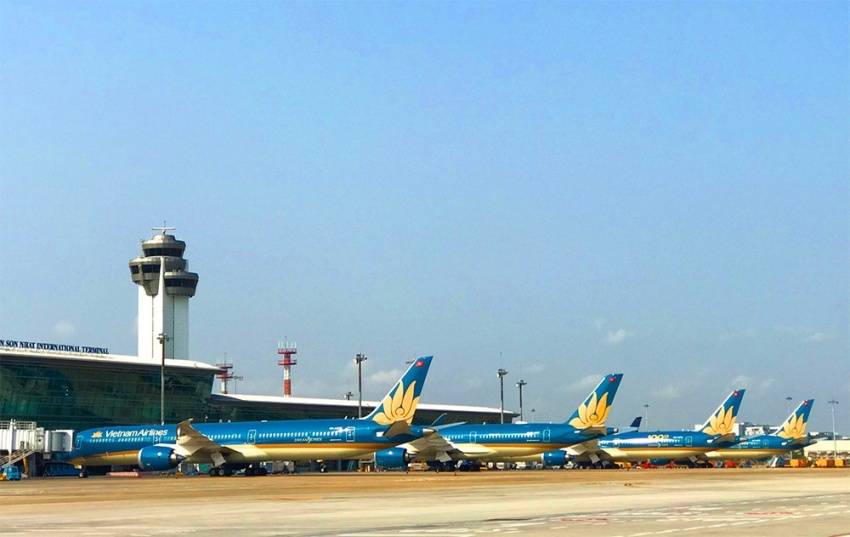
At last week’s Singapore Airshow 2026, Vietnam emerged as a focal point in conversations about Asia’s next aviation growth frontier.

Two aircraft manufacturers, business jet provider Dassault Aviation and the world’s largest turboprop manufacturer ATR, arrived with a shared message: Vietnam’s aviation market is expanding rapidly, but its next phase of development will depend on filling structural gaps rather than adding more capacity on already crowded routes.

Aircraft makers urge out-the-box thinking

Vietnam’s business aviation market remains small by regional standards, but Dassault Aviation sees clear momentum building. According to Carlos Brana, executive vice president for Civil Aircraft at Dassault, the growth trajectory mirrors patterns seen previously in other emerging Asian economies.

“Vietnam’s business aviation market is still young, but it is developing quickly,” Brana said. “Vietnam’s strong economic expansion, underpinned by industrialisation and deeper integration into global supply chains, is creating new mobility needs for companies operating across borders. As enterprises scale up, the limitations of scheduled airline networks become more apparent.”

The fundamental value proposition, he stressed, is time efficiency. Direct point-to-point travel between secondary cities can eliminate multiple stopovers, enabling companies to reach destinations that are poorly served or not served at all.

While Vietnam’s fleet of business jets remains modest compared with markets such as Singapore, Thailand or Indonesia, Dassault expects steady growth over the next 5-10 years as economic activity becomes more geographically dispersed.

Vietnam’s ongoing airport expansion is often cited as a constraint, but Dassault argues that business aviation is well-suited to operate within existing infrastructure. Business jets can operate from airports closer to final destinations, reinforcing their time-saving advantage. In many countries, including France, smaller airports rely heavily on business aviation to sustain operations, an experience Vietnam could replicate as its regional airport network expands.

While business aviation addresses a niche segment, ATR sees a much larger structural gap in Vietnam’s aviation ecosystem: the near absence of regional turboprop operations. Despite rapid traffic growth, turboprops – typically a hybrid aircraft engine that uses a gas turbine to drive a propeller – account for about 2 per cent of Vietnam’s commercial fleet.

Jean-Pierre Clercin, managing director and head of Asia-Pacific at ATR, said, “Vietnam’s aviation growth has concentrated on long-haul and high-density routes, north-south travel and international connectivity within ASEAN and beyond. For those markets, jets are the most efficient solution.”

That strategy has delivered impressive results, but it has also concentrated traffic heavily at a small number of airports. ATR research shows that roughly 90 per cent of Vietnam’s air traffic flows through just 10 airports, placing increasing pressure on major hubs.

“Smaller cities and secondary regions are growing economically, and residents increasingly aspire to move faster and more efficiently, not only by road but by air,” he added.

Turboprops, designed for short stage lengths and thinner routes, are well-suited to this next phase. ATR aircraft typically operate most efficiently on flights of around one hour, routes that are often unviable for jets due to cost structures.

Currently, Vietnam has approximately 22 operational civil airports. Of these, about 11 are international airports, and 11 are domestic airports. According to Vietnam’s national airport plan, Vietnam aims to expand its airport network to as many as 33 airports by 2030. Most recently, the Long Thanh International Airport, which underwent technical opening in late 2025, is expected to begin commercial operations in mid-2026.

ATR argues that the development of regional aviation is not just about domestic connectivity. Short-haul international routes linking Vietnam with neighbouring countries also offer strong opportunities, thanks to turboprop aircraft.

“The need for a thinner, more granular network will become unavoidable. This would help ease congestion at major hubs while making better use of investments in regional airports,” Clercin said.

“Policy support will be critical. Simplifying regulations for smaller airlines, reducing entry barriers and offering incentives such as lower airport fees on secondary routes could encourage new regional carriers to emerge. If the operating environment supports profitability, new regional airlines will follow,” he added.

In addition, the government has shown a proactive stance in facilitating regional aviation, even though the ecosystem remains at an early stage.

Despite serving different market segments, Dassault and ATR identify similar challenges when engaging with Vietnam. For Dassault, the main hurdle is familiarity. “In emerging markets, companies may be unfamiliar with aircraft ownership, operating costs and maintenance obligations,” Brana said, noting parallels with China’s early business aviation market.

ATR, meanwhile, points to competition for attention. With airlines focused on wide-body orders and international expansion, regional opportunities can be overlooked. “The key is finding entrepreneurs willing to build dedicated regional airlines,” Clercin said. “Regional aviation requires a different mindset.”

From a policy perspective in Vietnam, the revised Law on Civil Aviation, set to take effect in 2026, is expected to create a more enabling legal framework, widening the scope for private-sector participation in investment, operations and the development of aviation infrastructure.

Vietnam has set ambitious goals for AI and big data under its digital government roadmap to 2030. From your experience, what are the main challenges in turning these goals into real, working geospatial and AI systems?

Digital security fundamental for better and faster decision-making
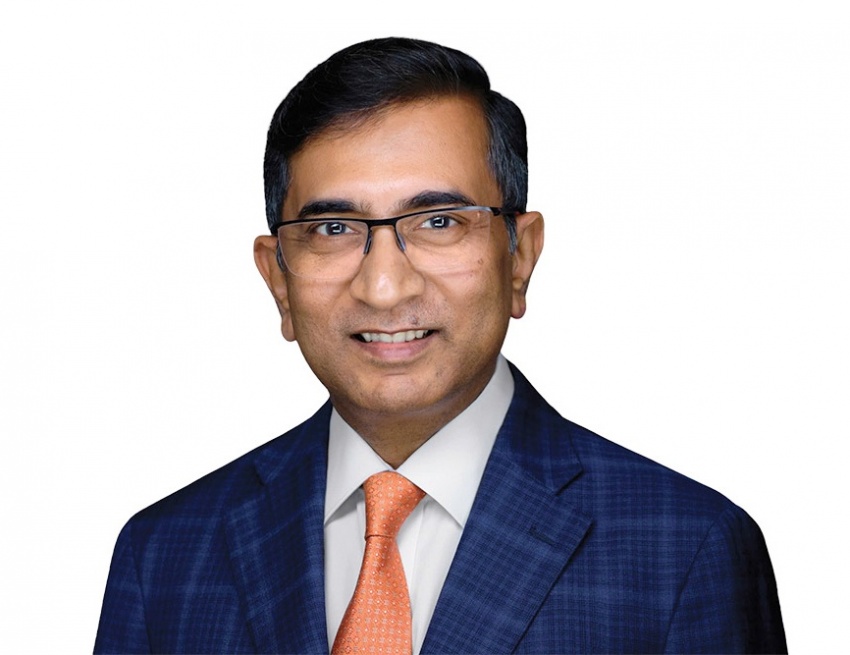
Abhay Swarup Mittal

The strategic direction set by the government is very strong and closely aligned with global trends. Across many countries, geospatial data has moved beyond being a supporting layer of infrastructure. It has become a daily operational requirement for governments.

Geospatial data is used constantly by transport systems, delivery platforms, urban services, and many other applications. This widespread usage creates a need for continuously updated data. Satellite and space-based data are the most effective tools for meeting this requirement, as they provide up-to-date information on changes to buildings, land, and infrastructure.

However, extracting value from satellite data requires more than access to imagery. A robust infrastructure is needed to process and analyse large volumes of data. Equally important is a regulatory framework that allows such data to be used securely and responsibly.

Vietnam already has a strong talent base, particularly in AI and software development, which can support automation and large-scale data processing. The remaining challenge lies in governance, putting in place the right infrastructure, standards and regulatory environment.

Climate risks such as flooding and rapid urban growth are major concerns for Vietnam. How are government agencies using satellites and geospatial data today, and how has this changed in recent years?

Five years ago, monitoring floods and other climate-related events was far more difficult. Climate change has increased both the frequency and unpredictability of such events, while access to satellite data was often delayed by several days. In disaster situations, that delay significantly limited the ability to respond effectively.

Today, the situation has changed considerably. A growing number of earth-observation satellites are now in orbit, enabling access to data within hours rather than days. This shift has transformed how governments approach disaster management.

Near-real-time satellite data supports more informed decision-making. Authorities can assess the extent and direction of flooding, identify vulnerable areas and prioritise the deployment of emergency personnel and resources.

The ability to predict how floodwaters are moving allows governments to move from reactive to proactive responses. This is a major step forward in building resilience against climate-related risks.

Many countries still depend on foreign platforms for satellite imagery and data analysis. Why is it important for governments like Vietnam’s to build their own capability to receive and analyse earth-observation data?

Sovereign systems have become increasingly important because data is central to modern governance. Governments manage vast amounts of information, including population data, infrastructure data and connectivity data, all of which are used to support public decision-making.

Satellite imagery related to disasters is only one part of a much broader ecosystem. When combined with other national datasets, geospatial information becomes more powerful. In this context, ownership and control over data and infrastructure are critical.

Building sovereign capability does not only mean owning satellites. It also involves owning the ground infrastructure, the data platforms and the analytical systems that turn raw data into actionable intelligence. When these elements are controlled domestically, governments are better positioned to address national priorities.

Vietnam is a growing technology development hub. How does Aetosky’s software development work in Vietnam support its projects and cooperation with local partners?

Vietnam’s development over the past three decades has been remarkable. The depth of technical talent and the strong commitment to skills development stand out clearly.

Vietnam is not viewed as an outsourcing destination, but as an integral development centre. The quality of technology and engineering talent is comparable to that found in leading global companies. The key lies in identifying the right people, investing in their development and establishing a clear execution strategy.

While ideas are abundant, execution ultimately determines success. With a defined strategy and disciplined implementation, Vietnam’s technology workforce can play a central role in developing and deploying advanced geospatial and AI solutions.

How does AI help public agencies make better decisions based on geospatial data in areas such as urban planning, land management, and infrastructure?

AI is essential for automating complex processes at scale. In rapidly developing environments, changes are seen daily, making manual monitoring impractical.

One important application is change detection. By combining satellite imagery with AI models, it becomes possible to automatically identify what has changed in a given area, new construction, land-use changes or unauthorised developments. This approach is already being applied in other countries to support urban planning and regulatory enforcement.

Early detection enables authorities to take timely action, preventing issues such as encroachment before they escalate into legal or social challenges. More broadly, AI supports continuous monitoring, mapping and decision-making, allowing public agencies to act proactively rather than reactively.

Data security and control are common concerns when governments adopt AI technologies. How does Aetosky address these issues?

Data security is fundamental. Building secure systems requires sustained effort, and this is something that cannot be compromised. Strong governance frameworks must be embedded into system design from the outset.

Aetosky places significant emphasis on data protection, ensuring that platforms meet strict security and governance standards. Systems are designed to operate securely and undergo approval processes that align with government requirements.

Which areas are likely to benefit most from geospatial data and AI in Vietnam, and how does Aetosky plan to expand its operations in the country?

Defence and security remain major drivers of earth-observation data globally. Alongside this, disaster response is expected to see particularly strong growth, as it directly affects public safety and livelihoods.

Disasters take many forms like floods, typhoons, landslides, earthquakes, and their impacts are often concentrated in urban areas, where population density is high. Urban resilience therefore becomes a critical focus area, linking disaster management with city planning and infrastructure development.

Agriculture and border management also benefit from geospatial intelligence, but their dynamics differ. Disasters are highly dynamic events, requiring real-time insights and rapid response, which places them at the forefront of demand for advanced geospatial AI.

Aetosky is in the process of establishing an office in Vietnam and expects to begin operations in the coming months. As foreign investment and urbanisation accelerates, the need for robust geospatial and AI systems will grow.

With Vietnam launching its own satellites and expanding its various space capabilities, collaboration with public agencies is expected to deepen, supporting the development of sovereign, data-driven solutions tailored to national priorities.

Looking back at 2025, how would you assess the journey the finance sector has gone through?

In 2025, despite numerous challenges, under the sound leadership of Party General Secretary To Lam, the Politburo, the Party Central Committee, and the National Assembly, and also under the drastic direction of the government and the prime minister, our country has reaped comprehensive outcomes across all sectors.
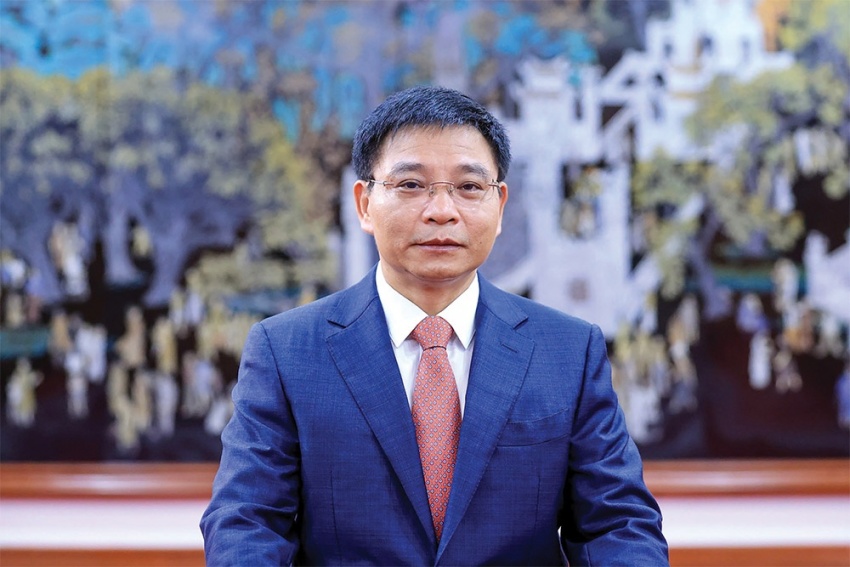
Entire financial sector steps firmly into a new spring
Minister of Finance Nguyen Van Thang

Within this overall success, the financial sector made important contributions with many notable achievements.

The entire sector upheld solidarity, responsibility, and creativity, ensuring the smooth operation of the newly reorganised apparatus while fully delivering on tasks related to state finance and budget management, investment, and socioeconomic development.

Requirements were increasingly demanding, while the organisational structure was undergoing consolidation and streamlining. In response, the Ministry of Finance (MoF) thoroughly implemented the principles of discipline, accountability, efficiency, and acceleration, rolling out tasks in a coordinated manner across all areas.

The ministry advised the Politburo on issuing a resolution on private sector development; submitted 28 laws and resolutions for approval; proposed 86 decrees and resolutions to the government; and issued 144 circulars, accounting for around one-quarter of all legal normative documents approved nationwide during the year.

These regulations not only addressed economic obstructions but also established legal frameworks for emerging and complex areas such as science and technology development, innovation, and digital transformation; the establishment of an international financial centre; and the formation of new financial markets and products, including digital assets.

Fiscal policy was managed in a targeted expansionary manner, closely and effectively coordinated with monetary and other macroeconomic policies to stabilise the macroeconomy, control inflation, safeguard major economic balances, and lay a solid foundation for growth.

Administrative reform continued to accelerate, with public services modernised to improve the business and investment climate and create maximum convenience for citizens and enterprises.

At the same time, the financial sector implemented various measures to unlock resources for development investment and successfully upgraded the stock market, expanding market scale and attracting foreign capital linked to science and technology development. These results added bright highlights to Vietnam’s fiscal landscape in the final year of the term and created strong confidence heading into a new development phase.

State budget revenue was a particular bright spot in 2025. Could you elaborate?

State budget revenues last year reached the highest level ever. Total revenues amounted to approximately $106.6 billion, exceeding the estimate by 35.53 per cent, despite the implementation of large-scale tax and fee exemptions, reductions, and deferrals worth nearly $10 billion to support businesses and households.

This performance reflects the resilience and recovery capacity of the economy, as well as the effectiveness of revenue management, base broadening, and revenue nurturing, alongside positive impacts from digital transformation in public finance.

More importantly, the revenue structure has become increasingly sustainable, driven mainly by production and business activities. This provides a critical foundation for safeguarding national financial security and creating fiscal space for development objectives in the coming years.

On the expenditure side, the state budget prioritised development investment. The PM assigned a record public investment plan exceeding $44 billion for 2025, helping to crowd in private investment and open new growth spaces. Cumulative expenditure for the year is estimated at $97 billion, equivalent to 94.1 per cent of the budget estimate.

Higher revenues and spending savings were mobilised, for example, to fund boarding schools for students in remote and disadvantaged areas, cover costs arising from organisational restructuring from central to local levels, promptly address disaster recovery, and meet other urgent needs.

Ultimately, these figures all serve a single objective: putting people at the centre, safeguarding social welfare, and advancing sustainable development.

There has also been an unprecedented organisational restructuring in the financial sector. How did this affect governance and operations?

The consolidation and merger of agencies was a major decision with long-term strategic significance. Initial implementation inevitably posed challenges, as the new apparatus had to operate while being refined, amid an expanding workload.

However, thanks to close guidance from the Party, state, government, and prime minister, and the strong sense of responsibility across the sector, the new organisational structure quickly stabilised and operated smoothly, without disrupting financial and budgetary management.

Over the longer term, organisational restructuring and streamlining will enable the finance sector to enhance its effectiveness and efficiency, while strengthening coherence and unity in policy advice and the management of fiscal-budgetary policy, investment, and socioeconomic development. This also represents a critical preparatory step for the sector to meet higher development demands in the coming period, as the economy continues to expand in scale and complexity.

The financial sector has been tasked with implementing multiple major Party resolutions that require substantial resources. How will the MoF balance development goals with fiscal discipline?

The simultaneous rollout of multiple major Party resolutions within a single period places exceptionally high demands on the management of public finance and the state budget. At the same time, it presents a critical opportunity for the MoF to fundamentally reshape its approach to resource allocation, towards greater efficiency, sustainability, and clear strategic focus.

The ministry adheres to the principle of aligning budget management with medium- and long-term development goals, maintaining fiscal discipline and public debt safety while retaining flexibility to prioritise strategic tasks identified by the Party.

The MoF will continue to restructure the state budget by increasing the share of development investment, rigorously curbing recurrent expenditure, and enhancing the efficiency of every unit of public capital. In this framework, the state budget will act as catalytic capital, concentrating on strategic areas, thereby crowding in and mobilising maximum social resources, particularly from the private sector, foreign investors, and other legitimate funding sources.

In parallel, the financial sector will further refine the fiscal and budgetary institutional framework towards greater transparency and disclosure, strengthen decentralisation and delegation, and develop financial markets in a more synchronised manner to diversify funding channels for the economy, easing pressure on the state budget. Revenue administration will also be intensified through broadening the tax base, preventing revenue leakage, and nurturing sustainable sources of income, thereby creating fiscal space for the effective implementation of the Party’s and state’s major policy priorities.

Entering the first year of the 2026-2030 term, what are the sector’s key priorities to realise the goals set by the 14th National Party Congress?

The MoF will focus on six priority task groups. Firstly, it will effectively implement the resolution of the 14th National Party Congress and advise on the timely issuance of all guiding documents for newly adopted laws and resolutions, targeting completion by the first quarter of 2026 in line with the Party general secretary’s directive, so that Party policies can be brought into practice swiftly and effectively.

Secondly, the MoF will fully institutionalise and implement Party resolutions on developing all economic sectors, accelerate the restructuring of governance and capital at state-owned enterprises, and improve operational and investment efficiency to reinforce the role of the state economy.

At the same time, it will foster the private sector as a key growth engine, expand markets for the collective economy and cooperatives, and engage and deploy foreign investment more effectively, thereby strengthening growth foundations and enhancing economic resilience and competitiveness.

Thirdly, it will continue to pursue a targeted expansionary fiscal policy, closely coordinated with monetary and other macroeconomic policies to support high growth while safeguarding national financial security and macroeconomic stability. Public investment will be restructured for greater efficiency, with resources prioritised for projects that reshape development space and momentum, guided by strict economic efficiency criteria.

Fourthly, we will advance the development of a modern, transparent, and integrated stock market as a primary channel for medium- and long-term capital mobilisation, while attracting international investment funds. It will also refine the legal framework for new economic models and financial products, including the knowledge and circular economies, carbon markets, green bonds, and digital assets.

Fifthly, policies will be regularly reviewed and assessed for effectiveness, with institutional and procedural impediments decisively removed. Integrated, long-term planning will be strengthened alongside regional and sectoral links, comprehensive digitalisation of financial public services, and the streamlining of administrative procedures. This will foster a transparent and competitive environment and help form new growth poles, key economic zones, and special economic zones with regional and global competitiveness.

Sixthly, policy communication will be further intensified through stronger dissemination and enforcement of laws and regulations, building broad consensus among the public and business community, and ensuring close alignment between lawmaking and law enforcement, with greater discipline and accountability in policy implementation.

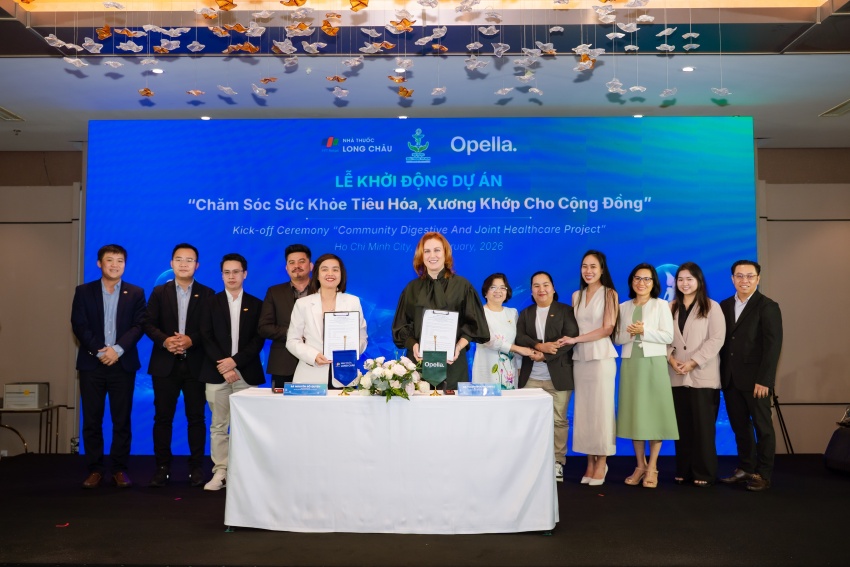
Opella Vietnam kicked off the community digestive and bone healthcare initiative on February 4 in partnership with the Long Chau Pharmacy and Vaccination Centre System.

Under a MoU signed between Opella and the Long Chau Pharmacy and Vaccination Centre System, Opella will support Long Chau in developing a structured roadmap to strengthen pharmacist capabilities, focusing on key areas such as disease knowledge, pharmacological risk management and patient counselling.

Opella and Long Chau join forces to enhance digestive and bone health
Opella and Long Chau partnership. Photo: Opella

Digestive health issues, such as diarrhoea and dysbiosis, are common in Vietnam and significantly affect quality of life across many population groups, particularly children. Meanwhile, bone health has become a growing concern, especially among women and the elderly, amid modern living characterised by sedentary lifestyles, prolonged working postures, limited sun exposure in urban environments and unbalanced nutrition.

These issues can be prevented and managed early through proper self-care practices and appropriate guidance from pharmacists. The collaboration between Opella and Long Chau reflects a scientific and people-centric approach to community healthcare.

Opella will also support lecturer engagement, provide medical knowledge, and co-organise training schemes enabling pharmacists to continuously update their knowledge and strengthen science-based counselling excellence. In parallel, Opella and Long Chau will jointly implement community awareness campaigns.

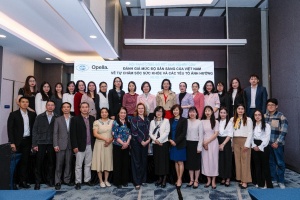
As part of the event, Opella and Long Chau, in collaboration with the Ho Chi Minh City Community Pharmacy Association, co-organised two scientific seminars for more than 150 pharmacists.

Dr Valentina Belcheva, general manager of Vietnam and Cambodia said, “At Opella, we believe that proactive healthcare should be simple, easy to understand and accessible to all. A critical foundation for achieving this mission lies in highly qualified pharmacists and effective patient counselling.”

“Through this partnership, we are focusing on pharmacist capability development, supporting community healthcare projects while deepening our understanding of community needs. We expect that this collective effort will set new benchmarks for excellence in pharmacy practice and contribute to a healthier Vietnam.”

Nguyen Do Quyen, COO of FPT Long Chau, added that amid Vietnam’s strong shift towards a community-centric healthcare approach, pharmacy systems were playing an increasingly critical role. With more than 2,400 pharmacies nationwide and a team of over 20,000 pharmacists, Long Chau is deeply aware of its responsibility as the first healthcare touchpoint in the community.

“Beyond supplying quality medicines, we care for Vietnamese families by disseminating accurate medical information, actively participating in prevention efforts, supporting early detection, encouraging healthy lifestyles, and accompanying patients in the daily management and monitoring of their health,” she said.

“This shared vision underpins our strategic partnership with Opella. We believe that today’s collaboration will lay a solid foundation for impactful and long-term community healthcare programmes, creating the basis for developing a sustainable and comprehensive healthcare model, contributing to a healthier Vietnam.”

Opella has third-largest portfolio in the Over-The-Counter and Vitamins, Minerals and Supplements market globally. At the core of its mission is 100 loved brands, an 11,000-strong global team, 13 best-in-class manufacturing sites and four specialised science and innovation development centres.

Opella Vietnam own many household brands, including Enterogermina, Telfast, and Ostelin. ​In Vietnam, Opella has offices in Ho Chi Minh, Hanoi and a manufacturing site with advanced and automated technology in Saigon Hi Tech Park with Australia’s TGA and Korea’s MFDS-GMP certificate, the only product research and development centre in Asia and one of the four Global R&D centres. Its products are exported to 13 foreign countries.

Long Chau Pharmacy and Vaccination Centre System is a leader in community healthcare, serving more than 33 million people through a nationwide network of over 2,400 pharmacies, 200 vaccination centres, and a healthcare workforce of 20,000 professionals.

In alignment with the spirit of Politburo Resolution No.72-NQ/TW and government Resolution No.282/NQ-CP, Long Chau continues to collaborate with leading domestic and international partners to implement projects that support disease prevention, strengthen community health, and contribute to a healthy society.

Opella drives the shift towards a healthier society and planet Opella drives the shift towards a healthier society and planet

Opella, the world’s third-largest consumer self-care company, is making sustainability a core commitment across markets, with Vietnam as a strategic priority, for a healthier society and planet.

Self-care signals shift towards sustainable healthcare Self-care signals shift towards sustainable healthcare

Self-care is increasingly seen as a sustainable solution to reduce pressure on the healthcare system in Vietnam while improving the quality of life and public health.

Temporary relief for food imports as businesses urge overhaul of regulations

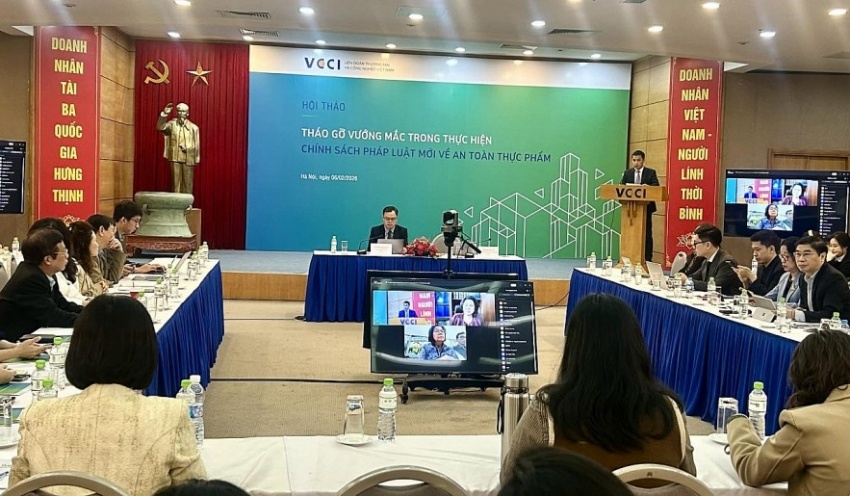
At a Hanoi workshop on new food safety policies and regulations on February 6, Dau Anh Tuan, deputy secretary general of the Vietnam Chamber of Commerce and Industry (VCCI), said that Resolution No.09/2026/NQ-CP was appreciated by business community for suspending the effect and adjusting the application period of Decree No.46/2026/ND-CP and Resolution 66.13/2026/ND-CP until April 15. This had enabled businesses to escape danger at a time when supply chains faced the risk of disruption.

“The decision to temporarily suspend Decree 46 and Resolution 66 has helped enterprises significantly reduce warehousing and storage costs, while also avoiding the risk of raw material shortages during the peak period serving the 2026 Lunar New Year,” Tuan said.

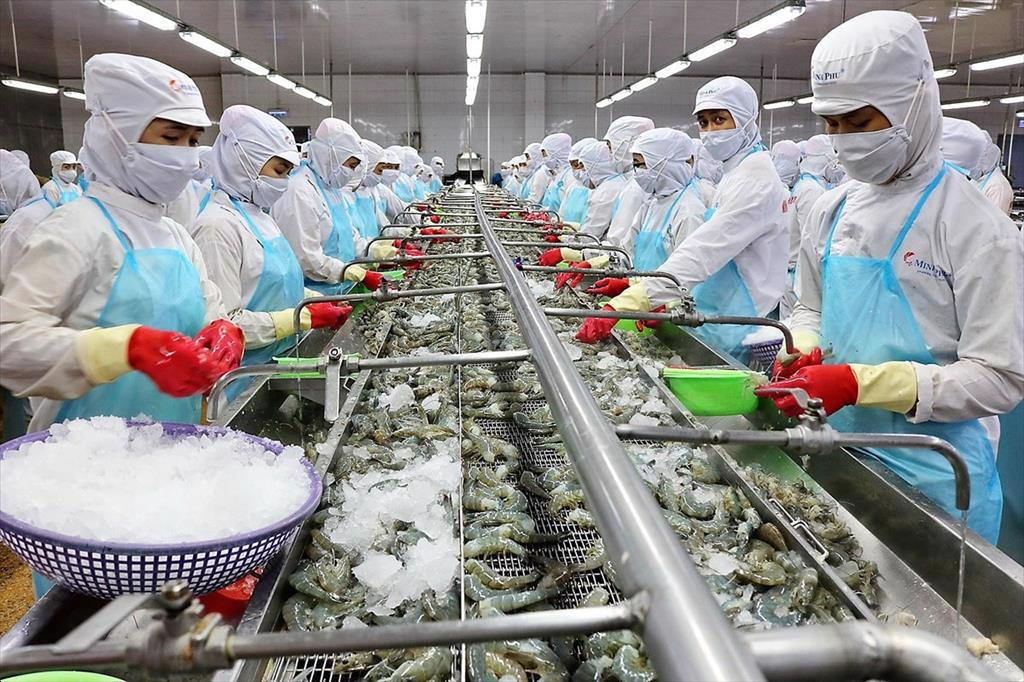
According to a preliminary survey by four industry associations, before Resolution 09 took effect, around 123,400 tonnes of imported packaged food, raw materials, packaging and food additives were congested at ports and border gates. Previously, nearly 300,000 tonnes of agricultural produce and fresh food had faced similar bottlenecks.

At the workshop, representatives of business associations stressed that Resolution 09 is only a temporary solution. The deadline of April 15 is not far off, while the core shortcomings of the policy framework remain unaddressed.

The business community believes that Decree 46 and Resolution 66 have significantly expanded pre-clearance inspection requirements, leading to overlapping and cumbersome procedures.

According to the Association for Transparent Food (AFT), Decree 46 expands the scope of state inspection in an indiscriminate manner. Aside from imported finished products, raw materials, additives and packaging used for internal production are also subject to pre-clearance inspection, together with conformity declaration requirements.

AFT cited a case in which a shipment imported from India, already holding full organic certification and with a stable export history to Vietnam, was still required to obtain an additional food safety certificate issued by the exporting country’s competent authority, as well as undergo testing at designated domestic laboratories. In practice, many testing laboratories lack clear guidance, while the inspection criteria required by the Ministry of Health are complex and differ from international standards.

Huynh Quang Tuan from the European Chamber of Commerce in Vietnam said that the level of state inspection under Decree 46 had increased multiple times, from document-based checks to document checks combined with sampling and testing, and even inspections of raw materials and packaging. The process has expanded from two stages to three, while the number of qualified testing facilities has declined.

“The consequence is a sharp increase in customs clearance time. For fruit, vegetables and fresh food, a delay of just nine to ten days can mean the loss of an entire shipment,” he said.

“This causes a paradox: most recent cases involving counterfeit or substandard goods have not originated from imported products, yet imports are currently subject to the heaviest pre-clearance controls.”

In addition to Decree 46, Resolution 66 on product self-declaration registration has also been criticised for generating additional procedures, excluding international testing laboratories, and creating complex and overlapping documentation requirements. This is particularly evident for nutritional products for children under 36 months of age, which must obtain two separate market circulation licences.

In many localities, enforcement has been inconsistent. Valid dossiers have been required to be resubmitted, while regulations on labelling changes and advertising are applied differently, disrupting production plans, product launches and generating substantial additional costs for businesses.

Based on these realities, AFT, and foreign business associations have jointly recommended that the government extend the implementation deadline of Decree 46 to at least June, while allowing the current inspection mechanism to remain in place during the transitional period.

These associations proposed amending Decree 46 to simplify state inspection procedures to a single step, and exempting food additives, processing aids, tools and imported packaging used for internal production from conformity declaration requirements.

Businesses also suggested recognising international certifications such as HACCP, ISO 22000, and FSSC 22000 in place of certificates of eligibility for food safety conditions, to avoid unnecessary barriers and align with international practices.

The associations also proposed classifying product self-declaration registration based on risk levels, reducing overlaps, particularly for children’s products; allowing self-declaration dossiers that remain valid to continue being processed during a 12-month transitional period; and issuing unified nationwide guidance to prevent inconsistent local interpretation.

In the longer term, EuroCham recommended amending the Law on Food Safety first, followed by the issuance of new guiding decrees, maintaining the application of Decree No.15/2018/ND-CP during the transition, and strengthening post-clearance inspection.

Vietnamese businesses diversify amid global trade shifts Vietnamese businesses diversify amid global trade shifts

Domestic companies are increasing diversification across Southeast Asia while expanding into Latin America and other global markets, unlocking new growth opportunities amid a changing global trade landscape.

Vietnam ready to increase purchases of US goods Vietnam ready to increase purchases of US goods

Vietnam is willing to step up imports from the US, with a focus on machinery, equipment, and high technologies.

Seafood exports rise in January Seafood exports rise in January

Vietnam’s seafood exports reached $874 million in January 2026, up 13 per cent on-year, driven mainly by stronger demand from China, Japan and ASEAN, along with solid growth in basa fish and squid-octopus products.

Pham Truong Giang, director general of the Department of Wages and Social Insurance under the Ministry of Home Affairs on February 4, revealed that the average Lunar New Year bonus paid by businesses approximated $348, representing an increase of 13 per cent compared to the previous Lunar New Year. State-owned enterprises recorded the sharpest rise, with bonuses up 23 per cent.

Wages and Lunar New Year bonuses on the rise

Giang stated that based on National Wage Council recommendations, the government passed Decree 293 in November, adjusting regional minimum wages upward by 7.2 per cent, effective from January 1, 2026.

The adjustment exceeded those of recent years. Specifically, the minimum wage increase in 2024 stood at 6 per cent, while the adjustment effective from January 1, 2026 reached 7.2 per cent.

“The early issuance of Decree 293 provided enterprises with sufficient time to prepare. Following the issuance of the decree, the Ministry of Home Affairs released two guiding documents to support implementation by enterprises and established inspection teams to oversee compliance,” he said.

The Ministry assessed the overall wage and bonus situation as positive. Accordingly, the average monthly wage of employees in 2025 approximated $390, up 11 per cent compared to 2024.

Among state-owned limited liability companies, the average monthly wage stood at approximately $515.60 per employee, an 18.2 per cent increase on-year.

At local private firms, the average monthly wage amounted to $346.40, up 7 per cent on-year.

For foreign-invested enterprises, the average monthly wage reached $406.80 per person, a 9.6 per cent increase.

Reports from more than 50,000 enterprises covering bonus plans for over 4.2 million workers showed that the average Tet bonus came to around $347.60, up 13 per cent compared with the previous Lunar New Year.

State-owned enterprises reported an average Lunar New Year bonus of approximately $377, an increase of 23 per cent on-year. At private firms, the average bonus stood at $294.80, up 9 per cent. At foreign-invested enterprises, the average bonus reached $368.40, up 12 per cent on-year.

Giang said that the government’s early issuance of Decree 293 and the synchronised implementation process had helped improve worker incomes, stabilise livelihoods, strengthen employee loyalty and reduce the risk of walk outs.

“For businesses, the reasonable wage increases and well-calibrated roadmap have created better conditions for fostering long-term engagement between employers and employees. This, in turn, has laid a foundation for improving labour productivity and generated important momentum to drive double-digit economic growth in 2026 and the years ahead,” he noted.

On February 4, the Ministry of Finance stated that Vietnam’s labour market in 2025 showed signs of improvement compared with the previous year. Notably, the number of people receiving unemployment benefits throughout the year fell by 12.8 per cent, while average wages rose by 10 per cent on-year.

Expectations muted for holiday bonus Expectations muted for holiday bonus

Businesses are facing varying levels of pressure to maintain traditional Lunar New Year cash bonus plans for their workforce.

Enterprises make efforts to ensure Tet employee bonus Enterprises make efforts to ensure Tet employee bonus

Companies have found headroom to offer workers bonuses for the Lunar New Year break – even those with falling order numbers and bleak business results.

Lunar New Year employee bonuses on upward trajectory Lunar New Year employee bonuses on upward trajectory

Workers bonuses for the 2025 New Lunar Year appear to be on the rise, giving employees more motivation.

Why did PPL choose offshore wind (OSW) power logistics as an important step in developing green logistics, and how do you position PPL’s role in Vietnam’s energy transition journey?

Green logistics–the vital link in the global energy transition
Do Hoang Phuong

We believe that the present moment is a strategic opportunity for PPL to venture into the development of green logistics. The opportunity only arises when three factors converge: a clear national direction, emerging market demand, and the readiness of the company’s internal capabilities.

Firstly, Vietnam is stepping up its efforts to realise its renewable energy development goals, of which OSW is a key component in the mid and long term. This has led to a huge demand for highly specialised technical logistics for offshore ventures – an area where domestic supply capacity still has a gap.

Secondly, international developers and contractors in the market are increasingly prioritising logistics partners with on-site deployment capabilities, deep local understanding, and international-compliant operations in terms of safety, quality, and efficiency. They are capable of implementing operational solutions to optimise energy in line with global trends.

Thirdly, PPL has accumulated practical experience through numerous large-scale energy projects while steadily improving its management system, technical workforce, and international safety standards. This has laid a solid foundation for PPL to venture into the OSW power logistics sector in a professional manner. We are ready to compete and affirm our capabilities in the energy logistics industry.

PPL has identified OSW power logistics as not only a new business segment but also a long-term development space closely linked to Vietnam’s energy and industrial strategy for decades to come.

Vietnam is realising its commitments on renewable energy development and emission reduction. Against this backdrop, how do you see the role of logistics?

Vietnam has identified OSW power as a crucial component in its energy development strategy. To facilitate the goal, logistics plays a key role in successfully implementing large-scale offshore ventures with complex technical conditions and high international safety standards.

In reality, there is a limitation in specialised technical logistics capabilities in the domestic market, particularly in the transportation, loading, unloading, and coordination of super-long and super-heavy components offshore. Thus, the implementation of large-scale energy ventures will face significant challenges.

Against the backdrop, PPL has positioned itself as a trusted logistics partner in the renewable energy value chain. PPL is capable of delivering comprehensive, safe, and efficient logistics solutions for OSW power ventures, along with infrastructure, oil and gas, and other energy initiatives. The company aims to enhance domestic logistics capabilities, helping Vietnam implement large-scale energy initiatives and reaffirm its energy logistics in line with global standards.

What are the core competencies that enable PPL to gradually master project logistics and be ready to venture to playgrounds with high standards like OSW power?

Over the last 10 years, PPL has focused on building the foundation, accumulating capabilities and proving our competency by taking on increasingly complex projects. The company has firmly established three core pillars that have become PPL’s competitive strengths.

The first pillar is the capacity to manage and implement complex logistics projects. Since its early years, PPL did not follow a traditional model but focused on solving highly technical problems that require multi-stakeholder collaboration, risk control, and tight project management. The company has demonstrated its capabilities by engaging in ventures like transporting a 4,000-tonne offshore substation topside, a series of 33 offshore substation topside, nearly 200 wind turbines on the coast of the Central Highlands, along with transportation for airports like terminal 3 at Tan Son Nhat, Long Thanh, and Phu Quoc.

The second pillar is a safety culture and operational discipline. In the offshore energy field, safety is not a motto but a prerequisite. PPL remains steadfast in formulating safety management systems in line with international standards. Safety is considered as a fundamental value in all technical plans and execution decisions.

The third pillar is the comprehensive investment in people, technology, and governance. Instead of pursuing rapid expansion, PPL focuses on building a team of highly skilled engineers, field supervisors, and project managers. This is coupled with applying advanced analytical, simulation, and management tools to boost accuracy and operational efficiency.

Green logistics–the vital link in the global energy transition
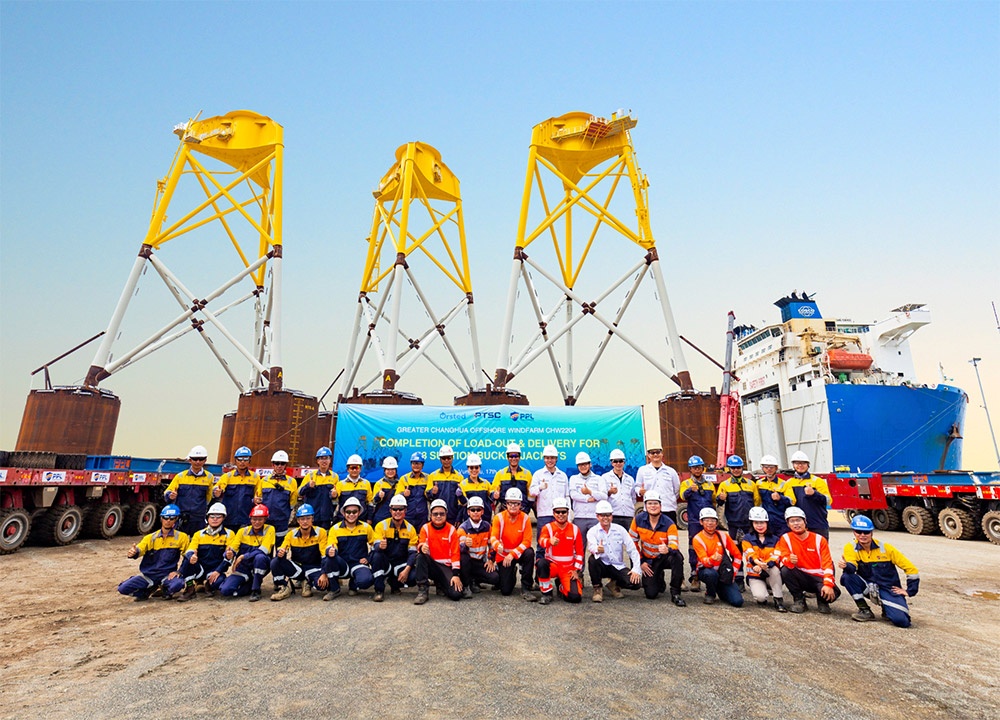
PPL contributed to 9.7 million safe working hours at Greater Changhua offshore wind farm 2b&4 (CHW2204)

Could you share PPL’s strategies to enhance internal capacity while expanding international partnerships?

Internally, PPL continues to invest strategically in equipment, vehicles, and infrastructure for technical logistics. At the same time, the company is accelerating process standardisation, digitalising management, and strengthening its capabilities in design and logistics coordination from the early stages of project preparation.

In terms of partnerships, we pursue a long-term collaboration strategy with various experienced and reputable players in the offshore energy power and logistics sectors. In 2025, PPL signed partnerships with several corporations, including CRRC Zhuzhou Institute, PowerChina, COSCO Shipping Logistics, and Urban Logistics. Beyond implementing specific ventures, these partnerships pave the way for PPL to standardise its management systems, strengthen technical capabilities, and align with international benchmarks.

Green logistics–the vital link in the global energy transition
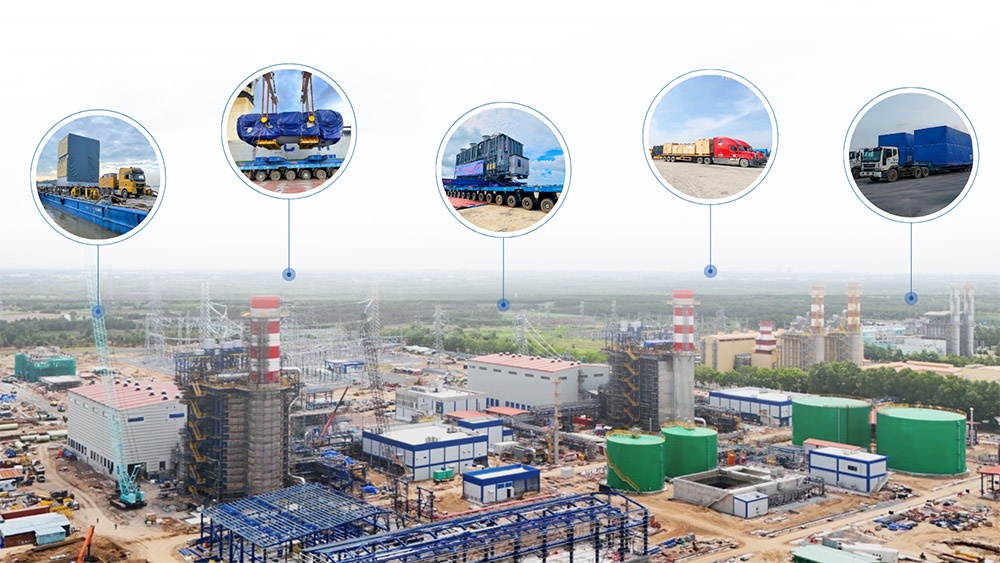
PPL customs clearance and transportation of goods for Nhon Trach 3&4 liquefied natural gas plants

How do you expect PPL to contribute to Vietnam’s logistics over the next five years?

We identify this as a pivotal time for PPL to climb up the development ladder – from accumulating capabilities to affirming position in the energy logistics and industrial infrastructure market. Our goal extends beyond expanding operation to participating deeply and responsibly across the entire project value chain.

PPL aims to be a logistics partner capable of supporting investors and contractors from preparation to construction and project operation, contributing to optimising progress, costs, and safety. Meanwhile, we aspire to contribute to enhancing domestic logistics capabilities, enabling Vietnam to become more proactive in implementing complex, large-scale renewable energy ventures.

In the international market, PPL is ready for long-term partnerships with proven capabilities, operational discipline, and a commitment to continually raising standards. In doing so, the company helps position Vietnamese logistics firms on the regional and global energy logistics map.

Education as strategic capital: why Dwight School Hanoi represents a long-term investment in Vietnam’s future

As Vietnam advances its position as a globally integrated economy, the scope of strategic investment is broadening beyond traditional pillars such as infrastructure, technology, and manufacturing. High-quality education, particularly international curricula, is emerging as a key driver of sustainable growth, helping strengthen human capital and workforce readiness while supporting national competitiveness.

Within this landscape, Dwight School Hanoi has positioned itself as an example of education investment aligned with Vietnam’s development priorities. Catering to both Vietnamese and international families, the school promotes academic excellence and global exposure, supporting efforts to nurture adaptable, innovative, and internationally minded talent.

Education and long-term return on investment

“Education is one of the few investments where the most meaningful returns emerge slowly. Years later, they appear as judgment, resilience, and the confidence to step into complex global spaces. That is the kind of return we are committed to building,” said Brantley Turner, head of School, Dwight School Hanoi.

Unlike short-term financial instruments, education delivers returns over decades through higher lifetime earnings, reduced retraining costs, greater workforce adaptability, and stronger leadership pipelines. For families, this translates into enhanced career mobility and access to global opportunities. For the business community and investors, it results in a more capable, resilient labour force and a stronger national talent base.

Dwight School Hanoi is built around this long-term return perspective. Rather than focusing narrowly on examination results, the school emphasises whole-person development, critical thinking, adaptability, collaboration, and global competence. These capabilities, alongside literacy in emerging technologies, strong communication skills, and ethical leadership, are increasingly valued in sectors driving Vietnam’s future growth, including technology, finance, advanced manufacturing, and entrepreneurship.

From an investment standpoint, education models that develop transferable skills and support lifelong learning offer a more resilient and sustainable form of value creation than those optimised solely for short-term academic outcomes.

A differentiated international education model

As an IB World School offering the full International Baccalaureate continuum, Dwight School Hanoi provides a rigorous academic foundation aligned with globally recognised standards. The IB framework is widely respected by universities and employers for its emphasis on analytical thinking, research skills, and international mindedness.

What differentiates Dwight School Hanoi is its commitment to personalisation at scale. Students are not directed towards a single academic route; instead, they follow different matriculation pathways based on their strengths, interests, and levels of challenge. This approach reduces academic risk, improves engagement, and increases the likelihood of long-term success, important considerations when evaluating education as an investment.

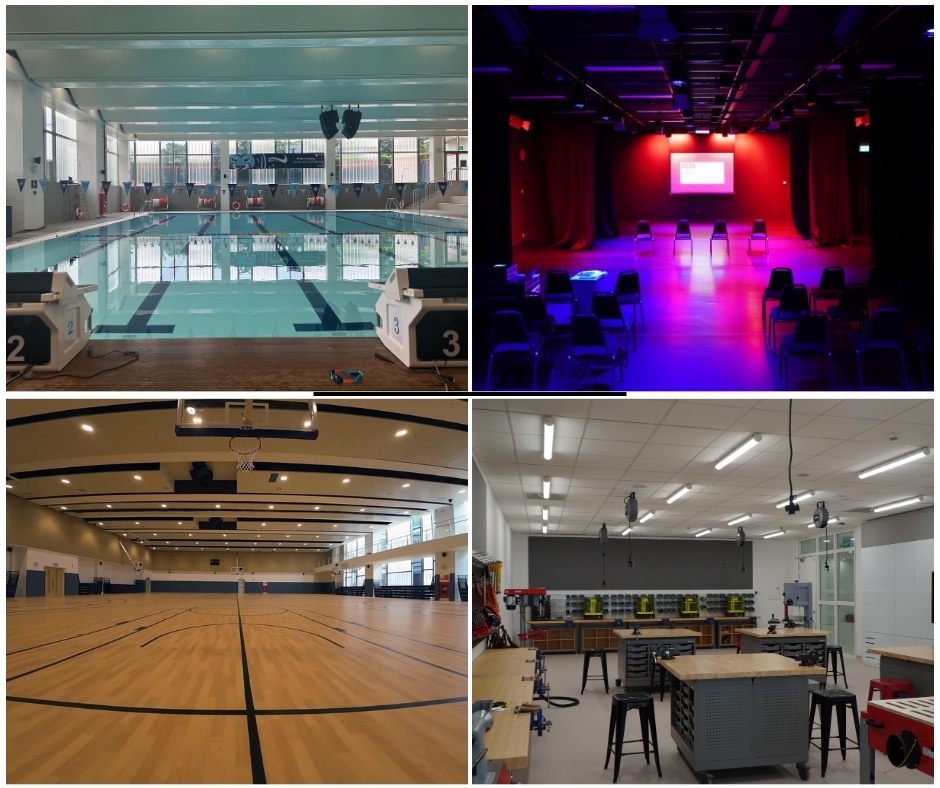
Purpose-built facilities for science, technology, arts, design, and athletics reinforce this educational model, ensuring that capital investment supports applied learning, innovation, and interdisciplinary skill development. At Dwight School Hanoi, these specialised learning environments reflect a long-term commitment to fostering future-ready competencies and delivering sustainable educational outcomes.

Global exposure as economic advantage

Education as strategic capital: why Dwight School Hanoi represents a long-term investment in Vietnam’s future

Drawing on the strength of the global Dwight Schools network, Dwight School Hanoi embeds international exposure into its educational framework, ensuring students benefit from both global perspective and local relevance.

Through structured collaboration across the network, students engage regularly with peers from diverse cultural and national backgrounds. These interactions build communication skills, broaden perspectives, and foster an early understanding of global systems and collaboration.

This is complemented by Dwight Destinations, the school’s unique international travel and learning programme, which allows students to visit and learn at other Dwight campuses in their host countries. These immersive experiences build independence, resilience, and global awareness, qualities closely linked to leadership effectiveness and long-term career success.

For Vietnam, institutions that consistently produce globally competent graduates strengthen the country’s attractiveness to foreign investment and multinational employers.

Pathways to Dwight: managing risk and expanding access

One of the challenges in high-quality education investment is balancing excellence with accessibility. Dwight School Hanoi addresses this through Pathways to Dwight, an enrolment and transition programme that reduces uncertainty, supports academic and emotional integration, and strengthens long-term retention by aligning expectations with experience from the outset.

Pathways to Dwight also includes a dedicated scholarship scheme that recognises academic potential, alignment with values, and long-term promise, ensuring that talent, not solely financial capacity, remains central to the school’s value proposition.

From an investment perspective, the Pathways to Dwight approach strengthens demand stability while enhancing reputational capital. Institutions that attract and support high-potential students tend to generate stronger alumni outcomes, reinforcing long-term brand value and credibility. Parents can learn more information about Pathways to Dwight here.

Education that compounds over time

The true return on education investment is cumulative. As graduates progress to leading universities, professional careers, and entrepreneurial ventures, they extend the influence and credibility of their schools. Over time, this creates a self-reinforcing cycle in which alumni outcomes strengthen networks, reputation, and institutional resilience.

Dwight School Hanoi’s focus on personalised learning, global exposure, and long-term guidance positions graduates to contribute meaningfully to both local and international economies. For families, this represents a strategic investment in human capital; for the wider business community, it supports the development of a more capable, adaptable, and future-ready workforce.

A strategic investment in Vietnam’s future

As Vietnam continues to move up the global value chain, demand for internationally educated, adaptable talent will only increase. Schools that combine strong academic foundations with innovation, global mindsets, and long-term thinking will play an increasingly important role in supporting this transition.

Dwight School Hanoi exemplifies this approach. By aligning rigorous academics with personalised development, global connectivity, and structured access through Pathways to Dwight, the school represents more than an educational institution. It represents a long-term investment in Vietnam’s human capital and economic resilience.

In an era where sustainable growth depends on people as much as infrastructure, education stands out as one of the most enduring and strategically important investments available.

Bitexco Group cooperates to develop Dwight School Hanoi Bitexco Group cooperates to develop Dwight School Hanoi

On August 11, Bitexco Group and The Dwight Schools formed a partnership to establish Dwight School Hanoi – an international school that offers preschool to grade 12 in The Manor Central Park – aiming to enhance the quality of education for future generations in Vietnam.

New Zealand deepens education links with Vietnam New Zealand deepens education links with Vietnam

New Zealand Education Days 2025 will be held in Ho Chi Minh City on October 11 and in Hanoi on October 12.

Education reforms aid dealmaking appeal Education reforms aid dealmaking appeal

Investors continue to exhibit a growing appetite for dealmaking in Vietnam’s education sector in line with the government’s focus on education reforms.