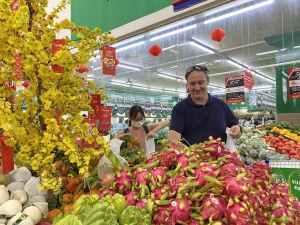
Stock groups that benefit from stronger consumer spending and rising travel demand during the Lunar New Year (Tet) holiday – such as retail, food production and aviation – are attracting the attention of short-term investors, driven by expectations of positive returns.

Rising consumption and travel fuel ‘Tet season’ stocks

The domestic stock market is widely expected to remain on an upward trajectory this year, supported by four key factors. First, the government’s economic growth target of 10 per cent and beyond is seen as a major catalyst for the market.

Second, in terms of valuation, the VN-Index is currently trading at a price-to-earnings (P/E) ratio of around 15 times; excluding stocks of member units under Vietnam’s leading conglomerate Vingroup, the future P/E is estimated at 14 times, lower than during 2017-2018 and 2020-2021.

Third, the market is anticipating an official upgrade to emerging market status. In addition, supportive policy measures across multiple sectors continue to provide momentum.

Following capital flows, investors are selectively accumulating stocks with solid growth prospects that stand to benefit from a vibrant Tet season, while also targeting attractive post-holiday profit potential.

Three standout sectors that have garnered strong investor confidence are retail and consumer goods, food manufacturing, and aviation.

Gains have been particularly evident in the retail and consumer sector, which is also among groups recommended by VPBank Securities in its February 2026 investment strategy.

Retail and consumer stocks benefit directly from the surge in consumer demand during the Lunar New Year

As the peak season of the year, companies with extensive distribution networks enjoy a significant advantage in revenue and profit growth during this period.

Food major Masan Group reported after-tax profit of nearly $270.6 million in 2025, up 1.6 times on-year. Revenue reached $3.26 billion, an increase of 8.7 per cent. For 2026, Masan targets revenue growth of 15-20 per cent.

FPT Digital Retail JSC, an associate of tech giant FPT Corporation, consolidated revenue in 2025 rose 27 per cent to $2.04 billion, exceeding the annual plan by 6 per cent. The company’s pre-tax profit surged 131 per cent to $48.8 million, surpassing the plan by 35 per cent.

Meanwhile, Digiworld Corporation posted record revenue last year of $1.07 billion, up 21 per cent, while after-tax profit reached $21.9 million, a 24 per cent increase.

2025 also marked a bumper year for Mobile World Investment Corporation, which recorded its highest-ever revenue of $6.26 billion, up 16 per cent on-year.

Growth driven by operational efficiency, combined with the strong consumption tailwind during Lunar New Year, is creating attractive investment opportunities in retail stocks.

The food manufacturing sector is also showing positive prospects, as demand for livestock and poultry products typically rises sharply during the Lunar New Year holiday.

Pork prices across Vietnam’s three regions have trended upward since late 2025, contributing to improved business performance and outlook for related stocks. A notable example is Dabaco Vietnam Group Corporation, which reported its highest-ever after-tax profit approximating $60.3 million in 2025, up 96 per cent on-year.

For the aviation sector, surging passenger travel and air cargo demand during the Lunar New Year is the primary driver helping aviation stocks ‘take off’. Stocks favoured by investors include VJC, HVN and ACV.

Nguyen Duc Quan Tung, CEO of Hanoi-based OCBS Securities JSC, said that the stock market had many positive anchors, but going forward would be characterised by strong differentiation and higher standards.

“The economy is standing at the threshold of a new growth cycle, with key drivers such as public investment, the recovery of the manufacturing and export sectors, and the increasingly prominent role of the private sector. At the same time, we are witnessing a clear shift from a growth model overly dependent on bank credit towards one that is more strongly financed by the capital market,” he said.

Quan views the stock market in the next phase as the ‘heart’ of the capital allocation system, accurately reflecting the health and ambitions of the economy.

Financial institutions that are well-prepared in terms of structure, governance and technology will enjoy long-term advantages, while growth models overly reliant on cyclical factors or short-term leverage will increasingly face adjustment pressure.

Unilever Vietnam launches For a Loving Tet Season programme Unilever Vietnam launches For a Loving Tet Season programme

To pay tribute to those who have silently made contributions to our society and community, as well as provide support to the underprivileged, Unilever Vietnam and its brands have launched the For a Loving Tet Season programme on the occasion of the Lunar New Year 2023.

Coca-Cola Vietnam bringing out the festive period magic Coca-Cola Vietnam bringing out the festive period magic

A record-breaking event from Coca-Cola Vietnam has conveyed the message that, over the years, Tet may change – but the magic remains. And at this time, there is nothing better than getting families and the community together, connecting them over the shared excitement and anticipation of the Tet season.

Tet 2026 points to more value-driven consumption Tet 2026 points to more value-driven consumption

Vietnam’s Tet 2026 market is expected to reflect a clear shift towards more value-conscious consumption, as households prioritise practicality over extravagance while maintaining traditional gifting habits, according to a survey released by B&Company on January 28.

Siam Cement Group announces 2025 results amid global headwinds

The Thai reported revenue of $15.1 billion, down 3 per cent on-year, and an adjusted earnings before interest, taxes, depreciation, and amortisation of $1.7 billion, an annual increase of 6 per cent, while reducing debt by $428 million. Actual sales declined by 3 per cent, but due to the Thai baht appreciating by around 7 per cent, sales appear increased when reported in USD.

These results reflect decisive actions taken throughout the year to streamline operations, exit underperforming businesses, and implement comprehensive cost-saving initiatives, delivering total annual savings of approximately $131 million.

SCG HAS introduced its 2026 strategic direction under the theme “Intensified –⁠ Strengthened –⁠ Reinforced –⁠ Resilient.” The focus will be on maintaining strong financial discipline, building organisational strength, and investing in products that deliver higher value and lower environmental impact, while positioning Vietnam as a key base for regional production and exports.

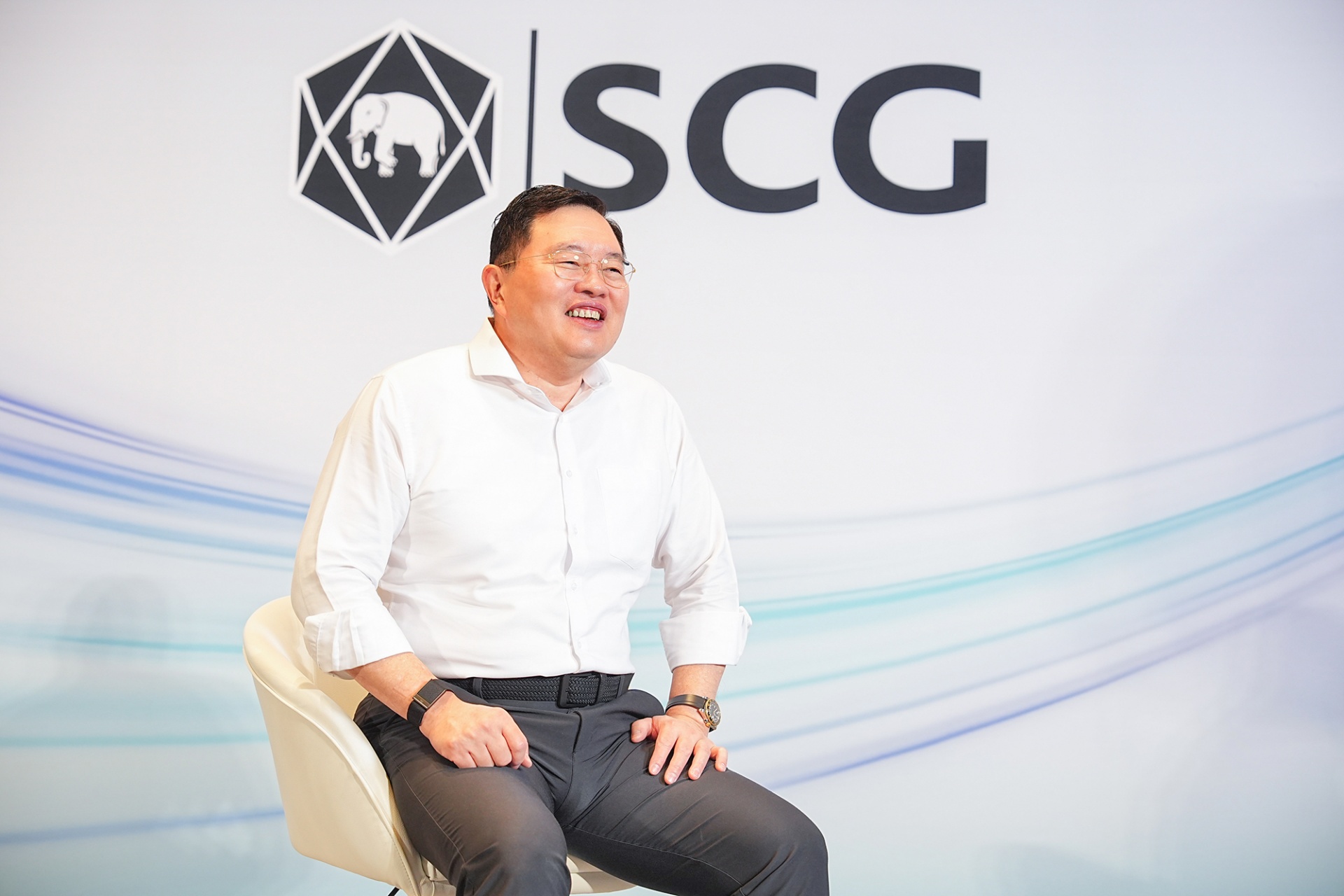
CEO Thammasak Sethaudom said, “2025 was a challenging year, marked by slower global growth, geopolitical uncertainty, and volatile energy prices, particularly for the petrochemical industry. Despite these pressures, SCG remained focused on cash flow management and operational efficiency, allowing us to stay healthy and reduce debt compared to the previous year.”

“As we move into 2026, we expect market conditions in the chemicals business to stabilise as new global supply slows. While challenges remain across many markets, Vietnam continues to show encouraging economic momentum. We see Vietnam not only as a growing domestic market, but also as a strategic operational base to support regional and global customers.”

Vietnam business highlights

In Vietnam, SCG delivered a stable performance in 2025, with total sales of $1.7 billion. A key milestone during the year was the Long Son Petrochemicals (LSP) complex returning to operations from August 2025, marking an important step in strengthening SCG’s industrial base in Vietnam.

With 28 subsidiaries nationwide, SCG Vietnam contributed more than $31.5 million to the state budget in 2025, reaffirming its long-term commitment to supporting Vietnam’s economic and industrial development.

Kulachet Dharachandra, country director of SCG in Vietnam, said, “Our 2025 performance reflects SCG’s ability to stay resilient in a challenging environment, while remaining firmly committed to Vietnam’s sustainable growth. By focusing on ESG-driven operations and working closely with our partners, we are building a stronger foundation for long-term competitiveness –⁠ while creating real value for the economy, communities, and the environment.”

Siam Cement Group announces 2025 results amid global headwinds

Strategic priorities

Aligned with the group’s direction, SCG has set four key strategic priorities for Vietnam in 2026. First is to intensify financial discipline. The group focuses on maintaining healthy cash flow and disciplined capital investment, while continuing to reduce costs through better energy efficiency, automation, and the use of new technologies.

Second is to strengthen organisational capabilities. The group will advance the Regional Optimisation Strategy by leveraging the synergy between Thai and Vietnamese operations –⁠ leveraging shared markets, complementary product portfolios, and best practices. People development remains a priority, supported by wider use of digital tools, robotics, and AI to raise productivity.

Third is to reinforce long-term growth engines. The group aims to capture market potential driven by Vietnam’s ambitious GDP growth targets. A key focus is the $500 million Ethane Feedstock Enhancement Project at LSP, aimed at enhancing feedstock flexibility and cost competitiveness. The venture is progressing as planned and is expected to be completed by the end of 2027.

Fourth is to stay resilient and ready by continuously assessing opportunities and risks to ensure rapid responses to changing business and economic conditions.

Commitment to ESG

Alongside operational progress, SCG reinforced its sustainability leadership through active participation in industry forums and the sharing of best practices. These efforts were recognised in 2025, with SCG and 7 member companies, including Vina Kraft and SIX companies under Prime Group –⁠ honoured among the Top 100 Sustainable Enterprises 2025.

This year, Duy Tan Plastics also received a hat-trick of sustainability awards, including Green Enterprise of Ho Chi Minh City by Sai Gon Giai Phong Newspaper, Vietnam ESG Awards –⁠ Enterprises Pioneering in Circular Economy by Dan Tri Newspaper, and National Green ESG Enterprise by the Institute for Sustainable Development Research.

Binh Minh was also honoured as a Green Enterprise of Ho Chi Minh City by Sai Gon Giai Phong Newspaper.

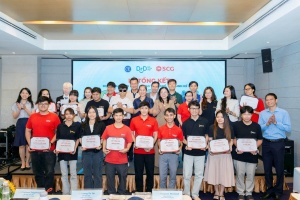
Beyond awards, SCG’s ESG focus delivered real benefits to people and communities. SCG provided VND1.7 billion ($65,600) in scholarships to 160 students through the SCG and LSP Sharing the Dream programmes and delivered vocational training for 50 students with disabilities via the SCG Learn to Earn project, in collaboration with DrD and HaliCare.

SCG remains committed to delivering sustainable returns to shareholders while strengthening long-term competitiveness and sustainability in every community where it operates.

SCG maintains strong cash flow and drives low-carbon growth in Q3 SCG maintains strong cash flow and drives low-carbon growth in Q3

SCG announced a resilient performance in the third quarter of 2025, maintaining strong cash flow despite global economic headwinds.

SCG initiative addresses social inclusion and inequality SCG initiative addresses social inclusion and inequality

SCG, in collaboration with social enterprise Disability Research and Capacity Development (DrD) and social impact enterprise HaliCare, is continuing to implement the “SCG Learn to Earn – Empowering Skills, Creating Sustainable Livelihoods” project.

SCG enhances production and distribution in Vietnam SCG enhances production and distribution in Vietnam

Amid increasing competition in Vietnam’s chemicals and construction materials sector, Thailand’s Siam Cement Group, investor and developer of the $5 billion Long Son Petrochemicals Complex, has been optimising production, distribution, and market access.

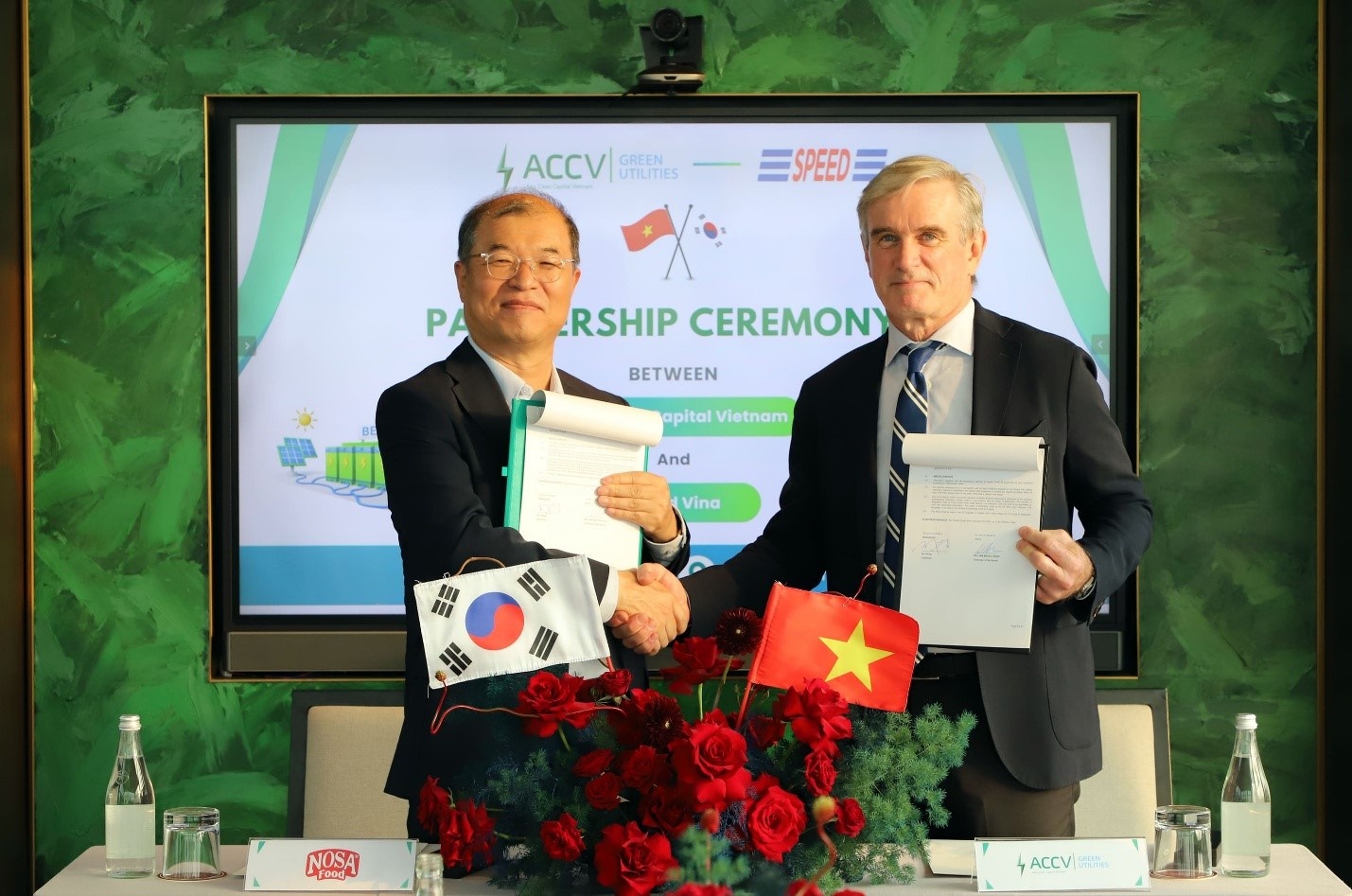
At a ceremony on February 10, Asia Clean Capital Vietnam (ACCV) signed MoUs with South Korean firms Nosafood and Speed Vina to research and deploy battery energy storage systems (BESS) integrated with rooftop solar (RTS) solutions.

ACCV signs BESS–rooftop solar MoUs with Korean manufacturers
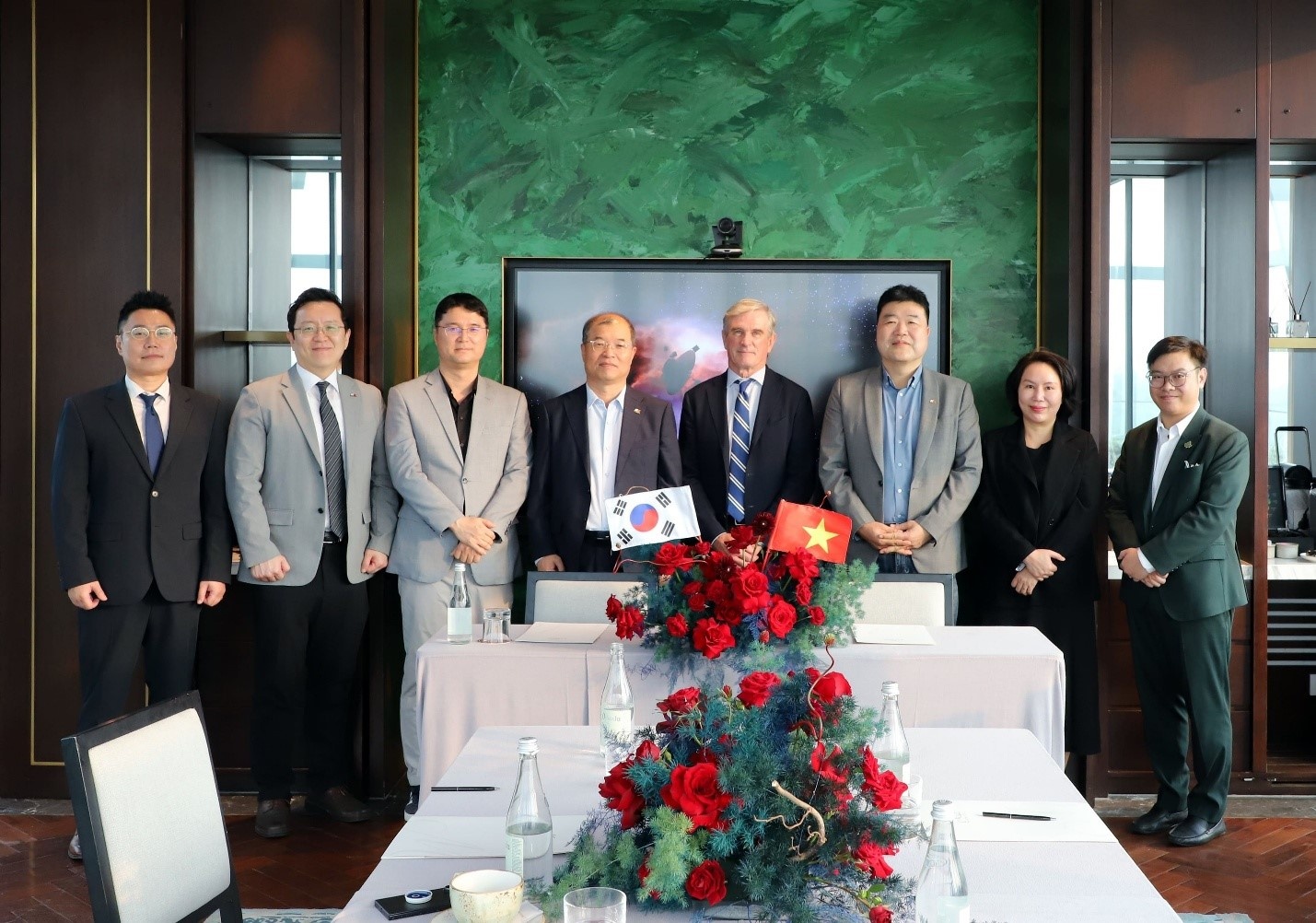
Representatives of ACCV and Korean partners at the MoU signing.

The agreements mark a new phase of cooperation between ACCV and Korean-invested manufacturers operating in Vietnam, supporting wider clean energy adoption and more efficient power management across industrial facilities.

Under the MoUs, the parties will collaborate on progressing towards the implementation of RTS combined with BESS models, aiming to improve energy efficiency, enhance operational autonomy, and support sustainable development goals.

As the share of renewable energy continues to grow, RTS and BESS are increasingly recognised as a comprehensive solution for the industrial and manufacturing sectors.

The integration of energy storage enables businesses to alleviate grid overload during midday peak hours, optimise on-site solar energy consumption, and stabilise power supply while enhancing system reliability.

This solution also helps enterprises better manage electricity cost volatility and meet rising carbon reduction requirements.

ACCV signs BESS–rooftop solar MoUs with Korean manufacturers
Representatives of ACCV and its Korean partner at the MoU signing.

The MoUs with Nosafood and Speed Vina further reflect ACCV’s strategy to connect international partners and integrate technology with finance to address Vietnam’s evolving energy challenges.

This year is regarded as pivotal in the Comprehensive Strategic Partnership between Vietnam and South Korea, providing a favourable backdrop for deeper collaboration between businesses from both countries, particularly in technology, manufacturing, and clean energy.

As an active member of the Korean Chamber of Commerce in Vietnam, ACCV continues to strengthen its engagement with Korean businesses investing and operating in Vietnam, fostering practical and market-driven partnerships aligned with corporate needs and the country’s development direction.

ACCV signs BESS–rooftop solar MoUs with Korean manufacturers
Representatives of ACCV and its Korean partners at the MoU signing ceremony, marking expanded clean energy collaboration.

“The integration of rooftop solar and battery energy storage is ushering in a new era for distributed energy,” said William Bruce Hicks, chairman of Asia Clean Capital Vietnam.

“Through partnerships with Korean companies, ACCV aims to bring RTS and BESS solutions closer to businesses in Vietnam, helping optimise energy costs, enhance operational efficiency, and support the country’s transition towards a more sustainable energy future.”

The MoUs also lay the groundwork for further discussions between ACCV and its Korean partners to develop tailored implementation roadmaps aligned with the specific needs of each manufacturing facility, while expanding opportunities for future RTS and BESS deployment.

ACCV’s first battery storage project with Motul in Vietnam ACCV’s first battery storage project with Motul in Vietnam

Solar rooftop developer Asia Clean Capital Vietnam last month has announced that it has signed a 20-year power purchase agreement (PPA) with Vilube, a subsidiary of Motul group, for its production base in Ho Chi Minh City.

Asia Clean Capital Vietnam receives prestigious awards Asia Clean Capital Vietnam receives prestigious awards

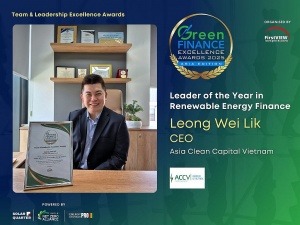
Two leaders from Asia Clean Capital Vietnam (ACCV) have been recognised with prestigious awards at Green Finance Week 2025 – Asia Edition. The event, organised by FirstVIEW, a leading global business intelligence company, took place on March 5, 2025, in Singapore.

Koreans investing across crucial sectors Koreans investing across crucial sectors

Giant South Korean groups are opening up new cooperation opportunities in rare mining, power, and more across Vietnam.

How do you feel about having your name placed alongside the world’s most illustrious female leaders?

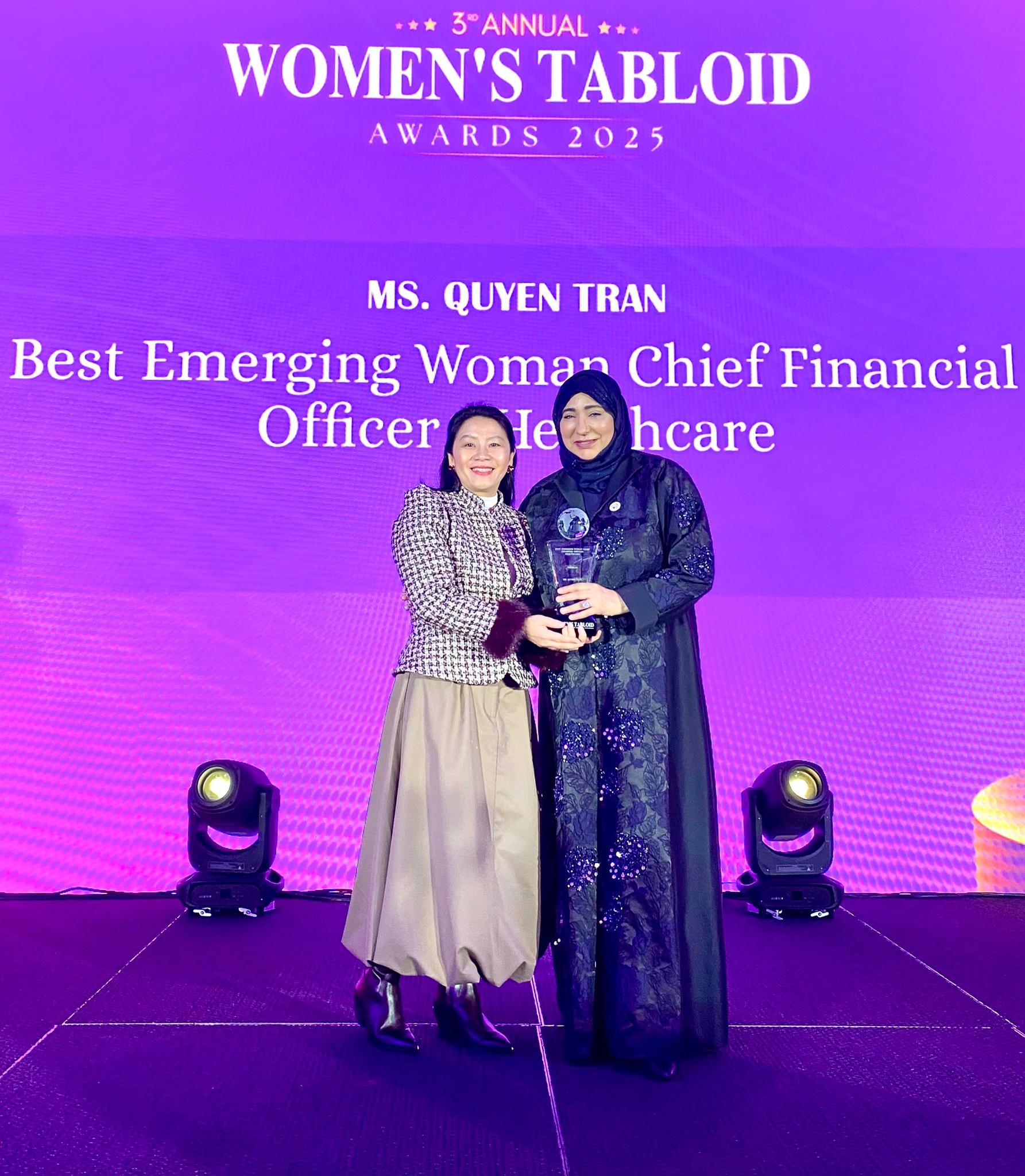
The award came as a complete surprise. Women’s Tabloid learned about me through the merger of FV with Thomson Medical Group. To be honest, I’ve always focused solely on my work and have always considered myself a member of the FV family. Standing at the awards ceremony in Dubai, looking at the list of winners from the US, France, Europe…, I truly felt the honour of having my efforts at a Vietnamese hospital recognised internationally.

FV Hospitals CFO has been honored by Womens Tabloid magazine from the UK
Tran Le Quyen was honoured as “Best Emerging Woman CFO in Healthcare 2025” at the Women’s Tabloid Award 2025 ceremony in Dubai.

You joined FV in 2002. When you started, what direction did you envision?

At that time, there were no established financial frameworks for an international hospital in Vietnam. But from the very beginning, through my training and work in the US, I have identified one thing very clearly: “Managing cash flow and business success are paramount in the job of a chief financial officer”. I view finance as a tool to help hospitals operate better.

In the hospital business, “products” are not goods, but come from doctors, nurses, medical equipment, and are used to serve patients. I was involved in building the system, from medical record software and IT systems related to finance and accounting, to how to record expenses and revenue for each actual hospital activity.

The FV financial system is built from the bottom up, and every figure in the report accurately reflects what is happening in each department. That mindset later shaped FV’s entire financial system.

How difficult were the early years?

For the first four years, the financial situation was very stressful. Private hospitals were a relatively new concept in Vietnam at that time, and it took a very long time for patients to trust them.

FV obtained financing from the International Finance Corporation, a member of the World Bank Group. They set extremely stringent reporting standards regarding transparency, timeliness, and accuracy. Although Vietnam did not yet have clear standards for private hospital finance at that time, FV’s financial system followed international standards from the beginning.

When was the first milestone you took real pride in?

That was the debt restructuring programme in 2007. It might not sound appealing, but for FV at that time, it was vital. The programme helped FV save approximately $13 million out of a total investment of $44 million. That figure significantly reduced the financial burden, allowing the hospital to continue its stable growth.

What is your general assessment of hospital finance?

The hospital sector is arguably the most complex of all sectors. Other industries may produce a similar product, with a nearly fixed cost structure. Hospitals are different. When performing surgery on a patient, each surgical procedure depends on medical supplies, equipment, medications, as well as the skill of the doctor. Each doctor has a different working style, different surgical durations, and different treatment indications.

Even patients are affected: some only need simple intervention, while others have multiple underlying conditions, longer treatment times, and varying costs.

Building a price framework that is both competitive and transparent, while covering actual costs and ensuring returns for investors is a very difficult problem. To solve this problem, the financial system must be extremely detailed and closely aligned with the actual operations of each department.

FV Hospitals CFO has been honored by Womens Tabloid magazine from the UK

“When hospital finances are done correctly, they contribute to improving the quality of treatment and even saving more patients’ lives,”
Tran Le Quyen, CFO of FV Hospital.

Financial decisions can have a significant impact on the quality of treatment. How does FV solve this problem?

From the very beginning, FV has set a mission to put the patient at the centre. I am very proud to say that we have never allowed finances to interfere with our doctors’ prescriptions.

There are many ways to increase profits, such as increasing testing, shortening hospital stays to rotate hospital beds faster, and choosing cheaper supplies. But FV didn’t do that. All professional decisions rest with the medical boards. The role of finance is to optimise processes and procurement so that doctors have the best conditions to treat patients.

FV is one of the most expensive hospitals in the industry, yet its service prices have remained stable for many years, even when exchange rates are constantly fluctuating. What does the finance department do to reconcile these two factors?

This is a problem that FV’s finance department has to solve every day. We have a detailed reporting system down to each department, and I also directly negotiate with many major suppliers and strategies to secure the best equipment purchase prices and terms. Most importantly, our hospital knows how to balance prices and high-quality treatment processes to attract enough patients to share depreciation so that the hospital can recoup its investment within the planning period or sooner.

For example, at the time we invested over $5 million in the Hy Vong Cancer Centre at the end of 2018, the centre’s revenue was only about $2 million per year. To date, thanks to a strategy of optimising equipment and treatment quality at affordable price, that figure has exceeded $10 million per year.

FV Hospitals CFO has been honored by Womens Tabloid magazine from the UK
FV has equipped itself with the Da Vinci Xi robotic surgical system, worth over $3 million.

FV has also invested in the state-of-the-art Da Vinci Xi robotic surgical system, a leading technology in Southeast Asia. Robotic surgery offers many benefits but is not cheap; we are working with suppliers to offer attractive prices for patients to experience robotic treatment after the Lunar New Year 2026.

FV’s merger with Thomson Medical Group is considered one of the most high-profile M&A deals in the private healthcare industry. How did you feel when the deal was finalised?

When the deal was finalised, it was truly a “wow” moment. In fact, it is the result of nearly three years of preparation and over 20 years of building the financial system.

FV confidently chose to auction off the property to multiple investors simultaneously. Thanks to our detailed financial system spanning 60 departments, we can provide all the information investors need. They saw not just the assets, but a well-functioning, transparent, and scalable operating system. I am very proud that Thomson has such high regard for FV’s financial system.

After more than 20 years working in healthcare finance, how would you define your role?

The CFO is a partner with the company in building a sustainable financial foundation. That requires high EQ, a willingness to accept challenges, and a spirit of continuous learning, including the application of AI.

If the finances are done correctly, this will not only help hospitals grow, but also directly contribute to improving the quality of treatment and even saving more lives.

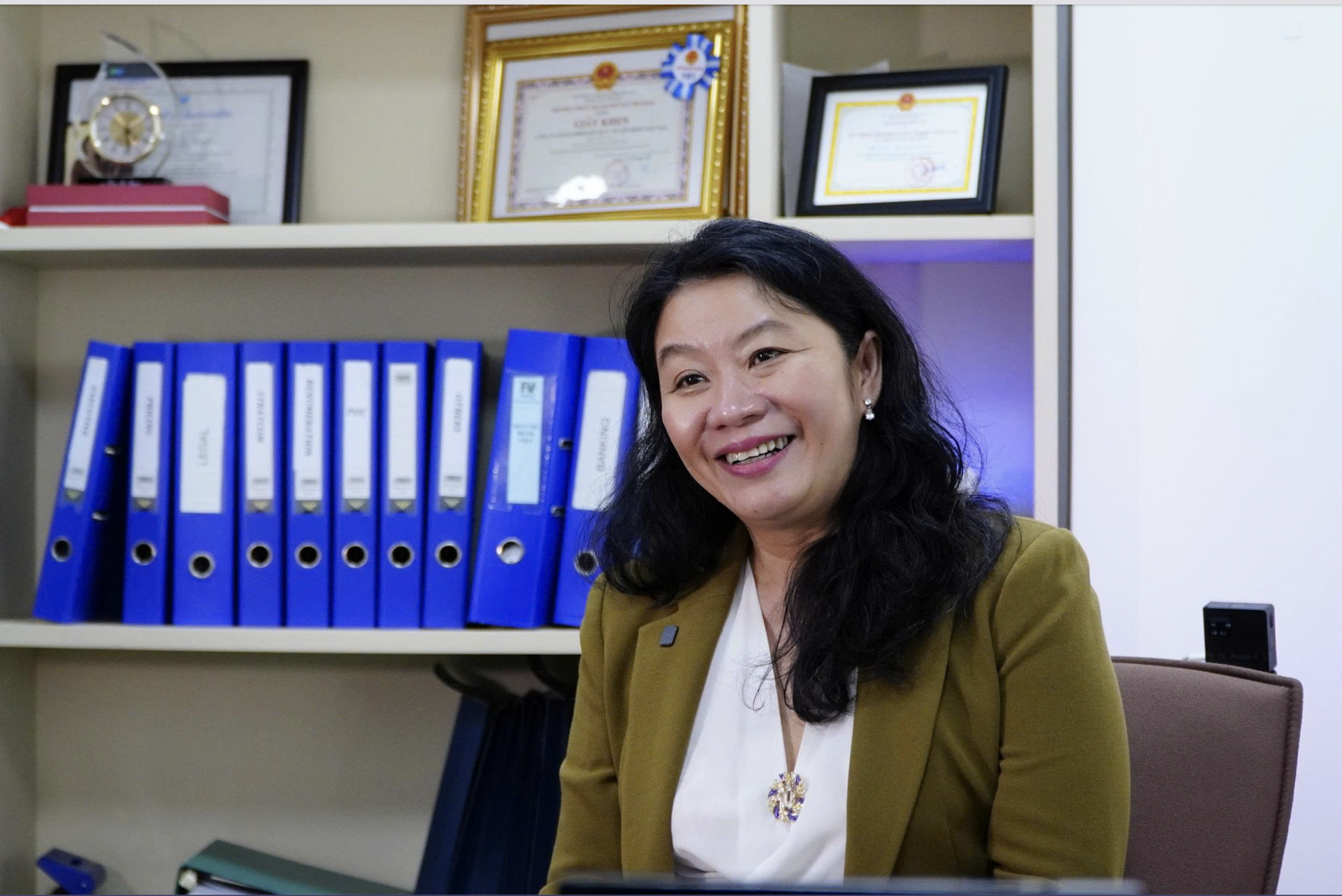
Tran Le Quyen joined FV in 2002 as a financial analyst. Since 2010, she has held the position of CFO at the hospital. After eight years back in the US with her family, she returned to FV to take on this position from 2017 to the present.

She made a significant contribution to the successful M&A deal of $382 million in Vietnam’s healthcare industry with Thomson Medical Group in 2023.

She is one of four female leaders from Vietnam have been honoured by Women’s Tabloid Magazine with the Women’s Tabloid Award 2026, alongside CEO Mai Kieu Lien (Vinamilk), CEO Le Hoang Diep Thao (TNI Corporation), and COO Ruby Hoang (Cho Tot).

Thomson Medical Group announces FV Hospital as member Thomson Medical Group announces FV Hospital as member

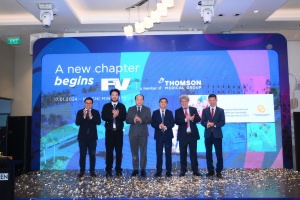
On January 17, the Singaporean Thomson Medical Group announced that FV Hospital has become a member after an acquisition deal worth VND9 trillion (around $380 million).

FV Hospital and O2 Healthcare Group set up first regional Thoracic Surgery Centre FV Hospital and O2 Healthcare Group set up first regional Thoracic Surgery Centre

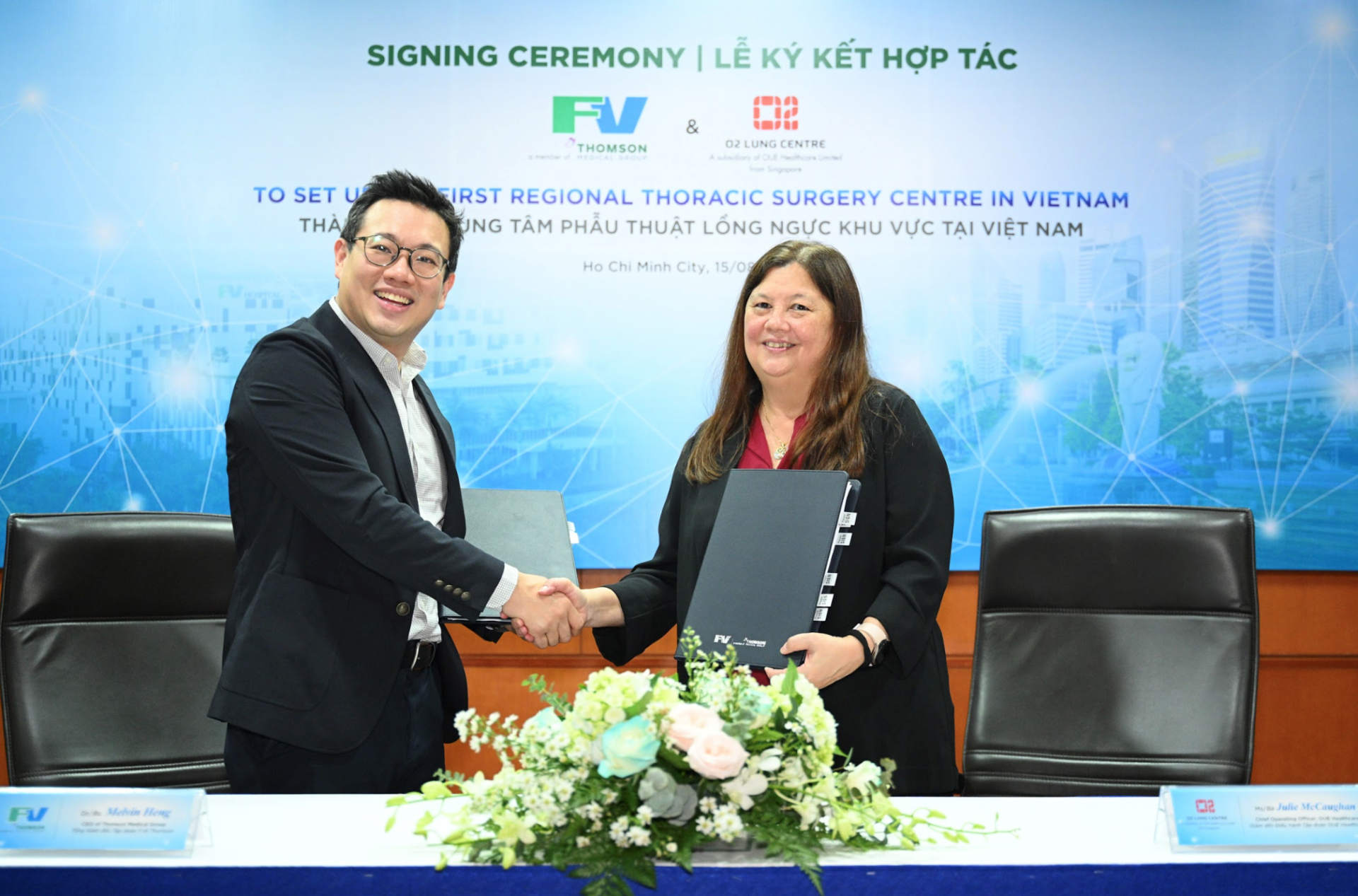
FV Hospital, a member of Thomson Medical Group, signed a memorandum of cooperation on August 15 with Singapore’s O2 Healthcare Group, a member of OUE Healthcare Limited, to set up the first regional Thoracic Surgery Centre in Vietnam.

FV Hospital's integrated care model proves comprehensive and effective FV Hospital’s integrated care model proves comprehensive and effective

The intensive care unit (ICU) is often seen as the frontline in the battle for patients’ lives, where the collaboration between multiple specialities determines success. At FV Hospital, a multidisciplinary, comprehensive care model has demonstrated remarkable effectiveness in treating critically ill patients.

Vietnam’s business aviation market has grown quickly over the past decade. What are the main drivers behind this growth, and how mature is the market today?

Business aviation market will grow alongside wealth
Paul Desgrosseilliers

If business aviation is defined strictly, Vietnam’s market is actually very young. Meaningful growth has really only started in the last 3-4 years. Before the pandemic period, there were effectively no business jets based in Vietnam. Coming out of the pandemic, companies and individuals began operating their own aircraft, initially through charter and later through managed ownership.

Today, the market stands at just under a dozen business jets, around 10-12 aircraft, with at least 3-4 more expected to enter service this year. From a numerical standpoint, the base is still small, but the growth rate is very high.

Vietnam’s economy is growing rapidly across manufacturing, real estate, industrial development and services. Frequent visits to both Hanoi and Ho Chi Minh City make this growth very visible, from large-scale construction to expanding industrial zones. As wealth increases among corporations and individuals, international business activity grows as well.

Vietnamese companies are no longer operating within domestic or regional markets. Many are deeply integrated into global supply chains, with frequent travel to China, Southeast Asia, the Middle East, Europe and North America. Business aviation supports this international reach by providing flexibility, efficiency and access to destinations that are not well served by commercial airlines.

In more mature markets such as North America, around 90 per cent of business jet utilisation is business-related rather than leisure-driven. Vietnam is following a similar pattern.

ExecuJet has obtained certification in Vietnam and now provides local maintenance support. What services are currently offered?

Vietnam has a unique regulatory environment compared with many other Southeast Asian markets. All aircraft owned and operated in Vietnam must be registered locally. Foreign-registered aircraft are not permitted to operate domestically. As a result, maintenance providers must hold Vietnamese regulatory approval in order to support these aircraft.

Recognising this requirement, ExecuJet began working with Vietnamese authorities more than a year ago to obtain the necessary approvals. The certification process was completed around six months ago, allowing the company to provide maintenance services for Vietnamese-registered business jets.

Vietnam was among the first Southeast Asian markets ExecuJet entered. Why was Vietnam prioritised?

Several factors influenced the decision. Firstly, the expansion began with an existing customer relationship. Initial interest came directly from Vietnamese operators seeking maintenance support.

Secondly, the aircraft types operating in Vietnam align closely with ExecuJet’s existing capabilities. The company already serves as an authorised service centre for Gulfstream and Dassault aircraft, which dominate the Vietnamese fleet.

Thirdly, geographic proximity played an important role. Hanoi, for example, is only around three hours by air from Beijing. From a customer perspective, flying to China for maintenance does not significantly increase travel time compared with other regional options.

Business aviation growth has been uneven across Southeast Asia. How does Vietnam compare with other regional markets?

Vietnam’s market remains smaller than more mature regional peers, but its growth trajectory is strong. Singapore, for example, had only a handful of business jets 15 years ago. Today, the fleet exceeds 80 aircraft. Indonesia operates around 60 business jets, while Thailand has approximately 45.

Vietnam’s fleet of around 12 aircraft represents a significant jump from zero just a few years ago. Importantly, multiple additional deliveries are already planned, indicating confidence in long-term growth.

Each market has its own characteristics. Aircraft preferences differ based on geography, business needs and infrastructure. Some markets favour smaller aircraft, while others gravitate toward large-cabin jets. Despite these differences, the underlying trend across Southeast Asia is consistent: economic growth is driving increased demand for business aviation.

ExecuJet Haite is based in China. What challenges arise when supporting Vietnam from abroad, and how are they addressed?

In the long term, there is strong interest in developing infrastructure within Vietnam, including business jet maintenance, repair, and overhaul (MRO) and fixed-base operator (FBO) facilities.

However, the current fleet size does not yet justify major investment. Typically, a base of 30-40 aircraft is needed to support standalone infrastructure economically.

Vietnam’s airport development plans may change this equation. Several new airports are under construction or planned, and business aviation zones are expected to be incorporated. FBOs are likely to be established first, with MRO facilities following as the fleet expands. When the infrastructure matures, opportunities for deeper local engagement will emerge. Until then, proximity to China allows efficient cross-border support without compromising service quality.

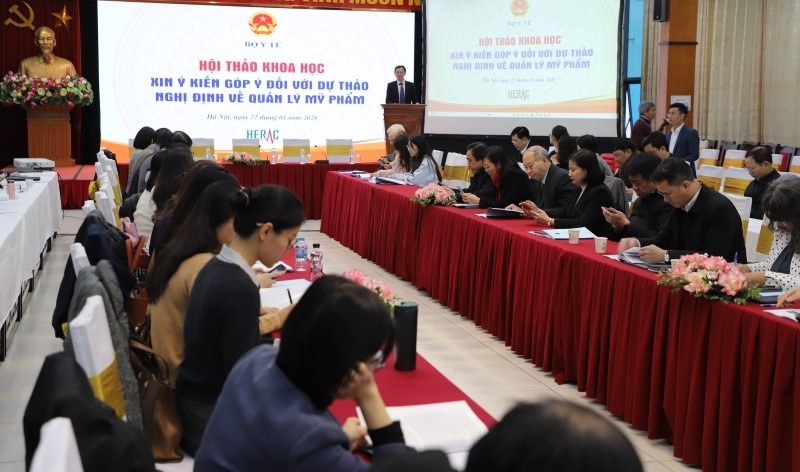
At a conference held on January 22, the Ministry of Health (MoH) gathered feedback on a draft decree regulating cosmetics management, as part of efforts to modernise oversight and align it with current market realities.

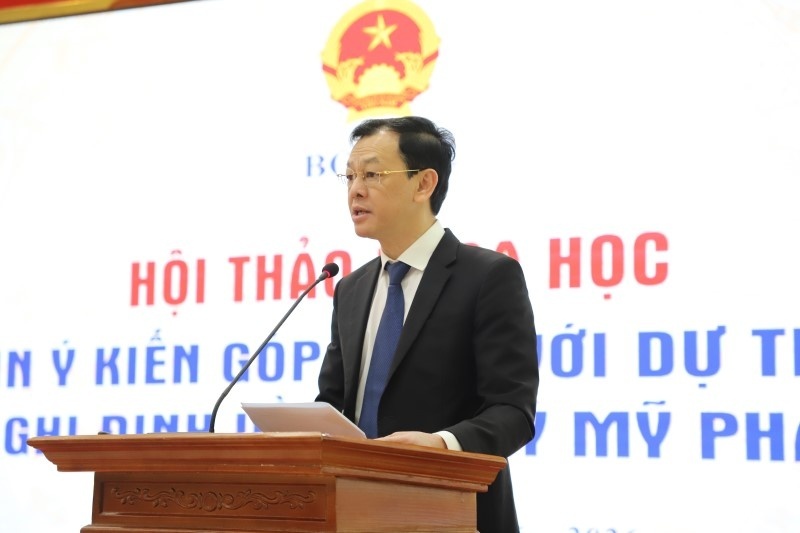
Speaking at the event, Deputy Minister of Health Nguyen Tri Thuc underscored that cosmetics are essential consumer products which, beyond enhancing appearance, directly affect public health, consumer rights, and quality of life.

Cosmetics rules set for overhaul under draft decree
Photo: MoH

“Current practices pose many challenges to state management of cosmetics, as well as to the compliance with legal regulations by organisations and individuals producing and trading cosmetics,” he said.

Circular No.06/2011/TT-BYT on cosmetic management, issued 14 years ago, is considered outdated. As a result, on December 4, the MoH submitted a draft decree on cosmetic management to the government, incorporating feedback from multiple agencies and organisations on regulatory scope, product notifications, post-inspection, business conditions, and the balance between state oversight and a favourable business environment.

The draft aims to ensure consumer safety, promote voluntary compliance among businesses, and reduce the regulatory burden on management agencies.

Cosmetics rules set for overhaul under draft decree
Deputy Minister of Health Nguyen Tri Thuc. Photo: MoH

“The improvement of institutional frameworks and legal regulations prioritises protecting the health of the people,” said Thuc.

At the conference, experts and representatives from ministries, agencies, local health departments, and business associations shared scientific evidence and practical experience to inform the draft decree. Key discussions covered global and domestic cosmetic management practices, the draft’s constitutionality and feasibility, product declarations, and the certification of cosmetic manufacturing facilities in line with Good Manufacturing Practice standards.

They also exchanged views on potential issues that could arise if the draft decree on cosmetic management is approved, and proposed measures to address them.

The deputy minister called for further refinement of the draft towards a more modern and transparent framework, with a clear shift from pre-inspection to post-inspection and stronger accountability. He also stressed the need to align with international commitments, particularly the ASEAN Harmonisation Agreement on Cosmetic Management, and to reflect industry practices and development needs in the new phase.

The conference provides an important basis for the Ministry of Health to continue a thorough review of the draft, ensuring it is consistent, coherent, feasible, and aligned with the prime minister’s direction on administrative procedure reform.

French cosmetics retailer Sephora enters Vietnam French cosmetics retailer Sephora enters Vietnam

World-renowned cosmetics retailer Sephora has officially entered the Vietnamese market via an e-commerce channel, rather than through a traditional brick-and-mortar store.

Rohto-Mentholatum Vietnam takes over Naris Cosmetics Rohto-Mentholatum Vietnam takes over Naris Cosmetics

Rohto-Mentholatum Vietnam has completed the purchase and sale agreement and change of ownership of Naris Cosmetics Vietnam.

Korean cosmetics capturing hearts Korean cosmetics capturing hearts

Vietnam’s cosmetics segment is thriving as South Korean brands leverage the rising influence of its culture to meet the growing demand for high-quality beauty products.

DAV rolls out new plan to combat counterfeit drugs and cosmetics DAV rolls out new plan to combat counterfeit drugs and cosmetics

The Ministry of Health has ordered the recall of multiple cosmetics products after recent quality control failures, reaffirming its commitment to safeguarding public health.

Circular No. 121/2025/TT-BTC issued by the Ministry of Finance marks a significant shift in Vietnam’s customs sector from pre-clearance control to data-driven risk management, delivering tangible trade facilitation for import-export businesses.

Effective from February 1, the circular amends and supplements regulations on customs procedures, inspection and supervision, export and import duties, and tax administration for traded goods, reshaping customs governance towards a modern model grounded in digital data and enterprise compliance.

At the core of Circular 121 is the redesign of information indicators in Form No. 01, the electronic import declaration, aiming to standardise and structure data at the point of entry.

Data-driven risk management signals major shift in customs administration

Under this approach, risk management begins not at the border gate but at the enterprise’s declaration stage.

According to Dao Duy Tam, head of the Customs Control and Management Board under the General Department of Vietnam Customs, the changes systematise specialised operations and eliminate long-standing information gaps that have hindered state management.

The new approach follows the principle that the more complete and detailed the data, the lower the clearance risk.

Requirements such as adding the importer and exporter codes and names for on-the-spot import-export transactions, or separate annotations for goods pending analysis and classification, demonstrate that customs authorities are managing cargo flows and entities comprehensively on a unified digital platform.

The circular also incorporates Incoterms 2020 into the total invoice value. Issued by the International Chamber of Commerce, Incoterms 2020 are internationally recognised trade rules that define the responsibilities of buyers and sellers for delivery, risk transfer, costs, and insurance in international transactions.

This update aligns international trade standards with domestic management systems, reducing discrepancies in customs valuation and strengthening consistency between tax and customs authorities.

In addition, Circular 121 introduces rigorous data filters at the information intake stage. Businesses are required to provide more detailed value declarations during indirect consultations and clearer descriptions of goods processed abroad.

Instead of responding only when doubts arise, businesses can proactively supply digitised data under standardised criteria, forming transparent and consistent digital compliance profiles.

Together with governmental Decree No. 167/2025/ND-CP, Circular 121 represents a breakthrough in customs valuation, highlighted by the ‘release first, consult later’ mechanism.

Businesses are no longer required to explain immediately during clearance for goods deemed price-risky; goods may be released for storage or directly for production and business, while value consultations are conducted within 30 days from the release date.

Decree No.167/2025/ND-CP, effective since last August, amends and supplements several provisions of Decree No.08/2015/ND-CP from 2015, which details and guides the implementation of the Law on Customs regarding customs procedures, inspection, supervision, and control.

The new mechanism reinforces a trust-based management approach. When enterprises meet five matching criteria – goods name, Harmonised System code, origin, trading partner and delivery terms – and the declared value is not lower than the accepted benchmark, consultation results may be reused for up to six months at the same regional customs sub-department.

At the same time, the entire consultation process is digitised and conducted indirectly. Businesses are no longer required to visit customs offices in person; all relevant documents are submitted and stored electronically, enhancing transparency and delivering substantive trade facilitation.

However, as border procedures are relaxed, compliance responsibilities for enterprises increase. Customs authorities shall strengthen post-clearance audits, requiring businesses to standardise accounting systems and documentation, and to be ready to provide objective evidence of transaction values within prescribed time limits.

Customs reform to prioritise high-tech and innovative businesses Customs reform to prioritise high-tech and innovative businesses

Au Anh Tuan, deputy director general of the Department of Vietnam Customs, outlines key changes to the Customs Law aimed at simplifying procedures and offering more incentives for high-tech, innovative, and semiconductor businesses, and helping to support supply chains and boost the startup ecosystem.

Tax and customs policies refined to support enterprise growth Tax and customs policies refined to support enterprise growth

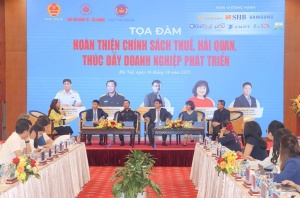
Vietnam is advancing tax and customs reform, with an October 16 dialogue creating a platform to refine laws, streamline procedures, and strengthen the Ministry of Finance’s efforts to back growth.

Strengthening supply chains through trade promotions and customs reform Strengthening supply chains through trade promotions and customs reform

The Vietnam Trade Promotion Agency (VIETRADE) is focusing on building safe and sustainable supply chains for enterprises in the new geopolitical context.

GEVA a launchpad for Vietnam’s agricultural exports

As Vietnam deepens its global integration, agricultural businesses are facing increasingly stringent sustainability requirements from major export markets such as Europe, the US, Canada, and Australia. Demands for transparency and sustainable development across supply chains are no longer optional – they have become decisive factors for market access and long-term partnerships.

To accompany Vietnamese enterprises on this journey, the government of Switzerland has funded the GEVA project – Green Export Acceleration through Voluntary Sustainability Standards, an initiative spearheaded by KisStartup.

The project operates within the SwissTrade programme, funded by the Swiss government through the State Secretariat for Economic Affairs (SECO) and jointly managed by the International Trade Centre (ITC) and Vietrade under the Ministry of Industry and Trade. Running from April 2025 to April 2026, GEVA focuses on strengthening the international competitiveness of businesses in the spice, coffee, and nut sectors.

Incubating green exports

GEVA’s core mission is to help Vietnamese agricultural enterprises understand and effectively adopt the model – regarded as the passport for agricultural products to enter developed markets. Through this, businesses not only meet international buyers’ requirements but also build sustainable business models that enhance long-term competitiveness.

The project comprises four key components. Businesses can access greenexport.vn to self-assess their export readiness, compliance, and adaptability towards green business models. Upon completion, they receive a detailed report highlighting strengths and areas for improvement, enabling them to design a roadmap for international market entry.

This is Vietnam’s first digital toolkit designed for such comprehensive measurement, allowing enterprises to track progress over time and continuously improve.

Secondly, GEVA has organised multiple training sessions on green exports and sustainable business models in Hanoi, Ho Chi Minh City, and Ben Tre, attracting over 400 participating enterprises. The programme will soon expand to Dak Lak and Gia Lai, bringing practical tools and knowledge closer to local farmers and businesses, particularly in the coffee, pepper, and cashew industries.

The third aspect is a green export incubation and acceleration programme, GEVA’s most distinctive component. Twenty-three selected enterprises will participate in a six-month incubation and acceleration journey.

The training and consulting content is tailored to each enterprise, based on real data collected through interviews, on-site assessments, and the online toolkit. Each enterprise will receive weekly one-on-one mentoring from experts to address challenges in production, business, and implementation.

During the programme, businesses also review and adjust their business models towards sustainability – fostering internal transformation instead of passive compliance with buyer requirements. Moreover, enterprises will receive guidance on export branding to prepare for exporting under their own labels rather than merely supplying raw or semi-processed materials.

Finally, GEVA organises hybrid (in-person and online) business networking events connecting Vietnamese exporters with importers in key markets such as the EU, the US, Canada, ASEAN, and the Middle East.

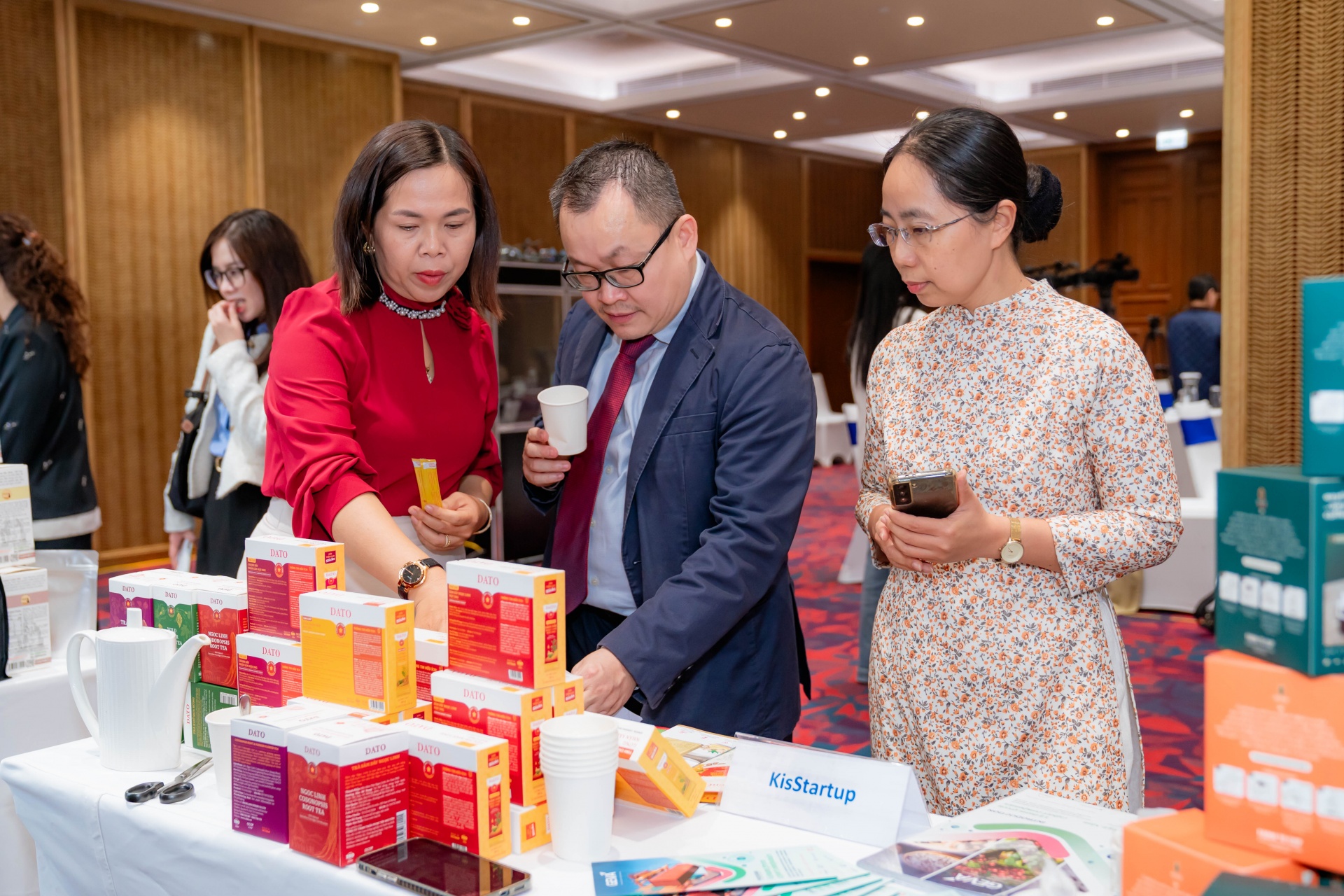
For example, during the Vietnam International Sourcing Expo 2025, GEVA collaborated with the Vietnam Pepper and Spice Association to host a trade connection booth. Seventeen participating enterprises showcased their products and joined seven business-to-business sessions, generating potential partnerships with nearly 70 international buyers.

GEVA a launchpad for Vietnam’s agricultural exports

A testing ground for green exports

GEVA stands out for its strong emphasis on practical application and comprehensive enterprise support. Participating businesses not only gain in-depth knowledge on green exports, sustainable business models, and compliance but also receive personalised one-on-one consulting from experts who guide implementation directly within their production and business processes.

Enterprises also have access to a network of international buyers, distributors, and partners in high-demand markets. They can use the online toolkit free of charge to continually measure and improve their readiness for green exports. These benefits equip them not only to seize immediate opportunities, but also to build long-term, sustainable growth foundations.

KisStartup, the implementing organisation, emphasises that GEVA is more than technical assistance – it is a journey of partnership supporting Vietnamese enterprises through their green transformation and export acceleration.

“We encourage Vietnamese agricultural businesses, especially in the spice, coffee, and nut sectors, to actively participate and take advantage of the resources provided by SwissTrade, SECO, ITC, and KisStartup. This is a golden opportunity to break through, position your brands internationally, and contribute to building the image of a green, clean, and sustainable Vietnamese agriculture,” a KisStartup representative shared.

GEVA also serves as a testing model for green export incubation and acceleration – a first-of-its-kind initiative in Vietnam. After the initiative concludes, KisStartup is committed to maintaining and developing this model as a service, ensuring its long-term sustainability and creating lasting value for the agricultural enterprise community.

Vietnam’s coffee heartland embraces green standards for global reach Vietnam’s coffee heartland embraces green standards for global reach

As the global marketplace tightens its environmental and social standards, Vietnam’s agricultural sector – particularly the Central Highlands, home to the nation’s iconic coffee – stands at a critical crossroads.

GEVA showcases sustainable agricultural products at Vietnam International Sourcing Expo GEVA showcases sustainable agricultural products at Vietnam International Sourcing Expo

The GEVA project showcased sustainable agricultural products and took proactive steps to expand international business connections at the Vietnam International Sourcing Expo 2025.

Voluntary Sustainability Standards pave way for Vietnam’s agricultural exports Voluntary Sustainability Standards pave way for Vietnam’s agricultural exports

A single rejected shipment can take years for an exporter to rebuild trust with international partners, and may even tarnish the reputation of an entire sector. By contrast, exporters that consistently meet required standards can benefit from “green lane” clearance, enjoying faster inspections and lower logistics costs.

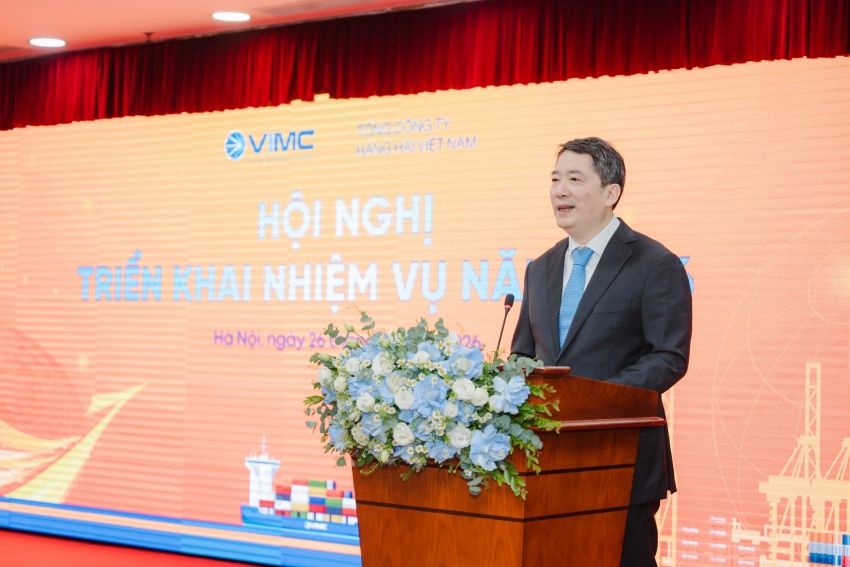
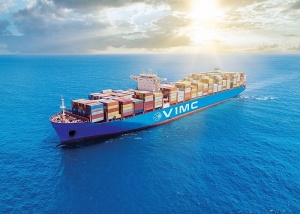
Vietnam Maritime Corporation (VIMC) aims to record consolidated pre-tax profit of VND3.23 trillion ($129.2 million) in 2026, up from VND3.07 trillion ($122.8 million) in 2025. The target was announced at a meeting held on January 26 to review the corporation’s 2025 performance and set tasks and objectives for 2026, attended by Deputy Minister of Finance Cao Anh Tuan and representatives of relevant agencies and units.

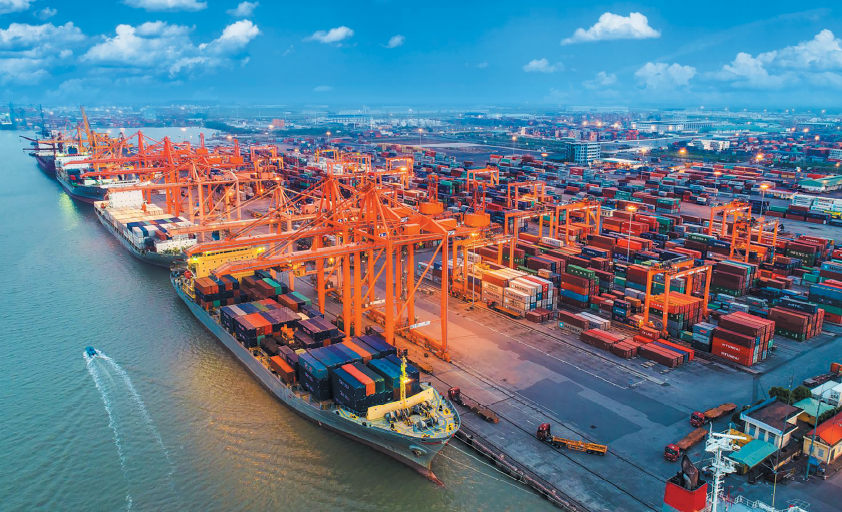
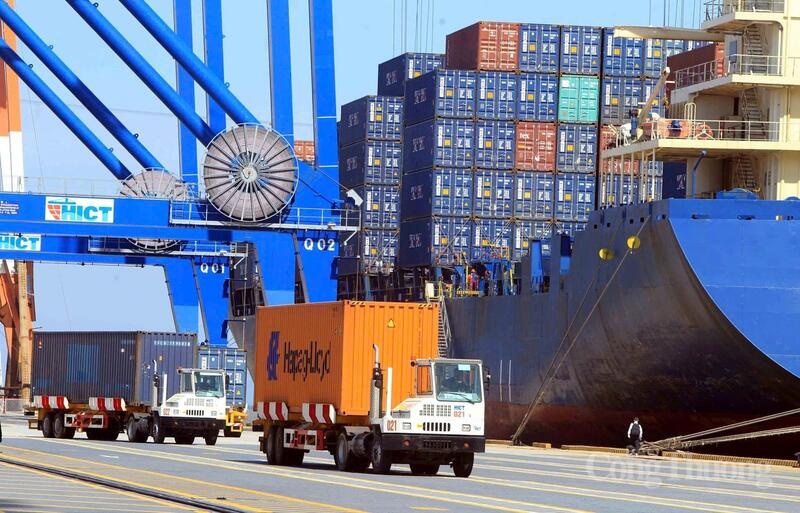
The group is targeting sea transport volume of 23.7 million tonnes and port throughput of 180.1 million tonnes in 2026, alongside revenue of more than VND22.18 trillion ($887.2 million).

Speaking at the event, Tuan endorsed the tasks set out by VIMC and called on the corporation to prioritise investment, particularly in large-scale and strategic projects such as the Can Gio transshipment port.

VIMC targets higher profit and throughput in 2026
Deputy Minister of Finance Cao Anh Tuan

Tuan also urged VIMC to accelerate restructuring towards a leaner and more efficient organisation, improve governance and supervision, and enhance capital divestment and utilisation. He called on the corporation to innovate its investment approach, prioritise resources for the Can Gio International Transshipment Port project, review existing investment plans, and treat science and technology, digital transformation and green transformation as core drivers of production and business to strengthen competitiveness and deepen participation in global supply chains.

In 2025, VIMC reported consolidated pre-tax profit of nearly VND3.07 trillion ($122.8 million), consolidated revenue of VND20.47 trillion ($818.8 million), up 6 per cent on-year, and seaport throughput of 161.9 million tonnes, an increase of 12 per cent on-year.

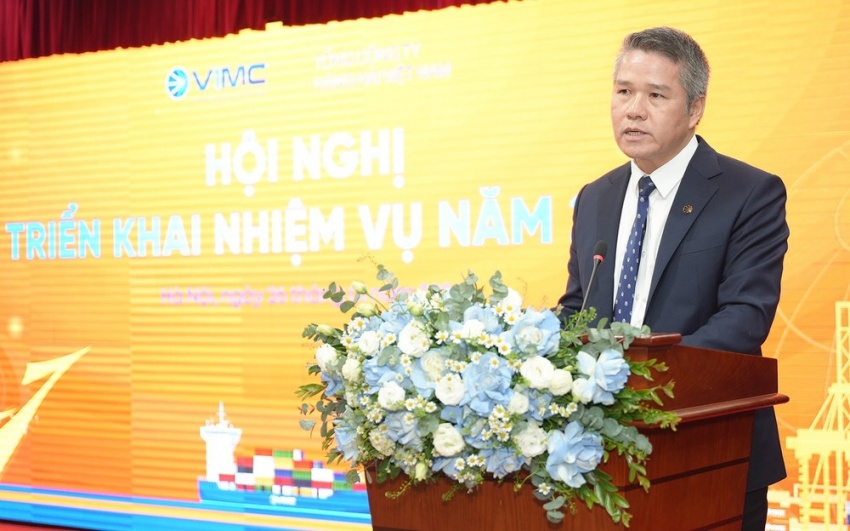
Nguyen Canh Tinh, chairman of VIMC, said, “The business results for 2025 will be the foundation for the corporation to realise its goal of becoming a leading maritime group in the region, with an integrated port–shipping–logistics ecosystem.”

VIMC targets higher profit and throughput in 2026
Nguyen Canh Tinh, chairman of VIMC

To achieve its targets, the company has outlined six groups of tasks for 2026, including sustainable growth and market and customer development; expansion of integrated logistics services; investment in strategic logistics infrastructure and fleet capacity; development of high-quality workers and the strengthening of VIMC’s corporate culture; and the promotion of digital transformation, green transformation and innovation.

VIMC strengthens twin digital-green transformation VIMC strengthens twin digital-green transformation

Vietnam Maritime Corporation (VIMC) is prioritising the acceleration of its IT development and digital transformation in its strategy for 2021-2030 with a vision to 2035, aiming to sustain its growth into the future.

VIMC aims for high growth in 2024 despite challenges VIMC aims for high growth in 2024 despite challenges

Vietnam Maritime Corporation (VIMC) held a meeting on January 4 to review its performance in 2023 and discuss plans to achieve 2024’s higher targets.

VIMC to divest state stake to 65 per cent VIMC to divest state stake to 65 per cent

Among the developments at Vietnam Maritime Corporation’s (VIMC) AGM on April 16 was the agreement from the shareholders to reduce the state’s ownership from the current 99.46 per cent to 65 per cent to encourage future development of the company.

VIMC secures Top 10 Vietnam Gold Star award via its five core values VIMC secures Top 10 Vietnam Gold Star award via its five core values

Throughout its 30-year history, shipping giant Vietnam Maritime Corporation (VIMC) has maintained its solid position in the maritime transport industry, achieving numerous significant accomplishments, particularly the honour of being among the Top 10 Vietnam Gold Star Award winners in 2024.

VIMC celebrates three-decade proud journey of development VIMC celebrates three-decade proud journey of development

Shipping giant Vietnam Maritime Corporation (VIMC) held a ceremony on May 10 in Hanoi to celebrate its 30th anniversary, and received the second-class Labour Medal.

Vietnam entering a new growth phase in 2026

According to securities firm VNDirect, 2026 is the first year of Vietnam’s 2026–2030 Socioeconomic Development Plan and the most ambitious policy cycle in the country’s history. The government has set a GDP growth target of 10 per cent, underpinned by deeper reforms, strong public investment, and a strategic shift towards more sustainable, higher-quality growth as the country works to narrow the development gap with regional peers and move towards upper middle-income status.

This year is viewed as the beginning of a new phase for Vietnam’s economy, with growth increasingly shaped by deeper structural reforms and a strategic reallocation of global capital, supporting a more sustainable expansion.

VNDirect forecasts Vietnam’s GDP growth under the base-case scenario at 8.8 per cent. Growth is expected to be driven by a continued expansionary fiscal stance; the potential crowd-in of private investment through institutional reforms; resilient foreign direct investment disbursement; and an improving domestic consumption outlook supported by positive growth momentum and adjustments in tax and wage policies across both the public and private sectors. Meanwhile, external trade activity is expected to slow under persistent tariff-related pressures.

Traditional growth engines remain relevant in 2026, while structural forces increasingly shape Vietnam’s medium-term trajectory. Specifically, institutional reforms unlock new growth capacity and position the private sector to play a more central role in economic expansion.

Public investment and infrastructure development is set to form the backbone for logistics and industrial upgrading over the next decade. Meanwhile, domestic consumption stands to benefit from rising disposable incomes and a more flexible tax policy framework.

High-tech foreign investment is accelerating alongside gradual capital-market liberalisation and the development of an international financial centre. Together, these shifts reinforce Vietnam’s emergence as a regional manufacturing and financial hub. At the same time, a broadly accommodative global monetary environment is expanding the domestic policy space, enabling credit to be channelled into productive sectors, productivity gains, and higher-quality growth.

Vietnam enters 2026 with ample fiscal headroom and retains significant capacity to scale up public investment in support of growth. State budget development expenditure is projected to rise by approximately 29 per cent from the estimated 2025 level, with capital allocation concentrated on large-scale, nationally strategic projects.

Recent legislative approval allowing the government to amend relevant laws and resolutions enhances policy flexibility and execution autonomy, facilitating mechanisms that mobilise private capital into strategic infrastructure and improve the pace and efficiency of public investment. Timely and targeted disbursement–particularly in infrastructure, energy, and logistics–remains critical to sustaining elevated and durable growth.

On the monetary front, the State Bank of Vietnam is expected to maintain stable policy rates in 2026 to preserve support for production and business activity. VNDirect projects credit growth at approximately 19 per cent, with policy guidance favouring manufacturing and innovation-oriented sectors while constraining flows into speculative activities.

At the same time, average deposit rates are expected to rise by approximately 50 basis points, reflecting the combined impact of expansionary fiscal and monetary conditions and mounting liquidity pressures within the banking system.

Vietnam's securities sector leads new IPO wave Vietnam’s securities sector leads new IPO wave

Vietnam’s stock market is ready to welcome a new wave of corporate initial public offerings (IPOs).

Three key dynamics supporting Vietnam’s GDP growth in 2026 Three key dynamics supporting Vietnam’s GDP growth in 2026

The three key dynamics to drive 2026 GDP growth include a modest consumption recovery, the infrastructure-real estate growth nexus, and resilient exports to the US, according to a report by VinaCapital published on January 19.

AMRO forecasts 7.6 per cent GDP growth for Vietnam in 2026 AMRO forecasts 7.6 per cent GDP growth for Vietnam in 2026

Vietnam is expected to remain one of the region’s stronger growth performers, outpacing the broader ASEAN+3 bloc.