E-commerce platforms and social networks face stricter responsibilities under draft law
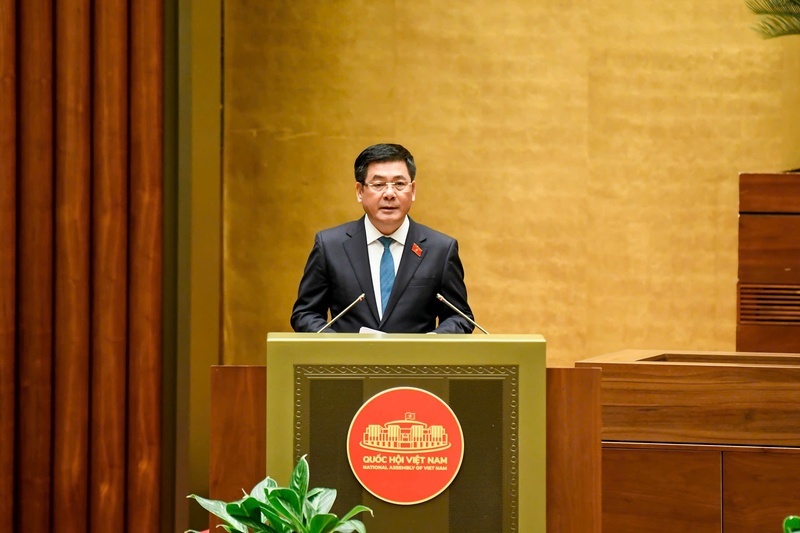
Minister of Industry and Trade Nguyen Hong Dien delivers a report to the National Assembly on a draft Law on E-commerce. Photo: National Assembly

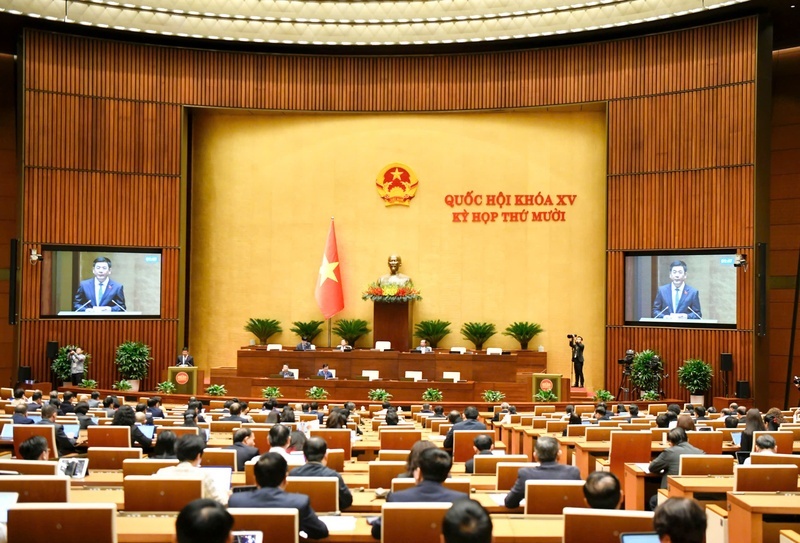
In a report to the National Assembly on November 3, Minister of Industry and Trade Nguyen Hong Dien said that the move seeks to institutionalise the Party’s new orientations on e-commerce and the digital economy, align with Vietnam’s international commitments, and address existing legal shortcomings. It is also designed to foster rapid and sustainable e-commerce growth, safeguard domestic production and consumer rights, and contribute positively to national socioeconomic development in the digital era.

According to the Ministry of Industry and Trade’s report, e-commerce in Vietnam has been expanding strongly, accounting for around 10 per cent of total retail and consumer service revenue in 2024. However, the sector still lacks a dedicated legal framework. Existing regulations have revealed various limitations, particularly in managing sellers, collecting taxes, combating counterfeit goods, and protecting personal data.

The draft law comprises seven chapters and 48 articles, introducing new provisions that mandate the identification of domestic sellers through VNeID and foreign sellers via legal documentation. It also defines responsibilities related to information transparency, transaction traceability, violation handling, and consumer protection.

It also expands the responsibilities of social networks that engage in e-commerce and integrated digital service platforms, along with provisions to prevent abuse of market dominance and ensure fair competition.

Under the proposal, domestic sellers will be required to undergo identity verification via VNeID, while foreign sellers must provide valid legal documentation. Livestream sellers and affiliate marketers will be subject to specific requirements on identification, information transparency, and consumer protection.

For foreign e-commerce platforms operating in Vietnam, the draft mandates the establishment of, or authorisation for, a legally competent entity within the country to handle tax obligations, dispute resolution, and consumer protection issues.

Reviewing the draft, Phan Van Mai, Chairman of the National Assembly’s Economic and Financial Committee, said the necessity of developing a stronger legal framework for e-commerce.
E-commerce platforms and social networks face stricter responsibilities under draft law

He recommended that the government further clarify the classification of e-commerce as a conditional business line and make corresponding revisions to the amended Law on Investment. The committee also called for a clearer distinction between pre-check and post-check conditions to ensure effective management.

Regarding platform operators, the committee proposed refining responsibilities to ensure they are reasonable, feasible, and tailored to the nature of each platform and its level of involvement in online contract transactions.

For social networks conducting e-commerce activities, the committee suggested defining their scope of responsibility based on specific functions such as online ordering, livestream sales tied to order placement, or payment and logistics support, to create proportionate regulatory obligations.

It also urged clearer delineation between livestream and affiliate marketing activities regulated under the draft law and those covered by other legislation, including the Law on Cyber Information Security, the Law on Cybersecurity, the Law on Advertising, and the Law on Consumer Rights Protection.

Finally, for e-commerce support service providers, the committee recommended clearer rules on their responsibilities and operating conditions, ensuring consistency with laws governing electronic transactions, postal services, payment systems, and banking, while maintaining practical and enforceable obligations.


Mercedes-Benz distributor report a 25 per cent decrease on-year in revenue

According to its third-quarter financial report, Hang Xanh Automobile Service JSC (Haxaco, stock code: HAX) recorded revenue of approximately VND1.15 trillion ($46 million), a 25 per cent decrease compared to the same period last year. After expenses, the company reported a loss of nearly VND26 billion ($1 million), whereas in the third quarter last year it posted a profit of over VND90 billion ($3.6 million).

This is the company’s first reported loss in four years, a period previously described by leadership as unprecedented during the COVID-19 outbreak, which forced multiple branches to close for months.

Explaining the poor performance in the third quarter, Haxaco’s financial report cited continued weakness in the luxury car segment due to tightened consumer spending. Meanwhile, competitive pressure from other premium brands has increased, with rivals constantly launching new models accompanied by incentives and financial support. Discounts are no longer limited to luxury vehicles but have spread to mass-market segments as well. In addition, operating costs rose as the company is in the process of expanding its operations.

For the first nine months of 2025, Haxaco posted revenue of approximately VND3.14 trillion ($125 million), a 15 per cent drop on-year. Almost 90 per cent of its revenue came from car sales, with the rest from spare parts and repair services. During this period, the company made a profit of just VND1 billion ($40,000), a fraction of the VND 144 billion ($5.7 million) posted in the same period last year. This is far below the company’s pre-tax profit target of VND260 billion ($10 million) set at the beginning of the year.

As of the end of September, Haxaco’s total assets stood at over VND 2.36 trillion ($94 million), with liabilities exceeding VND1 trillion ($40 million).

According to Mirae Asset Vietnam Securities, Haxaco was the first official Mercedes-Benz distributor in Vietnam and held about 40 per cent of the brand’s market share as of mid-2025. In addition to Mercedes-Benz, the company also distributes MG vehicles (originally a British car brand, now owned by a Chinese company).

The securities company forecast that Haxaco’s revenue and post-tax profit this year will reach VND6.38 trillion ($255 million) and VND271 billion ($10.8 million), respectively, increases of 16 and 33 per cent on-year. However, Mercedes-Benz sales volume are likely to decline by 12 per cent, while MG sales will grow by 66 per cent.

Discount paradise for auto buyers Discount paradise for auto buyers

As part of a new package to help the automobile market stay afloat after this year’s global woes, locally-manufactured vehicles will benefit from a massive cut in registration fees, but imported vehicles will not miss out in the price war as makers throw potential customers huge savings.

Mercedes-Benz Vietnam set to open a new showroom in OfficeHaus Mercedes-Benz Vietnam set to open a new showroom in OfficeHaus

German luxury automotive brand Mercedes-Benz is set to open a new showroom in OfficeHaus in Ho Chi Minh City by the end of 2022.

Liberty Insurance Vietnam and Mercedes-Benz Vietnam sign insurance deal Liberty Insurance Vietnam and Mercedes-Benz Vietnam sign insurance deal

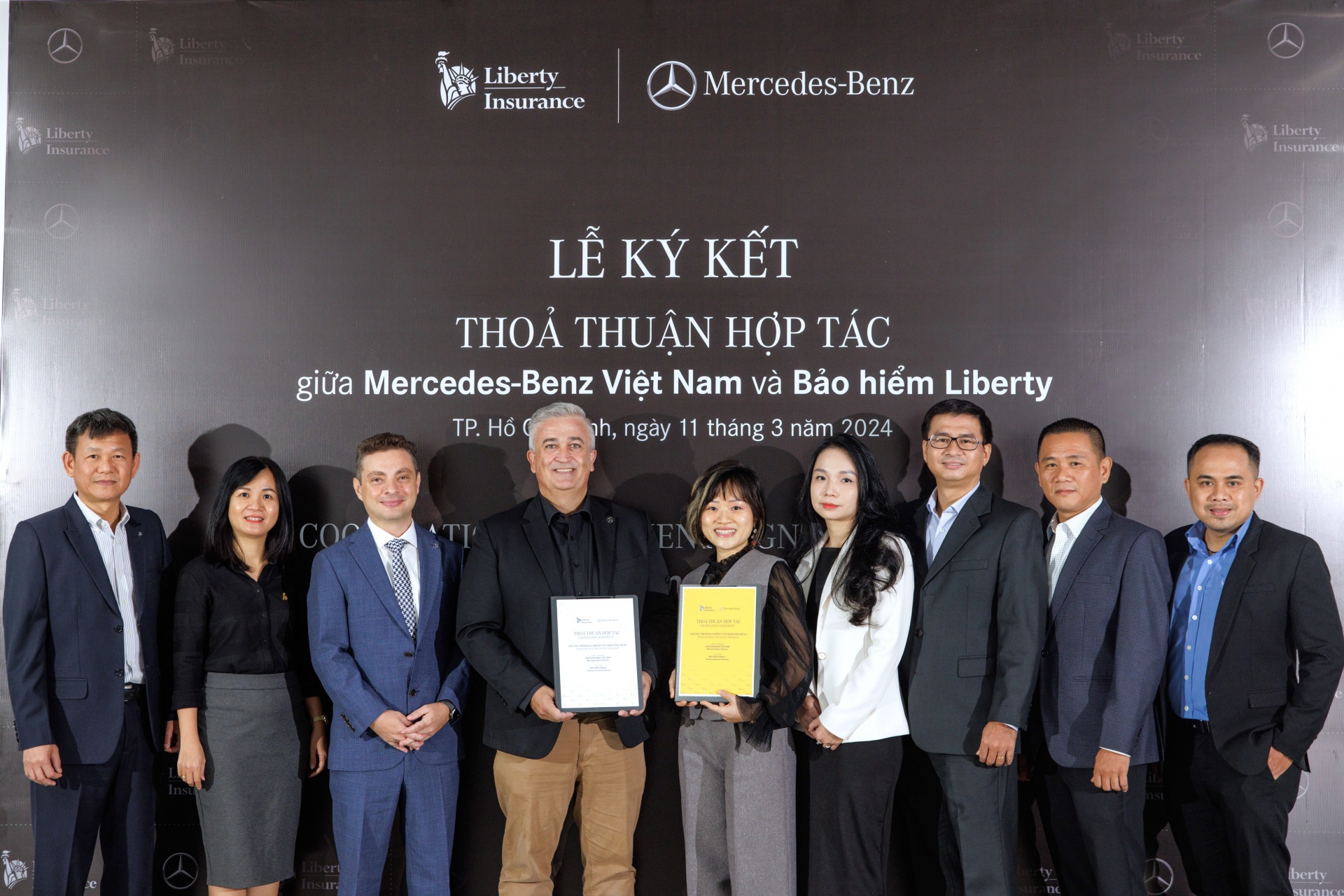
Liberty Insurance Vietnam and Mercedes-Benz Vietnam on March 11 signed an agreement regarding the Mercedes-Benz Car Insurance program to help customers access a comprehensive auto insurance solution.

German court rules against Mercedes in emissions case German court rules against Mercedes in emissions case

A German court ruled Thursday that auto giant Mercedes-Benz knowingly installed emissions-cheating devices in some diesel vehicles, opened the door for owners to seek compensation.

Government targets 10 per cent GDP growth next year
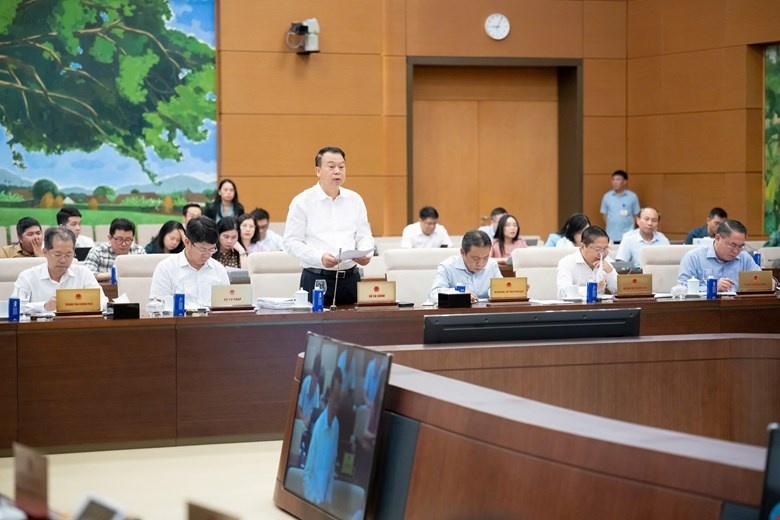
Deputy Minister of Finance Nguyen Duc Chi at the session of the National Assembly Standing Committee

Deputy Minister of Finance Nguyen Duc Chi, speaking on behalf of the government at the National Assembly Standing Committee session on October 15, said Vietnam aims to achieve GDP growth of 10 per cent and per-person income of $5,400–5,500 by the end of 2026. The goals are part of the government’s draft socioeconomic development plan for 2025–2026, which focuses on boosting productivity, investment efficiency, and sustainable growth. The report noted that the government is also aiming for inflation to stay around 4.5 per cent.

State budget revenue for next year is projected to rise by 10 per cent, while public investment will be trimmed by 5 per cent and regular expenditure by 10 per cent. The adjustments aim to channel resources towards key projects such as the Lao Cai–Hanoi–Haiphong railway and various social welfare programmes.

“The economic structure, including the credit system, bad debt resolution, development of the digital and green economy, semiconductor technology, and AI, has been identified by the government as key development priorities for next year,” Said Deputy Minister Chi.

“Vietnam will take a more selective approach to attracting overseas investment,” he added, before explaining that the country is developing international financial centres in Ho Chi Minh City and Danang, as well as new-generation free trade zones in key cities like Danang and Haiphong, to mobilise resources and draw high-quality investors.

This year, the government expects to meet or exceed all 15 socioeconomic targets. Macroeconomic stability has been maintained, growth remains high, inflation is under control, major economic balances are ensured, and public debt and fiscal deficit remain within safe limits.

GDP growth in the first nine months of this year reached 7.85 per cent on-year, and is expected to be around 8 per cent for the full year, among the highest globally. 32 provinces recorded regional GDP growth over 8 per cent, with 13 exceeding 10 per cent. The GDP size is about $510 billion, ranking 32nd in the world and fourth in ASEAN. GDP per person surpasses $5,000, placing Vietnam in the upper-middle-income category.

NA Chairman Phan Van Mai noted that many socioeconomic indicators surpassed forecasts, providing a strong foundation for macroeconomic stability and sustainable growth. He cautioned, however, that economic restructuring still faces challenges and urged the government to carefully assess the drivers of growth.

“Key growth drivers such as exports, consumption, and investment are still not strong enough. Exports remain unstable, show signs of slowing down, and are heavily reliant on foreign investment and external supply chains. Moreover, rising reciprocal tax policies, technical barriers, and green standards from major markets like the US and EU are significantly impacting this sector,” he said.

In addition, while public investment for 2025 is substantial, disbursement remains sluggish, reaching only about half of the planned target by the end of September. Domestic consumption has shown limited growth, with retail sales and consumer service revenue averaging 7.5 per cent annually from 2021 to 2025, well below previous periods.

“We must clearly acknowledge that the economy still relies on processing, imports, and a growth model based primarily on capital and labour,” said Mai, highlighting the risk of Vietnam falling into the middle-income trap.

On gold, bond, and real estate credit markets, the Economic and Financial Committee recommended that the government take risk prevention measures to safeguard macroeconomic stability.

“The government must also adhere to its policy principles, especially as room for manoeuvre in monetary policy has narrowed. Given the current capital market structure and interest rates, further easing of monetary policy poses a challenge,” Mai said.

For the 2026 plan, he advised the administration to act proactively and flexibly to maintain macro stability, strengthen resilience and capacity, and leverage opportunities to restructure supply chains and enhance national competitiveness.

UOB raises Vietnam 2025 growth forecast to 7.5 per cent UOB raises Vietnam 2025 growth forecast to 7.5 per cent

United Overseas Bank (UOB) has raised its 2025 growth forecast for Vietnam, citing strong first-half performance and government-led investment momentum.

ADB lifts Vietnam GDP forecast to 6.7 per cent for 2025 ADB lifts Vietnam GDP forecast to 6.7 per cent for 2025

The Asian Development Bank (ADB) has revised Vietnam’s economic growth forecast, raising it to 6.7 per cent for 2025 and adjusting to 6.0 per cent for 2026.

MoF fast-tracking financial law reforms to spur growth MoF fast-tracking financial law reforms to spur growth

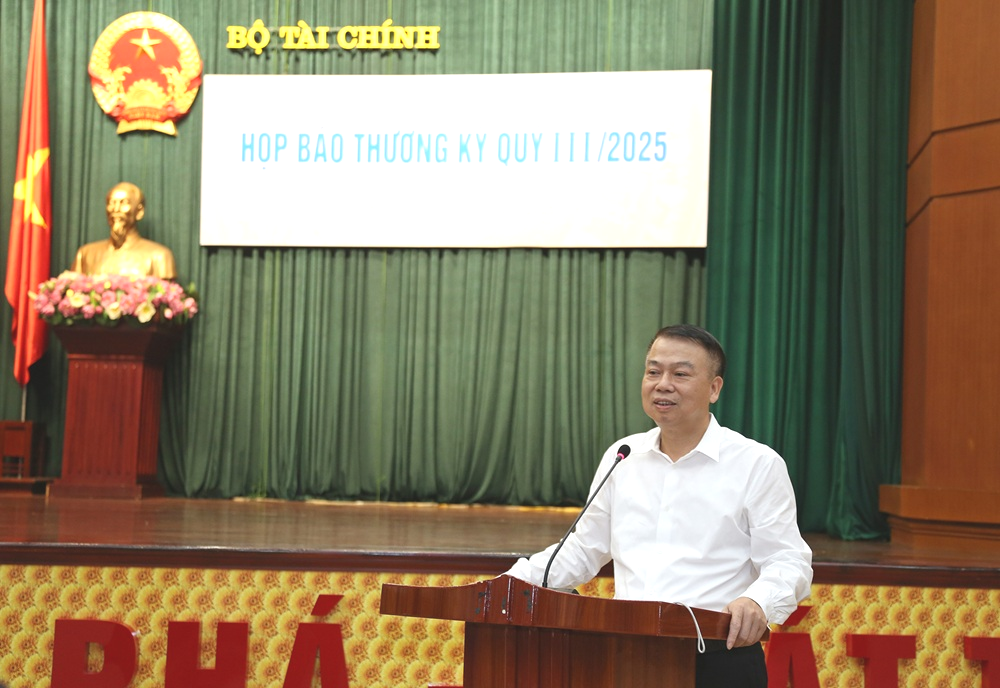
Deputy Minister of Finance Nguyen Duc Chi highlighted major milestones achieved by the financial sector in the third quarter, as the ministry reviewed key developments at its regular press conference in Hanoi.

Tax and customs policies refined to support enterprise growth
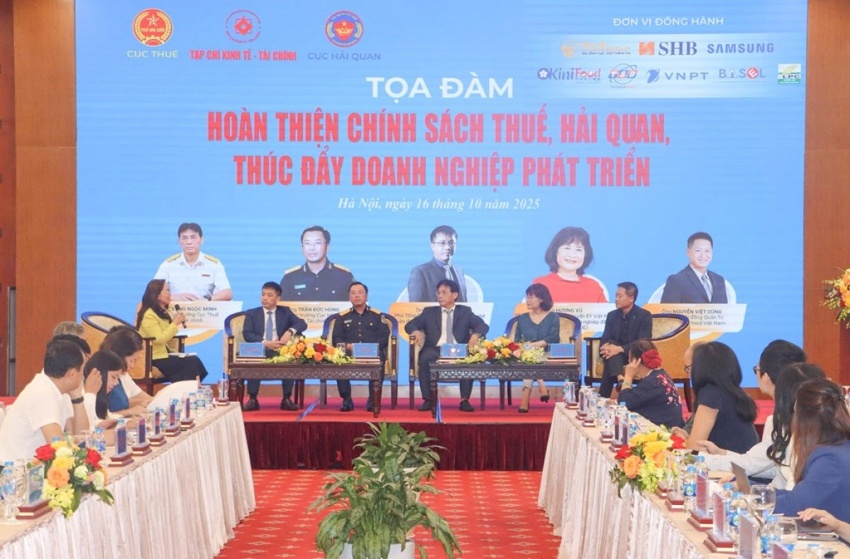
The October 16 dialogue gathered, experts, and enterprises to discuss tax and customs reforms

At the event, deputy director general of Vietnam Customs, Tran Duc Hung, stressed that administrative reform and regulatory simplification remain top priorities. Since the Politburo’s Resolution No.66-NQ/TW, Vietnam Customs has reviewed nearly 100 legal documents to amend, supplement, or scrap outdated provisions.

In 2025 alone, the agency has examined 214 administrative procedures and 29 business conditions. This review has resulted in proposals to simplify 39 procedures, to cut another 39, and to remove 15 unnecessary conditions.

The reform supports the national strategy on science, technology, innovation, and digital transformation. Vietnam Customs has introduced advanced rulings, post-clearance audits, risk management, authorised economic operator programmes, and compliance assessments. These tools encourage legal compliance while reducing clearance times and costs.

Hung cautioned, however, that simplification must be balanced. Excessive streamlining may undermine transparency and create loopholes. The drafting process also remains complex, despite the 2025 Law on Legal Normative Documents shortening timelines. Consultations often lack depth, leaving rules prone to obstacles once issued. For instance, Decree No.167/2025/ND-CP created difficulties in customs procedures for consolidated transit goods and border-crossing vehicles.

To address this, Customs has launched a project to reduce inspection rates. By 2026, it targets 70 per cent of shipments in the green channel (fast clearance), 25 per cent in the yellow channel (document checks), and no more than 5 per cent in the red channel (full inspection). These targets fit the Customs Development Strategy to 2030 of less pre-clearance checks, and more post-clearance audits. Digital customs is also being expanded, with automated systems applying risk management to detect violations across clearance stages.

Hung noted that achieving these goals requires digitising documents, shifting to post-clearance controls, and close coordination among clearance offices, warehouses, and production sites, all difficult amid staffing shortages.

Alongside customs reform, Dang Ngoc Minh, deputy general director of the General Department of Taxation, outlined flexible fiscal measures to support recovery. He stressed that taxation plays a central role in reducing costs, spurring innovation, and stabilising revenue in a volatile economy.

Under the new Corporate Income Tax Law, the 20 per cent standard rate remains, ensuring long-term competitiveness. At the same time, reduced rates apply to smaller enterprises: 15 per cent for firms with revenue up to VND3 billion, and 17 per cent for those between VND3 billion and VND50 billion. This policy will help small businesses build resources, expand investment, and restructure operations.

The dialogue also featured exchanges between experts and enterprises, covering on-the-spot import-export procedures, effective public-private partnerships, expanding authorised economic operator access for small- and medium-sized enterprises, and adopting e-invoices and digital tax platforms. These discussions provided practical insights and generated proposals to improve policy frameworks.

Hung emphasised that customs will continue refining laws to maintain a strong regulatory corridor that facilitates trade while ensuring compliance. All new procedures must undergo impact assessments, avoiding unnecessary costs. Transparency remains key, with full disclosure on the National Database on Administrative Procedures and interaction via the National Public Service Portal.

Further efforts include strengthening the one-stop-shop mechanism, accelerating the digitalisation of dossiers, and designing user-centred procedures. Outreach will also be expanded to raise awareness and promote digital transformation.

Africa emerges as new market for Vietnamese rice
Rice exporters look to Africa for growth opportunities. Photo: Duc Thanh

Vietnam’s rice industry is facing one of its toughest challenges in years as two major markets, the Philippines and Indonesia, have sharply cut imports, forcing exporters to scramble for alternative buyers. Many firms are now pivoting to Africa, where demand for Vietnamese rice is unexpectedly rising.

For years, the Philippines and Indonesia accounted for nearly half of Vietnam’s rice exports, serving as vital pillars of the trade. That stability was upended in September when the Philippines, Vietnam’s largest buyer, suddenly suspended rice imports for 60 days and signalled the pause could extend through the year. Customs data shows Vietnamese rice shipments to the Philippines in September plummeted by 93.3 per cent in volume and 92.6 per cent in value compared with August.

Indonesia, the second-largest importer, simultaneously tightened its import quotas, causing widespread contract delays and cancellations. As a result, Vietnam’s overall rice exports in September dropped to just 466,800 tonnes, worth $232.38 million, down nearly 47 per cent on-month. Around 500,000 tonnes of rice remains stuck at ports, leaving exporters in limbo.

Nguyen Van Don, director of Viet Hung Co., described the fallout. “With the Philippines suspending imports, domestic prices have fallen sharply. Contracts were signed, but partners have postponed, freezing capital while storage and transport costs soar,” he said. The cash crunch has worsened as VAT refunds remain delayed, further squeezing liquidity.

The sharp decline has pushed Vietnam’s export prices downward, prompting the Vietnam Food Association (VFA) to urge firms to avoid panic selling. Instead, companies have been encouraged to diversify their markets and strengthen resilience.

One key direction is Africa. Despite higher shipping costs and more complex payment terms, countries such as Ghana, Ivory Coast, Nigeria, and Senegal are significantly increasing their Vietnamese rice imports. According to the VFA, Ghana imported 662,000 tonnes in the first eight months of 2025, worth $373 million, up 95 per cent in volume from the same period last year. Ivory Coast imported 754,000 tonnes, worth $349 million, up 156 per cent in volume.

“Unlike Southeast Asia, African markets present fewer policy risks, although they require government-to-government contracts, stronger capital, and logistics capabilities,” said Phan Van Co, marketing director of Vrice. “This is not for short-term players but for companies with long-term strategies.”

In parallel, exporters are repositioning toward high-value segments such as fragrant, speciality, and organic rice. Varieties are finding stable markets in Japan, the EU, and South Korea,” Co added. “Once premium products enter international supermarket chains, price pressures ease considerably.”

VFA chairman Do Ha Nam stressed that the crisis underscores the risks of overreliance on a few markets. While there is no official extension yet of the Philippines’ ban, he warned exporters to take the episode as a clear signal for change. He urged the government to accelerate VAT refunds, ease credit access, and strengthen trade promotions in Africa and the Middle East.

“This is a true stress test for Vietnam’s rice sector,” Nam said. “We cannot rely on luck or the policies of others. Now is the time to build strength from within, with quality, supply chains, and national branding.”

In late September, Central Plaza Hotel announced the dissolution of a joint venture operating the Café Amazon chain in Vietnam. ORC Coffee Passion Group is the joint venture established in the country, in which Central Restaurants Group Vietnam, an indirect subsidiary of Central Plaza, owning a 40 per cent stake, and PTTOR International Holdings of Singapore holding the remainder.

F&B brands face long-term struggle
Bigger cities in particular have seen F&B outlets shut down due to financial difficullties, photo Le Toan

The dissolution is due to the highly competitive market conditions in Vietnam, which necessitated an adjustment of the company’s strategy and business objectives. As of August 31, Central Plaza’s carrying investment in the Vietnamese joint venture amounted to around $1.7 million.

The move marks the withdrawal of the Café Amazon chain after five years of expansion in Vietnam. The chain had operated a network of 12 outlets in the southern area, mainly in Ho Chi Minh City.

Last month, bakery brand Bready also announced its closure following two decades serving freshly baked bread in Ho Chi Minh City. “After 21 years of service, we would like to announce that the journey has come to an end,” the brand noted.

Bready was established by Tran Quang Vinh in 2004. When he visited Vietnam’s first foreign fast-food outlet, he was impressed by the professionalism and efficiency of the model. Bready was born as a modern, locally owned alternative to cater to the fast-paced lifestyle of residents in Ho Chi Minh City.

Another food and beverage (F&B) startup, Vua Cua, ceased operations in March. Founded in 2016 by Doan Thi Anh Thu, Vua Cua was a restaurant chain specialising in crab dishes. The startup had secured funding from different investors and funds, but failed to maintain operation due to a lack of resources.

According to the Vietnam F&B Market Report for the first half of 2025, released on October 10 by iPOS.vn in collaboration with Nestlé Vietnam, the country counted just under 300,000 active F&B outlets, down 7.1 per cent from 2024.

Steep contractions occurred in Hanoi and Ho Chi Minh City, both recording declines of more than 11 per cent. This wave exceeds that of mid-2024, when about 30,000 outlets closed, equivalent to 4 per cent.

Taku Tanaka, CEO and founder of Kamereo, said, “The main reason these businesses closed is simple: they weren’t making money. In many cases, revenues couldn’t keep up with rising costs, and eventually, the cash ran out. However, deeper issues lie beneath this, including weak operational efficiency, poor cost control, high rental expenses, and insufficient capital to sustain the business long enough to reach profitability.”

Meanwhile, competition in Vietnam’s F&B sector has intensified as more well-funded international brands enter the market. Many newcomers are prepared to operate at a loss for a period, viewing it as a strategic investment to build long-term presence and brand equity. This makes it difficult for existing brands to compete on equal footing.

“Brands must be thoughtful before jumping into the F&B business. Catching a trend may look easy, but many trends fade as quickly as they rise,” Tanaka suggested. “Long-term success requires genuine operational excellence and the ability to deliver consistent value to customers. Don’t start with a large, high-rent location that locks you into fixed costs you can’t easily reduce.”

Building traction and brand awareness takes time, so approach the business with patience and a long-term mindset, he added.

Ralf Matthaes, managing director of IFM Research, said that consumers are staying at home more. “Add to that economically, there is still a high level of uncertainty, and consumers are practicing cautious spending. The markets in Hanoi and Ho Chi Minh City are already saturated with F&B brands, and consumers are more apt to stay with long-established existing brands,” Matthaes said.

Moreover, Vietnam’s F&B market has a history of overspending on outlets and underspending on marketing. “The product must fit the wallets of Vietnamese consumers. Without relevant offers and pricing, they are doomed to fail,” Matthaes added. “Too often in Vietnam, F&B startups only rely on Facebook and lack any clarity of marketing reach. Without that, failure is imminent.”

Within the framework of an international dialogue co-hosted by the State Audit Office of Vietnam (SAV) and the Association of Chartered Certified Accountants (ACCA) on October 13 in Hanoi, a panel discussion on smart auditing brought together leading experts from Deloitte Vietnam, Standard Chartered Bank, the SAV, and ACCA.

The session examined the opportunities, challenges, and risk management frameworks related to AI adoption, with the shared goal of fostering a transparent and sustainable financial and auditing ecosystem.

SAV and ACCA lead discussion on building trustworthy AI in auditing
The panel discussion featured leading experts from the accounting and auditing fields. Photo: ACCA Vietnam

During the session, Phan Ngoc Anh, a partner of audit services at Deloitte Vietnam, highlighted that the adoption of AI in auditing requires a dual focus, leveraging technological strength while safeguarding data security and transparency.

“This is a major challenge for any organisation implementing AI. The complexity lies not only in technology itself but also in governance, how to ensure AI enhances efficiency while maintaining user trust,” Anh noted.

He shared that Deloitte has developed a trusted AI framework including seven key principles to ensure that AI is deployed transparently, safely, and responsibly. Among these, system security and data protection are at the core, complemented by transparency, fairness, explainability, verifiability, privacy, and accountability.

“AI’s data-processing capacity is exceptional, but it remains a tool. Ultimately, humans, auditors, experts, and managers, hold responsibility for ensuring that AI operates in line with ethical and professional standards,” he said.

He also added that businesses must establish dual control mechanisms to balance economic efficiency with transparency and social responsibility.

SAV and ACCA lead discussion on building trustworthy AI in auditing
The event gathered strong interest and participation from accounting and auditing communities worldwide. Photo: ACCA Vietnam

Echoing this view, Nguyen Ngoc Lan Anh, CTO of Standard Chartered Bank, underlined that in the financial and banking sectors, regulatory compliance and data protection remain paramount.

“With operations in over 60 markets, Standard Chartered must adhere to multiple AI regulatory frameworks, from the UK, EU, and US to Singapore and Vietnam. This is undoubtedly a challenge, but it also enables us to build a unified set of principles based on our core values: safety, transparency, fairness, and risk control,” she said.

According to Lan Anh, AI risk management should not be treated as an afterthought, but must be embedded from the design stage. “If AI is a powerful engine, then risk control mechanisms are the brakes that help businesses stay on course for sustainable growth,” she explained.

Meanwhile, Dr Pham Huy Thong, deputy director general of the IT department at the SAV, identified three major challenges in applying AI to auditing: fragmented infrastructure, limited data security and sharing among agencies, and a shortage of high-quality human resources.

“To address these challenges, the State Audit Office has proposed a project on applying big data and AI in auditing for the 2026 phase, focusing on strengthening server infrastructure, cybersecurity, and data connectivity to support AI deployment,” Thong said.

He added that in response to the global AI boom since 2024, the SAV has proactively updated its strategy to accelerate the adoption of AI in professional activities. In April, the IT department submitted its first pilot product, marking a milestone in the digital transformation of the national audit system.

“We are also partnering with international organisations such as ACCA to exchange knowledge, provide training, and empower auditors to master new technologies. The ultimate goal is to make AI a powerful enabler, enhancing the capability and efficiency of public sector auditing,” Thong shared.

Experts at the session agreed that AI implementation is not only a technical matter but also a question of governance, ethics, and accountability. Public-private collaboration, such as the partnership between the SAV and ACCA, is seen as essential to strengthen auditing capacity for major projects, optimise resources, and ensure transparency in public investment.

Fuel environmental tax cut extended through 2026
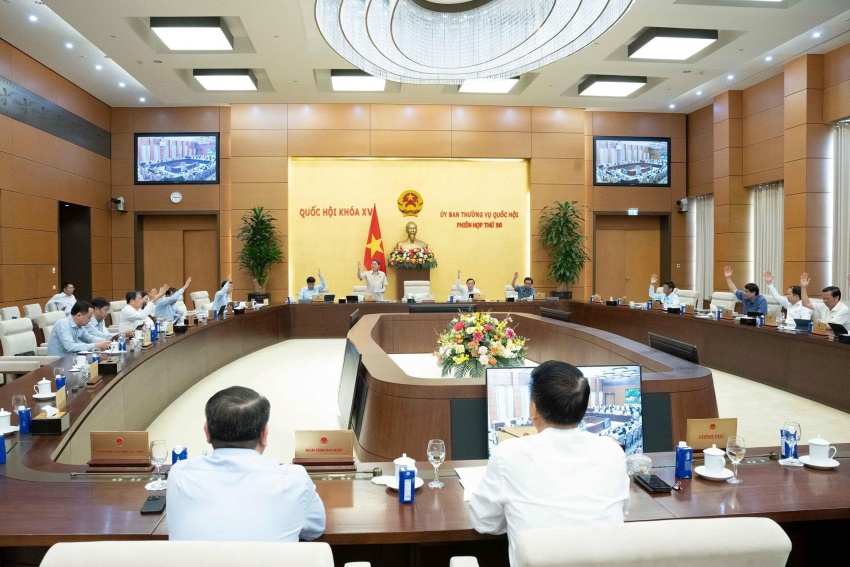
Members of the Standing Committee of the National Assembly voted to adopt the resolution. Photo: National Assembly

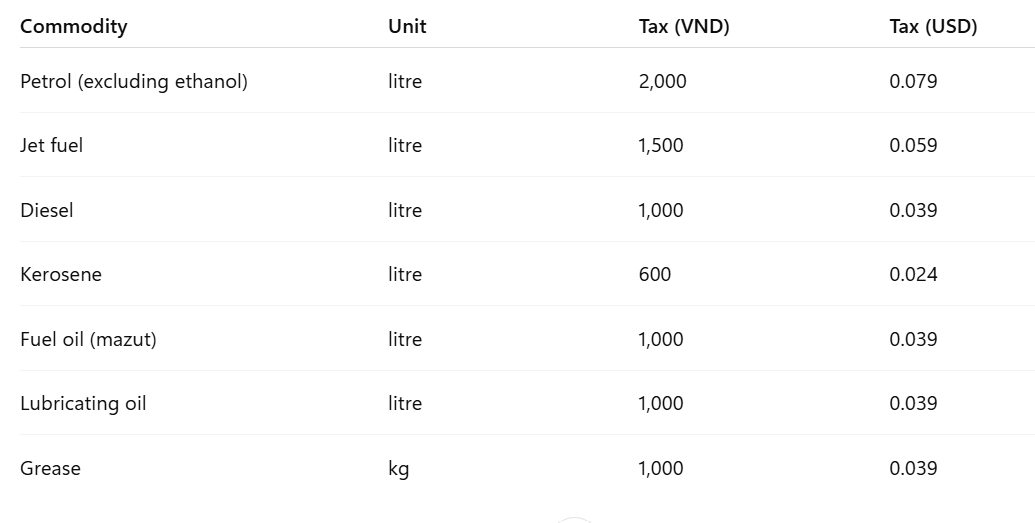
On October 17, the Standing Committee voted unanimously to keep tax levels unchanged from 2025, except for jet fuel. The environmental protection tax will stand at VND2,000 ($0.079) per litre for petrol (excluding ethanol), VND1,000 ($0.039) per litre for diesel, fuel oil, and lubricants, VND1,000 ($0.039) per kilogram for grease, VND600 ($0.024) per litre for kerosene, and VND1,500 per litre for jet fuel. From 2027, the tax rates will return to those stipulated in Resolution No.579/2018/UBTVQH14. (see chart)

Fuel environmental tax cut extended through 2026
Environmental protection tax on petrol, oil, and lubricants from 1 January 2026 to 31 December 2026. Chart: Nguyen Thu

Deputy Minister of Finance Nguyen Duc Chi explained that the environmental protection tax is an indirect levy added to the price of goods, ultimately borne by consumers. Reducing the tax, therefore, lowers domestic retail fuel prices, easing the direct costs for households and individuals while also reducing indirect costs across various goods and services. For businesses, it means lower production expenses, enhanced competitiveness, and greater capacity for recovery and expansion.

He noted that fuel taxes are a key component of the domestic base price for petrol and oil, directly involving the consumer price index. A continued 50 per cent cut in 2026, he stressed, is an important tool for inflation control and macroeconomic stability.

While the reduction is projected to cut the state budget by more than VND44 trillion ($1.73 billion), given estimated fuel equivalent consumption to 2025, the Ministry of Finance considers this a necessary cost to maintain growth momentum. “This policy will help build a solid foundation for double-digit growth from 2026 onwards, while mitigating risks from global volatility and enhancing the resilience of the economy,” Deputy Minister Chi said.

Vietnamese women taking flight in aviation industry
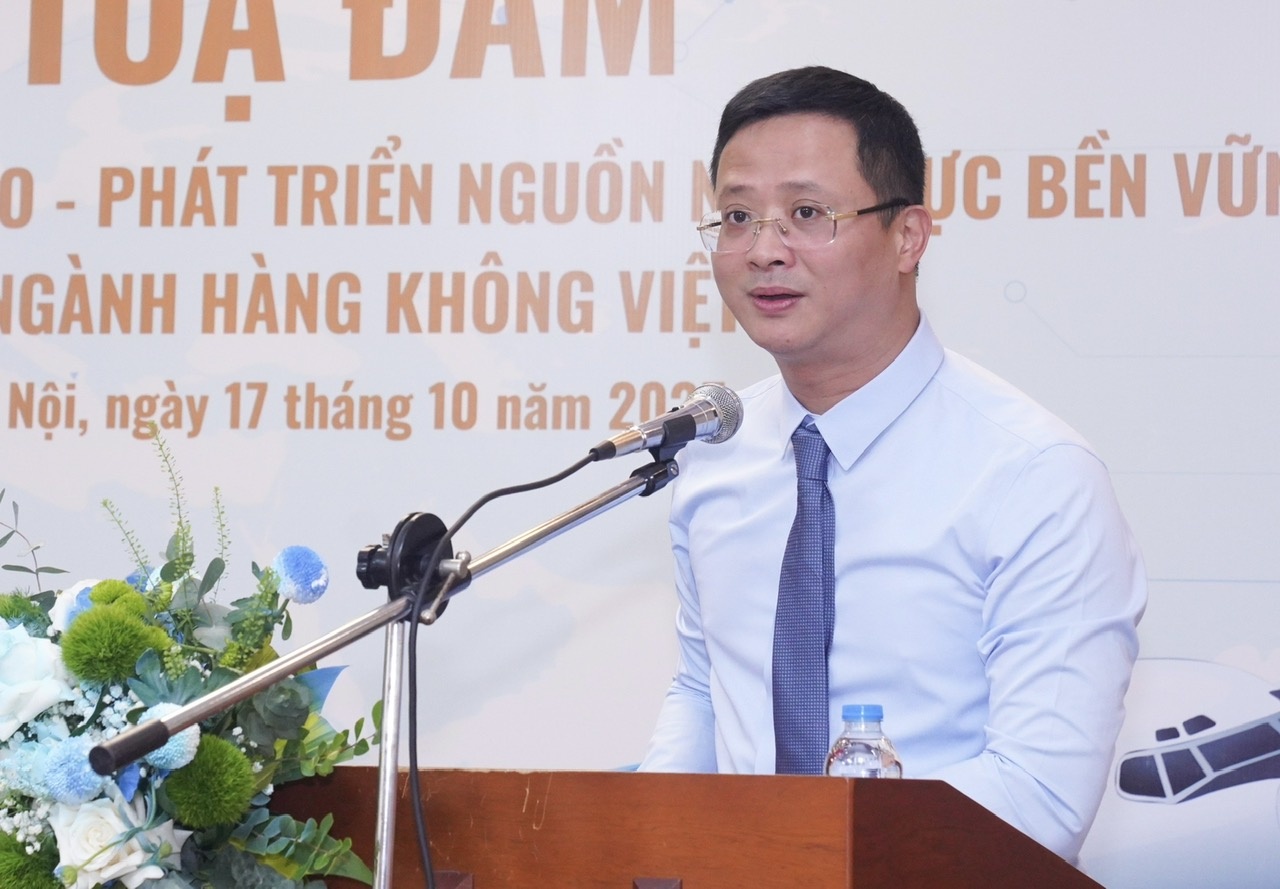
CAAV director Uong Viet Dung

On October 17, the Civil Aviation Authority of Vietnam (CAAV) and Boeing organised a seminar on sustainability practices in human resources for Vietnam’s aviation industry. The event gathered representatives from aviation authorities, enterprises, and airlines nationwide to discuss strategies for fostering an inclusive and resilient workforce for the sector.

“Over the past three decades, Vietnam’s aviation industry has demonstrated the intelligence, resilience, and determination of the Vietnamese people, including Vietnamese women,” said CAAV director Uong Viet Dung. “This has supported Vietnam’s aviation industry to overcome challenges from the inception until today.”

“Vietnam’s aviation industry is increasingly integrating into international markets and affirming its position on the global map. Women have made significant contributions to the success, facilitating the aviation industry to remain steadfast and ready to fly even higher,” he added.

Vietnamese women taking flight in aviation industry

Key positions in the aviation industry once dominated by men are now seeing growing female participation across all roles. Women are increasingly serving as pilots, captains, air traffic controllers, flight attendants, and aircraft maintenance engineers, among other positions.

Dung also expressed gratitude to female leaders in the aviation industry, “In the aviation industry, it is impossible not to mention Vietjet chairwoman Nguyen Thi Phuong Thao – a small yet remarkably resilient woman with bold vision, strategic thinking, aspirations, and a burning passion for developing Vietnam’s civil aviation industry.”

The seminar underscores the role of Vietnamese women, which is an important factor for the development of Vietnam’s aviation industry in the new era.

Vietnamese women taking flight in aviation industry

Tran Kim Anh, head of Capital Resources, spoke about the best practices applied at Vietjet to stimulate growth and career advancement opportunities for women and foster an equitable workplace.

“Vietjet is among the few airlines worldwide where women hold many top positions, including chairwoman of the Board of Directors, vice chairwoman of the Board of Directors, board member, and deputy CFO, as well as many department leaders. Vietjet chairwoman Nguyen Thi Phuong Thao has promoted the gender equality initiatives that empower women to thrive both professionally and personally.”

Today, female employees make up nearly 40 per cent of Vietjet’s total workforce, with 30 per cent of leadership roles held by women. From pilots, flight attendants, engineers, flight operations staff to financial, commercial, and communications managers – Vietjet women are contributing to creating a new face for the modern, dynamic, and humane Vietnamese aviation industry.

Thao’s journey stands as a living testament to her aspiration to serve the nation with knowledge, responsibility, and compassion, while inspiring a new generation of entrepreneurs to build a prosperous and happy country. More importantly, it is a clear testament that gender barriers cannot hinder the development and success of women in the aviation industry or more broadly in the economy and society.

According to Anh, “Women’s success comes from intelligence, courage, perseverance, compassion, a spirit of sharing, and the ability to inspire through kindness. They naturally balance reason with emotion and responsibility with dedication – qualities that foster a humane, sustainable, and inspiring workplace.”

“At Vietjet, we firmly believe that empowering women means empowering businesses – it is how we nurture a progressive corporate culture where economic growth always goes hand in hand with human values,” Anh added.

More female pilots, engineers, and young leaders are stepping forward to prove their capabilities in Vietnam’s aviation industry. Experts agree that breaking down barriers requires fostering inspiration, sharing experiences, expanding learning opportunities, and encouraging the next generation to think boldly and act decisively. By doing so, women can become the strong leaders and managers who help drive the country’s aviation industry to new heights.

Vietjet takes delivery of first Boeing 737-8 in $32bn order Vietjet takes delivery of first Boeing 737-8 in $32bn order

Vietjet has celebrated the delivery of its first Boeing 737-8 aircraft, marking a milestone in the airline’s landmark $32 billion order with the US manufacturer.

Vietjet chairwoman: every aircraft brings trust, employment, and prosperity Vietjet chairwoman: every aircraft brings trust, employment, and prosperity

Vietjet has received its first Boeing 737-8 aircraft from the airline manufacturer.

Vietjet inspires and empowers women to soar in aviation Vietjet inspires and empowers women to soar in aviation

Vietjet demonstrated its unwavering commitment to sustainable development and gender equality at the 2025 Women in Aviation International-Singapore Chapter (WAI-SG) Gala Dinner held on October 16.

Future of railways is connected with AI and 5G technologies

A robotic dog, equipped with advanced cameras and sensors, autonomously inspects railcars – streaming live data over private 5G for instant AI-driven defect detection. Complementing this, wayside automated visual inspection systems scan trains at full speed, analysing wheels, axles, and structural integrity in real time.

In today’s rapidly evolving landscape, governments and critical industries face growing demands for secure, reliable, and intelligent communications. Sectors like public safety, defence, utilities, rail, and digital airspace today need infrastructure that supports real-time video feeds, AI-enhanced analytics, and mobile collaboration without sacrificing reliability.

Governments and critical industry organisations are expected to further incorporate advanced technologies like AI, machine learning, and data analytics to improve predictive policing, resource allocation, and response times. Emerging tools such as drones and autonomous vehicles are anticipated to play increasingly significant roles in surveillance and emergency response efforts.

The future of railways is connected with AI and 5G technologies
Rita Mokbel, president, Ericsson Vietnam

We envision a future where public sector organisations have access to standardised, broadband -based communications that are not only secure and interoperable, but also intelligent and responsive.

As governments and critical sectors accelerate their digital transformation, communications service providers (CSPs) are uniquely positioned to offer next-generation mission-critical communication services on top of 4G and 5G networks. Mission-critical networks are specifically designed to meet the stringent requirements of public safety, defence, utilities, rail, and digital airspace sectors where secure, reliable, and high-performance connectivity is essential.

These networks are built upon 3GPP standards and leverage leading 4G and 5G technologies to deliver broadband capabilities for mission-critical services such as push-to-talk, real-time video, and data for professional users whose work directly impact the safety, security, and operational efficiency of critical services and organisations. These can include first responders, defence personnel, railway staff, utility workers, and government officials. The networks provide reliability, availability, and security that standard commercial networks might not be able to offer.

Let me deep dive into the example of railways. We are entering the era of highly connected railways. From connected passengers to digitalised operations, the rail transport sector is exploring digitalisation to enhance user experience, increase efficiency in their day-to-day operations, and maintain network security.

The future of digital railway depends on reliable critical mobile broadband connectivity powered by innovative 5G network solutions for faster, safer, and greener travel.

3GPP is the modern standard for mission-critical mobile communications. 4G and 5G will enable a much broader ecosystem of communication devices and sensors to be utilised, and will therefore reduce total cost of ownership. The advantage of building an open framework is that it gives the urban metro and mainline rail operators the tools they need to keep trains competitive with other emerging forms of transportation, such as self-driving cars.

Upgrading to 5G mobile technology means that networks can handle large volumes of data with much faster response times. This change will bolster operations by allowing for network slicing on a single network, supporting various use cases, including the remote control of trains travelling at speeds of up to 500km/h.

As part of the service provider Swisscom’s initiative to unleash the next wave of 5G enterprise across Switzerland, Europe, and the world, Swisscom, Ericsson, and Swiss Federal Railways collaborated in multiple connectivity projects for railway track coverage, including to test and achieve world-first 5G throughput speeds of 1.2 Gbps and latency as low as eight milliseconds – on a moving train.

Stronger communications infrastructure means rail operators are equipped with a more capable set of eyes and ears, so passengers can travel safely and punctually, while operational efficiency is improved across the board.

Security video surveillance is vital for any rail operator’s security measures. With a suite of highly networked cameras located both in train stations and the trains themselves, rail operators can respond to potential threats and can gain greater insight into certain events with increased readiness and clarity.

As reliance on digital infrastructure grows, cybersecurity will become a paramount concern, necessitating robust measures to protect critical infrastructure like energy grids and communication networks, alongside ensuring the security of personal and sensitive data.

Ericsson’s mission-critical networks portfolio empowers CSPs to meet this demand by offering 3GPP-compliant 4G and 5G solutions that are scalable, interoperable, and tailored for the unique needs of such operations. CSPs can deliver resilient connectivity that enhances situational awareness, operational efficiency, and cross-agency collaboration, either through dedicated private networks or hybrid models leveraging existing infrastructure.

Whether it is enabling autonomous drones in emergency response, safeguarding national infrastructure with advanced cybersecurity, or supporting high-speed rail and smart power grids, Ericsson is helping governments and critical industries bring their digital ambitions to life.