Following a solid 2025, real estate companies have set optimistic targets for 2026, particularly with profit expectations projected to grow strongly – some even aiming to double compared to the previous year.

Khang Dien House Trading and Investment JSC is among the real estate firms that announced its 2026 plan early.

During a briefing with investors and shareholders in January, the company’s leadership said it expects net profit to reach $80 million this year, double the level in 2025.
Ambitious profit goals and IPO wave signal confidence
Many firms look for upbeat business picture in 2026

The main growth driver will come from the Gladia by the Waters high-end villa project, covering 11.8 hectares on Vo Chi Cong street in Binh Trung ward, Ho Chi Minh City.

The scheme is a joint venture with Keppel, a major developer from Singapore, in which Khang Dien holds a 51 per cent stake.

The company expects to complete sales and count profits from low-rise products at this venture while continuing to sell remaining inventory from several existing developments in Ho Chi Minh City.

Another real estate developer, Taseco Land, also expects strong business growth in 2026.

Specifically, Taseco Land targets revenue of approximately $480 million and after-tax profit of about $120 million. These figures are respectively three times and five times higher than its results in 2025.

According to analysts at Viet Dragon Securities, the real estate sector is expected to record outstanding growth this year.

In addition to the assumption of cyclical asset price increases, the resolution of legal bottlenecks over the past two years has allowed many projects to resume construction and sales in 2025, laying the groundwork for continued sales, handovers, and revenue recognition in 2026.

Profits across the real estate sector are estimated to grow by around 26.1 per cent on-year.

Alongside property developers, several major players in the retail and consumer sectors have also set new ambitious targets, reflecting confidence in the market’s recovery in 2026.

For instance, consumer electronics major Mobile World Investment Corporation (MWG) has scheduled its 2026 AGM for April 18, where the company’s annual business plan will be submitted for shareholder approval.

Earlier, according to a resolution of its board of directors, MWG set 2026 targets of about $7.4 billion in net revenue and about $368 million in consolidated after-tax profit. These figures represent increases of 18 per cent and 30 per cent, respectively, compared to the previous year.

Within MWG’s strategic orientation, the Dien May Xanh chain will remain a key pillar, expected to contribute about 65 per cent of revenue and 80 per cent of profit.

Meanwhile, the food and consumer goods retail segment – operated through the Bach Hoa Xanh chain – is projected to account for roughly 30 per cent of revenue and nearly 20 per cent of profit.

At FPT Digital Retail JSC, the company’s profit target is also set to rise 27 per cent compared with its 2025 performance, aiming for earnings of around $62 million. The Long Chau Pharmacy network continues to play a key role as the primary profit driver, leading the company’s growth momentum.

Alongside ambitious revenue and profit targets, a series of major deals are also expected to enter the market this year through IPO plans.

One of the most notable is the IPO plan from MWG. It intends to launch an IPO for the Dien May Xanh chain and list its shares in 2026, followed by an IPO of the Bach Hoa Xanh chain two years later.

Another IPO plan comes from a subsidiary of steel major Hoa Sen Group. The company is planning to list the Hoa Sen Home chain, which specialises in distributing construction materials and interior products.

At the same time, a subsidiary operating in plastics and steel pipes – Hoa Sen Plastics – is also included in the parent company’s IPO roadmap.

In the securities sector, following IPO deals by VPS Securities, VPBank Securities, and Techcom Securities at the end of 2025, shareholders of LPBank Securities have recently approved a new IPO plan.

Specifically, LPBank Securities plans to offer more than 141.86 million shares, equivalent to 11.19 per cent of its outstanding shares, at a price of about $1.2 per share.

The IPO is expected to take place in 2026. Upon completion, the company’s charter capital will increase to approximately $560 million, and its shares will be listed on the Ho Chi Minh Stock Exchange.

If these plans proceed as scheduled, 2026 could mark a stronger phase for Vietnam’s listed corporate sector while supporting a broader recovery in the stock market.
Higher 2026 growth target puts pressure on credit framework Higher 2026 growth target puts pressure on credit framework

Vietnam’s credit growth framework is set to face mounting pressure as policymakers pursue a significantly higher economic growth target in 2026.

2025 profits mixed amid strong energy and farming results 2025 profits mixed amid strong energy and farming results

Corporate earnings in 2025 showed a sharp divergence, with energy and agriculture companies posting strong profit growth, while several firms in other sectors fell short of annual targets.

New tax incentives to benefit startups and SMEs New tax incentives to benefit startups and SMEs

Newly-issued Decree 20 introduces a package of tax exemptions and reductions, creating a more favourable legal and financial environment for startups and small and medium-sized businesses.

Xavier Depouilly, general manager DXL Research & Consulting

The key question shall no longer be how fast Vietnam can grow, but how well that growth can be sustained and shared across businesses, sectors, and the population.

Business sentiment provides an early indication of economic direction. The Business Confidence Index (BCI), conducted by DXL Research for the European Chamber of Commerce in Vietnam, reached 80 points in Q4/2025, returning to pre-pandemic levels.

Around 65 per cent of companies described their current business situation as “good” or “very good”, while 69 per cent expressed a positive outlook for the first quarter of 2026.

Confidence is especially strong among larger companies. Firms with more than 500 employees report even higher optimism, which is significant as these businesses typically invest with a long-term horizon. Their activity supports local suppliers, service providers, and employment, helping strengthen the broader domestic market, including small and medium-sized enterprises.

Meanwhile, tourism was a major contributor to Vietnam’s economic momentum in 2025. Official figures show that more than 21 million international visitors arrived last year, the highest number ever recorded. This recovery supported growth across multiple sectors, including retail, transport, hospitality, and entertainment.

Beyond the main urban centres, tourism has also driven growth in central Vietnam, particularly in Danang and nearby provinces. At the same time, rising incomes are encouraging Vietnamese households to spend more on travel, leisure, and services. This shift towards experience-based consumption is expected to continue in 2026, helping balance the economy and support local businesses.

For many companies, the focus has clearly moved beyond recovery from the pandemic era. BCI survey results show that half of businesses now prioritise business development and diversification, rather than cost reduction. This signals a healthier phase of growth, as firms actively seek new customers, products, and opportunities within Vietnam and in the region.

As we look towards 2026, the roadmap is clear. The World Bank projects growth to moderate slightly to a sustainable 6.3 per cent before accelerating again in 2027, allowing the economy to digest recent gains and focus on efficiency. This growth rate remains strong by international standards and reflects a more stable and sustainable pace.

Elsewhere, technology adoption is becoming increasingly visible across the economy. Around 40 per cent of businesses plan to expand their use of digital tools, automation, or AI. This trend is not limited to large corporations. DXL’s latest consumer research, conducted in December among 900 respondents across four major cities, shows that nearly one in five urban residents already use AI-based tools regularly, mainly for work productivity and information search.

Over time, higher productivity supports wage growth and more sophisticated consumer demand. This creates opportunities not only for technology firms, but also for retailers, service providers, and local brands that can adapt to digital expectations.

Despite these positive signs, 2026 will not be without risks. Vietnam remains exposed to global shocks, including changes in trade patterns and geopolitical tensions. Climate-related risks and supply chain disruptions also remain relevant, as experienced in recent years.

At the same time, internal reforms and administrative adjustments continue to reshape the business environment. These changes are necessary, but they require companies to stay informed and adaptable. Ensuring that growth benefits small businesses, workers, and households will be an important part of building sustainable, inclusive growth.

Vietnam’s outlook for 2026 is encouraging. The foundations for growth are strong, supported by confident businesses, recovering tourism, and evolving domestic demand. The next phase will depend on adaptability, inclusion, and the capacity to manage new external shocks.

For investors and companies, the opportunity is no longer only about producing and exporting from Vietnam, but about growing together with a domestic market that is becoming more digital, more sophisticated, and more demanding.

Masan Consumer names new deputy CEO to drive foods and beverages growth

On February 23, Masan announced Phuong’s appointment, effective immediately, with responsibility for leading the performance of its Convenience Foods and Bottled Beverages segments, with the following strategic priorities:

  1. Targeting 20 per cent revenue growth for the business unit.
  2. Transforming the instant noodle category into a comprehensive meal platform, expanding value from individual products to an integrated convenient meal ecosystem serving both domestic and international markets.
  3. Leading the ‘Win Every Drink Occasion’ strategy, developing and scaling core brands such as Wake-Up 24/7 across the portfolio.
  4. Implementing the Digital 4P model by leveraging data and technology to enhance marketing, sales, distribution, and portfolio management efficiency, while accelerating execution of the company’s Go Global strategy.

This year marks a pivotal point in aligning the company’s ‘Retail Supreme’ direct distribution model with personalised digital marketing strategies. The integration unlocks the full potential of the Digital 4P model and builds momentum for the company’s next phase of growth.

Before her appointment, Phuong served as senior marketing director of the Convenience Foods category at Masan Consumer. Having joined the company in 2010, she has accumulated over 16 years of experience and development within the organisation, directly leading one of Masan Consumer’s core business pillars.

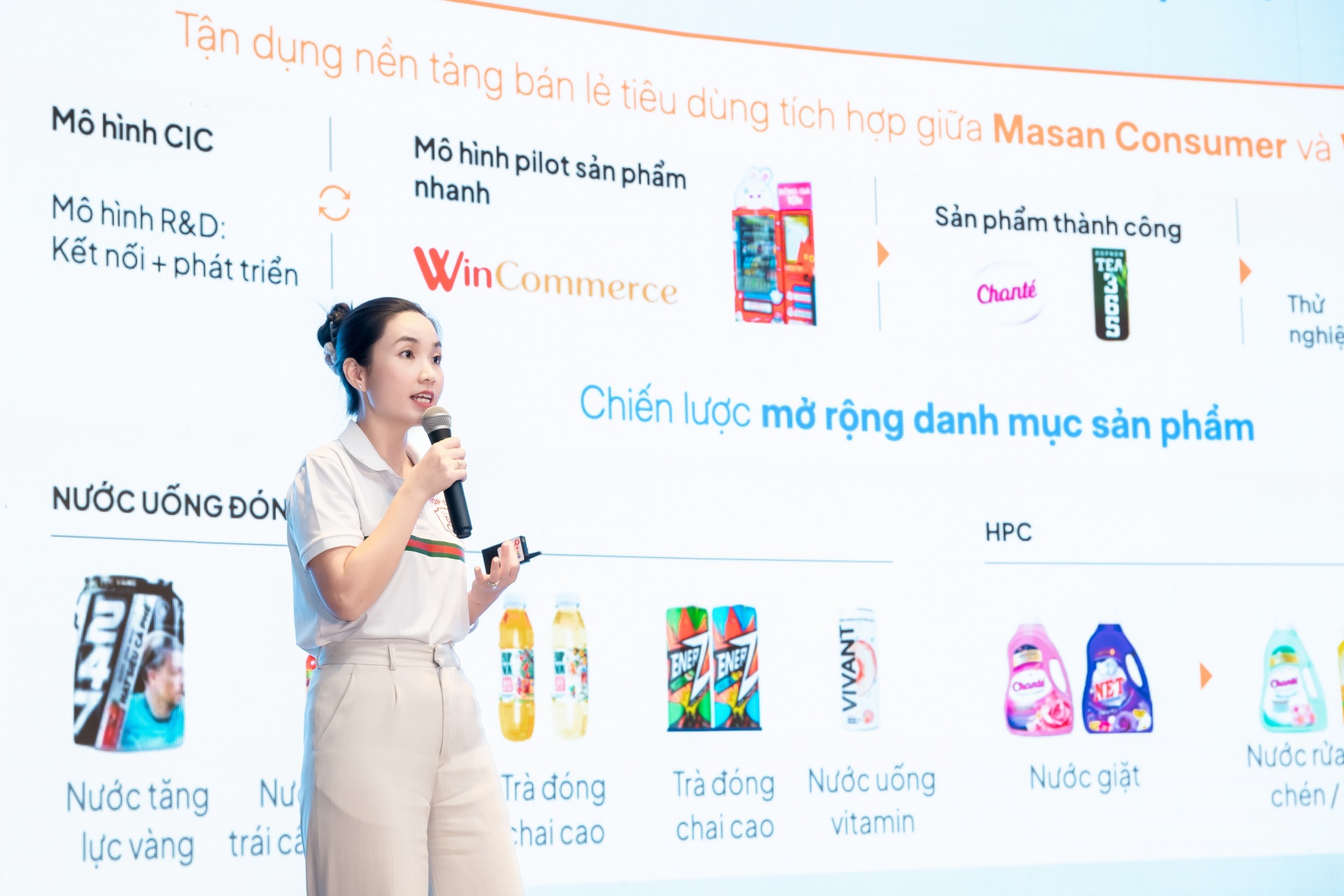
She has been a key driver in the expansion and repositioning of the OMACHI brand, transforming it from a traditional instant noodle brand into a premium and innovative convenience food franchise. Flagship product lines such as self-heating rice, self-heating hotpot, and the Asian street food concept ‘Quan Xa Chau A’ reflect the brand’s evolution in response to modern consumption trends and increasingly sophisticated consumer experiences.

Masan Consumer names new deputy CEO to drive foods and beverages growth

Danny Le, chairman of Masan Consumer, said, “We strongly believe in building a next generation of young leaders who deeply understand the new-era consumer, harness the power of technology, and have deep knowledge of FMCG brand building fundamentals. The appointment of Nguyen Truong Kim Phuong marks an important milestone in our journey to build a successful Consumer-Tech organisation, thereby accelerating our mission: ‘At least one Masan’s product in each and every household globally.”

We are committed to building a next generation of young leaders who understand modern consumers, harness technology, and uphold the fundamentals of the fast-moving consumer goods industry. Phuong’s appointment marks a significant step in building a consumer-tech organisation and accelerating our mission to place at least one Masan product in every household globally.”

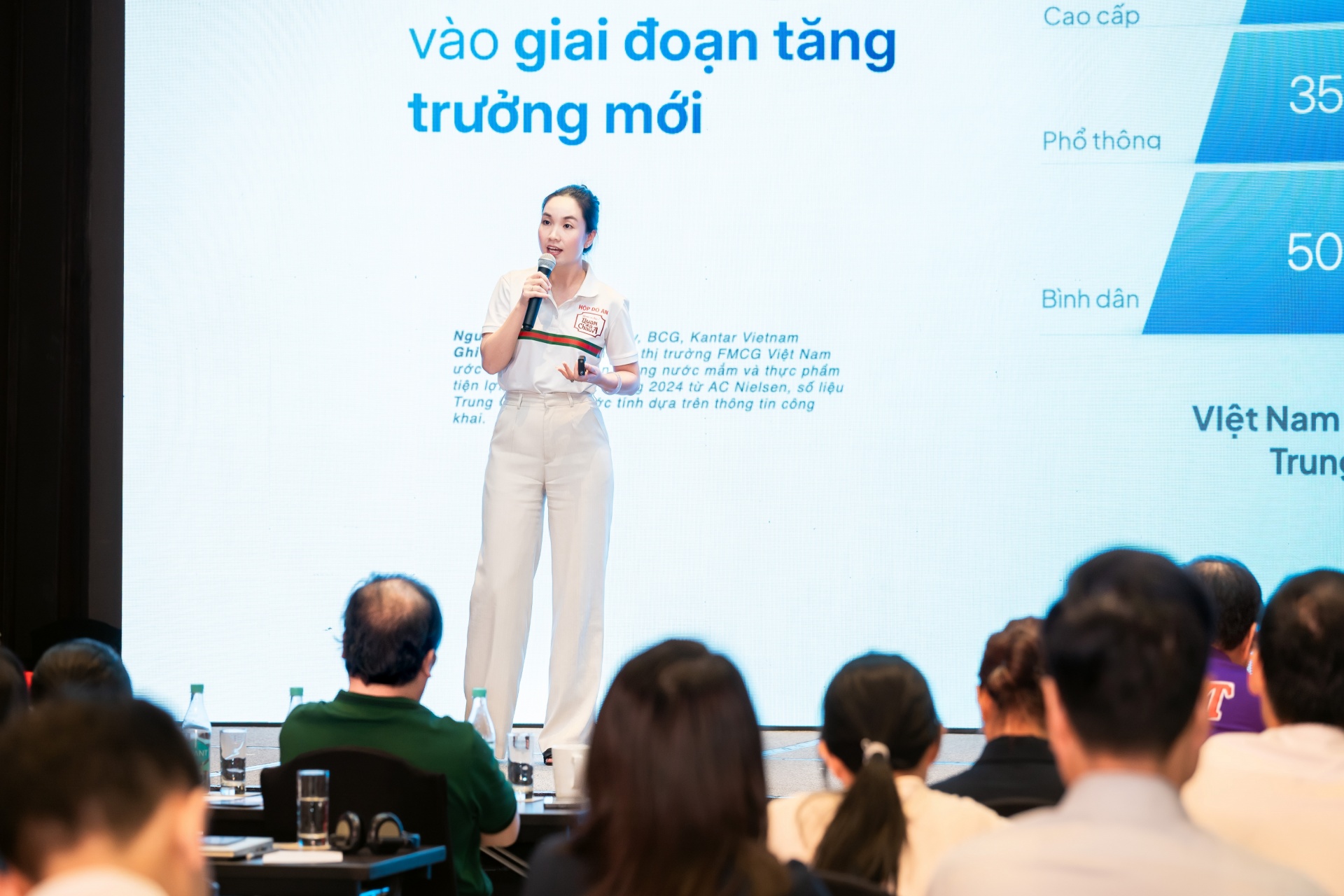
Masan Consumer is targeting projected revenue of between VND33.8 and VND35 trillion ($1.30-$1.35 billion) for 2026, alongside continued profit improvement through enhanced operational efficiency and portfolio optimisation.

Phuong’s appointment signals Masan Consumer’s focus on strengthening leadership for its next growth phase, while reinforcing the company’s position as a talent incubator for Vietnam’s fast-moving consumer goods sector.

Masan posts steady gains as Vietnam targets stronger retail growth Masan posts steady gains as Vietnam targets stronger retail growth

Vietnam’s push for stronger retail growth by 2030 is being matched by improving performance in the country’s major consumer groups.

MCH to become the largest consumer stock on VN-Index MCH to become the largest consumer stock on VN-Index

Securities firm Vietcap has assessed the prospect of Masan Consumer (MCH) on listing on the Ho Chi Minh City Stock Exchange (HSX) on December 25.

Masan Consumer officially lists on HSX, marking the next phase of value creation Masan Consumer officially lists on HSX, marking the next phase of value creation

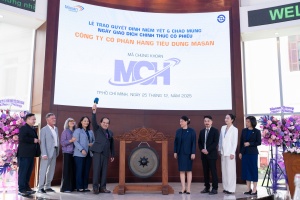
On December 25, Masan Consumer Corporation (HSX: MCH) officially listed its shares on the Ho Chi Minh Stock Exchange (HSX), a pivotal milestone in its strategic growth and value creation roadmap.

Deputy Prime Minister Bui Thanh Son signed Decision No.309/QD-TTg on February 23, approving the Dairy Industry Development Strategy through 2030 and beyond.

The strategy aims to build a sustainably developed local dairy processing industry with a complete dairy value chain, spanning from dairy herd development and increased raw fresh milk output to the processing of high value-added finished products.

The dairy sector is expected to meet the increasingly high demand of the domestic market while participating deeply in regional and global dairy value and supply chains.

Vietnam sets ambitious dairy growth targets
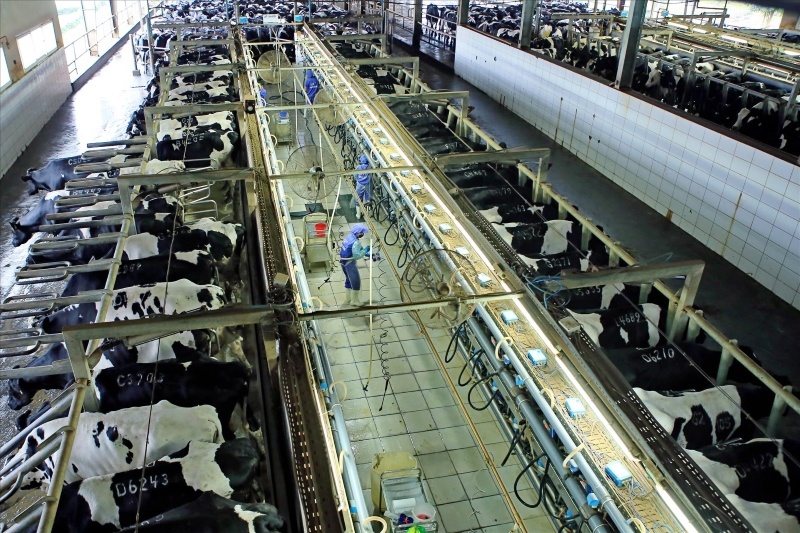
TH Group’s dairy farm complex in Nghe An province.

By 2030, the dairy industry is targeted to achieve an average annual growth rate of approximately 12-14 per cent; processed liquid milk output is projected to reach about 4.2 billion litres per year.

Domestic raw fresh milk production is expected to reach approximately 2.6 billion litres per year, meeting around 60-65 per cent of the raw material demand of the domestic dairy processing industry.

Powdered milk is projected to grow by about 7-8 per cent per year, with output reaching approximately 245,000 tonnes annually. Consumption of milk and dairy products is targeted at around 40 litres per person per year by 2030.

By 2045, the dairy industry’s average annual growth rate is expected to reach 5-6 per cent, while processed liquid milk output is projected to rise to approximately 9.7 billion litres.

Domestic raw milk production by 2045 is expected to reach around 8 billion litres annually, meeting approximately 80-85 per cent of the raw material demand of the domestic dairy processing sector.

Powdered milk is projected to grow by 3-4 per cent per year, with output reaching about 415,000 tonnes annually.

Consumption of milk and dairy products is targeted to reach approximately 100 litres per person per year by 2045.

To achieve these goals, the strategy outlines dairy herd development to enhance domestic raw milk supply, with priority given to building disease-safe and food-safe dairy farming chains in accordance with international standards.

It also aims to increase domestically processed raw milk output to gradually reduce dependence on imported dairy products and processing materials, while encouraging product diversification in parallel with improvements in quality, design, and packaging

For businesses, the strategy calls for continued expansion of dairy herd scale, increased raw milk output, and enhanced processing capacity through upgrading existing projects and applying modern technologies and highly automated production lines.

Priority is given to investment in fully integrated value chain projects, from dairy farming to processed dairy products.

The plan also promotes close links between enterprises, raw milk producers, and processing companies under cooperation models to enhance production capacity, competitiveness, and brand value of local products.

The plan aims to encourage market research in combination with research into the production of additives, ingredients, and flavourings, aiming to develop new products aligned with consumer preferences and global trends.

The strategy emphasises the development of high value-added product lines, including milk and dairy derivatives, as well as infant formula and products tailored to different life stages such as children, the elderly, and consumers with special nutritional needs.

It also calls for innovation in market access methods and strengthened online marketing via internet platforms and social media to maximise the effectiveness of distribution channels.

The strategy will also encourage green production models, encouraging enterprises to adopt environmentally friendly production processes and develop products in line with green growth principles, aiming towards sustainable production and consumption while contributing to environmental protection and greenhouse gas emission reduction.

In 2025, total revenue of the entire dairy industry is estimated at $5.3 billion, up about 1 per cent compared to 2024. Imports of milk and dairy products surged to approximately $1.26 billion, marking a 23.3 per cent jump on-year. Meanwhile, milk and dairy product exports remained a bright spot, with total export value reaching $354.1 million, up 18.6 per cent on-year.

Ushering in prestige for the Vietnamese milk industry Ushering in prestige for the Vietnamese milk industry

With her dream of producing the best milk for Vietnamese people, Thai Huong – general director of privately-owned BAC A BANK and founder of TH Group – succeeded in building one of Asia’s largest dairy cow and fresh milk production farms within only a few years, helping to change the nature of Vietnam’s dairy industry and bringing fresh products to the wider world.

Improving technologies for a modern milk industry Improving technologies for a modern milk industry

Investing in cut-edge technologies is not only the race of milk producers but also an essential factor for the outstanding development of companies in the 4.0 era.

Dairy groups take on greener vision Dairy groups take on greener vision

Being more environmentally minded in terms of both products and supply chains could be a gateway to help dairy businesses get closer to consumers as well as expand export markets.

On February 24, Ho Chi Minh City Steering Committee for Science, Technology, Innovation, and Digital Transformation announced a plan to implement Politburo Resolution 57, which focuses on national development in these fields. The initiative sets out the city’s priorities for 2026.

Ho Chi Minh City launches plan for innovation and digital transformation
Ho Chi Minh City taps digital economy to power post-merger growth. Photo: Le Toan

The focus will be on completing digital infrastructure, data infrastructure, and cybersecurity; ensuring 5G coverage reaches 95 per cent of the population, and 100 per cent in major urban areas, science and technology zones, industrial parks, high-tech zones, seaports, airports, and logistics centres. It will also research, develop, and pilot 6G technology in some areas of Ho Chi Minh City.

The city will accelerate digital transformation in state management, provide full-process online public services; improve the quality and efficiency of digital government operations, and move towards a comprehensive digital government.

The plan also clearly defines the development of high-quality workers, especially in the fields of digital technology and high technology, and enhancing digital capabilities for officials, civil servants, and public employees.

Regarding priority tasks and solutions to be implemented in 2026, Ho Chi Minh City will continue to review and improve mechanisms, policies, and laws; remove all barriers hindering the development of sci-tech and digital transformation, and turn institutions into competitive advantages.

Additional measures include establishing venture capital funds, creating pilot mechanisms for new technology testing, and offering preferential policies to engage high-tech businesses, startups, and foreign investment.

A specific public procurement mechanism will be proposed, prioritising speed, technological relevance, and risk acceptance mechanisms to address current public procurement delays. Simultaneously, a mechanism for commercialising research results and intellectual property using the state budget will be piloted.

The city will also strengthen investment in infrastructure for unmanned aerial vehicles used in logistics and urban surveillance, while working to attract and retain high-quality talent to meet the demands of scientific development, innovation, and digital transformation.

Efforts will focus on promoting digital technology, big data, and shared platforms to address pressing urban issues, including traffic congestion, flooding, environmental pollution, and building a drug-free civilised city.

A project to connect technology exchange platforms across the Southeast region is also planned, aiming to form a linked sci-tech market. Priority will be given to commissioning tasks that tackle challenges in high-tech agriculture, agricultural product processing, environmental protection, health, education, culture, and tourism.

Programmes related to strategic technologies will adopt a three-party model, bringing together domestic and international experts, scientists, chief engineers, and chief architects to participate in research and development.

Ho Chi Minh City backs $2 billion AI data centre with dedicated task force Ho Chi Minh City backs $2 billion AI data centre with dedicated task force

Ho Chi Minh Cityis stepping up efforts to position itself as a regional AI and data centre hub, pledging strong institutional support for a flagship foreign-invested project worth nearly $2 billion.

Ho Chi Minh City starts construction of four key infrastructure projects Ho Chi Minh City starts construction of four key infrastructure projects

Ho Chi Minh City commenced construction and held ground-breaking ceremonies for four key infrastructure and transport projects on January 15 with a combined investment of nearly VND240 trillion (more than $9.2 billion).

Vietnam sets sights on Ho Chi Minh City's transformation into a global financial hub by 2030 Vietnam sets sights on Ho Chi Minh City’s transformation into a global financial hub by 2030

Vietnam established a steering committee, led by Deputy Prime Minister Le Minh Khai, on October 6 to guide the development of a new international financial hub, underscoring its ambition to elevate its global financial stature.

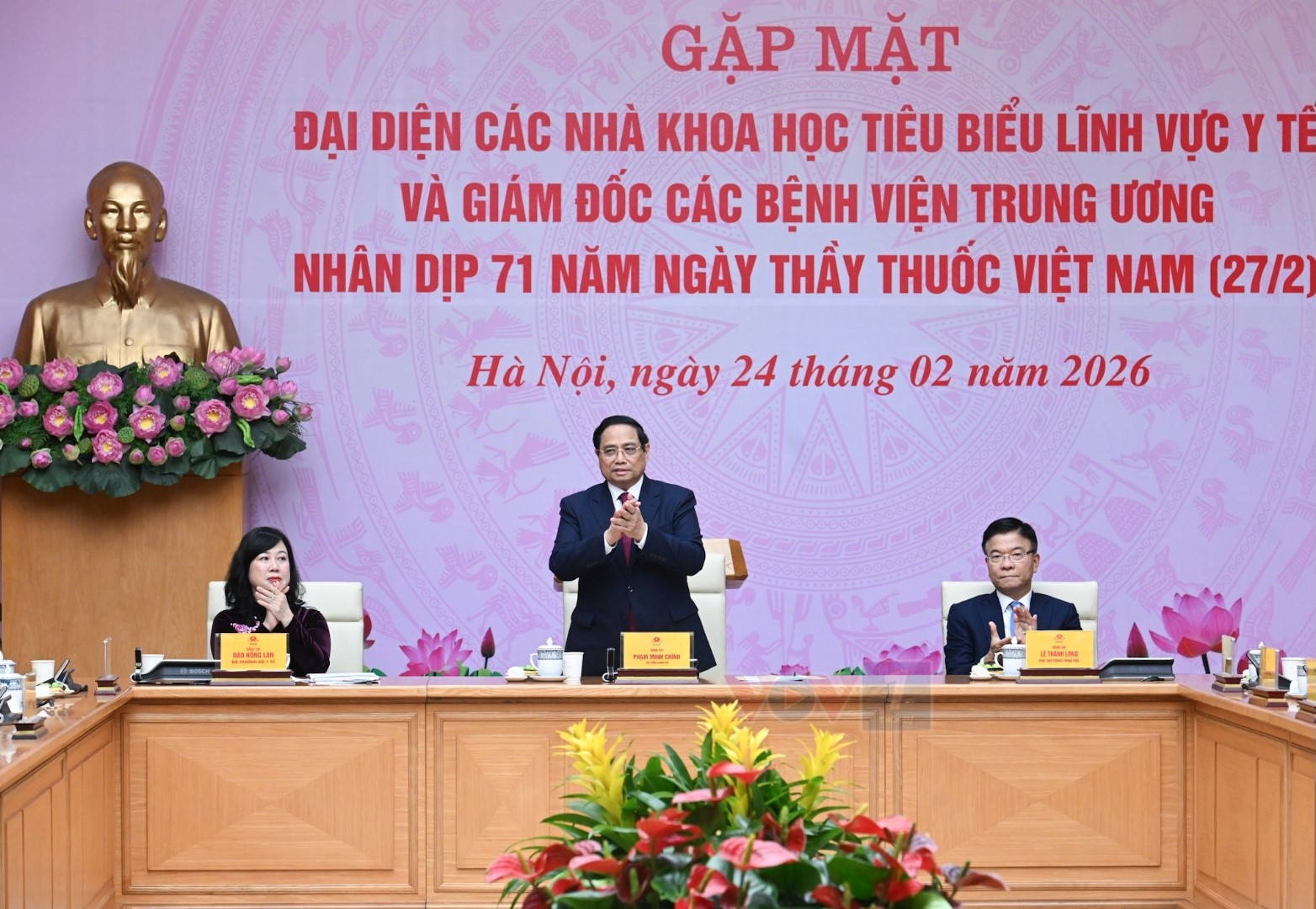
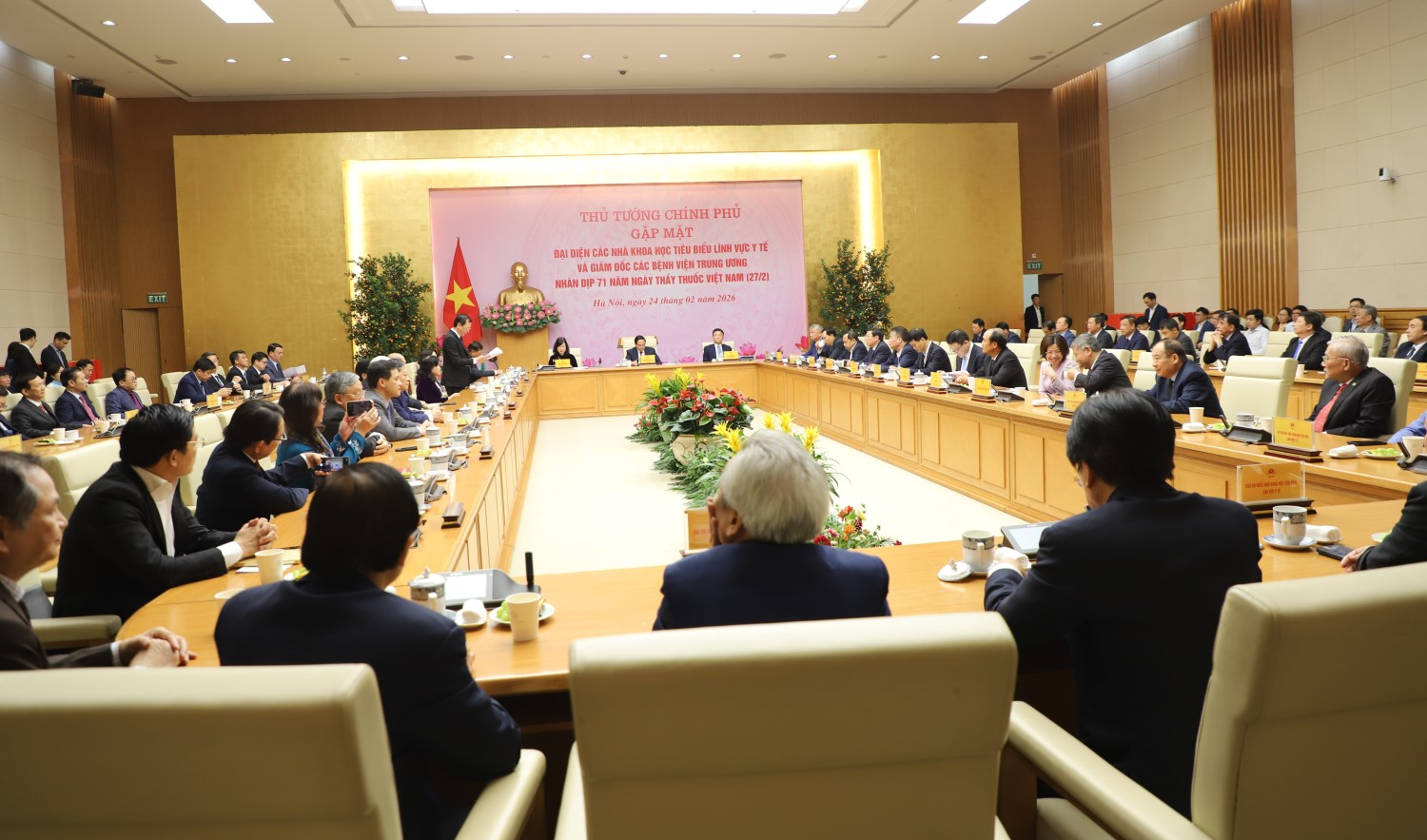
On February 24, PM Chinh met with representatives of outstanding scientists and directors of central hospitals on the occasion of the 71st anniversary of Vietnamese Doctors’ Day, which falls on February 27. The directive aligns with Resolution 72-NQ/TW, which sets forth the sector’s goals for the current phase of national development.

Major tasks for healthcare sector in new development era
Photo: The Ministry of Health

The first task outlined by the Prime Minister is positioning scientists, experts and medical staff as the decisive force in implementing Party Congress resolutions and Politburo directives. This requires translating resolutions into research projects, new technologies, effective management models and practical policy solutions.

Second, the sector must improve health institutions and policies while strengthening the health system, particularly preventive medicine and primary healthcare. This includes leveraging traditional medicine, developing the pharmaceutical industry, streamlining the health system, and clarifying the functions of commune-level health stations.

The third task the PM called for involves mobilising social resources for healthcare through public-private cooperation in treatment facilities, diagnostic and testing centres, and creating conditions for the private system to become a key driver in health protection.

Priority should also be given to investing in healthcare infrastructure and modernising facilities, while building a smart and sustainable healthcare ecosystem. This involves accelerating digital infrastructure, establishing a national healthcare database, rolling out nationwide electronic medical records, and deploying AI platforms for disease diagnosis.

The fifth point of focus call for the healthcare sector to develop a team of medical intellectuals of regional and international stature through improved training policies, an open academic environment, and international cooperation in research and technology transfer.

And finally, the Prime Minister urged ministries, particularly the Ministry of Health, to continue supporting intellectuals and creating conditions for them to contribute to national health and science policy development.

PM Chinh explained that protecting and improving public health remains a central political priority, requiring the participation of the entire political system, society, and citizens alike. He noted that the Party and state place this task at the forefront of development strategies and policies.

The Politburo issued Resolution No.72-NQ/TW last September outlining innovative measures to strengthen public health protection and care, followed by Resolution 57-NQ/TW in December focusing on science, technology and digital transformation. Both resolutions call on intellectuals and scientists to lead applied research, master new technologies, and help solve major challenges in the health sector.

Chinh noted that Vietnam’s health sector has achieved significant progress, with the healthcare system continuing to be strengthened and disease prevention capacity enhanced. Advanced medical techniques and high technologies have been successfully implemented, while digital transformation in healthcare has advanced notably.

Moreover, he added, the quality of medical treatment has gradually improved, people’s access to healthcare services has become better, and the capacity of preventive medicine and primary healthcare has been enhanced.

According to Minister of Health Dao Hong Lan, the sector has achieved important milestones, with all key indicators met. Average life expectancy is projected to reach 74.5 years by 2025, while infant mortality rates for children under one and under five continue to decline. Vietnam has been internationally recognised as a standout performer in achieving the Millennium Development Goals for health.

“The work of building and perfecting institutions has helped resolve many obstacles related to procurement, bidding, health insurance settlement, licensing of drugs, equipment and medical supplies, and pricing of examination and treatment services,” Lan said.

She added that many medical facilities have been built with modern infrastructure, enabling them to master advanced medical techniques and approach regional and global standards.

Disease prevention, preventive health, and primary healthcare continue to be strengthened, while improvements have been made in pharmaceutical management and development, as well as infrastructure and medical equipment.

Major tasks for healthcare sector in new development era
Photo: The Ministry of Health

The number of domestic pharmaceutical manufacturing facilities has increased sharply from 158 factories in 2015 to 240 factories in 2024, meeting over 70 per cent of market demand in terms of quantity and accounting for 47 per cent in terms of value, and exporting to the world.

The country currently has seven vaccine manufacturing plants producing 16 types of vaccines, supplying 10 out of 12 vaccines in the national expanded immunisation programme.

At the meeting, scientists, experts, doctors, and health officials expressed gratitude for the support of the Party and state, particularly the government and Prime Minister. They acknowledged the involvement of the entire political system, the coordination of all levels and sectors, and the consensus of the people as key factors enabling the health sector to better fulfil its tasks.

It was proposed that the government and the PM continue to strengthen the institutional framework and policy mechanisms for the medical sector. Areas requiring attention include perfecting regulations related to organ transplantation, supporting research and production of pharmaceuticals and vaccines, investing in advanced medical equipment for hospitals, and bolstering primary healthcare and disease prevention.

Innovation to support modern healthcare development Innovation to support modern healthcare development

Laboratory automation is bringing early diagnosis, improving the quality of healthcare, and reducing the burden on the healthcare system.

People encouraged to contribute and grow at AstraZeneca Vietnam People encouraged to contribute and grow at AstraZeneca Vietnam

AstraZeneca Vietnam is combining scientific excellence with local collaboration to advance access to innovative therapies and strengthen healthcare capacity. ATUL TANDON, general director of AstraZeneca Vietnam, discussed with MINH ANH a future corporate culture strategy to foster a culture of innovation for a sustainable future.

GE HealthCare showcases latest imaging innovations in Vietnam GE HealthCare showcases latest imaging innovations in Vietnam

GE HealthCare has showcased its latest imaging technologies to Vietnam’s medical community at a major industry forum in Hanoi.

Medtronic Vietnam and DMSA partner to enhance stroke care and treatment Medtronic Vietnam and DMSA partner to enhance stroke care and treatment

On January 19, Medtronic Vietnam and the Department of Medical Services Administration (DMSA) under the Ministry of Health (MoH) signed an inaugural MoU for a programme to enhance the quality of stroke care and treatment.

The seafood industry endured a tough year amid global economic volatility and mounting barriers from the US market, including reciprocal tariffs and anti-dumping tax risks.

Businesses bouncing back after turbulent year
Many businesses are accelerating operations early year

Rather than waiting for calmer seas, companies proactively shifted direction, crafted adaptive strategies, and ultimately navigated their way through adversity.

A case in point is Mekong Fisheries JSC, which returned to profitability despite a challenging export environment throughout the past year.

Although the company recorded a loss in the fourth quarter of 2025, its full-year performance remained positive.

The company’s revenue approximated $6.82 million, up 11 per cent on-year, while after-tax profit amounted to $72,000, showing a turnaround from a loss of around $252,000 in the previous year.

The company leadership explained that in Q4, 2025, Mekong Fisheries refrained from transporting farmed raw materials to its processing plants. Instead, it sold raw Basa fish directly and generated additional income from fixed-term bank deposits.

In the building materials sector, particularly cement, 2025 brought a reversal of fortune. In 2024 state conglomerate Vietnam National Cement Corporation (Vicem) reported a loss approximating $55 million, marking its second consecutive year in the red due to declining cement demand and a sluggish market.

At the year-end 2025 review meeting in late December, Ngo Duc Luu, acting general director of Vicem, reported that the company’s total revenue came to around $1.15 billion, up 5.1 per cent on-year and fulfilling the annual target.

Its pre-tax profit approximated $11.4 million, more than tripling its plan.

During the year, Vicem’s total cement and clinker consumption reached 25.87 million tonnes, exceeding the annual plan by 4.2 per cent and surging 8.5 per cent on-year.

In agriculture, 2025 was fraught with hardship as natural disasters and floods struck multiple localities, severely affecting agricultural production nationwide.

These developments directly affected the local fertiliser industry, leading to declining consumption. In addition to weakening demand, domestic producers faced mounting competitive pressure from low-cost imported fertilisers flooding in from neighbouring markets. Such challenges served as a stress test, compelling enterprises to adapt swiftly.

PetroVietnam Ca Mau Fertiliser (PVCFC) was no exception. Yet, the company overcame these trials and achieved record-breaking revenue approximating $692 million, surpassing its plan by 9 per cent and up 24 per cent on-year.

PVCFC successfully activated two high-value business segments – NPK fertiliser and proprietary trading – while optimising its supply chain. Notably, NPK output exceeded 240,000 tonnes in 2025, up 36 per cent on-year.

The company expanded its role from a pure manufacturer to a market coordinator, leveraging its logistics system, warehouses, and distribution network to distribute goods more efficiently, optimise fixed costs, and enhance its ability to meet diverse market demands.

Entering 2026 – the first year of the new 2026-2030 growth cycle – many business leaders have already mapped out early acceleration plans for their enterprises.

Accordingly, Le Viet Hai, chairman of Hoa Binh Construction JSC shared ambition to restore the company’s position as a leading construction contractor.

Over the past three years, Hoa Binh Construction has gradually overcome difficulties through restructuring efforts, streamlining its organisational apparatus, and optimising operational processes.

Encouraging signs of recovery in the real estate market, together with vibrant public investment activity, have brightened prospects for the company.

In 2026, Hoa Binh has set ambitious targets of reaching approximately $40 million in revenue and around $10 million in after-tax profit, marking a return to four-digit revenue figures after several years.

The company has recently established a branch in Israel, underscoring its determination to expand into global markets.

Meanwhile Khang Dien House Trading and Investment JSC expects to accelerate sharply this year, targeting a doubling of profit to approximately $80 million.

Three major growth drivers are set to power Khang Dien’s momentum in 2026.

First, the Gladia by the Waters project – an 11.8-hectare villa development located in Ho Chi Minh City, developed in partnership with Keppel- a major partner from Singapore, in which Khang Dien holds a 51 per cent stake – is expected to complete sales this year.

Second, the company will continue selling remaining inventory from its existing projects in Ho Chi Minh City.

Third, Khang Dien anticipates positive cash flow and profit contributions from investment cooperation and joint venture opportunities scheduled for implementation in 2026 with both domestic and international partners. 2026-2027 has been identified as a strategic phase for Khang Dien to accelerate new projects, supported by a total land bank exceeding 150 ha in Ho Chi Minh City.

As for Vicem, the company aims to secure a 28-30 per cent share of the domestic cement market by 2030. Achieving double-digit growth this year is considered the first building block in realising that long-term objective.

During 2026-2030, Vicem aspires to become a strong brand within Vietnam’s cement industry, equipped with advanced technology, a modern governance model, and the capacity to compete both regionally and internationally.

Businesses ramp up production as year-end orders surge Businesses ramp up production as year-end orders surge

A recovery in consumer demand has driven a sharp rise in orders towards the year-end period, prompting many businesses to accelerate production and expand investment, while still maintaining caution over purchasing power and overall market prospects ahead of the Lunar New Year.

Vietnamese businesses diversify amid global trade shifts Vietnamese businesses diversify amid global trade shifts

Domestic companies are increasing diversification across Southeast Asia while expanding into Latin America and other global markets, unlocking new growth opportunities amid a changing global trade landscape.

Temporary relief for food imports as businesses urge overhaul of regulations Temporary relief for food imports as businesses urge overhaul of regulations

The government’s Resolution No.09/2026/NQ-CP has given businesses short-term breathing space by clearing stalled food shipments, yet deeper reforms are still needed to prevent a repeat of costly port congestion.

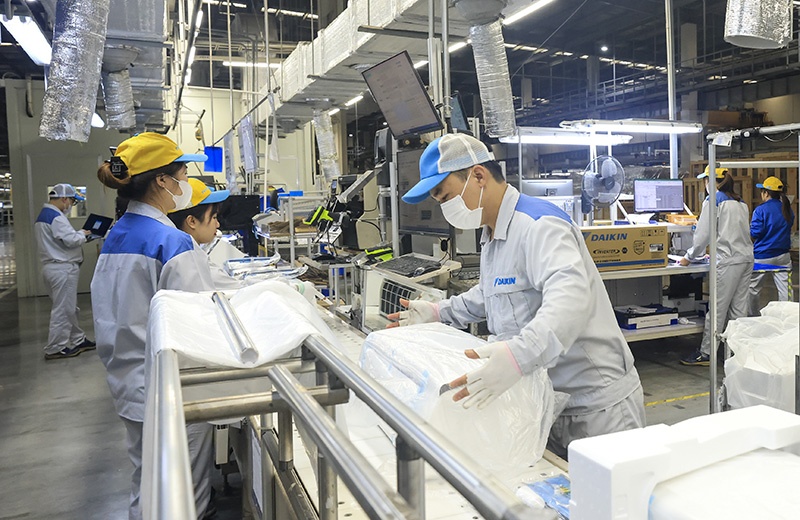
Vietnam manufacturing sees improved growth

The S&P Global Vietnam Manufacturing Purchasing Managers’ Index (PMI) rose to 54.3 points in February, up from 52.5 points in January and reaching a four-month-high. The PMI signalled a solid monthly improvement in the health of the sector, extending the current sequence of strengthening business conditions to eight months.

Production increased at the fastest pace in over a year-and a-half amid a sharper increase in new orders. Panellists reported that the preparation of products ahead of delivery to clients and stronger customer demand were behind the latest rise in output.

The ramping up of production helped lead to the smallest reduction in stocks of finished goods in just over two years. That said, post-production inventories still decreased slightly as products were shipped to customers.

An improved demand scenario also contributed to a marked increase in new orders. New business rose for the sixth successive month, and at the fastest pace since last October.

The expansion in total new orders was recorded despite new export business remaining unchanged from the previous month, with some respondents noting instability in international markets.

Nonetheless, the rise in total new orders and associated increase in production requirements led to sharper expansions in both employment and purchasing activity midway through the opening quarter of 2026. Staffing levels rose for the fifth month running, and at a solid pace that was the fastest since September 2022. That said, a number of respondents noted that additional workers had only been hired on a temporary basis. Extra capacity helped firms to reduce backlogs of work solidly during the month.

Meanwhile, the latest increase in input buying was the second-sharpest for a year-and-a-half (behind December 2025 data). In turn, stocks of purchases increased following a fall in January, although the accumulation was only fractional.

Stronger demand for inputs meant that suppliers were able to raise their prices during February. As a result, manufacturers’ input costs increased at a sharp pace that was the fastest since June 2022. In addition to higher supplier charges, some firms also noted rising shipping costs.

With operating expenses increasing sharply, manufacturers raised their selling prices accordingly. The rate of inflation was unchanged from the 45-month high seen at the start of 2026.

Improving market demand and the prospect of continued new order growth meant that Vietnamese manufacturers were increasingly optimistic that output will rise over the coming year. Moreover, February saw business confidence strengthen for the fifth consecutive month to the highest since September 2022.

Andrew Harker, economics director at S&P Global Market Intelligence said, “The Vietnamese manufacturing sector was able to build on the growth seen in January with an even stronger performance in February. Firms have thus seen a positive start to 2026, and they are at their most confident about the future for almost three-and-a-half years.”

“Most of the key variables from the survey pointed to stronger growth, including output, new orders, employment and purchasing activity. Export conditions remained generally muted, however, with new business from abroad unchanged since January. The stronger demand environment has resulted in building inflationary pressures, both in terms of firms’ own costs and the prices they are charging their customers. Data in the months ahead will need to be watched closely to see if these price increases start to limit demand,” Harker added.

Repositioning Vietnam in Asia’s manufacturing race Repositioning Vietnam in Asia’s manufacturing race

Vietnam’s manufacturing sector has emerged from the challenging conditions of 2025 with renewed momentum. Industrial output and new orders have rebounded, while business confidence has improved noticeably over the past year.

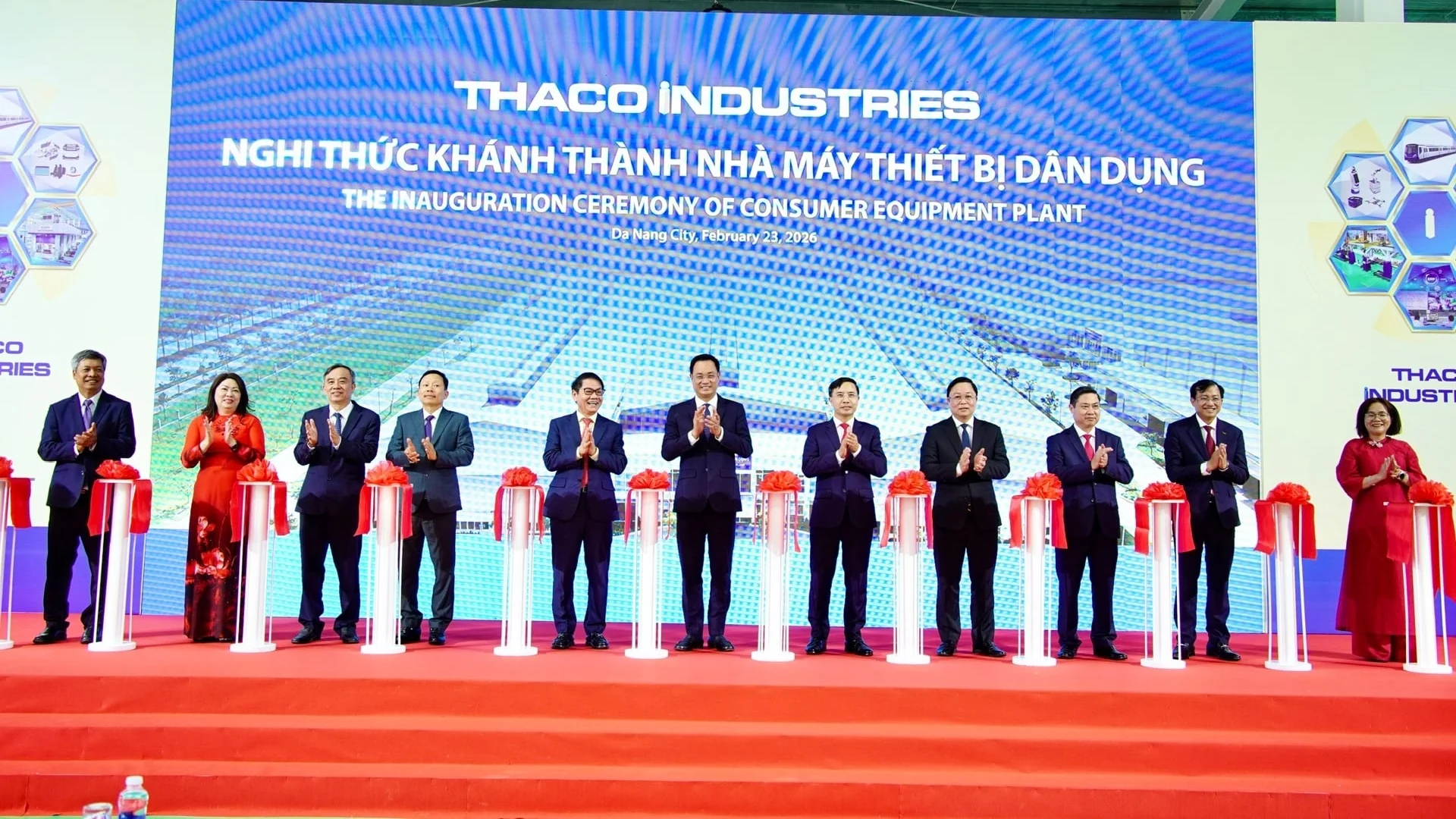
THACO opens $70 million manufacturing complex in Danang THACO opens $70 million manufacturing complex in Danang

Truong Hai Auto Corporation has inaugurated three new factories in Danang with a total investment of $70 million, expanding its presence in the mechanics and supporting industries sector.

Kurz Vietnam expands Gia Lai factory Kurz Vietnam expands Gia Lai factory

On February 26, Kurz Vietnam Co., Ltd., a subsidiary of Germany’s Kurz Group, broke ground on Phase 2 of its manufacturing plant at Becamex VSIP Binh Dinh Industrial Park, Gia Lai province.

P5 bài Economy – xuất khẩu hàng hóa ở cảng
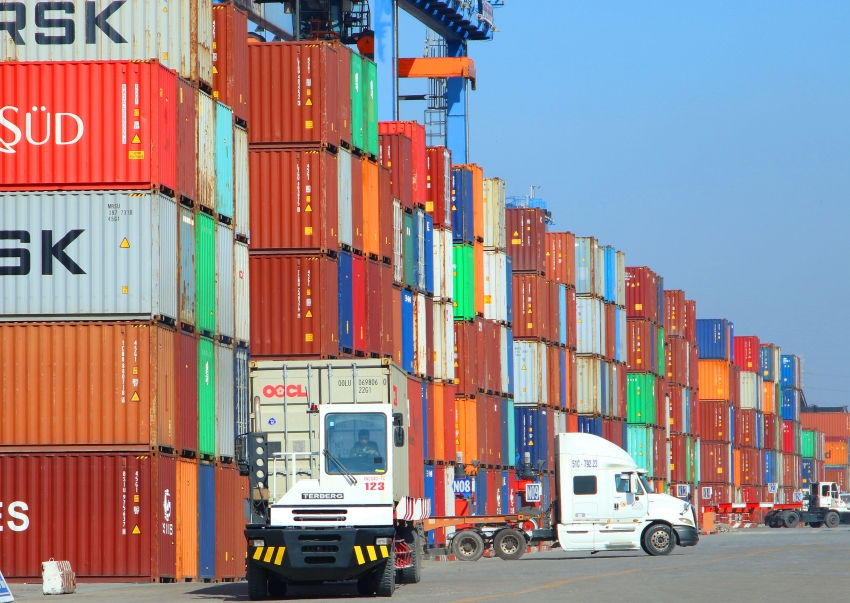
Authorities issued a cautionary notice to help export-import and logistics businesses stay prepared amid evolving global developments. Photo: Le Toan

Official Dispatch No. 229/XNK-TLH, dated March 1, 2026, states that on February 28 marked a serious escalation of tensions in the Middle East and created “serious instability” and posed high risks to transportation activities, international trade and global supply chains.

The agency warned that prices of consumer goods, fuel, and global oil are forecast to rise, generating “indirect and multi-dimensional negative impacts” on Vietnam’s production and export-import activities, as well as on trade with the Middle East.

For logistics services, rising fuel costs are expected to push up sea freight and air cargo rates, particularly on routes connecting Vietnam with countries in the region.

According to the dispatch, several Middle Eastern countries have restricted or closed their airspace due to security concerns, forcing passenger and cargo flights to reroute, prolonging flight times and increasing logistics costs.

Maritime transport has also been significantly affected, as shipping through the Strait of Hormuz has nearly stalled following airstrikes. Iran has warned that passage through the strait is currently unsafe, compelling shipping lines to avoid the area or alter routes, thereby extending transit times and raising fuel expenses.

“Before the above situation, the Agency of Foreign Trade requests export-import industry associations and logistics associations to closely monitor developments,” it said.

Associations are asked to regularly coordinate with relevant state management authorities to provide updates to member enterprises, enabling them to adjust production plans, export-import arrangements, and transport operations.

The agency emphasised the need to “avoid disruptions and minimise negative impacts” from the conflict, while improving flexibility and resilience against fluctuations in the international business environment.

In addition, associations and enterprises are urged to “regularly and proactively analyse and coordinate information” with ministries and relevant agencies regarding trade data, domestic policy changes affecting business operations, cargo flows, freight rates, and surcharges, to prepare appropriate response scenarios for similar situations in the future.

They are also advised to develop preventive and adaptive plans to mitigate risks, losses, and disruptions in international trade and transport activities, and to prepare timely response measures to limit impacts on supply chains.

The dispatch further encourages frequent engagement with relevant MoIT units, including trade promotion and overseas trade offices, to identify new orders and potential markets, thereby formulating alternative or prioritised exploitation plans to “maximise opportunities”.

The agency said that close coordination among associations, enterprises, and authorities would be essential to strengthening resilience and safeguarding Vietnam’s export-import activities amid growing geopolitical uncertainty.

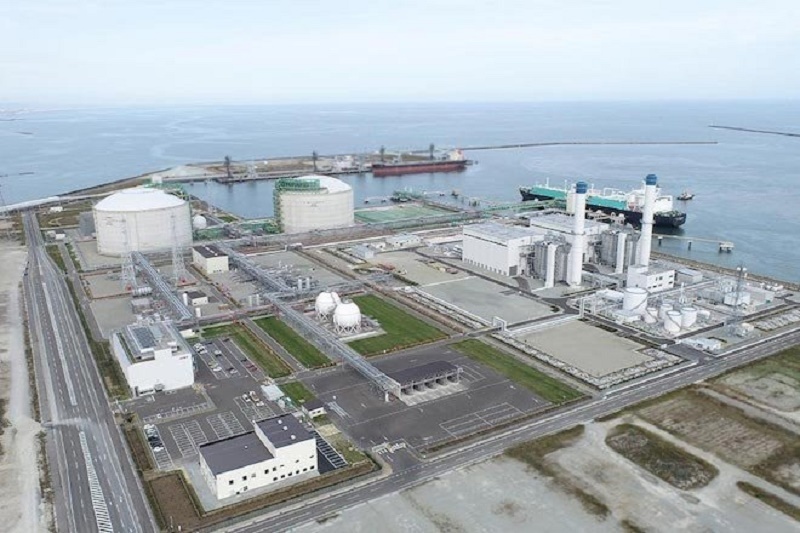
JAPEX withdraws from LNG terminal project in Haiphong

On March 2, Japan Petroleum Exploration Co., Ltd (JAPEX) announced it will exit the venture, which had been under consideration for commercialisation through its affiliate ITECO JSC. The company will transfer all its shares in ITECO JSC to the affiliate’s business partners.

Feasibility studies for the project began in early 2022. The plan involved constructing an LNG terminal, including berthing facilities capable of receiving and dispatching up to 650,000 tonnes of LNG annually and a 50,000 cubic metre storage tank, at the Nam Dinh Vu Industrial Park in Haiphong. The development also encompassed LNG procurement, storage, and supply.

Since acquiring its stake in October 2022, JAPEX had been assessing base foundation designs, potential customer development, and candidate suppliers. The company has now concluded that securing the project’s economic viability would be difficult, leading to its decision to withdraw.

JAPEX will now conduct a feasibility study on LNG-based energy services for industrial parks in Haiphong and elsewhere in Vietnam, following the project’s selection for a Japanese government decarbonisation programme managed by the New Energy and Industrial Technology Development Organisation.

To strengthen profitability and build a medium- to long-term foundation, JAPEX will continue to expand its Infrastructure and Utility business, which provides a revenue structure less exposed to oil price fluctuations, while focusing on core assets centred on overseas exploration and production operations.

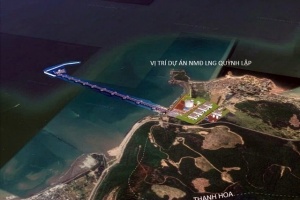
SK Innovation-led consortium wins $2.3 billion LNG project in Nghe An SK Innovation-led consortium wins $2.3 billion LNG project in Nghe An

A consortium led by South Korean energy giant SK Innovation has been appointed to develop the Quynh Lap Liquefied Natural Gas (LNG) Power Project in Nghe An province, securing one of Vietnam’s largest foreign-invested energy ventures to date.

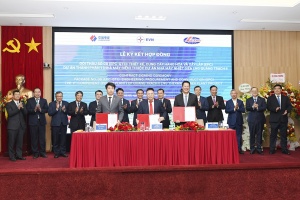
EVN awards EPC contract for Quang Trach II LNG project EVN awards EPC contract for Quang Trach II LNG project

Vietnam Electricity and a consortium signed the engineering, procurement and construction contract for the first component (power plant) of Quang Trach II LNG Thermal Power Plant on February 9.

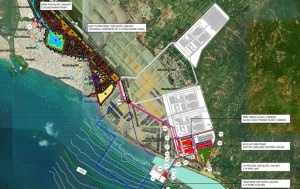
Trung Nam-Sideros River consortium wins bid for LNG venture Trung Nam-Sideros River consortium wins bid for LNG venture

A consortium between Trung Nam Group and Sideros River has won the bid for the Ca Na liquefied natural gas (LNG) power plant venture, with a total investment of $2.2 billion.