On September 14, ACCA held a ceremony to mark its 25th anniversary in Vietnam, bringing together representatives from regulatory authorities, professional bodies, businesses, partners, experts, and the ACCA community to reflect on its journey of supporting the development and integration of Vietnam’s accounting, auditing and finance professions, as well as the business community.

At the event, ACCA reaffirmed its commitment to contributing to Vietnam’s development, expressing appreciation to its partners, members and students, while also setting out new directions for collaboration in response to rapid changes in technology, ESG and sustainability requirements.

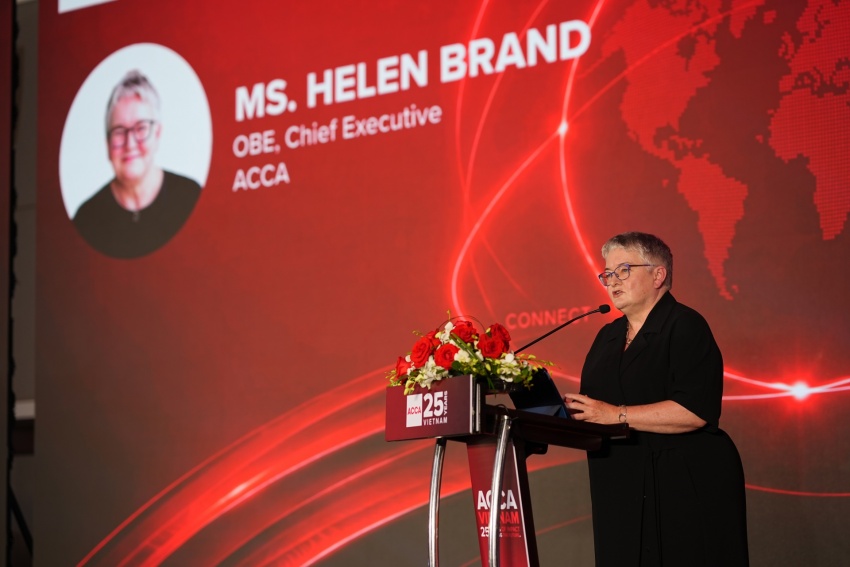
Speaking at the event, Helen Brand, ACCA’s chief executive, expressed her appreciation to the State Audit Office of Vietnam (SAV), the Ministry of Finance, strategic partners, and the ACCA community in Vietnam.

“We want to continue working alongside all of you to build a sustainable and prosperous economy that benefits all people in Vietnam. ACCA is ready to play an active role in supporting economic growth, developing a highly skilled workforce, and helping realise Vietnam’s ambition of becoming a competitive international financial centre,” said Brand.
ACCA marks 25 years in Vietnam
Helen Brand, ACCA’s chief executive. Photo: ACCA Vietnam

Ha Thi My Dung, deputy state auditor general of SAV, delivered remarks congratulating ACCA Vietnam on its 25th anniversary and stated that the SAV has always regarded ACCA as one of its important partners.

“I am confident that ACCA will continue to build on its role, reputation and international experience and make an even greater contribution to the development of Vietnam’s professional community,” Dung said. “From the SAV’s side, we look forward to continuing our close cooperation with ACCA, strengthening the sharing of international experience and knowledge; enhancing cooperation in training and human resource development; exchanging views on innovation in audit methodologies and the application of technology and AI; and encouraging professional activities aligned with new requirements for public financial management and sustainable development.”

25 years

ACCA’s story in Vietnam began in 2001 with just 11 members. Today, ACCA has more than 1,300 members across the country and more than 7,000 students on their journey towards becoming ACCA members.

Behind these figures is a dynamic and growing community present across every sector of the economy, taking on critical roles ranging from accounting, auditing and finance to governance, strategy and sustainability.

This growth has been driven by extensive cooperation between ACCA and regulatory authorities, professional bodies, businesses, and educational institutions in Vietnam and around the world. At the same time, ACCA has promoted a range of initiatives to strengthen professional capabilities and expand opportunities for Vietnam’s finance professionals to access global standards and the international finance community.

Beyond professional development, ACCA has also established itself as a pioneering organisation in Vietnam, making significant contributions to policy dialogue and discussions on governance, strategy, environmental, social, and governance (ESG), sustainability reporting and issues directly affecting business operations.

Through its network of experts and corporate partners across 179 countries, ACCA promotes the sharing of international knowledge and best practices, helping organisations strengthen their financial and governance capabilities while preparing finance professionals for the evolving demands of business.

In particular, as the finance function increasingly shifts from a focus on reporting and control towards strategic planning and value creation, ACCA continues to equip professionals with the capabilities to take on roles extending beyond traditional finance, including risk management and strategy, as well as ESG, sustainability and transformation.

ACCA’s 25-year journey in Vietnam has unfolded alongside the professionalisation, integration and transformation of the economy. Building on this foundation, ACCA said that they would continue working to connect Vietnam with the global professional community, boost international standards, and support the development of a finance workforce capable of creating value for the economy and global markets.

ACCA marks 25 years in Vietnam
ACCA Vietnam: 25 Years of Impact, Shaping the Future. Photo: ACCA Vietnam

Amid shared challenges such as climate change, the emergence of new technologies such as AI, and growing demands for transparency, the role of the accounting, auditing and finance community continues to expand significantly. For ACCA, these shifts require professionals not only to keep their technical knowledge up to date, but also to strengthen their adaptability, strategic thinking and ability to create value.

“This remains a key focus of ACCA’s direction in Vietnam in the next phase: continuing to connect Vietnam’s professional community with global standards, knowledge and opportunities,” said Brand.

“Perhaps the world has never needed the capabilities and qualities of professional accountants more than it does today,” she added. “However, we believe that professional accountants equipped with the right knowledge, skills and qualities can help organisations and countries overcome these challenges.”

The 25th anniversary, therefore, is not only an occasion for the ACCA community to celebrate what has been built over the past quarter-century. It also provides a foundation for ACCA to continue working alongside Vietnam in building a dynamic, sustainable and prosperous economy.

ACCA marks 25 years in Vietnam

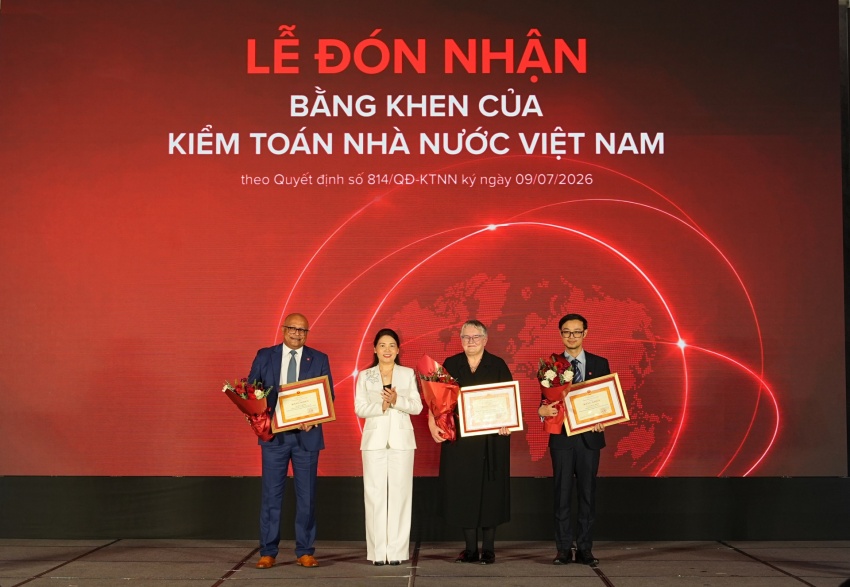
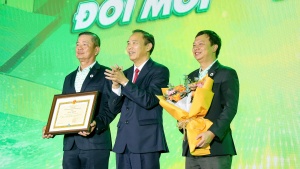
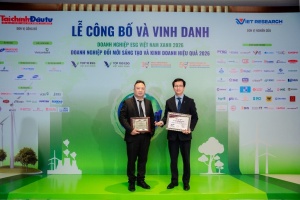
At the event, ACCA was honoured to receive Certificates of Merit and Letters of Commendation for its collective and individual contributions from the State Audit Office of Vietnam on July 9.

The recognition reflects ACCA’s contributions throughout its cooperation with the State Audit Office of Vietnam and marks a meaningful milestone in the cooperative and friendly relationship between the two organisations.

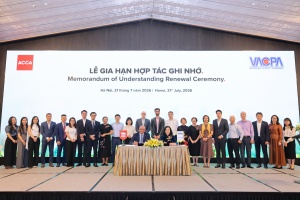
ACCA and VACPA deepen partnership to support Vietnam's green finance transition ACCA and VACPA deepen partnership to support Vietnam’s green finance transition

The renewal of the MoU between ACCA Vietnam and the VACPA marks not only a new chapter in their long-standing partnership, but also a shared commitment to build a transparent, sustainable financial ecosystem and address the growing risk of greenwashing.

Building trust is vital for green finance transition Building trust is vital for green finance transition

Vietnam has taken an important policy step with its Green Taxonomy, but stronger professional judgement will be required across the financial ecosystem. Talking to VIR’s Hazy Tran, To Quoc Hung, country manager of ACCA Vietnam, said that Vietnamese businesses need to move beyond a compliance-driven approach by building a reliable data foundation.

Since the outset of the year, natural rubber prices in major producing markets across Southeast Asia have risen sharply, surpassing their highest levels of the past 10 years.

Accordingly, SVR10 rubber prices are forecast to remain elevated at around $2.5/kg through the first half of 2027, as processing plants stockpile more raw materials amid concerns over potential supply shortages.

Looking ahead to the rubber market, analysts at MB Securities (MBS) said the impact of El Nino could reduce tapping yields in the new 2027 crop season, potentially pushing SVR10 prices higher, with the average price expected to reach around $2.8-3/kg in the second half of 2027.

Rising prices and land conversions set to drive rubber profits
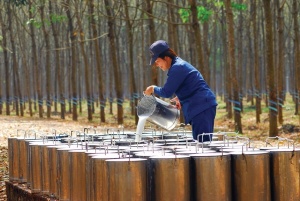
Photo: baodautu.vn

However, downward price pressure remains as consumption demand weakens in major markets such as China and the United States.

For Vietnam’s domestic rubber industry, according to the National Statistics Office of Vietnam, natural rubber output reached 308,000 tonnes in the second quarter of 2026, up 5 per cent, bringing first-half output to 440,000 tonnes, up 3 per cent. This was the highest level recorded during 2021-2026, as higher natural rubber prices since the beginning of the year encouraged growers to increase tapping.

Higher global natural rubber prices also lifted Vietnam’s average rubber export price by 4 per cent on-year to $1,924 per tonne.

Rubber export volume reached 638,000 tonnes, down 8 per cent on-year. As a result, Vietnam’s rubber export value in the first half of 2026 surpassed $1.2 billion.

In terms of markets, Vietnam’s rubber exports declined mainly due to weak demand from China. By contrast, exports to several other markets posted relatively strong growth, with Indonesia becoming Vietnam’s second-largest rubber export market.

MBS forecasts that Vietnam’s rubber export value in 2026 could exceed the annual target and rise 6 per cent on-year, driven by a 15 per cent increase in the average selling price despite an 8 per cent on-year decline in export volume.

Companies in the industry also reported strong profit growth in the first half of 2026.

Specifically, Vietnam Rubber Group JSC’s net profit rose 68 per cent, driven by a 44 per cent increase in latex sales revenue and more than $41.1 million in income from rubber tree liquidation.

At Phuoc Hoa Rubber JSC, net profit surged 245 per cent in the first half, as latex sales revenue increased 31 per cent on-year. Other companies also recorded positive net profit growth, with Dong Phu Rubber JSC up 58 per cent and Tay Ninh Rubber JSC up 35 per cent.

2026 is forecast to be a bumper year for the rubber industry, with revenue and gross profit from rubber latex sales expected to increase 28 per cent and 48 per cent on-year, respectively.

Gross profit margin is projected to expand by 5 percentage points, supported by expectations that rubber prices will remain elevated through the end of this year before breaking higher in the second half of 2027.

Tree liquidation and compensation from the conversion of rubber plantation land will make a significant contribution to profits. In addition to the positive outlook for rubber, land conversion activities are expected to provide significant support for earnings during 2026-2027.

Several projects involving the conversion of rubber plantation land are expected to be implemented during 2026-27, including the Eco-Smart Industrial-Urban-Service Park and Social Housing project in Binh Duong ward (Ho Chi Minh City), VSIP III Binh Duong Industrial Park (IP), Bac Tan Uyen 1 IP, Hiep Thanh IP, Thanh Duc IP, and a high-tech agriculture project in Dong Nai city in the southern region.

Against this backdrop, MBS forecasts aggregate net profit of the rubber companies within its coverage universe to increase 92 per cent on-year.

The outlook for rubber companies is strongly supported by expectations for robust earnings growth and attractive valuations compared with previous development cycles.

At the same time, Decision No.40/2026/QD-TTg has raised hopes that the state may reduce its ownership stake in GVR during 2026-2030, supporting gains in rubber stocks and improving their liquidity.

In addition, gradually increasing cash dividend policies over the years, against a backdrop of companies with healthy financial positions and low debt levels, are another factor worth noting.

Nevertheless, risks to the sector remain, MBS said. Potential risks include a decline in rubber prices due to weaker vehicle consumption in China and the US; extreme weather causing diseases in rubber trees and reducing output; and adequate supplies meeting required standards from Africa, which could put downward pressure on global prices.

Rubber firms report positive Q3 performance Rubber firms report positive Q3 performance

A price surge in the third quarter (Q3) has helped rubber companies to gain significant revenue and profit after years of struggling with low prices.

Rubber industry to bounce back in 2025 Rubber industry to bounce back in 2025

Vietnam’s rubber industry is poised for strong growth in 2025, driven by rising rubber prices, expanding production, and increased export opportunities, despite potential challenges from global trade policies and shifting market dynamics.

HanoiPlas 2025 showcases advanced plastics, rubber, recycling solutions HanoiPlas 2025 showcases advanced plastics, rubber, recycling solutions

HanoiPlas 2025, the 13th edition of the Hanoi International Plastics and Rubber Industry Exhibition, is taking place from June 4-7, attracting over 200 exhibitors from 11 countries and regions.

Rubber sector gains momentum from commodity rally and land windfall Rubber sector gains momentum from commodity rally and land windfall

Surging natural rubber prices, improving export demand and lucrative industrial land conversion plans are combining to fuel renewed investor appetite for rubber stocks.

On September 10, Great Place to Work announced the Best Workplaces in Asia 2026 ranking. With this result, Greenfeed has made its debut on a workplace ranking at the regional level.

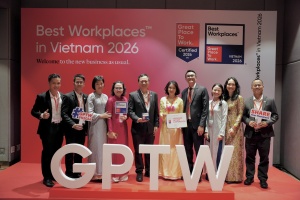
The recognition follows Greenfeed’s inclusion in the Top 10 Best Workplaces in Vietnam 2026 in the large enterprise category, announced by Great Place to Work in May.

“From a Vietnamese agriculture – food company, we made our first appearance on a workplace ranking at the Asian level. This is more than a title; it reflects our ongoing efforts to build a workplace where people are well cared for, empowered to grow and given opportunities to create positive value together with the organisation,” said Greenfeed representative.

Sustainable growth starts with suitable people

Founded in 2003, Greenfeed has grown from an animal feed manufacturer into a diversified group with a 3F Plus agricultural ecosystem spanning animal and aqua feed, breeding and farming, food, logistics and technology.

The company currently employs more than 5,500 people across offices, manufacturing plants, farms and business units in Vietnam, Laos, Cambodia and Myanmar.

Greenfeed Vietnam named among Best Workplaces in Asia 2026
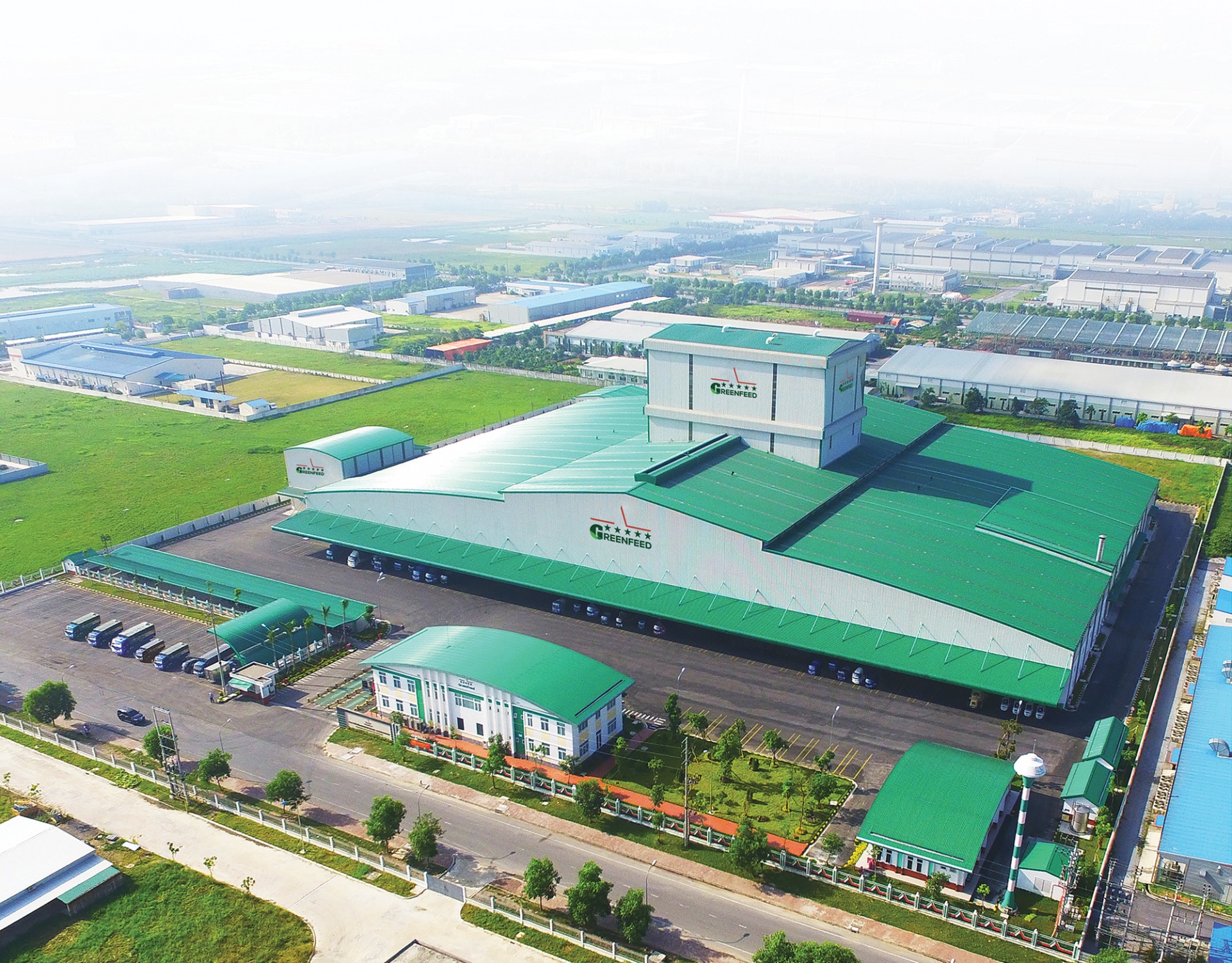
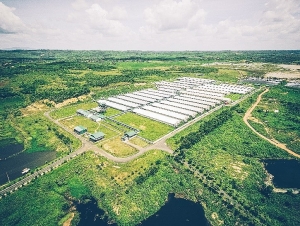
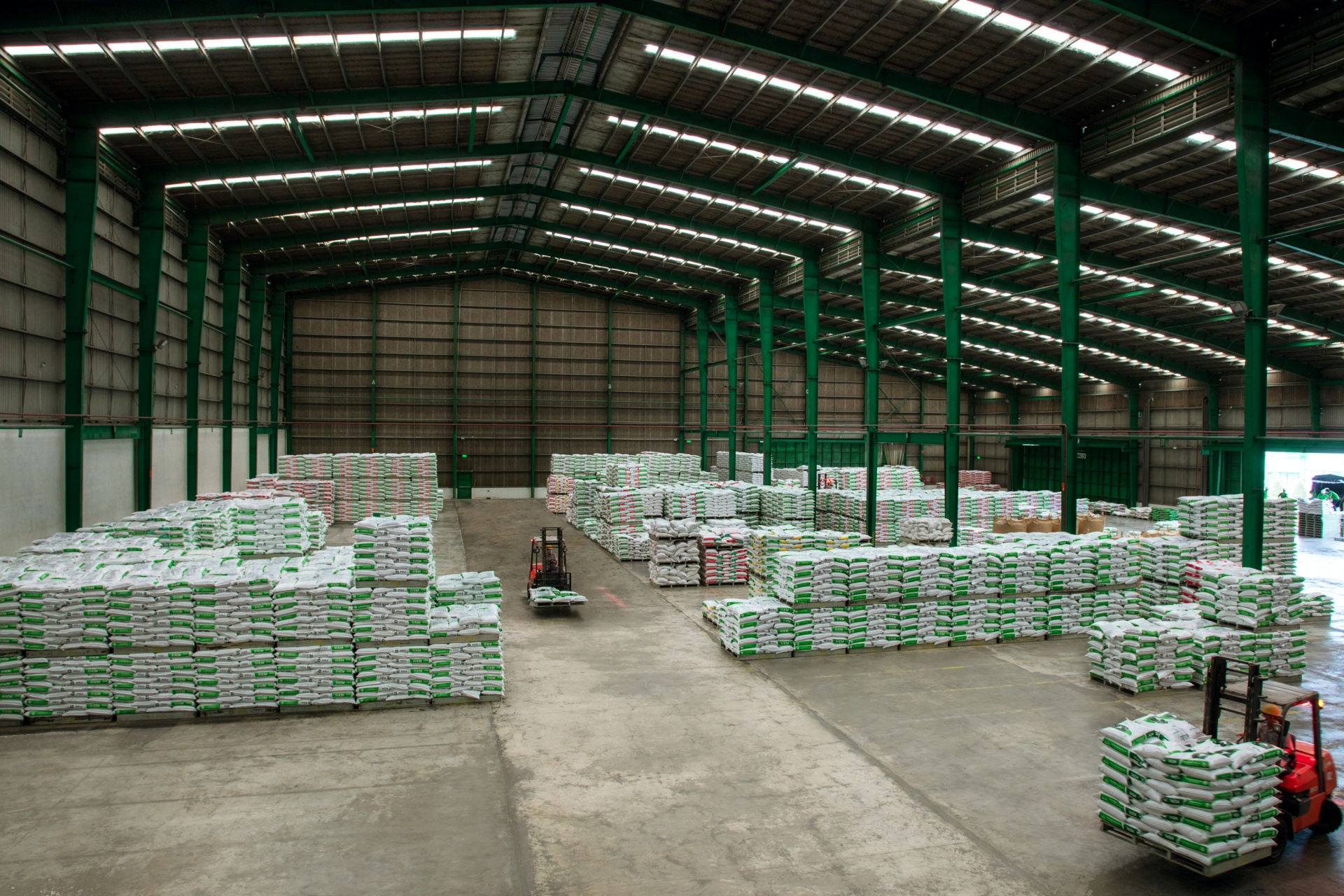
An animal feed mill of Greenfeed in Vietnam. Photo: Greenfeed

According to Greenfeed, having the suitable people is the foundation of sustainable growth and a key driver of transformation across the organisation.

Guided by the direction of “Synergising transformation into resilience”, the company focuses on creating a safe, inclusive and engaging workplace while enabling employees to learn, develop and grow alongside the organisation amid changing market conditions.

Through training, capability development and stronger collaboration across its member companies, Greenfeed is continuously strengthening adaptability, operational effectiveness and organisational capabilities to support long-term growth.

The company’s business operations and corporate culture are guided by the Greenfeed Way, a shared framework of values, standards and behaviours consistently applied across the Group.

According to the Great Place to Work survey conducted by the company in 2025, 95 per cent of employees rated Greenfeed as a great place to work, significantly higher than the 59 per cent market benchmark.

A people-centred workplace

At Greenfeed, a healthy and human-centred workplace is shaped by the real experiences of its people throughout their journey with the company.

The company invests in initiatives that support employee wellbeing, strengthen team connections, develop individual capabilities and create opportunities to contribute to the community.

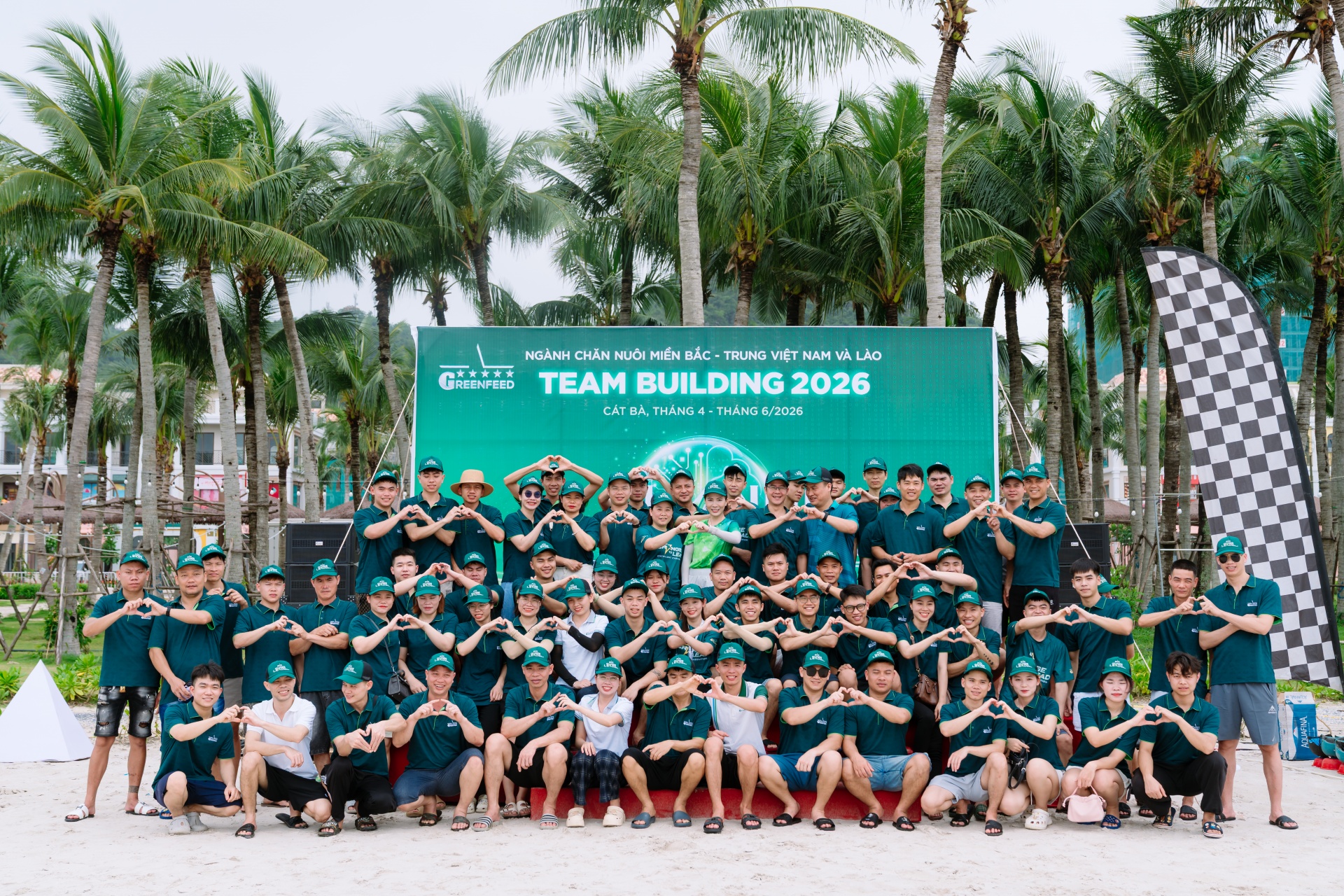
In 2026, the company organised Greenfeed Day, a team-building programme held across multiple locations in Vietnam and Southeast Asia, bringing together more than 5,000 employees.

Its total wellbeing programme, Greencare, also takes a proactive approach to health prevention, with nearly 12,000 employees and their family members participating in health insurance coverage.

In talent development, the company continues to strengthen training initiatives and build its leadership pipeline. In 2025 alone, the company delivered over 53,000 hours of training, with more than 4,700 participants from over 2,700 employees.

A key initiative is the internal Leader for Goodness (L4G) development programme, which comprises five tracks: GreenSeed (Potential Intern Programme), GreenShine (Management Trainee Programme), GreenLead, GreenExperts and G30+. Each track is designed to support employees at different stages of their development while building on their professional strengths.

Greenfeed Vietnam named among Best Workplaces in Asia 2026
Staff enthusiastically participated in activities during Greenfeed Day 2026. Photo: Greenfeed

Organised by Great Place to Work, a global authority on workplace culture, the Best Workplaces in Asia ranking recognises organisations with outstanding workplace cultures across the region.

The ranking is based on employee feedback, with assessments covering workplace experience and organisational culture.

GREENFEED Vietnam exports high-quality breeding stock GREENFEED Vietnam exports high-quality breeding stock

GREENFEED Vietnam JSC has exported to Cambodian market its first batch of GF24 (Camborough®48) breed, a superior genetic breed transferred through the genetic marker technology of PIC – a world-leading swine genetic company.

IFC invests $43 million in GREENFEED Vietnam through a seven-year bond IFC invests $43 million in GREENFEED Vietnam through a seven-year bond

To support the country’s growing livestock industry, IFC is helping GREENFEED Vietnam Corporation increase its pig breeding and farming capacity, which will help ensure a reliable supply of safe and quality pork while enhancing livestock production practices in Vietnam.

GreenFeed honoured for outstanding contributions in agriculture GreenFeed honoured for outstanding contributions in agriculture

GreenFeed Vietnam has been honoured to receive a certificate of merit from the Ministry of Agriculture and Rural Development for outstanding contributions to the development of Vietnam’s agriculture for 2022-2023.

3F Plus clean pork amazes Michelin-starred chefs 3F Plus clean pork amazes Michelin-starred chefs

During two gala nights at the international culinary event 100 Flavours on November 26 and 28, 13 Michelin-starred chefs crafted elevated fine-dining menus inspired by premium Vietnamese ingredients.

Vietnamese-made Kim Long buses debut in Thailand
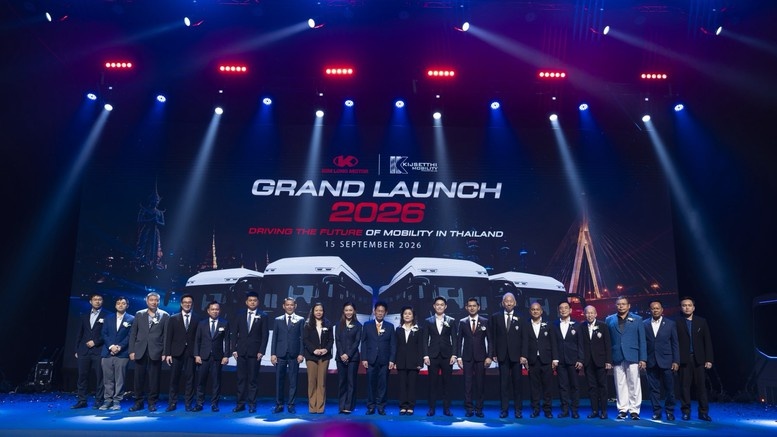
Photo: Kim Long Motor

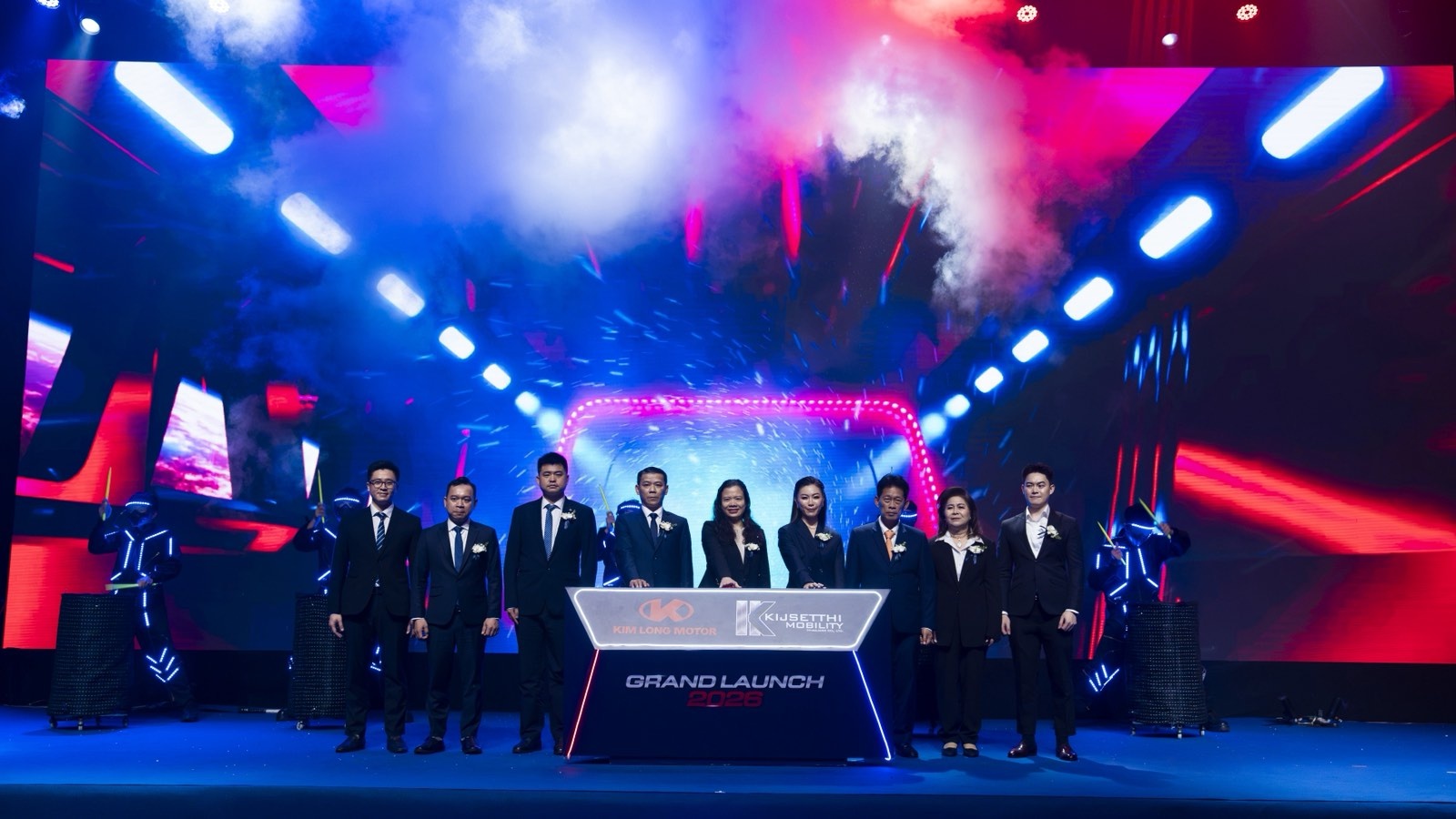
The launch ceremony took place on September 15 in collaboration with KIJSETTHI Mobility, introducing Kim Long-branded buses to the Thai market.

KIJSETTHI Mobility has been Kim Long Motor’s authorised distributor in Thailand since April with the Thai company taking steps to implement a sales and after-sales service network nationwide since then. Building on Kim Long Motor’s research and development (R&D) and manufacturing capabilities and KIJSETTHI Mobility’s strong understanding of the local market, the two parties aim to establish a professional distribution and service platform, delivering high-quality, operationally optimised transport solutions for Thailand.

In addition, KIJSETTHI Mobility has completed a system of showrooms, authorised service stations, and genuine spare parts warehouses, offering 24/7 technical support and warranty services to ensure peace of mind for customers investing in Kim Long products.

As part of the partnership roadmap, Phase 1 will see the introduction of Kim Long commercial vehicles to the Thai market, developing next-generation EURO 5-compliant internal combustion engine models as well as fully electric vehicles. In parallel, the two companies will strengthen their nationwide distribution and service networks, alongside ongoing customer feedback to further enhance product quality.

In Phase 2, Kim Long Motor will progressively shift from Completely Built-Up exports to local assembly in Thailand, with the aim of achieving a localisation rate of more than 50 per cent. From 2027 to 2030, the company plans to establish Thailand as a strategic manufacturing and export hub for the ASEAN market, helping expand the supply chain, foster supporting industries, and generate employment opportunities for local communities.

Addressing the event, Dao Viet Anh, general director of Kim Long Motor, said, “We are proud to be a pioneer in bringing Vietnamese-branded commercial vehicles to Thailand. As one of ASEAN’s major automotive hubs, Thailand serves as a strategic gateway for Vietnamese-made Kim Long products to prove their engineering, quality, and service capabilities. Alongside KIJSETTHI Mobility, we will continuously refine our operational and after-sales platform. Kim Long aims to become a gateway contributing positively to Vietnam–Thailand economic cooperation.”

At the ceremony, Kim Long Motor introduced bus models developed and produced on automated and digitised production lines. The company maintains autonomy across the value chain, from interior and exterior components to the chassis, body, engine, battery, and electrical systems. Consequently, the localisation rate for Kim Long diesel buses has reached 90 per cent, while pure electric vehicles stand at 60 per cent, with a target of reaching 90 per cent by late 2026.

Designed for the Thai market, the launched models prioritise performance, safety, and passenger comfort across flexible configurations. The 12-metre KIMLONG99 series offers seating for 42 to 44 passengers and is suited to inter-provincial travel, while the compact 7.9-m KIMLONG19-N21 features a 21-seat layout designed for urban transit, short-haul routes, and high-frequency shuttle services.

Vietnamese-made Kim Long buses debut in Thailand
Photo: Kim Long Motor

All models feature spacious interiors with premium leather seats, integrated USB charging ports (Type A and Type C), refrigerators, and high-capacity air conditioning systems with individual vents for each seat. For safety, flexible internal, and external camera systems assist drivers, while international-standard emergency exits enable proactive emergency response.

A major highlight is the powerful YUCHAI K11 engine, offering fuel efficiency (19–21 litres per 100 km) to optimise operating costs. On this occasion, Kim Long Motor and KIJSETTHI Mobility handed over the first batch of KIM LONG buses to Thai customers.

Chalakorn Setthabunnatat, general director of KIJSETTHI Mobility, said, “We are delighted that our collaboration has resulted in the official launch of KIM LONG buses – well-invested in design, amenities, and superior performance – to Thai customers. We highly appreciate KIM LONG Motor’s R&D capabilities and product optimisation for local transit needs. I am confident that our nationwide network will enable KIJSETTHI Mobility to partner long-term with Kim Long Motor in creating comprehensive transport solutions for Thailand.”

At the event, KIJSETTHI Mobility secured an immediate order for 50 Kim Long buses.

Taking place on the occasion of the 50th anniversary of Vietnam-Thailand diplomatic relations, the launch reflects the deepening spirit of cooperation between the two countries. It also affirms the capacity of Vietnamese enterprises to pursue international economic integration and advance national industrial development strategies.

From Kim Long buses entering Thailand’s roads to the strategic vision of joint production and ASEAN-wide expansion, Kim Long Motor and KIJSETTHI Mobility are steadily building a sustainable growth strategy and opening a new chapter for the region’s automobile industry.

Kim Long Motor ships first batch of electric buses to Thailand Kim Long Motor ships first batch of electric buses to Thailand

Kim Long Motor Hue has completed the handover of nine fully electric buses to Thailand’s INNOPOWER, the first batch in a contract for 113 vehicles.

Kim Long Motor pioneering fuel-efficient engines and green transition Kim Long Motor pioneering fuel-efficient engines and green transition

Recent geopolitical tensions in the Middle East have continued to raise risks for the global energy market, with diesel prices rising sharply and unpredictably, placing pressure on fuel-intensive sectors such as long-distance passenger transport.

Kim Long Motor exports first buses to Thailand in regional push Kim Long Motor exports first buses to Thailand in regional push

Kim Long Motor has exported its first batch of locally manufactured buses to Thailand, marking a significant step in the company’s international expansion strategy.

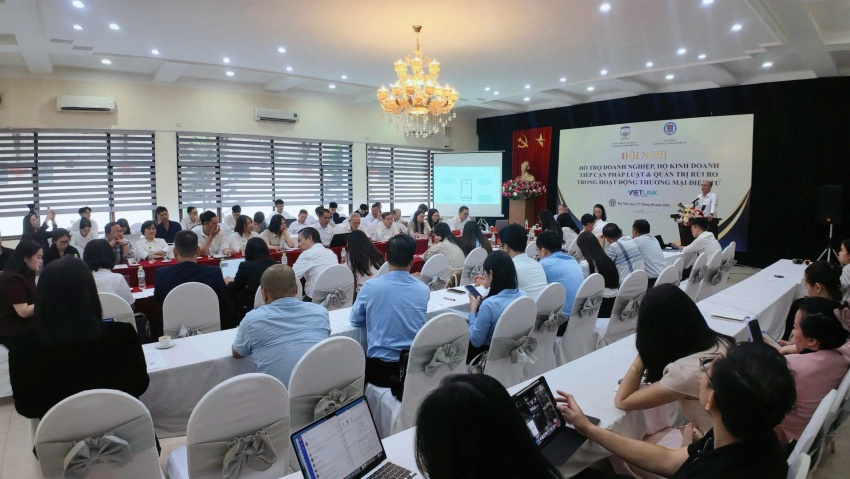
Organised by the Centre for Legal Support for Small and Medium-sized Enterprises under the Department of Civil and Economic Law of the Ministry of Justice in coordination with Vietlink Law Firm, the conference brought together experts to discuss practical legal issues arising from the growing use of e-commerce and digital platforms.

Hoang Ninh, deputy director of the Vietnam E-commerce and Digital Economy Agency under the Ministry of Industry and Trade, said the rapid growth of e-commerce platforms, social media and livestreaming was allowing businesses and household businesses to reach wider markets and scale up sales, but is also placing greater demands on internal controls.

“Sellers must provide information for identity verification, while intermediary e-commerce platforms are responsible for electronic verification before allowing sellers to conduct business. On platforms that provide online ordering functions, sellers must use their own payment accounts,” Ninh said.

Businesses consequently need clear internal arrangements covering product listings, pricing, promotions, account management and cash flows. Moving sales online does not remove requirements applicable to the goods themselves, with products requiring business licences or subject to specific conditions remaining subject to those rules when sold through e-commerce platforms.

E-commerce growth raises pressure on legal compliance
An overview of the workshop. Photo: Vietlink Law Firm

Product information has also emerged as a significant compliance issue. Online consumers often rely on images, videos, descriptions, advertising and sellers’ claims when making purchasing decisions, making accurate information on product functions, origin, quality, prices, promotions and warranties particularly important.

“Sales content can no longer be treated solely as a marketing function. It needs to form part of a company’s broader compliance and control process,” Ninh said.

The concern is particularly relevant to livestreaming and the growing use of KOLs and KOCs as sales channels. Businesses need to control information provided to promoters, establish clear guidance on permitted content and ensure prices and promotional programmes can be updated promptly, Ninh added.

The compliance burden comes as e-commerce platforms, social media and multi-channel business models enable SMEs and household businesses to reach customers far beyond their traditional markets. Small manufacturers and retailers can promote products, receive orders, process payments and arrange delivery through digital platforms without major investment in conventional distribution networks.

Yet an online transaction can involve obligations across multiple areas, including electronic contracts, taxation, invoicing, advertising, intellectual property, consumer protection, personal data and sector-specific requirements.

Dr Le Thi Hoang Thanh, deputy director of the Department of Civil and Economic Law under the Ministry of Justice, said many businesses and household businesses still face difficulties in accessing, updating and applying regulations governing e-commerce.

“A lack of information and limited capacity to identify legal risks can lead to violations and disputes, increase compliance costs and affect business reputation and performance,” she said.

“Against the backdrop of continued development of the legal framework for the digital economy, the requirement is not simply to ‘know the law’ or comply when inspections take place, but to actively identify and control risks from the outset of organising business activities in the digital environment.”

She therefore believes that greater legal awareness and stronger risk management capabilities would help businesses reduce disputes, protect their legitimate interests, strengthen competitiveness, and build consumer confidence.

Dr Tran Minh Son, director of the Centre for Legal Support for Small and Medium-sized Enterprises under the Department of Civil and Economic Law of the Ministry of Justice, identified the fragmented legal framework as a particular challenge for SMEs and household businesses.

An online business may have to comply with rules covering business conditions, product origin, advertising, promotions, electronic contracts, taxation, invoices, consumer protection, personal data and intellectual property. For smaller businesses without dedicated legal resources, keeping track of these obligations can be difficult.

Son also warned against waiting until a dispute or inspection occurs before seeking legal advice.

“On the digital environment, an advertising error can quickly reach a large customer base, while a problematic product can be sold simultaneously across several platforms,” he said.

Tax and transaction records require closer management as businesses generate revenue through multiple platforms, payment methods and sales channels. Consistent reconciliation of transaction data can help minimise discrepancies and tax compliance risks.

Consumer protection and intellectual property present further challenges. Information displayed on online shops, including product images, technical specifications, prices, return policies and sellers’ commitments, can affect the rights and obligations of both parties. Digital content and trademarks can also be copied easily, creating risks of infringement and making protection of businesses’ own intellectual property increasingly important.

“The challenge, therefore, is not simply to add more regulations, but to make the existing legal framework more accessible and practical for businesses,” Son said.

He suggested tailoring legal support more closely to the practical needs of SMEs and household businesses. Guidance on setting up online shops, electronic contracts, tax obligations, intellectual property, data protection and complaint handling could be built around situations businesses are likely to encounter.

Electronic handbooks, online Q&A platforms, legal information portals, instructional videos, model contracts and policies could also make legal guidance more accessible and help businesses manage compliance costs.

Multi-channel shopping is vital for e-commerce growth Multi-channel shopping is vital for e-commerce growth

Multi-channel shopping is on the rise, becoming a vital factor which will help retail businesses expand sales channels, thereby increasing their reach to customers and enhancing the competitive edge given the online shopping boom in Viet Nam.

Vietnam in global top 10 for e-commerce growth Vietnam in global top 10 for e-commerce growth

E-commerce in Vietnam has recorded outstanding growth of 16-30 per cent per year over the last ten years, with the market size expected to reach $20.5 billion in 2023.

Barriers remain as firms pursue e-commerce growth with EU Barriers remain as firms pursue e-commerce growth with EU

Opportunities for Vietnamese businesses in the EU cross-border e-commerce market are growing, but barriers related to regulations and legal challenges need addressing.

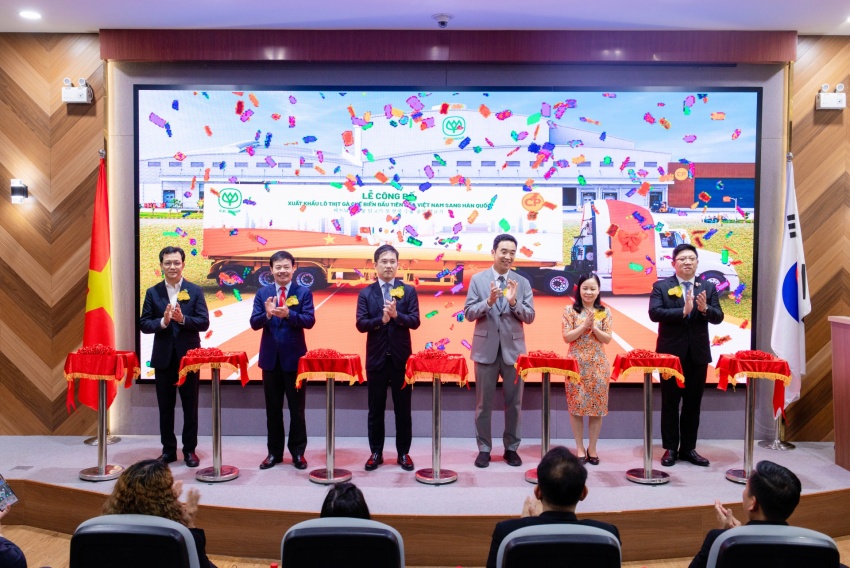
On August 25, C.P. Vietnam Corporation held a ceremony to announce the export of Vietnam’s first shipment of processed chicken to South Korea. The shipment marks the first time processed chicken from Vietnam has entered the South Korean market.

C.P. Vietnam exports Vietnam’s first shipment of processed chicken to South Korea
C.P. Vietnam’s executives, representatives from the Ministry of Agriculture and Environment, the Embassy of the Republic of Korea in Vietnam, and the Vietnam Animal Husbandry Association take part in the announcement ceremony. Photo: C.P. Vietnam

Major milestone

According to Duong Tat Thang, director of the Department of Livestock Production and Animal Health under the Ministry of Agriculture and Environment, the opening of the two markets to processed chicken products marks an important milestone in bilateral agricultural cooperation.

“With C.P. Vietnam becoming the first company to export processed chicken to South Korea, we hope more eligible businesses will be able to enter the market, helping increase the export value of Vietnam’s livestock and food processing sectors,” Thang said.

The ceremony was held at the CPV Food Binh Phuoc integrated chicken processing complex for export. C.P. Vietnam received guidance and support from the Ministry of Agriculture and Environment, particularly the Department of Livestock Production and Animal Health, throughout the process of meeting technical standards, quarantine requirements and export procedures. South Korean authorities also coordinated in the assessment, inspection and evaluation process in Vietnam.

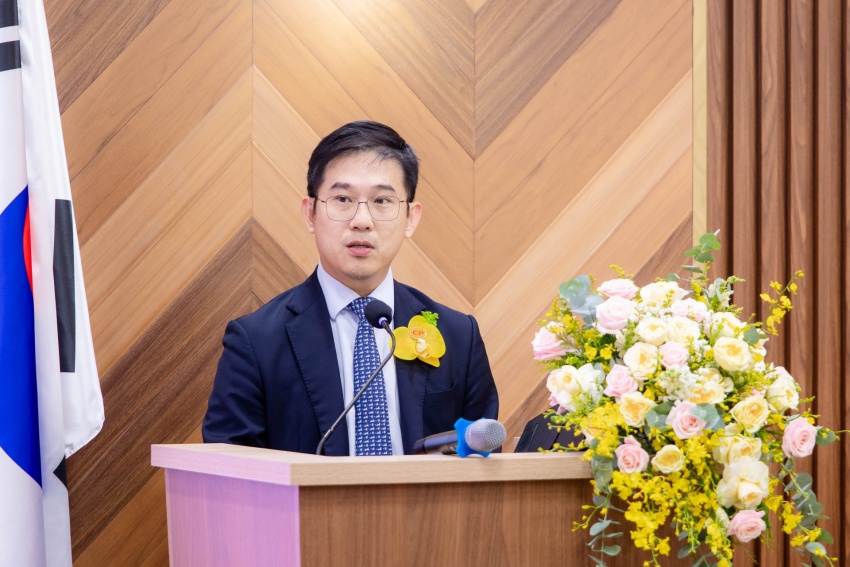
“C.P. Vietnam would like to express our sincere appreciation for the support and partnership of the relevant authorities and technical agencies of Vietnam and South Korea, local authorities, as well as our customers and partners,” said Pawalit Ua-amornwanit, CEO of C.P. Vietnam.

C.P. Vietnam exports Vietnam’s first shipment of processed chicken to South Korea
Pawalit Ua-amornwanit, CEO of C.P. Vietnam. Photo: C.P. Vietnam

Meeting stringent requirements

On April 22, Vietnam and South Korea announced the opening of their markets to processed chicken products. During the initial phase, two companies from each country were authorised to export these products to the other’s market. C.P. Vietnam was the first Vietnamese company to meet the requirements for exports to South Korea.

The market-opening milestone followed more than five years of preparation by C.P. Vietnam, dating back to the launch of the CPV Food Binh Phuoc complex.

With total investment of approximately $250 million, the complex operates under an integrated Feed-Farm-Food system, implementing the “From Farm to Family” approach through an animal feed mill, hatchery, farming system, slaughtering facility and processing plant. End-to-end control across the value chain enables the company to ensure quality and food safety, trace product origins and meet the technical requirements of different international markets.

To gain approval for exports to South Korea, C.P. Vietnam underwent a rigorous eight-step assessment by two South Korean authorities: the Animal and Plant Quarantine Agency and the Ministry of Food and Drug Safety.

The company completed two sets of detailed questionnaires, each approximately 1,000 pages long, covering the entire production chain, from farming areas and disease status to pre- and post-slaughter inspections, processing, heat treatment, packaging and transportation.

A major challenge was the comprehensive on-site assessment. From July to December 2025, South Korean inter-agency inspection teams assessed the integrated Feed-Farm-Food system, from the animal feed mill and farms to the processing plant. C.P. Vietnam had to demonstrate consistent compliance across the entire operation and meet all of South Korea’s stringent criteria at every stage of production.

For example, poultry must be healthy and pass pre- and post-slaughter inspections conducted by competent veterinary authorities. The processing procedure must meet heat-treatment requirements, with the core temperature of the product exceeding 80°C for at least one minute.

Areas before and after heat treatment must also be physically separated, with separate personnel, entrances, changing rooms and auxiliary areas to minimise the risk of cross-contamination.

“Today’s event marks the first export of processed chicken from Vietnam to South Korea and can be seen as a symbol of the friendship between the two countries. I believe that, with the quality of its products recognised and C.P. Vietnam’s products gaining popularity among consumers around the world, the company will be able to reach more markets and export more products to South Korea, contributing to increasing the export value of both countries,” said Kim Hyun Woo, agricultural attaché at the Embassy of the Republic of Korea in Vietnam.

C.P. Vietnam exports Vietnam’s first shipment of processed chicken to South Korea
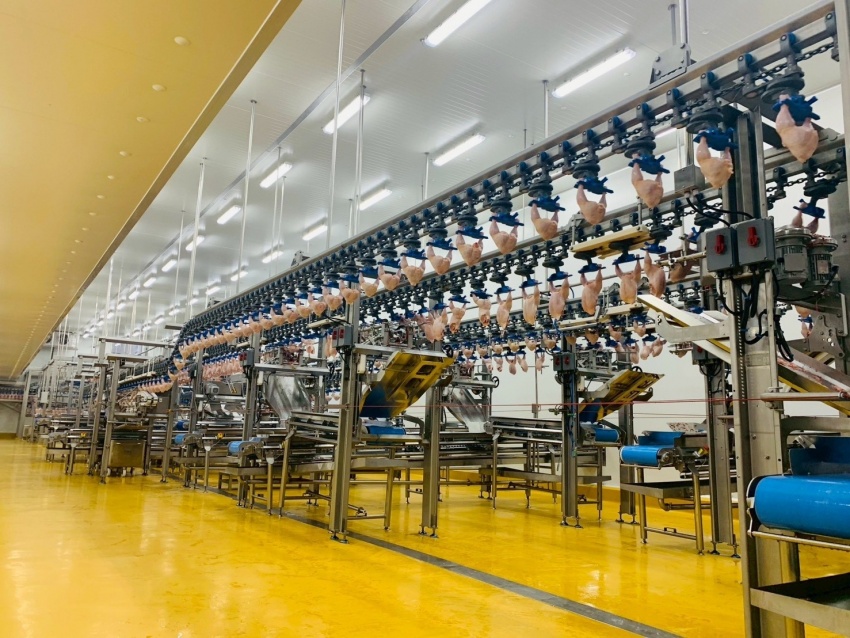
Production lines in CPV Food Binh Phuoc complex. Photo: C.P. Vietnam

Expanding exports

With this shipment, C.P. Vietnam’s processed chicken products are now available in eight international markets, including markets with stringent standards such as Japan, Singapore, Hong Kong and Russia.

“The export of Vietnam’s first shipment of processed chicken to South Korea is a driving force for C.P. Vietnam to continue investing in technology, strengthening deep-processing capabilities, increasing product value and participating more deeply in the global food supply chain.

This is more than a commercial shipment. It reflects C.P. Vietnam’s commitment to providing high-quality products that meet the increasingly demanding expectations of consumers in Vietnam and around the world,” Pawalit Ua-amornwanit said.

The shipment demonstrates the growing production and processing capabilities of Vietnamese companies, including C.P. Vietnam, and their ability to meet the stringent standards of demanding international markets. It also reflects the growing international integration of Vietnam’s agriculture and food processing industry.

C.P. Vietnam currently operates 12 animal feed mills, including four aquaculture feed mills, two pork slaughterhouses and six food processing plants, including one of Southeast Asia’s leading modern integrated chicken processing complexes for export. The company also operates a modern network of farms across provinces and cities throughout Vietnam.

For more than three decades in Vietnam, C.P. Vietnam has remained committed to the philosophy of “Three Benefits towards Sustainability,” placing the interests of the country and its people at the heart of its operations. The company continues to work towards being a trusted partner and contributing to the sustainable development of Vietnam’s agri-food sector.

C.P launches AI initiatives to accelerate smart and sustainable agri-food transformation in Vietnam C.P launches AI initiatives to accelerate smart and sustainable agri-food transformation in Vietnam

Charoen Pokphand Foods Public Co., Ltd. (CPF) has launched six AI transformation initiatives across C.P. Vietnam’s integrated Feed-Farm-Food value chain, building on a strategic cooperation agreement with FPT Corporation.

C.P. Vietnam named in Top 5 most innovative enterprises in high-tech agriculture C.P. Vietnam named in Top 5 most innovative enterprises in high-tech agriculture

C.P. Vietnam was recognised among the Top 5 most innovative enterprises in Vietnam’s high-tech agriculture, in recognition of its continued efforts to leverage innovation to enhance operational efficiency, quality control, and deliver safe, sustainable food.

C.P. Group to expand investments in high-tech agriculture in Vietnam C.P. Group to expand investments in high-tech agriculture in Vietnam

Thailand’s Charoen Pokphand Group plans to expand its investments in high-tech agriculture, digital transformation and AI-powered production in Vietnam, as the government encourages the agribusiness giant to deepen its long-term commitment to the country’s sustainable agricultural development.

Following strong profit growth in the same period last year, the profit level indicates that GREENFEED continued to maintain solid business performance despite unfavourable hog price movements in the livestock sector during the first half of the year.

GREENFEED strengthens financial position on strong performance
Operations inside a GREENFEED’s animal feed mill in Vietnam. Photo: GREENFEED

According to securities firm Vietcap, average live hog prices in the market fell by approximately 4 per cent on-year in the first six months, affected by weaker consumer demand, food safety concerns and supply-side pressures.

A notable development was the increase in shareholders’ equity. As of June 30, GREENFEED’s equity reached $379.34 million, up 37 per cent, equivalent to an increase of $101.74 million from $277.6 million a year earlier. Compared with the end of 2025, equity increased by $25.53 million, or 7.2 per cent.

During the first six months of 2026, contributed capital remained unchanged at $196.5 million, while undistributed after-tax profit increased 15 per cent, from $170.56 million to $196.15 million. In 2025, the company delivered a strong profit performance, with full-year profit after tax reaching nearly $140.2 million, up 73.6 per cent on-year.

Alongside the expansion of its operations, total liabilities stood at approximately $280.53 million, up 17.8 per cent from $238.23 million as of June 2025. However, as shareholders’ equity grew at a faster pace than liabilities, the company’s financial leverage ratios continued to improve. Specifically, the liabilities-to-total-assets ratio declined from 0.46 times to 0.43 times, while the liabilities-to-equity ratio fell from 0.86 times to 0.74 times.

Based on the reported total equity and liabilities, the company’s total assets stood at approximately $659.87 million at the end of June 2026, an increase of nearly 28 per cent on-year.

Liquidity indicators also showed positive developments. The current ratio increased from 1.76 times to 1.85 times, while the quick ratio improved from 1.15 times to 1.53 times. Interest coverage remained strong at 22.1 times, indicating that the company maintained a healthy buffer to meet its financial obligations.

The company’s bank borrowings stood at approximately $81.93 million at the end of June, up $11.05 million, equivalent to 15.6 per cent on-year. Other payables also increased by approximately 30 per cent to $183.26 million. The increase was in line with the company’s funding needs to support its business operations and expansion investment plans.

Another notable feature of GREENFEED’s first-half 2026 financial position was the continued reduction in its outstanding bonds. On June 15, the company spent $11.50 million to partially repurchase the GFVCH2128001 bound ahead of maturity, reducing the outstanding amount from $26.84 million to $15.34 million. This is currently the only bond outstanding issued by the company.

Following the early bond redemption, outstanding bond debt decreased by approximately 43 per cent. Accordingly, the ratio of outstanding bonds to shareholders’ equity fell sharply from 0.10 times to 0.04 times. With shareholders’ equity reaching nearly $379.34 million, bonds continued to account for a relatively small share of the company’s capital structure.

The bond was issued in November 2021 with an original value of $38.34 million and an 84-month tenor, with maturity scheduled for June 2028. The company previously repurchased $11.50 million of the bond in 2024 before purchasing an additional $11.50 million this year. Proceeds from the bond issuance were used to expand operations in breeding and commercial pigs, animal feed, slaughtering, and food processing.

GREENFEED strengthens financial position on strong performance

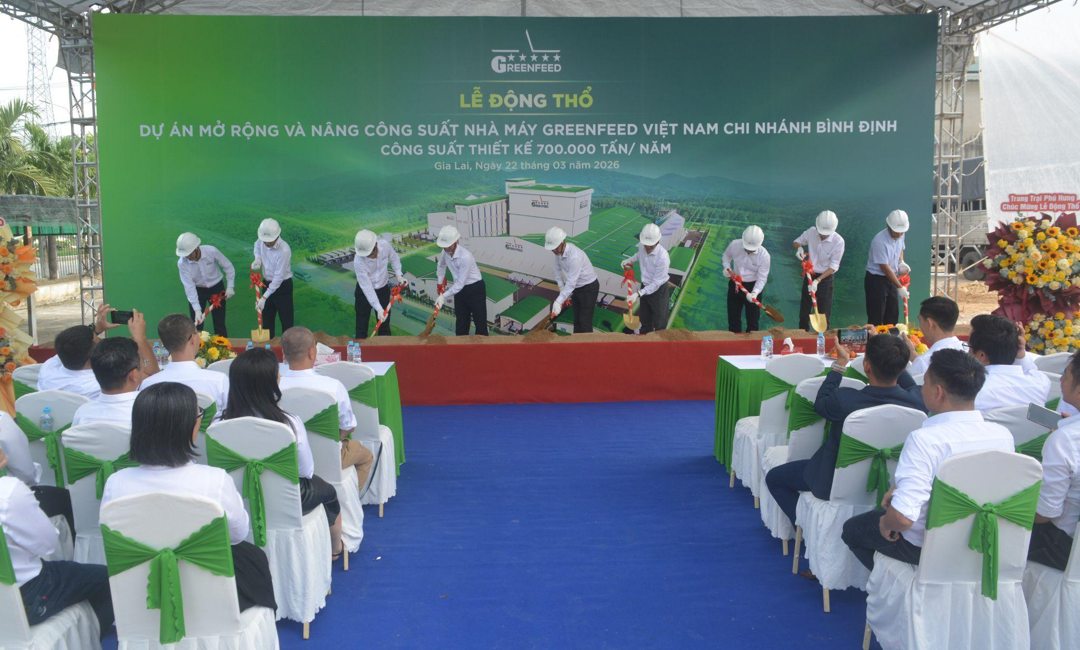
The company broke ground on the expansion and upgrade of its Binh Dinh animal feed mill in March. Photo: GREENFEED

The company operates an integrated 3F Plus food value chain, with a network of factories and farms in Vietnam and several Southeast Asian markets. As a result, live hog price movements remain one of the key variables shaping the company’s business environment.

Following an unfavourable period in the first half of the year, Vietcap’s base-case scenario forecasts live hog prices to remain above $2.31 per kilogram in the second half of 2026, mainly as supply could tighten amid disease outbreaks.

Under its positive scenario, Vietcap projects average prices at around $2.46 per kilogram. Meanwhile, under its negative scenario, prices could fall below $2.31 per kilogram if herd restocking accelerates supply growth while purchasing power recovers slowly.

Another long-term trend highlighted by Vietcap is the shift from smallholder farming towards industrial-scale livestock production, driven by increasingly stringent requirements for biosecurity, livestock regulations and risks associated with African swine fever. This is a development to watch closely, as the company has built an integrated value chain spanning animal feed, breeding stock and farms through to slaughtering, processing and food products.

Following a year in which full-year profit after tax reached nearly $140.20 million, GREENFEED’s first-half 2026 results indicate that the company continued to generate profit after tax of more than $65.26 million.

At the same time, equity grew faster than liabilities, capital structure ratios improved on-year, and outstanding bond debt continued to decline. Together, these factors strengthen the company’s financial foundation and its ability to adapt in the future.

GREENFEED in Top 10 Best Workplaces in Vietnam 2026 GREENFEED in Top 10 Best Workplaces in Vietnam 2026

At the announcement ceremony for “Best Workplaces in Vietnam 2026” held on May 26, GREENFEED became the first and only agriculture–food enterprise to be ranked in the top 10 Large Enterprise category.

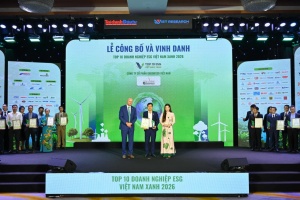
Greenfeed secures hat-trick of sustainability awards Greenfeed secures hat-trick of sustainability awards

Greenfeed has strengthened its sustainability credentials with recognition from three prestigious domestic and international awards in June.

Greenfeed retains spot among best companies to work for in Asia Greenfeed retains spot among best companies to work for in Asia

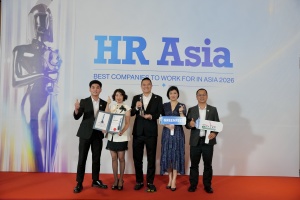
On July 9, Greenfeed was named among ‘Best Companies to Work for in Asia’ at the HR Asia Awards 2026 for the second consecutive year.

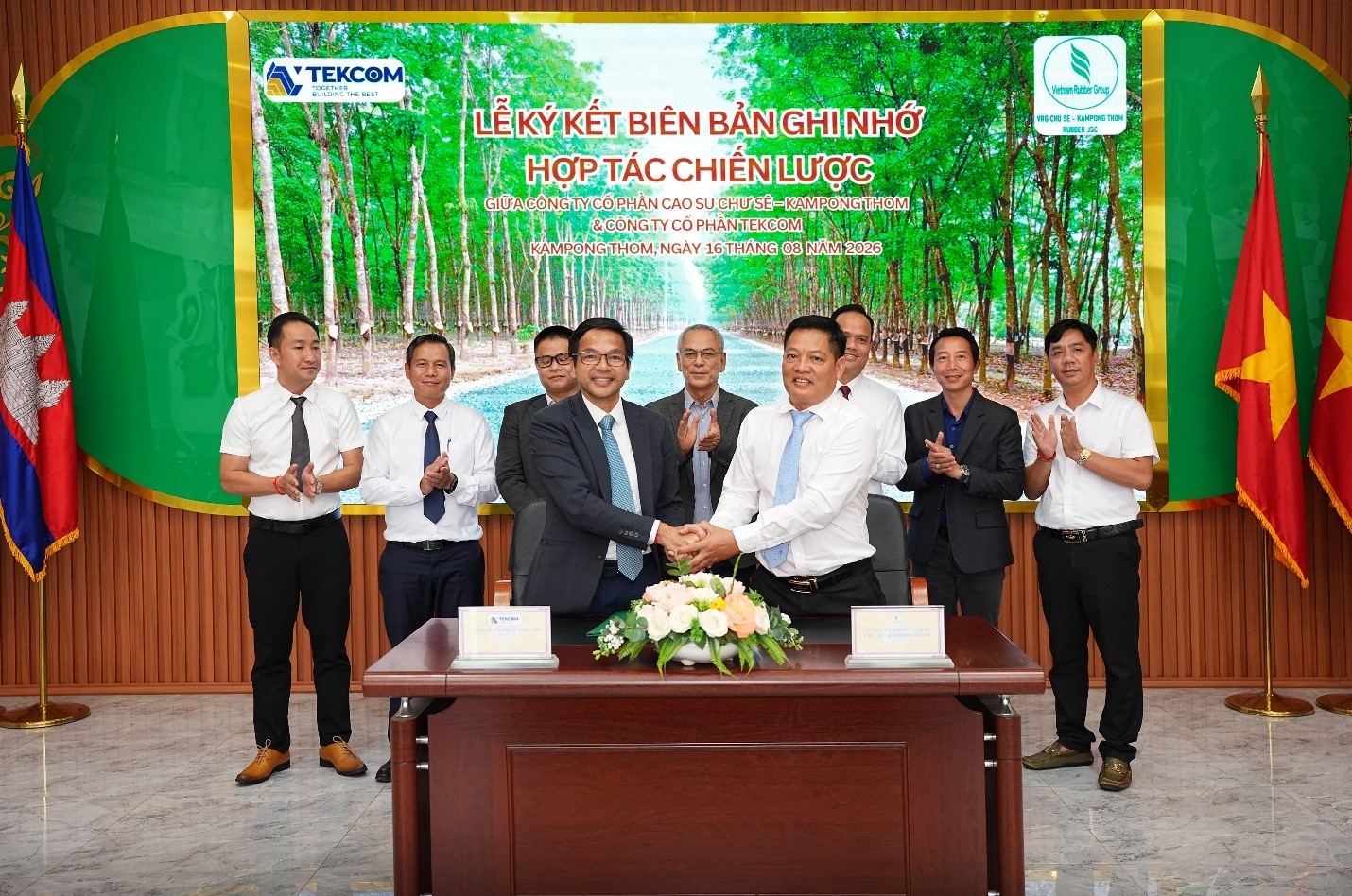
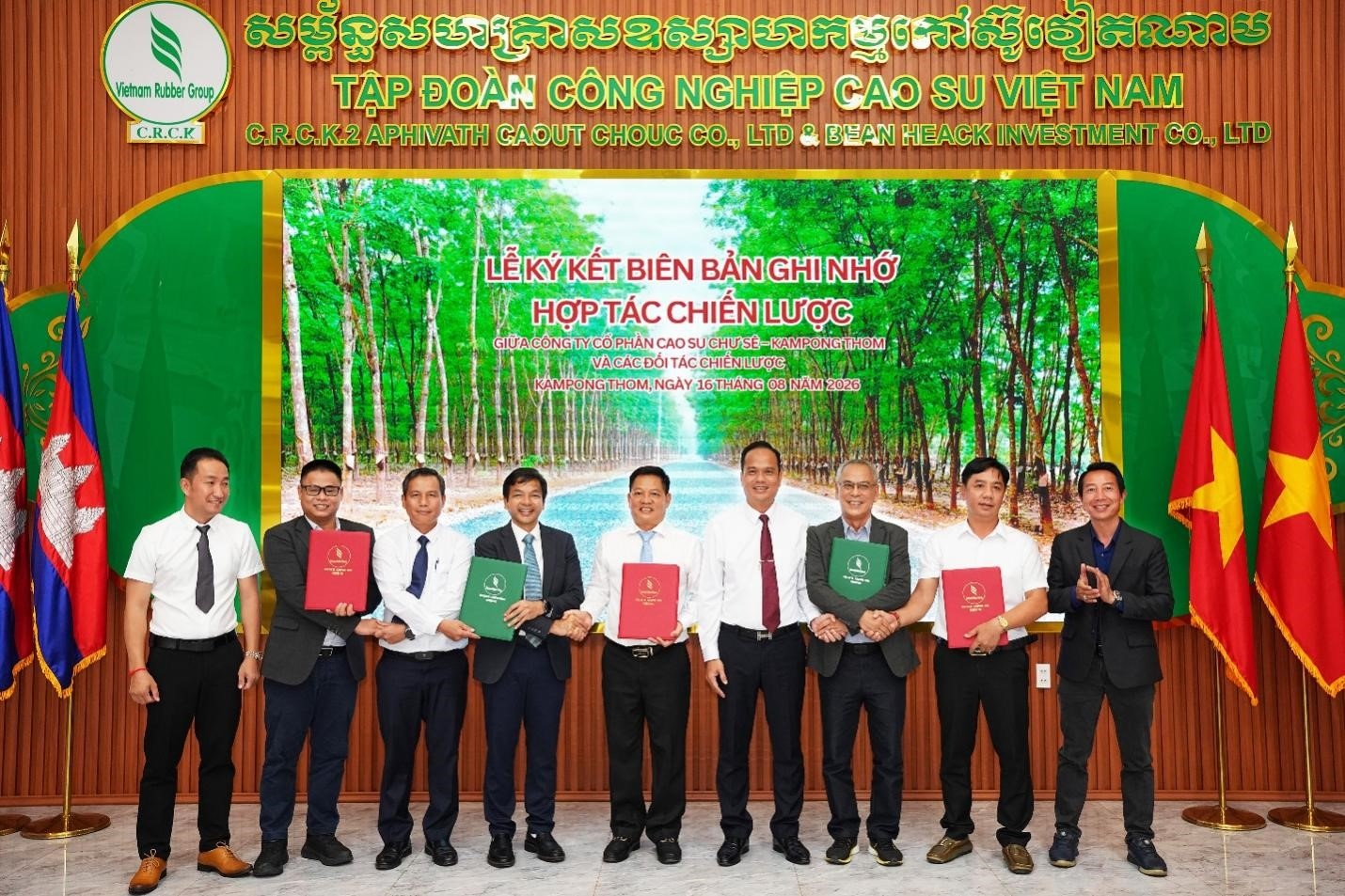
The MoU is designed to create two complementary supply channels for the Vietnam-based plywood manufacturer: locally produced hevea veneer for TEKCOM’s wider manufacturing system and plywood made in Cambodia for furniture, interior and other plywood-based applications.

TEKCOM gains priority access to hevea veneer and plywood supply in Cambodia
Photo courtesy of TEKCOM

Across Vietnam Rubber Group (VRG) units in Cambodia, rubber plantations entering the replanting cycle are expected to total about 4,000 hectares a year from 2027. Chu Se – Kampong Thom Rubber expects around 600 ha under its management to enter replanting in 2027, rising to an average of about 1,000 ha annually from 2028.

The projected volumes point to a sizeable future resource base and a broader effort to move rubberwood beyond primary use into higher-value veneer and plywood products.

From latex to timber

Hevea is the market name commonly used for rubberwood from Hevea brasiliensis–the same tree tapped for natural rubber latex before being harvested when plantations are replanted. VRG is seeking to increase the value created from both latex and timber over the full life cycle of the tree.

Under the MoU, the companies will conduct field assessments and study veneer production and drying, plywood manufacturing technology, equipment selection, quality control, workforce training, traceability and product development.

TEKCOM gains priority access to hevea veneer and plywood supply in Cambodia
Photo courtesy of TEKCOM

The framework also gives TEKCOM priority purchase rights for veneer and plywood produced from hevea resources managed by Chu Se – Kampong Thom Rubber, subject to agreed specifications and commercial terms.

The first route would supply veneer into TEKCOM’s broader plywood network; the second would develop Cambodia-origin plywood for selected furniture, interior and other plywood-based programmes.

The parties also plan to link timber to plantation plots and standardise records covering land use, harvesting, transportation and origin. VRG’s experience in PEFC plantation management is expected to support due-diligence requirements in regulated markets, including markets subject to the European Union Deforestation Regulation.

Cambodia joins a broader ASEAN manufacturing strategy

The Cambodia initiative sits within TEKCOM’s strategy to develop regional manufacturing partners across ASEAN, including Malaysia, Laos and Cambodia. The model is designed to match local raw materials and production capabilities with defined product programmes, giving customers more manufacturing-origin options and helping manage supply concentration as tariff and non-tariff barriers change.

“International buyers are looking for supply continuity, transparent origin and greater sourcing flexibility,” said Vu Quang Huy, CEO of TEKCOM. “By combining VRG’s hevea resource base with TEKCOM’s plywood technology, quality systems and market access, Cambodia can become an additional regional platform for veneer and plywood.”

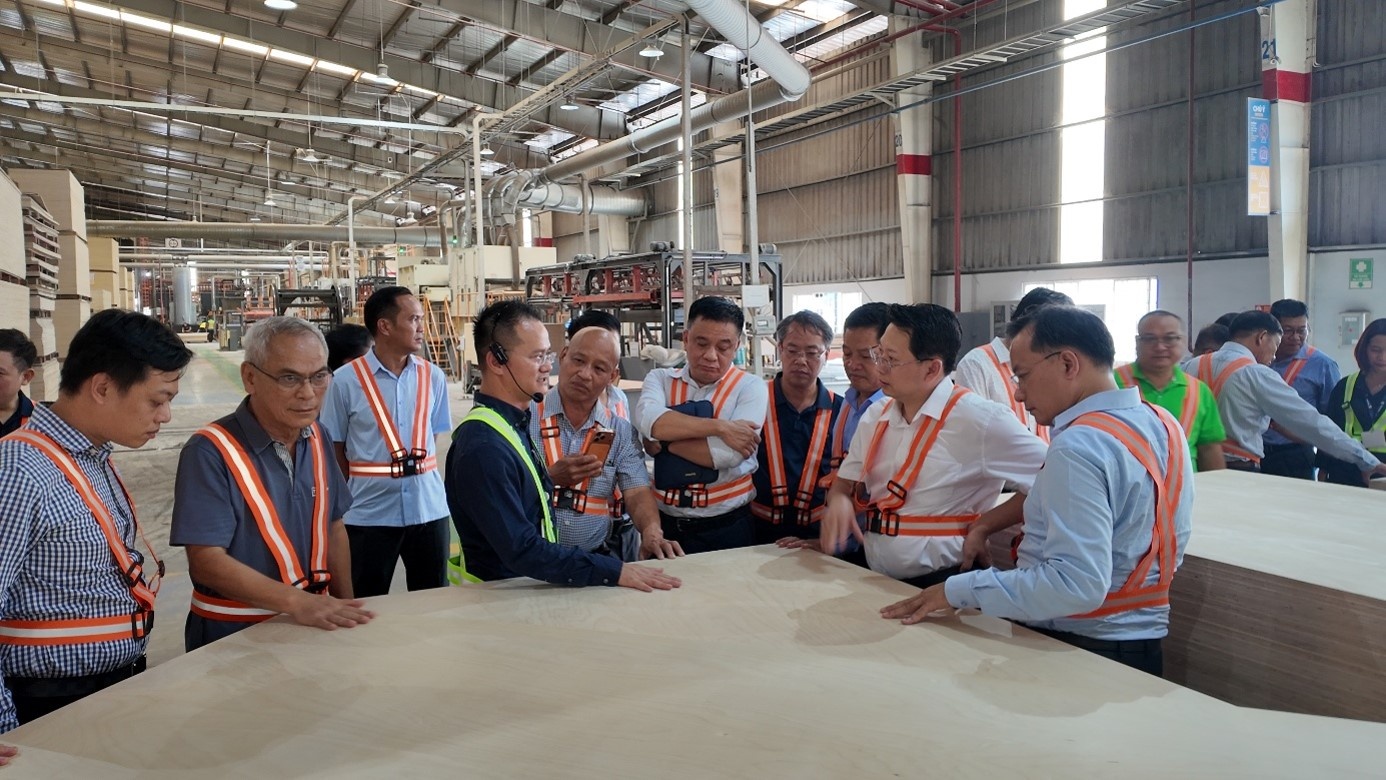
On August 19, a delegation from the Handicraft and Wood Industry Association of Ho Chi Minh City and VRG visited TEKCOM to review rubberwood demand, technical specifications, expected volumes, supply stability, traceability and opportunities to connect VRG resources more directly with wood-processing companies.

TEKCOM gains priority access to hevea veneer and plywood supply in Cambodia
Photo courtesy of TEKCOM

The meeting placed the MoU within a wider industry effort to raise the value of rubberwood. It also reflected VRG’s direction to develop rubber plantations for both latex and timber as the group pursues double-digit annual growth.

The MoU will now move into a technical phase. A joint working team is expected to complete field surveys within 60 days and prepare a technology proposal and investment estimate within 120 days, before the parties negotiate specific implementation agreements.

If implemented, the project will extend TEKCOM’s supply base from plantation-level hevea to veneer and Cambodia-produced plywood, while adding another production node to its regional ASEAN manufacturing network.

TEKCOM Corporation welcomes new leader together with  new corporate identity TEKCOM Corporation welcomes new leader together with new corporate identity

On October 18, TEKCOM Corporation introduced its new chief executive officer, Nguyen Van Vu. Along with this announcement, the corporation launched a new identity, leveraging a new set of vision and core values together with the visual aspects of branding – a compass for the development of TEKCOM in the near future.

Wood industry striving to regain growth momentum Wood industry striving to regain growth momentum

Having undergone numerous hardships, businesses in the wood industry are showing great resilience with a high level of adaption and flexibility to regain their growth momentum.

TEKCOM embarks on strategic journey towards higher-value growth TEKCOM embarks on strategic journey towards higher-value growth

Despite rapidly shifting global tariff policies, TEKCOM, one of Vietnam’s leading wood manufacturers, is continuing to build on its high-value offerings while accelerating its international expansion.

Digital Citizen Stations bring new health services
Photo courtesy of FPT Long Chau

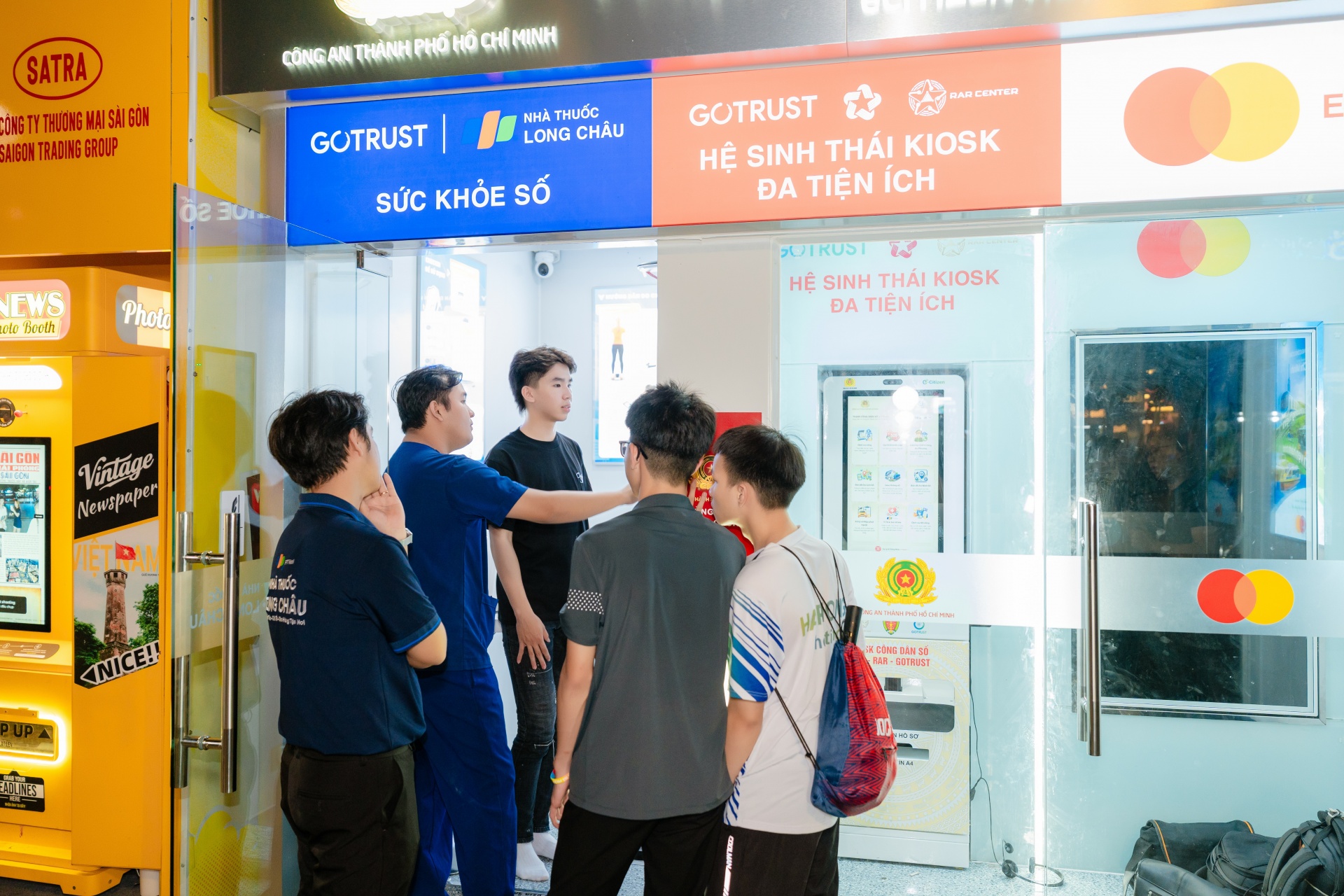
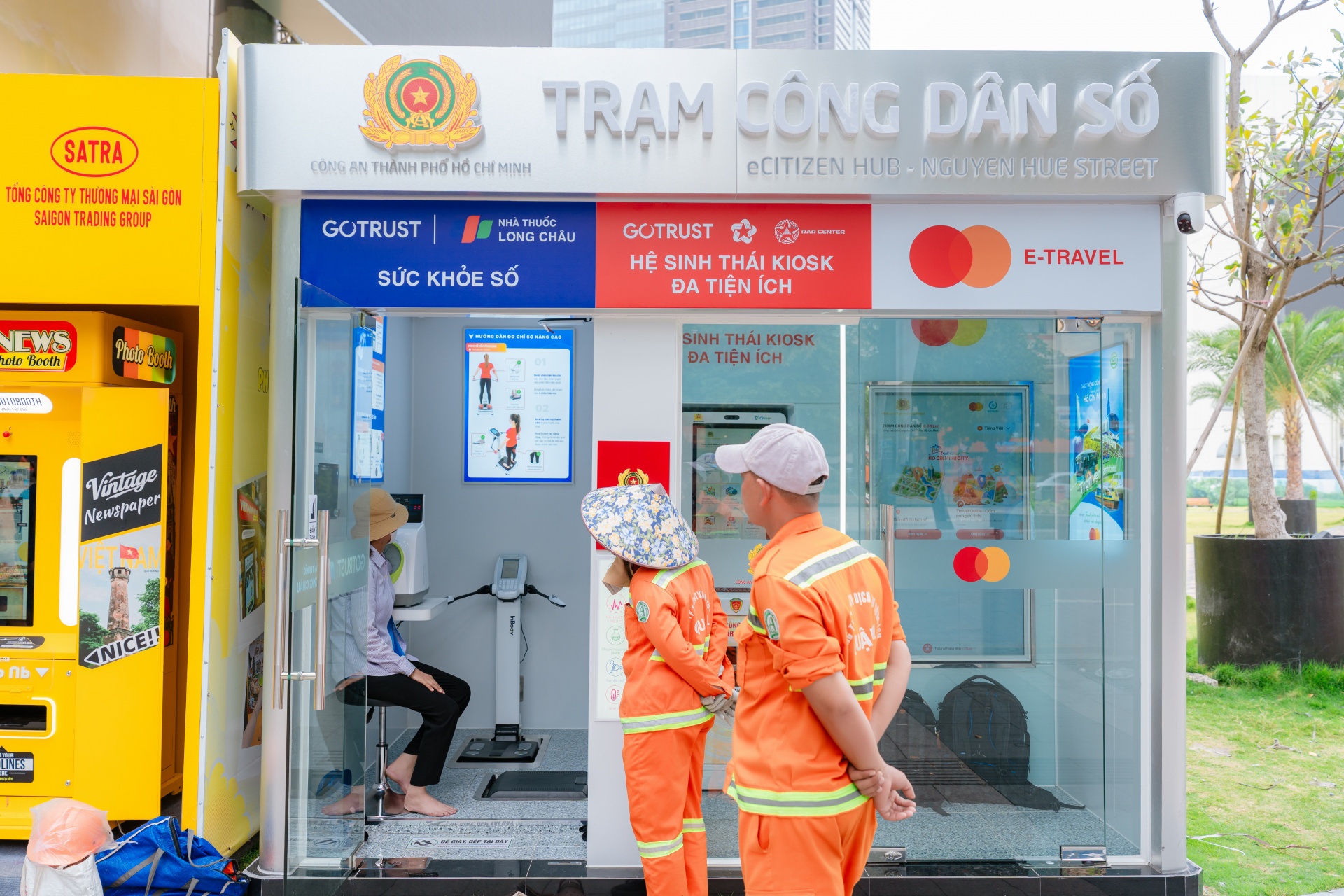
Since its inception on July 10, the Digital Citizen Station on the pedestrian street served as a reliable point of assistance during medical emergencies and unexpected illnesses.

The Digital Citizen Station model is led by the Ho Chi Minh City Department of Public Security in collaboration with relevant agencies with a view to increase people’s access to public services, digital health, and digital utilities.

The initiative is developed based on Vietnam’s national electronic identification and authentication platform, VNeID, integrating digital public services, healthcare, public security, and other civic utilities.

Thanks to the application of modern technology, these services can be processed at the station quickly, safely, and securely.

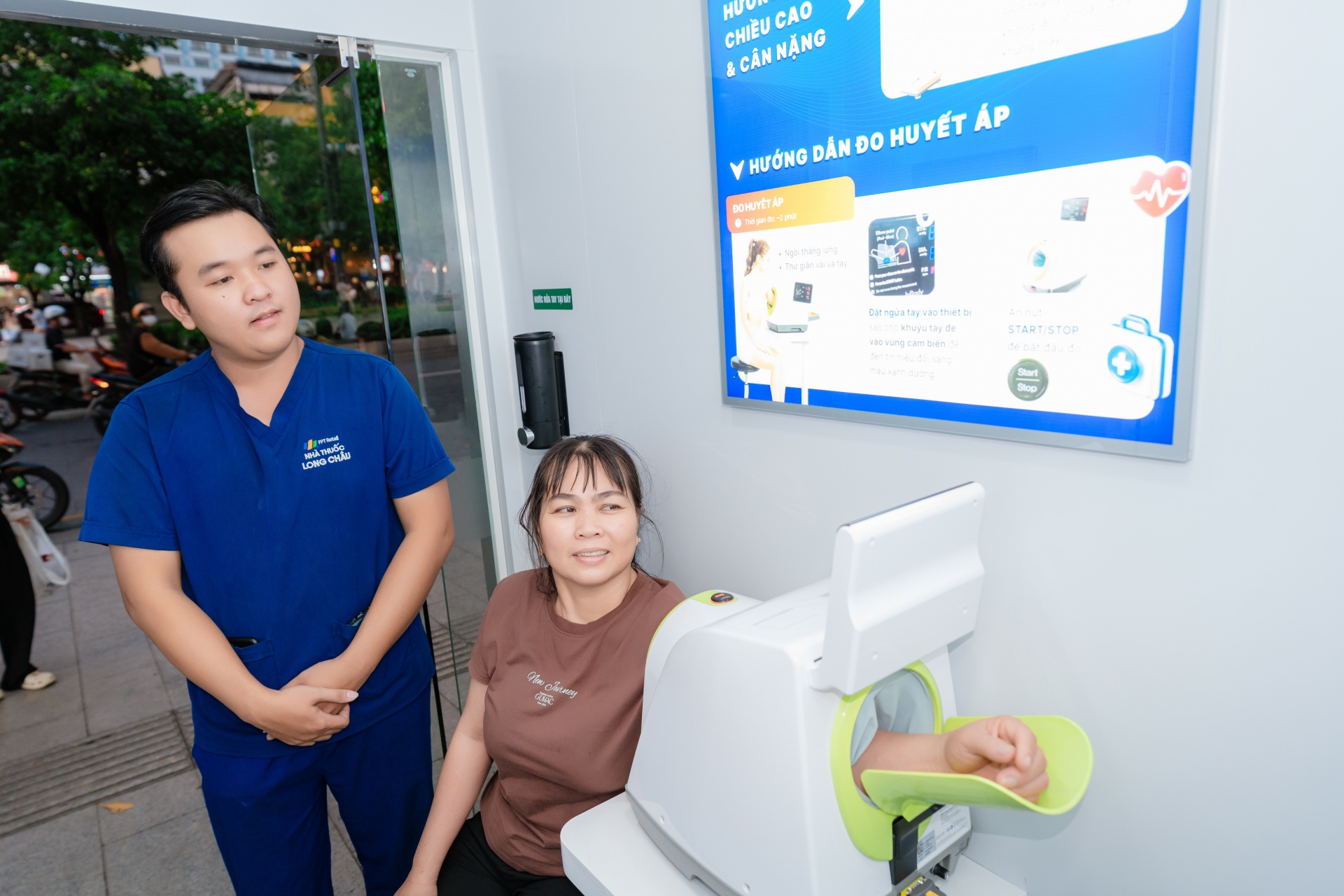
At the Digital Citizen Station on Nguyen Hue Pedestrian Street, citizens just need to log in with their citizen ID card or VNeID account and verify their identity through biometric authentication. The station integrates specialised medical equipment that meets the rigorous standards required for hospital-grade examinations. The process is designed to be simple and convenient, saving time, minimising the need for movement, and accommodating patients of all ages.

Citizens can easily check health indicators such as height, weight, body mass index, blood oxygen saturation, blood pressure, heart rate, body fat, and body water levels free of charge. Meanwhile, they can also schedule vaccinations, consult doctors online, access digital pharmacy services, and have medications delivered free of charge.

The station has quickly become a convenient and accessible healthcare touchpoint for citizens amid the hustle and bustle of daily life.

Under the direction of Ho Chi Minh City Department of Public Security and C06, high-quality, modern medical solutions have been implemented at the station with absolute data security.

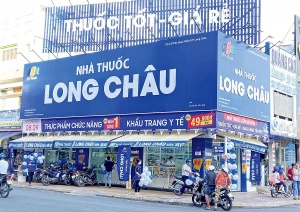
Long Chau was selected to operate the station’s healthcare services thanks to its extensive network, modern technology platform meeting all information security standards, and a track record of trust among millions of citizens. This initiative helps complete the public-private service ecosystem at the facility, bringing practical services closer to the public. Previously, Long Chau also pioneered integration with the VNeID platform and the application of population data to serve the community.

Digital Citizen Stations bring new health services
Photo courtesy of FPT Long Chau

These stations fulfill the goal of being “close to the people,” serving as dependable medical anchor. By joining hands to build these stations, Long Chau is taking a strategic step towards expanding its healthcare network in Vietnam, improving access to modern healthcare services for everyone, and enabling Vietnamese people to benefit from advanced and equitable care.

“The model’s effectiveness lies not only in the range of services it offers but also in delivering practical value to citizens. With a people-centric approach, Long Chau will continue to innovate and bring smart healthcare closer to the public, thereby encouraging proactive health management and supporting Vietnam’s digital healthcare development,” said a representative of Long Chau.

The Digital Citizen Station contributes to the effective implementation of the government’s Project 06 and the Politburo’s Resolution 57 on digital transformation. By utilising chip-based ID cards and the VNeID app to simplify procedures, the model bridges the gap between the government and its citizens. It represents a breakthrough in the application of AI and digital technology to serve citizens, towards building a modern, transparent, and people-centric e-government.

According to experts, it is necessary to socialise the model with the participation of businesses such as Long Châu and GoTrust. This not only helps optimise resources, but also enables advanced technological solutions to be quickly put into practice, delivering effective and sustainable services.

On April 24, the Police Department for Administrative Management of Social Order under the Ministry of Public Security, in coordination with the Centre for Research, Application of Population Data and Citizen Identification, Long Chau pharmacy and vaccination system, and GoTrust inaugrated the fifth Digital Citizen Station in the CityLand Park Hills urban area in Go Vap Ward.

The Digital Citizen Station model is being deployed at several major urban developments across Ho Chi Minh City, including Celadon City, Vinhomes Ba Son, Diamond Island, and Cityland Park Hills. In the near future, this model will be replicated, with additional stations across the city and in other localities.

Digital Citizen Stations bring new health services
Photo courtesy of FPT Long Chau
PE firm Creador takes 13 per cent stake in FPT Long Chau PE firm Creador takes 13 per cent stake in FPT Long Chau

Private equity firm Creador announced the acquisition of a minority interest in FPT Long Chau Investment JSC on April 25 without disclosing deal value.

Abbott, FPT Long Chau partner to improve Vietnam’s healthcare sector Abbott, FPT Long Chau partner to improve Vietnam’s healthcare sector

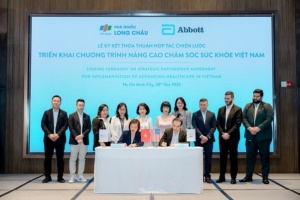
Abbott has teamed up with FPT Long Chau, a leading pharmaceutical retailer, to fight non-communicable diseases.

FPT Long Chau named top Vietnamese winner at Healthcare Asia Awards FPT Long Chau named top Vietnamese winner at Healthcare Asia Awards

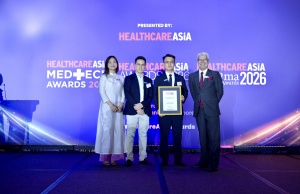
FPT Long Chau Pharma has been named the only Vietnamese recipient of the Health & Wellness Initiative of the Year award at the 2026 Healthcare Asia Pharma Awards.

The partnership aims to tap into the growing global market for simple, intuitive titles that retain users over the long term through accessible gameplay and lasting entertainment value. Capturing this trend, Skylink Studio, a Vietnam-based tech company, has focused its resources on researching and publishing a diverse portfolio aimed squarely at the international market.

Skylink Studio secures up to $12 million funding facility from PvX Partners for global outreach (PR)
Photo: Skylink Studio

The company’s flagship titles – Tile Pyramid, Tile Bloom, Tiles 2D, Tile Candy, Ocean Tiles and Snake Go – are all built around data optimisation, applied technology, and game-design capability to achieve growth at scale.

Alongside its core Tile Match line up, the company is also expanding into new genres such as Jigsawart and Way Escape to explore new long-term opportunities.

In today’s mobile gaming industry, creating a good product only decides part of the outcome. To reach millions of players at a global scale, studios must have distribution capability, run disciplined User Acquisition campaigns, and be able to continuously reinvest in products with proven potential.

Skylink Studio partners with PvX to boost Vietnamese mobile games globally
Typical titles in Skylink Studio’s classic game lineup, such as Tile Pyramid, Jigsawart, and Way Escape. Photo: Skylink Studio

To strengthen its international distribution capability, on August 22 Skylink Studio has entered into a growth-financing arrangement through PvX, a user acquisition financing platform for gaming and consumer apps.

Under the arrangement, PvX Partners has committed to provide Skylink Studio with access to a growth financing of up to $12 million. The company expects to use the facility to support User Acquisition, commercial scaling of its existing products, and continued development of its new game portfolio for global markets.

The collaboration with PvX is set to give Skylink Studio more flexibility to pursue market opportunities with a long-term, sustainable development strategy.

This large-scale financing deal is more than a commercial springboard – it affirms the data-driven operating capability of Vietnam’s engineering and tech talent. The model of combining domestic production capability with an international distribution system is becoming a strategic direction that gives local tech companies the confidence to compete fairly on the global stage.

Speaking about the company’s development direction, Nguyen Ngoc Tuan Loi, founder and CEO of Skylink Studio, said, “Our ambition isn’t just to create a few successful games. Skylink wants to build a global gaming company from Vietnam – one with the capacity to continuously create, develop and bring quality products to players around the world. This collaboration with PvX is an important step that helps us accelerate that journey.”

Skylink Studio partners with PvX to boost Vietnamese mobile games globally
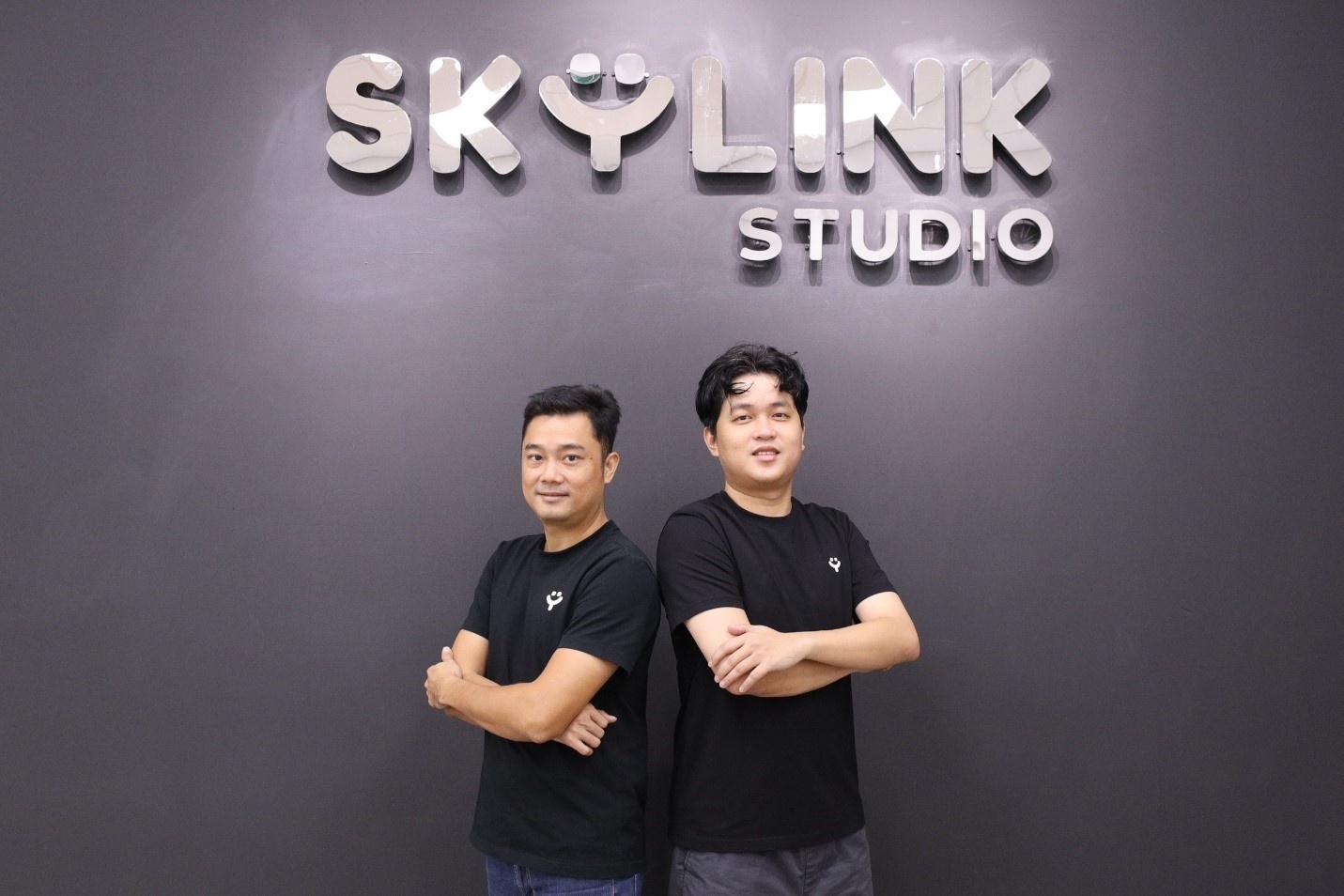
Skylink Studio leadership: Founder and CEO Nguyen Ngoc Tuan Loi (left) with creative director Dang Tuan Vinh. Photo: Skylink Studio

Looking to the long term, the company aims to build a data-optimised game development and publishing platform, positioning itself as a leading developer and publisher of classic mobile games and bringing more Vietnamese-made tech products to international users.

Vietnamese gaming businesses extend reach to international markets Vietnamese gaming businesses extend reach to international markets

More than 60 entrepreneurs and small and medium-sized businesses in the gaming industry joined a regional networking event to explore the opportunities to expand into international markets.

Digital leverage for Vietnamese gaming industry Digital leverage for Vietnamese gaming industry

The Gaming On TikTok Hanoi Summit 2025, held on April 24, showcased how the platform is supporting Vietnam’s gaming community and driving growth in the local and global markets.

Gaming industry eyes billion-dollar revenue Gaming industry eyes billion-dollar revenue

Vietnam’s gaming industry is rapidly solidifying its position as a key player in the global development landscape.

Vietnam’s gaming industry levels up for global expansion Vietnam’s gaming industry levels up for global expansion

Vietnam’s gaming industry is entering a new growth phase as local developers expand beyond the domestic market, supported by rising digital capabilities, stronger investment, and growing international demand for online entertainment.