C/O delays threaten seafood and footwear exports
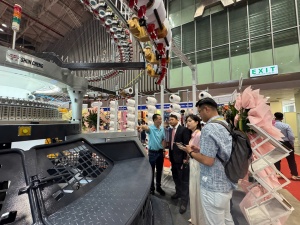
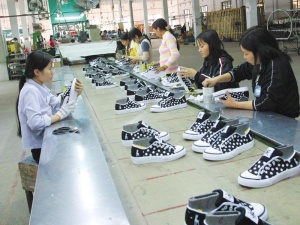
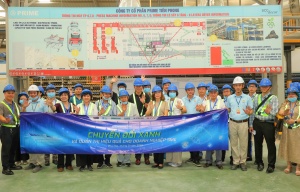
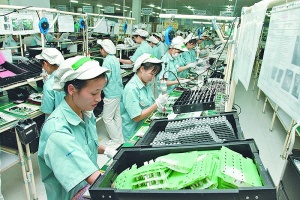
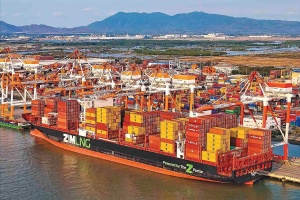
Seafood and footwear businesses claim to be delayed in issuing C/O. Photo: baodautu.vn

The Vietnam Leather, Footwear and Handbag Association (Lefaso) and the Vietnam Association of Seafood Exporters and Producers (VASEP) have urged the Ministry of Industry and Trade (MoIT) to address the delays in issuing certificates of origin (C/O), which are directly affecting the progress of documentation, delivery, and export activities of members of these two associations.

According to VASEP, since responsibility for issuing C/Os was transferred from the Agency of Foreign Trade under the Ministry of Industry and Trade to the departments of industry and trade in localities on August 1, there have been delays in processing applications in several areas due to a sharp increase in the number of applications, while the process, personnel, and system have not kept pace.

“In addition, businesses have to re-register or update their trader profiles when transferring to a new C/O issuing authority. The problem is that during the time waiting for the profiles to be approved, which often takes up to 10 days, businesses cannot submit or complete the application for the certificate for export shipments. Meanwhile, businesses’seafood export activities are ongoing, with many orders having short delivery times and deadlines for submitting documents,” VASEP noted in a document submitted to the MoIT on August 14.

Meanwhile, Lefaso’s members have also encountered similar obstacles, impacting export activities to main markets such as the US, South Africa, Chile, and Asian regions China and the Philippines.

“According to feedback from Lefaso member businesses, the delay in issuing C/O is causing exporting businesses to face the risk of increased costs. In markets requiring C/O for customs clearance, delays cause shipments to be held at ports, incurring storage and warehousing costs and the risk of penalties for delays,” Phan Thi Thanh Xuan, vice president and general secretary of the Lefaso, said at the meeting on August 17.

“Lefaso believes that the risks associated with C/O Form B in the US market are serious. Although it is a non-preferential certificate, it is a crucial legal basis for determining product origin. Without C/O Form B when importing into the US, Vietnamese goods risk being suspected of or subject to tariffs as if they originated from China. In that case, businesses may face high trade defence taxes such as anti-dumping duties, countervailing duties, or other additional taxes, directly threatening the stability of export turnover to the US.”

Vasep and Lefaso warn that delays in issuing this certificate can prevent businesses from completing the necessary documents in time for customers to complete import procedures and benefit from preferential tariffs under free trade agreements; it also incurs warehousing and storage costs, delays in payment, and the risk of penalties for late document delivery.

In addition, the two associations say that delays in delivery and document completion also affect brand reputation and orders by disrupting the distribution plans of international brands. This reduces the credibility of the Vietnamese manufacturing industry, causing partners to consider shifting orders to other countries.

“Lefaso proposes allowing an automatic transition mechanism, inheriting the data of registered traders on the electronic origin certification management system to the provincial Departments of Industry and Trade, avoiding the need for businesses to start over,” said Xuan

“During the transition period, the association proposes the application of a “temporary trader profile” mechanism or permit to submit a trader profile at the same time as the application for C/O so that businesses can submit applications for C/O concurrently with the assessment process. Lefaso also proposes to supplement personnel, training, and provide technical support to Departments of Industry and Trade in localities that have many factories, such as Ho Chi Minh City and Dong Nai.”

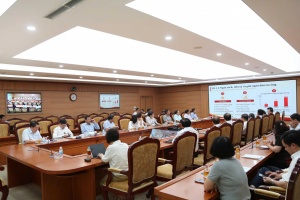
Immediately after receiving feedback from businesses regarding delays in issuing C/O, the Import-Export Department under the MoIT, on August 17, held a meeting with the Department of Customs, the E-commerce and Digital Economy Department, the Departments of Industry and Trade of 34 cities and provinces, regional Import-Export Management Offices, to discuss and resolve difficulties arising in the process of receiving, processing, and issuing C/O at the local level.

The meeting took place amid a rapid increase in the number of applications submitted to local C/O-issuing agencies after Circular No.26/2026/TT-BCT came into effect on August 1, regarding regulations on the authority to issue C/O.

According to the report of Ho Chi Minh City Department of Industry and Trade, in the first week of implementation, some applications did not meet the required components as stipulated in Decree No.31/2018/ND-CP. In some cases, the list of goods lacked signatures and seals, and supporting documents such as invoices and copies of the farmer’s citizen identification cards were missing. Some businesses also mistakenly selected the wrong C/O issuing agency due to a recent change in receiving units, resulting in applications being repeatedly circulated or returned.

“The department stated that it will continue to coordinate with the E-commerce and Digital Economy Department to review issues related to both operational and technical aspects,” Hai said.

Nguyen Anh Son, director of the Agency of Foreign Trade, said, “The department will continue to coordinate with the Department of E-commerce and Digital Economy to review emerging issues. It needs to focus on resolving outstanding issues related to pending applications at several agencies, especially at the departments of Industry and Trade in Dong Nai and Ho Chi Minh City.”

“The department directed the organisation of additional training courses in the southern region this month. It also plans to organise a working group to visit localities to exchange information, provide guidance, and address requests regarding administrative procedures related to the origin of goods,” he said.
Seafood exporters deliver strong Q1 though challenges persist Seafood exporters deliver strong Q1 though challenges persist

Vietnam’s leading seafood producers posted strong first-quarter earnings and export growth, but rising trade barriers, compliance costs and market uncertainty continue to cloud the industry’s outlook for 2026.

Vietnam's seafood exports approach $5.8 billion in first half of 2026 Vietnam’s seafood exports approach $5.8 billion in first half of 2026

Vietnam’s seafood exports reached nearly $5.8 billion in the first half of 2026, up 12.8 per cent on-year, driven by stronger demand, market diversification, and improved product restructuring.

China imports $1.4 billion of Vietnamese seafood in first half of 2026 China imports $1.4 billion of Vietnamese seafood in first half of 2026

Stronger demand from China – Vietnam’s largest shrimp export destination – is creating fresh momentum for the industry’s growth amid continuing uncertainty in the US market.

Seafood Expo Asia draws exhibitors from four continents Seafood Expo Asia draws exhibitors from four continents

Seafood Expo Asia drew first-time exhibitors from four continents, with new national pavilions spanning wild-capture fisheries to smart aquaculture technology reflecting Asia’s growing seafood demand.

Vietnam's seafood exports grow in first seven months Vietnam’s seafood exports grow in first seven months

Vietnam’s seafood exports rose 11.5 per cent to nearly $6.86 billion in the first seven months of 2026, with headwinds ahead.

Global exhibitors converge in Ho Chi Minh City for VTG 2025 Global exhibitors converge in Ho Chi Minh City for VTG 2025

Over 400 international exhibitors are gathering for the 23rd Vietnam International Textile and Garment Industry Exhibition (VTG 2025) to tap into Vietnam’s billion-dollar garment and textile market.

US footwear firm OrthoLite opens new manufacturing facility in Vietnam US footwear firm OrthoLite opens new manufacturing facility in Vietnam

OrthoLite, an American manufacturer of footwear materials, on November 21 announced the opening of a new facility in Ninh Binh.

Alpro and Skechers Launch Senior Safety Footwear Alpro and Skechers Launch Senior Safety Footwear

The nutritional brand partnered with the footwear manufacturer to introduce the Silver Line collection designed to reduce fall risks for elderly wearers.

Nike boosts sourcing from Vietnam as manufacturing share rises Nike boosts sourcing from Vietnam as manufacturing share rises

Footwear giant Nike has increased its sourcing from factories in Vietnam, reinforcing the country’s role as its largest global manufacturing base.

SME sector shows resilience, but growth remains uneven
Photo: baodautu.vn

FiinGroup’s Vietnam SME Business Report 2026, released on August 24, noted that while some active SMEs show more favourable risk profiles, closure pressure remains high and growth potential is not evenly distributed across the sector.

Vietnam is targeting double-digit economic growth, with enterprises identified as a key driver. As SMEs account for the majority of businesses, their ability to sustain operations, scale up and access financing is critical to the overall growth objective.

While policies continue to support SMEs in financing, digital transformation, governance and market access, financial institutions are also placing greater focus on this segment. Assessing SME maturity, financial health and risk is therefore essential to identify growth potential and available credit headroom.

Based on FiinGroup’s classification, SMEs account for approximately 94 per cent of all enterprises nationwide, yet their overall economic contribution remains limited – less than 20 per cent of revenue and around 8 per cent of total import-export turnover.

According to the report, only about 8.8 per cent of SMEs have access to loans, down 0.5 percentage points from 2025. The corresponding figure for large enterprises is 47.1 per cent. This highlights a major financing gap for SMEs, constraining business continuity and growth.

In 2026, nearly 43,000 enterprises moved up in size, higher than in 2025 and above the level recorded in 2023. The increase was mainly driven by micro-enterprises moving into the small and medium-sized segment, with the on-year rate rising from 7.5 per cent to approximately 9 per cent.

Meanwhile, only 0.7-0.9 per cent of micro, small and medium-sized enterprises moved into the large enterprise segment each year. This modest level of scale development and maturity indicates a continued need for support in financing, governance, technology and market access.

In 2025, FiinGroup statistics showed higher closure rates across all three enterprise-size groups. Micro-enterprises recorded the highest closure rate at approximately 22.7 per cent, followed by SMEs at 12.7 per cent and large enterprises at 4.9 per cent. While closure rates increased sharply, entry and reactivation rates declined across enterprise groups. This indicates more pronounced market filtering, with smaller enterprises facing the greatest pressure.

The report pointed out that commerce, manufacturing and construction have the highest concentrations of SMEs. Manufacturing and construction maintain relatively favourable risk positions compared with other industries, with closure rates of around 13 per cent and median FiinScores above 550. By contrast, real estate and accommodation and F&B have the highest closure rates, at 24 per cent and 23.5 per cent, respectively. Real estate has a median score below 500, indicating a risk level that warrants particular attention.

From 2022 to 2024, the share of SMEs rated high risk or above at year-end rose sharply, reaching 62.2 per cent at the end of 2024 before declining at the end of 2025. In the latest 2026 update, the share of high-risk-or-above SMEs fell to approximately 39 per cent, while the low and very-low-risk groups increased to 37.2 per cent.

However, the actual SME closure rate in 2025 rose to 17.3 per cent, the highest level in the observed period. This indicates strong market filtering over the past 1-2 years.

Nearly 90 per cent of SMEs in the sample have no recorded outstanding loans. Notably, banks and other financial institutions tend to select established customers: nearly 85 per cent of borrowing SMEs have operated for at least five years.

The risk profile of this group is also significantly stronger. However, around 45 per cent of enterprises with more than five years of operating history and medium-to-low risk still have no access to loans. This may represent a high-potential segment for credit institutions.

Enterprises without debt are significantly smaller, with lower median total assets and revenue. The share generating positive cash flow from operations is also lower, at 47.8 per cent versus 56.4 per cent. However, non-borrowers show higher median revenue growth (15.6 per cent versus 9.8 per cent), as well as stronger net margins, return on assets, and liquidity. This suggests that some enterprises may be self-financed or have limited borrowing needs.

Among them, 67,000 enterprises with both positive operational cash flow and revenue growth should be prioritised for outreach and financing-needs assessment.

The commerce industry shows relatively positive profitability, with a median gross margin of 11.6 per cent and a positive median net margin. However, only 23.4 per cent of enterprises generate positive cash flow operations, indicating that cash-flow quality remains a key consideration.

Meanwhile, fewer than 10 per cent of SMEs in this sector currently have access to loans. This creates a strong opportunity for banks to expand lending, particularly to medium- and low-risk SMEs.

ASEAN steps up digital push for agriculture MSMEs to boost competitiveness ASEAN steps up digital push for agriculture MSMEs to boost competitiveness

ASEAN countries are stepping up efforts to accelerate digital transformation among small farm operators and rural food producers, with policymakers calling for more practical support to help rural businesses move beyond social media.

ADB and HDBank sign $100 million loan targeting women-owned businesses ADB and HDBank sign $100 million loan targeting women-owned businesses

On July 7, the Asian Development Bank signed a $100 million loan with Ho Chi Minh City Development Joint Stock Commercial Bank to expand access to finance for micro, small, and medium-sized enterprises in Vietnam, with a focus on those that are women-owned.

SCG's tour helps SMEs turn ESG ambitions into action SCG’s tour helps SMEs turn ESG ambitions into action

On August 12, SCG, in collaboration with the Vietnam Association for Building Materials and Dan Tri, organised ESG Company Tour 2026 at the headquarters of SCG member PRIME Group.

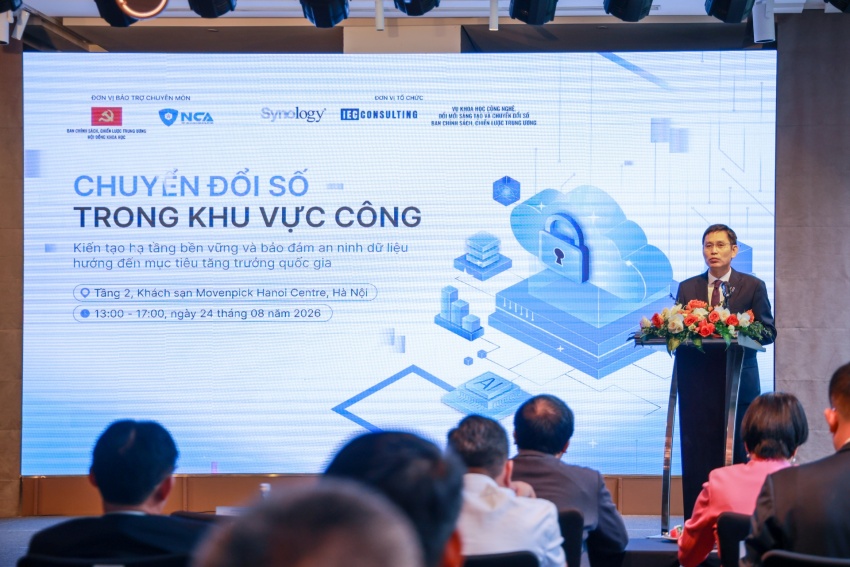
On August 24, the Central Policy and Strategy Commission and the National Cybersecurity Association, as professional co-sponsors, in coordination with Synology Vietnam and IEC Consulting, held a conference in Hanoi titled “Digital Transformation in the Public Sector: Building Sustainable Infrastructure and Ensuring Data Security Towards National Growth Targets.”

The conference took place as the public sector undergoes a “dual” transformation: restructuring the organisational apparatus while simultaneously redesigning operating models on digital platforms. The two-tier local government model is placing greater demands on data-driven governance, particularly at the commune level, where most public services are delivered directly to citizens.

Nguyen Hong Hien, director of the Department of Science and Technology under the Central Policy and Strategy Commission, said science and technology, innovation, and digital transformation have been identified as key drivers of the new growth model. The public sector therefore cannot remain outside this process.

“In particular, the operation of the two-tier local government model since July 2025 has created significant requirements for restructuring data and digital systems. As the organisational structure and administrative boundaries change, data must also be standardised, cleansed, updated, and connected under the new model, while ensuring continuity, consistency, and uninterrupted public services,” said Hien.

“The target by 2030 is to fully digitise records and results of administrative procedures, uniformly use shared digital platforms, and standardise and connect databases so they are ready for AI applications. However, in practice, data remains fragmented, quality is uneven, and interoperability between systems remains limited.”

Data and resilience drive Vietnam’s digital government
Nguyen Hong Hien, director of the Department of Science and Technology under the Central Policy and Strategy Commission. Photo: IEC Consulting

Jola Le, country manager of Synology, said data protection should be viewed as an ecosystem encompassing data storage, management, backup, recovery, access control, and security monitoring.

One of the solutions introduced at the conference was air-gapping, which enables backup systems to be isolated from the network when they are not required or when abnormal activity is detected, providing an additional layer of protection against the risk of data being encrypted or destroyed.

“Public-sector digital transformation therefore faces a dual requirement: systems must be sufficiently open to connect, share, and utilise data, while also being sufficiently secure to control, protect, and recover data when incidents occur,” said Le.

“In the process of building digital government and data-driven governance, security cannot be an additional layer added at the end. It must be embedded from the design stage of infrastructure, system architecture, and data organisation. This is also a critical condition for sustainable public-sector digital transformation, ensuring the continuity of government operations and essential services for citizens and businesses.”

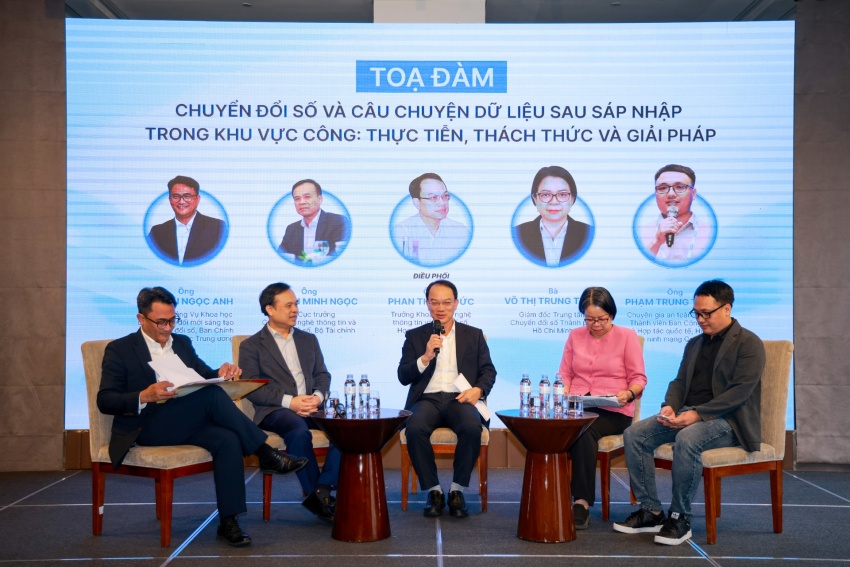
Data and resilience drive Vietnam’s digital government
Photo: IEC Consulting

Notably, Pham Trung Thanh, an expert at the National Cybersecurity Association, warned that the transition from physical infrastructure to cloud environments is forcing many agencies to operate legacy and new systems simultaneously, creating complex architectures while dedicated information security personnel remain limited.

“The risk does not only arise when a system is attacked,” said Thanh. “Hackers can remain hidden inside a system for months, seeking to escalate their privileges before launching an attack. By then, data may have been stolen or encrypted, while systems providing services to citizens could face disruption.This also shows that simply backing up data is no longer sufficient. If backup systems remain connected to the network, attackers may attempt to destroy or encrypt the backup data as well.”

Vu Duy Hien, deputy secretary general cum chief of office under the National Cybersecurity Association, said that as data becomes a strategic asset and resource, the requirement is not only to manage and utilise it, but more importantly, to ensure its protection.

“Cybersecurity must be built in from the outset when infrastructure is developed, data is organised, and digital systems are designed,” said Hien. “Alongside prevention capabilities, agencies and organisations need to proactively build detection, response, and recovery capabilities so that essential operations can continue and quickly return to normal when incidents occur. This is a critical aspect of today’s approach to data security. Protecting data is not only about preventing an attack; it must also account for scenarios in which a system has already been compromised, data has been encrypted, or services have been disrupted.”

Vietnam to assign unique digital ID codes to land plots Vietnam to assign unique digital ID codes to land plots

Land plots are set to be assigned a unique identification code independent of administrative boundaries, paving the way for a shift from land-certificate-based management to data-driven management and integration with VNeID, allowing people to access land information publicly and transparently.

Smarter infrastructure design key to Vietnam’s AI ambitions Smarter infrastructure design key to Vietnam’s AI ambitions

As AI adoption accelerates, enterprises are facing growing pressure to ensure that their underlying infrastructure can support increasingly demanding workloads while keeping data secure and operations resilient.

On August 14, Standing Deputy Prime Minister Pham Gia Tuc chaired a conference addressing obstacles in industry, construction, infrastructure, and planning.

More reforms sought for businesses to develop industry, construction and infrastructure
Standing Deputy Prime Minister Pham Gia Tuc chaired the conference. Photo: chinhphu.vn

The DPM said that the government wanted the most favourable, fair, open, and transparent business environment, in line with international practices.

The conference focused on discussing and resolving issues facing the business community in the industrial, construction, infrastructure, and planning sectors.

He stated that the government was focusing on reducing administrative procedures, compliance costs, and business conditions.

According to the Ministry of Construction (MoC), business recommendations focus on four groups: planning and transportation sector planning; management of construction investment and housing; infrastructure including maritime, waterway, road, and air transport, vehicle inspection, transportation, and traffic safety; and several other areas such as science, technology, environment, construction materials, business management, and IT.

Tran Thi Lan Anh, general secretary of the Vietnam Chamber of Commerce and Industry (VCCI), stated that the main issues came from four causes: policy stability when legal regulations change; overlapping and inconsistent regulations; the lag between price frameworks and standards and market fluctuations; and some policies not fully considering the needs for implementation.

She recommended prioritising issues arising from changes in legal regulations, completing transitional regulations, unifying implementation guidelines, and ensuring the stability of decisions issued by authorities.

Along with this, he suggested reviewing and updating the price framework, norms, and criteria related to investment, energy, and infrastructure, focusing on impediments with significant ripple effects.

More reforms sought for businesses to develop industry, construction and infrastructure
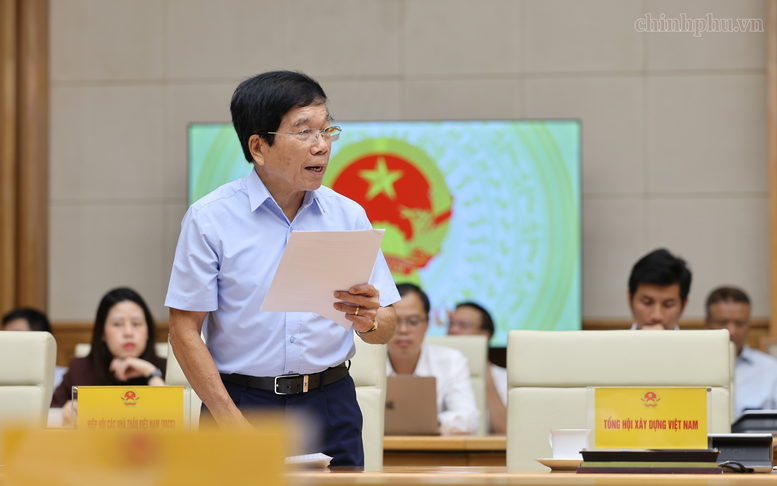
Nguyen Quoc Hiep, chairman of the Association of Construction Contractors. Photo: chinhphu.vn

Nguyen Quoc Hiep, chairman of the Association of Construction Contractors, said that businesses were facing difficulties regarding unit prices, norms, material costs, labour costs, and payments.

In projects using state budget funding, unit prices and norms have not kept pace with reality, while materials and labour prices fluctuate, and supply in some areas is limited, leading to higher costs for contractors, affecting project efficiency and the attractiveness of bidding packages. For public-private-partnership (PPP) projects, businesses also encounter delays in contract payments.

The association recommended improving unit prices, norms, and mechanisms for managing construction investment costs, adjusting labour cost, and developing human resources; while also completing regulations on management contractors, general contractors, and subcontractors. Decentralisation in the planning sector also needs to be linked to actual resources and capabilities of localities.

Chairman of the Vietnam Real Estate Association (VNREA) Nguyen Van Khoi believed that construction, real estate, industry, and infrastructure are being affected by a series of obstacles related to planning, land, land clearance, construction, and the market.

VNREA proposed updating material prices to reflect market conditions, refining cost norms based on actual data, and introducing a mechanism to adjust contract prices during significant fluctuations. It also called for faster site clearance to create clean land funds, alongside clearer responsibilities and processing deadlines for local authorities.

On planning, the association recommended stronger inter-agency coordination, synchronised data and clearer rules for resolving conflicts between plans. It also called for overlaps between regulations on investment, land, planning, construction, bidding and the environment to be addressed, while resolving backlogged projects and linking decentralisation with adequate resources, staff capacity and leadership accountability.

Energy businesses also highlighted obstacles involving planning, land, forests, minerals, site clearance, materials, labour, investment mechanisms and electricity trading. Vietnam Electricity said some projects have yet to be fully incorporated into planning or overlap with other plans, while related procedures remain lengthy.

PetroVietnam similarly called for improvements to investment, electricity trading and power mobilisation mechanisms to facilitate project implementation and maintain investment flows.

The Ministry of Justice believes it is necessary to distinguish whether the obstacles come from regulations or from the implementation process. Regarding land, the ministry proposed continuing to review and amend laws in a coordinated manner, including those related to housing, real estate busines, and taxation

The Ministry of Justice is also reviewing the draft law on marine resources and environment, focusing on addressing overlapping issues among construction projects and shipping routes, while perfecting the integrated management mechanism for marine resources and environment.

Simultaneously, it is continuing a comprehensive review of the legal framework to promptly amend, supplement, or replace inadequate regulations; improving the specialised database on construction materials; and reviewing economic and technical regulations.

On land, forests, minerals and site clearance, the Ministry of Agriculture and Environment said it would continue refining regulations and decentralising authority in line with practical needs, while cutting bureaucracy and shortening project implementation times. Specific obstacles, particularly those affecting large projects, will continue to be addressed under government direction.

The Ministry of Finance said it had ordered the immediate removal of obstacles affecting customs clearance for specialised goods, while reviewing pre-inspection requirements and strengthening post-clearance inspections. Recommendations concerning bidding, planning, PPPs, and industrial park development will also be considered as policies are revised.

The Ministry of Construction (MoC) said it would continue reviewing construction norms and unit prices, including possible adjustments to construction consultancy fees, to better reflect practical requirements and service quality. It also pledged to streamline administrative procedures and business conditions, reduce compliance costs and promptly address recommendations from businesses.

In the energy sector, the Ministry of Industry and Trade is working on amendments to the Electricity Law, Oil and Gas Law and related legislation, particularly provisions affecting the energy sector, to attract investment and remove obstacles facing projects.

On funding, State Bank of Vietnam Deputy Governor Nguyen Ngoc Canh said the central bank had reviewed and responded to credit-related proposals and would continue managing monetary and credit policies to support the capital needs of the industrial, construction and infrastructure sectors. It will also work to remove institutional and procedural barriers, develop medium- and long-term capital channels, and better integrate bank credit with capital markets and other legitimate funding sources.

DPM Tuc said the government had been directing ministries, agencies and localities to improve institutions, accelerate support policies, streamline administrative procedures, encourage digital transformation, reduce compliance costs and strengthen support for businesses.

Looking ahead, he called on ministries, agencies and localities to promptly resolve issues within their jurisdiction and focus on institutional and administrative reform. He also urged them to unlock capital, land and investment resources, ensure funding flows into production and business, reduce costs, expand markets and strengthen the economy’s competitiveness.

Wink Unscripted by Hyatt’s 24/7 operational model is a long-term investment strategy built on guest autonomy. At its core is STAY24, a unique offer ensuring a full 24-hour stay from check-in, seamlessly complemented by round-the-clock amenities including the Grab & Go bar, gym, and laundromat.

The philosophy is why the brand chose July 24 as its signature day. 24/7 Day is an affirmation of the operational philosophy Wink has pursued since inception: designing experiences around the real-world needs of guests rather than forcing them to adapt to rigid hospitality standards.

Wink Unscripted by Hyatt turns operations into core competitive advantage
Establishing 24/7 Day reinforces Wink Unscripted by Hyatt’s guest-centric orientation. Photo courtesy of Wink

Replacing the rigid check-in and check-out windows traditional hotels have relied on for decades, STAY24 offers guests total flexibility to manage their schedules on their own terms. This is particularly transformative for late-night flight arrivals, business travellers with shifting itineraries, or anyone looking to maximise every hour of their trip.

STAY24 is a complete operational framework re-engineered for flexibility and digital integration. This is the key element that sets the brand apart from traditional hotel operations. Automated self check-in kiosks allow guests to complete arrival procedures within seconds at any hour of the day or night, eliminating queues and maximising autonomy.

Complemented by a fully integrated, round-the-clock self-service ecosystem, including an automated Laundromat, collaborative workspaces, a 24/7 gym, and the Grab & Go convenience store, guests are seamlessly accommodated whether it is early morning or midnight.

How Wink Unscripted by Hyatt turns 24/7 operations into a core competitive advantage (PR)
The Grab & Go concept caters to food, drink, and retail needs at any time of day or night. Photo courtesy of Wink

Behind these seamless guest touchpoints lies extensive investment in technology, optimised operational workflows, and real-time interdepartmental coordination. This robust infrastructure allows Wink to execute STAY24 across its entire property network while maintaining consistent room turnover efficiency and service quality.

The rapid growth of international tourism, flexible remote work trends, and increasingly non-traditional travel schedules are fundamentally reshaping guest expectations. Modern travellers are no longer just looking for a place to crash overnight; they expect spaces that adapt dynamically to their lifestyle.

Rather than asking guests to adjust their plans to suit hotel rules, Wink shifted the burden of adaptation onto its operational model. In doing so, the brand elevates the stay experience while building a distinct, long-term competitive edge.

How Wink Unscripted by Hyatt turns 24/7 operations into a core competitive advantage (PR)
Open-plan collaborative workspaces designed for global business travellers, digital nomads, and modern guests operating on flexible schedules. Photo courtesy of Wink

For international business professionals, frequent flyers, and modern travellers, the ability to check in and stay strictly on their own schedule provides far greater value than traditional hotel amenities. This is why STAY24 and the 24/7 service ecosystem are foundational to the identity of Wink Unscripted by Hyatt rather than just standalone features, the company says.

By shifting the burden of adaptation from the guest to the hotel’s underlying operations, Wink Unscripted by Hyatt reinforces its innovative positioning within Hyatt’s global portfolio. Simultaneously, it sets a fresh benchmark for Vietnam’s hospitality landscape where technology, intelligent operations, and guest-centric design define market leadership.

The sixth Wink Hotels broke ground in Haiphong The sixth Wink Hotels broke ground in Haiphong

Indochina Kajima Development Ltd. held a groundbreaking ceremony for the Wink Hotels Haiphong Centre at 135 Dien Bien Phu on August 18.

Wink Hotels announces grand opening of Wink Hotel Danang Centre Wink Hotels announces grand opening of Wink Hotel Danang Centre

On November 30, Wink Hotels, a revolutionary new hospitality brand in Vietnam, unveiled its made-in-Vietnam brand at the buzzing beach city with the official opening of Wink Hotel Danang Centre located at 178 Tran Phu street.

Wink Hotel Tuy Hoa Beach transforming Phu Yen tourist scene Wink Hotel Tuy Hoa Beach transforming Phu Yen tourist scene

Challenging the hospitality industry norms, Wink Hotel Tuy Hoa Beach is the fourth Wink Hotel to open its doors, as the homegrown hotel chain expands its footprint across Vietnam.

Indochina Kajima opens its sixth Wink hotel Indochina Kajima opens its sixth Wink hotel

Wink Hotels, – a hotel brand created by Indochina Kajima, a joint venture between Indochina Capital and Kajima Corporation – has made its northern Vietnam debut with a new property in the vibrant port city of Haiphong, marking a new chapter in its mission to redefine affordable luxury.

SCIC to divest all stakes in 66 companies
SCIC to divest all stakes in 66 companies. Photo: tinnhanhchungkhoan.vn

The list of 66 companies slated for full divestment covers a wide range of sectors. Notable names include Vietnam Plastics Corporation, Tien Phong Plastic, Domesco Medical Import-Export, Vietnam Steel Corporation, Vietnam National Textile and Garment Group (Vinatex), Vietnam National Construction Consultants Corporation, Vietnam Industrial Construction Corporation, LICOGI Corporation, Vietnam Fisheries Corporation, Lao-Viet International Port JSC and Pha Lai Thermal Power.

The list also includes companies operating in construction, building materials, transport, trading, services and import-export, such as Fico Corporation, Transport Engineering Construction 8 Corporation, Sovilaco International Manpower JSC, Vietnam Book Corporation, PVTech JSC and several other local businesses.

Meanwhile, SCIC will retain 100 per cent ownership of SCIC Investment Co., Ltd., while maintaining stakes in other businesses at levels aligned with its investment strategy and business plans. These include Trang Tien, Vietnam Pharmaceutical Corporation (Vinapharm), Song Da Corporation, Bao Minh Insurance Corporation, Vietnam National Reinsurance Corporation (VinaRe), Vinamilk, DHG Pharmaceutical, SABECO, Traphaco, FPT and Vietnam-Oman Investment JSC. Especially, SCIC is currently the largest stakeholder of Vinamilk with a percentage of 36 per cent.

According to SCIC, the restructuring portfolio may be adjusted depending on business performance and market developments, to ensure compliance with corporate classification criteria and relevant regulations.

The divestment list represents a notable potential supply source for the stock market in the next few years, particularly as it includes several large businesses and well-known brands.

At the same time, retaining stakes in 21 companies shows its strategy is not simply to maximise divestment. Instead, the plan points to a broader restructuring of its investment portfolio, with SCIC withdrawing from investments that are no longer necessary, while concentrating resources on businesses considered strategically important or where continued state ownership is required.

Minister of Finance calls for more investment from Oman Minister of Finance calls for more investment from Oman

Minister of Finance Nguyen Van Thang explored new investment partnerships with Oman during a May 29 meeting in Hanoi, aiming to entice Gulf capital through joint funds and billion-dollar projects.

Oman boosts investments from Gulf region to Vietnam Oman boosts investments from Gulf region to Vietnam

A four-day working trip by the deputy president of the Oman Investment Authority (OIA), Nasser bin Suliman Al Harthi, yielded several positive outcomes, paving the way for billions of dollars in capital flows from Middle Eastern countries to Vietnam.

State sector sees broad-based profit surge as major groups deliver strong results State sector sees broad-based profit surge as major groups deliver strong results

A broad-based upswing among state-owned groups and corporations was recorded in 2025, with many key entities recording double-digit growth in both revenue and profit.

SCIC general director meets with Oman Investment Authority SCIC general director meets with Oman Investment Authority

The State Capital Investment Corporation general director Nguyen Quoc Huy held a meeting with the working delegation of the Oman Investment Authority on February 3.

US investment firm PGP seeks deeper ties with Vietnam US investment firm PGP seeks deeper ties with Vietnam

A delegation from US investment firm Pacific Gateway Partners has met with Vietnamese finance officials to discuss deepening bilateral cooperation.

RDIF partners with Vietnam's SCIC to boost bilateral investment ties RDIF partners with Vietnam’s SCIC to boost bilateral investment ties

Russia’s sovereign wealth fund and Vietnam’s state investment arm have agreed to strengthen investment ties in infrastructure and industrial development.

The Department of Taxation held a working session with a delegation of International Monetary Fund (IMF) experts on August 17 to exchange experience, assess the current state of tax administration and explore ways to reform the tax administration model for large enterprises, with a focus on strengthening compliance risk management and aligning with international practices.

Tax administration for large enterprises requires a different approach
Le Long, deputy director general of the Department of Taxation. Photo: Phuong Thao

Speaking at the meeting, deputy director general of the Department of Taxation Le Long said the IMF’s recommendations on assessing tax administration performance, managing compliance risks and modernising taxpayer administration were valuable both technically and practically for Vietnam’s tax authorities.

The Department of Taxation is studying and incorporating a number of these recommendations into ongoing efforts to improve the legal framework, restructure its organisational system, reform business processes and modernise tax administration methods, he said.

Vietnam’s tax sector is entering a period of far-reaching reform, with significant changes to the legal and administrative framework. The Law on Tax Administration, No.108/2025/QH15, and its implementing regulations took effect on July 1, 2026, providing a new legal framework for tax administration.

“Alongside the transition to a new organisational structure, the tax sector is accelerating digital transformation, making greater use of electronic invoice data and interconnected databases, strengthening risk analysis and compliance management, and expanding digital tax services,” he said.

“These changes create opportunities to improve the efficiency of tax administration while placing greater demands on governance capacity, data quality, business processes, technology and the skills of tax officials,” he added.

Regarding tax administration for large enterprises, Long said its Large Enterprise Tax Branch currently directly manages 393 enterprises, including major corporations, state-owned groups, large foreign-invested companies and businesses operating in specialised sectors. Tax revenue from this group accounts for approximately 25 per cent of total domestic tax revenue.

Large taxpayers typically have significant scale and broad operations, complex ownership and organisational structures, and extensive related-party and cross-border transactions. They also engage in specialised financial activities and new forms of business arising from the digital economy.

“Compliance risks for these enterprises extend beyond registration, tax filing and payment. They increasingly involve the determination of tax liabilities, related-party transactions and transfer pricing, the allocation of costs and capital, the valuation and use of intangible assets, income from specialised business activities, the application of tax treaties and the treatment of emerging business models,” Long said.

As a result, tax administration for large enterprises cannot rely solely on individual inspections or risk mitigation after problems have emerged. Tax authorities need to identify risks at an earlier stage, allocate resources strategically, tailor management measures to taxpayers’ levels of compliance and provide stronger support to help businesses meet their tax obligations, he added.

The Department of Taxation outlined five key expectations for the cooperation programme. These include an independent and objective assessment of the functions, responsibilities, organisational structure, staffing and core business processes of the Large Enterprise Tax Branch; an assessment of its current maturity in applying compliance risk management and the gaps compared with international practices; recommendations on tools that can be implemented immediately; a feasible future operating model with performance indicators; and an action plan for reform that can serve as the basis for translating the recommendations into specific tasks.

Tax administration for large enterprises requires a different approach
Patrick De Mets, an IMF expert. Photo: Phuong Thao

Speaking at the session, Patrick De Mets, an IMF expert, welcomed the Department of Taxation’s proactive approach to reforming tax administration, particularly its shift from traditional administration towards a model based on taxpayers’ risks and levels of compliance.

As business activities become increasingly complex, developing a specialised administration model for large enterprises is essential, Mets said. Such a model would enable tax authorities to focus resources on high-risk sectors, businesses and transactions while improving support for taxpayers with strong compliance records.

“Managing large enterprises requires a different approach. Tax authorities need to understand taxpayers’ business activities, identify risks at an early stage and develop appropriate strategies to improve compliance across different taxpayer groups. International practices should be adapted to Vietnam’s circumstances, with feasibility and administrative effectiveness as key priorities,” Mets said.

The working programme between the Department of Taxation and the IMF delegation provided a stronger practical basis for further reforming the administration of large enterprises, improving compliance risk management, making more effective use of resources and gradually aligning Vietnam’s tax administration with international best practices.

The cooperation is also expected to support the tax sector’s broader efforts to modernise its administration system in line with the requirements of the new reform phase.

Finance ministers cement fiscal cooperation Finance ministers cement fiscal cooperation

Vietnam and the Czech Republic are deepening fiscal ties and strategic cooperation for sustainable development.

Overhaul of tax sector boosts operational effectiveness Overhaul of tax sector boosts operational effectiveness

The tax sector has embarked on a major restructuring and efficiency drive to strengthen service delivery for citizens and businesses.

Tax sector pushes digital transformation in administration overhaul Tax sector pushes digital transformation in administration overhaul

The tax sector is restructuring administrative processes to build a modern, transparent system, leveraging digital technology and data to improve compliance, efficiency, and risk management.

FTA Index 2025 tracks regional delivery of trade commitments
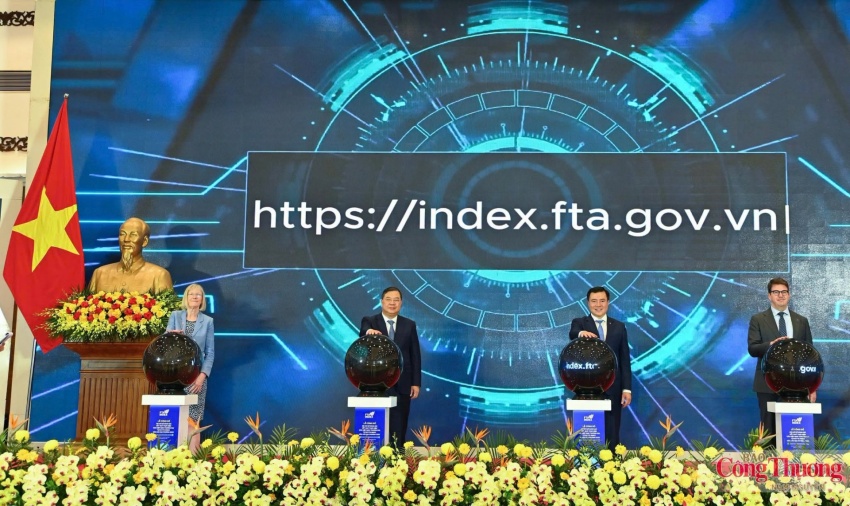
The launch ceremony for the 2025 FTA Implementation Index for Localities (FTA Index 2025). Photo: MoIT

The 2025 edition covered all 34 provinces and cities, building on methodological experience from its inaugural year. By the end of 2025, 4,066 companies nationwide had participated in the survey. Respondents had engaged in goods exports and/or imports during 2023-2024 and operated in sectors ranging from agriculture and fisheries to mining, manufacturing, wholesale and retail.

FTA Index 2025 tracks regional delivery of trade commitments

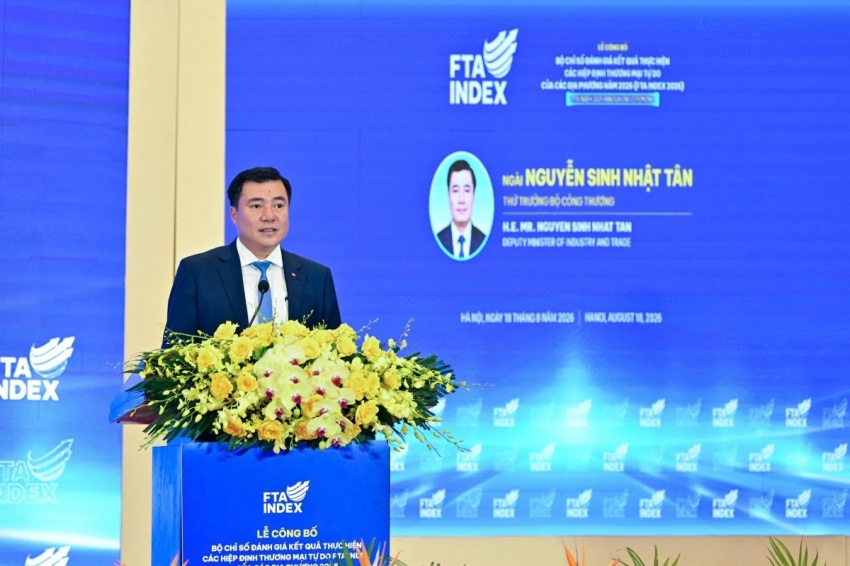
Deputy Minister of Industry and Trade Nguyen Sinh Nhat Tan delivers the opening remarks. Photo: MoIT

Deputy Minister of Industry and Trade Nguyen Sinh Nhat Tan said the index had been improved in its assessment methodology, survey coverage, and data quality.

“The development of this year’s index continues to put businesses at the centre, while expanding the collection of opinions and strengthening data verification and standardisation,” Tan said. “This provides a fuller picture of businesses’ perceptions of FTA implementation quality in each locality.”

The results indicate continued improvements in local implementation, while encouraging provincial authorities to pay greater attention to international economic integration and helping businesses capture more benefits from trade agreements.

Haiphong led the 2025 ranking with 35.62 points, followed by Tuyen Quang with 33.61, Thanh Hoa with 30.93, Vinh Long with 29.33, and Ca Mau with 29.1.

Speaking at the announcement ceremony, Standing Deputy Prime Minister Pham Gia Tuc said international economic integration must now move beyond simply opening markets. It should become a catalyst for institutional reform, innovation, productivity improvements, and a new growth model.

FTA commitments, he noted, must be translated into measurable and substantive outcomes for individual industries, regions, and localities, thereby strengthening both corporate competitiveness and Vietnam’s national position.

DPM Tuc called on local authorities to treat FTA implementation as an integral component of socioeconomic development strategies and an important indicator of their governance and integration capacity.

Localities should develop action programmes following publication of the index, identify major impediments, and link FTA implementation with selective investment attraction, digitalisation, green transition, high-quality workers, and stronger small- and medium-sized enterprises.

He also urged ministries and local authorities to streamline administrative procedures and strengthen data sharing. A more integrated and accessible FTA information system should gradually incorporate AI to help companies search commitments and rules of origin, understand market standards, and identify potential risks.

Government agencies, he added, should move away from broad information dissemination towards services tailored to individual companies, sectors, and localities.

The DPM asked MoIT to continue negotiating new-generation FTAs with prospective partners, including South American economies and Mercosur, while developing the FTA Index into a stable, transparent, and comparable assessment framework.

“We should not regard this simply as an annual event,” he said, calling instead for a national digital FTA ecosystem with regularly updated data, mechanisms to replicate effective practices, and tools to identify and resolve persistent obstacles.

Businesses themselves must remain at the centre of FTA implementation, he said. While the state should create an enabling environment and remove institutional barriers, companies need to upgrade technology and management, strengthen branding, and meet increasingly demanding requirements on green standards, labour, and traceability.

The FTA Index is Vietnam’s first government-mandated indicator specifically designed to assess FTA implementation at the local level from the perspective of businesses. It measures both the quality of implementation of international economic integration commitments and the support companies receive from local authorities in tapping FTA opportunities.

After nearly four decades of doi moi and more than two decades of proactive international economic integration, Vietnam has built an extensive network of 17 FTAs. Together, their member economies account for more than 80 per cent of global GDP, opening wider markets while supporting investment attraction and institutional reform.

Vietnam urged to strengthen compliance and competitiveness to expand US market access
Le Hoang Tai, deputy director general of Vietrade. Photo: Trong Nghia

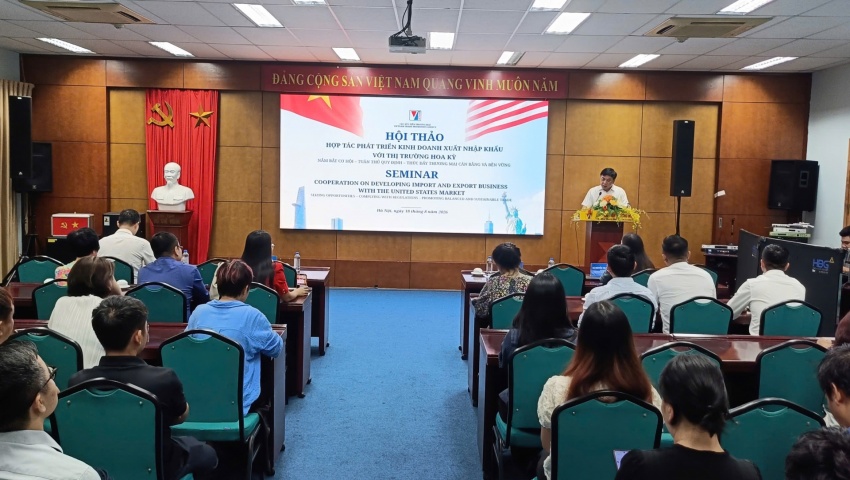
Speaking at the opening, Le Hoang Tai, deputy director general of Vietrade, said the United States is one of Vietnam’s most important export markets, with a large consumer base, strong purchasing power, diverse distribution networks and broad demand.

The market is highly competitive and imposes strict requirements on product quality, traceability, labelling, environmental standards, labour practices and intellectual property protection.

Vietnamese companies need to increase the value added of their products, diversify their offerings and expand imports of machinery, technology, materials, products and services from the US, Tai said. “Compliance must be considered a core element of competitiveness,” he said.

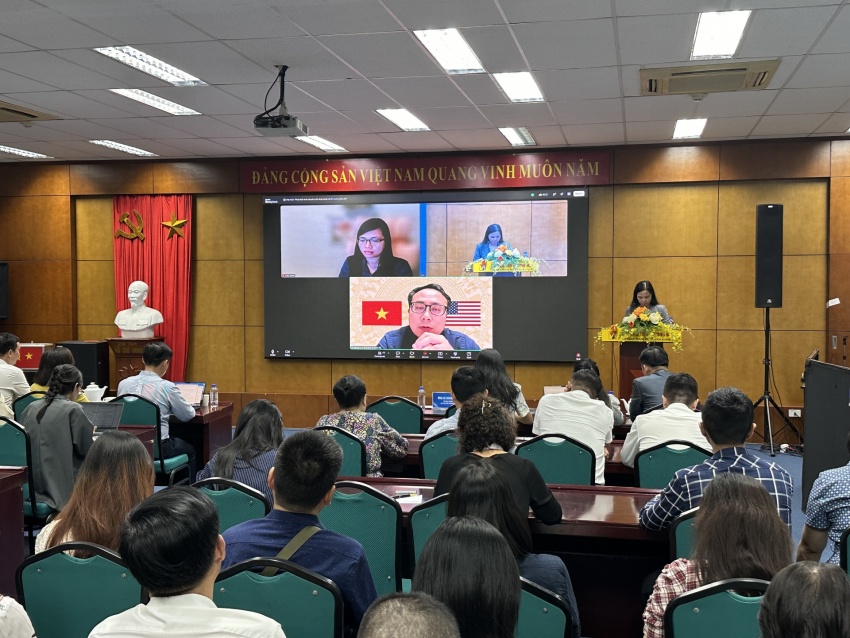
Do Ngoc Hung, trade counsellor and head of the Vietnam Trade Office in the US, said two-way trade reached approximately $132.4 billion in the first six months of 2026, making Vietnam the US’ fifth-largest trading partner and its largest source of trade surplus.

However, trade remains heavily concentrated in the foreign-invested enterprises (FIEs). During the first seven months of 2026, FIEs accounted for more than 80 per cent of Vietnam’s total exports and recorded a trade surplus of nearly $8 billion.

Domestic businesses accounted for about 19.9 per cent of exports and posted a trade deficit of approximately $28.5 billion.

The figures highlight the need to strengthen the competitiveness of domestic companies, increase localisation and value added, and improve their ability to participate in supply chains, Hung said. These measures are also important in addressing risks related to transhipment and origin fraud.

The US has more than 330 million consumers, with personal consumption expenditure estimated at $12.1 trillion, equivalent to roughly 68 per cent of GDP. The country is expected to import about $3.4 trillion worth of goods in 2026.

Significant differences among US states mean Vietnamese companies need to identify specific consumer segments and market niches before entering the market, Hung said.

Vietnam urged to strengthen compliance and competitiveness to expand US market access
Photo: Nguyen Huong

According to Hung, opportunities in the US market can translate into sustainable advantages only when businesses can manage regulatory and operational risks.

Vietnamese companies need to closely monitor US trade regulations, including Most-Favoured-Nation treatment, measures under Section 301 of the US Trade Act of 1974, Section 232 and the Uyghur Forced Labour Prevention Act.

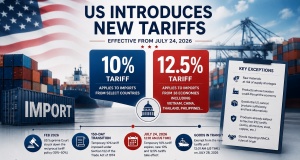
From July 24, the additional 10 per cent tariff under Section 301 related to forced-labour concerns was removed and replaced by a 12.5 per cent tariff on Vietnamese goods, except for products covered by exemption lists, he said.

For imported inputs, businesses need to maintain documentation and data demonstrating substantive manufacturing processes in Vietnam and comply with product-specific rules of origin.

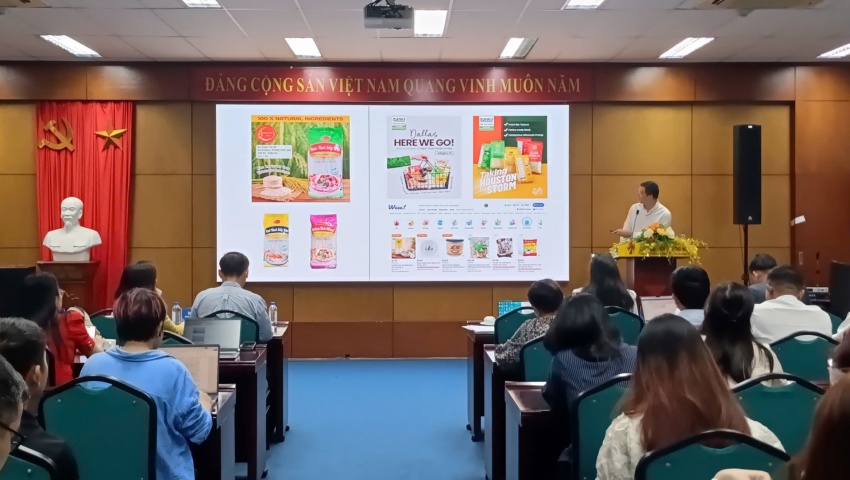
The Vietnam Trade Office in the US recommended that companies professionalise their English-language documentation, clearly specifying HS codes, certificates, sources of materials, factories, production capacity, minimum order quantities, delivery times and quality-control procedures.

Dinh Dieu Linh, a representative of STSB CPA tax advisory firm, highlighted several challenges facing Vietnamese exporters, including 60-120-day collection cycles, banking and SWIFT costs, USD/VND exchange rate fluctuations, limited US credit histories, state-level sales taxes and differences between Vietnam’s Accounting Standards (VAS) and US Generally Accepted Accounting Principles

Incorrect or incomplete filing of Form W-8BEN-E could result in US partners withholding 30 per cent of gross payments for remittance to the US Internal Revenue Service, she said.

Companies also face a starting penalty of $25,000 for each late or incomplete Form 5472 filing, with an additional $25,000 imposed every 90 days if the issue is not resolved.

“US tax and accounting should not be treated as year-end administrative procedures. They are part of a company’s risk-management strategy,” Linh said.

She recommended measures including export factoring and purchase-order financing, which can provide advances equivalent to 80-90 per cent of invoice value, as well as foreign-exchange hedging, payment optimisation and appropriate legal-entity and transfer-pricing structures.

Vietnam urged to strengthen compliance and competitiveness to expand US market access
Tran Lich, director of VISIA. Photo: Trong Nghia

Tran Lich, director of VISIA and general coordinator of Ready2US – Ready for the US Market, said approximately 85 per cent of surveyed businesses are not yet fully prepared to enter the US market.

The five key challenges identified by the survey were understanding the US market and consumers, cited by 77.3 per cent of respondents; a lack of marketing strategies and sales channels, 76 per cent; legal and compliance requirements, 58.7 per cent; working capital and cash-flow management, 56 per cent; and developing appropriate branding, design and research and development (R&D), 53.3 per cent.

“A good product alone is not enough to enter the US market,” Lich said.

Businesses need a comprehensive roadmap covering market research, legal compliance, go-to-market strategy, R&D, financing, logistics and sales channels.

Early preparation for requirements from agencies such as the US Food and Drug Administration, Consumer Product Safety Commission and US Department of Agriculture, along with intellectual property protection, can shorten negotiations by three to 12 months and help protect cash flow, he said.

VISIA and Ready2US have developed a 2026 US Market Readiness Checklist to help businesses assess their preparedness before making investments.

Experts at the seminar agreed that Vietnamese companies need to move beyond the mindset of simply having products available for export and focus on building sustainable competitive capabilities.

Long-term success in the US market requires companies to conduct proactive market research, manage finances, demonstrate product origin, control supply chains and comply with US regulations.

The seminar’s policy discussions and business-to-business connections highlighted the importance of greater preparedness, transparency and professionalism as Vietnamese companies seek to expand exports and strengthen their position in the US market.

US retail giant Target eyes Vietnamese suppliers US retail giant Target eyes Vietnamese suppliers

Target, one of the US’ largest retail groups, will make its first appearance at Vietnam International Sourcing 2026, as it looks to expand its network of Vietnamese suppliers across a range of consumer product categories.

US businesses remain committed to Vietnam with measured outlook US businesses remain committed to Vietnam with measured outlook

While business confidence has become more measured compared with the optimistic outlook at the beginning of the year, US companies remain committed to Vietnam.

US introduces new 10 and 12.5 per cent tariffs, replacing temporary 10 per cent levy US introduces new 10 and 12.5 per cent tariffs, replacing temporary 10 per cent levy

The United States has introduced new import tariffs of 10 and 12.5 per cent, replacing the temporary 10 per cent tariff that expired at the same time.

Economy needs 11.9 per cent growth in H2 to achieve 10 per cent GDP target for 2026
Hoang Van Cuong, vice chairman of the Vietnam Economic Association

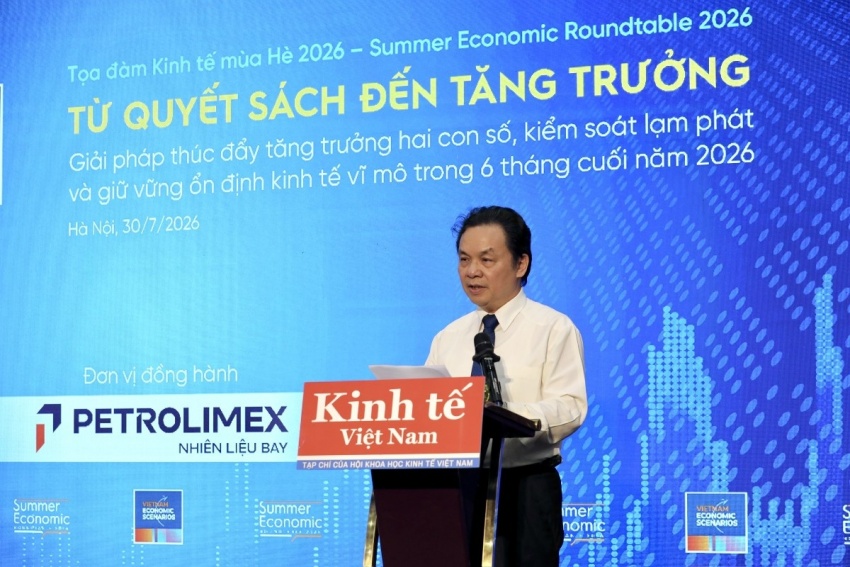
Speaking at the Summer Economic Roundtable 2026, “From Policy to Growth: Solutions for Achieving Double-Digit Growth, Controlling Inflation, and Maintaining Macroeconomic Stability in 2026,” Hoang Van Cuong, vice chairman of the Vietnam Economic Association, said 2026 was a pivotal year. It marks both the first year of the country’s 2026-2030 socioeconomic development plan and the first year Vietnam has set a 10 per cent growth target, laying the foundation for sustained double-digit growth in the years ahead.

“High economic growth is meaningful only when it is built on a foundation of macroeconomic stability, effective inflation control, balanced economic fundamentals, and higher productivity. The goal is not growth at any cost, but rapid yet sustainable growth, and high-quality growth,” he said.

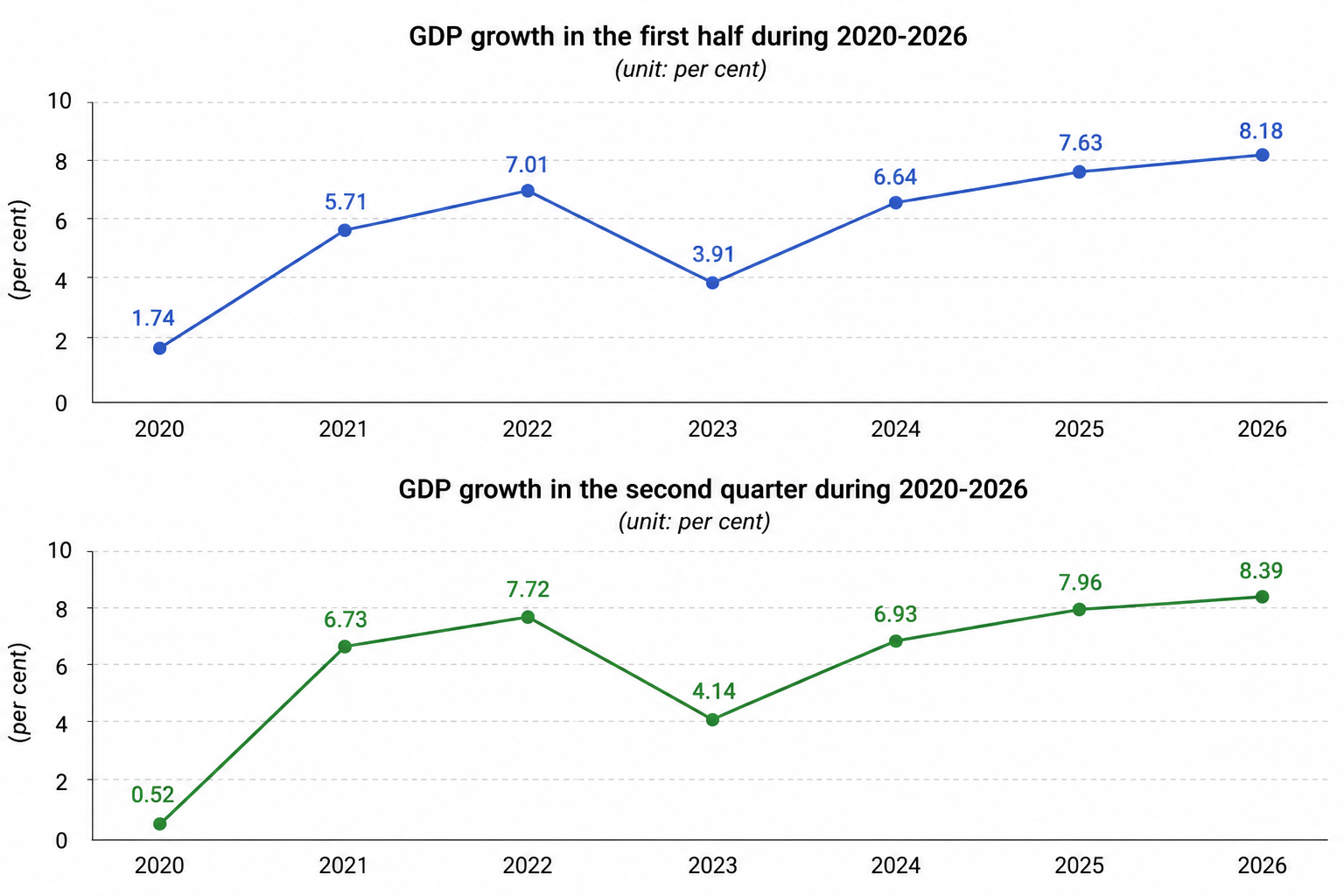
Citing economic data for the first six months of the year, Cuong noted that Vietnam’s GDP expanded 8.18 per cent, the highest first-half growth rate in 15 years, supported by broad-based recovery across all three major sectors of the economy.

Manufacturing and processing industries continued to serve as the primary growth engine, while investment, consumption, and exports all recorded solid improvements. State budget revenue, foreign direct investment (FDI), and total social investment also posted strong gains, providing room for additional growth-supporting policies in the months ahead.

Cuong said, “These results reflected not only the recovery of traditional growth drivers, but also the initial effectiveness of institutional reforms aimed at removing investment bottlenecks, encouraging private sector development, advancing science and technology, fostering innovation, and accelerating digital transformation.”

He added that these reforms are creating an important foundation for a new growth cycle driven by higher productivity and more efficient resource allocation.

Despite the encouraging performance, Cuong warned that challenges in the second half of the year remain significant. “To achieve the annual growth target of 10 per cent, the economy must expand by approximately 11.9 per cent during the final six months of 2026, while keeping inflation at around 4.5 per cent and preserving macroeconomic stability,” he said.

He stressed that these three objectives must be pursued simultaneously. Prioritising growth alone could increase inflationary pressures and create macroeconomic imbalances, while overly cautious policymaking could cause Vietnam to miss opportunities at a time when global supply chains and international capital flows are undergoing restructuring.

Cuong also identified several structural bottlenecks that require urgent attention. These include continued dependence on the FDI sector for growth, uneven public investment disbursement, difficulties businesses face in accessing finance, implementation capacity that has yet to match policy ambitions, and the fact that science, technology, and innovation have not yet become genuine drivers of economic growth.

“The gap between policymaking and policy implementation is currently the country’s greatest challenge in achieving its growth objectives,” he said.

Against this backdrop, the Summer Economic Roundtable 2026 focused on solutions to accelerate institutional reform, improve coordination between fiscal and monetary policies, speed up public investment disbursement, strengthen the private sector, enhance the economy’s resilience to external shocks, and, above all, improve policy implementation so that government decisions can be translated more quickly into tangible growth.

UOB sees resilience amid cost pressures and external strains UOB sees resilience amid cost pressures and external strains

According to a June 12 report by UOB (United Overseas Bank), recent data paint a mixed near-term picture, with higher energy costs dampening momentum.

Vietnam's economy grew an estimated 8.4 per cent in second quarter Vietnam’s economy grew an estimated 8.4 per cent in second quarter

Vietnam’s economy is estimated to have expanded by just under 8.4 per cent on-year in the second quarter, according to the National Statistics Office.

Businesses propose fresh growth drivers for second-half GDP expansion Businesses propose fresh growth drivers for second-half GDP expansion

The local business community has proposed regulatory and financial reforms, including an FDI-linked sandbox and a small- and medium sized enterprise digital bank, to help accelerate GDP growth in the second half of 2026.

ADB maintains Vietnam's growth outlook amid Southeast Asia downgrades ADB maintains Vietnam’s growth outlook amid Southeast Asia downgrades

The Asian Development Bank (ADB) has slightly lowered its growth forecast for developing Southeast Asia while maintaining its outlook for Vietnam, citing disruption to energy supplies from the Middle East conflict.