Foreign firms drive dairy industry’s green and digital transition
Photo: New Zealand Consulate-General

At an industry workshop in Ho Chi Minh City on June 11, Meadow Fresh launched two new products, expanding its premium dairy portfolio in the Vietnamese market.

According to Scott James, New Zealand’s consul general and trade commissioner to Vietnam, the country has long been recognised globally for its high-quality dairy products, supported by favourable natural conditions and sustainable farming practices.

“New Zealand’s high-quality milk is the foundation of the distinctive value and superior quality associated with its dairy products,” James said.

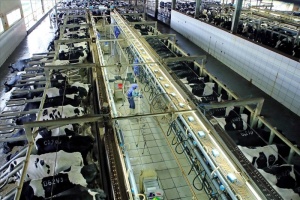
Meadow Fresh applies strict quality control throughout the production process, from farm to finished product, including herd health monitoring technology, hormone-free farming practices, and natural grazing systems on expansive pastures.

The launch reflects growing interest among international dairy companies in Vietnam, where investment in advanced farming technologies, digitalisation, and sustainable production models is increasingly shaping the industry’s development.

Earlier, more than 250 booths from countries and territories with developed dairy industries such as New Zealand, Taiwan, Australia, and Japan, alongside many major domestic brands, gathered at Vietnam Dairy 2026, held in Hanoi in late May, to discuss industry development trends and innovation.

According to Dr. Tran Quang Trung, chairman of the Vietnam Dairy Association, despite making significant progress in recent years, the dairy industry still faces numerous challenges related to quality standards, traceability, and long-term development requirements.

“Experiences and technologies from international businesses will help Vietnamese businesses gain deeper access to emission reduction solutions and apply circular economy principles throughout the entire value chain, from livestock farming and processing to packaging, thereby contributing to the realisation of the government’s net-zero goal,” he said.

Trung explained that digital transformation is becoming a crucial driving force for businesses to improve production and management efficiency. Solutions such as automation, data management, and traceability increase transparency and contribute to quality control, strengthen consumer confidence, and reduce environmental impact.

In fact, many foreign dairy companies are realising this trend through investments in production technology, smart agriculture, and emission reduction initiatives, thereby contributing to promoting the green transformation and digitalisation of the Vietnamese dairy industry.

After more than 30 years of operation in Vietnam, Nestlé is implementing a comprehensive digital transformation from marketing and sales to production and supply chain to optimise operations and enhance customer experience. In the manufacturing sector, businesses are accelerating the development of smart factory models with applications of robots, AI cameras, and real-time data analysis systems to improve productivity, ensure food safety, and enhance traceability.

According to Le Thi Hoai Thuong, external relations director of Nestlé Vietnam, digital transformation has become a core element in improving the efficiency of the entire dairy value chain, while enhancing transparency, food safety, and traceability.

“We are implementing digitalisation throughout production to the supply chain, while placing people at the centre of the transformation process. The goal is to share best practices, promote technology application, and strengthen cooperation towards a more efficient and transparent dairy industry,” Thuong said.

In parallel with investing in technology and digital transformation, foreign businesses are also focusing on developing specialised nutritional product lines to meet the increasingly diverse needs of Vietnamese consumers.

Taguchi Yoshihiro, marketing director of Morinaga Nutritional Foods Vietnam, stated that with over a century of research and development experience in Japan, Morinaga is focusing on providing high-quality nutritional products to meet the increasingly diverse health needs of Vietnamese consumers.

“We believe that the demand for specialised nutritional products and long-term healthcare solutions in Vietnam will continue to grow strongly in the coming years. This trend is driven by increasing health awareness, rapid urbanisation, and the expansion of a middle class that increasingly values high-quality and functional products,” Yoshihiro noted.

The increasing involvement of international businesses is taking place against the backdrop of a Vietnamese market that still has significant growth potential. According to the Vietnam Dairy Association, per-person milk consumption is currently only about 36kg per year, significantly lower than many developed countries such as Denmark, France, the US or Japan.

The dairy industry development strategy to 2030, with a vision to 2045, aims for an average annual growth rate of 12-14 per cent. By 2030, the production of processed liquid milk is expected to reach approximately 4.2 billion litres, while domestic raw fresh milk production will reach 2.6 billion litres, meeting 60-65 per cent of processing needs.

To realise these goals, the Vietnamese dairy industry needs technology and investment capital while also addressing the challenge of securing a domestic supply of raw materials.

According to TH Group, Vietnam has all the conditions to improve its self-sufficiency in fresh milk raw materials. The company predicts that to meet about 70 per cent of market demand by 2035, Vietnam needs to develop a herd of approximately 700,000 cows using a concentrated farming model, applying high technology and modern management.

The sector’s growth prospects continue to draw in investor interest. Earlier in June, DealStreetAsia reported that TH Group was in discussions with several international investment funds to raise around $1 billion through the sale of a minority stake.

Meanwhile, Le Hoang Minh, executive director of Production at Vinamilk, believes that for an industry closely linked to health and quality of life, innovation extends beyond production technology to how businesses engage with and understand consumers.

“We have established a clear roadmap, targeting emission reductions of 15 per cent by 2027, 55 per cent by 2035, and achieving net-zero emissions by 2050,” Minh said.

Vinamilk currently operates a nationwide network of 14 green farms and 14 modern production facilities, while its products have reached 63 export markets worldwide. The company is implementing a range of technological solutions to reduce emissions and improve operational efficiency, including smart warehouse systems that cut energy consumption by up to 70 per cent compared to conventional models, robots that help reduce internal transport-related emissions by around 60 per cent, and heat recovery and reuse systems capable of reclaiming up to 90 per cent of the thermal energy generated during production.

Thailand's Betagen sets up first manufacturing facility in Vietnam Thailand’s Betagen sets up first manufacturing facility in Vietnam
Kaluga governor praises TH Group’s world-leading dairy farm Kaluga governor praises TH Group’s world-leading dairy farm
Foreign funds accumulate consumer stocks in Vietnam Foreign funds accumulate consumer stocks in Vietnam
F&N deepens investment in Vinamilk F&N deepens investment in Vinamilk
Vietnam sets ambitious dairy growth targets Vietnam sets ambitious dairy growth targets
DFI Retail and The Mills Fabrica name Number 8 Bio winner of sustainability innovation challenge DFI Retail and The Mills Fabrica name Number 8 Bio winner of sustainability innovation challenge

The assessment, published on June 23, noted that following a strong start to the year, growth is moderating against a more complex global backdrop, including rising inflationary pressures and shifting trade dynamics. Despite these near-term challenges, the country’s economic fundamentals remain supportive of steady growth.

“This current economic backdrop is notably complicated by a widening trade deficit, which has expanded to $13 billion in the first five months, against a $5 billion surplus recorded during the same period last year,” stated the report.

Given these developments, Standard Chartered expects the policy rate to remain steady at 4.5 per cent for the rest of 2026. June’s Consumer Price Index is believed to have remained above the government’s 4.5 per cent target, with this trend set to persist into the second half. The second quarter’s inflation is forecasted to rise above 5.0 per cent on-year, compared to 3.5 per cent in the first quarter, driven largely by rising prices in transport, food, housing, and construction materials.

“Additionally, macroeconomic indicators for June may point to a moderation in economic activity, with retail sales growth expected to slow to 8.2 from 11.8 per cent in May, export growth easing to 16.2 from 18 per cent, and industrial production growth decelerating to 5.2 from 8.8 per cent,” stated in the report.

Meanwhile, Standard Chartered pointed out that import growth is likely to have continued accelerating, rising to 45 from 33.8 per cent, potentially widening the trade deficit to $7.3 billion from $5.2 billion.

“Vietnam’s economic performance in the first half of 2026 reflects both resilience and ongoing challenges. We expect the policy rate to remain unchanged and anticipate inflationary momentum to continue through the second half of the year. Despite the moderation in some indicators, Vietnam’s economy is poised to navigate these headwinds with steady growth,” said Tim Leelahaphan, senior economist for Vietnam and Thailand at Standard Chartered Bank.

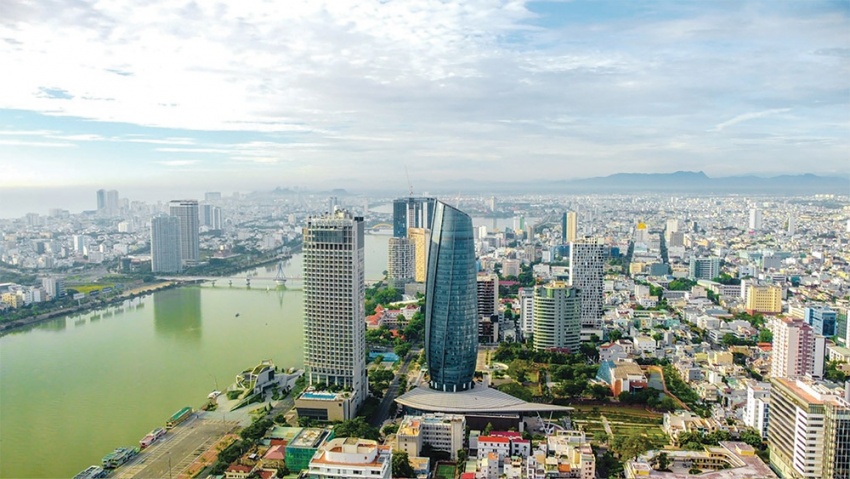
Danang is a pivotal part of the country’s new strategy to build financial hubs

Earlier, in a report released in early June, the Macroeconomic and Forecasting Department under the Institute of Strategy and Policy on Economic and Financial Affairs, under the Ministry of Finance, noted that despite encouraging economic indicators, macroeconomic challenges remain.

“The business environment is undergoing a significant shakeout, with the number of newly established and reactivated enterprises rising by 50.7 per cent on-year to 119,400 during the first four months, while the number of firms exiting the market nearly doubled. This reflects an intensive restructuring process in which small businesses, financially vulnerable firms, and those heavily reliant on leverage are facing the greatest pressure,” the report analysed.

The report also pointed to the re-emergence of a trade deficit, which reached $7.11 billion in the first four months, largely driven by rising imports of machinery and components for production. However, petroleum import values surged by 105.5 per cent amid volatile global energy prices, placing considerable pressure on both the exchange rate and production costs. At the same time, Vietnam’s growth model, which relies heavily on importing raw materials from China for exports to the US, has made the economy increasingly vulnerable to geopolitical disruptions.

To achieve double-digit growth in the remaining quarters of the year, the Macroeconomic and Forecasting Department of the Institute of Strategy and Policy on Economic and Financial Affairs said Vietnam would need to implement a comprehensive package of innovative measures encompassing macroeconomic management, institutional reform, and improvements in corporate competitiveness. Although GDP expanded by 7.83 per cent in the first quarter, the economy still requires additional growth drivers to overcome cost pressures, external headwinds, and sustain the recovery momentum.

“First and foremost, maintaining macroeconomic stability must remain the top priority. The government needs to closely coordinate flexible monetary policy with targeted expansionary fiscal measures to keep inflation around the 4.5 per cent target, while addressing exchange rate pressures and the widening trade deficit. More flexible adjustments to taxes and fees on petroleum products and production inputs could also help ease cost-push inflation,” the report stated.

At the same time, the report stressed the need to restore corporate health, particularly among small and medium-sized enterprises, which are currently under the greatest strain. Measures such as tax deferrals, reductions in land rental fees, and the expansion of concessional lending programmes need to be implemented more effectively to help businesses overcome cash-flow constraints and high financing costs.

Accelerating institutional reforms, streamlining administrative procedures, and promoting digital transformation were also identified as critical solutions to reduce compliance costs, improve productivity, and strengthen business resilience amid intensifying competition.

From a longer-term perspective, the Institute said Vietnam needs to improve the quality of overseas funding by prioritising high-tech sectors, semiconductors, and AI, while accelerating public investment disbursement, particularly for logistics and energy infrastructure projects. Enhancing human capital will be a decisive factor in fully capitalising on the new wave of next-generation foreign investment.

“Alongside investment-driven growth, stimulating domestic consumption should also be prioritised to create a more balanced growth model. Measures such as tax cuts, consumption stimulus programmes, and the promotion of domestic tourism could help boost purchasing power and reduce dependence on exports,” the report added. “Finally, amid rising geopolitical risks and global market volatility, Vietnam should continue diversifying its export markets, making full use of free trade agreements, and proactively developing contingency scenarios to strengthen the economy’s resilience and self-reliance.”

Ministry of Finance set for key role in new legislative drive Ministry of Finance set for key role in new legislative drive

As Vietnam advances an ambitious legislative agenda, the Ministry of Finance is set to play a pivotal role in shaping reforms aimed at improving governance, removing delays and supporting long-term economic development.

Vietnam welcomes over 10.6 million international tourists in H1 Vietnam welcomes over 10.6 million international tourists in H1

Vietnam recorded more than 10.66 million international tourist arrivals in the first half of 2025, up 20.7 per cent on-year, according to the Vietnam National Authority of Tourism (VNAT).

Banks post strong H1 performances on credit growth and cost cuts Banks post strong H1 performances on credit growth and cost cuts

Banks have reported strong first-half results, fuelled by double-digit credit growth, improved asset quality, and operating efficiency, pointing to a positive outlook for the rest of the year.

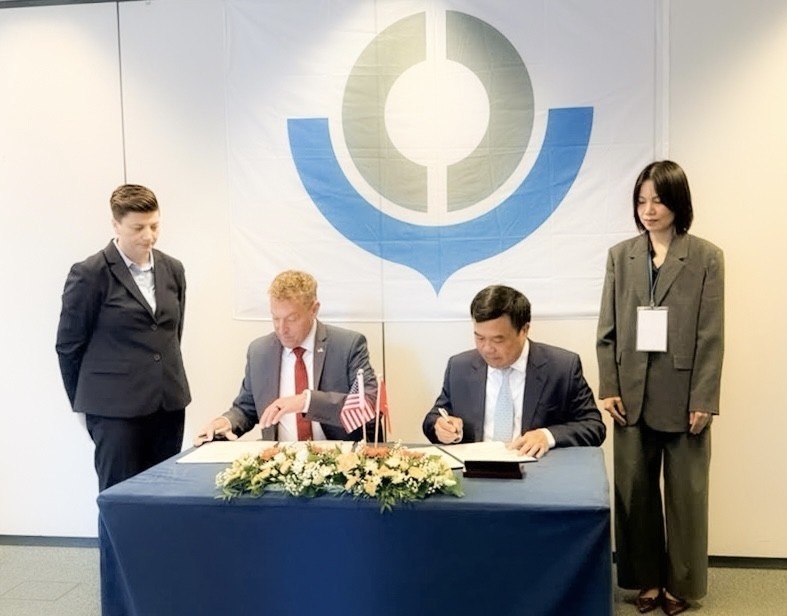
Vietnam and US launch real-time customs data exchange to enhance transparency

The signing took place on June 25 on the sidelines of the World Customs Organisation Council sessions in Brussels. The agreement aims to enhance risk management, improve supply chain transparency, and support balanced trade between the two economies.

Under the MoU, the two sides will exchange electronic cargo manifest data in real time, or as quickly as practicable, to support cargo targeting, risk management and the prevention of customs violations, including trade fraud, counterfeit goods, prohibited goods, origin fraud, tax evasion and illegal transhipment.

The agreement represents a further step forward in cooperation between Vietnam Customs and US Customs, building on the Customs Mutual Assistance Agreement signed by the two governments in 2019, which entered into force in May 2020. Since then, both sides have maintained regular exchanges of information, verified suspicious cases, provided operational assistance and strengthened customs enforcement capacity.

The establishment of the electronic data-sharing mechanism comes as Vietnam-US economic and trade relations continue to expand rapidly.

According to Vietnam Customs, total bilateral trade reached $172.3 billion in 2025. Vietnam’s exports to the US exceeded $153 billion, up over 28 per cent on-year, while imports totalled more than $19.2 billion, an increase of around 28 per cent.

From January 1 to 18 June, bilateral trade continued its strong momentum, reaching close to $89.6 billion, up 23 per cent compared with the same period last year. Exports exceeded $79 billion, an increase of 22.4 per cent, while imports reached just under $10.5 billion, up more than 28 per cent.

From an operational perspective, the data connection will enable customs authorities in both countries to improve cargo verification, cross-check import and export data, detect early signs of fraud and identify attempts to circumvent trade remedy measures. At the same time, the mechanism is expected to facilitate faster customs clearance for compliant businesses, reduce inspection-related barriers at border checkpoints, and enhance the competitiveness of traded goods.

The initiative demonstrates Vietnam’s commitment to working closely with the US in addressing shared trade concerns. It is expected to strengthen transparency in customs administration, reinforce Vietnam’s credibility within global supply chains, and usher in a deeper and more substantive phase of customs cooperation between the two countries.

Vietnam Customs accelerates AI and digital transformation Vietnam Customs accelerates AI and digital transformation

Vietnam’s Minister of Finance Ngo Van Tuan has assigned two key priorities to the customs sector: completing the institutional framework and accelerating the deployment of digital customs, as the country faces mounting customs clearance pressure alongside increasingly complex cargo control requirements.

Customs Law amendments to strengthen digital integration Customs Law amendments to strengthen digital integration

Vietnam’s proposed amendments to the Customs Law would expand automated data control, strengthen inter-agency data sharing, and establish a regulatory framework for the fast-growing cross-border e-commerce sector.

Businesses contribute to draft amended Customs Law Businesses contribute to draft amended Customs Law

The Vietnam Chamber of Commerce and Industry, in coordination with the Customs Department under the Ministry of Finance, on June 11, organised a workshop to gather business opinions on the draft law amending and supplementing several articles of the Customs Law.

VIE50 rankings recognise innovation leaders driving Vietnams next growth phase
Photo: Chi Cuong

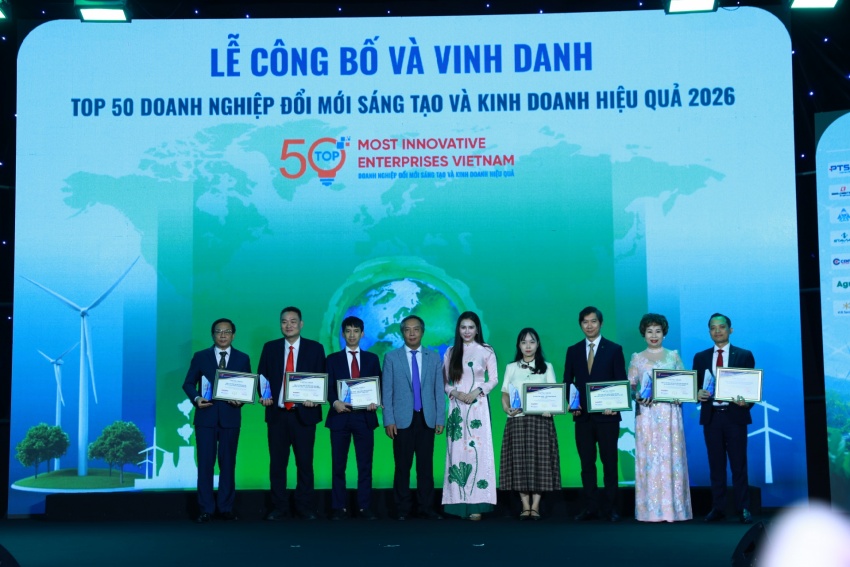
The awards, jointly organised by VIR and Viet Research, were announced on June 26 and are in their fourth consecutive year, reinforcing their position as a leading benchmark for corporate innovation and sustainable development.

Based on Viet Research’s assessment methodology, the rankings honour outstanding enterprises across 16 major sectors of the economy. The recognised companies have distinguished themselves through comprehensive innovation spanning corporate governance, business operations, technology adoption, product development and business models, enabling them to strengthen competitiveness and improve operational performance.

According to a survey conducted by the organisers, 90 per cent of the ranked companies have made innovation a core strategic priority. The average Innovation Sentiment Index among The Top 50 Most Innovative Enterprises Vietnam (VIE50) and Top 10 Most Innovative Enterprises Vietnam (VIE10) enterprises reached 76 out of 100, placing them in the ‘systematically optimistic’ category and reflecting strong confidence in their innovation capabilities, adaptability and long-term growth prospects despite continued global economic uncertainty.

VIE50 rankings recognise innovation leaders driving Vietnams next growth phase
Nguyen Duc Hien, deputy head of the Central Policy and Strategy Commission

The announcement ceremony also featured the Vietnam Business Forum 2026, bringing together policymakers, international organisations, business associations, and leading advisory firms to discuss the trends reshaping Vietnam’s corporate landscape.

Participants included Nguyen Duc Hien, deputy head of the Central Policy and Strategy Commission; Cyril Loisel, first secretary of the European Union Delegation to Vietnam; Michael Han, vice-president of the Korean Chamber of Commerce and Industry in Vietnam; and Nguyen Viet Long, deputy general director of Advisory Services at EY Vietnam.

Discussions focused on innovation as a long-term growth driver, the green transition and circular economy as pathways to deeper participation in global value chains, the integration of environmental, social and governance (ESG) principles into corporate strategy, and the growing role of data, digital technologies and AI in strengthening operational resilience and competitiveness.

Speakers agreed that innovation and ESG are increasingly becoming complementary strategic pillars for Vietnamese businesses. As global markets impose stricter requirements on carbon emissions, resource efficiency, transparency and corporate responsibility, companies must move beyond compliance to transform these challenges into opportunities for sustainable growth.

VIE50 rankings recognise innovation leaders driving Vietnams next growth phase
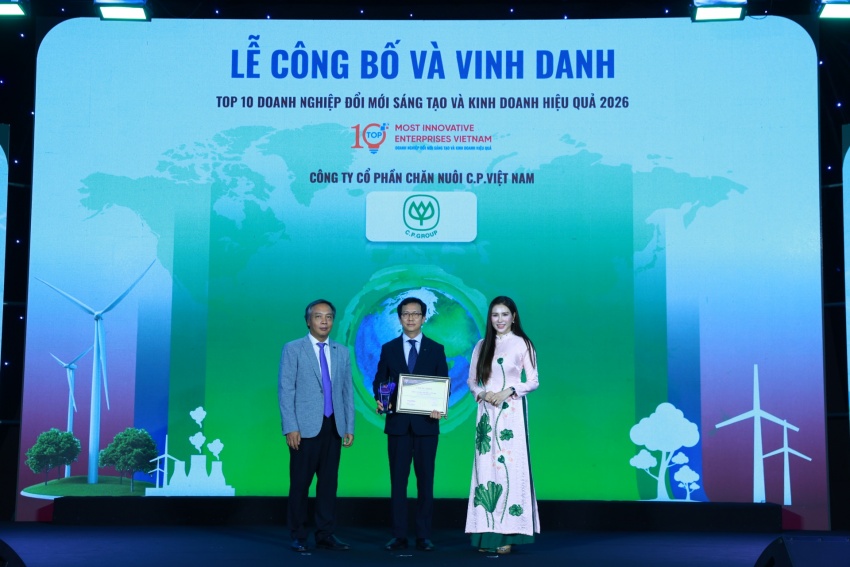
C.P. Vietnam honoured as one of the Top 10 Most Innovative Enterprises Vietnam

The forum also highlighted practical strategies for enterprises seeking to accelerate digital transformation, improve governance and enhance resilience amid an increasingly volatile global business environment. By embedding innovation into products, operations and business models while advancing ESG commitments, businesses can build stronger competitive advantages and unlock new growth opportunities.

The organisers said the VIE50 and VIE10 programme aims to recognise enterprises that have achieved outstanding business performance while encouraging the wider adoption of innovation-driven and sustainable development strategies across the Vietnamese business community.

As Vietnam pursues higher-quality economic growth and deeper international integration, enterprises capable of combining technological innovation with responsible governance and sustainable business practices are expected to play an increasingly important role in strengthening the country’s competitiveness and supporting long-term economic development.

VIE50 rankings recognise innovation leaders driving Vietnams next growth phase
Top 10 Most Innovative Enterprises Vietnam

The awards were announced on June 26, jointly organised by VIR and Viet Research in their second year, reinforcing their role as a credible benchmark for embedding environmental, social and governance (ESG) in Vietnam.

Leading ESG enterprises for advancing sustainable growth honoured
Photo: Chi Cuong

Based on Viet Research’s assessment methodology, the rankings recognise outstanding enterprises across 16 major economic sectors, including banking, finance and securities, real estate, construction, retail, logistics, technology and telecommunications, tourism, pharmaceuticals, high-tech agriculture, food and beverages, energy, manufacturing, and media.

The honoured companies were recognised for their business performance and for integrating ESG standards into their core strategies, demonstrating a strong commitment to responsible growth and long-term value creation.

According to a survey of ESG100 and ESG10 enterprises, 95 per cent have made concrete commitments to reducing carbon emissions in their production and business operations, while 93 per cent have established targets aligned with net-zero ambitions or broader sustainability objectives.

The findings reflect a growing shift among Vietnamese businesses as ESG moves from a compliance requirement to a strategic priority. Many companies are accelerating investments in cleaner production, technological innovation and corporate governance while strengthening their resilience amid an increasingly competitive global business environment.

Leading ESG enterprises for advancing sustainable growth honoured

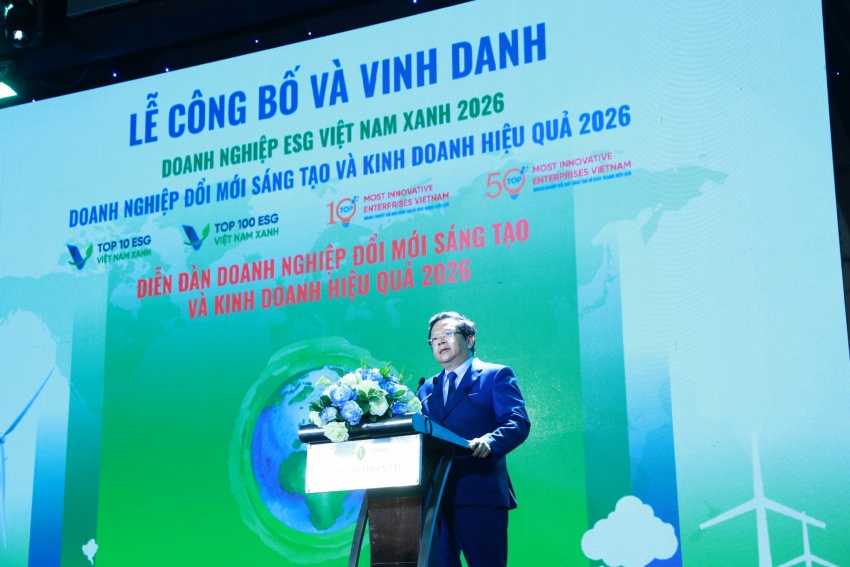
Speaking at the ceremony, Le Trong Minh, VIR’s deputy editor-in-chief, said the ESG100 and ESG10 rankings reflect the Vietnamese business community’s growing aspiration for sustainable development. “The enterprises recognised today have integrated ESG standards, green growth and corporate social responsibility into their long-term development strategies,” he said.

He noted that as global competition intensifies and international markets place greater emphasis on governance, environmental performance and social responsibility, ESG has become an increasingly important measure of corporate competitiveness.

“The enterprises honoured today stand out for their long-term vision, innovative management capabilities, and their ability to create sustainable value for shareholders, employees, customers, partners, communities, and the environment,” Minh said.

He added that these achievements demonstrate Vietnamese enterprises are capable of achieving faster and more efficient growth while becoming greener, more responsible and more sustainable.

The organisers also highlighted the broader transformation taking place across Vietnam’s corporate sector. Despite continued uncertainty in the global economy and the country’s ongoing economic restructuring, many businesses have maintained strong growth by embracing innovation, improving governance, and accelerating digital transformation alongside ESG implementation.

Beyond expanding production and strengthening their brands, many companies are pursuing long-term competitiveness through green growth strategies, technological adoption and responsible business practices that generate positive impacts for society and the environment.

These efforts are contributing to the emergence of a new generation of Vietnamese enterprises that are more innovative, more proactive in international integration and more committed to balancing economic performance with social responsibility and environmental protection.

According to the organisers, the annual ESG100 and ESG10 awards honour high-performing enterprises while fostering greater collaboration within the business community. It provides a platform for companies to exchange best practices in innovation, ESG implementation and green growth while exploring new strategic partnerships.

As Vietnam continues its transition towards a greener and more sustainable economy, the programme is expected to further strengthen the competitiveness and international standing of Vietnamese enterprises, supporting the country’s ambitions for sustainable and inclusive development.

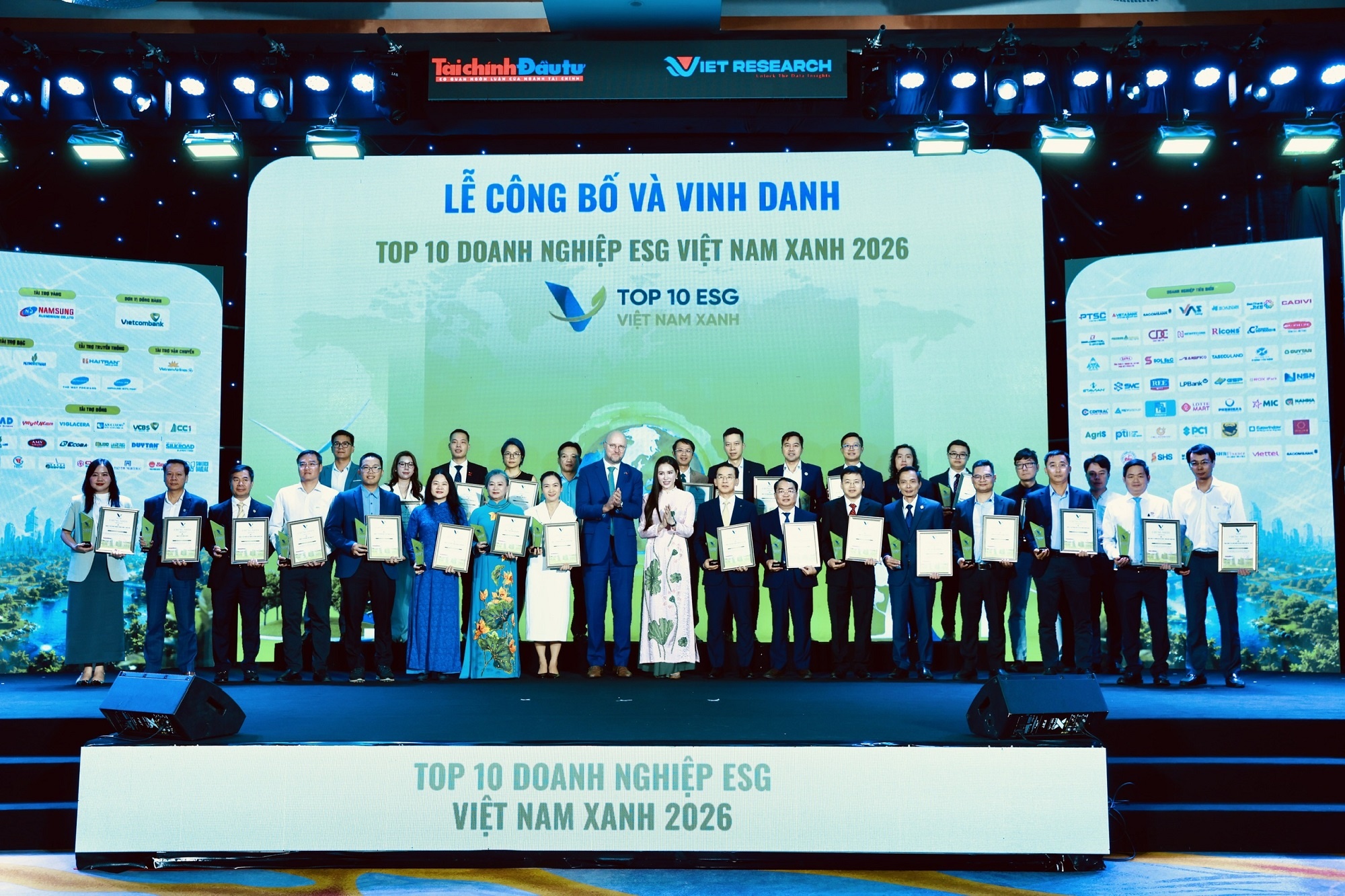
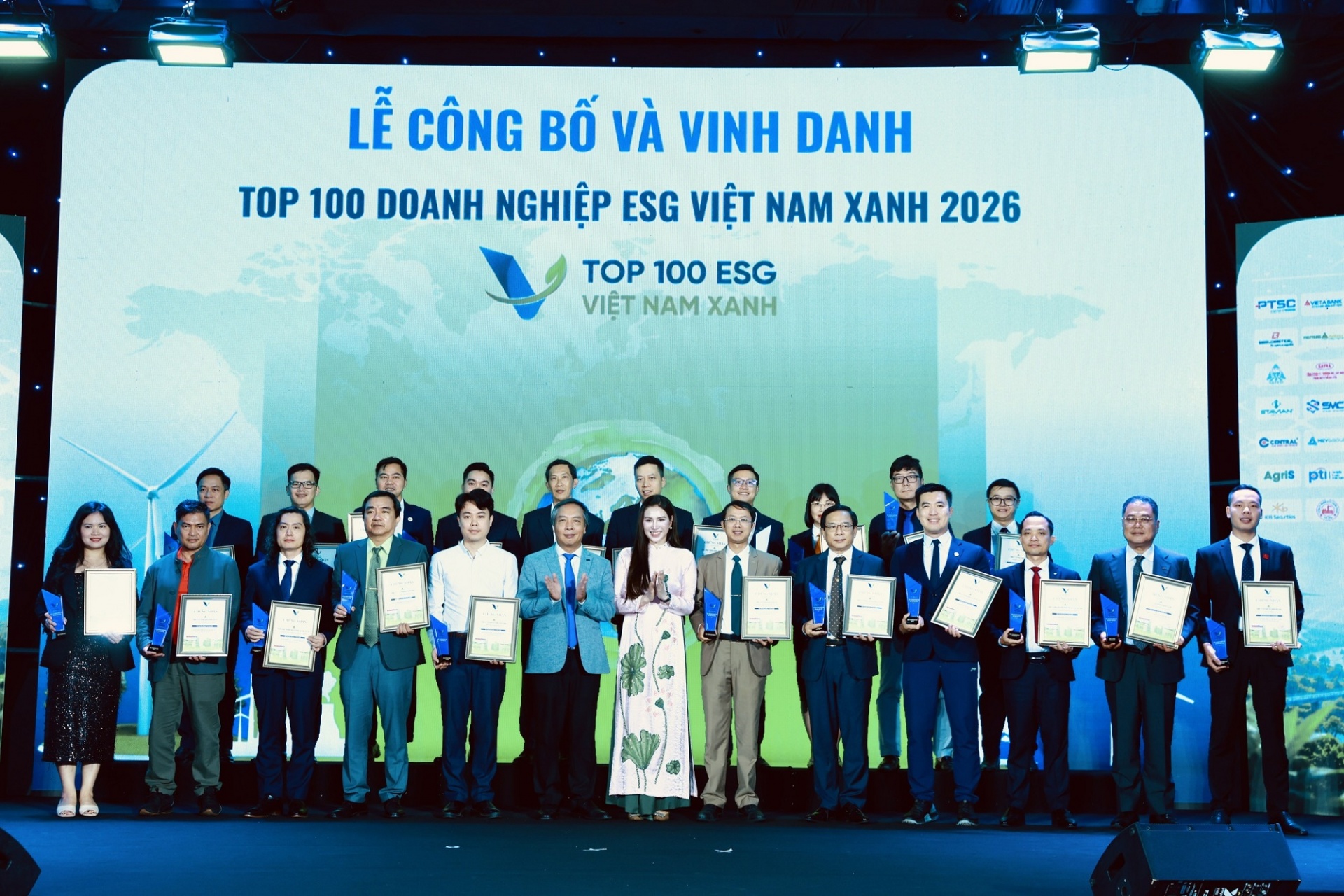
Top 100 ESG Vietnam Green Enterprises announced for 2026
Top 10 ESG Vietnam Green Enterprises in key industries. Photo: Chi Cuong
Top 100 ESG Vietnam Green Enterprises announced for 2026
Top 10 ESG Vietnam Green Enterprises in key industries. Photo: Chi Cuong
Top 100 ESG Vietnam Green Enterprises announced for 2026
Top 100 ESG Vietnam Green Enterprises. Photo: Chi Cuong
Enterprises ready for ESG Enterprises ready for ESG

Eco and Environmental, Social, and Governance are essential requirements for Vietnamese enterprises to integrate into global value chains, experts revealed at the seminar “Economic Outlook 2026: FDI Businesses and the Roadmap for Vietnam’s Rise” held in Ho Chi Minh City on April 2.

Small business ESG strategies unlocked Small business ESG strategies unlocked

A true sustainability ecosystem requires global endorsement, genuine green financing, and technology solutions to lower the cost of implementation for businesses.

ESG must be translated into tangible action ESG must be translated into tangible action

Environmental, social and governance (ESG) is a long-term journey that requires businesses to start early, take concrete actions, and continuously improve over time, rather than waiting for a perfect starting point.

More than a commemoration of history, the occasion is an opportunity to reflect on a legacy of reinvention, honour the people who have shaped that journey, and look to the future of communication – marketing transformation in Vietnam.

Publicis Groupe marks century of excellence globally and three decades in Vietnam
Publicis Groupe Vietnam’s leadership team on stage, expressing their gratitude to the talents, clients and partners who have accompanied the company on its journey in Vietnam

From its origins as a small creative hot shop in Montmartre, Paris in 1926, Publicis Groupe has transformed into the industry’s leading holding company employing more than 114,000 professionals across 100 markets with globally recognised capabilities under an integrated model.

What began as a pioneering office in Vietnam with just 15 people in 1996 has evolved into the country’s market-leading group, now home to 10 agency brands with 700 people.

Publicis Groupe was the first international communications group to establish an official legal presence in Vietnam through the Saatchi & Saatchi and Leo Burnett representative offices, before they united under the goup umbrella.

Building on this early foundation and driven by tireless efforts, Publicis Groupe Vietnam has gone on to make its mark in some of the most prestigious international creative arenas, including the market’s first Cannes Lions Award in 2007, and in recent years, Clio Awards, New York Festivals Advertising Awards, Spikes Asia, AdFest, Effie APAC Awards and MMA Smarties, reflecting the strength of both creative excellence and marketing effectiveness.

Locally and regionally, Publicis Groupe Vietnam has also built a consistent track record as Campaign Asia’s Agency of the Year, with recognitions across Creative, Media, Digital Innovation and PR, underscoring the breadth of its integrated capabilities. Each accolade stands as a powerful testament to the integrated strength of the Power of One model and a bold statement of Vietnamese creative talent on the global stage.

Over the past three decades, as Vietnam has emerged as one of Asia’s most dynamic markets, Publicis Groupe Vietnam has grown alongside the country’s transformation, continuously expanding its capabilities, investing in talent and supporting clients across an increasingly connected and competitive landscape.

Speaking at the celebration, Hoang Thi Mai Huong, chairwoman of Publicis Groupe Vietnam, said, “At the heart of our 30 years of success in Vietnam are two essential elements: our incredible people – while technology can work wonders, it’s their passion and creativity that bring our work to life with a soul, and our deep love and respect for Vietnamese culture, which not only helps creates our most effective campaigns, but also fills our hearts with joy.”

Kate Bayona-Garcia, CEO of Publicis Groupe Vietnam, added, “We are celebrating the people who made Publicis Groupe Vietnam what it is today – our visionary clients who trust us with their bold ambitions, our dedicated partners who help us make the impossible possible, and of course, our brilliant talents whose creativity and devotion are the living heartbeat of our journey.”

“We are also celebrating our spirit of courage and resilience to go through uncomfortable transformations if it means fuelling growth for our clients and our people. A decade ago, we radically dismantled our agency silos to form the ‘Power of One,’ preparing us for the future that is now before us. Today, as we step into a new century of change driven by AI, it is this same spirit that assures me our best years are still ahead of us,” she said.

Publicis Groupe to acquire HEPMIL Media Group Publicis Groupe to acquire HEPMIL Media Group

Publicis Groupe has entered into a definitive agreement to acquire HEPMIL Media Group, Southeast Asia’s preeminent influencer agency.

Vietnam keeps tabs on digital advertising Vietnam keeps tabs on digital advertising

The Vietnamese government’s new initiative on cross-border advertisement on digital platforms like YouTube, Google, and Facebook is deemed a step up from previous legislation, particularly regarding censorship and tax obligations.

AI reshapes media and advertising industry AI reshapes media and advertising industry

AI is increasingly becoming a core driver behind the transformation of the global media and advertising industry.

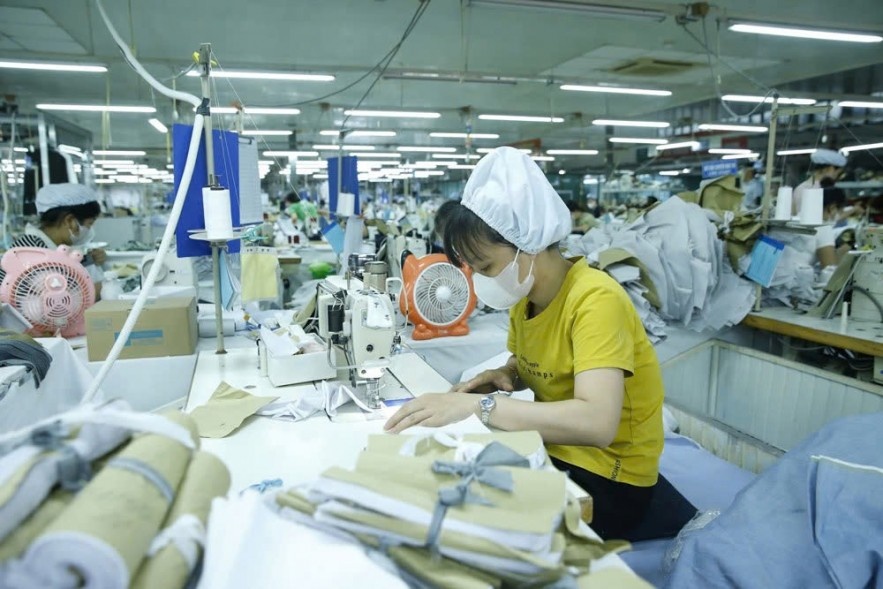
According to the Customs Department, garment and textiles exports reached approximately $3.19 billion in May 2026, up 3.5 per cent on-year.

Textile exporters navigate growth amid tariff uncertainty
Vietnam’s textile apparel export value exceeded $15 billion in the first five months

Cumulative export value for the first five months exceeded $15.13 billion, a modest increase of 0.4 per cent compared to one year ago. Meanwhile, fibre and yarn exports emerged as one of the sector’s bright spots, with export value reaching nearly $1.89 billion during the period, up 8.7 per cent on-year.

According to Bui Ngoc Chau, senior research analyst at Mirae Asset Vietnam Securities, one of the main drivers supporting the industry’s growth has been the continued shift in global sourcing orders.

“US-China trade tensions are encouraging global buyers to diversify supply chains, creating opportunities for alternative exporters. Although total US import volumes are declining, Vietnam’s rising market share should allow its textiles and apparel industry to maintain growth,” he said.

However, growth remains moderate and increasingly uneven across the sector.

State-owned Vietnam National Textile and Garment Group (Vinatex) reported first-quarter 2026 revenue of about $179.6 million, up 5 per cent on-year. Improved gross margins helped the group post profit growth of more than 12 per cent during the period.

Meanwhile, TNG Investment and Trading JSC posted first-quarter revenue of nearly $78.1 million, up 29.2 per cent on-year. However, gross profit margin fell from 15.2 per cent to 12.1 per cent amid rising cost pressures.

The company’s selling expenses increased by 46.4 per cent as freight rates remained elevated, resulting in a slight decline in operating profit. Nevertheless, TNG’s net profit rose 39.3 per cent to $2.41 million, primarily thanks to gains recorded during the quarter.

With its two core product lines – yarn and home textile products – Phong Phu Corporation delivered stronger results. First-quarter revenue rose 5.1 per cent to $25 million. Gross profit margin improved to 20.5 per cent, helping net profit increase 16.8 per cent to $5.29 million.

Meanwhile, Century Synthetic Fiber Corporation posted a significant decline in both revenue and earnings in Q1..

The company’s revenue fell nearly 29 per cent on-year. Combined with deteriorating gross profit margins, the company reported a net loss of more than $1.36 million.

According to company chairman Dang Trieu Hoa, demand for yarn remained weak, while declining revenue and sharply rising machine shutdown costs directly eroded profit margins.

The recovery of the textile apparel industry highlights uneven progression across businesses.

Although order prospects are viewed more positively than in the previous downturn, the Vietnam Textile and Apparel Association (VITAS) believes one of the industry’s biggest challenges is not volume of orders but quality and profitability.

According to VITAS, most companies have secured orders through the end of Q3. Several large enterprises with stable customer bases and strong management capabilities have even received orders extending beyond that.

Vietnam is viewed as well positioned within global supply chains, supported by the ongoing relocation of manufacturing orders, political instability and energy shortages in Bangladesh, and advantages from multiple free trade agreements.

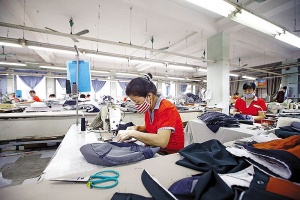
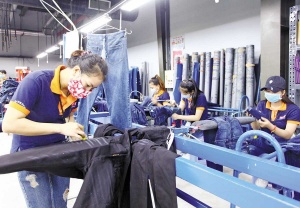
At the same time, many manufacturers are moving beyond the traditional Cut-Make-Trim model towards Free on Board and Original Design Manufacturing. The shift allows companies to take on a larger role in raw material sourcing, product design, and order management, helping improve profit margins.

However, challenges remain significant. Costs for raw materials, logistics, labour, and environmental, social, and governance compliance continue to rise, while export prices have failed to keep pace.

As a result, profit margins across the sector are under growing pressure, with many exporters facing low-priced orders, tight delivery schedules, and stricter technical and social responsibility requirements.

Even so, Nguyen Thi Trang, an analyst at KB Vietnam Securities, believes the negative impact on the industry may not be overly severe.

Under a mechanism for the sector, a certain volume of garments and textiles exports may qualify for preferential tariff rates based on the proportion of cotton and yarn imported from the United States.

“Vietnam was the largest importer of US cotton in the 2024-2025 marketing year, accounting for approximately 45 to 50 per cent of the industry’s total cotton imports. This provides an important basis for Vietnam to receive preferential tariff quotas should such a mechanism be approved,” Trang said.

However, as the US administration continues to pursue trade protectionist measures and the country’s trade deficit remains elevated, tariff-related risks are likely to remain a difficult-to-predict factor for Vietnamese exporters in the period ahead.

Vietnam continues to shine in global apparel trade Vietnam continues to shine in global apparel trade

By leveraging last year’s robust recovery, Vietnam’s garment and textiles sector is poised for significant growth in 2025, driven by shifting global demand, green production practices, and technological advancements.

Favourable tariff outlook offers boost for Vietnamese exporters Favourable tariff outlook offers boost for Vietnamese exporters

As Vietnam and the United States advance towards a reciprocal trade agreement, expectations are growing for tariff cuts that could strengthen key export sectors and improve prospects for Vietnamese stocks.

Textile apparel firms deliver robust earnings despite global tariff pressures Textile apparel firms deliver robust earnings despite global tariff pressures

The textile and garment industry is posting robust profits, with total exports for the sector this year expected to reach $46 billion, exceeding earlier expectations despite mounting tariff pressures, as companies across the industry report strong earnings.

BAF Vietnam faces penalty for breaching competition law

The National Competition Commission under the Ministry of Industry and Trade issued Decision No.122/QD-CT in May on a competition case involving violations of regulations on economic concentration related to a share acquisition.

According to the regulator’s findings, BAF Vietnam Agriculture JSC and Thanh Xuan Clean Agriculture Development JSC failed to fulfill mandatory notification procedures under the Competition Law in relation to BAF Vietnam’s acquisition of 99.99 per cent of the shares/charter capital of Thanh Xuan.

For the violation, the National Competition Commission imposed a fine of more than VND820.2 million ($32,200) on BAF Vietnam and more than VND78.5 million ($3,100) on Thanh Xuan Clean Agriculture Development JSC, bringing the total penalty for the two companies to nearly VND900 million ($35,300).

The commission said both companies have complied with and completed the enforcement of the decision in accordance with regulations.

BAF Vietnam is known as part of the Tan Long Group ecosystem led by businessman Truong Sy Ba. Tan Long is currently one of Vietnam’s major agricultural trading groups, with key products including grains, rice and cashew nuts, and expanded into pig farming in 2017.

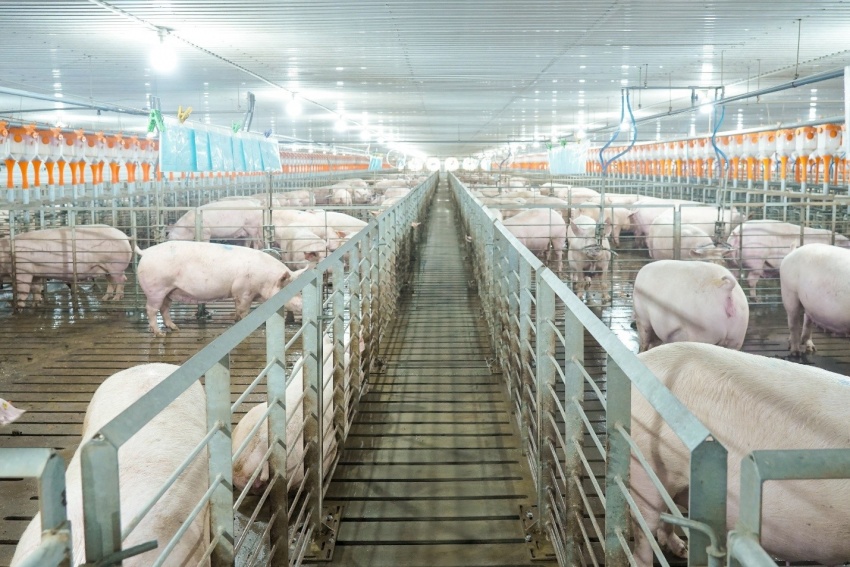
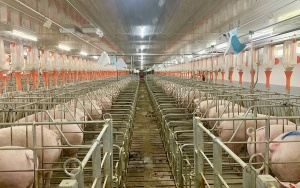
BAF Vietnam recently proposed investing in a 220-hectare multi-storey pig farming complex in Hanoi using a closed-loop, high-tech model aimed at reducing costs and environmental impacts.

Under the proposal, the project would operate as a fully integrated system with modern production lines covering breeding to commercial pork production. Compared with traditional farming methods, the model is expected to save land space while reducing feed and labour costs.

BAF Vietnam also submitted a proposal in July last year to the Ministry of Agriculture and Environment seeking opinions on the deployment of multi-storey pig farming models.

Agricultural sector sees mixed results Agricultural sector sees mixed results

Due to the ongoing economic effects caused by rising raw material prices and decreasing demand, the business results of many large agricultural and livestock producers for the first six months of 2023 have been mixed.

BaF enters industrial catering market BaF enters industrial catering market

Industrial catering marks the third and final element for BaF to complete its Feed-Farm-Food (3F) chain.

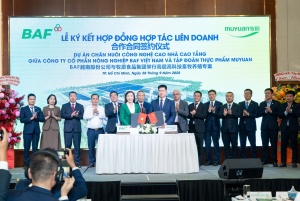
BAF launch $454m high-tech pig farm with China’s Muyuan in Tay Ninh BAF launch $454m high-tech pig farm with China’s Muyuan in Tay Ninh

A $454 million high-tech pig farming joint venture in Tay Ninh province aims to combine large-scale livestock production with advanced animal feed manufacturing, setting a new benchmark for efficiency and sustainability in the sector.

According to data from Metric, a Vietnam-based e-commerce data and market intelligence company, the gross merchandise value (GMV) generated by Vietnam’s four largest e-commerce platforms of Shopee, TikTok Shop, Lazada and Tiki during this year’s June 6 mega sales event could exceed $260 million

Data and technology redefine Vietnam’s e-commerce race
Vietnam’s e-commerce platforms are increasingly competing on customer experience rather than price

The forecast is based on the performance of the May 5 sales campaign, which recorded GMV of approximately $260 million.

Beyond growth in scale, the market is also witnessing profound changes in consumer behaviour, competitive dynamics and platform business models.

The figures highlight the continued strength of online spending in Vietnam. Earlier, a market report from Metric showed that Vietnamese consumers spent approximately $17.2 billion on Shopee, TikTok Shop, Lazada and Tiki in 2025, an average of about $47.7 million per day.

Meanwhile, a report by YouNet ECI, a Vietnamese market research and analytics company specialising in e-commerce intelligence, found that total GMV across the four major platforms exceeded $18.32 billion in 2025, growth of 26 per cent compared with the previous year.

The data suggest that e-commerce has entered a stage of large-scale expansion rather than serving merely as a supplementary sales channel, as was the case in the past.

Another notable trend is the rapid increase in average order value. According to Metric, GMV during the May 5 sales event rose 18 per cent on-year, while the number of products sold declined 6 per cent and the number of stores generating orders fell by around 10 per cent.

At the same time, the average value per product increased from $4.32 to $5.44, approximately 25 per cent growth.

This indicates that consumers are no longer focused on maximising the number of purchases, as seen during the post-COVID boom period, but are increasingly prioritising higher-quality products and higher-value segments.

Product categories posting strong growth included groceries, beauty products, mother-and-baby products, healthcare, mobile phones and home-related goods.

Notably, the beauty segment continued to demonstrate the effectiveness of livestream commerce, generating more than $47.76 million in sales on May 5 alone.

Industry experts say that Vietnam’s e-commerce sector is entering a more mature stage, where competition extends well beyond promotional discounts.

Rather than competing solely on price, e-commerce platforms in Vietnam are increasingly investing in logistics infrastructure, fulfilment centres, AI, user data capabilities, livestream commerce and creator networks.

With an annual market size measured in tens of billions of dollars and one of the fastest growth rates in the region, Vietnam’s e-commerce sector is expected to retain substantial growth potential.

However, the next phase of competition will not simply be a battle among platforms. It will increasingly be a contest among businesses capable of harnessing data, technology and the power of the creator economy to win over digital consumers.

To remain competitive, companies need to continuously upgrade their algorithms, advertising ecosystems and logistics capabilities, while making more strategic investments in branding, customer data and content development.

E-commerce race heats up with new player entering arena E-commerce race heats up with new player entering arena

A new commercial platform, nongsan.buudien.vn, has made its official debut.

Southeast Asian e-commerce market hit $157 billion in 2025 Southeast Asian e-commerce market hit $157 billion in 2025

Southeast Asia’s e-commerce gross merchandise value (GMV) grew 22.8 per cent on-year in 2025 to reach $157.6 billion, as leading platforms returned to growth while continuing to improve infrastructure, fulfilment, and customer experience, according to Momentum Works.

Over 200,000 OCOP items listed on e-commerce platforms Over 200,000 OCOP items listed on e-commerce platforms

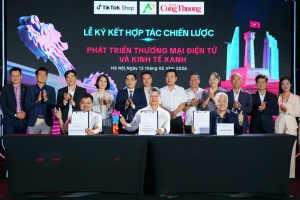
More than 200,000 One Commune, One Product items have been labelled through the ‘Vietnam Goods Rise Up’ initiative launched on TikTok Shop in 2025.

VinFast posts $920 million revenue in Q1

On June 8, VinFast announced its unaudited financial results for the first quarter. The company noted revenue growth was driven by strong growth in electric vehicle sales volumes in Vietnam, together with contributions from overseas markets such as India, Indonesia and the Philippines.

In the first quarter of 2026, VinFast delivered 58,577 electric vehicles (EVs), representing an increase of 61 per cent from the same period last year. International markets accounted for approximately 8 per cent of total deliveries during the quarter.

In Vietnam, VinFast’s EV deliveries in the first quarter of 2026 increased by 53 per cent on-year. The company maintained its position as the number one original equipment manufacturer (OEM) in the domestic automotive market since September 2024.

Southeast Asia and India continue to be key growth markets for VinFast. At the end of the first quarter of 2026, VinFast ranked number one BEV brand in the Philippines, fourth in India and eighth in Indonesia.

The company also delivered 143,136 units of e-scooters and e-bikes in the first quarter, representing an increase of 219 per cent from the first quarter of 2025.

In March alone, VinFast received more than 135,000 e-scooter orders and shipped over 93,000 e-scooters to dealers in Vietnam.

VinFast currently holds the leading position in Vietnam’s electric motorcycle market and, in March, expanded its share of the overall motorcycle market (including both electric and internal combustion engine models) to 17 per cent.

VinFast continued to expand its retail and after-sales network as part of its global expansion strategy. By the end of the first quarter, customers can purchase VinFast EVs from 447 showrooms globally.

Pham Nhat Quan Anh, chairman of VinFast, said, “VinFast has entered a new phase focused on disciplined execution, long-term sustainability, and scalable growth.”

“As we continue expanding globally, we remain committed to strengthening our operational foundation, enhancing capital efficiency, and advancing our transition towards a more asset-light and resilient business model in Vietnam. We believe the long-term global shift toward electrification, supported by increasing focus on energy security and operating efficiency, continues to create meaningful opportunities for VinFast across our core markets,” Quan Anh said.

Looking ahead, VinFast plans to further grow its presence through various distribution models, with dealership partnerships remaining the primary channel. To support market demand, the company plans to strengthen its manufacturing, assembly and distribution capabilities across international markets where it currently operates.

Green SM extends lead in Vietnam's ride-hailing market to over 54 per cent Green SM extends lead in Vietnam’s ride-hailing market to over 54 per cent

Green SM continues to widen its lead in Vietnam’s ride-hailing market in the first quarter, capturing over 54 per cent market share and maintaining its top position for 18 consecutive months.

VinFast divests EV manufacturing operations for asset-light strategy VinFast divests EV manufacturing operations for asset-light strategy

VinFast Auto Ltd., Vietnam’s leading electric vehicle manufacturer, has announced a significant corporate restructuring that involves divesting its domestic car manufacturing operations to focus on brand management and design.

VinFast expands global aftersales network with 29 partners VinFast expands global aftersales network with 29 partners

VinFast signed MOUs with 29 aftersales partners at its 2026 Global Business Conference, strengthening its international service network.