According to a report released by MBS Research on June 29, second-quarter 2026 business results across the oil and gas sector are expected to improve thanks to the average Brent Crude Oil price remaining at an elevated level throughout the quarter, alongside accelerated implementation of major domestic oil and gas projects.

However, the degree of benefit is expected to vary across different segments of the value chain.

The upstream segment is expected to be the industry’s brightest performer during the second quarter (Q2) as the average Brent Crude Oil price reaches approximately $97 per barrel.

Oil and gas sector set for strong Q2 as upstream outshines downstream

At the same time, the accelerated rollout of key domestic oil and gas projects is creating a substantial volume of work for oilfield technical service providers.

Exploration and production activities have also become more vibrant than in previous years, reflecting that the oil and gas investment cycle is entering a recovery phase.

For Petrovietnam Technical Services Corporation (PVS), the company continues to benefit from a sizeable backlog associated with major domestic projects such as the Lac Da Vangoil field in the Cuu Long Basin and the offshore Block B–O Mon gas-to-power project in the Malay–Tho Chu Basin.

According to MBS Research, progress on several contract packages has exceeded expectations, while Su Tu Trang’s second-phase 2B contract, signed in April, has further strengthened the company’s order backlog for the coming years.

As a result, PVS’s Q2 net profit is forecast to reach $17.1 million, up 18.5 per cent on-year.

For Petrovietnam Drilling and Well Services Corporation (PVD), growth is expected to be driven by the official commencement of operations of the PVD IX jack-up drilling rig in April, lifting the company’s total number of operating jack-up rigs to the highest level in its history.

In addition, the company’s existing rigs continue to operate at near-full capacity across Vietnam, Malaysia, Brunei and Indonesia, while day rates remain around $90,000 per day as market supply continues to lag demand.

MBS Research forecasts PVD’s Q2 net profit at $13.6 million, representing an on-year increase of 41.3 per cent.

In the midstream segment, MBS Research believes business performance will generally remain stable, although there are still few catalysts capable of driving significant innovation

For Petrovietnam Gas Joint Stock Corporation, elevated oil prices during most of the quarter supported selling prices for dry gas, liquefied petroleum gas (LPG), and condensate.

At the same time, the company continued expanding its liquefied natural gas import activities, importing 354,000 tonnes during the first six months of the year while securing an additional 140,000 tonnes of LPG to ensure supply for power generation, industrial production and consumer demand.

Nevertheless, the company’s Q2 net profit is projected to decline 24.8 per cent on-year to $142.8 million, mainly because the same period last year recorded a provision reversal worth approximately $64 million.

Excluding this one-off item, the company’s core earnings are expected to remain broadly flat compared to one year ago.

Meanwhile, PetroVietnam Transportation Corporation (PVT) continues to maintain a high fleet utilisation rate, with its entire fleet operating steadily.

Although tensions in the Middle East have contributed to higher international crude oil tanker freight rates, the benefits to PVT are expected to be largely indirect, given that its fleet is primarily concentrated in specialised segments such as oil tankers and LPG carriers.

MBS Research forecasts PVT’s Q2 net profit at $14 million, up 18.8 per cent on-year, supported by strong fleet utilisation, newly commissioned vessels, and a more favourable freight rate environment.

The downstream segment is expected to witness the greatest divergence in performance, as oil price movements affect individual companies differently.

For Binh Son Refining and Petrochemical JSC (BSR), after being adversely affected in Q2 of 2025 by oil price volatility and inventory write-down provisions, business performance is expected to recover strongly this year.

MBS Research forecasts BSR’s Q2 net profit at $163.1 million, soaring almost 38.2 per cent on-year, driven by improved petroleum and diesel crack spreads, the absence of significant inventory revaluation losses, and the continued high-capacity operation of Dung Quat Oil Refinery to meet robust domestic demand.

In contrast, Vietnam National Petroleum Group is forecast to report a 10.3 per cent on-year decline in Q2 net profit to $46.1 million.

Although petroleum sales volumes continue to increase, profit margins are expected to narrow as the company is still selling inventory purchased at elevated oil prices during Q1 and early Q2, while domestic retail fuel prices are adjusted in line with the government’s pricing cycle.

With an inventory turnover cycle of approximately 21 to 23 days, the company has yet to fully benefit from the decline in oil prices towards the end of the quarter, thereby placing pressure on its profit margins during the period.
ASEAN countries exposed by Middle East oil dependence ASEAN countries exposed by Middle East oil dependence

ASEAN countries are vulnerable to supply chain disruptions due to their heavy dependence on crude oil imports from the Middle East.

Jadestone Energy signs gas sales agreement in Vietnam Jadestone Energy signs gas sales agreement in Vietnam

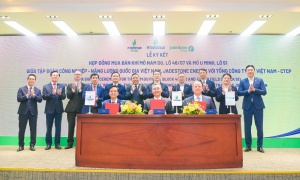
Jadestone Energy, an independent upstream production and development company, on April 20 announced the signing of the Gas Sales and Purchase Agreement for the supply of gas from the Nam Du/U Minh discoveries offshore fields in Vietnam.

Petrovietnam signs MoU with Vitol Asia to boost energy cooperation Petrovietnam signs MoU with Vitol Asia to boost energy cooperation

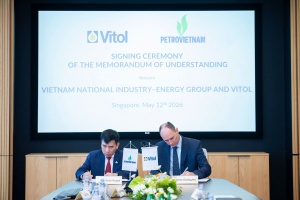
Vietnam National Industry – Energy Group (Petrovietnam) has signed an MoU with Vitol Asia Pte. Ltd. to cooperate in the energy sector and related areas, marking a strategically significant step for the Vietnamese state energy group.

P12 13 bài Bức tranh xuất khẩu thủy sản 2021 – chế biến và xuất khẩu thủy sản
Photo: Le Toan

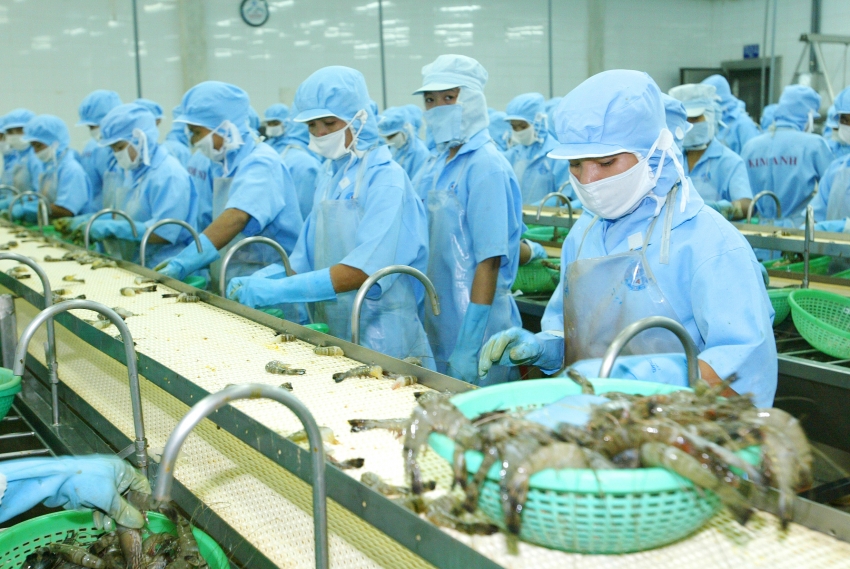
According to the Vietnam Association of Seafood Exporters and Producers (VASEP), seafood exports generated nearly $1.1 billion in June alone, marking a 21 per cent increase on-year and extending the sector’s solid growth momentum. The figures were released by VASEP on June 30 on its website.

The association said the first-half performance reflected recovering global demand and Vietnamese exporters’ ability to diversify markets, optimise product portfolios, and capitalise on regions offering geographical and cost advantages.

Shrimp remained the sector’s largest export earner. June exports rose 20.7 per cent on-year to $445.9 million, bringing first-half turnover to $2.3 billion, up 13.6 per cent and accounting for more than 40 per cent of total seafood exports.

Growth was mainly supported by robust demand from China and Hong Kong, particularly for black tiger shrimp, lobster, and frozen shrimp. However, exporters continued to face stiff competition in the US market from suppliers in Ecuador, Indonesia, and India, while anti-dumping and countervailing duties, along with stricter traceability requirements, increased compliance costs.

Basa fish remained the second-largest export category. Exports reached $209.1 million in June, up 7.7 per cent, while first-half shipments climbed 12.1 per cent to $1.1 billion, representing 19.4 per cent of the industry’s total export value.

VASEP said basa fish continued to benefit from competitive pricing, stable supply, and broad consumer appeal. Expanding value-added, convenience, and smaller-packaged products would be key to sustaining future growth.

Exports of other fish species, mainly marine fish and selected freshwater species, also posted solid results. June exports increased 19.8 per cent to $198.8 million, while first-half turnover reached around $1.1 billion, up 12 per cent. Nevertheless, the segment continued to face challenges related to raw material supply, legal catch certification, traceability, and anti-illegal fishing regulations.

Tuna exports showed mixed performance. June shipments surged 28 per cent to $85.9 million, but first-half exports edged down 2 per cent on-year to $452.7 million, indicating that the recent recovery had yet to offset weaker sales earlier in the year.

Meanwhile, cephalopods and crustaceans remained bright spots. Squid and octopus exports rose 18.8 per cent to $380.2 million in the first six months, while crab and other crustacean exports climbed 26.2 per cent to $206.2 million. Shellfish exports increased 33.1 per cent to $155.3 million, and other molluscs, although from a smaller base, surged 84.4 per cent.

China and Hong Kong remained Vietnam’s strongest growth market. June exports to the region increased 32.2 per cent to $256.6 million, while first-half turnover reached $1.5 billion, up 37.9 per cent and accounting for nearly 26 per cent of total seafood exports.

Exports to the US rebounded strongly in June, rising 48.3 per cent to $195.3 million. However, first-half exports totalled $897.9 million, remaining broadly unchanged from a year earlier. VASEP attributed the recovery mainly to short-term orders, while consumer demand remained fragile amid high inventories, price competition, and ongoing tariff and technical barriers.

Japan generated $787.5 million in seafood imports from Vietnam in the first half, up just 0.7 per cent, as weak consumer spending and a depreciating yen constrained demand. Exports to the EU slipped 0.8 per cent to $536.7 million, weighed down by the ongoing European Commission yellow card warning on illegal, unreported, and unregulated fishing and stricter catch certification requirements. Shipments to the Middle East edged down 0.1 per cent to $166.6 million.

Other markets maintained healthy growth. Exports to South Korea increased 9 per cent to $419.4 million, ASEAN rose 15.8 per cent to $380.2 million, and other markets expanded 17.1 per cent to around $1.1 billion, highlighting the effectiveness of Vietnam’s market diversification strategy.

Despite the positive outlook, VASEP warned that logistics costs would pose a major challenge in the second half of the year. As a sector heavily dependent on refrigerated container shipping, seafood exporters remain vulnerable to rising freight rates, fuel surcharges, insurance costs, container shortages, and port congestion.

International container freight rates have approached their highest levels in nearly two years, particularly on routes to the US and EU, as importers accelerate shipments ahead of potential new tariff measures.

VASEP said the first-half result provided a solid foundation for achieving double-digit export growth in 2026. However, sustaining momentum will require exporters to strengthen their presence in high-growth markets such as China, ASEAN, and South Korea, while improving compliance in the US, EU, and Japan, controlling logistics costs, and expanding higher value-added processed products.

Vietnam joins upper-middle income economies in World Bank classification
Source: World Bank Group

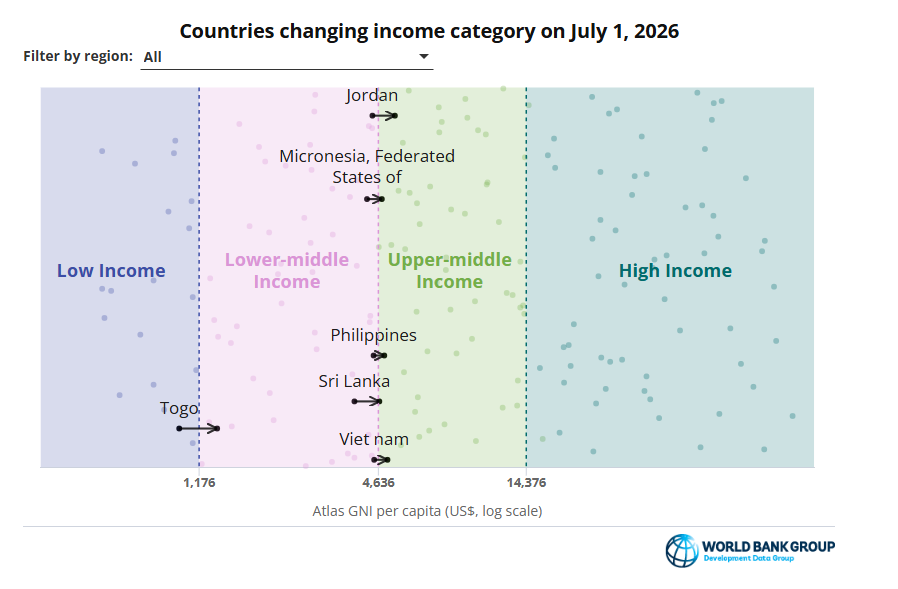
The World Bank Group on July 1 reclassified Vietnam from a lower-middle income economy to an upper-middle income economy in its latest Country Income Classifications, based on 2025 gross national income (GNI) per capita estimates.

The annual update, prepared by the World Bank Group’s Development Data Group, covers 218 economies and will serve as the global reference for income classifications until the end of June 2027.

According to the World Bank, Vietnam’s transition reflects a sustained period of strong economic performance driven by its export-oriented growth model. Exports expanded by more than 15 per cent in both 2024 and 2025, while GDP grew by 7 per cent and 8 per cent, respectively. Over the 2021-2025 period, the country’s GNI increased by an average of 10 per cent annually, making it one of the strongest sustained growth performers in the region.

The World Bank noted that Vietnam’s move tells “a story of growth”, distinguishing it from other economies that reached higher income classifications through different circumstances.

Five economies were upgraded from lower-middle income to upper-middle income this year, including Vietnam, Jordan, Micronesia, the Philippines, and Sri Lanka. Togo was the only country to move from the low-income category to lower-middle income, while no economy was downgraded.

Although the six economies all crossed income thresholds, the World Bank said each followed a distinct path.

Vietnam’s upgrade was underpinned by sustained export-led expansion. The Philippines advanced on the back of broad-based economic growth across major industries, with GDP averaging 5.8 per cent annually over the past five years.

Sri Lanka’s reclassification reflected its recovery from the severe economic crisis of 2022. The country’s real GDP grew by 5 per cent in 2025, supported by rebounds across industries as well as financial and tourism services, although it only narrowly exceeded the upper-middle income threshold.

Jordan’s promotion resulted largely from a comprehensive rebasing of its national accounts, which found the economy to be nearly 10 per cent larger than previously estimated after updated surveys, new data sources, and improved statistical methodology were incorporated. Combined with GDP growth of 2.8 per cent in 2025, the revision lifted the country into the upper-middle income category.

Meanwhile, Micronesia recorded modest but steady growth following its post-pandemic recovery, driven mainly by construction and agriculture, while Togo’s reclassification was primarily the result of revised population data following its 2022 census, which raised GNI per capita despite only moderate changes in total national income.

The World Bank updates its income classifications every July based on GNI per capita calculated using the Atlas methodology, which smooths short-term exchange rate fluctuations. Income thresholds are adjusted annually to account for inflation, while changes in economic growth, population, national accounts, and underlying statistical data can all influence a country’s classification.

According to the World Bank, the classifications play an important role in determining eligibility for concessional financing and development assistance, while also providing governments, researchers, and international organisations with a consistent benchmark for tracking economic progress.

The institution noted that since 1987, the share of economies classified as low-income has declined from 30 per cent to 11 per cent, reflecting significant changes in the global economic landscape over the past four decades. However, it noted that countries have reached higher income groups through widely different development trajectories and that no single indicator can fully capture the complexity of economic development.

Supply chain transparency has become a top priority for fashion brands and the textiles industry. What are the key factors driving this shift?

Lynch: Adoption is largely being driven by tightening global regulation, shifting trade dynamics, and increasing demand for evidence-backed origin claims from regulators, brands and consumers.

The future of textile traceability: Building trust through science
Oritain chief customer officer Gemma Lynch

Despite widespread investment in traceability, supply chain risk continues to persist, as our 2026 Supply Chain Intelligence Report found that 90 per cent of brands analysed in our 2025 Market Insights Programme had at least one result consistent with prohibited cotton, highlighting the limitations of documentation-based approaches and accelerating demand for independent verification.

The market is evolving towards continuous, programmatic verification models, where origin verification becomes embedded into ongoing supply chain and sourcing strategies rather than treated as a one-off compliance exercise.

What are the biggest challenges brands and textiles supply chains face today in proving the authenticity and origin of their raw materials?

Lynch: Regulatory scrutiny is heightening across multiple markets, from the US with the evolving tariff landscape, recent Section 301 investigations, and an uptick in enforcement due to the Executive Order “Strengthening Customs Enforcement,” to the EU Forced Labour Regulation and impending EU Deforestation Regulation. This environment highlights that documentation alone is no longer sufficient in complex, multi-tier supply chains, particularly where raw material origin is under regulatory scrutiny.

A verification-first approach enables companies to take a proactive approach, and identifying and addressing inconsistencies early, providing stronger, evidence-based support for compliance and reducing the risk of disruption.

More broadly, it reinforces the need for resilient supply chains built on independent verification of the physical product, ensuring companies can maintain market access and confidence in a rapidly evolving regulatory landscape.

Kyungbang has become the first spinning mill to join Oritain’s membership programme. What motivated this decision, and how important is it to Kyungbang and the Vietnamese textiles industry?

The future of textile traceability: Building trust through science
Kyungbang chairman Joon Kim

Kim: Kyungbang believes that a trusted supply chain will be one of the most important competitive advantages for the textiles industry in the years ahead.

Joining Oritain’s membership programme reflects our long-term commitment to transparency, traceability, and responsible sourcing.

As the first spinning mill to join the programme, our goal is not simply to meet customer expectations, but to help strengthen supply chain credibility and contribute to setting a higher standard for the industry.

Kyungbang’s membership spans its operations in South Korea and two spinning mills in Vietnam. As a global yarn supplier operating at the earliest stage of the textiles supply chain, Kyungbang’s commitment to ongoing, programmatic origin verification sets a new standard for the spinning sector, and gives its customers worldwide access to independently verified origin claims backed by forensic science.

Through Oritain’s membership programme, Kyungbang will supply customers worldwide with products verified through independent forensic authentication. We expect this to receive strong support from market participants, and we are committed to ensuring we consistently deliver integrity and responsible trust to our customers

For Vietnam, as the country moves towards mandatory digital traceability for textiles products, Kyungbang’s participation in Oritain’s global membership programme positions its Vietnam operations at the forefront of the industry’s transition from documentation-based traceability to independent, science-backed origin verification, helping strengthen trust, support compliance, and enhance the competitiveness of Vietnam’s textiles sector in global markets.

We also hope this initiative will support the global competitiveness of Vietnam’s textiles industry and further strengthen its reputation as a trusted sourcing destination.

How does joining Oritain’s membership programme align with Kyungbang’s long-term vision for sustainability, innovation, and customer trust?

Kim: At Kyungbang, sustainability extends beyond environmental responsibility to include supply chain transparency and customer trust.

Our partnership with Oritain provides a meaningful foundation for demonstrating these values through independent scientific verification.

We have continuously strengthened not only our product quality and manufacturing excellence, but also our commitment to traceability and responsible business practices.

Going forward, we will continue creating sustainable value by being a trusted partner for our customers and stakeholders.

What innovations is Oritain developing to make provenance testing even more scalable and accessible for the industry?

Lynch: Oritain verifies the product itself using forensic science, rather than relying on documents, certifications or digital systems that depend on supplier-reported data.

Our methodology analyses the intrinsic characteristics of a material to determine whether it is consistent with its claimed origin, providing a tamper-resistant and independent source of truth.

Oritain continues to invest heavily in scientific research and development, extending its forensic origin verification capabilities beyond cotton into additional materials including leather, another of the world’s most highly scrutinised materials due to deforestation concerns. This broadens access to provenance testing across more product categories and enables brands to apply the same rigorous verification standards throughout their supply chains.

Through our membership model, Oritain is creating a global network of origin-verified buyers and suppliers that share a common, science-based source of truth. This approach moves the industry from one-off testing towards programmatic verification at scale, helping suppliers demonstrate credibility to multiple buyers while giving brands greater visibility, confidence and transparency across their sourcing ecosystems. This innovation ensures greater accessibility to the most robust forensic verification programmes and ensures a continuously scalable model across global supply chains.

This delivers greater value by enabling brands to substantiate claims with evidence and giving consumers increased confidence that product origin aligns with what is being communicated.

What additional investments is Kyungbang making to strengthen responsible sourcing, sustainability, and supply chain resilience?

Kim: Kyungbang will continue investing in greater supply chain transparency, operational resilience, and sustainable manufacturing across our global operations.

Our priorities include expanding digital traceability systems, strengthening partnerships with suppliers, improving manufacturing efficiency, and investing in environmentally responsible production technologies.

We will also continue enhancing our responsible sourcing practices in line with internationally recognised sustainability standards to meet the evolving expectations of global customers.

Vietnam is a key manufacturing base for Kyungbang. We will continue investing in technology, people, and production capabilities to support sustainable growth and strengthen our global competitiveness.

About Oritain

Oritain is a global leader in forensic origin verification. Using cutting-edge science, advanced technology, and specialised services, the group independently verifies where products and raw materials come from – protecting brand integrity, supporting compliance, and strengthening supply chain trust and transparency.

Its method is resistant to tampering, court-admissible, and trusted by suppliers and manufacturers, brands and retailers, consumers, and regulators. Purpose driven, it is committed to advancing the scientific techniques and systems needed to identify the origin of the world’s most critical commodities – enabling more ethical, resilient, and accountable supply chains.

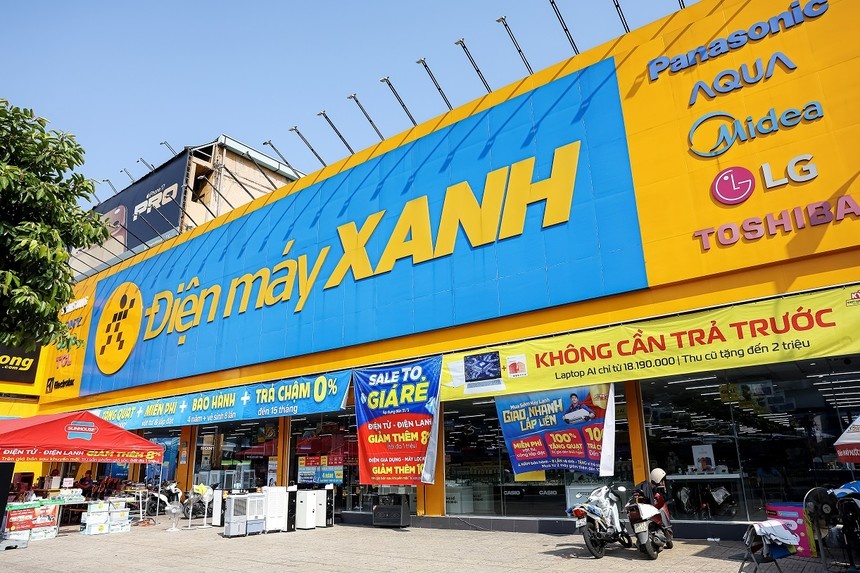
Dien May Xanh's IPO raises over $500 million
Photo: tinnhanhchungkhoan.vn

Announced on July 1, the initial public offering (IPO) will see Dien May Xanh (DMX) shares begin trading on the Ho Chi Minh City Stock Exchange in August.

On June 30, the company’s Board of Directors issued Resolution No.14/NQ/HĐQT/ĐMX-2026, approving the results of the IPO. A total of 166,438,500 shares were successfully allocated (equivalent to 93 per cent of the offered volume and representing 13.1 per cent of the company’s voting shares after the offering) to 2,646 investors.

In finalising the allocation, the Board of Directors approved the further allocation of part of the 13,386,900 shares that remained unsold. Accordingly, Robert Alan Willett, a member of the Board of Directors, subscribed for 325,000 shares at VND80,000 ($3.08) per share, for a total value of VND26 billion ($1 million); these shares are subject to a one-year transfer restriction from the close of the offering in accordance with regulations. The remaining 13,061,900 unsold shares were cancelled and not counted towards the company’s charter capital.

At the IPO price of VND80,000 per share, the actual proceeds from the transaction reached more than VND13.32 trillion (over $500 million). The completion of the IPO will raise DMX’s charter capital from VND11.01 trillion ($423.46 million) to VND12.68 trillion ($487.69 million), corresponding to 1,267,722,000 shares outstanding – a scale that secures DMX’s position as the CE/ICT retailer with the largest charter capital in the market.

The offering results further confirm DMX as one of the most closely watched transactions on the stock market, drawing the participation of nearly 30 institutional investors representing close to 60 domestic and foreign investment funds, alongside nearly 2,600 individual investors. These financial institutions absorbed up to 90 per cent of the total registered volume; of which foreign institutional capital played the leading role at 73 per cent, with domestic institutions accounting for 17 per cent.

With 90 per cent of the volume held by institutional investors and long-term funds, DMX’s shareholder base is regarded as high in quality. This reflects institutional investors’ long-term confidence in the business and helps mitigate short-term profit-taking pressure once the shares begin trading. Following the IPO, Mobile World Investment Corporation holds nearly 86 per cent of DMX’s charter capital.

This is a notable outcome, as the transaction – exceeding half a billion US dollars in size – was executed during a period of heightened market volatility, marked by intensifying net selling by foreign investors. Despite this backdrop, major international capital still chose to invest in DMX.

The foundation for the successful IPO is Dien May Xanh’s steady business growth. In the first five months of 2026, consolidated net revenue reached more than $2 billion, up 33 per cent on-year and completing 45 per cent of the full-year plan after only 5 of 12 months.

This growth was driven entirely by deeper market penetration, with same-store sales growth maintained at 33 per cent while no new stores were opened in Vietnam during the period. In Indonesia, the Erablue chain reached 245 stores, with revenue up 93 per cent on-year.

On the back of this momentum, DMX is on track to exceed its 2026 plan, with revenue and net profit after tax projected to grow 30 per cent and 50 per cent on-year, respectively. This provides the foundation for DMX to deliver on its commitment to pay a cash dividend of VND4,000 (15.4 US cents) per share immediately after listing, equivalent to a 5 per cent dividend yield on the IPO price.

Indonesia-Vietnam retail chain EraBlue targets $790 million by 2030 Indonesia-Vietnam retail chain EraBlue targets $790 million by 2030

EraBlue, an Indonesian consumer electronics retail chain joint venture between Vietnam’s Dien May Xanh and Indonesia’s PT Erajaya Swasembada, is targeting annual revenue of $790 million by 2030.

Dien May Xanh posts over $40,000 profit per hour in Q1 Dien May Xanh posts over $40,000 profit per hour in Q1

Dien May Xanh, Vietnam’s leading consumer electronics and home appliance retailer, recorded average profits of more than $40,000 per hour in the first quarter, as it accelerates ecosystem expansion ahead of a planned IPO this year.

Dien May Xanh plans $574 million IPO to fund regional expansion Dien May Xanh plans $574 million IPO to fund regional expansion

Vietnam’s leading consumer electronics retail chain Dien May Xanh is planning to raise more than $574 million through an initial public offering (IPO) to fund its transition towards high-margin service segments and regional expansion.

The 2026 Vietnam 100 report, released on July 2, also noted that GDP growth is expected to moderate to between 6 per cent and 7 per cent this year after expanding 8 per cent in 2025. Notable gainers this year include airlines, up 79 per cent; healthcare services, up 76 per cent; and banking, up 13 per cent.

The report offers a detailed analysis of sectors such as airlines, banking, real estate and retail sectors, highlighting leading brands and their achievements. The banking sector continues to build on its 2025 digital momentum, with brands such as VietinBank and MB distinguishing themselves through ongoing digital transformation across their operations.

Vietnam’s top 100 brands leap 11 per cent in value to $43 billion
Photo: Brand Finance

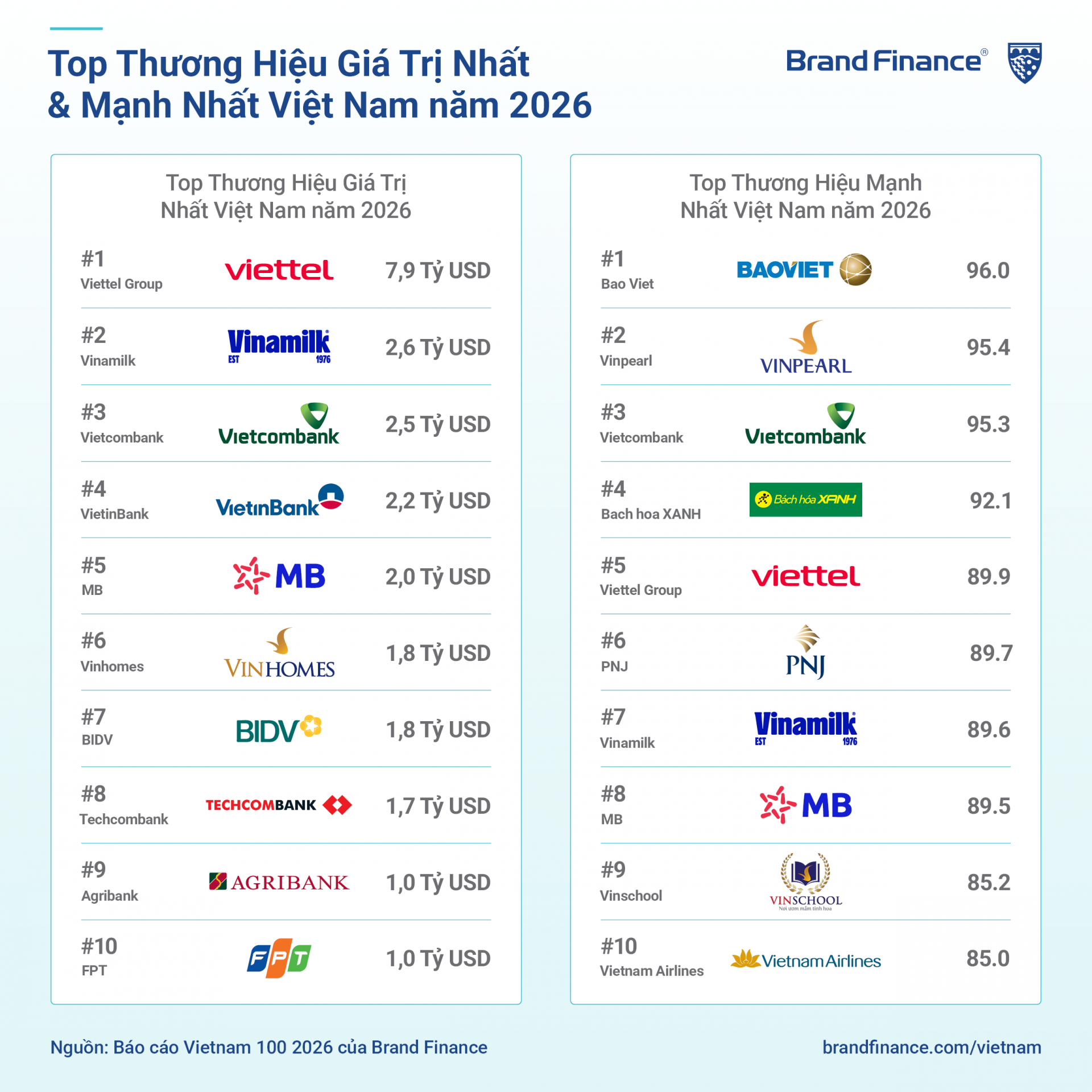
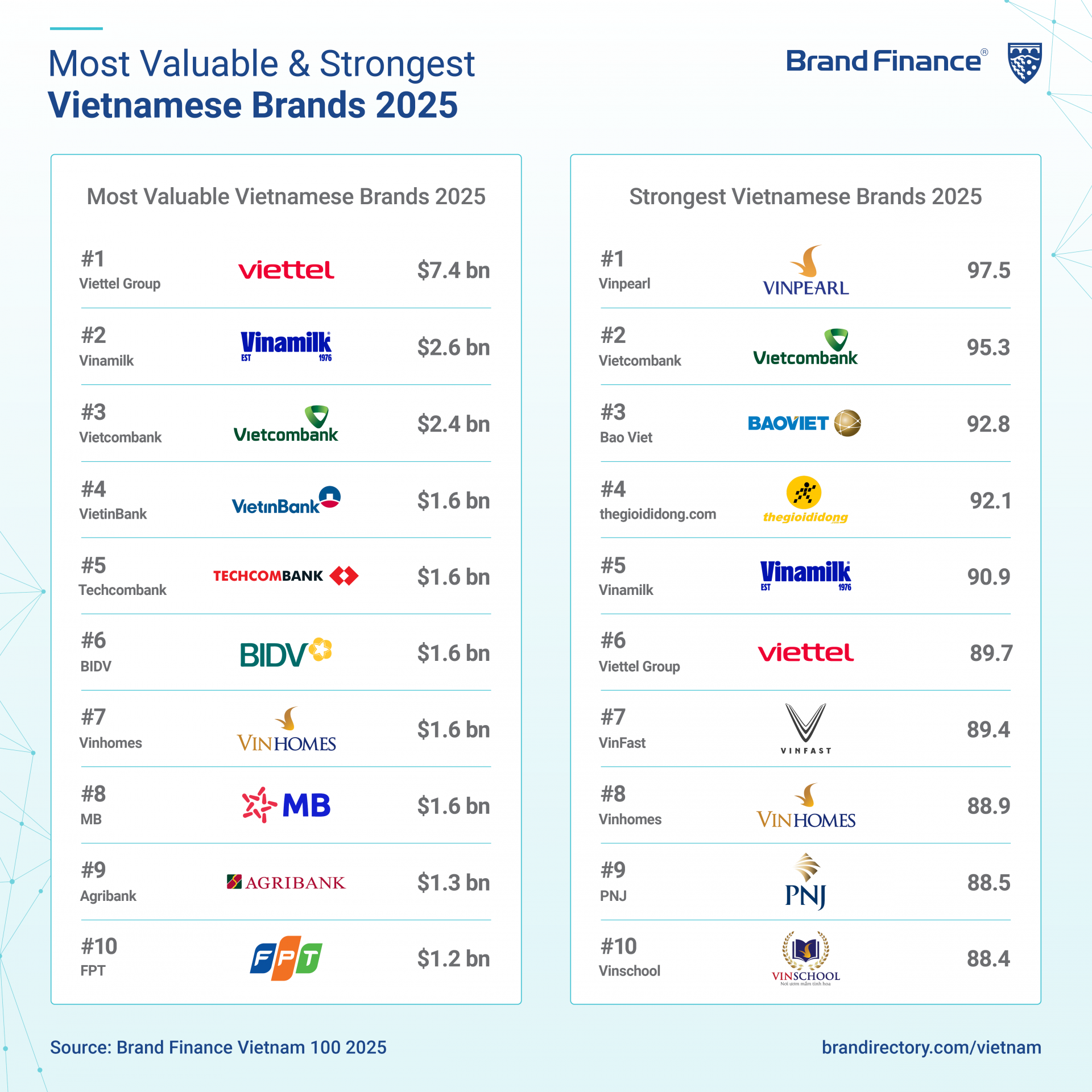
Viettel Group (brand value up 7 per cent to $7.9 billion) defends its spot as the most valuable Vietnamese brand for the 11th consecutive year. The brand’s growth can be largely attributed to their steady expansion in the core telecommunications business.

Following closely behind, Vinamilk (brand value at $2.6 billion) is the second most valuable Vietnamese brand, supported by recovering domestic demand and continued expansion in international markets. Vietjet (brand value up 117 per cent to $906 million) is Vietnam’s fastest growing brand as well as the fastest growing global airline brand in 2026, according to the Brand Finance Airlines 50 report. The brand’s impressive growth is primarily driven by the expansion of international routes linking Vietnam to key markets such as Australia, India, Indonesia, Kazakhstan, and Russia.

Bao Viet (brand value up 22 per cent to $735 million) emerges as Vietnam’s strongest brand in 2026, achieving a Brand Strength Index (BSI) score of 96/100 and an AAA+ brand strength rating. According to Brand Finance’s market research data, its customer-centric approach and improvements in service quality supported the brand’s performance, enabling it to move up two positions in the brand strength ranking from 2025.

Vinpearl (brand value up 86 per cent to $381 million) drops one rank and is Vietnam’s second-strongest brand, showcasing a BSI score of 95.4/100 and an AAA+ brand strength rating. This was driven by strong customer recognition within the hospitality sector, although its position softened slightly amid intensified competition from higher-frequency sectors such as banking, where brands benefit from more regular customer engagement.

Vietcombank (brand value up 7 per cent to $2.5 billion) ranks as Vietnam’s third most valuable brand, third-strongest brand and the strongest banking brand globally in 2026, achieving a BSI score of 95.3/100 and retaining its AAA+ brand strength rating, underpinned by its strength in cross-border payments, and foreign exchange. The banking brand’s strategic direction reflects a clear emphasis on strengthening institutional trust and maintaining a premium positioning within the sector, particularly as competition intensifies, and the banking landscape becomes more digitally and commercially diversified.

“The 2026 ranking highlights a two-speed brand economy in Vietnam. Established leaders like Viettel Group and Vietcombank continue to anchor value through scale and consistency, while high-growth sectors such as aviation, led by Vietjet, are capturing renewed demand,” said Alex Haigh, managing director Asia-Pacific, Brand Finance. “This contrast illustrates how both stability and expansion are now shaping brand performance. Furthermore, MB and BIDV’s evolving banking models, and Vinhomes’ integrated urban ecosystems all demonstrate how strategic transformation, not just scale, is driving Vietnam’s brand value in 2026.”

The Vietnamese brand to watch for 2026 is Green SM (new entrant at $635 million), as it has rapidly emerged as one of Southeast Asia’s leading electric mobility brands. Backed by Vingroup and VinFast, the company is expanding its international footprint under the unified Green SM identity, recently entering India as its fifth overseas market and achieving a BSI score of 58/100 with an A brand strength rating. Building on its leadership in Vietnam’s electric ride-hailing sector, Green SM continues to strengthen its presence across Asia through strategic partnerships, market expansion, and the development of a technology-driven, zero-emission transportation ecosystem, with further launches planned in Europe and the United States.

A notable brand in the Vietnam 100 2026 report is VPBank (brand value up 41 per cent to $995 million). The banking brand climbs two ranks to 11th most valuable brand this year. VPBank’s sharp increase in market capitalisation was primarily driven by positive developments surrounding VPBank’s plans to float on the stock exchange. The announcement that VPBank intends to proceed with a fourth-quarter listing directly triggered a significant surge in share price, with the bank continuing to trade at elevated levels.

The 2026 Sustainability Perceptions Index highlights how leading Vietnamese brands are converting environmental, social, and governance (ESG) commitments into tangible brand value. Viettel Group leads on Sustainability Perceptions Value, while Vinamilk stands out on social impact, and Vinhomes shows strong upside potential in shaping perceptions. Meanwhile, Vietnam Airlines reflects the growing importance of ESG integration across high-emission sectors.

Vietnamese banks perform well with brand value growth of 31.3 per cent Vietnamese banks perform well with brand value growth of 31.3 per cent

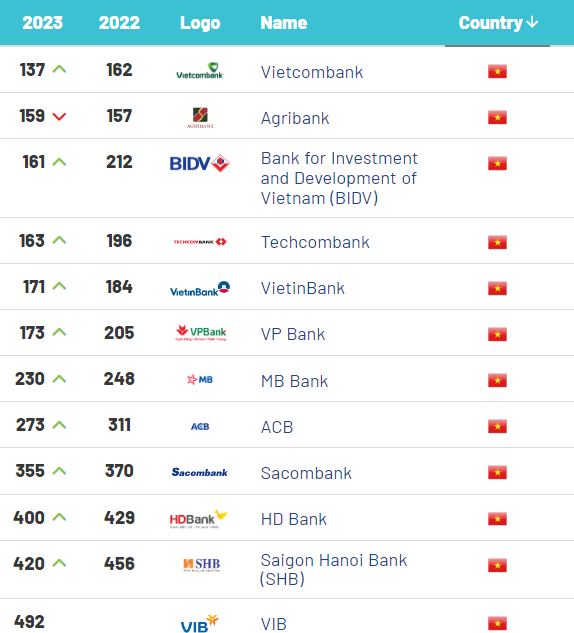
Vietnamese banking brands have posted an overall growth of 31.3 per cent in brand value, amounting over $2 billion compared to their 2022 positions. This is according to Brand Finance’s Banking 500 2023 report, which ranks the world’s top 500 most valuable and strongest brands in the banking industry.

Viettel brand value goes up 32 steps to $6 billion Viettel brand value goes up 32 steps to $6 billion

Viettel remains the highest-ranking telecommunications brand in the Southeast Asia region and the only Vietnamese brand in the Brand Finance Global 500 2021 Ranking.

Vietnam’s top 100 brands lose $6bn in value, but key sectors show resilience Vietnam’s top 100 brands lose $6bn in value, but key sectors show resilience

Vietnam’s top 100 brands have lost $6.1 billion in value this year, reflecting wider economic headwinds, though autos, real estate, logistics, airlines, and tech continue to post strong growth.

MoF proposes extending tax relief to curb inflation risks

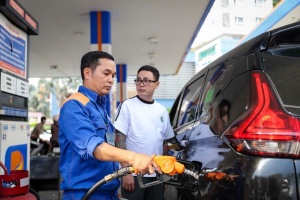
The ministry is seeking public comments on a draft resolution concerning the extension of preferential tax measures for petrol, oil and aviation fuel.

Under the proposal, the application of zero-rate most-favoured nation import duty, environmental protection tax and VAT on petroleum products would be extended until September 30, three months longer than the current policy. However, the special consumption tax (SCT) on petrol would be reinstated from July 1, with rates set at 10 per cent for mineral petrol, 8 per cent for E5 biofuel and 7 per cent for E10 biofuel.

The proposal comes as global oil prices have eased following a peace agreement between the United States and Iran and the restoration of shipping through the Strait of Hormuz. Nevertheless, the MoF noted that risks in the global energy market remain significant. The possibility of renewed conflict cannot be entirely ruled out, while global petroleum supplies continue to be influenced by geopolitical developments.

The MoF also pointed out that most petroleum currently available on the domestic market was purchased earlier at higher prices and remains in inventory. Imports reflecting lower international prices often reach the market with a delay due to price negotiations between importers and suppliers, as well as lengthy transportation times.

Previously, in response to escalating tensions in the Middle East, the government reduced all major taxes on petroleum products to zero until June 30.

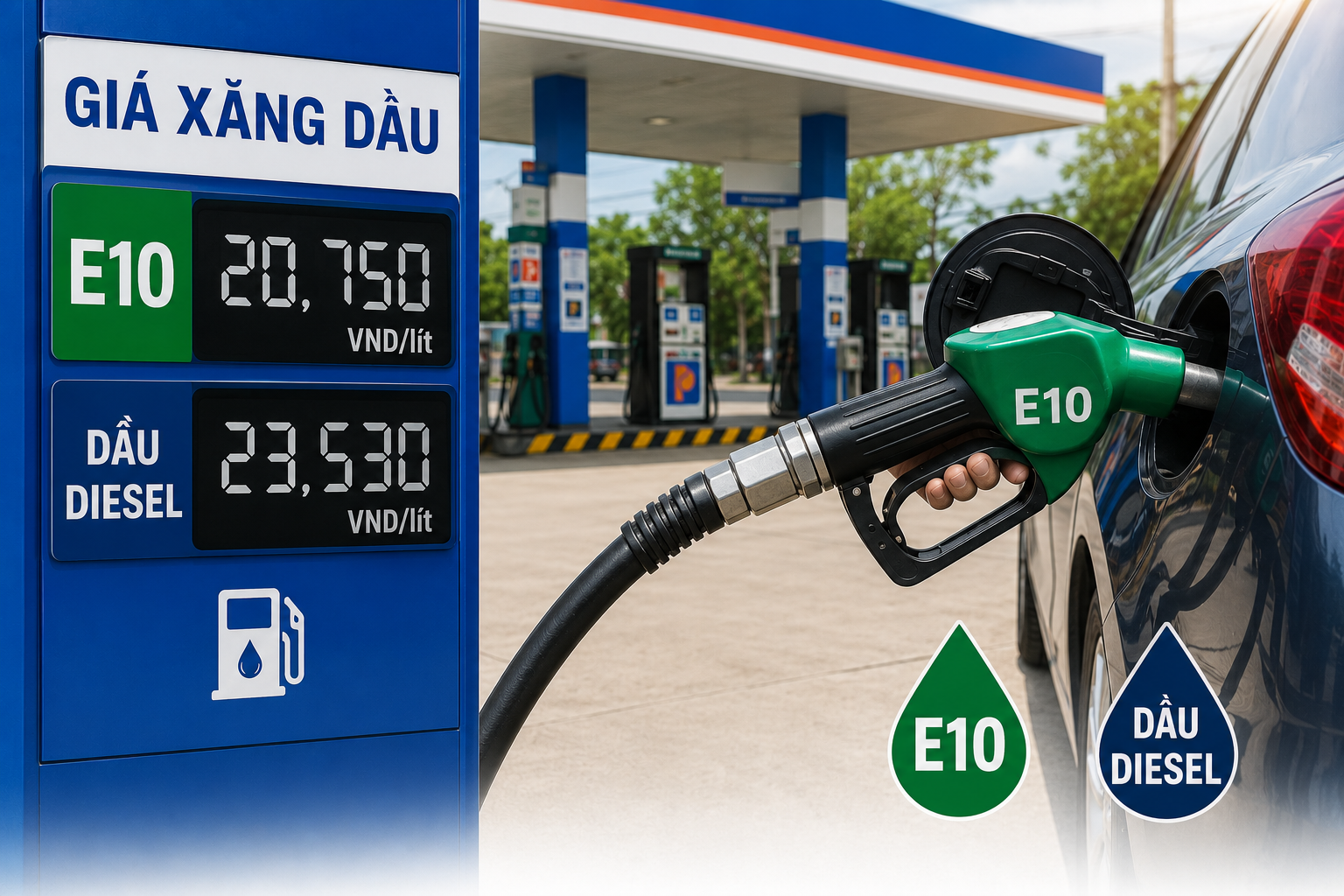
Domestic retail fuel prices have declined steadily in recent pricing periods. E10 petrol is currently priced at VND20,750 (8.1 cents) per litre, while diesel costs VND23,530 (9.2 cents) per litre, the lowest levels recorded in nearly three months. However, prices remain 5.9-33.8 per cent higher than before the outbreak of the Middle East conflict.

According to the MoF, domestic fuel prices could surge by 43-67 per cent, depending on the product, if all petroleum-related taxes, except the SCT on petrol, were immediately restored to pre-conflict levels. Such a scenario could add approximately 0.78 percentage points to the average consumer price index (CPI) this year, putting pressure on inflation control targets.

Under the proposed extension of tax exemptions through September, excluding the reinstatement of the SCT on petrol, retail prices of E5 and E10 petrol would rise by around 7-8 per cent, while diesel prices would remain largely unchanged.

Overall, the average fuel price level would increase by about 5 per cent, with an estimated impact of only 0.11 percentage points on the CPI, significantly lower than under a full tax reinstatement scenario. State budget revenue is expected to decline by around $604 million during the final three months of the third quarter as a result of the tax relief measures.

The MoF said the proposal struck a balance between inflation control, energy supply security and the gradual restoration of budget revenues. Maintaining the MFN import duty at zero would also allow fuel importers to diversify supply sources beyond ASEAN markets, reducing dependence on traditional suppliers.

Under the draft, the new measures would take effect from July 1 through September 30. If necessary, the Ministry of Industry and Trade may propose adjustments to the implementation period in line with market developments and macroeconomic management requirements.

EU to Vietnam flights face mounting pressure as jet fuel supply tightens EU to Vietnam flights face mounting pressure as jet fuel supply tightens

Airlines across Europe and Vietnam are scaling back flights amid a tightening jet fuel supply, driven by ongoing disruptions in the Middle East.

Vietnam’s business aviation growth fuels rising demand for MRO support Vietnam’s business aviation growth fuels rising demand for MRO support

Vietnam’s business aviation market may still be modest in size, but it is emerging as the fastest-growing segment in Southeast Asia, creating new momentum for maintenance, repair and overhaul providers across the region.

Infrastructure boom fuels expansion of non-life insurance market Infrastructure boom fuels expansion of non-life insurance market

Resilient exports, rising public investment and sustained FDI inflows are expected to create new growth momentum for Vietnam’s non-life insurance market in 2026, particularly across infrastructure, construction and logistics segments.

As Vietnam emerges as one of Asia’s most attractive manufacturing and investment destinations, demand for advanced production technologies is rising across key industrial sectors. From plastics and packaging to industrial automation and precision engineering, manufacturers are accelerating investments in digitalisation, sustainable production and smart factory solutions to enhance productivity and strengthen competitiveness in increasingly demanding global markets.

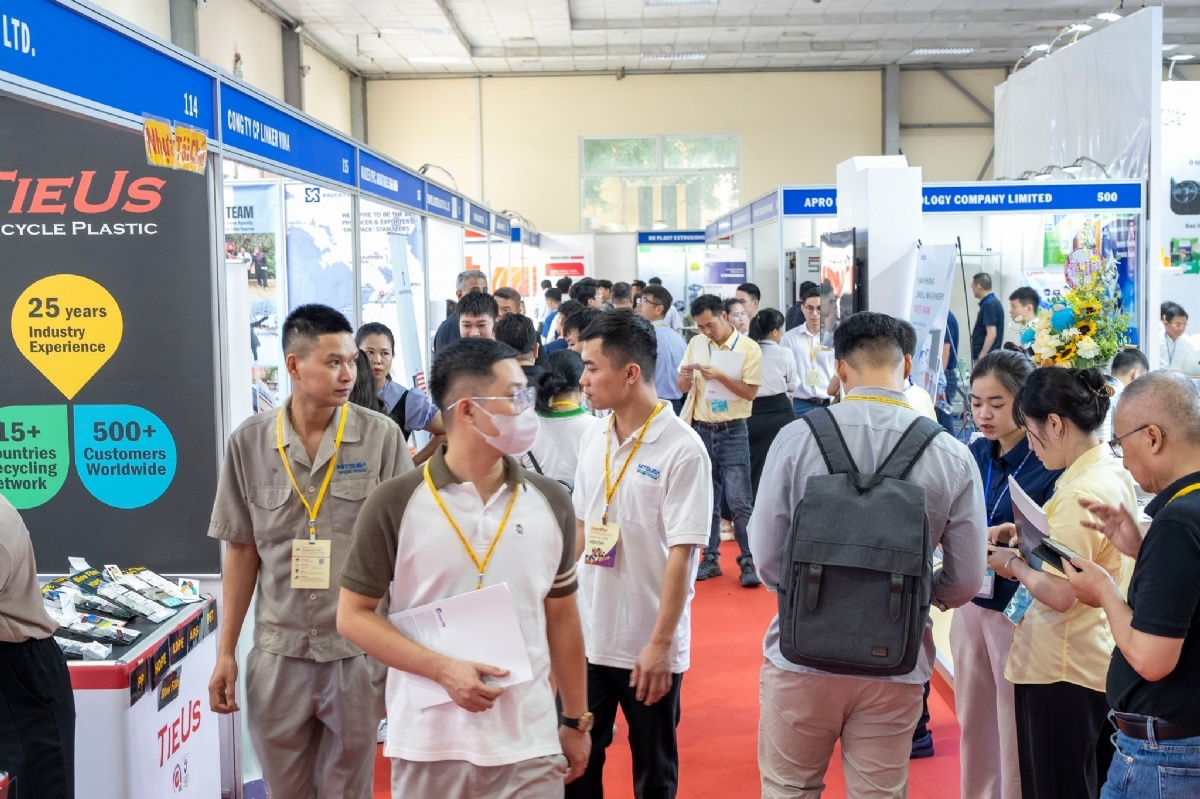
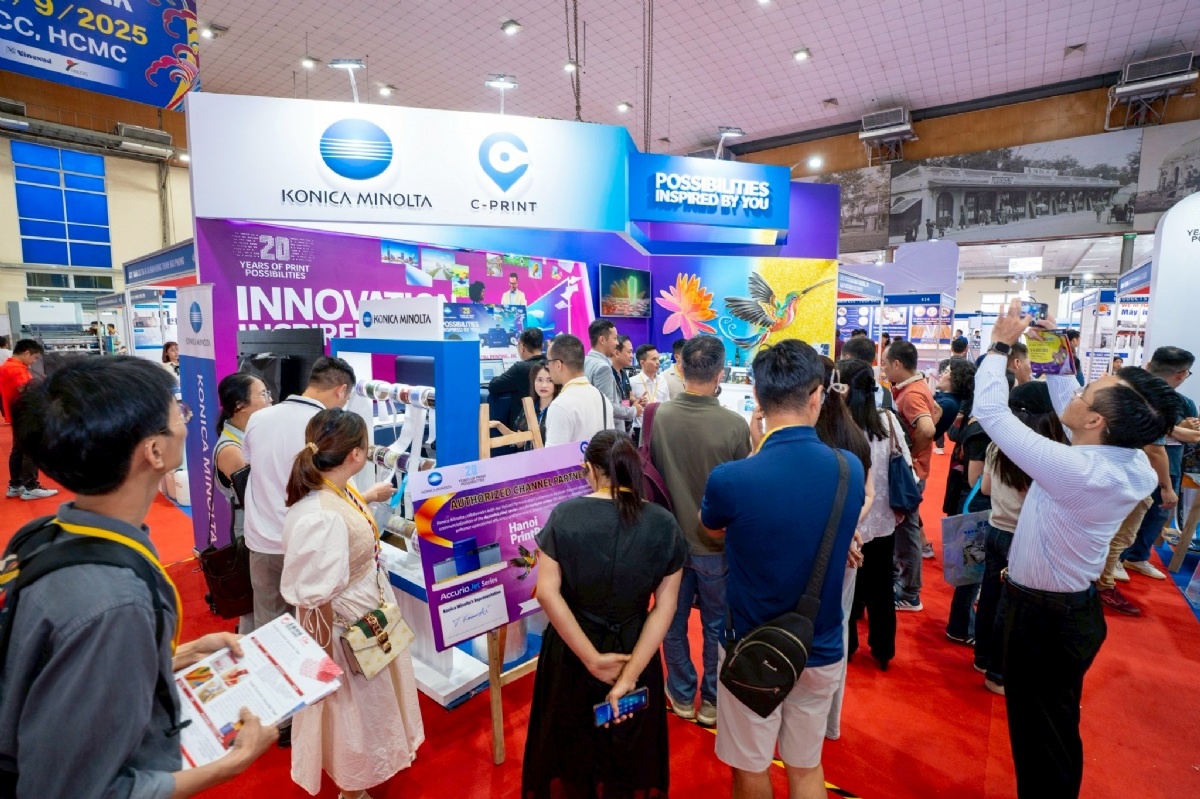
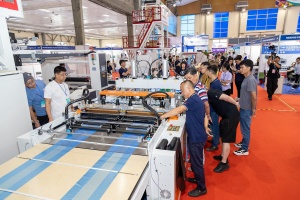
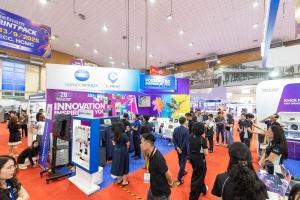
HanoiPlas 2026, HanoiPrintPack 2026, and the inaugural Intelligent Asia Hanoi will be held concurrently from July 1 to 4, at Hall 1 and Hall 2 of the Vietnam Exposition Centre (VEC) in Hanoi. Together, the three exhibitions are expected to create one of Vietnam’s largest industrial technology platforms, bringing together manufacturers, technology suppliers, investors, and industry organisations from around the world.

The exhibitions will span more than 15,000 square metres and feature over 400 exhibitors and leading brands from 11 countries and regions, including China, Hong Kong, India, Italy, Japan, Malaysia, Singapore, South Korea, Spain, Taiwan, and Vietnam. The expanded venue at the VEC reflects the growing scale of the event and the increasing demand for business networking and technology exchange within Vietnam’s manufacturing community.

Three major industrial expos to draw 400 exhibitors to Hanoi in July

HanoiPlas continues to reinforce its role as one of northern Vietnam’s leading trade exhibitions for the plastics and rubber industries. Building on more than a decade of development, the exhibition has evolved beyond a conventional machinery showcase into a specialised platform where manufacturers can explore technologies supporting sustainable production, operational efficiency and industrial innovation.

This year’s event will present a broad portfolio of manufacturing technologies, including injection moulding machines, extrusion systems, blown-film equipment, industrial chemicals, raw materials, and auxiliary technologies. Particular attention will be given to recycling solutions, intelligent manufacturing applications, and resource-efficient production systems, reflecting the industry’s accelerating transition towards circular economy practices and lower-carbon manufacturing.

Leading international manufacturers, including Guangdong Kaiming, Lohia, Yizumi, and Chen Hsong Vietnam, together with prominent Vietnamese companies such as Kim Cuong, Hoang Thien Long, and Honzen Union Vietnam are expected to introduce technologies designed to improve productivity, reduce energy consumption, and optimise production performance. According to the organisers, these innovations will provide manufacturers with practical solutions to address rising production costs while strengthening operational resilience in an increasingly competitive global market.

Three major industrial expos to draw 400 exhibitors to Hanoi in July
HanoiPlas 2025 attracted more than 8,400 visits in four days

Alongside HanoiPlas, HanoiPrintPack continues to serve as a strategic meeting point for Vietnam’s printing and packaging industries, sectors undergoing rapid transformation as manufacturers respond to changing consumer demand, export requirements, and digital commerce.

The rapid expansion of e-commerce, food processing, consumer goods manufacturing, and export-oriented production has increased demand for higher-quality printing technologies, automated packaging systems, and intelligent packaging materials. These developments are encouraging manufacturers to invest in technologies capable of improving production flexibility, reducing waste, and meeting increasingly sophisticated customer requirements.

HanoiPrintPack will feature next-generation printing equipment, automated converting technologies, high-speed laminating systems, quality inspection solutions, and innovative packaging materials. The exhibition is expected to provide manufacturers with opportunities to evaluate technologies that support product quality improvement, operational efficiency, and compliance with international production standards.

Three major industrial expos to draw 400 exhibitors to Hanoi in July
HanoiPrintPack 2026 will feature exhibitors showcasing advanced technologies and green solutions in printing and packaging industry

International exhibitors including Wenzhou Ruisike, Kangde Film Industry, Jiangsu Beichuan Automation, Dongguan Waching Printing, Viet Thanh Vietnam, and Truong Thinh–Leibinger Vietnam will present specialised solutions across the printing and packaging value chain. Their participation reflects growing international interest in Vietnam’s manufacturing sector and highlights the country’s expanding role as both a production base and an emerging market for industrial technology investment.

The debut of Intelligent Asia Hanoi marks a significant milestone in this year’s exhibition series, introducing one of Asia’s established smart manufacturing brands to Vietnam. Its arrival reflects growing international confidence in Vietnam’s manufacturing sector as multinational companies continue expanding operations and supply chains across the country. One of the exhibition’s most notable international features will be the Taiwan Select Pavilion, organised by the Taipei Machinery Traders’ Association. The pavilion will bring together 58 leading Taiwanese companies across 65 booths, covering more than 585 sq.m.

The Taiwanese exhibitors will showcase advanced manufacturing capabilities in smart automation, electronics and PCB manufacturing, as well as precision machinery. Providing Vietnamese manufacturers with opportunities to explore advanced technologies and establish direct business partnerships with international suppliers.

Beyond the exhibition halls, visitors will also have access to a comprehensive offering of industry seminars jointly organised with leading Vietnamese trade associations, including the Vietnam Plastics Association, the Vietnam Printing Association, and the Vietnam Automation Association.

The sessions will explore a range of topics including the Vietnamese printing industry’s shift from price to standards competition; optimising aesthetics and value for PP plastics; digital transformation and smart manufacturing in Vietnam’s electronics industry; and green packaging strategies for cost optimisation and supply chain competitiveness.

HanoiPlas 2025 showcases advanced plastics, rubber, recycling solutions HanoiPlas 2025 showcases advanced plastics, rubber, recycling solutions

HanoiPlas 2025, the 13th edition of the Hanoi International Plastics and Rubber Industry Exhibition, is taking place from June 4-7, attracting over 200 exhibitors from 11 countries and regions.

Innovation on display at HanoiPrintPack 2025 Innovation on display at HanoiPrintPack 2025

HanoiPrintPack 2025 offers a vital platform for industry professionals to explore Vietnam’s fast-growing printing and packaging sector, showcasing advanced technologies, automation systems, and innovative materials.

HanoiPlas PrintPack promotes Vietnamese plastics HanoiPlas PrintPack promotes Vietnamese plastics

HanoiPlas PrintPack, a plastic, printing, and packaging industry exhibition hosted by ChanChao International Co., Ltd. and Yorkers Exhibition Vietnam, was held in Hanoi from June 8-11.

Vietnam-built offshore construction vessel under delivery to Norway
Photo: Rem Offshore

The delivery represents a major milestone in the project. Following delivery, Rem Ocean has now commenced her voyage from Vietnam to Norway.

The tow began from the Haiphong area on June 17, and the vessel will proceed via Singapore before continuing towards Europe. This journey marks the transition from hull construction to the final outfitting and completion phase.

Once in Norway, Rem Ocean will arrive at Myklebust Verft, where the vessel will be outfitted with all major systems and mission equipment. This phase will transform the hull into a fully operational offshore vessel, ready to deliver on its intended role.

Kristian Stavset, head of Projects at Rem Offshore, said, “The scope of work has been completed to a very high shipbuilding standard. In my assessment, this is among the finest hulls ever delivered to the Sunnmøre region, providing a strong foundation for a smooth and efficient outfitting phase at Myklebust Verft.”

Rem Ocean is part of Rem Offshore’s next generation of construction vessels, designed to meet demanding offshore operations while supporting sustainable solutions for the future.

The vessel is designed for demanding offshore operations and is equipped with state‑of‑the‑art technology to ensure reliable and flexible operations in challenging environments. Rem Ocean will operate for DeepOcean under a long‑term charter contract with Equinor, supporting critical subsea operations on the Norwegian continental shelf.

The delivery and departure from Vietnam highlight the strong collaboration between yard, project team, and partners involved in the build. With the vessel now underway, the project continues to progress.

Norwegian Seafood Council on how to elevate Vietnam's food scene Norwegian Seafood Council on how to elevate Vietnam’s food scene

With the latest developments between Norway and Vietnam, the seafood dining and trade landscapes are poised for an exciting transformation. Åshild Nakken, new director of the Norwegian Seafood Council (NSC) in Southeast Asia, scrutinises how Norway’s deep blue seas could contribute to Vietnam’s bustling food scene.

Norwegian OSW firms return to Hanoi as Vietnam advances clean energy push Norwegian OSW firms return to Hanoi as Vietnam advances clean energy push

Strong Norwegian industry participation at the 2026 APAC Wind Energy Summit signals continued confidence in Vietnam’s long-term offshore wind potential.

Plethora of advantages for Norway-Vietnam partnership Plethora of advantages for Norway-Vietnam partnership

Norway has advantages in innovative and sustainable solutions in areas such as renewable energy, shipbuilding, and the circular economy. Norwegian Ambassador to Vietnam Hilde Solbakken outlined to VIR’s Nguyen Thu the opportunities for cooperation between the two countries and suggestions to draw in more investors.

Steel association proposes measures to boost exports
Illustrative photo courtesy of Hoa Phat Group

Speaking at the Ministry of Industry and Trade’s conference on encouraging double-digit export growth on June 25, Dinh Quoc Thai, vice chairman and secretary general of the Vietnam Steel Association (VSA), said the global steel industry was showing signs of recovery.

According to the World Steel Association, global steel production posted positive growth in the first four months of 2026, reflecting stronger manufacturing activity and rising demand from steel-consuming industries.

Vietnam’s steel industry has also experienced a broad-based recovery across the entire value chain, from raw material production to finished products.

Crude steel output reached 2.6 million tonnes in May, up 27.2 per cent on-year, marking the highest growth rate among the world’s top 10 steel-producing countries. Output totalled 12.6 million tonnes in the first five months of 2026, up 26.8 per cent compared to the same period last year.

Thai estimated that steel production would reach around 14.8 million tonnes in the first half of 2026, up 21.2 per cent on-year, while steel consumption is expected to increase 13.1 per cent to 17.9 million tonnes.

However, steel exports are projected to decline by 4.8 per cent to around 1.79 million tonnes during the same period.

Despite the weaker export performance, the VSA remains optimistic about the industry’s overall outlook. Crude steel output is forecast to reach approximately 27 million tonnes in 2026, up 10 per cent from the previous year. Finished steel production is expected to total around 33 million tonnes, while domestic consumption is projected to reach 28 million tonnes.

Steel exports are forecast at around 6 million tonnes for the full year, while imports are expected to decline compared to 2025.

“The combination of higher exports and lower imports is a positive signal,” Thai said. “This reflects effective domestic market management, trade policy measures introduced by the Ministry of Industry and Trade, and the improving ability of Vietnamese steel producers to meet market demand.”

Nevertheless, Thai warned that the industry would continue facing significant headwinds in the second half of the year.

Global steel overcapacity is driving an increasing number of trade protection measures in key export markets. The United States, for example, has imposed tariffs of up to 50 per cent on certain steel products under Section 232 of the Trade Expansion Act, while more trade remedy investigations targeting Vietnamese steel products have also been initiated.

At the same time, tightening greenhouse gas emission requirements and the gradual introduction of carbon border adjustment mechanisms across major markets are creating additional challenges for steel exporters.

Although Vietnam has improved domestic supplies of some raw materials, the country still relies on imports of iron ore, scrap steel and several other key inputs, Thai said.

Despite ongoing challenges arising from the global economic slowdown, prolonged geopolitical tensions and market volatility, the VSA believes Vietnam’s economy remains relatively resilient compared to other ASEAN countries, providing a solid foundation for the steel industry’s continued recovery.

To support sustainable development, the VSA identified two strategic priorities: protecting the domestic market from surging imports of low-priced steel and accelerating green and digital transformation to meet evolving market requirements.

The association also called for long-term policies to encourage domestic investment and production, alongside early implementation of regulations requiring imported steel products to comply with Vietnamese quality standards before entering the domestic market.

The VSA has also proposed strengthening trade remedy investigations to address unfair competition, while providing greater support for steel producers facing overseas trade defence cases to help maintain and expand export markets.

The association recommended accelerating the development of national technical standards for steel products and enhancing market monitoring and forecasting to enable businesses to respond more effectively to changing market conditions.