Carlsberg Vietnam earns fourth consecutive HR Asia recognition and VCCI Top 10 Green Enterprise honour
HR Asia’s Best Companies to Work for in Asia 2026

On July 9, the company was named one of HR Asia’s Best Companies to Work for in Asia 2026 for the fourth consecutive year (2023–2026), while also receiving the HR Asia Diversity, Equity & Inclusion Awards 2026.

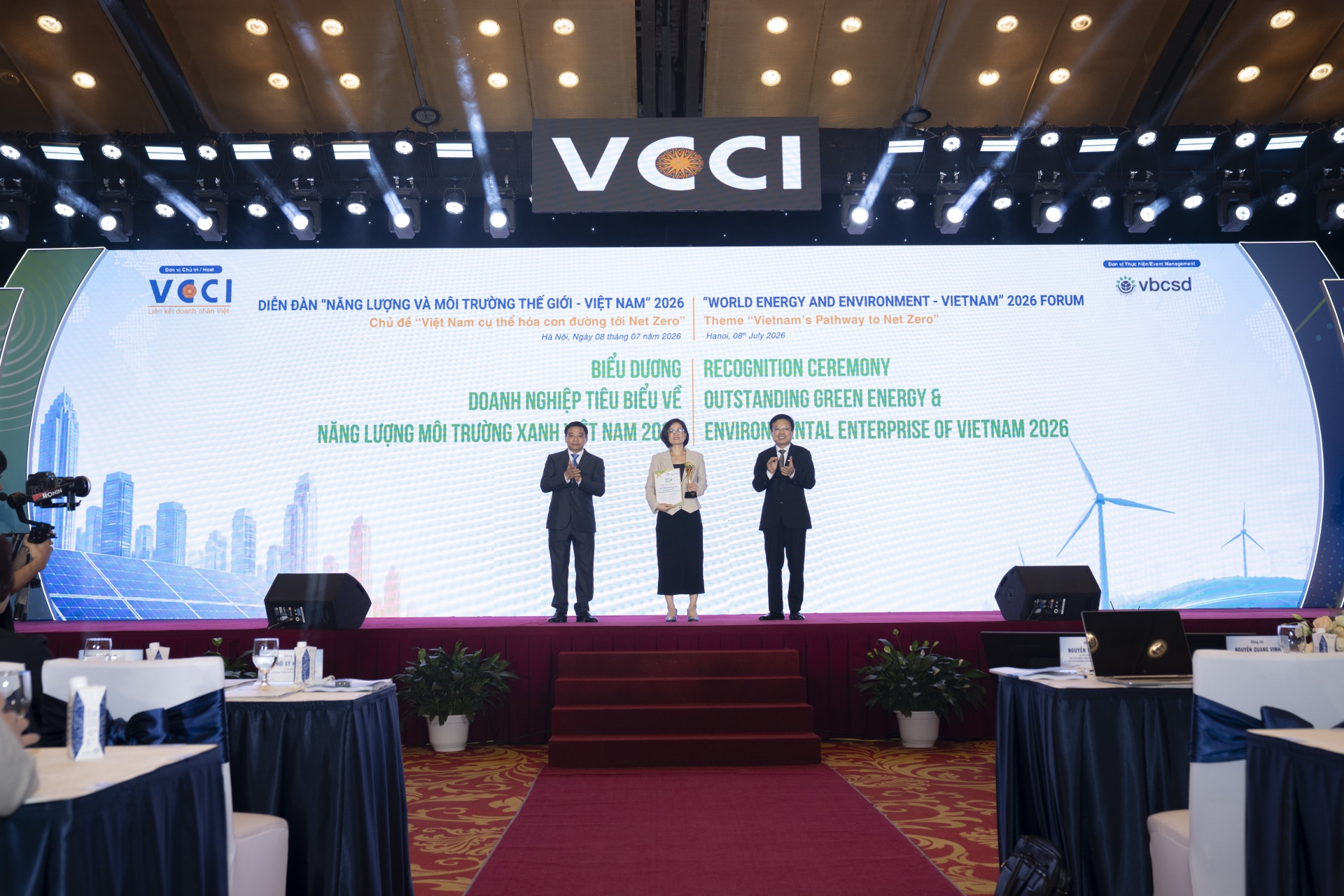
On July 8, Carlsberg Vietnam was recognised among Vietnam’s Top 10 Outstanding Green Energy and Environmental Enterprises 2026 by the Vietnam Chamber of Commerce and Industry (VCCI), recognising its continued progress in responsible business development.
Carlsberg Vietnam earns fourth consecutive HR Asia recognition and VCCI Top 10 Green Enterprise honour
Top 10 Outstanding Green Energy and Environmental Enterprises by VCCI

Commenting on the dual recognitions, Andrew Khan, managing director of Carlsberg Vietnam, said, “Receiving these two recognitions in the same period of time is a proud moment for Carlsberg Vietnam because together they reflect what matters most to us. One recognises the culture we’ve built for our people, while the other acknowledges our long-term commitment to sustainable growth. Although they celebrate different achievements, they are driven by the same belief: lasting business success comes from investing in people, caring for the environment and creating value responsibly. That’s the future we’re committed to building every day.”

A fourth consecutive HR Asia recognition, with special recognition for Diversity, Equity & Inclusion

Four consecutive HR Asia recognitions are more than a milestone for Carlsberg Vietnam, especially with this year’s additional recognition of the HR Asia Diversity, Equity & Inclusion Awards 2026. They reflect years of building a workplace where inclusion is part of how people work, grow and lead, not simply an initiative, but a culture that shapes everyday decisions.

Carlsberg Vietnam earns fourth consecutive HR Asia recognition and VCCI Top 10 Green Enterprise honour
HR Asia Awards 2026

This year’s recognition comes at an important time as Carlsberg Group introduced its new Global Diversity, Equity & Inclusion (DE&I) Policy, reaffirming that DE&I is a core part of the Group’s purpose, Growth Culture and long-term business strategy. Guided by the principles “Diversity Is Us. Equity Strengthens Us. Inclusion Empowers Us.,” the policy reflects the belief that diverse perspectives lead to stronger collaboration, better decisions and better business.

At Carlsberg Vietnam, these principles shape how people are recruited, developed, supported and given opportunities to grow. Over the past year, the company has continued strengthening its inclusive culture through initiatives such as Pride Month’s ‘Come As You Are’, its annual DE&I campaign celebrating individuality and belonging, and SHELeads, a women leadership community designed to build confidence, capability and connection among future female leaders.

Reinforcing this commitment, Carlsberg Vietnam also became a signatory to the Women’s Empowerment Principles, established by UN Women and the UN Global Compact, while continuing to advance Carlsberg Group’s ambition of achieving 42 per cent women in senior leadership by 2032.

Carlsberg Vietnam earns fourth consecutive HR Asia recognition and VCCI Top 10 Green Enterprise honour

The impact of these efforts is also reflected in employee experience. In the latest group employee engagement survey, Carlsberg Vietnam achieved an Inclusion Index score of 86 and has consistently performed at the Top 10 per cent global benchmark for Inclusion Index, as measured by Glint, for three consecutive years. The result demonstrates the company’s strong progress towards Carlsberg Group’s ambition of being among the top 10 per cent benchmark for employee inclusion experience by 2032.

“Receiving these recognitions is especially meaningful because they reflect the culture we continue to build every day,” said Dang Tran Ngoc Ngan, senior director of People & Culture at Carlsberg Vietnam.

“We believe our greatest strength comes from our people. A diverse workforce helps us better understand the consumers and communities we serve. Different backgrounds, experiences and perspectives help us challenge our thinking and make better decisions. When people with different backgrounds and perspectives feel respected, included, and empowered to contribute, they bring broader thinking, stronger ideas, and better decisions. Those differences make us stronger as teams and ultimately help us build a more sustainable business. This belief continues to shape how we develop our people, our leaders and our future.”

Recognised among Vietnam’s Top 10 Green Energy and Environmental Enterprises

Carlsberg Vietnam has also been recognised among Vietnam’s Top 10 Outstanding Green Energy and Environmental Enterprises 2026, presented at the World Energy and Environment Forum – Vietnam 2026 organised by VCCI. The award recognises the company’s long-term commitment to sustainable operations and responsible business growth.

Guided by Brewing Tomorrow, Carlsberg Group’s ESG programme, Carlsberg Vietnam continues investing in technologies and initiatives that reduce environmental impact while creating long-term value. At Phu Bai Brewery, the largest Carlsberg brewery in Asia, next-generation brewing technology helps reduce water consumption by around 20 per cent and energy consumption by 15 per cent compared with previous technology.

The brewery also captures and reuses all CO2 generated during fermentation, has achieved zero waste to landfill, and continues advancing renewable energy through its upcoming rooftop solar project as part of the group’s ambition to achieve net-zero across the value chain by 2040.

Beyond its operations, Carlsberg Vietnam continues creating positive impact through initiatives such as Fresh Water for Beloved Central, responsible drinking partnerships and community environmental programmes that encourage sustainable choices.

The VCCI recognition is the latest milestone in Carlsberg Vietnam’s sustainability journey. It builds on a growing track record of external recognitions, including being named among Vietnam’s Top 100 Sustainable Businesses 2025 by VBCSD–VCCI, receiving the 2025 EuroCham Community Impact Award, and earning recognition from the Ministry of Industry and Trade at the 35th Anniversary Celebration of the Vietnam Beer – Alcohol – Beverage Association for the company’s contributions to sustainable industrial development.

These recognitions show Carlsberg Vietnam’s long-term commitment to creating lasting value through its people and responsible business practices. Guided by its Growth Culture and Brewing Tomorrow, the company continues to grow responsibly by brewing great beer and creating a workplace where everyone belongs and a business that contributes to a better today and tomorrow.
Carlsberg Vietnam awarded both domestic and international honours Carlsberg Vietnam awarded both domestic and international honours

Carlsberg Vietnam has received recognition from both local authorities and international quality institutions, underscoring its continuation of a development journey built steadily over more than three decades in Vietnam.

How Carlsberg Vietnam is building high-performing teams through trust and empowerment How Carlsberg Vietnam is building high-performing teams through trust and empowerment

At the Work the Nordic Way 2026 conference hosted by NordCham Vietnam, leaders from Carlsberg Vietnam shared how trust, empowerment, and people-first leadership are helping shape stronger teams, faster execution, and a more resilient growth culture.

Carlsberg Vietnam joins Danang cycling event to mark 55 years of Denmark ties Carlsberg Vietnam joins Danang cycling event to mark 55 years of Denmark ties

Carlsberg Vietnam has taken part in a green cycling event in Danang to mark 55 years of diplomatic relations with Denmark and reinforce its sustainability pledge.

Cyber incidents – a litmus test of a company’s management capability
Heightened ransomware risk calls for an executive-led, cross-functional response plan

This extends beyond investment in cybersecurity and protection technologies to the building of clear strategies and coordinated cross‑functional crisis response plans. Companies can also unlock significant value from cyber insurance to strengthen their incident response preparedness.

According to Risk Based Security analysis by Aon, a leading global professional services firm, by Q4/2025, the frequency of ransomware attacks had increased 650 per cent compared with 2019. This reflects both the widespread nature of ransomware risk and its clear shift from a latent danger to an active and present threat.

Across Asia, around 660 organisations have been named on ransomware leak sites, highlighting an increasingly organised trend of attacks that are clearly focused on financial gain. In Vietnam alone, 10 ransomware attacks targeting large organisations have been officially recorded in the past two years, alongside many other cyberattacks that may not have been publicly recorded.

Even companies that have invested significantly in system security and cybersecurity cannot fully avoid cyberattacks arising from employee errors or vulnerabilities from one of the many third-party technology platform providers with whom they need to work. As a result, having a well-defined incident response plan is critical.

Gaps in coordination, information‑sharing and decision‑making between functions such as IT, finance, legal and executive management can emerge even under normal operating conditions. Without clear processes and defined responsibilities, organisations risk delayed or inconsistent responses, leading to increased losses, prolonged business interruption and reputational damage.

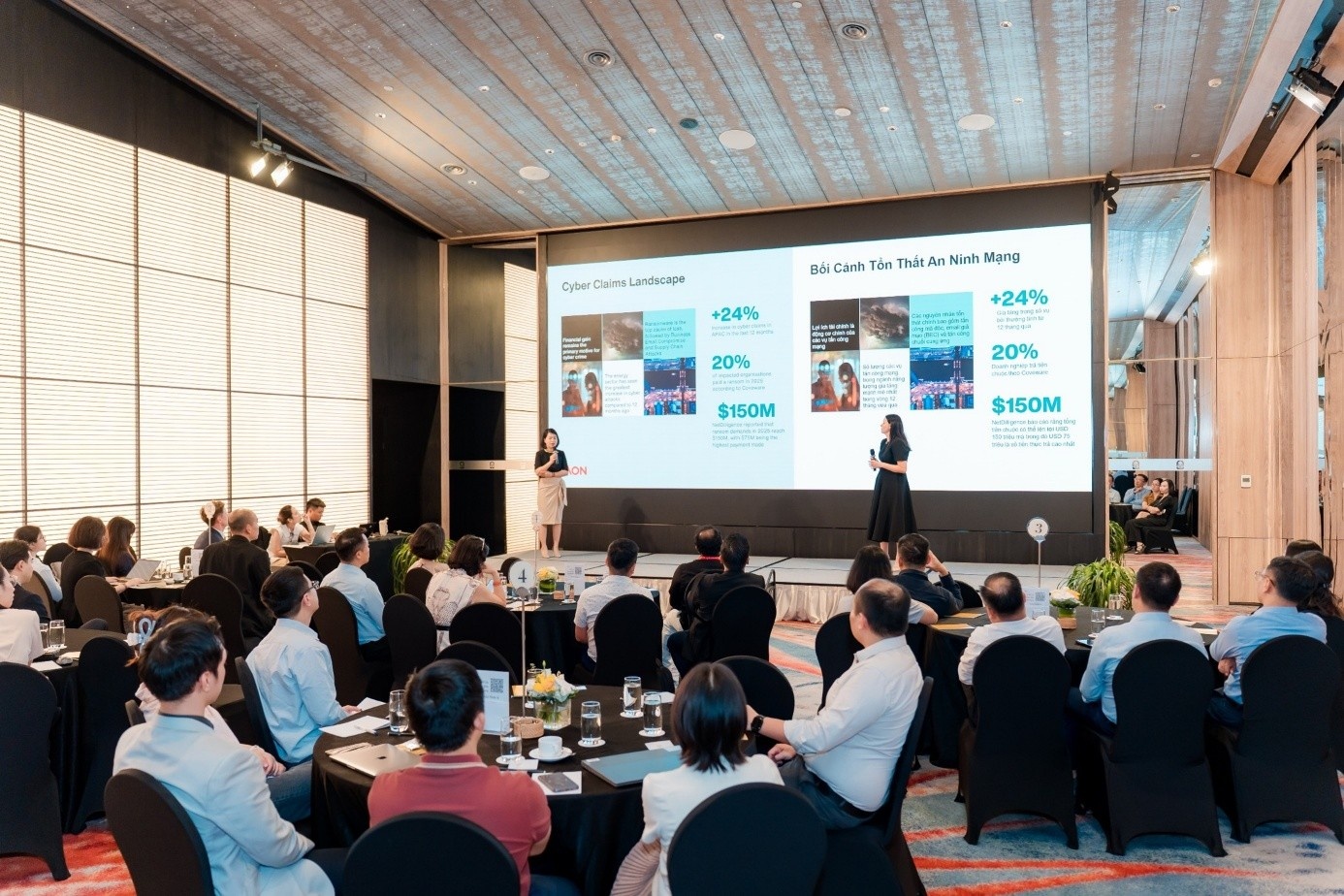
The Ransomware Tabletop Exercise for Executives organised by Aon on May 26 (Ho Chi Minh City) and May 28 (Hanoi) reinforced several priorities for organisations. In this exercise, business leaders were placed in a simulated ransomware attack scenario and asked to directly discuss and propose response options in the roles of CEO, CISO, CFO, CRO or Legal Counsel. From this, several key insights emerged for companies to consider.

First, responding to a cyber incident, especially a ransomware attack, is not solely the responsibility of the IT function. While IT provides critical inputs on technical response strategies and information about the scope of impact, expected downtime and recovery costs that guide the organisation’s overall response, critical decisions require broader leadership involvement.

Decisions such as whether to pay a ransom, how and which parties must be notified to comply with legal and contractual obligations, the appropriate communication strategy, and which external experts to engage require insights and advice from other functions within the leadership team.

The role of senior leadership is decisive, as they must balance operational continuity, financial pressure and reputational considerations. At the same time, all relevant functions must understand their roles and be prepared should an incident occur.

Second, cyber insurance is not just a solution for recovering financial losses; it also enables access to specialist resources during an incident, including forensic investigations, legal advisory, communications support and system recovery services. These resources can be critical in helping companies make informed decisions, contain the impact and accelerate recovery time. When incorporating cyber insurance into risk management, companies should proactively understand what resources are available and integrate these into their incident response plans.

The cyber insurance market has now entered a more mature phase, with many new insurers joining, expanded capacity, and competitive terms that are generally favourable for buyers.

Third, incident response plans must be updated and tested regularly, as the cyber risk landscape continues to evolve. Emerging threats arise not only from vulnerabilities in rapidly advancing technologies, but also from the widespread adoption of AI and the rise of state‑linked or geopolitical cyberattacks targeting critical national infrastructure and facilities. In addition, new regulations on data protection, personal data, cybersecurity and AI require close attention from companies.

Preventing, responding to and recovering from cyber incidents requires increasing investment from companies. Organisations that build robust and sustainable cyber resilience will be better positioned to minimise disruption and loss, strengthen competitiveness, and enhance their reputation and brand to drive long-term growth.

Cyber incidents – a litmus test of a company’s management capability
Aon’s Ransomware Tabletop Exercise placed executives in a simulated ransomware scenario to enhance preparedness and response planning

Aon opened its first office in Vietnam in 1993. With over 150 professionals in its Hanoi and Ho Chi Minh City offices, Aon Vietnam is a leading and long‑established provider of insurance and reinsurance brokerage, corporate risk and employee benefits consulting in Vietnam, leveraging Aon Group’s global reach, specialist expertise and analytics‑enabled operating model. As one of the world’s leading insurance brokers, Aon’s 60,000 colleagues partner with clients in more than 120 countries and sovereignties to shape decisions for the better.

FPT and Aon join forces with enterprises to build strong digital shield FPT and Aon join forces with enterprises to build strong digital shield

In today’s digital age, cyberattacks are becoming an increasingly serious threat to businesses and organisations worldwide.

Aon names Winnie Loh as SE Asia real estate, data centre leader Aon names Winnie Loh as SE Asia real estate, data centre leader

Aon, the global professional services firm, appointed Winnie Loh to lead its real estate and data centre practice for Southeast Asia, targeting increased demand for risk management in these sectors.

Digital boom raises stakes for data protection as cyber risks grow Digital boom raises stakes for data protection as cyber risks grow

Data breaches are becoming increasingly common for businesses in Vietnam, where accelerating digitalisation has often outpaced the ability to safeguard sensitive information.

During the check-up, Cheng chose to undergo lung cancer screening with a low-dose CT scan. The scan revealed a pulmonary nodule measuring approximately 7mm.

Because the lesion was very small, doctors recommended a follow-up CT scan three months later. At the follow-up examination, the nodule had doubled in size, measuring approximately 15mm. Concerned by the rapid growth, Cheng’s daughter brought her from Cambodia to FV Hospital for further evaluation and treatment.

At FV Hospital, doctors performed a CT-guided transthoracic needle biopsy to obtain tissue samples from the lung nodule without surgery. The pathology results confirmed non-small cell lung cancer.

Non-smoker diagnosed with early-stage lung cancer during routine health check-up
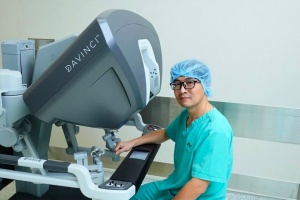
Dr. Luong Ngoc Trung examined the patient from Cambodia. Photo: FV Hospital

According to Dr. Luong Ngoc Trung, robotic thoracic surgeon and head of Vascular and Endovascular Surgery at FV Hospital, Cheng is a typical example of early-stage lung cancer.

“She is a non-smoker, has no family history of the disease, and experienced no symptoms at all. Without low-dose CT screening, detecting tumours at a stage when they can be completely treated is extremely difficult,” Dr. Trung said.

Following a comprehensive evaluation, Dr. Trung confirmed that the tumour remained confined to the lung, with no evidence of metastasis.

Her case was subsequently reviewed by FV Hospital’s Tumour Board, where thoracic surgeons, medical oncologists, radiologists, and other specialists unanimously recommended robot-assisted surgery using the da Vinci Xi system as the optimal treatment approach.

Early surgery

On June 2, the robot-assisted lung cancer surgery was successfully performed using the da Vinci Xi surgical system. Dr. Trung and his team completed the lobectomy and lymph node dissection in approximately 120 minutes.

With its high-definition magnified 3D vision and highly articulated robotic instruments, the da Vinci Xi system enables surgeons to operate with exceptional precision within the confined space of the chest. This helps minimise damage to healthy tissues, reduce postoperative pain, and support faster recovery.

Non-smoker diagnosed with early-stage lung cancer during routine health check-up
Robot-assisted lung cancer surgery using the da Vinci Xi surgical system. Photo: FV Hospital

Just one day after surgery, Cheng was able to walk independently, eat normally, and resume most daily activities. She was discharged in stable condition after three nights of postoperative monitoring.

“I am deeply grateful to all the doctors and nurses at FV Hospital. Everyone was incredibly caring and encouraging, which gave me great confidence throughout my treatment,” Cheng shared.

The final pathology report brought welcome news to the family. The tumour was confirmed as stage IA non-small cell lung cancer and had been completely removed.

According to Dr. Trung, patients diagnosed at stage IA who undergo complete surgical resection generally require only regular follow-up and do not need adjuvant chemotherapy or radiotherapy.

“The greatest relief for our family is that my mother did not have to undergo prolonged chemotherapy or radiation treatment. After just one surgery, she was able to return to her normal life,” said Kim Sovannavy, the patient’s daughter.

Non-smoker diagnosed with early-stage lung cancer during routine health check-up
Cheng had fully recovered and looked healthy at her follow-up appointment. Photo: FV Hospital

Why low-dose CT screening matters

According to Dr. Trung, most lung cancer cases today are diagnosed only after symptoms such as persistent cough, weight loss, chest pain, or metastatic disease have developed. By then, the role of surgery becomes much more limited, and patients often require a combination of chemotherapy, radiotherapy, immunotherapy, or other systemic treatments that are more costly and generally less effective.

“When lung cancer is detected early, the five-year survival rate can reach as high as 95 per cent. This falls to around 65 per cent in Stage II, approximately 30 per cent in Stage III, and below 15 per cent in Stage IV,” Dr. Trung said.

For this reason, many countries now recommend low-dose CT screening for lung cancer in people aged 50 and older, including non-smokers and individuals without obvious risk factors.

Low-dose CT scan uses only about 1-1.5 mSv of radiation, equivalent to roughly half of the average annual background radiation exposure and approximately one-fifth of the radiation dose of a conventional chest CT scan.

Despite the lower radiation exposure, it is capable of detecting lung nodules measuring only a few millimetres. In contrast, chest X-rays may miss small lesions and are therefore no longer recommended for lung cancer screening.

FV Hospital offers flexible financial support by allowing eligible patients to combine Vietnam’s public and private health insurance, and interest-free instalment payment plans for cancer treatment and many other medical conditions.

For consultation on lung cancer screening and treatment at FV Hospital:
6 Nguyen Luong Bang street
Tan My Ward, Ho Chi Minh City ; Tel: (028) 3511 3333

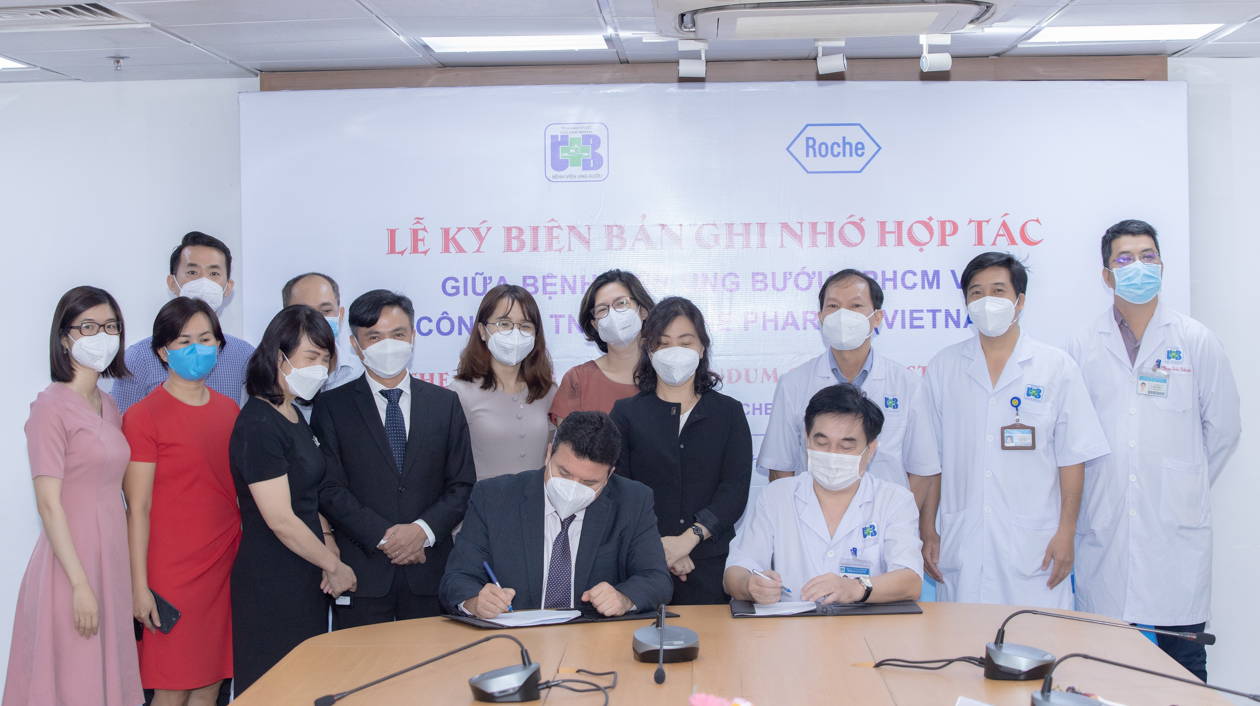
Roche Vietnam and Ho Chi Minh City Oncological Hospital continue to improve cancer diagnosis and treatment capacity in Vietnam Roche Vietnam and Ho Chi Minh City Oncological Hospital continue to improve cancer diagnosis and treatment capacity in Vietnam

On March 25, Roche Pharma Vietnam and the Ho Chi Minh City Oncological Hospital (UB) signed an MoU to improve the professional capacity of the medical staff at the hospital and strengthen cooperation with domestic and foreign oncology organisations and experts for the benefit of patients and the community.

Robotic surgery treats high-risk pulmonary mycosis Robotic surgery treats high-risk pulmonary mycosis

After six months of unsuccessful high-dose antifungal treatment in Cambodia and Thailand, a 58-year-old Cambodian patient underwent da Vinci Xi robotic surgery at FV Hospital, preventing life-threatening massive hemoptysis and enabling rapid recovery within just three days.

Personalised lung cancer treatment: From genetic technology to robotic surgery Personalised lung cancer treatment: From genetic technology to robotic surgery

The era of personalised medicine is transforming the way lung cancer is treated. By analysing the molecular characteristics of each tumour, doctors at FV Hospital can tailor treatment strategies to individual patients instead of relying on the one-size-fits-all approaches used in the past.

FV doctors remove 5cm kidney tumour in time-critical robotic surgery FV doctors remove 5cm kidney tumour in time-critical robotic surgery

In a four-hour robotic surgery, FV Hospital doctors successfully removed a 5cm kidney tumour, navigating a challenging tumour position and a narrow timeframe critical to preserving the patient’s kidney.

Motorcycle sales rise despite electrification push

According to the latest sales data released by the Vietnam Association of Motorcycle Manufacturers (VAMM) on July 10, combined domestic sales of its five members – Honda, Yamaha, Piaggio, SYM, and Suzuki – reached 638,431 units in the second quarter, up 4.4 per cent on-year.

The figures suggest that demand for conventional motorcycles remains resilient even as Vietnam strengthens policies aimed at reducing transport emissions and encouraging cleaner mobility in major cities.

Industry analysts attribute the sales increase partly to seasonal purchasing ahead of the third quarter, improving consumer sentiment, and continued promotional campaigns, including price incentives and low-interest financing programmes offered by manufacturers.

Supply has also remained robust. According to the National Statistics Office under the Ministry of Finance, domestic motorcycle production maintained a strong pace throughout June, lifting total industry output in the first half of 2026 to nearly 2.1 million units, providing manufacturers with sufficient inventories and a broad product offering.

VAMM noted that its reported sales figures cover only domestic deliveries by member companies and exclude production volumes and exports. The data nevertheless indicate that consumer demand remains stronger than previously anticipated despite growing competition from electric motorcycles.

The latest performance highlights the gradual nature of Vietnam’s transition towards cleaner mobility. While electric motorcycle brands have continued expanding their market presence through new model launches and investment in charging infrastructure, internal combustion engine motorcycles continue to dominate sales volumes.

Industry observers say purchasing decisions continue to be influenced by affordability, convenience, and the extensive nationwide network of fuel stations, repair shops, and spare parts suppliers. These advantages remain particularly important for consumers in suburban and rural areas, where public charging infrastructure is still developing.

At the same time, established manufacturers are accelerating their electrification strategies rather than relying solely on conventional models.

Honda Vietnam has added electric models such as the ICON e:, CUV e:, and UC3 urban scooter to its domestic portfolio alongside its best-selling Vision, Lead, and SH models. Yamaha Motor Vietnam continues to market its NEO’S electric scooter as part of its broader electrification strategy.

The inclusion of electric models in manufacturers’ official product portfolios suggests that competition in Vietnam’s electric two-wheeler market is entering a new phase, with established manufacturers leveraging their extensive dealer networks, financial resources, and brand recognition to compete alongside dedicated electric vehicle producers.

Manufacturers are also repositioning their conventional motorcycle portfolios towards higher-value segments.

Honda has expanded its range of premium motorcycles with models including the CB1000 Hornet, NX500, and XL750 Transalp, targeting consumers seeking recreational and lifestyle-oriented products. Yamaha has similarly strengthened its premium offering with models such as the YZF-R9, MT-09, PG-1, and LEXi 155.

Piaggio continues to focus on the premium scooter segment through its Vespa range, while SYM has reinforced its presence in the 50cc category, targeting students and first-time buyers with an expanded product line-up.

The broader diversification strategy has enabled manufacturers to encourage replacement demand while maintaining profitability in an increasingly mature market.

Looking ahead, competition in Vietnam’s motorcycle market is expected to intensify during the second half of 2026 as manufacturers continue balancing investment in electric mobility with efforts to sustain sales of conventional models.

Although petrol-powered motorcycles continue to dominate the market, tightening emissions regulations and expanding electrification policies are expected to accelerate the industry’s transformation over the coming years. For established manufacturers, revenues generated from conventional motorcycles are likely to remain an important source of funding for research, product development, and the gradual expansion of their electric mobility businesses.

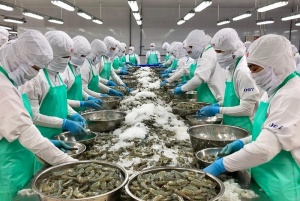
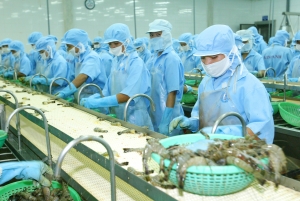
According to the Ministry of Agriculture and Environment (MAE), China continued to increase imports of Vietnamese seafood, particularly shrimp, in the first half of 2026, the ministry reported on July 13.

Vietnam exported more than $5.7 billion worth of seafood in the first half of 2026, up 11.4 per cent from a year earlier. China accounted for nearly $1.4 billion of the total, making it Vietnam’s largest seafood export market, while shipments to the US reached almost $898 million.

Including Hong Kong, exports to the Greater China market totalled around $1.5 billion, an increase of nearly 38 per cent from a year earlier. Japan ranked third with almost $788 million, posting a slight increase over the same period.

According to the Import-Export Department under the MAE, despite the double-digit growth, seafood exporters continue to face multiple challenges, including tighter technical requirements in key export markets, rising production costs, and climate-related risks.

Higher feed, energy, logistics, and freight costs continue to weigh on businesses, while climate change and saltwater intrusion in the Mekong Delta are affecting aquaculture production, highlighting the need for more resilient and fully traceable raw material supply chains.

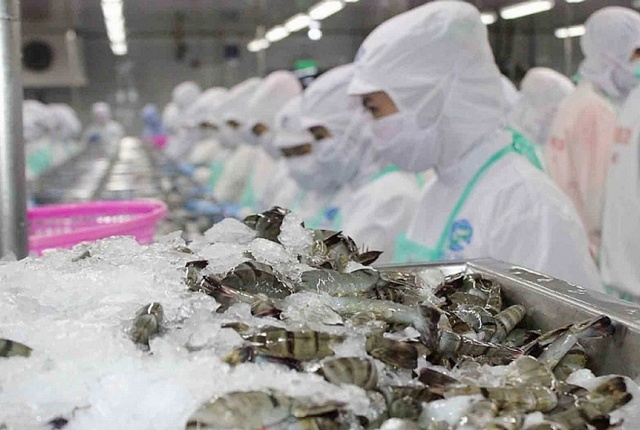
Photo: VASEP
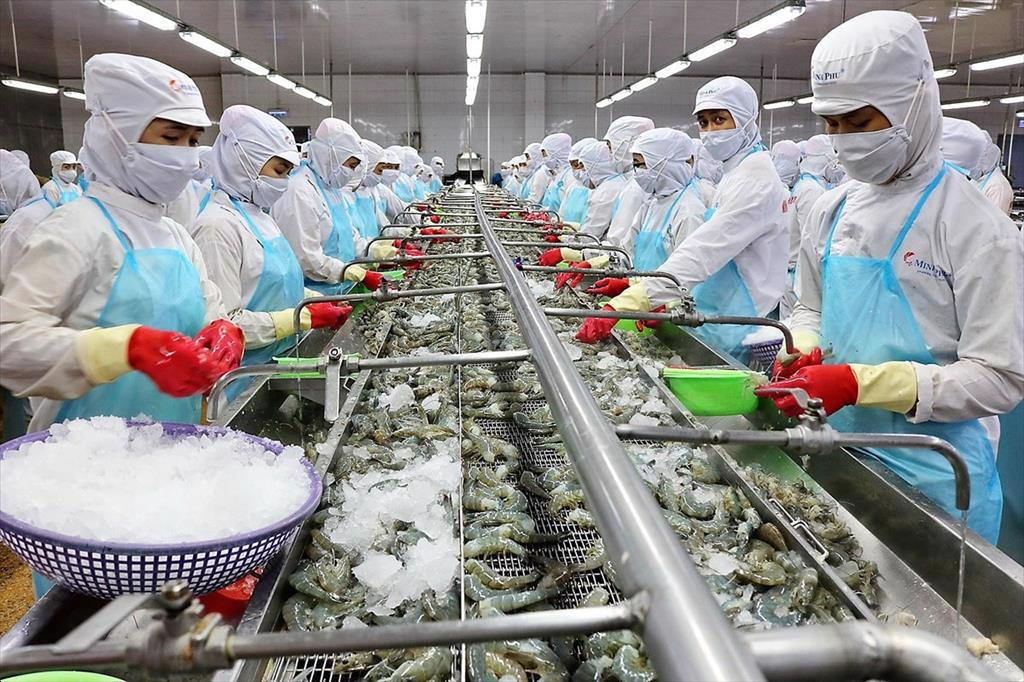
Photo: VASEP

Le Hang, deputy secretary general of the Vietnam Association of Seafood Exporters and Producers (VASEP), said many exporters have shifted their focus towards China as the US and Europe tighten trade barriers.

“Besides having less stringent import requirements, China enjoys a significant geographical advantage, helping reduce logistics costs and delivery times. For live seafood products, exporters can ship goods through border crossings, making preservation easier and more cost-efficient,” she said.

Meanwhile, exports to the US continue to face mounting challenges. According to VASEP, stricter enforcement of the Marine Mammal Protection Act (MMPA) has required exporters of wild-caught seafood to provide additional Certificates of Admissibility (COA), with particularly complicated procedures affecting tuna shipments. Vietnamese shrimp also continues to face high anti-dumping duties.

In addition, a surge in shipments to the US ahead of the implementation of new tariff policies has resulted in rising inventories, while American consumers have become more cautious with spending and increasingly favour lower-priced products. These factors have left seafood exports to the US largely flat during the first half of the year.

VASEP noted that the industry’s export growth in the first six months reflected improving global demand and the ability of Vietnamese exporters to adapt by diversifying markets and adjusting product portfolios. At the same time, overseas buyers have become increasingly cautious, placing smaller and shorter-term orders while demanding more competitive prices and stricter compliance with quality, certification, and traceability standards.

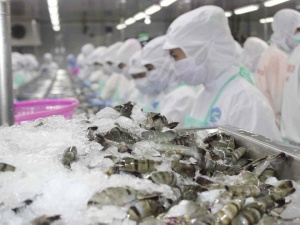
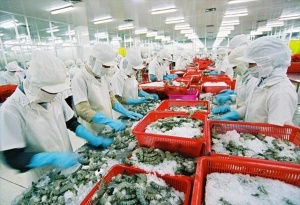
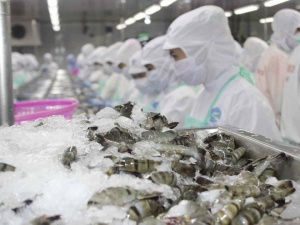
Shrimp remained Vietnam’s largest seafood export, generating approximately $2.3 billion in export revenue during the first half of the year, up 13.6 per cent and accounting for more than 40 per cent of total seafood exports. Growth was driven mainly by demand from mainland China and Hong Kong.

Lobster was among the products seeing the strongest increase in purchases from both markets. Basa fish exports reached around $1.1 billion, up 12.1 per cent, continuing to benefit from competitive pricing and stable global demand for whitefish.

However, the outlook for the second half of the year remains uncertain. Hang said seafood exporters continue to face the risk of additional US trade protection measures and non-tariff barriers, ranging from regulations related to forced labour to the possible introduction of import quotas on certain products. At the same time, refrigerated container freight rates have begun rising again, posing another major challenge for the industry in the coming months.

“In the face of rapidly changing trade policies, businesses have little choice but to continuously monitor market developments, adjust their export strategies, diversify export markets, and increase the share of value-added processed products to mitigate risks and sustain growth,” Hang added.

Seafood exports rise in January Seafood exports rise in January
Middle East tensions drive cost pressures for seafood exporters Middle East tensions drive cost pressures for seafood exporters
Vietnam and US set to ease seafood trade regulation Vietnam and US set to ease seafood trade regulation
Seafood trade loses pace in March amid market divergence Seafood trade loses pace in March amid market divergence
Seafood exporters deliver strong Q1 though challenges persist Seafood exporters deliver strong Q1 though challenges persist
Vietnam's seafood exports approach $5.8 billion in first half of 2026 Vietnam’s seafood exports approach $5.8 billion in first half of 2026


On July 10, VinFast announced that it had delivered 17,955 electric vehicles (EVs) to customers in Vietnam in June, bringing its total sales in the first six months of 2026 to 115,916 units, up 72 per cent compared to the same period in 2025. It also marked the first time a carmaker in Vietnam has surpassed the milestone of 100,000 vehicles sold within the first half of a calendar year.

The announcement came as Vietnam Automobile Manufacturers’ Association (VAMA) released its June sales report, highlighting notable shifts in the domestic automotive market.

According to VAMA, its member companies sold 31,104 vehicles in June, up 4 per cent from the previous month but down 2.7 per cent on-year. In the first six months of the year, total sales reached 149,761 units, representing a 15 per cent increase compared to the same period of 2025, reflecting the continued recovery of Vietnam’s automotive market.

Against this backdrop, VinFast’s growth significantly outpaced the broader market. The company’s first-half sales alone were equivalent to approximately 77 per cent of the combined sales volume of all VAMA members during the same period, underscoring the rapidly expanding scale of Vietnam’s domestic EV manufacturer in the local market.

The momentum is also becoming increasingly evident in the passenger car segment, traditionally the most competitive area of the market. VAMA members recorded passenger vehicle sales of 100,321 units in the first six months, driven primarily by multipurpose vehicles and sport utility vehicles.

Meanwhile, VinFast’s growth has been supported by a broad product portfolio spanning multiple market segments. The VF3 led the lineup with 3,550 deliveries in June and cumulative sales of 23,781 units in the first half. The VF5 followed with 3,364 units delivered in June and 20,167 units sold during the first six months. The VF 6 and VF 7 also posted cumulative sales of 14,045 units and 6,849 units, respectively, further expanding the presence of EVs across mainstream market segments.

Vietnam's auto market hits turning point as electric vehicles reshape sector

Against this backdrop, competition in Vietnam’s automotive market is expected to intensify further in the second half of the year. VinFast is preparing to launch the VF2 at the beginning of the third quarter with a starting price of approximately $7,200, while accepting early reservations from July 15-17 and continuing to offer direct price incentives. These moves are expected to increase competitive pressure on conventional internal combustion engine vehicles.

Nevertheless, the market’s transition towards electrification continues to face concerns among consumers, particularly regarding charging infrastructure, battery technology, inspection standards, as well as testing procedures and vehicle safety assurance.

Kazuhiro Takezawa, general director of Hioki Electric Vietnam said that since EVs and charging infrastructure began expanding rapidly, regulations and requirements related to battery safety and charging systems have received increasing attention in many countries, not only in Vietnam. This has become an important topic of close discussion between governments and businesses as part of the broader effort towards sustainable transportation and carbon neutrality.

Takezawa asserted that the Vietnamese market is moving fast, with the national charging network has expanded to more than 150,000 ports for cars and motorbikes across all 34 provinces. At the same time, draft national technical regulations, expected to come into effect this year, aim to enforce safety and interoperability in line with international standards.

“Although standards and regulations are still being further developed, inspection and maintenance activities for EVs and EV batteries have already been widely implemented in many advanced markets. Hioki’s EV maintenance and lithium-ion battery testing solutions are also being adopted across several leading EV and battery markets worldwide,” Takezawa said.

“Our solutions, including battery testers, power analysers, and insulation resistance testers, enable manufacturers, service centres, and fleet operators to assess battery health non-destructively, detect degradation early, and verify the power efficiency of charging systems before issues escalate into failures. Ultimately, the value of testing equipment lies in its ability to identify problems before they become incidents.”

According to Takezawa, as EVs become increasingly common and gradually evolve into a primary mode of transportation in major cities such as Hanoi and Ho Chi Minh City, demand for safety inspection, battery condition assessment, and system maintenance will continue to grow significantly.

“A battery failure event, whether during charging, discharge, or storage, carries safety risks but also serious reputational consequences for manufacturers, operators, and the broader EV ecosystem. As the regulatory environment becomes stricter, the need for certified, accurate testing equipment becomes even more critical. We see the tightening of standards in Vietnam not as a compliance burden, but as a positive development, one that raises the bar for the entire market and rewards those who invest in proper measurement and verification,” he said. “This will be a key factor in strengthening market confidence and accelerating the adoption of clean energy vehicles in the years ahead.”

Hioki Electric Vietnam believes Vietnam has strong potential to become one of the region’s key manufacturing hubs for batteries and electrification equipment, particularly as its industrial infrastructure, supply chain ecosystem, and technical capabilities continue to evolve in the coming years.

“Vietnam also holds reserves of manganese, rare earths, and aluminium, key inputs in battery cell production, which could, over time, support a more integrated domestic supply chain rather than one that relies predominantly on imported materials,” said Takezawa. “Vietnam’s trajectory as an electrification hub directly expands the relevance and demand for our battery testing and measurement solutions. Whether it is a cell manufacturer validating production quality, a charging infrastructure operator verifying safety compliance, or a renewable energy project integrating battery storage, each of these growth scenarios creates a clear and measurable need for what we do. We are not observing this trend from the outside, we are actively positioning our technical capabilities in Vietnam to grow alongside it.”

VinFast posts $920 million revenue in Q1 VinFast posts $920 million revenue in Q1

In the first quarter of 2026, VinFast recorded revenues of $920.7 million, an increase of 41.7 per cent from the same period last year.

Green SM enters Central Asia with all-electric ride-hailing launch in Kazakhstan Green SM enters Central Asia with all-electric ride-hailing launch in Kazakhstan

Green SM has officially launched its all-electric ride-hailing service in Kazakhstan, marking the company’s first operational presence in the Central Asian market.

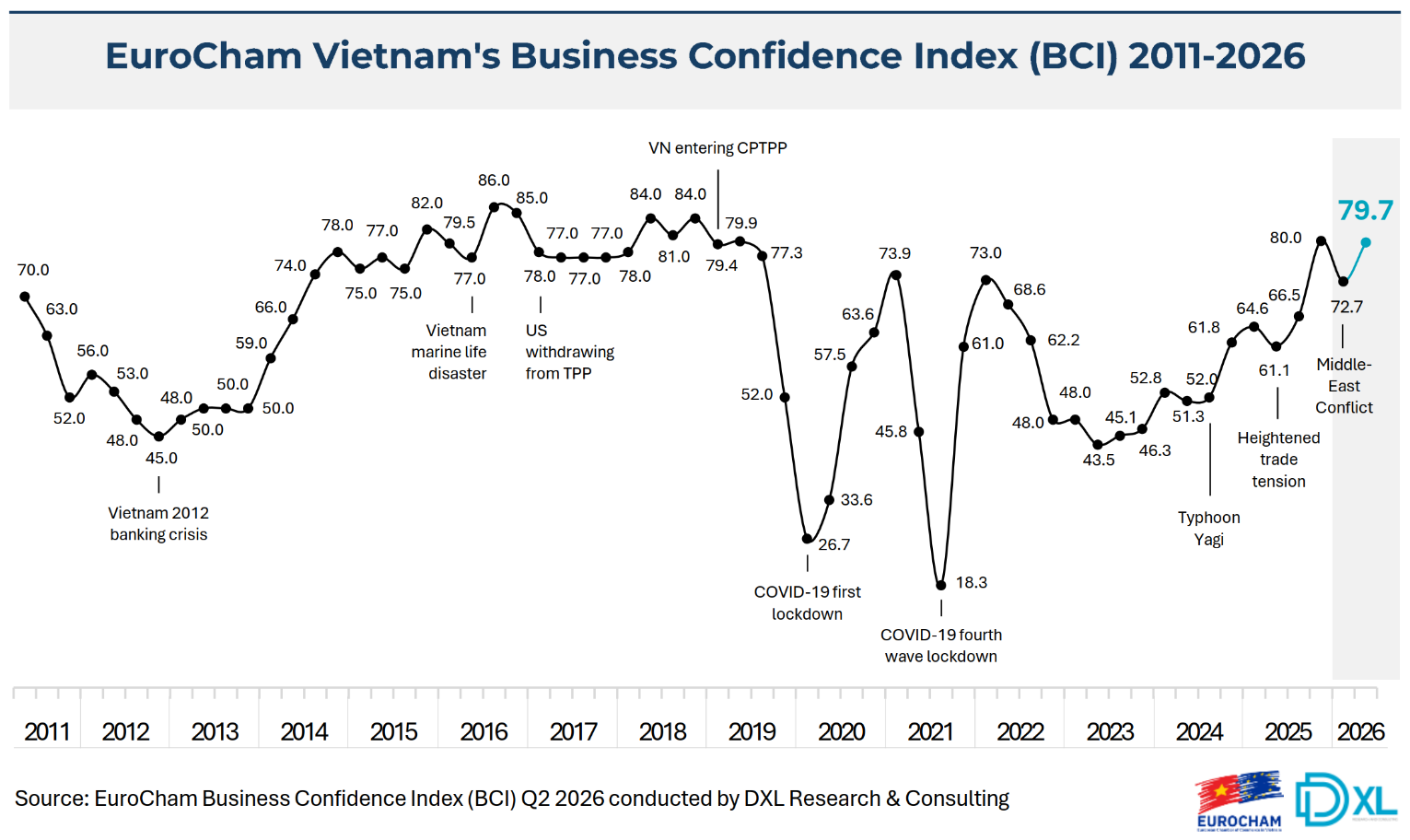
Marking the 15-year anniversary of the European Chamber of Commerce in Vietnam (EuroCham) flagship Business Confidence Index (BCI), the second-quarter report reveals a renewed surge in European business confidence.

With a sharp seven-point climb from the 72.7 points recorded in the first quarter, this quarter’s index is just a fraction below the historic seven-year peak of 80 reached in late 2025. The momentum signals a renewed appetite among European investors for expansion in one of Southeast Asia’s fastest-growing economies, reaffirming the long-term confidence that briefly receded amid heightened global uncertainty.

European business confidence in Vietnam surged in second quarter

“This quarter’s findings demonstrate the incredible, almost tenacious resilience of both Vietnam’s economy and the European businesses operating here,” said Bruno Jaspaert, chairman of EuroCham. “The first half of 2026 has been a rollercoaster. We entered the year with complex geopolitical wild cards, yet, despite a heavy cloud of global uncertainty, our member companies outperformed their own expectations. This index proves that when the weather gets rough, our ecosystem knows how to recalibrate and capture growth.”

Conducted in partnership with DXL Research and Consulting, this edition provides one of EuroCham’s most comprehensive assessments yet of how European businesses are responding to an increasingly complex global and local environment. Beyond measuring business sentiments, the BCI examines the impact of geopolitical tensions, evolving trade dynamics, administrative reform and intellectual property protection.

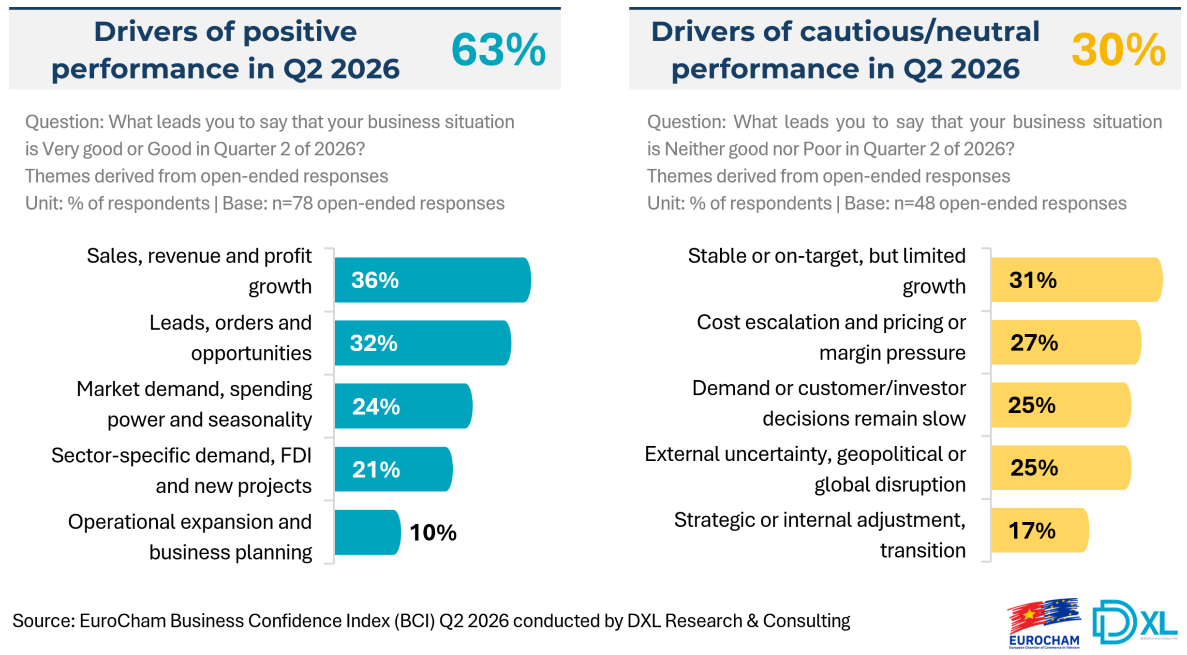
The survey shows that 63 per cent of European businesses reported positive business conditions during the second quarter, while optimism continues to strengthen, with 69 per cent expecting improvements in the coming quarter. This wave of optimism represents an 11-percentage-point jump compared to the expectations expressed just three months ago, driven by surging commercial performance, a healthy influx of new orders, and resilient domestic demand.

According to Xavier Depouilly, general manager of DXL Research and Consulting, “Confidence has recovered across all sectors, confirming that the slowdown recorded in the first quarter was broad-based but ultimately temporary. While the pace of recovery has varied by industry, the overall direction is consistent.”

He added that agrifood recorded a more modest 5.5-point improvement, whereas Tourism and Hospitality surged by 8.7 points to reach 90.4, well above the overall index. Across industries, businesses have outperformed their own expectations, supported by resilient domestic and international demand, expanded public and private investment, and a remarkable ability to adapt to an increasingly complex environment. By introducing sector and company size level analysis, the BCI report and dashboard now provide a more granular understanding of business sentiment, helping both investors and policymakers identify where confidence is strengthening, where challenges remain, and where targeted actions can have the greatest impact.

The data highlights clear commercial drivers behind this optimism. Among the firms reporting improved performance this quarter, 36 per cent pointed to rising revenues, stronger sales velocities, and enhanced operational profitability that consistently outpaced internal forecasts. Meanwhile, 32 per cent credited their brighter outlook to expanding order books and major new contract wins, while 24 per cent reported a noticeable strengthening in domestic consumer demand. This balanced growth across manufacturing, tourism, real estate, and export-oriented sectors shows that Vietnam’s economic engine is accelerating on multiple cylinders.

“These BCI results mirror the broader macroeconomic landscape as Vietnam solidifies its position as one of Asia’s growth champions,” chairman Jaspaert explained. “In the first half of 2026 alone, the national GDP expanded by an impressive 8.18 per cent. When you pair that breakneck growth with Vietnam’s rise to 27th in the IMD World Competitiveness Ranking and its upcoming FTSE Russell upgrade to a secondary emerging market this September, the narrative is crystal clear. What makes Vietnam truly stand out in a fiercely competitive regional landscape is a government that does not just talk about growth, but formalises it into national resolutions and actively executes structural reforms to pursue it.”

European business confidence in Vietnam surged in second quarter

Throughout 2026, the government has accelerated institutional reforms, administrative restructuring and investment policies aimed at attracting higher-quality foreign direct investment. Chief among these is the recent rollout of Resolution 10, which shifts the country’s foreign investment criteria away from cheap labour and raw volume towards high-tech innovation, technology and sustainable growth.

EuroCham has remained an active partner throughout this legislative evolution. During the chamber’s flagship Whitebook Dialogue Week in Hanoi in May, the chamber’s leadership engaged directly with Vietnamese government, ministries, the State Bank of Vietnam, and the National Assembly to advance practical solutions across diverse sectors. This continuous public-private feedback loop ensures that the operational insights of European business are woven into the fabric of Vietnam’s next economic chapter.

However, this wave of optimism comes with an operational caveat: strong internal performance cannot offset a burdensome regulatory framework. If Vietnam wants to convert today’s positive sentiment into tomorrow’s megaprojects, it must tackle its administrative bottlenecks head-on.

As a response, the government has introduced several important reforms during 2026 to strengthen Vietnam’s intellectual property framework and intensify enforcement against counterfeiting and trademark infringement. While businesses broadly welcome these measures, many noted that it remains too early to assess their practical impact, highlighting the importance of effective implementation alongside legislative reform.

Taken together, the findings point to a consistent message from the European business community: Vietnam’s economic fundamentals remain highly attractive, but administrative reform now represents the single greatest opportunity to strengthen competitiveness further.

“As our businesses become more sophisticated, they require an equally sophisticated regulatory environment,” said Jaspaert. “Predictable regulations, efficient administration, and uniform enforcement are what keep investment capital secure. The more-than 80 new and amended laws introduced this year alone mark the beginning of an intensive growth era. EuroCham’s role is to serve as the steady bridge connecting on-the-ground business insights with policymakers, ensuring these reforms can be translated into businesses’ confidence to anchor here for the long term.”

Private and foreign-invested enterprises remain Vietnam's largest job creators

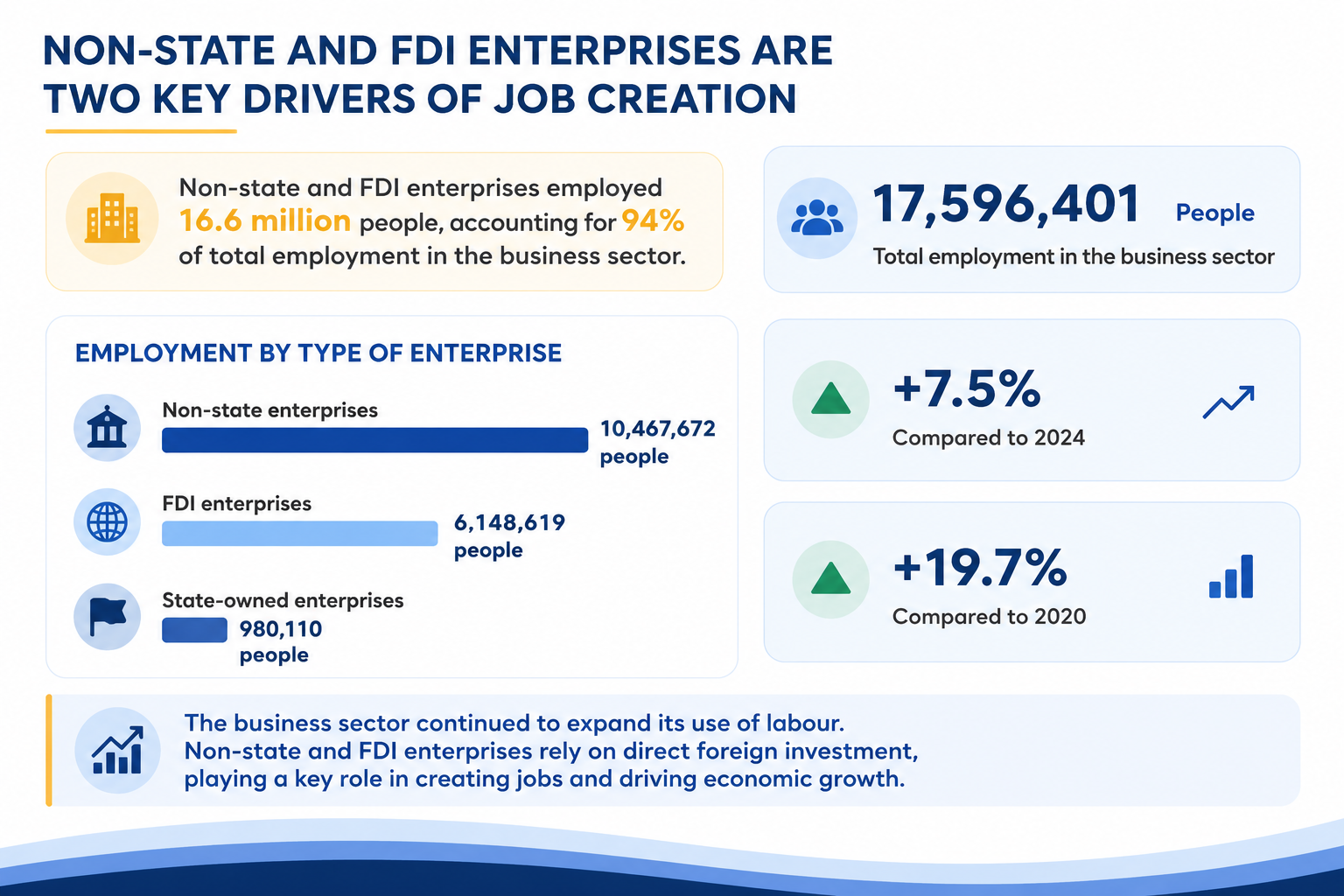
Vietnam has nearly 6.3 million active employers, hiring more than 30.3 million workers, according to the preliminary results of the 2026 Economic Census released by the Central Steering Committee on July 13 in Hanoi.

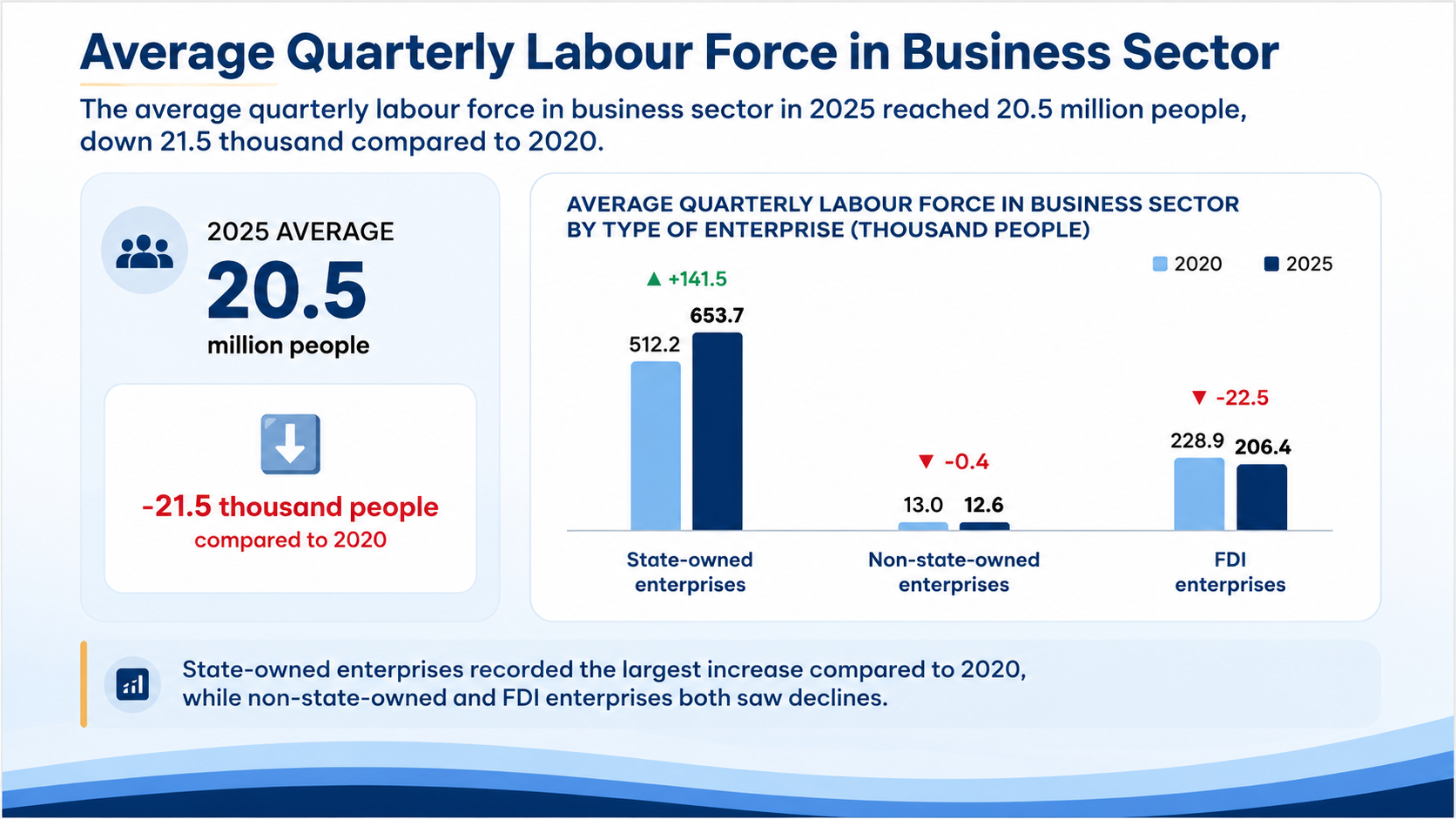
Nguyen Thanh Duong, deputy director general of the National Statistics Office and standing deputy head of the 2026 Economic Census Task Force, said the country currently had about 859,000 enterprises, accounting for 13.7 per cent of all economic establishments, employing 17.6 million people, or 57.9 per cent of the national workforce covered by the census.

The cooperative sector remains relatively small, with 17,145 cooperatives employing about 156,800 workers. Meanwhile, there are 5.25 million household business establishments and about 7,900 cooperative groups. The census provides an important evidence base for economic management, policymaking and macroeconomic planning.

The preliminary results indicate a clear structural shift from household businesses towards the enterprise sector. Enterprises continue to expand in both number and employment, while the household business sector has experienced slower growth. For the first time, employment in household businesses has declined, reflecting a gradual reallocation of labour across different sectors of the economy.

The services sector remains the largest contributor in terms of both establishments and employment, accounting for 84 per cent of all surveyed entities and 59.4 per cent of total employment. Industry and construction continue to provide a significant share of jobs, while agriculture, forestry and fisheries represent only a small proportion.

Private enterprises continue to dominate the business landscape, with 827,492 operating companies, far outnumbering the 29,786 foreign-invested enterprises (FIEs) and 1,770 state-owned enterprises (SOEs).

Private and foreign-invested enterprises remain Vietnam's largest job creators

Private businesses and FIEs also remain the country’s largest employers, together providing jobs for more than 16.6 million workers, equivalent to around 94 per cent of total employment in the enterprise sector.

Duong said that the enterprise sector maintained strong revenue growth in 2025. Total net revenue reached $1.75 trillion, an increase of 13.1 per cent compared with 2024 and 65.6 per cent higher than in 2020.

Private enterprises generated $1 trillion in net revenue, up 12 per cent on-year and 63.9 per cent higher than in 2020.

FIEs recorded $568 billion, rising 17.8 per cent from 2024 and 78.1 per cent from 2020, making them the fastest-growing segment in terms of revenue. SOEs generated $192 billion, up 6.3 per cent from 2024 and 43.9 per cent higher than in 2020.

“Private enterprises generated the largest amount of revenue, while FIEs recorded the strongest revenue growth compared with both 2024 and 2020,” Duong said.

The 2026 Economic Census is Vietnam’s seventh nationwide economic census and is regarded as particularly significant as the country accelerates digital transformation. The survey will help local authorities establish comprehensive databases covering all production and business establishments under the country’s new administrative boundaries.

For the first time, the census also includes cooperative groups and household businesses operating on digital platforms, providing a more comprehensive picture of Vietnam’s expanding digital economy.

Finance ministry to remove bottlenecks for private businesses Finance ministry to remove bottlenecks for private businesses

The Ministry of Finance is rushing to review and evaluate the implementation of legal documents to eliminate unnecessary business conditions, overlapping regulations, and inappropriate provisions that hinder the development of private enterprises.

VCCI launches PCI 2.0 and first Business Performance Index VCCI launches PCI 2.0 and first Business Performance Index

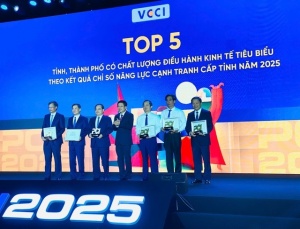
The Vietnam Chamber of Commerce and Industry has launched the Provincial Competitiveness Index 2025, along with the first-ever Business Performance Index.

Family businesses face succession hurdles Family businesses face succession hurdles

Vietnamese family-owned enterprises are entering a defining moment as their founders prepare to hand over the reins to the next-generation amid ambitious expansion plans and an evolving macroeconomic landscape.

Following a report released by An Binh Securities on July 5, Nguyen The Minh, head of Investment Banking at the company, noted that consumption was one of the key drivers of economic growth in the first half of the year, with increasingly clear signs of recovery.

“Total retail sales of goods and consumer service revenue rose nearly 13 per cent on-year in the first six months. Excluding price effects, growth reached 7.3 per cent, up from 6.1 per cent in the first five months, indicating a genuine recovery in household consumption,” said Minh.

Domestic retailers poised for stronger earnings as demand increases

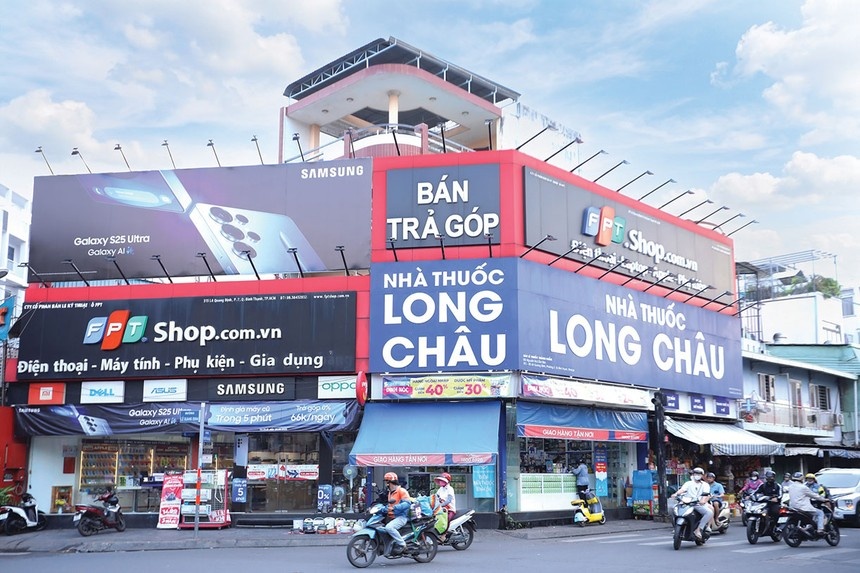
A representative of FPT Digital Retail JSC said the company’s first-half business performance exceeded internal targets across both retail chains.

Along with this, the Long Chau drugstore chain continued to serve as the primary growth engine, contributing approximately 70 per cent of consolidated revenue, while FPT Shop maintained its recovery trend and improved operating efficiency.

Digiworld Corporation reported June revenue of approximately $131.6 million, up 52 per cent on-year and marking the company’s highest monthly revenue since its establishment.

The company’s revenue reached approximately $646.0 million in the first six months, up 44 per cent and fulfilling 51 per cent of its 2026 full-year revenue target of $1.26 billion.

The strong performance was driven by nearly all core business segments.

Laptop and tablet sales increased 52 per cent thanks to improved selling prices and expanded market share. Office equipment revenue rose 51 per cent, supported by demand for IT infrastructure, AI, and data centre investments.

Home appliances recorded 50 per cent growth, benefiting from hot weather and demand stimulated by the 2026 FIFA World Cup.

The mobile phone segment rebounded strongly, with June revenue surging 113 per cent, primarily driven by newly launched Xiaomi models.

Mobile World Investment Corporation has yet to announce its first-half results. However, during the first five months of 2026, revenue reached $3.17 billion, up 29.3 per cent on-year and completing 43 per cent of its annual revenue target of $7.40 billion.

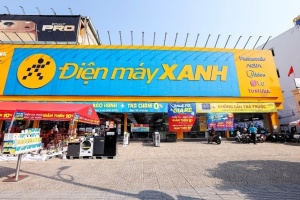
Dien May Xanh, the group’s consumer electronics and home appliances chain, remained the largest revenue contributor, accounting for 46.3 per cent of total sales, followed by Bach Hoa Xanh, its grocery retail chain, with 29.2 per cent, The Gioi Di Dong, its mobile phone and consumer electronics chain, with 22.5 per cent, and other businesses with 2 per cent.

MB Securities (MBS) forecasts Mobile World’s second-quarter net profit at $88.2 million, up 34 per cent, supported by the recovery of The Gioi Di Dong and Dien May Xanh, together with the continued expansion of Bach Hoa Xanh.

For Masan Group Corporation, SSI Research expects the company’s growth outlook to be supported by two key growth drivers: retail and mining.

MBS projects Masan’s second-quarter profit at $54 million, up 31 per cent, mainly thanks to higher tungsten prices, which improved margins in the mining segment, alongside double-digit growth in the consumer goods business.

For Vinamilk, second-quarter net profit is forecast at $102 million, up 3 per cent. Domestic revenue is expected to continue improving, driven by nutritional products, while exports remain strong despite persistently high logistics costs.

The solid first-half business performance has prompted many research institutions to raise earnings expectations for the retail sector for the full year.

Securities firms forecast continued earnings growth for many retailers in 2026.

According to MBS, Mobile World’s net profit could reach $379.6 million, up 35 per cent; Masan’s could total $218.8 million, up 33 per cent; Digiworld’s is projected at $28.9 million, up 32 per cent; while Vinamilk’s could reach $402.3 million, up 7 per cent.

Digiworld said that entering the third quarter of 2026, expanding cooperation with more major brands is expected to continue generating growth momentum, helping the company achieve its business targets for the year.

A representative of FPT Retail said, “The positive results achieved in the first six months provide an important foundation for our confidence in completing the full-year plan. We remain committed to pursuing growth while improving operational efficiency, focusing on three strategic pillars: expanding the healthcare ecosystem, optimising operations across the entire network, and accelerating the application of technology and data.”

VIX Research forecasts that in 2026, FPT Retail could generate revenue of more than $2.45 billion, up 20 per cent from 2025, while net profit could exceed $57.6 million, representing growth of 46 per cent.

For Phu Nhuan Jewelry, SSI has revised down its 2026 net profit forecast from $142.8 million to $133.3 million, lowering its projected earnings growth rate from 26 per cent to 18 per cent.

On the stock market, retail shares have generally undergone a correction over the past week. Phu Nhuan Jewelry has fallen more than 17 per cent, FPT Digital Retail has declined 4.67 per cent, Digiworld has slipped 1.62 per cent, and Mobile World has eased 1.5 per cent.

According to Mirae Asset, Digiworld, Phu Nhuan Jewelry, and particularly Masan Group are all trading at historically attractive valuations, with both their price-to-earnings (P/E) and price-to-book (P/B) ratios approaching or falling below the lower end of their multi-year trading ranges.

MWG stands out as an exception, with its P/E ratio remaining in the low range while its P/B ratio is still around the historical median.

Nevertheless, improving household income is viewed as the key foundation for continued growth in domestic consumer spending, thereby sustaining the retail sector’s role as a major driver of economic growth in the forthcoming period.

Retailers step up circular economy efforts to curb plastic waste Retailers step up circular economy efforts to curb plastic waste

Vietnam’s leading retailers are accelerating efforts to reduce single-use plastic bags and promote circular economy practices, as businesses increasingly position sustainable consumption as a key component of their long-term growth.

Indian and Chinese retail giants look to source more products from Vietnam Indian and Chinese retail giants look to source more products from Vietnam

Indian and Chinese retail giants are stepping up efforts to source more goods from Vietnam, underscoring the country’s growing role in global supply chains and creating fresh export opportunities for domestic manufacturers.

Same-store sales drive Dien May Xanh's first-half revenue Same-store sales drive Dien May Xanh’s first-half revenue

Dien May Xanh Investment JSC (DMX) reported first-half consolidated revenue of $2.61 billion, up 31 per cent on-year, driven by strong air conditioning seasonal demand and broad-based same-store sales growth across its retail network.

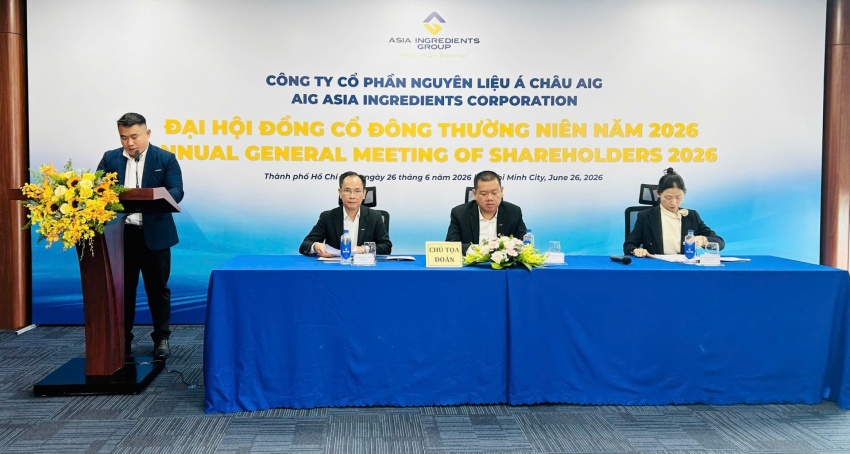
At its AGM on June 26, Asia Ingredients Group (AIG) reported consolidated net revenue of VND15.46 trillion ($595 million) for 2025, fulfilling 104.5 per cent of its annual plan, while consolidated net profit after tax reached $40.8 million, or 108 per cent of the shareholder-approved target.

AIG further improved its net profit margin to 6.9 per cent, underscoring the group’s continued focus on operational efficiency and sustainable profitability.

AIG posts strong 2025 results, outlines global ambitions at AGM

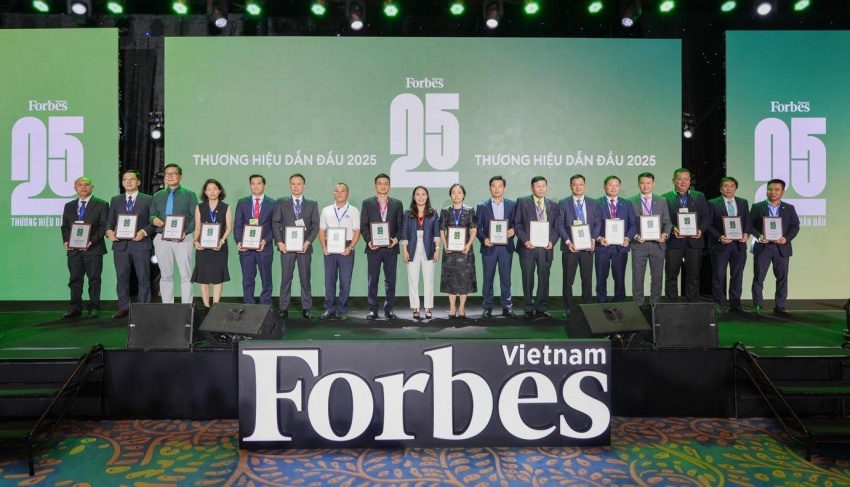
Building on this performance, AIG further strengthened its market position among the business community and investors in 2025. The group was recognised among Vietnam’s Top 50 private enterprises with the largest tax contributions in the 2025 PRIVATE 100 ranking published by CafeF, named among Forbes Vietnam’s Top 25 Leading Brands 2025, and ranked among the Top 60 largest private enterprises in Vietnam in the VNR500 ranking.

AIG posts strong 2025 results, outlines global ambitions at AGM
AIG was named one of Forbes Vietnam’s Top 25 Leading Brands 2025 in manufacturing and services

At the meeting, shareholders also approved a number of key resolutions on AIG’s 2026 business plan and its medium- and long-term development strategy. Under the approved plan, the group targets consolidated net revenue of VND16.8 trillion ($647 million) in 2026, up 8.7 per cent on-year, while consolidated net profit after tax is projected to reach VND1.26 trillion ($48.5 million), representing annual growth of just under 19 per cent.

If achieved, this would mark the highest annual profit in the group’s history. Shareholders also reaffirmed AIG’s long-term strategic vision of becoming a globally recognised group, identifying it as a key objective for the company’s next phase of development.

According to the Board of Directors, the strong growth recorded in 2025 and the ambitious targets set for 2026 represent the initial outcomes of AIG’s long-term restructuring and investment strategy, aimed at transforming the group into a globally recognised enterprise. The strategy centres on two core business pillars: Life Science Solutions and Natural Ingredients.

In the natural ingredients segment, AIG is focusing on developing naturally sourced, value-added ingredients through deep processing to meet the growing global demand for sustainable, clean, and environmentally friendly products. The group continues to invest in research and development to expand its portfolio of deeply processed agricultural ingredients under a ‘green, clean, and healthy’ product strategy, while ensuring compliance with the stringent standards of international export markets.

AIG currently operates an ecosystem of more than eight subsidiaries, managing modern deep-processing manufacturing facilities across key agricultural production regions throughout Vietnam. The group supplies ingredients to a wide range of industries domestically, while exporting to more than 50 countries and territories.

On May 11, AIG broke ground on the Asia Coconut Processing Plant II (ACPII), a project with total investment of nearly VND630 billion ($24.2 million). The facility will feature three major production lines: a UHT sterilisation line supplied by Tetra Pak with an annual capacity of 48,000 tonnes; a frozen coconut milk production line with annual capacity of 16,000 tonnes; and two desiccated coconut production lines with combined annual capacity of 2,400 tonnes.

Scheduled to commence operations in the first quarter of 2027, ACP II will enable AIG to establish Vietnam’s largest coconut processing complex. The group will supply global markets with a diversified portfolio of coconut-based products, including packaged coconut water, desiccated coconut, coconut milk powder, coconut cream, and coconut oil.

At the same time, AIG is expanding its Life Science Solutions business, providing integrated solutions tailored to evolving market demands and global consumer trends across the food, confectionery, beverage, and home and personal care industries. This business segment has become a key competitive advantage, enhancing both the group’s value proposition and profit margins.

AIG posts strong 2025 results, outlines global ambitions at AGM
AIG’s products and ingredient solutions continue to earn strong recognition from customers and international partners

AIG is a strategic supplier of natural ingredients and integrated ingredient solutions to many of the world’s leading corporations and brands, including Marubeni, COFCO Biotechnology, DSM-Firmenich, James Farrell, AAK, Tate & Lyle, PanTheryx, Givaudan, Darigold, and Ingredion.

Backed by nearly 25 years of sustained growth and continuous innovation, AIG has steadily strengthened its market leadership while pursuing sustainable development. The group is progressively advancing its vision of becoming a globally recognised provider of ingredient solutions and life science solutions, while contributing to Vietnam’s ambition of becoming a global hub for the processing and supply of high-quality agricultural products.

Asia Ingredients Group breaks ground on coconut processing plant Asia Ingredients Group breaks ground on coconut processing plant

On May 11, Asia Ingredients Group officially broke ground on the Asia Coconut Processing Plant II at Long Phuoc Industrial Cluster in Vinh Long province.

AIG reinforces leading position through global expansion efforts AIG reinforces leading position through global expansion efforts

Following the groundbreaking of its Asia Coconut Processing Plant II in May, Asia Ingredients Group participated in THAIFEX-Anuga Asia 2026, highlighting the company’s growth momentum and ambitions to strengthen its global brand.

Asia Ingredients Group (AIG) strengthens its international brand position Asia Ingredients Group (AIG) strengthens its international brand position

Asia Ingredients Group has hosted a high-level delegation from COFCO Biotechnology to explore expanding their long-standing strategic partnership.