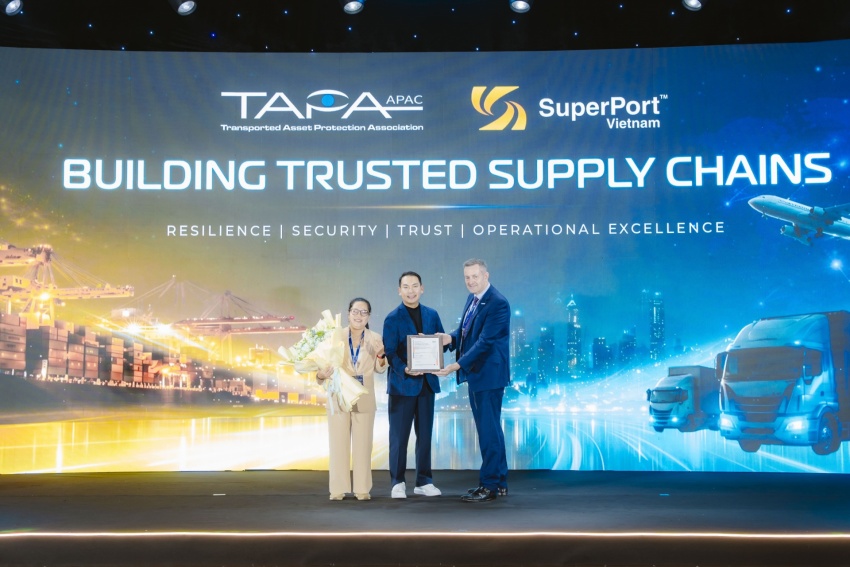
Vietnam SuperPort®  achieves highest facility security level under TAPA standards

The milestone reaffirms Vietnam SuperPort® ’s operational capabilities in safety, transparency, and compliance with international standards, while contributing to the continued enhancement of Vietnam’s logistics competitiveness within global supply chains.

TAPA FSR (Facility Security Requirements) is a leading international standard for facility security within supply chains, widely recognised by multinational corporations, logistics companies, and transportation providers worldwide.

The standard establishes stringent requirements for security controls, risk management, and cargo protection throughout storage, handling, and transportation processes.

As global supply chains increasingly emphasise security, transparency, and operational governance, TAPA FSR is an important industry benchmark that helps businesses strengthen credibility, meet international operational requirements, and expand collaboration opportunities with global partners.

Achieving TAPA FSR Level A, the highest level within TAPA’s facility security standards framework – demonstrates that Vietnam SuperPort® ’s infrastructure and operational processes meet rigorous international requirements for warehouse and cargo storage security.

Level A certification is reserved for facilities handling high-value and security-sensitive cargo, requiring enhanced controls across perimeter protection, access management, and operational governance. As one of the enterprises to attain this certification, Vietnam SuperPort® continues to reinforce its vision of becoming a modern, secure, and sustainable multimodal logistics hub for the region.

Vietnam SuperPort®  achieves highest facility security level under TAPA standards

Dr. Yap Kwong Weng, CEO of Vietnam SuperPort® , said, “Achieving the TAPA FSR Level A Certification marks an important milestone in Vietnam SuperPort® ’s journey to build an integrated logistics ecosystem aligned with international standards.

This certification not only reflects our capabilities in delivering safe, transparent, and globally compliant operations, but also demonstrates our long-term commitment to supporting the enhancement of Vietnam’s logistics competitiveness. Moving forward, we will continue investing in technology, infrastructure, and talent development to pursue higher international standards and contribute to building more resilient and trusted supply chains across the region.”

Vietnam SuperPort®  achieves highest facility security level under TAPA standards

Tony Lugg, chairperson of the Transported Asset Protection Association Asia Pacific (TAPA APAC), commended Vietnam SuperPort® s efforts in building a secure, transparent, and internationally aligned logistics environment.

“Achieving the TAPA FSR Level A Certification is a testament to Vietnam SuperPort® ’s operational capabilities and commitment to continuous improvement. It also underscores the company’s growing role in building resilient and trusted supply chains in Vietnam and across the region. TAPA APAC remains committed to supporting the logistics and supply chain community in Vietnam in their journey towards higher operational standards and stronger global competitiveness,” he said.

Gemadept Corporation reported strong first-quarter Q1 financial results, with revenue reaching $58.1 million, up 13.8 per cent on-year, while net profit rose sharply by 23.3 per cent to $26 million.

The performance marked the company’s ninth consecutive quarter of revenue growth and its highest quarterly profit in the past two years.

A key contributor to Gemadept’s earnings growth during the period was a 37 per cent increase in profits from joint ventures and associates, driven primarily by Gemalink, the deepwater port joint venture between Gemadept and French shipping giant CMA CGM.

Seaport operators deliver strong earnings despite global turbulence
Vietnam’s seaport operators reported strong Q1 business results despite ongoing geopolitical uncertainties

Positive Q1 results were also reported by Vietnam Maritime Corporation (VIMC), the country’s leading maritime enterprise.

The company posted revenue of $264.4 million, up 76.5 per cent on-year, while net profit surged to $34.5 million, more than 2.3 times higher than the same period in 2025.

Revenue from VIMC’s port operations and maritime services segment reached $96.3 million, representing an increase of 33 per cent.

Port operators within the VIMC ecosystem, including Haiphong Port JSC, Danang Port JSC, Quy Nhon Port JSC and Sai Gon Port JSC, all recorded positive growth in both revenue and profit.

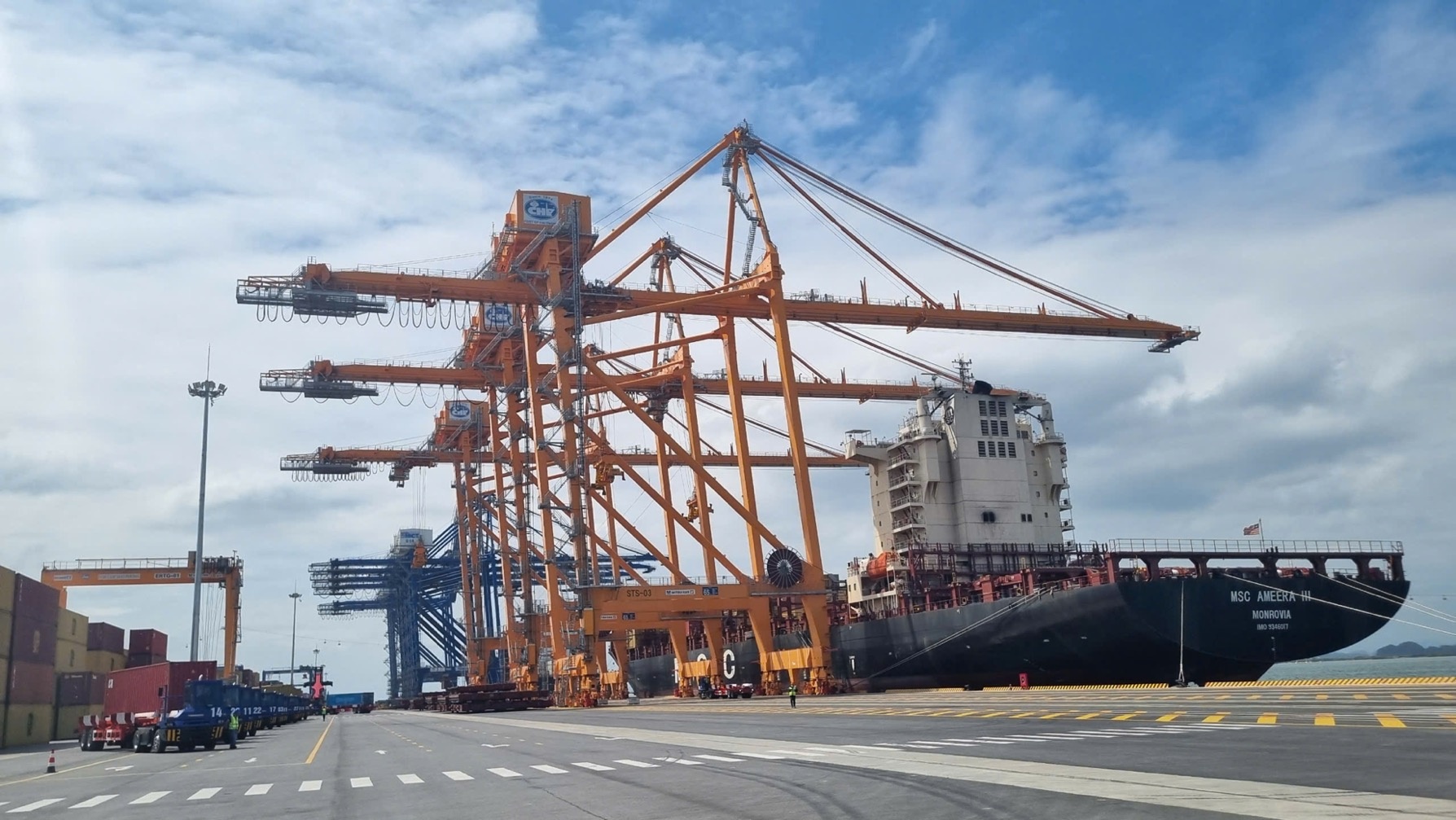
Among them, Haiphong Port delivered the most notable performance, with Q1 net profit rising 90 per cent on-year while revenue increased 29 per cent. The growth was supported by the earlier-than-expected profitability of berths No. 3 and No. 4 at Lach Huyen Deep-Sea Port, which are operated through a joint venture with MSC, the world’s largest shipping line.

The positive outlook for the port sector comes as Vietnam’s import-export activities continue to expand, with no significant impact yet observed from the Middle East conflict.

According to the Customs Department under the Ministry of Finance, Vietnam’s total trade value in Q1 approximated $250 billion, up 23 per cent on-year.

As a result, the vast majority of port operators reported healthy growth in both revenue and earnings during the first three months of the year.

The exceptions were Vietnam Container Corporation, whose profit fell 83 per cent due to higher interest expenses, and PetroVietnam Phuoc An Port Investment and Operation JSC, which posted a loss of $4.9 million as the port has only recently commenced operations and has yet to reach break-even point.

According to analysts at Mirae Asset Securities, Vietnam’s port industry is expected to continue benefiting from the global supply chain diversification trend, which is prompting an increasing number of multinational manufacturers to establish production facilities across Southeast Asia.

The resulting growth in export demand is expected to drive higher cargo clearance volumes, supporting revenue expansion for the port sector over the medium and long term.

Another positive factor underpinning the industry’s long-term outlook is the development of major port infrastructure projects. These include the Can Gio Mega Port project, led by a consortium headed by VIMC, as well as the ongoing expansion of Gemadept’s Gemalink Deep-Sea Port.

Deepwater ports in southern Vietnam are expected not only to handle the country’s import-export business but also to attract greater volumes of regional transshipment volume, helping operators optimise revenue and profitability.

Meanwhile, in northern Vietnam, the Haiphong port cluster is forecast by Guotai Junan Securities to maintain stable growth throughout 2026 and beyond, as operators increasingly focus on improving operational efficiency and capacity utilisation rather than pursuing rapid expansion in scale.

Northwest Seaport Alliance expands global reach with new Vietnam representative Northwest Seaport Alliance expands global reach with new Vietnam representative

The Northwest Seaport Alliance (NWSA) on August 27 announced the selection of United Base Co., Ltd. as its official representative in Vietnam.

Big players keen on port development Big players keen on port development

Vietnam’s port sector is gaining traction as both local and foreign companies seek to invest in new ports to capitalise on increasing cargo throughput.

Hung Yen expands economic development by tapping seaport potential Hung Yen expands economic development by tapping seaport potential

Hung Yen is setting its sights on becoming a key logistics and industrial hub in northern Vietnam, leveraging its strategic location and rapidly developing seaport infrastructure to fuel a marine-oriented economy.

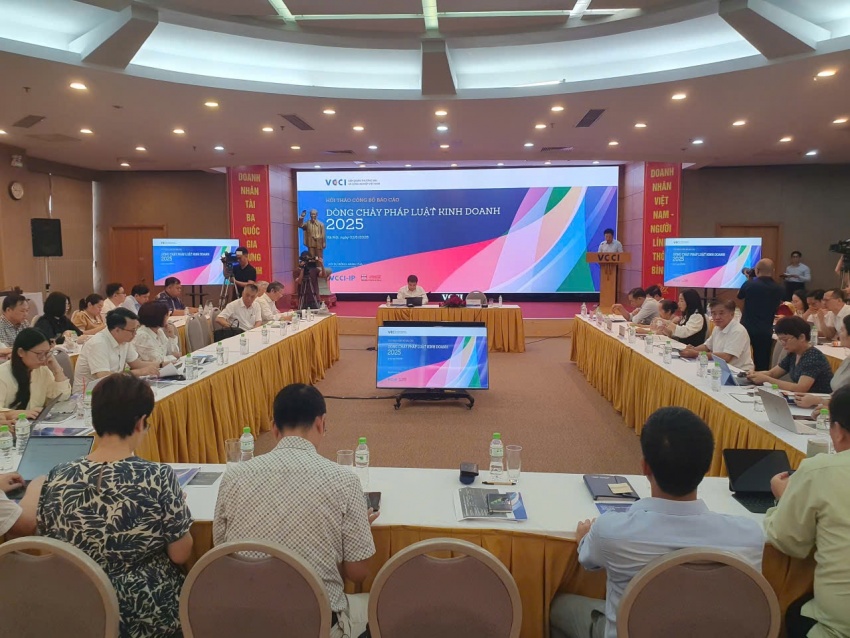
At an event on June 2, the Vietnam Chamber of Commerce and Industry (VCCI) released its ninth annual Business Law Flow Report, where VCCI chairman Ho Sy Hung said 2025 may be remembered for economic growth exceeding 8 per cent as well as for unprecedented changes in legislative thinking and national governance.

VCCI highlights unprecedented legal reforms in Vietnam’s business environment

He highlighted the issuance of four strategic resolutions by the Politburo, including Resolution No.57-NQ/TW on science, technology and innovation; Resolution No.59-NQ/TW on international integration; Resolution No.66-NQ/TW on reforming lawmaking and law enforcement; and Resolution No.68-NQ/TW on private sector development.

Although the Politburo issued five additional resolutions during 2025, the VCCI noted that these four had the most direct impact on the development of business legislation.

“These resolutions have created a clear shift in development thinking, from management to facilitation, and from control-oriented governance to promoting innovation,” Hung said.

One of the most significant developments highlighted in the report was the National Assembly’s adoption of Resolution No.206/2025/QH15 on special mechanisms for handling legal obstacles and regulatory bottlenecks.

“For the first time in legislative history, the National Assembly authorised the government to issue resolutions that differ from existing laws in order to address urgent practical issues,” said Dau Anh Tuan, VCCI deputy secretary general and head of the Legal Department.

Tuan believes the government has been allowed to bypass certain legal restrictions to resolve urgent delays immediately, instead of waiting for amendments to individual laws. In exchange, these resolutions are subject to limited validity periods, most lasting until February 2027, while the government must simultaneously propose long-term legal amendments to ensure policy stability.

Between July 2025 and April 2026, the government issued 15 resolutions under this mechanism, covering areas ranging from planning, land and minerals to oil and gas, administrative procedures, food safety and social housing.

According to the VCCI, the new ‘remove obstacles first, amend laws later’ approach emerged from practical issues faced by businesses and investors. Some projects had been delayed for years awaiting planning adjustments, while companies were still required to resubmit documents already available in state databases. Projects extracting materials for major national infrastructure works were also subject to the same procedures as ordinary commercial mining projects.

Beyond these first-time policy experiments, the report also highlighted an unprecedented pace of lawmaking.

In 2025 alone, the National Assembly passed 89 laws, the highest number in many years. The figure was nearly three times higher than in 2024 and significantly above the average of previous periods.

Combined, more than 120 laws were newly issued or amended during 2024-2025, exceeding the total number of laws enacted during the entire 2016-2023 period. The 10th session of the National Assembly, the final session of the current term, accounted for around one-third of all laws passed during the 2020-2025 term and was roughly 3.3 times the average annual legislative workload of the previous term.

“Businesses recognise the National Assembly’s efforts to amend laws in order to remove complexities affecting business operations,” Tuan said.

The VCCI also found that drafting times for legislation had been significantly shortened. A review of 33 laws directly related to production and business activities showed an average drafting period of 221 days, or around 7.4 months, equivalent to just 60 per cent of the previous minimum 12-month process. Some laws initiated in 2025 were completed within four months, while others took less than two months.

According to the VCCI, this reflects efforts to institutionalise a broad range of new policy directions related to innovation-driven growth, science and technology, international integration and private sector development.

The report also identified another positive trend: laws are increasingly drafted as framework legislation, while more detailed provisions are delegated to the government and ministries through subordinate regulations, improving policy flexibility.

Another major highlight was Resolution 66.7 on simplifying administrative procedures through data integration.

According to the report, more than 760 administrative procedures have been reviewed to replace physical documentation requirements with digital data across 14 areas of state management, including industry and trade, education and training, sci-tech, agriculture and environment, finance, justice, healthcare, banking, foreign affairs, defence and public security.

To implement these changes, authorities are expected to amend 22 laws, 113 decrees and 76 circulars simultaneously.

“Such a scale is equivalent to a comprehensive administrative reform programme, but implemented within a much shorter timeframe than the normal legislative process,” the VCCI stated in the report.

The report also noted that, out of more than 2,088 business complaints and recommendations reviewed nationwide, ministries, agencies and local authorities identified around 38 per cent as genuine legal impediments requiring action. The remaining cases were addressed through transparent explanations published on official online portals.

“This process has narrowed the gap between legal logic and practical realities, while opening opportunities for policies to become more closely aligned with business needs,” Tuan said.

Among the recognised issues, 42 per cent stemmed from unclear regulations, 36 per cent from unnecessary compliance costs and 22 per cent from overlaps and inconsistencies between legal documents.

However, the VCCI also expressed concern over the growing share of legal documents adopted under fast-track legislative procedures, which rose to 43 per cent in 2025, significantly higher than in previous years.

“Many of these cases may not involve consultations with businesses, meaning companies only become aware of the rules when implementation begins,” Tuan said, citing Decree No.46/2025/ND-CP as an example.

Businesses only discovered the decree during enforcement, leading to congestion at ports and eventually forcing the government to suspend its implementation.

At the same time, the proportion of legal documents taking effect immediately upon issuance, instead of after the usual 45-day period, increased to 15.3 per cent, leaving businesses insufficient time to prepare for policy changes.

From the VCCI’s perspective, the changes seen in 2025 were not simply about issuing more legal documents. More importantly, they reflected a broader shift in governance thinking: from pre-approval to post-audit management, from administrative control to facilitation, and from handling procedures to removing development bottlenecks.

At the same time, the VCCI noted that many businesses are now asking whether the special mechanisms introduced to address shortcomings in the current legal system will eventually be institutionalised through long-term legal reforms.

Bac Ninh forum highlights Vietnam's role in shifting global supply chains Bac Ninh forum highlights Vietnam’s role in shifting global supply chains

A forum in Bac Ninh has brought together around 500 delegates to discuss Vietnam’s role in global supply chains amid geopolitical shifts and rising sustainability demands.

Vietnam steps up IP enforcement as US raises concerns Vietnam steps up IP enforcement as US raises concerns

The United States decision to place Vietnam on its highest intellectual property watch category is not merely a legal or trade matter. It is emerging as a new test of compliance, governance, and transparency for export-oriented businesses.

VCCI launches PCI 2.0 and first Business Performance Index VCCI launches PCI 2.0 and first Business Performance Index

The Vietnam Chamber of Commerce and Industry has launched the Provincial Competitiveness Index 2025, along with the first-ever Business Performance Index.

AMRO revises Vietnam 2026 GDP forecast to 7.2 per cent

AMRO has also raised its inflation projection for Vietnam to 4.4 per cent in 2026, up from the April projection of 3.8 per cent. Inflation is forecast to rise to 4 per cent in 2027, compared with the April projection of 3.4 per cent.

At 4.4 per cent, Vietnam’s inflation rate would be higher than the ASEAN average of 4 per cent and more than double the ASEAN+3 average of 1.8 per cent.

If this forecast comes true, Vietnam will be among the ASEAN economies with the highest inflation rates, lower only than the Philippines, Laos, and Myanmar.

AMRO noted that stronger inflation passthrough is expected to weigh on domestic demand in Vietnam.

In addition, AMRO also maintains ASEAN+3 growth at 4 per cent in 2026 as projected in early April, while raising its inflation projection to 1.8 per cent from 1.4 percent, reflecting more prolonged disruptions from the Middle East conflict. The ASEAN+3 economies consist of the 10 ASEAN member states, with China, Japan, and South Korea.

The update comes as the conflict enters its fourth month, proving more protracted than earlier expectations of a resolution within two months.

Energy, commodity, and logistics costs have surged and remain elevated, while supplies of petroleum products have tightened. Early signs of disruptions have also emerged in industrial inputs, including helium, sulfur, and fertilisers, although broad-based market dislocations have so far been avoided.

“ASEAN+3 growth has remained resilient, supported by firm domestic demand and technology exports. But incipient signs of stress are emerging,” said AMRO chief economist Dong He. “Higher energy and transport costs are feeding into inflation and adding pressure on industrial supply chains. If the conflict persists, these pressures could broaden and weigh on regional growth.”

While first-quarter growth was stronger than expected, the full impact of the Middle East conflict has yet to materialise. Higher energy and industrial input costs, alongside continued tariff uncertainty, are expected to impact the region unevenly, with net energy importers and economies exposed to affected inputs facing stronger headwinds.

The duration and severity of the Middle East conflict remain the most salient near-term risks to the outlook. Under an adverse scenario in which oil prices average $125 per barrel in 2026–compared with the baseline assumption of $95 per barrel–and supply disruptions worsen further, ASEAN+3 growth could slow to 2.5 per cent, while inflation could rise to 3.5 per cent. Excluding the COVID-19 pandemic years, this would mark the highest regional inflation in more than a decade and the slowest growth since the Asian Financial Crisis.

“Against this backdrop, policy responses need to remain agile as the shock evolves,” He added. “Near-term support should be targeted and temporary, while longer-term efforts should focus on strengthening energy security, supply-chain resilience, and regional integration.”

ASEAN+3 economies positioned for resilience amid unprecedented trade shocks ASEAN+3 economies positioned for resilience amid unprecedented trade shocks

The ASEAN+3 Macroeconomic Research Office released a report on April 15 highlighting the region’s resilience policy capacity to withstand global trade shocks.

Vietnam stands to gain from deeper intra-regional trade Vietnam stands to gain from deeper intra-regional trade

The Vietnamese economy is currently enjoying positive growth. Anthony Tan, deputy group head and principal economist of the ASEAN+3 Macroeconomic Research Office (AMRO) based in Singapore, talked to VIR’s Thanh Tung about the prospects given the tariff situation and the country’s ongoing reforms.

AMRO notes Vietnam's economic resilience despite global uncertainties AMRO notes Vietnam’s economic resilience despite global uncertainties

Vietnam’s economy has demonstrated notable resilience despite global uncertainties, according to the ASEAN+3 Macroeconomic Research Office.

OECD projects GDP growth of 6.5 per cent for Vietnam this year

In a report released on June 3, the Organisation for Economic Co-operation and Development (OECD) noted that GDP grew by 8 per cent in 2025 and remained strong in the first quarter of 2026, with GDP increasing by 7.8 per cent on-year. Private consumption remained resilient, underpinned by wage and employment increases, while public investment was supported by progress in infrastructure projects.

The labour market is tight with a historically low unemployment rate of 2.2 per cent, and the labour force participation rate increased to 68.7 per cent towards the end of 2025, followed by a slight decline to 68.3 per cent in the first quarter of 2026. Headline and core inflation both rose in April, to 5.5 per cent and 4.7 per cent, respectively. Fuel and transport prices increased by 11.1 per cent on-year.

Exports remained robust throughout 2025 and maintained their momentum in early 2026. Despite the imposition of US tariffs, goods exports remained strong against the backdrop of surging demand for semiconductor-related goods. Services exports have also remained strong, particularly in the tourism sector.

Foreign direct investment (FDI), an important driver of growth for Vietnam, has continued its steady increase. With more than 80 per cent of Vietnam’s oil imports coming from the Middle East, Vietnam is strongly exposed to the evolving conflict in the Middle East.

Fiscal policy will continue to support growth through increased public investment, pursuing an ambitious growth target of 10 per cent average growth over 2026 to 2030. The fiscal deficit of the general government is expected to widen to 4.8 per cent of GDP this year, mainly due to tax cuts in response to higher energy prices. The current energy-related tax cuts include setting import tariffs and the environmental protection tax on petroleum products to zero until the end of June.

Considering that public debt, at 31.5 per cent of GDP in 2025, is well below the 60 per cent ceiling, Vietnam has fiscal space to address emerging medium-term spending pressures and short-term spending needs. The monetary policy stance, defined through quantitative credit targets, has been accommodative since June 2023 and is expected to remain supportive during 2026 and 2027.

“GDP growth is projected to slow to 6.5 per cent in 2026 and 6.2 per cent in 2027 amid higher energy prices and measures to limit energy use. Private consumption will remain buoyant due to strong wages and employment, while the higher energy-related costs and the planned VAT rate increase at the beginning of 2027 will likely dampen private consumption temporarily and keep inflation elevated,” the OECD said.

Investment growth will be supported by public-sector-led projects under the new five-year plan. However, if project implementation falls short of schedule, the growth effect may turn out lower or materialise later.

Exports are expected to lose momentum in 2026 as possible supply disruptions, increased transport costs and the phase-out of front-loaded foreign demand, including on semiconductor-related products, take their toll. Service exports, particularly those related to tourism, are expected to remain robust.

As a small trade-dependent economy and a net importer of oil and gas from the Middle East, Vietnam is particularly vulnerable to higher energy prices and energy shortages, including of refined fuels. Additional downside risks stem from trade policy uncertainty and a possible increase in non-performing loans.

According to the OECD, the central bank should closely monitor inflation risks from rising energy prices and related second-round effects and stand ready to tighten monetary policy if needed. Moving towards a price-based monetary policy would improve macroeconomic resilience and facilitate stronger competition in financial markets, potentially improving the allocation of capital and raising productivity.

Regulatory reforms, such as opening up services markets to competition and FDI, hold significant potential to boost productivity, in addition to reducing the weight of state-owned enterprises and levelling the playing field with private firms. Informality affects around two-thirds of employees, limiting resilience and holding back productivity growth. Stronger incentives for formal job creation could result from efforts to reduce the labour tax wedge for low-income earners while enhancing the role of non-contributory social protection benefits.

Investing in climate-change adaptation measures will be key to enhance climate resilience against floods, typhoons and rising sea levels. Tax cuts on fuels should remain time-bound, while stronger efforts to accelerate the rollout of renewable energy sources would help support both energy security and emission reductions.

OECD meeting closes with key input from Vietnam's Ministry of Finance OECD meeting closes with key input from Vietnam’s Ministry of Finance

The 2025 Organisation for Economic Co-operation and Development (OECD) Ministerial Council Meeting concluded after two days of deliberations in Paris on June 4, with the Vietnamese Ministry of Finance delegation making significant contributions to the event’s overall success.

Vietnam Economic Report 2025: OECD insights on sustainable growth strategy Vietnam Economic Report 2025: OECD insights on sustainable growth strategy

The Ministry of Foreign Affairs, in coordination with the Ministry of Finance and the Organisation for Economic Cooperation and Development (OECD), hosted a seminar to launch the Vietnam Economic Report 2025 on June 20 in Hanoi.

OECD projects moderation in Vietnam’s GDP growth over next two years OECD projects moderation in Vietnam’s GDP growth over next two years

Vietnam’s economic growth is expected to slow in the coming years, with real GDP projected at 6.2 per cent in 2026 and 5.8 per cent in 2027, the OECD has said.

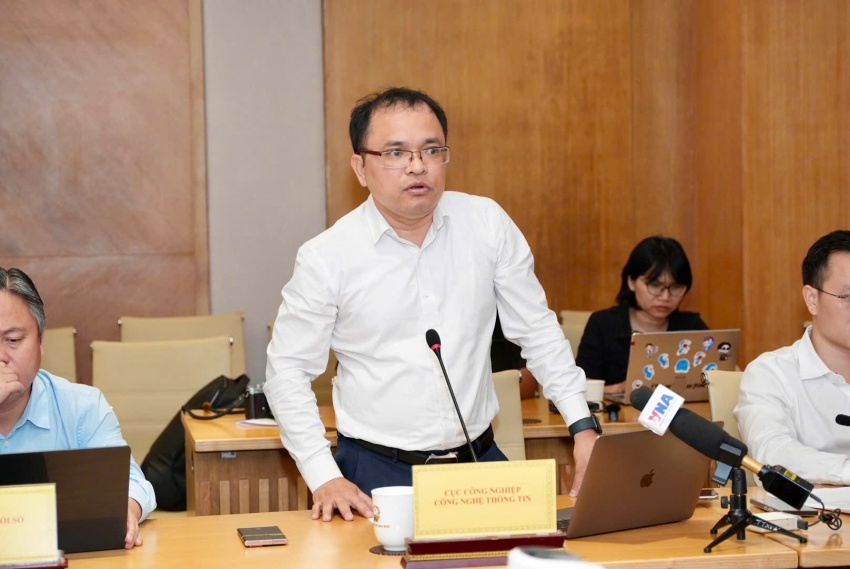
Tran Anh Tu, deputy director general of the Department of Information Technology Industry under the Ministry of Science and Technology, made the statement at a media briefing on June 1. The target also aims to build a force of businesses mastering core technologies.

“The ministry has recently focused on perfecting the legal framework for the digital technology industry, including the promulgation of the Law on Digital Technology Industry and its implementing guidelines,” he said.

Vietnam aims for 100,000 digital tech businesses by 2030
Tran Anh Tu, deputy director general of the Department of Information Technology Industry. Photo: MST

Based on that foundation, the digital technology enterprise development programme was developed to solidify support policies and promote Vietnamese-made products, aiming to develop enterprises that master Vietnamese technology, products, and brands.

The initiative aims to shift Vietnamese digital technology businesses from low-value-added processing and assembly stages to higher-value ones such as research, design, manufacturing, system integration, standardisation, and brand development, thereby enhancing their position in the global value chain.

To realise this goal, 10 key tasks and solutions have been outlined, prioritising the promotion of research, development, and innovation through mechanisms supporting controlled testing of new digital technology products and services.

“The focus of the scheme is to help businesses meet domestic and international technical standards and regulations to participate more deeply in the global supply chain, while gradually improving their position in high value-added stages,” he said.

It also encourages businesses to enhance their adoption and mastery of technology through international cooperation, mergers and acquisitions, and research and development centres abroad, in order to improve their competitiveness in the coming period.

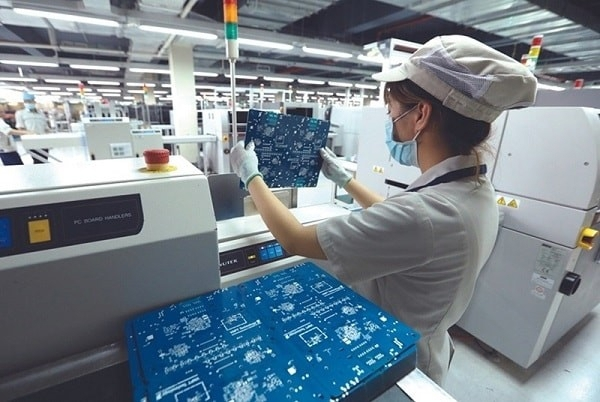
The MST is continuing to invest in developing shared infrastructure such as concentrated digital technology zones, laboratories, testing facilities, and product quality assessment centres; and simultaneously establishes a semiconductor chip production support centre to serve research, experimental production, and testing.

Realising the goal of having 100,000 digital technology businesses by 2030
Photo: MST

Deputy Prime Minister Ho Quoc Dung signed Decision No.840/QD-TTg dated May 13, approving the development of the digital technology industry in the 2026-2030 period, with a vision to 2045.

According to the decision, the digital technology industry is identified as a fundamental economic and technical sector, playing a key driving role in creating breakthroughs in productivity, quality, and competitiveness of the economy; while also laying the foundation for national digital transformation and promoting double-digit economic growth targets.

The government identifies the development of the digital technology industry as a national priority, with Vietnamese businesses encouraged to master technology and take a proactive role in research, design, production, and supply of digital technology products and services. The push for locally made products aims to reduce reliance on imports, enhance national competitiveness, and enable Vietnamese enterprises to participate more deeply in the global value chain.

The approach emphasises a business-centric strategy, with the private sector identified as the most important driving force. The government plays an enabling role by perfecting the legal framework, planning the infrastructure for the digital technology industry, and commissioning and assigning tasks to address major challenges in sci-tech, innovation, and digital transformation.

Beyond mastering core and strategic technologies, the initiative also aims to develop high-quality workers, foster close collaboration between the state, universities, and businesses, and promote green growth and sustainable development in the digital technology sector.

The programme aims for the digital technology industry to achieve a minimum revenue of $300 billion by 2030. The average growth rate of the industry during the 2026-2030 period is targeted at 12 per cent or higher. Export revenue of digital technology products and services from Vietnamese businesses is targeted at a minimum of $55 billion per year, with an average growth rate of at least 30 per cent per year.

Vietnam to approve national strategy on digital technology business development soon Vietnam to approve national strategy on digital technology business development soon

The Ministry of Information and Communications (MIC) is drafting the prime minister’s decision approving the national strategy on the development of digital technology businesses by 2030.

Digital economy takes centre stage in Vietnam’s new growth model Digital economy takes centre stage in Vietnam’s new growth model

As the Political Report to the 14th National Party Congress places the digital economy at the centre of a new growth model, Le Trung Hieu, deputy director general of the National Statistics Office, reflects on progress over the past five years and the outlook to 2030.

Digital technology helps enhance transparency, trust in elections Digital technology helps enhance transparency, trust in elections

Ho Chi Minh City is taking the lead in applying digital technology to improve the quality and transparency of the electoral process.

Shopee fined for misleading promotion information

The National Competition Commission under the Ministry of Industry and Trade issued the administrative sanctions on April 9 under Decision No.5/QD-CT. The penalty was imposed for, “providing misleading information to customers regarding the promotional programme applied on August 8, 2025”.

During its ‘8.8’ sales campaign, the e-commerce platform used promotional messages such as “Free shipping for all orders,” “Everything comes with free shipping,” and “Free shipping everywhere for all orders” to advertise shipping incentives for users.

However, according to the authority’s conclusion, some communication interfaces related to the campaign did not fully display exclusion conditions and applicable terms, potentially leading consumers to believe that all orders qualified for free shipping without conditions.

Data from the platform showed that around 94 per cent of total orders during the promotional period were eligible for zero shipping fees. The remaining orders either received partial shipping discounts or were not entitled to free shipping because they failed to meet certain conditions.

In addition to the monetary penalty, Shopee has been required to correct the misleading information publicly across its media ecosystem, including its e-commerce website, Shopee app, and official social media platforms.

According to a report from data platform Metric.vn, Vietnam’s e-commerce market generated around VND429.7 trillion ($16.8 billion) in gross merchandise value in 2025, up nearly 35 per cent on-year.

Shopee and TikTok Shop continued to dominate the market, accounting for more than 97 per cent of total industry revenue. Shopee held around 56 per cent market share, remaining the largest platform, despite declining from approximately 64 per cent at the end of 2024.

Meanwhile, TikTok Shop expanded its market share to just over 41 per cent, continuing to narrow the gap through its livestream and short-video sales model.

Among smaller players, Lazada maintained a lower market share while focusing on genuine products, whereas Tiki continued to lose ground amid mounting competition from larger platforms.

Vietnam reaffirms macroeconomic stability as Fitch Ratings conducts review

During the meeting, Xu commended Vietnam’s macroeconomic management efforts amid persistent uncertainties in the global economy. He also expressed interest in the Vietnamese government’s measures to control inflation, ensure energy security, sustain economic growth, and advance institutional reforms and improvements to the investment climate.

He said, Fitch Ratings is currently conducting its periodic review of Vietnam’s sovereign credit rating. The delegation therefore sought in-depth discussions with the MoF to gain a clearer understanding of a wide range of issues, from the macroeconomic policy framework and Vietnam’s policy responses to tensions in the Middle East, to the country’s medium- and long-term development outlook.

Speaking at the meeting, Deputy Minister Phuong highly appreciated Fitch Ratings’ longstanding engagement with Vietnam through its independent and objective assessments that closely reflect the country’s economic realities.

He said, “Fitch’s evaluations not only help enhance Vietnam’s credibility in international financial markets, but also serve as an important reference point for the country to continue accelerating reforms, improving institutions, and strengthening macroeconomic governance.”

MoF and Fitch experts held detailed discussions on fiscal policy, fuel price stabilisation tools, and plans to mobilise resources for infrastructure investment. Representatives of the MoF also clarified Vietnam’s public debt management strategy, renewable energy development roadmap, and ongoing state-owned enterprise (SOE) reform process.

Deputy Minister Phuong reaffirmed that the Vietnamese government remains committed to maintaining macroeconomic stability, strengthening the economy’s resilience against external shocks, and improving the transparency and effectiveness of policy frameworks.

The MoF and relevant agencies, he said, stand ready to closely coordinate and provide comprehensive information and data to support Fitch’s assessment process, ensuring a holistic and objective view of Vietnam’s economic situation.

Regarding the impact of energy price volatility and geopolitical tensions in the Middle East, the deputy minister said Vietnam has implemented a range of coordinated measures, including market stabilisation tools, tax policy adjustments, tighter market supervision, and the diversification of fuel supply sources.

He added that Vietnam’s fiscal policy space remains well preserved, while existing policy instruments are proving effective in supporting market stability, controlling inflation, and mitigating the impact of energy price fluctuations on the economy and people’s livelihoods.

The MoF will continue closely monitoring market developments and introduce appropriate solutions should global conditions become more complicated.

Phuong said, “Vietnam is reviewing and updating its growth scenarios to ensure the achievement of its 2026 development targets. The government is focusing on removing investment obstructions, improving the business environment, accelerating public investment disbursement, and attracting stronger flows of foreign and private investment.”

According to the MoF, despite continued challenges facing the global economy, foreign direct investment inflows into Vietnam in the first months of the year have remained positive. Vietnam is also continuing to push ahead with SOE restructuring and divestment efforts to improve operational efficiency and enhance transparency in the state sector.

In taxation, the ministry will continue refining policies towards greater transparency and closer alignment with international standards, particularly by strengthening tax administration for e-commerce activities, preventing revenue losses, and broadening the tax base to enhance the long-term sustainability of the state budget.

Deputy Minister Phuong also expressed his hope that Fitch Ratings would provide objective assessments that could support Vietnam in further improving its sovereign credit profile in international markets.

Fitch Ratings upgrades Vietnam’s senior secured long-term debt rating to BBB- Fitch Ratings upgrades Vietnam’s senior secured long-term debt rating to BBB-
Fitch upgrades Vietnam's long-term senior secured debt instruments Fitch upgrades Vietnam’s long-term senior secured debt instruments

Vietnam on path to investment-grade rating Vietnam on path to investment-grade rating

Bank margins to narrow on tighter liquidity Bank margins to narrow on tighter liquidity
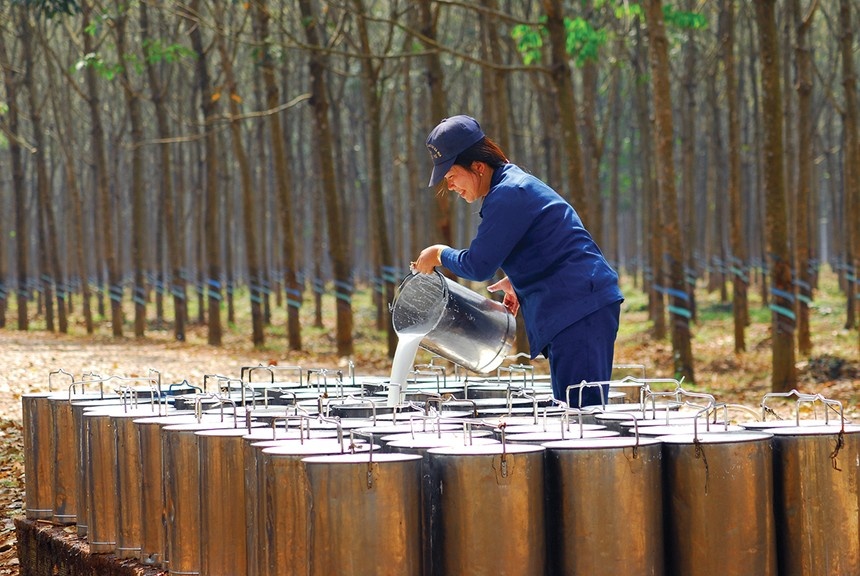

Since early May, natural rubber prices have climbed to their highest level in nine years, fluctuating at approximately $2,200-2,300 per tonne. The trend is creating better conditions for major rubber-exporting countries in Asia, including Vietnam.

In the first four months of 2026, Vietnam’s natural rubber exports continued to expand, while selling prices improved significantly. Rising prices and stronger consumption demand have quickly translated into positive business results for many companies in the sector.

Business operations at numerous natural rubber enterprises have also shown clear improvement. At Tan Bien Rubber JSC, first-quarter revenue exceeded $20.9 million, up 135 per cent on-year, while after-tax profit reached more than $9.1 million, up 209 per cent.

Rubber sector gains momentum from commodity rally and land windfall
The natural rubber prices are hovering at high levels in recent months

Vietnam Rubber Group currently owns around 377,797 hectares of rubber plantations. In Q1, the group recorded revenue of $353.8 million, up 56 per cent on-year, while profit surged 89 per cent to nearly $118.4 million.

The main growth driver came from stronger global rubber demand, particularly from the automotive and tyre manufacturing industries in China, the world’s largest rubber-consuming market.

Phuoc Hoa Rubber JSC also posted strong momentum in Q1, with revenue reaching $18.7 million, up 50.3 per cent on-year. Vietcombank Securities (VCBS) forecasts that Phuoc Hoa Rubber’s rubber segment revenue could reach around $69.8 million in 2026.

For Phuoc Hoa Rubber specifically, VCBS believes plantation productivity will continue to improve after the company completed the replanting of all ageing rubber trees, while many newly planted areas are entering a stable harvesting phase.

In addition, the company’s approximately 7,664 ha of rubber plantations in Cambodia are moving into the peak-yield stage of the crop cycle.

The favourable movement in rubber prices, together with expectations of stronger profit growth, has quickly attracted investor attention in the stock market.

Recently, shares of diverse rubber companies such as TRC, PHR and HRC have recorded strong gains. Notably, HRC shares hit the daily ceiling for four consecutive sessions from May 7 to 12.

Investors believe rubber stocks are entering a favourable phase, supported simultaneously by the commodity price upcycle and expectations of improving core business performance.

This marks an important distinction from previous periods, when many companies in the sector were valued mainly for their ‘land bank story’.

Phuoc Hoa Rubber has drawn considerable market attention as one of Vietnam’s largest natural rubber producers, with its land bank concentrated primarily in Binh Duong area (now part of Ho Chi Minh City).

The company plans to convert more than 3,000 ha of rubber land into industrial park developments, while also expanding into supporting sectors such as residential property, renewable energy and high-tech agriculture.

Meanwhile, shares of Tay Ninh Rubber JSC are viewed by An Binh Securities (ABS) as having positive sales volume prospects thanks to the recovery of the automotive and tyre manufacturing industries in major markets such as China and India.

The expansion of Vietnam’s electric vehicle ecosystem, particularly through cooperation between Vingroup and Vinachem to develop a materials supply chain for VinFast, could indirectly support long-term domestic rubber demand through increased local tyre production.

Beyond benefiting from the upcycle in natural rubber prices, many companies also possess a “dual-growth story,” combining expansion potential in their core businesses with the prospect of strong profits from industrial land assets.

According to VCBS forecasts, Phuoc Hoa Rubber alone could record around $28 million in profit from compensation related to rubber land conversion in 2026. Notably, the Bac Tan Uyen Industrial Park is expected to generate approximately $80-120 million in land conversion compensation for the company.

Tay Ninh Rubber also has the potential to deliver exceptional profit growth in 2026. The company plans to convert around 495 ha of rubber land at the Go Dau plantation – mainly ageing or low-yield plantations – to support the development of the Hiep Thanh Industrial Park.

The venture broke ground in December 2025. Under the plan, the 2025-2026 will focus on infrastructure deployment and completion of land-use conversion procedures, paving the way for Tay Ninh Rubber to recognise extraordinary income of around $78.4 million from land compensation and plantation liquidation.

Against the backdrop of persistently high natural rubber prices, improving harvesting and export activities, and the industrial park segment continuing to generate substantial revenue, rubber companies are considered to possess multiple supportive factors for medium- and long-term profit growth.

This partly explains why capital flows in the stock market are returning to rubber stocks after a relatively subdued trading period.

VN stocks advance on real estate, rubber firms VN stocks advance on real estate, rubber firms

Vietnamese shares rose on Wednesday morning, boosted by the positive moves of real estate and rubber stocks.

Insurers, stock brokers and rubber firms lift VN market Insurers, stock brokers and rubber firms lift VN market

Vietnamese shares gained ground on Wednesday morning, driven by insurance-finance and rubber industries.

Rubber firms report positive Q3 performance Rubber firms report positive Q3 performance

A price surge in the third quarter (Q3) has helped rubber companies to gain significant revenue and profit after years of struggling with low prices.

How do you see the broader role of businesses evolving in shaping long-term social and economic outcomes, particularly for future generations?

Corporate activity inevitably interacts with the social and economic environment in which it operates. Employment practices influence the wellbeing of families, supply chains shape livelihoods across local economies, and technological ecosystems affect how younger generations access education, information and employment opportunities.

These dynamics mean that the long-term strength of an economy, and the sustainability of businesses operating within it, depends in part on the development of future talent. Companies that adopt a long-term strategic perspective therefore tend to view investments in education, skills and youth development as closely aligned with broader economic resilience.

Many of these impacts are not immediately visible in day-to-day business performance. Why is it important for companies to recognise and address them early?

From a business leadership point of view, many risks do not appear suddenly; they build gradually through everyday operational decisions.

When companies look carefully at their value chain, they can see how workplace conditions affect employees and their families, how supply-chain practices influence communities, and how technology shapes the way younger generations access education and opportunities.

As a CEO, I believe responsible management requires paying attention to these signals early. Addressing potential risks before they escalate allows companies to maintain trust with partners, employees and society. In the long term, this approach contributes to more resilient operations and a stronger foundation for sustainable growth.

Why investing in future skills is becoming a strategic priority for businesses in Vietnam
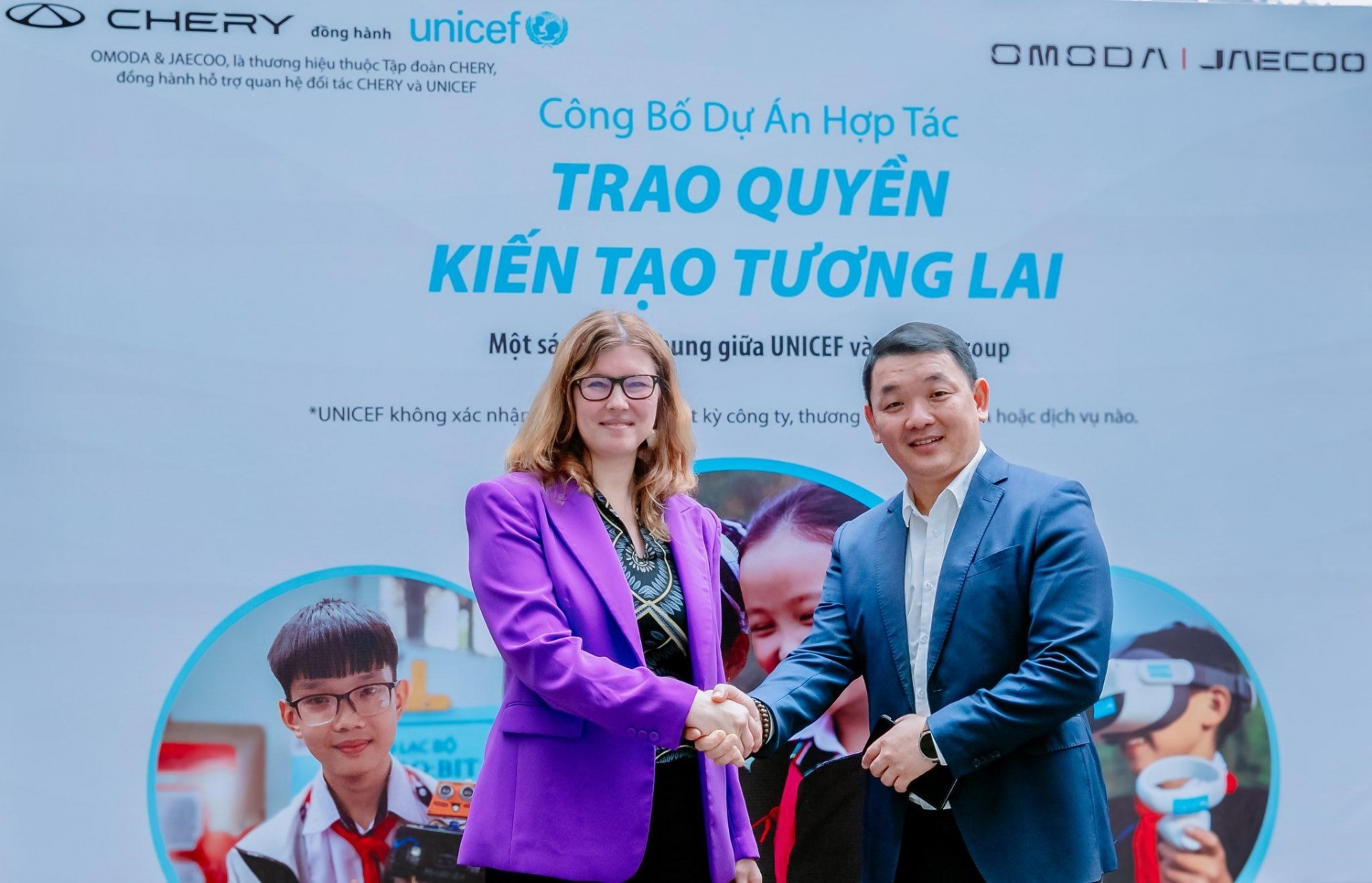
Strengthening the connection between education systems and labour markets contributes to employment opportunities for young people. Photo credit: UNICEF Vietnam

How does this long-term perspective translate into the way Omoda & Jaecoo approaches its presence and engagement in Vietnam?

Our approach to social engagement is closely aligned with our long-term business strategy.

Omoda & Jaecoo is building a long-term presence in Vietnam through investments in manufacturing, technology and distribution networks. Alongside these investments, we also consider how businesses can contribute to the development of human capital.

Education and workforce readiness are particularly relevant in this context. A capable and adaptable workforce supports innovation, productivity and sustainable economic growth.

Initiatives that strengthen future skills therefore align naturally with the long-term interests of companies operating in a fast-changing economy. That’s why Omoda & Jaecoo, as part of Chery Group, has partnered with UNICEF Vietnam in a three-year partnership.

Through this collaboration, Omoda & Jaecoo’s contribution will enable UNICEF Vietnam to respond to persistent education challenges, including the digital divide, skills mismatches between education and the labour market needs, and growing concerns around adolescent mental health and wellbeing. 

What considerations led Omoda & Jaecoo to partner with UNICEF?

The partnership builds on the broader global partnership between CHERY Group and UNICEF focused on education and youth development.

In Vietnam, we saw an opportunity to contribute to programmes addressing challenges related to digital capability, school-to-work transition and youth wellbeing. These issues are becoming relevant as economies undergo rapid technological change.

UNICEF has in-depth experience working with governments and education systems, as well as a strong understanding of how programmes can reach children and adolescents across different communities. From a corporate standpoint, partnering with an organisation that has this level of expertise helps ensure that contributions are connected to long-term development priorities.

Why investing in future skills is becoming a strategic priority for businesses in Vietnam
Omoda & Jaecoo partners with UNICEF Vietnam to equip children and youth with future-ready skills through inclusive education. Photo credit: UNICEF Vietnam

The partnership places a strong focus on future skills and youth development. Why are these areas becoming relevant for businesses today?

Global labour markets are evolving quickly due to technological innovation, digitalisation and the transition towards greener industries.

These changes are reshaping the skills required in many sectors. Digital literacy, problem-solving, adaptability and cross-disciplinary capabilities are increasingly valued by employers.

Many companies also observe gaps between educational outcomes and workforce needs. Strengthening the connection between education systems and labour markets therefore contributes to economic competitiveness as well as employment opportunities for young people.

Through our partnership with UNICEF Vietnam, we support initiatives that expand access to digital, green and transferable skills, helping young people prepare for the demands of a rapidly evolving economy.

As a company driven by smart technologies and innovation, what role can Omoda & Jaecoo play in strengthening the connection between education and workforce readiness?

Innovation-driven companies can contribute valuable perspectives on emerging technologies and workforce requirements.

Industries that operate at the frontier of technological development have insights into the skills that will be required in future sectors. Sharing these insights with education systems can help strengthen the alignment between training initiatives and labour-market needs.

Technology can also expand access to learning resources and support new models of education. Collaboration with organisations such as UNICEF provides an opportunity to apply technological capabilities within programmes designed to strengthen skills development and future employability.

How does this focus on human capital development align with Omoda & Jaecoo’s long-term strategy in Vietnam?

Vietnam represents a crucial market within our regional development strategy. Our approach, summarised by the principle ‘In Vietnam, For Vietnam’, reflects our intention to build a sustainable presence in the country through manufacturing investment, technology development and collaboration with local partners.

Human capital development is closely linked to this long-term perspective. A skilled workforce supports innovation capacity and economic dynamism. Engagement in initiatives that strengthen education and future skills therefore contributes to the broader environment in which businesses operate and grow.

Looking ahead, how do you see the role of businesses evolving in addressing broader challenges such as workforce readiness, digital inclusion and sustainable growth?

The role of business in society continues to evolve as expectations around responsible governance increase. Companies today contribute capabilities that include technological innovation, operational expertise and global networks. These capabilities can support collaborative initiatives addressing complex challenges such as workforce readiness, digital inclusion and sustainable growth.

Partnerships between businesses, governments and international organisations create opportunities to scale programmes that support education, skills development and economic inclusion.

From a long-term perspective, investment in young people contributes to stronger labour markets, resilient communities and sustainable economic development. These outcomes ultimately support a stable and productive environment for business.

Vietnam prioritises women shaping the future of science, technology, and innovation: Official Vietnam prioritises women shaping the future of science, technology, and innovation: Official

National Assembly (NA) Vice Chairwoman Nguyen Thi Thanh reaffirmed that Vietnam remains firmly committed to promoting gender equality and empowering women at a meeting in Hanoi on March 4 with Caroline Nyamayemombe, UN Women Representative in Vietnam, and Michaela Bauer, UNICEF Deputy Representative in Vietnam.

Embassy of Japan, IOM and UNICEF visit typhoon-hit communities in Cao Bang Embassy of Japan, IOM and UNICEF visit typhoon-hit communities in Cao Bang

Japanese Ambassador to Vietnam Ito Naoki, and representatives from the Embassy of Japan, the International Organization for Migration (IOM) and the United Nations Children’s Fund (UNICEF) have concluded a visit to Cao Bang province highlighting the achievements and progress of relief efforts funded by the government of Japan.

Kimberly-Clark and UNICEF strengthen child and maternal healthcare Kimberly-Clark and UNICEF strengthen child and maternal healthcare

Kimberly-Clark Vietnam and UNICEF renew partnership with a $2.05 million commitment to expand essential care for mothers, newborns, and girls nationwide.