Vietnam moves towards data-driven tax administration
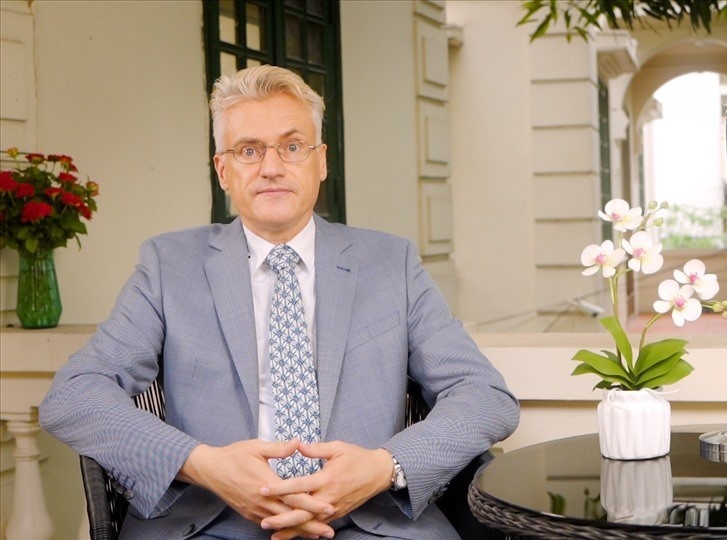
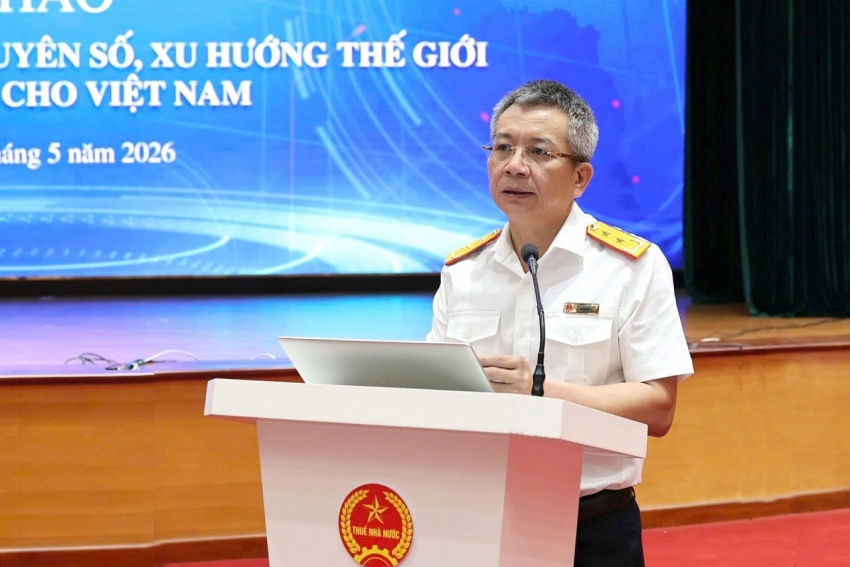
Director general of Taxation Mai Xuan Thanh

On May 21, the Department of Taxation held a conference, “Tax Reform in the Digital Era: From Global Trends to Vietnam’s Action Strategy.” The event aimed to identify challenges, assess existing gaps and explore opportunities for innovation in building a modern, transparent and internationally compatible tax system.

Director general of Taxation Mai Xuan Thanh said the successful rollout of the nationwide e-invoice system and the operation of the eTax Mobile platform marked important milestones in the digitalisation of Vietnam’s tax administration. However, he warned that stopping at the current level of reform could leave the tax sector lagging behind the rapid transformation of global tax governance models.

Citing studies by the OECD, Deloitte and EY, Thanh noted that by 2025, around 86 per cent of countries worldwide were transitioning towards a “Tax Administration 3.0” model, where tax calculation and management are conducted almost in real time through digital data systems.

Meanwhile, more than 82 per cent of large global corporations are restructuring operations to meet growing requirements for data transparency and ESG-driven development standards. At the same time, many countries are accelerating the implementation of the global minimum tax (GMT), carbon taxes and integrated tax models designed for the digital economy.

“Although the tax sector is managing an enormous volume of e-invoice data, there remains a situation where raw data is abundant while analytical intelligence is still lacking,” Thanh said. “Management thinking that relies heavily on manual post-audit methods will no longer be suitable when businesses and the broader economy are operating on digital and real-time data platforms.”

Against this backdrop, the tax chief called on departments and units across the sector to engage in substantive and action-oriented discussions.

First, he stressed the need to confront reality and accurately assess the existing gaps. Vietnam’s tax administration model, he said, must be directly benchmarked against international practices and global tax development trends.

Second, he urged frank and practical debate focused on core issues, avoiding superficial consensus. “We must be willing to identify loopholes and weaknesses in current processes to find effective solutions,” he said.

Third, all discussions must ultimately lead to concrete action. Whether it concerns the GMT, Carbon Border Adjustment Mechanisms or Embedded Tax models, a central question remains over how Vietnam’s tax authority should proceed.

During the conference, tax officials and experts presented a range of topics, including the roadmap for adjusting tax incentive policies and carbon taxes; practical experiences on the GMT; reforming international tax dispute resolution; integrated tax ecosystems; data-driven tax audits; transfer pricing risk management; and oversight of digital platforms.

Discussions also focused heavily on tax data governance, the application of AI in monitoring related-party transactions and cross-border financial flows, transparency for multinational corporations’ tax reporting, as well as challenges in attracting and developing high-quality IT talent.

The director general reiterated that digital transformation should not be viewed merely as a technological upgrade, but as a comprehensive restructuring of tax governance itself.

He pointed out that every modern tax governance trend emerging globally must ultimately be translated into solutions suited to Vietnam’s practical conditions, ensuring not only effective state management, but also greater convenience for taxpayers and a more transparent business environment.

Thanh called on tax authorities to continue studying international tax governance trends, while proposing innovative solutions and expanding the use of big data, AI and digital technologies throughout the entire tax process.
Tax sector eyes 20 per cent GDP revenue mobilisation in 2026-2030 Tax sector eyes 20 per cent GDP revenue mobilisation in 2026-2030

The Finance Ministry has tasked the tax sector with boosting budget revenue mobilisation, expanding taxation in the digital economy and accelerating smart tax administration reforms for 2026-2030.

Tax circular amendments aim to ease import-export procedures Tax circular amendments aim to ease import-export procedures

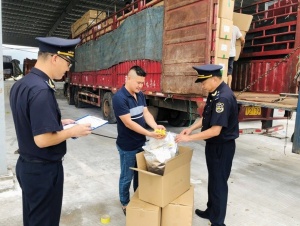
The Ministry of Finance is accelerating reforms to modernise import-export tax administration, expand digitalisation, and create a more transparent regulatory framework.

Ministry of Finance finalises land use tax report after delegate request Ministry of Finance finalises land use tax report after delegate request

The Ministry of Finance has accelerated a study into a unified property tax framework to curb market speculation and align the nation’s fiscal policy with international standards.

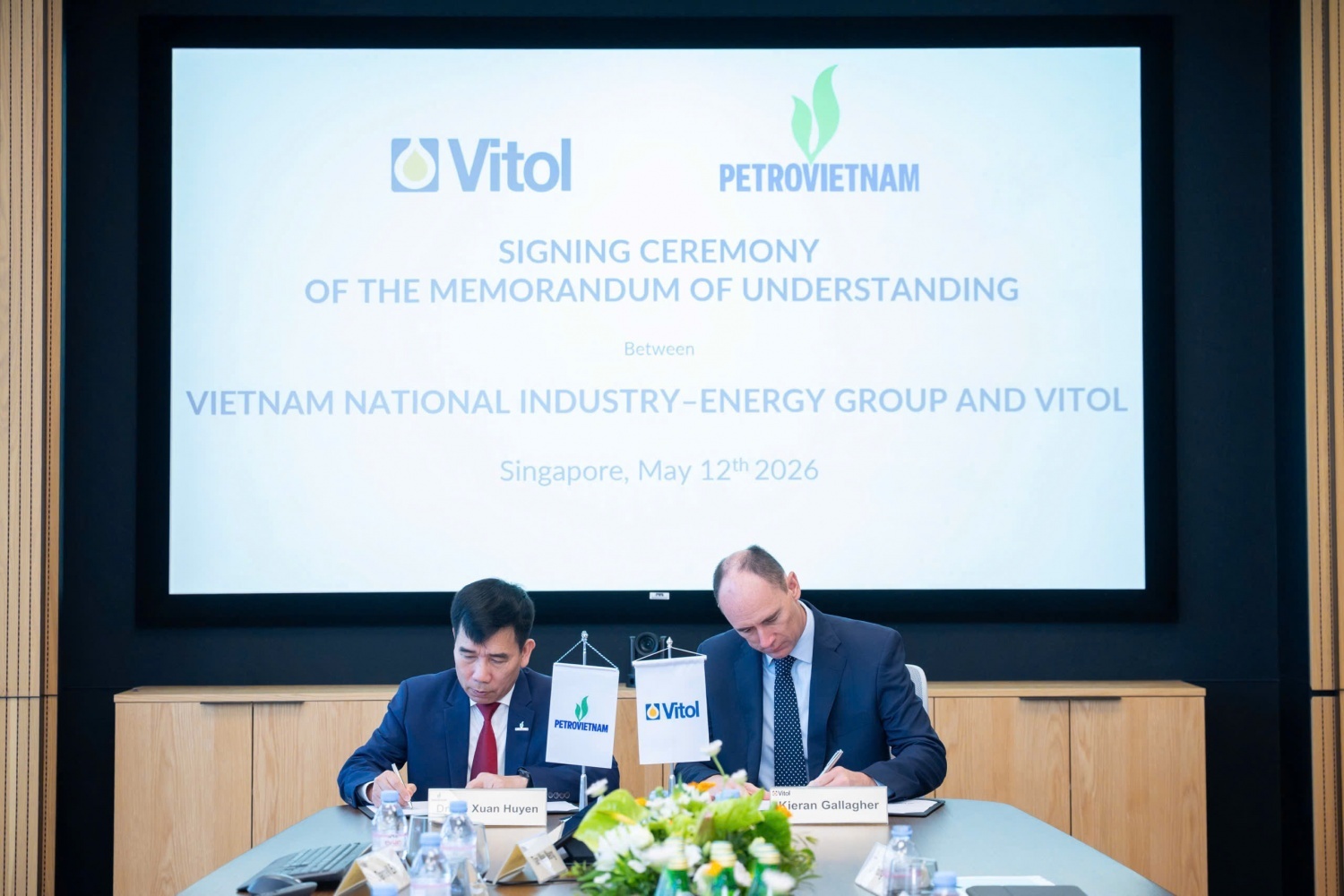
Petrovietnam signs MoU with Vitol Asia to boost energy cooperation

The agreement – announced on May 21 – will see the two sides increase exchanges, share experience, and explore cooperation opportunities in line with their respective strengths, needs, and development orientations.

For Petrovietnam, cooperation with Vitol is aligned with its orientation to expand activities into regional and international markets, including in investment and commercial trading. With its market experience, sourcing capabilities, logistics capacity and global flow management, Vitol can complement Petrovietnam in accessing new business models, enhancing market capabilities and expanding opportunities in the energy sector.

Under the cooperation framework, the two sides will discuss business structures in crude oil, petroleum products, and liquefied natural gas in international markets and in Vietnam; explore opportunities to develop oil and gas infrastructure; and identify potential cooperation in projects supporting decarbonisation, sustainable development, and verified emission reductions.

Petrovietnam and Vitol will also share international trading experience and knowledge of the broader hydrocarbon value chain, helping to enhance Petrovietnam’s market access capabilities, expand its international connectivity, and support Vietnam’s objectives of ensuring energy security and socioeconomic development.

Vitol is a global energy and commodities company that produces, manages, and delivers energy and commodities to consumers and industry worldwide. In addition to its primary trading business, Vitol has invested more than $13 billion in long-term infrastructure assets globally. Its customers include national oil companies, multinationals, leading industrial companies, and utilities.

Petrovietnam Gas awards first multi‑year LNG deal to Shell Petrovietnam Gas awards first multi‑year LNG deal to Shell

PV Gas has signed its first multi‑year LNG supply contract, a five‑year agreement with Shell delivering about 400,000 tonnes per year to the Thi Vai terminal from 2027 through 2031.

Oil and gas sector sees renewed momentum Oil and gas sector sees renewed momentum

Robust profit growth across the value chain, accelerating major projects and supportive policies are driving a strong rally in oil and gas stocks, with expectations of further upside in 2026.

EVN and PV GAS agree to supply LNG for Quang Trach power plants EVN and PV GAS agree to supply LNG for Quang Trach power plants

Vietnam Electricity (EVN) and Petrovietnam Gas (PV GAS) signed a framework agreement on the supply of liquefied natural gas (LNG) from the Vung Ang LNG terminal in Ha Tinh to the Quang Trach II and III power plants on April 3 in Hanoi.

How Carlsberg Vietnam is building high-performing teams through trust and empowerment
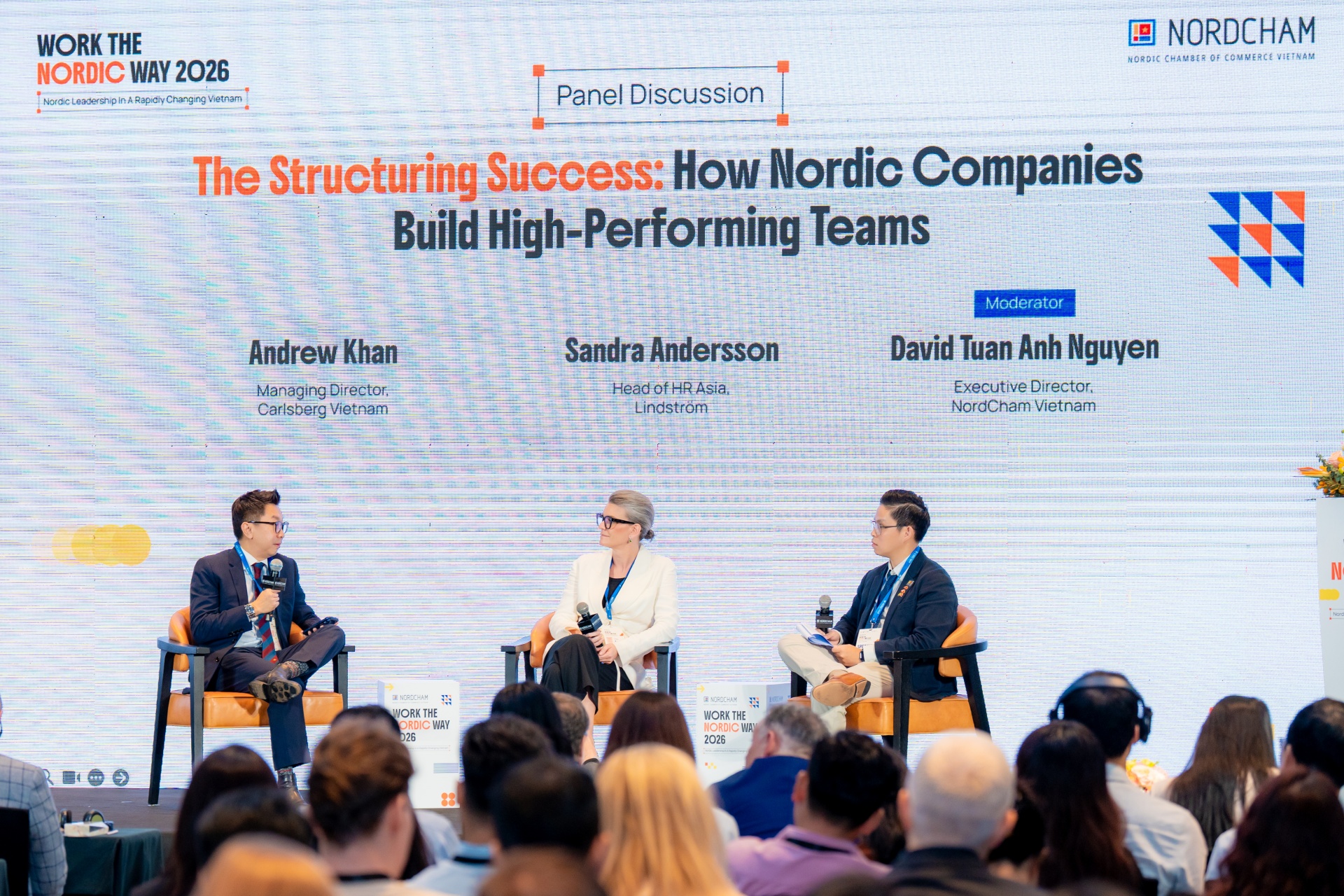
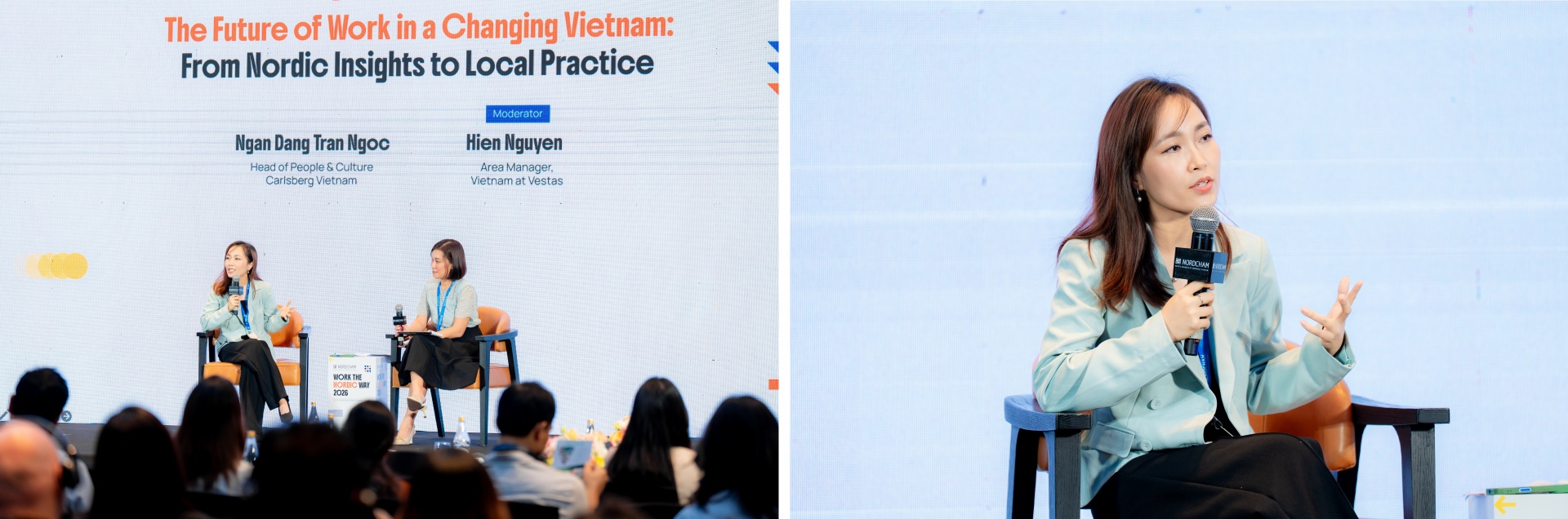
Andrew Khan (left), managing director of Carlsberg Vietnam, discusses how trust and empowerment help build high-performing teams

As Vietnam’s workforce and business environment continue to evolve, organisations are rethinking what truly drives performance. Beyond strategy and execution, long-term growth depends on whether people feel trusted to take ownership, supported to grow, and empowered to contribute.

This was one of the key themes at Work the Nordic Way 2026 on May 21, where business leaders explored how Nordic values such as trust, empowerment, collaboration, and flatter organisational structures are being adapted within Vietnam’s changing workplace landscape.

Among the speakers were senior leaders from Carlsberg Vietnam, including Andrew Khan, managing director, and Dang Tran Ngoc Ngan, senior director of People & Culture, who shared how the company is building a growth culture rooted in trust, collaboration, people development, and diversity, equity, and inclusion (DE&I) to create stronger teams and a more resilient organisation.

How Carlsberg Vietnam is building high-performing teams through trust and empowerment
From Growth Culture to psychological safety, Carlsberg Vietnam leaders shared perspectives on building more adaptable and people-centred organisations

Trust, empowerment and people-first leadership

During the panel discussion “The Structuring Success: How Nordic Companies Build High-Performing Teams,” Khan reflected on how growth culture has long been embedded in Carlsberg Group and Vietnam’s DNA, shaping how teams move with speed, staying passionate to consumers, and leading with positive energy.

Drawing from Nordic leadership values, Khan shared that strong organisations do not become more efficient by adding more control and layers. They become faster when teams have clarity, trust, and enough room to operate.

“Growth culture is not something we put on slides; it’s how we work every day,” Khan said. “When people feel trusted and empowered, they move faster, take greater ownership, and solve problems earlier. That creates stronger teams and ultimately a more resilient organisation.”

How Carlsberg Vietnam is building high-performing teams through trust and empowerment
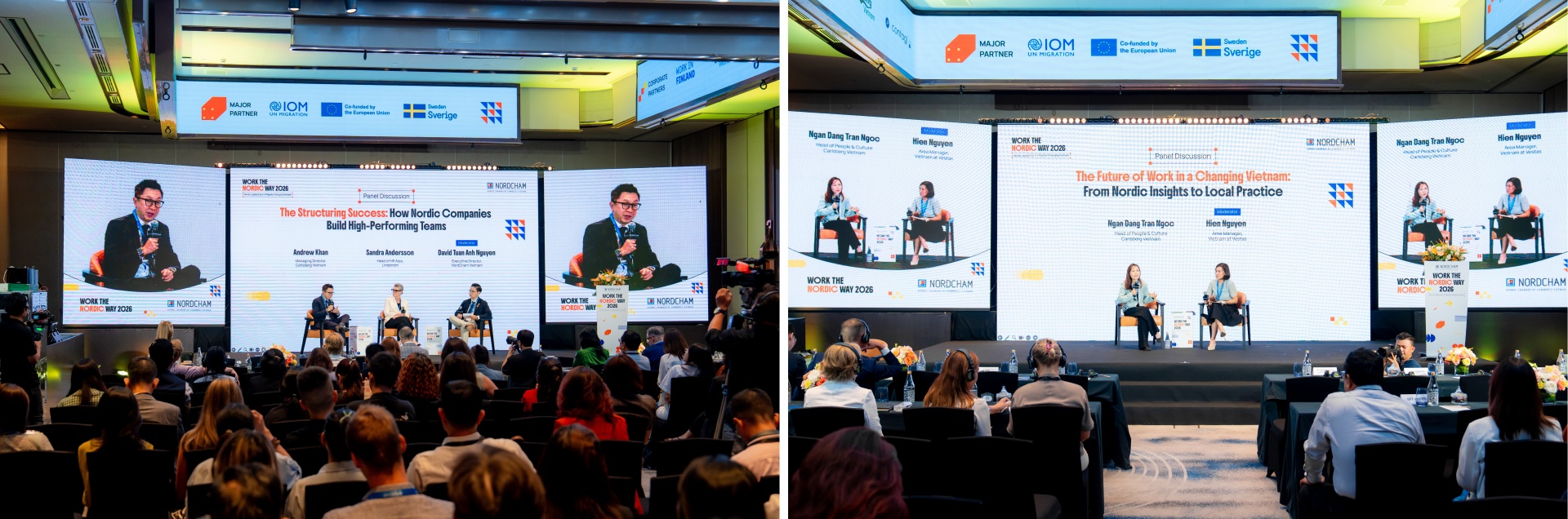
Carlsberg Vietnam’s managing director sharing at the Work the Nordic Way 2026

Growth culture is also closely connected to how Carlsberg Vietnam approaches DE&I and future-ready leadership. For the company, DE&I is not viewed simply as representation, but as part of building broader perspectives, stronger collaboration, and a workplace where people feel empowered to contribute and grow.

Across the Carlsberg Group, strengthening women leadership continues to be an important long-term priority, with the ambition of reaching 42 per cent women in senior leadership roles by 2032.

How Carlsberg Vietnam is building high-performing teams through trust and empowerment
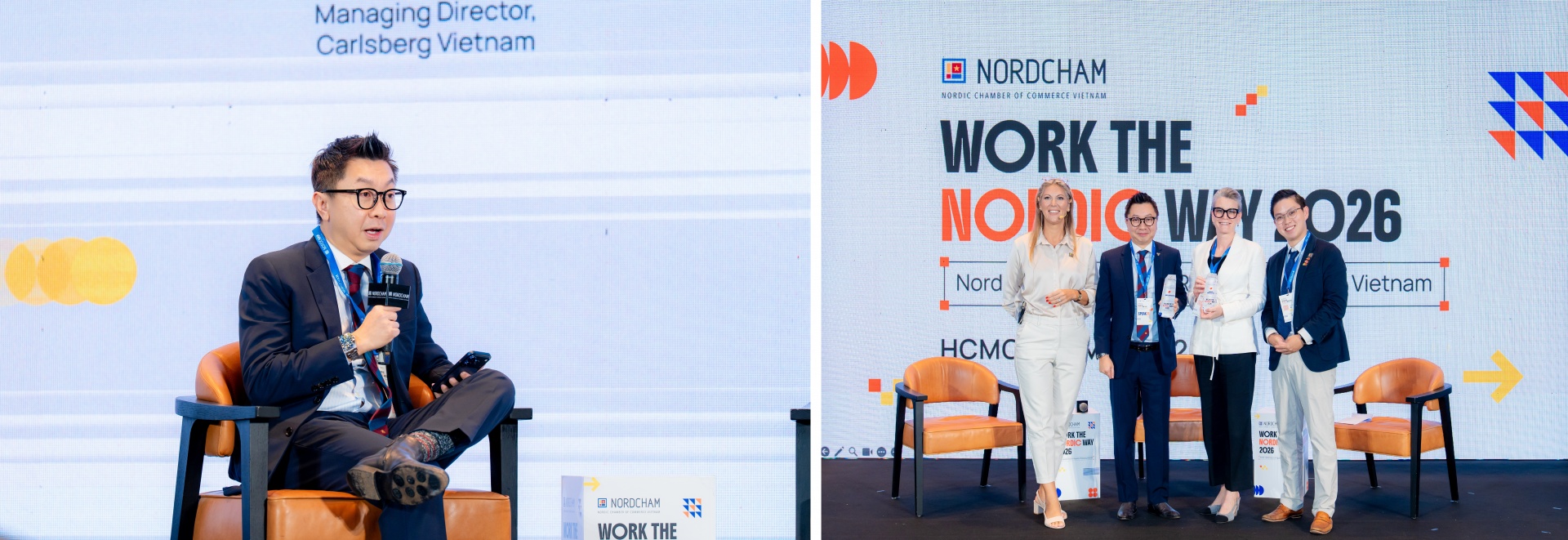
Carlsberg Vietnam is advancing women leadership through a structured DE&I roadmap

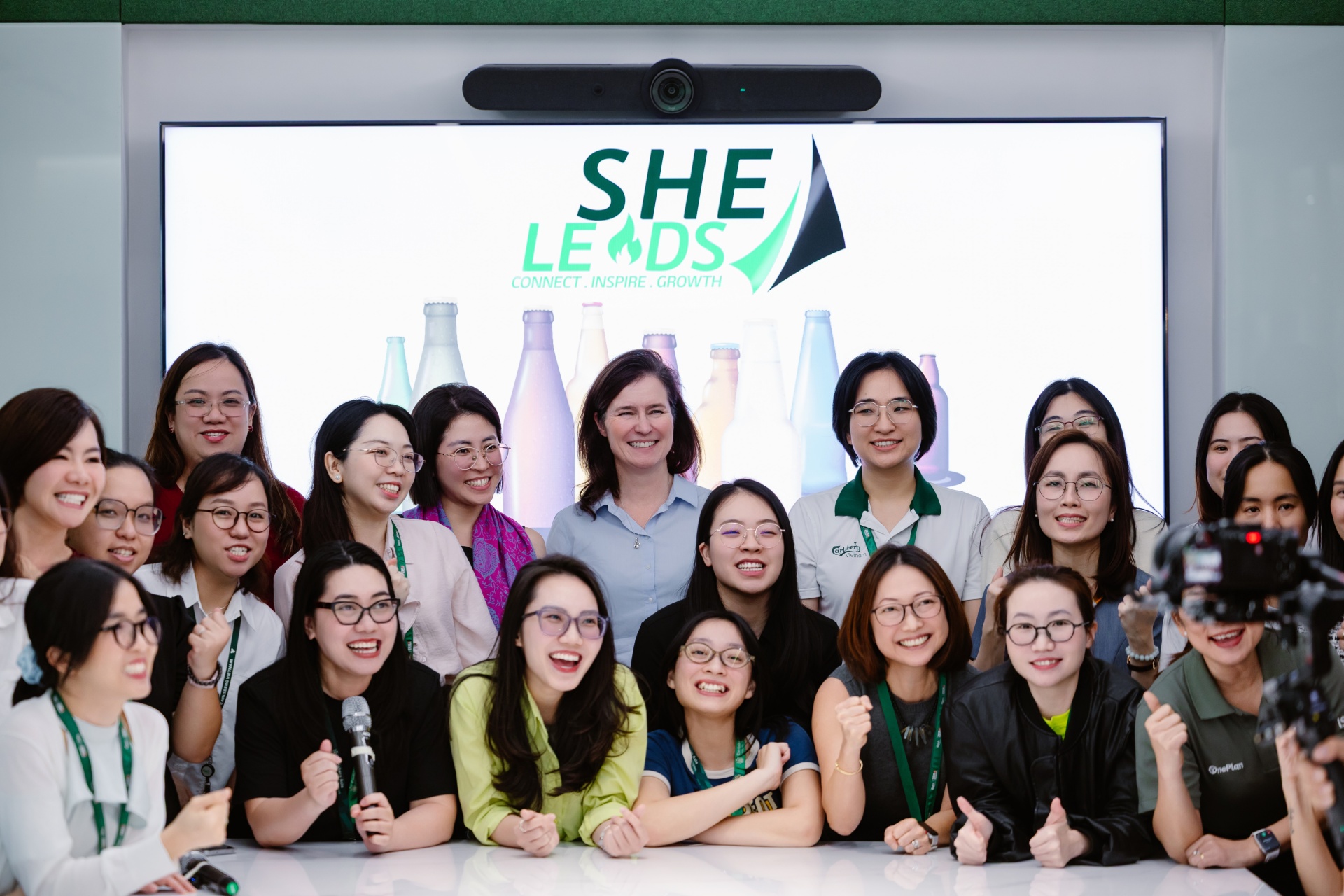
In 2025, the company signed the Women’s Empowerment Principles established by UN Women and the UN Global Compact, reinforcing gender equality through talent development and succession planning. Earlier this year, Carlsberg Vietnam also launched SHELeads – a women leadership community designed to strengthen confidence, capability, and connection among future-ready female leaders.

How Carlsberg Vietnam is building high-performing teams through trust and empowerment
Carlsberg Vietnam launched SHELeads in early 2026 to strengthen future-ready women leaders

A culture where people can grow

For Ngan, senior director of People & Culture, growth culture is also about creating an environment where people can perform sustainably, not only through speed and results, but through trust, wellbeing, and psychological safety.

Speaking at the event, Ngan reflected on how workforce expectations are changing. Employees today are not only looking for better jobs, but for better work lives – with greater focus on flexibility, wellbeing, career development, and meaningful workplace experiences.

According to Ngan, Nordic values such as trust and empowerment resonate strongly in Vietnam, but they need to be applied with cultural understanding. Building trust in a Vietnamese workplace requires open communication, local sensitivity, and safe spaces where employees feel comfortable speaking up, trying new things, and learning from mistakes.

How Carlsberg Vietnam is building high-performing teams through trust and empowerment
Senior director of People & Culture at Carlsberg Vietnam shared perspectives on trust, psychological safety, and Nordic values in Vietnam’s evolving workplace

“Trust is the foundation of everything,” she said. “When people feel psychologically safe, they are more willing to speak up, raise challenges early, try new approaches, and contribute to building a stronger workplace together.”

How Carlsberg Vietnam is building high-performing teams through trust and empowerment
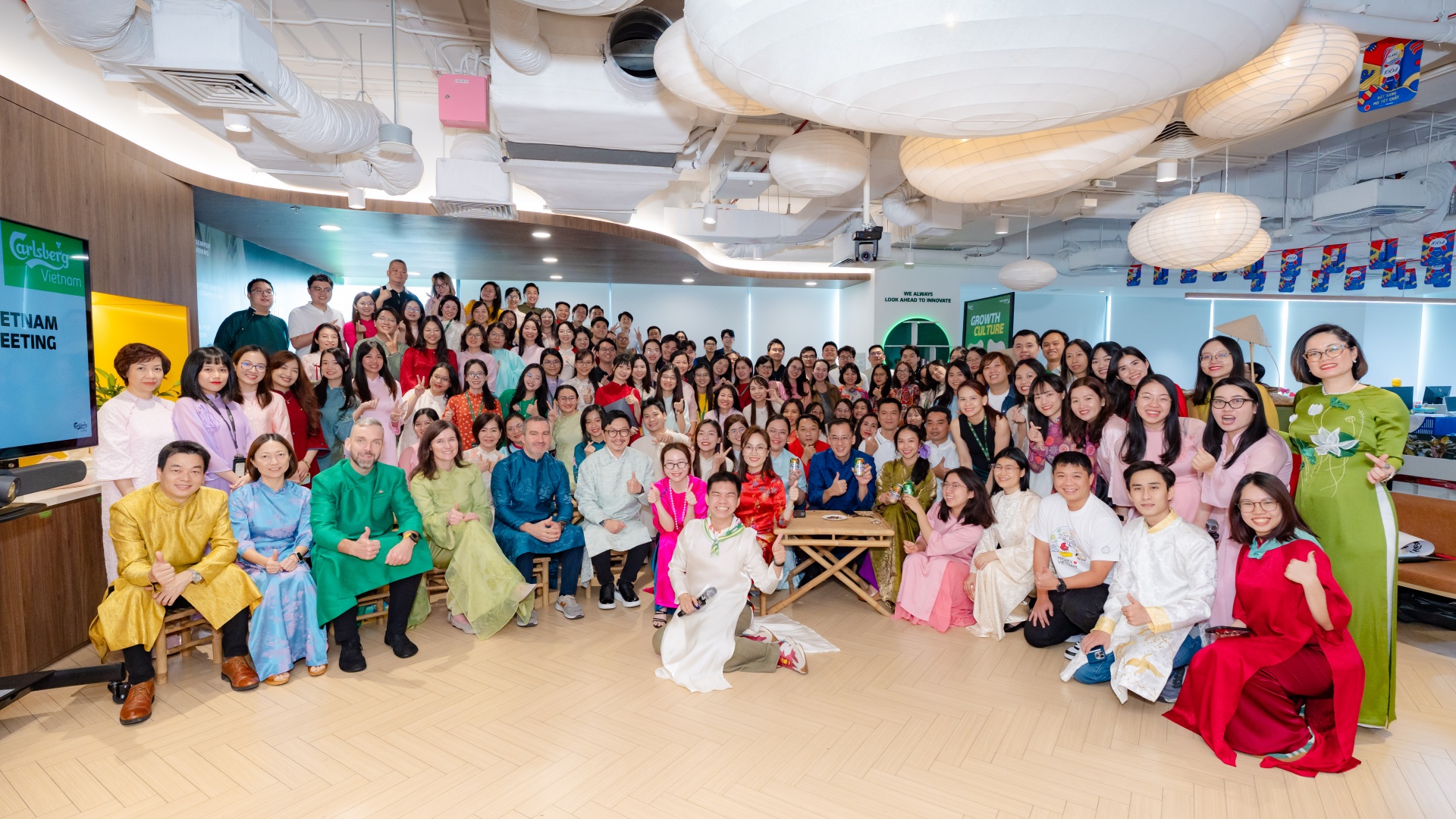
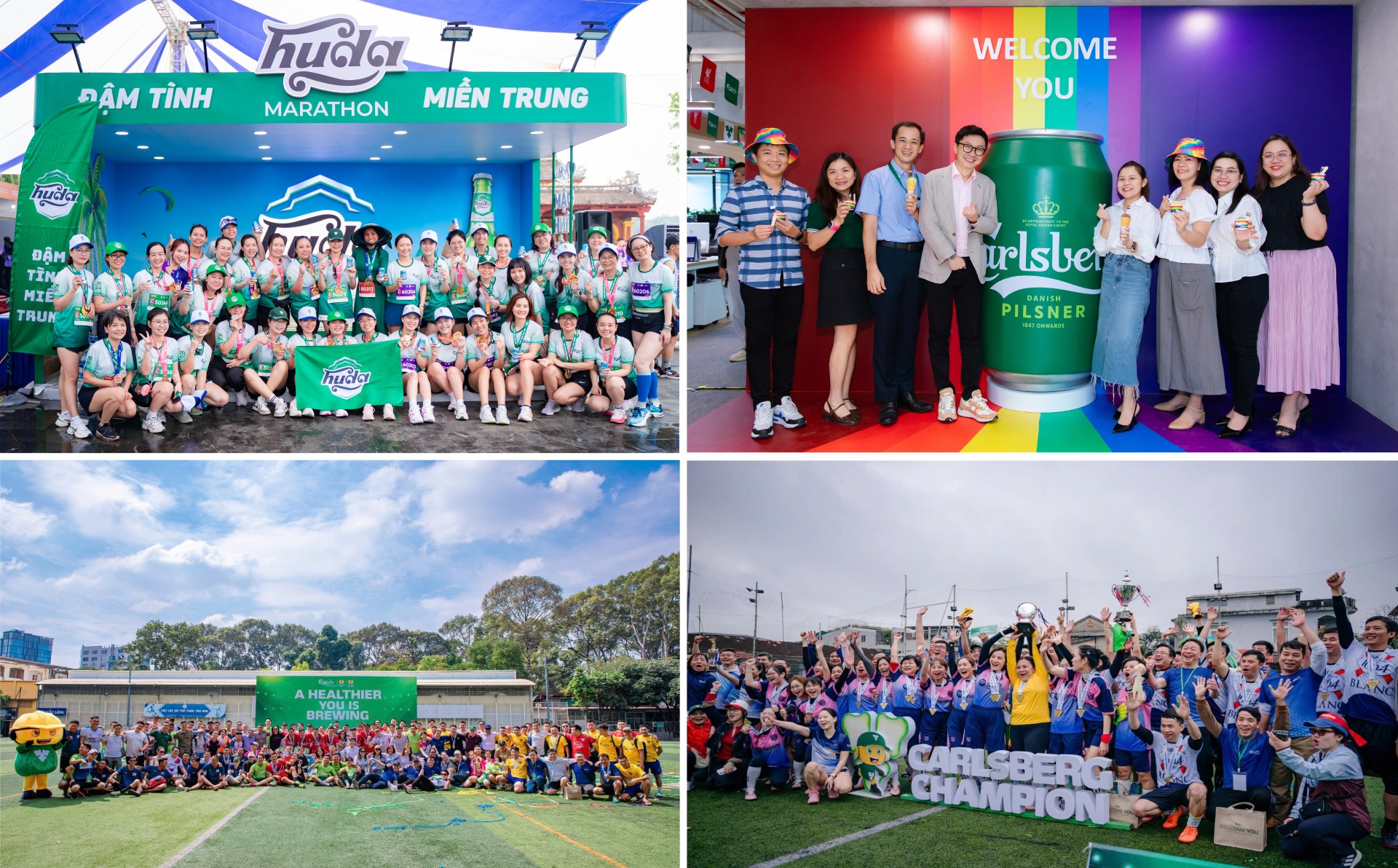
A wide range of initiatives are also organised to support employee growth

As conversations at Work the Nordic Way 2026 reflected, the future of work may depend less on hierarchy and more on whether organisations can create environments where people feel trusted to grow, contribute, and solve challenges together.

For Carlsberg Vietnam, that belief continues shaping how the company builds its people, leadership, and culture – in line with its purpose of ‘brewing for a better today and tomorrow.’

Carlsberg Vietnam delivers Lunar New Year support in central region Carlsberg Vietnam delivers Lunar New Year support in central region

As the Year of the Fire Horse approaches, Carlsberg Vietnam has rolled out its annual Tet community programme in Central Vietnam, extending practical support to thousands of vulnerable households ahead of the festivities.

Carlsberg Vietnam backs Hue marathon for fifth year through Huda brand Carlsberg Vietnam backs Hue marathon for fifth year through Huda brand

Carlsberg Vietnam has returned as a main sponsor of the VnExpress Marathon Hue for the fifth consecutive year through its Huda brand.

Carlsberg Vietnam awarded both domestic and international honours Carlsberg Vietnam awarded both domestic and international honours

Carlsberg Vietnam has received recognition from both local authorities and international quality institutions, underscoring its continuation of a development journey built steadily over more than three decades in Vietnam.

Domestic investors register for Viet Ha Beer share auction in Hanoi

The Hanoi Stock Exchange (HSX) has announced the registration results for the share auction of Vietnam Ha Investment and Trading JSC, a company currently owned by the Hanoi People’s Committee. The auction is set to take place at 9am on May 18 at the HSX. Payment for purchased shares will be made from May 19 to May 25, with deposit refunds scheduled from May 19 to May 22.

A total of 13 domestic investors – one institutional and 12 individual – have registered for the auction. The institutional investor has registered to buy more than 39.25 million shares, while the 12 individual investors have registered to purchase a combined total of over 47.1 million shares.

According to a previous announcement, the Hanoi People’s Committee plans to auction more than 39.25 million shares in Vietnam Ha Investment and Trading JSC, equivalent to just over 51 per cent of the company’s charter capital, at a starting price of $0.84 per share (VND21,524).

If all shares are successfully sold as planned, the municipal authority is expected to collect at least $33 million from the divestment.

Vietnam Ha Investment and Trading JSC was formerly Vietnam Ha Investment One Member LLC before being converted into a joint-stock company in 2017 under the government’s equitisation policy and the Hanoi People’s Committee according to its website

Established in 1966 as a small factory producing essential consumer goods for Hanoi residents, Viet Ha has developed over nearly six decades into a diversified investment and consumer goods group with 11 subsidiaries, joint ventures, and affiliated companies operating in the food and beverage sector nationwide.

The group owns several well-known brands, including Viet Ha Beer, Trang An Confectionery, Hanoi Confectionery, and Ngoc Ha Shoes, alongside major property projects such as the Viet Ha mixed-use residential and commercial complex and the Linh Nam commercial and service centre. The company currently has charter capital of VND769 billion (about $30 million), with its core business focused on beer and malt production.

Besides the Hanoi People’s Committee, the company’s other major shareholders include Vegetexco Vietnam JSC, holding 36.1 per cent, and Vietnam International Commodity Exchange JSC, which owns 12.56 per cent.

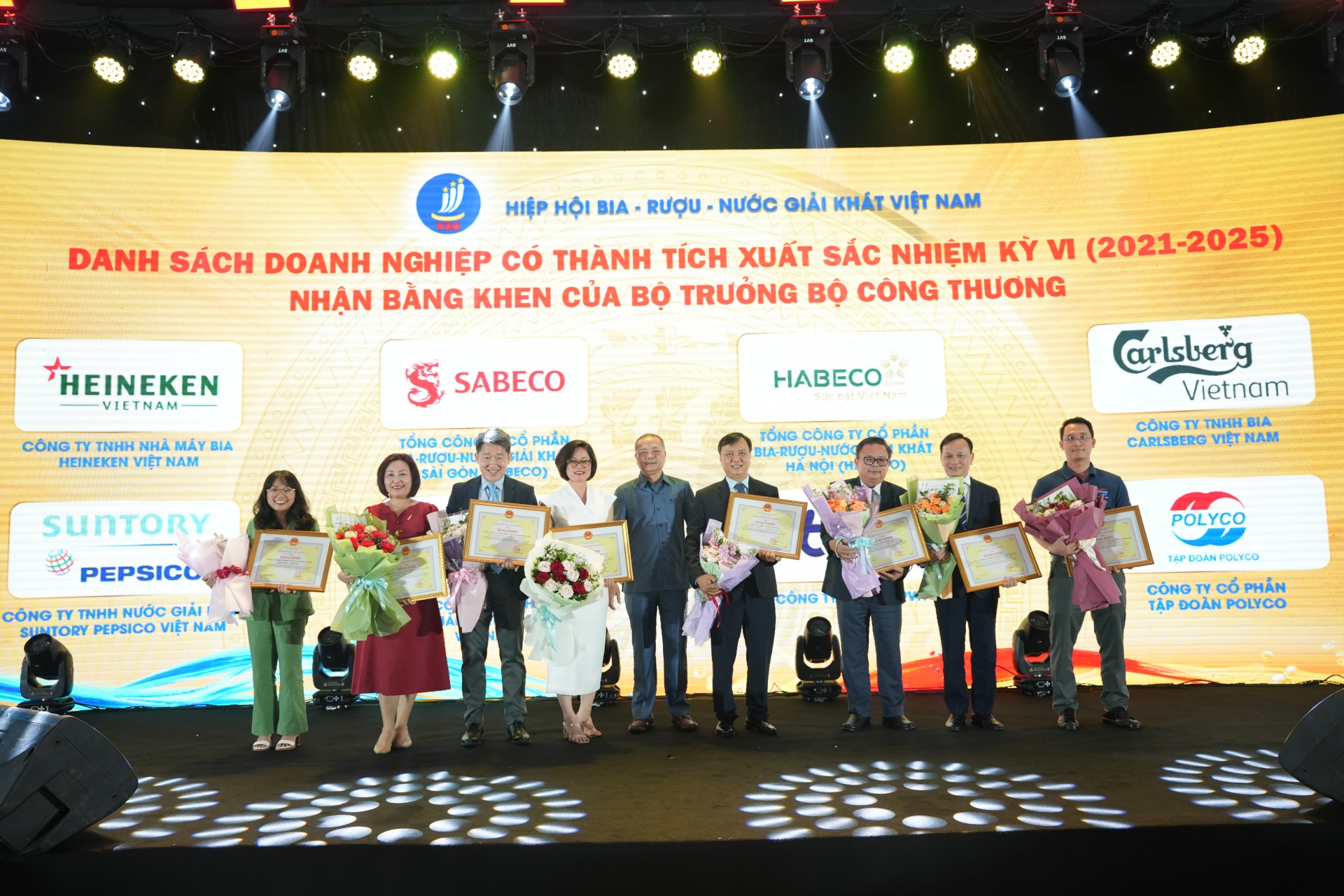
At the 7th Congress and the 35th Anniversary Celebration of the Vietnam Beer-Alcohol-Beverage Association in Hanoi on April 25, Carlsberg Vietnam was awarded a Certificate of Commendation by the Minister of Industry and Trade, recognising its outstanding production and business performance, as well as its meaningful contributions during the 2021–2025 term.

As one of the companies honoured at the congress, Carlsberg Vietnam was acknowledged for its continuous efforts to enhance product quality, improve production standards, and reduce environmental impact, while contributing positively to the local community and to the broader development of Vietnam’s beverage industry and economy.

Carlsberg Vietnam awarded both domestic and international honours
Carlsberg was among the notable companies in the beverage industry to be honoured, recognised for its contributions to the overall development of Vietnam’s industry and trade sector.

Behind this recognition is a long-term approach to investment and operations. At the Phu Bai Brewery in Hue city, the expansion project completed in 2025 was designed to increase capacity and prepare for the future. The new brewing line reduces water usage by 20 per cent and energy consumption by 15 per cent – a reflection of how efficiency and sustainability are being built into everyday operations.

Alongside this, initiatives in the circular economy continue to be implemented, with a clear ambition for all packaging to be reusable or recyclable by the end of 2026, in alignment with Vietnam’s green growth agenda.

Carlsberg Vietnam awarded both domestic and international honours
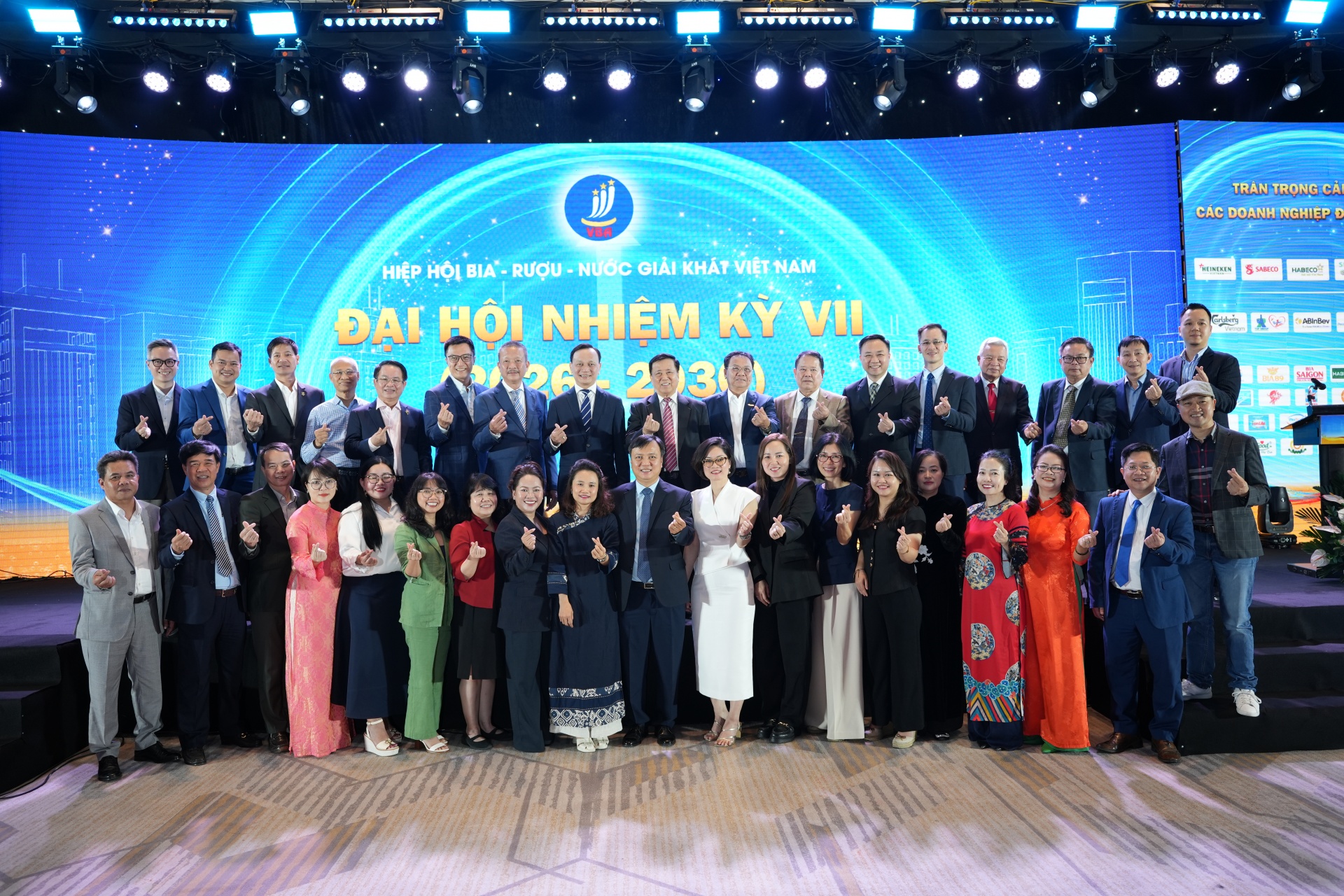
Carlsberg Vietnam’s representative at the 7th Congress (2026–2030 term) of the Vietnam Beer – Alcohol – Beverage Association.

Beyond operations, this approach extends into the community through long-term, consistent initiatives. A notable example is the “Fresh Water for Beloved Central” programme, which has been implemented continuously over seven years, delivering more than 3.3 million cubic metres of clean water to nearly 9,500 households, benefiting around 40,000 people across Central Vietnam.

In the same spirit, programmes such as “Tet is Full, Tet is Love” have been maintained for over a decade, complemented by timely support during periods of hardship. Together, these efforts illustrate a sustained commitment to standing alongside communities, not only in moments of celebration, but also in times of challenge.

While local recognition reflects how a company operates, international awards serve as a direct benchmark of product quality. At Monde Selection 2026, Carlsberg Vietnam’s two local beer brands, Huda and Halida, were once again awarded the Gold Quality Award, extending a multi-year track record of recognition from this prestigious international institution. The award winners were announced in April, while the Monde Selection 2026 ceremony will take place in Paris on June 9.

Carlsberg Vietnam awarded both domestic and international honours
The Gold Quality Award at Monde Selection 2026 awarded to Huda and Halida

This achievement reflects a long and sustained journey of brands that have grown alongside the Vietnamese market and its people, the company said. Huda has become a symbol of Central Vietnam, built over more than 35 years of connection and shared moments with local communities.

In the North, Halida has steadily earned its place as a trusted and familiar name, shaped by consistent quality and an ability to evolve with changing consumer expectations.

Carlsberg Vietnam awarded both domestic and international honours
Through shared moments and everyday connections, Huda and Halida have become enduring favourites for generations of Vietnamese consumers.

Founded in 1961 in Brussels, Monde Selection is one of the world’s oldest and most respected quality evaluation organisations. Products are independently assessed by international experts based on rigorous criteria, including sensory evaluation, stability, safety, and production standards.

In this context, the Gold Award reflects compliance with international standards and the ability to maintain consistent quality over time – a key factor in building and sustaining consumer trust.

More broadly, this recognition highlights the company’s ongoing efforts to elevate quality to global standards while preserving the distinct identity that defines its local brands.

Carlsberg Vietnam awarded both domestic and international honours
A series of prestigious awards reflect Carlsberg Vietnam’s journey of sustainable growth

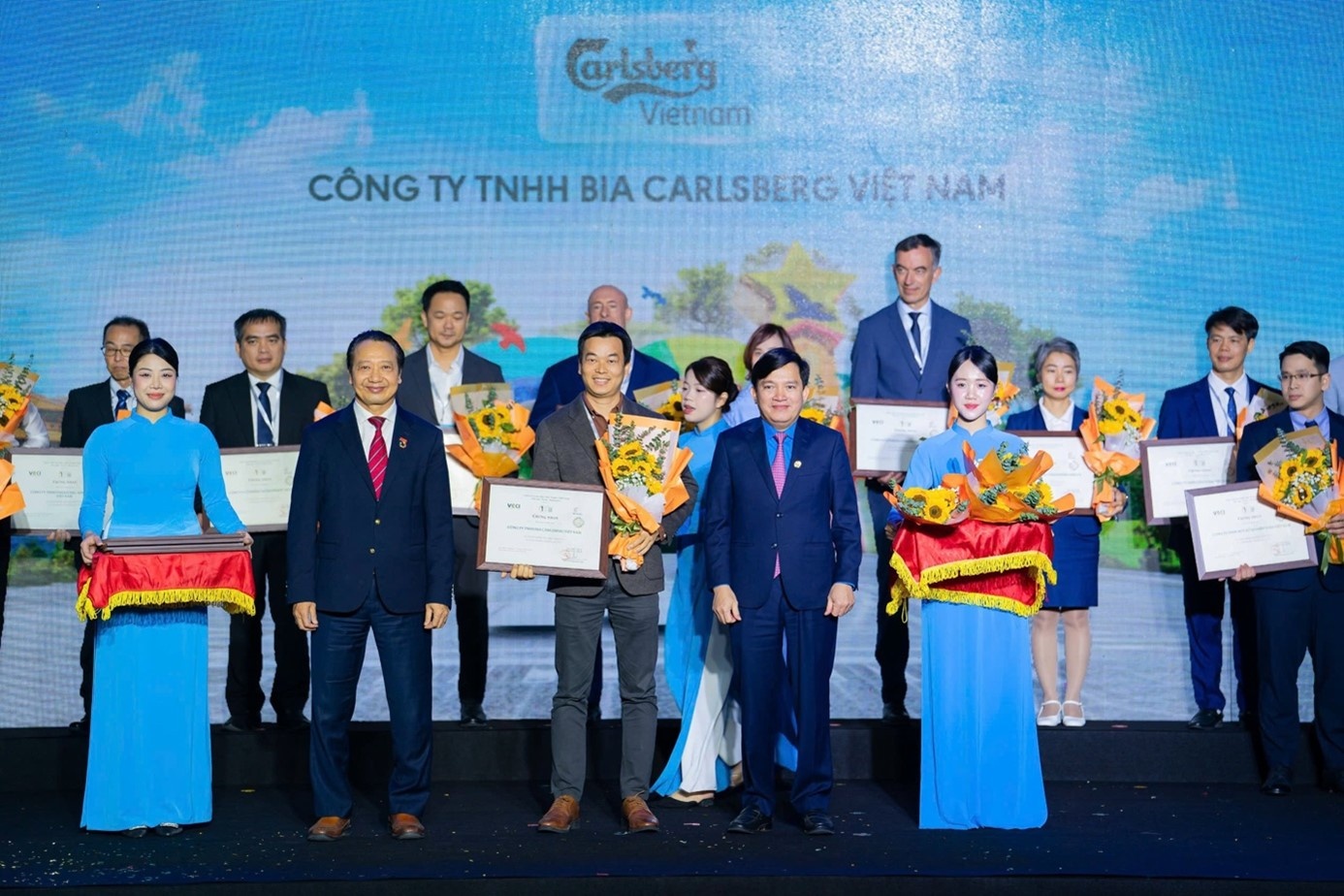
Carlsberg Vietnam was also featured in several rankings and awards in 2025, including the Top 100 Sustainable Businesses in Vietnam announced by the Vietnam Chamber of Commerce and Industry, and the Community Impact award at the EuroCham Business Awards.

Carlsberg Vietnam makes progress in diversity, equity and inclusion Carlsberg Vietnam makes progress in diversity, equity and inclusion

As leadership expectations evolve, diversity, equity and inclusion (DE&I) is increasingly viewed as a driver of long-term performance. Susanne Skippari, chief people and culture officer of Carlsberg Group, shares her perspectives with VIR’s Thanh Van.

Carlsberg Vietnam delivers Lunar New Year support in central region Carlsberg Vietnam delivers Lunar New Year support in central region

As the Year of the Fire Horse approaches, Carlsberg Vietnam has rolled out its annual Tet community programme in Central Vietnam, extending practical support to thousands of vulnerable households ahead of the festivities.

Carlsberg Vietnam backs Hue marathon for fifth year through Huda brand Carlsberg Vietnam backs Hue marathon for fifth year through Huda brand

Carlsberg Vietnam has returned as a main sponsor of the VnExpress Marathon Hue for the fifth consecutive year through its Huda brand.

As a pharmacist, Nguyen Thi Thanh Ha – born in 1984, living in Ho Chi Minh City – pays close attention to changes in her health. When her fatigue worsened in the run-up to the traditional Lunar New Year, she went for a health check-up. The diagnosis came as a shock: she had lung cancer.

The 3cm tumour was located in the lower lobe of her right lung, in a dangerous position adjacent to several major blood vessels.

One hospital advised her to undergo chemotherapy first to shrink the tumour due to concerns about extensive tissue removal and the risk of significant blood loss during surgery.

Robotic surgery at FV Hospital removes stage 3A lung tumour
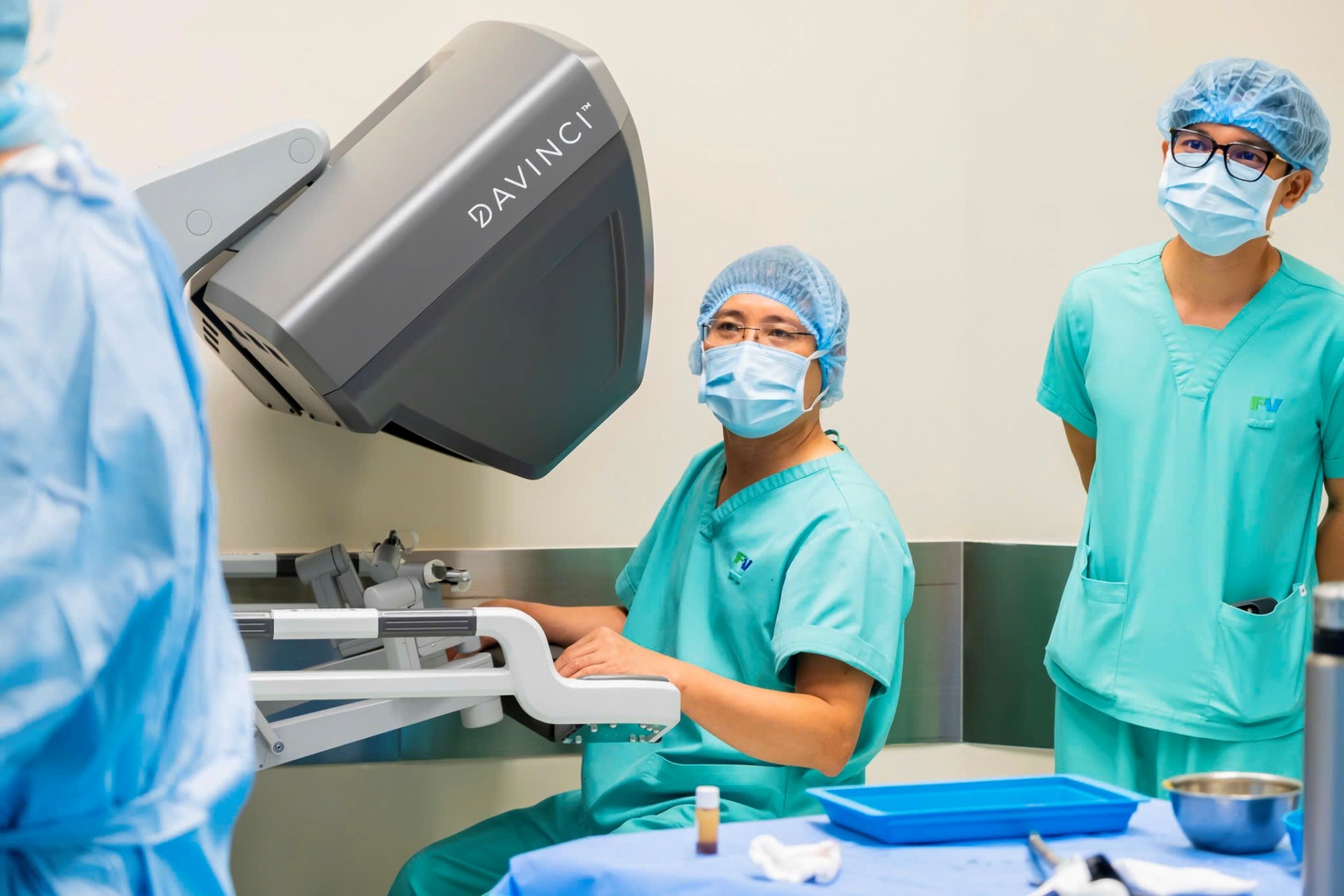
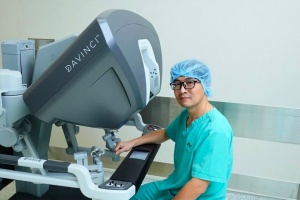
Dr. Thanh performs robotic-assisted lung cancer surgery using the Da Vinci Xi system. Photo: FV

As someone working in the healthcare field, Ha felt uneasy about this treatment approach and sought further advice from specialists.

During her research, she visited the da Vinci Robotic Surgery Centre at FV Hospital, where she was consulted directly by Dr. Dang Dinh Minh Thanh, head of the Centre and a specialist in robotic thoracic surgery.

After reviewing Ha’s medical records, Dr. Thanh recommended a different approach: early surgery instead of chemotherapy.

“After chemotherapy and radiation therapy, the tumour may adhere tightly to the blood vessels and bronchi, making surgery significantly more difficult and potentially less effective,” Dr. Thanh said, explaining that given the characteristics of the tumour, robotic-assisted surgery was considered the most suitable treatment option.

According to Dr. Thanh, operating in deep and narrow areas close to major blood vessels can be challenging with conventional surgical techniques due to limited flexibility and natural hand tremors.

In contrast, robotic surgical systems offer highly flexible instrument movement, tremor elimination, and highly magnified high-definition visualisation, enabling surgeons to carefully dissect tumours while preserving surrounding vital structures.

“I had heard about robotic surgery before, but after receiving detailed consultation from Dr. Thanh, I felt completely confident choosing FV Hospital for my treatment,” Ha said.

The 100-minute surgery was performed by Dr. Dang Dinh Minh Thanh using the da Vinci Xi robotic system – currently one of the world’s most advanced robotic surgical platforms.

Robotic surgery at FV Hospital removes stage 3A lung tumour
Just one day after surgery, Ha was able to sit up and talk with Dr. Thanh. Photo: FV

Thanks to the robot’s precision and enhanced visualisation capabilities, the tumour was completely removed without the need for additional resection of other lung lobes. Associated lymph nodes were also successfully removed.

“Everything went according to plan and even more smoothly than expected thanks to the support of the robotic system,” Dr. Thanh said after the surgery.

The benefits of minimally invasive robotic surgery became evident the very next day. Without experiencing severe postoperative pain or prolonged dependence on drainage tubes, Ha was able to sit up comfortably and speak with family members and doctors.

For her, the procedure was not only successful medically but also remarkably gentle in terms of recovery. She recovered rapidly after surgery and was discharged just three days later.

“Although I had researched robotic surgery beforehand, I only truly understood its effectiveness after experiencing it myself. This truly feels like a major advancement in medical technology,” Ha said.

According to Dr. Thanh, patients may receive targeted therapy after surgery to help maintain long-term health outcomes. He also advised that patients recovering from pneumonia should undergo follow-up CT scans after three to four weeks to help detect potential malignancies early and prevent disease progression.

FV expands robotic surgery across multiple specialities

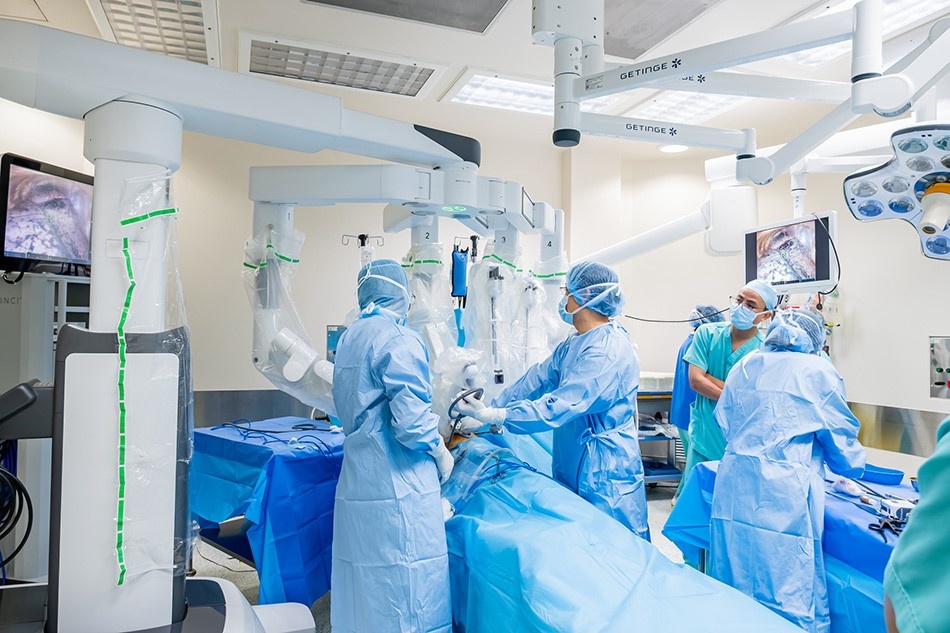
The FV da Vinci Robotic Surgery Centre began operations in early 2026 with a comprehensive clinical ecosystem, including specialised physician training, standardised surgical protocols, and internationally accredited operating room systems.

The initiative reflects FV Hospital’s strategy to bring advanced medical technology closer to patients in Vietnam.

Robotic surgery at FV Hospital removes stage 3A lung tumour
Doctors perform surgery at the FV da Vinci Robotic Surgery Centre. Photo: FV

At the FV da Vinci Robotic Surgery Centre, robotic-assisted surgery is currently being applied across multiple specialities to improve surgical precision, treatment effectiveness, and postoperative recovery:

*Thoracic Surgery: Lung cancer, mediastinal tumours, thymus tumours, and oesophageal surgery.

*Gastrointestinal, Hepatobiliary, and Pancreatic Surgery: Gastrectomy, colorectal resection, liver resection, and pancreatic resection.

*Urology: Prostatectomy, nephrectomy (kidney removal), and bladder resection.

*Gynaecology: Hysterectomy, treatment for endometriosis, removal of uterine fibroids, and treatment for gynaecological cancers.

To help patients access advanced medical technology earlier, FV Hospital is offering a promotional programme with a VND40 million ($1,600) discount for the first 50 cases to use da Vinci Xi robotic surgery, valid through June 15, 2026. For more information, patients and readers can visit FV Hospital at 6 Nguyen Luong Bang Street, Tan My Ward (formerly District 7), Ho Chi Minh City, or contact (028) 3511 3333.

Robotic surgery advances women's health at FV Hospital Robotic surgery advances women’s health at FV Hospital

A French obstetrician and gynaecologist with more than three decades of experience is applying robotic surgery at FV Hospital to enhance precision, fertility preservation, and recovery outcomes for women.

FV and Metfone launch Vietnam-Cambodia health corridor to ease cross-border care FV and Metfone launch Vietnam-Cambodia health corridor to ease cross-border care

The collaboration between FV Hospital and Viettel Cambodia (Metfone) is expected to streamline cross-border healthcare for Cambodian patients, making access to high-quality services more convenient, transparent, and seamless.

Robotic surgery treats high-risk pulmonary mycosis Robotic surgery treats high-risk pulmonary mycosis

After six months of unsuccessful high-dose antifungal treatment in Cambodia and Thailand, a 58-year-old Cambodian patient underwent da Vinci Xi robotic surgery at FV Hospital, preventing life-threatening massive hemoptysis and enabling rapid recovery within just three days.

Vietnam maintains stable AI outlook in 2026 survey
Photo: Shutterstock

Released on May 17 to mark World Telecommunication Day, the index measures how people in 44 countries think about and use AI, covering usage habits, trust, acceptance, and concerns.

In Vietnam, the 2026 survey was carried out by DXL Research & Consulting. A total of 900 urban Vietnamese were surveyed across four major cities between November and December 2025. This is the second year the Index has been published, making it possible to track year-on-year changes.

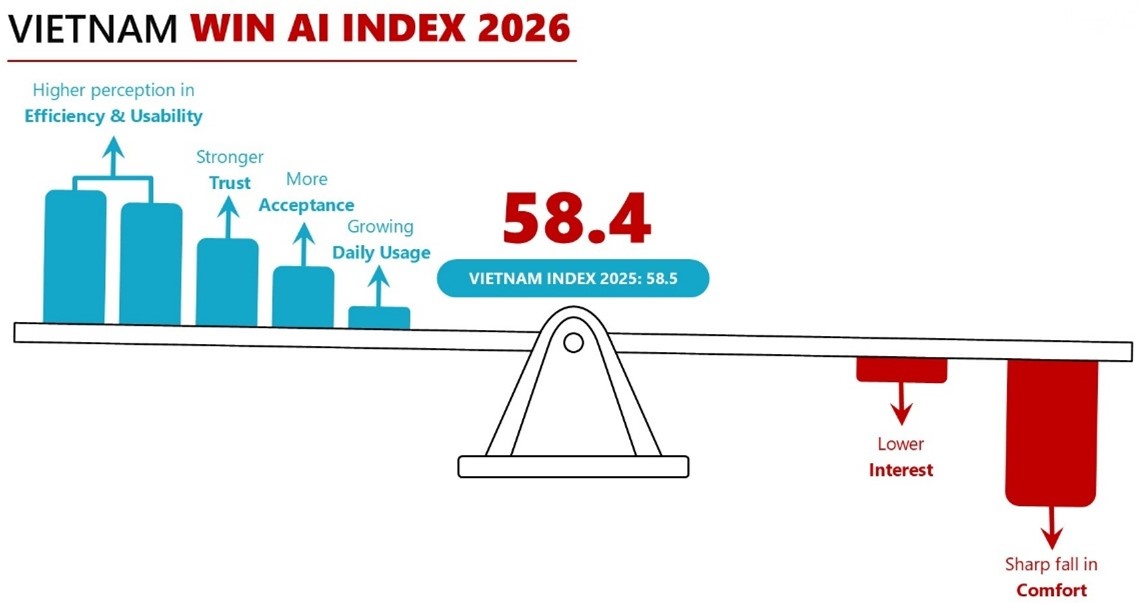
The score remained stable because two sets of forces were pushing in opposite directions and almost cancelled each other out. More people are using AI every day and trusting what it tells them. At the same time, fewer feel comfortable with AI as part of society, and concern about misinformation, privacy, and job loss has grown sharply.

Vietnam maintains stable AI outlook in 2026 survey

Five indicators improved. Vietnamese respondents showed higher perception of AI’s efficiency and usability, meaning more people see AI as a practical, effective tool. Trust in AI strengthened. Acceptance of AI grew. And the share of daily users increased. These are all signals of a population that is engaging with AI more seriously than a year ago.

At the same time, two indicators fell. Interest in AI declined, suggesting the initial novelty has worn off for some. And comfort with AI dropped significantly, meaning fewer people feel at ease with the broader role AI is playing in society. These two declines were large enough to pull the overall score down even as the positive indicators rose, leaving the index in almost the same place it was in 2025.

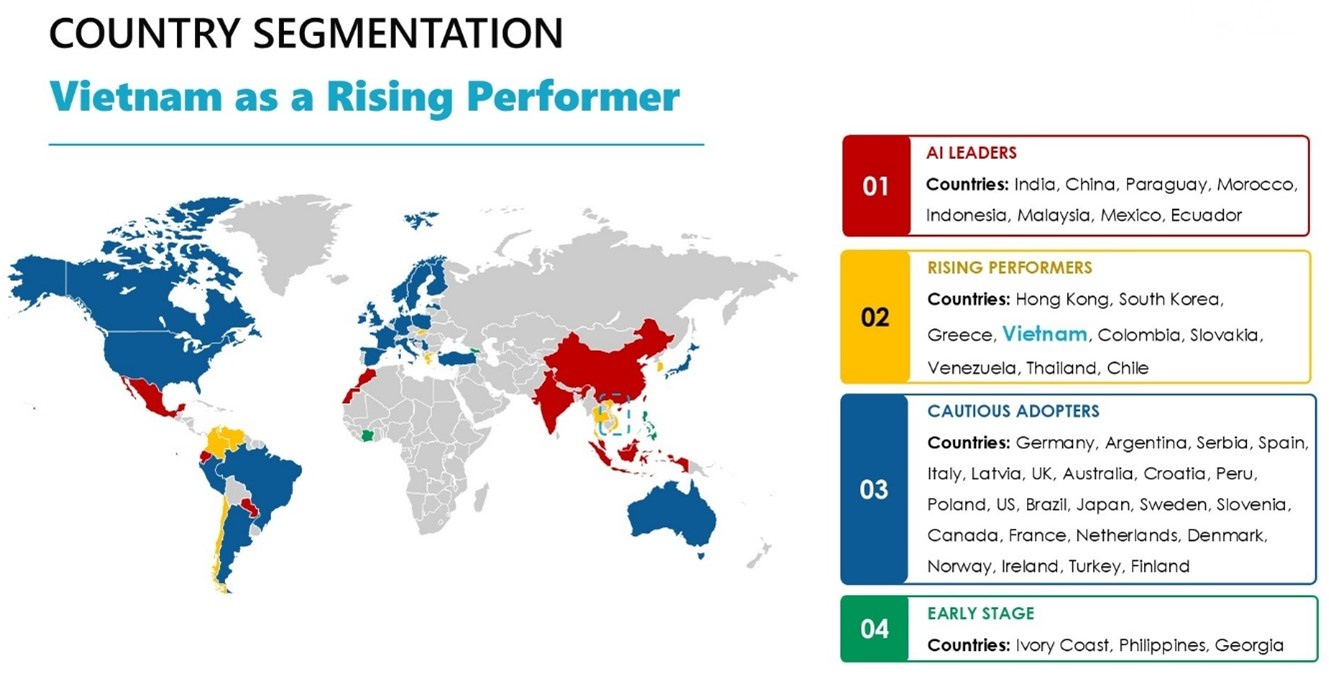
For the first time, the WIN World AI Index places each of the 44 surveyed countries into one of four maturity profiles, based on how widely AI is used and how people feel about it. They include AI leaders, rising performers, cautious adopters, and early stage.

Vietnam maintains stable AI outlook in 2026 survey

Of these four, Vietnam’s profile in 2026 is categorised in the Rising Performers group. Vietnam is a market where AI has found a real foothold in daily life, but where public confidence in its broader role in society has yet to follow. People are using AI more and finding it useful. But on the bigger questions like what AI means for jobs, for privacy, for the information people trust, comfort has fallen and concern has grown. Vietnam knows what AI can do. What remains unsettled is what kind of place AI should have.

In 2025, 13 per cent of urban Vietnamese respondents said they used AI tools daily. By 2026, that figure had risen to 19 per cent.

That growth signals a shift in behaviour. More Vietnamese are moving from occasional experimentation to regular, habitual use. It is this group of consistent users that tends to drive how attitudes and norms around AI develop over time.

The gap between how Vietnamese people use AI at home versus at work is one of the biggest findings in this year’s data. Personal use stands at 53 per cent. Professional use is at 38 per cent. That 15 per cent pts difference is among the largest of any country in the Index.

Among those who use AI personally, entertainment is by far the main purpose, cited by 76 per cent of respondents. AI-powered content, recommendations, and interactive experiences are driving everyday personal adoption.

In the workplace, the picture is more practical. Research and data analysis is the top use case at 37 per cent, closely followed by productivity and workflow tasks at 36 per cent. When people do use AI at work, they tend to use it for tasks where they can check the results.

Vietnam’s most striking result is a split: trust in the accuracy of AI-generated information went up, from 65.6 to 69.4. At the same time, personal comfort with AI went down, from 49.3 to 40.7. That is the biggest single change in Vietnam’s Index this year.

These two numbers are not in conflict. Trust in accuracy reflects personal experience: someone asks AI a question and finds the answer useful. Comfort is about how AI is changing society, what it means for jobs and privacy and the reliability of public information. People can trust their own AI interactions and still feel uneasy about where AI is taking things more broadly.

Concern went up across all three risk areas measured by the Index. Each one also has a direct response to Vietnam’s new AI law, which was drafted and debated at the same time the public’s anxiety was being measured.

68 per cent of respondents said they have high concern about how AI handles personal information, which increases from 52 per cent in 2025. That 16 per cent pts rise makes privacy the biggest worry among the three areas measured.

Concern about AI spreading false information saw the largest increase of any measure in this year’s Vietnam results. It jumped from 36 per cent in 2025 to 65 per cent in 2026, a rise of 29 per cent pts in a single year.

In addition, 6 in 10 respondents (61 per cent) expressed high concern about AI causing job losses. That is up from 48 per cent in 2025, a rise of 13 per cent pts.

ASEAN unveils digital outlook, AI readiness research ASEAN unveils digital outlook, AI readiness research

New regional reports highlight ASEAN’s digital maturity and readiness for artificial intelligence, marking the next phase of the bloc’s AI skills push.

SK Group to foster AI ecosystem development in Vietnam SK Group to foster AI ecosystem development in Vietnam

SK Group has signed agreements to collaborate with Vietnam on building the country’s AI industry ecosystem and developing core AI infrastructure.

Vietnam’s financial sector accelerates AI adoption, but security issue remains Vietnam’s financial sector accelerates AI adoption, but security issue remains

Financial institutions in Vietnam are accelerating the adoption of AI, but security concerns and legacy technology remain significant barriers to scaling deployment, according to new research from Finastra on February 10.

UAE leaves OPEC: What should Vietnam do amid new oil market volatility?
Prof. Dr. Andreas Stoffers, FOM University of Applied Sciences, Essen/Germany

The UAE’s withdrawal from the Organization of the Petroleum Exporting Countries (OPEC) on May 1 is merely a short-term oil market event. Rather, it reveals something far more fundamental: global energy markets are becoming more fragmented, more geopolitically sensitive and significantly more driven by national strategies and interests.

Sooner or later, the situation in the Strait of Hormuz will normalise, and the Emirates’ freedom from quota restrictions will gain in importance. Markets will then watch very closely whether and to what extent Abu Dhabi actually increases output, and whether the other producers will question the discipline of the OPEC system.

Abu Dhabi’s decision is a strategic repositioning. In future, the UAE does not want to be seen merely as an oil producer, but as an energy, industrial and investment hub with greater flexibility across several economic sectors. Thus, this withdrawal should not be understood only in terms of oil, but as a step towards strategic autonomy: the freedom to transform its own energy resources into industrial growth, global investment power and diversified national value creation. For markets worldwide, this means that there will eventually be more supply available, but at the same time, less predictability.

How will Vietnam be affected?

For Vietnam, this development is both an opportunity and a warning. If the Emirates eventually produces more outside the quota system, this could help to ease global oil prices. This would be positive for energy-importing markets. Lower oil prices reduce inflationary pressure, lower logistics and transport costs, and support household purchasing power.

This affects Vietnam directly. The country is one of the most open countries in Asia and is deeply integrated into the global economy. Vietnam’s growth model depends strongly on manufacturing, exports, logistics and global value chains. Energy prices directly affect production costs, freight costs, import prices, export competitiveness and inflation.

However, I would not be too optimistic too quickly. The larger lesson from the UAE’s exit is that energy markets are becoming increasingly unpredictable. Today, the issue is OPEC coordination. Tomorrow, it might be another maritime chokepoint, a geopolitical conflict, higher shipping insurance costs, currency pressure or a sudden disruption in supply chains. We should be aware that black swan events can occur at any time, anywhere.

For a country like Vietnam, the key issue is not whether the oil prices go up or down next week. The key issue is volatility. Volatility makes planning more difficult for companies, investors, and policymakers. It affects corporate calculation, inflation, interest rates, exchange rates and public finances.

In short: falling oil prices would, of course, be welcome for Vietnam. But the biggest issue is not today’s price level, but rather volatility. Vietnam should therefore use this period as a warning signal. The country should strengthen its own energy security, diversify its supply and accelerate the modernisation of its energy system and digital economy.

Over the past year and a half, Vietnam has already launched a wide range of reform initiatives aimed at making the economy more resilient and more productive. These include the emphasis on private sector development (Resolution 68), legislative and administrative reforms under Resolution 66, the focus on science, technology, innovation and digital transformation under Resolution 57, and the Law on the Digital Technology Industry (DTI). In this broader reform context, energy security is not separate from economic development. This strengthening of resilience plays a key role in many of these reforms.

However, it would be fatal to simply rest on these laurels and hope that the economic rise of recent years will simply continue. From my own experience in Vietnam – both in banking and in policy-related work – I would say that Vietnam is very good at reacting quickly to external shocks. This has been visible several times over the past decades. But the next stage of development requires more than fast reaction. It requires structural preparation.

Vietnam’s ambition is to become a modern industrialised country by 2045. Such an economy cannot rely solely on cheap energy. It requires a secure, diversified, affordable and predictable energy supply. This is even more important in an age of digitalisation and AI, where data centres, advanced manufacturing, including additive manufacturing and sophisticated logistics will all require a reliable electricity supply in large quantities.

Vietnam should consider three dimensions in its energy policy: security, competitiveness and transformation. Energy supply must be secure enough to protect the economy from external shocks. At the same time, it must be competitive enough to support manufacturing and exports. And it must be modern enough to support Vietnam’s long-term energy transition without weakening industrial competitiveness.

Four strategic priorities

My conclusion regarding Vietnam is that the country should adopt a pragmatic approach. Vietnam should not attempt to predict oil prices with absolute accuracy. No country can do that. Instead, Vietnam should focus on resilience. In my view, four priorities are particularly important.

First, Vietnam should diversify its energy supply and avoid excessive dependence on a single region or shipping route. The current situation vividly demonstrates how vulnerable global trade can become when one major chokepoint is disrupted.

Second, Vietnam should strengthen strategic reserves and contingency planning. This does not only concern the state, but also large companies, small- and medium-sized enterprises, logistic providers and industrial zones. The target should be better risk management for energy and transport costs.

Third, Vietnam should accelerate its domestic energy transition pragmatically. This includes renewable energy, grid investment, energy efficiency, storage capacity, and liquefied natural gas wherever appropriate. Nuclear energy could also be an option in the longer term, provided there is a clear framework of safety, financing and regulatory capacity.

Fourth, Vietnam should link its energy policy more closely with its industrial policy. This includes improving risk management for companies and public institutions that are heavily dependent on energy and logistics costs

The current oil shock should not be viewed solely in a negative light, but rather as a wake-up call. It reminds us that an industrialising country needs to work even harder on the resilience of its economy. What makes me optimistic is that Vietnam’s policymakers increasingly understand this connection. Energy security, energy transition and digital modernisation are no longer separate agendas. They belong together. For Vietnam, this could become a decisive competitive advantage in the next stage of development.

National Assembly approves zero tax on petrol, oil, aviation fuel National Assembly approves zero tax on petrol, oil, aviation fuel

The National Assembly has unanimously approved sweeping tax cuts on petrol, oil and aviation fuel, reducing key rates to zero through June 30 in a bid to cushion domestic markets against volatile global energy prices.

Fuel imports rise in first quarter amid global market volatility Fuel imports rise in first quarter amid global market volatility

Vietnam has ramped up fuel imports in the first quarter of the year amid global energy market volatility due to the tensions in the Middle East.

BSR secures three months of crude supply for Dung Quat refinery BSR secures three months of crude supply for Dung Quat refinery

Binh Son Refining and Petrochemical has secured enough crude oil to operate its Dung Quat refinery for the next three months amid Middle East supply disruptions.

PC1 Group says business stable as it cooperates with authorities

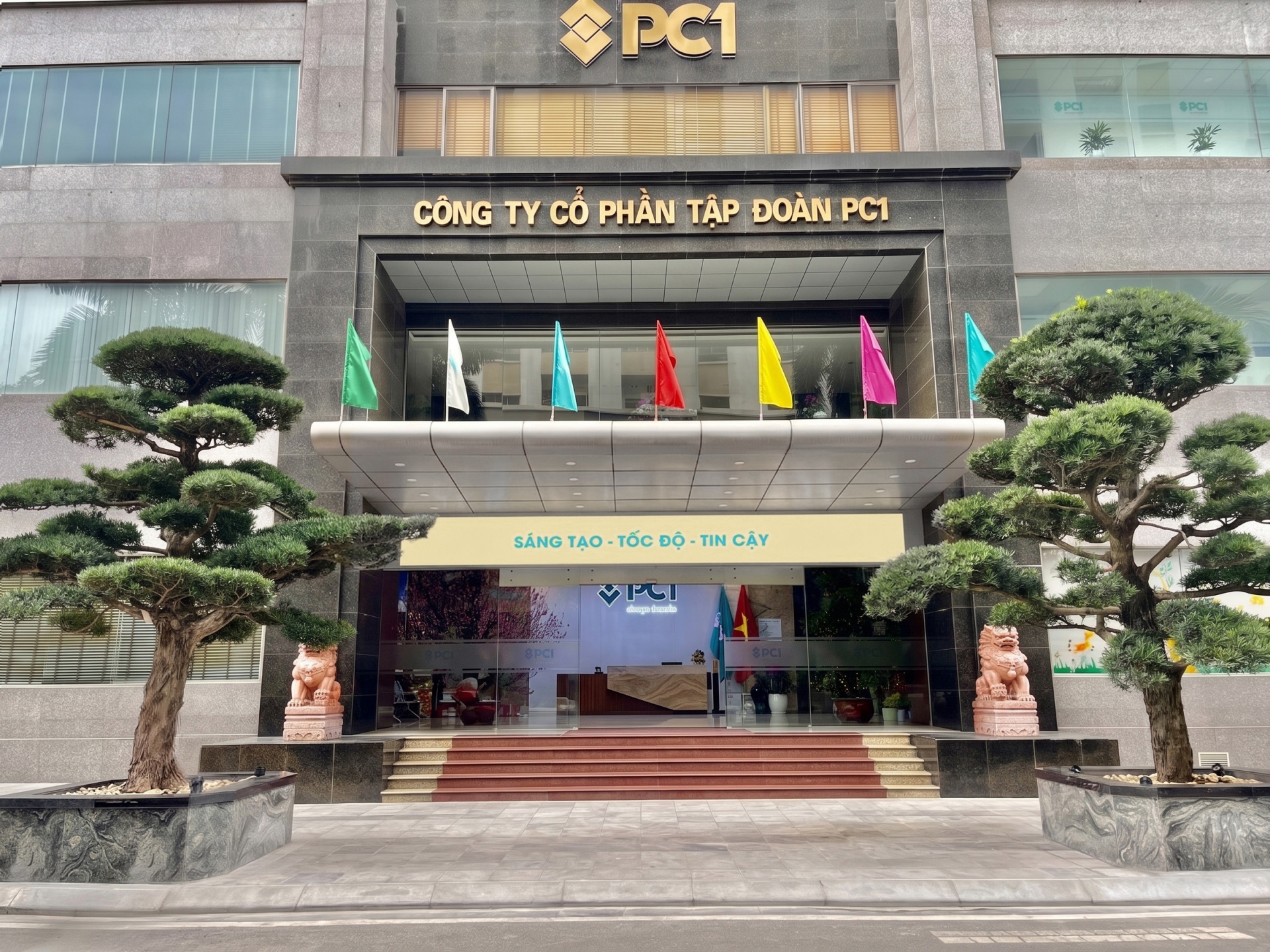
Accordingly, the group has taken all necessary measures to ensure its corporate governance, executive management, and business operations remain stable, continuous, and lawful.

PC1 noted legal authorities have allowed the implicated individuals to grant full authorisation to the group’s key personnel. This enables them to continue governing and operating the enterprise without any disruption to business activities.

PC1’s core business sectors have been designed to operate professionally and independently, and remain unaffected. Production and business activities continue normally across energy, industrial plant operations, and domestic and international projects. The company’s sites, factories, and operational systems are functioning safely and stably, with all obligations to customers, partners, banks, investors, and employees being fulfilled as committed.

The board and management team are ensuring continuity in executive operations, risk management, and employee morale with responsibility, professionalism, and transparency.

Over its 60-year history, PC1 has been shaped by generations of executives, engineers, and employees through dedication, discipline, and persistent contributions to national energy, infrastructure, and economic development. These core values remain PC1’s foundation to sustain operations, overcome challenges, and safeguard its corporate reputation.

The group said that PC1 Group values the continued trust and support of its shareholders, investors, customers, partners, and employees, which is vital to stabilising operations, enhancing governance, upholding social responsibility, and achieving sustainable growth. All official updates will be publicly disclosed by PC1 in strict compliance with legal regulations and disclosure obligations of a listed enterprise.

PC1 to acquire Nomura Asia Investment in Vietnam PC1 to acquire Nomura Asia Investment in Vietnam

PC1 Group JSC announced it would purchase all shares of Nomura Asia Investment Pte. Ltd. (NAIV), subject to regulatory approvals.

PC1 weathers recession and maintains positive growth PC1 weathers recession and maintains positive growth

According to PC1 Group JSC’s aggregate figures for its production and business activities for the first 10 months of 2022, which were presented during a Webinar conference on November 4, it has recorded positive results in the challenging context of both the global and local economies.

PC1 teams up with DENZAI on regional wind projects PC1 teams up with DENZAI on regional wind projects

Vietnam’s PC1 Group has partnered with Singapore-based DENZAI International Holdings to expand cooperation on renewable energy and infrastructure projects in Southeast Asia.

VinaSugar Holdings Limited (In Voluntary Liquidation)

Company No. 1437172

NOTICE is hereby given pursuant to Section 204, subsection 1 (b) of The BVI Business Companies Act, 2004 that the Company is in voluntary liquidation. The voluntary liquidation commenced on 7 May 2026. The Liquidator is Mrs. Cassandra Glasgow-Penn with address at Chapel Hill, East End, Tortola, VG 1120 British Virgin Islands.

20 May 2025, Cassandra Glasgow-Penn, Voluntary Liquidator