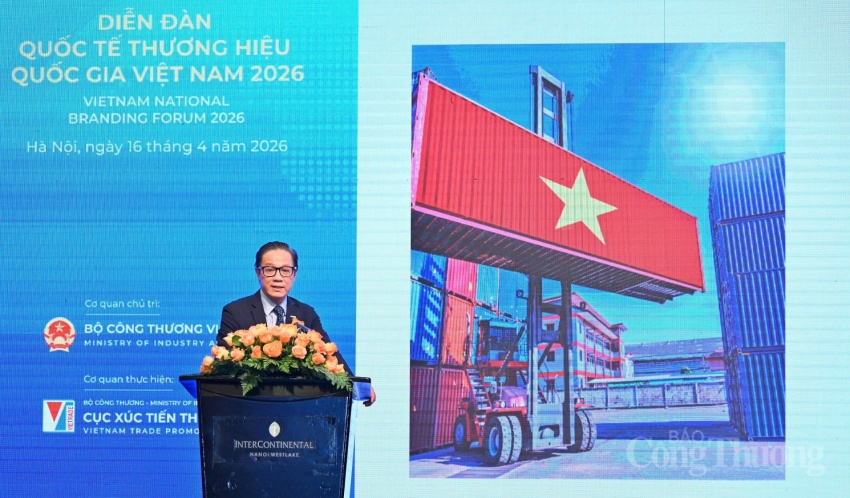
Vietjet records strong growth in Q1
Vietjet recorded strong business growth in Q1/2026 through optimised operational efficiency and the expansion of its international flight network

According to the Q1 financial report, Vietjet achieved consolidated revenue of VND21.02 trillion (approximately $798.6 million), up 17.1 per cent on-year. Consolidated profit before tax reached $43.3 million, up 36.5 per cent on-year. Meanwhile, consolidated profit after tax climbed to $38.8 million, up 59.6 per cent on-year.

Revenue and profit witnessed strong growth as Vietjet enhanced operational cost control by optimising operating performance, boosting digital transformation, and building a new and modern fleet to save fuel, contributing to business efficiency.

Strong financial foundation

As of March 31, 2026, Vietjet’s total assets were approximately $5.45 billion, with a net debt-to-equity ratio of 2.1 and a liquidity ratio of 1.5.

Financial indicators were maintained within the industry’s safety threshold as Vietjet continued investing in new aircraft.

In Q1, the airline paid a total of $73.7 million of taxes and fees.
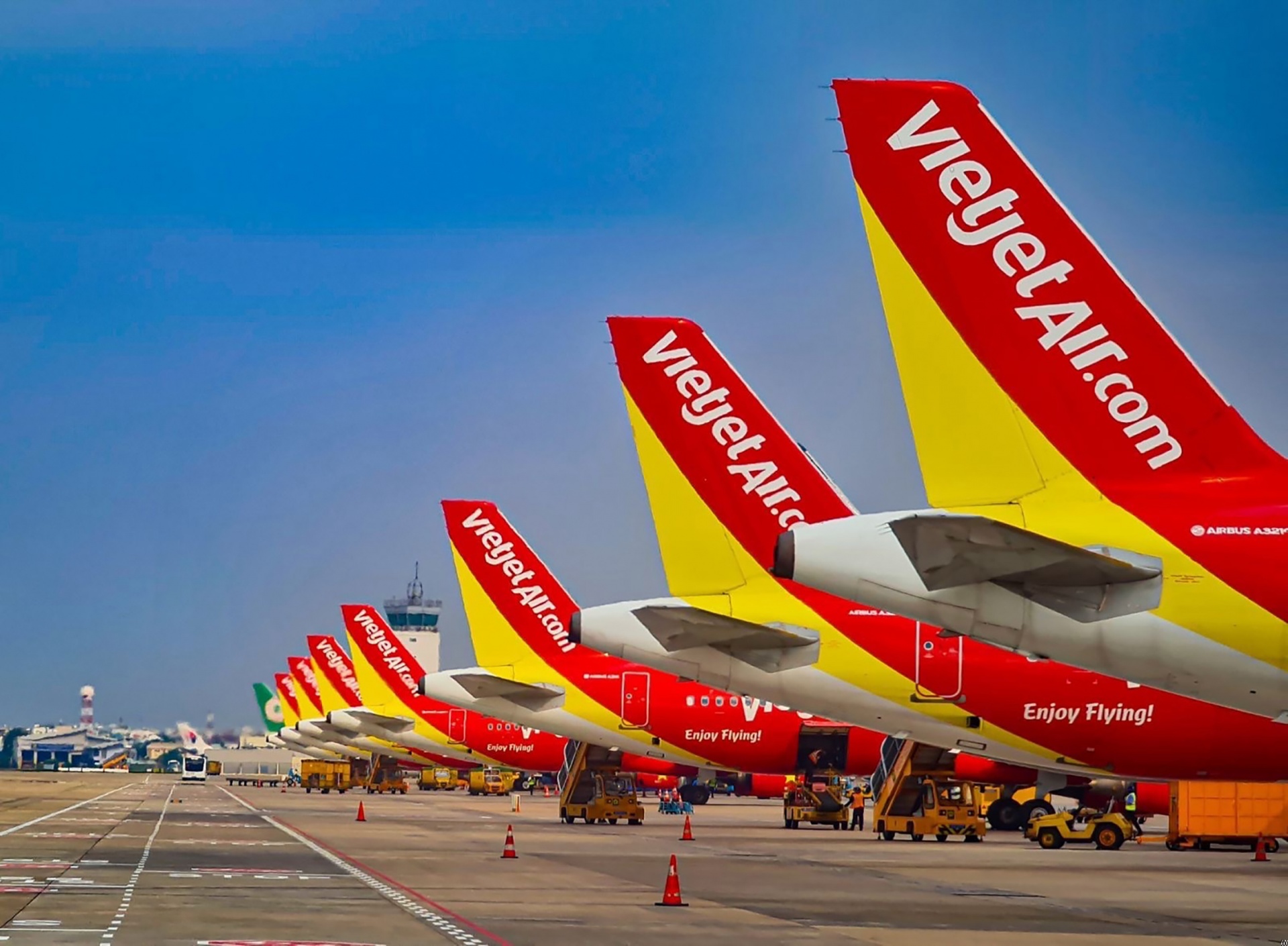
Vietjet records strong growth in Q1
In Q1 2026, Vietjet transported 7.2 million passengers (an increase of 5.1 per cent on-year)

In Q1, Vietjet continued to operate effectively, carrying 7.2 million passengers (up 5.1 per cent on-year), operating 39,903 flights (up 3.3 per cent on-year), and transporting 23,344 tonnes of freight.

The airline kept expanding its flight network with five new routes connecting Vietnam and China, as announced in General Secretary To Lam’s state visit to China.

Vietjet currently operates 186 routes (45 domestic, 141 international).

The International Air Transport Association has officially extended the ISAGO certification for Vietjet’s ground handling operations at Noi Bai International Airport. The certification applies to seven categories, including organisation and management, training, cargo and mail handling, ramp handling, passenger handling, baggage handling, and load control, valid until March 22, 2028. This reaffirms Vietjet’s capacity in governance, operations, and safety control in ground handling by international standards.

The international expansion strategy continues to be a long-term growth driver, contributing to revenue diversification and reducing dependence on the domestic market.

Investment
Vietjet records strong growth in Q1
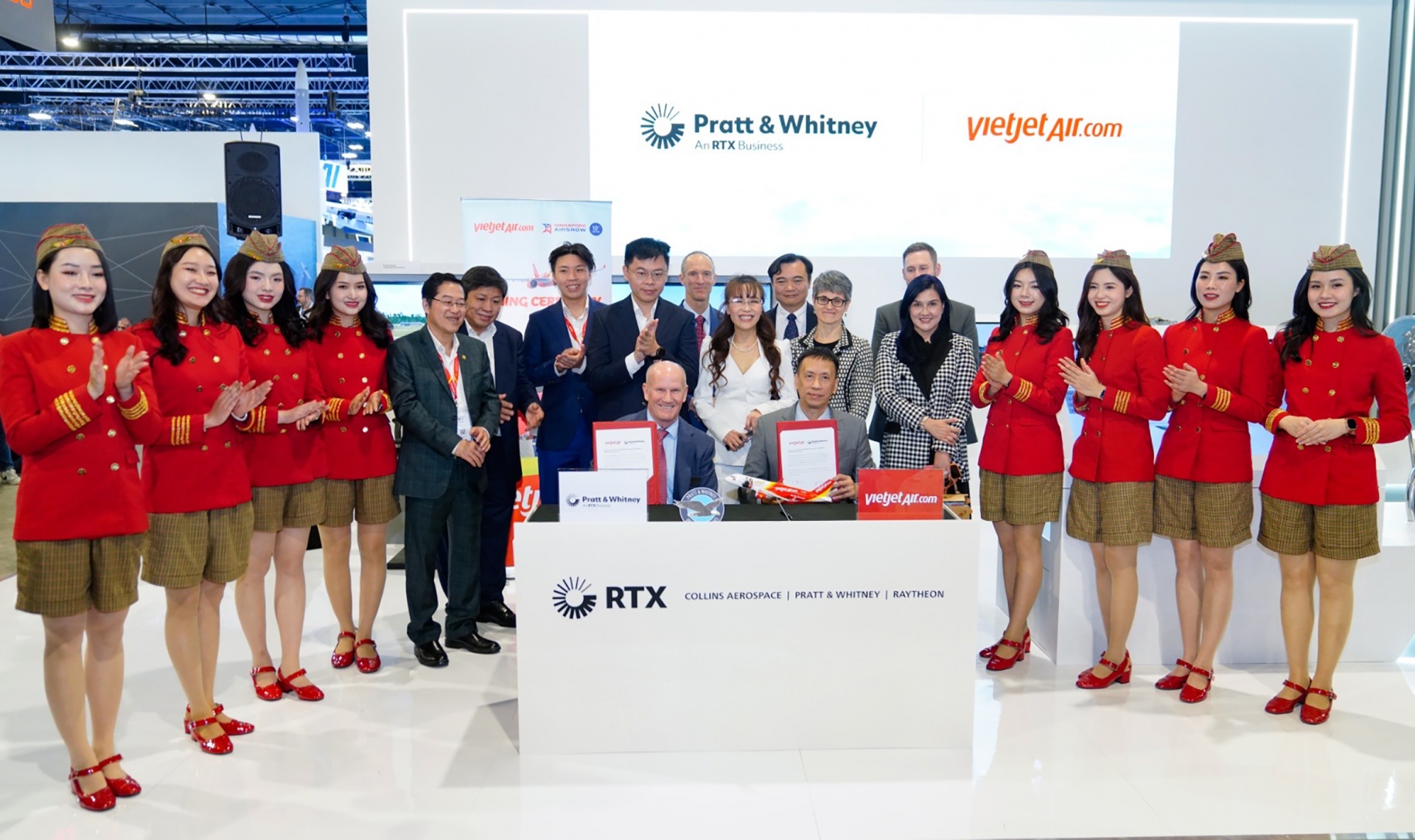
Vietjet placed an order with Pratt & Whitney to equip 44 Airbus A320neo aircraft with GTF engines

In Q1, Vietjet heavily invested in its future fleet, including a $5.4 billion deal of Pratt & Whitney GTF engines for 44 Airbus A320neo aircraft; an aircraft financing agreement approximately worth of $965 million for six Boeing 737-8 aircraft; and a finance lease agreement for 10 Comac C909 aircraft.

Meanwhile, Vietjet continued to expand with a long-term vision. The airline not only served as a founding member of the Asia-Pacific Aviation Finance Hub, but also signed an agreement with AVIC Cabin Systems to cooperate in developing modern aircraft interior solutions, aiming to build a sustainable aviation supporting industrial ecosystem in Vietnam.

Vietjet also pioneered the use of AI and fuel optimisation solutions through strategic partnerships with international partners such as Open Airlines and Safran.

Investments in human resources were strengthened through the Vietjet Aviation Academy, which organised 3,193 courses and trained 34,727 trainees in the first three months of the year. The academy continued to sign training agreements with Australia Aviation and F Air Flight School.

Vietjet records strong growth in Q1
Vietjet has been honoured by international organisations across multiple categories

Vietjet has received accolades such as World’s Best Ultra Low-Cost Carrier 2026 and Top 10 Safest Low-Cost Airlines in 2026 by AirlineRatings. The airline has been recognised as Global Best Place To Work in 2026 at the World HRD Congress & Awards 2026. Vietjet has been ranked the lowest-emission airline on intra-Southeast Asian routes, according to Cirium’s Flight Emissions Review 2025.

In addition to the government’s support regarding policies to reduce VAT, import-export tax, environmental protection tax, and special consumption tax on aviation fuel in response to the impact of the conflict in the Middle East, Vietjet looks forward to further flexible pricing policies on domestic routes.

Vietjet's 2026 AGM highlights strong 2025 results Vietjet’s 2026 AGM highlights strong 2025 results

On April 26, Vietjet Aviation JSC successfully held its 2026 AGM, embarking on a new development phase with a global vision and long-term value for shareholders.

Vietjet chairwoman awarded Labour Hero title Vietjet chairwoman awarded Labour Hero title

On December 27 at the 11th National Patriotic Emulation Congress, Vietnam conferred the title Labour Hero upon pioneering female entrepreneur Dr. Nguyen Thi Phuong Thao, distinguished by her sustained and dynamic contributions across multiple sectors.

Vietjet signs agreement for finance lease of 10 COMAC aircraft Vietjet signs agreement for finance lease of 10 COMAC aircraft

Vietjet and SPDB Financial Leasing, a subsidiary of Shanghai Pudong Development Bank, have agreed on a finance lease of 10 COMAC C909 aircraft, expanding financial and aviation cooperation between Vietnam and China.

Japanese wireless carrier to launch mobile services in Vietnam

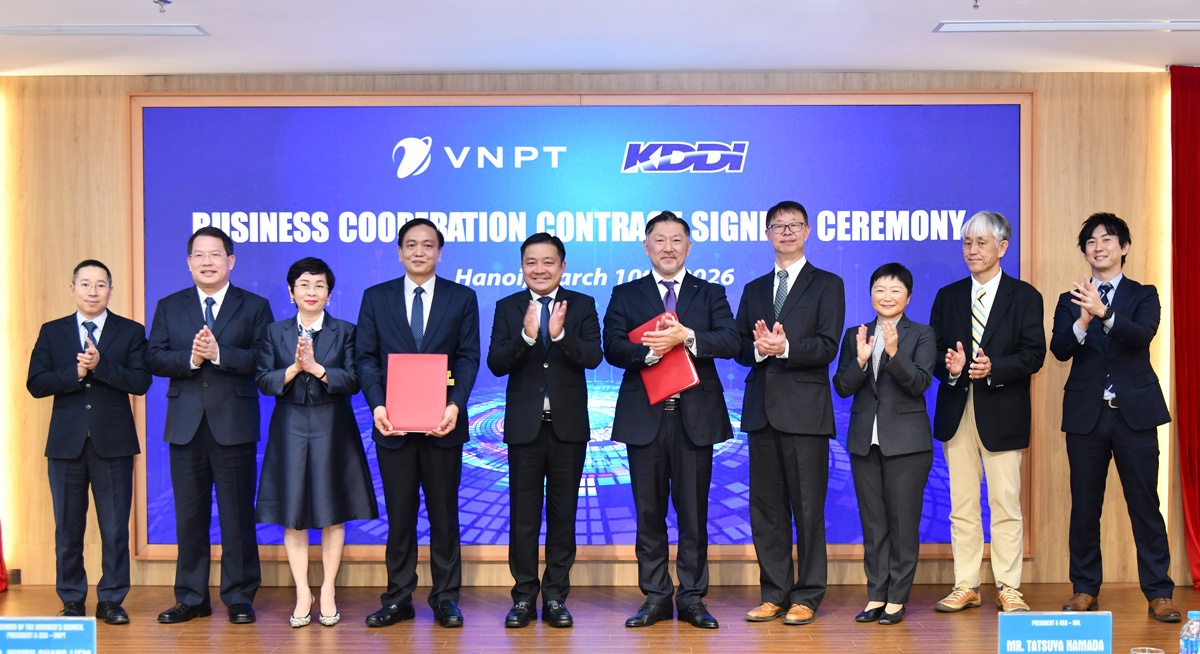
To advance this initiative, the two companies entered into a Business Cooperation Contract on March 10. Under this agreement, VNPT and KDDI aim to deliver a new mobile telecommunications service primarily targeting young consumers and digital-native users in Vietnam, leveraging KDDI’s operational expertise gained through its online-only mobile brand “povo” in Japan, alongside VNPT’s domestic telecommunications infrastructure, brand presence, and extensive customer touchpoints.

In Vietnam, the rapid adoption of smartphones and mobile communications has been accompanied by increasing diversification in consumer preferences and usage patterns. Demand among younger generations is growing for fully online experiences covering the entire customer journey–from contract sign-up to service usage and customer support. Expectations are rising for flexible pricing models, simple and intuitive user experiences, and services that are designed with online channels at their core.

In Japan, KDDI launched its online-only mobile brand “povo” in 2021. In collaboration with Singapore-based Circles, which has extensive expertise in online mobile services, KDDI developed the system architecture for the service. Operated by KDDI Digital Life Corporation, “povo” has established a new model for mobile communications by enabling customers to complete contracts, data top-ups, and support digitally, supported by agile service development and flexible pricing plans. By positioning online platforms and mobile applications as its primary customer touchpoints, “povo” has gained strong support, particularly among younger and digital-native users.

VNPT and KDDI believe that demand for online-centred telecommunications services will continue to grow in Vietnam. By combining VNPT’s robust domestic telecommunications infrastructure and customer reach with KDDI’s know-how from operating “povo” in Japan, the two companies aim to create new value and deliver innovative mobile services to Vietnamese customers.

VNPT will encourage the development of the new sub-brand business by leveraging its telecommunications business infrastructure, brand strength, and customer touchpoints within Vietnam. Meanwhile, KDDI together with Circles will contribute its expertise in digital telecommunications services developed through the launch and operation of the online-only brand “povo,” providing know-how in the areas of service design, customer experience, digital marketing, and platforms.

Japan's Meiko Electronics to construct a new plant in Vietnam Japan’s Meiko Electronics to construct a new plant in Vietnam

Japanese electronics supplier Meiko Electronics will build a new plant to manufacture printed circuit board in Vietnam.

Japanese food giant chooses Vietnam for ready-mix flour production Japanese food giant chooses Vietnam for ready-mix flour production

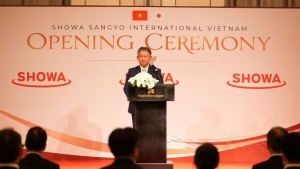
Showa Sangyo – the Japanese company credited with inventing the world’s first tempura flour – has launched a $21 million factory in Ho Chi Minh City, positioning Vietnam as a core market for expansion across ASEAN.

Vietnam and Japan sign cooperation agreements Vietnam and Japan sign cooperation agreements

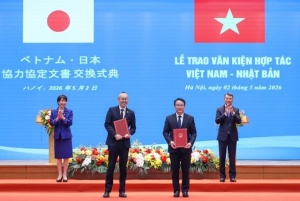
Vietnam and Japan will strengthen cooperation in green transition, digital transformation, AI, and semiconductors, with priority given to high-quality human resource training and joint research.

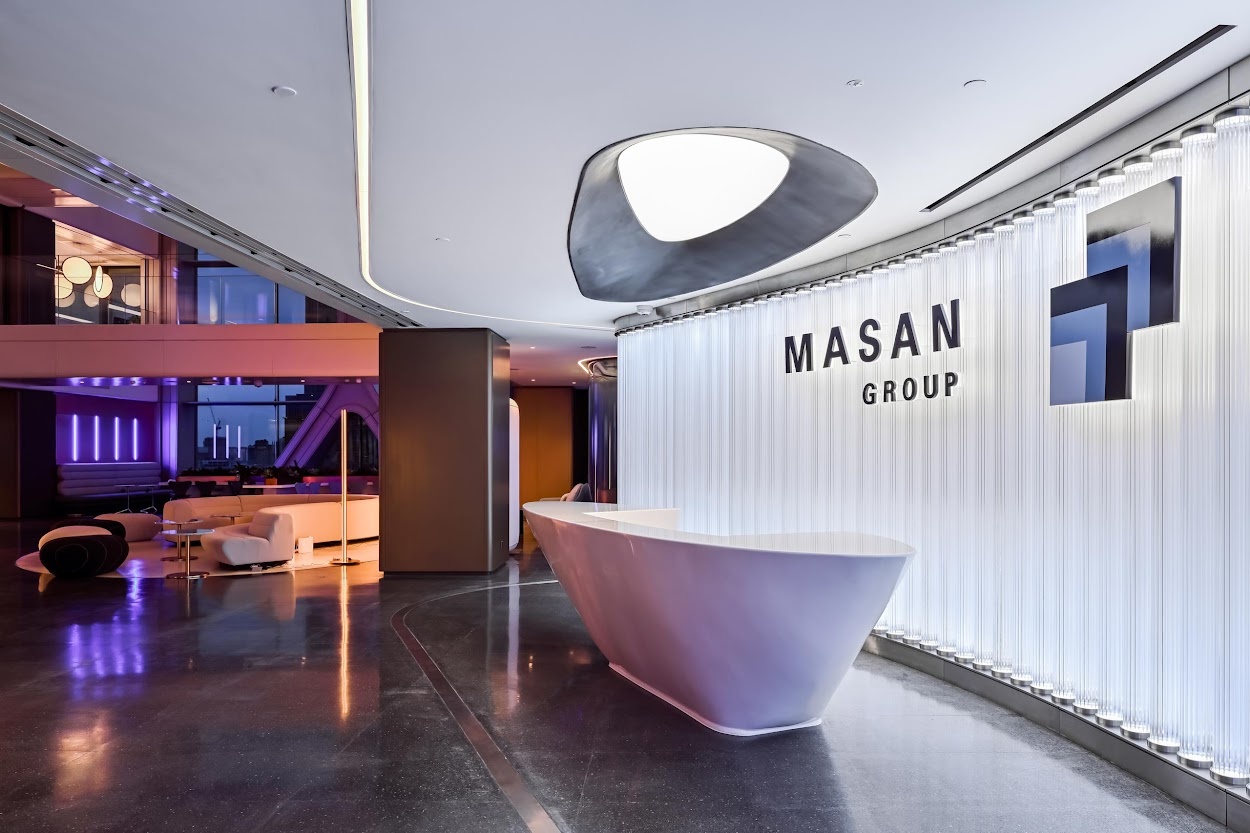
Masan delivers record Q1 profit

In Q1 2026, MSN posted net profit after tax before minority interest (NPAT Pre-MI) of VND1.97 trillion ($75.77 million), doubling on-year. Consumer-retail earnings before interest and taxes (EBIT) rose to $94.62 million, up 23.6 per cent on-year, reflecting broad-based growth across the platform.

Q2 2026 preliminary momentum indicates MSN is on track to grow NPAT Pre-MI by approximately 60 per cent on-year.

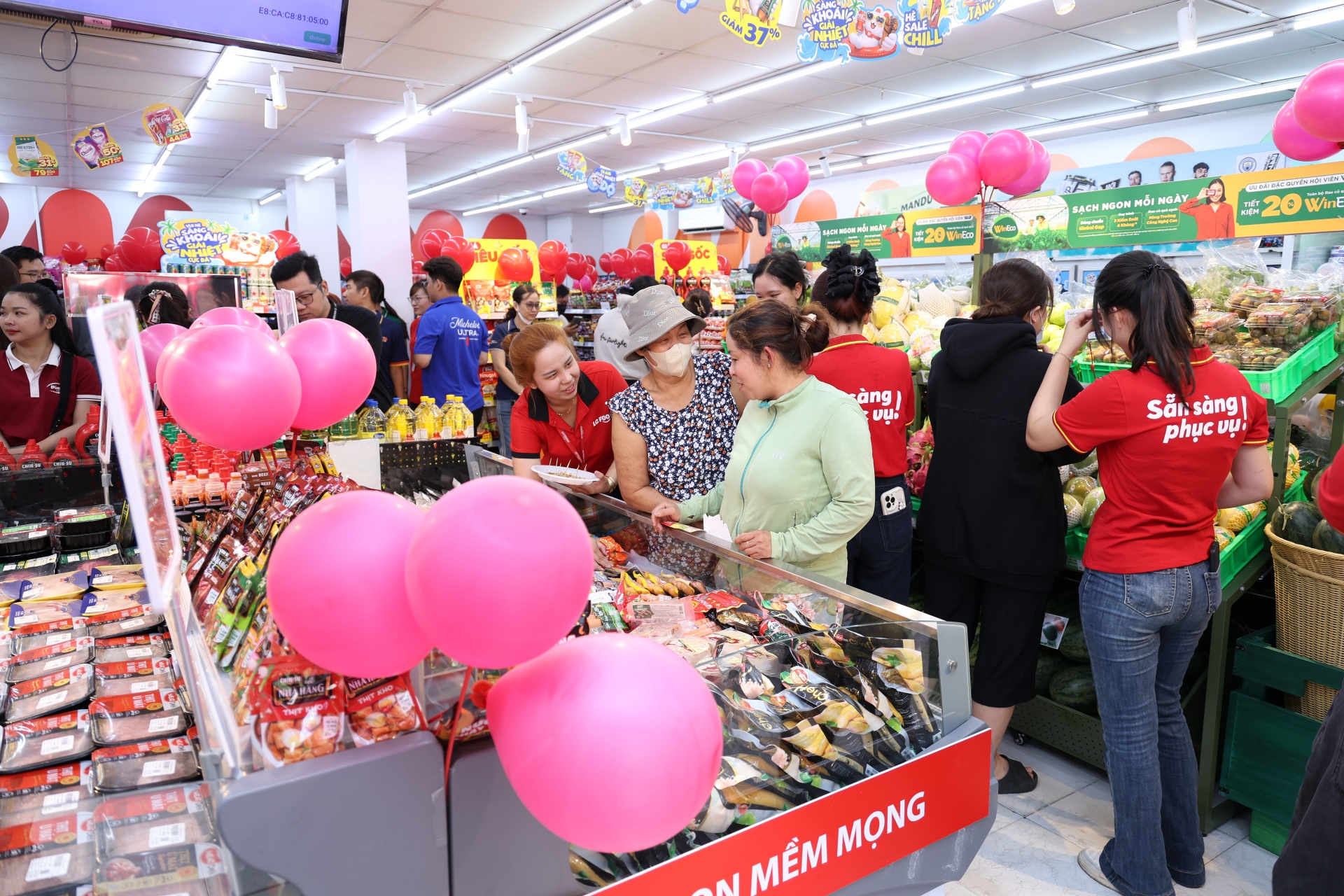
WinCommerce (WCM) – the company operating the WinMart/WinMart+/WiN chains – delivered NPAT Pre-MI of $7.85 million in Q1 2026, up 3.5 times on-year, equivalent to a 1.8 per cent margin. The result is driven by higher store traffic, disciplined network expansion and operating leverage.

WCM recorded a net addition of 225 new store openings for Q1 2026, bringing the total store count to 4,817 nationwide. Notably, 100 per cent of new store openings surpassed store‑earnings before interest, taxes, depreciation and amortisation breakeven level within the quarter.

Like-for-like (LFL) growth across all formats was primarily driven by higher store traffic (bill count) as modern trade penetration accelerates. Among them, minimarts delivered LFL growth of 11.8 per cent on-year in Q1 2026, up from 8.6 per cent in Q1 2025.

Supermarkets delivered LFL growth of 19.9 per cent on-year for Q1 2026, up from 6.1 per cent in Q1 2025, supported by renovations that lifted store traffic. Supermarkets also achieved EBIT-positive with 3.5 per cent margin, up 386 per cent on-year points (bps) on-year. As of March 2026, 60 supermarkets have been renovated, with the remainder on track for completion by year-end.

Masan Consumer’s Q1 2026 revenue reached $325.77 million, up 13.1 per cent on-year, while NPAT Pre-MI reached $69.23 million, up 11.5 per cent on-year.

Retail Supreme demonstrated clear improvements across key execution metrics as March 2026. First, active selling outlets reached approximately 500,000, up 2.3 times compared to before Retail Supreme. Second, stock keeping unit per order reached 5.5 (up 17 per cent) while approximately 57,000 outlets now carry around six or more categories, up 2 times. Third, approximately 50,000 outlets are implementing MCH’s in-store execution standards, up 1.8 times.

Masan Consumer’s gross margin was stable at 46.7 per cent on-year.

Masan delivers record Q1 profit

Masan MEATLife (MML) delivered revenue of $95.38 million in Q1 2026, up 19.8 per cent on-year, with NPAT Pre-MI of $5.65 million, up 27.2 per cent on-year. EBIT grew on-year to a 7.4 per cent margin, up 450 bps on-year, as both fresh and processed meat benefited from improved economies of scale and higher porker utilisation. Total MML sales at WCM grew 30.2 per cent on-year.

Phuc Long Heritage posted net revenue of $21.88 million in Q1 2026, up 34 per cent on-year. The EBITDA margin reached 20.8 per cent while NPAT Pre-MI grew 1.6 times on-year to a 10.3 per cent net margin, up 260 bps on-year. Growth was driven by delivery scaling and stronger in-store productivity gains, with LFL average daily sales in standard-format stores reaching $1,011.54, up 21.2 per cent on-year.

Masan High-Tech Materials (MSR) delivered a record quarterly NPAT of $20.65 million in Q1 2026, compared with a $8.54 million loss in Q1 2025, supported by stronger commodity pricing, improved operating performance, and lower net interest expenses.

Net revenue reached $115 million, up 114.9 per cent on-year, led by APT revenue of $94.23 million, up 3.2 times on-year. APT averaged $1,865/mtu in Q1 2026 and reached $3,150/mtu as of March 31, 2026, compared with MSR’s revised 2026 budget assumption of approximately $1,200/mtu. In the event current price levels are sustained for the rest of the year, MSR expects to achieve materially better financial results.

Throughput is expected to recover from Q2 2026 and ramp further in Q3 2026 following the amendment of the 28-million-tonne mining licence, with full-year ore processed projected to exceed FY2025 levels.

MSR is expected to generate stronger operating cash flow and accelerate deleveraging, with revised guidance indicating net-debt-to-EBITDA declining from 3.5 times in Q1 2026 to 1.7 times by year-end.

Assuming APT prices average above $1,500/mtu, MSR targets net-debt-to-EBITDA of 0.1 times by end-2027, and conservatively net cash position by end-2028, which would create room for lower interest expenses, higher earnings quality, and potential dividend payments in the upcoming years.

Masan has announced plans to migrate MSR to the HSX mainboard, aiming to enhance value recognition, broaden the shareholder base, improve liquidity, and support strategic investor engagement.

MSN’s profit share of Techcombank in Q1 2026 was $50.77 million, up by 11.8 per cent on-year.

Building on a record Q1 2026, MSN’s revenue and NPAT Pre-MI are estimated at $1.98 billion and $176.92 million in the first half of 2026, up 38 per cent and 76 per cent on-year, respectively.

Masan posts steady gains as Vietnam targets stronger retail growth Masan posts steady gains as Vietnam targets stronger retail growth

Vietnam’s push for stronger retail growth by 2030 is being matched by improving performance in the country’s major consumer groups.

Masan Consumer lifts foreign ownership limit to 100 per cent Masan Consumer lifts foreign ownership limit to 100 per cent

On March 18, the State Securities Commission announced that it had received Masan Consumer Corporation’s application to double its foreign ownership limit to 100 per cent.

Masan High-Tech Materials plans HSX listing Masan High-Tech Materials plans HSX listing

Masan High-Tech Materials has released documents for its 2026 AGM, slated to take place in Hanoi on April 16.

Photo: Thoibaotaichinhvietnam.vn
Photo: thoibaotaichinhvietnam.vn

According to the Ministry of Agriculture and Environment, export turnover in April was estimated at $6.05 billion, down 3.8 per cent from the previous month and 0.8 per cent on-year. Despite this short-term slowdown, cumulative exports in the January-April period totalled $23.04 billion, marking a 5.4 per cent increase compared to the same period in 2025.

By category, agricultural products continued to account for the largest share at $12.6 billion, up 1.5 per cent. Fisheries exports reached $3.59 billion, rising 11.9 per cent, making it one of the stronger-performing segments.

Forestry products generated $5.82 billion, up slightly by 0.8 per cent, while livestock products recorded a sharp increase of 45.5 per cent to $245 million. Notably, inputs for production surged by 66.2 per cent, reflecting rising demand for materials serving processing and export activities.

In terms of markets, Asia remained the leading destination, accounting for 44.1 per cent of total export value and growing 11.5 per cent on-year. Exports to Europe and Oceania also maintained positive momentum, increasing by 3.7 per cent and 19.8 per cent, respectively. In contrast, exports to the Americas declined by 3.5 per cent, while shipments to Africa fell sharply by 26 per cent, indicating ongoing challenges in these markets.

At the country level, China, the United States, and Japan remained Vietnam’s three largest export markets, with respective shares of 21.1 per cent, 18.5 per cent, and 7 per cent.

China continued to act as a key growth driver, with export value rising 28.8 per cent. Japan posted modest growth of 1.3 per cent, while exports to the US fell by 4.8 per cent, reflecting shifting demand patterns and uneven recovery across markets.

The ministry also reported that total imports of agro-forestry-fishery products in the first four months of 2026 reached $17.65 billion, up 12 per cent on-year.

Of this, agricultural imports totalled $11.51 billion, up 16.2 per cent; livestock products reached $1.75 billion, up 25.3 per cent; fisheries imports stood at $1.05 billion, up 2.7 per cent; and forestry imports amounted to $1.15 billion, rising 24.1 per cent.

By region, Vietnam imported the largest share of agro-forestry-fishery products from Asia and the Americas, accounting for 29.8 per cent and 23.7 per cent, respectively. Oceania, Europe, and Africa held smaller shares of 4 per cent, 3.6 per cent, and 3.6 per cent.

Compared to the same period last year, imports from Asia increased, while imports from Europe declined by 4.8 per cent.

Agro-forestry-fishery exports see bright prospects Agro-forestry-fishery exports see bright prospects
Vietnamese agri-exports to UK continue forward motion Vietnamese agri-exports to UK continue forward motion
Agro-forestry-fishery exporters raise their game in order to expand markets Agro-forestry-fishery exporters raise their game in order to expand markets

Strong scope for added agro-exports Strong scope for added agro-exports

Agro-forestry-fishery exports surge 14 per cent Agro-forestry-fishery exports surge 14 per cent
Manufacturing firms face falling orders as costs climb to 15-year peak

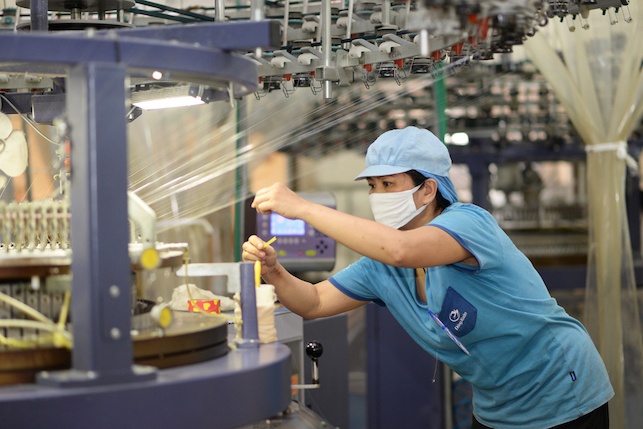
The S&P Global Vietnam Manufacturing Purchasing Managers’ Index (PMI) dropped to a seven-month low of 50.5 in April, down from 51.2 in March. The reading signalled a tenth consecutive positive score in overall business conditions in the sector, albeit only marginal.

Helping to keep the headline index in positive territory in April was sustained output growth. Production increased for the twelfth month running, reflecting work on existing projects and resilient underlying demand. The rate of expansion was the slowest since June 2025, however, amid rising inflationary pressures, supply shortages and market instability due to the war in the Middle East.

While output continued to rise, other elements of the survey painted a more downbeat picture of conditions in the manufacturing sector during April. New orders decreased for the first time in eight months as price increases affected the ability of firms to secure new orders. The effects were even more pronounced on new export orders, which were also impacted by higher transportation costs. New business from abroad fell markedly for the second month running.

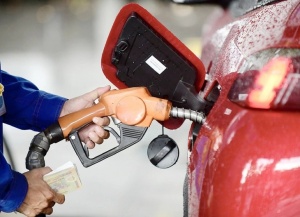
There were widespread reports of rising fuel and oil costs during April, with higher transportation rates also mentioned. As a result, input costs increased rapidly, with the rate of inflation accelerating further to the fastest in 15 years. More than half of respondents signalled a rise in input prices during the month.

In turn, output charges were also increased sharply. Here also, the rate of inflation was the fastest since April 2011.

With new orders falling, manufacturers lowered their staffing capacity, both via reduced headcounts and a cut in working hours. Some firms also reported employee resignations. Staffing levels decreased solidly for the second consecutive month.

After having risen slightly in March, backlogs of work fell for the fourth time in five months during April, and at the fastest pace since last September. Firms also cut back on purchasing and inventory holdings at the start of the second quarter.

Input buying decreased in response to lower new orders, but advanced purchasing at some manufacturers to try to mitigate price and supply issues meant that the rate of decline was only slight and weaker than seen in March. Rates of depletion in stocks of both purchases and finished goods intensified, however.

Issues with the cost and availability of shipping, as well as raw material shortages, led to a substantial lengthening of suppliers’ delivery times during April. Moreover, supplier performance deteriorated to the largest extent in four-and-a half years.

Concerns around the impacts of the war in the Middle East led to a further waning of optimism among Vietnamese manufacturers. Sentiment dipped to a seven-month low and was weaker than the series average.

Nonetheless, firms continued to predict an increase in output over the coming year, linked to hopes of a recovery in new orders and more stable market environment.

Middle East conflict sends ripple effects across Vietnam's economy Middle East conflict sends ripple effects across Vietnam’s economy

Escalation across the Middle East has tightened energy markets and disrupted key sea‑lanes, with spillover impacts across many sectors in Vietnam.

Manufacturers see strongest rise in selling prices in 15 years Manufacturers see strongest rise in selling prices in 15 years

The war in the Middle East caused a marked acceleration in the rate of input cost inflation in the Vietnamese manufacturing sector during March, with selling prices subsequently rising at the fastest pace in almost 15 years.

Smart factories or bust: decision time in 2026 Smart factories or bust: decision time in 2026

In many Vietnamese factories, transformation does not begin with a robot arm or a fully automated line but starts with the simple realisation that the old model no longer scales.

Foreign-invested sector export turnover soars
Foreign-invested enterprises saw a soar in export turnover

Vietnam’s total import-export turnover in April was estimated at $94.32 billion, up 0.8 per cent from the previous month and 26.7 per cent on-year, according to a report released on May 3 by the National Statistics Office.

For the January-April period, total trade turnover reached an estimated $344.17 billion, rising 24.2 per cent from the same period last year. Of the figure, exports increased 19.7 per cent while imports surged 28.7 per cent.

Export turnover in April was estimated at $45.52 billion, down 2 per cent on-month. The domestic economic sector contributed $8.88 billion, down 1.2 per cent, while the foreign-invested sector, including crude oil, generated $36.64 billion, down 2.1 per cent.

Compared to April last year, however, exports rose 21 per cent. The domestic sector declined 4.2 per cent, while foreign-invested enterprises posted a sharp increase of 29.2 per cent.

In the first four months, export revenue was estimated at $168.53 billion, of which the domestic sector earned $33.65 billion, up 0.4 per cent, accounting for 20 per cent of total exports. The foreign-invested sector brought in $134.88 billion, up 25.8 per cent, accounting for 80 per cent.

Twenty-four exports posted turnover of more than $1 billion, accounting for 89.1 per cent of total export value. Among them, seven items exceeded $5 billion each, making up 69.1 per cent.

Processed industrial goods remained the largest export category, generating $151.5 billion and accounting for 89.9 per cent of total exports. Agricultural and forestry products reached $12.68 billion, seafood $3.55 billion, and fuels and minerals $800 million.

Meanwhile, imports in April were estimated at $48.8 billion, up 3.6 per cent from March and 32.5 per cent on-year. The domestic sector imported goods worth $13.8 billion, while the foreign-invested sector $35 billion.

During the first four months, import turnover reached $175.64 billion. Of the total, the domestic sector imported $49.27 billion, up 20.4 per cent, while the foreign-invested sector $126.37 billion, up 32.3 per cent.

China remained Vietnam’s largest import market, with turnover estimated at $69 billion. The country’s trade deficit in April alone was estimated at $3.28 billion. In the first four months, the domestic sector posted a deficit of $15.61 billion, while the foreign-invested sector recorded a surplus of $8.5 billion.

Vietnam has become the world’s 18th largest exporting economy, with a turnover of nearly $473 billion in 2025, according to statistics published by Statista in April.

Among the world’s top 30 exporters, 11 Asian economies were named, including Singapore (14th) and Thailand (25th), according to data from the World Trade Organization.

AIC to build $2.1bn AI data centre in Ho Chi Minh City AIC to build $2.1bn AI data centre in Ho Chi Minh City

Ho Chi Minh City continues to attract billions of dollars in foreign investment, with a key focus on data centres, semiconductors, and high-tech sectors.

Amkor Technology seeks LPG priority for semiconductor plant Amkor Technology seeks LPG priority for semiconductor plant

The semiconductor packaging and test services provider Amkor Technology urged Vietnam’s northern province of Bac Ninh to prioritise usage of liquefied petroleum gas for a semiconductor factory.

Bac Ninh forum highlights Vietnam's role in shifting global supply chains Bac Ninh forum highlights Vietnam’s role in shifting global supply chains

A forum in Bac Ninh has brought together around 500 delegates to discuss Vietnam’s role in global supply chains amid geopolitical shifts and rising sustainability demands.

Vietnam reforms strengthen FDI appeal Vietnam reforms strengthen FDI appeal

Vietnam’s evolving reform agenda has strengthened its appeal to foreign investors. Giles Cooper, Partner at Allens in Hanoi, explains how sustaining momentum will hinge on policy clarity and consistent enforcement.

National Brand Week aims to elevate Vietnam's global competitiveness
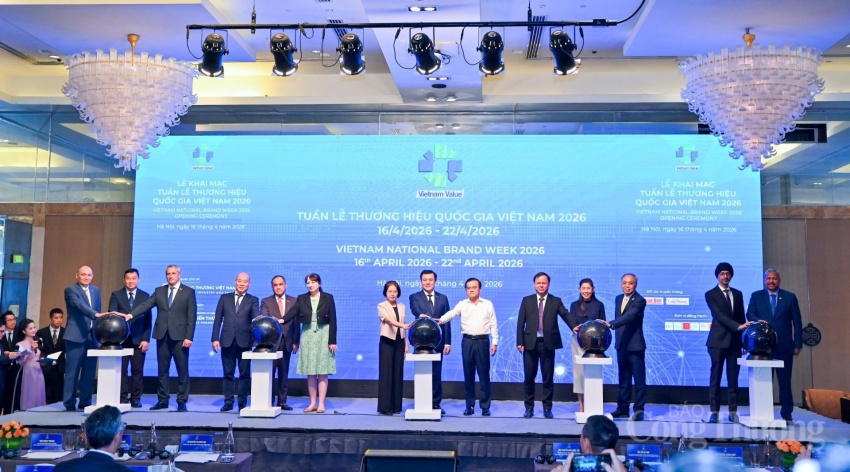
2026 National Brand Week launching ceremony

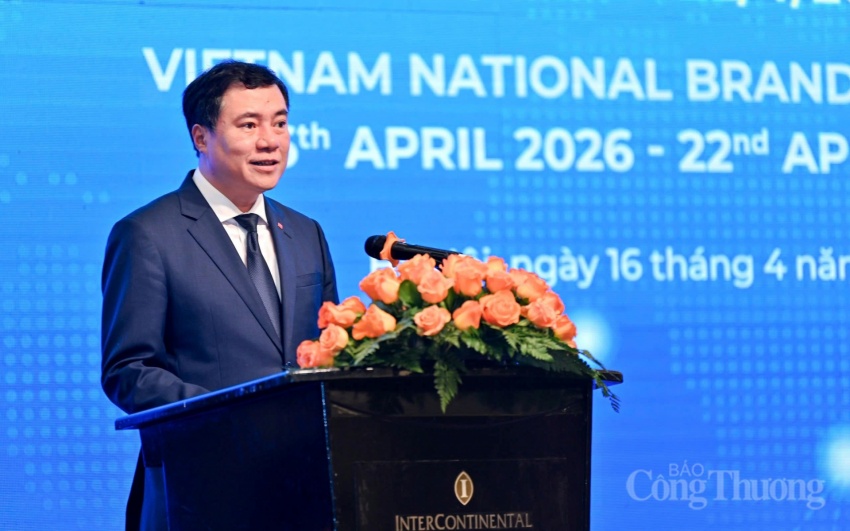
The opening ceremony took place on April 16, organised by the Ministry of Industry and Trade. Attendees included Deputy Minister of Industry and Trade Nguyen Sinh Nhat Tan, vice chairman of the Vietnam National Brand Council, along with representatives from other ministries, local authorities, trade promotion organisations, experts, businesses with recognised national brand products, and media agencies.

The event comes at a pivotal moment, as 2026 marks the first year of implementing the 2026-2030 socioeconomic development plan, with growing urgency to shift the growth model towards productivity, quality, and greater economic self-reliance.

In his opening remarks, Deputy Minister Tan stressed that the National Branding Programme should be repositioned with a broader vision, moving beyond traditional promotion and trade facilitation.

“The National Branding Programme is no longer just about image promotion or conventional trade promotion,” he said. “It must be recognised as a strategic asset that reflects Vietnam’s overall competitiveness and reputation within global value chains.”

In the context of deeper global integration, building a national brand goes beyond enhancing the image of Vietnamese-made products. It is about strengthening national credibility and elevating Vietnam’s soft power on the international stage.

Reflecting on more than two decades of the programme’s implementation, the ministry noted that the number of recognised enterprises and products has steadily increased, demonstrating continuous efforts to improve technology, enhance quality, and reinforce the position of Vietnamese businesses.

“Vietnam’s National Brand has been steadily strengthened, closely associated with the image of a dynamic, innovative, and globally integrated economy,” Tan added.

National Brand Week aims to elevate Vietnam's global competitiveness
Deputy Minister of Industry and Trade Nguyen Sinh Nhat Tan

Vietnam National Brand Week will run from April 16 to 23 nationwide, marking the 18th anniversary of Vietnam Brand Day (April 20, 2008–2026). More than a communications campaign, this year’s programme is designed as a convergence point for policy, business, and the market. Key activities include the opening ceremony, the National Brand Forum, thematic seminars, exhibitions showcasing programme achievements, and business networking events.

The National Branding Forum is the highlight, bringing together representatives from ministries, localities, international organisations, experts, and the business community to discuss brand development trends in the new context. Broad participation reflects both the programme’s growing influence and increasing awareness of branding as a driver of national competitiveness.

Deputy Minister Tan attributed past achievements to close coordination among ministries, localities, associations, and organisations, as well as the resilience, creativity, and determination of the business community.

Despite positive results, he pointed to emerging challenges as global standards become more stringent, particularly in green growth, digital transformation, and social responsibility. In this context, transforming the development model is essential to enhancing the national brand.

“Vietnam must move beyond low-value-added processing to mastering technology and branding,” Tan said, calling this a fundamental requirement for businesses seeking deeper integration into global value chains.

Looking ahead, Vietnam’s national brand should be built on quality, innovation, sustainability, and cultural identity, aligned with updated programme criteria. Key priorities include accelerating green and digital transformation as prerequisites for improving growth quality and competitiveness.

“Businesses need to adopt AI and big data in management and production, while strictly complying with environmental and sustainability standards,” he noted.

Developing structured, long-term international market strategies, effectively leveraging free trade agreements, protecting intellectual property, and promoting Vietnam’s intrinsic cultural values are critical pillars for elevating the national brand.

Reaffirming the government’s role, Tan said authorities will continue to support businesses in building and enhancing their brands. He expressed hope that the forum would provide an open platform for practical discussions and solutions, contributing to the Vietnam National Brand Strategy for 2026-2035, with a vision to 2045.

Top 10 notable events of Vietnam’s industry and trade sector in 2025 Top 10 notable events of Vietnam’s industry and trade sector in 2025

The year 2025 has been a remarkable one for the industry and trade sector, truly affirming its role as a pillar of the economy and a key contributor to the country’s impressive growth. The sector recorded the strongest results of the past five-year term and set multiple unprecedented records.

Spring Fair 2026 launches national fair series Spring Fair 2026 launches national fair series

Efforts to stimulate domestic consumption ahead of Lunar New Year are set to gain momentum with a new national trade initiative.

Vietnam launches project to boost RCEP utilisation Vietnam launches project to boost RCEP utilisation

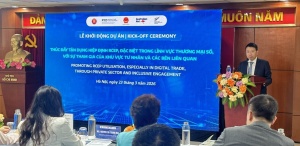
Vietnam’s Ministry of Industry and Trade, in partnership with the Regional Trade for Development initiative, on March 23 launched a project to boost utilisation of the Regional Comprehensive Economic Partnership.

Digital future for SMEs: no transformation without cybersecurity shield

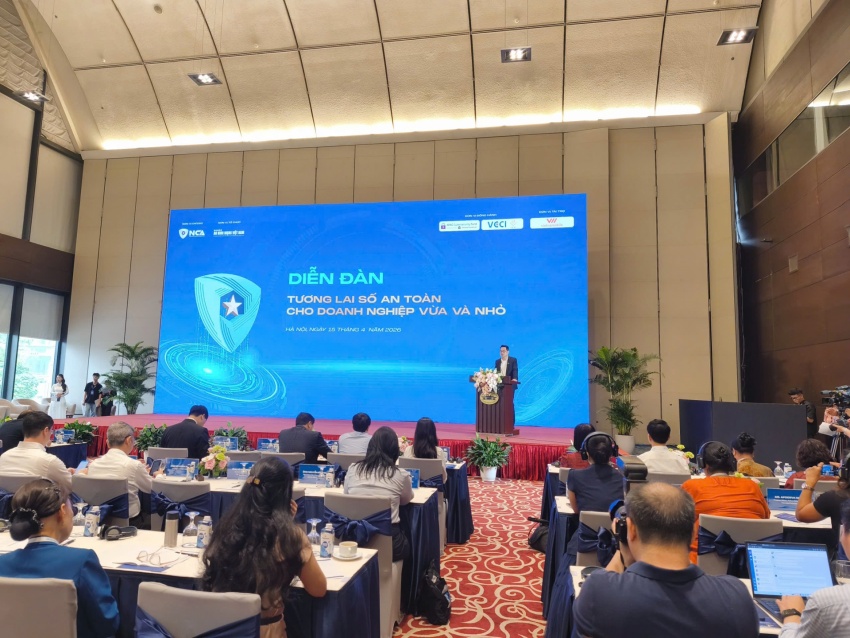
The Secure Digital Future for SMEs forum brought together around 200 representatives from government agencies, industry experts, business communities, professional associations and international partners to discuss practical solutions for strengthening digital security capacity among small- and medium-sized enterprises (SMEs).

Vu Duy Hien, deputy secretary general and chief of office at the National Cybersecurity Association, highlighted the challenges facing many SMEs as they enter the digital space with limited resources, insufficient tech talent, inadequate tools and little experience in risk response, while cyber threats continue to grow more sophisticated.

“For SMEs, incidents such as fraud, data breaches, malware or brand impersonation are not just technical issues, they can directly impact reputation, customer trust and even business survival,” he said. “Cybersecurity must be recognised as a foundational condition for effective digital transformation.”

Hien added that in an increasingly volatile digital landscape, the association aims to act as a strategic anchor for Vietnamese businesses through three key commitments: connecting resources to reduce isolation among SMEs, sharing practical knowledge and policies, and providing implementation support and rapid incident response.

Hoang Quang Phong, vice chairman of the Vietnam Chamber of Commerce and Industry, stressed that digital security is no longer optional but a prerequisite for long-term business sustainability. More importantly, he said, it should be treated not merely as a technical issue but as a matter of strategic governance, starting from leadership awareness, risk-focused corporate culture, and proactive investment in cybersecurity across the value chain.

“Businesses need to view data security management as a core capability,” Phong noted, adding that this would enable them to move forward with confidence in their digital transformation journey.

Nguyen Hong Quan, deputy director of the Department of Cybersecurity and High-Tech Crime Prevention under the Ministry of Public Security, pointed to the government’s digital transformation programme for SMEs for 2026-2030. The initiative aims to support at least 500,000 SMEs, including 300,000 adopting digital platforms and AI.

“This is a strategic step, affirming that digital transformation and cybersecurity are vital not only for businesses but for the national economy,” he said.

However, Quan warned that SMEs, despite making up the majority of enterprises, often lack resources, specialised personnel and incident response capabilities, leaving them vulnerable as the “weakest link” in the digital ecosystem. This exposes them to cyberattacks, fraud, data loss and operational disruption, with direct consequences for market credibility.

Nguyen Hoa Cuong, vice president of the Institute for Policy and Strategy Studies, noted that cybersecurity remains a major challenge due to low awareness, lack of dedicated personnel and the absence of long-term strategies. Many firms still rely heavily on third-party platforms and pursue only partial digitalisation rather than comprehensive transformation.

To address these gaps, Cuong proposed a range of solutions. At the ecosystem level, he called for the development of information portals and vendor directories, expanded skills training programmes, stronger public-private partnerships and early warning systems. At the enterprise level, he emphasised basic “cyber hygiene”, adoption of the 3-2-1 data backup rule, migration to cloud computing, use of licensed software, compliance with international standards and investment in specialised security tools.

Beyond technical discussions, the forum aimed to build a coordinated support network linking regulators, associations, experts, technology firms and international partners. This, organisers said, would help SMEs answer three fundamental questions: where they stand in terms of digital security, what assets need prioritised protection, and how to respond effectively when incidents occur.

Vietnam enhances SME ecosystem through digital and green transition training Vietnam enhances SME ecosystem through digital and green transition training

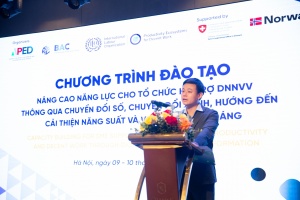
A two-day training programme aimed at strengthening support for small and medium-sized enterprises in digital and green transformation opened in Hanoi on April 9.

Small business ESG strategies unlocked Small business ESG strategies unlocked

A true sustainability ecosystem requires global endorsement, genuine green financing, and technology solutions to lower the cost of implementation for businesses.

JICA and BIDV launch $50m sustainable financing for rural MSMEs JICA and BIDV launch $50m sustainable financing for rural MSMEs

Japan International Cooperation Agency and BIDV have announced a sustainable financing facility to support rural micro, small and medium-sized enterprises in Vietnam.

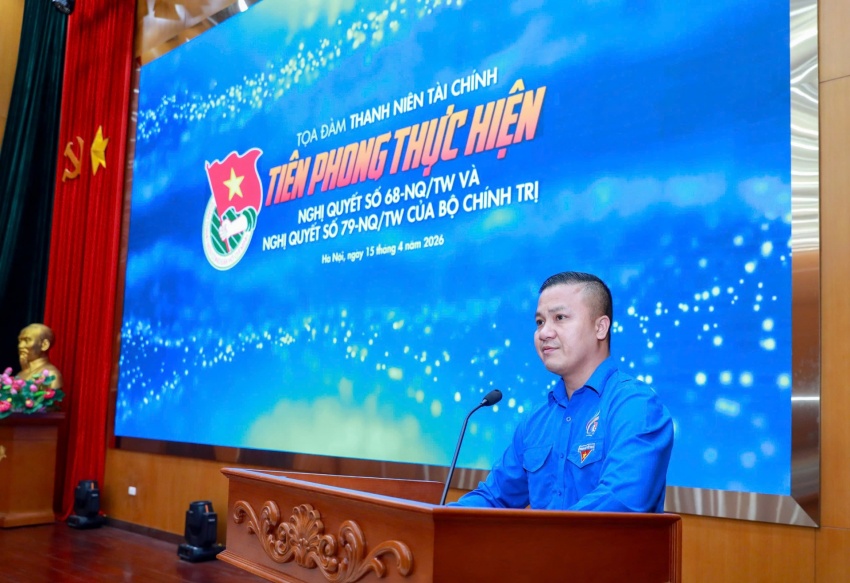
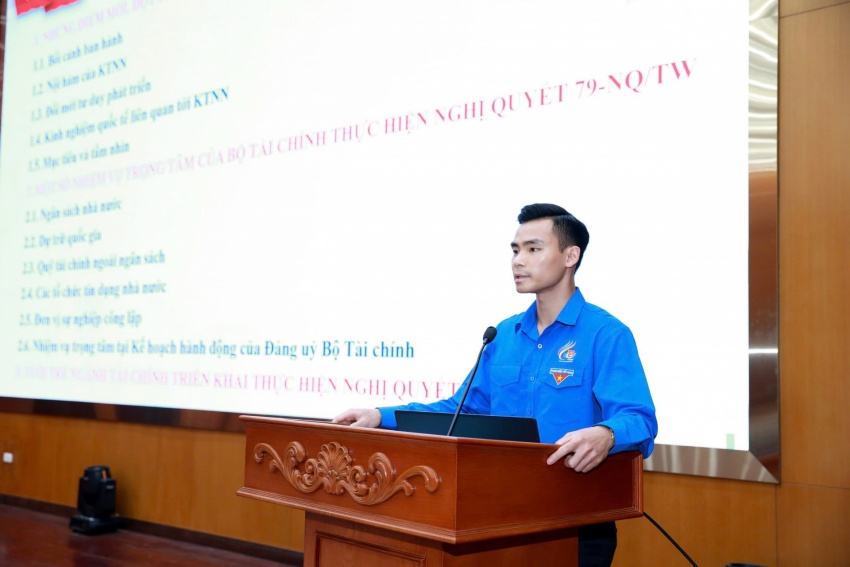
At the Ministry of Finance (MoF) headquarters in Hanoi on April 15, its Youth Union organised a seminar focusing on the implementation of Resolution No.68-NQ/TW on private sector development and Resolution No.79-NQ/TW on the state economy, while defining the specific roles of youth members across functional areas.

Le Don, secretary of the MoF Youth Union, explained that young professionals in the finance sector must uphold political responsibility, professional competence, and a strong aspiration to contribute while participating in the implementation of the Party’s major policies, thereby supporting the country’s rapid development.

“In the context of ongoing global economic volatility, Vietnam has maintained macroeconomic stability, sustained growth, and laid the groundwork for entering a new development phase, targeting high growth from 2026 throughout the 2026-2030 term. To realise this goal, the requirements extend beyond financial resources and appropriate institutions to include a workforce capable of adaptation and innovation,” said Don.

“From this perspective, finance sector youth should no longer be viewed merely as a successor generation; rather, they are expected to take the lead in renewing governance thinking, advancing administrative reform, modernising public finance, and shaping a new development environment,” he added.

Youth take the lead in driving resolutions
Le Don, secretary of the MoF Youth Union

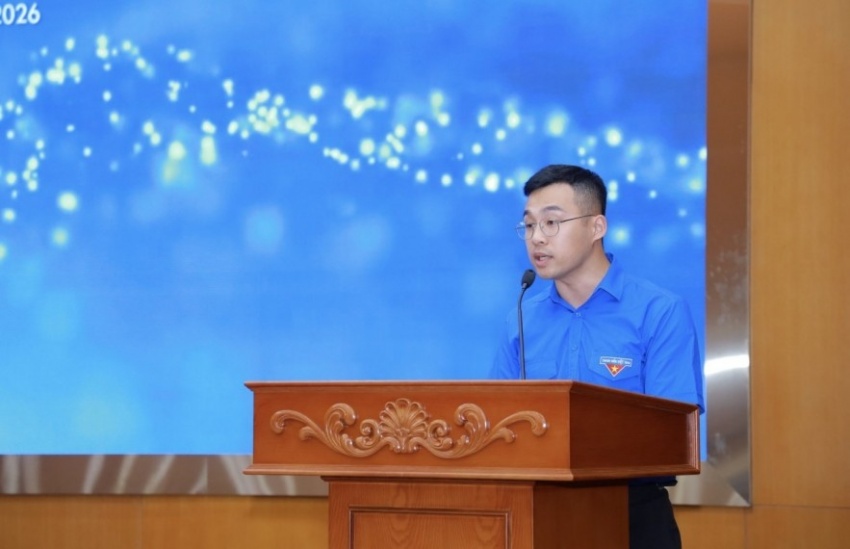
A representative of the Youth Union of the Department of Private Enterprise and Collective Economy Development, under the MoF, noted that the implementation of Resolution 68 has delivered positive results, as reflected in progress in task execution and continued improvements in the investment and business environment.

“In this process, young officials have been deeply involved in policy advisory work, enterprise support, startup ecosystem connectivity, and the development of monitoring and evaluation tools for policies,” he said. “However, the innovative startup sector still faces issues in scale, resources, and support mechanisms, requiring further institutional refinement, accelerated digital transformation, and expanded policy dialogue to create more room for growth.”

Youth take the lead in driving resolutions

Meanwhile, state-owned enterprise (SOEs) continue to be identified as a key material force, playing a crucial role in maintaining major economic balances and investing in foundational sectors. However, to meet new requirements, the sector must further strengthen governance reforms, improve operational efficiency, and enhance competitiveness.

With the goal of further boosting the role of youth in innovation and improving SOE performance, representatives of the Youth Union of SOE Development Department proposed four key tasks: to continue grasping the Party’s objectives under Resolution 79; to contribute to the development of legislation on the management and investment of state capital in enterprises; to coordinate with grassroots youth organisations in enterprises under the MoF’s representation to organise study visits and field trips; and to maximise strengths in foreign language proficiency and technology.

Youth take the lead in driving resolutions

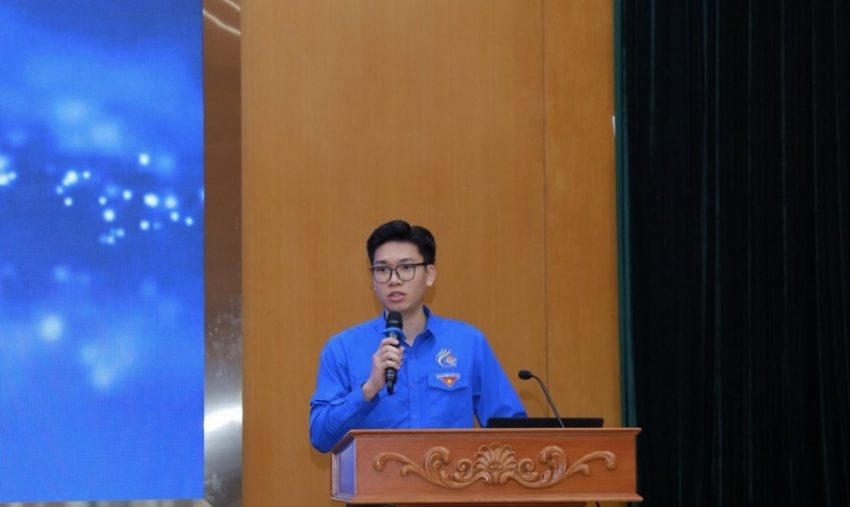
The secretary of the Youth Union of the National Institute For Economics And Finance under the MoF underscored that throughout the implementation of Resolution 79, youth members in the finance sector play a crucial role, and put forward recommendations to further enhance their contribution to innovation and SOE performance improvement.

Youth members must closely follow and strictly implement directives from the MoF Party Committee, Party leadership, and unit leadership; uphold a strong sense of responsibility and professionalism; and strive to fulfil both professional and political tasks, the representative stated.

Youth take the lead in driving resolutions

Nguyen Duc Minh, a researcher at the Private Economic Development Research Board under the Prime Minister’s Advisory Council for Administrative Procedure Reform, argued that as long-term development goals have been established, the traditional ex-ante management model should gradually transition towards data-driven and risk-based governance.

Minh also highlighted that measures such as reducing compliance costs, enhancing data connectivity, expanding regulatory sandbox mechanisms, and improving the quality of ex-post inspection should be implemented in a coordinated manner.

“In this process, finance sector youth have a clear advantage due to their ability to adopt new technologies, open mindset, and high adaptability,” he said. “With their dynamism, responsiveness to change, and strong aspiration to contribute, young professionals in the finance sector are expected to become a driving force for institutional reform, governance modernisation, and improved operational efficiency across the sector.”

MoF moves to expand farm insurance support and eligibility MoF moves to expand farm insurance support and eligibility

The Ministry of Finance has proposed sharply increasing agricultural insurance premium subsidies to up to 95 per cent and widening the pool of eligible beneficiaries to better share risks with producers, stabilise farm incomes, and strengthen climate resilience.

MoF moves to cut fuel tax amid global oil volatility MoF moves to cut fuel tax amid global oil volatility

The Ministry of Finance has proposed halving environmental protection tax on petrol and diesel to ease cost pressures amid volatile global oil prices.

MoF proposes 20 per cent tax on unlisted securities transfers MoF proposes 20 per cent tax on unlisted securities transfers

The Ministry of Finance (MoF) has proposed a 20 per cent tax on income derived from capital transfers, including transactions involving unlisted securities.

Telling the Vietnam story: Culture and identity emerging as the core of national branding strategy

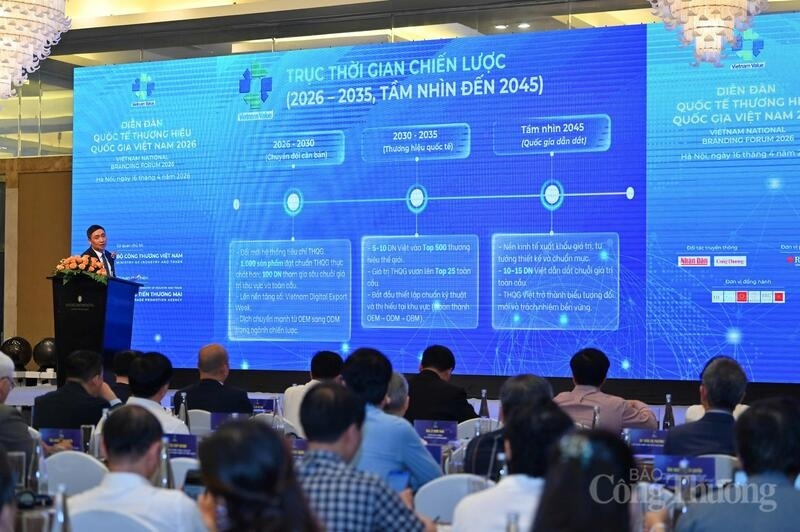
The 2026 Vietnam National Branding Forum, held in Hanoi on April 16, offered a comprehensive overview of the country’s branding journey while identifying key impediments and strategic directions towards 2035, with a vision to 2045.

Speaking at the forum, Hoang Minh Chien, deputy director general of the Trade Promotion Agency under the Ministry of Industry and Trade, noted that after more than two decades of implementation, the Vietnam National Brand Programme has achieved significant progress in both scale and standing.

“In 2003, there were only 30 participating firms, but that number has now risen to 190. This is a remarkable leap, reflecting the growing maturity of Vietnam’s business community,” he said.

According to Chien, the value of Vietnam’s national brand has also seen strong growth. Numerous Vietnamese companies have begun to establish a presence on the global brand map. Banks such as Vietcombank, BIDV and VietinBank have entered the world’s top 500 most valuable banking brands; Vinamilk ranks among the top 50 global dairy brands; and Viettel has emerged as a top telecommunications group in Southeast Asia.

However, he also pointed to a notable paradox – while the number of recognised national brand products has increased rapidly, their overall quality and value have yet to keep pace. The combined value of Vietnam’s top 100 corporate brands stood at approximately $38.4 billion in 2025, even declining by 14 per cent on-year.

This reflects a broader structural issue, with Vietnam still largely positioned in lower-value segments of global supply chains, focusing on original equipment manufacturing, while capabilities in original design manufacturing and own brand manufacturing remain limited.

Entering a new phase of development, Chien stressed that the national brand can no longer serve merely as an external ‘showcase’, but must become a substantive driver of national competitiveness. “This shift is particularly urgent as Vietnam targets developed, high-income status by 2045,” he said.

“A strong brand cannot rely indefinitely on natural resources or low-cost labour. It must be built on knowledge, technology, and cultural identity,” Chien added.

A key policy development is the launch of the ‘Go Global’ initiative for 2026-2030 under Decision 626/QD-TTg, marking a fundamental shift from providing support to actively accompanying businesses and sharing risks.

The programme sets concrete targets, including training 10,000 enterprises, supporting 1,000 companies in developing internationalisation strategies, and assisting 100 firms in overseas investment and deeper participation in global value chains.

“Our goal is that every Vietnamese product entering international markets carries a story – one that reflects quality, identity, and value,” Chien added.

To achieve this, the implementation roadmap will be divided into phases. Starting in 2026, efforts will focus on strengthening inter-agency coordination, reforming programme delivery, and refining the national brand identity system.

Between 2027 and 2030, priorities will include supporting sector-based brand development, promoting high-value-added products, and accelerating the digitalisation of trade promotion activities. Beyond 2030, the focus will shift towards elevating and firmly establishing Vietnam’s brand position globally.

Telling the Vietnam story: Culture and identity emerging as the core of national branding strategy
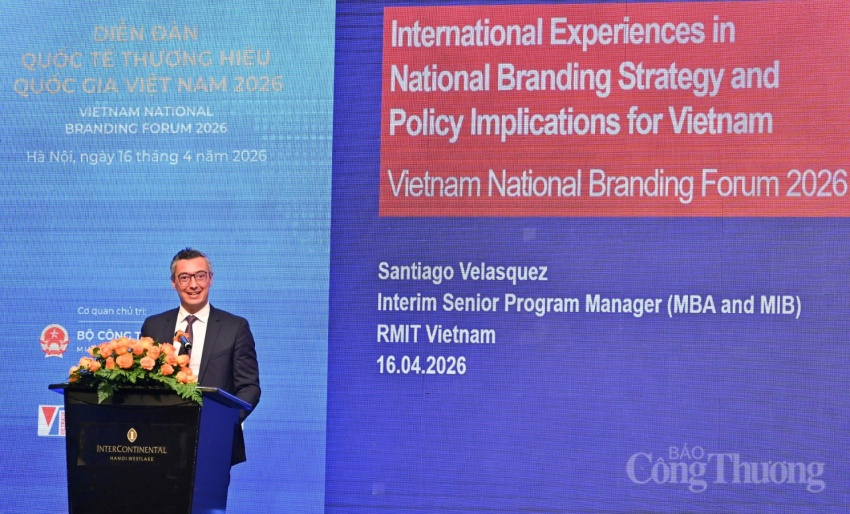
Santiago Velasquez

From an international academic perspective, Santiago Velasquez, interim senior programme manager at RMIT University Vietnam, observed that global awareness of Vietnam has improved significantly in recent years. “Where Vietnam was once relatively unknown, its products and culture are now increasingly visible in everyday consumption across many countries. This indicates that the national brand is becoming more recognisable,” he said.

However, he cautioned that moving from recognition to trust remains a major challenge, requiring a more systematic and consistent approach to national brand building.

Velasquez referred to the ‘nation brand hexagon’ model, which identifies six pillars shaping a country’s reputation: exports, governance, tourism, investment, people and culture. These elements are closely interconnected, and weaknesses in one can undermine the others.

The challenge, he argued, is not to excel simultaneously across all pillars, but to identify and prioritise key strengths. “A country cannot focus on everything at once. It must choose core pillars to invest in. Once one pillar becomes strong enough, it creates a spillover effect, enhancing the others and shaping overall perception,” he explained.

In practice, successful countries tend to adopt clear positioning strategies: Germany is associated with manufacturing quality, Singapore with governance excellence, and Estonia with digital innovation. A focused approach helps build a consistent and recognisable identity.

Among these pillars, culture plays a particularly important role in amplifying national brand strength, especially in building trust. “When a country is recognised through its culture, consumers develop familiarity and emotional connection. This becomes the foundation for trust in its products, services and business environment,” Velasquez noted.

He cited South Korea’s transformation following the 1997 Asian financial crisis as a case in point. By integrating culture into its development strategy, the country generated powerful spillover effects across exports, tourism and investment. As the national brand strengthened, scepticism towards product origin declined, enabling businesses to access global markets more effectively.

“The story of a national brand is not about how a country is perceived at a given moment, but about the standards it consistently upholds over time,” he said.

In an era of deeper integration, where competition extends beyond price to include quality, reputation, and value-addition, the national brand cannot be separated from enterprise capability and overall economic performance. “This is both a challenge and an opportunity for Vietnam to reshape its branding approach towards greater substance and sustainability,” he added.

Telling the Vietnam story: Culture and identity emerging as the core of national branding strategy
Dinh Hong Ky

Dinh Hong Ky, chairman of Secoin, shared practical insights drawn from 37 years of operation and 12 consecutive years of achieving National Brand recognition. “Branding is not just about the product itself, but how it is understood, perceived and remembered,” he said.

He argued that Vietnamese companies do not lack quality products, but rather the ability to tell compelling and meaningful brand stories. As a result, the national brand does not yet fully reflect the country’s true production capabilities.

Businesses are also facing multiple challenges, including institutional barriers, high compliance costs, and difficulties in accessing land and investment opportunities. At the same time, increasingly stringent international standards, particularly “green barriers” such as environmental, social, and governance requirements, carbon footprint measurement, and traceability, are placing growing pressure on firms.

“Sustainability and supply chain transparency are no longer optional; they have become mandatory. What was once compliance is now a competitive advantage,” Ky noted.

In this context, green transformation is no longer a matter of awareness, but a matter of survival for companies participating in global supply chains. Vietnam’s commitment to net-zero emissions by 2050 is accelerating the need for deeper and faster change.

At the same time, building brands in overseas markets remains a weak point. Many Vietnamese companies still rely heavily on intermediaries, lack structured branding strategies, and operate without a strong support ecosystem.

Drawing from Secoin’s journey, Ky highlighted a core philosophy: Vietnamese firms do not need to become ‘giants’ to compete globally, but must instead identify and leverage their unique identity. “We are not a billion-dollar company, we compete through identity,” he said.

A strong international brand is built on five key elements: product quality, uniqueness, authenticity, design and environmental responsibility. Among these, authenticity goes beyond origin to encompass cultural, historical and traditional narratives conveyed in a compelling way.

Ky suggested that government support should extend beyond production to include design and branding. Industry associations should play a stronger role in connecting stakeholders and standardising sectoral benchmarks, while a more integrated ecosystem linking designers, businesses and markets is needed.

“The combination of cultural identity, business appeal and a commitment to innovation is driving Vietnam’s growing influence in international markets,” he concluded.