Seminar marks 40 years of doi moi with call for private sector reform

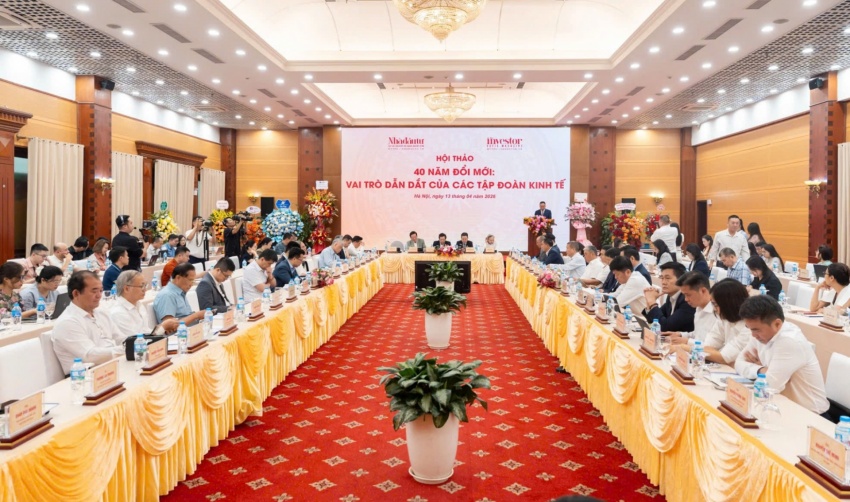
On April 13, more than 100 representatives from central ministries, business associations, economists, financial and legal experts, commercial banks, and major corporations gathered for the event in Hanoi.

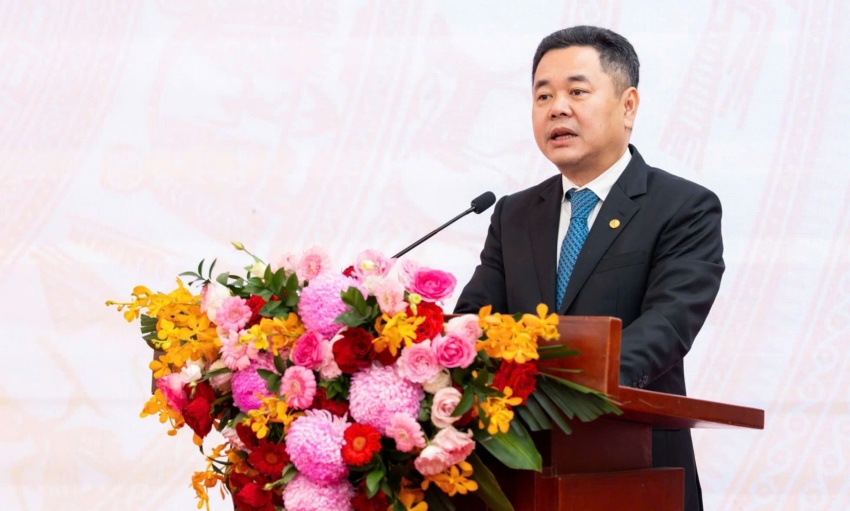
Opening the discussion, Nguyen Duc Hien, Deputy Head of the Party Central Committee’s Commission for Policy and Strategy, revealed that a comprehensive proposal to reform Vietnam’s development model – anchored in sci-tech and digital transformation – will be submitted to the Politburo at the upcoming Third Plenum of the Central Committee, scheduled for late June to early July.

He underscored the central role of the private sector in this transition. “The private economic sector is one of the most important growth drivers, contributing around half of GDP and generating a large share of employment,” he noted. However, the sector remains fragmented, with more than one million registered enterprises – mostly small and medium-sized – alongside approximately five million household businesses.

Despite a clear policy ambition to build strong private conglomerates, progress has been slower than expected. “We have spent nearly three years trying to realise this goal, but tangible results remain limited,” Hien added. A key mechanism – where the state commissions private enterprises to undertake major national strategic tasks – has been introduced but is being implemented slowly.
Seminar marks 40 years of doi moi with call for private sector reform
Nguyen Ngoc Canh, Deputy Governor of the State Bank of Vietnam

From the banking sector’s perspective, Nguyen Ngoc Canh, Deputy Governor of the State Bank of Vietnam, reflected on the transformative journey of the past four decades. “It is impossible to speak of doi moi without recognising the locomotive role of economic groups,” he said. Whether state-owned enterprises or private corporations, these entities have consistently formed the backbone of the economy.

They have contributed significantly to GDP and state budget revenues, while creating millions of jobs and delivering key national infrastructure and industrial projects. At the same time, they have helped elevate Vietnamese brands in manufacturing, services, and trade to the international stage, strengthening the country’s economic self-reliance.

The banking system, Canh explained, has evolved in tandem with this growth. “The continuous improvement of the legal framework governing monetary policy, credit, and banking operations has enabled credit institutions to channel substantial capital into the economy,” he said, highlighting the sector’s role in supporting production, business expansion, and overall economic growth.

By the end of 2025, total outstanding credit reached approximately VND18.6 quadrillion ($740 billion), up over 19 per cent on-year, equivalent to 144 per cent of GDP. Domestic enterprises accounted for roughly 48 per cent of total credit, while large corporations and state-owned groups comprised about 7 per cent. Banks have also accelerated the adoption of digital technologies, developing modern payment services that improve access to finance.

These achievements, he argued, demonstrate that the rapid development of Vietnam’s banking system is not just a source of financial resources for businesses but also a key driver of enterprise growth in its own right.

Providing a broader business perspective, Dau Anh Tuan, deputy secretary general of the Vietnam Chamber of Commerce and Industry, highlighted both the progress and the paradoxes of the private sector.

Vietnam now has over one million formally operating enterprises and around five million household businesses. The private sector contributes approximately half of GDP and generates the majority of jobs. Several private conglomerates have secured strong positions domestically and begun expanding regionally and globally. Resolution No.68-NQ/TW of the Politburo in 2025 identifies the private sector as “one of the most important drivers” and a “pioneering force” in the country’s industrialisation and modernisation.

Notable achievements are evident across sectors. In manufacturing, THACO has built a large automotive and mechanical production ecosystem, while VinFast has emerged as Vietnam’s first electric vehicle producer, listed on Nasdaq and expanding into international markets. Hoa Phat has grown into one of Southeast Asia’s leading steelmakers.

In technology, FPT has become a regional leader, investing heavily in digital transformation, AI, and semiconductors. In consumer goods, Vinamilk and Masan have built competitive regional brands. Meanwhile, Vingroup, Sun Group, and BRG Group have made large-scale investments in infrastructure and real estate, reshaping the economic landscape of multiple regions.

However, Tuan pointed to persistent structural challenges. “The private sector is large but not yet strong; dynamic but not yet deep; significant in contribution but still modest in global value chains,” he observed. Nearly 97 per cent of private enterprises are small and medium-sized, many employing fewer than 10 workers – a limited scale that constrains investment in technology and innovation.

The sector also faces imbalances, with a large share of revenue concentrated in finance and real estate, while manufacturing remains underdeveloped. Linkages to global value chains have weakened, labour productivity lags that of state-owned and foreign-invested enterprises, and investment in research and development remains modest. Many firms continue to operate under family-based models with limited transparency and professional governance.

Seminar marks 40 years of doi moi with call for private sector reform

Le Khac Hiep, vice chairman of Vingroup, shared insights into the development of Vietnam’s automotive industry, a sector often seen as a litmus test for industrial capability.

According to Hiep, Vietnam’s auto industry was largely confined to assembly for many years, characterised by low localisation rates and heavy dependence on external supply chains. Domestic firms struggled to participate deeply due to constraints in technology, capital, and market scale. The industry remained structurally incomplete, with consumption demand but limited supporting industries to generate sustainable value.

The emergence of VinFast marked a significant turning point. Rather than following the traditional assembly path, the company invested from the outset in a highly automated manufacturing complex, encompassing research and development, stamping, welding, painting, engine production, and the gradual mastery of core technologies. This approach laid the foundation for a shift from “dependent manufacturing” to “self-reliant production.”

“More importantly, VinFast positioned itself not as a standalone entity but as a central node within a broader production network, connecting and leading a system of suppliers,” said Hiep. “This strategy has begun to restructure Vietnam’s automotive industry towards a more integrated domestic value chain.”

By 2025, the localisation rate for electric vehicles had reached approximately 60 per cent, with a target of 80 per cent once battery cell production is established domestically in 2026. Mastery of core technologies allows firms to better control value chains, reduce external dependence, and create opportunities for domestic enterprises to participate more deeply.

VinFast’s impact on supporting industries is particularly evident in improving market certainty. Through long-term, large-scale partnerships, VinFast has provided that assurance. With predictable orders, suppliers can confidently invest in machinery, upgrade technology, and expand production, conditions essential for building genuine industrial capacity.

At the same time, participation in VinFast’s global-oriented supply chain requires suppliers to upgrade technical standards, quality management, and sustainability practices. This process helps them meet VinFast’s requirements while enhancing their competitiveness in other international value chains.

Production hubs such as those in Haiphong and Ha Tinh have become new growth poles, attracting labour, capital, and infrastructure investment. On a broader scale, VinFast’s entry into global markets is bringing international standards into domestic supply chains, creating positive pressure for Vietnamese enterprises to upgrade and integrate more deeply into the global economy.

With an expanding market, a clear localisation strategy, and a leading role within its ecosystem, VinFast is contributing to the formation of deeper economic linkages, helping lay the groundwork for Vietnam to gradually position itself more firmly within global value chains.
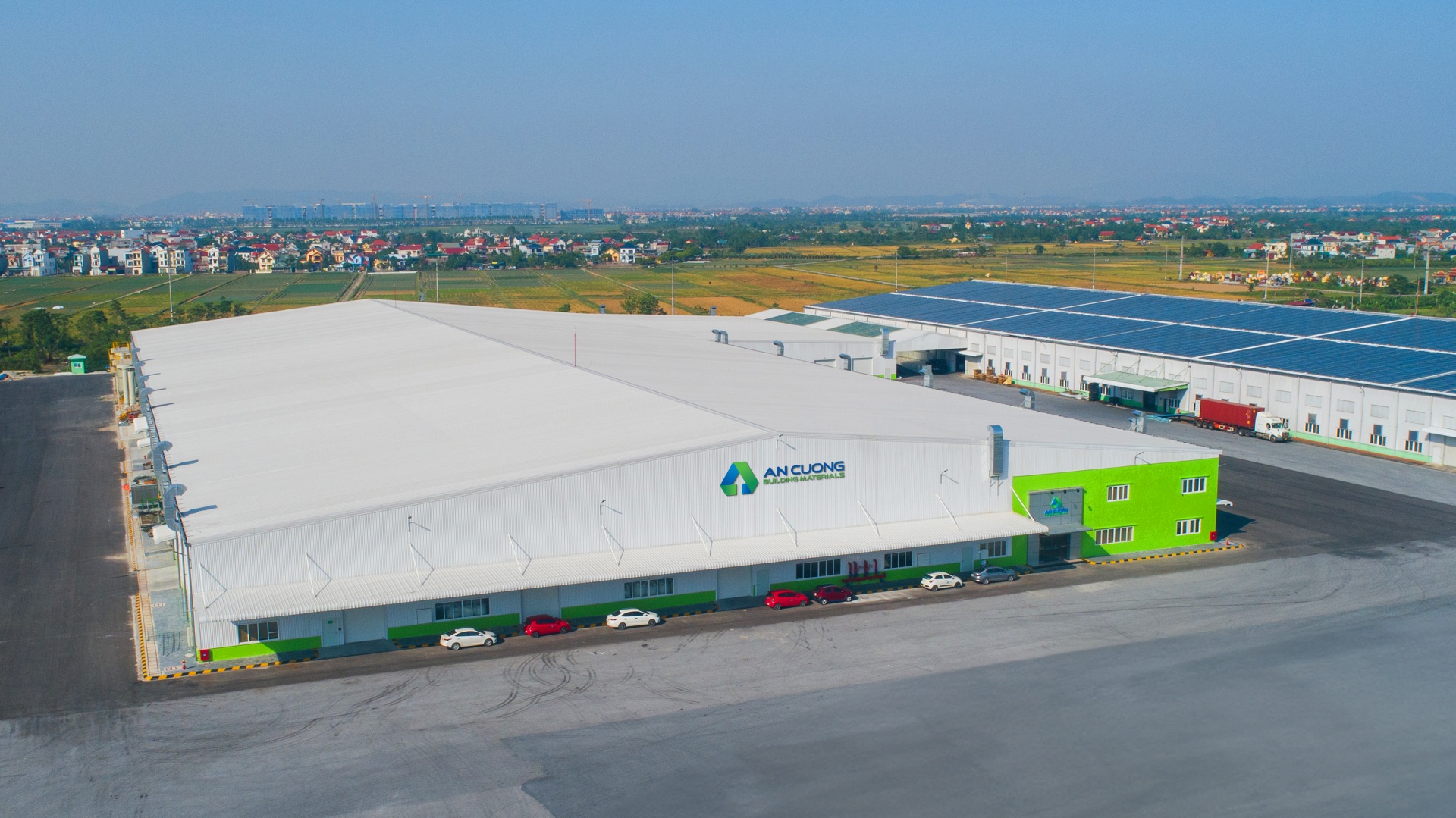

As interior finishing materials shift towards more durable, stable products suited to hot and humid climates, AnPro is positioned as a next-generation materials brand developed by An Cuong Building Materials – a member company of An Phat Holdings, a local major specialising in producing advanced plastics and environmentally friendly materials.

AnPro in interior materials high-tech push
An Cuong’s new factory is expected to help the company expand scale and elevate production capacity

Established in 2018, An Cuong focuses on researching and manufacturing architectural plastic materials, with a vision to build integrated interior finishing solutions applicable across residential housing, hotels, commercial centres, offices, schools, and hospitals.

Among these, AnPro serves as the flagship product brand, reflecting An Phat Holdings’ strategic expansion from engineering plastics into high-tech interior materials.

The establishment of An Cuong not only adds a new business line but also reflects An Phat Holdings’ broader strategy to extend its value chain – leveraging its existing strengths in engineering plastics and environmentally friendly materials.

An Cuong is developed rooted on a foundation of advanced European technologies, focusing on architectural plastic product groups such as stone plastic SPC flooring click-lock system, LVT glue down, interior wall panels, decorative moldings, and ceilings.

These products are designed to meet increasingly stringent construction standards, particularly in moisture resistance, material stability, and flexible application.

AnPro in interior materials high-tech push
AnPro’s SPC flooring on a modern production line

In terms of manufacturing capacity, An Cuong operates two factories in Haiphong, covering a total area of approximately 50,000 square metres, with an annual capacity of around 12.5 million sq.m of products. This scale enables An Cuong to maintain control from material research to mass production, ensuring consistent product quality – a critical factor in the finishing materials industry.

AnPro is developed as a comprehensive interior finishing solution system that can be applied across a wide range of projects, including apartments, villas, hotels, resorts, schools, hospitals, and commercial centres. From there, AnPro allows An Phat Holdings not only to participate in individual categories, but also to serve as a comprehensive supplier for diverse interior spaces.

A new era of high-tech materials

One of the key factors positioning AnPro in the high-tech interior materials segment lies in its quality standards system and the ability to access international markets.

AnPro products have been exported to diverse markets such as the United States, Canada, Australia, and European countries, demonstrating compliance with stringent technical requirements in regions known for high standards in finishing materials.

In the plastic flooring segment, the company has secured notable certifications such as FloorScore, CE, REACH, ISO9001, and ISO14001, along with testings related to stability, surface durability, and user health safety. These standards are typically considered essential conditions for interior materials to make forays into developed markets, where safety and environmental factors are prioritised.

AnPro in interior materials high-tech push
Wall and ceiling panels applied at Flamingo Cat Ba

The combination of domestic manufacturing capabilities with international standards highlights AnPro’s direction beyond the local market. Instead, the company aims to develop a line-up of materials capable of competing across multiple regions – from residential housing to large-scale commercial projects – in a modern and intelligent manner.

Representative projects reflecting the brand’s vision include Flamingo Cat Ba commercial complex in Haiphong, White Palace Pham Van Dong Convention and Exhibition Centre in Ho Chi Minh City, the 4-star Le More Hotel and Regalia Gold Hotel in Nha Trang, as well as residential developments such as villas in the Gia Lam area of Hanoi.

In addition, AnPro materials have been used at the BRG tower, also in Hanoi, and the office complex of Long Son Petrochemical Complex in Vung Tau in the south.

An Phat Holdings broke ground on Southeast Asia's largest green materials factory An Phat Holdings broke ground on Southeast Asia’s largest green materials factory

An Phat Holdings has organised the ground-breaking ceremony for the PBAT Compostable Resin Plant, which is the largest of its kind in Southeast Asia.

An Phat Holdings' bio-plastic materials to be distributed throughout North America An Phat Holdings’ bio-plastic materials to be distributed throughout North America

Through AFC Ecoplastics, a new member of the group based in Texas, An Phat Holdings teamed up with Nexeo Plastics – a leading plastic resin distributor – to bring biodegradable plastic materials to the US, Canada, and Mexico.

An Phat 5 Industrial Park targets ESG-driven investors in Hai Phong An Phat 5 Industrial Park targets ESG-driven investors in Hai Phong

An Phat 5 Industrial Park (AP5IP) has emerged as a new industrial development in Hai Phong, positioning itself to attract overseas investors in sustainable and high-tech manufacturing.

The unnamed Cambodian national was diagnosed with a lesion in the upper lobe of her left lung, identified as a pulmonary mycosis. For six months, she persistently pursued a maximum-dose antifungal regimen at major hospitals in Cambodia, and even through treatment in Thailand.

The tumour, however, did not shrink. More dangerously, the patient occasionally coughed up blood. She then went to Vietnam and chose FV Hospital. Dr. Luong Ngoc Trung, head of Thoracic, Vascular and Endovascular Surgery, commented that the patient’s condition was like a “ticking time bomb”.

Robotic surgery treats high-risk pulmonary mycosis
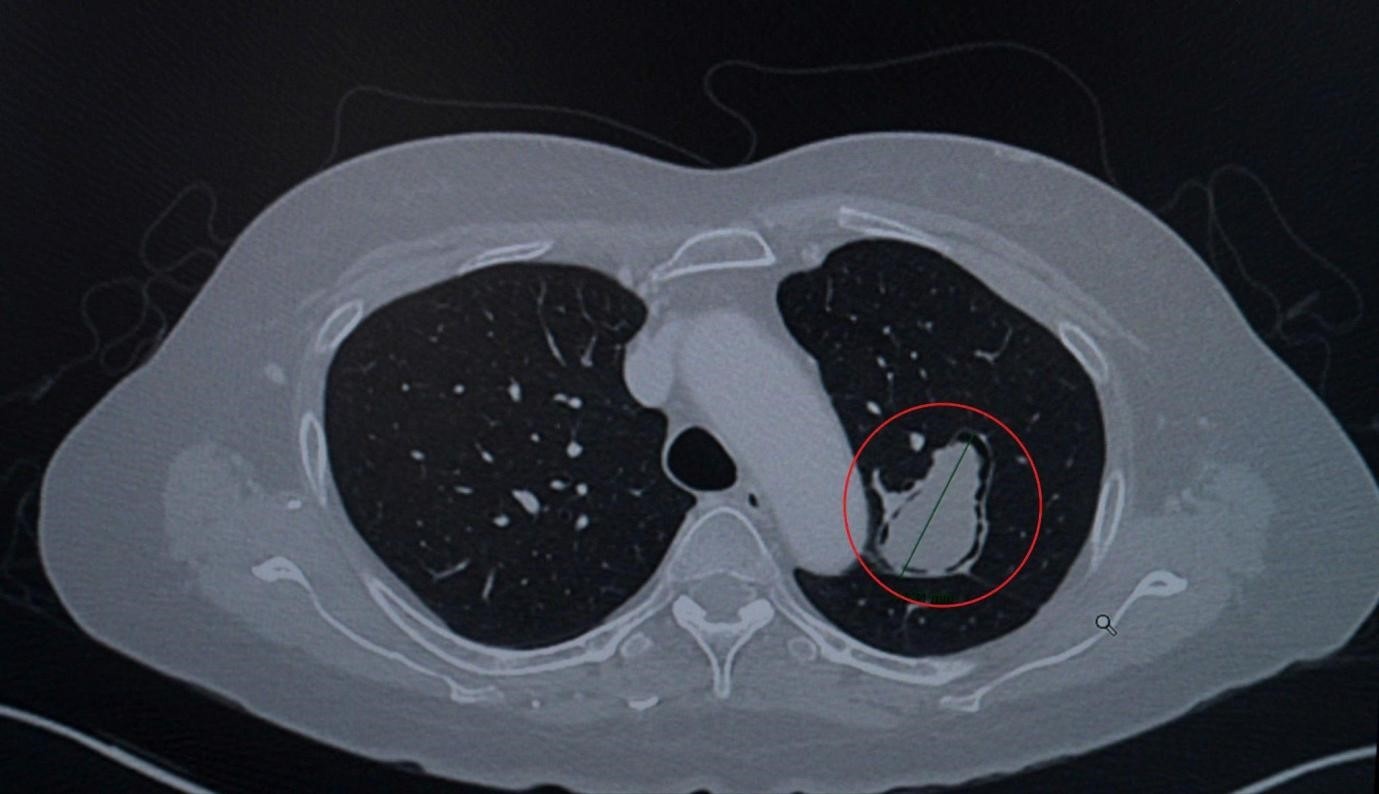
A pulmonary fungal mass (circled in red) located in the upper lobe of the left lung, adjacent to the airway and thoracic aorta, measuring over 4cm in diameter. Photo: FV

The lesion, measuring up to 4.6cm, was situated close to critical structures, posing a risk of vascular invasion or rupture into the airway. This could lead to sudden, life-threatening massive hemoptysis, a complication that may result in rapid death if not promptly managed.

Prolonged use of corticosteroids had caused the patient to develop complications such as myasthenia gravis. Meanwhile, long-term antifungal therapy may also impair liver and kidney function, further weakening the patient’s overall condition.

Robotic surgery

Faced with this urgent situation, doctors at FV Hospital decided to perform a lobectomy to completely remove the affected lung segment. Instead of conventional thoracoscopic surgery, the surgical team chose the da Vinci Xi robotic system to ensure maximum precision and safety.

Robotic surgery treats high-risk pulmonary mycosis
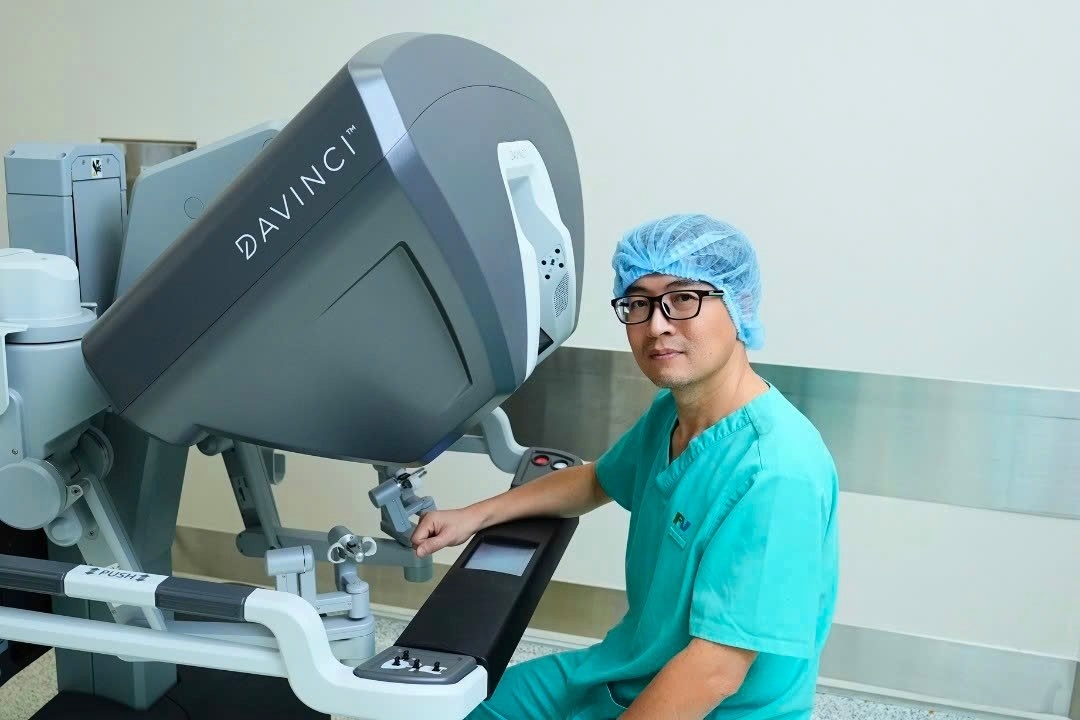
Dr. Luong Ngoc Trung controls the da Vinci Xi robotic surgical system. Photo: FV

Dr. Trung said, “The robotic system enables gentle, flexible, and highly precise manipulation even in deep and narrow areas of the thoracic cavity, where critical structures such as major blood vessels and airways are located. This allows surgeons to handle complex procedures more accurately and safely.”

During the operation, surgeons controlled small robotic arms that manoeuvre within confined spaces, thereby minimising invasiveness and reducing postoperative pain.

In particular, for lesions located close to the airway as in this case, robotic assistance allows better control of surgical movements, facilitates the dissection of adhesions caused by prolonged inflammation, and minimises the risk of intraoperative rupture of the fungal mass.

The surgery lasted approximately 140 minutes and focused on completely removing the portion of the lung containing the fungal tumour, the core objective being to eliminate the source of the disease. After the surgery, the patient recovered quickly and was discharged from the hospital after only three days.

During the most recent follow-up visit, the patient’s health improved significantly. Notably, she can completely discontinue antifungal medication after prolonged use, while continuing to be monitored and treated for comorbidities such as Cushing’s syndrome and myasthenia gravis with an endocrinologist.

Robotic surgery treats high-risk pulmonary mycosis
The surgical team at FV Hospital performed robotic lobectomy to treat pulmonary mycosis. Photo: FV

Pulmonary fungal infections can lead to serious complications, particularly sudden massive hemoptysis that can be life-threatening.

Doctors recommend that patients with persistent cough, hemoptysis, or poor response to antifungal therapy undergo thorough evaluation for timely intervention. Proper coordination between medical and surgical treatment plays a critical role in treatment effectiveness and long-term prognosis.

According to Dr. Trung, antifungal medication remains the mandatory first-line treatment for pulmonary mycosis, even when surgery is indicated. However, in cases where there is no response after intensive treatment – especially when the lesion is large and located near critical structures – surgical intervention becomes necessary for definitive treatment.

In such situations, robotic surgery enhances precision, improves safety during intervention, shortens recovery time, and helps reduce hospitalisation duration and associated costs.

Robotic surgery is currently applied at FV Hospital across multiple specialities, including general surgery, urology, thoracic surgery, gynecology, and oncology, and will continue to expand in the future. This contributes to improving treatment quality while minimising invasiveness for patients.

To successfully implement advanced robotic systems, FV Hospital is supported by a team of highly experienced specialists who are thoroughly trained in robotic surgery. All procedures are performed in operating rooms that strictly comply with international JCI standards, ensuring a sterile environment and minimising the risk of infection and complications.

To help patients make use of such advanced technology, FV Hospital is offering a discount of VND40 million ($1,600) for the first 50 da Vinci Xi robotic surgeries from now until June 15, 2026. For more information, please visit FV Hospital at 6 Nguyen Luong Bang street, Tan My ward, Ho Chi Minh City, or call (028) 3511 3333.

Robotic surgery proves effective for complex thoracic case at FV Hospital Robotic surgery proves effective for complex thoracic case at FV Hospital

Doctors at FV Hospital have used the da Vinci Xi robotic system to successfully remove a large esophageal tumour from a patient while preserving the oesophagus, demonstrating the growing role of robotic surgery in treating complex thoracic conditions.

Robotic surgery advances women's health at FV Hospital Robotic surgery advances women’s health at FV Hospital

A French obstetrician and gynaecologist with more than three decades of experience is applying robotic surgery at FV Hospital to enhance precision, fertility preservation, and recovery outcomes for women.

FV doctors use cutting-edge system to remove complex fibroids FV doctors use cutting-edge system to remove complex fibroids

A 52-year-old patient with multiple large fibroids was treated using the da Vinci Xi robotic surgery at FV Hospital – eliminating the pathology and preserving the uterus.

First-quarter growth hits record high despite global volatility

According to Dragon Capital, Vietnam’s growth momentum strengthened in March following Lunar New Year normalisation, reinforcing confidence that the expansion remained firmly intact through the first quarter of 2026. GDP grew 7.8 per cent on-year in the first quarter, with industry and construction rising 8.9 per cent and services 8.2 per cent, highlighting that growth is not solely reliant on exports and manufacturing, but is increasingly supported by services and domestic demand.

The confirmation of Vietnam’s leadership structure reinforces political stability and policy continuity, providing investors with clearer economic visibility over the next five-year government cycle. Nonetheless, global markets turned more volatile following the escalating Iran conflict in early March, shaping near-term sentiment despite Vietnam’s stable macro fundamentals, placing downward pressure on the VN-Index.

Industrial activity remained a key pillar. The Index of Industrial Production (IIP) increased 9 per cent on-year in the first quarter, with manufacturing expanding 9.7 per cent and driving the majority of growth. March recorded a strong rebound, with IIP rising 18.8 per cent from a month ago and 6.9 per cent on-year.

Business conditions remained expansionary, with Purchasing Managers’ Index moderating to 51.2 from 54.3 in February, reflecting normalisation from a high base rather than weaker demand. Expansion remained broad-based across sectors, including metals (up 22.9 per cent), non-metallic minerals (up 19.7 per cent), chemicals (up 18.2 per cent).

Domestic demand remained firm. Retail sales and services revenue rose 12.1 per cent on-year in March and 10.9 per cent in the first quarter, reaching approximately $72.3 billion. Accommodation and food services increased 13.3 per cent on-year, while tourism-related services grew 12.5 per cent, supported by seasonal demand and continued recovery in travel activity.

This trend supports earnings visibility for consumer-facing sectors, which have become an increasingly important driver of market performance in recent years, and reinforces consumption as a stable and increasingly important support to economic expansion.

Dragon Capital noted that investment and external activity continued to underpin expansion. Goods exports rose 19.1 per cent on-year in the first quarter, while imports increased 27 per cent, reflecting strong trade demand. Business formation remained active, with over 57,000 new enterprises (up 57.8 per cent on-year) and registered capital of approximately $20.5 billion. Including firms restarting operations, total active additions reached around 96,000 (up 31.7 per cent), highlighting continued private-sector dynamism.

The consumer price index rose 4.6 per cent on-year in March, the highest March reading in five years, bringing the first quarter average inflation to 3.5 per cent on-year, driven mainly by higher fuel prices amid US-Iran tensions. However, both remain within the government’s 4.5–5.0 per cent target, preserving policy flexibility to absorb external shocks.

In addition, equity markets turned more volatile in March, entering a corrective phase after the strong rally earlier in the year. The VN-Index declined 11.9 per cent on-month in total return USD terms as global markets priced in geopolitical tensions. The correction was sector-agnostic, suggesting a broad derisking rather than specific weakness.

Average daily trading value remained resilient at around $1.3 billion, supported by domestic participation, while foreign flows remained intermittent. By month-end, the VN-Index stabilised from its lows, suggesting the adjustment was driven primarily by external factors rather than any change in domestic fundamentals.

World Bank forecasts Vietnam GDP growth of 6.3 per cent World Bank forecasts Vietnam GDP growth of 6.3 per cent

The World Bank Group’s April 8 EAP Economic Update forecasts Vietnam is expected to grow by 6.3 per cent in 2026, supported by strong public and private investment, and sustained FDI inflows.

Vietnam’s growth resilient amid global challenges Vietnam’s growth resilient amid global challenges

Vietnam’s economy is forecast to grow by 7.2 per cent in 2026 and 7 per cent in 2027, from 8 per cent in 2025, despite rising external risks amid heightened global uncertainty, according to a new report released today by the Asian Development Bank on April 10.

Vietnam GDP projected to grow 7.4 per cent in 2026 Vietnam GDP projected to grow 7.4 per cent in 2026

The ASEAN+3 Macroeconomic Research Office on April 6 released its annual flagship report, the ASEAN+3 Regional Economic Outlook 2026, projecting Vietnam’s GDP growth of 7.4 per cent in 2026.

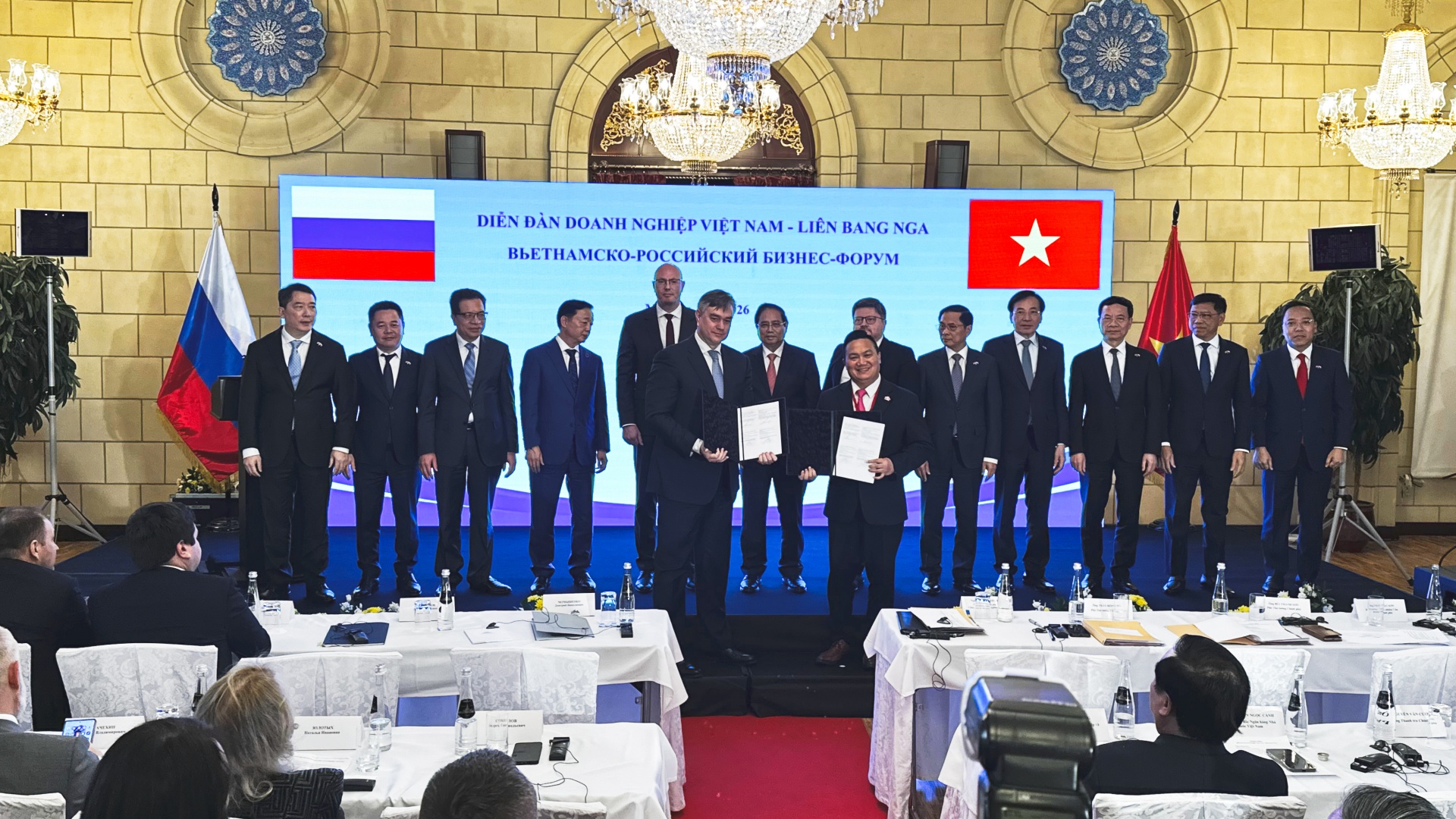
Delo Group, VIMC sign deal to develop Russia-Vietnam maritime transport

The partnership is aimed at developing maritime transport and logistics services between Russia and Vietnam. The document was signed by Andrey Sokolov, deputy general director of Delo Management Company LLC (the group’s parent company), and Le Quang Trang, vice president of VIMC.

The agreement follows negotiations initiated in September 2025 by Sergey Shishkarev, chairman of the Board of Directors of Delo Group, during a visit to Vietnam.

Under the memorandum, the parties intend to develop cooperation in maritime transport and logistics services, promote Delo Group’s services in Vietnam and on global markets, implement joint projects to develop transport and logistics infrastructure in Vietnam, and exchange expertise in logistics planning.

“We expect that the partnership between Delo Group and VIMC will expand the network of reliable logistics chains between Russia and Vietnam. Our key objective is to establish effective cooperation with our Vietnamese colleagues to offer customers more convenient and competitive transport solutions,” said Sergey Shishkarev, chairman of the Board of Directors of Delo Group.

Delo Group is a Russian transport and logistics holding company founded in 1993. Delo Group is a leader in sea transshipment and rail transportation of containers, as well as deep-sea grain transshipment in Russia. The group’s companies ensure cargo delivery at all stages of the multimodal transport chain, both in the Russian domestic and international traffic.

The group has seven marine terminals and 45 inland terminals. The total capacity of marine terminals is at 3.5 million TEU and 10.5 million tonnes of grain per year, while inland terminals have a capacity of 3.5 million TEU per year. It operates a fleet of 41,000 container flatcars and containers with a total capacity of 230,000 TEU, as well as its own fleet of vessels.

Established in 1995, VIMC has the mission of serving as the core and key enterprise of Vietnam’s maritime industry. Over 30 years of development, VIMC has become one of the leading businesses in cooperation and international integration, providing maritime services on a global scale, and making an important contribution to the development of Vietnam’s marine economy.

VIMC targets higher profit and throughput in 2026 VIMC targets higher profit and throughput in 2026

Vietnam Maritime Corporation is setting its sights on higher profits as maritime trade and logistics continue to recover. The state-owned shipping group has outlined its business targets for the year ahead.

Russia-Vietnam bilateral trade grows 6 per cent in 2025 Russia-Vietnam bilateral trade grows 6 per cent in 2025

Bilateral trade between Russia and Vietnam rose by 6 per cent in 2025, highlighting the continued growth of their economic partnership.

Novatek eyes expanded LNG cooperation in Vietnam Novatek eyes expanded LNG cooperation in Vietnam

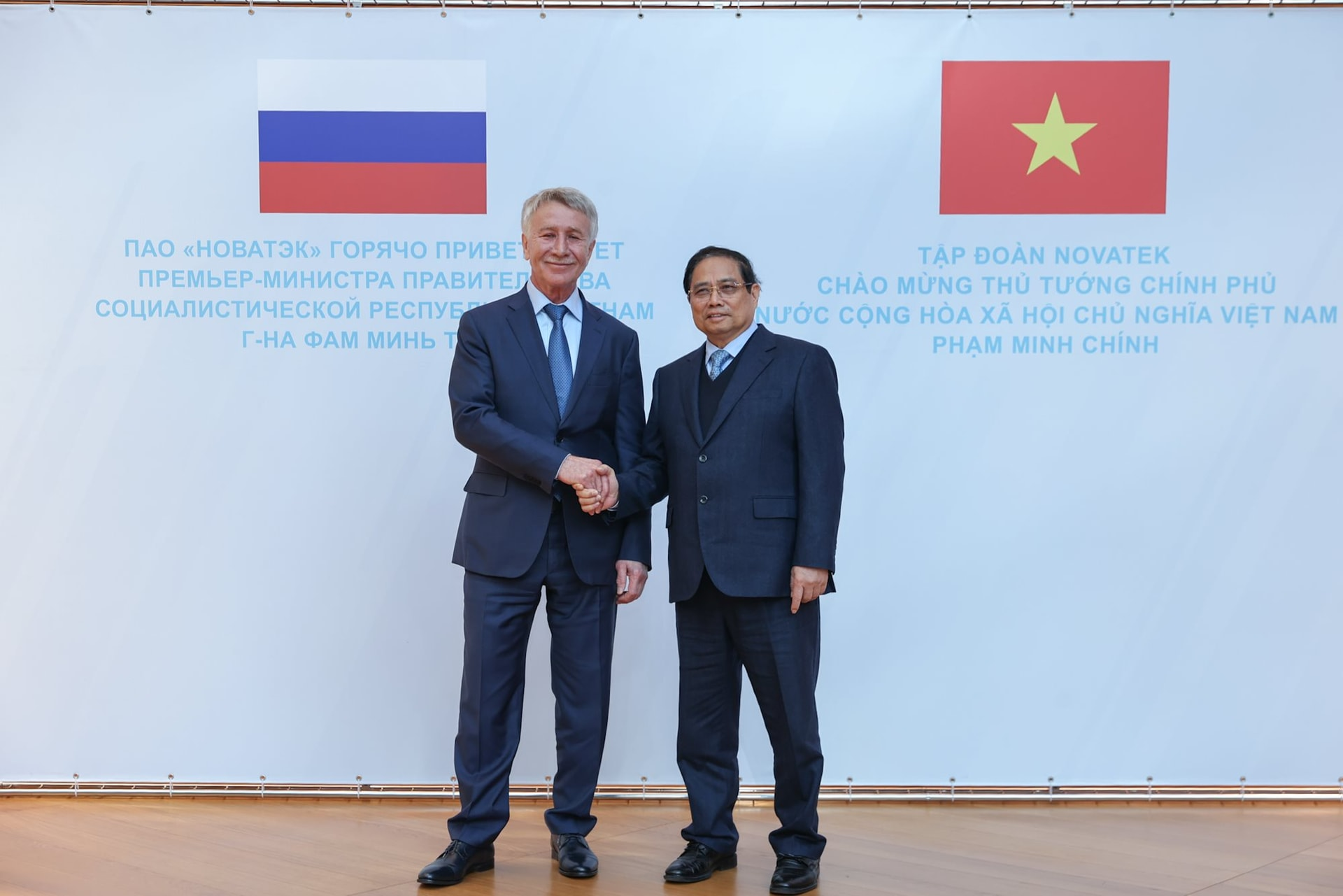
As Vietnam races to secure its energy future and meet the demands of its surging economy, a new partnership with a Russian energy giant is taking shape, signalling a deepening of the nations’ long-standing ties.

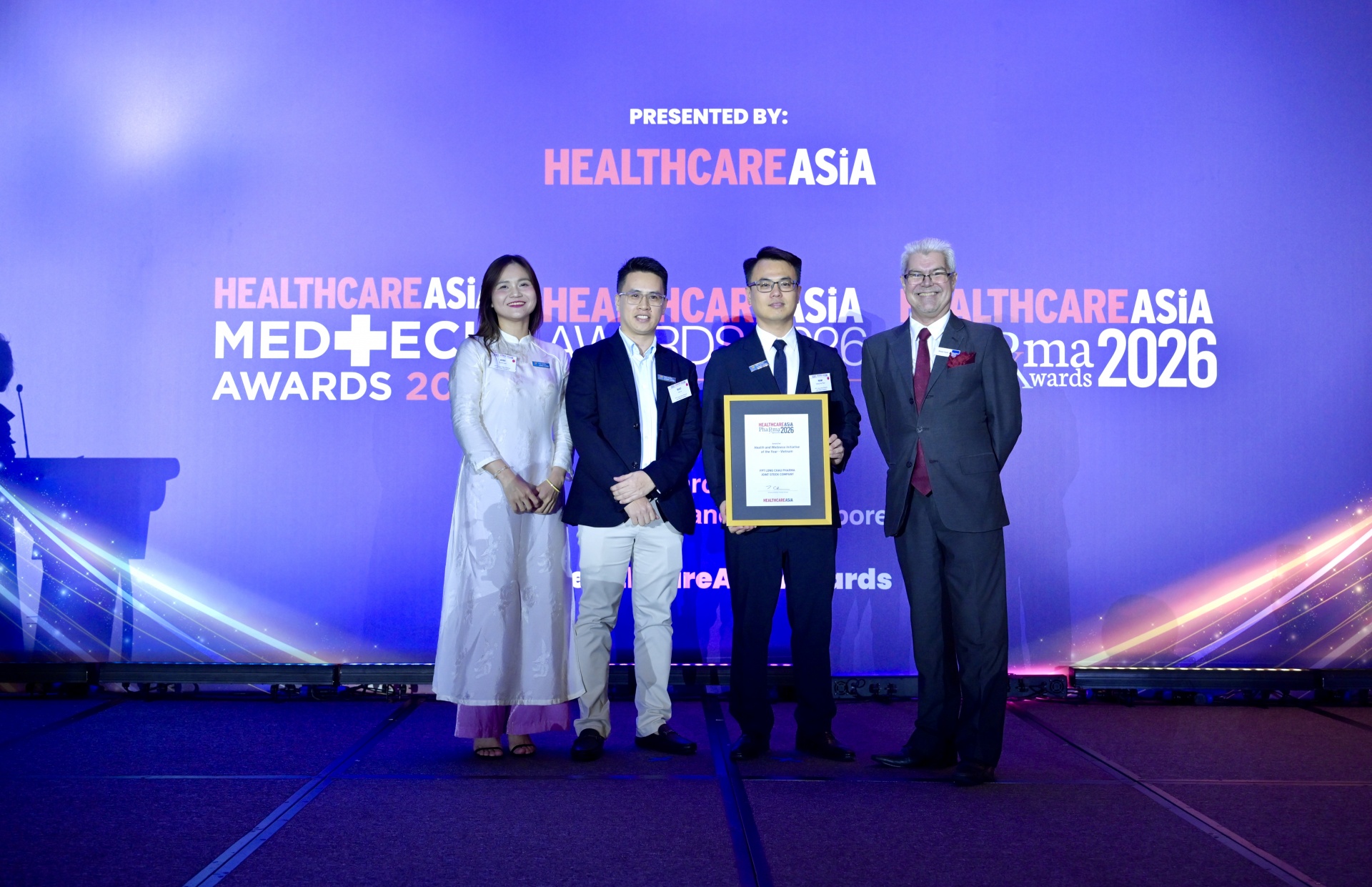
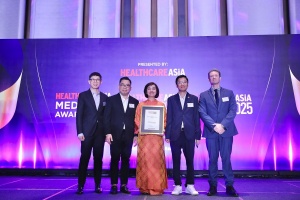
The accolade, announced at the ceremony in Singapore on March 26, recognises the company’s sustained efforts to improve healthcare access, expand medical services nationwide, and respond to emergencies and natural disasters.

FPT Long Chau named top Vietnamese winner at Healthcare Asia Awards
FPT Long Chau representatives with the Health & Wellness Initiative of the Year award

Over the past six years, the Long Chau Care & Share initiative has advanced its mission of building a healthier Vietnam. This humanitarian journey has gained regional recognition, contributing to elevating Vietnam’s healthcare profile on the Asian stage.

For FPT Long Chau, public health remains the top priority. This commitment has driven the continuous expansion of healthcare touchpoints, bringing services closer to communities, enabling the system to become the first and only pharmacy chain to achieve full nationwide coverage. Throughout its operations, FPT Long Chau has served as an ‘extended arm’ of the Ministry of Health, supporting national programmes on stroke prevention, paediatric care, and measles vaccination campaigns.

The organisation has also strengthened public-private partnerships with domestic and international institutions, including the Vietnam Administration of Disease Prevention, the Pasteur Institute in Ho Chi Minh City, the University Medical Centre Ho Chi Minh City, and Bach Mai Hospital, alongside training institutions and pharmaceutical companies. These collaborations aim to promote a healthier pharmaceutical market, standardise professional practices, and expand community health initiatives.

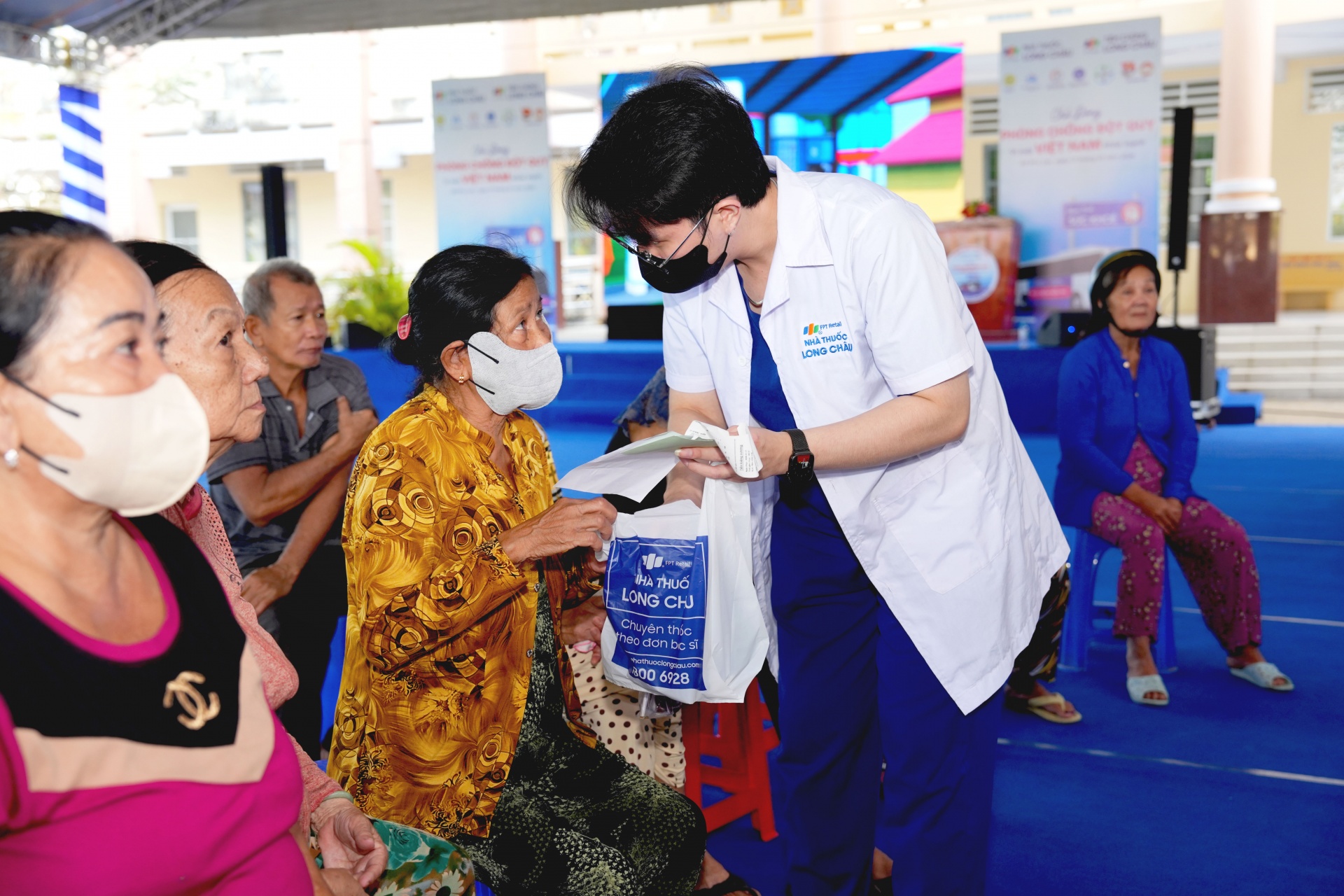
This network of retail outlets and strategic partners has provided a solid foundation for FPT Long Chau to implement health support schemes, extending access to remote and underserved areas. Since 2021, the Long Chau Care & Share mobile outreach initiative has delivered millions of free medication doses, distributed hundreds of tonnes of rice, and organised thousands of free medical consultations across urban, rural, and remote communities.

Last year, Long Chau coordinated with local authorities and health facilities to implement more than 200 free medical programmes, benefiting nearly 30,000 people nationwide. Entering its sixth year, its stroke prevention campaign continues to encourage early intervention, reinforcing the principle that no one should be left behind.

FPT Long Chau named top Vietnamese winner at Healthcare Asia Awards

When central Vietnam was hit by storms and floods last year, the team delivered more than seven tonnes of medicines and essential supplies, along with over 2,000 free tetanus vaccine doses, to affected communities. In 2024, when Typhoon Yagi struck northern and north-central Vietnam, FPT Long Chau activated its rapid response mechanism, transporting 10 tonnes of essential medicines, medical equipment, and first-aid kits to flooded areas within 48 hours.

The contribution of 500,000 measles vaccine doses reflects Long Chau’s sustained commitment to expanding immunisation coverage and strengthening protection for children.

Over more than five years, these efforts have contributed to positive changes in public health awareness and health-seeking behaviour, improving the wellbeing of millions of Vietnamese families.

Speaking at the Healthcare Asia Pharma Awards, Pham Duy Hoang Nam, CFO of FPT Long Chau Pharma, said, “We believe healthcare goes beyond medicines and medical services. It is about a responsibility to stand alongside communities, particularly those in vulnerable circumstances. The Long Chau Care & Share initiative reflects our mission to ensure equitable access to better health for people of all ages and across all regions, contributing to a healthier and more sustainable Vietnam.”

Nam added that the award will spur Long Chau to expand its community initiatives, bringing healthcare support to more localities and helping reduce disease burdens. The company will leverage its nationwide network of nearly 2,500 pharmacies and more than 200 vaccination centres, along with a workforce of over 20,000 healthcare personnel, to remain a trusted and accessible first point of care.

This is not the first regional recognition for FPT Long Chau. At the 2025 Healthcare Asia Pharma Awards, it was the only Vietnamese recipient, winning Digital Innovation of the Year for its electronic health record system, mobile app, and integration of the VNeID platform for online medicine purchases. The same year, it was named Asia’s Excellent Enterprise at the Asia-Pacific Enterprise Awards.

The company also received a Committed Badge from EcoVadis for sustainable development, along with domestic accolades including Breakthrough Solution in Digital Health and a spot among the Top 10 Impressive Growth Brands. It remains the only pharmacy and vaccination system in Vietnam with such a consecutive record of recognition.

FPT Long Chau named top Vietnamese winner at Healthcare Asia Awards

Consistent recognition across domestic and regional awards underscores FPT Long Chau’s sustained commitment to public health and the trust it has built within the community. The company has positioned itself as a pioneer in Vietnam through people-centric initiatives, sustainable development strategies, and the application of advanced technologies, contributing to a more resilient and accessible healthcare ecosystem.

The Healthcare Asia Pharma Awards are among the region’s most reputable healthcare awards, and are organised annually by Healthcare Asia Magazine. The awards recognise organisations redefining standards in the pharmaceutical sector through innovation and sustainable development.

FPT Long Chau wins the prestigious Healthcare Asia Pharma Awards FPT Long Chau wins the prestigious Healthcare Asia Pharma Awards

FPT Long Chau Pharmacy and Vaccination Centre proudly represented Vietnam on the international stage as it was named ‘Digital Innovation of the Year’ at the prestigious Healthcare Asia Pharma Awards in Kuala Lumpur on April 10.

FPT Long Chau and IHH Healthcare Singapore enter partnership FPT Long Chau and IHH Healthcare Singapore enter partnership

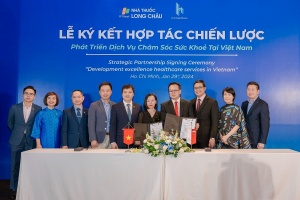
FPT Long Chau and top private healthcare provider IHH Healthcare Singapore signed a cooperation agreement on January 29 to enhance the quality of high-tech medical treatment available in Vietnam.

Abbott, FPT Long Chau partner to improve Vietnam’s healthcare sector Abbott, FPT Long Chau partner to improve Vietnam’s healthcare sector

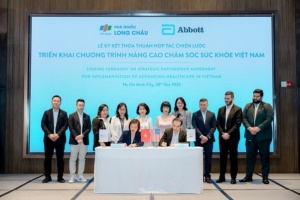
Abbott has teamed up with FPT Long Chau, a leading pharmaceutical retailer, to fight non-communicable diseases.

Vietnam cuts petrol tax to stabilise market

Vietnam stabilises its petrol tax

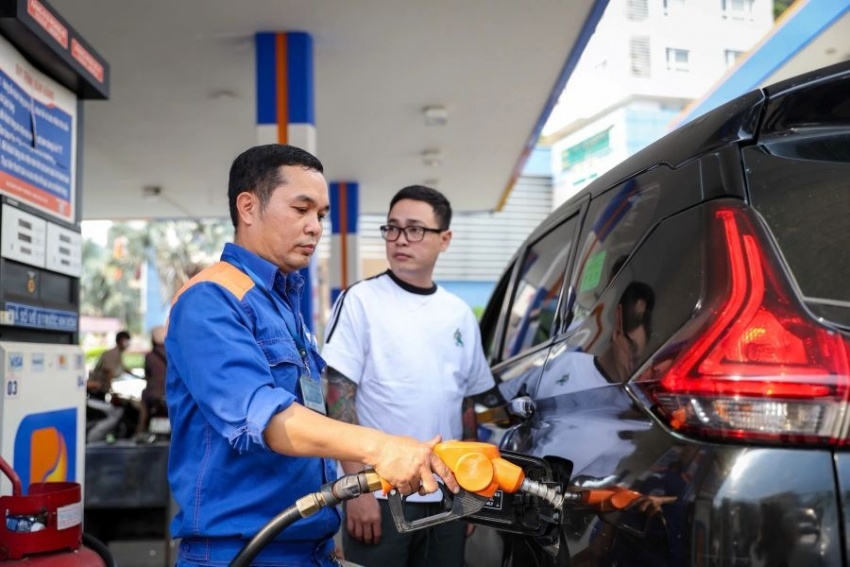
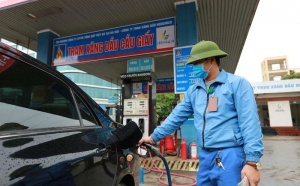
Vietnam has temporarily cut its environmental protection tax on petrol, diesel and jet fuel to zero, as the government moves to stabilise the domestic fuel market and safeguard energy security.

Under the prime ministerial Decision No.428/QD-CP, petrol, diesel and jet fuel will also be exempt from VAT declarations and payments, while still permitting firms to claim input VAT deductions.

The special consumption tax on petrol is also set at zero per cent.

The decision is taking effect from March 26 midnight through April 15.

It is considered an urgent solution to stabilise the domestic fuel market and safeguard energy security, and simultaneously ease the burden on households and help firms sustain production and trade, even as it trims state budget revenue by an average of about $288 million per month.

The government must report any adjustments to fuel tax rates to the National Assembly by March 30.

The decision followed the government’s Resolution No.68/NQ-CP issued on March 26, which authorises the prime minister to apply tax reductions on petrol, diesel and jet fuel when required to serve national interests.

The Ministry of Industry and Trade (MoIT) and the Ministry of Finance decided to further cut retail fuel prices, effective from midnight on March 26.

Previously, since March 10, authorities continuously used the fuel price stabilisation fund, with spending ranging from VND3,000- 5,000 per litre for petroleum products. In the latest adjustment, however, the two ministries suspended the use of the fund.

According to the MoIT, Vietnam’s fuel prices remain at an average level in the region and are lower than those in neighbouring countries sharing land borders.

The ministry said it will coordinate with relevant agencies to inspect and supervise fuel traders to ensure adequate supply for the domestic market, while strictly handling any violations.

Site clearance work launched for Dung Quat refinery upgrade Site clearance work launched for Dung Quat refinery upgrade

Binh Son Refining and Petrochemical JSC and Petrovietnam Construction JSC held a ground-breaking ceremony on February 2 as part of the site clearance package for the Dung Quat refinery expansion in Quang Ngai province.

Siam Cement Group announces 2025 results amid global headwinds Siam Cement Group announces 2025 results amid global headwinds

SCG on February 9 announced its 2025 operating results, highlighting disciplined financial management amid a challenging global and regional economic environment.

Oil and gas sector sees renewed momentum Oil and gas sector sees renewed momentum

Robust profit growth across the value chain, accelerating major projects and supportive policies are driving a strong rally in oil and gas stocks, with expectations of further upside in 2026.

Nghe An accelerates land handover for $2.3bn LNG power plant Nghe An accelerates land handover for $2.3bn LNG power plant

Nghe An province has directed departments to coordinate land handover for the $2.3 billion Quynh Lap Liquefied Natural Gas power plant, targeting construction to begin by the end of April.

Fuel import tariffs temporarily cut to zero until April 30 Fuel import tariffs temporarily cut to zero until April 30

The government has temporarily cut preferential import tariffs on several petroleum products to zero, aiming to help businesses secure supply and stabilise the domestic fuel market amid global energy disruptions caused by Middle East tensions.

It calls for collaboration across borders, sectors, and generations. In this context, co-creation has become a necessity.

Against this backdrop, MUFG has been advancing a long-term approach in Vietnam that brings together sustainable finance, innovation, and human capital development. From strengthening agricultural systems through its Food X initiative, to empowering youth innovators and engaging startups in open innovation platforms, MUFG is helping to build practical bridges between Vietnam and Japan by connecting ideas, technology, and people to create shared value.

When finance serves society: MUFG drives smart agriculture in Vietnam

Food‑X: connecting the two countries

Few places illustrate both the urgency and the opportunity of smart agriculture more clearly than Vietnam. As global markets shift towards quality and resilience amid rising climate risks, agricultural value is no longer defined by output alone.

This contrast highlights a deeper challenge for both countries. Japan faces food security, demographic, and climate pressures, while Vietnam brings strong agricultural and human potential but seeks deeper access to technology, sustainable practices, and global networks.

Bridging these complementary strengths requires collaboration and long-term commitment beyond capital.

It is from this perspective that MUFG launched its Food X (Food Transition) initiative.

Kinoshita Shingo, who is MUFG’s managing director and head of the Ho Chi Minh City branch, said the vision of Food X is to build a bridge between the two countries.

“By connecting Japanese technology, know how, and digital innovation with Vietnam’s food and agriculture sector, Food X aims to enhance productivity, quality, and resilience across the value chain. At the same time, it seeks to unlock Vietnam’s potential to contribute to addressing Japan’s food security challenges in the long term,” Shingo said.

For MUFG, Food X goes beyond financing. As a global financial institution with an extensive international network, MUFG plays a catalytic role, mobilising capital, matching business, facilitating partnerships, and aligning stakeholders across finance, technology, agribusiness, and policy.

The initiative reflects MUFG’s view that food security, digital transformation, and climate action are deeply interconnected, and that sustainable agriculture is both an economic imperative and a social responsibility, and a cornerstone of MUFG’s broader commitment to connecting countries, empowering people, and co creating solutions for the future.

When finance serves society: MUFG drives smart agriculture in Vietnam

Empowering youth

Recognising this transformation depends on the next generation, MUFG has also been investing in people, particularly Vietnam’s youth.

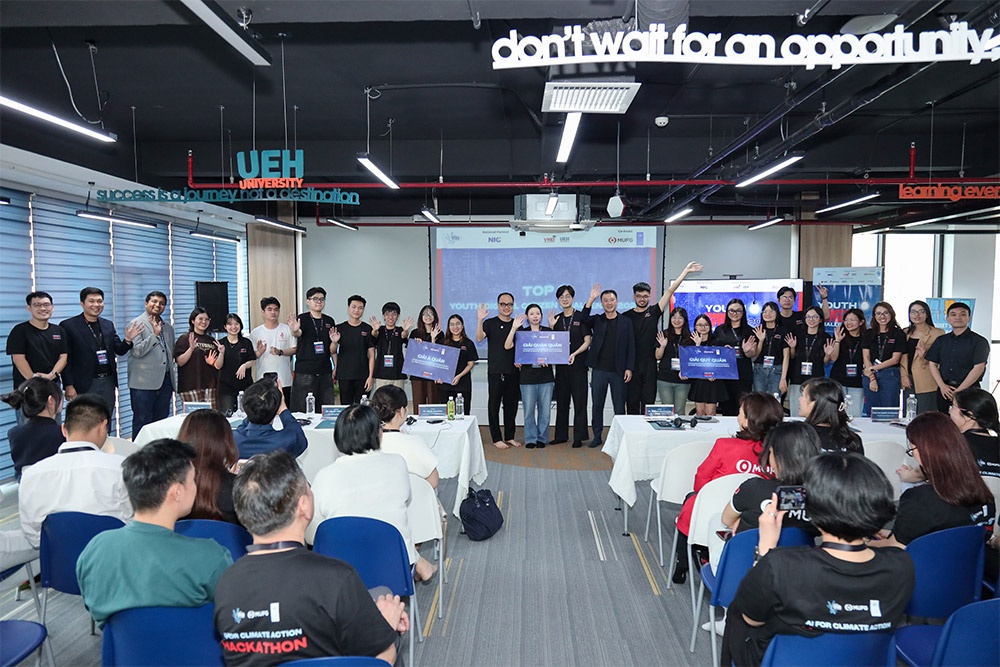
In partnership with the United Nations Development Programme and the University of Economics Ho Chi Minh City, MUFG is proud to co-create a platform that connects and empowers young innovators through the Youth Digital Citizen Challenge 2025.

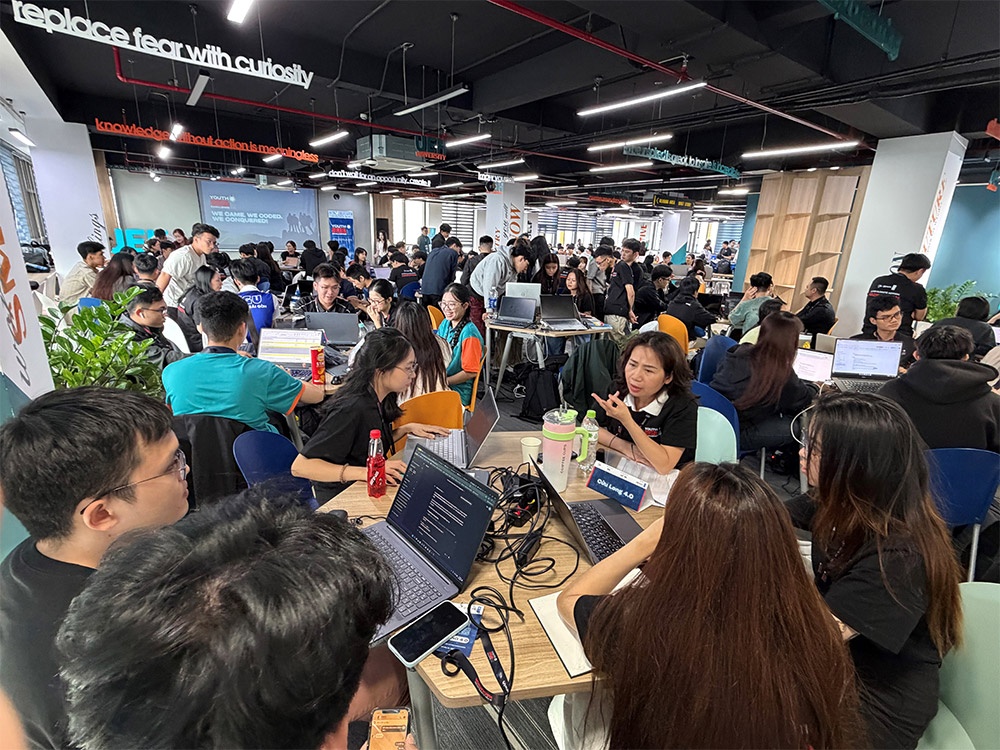
Under the theme “AI for Climate Action”, from October 2025 to January 2026, the event challenged young people to harness AI and digital technology to develop solutions addressing climate risks in the Mekong Delta, which is Vietnam’s “rice basket” but one of the region’s most vulnerable to climate change. The challenge was designed as a learning journey, spanning from capacity building webinars to an intensive 36-hour hackathon finale.

“As a sponsor, co-host and co-organiser, MUFG worked closely with partners to help shape the programme, contributing experts as speakers, mentors, and judges throughout the journey. This hands on involvement reflects MUFG’s commitment to equipping young innovators with practical skills, real world perspectives and the confidence to translate ideas into impactful solutions,” Shingo added.

By connecting digital talent with local climate realities, the initiative demonstrates how youth led innovation can contribute to resilient livelihoods and sustainable agriculture – principles that align closely with MUFG’s Food X vision.

When finance serves society: MUFG drives smart agriculture in Vietnam

From ideas to impact

Beyond supporting early-stage ideas, MUFG Vietnam has deepened its engagement in startup innovation through its participation in the ASEAN–Japan Co-creation Fast Track Initiative 2025.

Led by the Japanese Ministry of Economy, Trade, and Industry along with the Japan External Trade Organization, and in collaboration with ASEAN partners, the initiative promotes open innovation between startups and corporates.

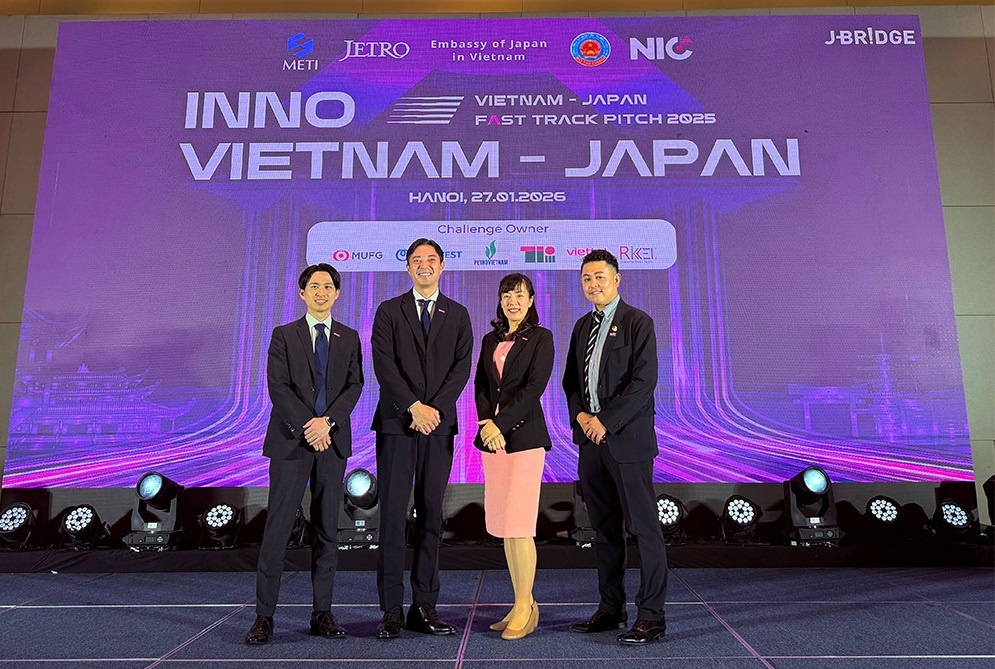
At the Inno Vietnam–Japan Fast Track Pitch 2025, MUFG Vietnam was one of six Challenge Owners, contributing real world business challenges, and joining the judging panel to identify solutions with strong practical potential.

Takao Nozaki, MUFG’s managing director, regional head of Vietnam and head of the Hanoi branch, said, “Aligned with its strategic focus on digital transformation and sustainable development, MUFG Vietnam invited proposals from startups across three key innovation challenges: enhancing Vietnam’s financial industry through advanced credit-scoring technology; applying fintech to strengthen distribution networks; and supporting the growth of Vietnam’s agriculture by leveraging MUFG’s global expertise.”

These challenges reflect MUFG’s intent to foster inclusive growth, improve access to finance, and reinforce the agricultural ecosystem through innovation, Nozaki added.

From Food X and smart agriculture to youth empowerment and startup co creation, MUFG’s initiatives in Vietnam are not standalone efforts. Together, they form an integrated ecosystem approach that connects land, technology, talent, and capital across borders.

Through long-term partnerships and a strong belief in co-creation, MUFG continues to act as a bridge to connect countries, empowering people and co-creating solutions for a more resilient and inclusive future.

Workday expands into Vietnam and scales Southeast Asia presence

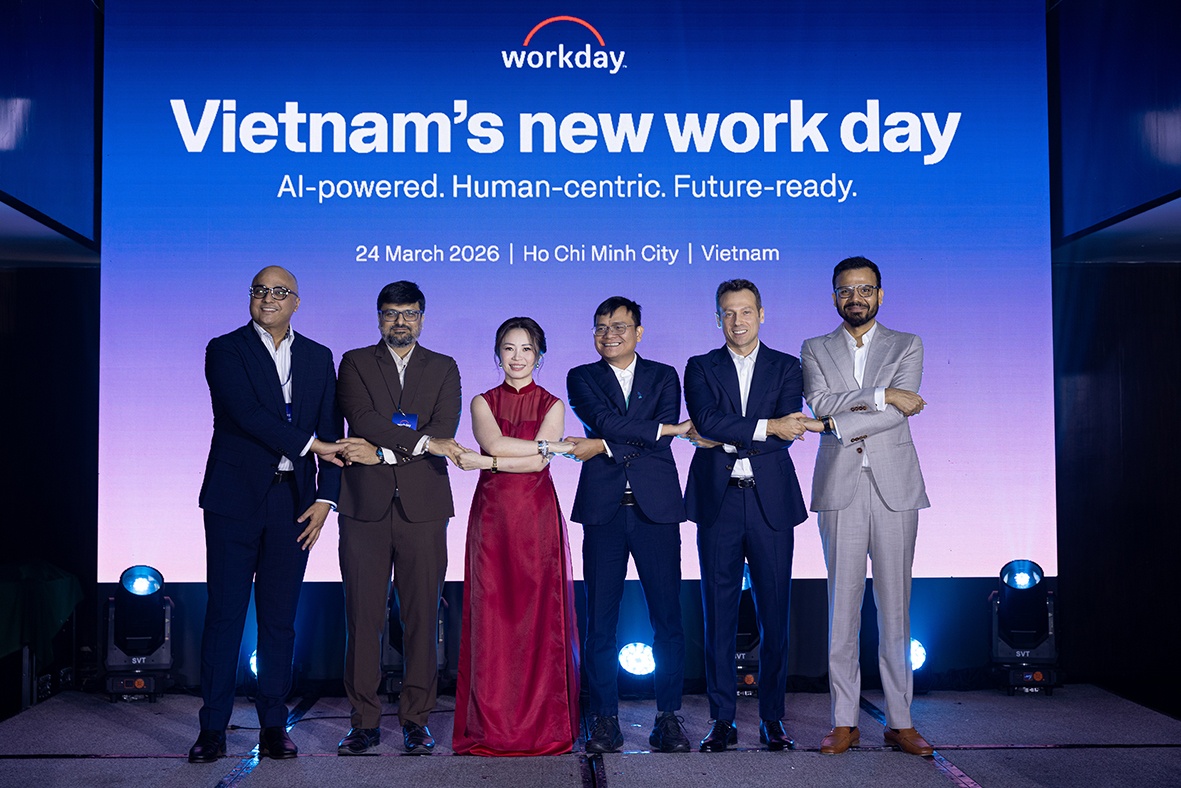
Workday, Inc., an AI platform for managing people, money, and agents, on March 31 announced a strategic expansion of operations into Vietnam.

This expansion is underpinned by an ecosystem of five global and regional partners, all dedicated to meeting the growing local demand for digital transformation.

This expansion marks a deepening commitment to Southeast Asia, fuelled by regional demand for a trusted, user-centric AI platform to manage people, finances, and AI agents. Following the acquisition of Paradox, Workday now has a presence of nearly 300 professionals across its Ho Chi Minh City and Danang offices.

“Vietnam is at the heart of the digital acceleration reshaping how businesses in ASEAN grow and empower their people,” said Fabio Tiviti, group vice president of Field Strategy & Operations at Workday.

He added that the expansion reflects more than market entry, with the company tapping into Vietnam’s talent pool to support the next phase of AI-driven innovation.

Through its partner ecosystem, Workday aims to provide local expertise to help Vietnamese organisations scale and unlock enterprise AI. Initial partners include Amaris, Deloitte, FPT Information Systems, Rolling Arrays, and VSOL.

“As Vietnamese organisations prioritise growth, the strength of Workday’s partner ecosystem combines enterprise-grade platform innovation with deep local expertise,” said Rogerio Almeida, group vice president of International Partner Ecosystem at Workday.

Local firms are already adopting the platform. “We view Workday as a long-term strategic choice, given its ability to deliver real-time insights and the operational agility needed to lead a people-centric organisation in an AI-driven future,” said Nguyen Trinh Thuy Trang, COO of Coteccons.

Workday brings the expertise of supporting more than 11,500 organisations globally to Vietnam’s evolving business landscape. From its Southeast Asian headquarters in Singapore, Workday’s regional presence now spans Singapore, Malaysia, Thailand, Indonesia, the Philippines, and Vietnam.

With a deep pool of local tech talent and a robust partner ecosystem, Vietnam is central to Workday’s vision of shaping the future of work across ASEAN and beyond.

German firm unveils $175 million R&D centre plans in Ho Chi Minh City German firm unveils $175 million R&D centre plans in Ho Chi Minh City

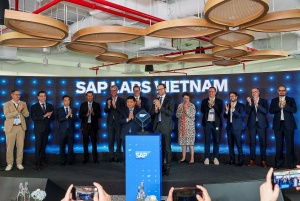
Germany’s SAP, the world’s largest provider of enterprise application software, on August 7 announced plans to invest more than €150 million (around $175 million) over the next five years into SAP Labs Vietnam, a new research and development (R&D) centre in Ho Chi Minh City.

Sojitz Corporation to expand energy and logistics investment in Ho Chi Minh City Sojitz Corporation to expand energy and logistics investment in Ho Chi Minh City

Japan’s Sojitz Corporation is looking to expand its investment in Ho Chi Minh City in the fields of energy, logistics, agriculture, food, and trade.

Banks ramp up plans to establish VIFC subsidiaries Banks ramp up plans to establish VIFC subsidiaries

Banks are accelerating plans to set up subsidiary banks at the Vietnam International Financial Centre to expand the ecosystem and enhance international competitiveness.

Under a draft circular currently open for consultation, the proposed exemptions in the aviation sector mainly relate to administrative procedures for airlines and supporting service providers.

Aviation and maritime fee exemptions proposed until end-2026
Photo: Thoibaotaichinh.vn

These include aircraft registration certification, appraisal of aircraft purchase and sale dossiers, and licensing examinations for flight crews, cabin staff, and ground personnel. Notably, the proposal does not cover service charges directly incorporated into airfares, such as security screening and passenger handling.

In the maritime sector, the exemptions would apply to fees associated with maritime safety services, anchorage use, and port entry and exit. If approved, the circular is expected to take effect from April 1 through the end of 2026.

According to the MoF, global fuel prices have remained volatile and at elevated levels, placing “significant pressure” on the profit margins of aviation and shipping enterprises.

The proposed policy is therefore considered urgent to help businesses reduce direct operating costs, curb rising transport fees, and maintain the continuity of both domestic and international supply chains.
The ministry noted that aviation and maritime transport serve as two of the most critical arteries of international trade. Any disruption or sharp increase in costs in these sectors could trigger knock-on effects, including higher import prices and increased input costs for domestic production.

In addition to supporting businesses, the fee exemptions are expected to help contain inflation, stabilise market prices, and ease cost pressures on consumers.
The MoF estimates that the proposed exemptions could reduce state budget revenues by approximately $142 million. Of this, the maritime sector would account for around $133 million, while aviation would see a reduction of about $8.7 million.
It is also considering extending tax reduction measures on fuel products to further support businesses and consumers. Under the proposed adjustments, state budget revenues could decline by an estimated $288 million per month, reflecting efforts to alleviate cost pressures and stimulate production and business activities.

Dassault unveils Falcon 10X in ultra-long-range business jet push Dassault unveils Falcon 10X in ultra-long-range business jet push
Region boasts major potential for aviation-related businesses Region boasts major potential for aviation-related businesses

Jet AirWerks and Stratton Aviation partner on engine teardowns Jet AirWerks and Stratton Aviation partner on engine teardowns
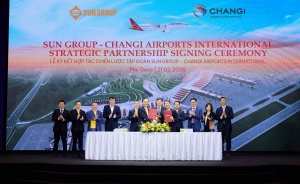
Sun Group partners with CAI to manage Phu Quoc Airport Sun Group partners with CAI to manage Phu Quoc Airport
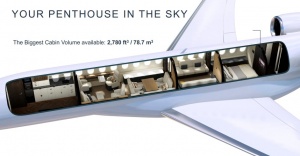
Dassault's Falcon 10X: Penthouse of sky redefining business aviation Dassault’s Falcon 10X: Penthouse of sky redefining business aviation