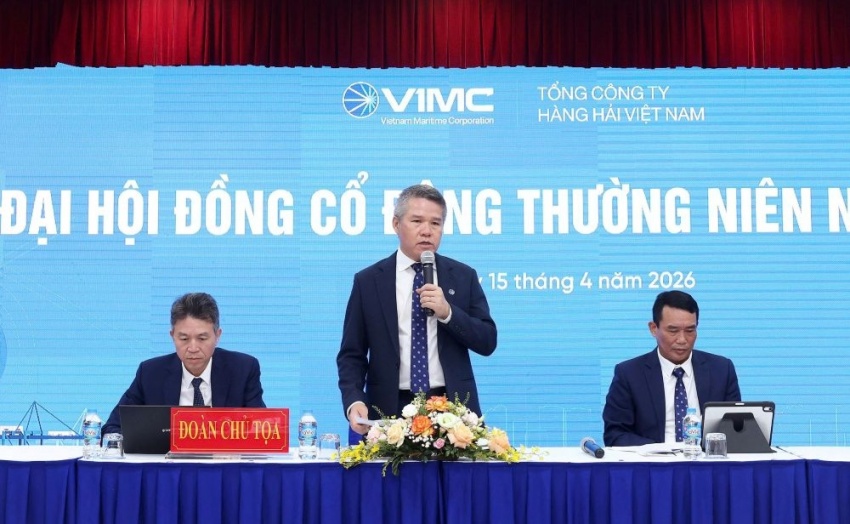
The targets were announced at the group’s shareholders’ meeting on April 15, where it also projected before-tax profit of VND3.24 trillion ($129.6 million) – equal to the 2025 figure – and after-tax profit of VND2.58 trillion ($103.2 million), a slight decrease of 2 per cent.

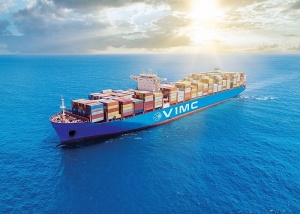
Vietnam Maritime Corporation (VIMC) aims to maintain stable growth across its business lines this year, with maritime transport volume projected at close to 23.8 million tonnes (up 10.5 per cent) and port cargo volume at just over 180 million tonnes (up 11 per cent).

VIMC sets $887m revenue target for 2026, invests in Can Gio Port
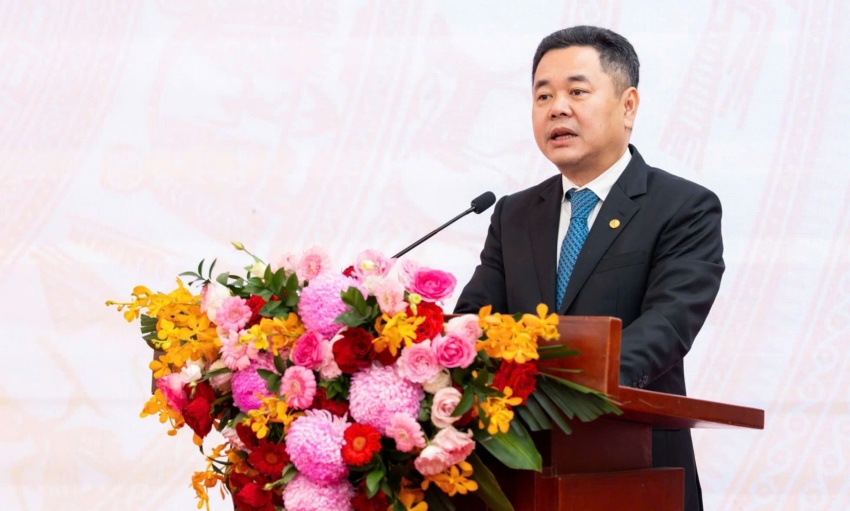
Nguyen Canh Tinh, chairman of VIMC. Photo: VIMC

VIMC plans to focus its 2026 investments on strategic infrastructure projects and new services, including contributing capital to the Can Gio International Transshipment Port, developing air cargo transportation services, researching investment opportunities in shipbuilding or ship repair facilities, and joining investment in Quy Nhon Port.

At the shareholders’ meeting on April 15, chairman Nguyen Canh Tinh announced that VIMC will contribute $280 million to the Can Gio Port venture. VIMC is part of a consortium – which also includes Saigon Port and Terminal Investment Limited Holding – that has been selected to invest in the project.

Terminal Investment Limited Holding, a member of Swiss shipping and logistics giant MSC, will contribute 46 per cent of the consortium’s capital, while VIMC and Saigon Port hold 36 per cent and 15 per cent, respectively.

Tinh said the Can Gio project is of particular importance to socioeconomic development, contributing to national competitiveness and logistics system improvements, and aligns with the corporation’s marine economy and deepwater port investment strategy.

“Because this is a large, key undertaking, depending on the ability to mobilise resources, the corporation will balance the investment capital structure, possibly considering an equity-to-loan ratio of 30/70 to ensure investment efficiency, capital preservation, and development,” Tinh said

VIMC secures Top 10 Vietnam Gold Star award via its five core values VIMC secures Top 10 Vietnam Gold Star award via its five core values

Throughout its 30-year history, shipping giant Vietnam Maritime Corporation (VIMC) has maintained its solid position in the maritime transport industry, achieving numerous significant accomplishments, particularly the honour of being among the Top 10 Vietnam Gold Star Award winners in 2024.

International port developers eye Vietnam's potential International port developers eye Vietnam’s potential

International port operators are seeking business opportunities in Vietnam by boosting cooperation with local partners.

Delo Group, VIMC sign deal to develop Russia-Vietnam maritime transport Delo Group, VIMC sign deal to develop Russia-Vietnam maritime transport

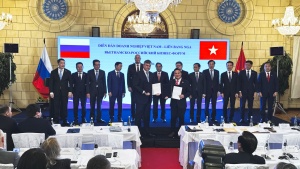
Russia’s Delo Group and Vietnam Maritime Corporation signed an MoU on the sidelines of the Vietnam-Russia Business Forum in Moscow on March 24.

Vietnamese businesses face checkout inefficiencies in e-commerce

Asia now contributes 62.6 per cent to global e-commerce growth, according to Nielsen IQ, cementing the region’s role as the world’s primary engine of digital trade. However, financial services platform Payoneer’s latest research highlights a striking paradox: as businesses scale online, more revenue is being lost at checkout before transactions are completed.

Across Asia-Pacific, businesses lose an estimated $72 billion annually due to checkout inefficiencies, from abandoned transactions to fragmented payment flows and hidden transaction costs. In Vietnam, this challenge is becoming increasingly relevant as companies shift toward direct-to-customer (DTC) models and expand into cross-border trade.

For many Vietnamese businesses, moving toward independent webstores is a strategic response to rising marketplace fees and the need for greater control over customer relationships.

However, owning the channel is only part of the equation. Converting demand into completed transactions is where many businesses face losses. This is often referred to as checkout leakage: the revenue that disappears between a customer deciding to buy and the payment being successfully completed or settled. It typically results from three types of friction.

First, cart abandonment occurs when customers exit at the payment stage due to failed authorisations, limited payment options, or unexpected costs at the final step. Each abandoned cart represents not just lost revenue but also wasted marketing spend.

Second, transaction fees, especially from currency conversion, can quietly reduce margins on cross-border transactions. At scale, these small deductions add up to a meaningful drag on profitability.

Third, settlement delays occur when funds take days or weeks to clear. As a result, businesses face cash-flow gaps that affect inventory purchases, advertising cycles, and supplier payments.

As customer acquisition costs continue to rise, businesses should broaden their focus from just attracting more traffic to capturing more value from existing demand.

According to Payoneer’s research, small or mid-sized DTC businesses generating $2–5 million annually could recover approximately $20,000 per year by optimising checkout performance alone. For many businesses, that amount can offset key operational expenses such as advertising, software subscriptions, or supplier payments.

Traditionally, checkout has been treated as a back-end technical function. Today, it is emerging as a direct driver of conversion rates, margins and cash-flow performance. Solutions like Payoneer Checkout, which is provided by Stripe Inc., are designed to address these inefficiencies by enabling a more integrated payment flow across markets and currencies.

By allowing businesses to collect, hold, and redeploy funds within a single ecosystem, this approach reduces reliance on external intermediaries and minimises repeated currency conversions.

The impact is measurable. Optimised payment infrastructure can achieve conversion rates of up to 95 per cent, increasing the proportion of completed transactions without additional marketing spend.

For Vietnamese exporters generating $10-20 million in annual cross-border revenue, this can translate into $120,000-$150,000 in recoverable value per year, alongside a 10-15 per cent improvement in earnings before interest, taxes, depreciation, and amortisation, according to the report.

Payment infrastructure is no longer just an operational consideration. It is becoming a strategic and regulatory priority. As Vietnam strengthens its position in global digital trade, businesses that address checkout inefficiencies will recover lost revenue while build a stronger operational foundation for sustainable cross-border growth.

Southeast Asian e-commerce market hit $157 billion in 2025 Southeast Asian e-commerce market hit $157 billion in 2025

Southeast Asia’s e-commerce gross merchandise value (GMV) grew 22.8 per cent on-year in 2025 to reach $157.6 billion, as leading platforms returned to growth while continuing to improve infrastructure, fulfilment, and customer experience, according to Momentum Works.

Shopee and TikTok Shop account for 8 per cent of Vietnam’s retail market Shopee and TikTok Shop account for 8 per cent of Vietnam’s retail market

In 2025, transaction value on Shopee and TikTok Shop exceeded $16.3 billion, equivalent to nearly 8 per cent of Vietnam’s total retail market.

Vietnam's retail market tops $269 billion in 2025 amid e-commerce boom Vietnam’s retail market tops $269 billion in 2025 amid e-commerce boom

Vietnam’s retail market recorded a five-year high in revenue, reaching $269 billion in 2025, according to the Vietnam Domestic Market Report 2025 released by the Ministry of Industry and Trade.

The event, organised in collaboration with National Economics University on April 18, follows the issuance of Circular No.16/2026/TT-BGDĐT on career guidance and student streaming. The Association of Chartered Certified Accountants (ACCA) is rolling out a series of ‘Future Pathways’ workshops in Hanoi and Ho Chi Minh City to connect schools, universities, and businesses in implementing the framework.

ACCA rolls out career workshops for Vietnamese students and teachers
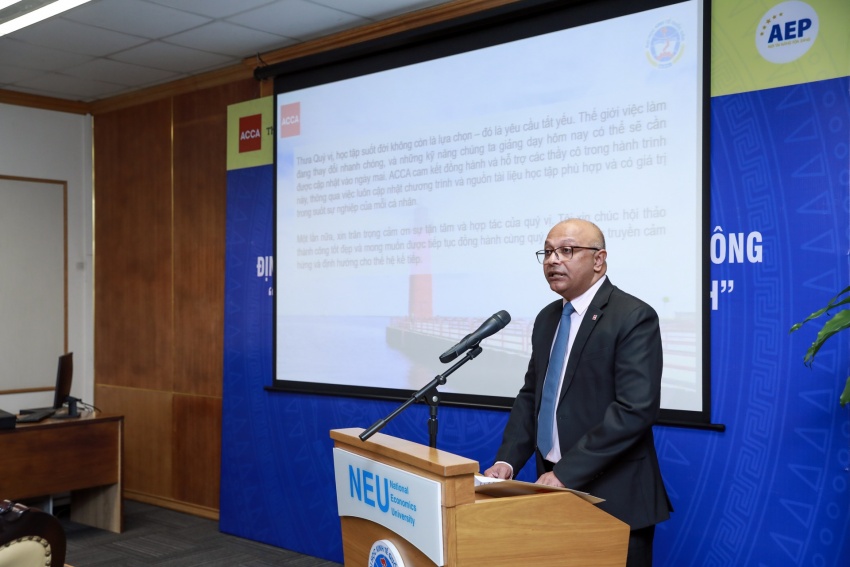
Ren Varma, head of mainland Southeast Asia for the ACCA. Photo: ACCA Vietnam

Speaking at the event, Ren Varma, head of mainland Southeast Asia for ACCA, said career orientation is expected to start earlier in the education cycle – rather than at university or entry into the workforce – with teachers playing a central role in delivery.

“These workshops focus on linking stakeholders and developing guidance content aligned with Vietnam’s education and labour context,” Varma said. “ACCA’s mission is to expand access to professional learning and career opportunities for all, regardless of background. Career guidance should begin early at school level and be guided by teachers.”

Vu Van Ngoc, dean of the School of Advanced Education Programmes at National Economics University, said, “Universities currently account for much of the provision of skills and career orientation. Introducing these elements earlier would make the preparation process more systematic and effective.”

Nguyen Thu Ha, a representative of the Department of General Education at the Ministry of Education and Training, said, “Circular 16 provides a clearer framework for delivery. In the past, career guidance was often considered only after students completed upper secondary education, without clear provisions on implementation or coordination between schools, businesses, and higher education institutions.”

Under the new framework, the circular applies across primary, lower secondary, and upper secondary levels. It sets out coordination requirements between general education institutions, higher education providers, vocational training centres, organisations, and businesses.

The principles include a continuous, system-wide approach, stronger curriculum integration, increased practical exposure, and coordination between schools, families, and employers – while maintaining student choice.

ACCA rolls out career workshops for Vietnamese students and teachers
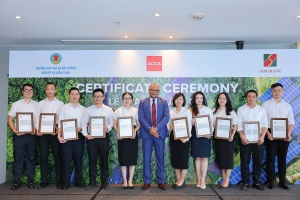
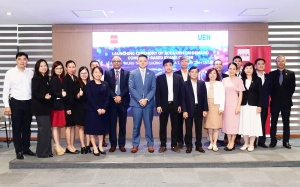
Photo: ACCA Vietnam

Within this structure, student streaming – the practice of guiding learners towards different educational tracks based on their abilities, interests, and career goals – is positioned as helping students choose appropriate pathways. Measures include combining academic learning with vocational exposure, organising career education activities in schools, and developing continuous, flexible learning routes across education levels.

Khuat Thi Lien Huong, Education Relationships lead for ACCA Mainland Southeast Asia, said the programme has drawn engagement from education stakeholders and is expected to support coordination across the system.

“ACCA will continue working with universities, secondary schools, and businesses to expand early access to career information and pathways, particularly in finance and business,” she added.

Embedding international standards into Vietnam’s financial and banking workforce Embedding international standards into Vietnam’s financial and banking workforce

Agribank employees have attended three training courses on international financial reporting standards (IFRS), sustainable finance, and digital finance this year.

Exciting finance career opportunities at ACCA Virtual Careers Fair Exciting finance career opportunities at ACCA Virtual Careers Fair

As demand for qualified finance professionals intensifies across Asia-Pacific, the Association of Chartered Certified Accountants (ACCA) will host its flagship Asia-Pacific Virtual Careers Fair (APAC VCF) 2025 on July 16, offering a fully digital platform to connect talent with leading employers in the region.

New ACCA exam centre at UEH expands access to global certifications New ACCA exam centre at UEH expands access to global certifications

The launch of the ACCA On-Demand Computer-Based Exam Centre by the University of Economics (UEH) Ho Chi Minh City and the Association of Certified Chartered Accountants marks a strategic advancement in aligning education quality with international standards.

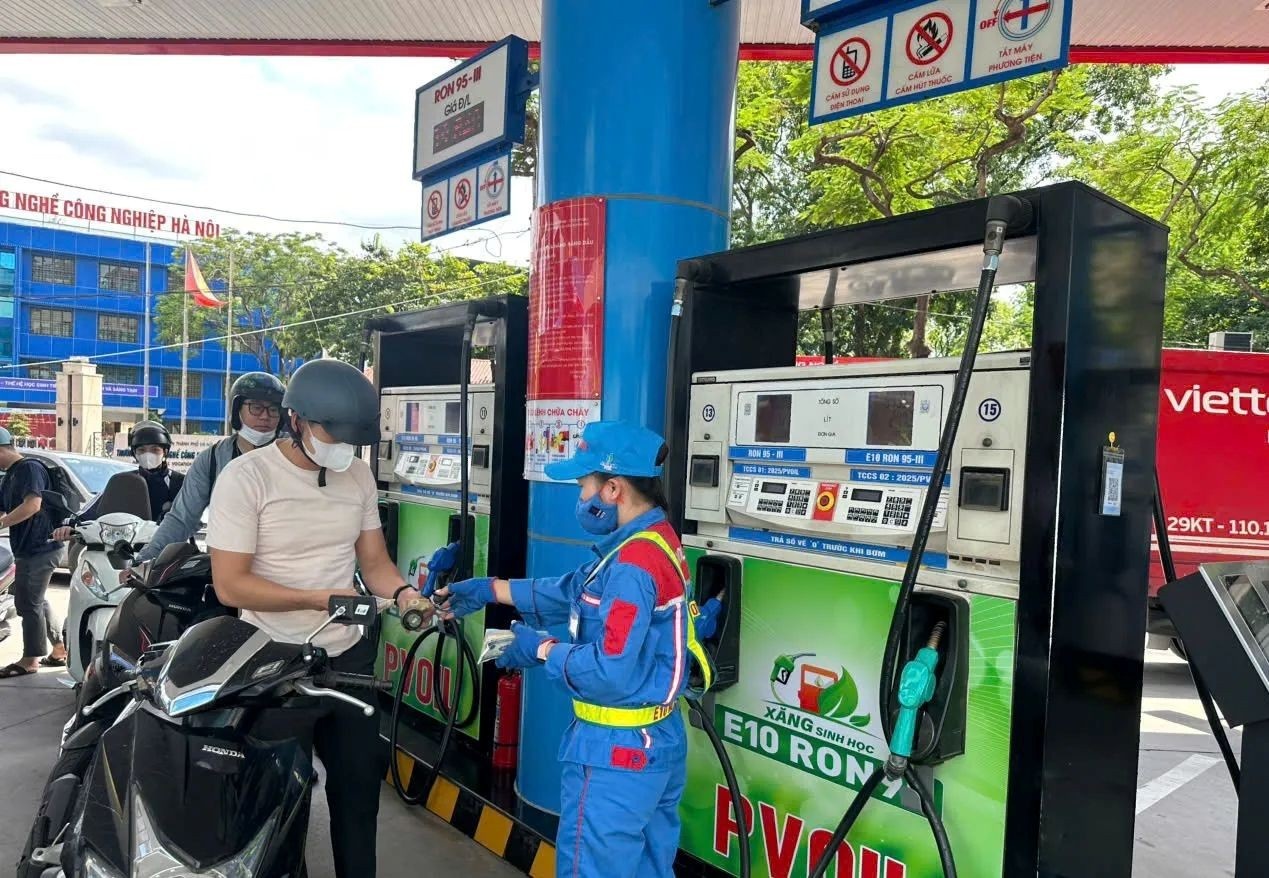
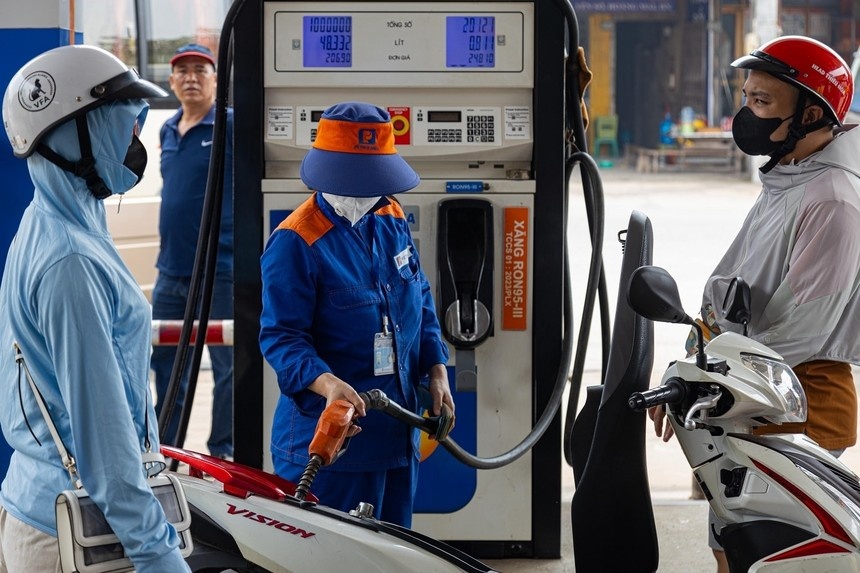
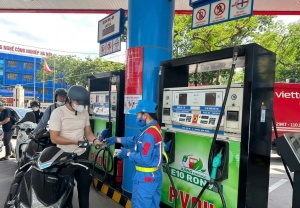
On April 12, with 100 per cent of attending deputies voting in favour, the National Assembly (NA) adopted a resolution introducing a number of provisions on environmental protection tax, VAT, and special consumption tax (SCT) applicable to petrol, oil products, and aviation fuel.

Under the resolution, the environmental protection tax on petrol (excluding ethanol), diesel, kerosene, mazut, and aviation fuel is set at VND0 per litre. The SCT rate on all types of petrol is also zero per cent.

Petrol, diesel, kerosene, mazut, and aviation fuel are not subject to VAT declaration and payment; however, input VAT remains creditable. The resolution takes effect from April 16 through the end of June 30.

National Assembly approves zero tax on petrol, oil, aviation fuel
Lawmakers back zero tax rates on fuel through June 30

In addition, to ensure that the domestic petrol, oil, and aviation fuel market is managed in line with global price developments, the NA has authorised the government to issue a resolution to adjust – either shorten or extend – the effective period of this measure.

In urgent cases, the government may also adjust provisions on environmental protection tax, VAT, and SCT as stipulated in this resolution, and will report such actions to the NA at its nearest session.

During the period this resolution is in force, in the event of any discrepancies between its provisions and those of other legal documents concerning environmental protection tax, VAT, and SCT, the provisions of this resolution shall prevail.

Businesses and importers of petrol, diesel, kerosene, mazut, and aviation fuel are not required to declare or pay VAT at the point of sale or importation.

Any matters related to environmental protection tax, VAT, and SCT not specified in this resolution shall be governed by the prevailing laws on taxation, tax administration, and other relevant legal regulations.

Before the vote, Minister of Finance Ngo Van Tuan presented a report to the NA on the reception, explanation, and revision of the draft resolution.

According to Minister Tuan, based on the conclusions of the NA Standing Committee, the appraisal opinions of the NA Committee for Economic and Financial Affairs, and feedback from deputies, the government had conducted a comprehensive review, incorporated feedback to the fullest extent, provided thorough explanations, and finalised the draft resolution in a report submitted to lawmakers.

“At the same time, the government instructed the drafting body to coordinate with the Ministry of Justice and relevant committees of the National Assembly to review and refine the draft on technical grounds, ensuring full compliance with existing procedures, before submitting it to the National Assembly for approval,” Minister Tuan said.

MoF proposes 20 per cent tax on unlisted securities transfers MoF proposes 20 per cent tax on unlisted securities transfers

The Ministry of Finance (MoF) has proposed a 20 per cent tax on income derived from capital transfers, including transactions involving unlisted securities.

Banks brace for major leadership reshuffle amid strategic reset Banks brace for major leadership reshuffle amid strategic reset

The local banking sector is entering a pivotal shareholder meeting season, marked by sweeping leadership reshuffles, governance reforms, and renewed strategic priorities following years of restructuring and balance sheet clean-up.

Tax authority flags 302 companies with prolonged losses for inspection Tax authority flags 302 companies with prolonged losses for inspection

Vietnam’s tax authority has identified 302 enterprises showing signs of prolonged losses and thin margins for targeted inspection, as part of efforts to strengthen oversight and safeguard state revenues.

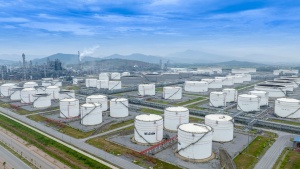
Fuel imports rise in first quarter amid global market volatility

According to data by Vietnam Customs, Vietnam spent over $2.9 billion importing 3.4 million tonnes of petroleum products in the first three months of this year, soaring 79 per cent and 45 per cent, respectively, from a year ago. In March, the country imported nearly 1.2 million tonnes of petroleum products totalling $1.46 billion, representing a 13 per cent on-month increase in volume and a surge of 94 per cent in value due to skyrocketing prices in the global market.

In the first quarter of 2026, crude oil imports saw a 15 per cent decrease against last year’s period, reaching more than 3.1 million tonnes, worth nearly $1.7 billion.

The share increase in import value is attributed to the rising global oil prices amid the escalation of the Middle East conflict. Businesses have stepped up imports and source diversification to avoid domestic fuel shortages.

In March, key businesses and import traders purchased approximately 3.2 million cubic metres of petroleum products. This, coupled with existing inventories, helps ensure the supply until the end of April.

The Ministry of Industry and Trade is building plans for the upcoming months. Some measures include increasing supply, enhancing domestic production, diversifying sources, developing environmentally friendly alternative fuels such as biofuels, and enhancing commercial reserve capacity.

As reported by Business Insider on April 13, oil prices spiked past $100 per barrel after the US administration imposed a blockade of the Strait of Hormuz in response to failed peace talks between Iran and the US.

Oil prices have skyrocketed globally since the US and Israel’s war on Iran began in February. Iran retaliated by effectively closing traffic through the Strait of Hormuz. Around 20 per cent of the world’s oil supply and liquefied natural gas passes through the waterway off Iran’s coast.

ASEAN countries exposed by Middle East oil dependence ASEAN countries exposed by Middle East oil dependence

ASEAN countries are vulnerable to supply chain disruptions due to their heavy dependence on crude oil imports from the Middle East.

Nghi Son Refinery secures alternative crude amid Middle East disruptions Nghi Son Refinery secures alternative crude amid Middle East disruptions

Nghi Son Refinery has secured alternative crude supplies to maintain operations amid disruptions to shipments through the Strait of Hormuz.

National Assembly approves zero tax on petrol, oil, aviation fuel National Assembly approves zero tax on petrol, oil, aviation fuel

The National Assembly has unanimously approved sweeping tax cuts on petrol, oil and aviation fuel, reducing key rates to zero through June 30 in a bid to cushion domestic markets against volatile global energy prices.

Swiss-funded GEVA programme boosts Vietnam's green agricultural exports

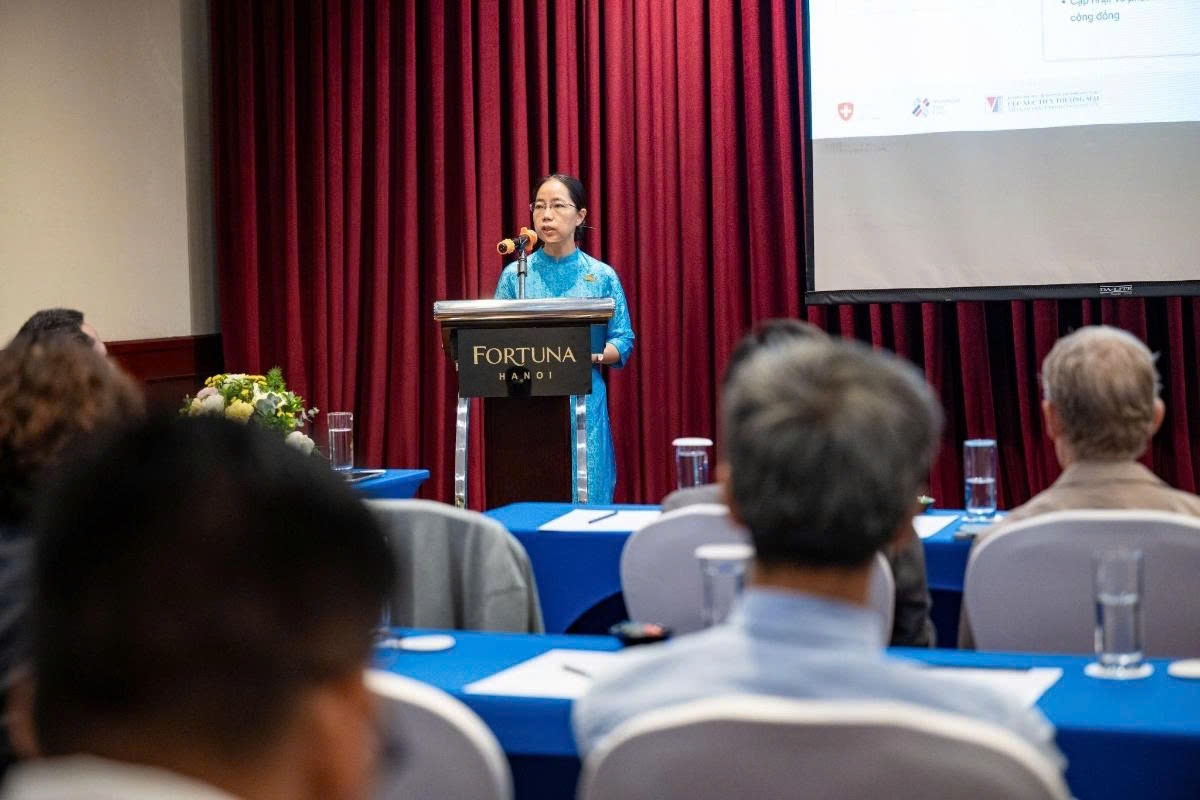
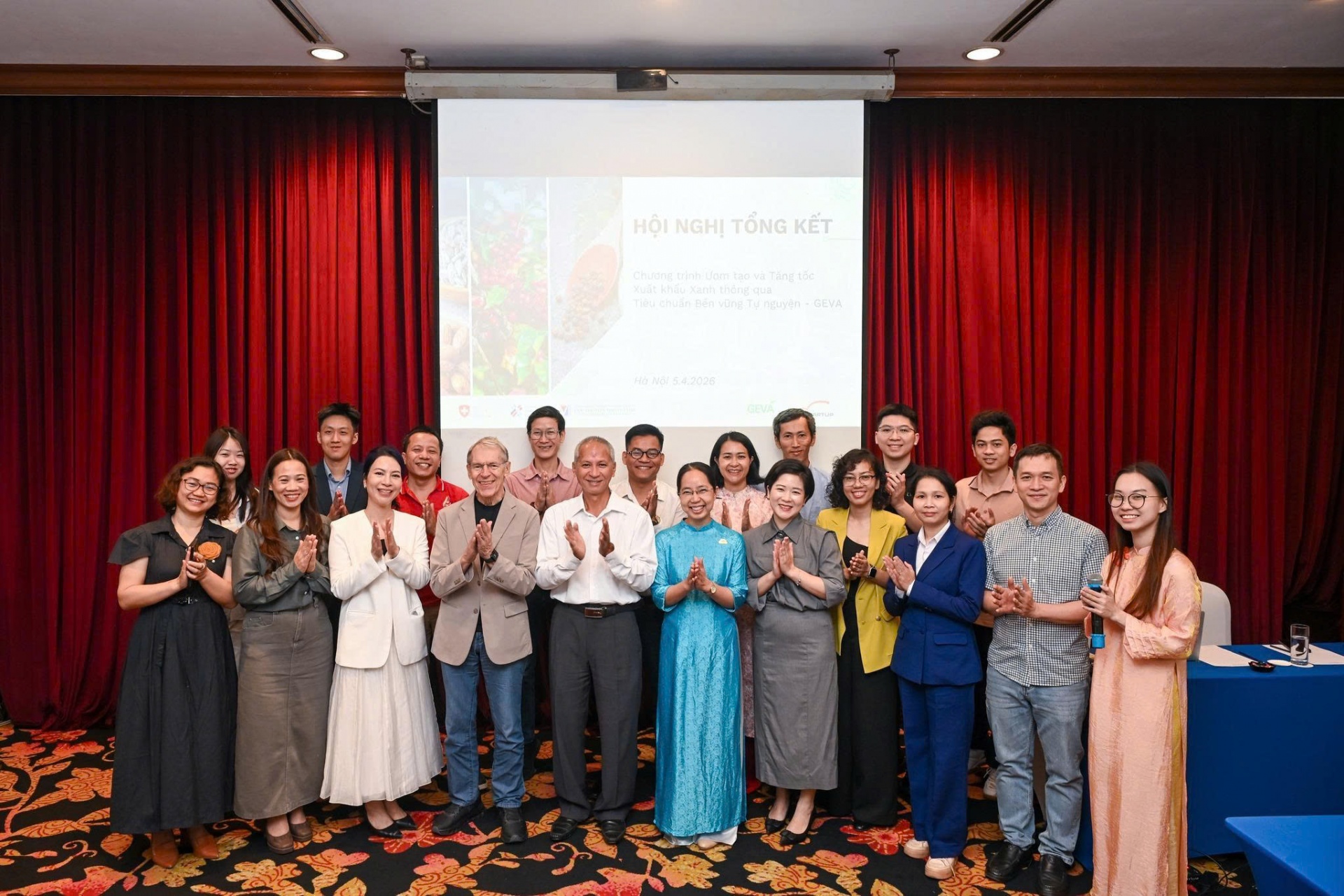
The Green Export Incubation and Acceleration Programme through Voluntary Sustainability Standards (GEVA) held its closing conference on April 5. Funded by the Swiss government and co-managed by the International Trade Centre (ITC) and the Vietnam Trade Promotion Agency, the initiative was implemented by KisStartup JSC.

The event was attended by representatives from the Trade Promotion Agency, the ITC in Vietnam, experts, project partners, more than 10 businesses (representing 25 participating companies), and media agencies.

Nguyen Dang Tuan Minh, CEO of KisStartup, said, “After one year, participating businesses have demonstrated clear progress in both mindset and action. KisStartup aims to further develop green export support services to accompany Vietnamese enterprises over the long term.”

Luu Trong Hieu, project coordinator of GEVA, said the initiative has delivered several notable results. “It launched three self-assessment toolkits on the greenexport.vn platform, covering green business models, VSS compliance, and green export readiness,” he said. “Five training courses were organised in Hanoi, Ho Chi Minh City, Ben Tre, Dak Lak, and Gia Lai, attracting 485 participants.”

The programme also selected 25 businesses for the incubation and acceleration scheme, providing more than 270 hours of in-depth one-on-one consulting across seven thematic areas, along with field assessments conducted at 15 enterprises.

In terms of green export market connections, GEVA supported 17 businesses to participate in the Vietnam Sourcing Expo 2025, five businesses at the Taiwan Lunar New Year Fair 2026, and trade promotion activities at VIPO 2026, along with four online matchmaking conferences with partners from Taiwan, Canada, the EU, and Japan. These outcomes have enabled businesses to meet standards while building sustainable competitive advantages.

Bui Khanh Tung from the Centre of Organic Agriculture Development and Support said standards should be seen as a foundation for sustainable business growth, not a burden. Within GEVA, businesses were equipped with three practical tools to self-assess their level of greenness, resilience, and export readiness.

“Although Vietnamese agricultural products are present in many global markets, most high-value segments remain controlled by foreign distributors,” he said. “Vietnamese businesses need to take a more proactive approach in enhancing capabilities and rigorously adopting sustainability standards to meet market requirements and gradually position themselves in higher-value segments.”

Vu Thu Van, CEO of Richard Moore Associates (RMA) – the branding consultancy partner for the programme – said she fully understands the challenges businesses face in brand building.

“While many companies have refreshed their image, building a brand is a long-term journey,” she said. “Many still struggle to differentiate between domestic and export markets and have yet to develop systematic strategies. RMA aims to bridge this gap by helping businesses redefine their brand stories and core values.”

Swiss-funded GEVA programme boosts Vietnam's green agricultural exports
Nguyen Dang Tuan Minh, CEO of KisStartup

KisStartup’s Minh noted that RMA experts identified two major limitations among businesses: weak digital export capabilities, particularly in websites and sales channels, and a lack of compelling impact stories.

“A Canadian importer once remarked that the market is saturated and in need of new stories,” Minh said. “This is precisely the gap that GEVA has helped businesses address.”

After a year with GEVA, participating businesses have seen tangible progress in both green export practices and sustainable development. Many have strengthened their export capabilities, refined brand positioning, and gained a deeper understanding of international market expectations, particularly around sustainability and green consumption trends.

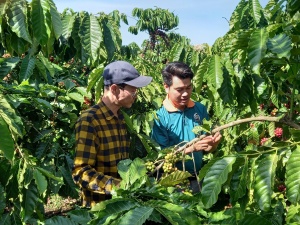
For Detech Coffee, GEVA has played a key role in enhancing export readiness and market insight. “We now better understand customer requirements and green consumption trends, especially after participating in the Taiwan Lunar New Year Fair 2026,” said Le Thi Hang, deputy director of Detech Coffee.

At Ede Cafe, the transformation has been more strategic. “We have shifted our mindset towards green exports, clarified our core values, and built a more consistent brand story,” Y Nie Pot, director of Ede Cafe, said. The company has since successfully exported coffee to the United States.

Meanwhile, Red River Spices reported concrete business outcomes. After joining the Taiwan Lunar New Year Fair 2026 through GEVA, the company successfully shipped its first export container to Taiwan, marking an important milestone in its green export journey.

For SAOLA, the initiative helped strengthen communication and market expansion efforts. “Field visits supported us in expanding our growing areas and building greater confidence in our export strategy,” said Pham Nguyen Thanh, director of SAOLA.

At Pearl Group JSC, GEVA supported a more focused communication strategy and clearer sustainability narrative. According to deputy CEO Tran Phuoc Hau, the company is now better positioned to reach target customers and is preparing to expand into new product lines, including coffee and instant pho, with continued support from the project.

Beyond these examples, other participating businesses – including DACE, Essence Forest, RainCoffee, and The Cil Coffee – have also made significant strides, refining their brand stories, pursuing green certifications, and adopting more circular and sustainable business models.

GEVA marks not just the conclusion of a one-year initiative, but the beginning of a new phase for Vietnamese businesses on their green export journey. With stronger capabilities and clearer direction, participating businesses are now better positioned to bring sustainable products, authentic stories, and Vietnamese values to global markets.

KisStartup reaffirmed its long-term commitment to supporting a green export business community in Vietnam. “Starting with more than 20 purpose-driven businesses, we have begun shaping Vietnam’s green export journey – and we will continue to build it together,” Minh said.

Voluntary Sustainability Standards pave way for Vietnam’s agricultural exports Voluntary Sustainability Standards pave way for Vietnam’s agricultural exports

A single rejected shipment can take years for an exporter to rebuild trust with international partners, and may even tarnish the reputation of an entire sector. By contrast, exporters that consistently meet required standards can benefit from “green lane” clearance, enjoying faster inspections and lower logistics costs.

From standards to strategy: building Vietnam’s green export capability From standards to strategy: building Vietnam’s green export capability

Sustainability standards alone are not enough–Vietnamese enterprises must integrate them into market-driven business models to unlock real export opportunities.

GEVA boosts Vietnam’s green export push GEVA boosts Vietnam’s green export push

Against the backdrop of increasingly stringent international market requirements regarding quality, traceability, and sustainability standards, strengthening the capacity of Vietnamese enterprises and supporting their access to green export markets has become a critical priority.

Resilient businesses navigate challenges in Vietnam
Phi Huong Nga, head of the Industry and Construction Statistics Department, NSO

How do you assess the business landscape in the first quarter of 2026?

Assessing the health of businesses based solely on indicators such as revenue or profit is insufficient; a more comprehensive view is needed, one that captures their resilience and adaptability to fluctuations in the business environment.

Based on statistical monitoring, several factors clearly reflect business health. Notably, in Q1 of this year, while the number of enterprises temporarily suspending operations for a fixed period rose by only 3.3 per cent, the number of businesses ceasing operations pending dissolution procedures increased by 45 per cent, and the number of dissolved enterprises surged by as much as 99 per cent.

Another point of concern is that nearly 40 per cent of firms in the wholesale and retail sector are facing difficulties. This indicates that the sector is being strongly affected by shifts in trade patterns, changing consumption trends, intensifying competition, and relatively weak domestic demand.

On the positive side, however, the number of newly established businesses and those resuming operations reached approximately 96,000, up 31.7 per cent. This reflects the dynamic movement and natural selection process of the economy, while also demonstrating the ability of businesses to adapt to rapidly changing market conditions.

Overall, the current picture of business health is a mix of challenges and opportunities. While difficulties remain predominant, the foundations for recovery are still being maintained.

How would you evaluate the current health of businesses generally?

The Index of Industrial Production (IIP), which measures changes in the volume of industrial output, rose by 9 per cent in the first quarter. This is not a low figure compared to recent quarters (which ranged from 9.3 per cent to 9.9 per cent), and is even higher than the same period in 2025, when the IIP increased by only 8.3 per cent. A 9 per cent growth rate indicates that industrial expansion in Q1 remains quite solid.

However, from another perspective, certain unfavourable factors have emerged. First, on a monthly trend basis, due to the impact of tensions in the Middle East, the IIP growth in March slowed compared to the first two months of the year.

This trend is consistent with Vietnam’s Purchasing Managers’ Index, which has hovered around the 50 threshold in recent months, suggesting that industrial production remains in expansion territory but not strongly and shows signs of slowing.

Despite some degree of optimism, it must be acknowledged that the outlook remains fraught with challenges and risks, including rising global and domestic oil prices, increasing logistics costs, a recovery in export markets that is not yet firmly established, a still-high number of businesses exiting the market, and persistent input cost pressures.

As such, industrial growth in the coming quarters may remain volatile and will depend heavily on export markets, investment flows, and domestic policies supporting production and business activities.

Manufacturing and processing is the engine of the economy and heavily dependent on exports. How are businesses in this sector performing as exports face difficulties due to disruptions in the Strait of Hormuz?

According to survey results on production and business trends in the manufacturing and processing sector, the biggest challenge at present remains weak market demand.

Specifically, as many as 45.6 per cent of firms reported difficulties due to low demand. This clearly reflects the reality that both domestic and international markets are recovering slowly, while purchasing power remains subdued.

In addition, competitive pressure is a major challenge. Nearly 49 per cent of businesses indicated that they are facing intense competition. With demand yet to recover strongly and the number of enterprises remaining large, competition in terms of price, quality, and market share has become increasingly fierce.

Another difficulty lies in rising input costs, particularly for energy, logistics, and raw materials. These factors are influenced by global geopolitical fluctuations, including tensions in the Middle East that have driven up transportation costs and global energy prices.

Survey data show that about 27.3 per cent of manufacturing firms are affected by shortages of raw materials and rising input costs – an increase of 7.5 percentage points compared to the previous quarter.

This is a notable rise, indicating that cost pressures have yet to ease. Export activities, inevitably, have also been negatively impacted by the conflict involving the United States, Israel, and Iran, with as many as 28.6 per cent of businesses reporting difficulties due to weak global demand.

What solutions are needed to support manufacturing and processing businesses in recovering and growing under current conditions?

Vietnam has formed a new government, and the new administration will continue to focus on directing and managing efforts to achieve a GDP growth target of 10 per cent or more going forward, while maintaining macroeconomic stability, controlling inflation, and ensuring major economic balances with strong determination.

In the immediate term, the government’s key priority is to stabilise the macroeconomy, keep inflation under control, and maintain stable interest rates in order to ease financial cost pressures on businesses.

Domestic demand remains weak, while exports are likely to be negatively affected as consumers both at home and globally adopt more frugal spending habits.

Therefore, to achieve such high growth, it is essential to accelerate the disbursement of public investment, particularly in large-scale infrastructure projects, in order to create jobs and stimulate relevant sectors such as construction materials and mechanical engineering.

In addition, it is necessary to swiftly update construction material prices to accurately reflect market fluctuations, thereby enabling businesses to adjust costs appropriately; remove obstructions in administrative procedures, land access, and site clearance to expedite project implementation and improve corporate cash flows; and continue implementing support policies such as reducing logistics costs, encouraging digital transformation, and enhancing competitiveness.

New regulatory approach to boost transparency for businesses New regulatory approach to boost transparency for businesses

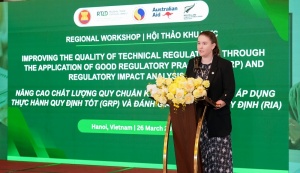
Vietnam is shifting its focus from rule-making to rule-quality, adopting Good Regulatory Practices and impact assessment to create more transparent, predictable, and internationally aligned regulations.

Businesses develop strategies to penetrate Halal market Businesses develop strategies to penetrate Halal market

Vietnamese businesses need to prepare across multiple fronts to enhance their competitiveness and successfully penetrate the Middle Eastern market, according to experts at a seminar on April 3.

Eco-industrial parks offer solution for foreign-led businesses amidst global volatility Eco-industrial parks offer solution for foreign-led businesses amidst global volatility

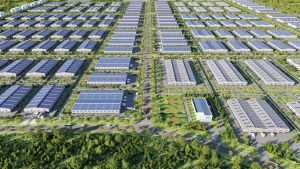
Against the backdrop of evolving global geopolitical shifts and stricter ESG standards, the eco-industrial park model is emerging as a pivotal solution for foreign companies to ensure self-reliance and maintain their position in the global supply chain.

Nippon Express expands air cargo handling capability in Vietnam

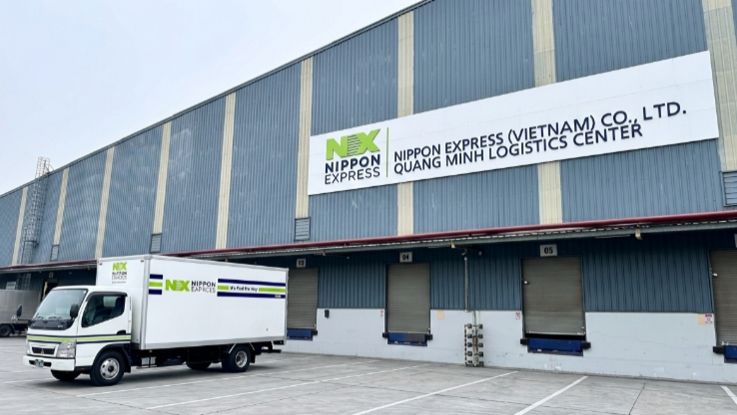
On April 14, Nippon Express Vietnam became the first Japanese freight forwarder to obtain an air cargo container freight station (CFS) licence for Quang Minh Logistics Centre in Quang Minh Industrial Park in Hanoi.

Covering 1,000 square metres, the newly established CFS is fully equipped with high-rise racks, security cameras, and lockable secure areas. Air cargo loading and unloading, temporary storage of export-ready cargo, bonded transport procedures and other operations are carried out under in-house management, making cargo control more efficient and customers’ logistic flows smoother.

Qualifying for the air cargo CFS licence required establishing a framework capable of performing the full spectrum of operations from air cargo consolidation and packing to bonded transport procedures, significantly enhancing the centre’s logistics service capabilities.

With Vietnam enjoying rapid economic growth, congestion has become the norm at Noi Bai International Airport’s cargo terminal due to expanding demand for air cargo transport. Against a backdrop of changes in the business environment and moves to optimise global supply chains, the acquisition of this CFS licence helps satisfy customer demands for a faster and more efficient logistics network.

The Quang Minh facility offers excellent access to the economic and commercial hub that is Hanoi, being situated a mere 15-minute drive from Noi Bai. Leveraging both Quang Minh Logistics Centre’s strategic location and its CFS functions, Nippon can avoid cargo backlogs at the airport terminal and to ensure timely delivery in accordance with flight schedules. Such agile operations deliver significant convenience and a competitive edge in air cargo services.

Moving forward, Nippon in Vietnam will leverage its status as the only Japanese forwarder with an off-airport CFS facility in Hanoi to develop unique schemes that address region-specific logistics challenges. Pioneering initiatives will also be pursued in the Hanoi area to create new value for customers’ supply chains.

Lotte Global Logistics inks MoU with Tan Long Group to enhance agriculture and food logistics Lotte Global Logistics inks MoU with Tan Long Group to enhance agriculture and food logistics

Lotte Global Logistics and Tan Long Group signed an MoU on cooperation in agriculture and food logistics on March 23.

Delo Group, VIMC sign deal to develop Russia-Vietnam maritime transport Delo Group, VIMC sign deal to develop Russia-Vietnam maritime transport

Russia’s Delo Group and Vietnam Maritime Corporation signed an MoU on the sidelines of the Vietnam-Russia Business Forum in Moscow on March 24.

Gemadept and CJ Logistics optimise strategic partnership for development Gemadept and CJ Logistics optimise strategic partnership for development

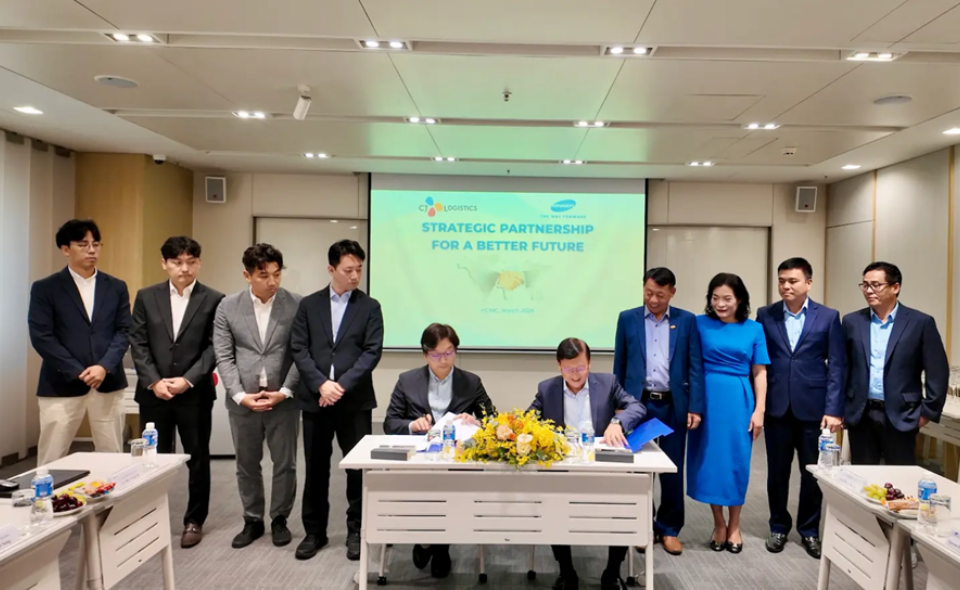
On March 30, Gemadept and CJ Logistics agreed to implement a strategic optimisation of logistics and shipping operations to leverage the competitive advantages of both companies.

The bonds, filed on April 9, are unsecured, non-convertible, and non-warrant-linked instruments denominated in US dollars, constituting a direct payment obligation of the issuer. They carry an option allowing holders to receive shares in Vinpearl JSC, which is owned by Vingroup.

The offering comprises a maximum of 1,750 bonds at a par value of $200,000 each, with an expected coupon of up to 5.75 per cent per annum and a five-year tenor from the date of issuance. The bonds are expected to be listed on the Vienna Stock Exchange in Austria and will not be offered or listed in Vietnam. Issuance is targeted for the second quarter, subject to market conditions and regulatory approvals.

Vingroup set for $350 million international bond issuance
A hospitality complex operated by Vinpearl. Photo: Vingroup

As of the end of 2025, Vingroup carried total debt of VND338 trillion ($13.3 billion), in which dollar-denominated debt accounted for 19.1 per cent of the total.

Net debt to earnings before interest, taxes, depreciation, and amortisation (EBITDA) stood at 2.7 times in 2025, up from 2.3 times in 2024. The EBITDA-to-interest-expense coverage ratio was 3.0 times in 2025, an increase from 2.9 times.

For 2026, Vingroup plans to achieve net revenue of $17.7 billion and net profit after tax of $984.3 million, representing an increase of 35.6 per cent and 125.9 per cent respectively compared to 2025.

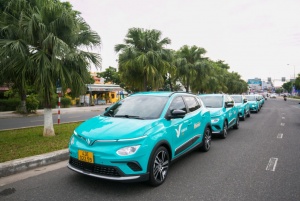
VinFast – an electric vehicle manufacturer and a member unit of Vingroup – has set a target of 300,000 electric vehicle deliveries and approximately 1 million electric motorcycle units. The latter represents at least 2.5 times the volume recorded in 2025, with market expansion planned in the United States and Europe.

Real estate developer Vinhomes – a member of the Vingroup ecosystem – plans to drive strong net revenue growth through ongoing large-scale developments and new project launches in Ho Chi Minh City, Danang, and Quang Ninh.

Meanwhile, Vinpearl – a premium hospitality and resort brand within the Vingroup ecosystem – aims to grow revenue through higher room occupancy, expanded on-site services, accelerated meetings and events offerings, and the launch of the Tuyen Quang hospitality complex.

At the group level, Vingroup stated it intends to develop three new business pillars in infrastructure, green energy, and culture, alongside its existing real estate, industrials, and social enterprise segments.

Vingroup merges GSM and Green Future Vingroup merges GSM and Green Future

On February 28, Vingroup announced the merger between Green and Smart Mobility JSC and Green Future Trading and Services JSC.

Vingroup launches customer support program amid fuel cost increases Vingroup launches customer support program amid fuel cost increases

The Vietnamese conglomerate introduced financial assistance initiatives for consumers facing higher transportation and energy expenses.

ACV and Vingroup tie up to advance green transition and airport development ACV and Vingroup tie up to advance green transition and airport development

On March 23, Airports Corporation of Vietnam and Vingroup formally signed a comprehensive MoU to boost green transformation across Vietnam’s airport system through the deployment of clean energy solutions and sustainable mobility initiatives.

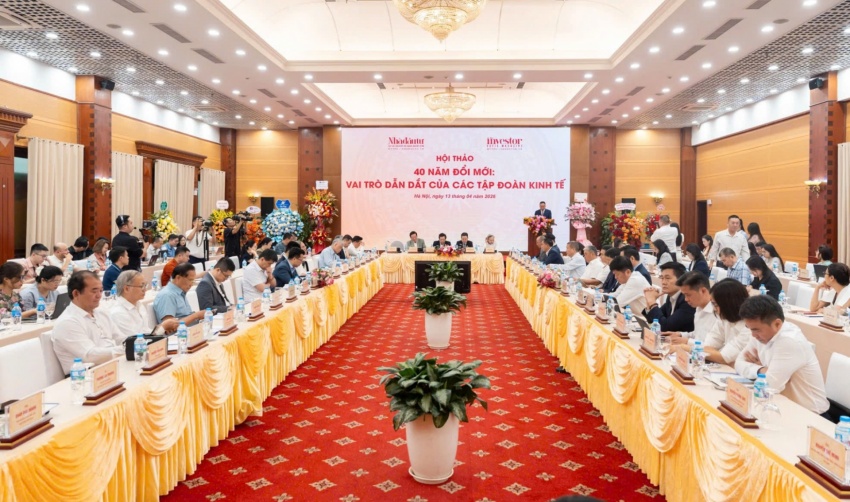
Seminar marks 40 years of doi moi with call for private sector reform

On April 13, more than 100 representatives from central ministries, business associations, economists, financial and legal experts, commercial banks, and major corporations gathered for the event in Hanoi.

Opening the discussion, Nguyen Duc Hien, Deputy Head of the Party Central Committee’s Commission for Policy and Strategy, revealed that a comprehensive proposal to reform Vietnam’s development model – anchored in sci-tech and digital transformation – will be submitted to the Politburo at the upcoming Third Plenum of the Central Committee, scheduled for late June to early July.

He underscored the central role of the private sector in this transition. “The private economic sector is one of the most important growth drivers, contributing around half of GDP and generating a large share of employment,” he noted. However, the sector remains fragmented, with more than one million registered enterprises – mostly small and medium-sized – alongside approximately five million household businesses.

Despite a clear policy ambition to build strong private conglomerates, progress has been slower than expected. “We have spent nearly three years trying to realise this goal, but tangible results remain limited,” Hien added. A key mechanism – where the state commissions private enterprises to undertake major national strategic tasks – has been introduced but is being implemented slowly.
Seminar marks 40 years of doi moi with call for private sector reform
Nguyen Ngoc Canh, Deputy Governor of the State Bank of Vietnam

From the banking sector’s perspective, Nguyen Ngoc Canh, Deputy Governor of the State Bank of Vietnam, reflected on the transformative journey of the past four decades. “It is impossible to speak of doi moi without recognising the locomotive role of economic groups,” he said. Whether state-owned enterprises or private corporations, these entities have consistently formed the backbone of the economy.

They have contributed significantly to GDP and state budget revenues, while creating millions of jobs and delivering key national infrastructure and industrial projects. At the same time, they have helped elevate Vietnamese brands in manufacturing, services, and trade to the international stage, strengthening the country’s economic self-reliance.

The banking system, Canh explained, has evolved in tandem with this growth. “The continuous improvement of the legal framework governing monetary policy, credit, and banking operations has enabled credit institutions to channel substantial capital into the economy,” he said, highlighting the sector’s role in supporting production, business expansion, and overall economic growth.

By the end of 2025, total outstanding credit reached approximately VND18.6 quadrillion ($740 billion), up over 19 per cent on-year, equivalent to 144 per cent of GDP. Domestic enterprises accounted for roughly 48 per cent of total credit, while large corporations and state-owned groups comprised about 7 per cent. Banks have also accelerated the adoption of digital technologies, developing modern payment services that improve access to finance.

These achievements, he argued, demonstrate that the rapid development of Vietnam’s banking system is not just a source of financial resources for businesses but also a key driver of enterprise growth in its own right.

Providing a broader business perspective, Dau Anh Tuan, deputy secretary general of the Vietnam Chamber of Commerce and Industry, highlighted both the progress and the paradoxes of the private sector.

Vietnam now has over one million formally operating enterprises and around five million household businesses. The private sector contributes approximately half of GDP and generates the majority of jobs. Several private conglomerates have secured strong positions domestically and begun expanding regionally and globally. Resolution No.68-NQ/TW of the Politburo in 2025 identifies the private sector as “one of the most important drivers” and a “pioneering force” in the country’s industrialisation and modernisation.

Notable achievements are evident across sectors. In manufacturing, THACO has built a large automotive and mechanical production ecosystem, while VinFast has emerged as Vietnam’s first electric vehicle producer, listed on Nasdaq and expanding into international markets. Hoa Phat has grown into one of Southeast Asia’s leading steelmakers.

In technology, FPT has become a regional leader, investing heavily in digital transformation, AI, and semiconductors. In consumer goods, Vinamilk and Masan have built competitive regional brands. Meanwhile, Vingroup, Sun Group, and BRG Group have made large-scale investments in infrastructure and real estate, reshaping the economic landscape of multiple regions.

However, Tuan pointed to persistent structural challenges. “The private sector is large but not yet strong; dynamic but not yet deep; significant in contribution but still modest in global value chains,” he observed. Nearly 97 per cent of private enterprises are small and medium-sized, many employing fewer than 10 workers – a limited scale that constrains investment in technology and innovation.

The sector also faces imbalances, with a large share of revenue concentrated in finance and real estate, while manufacturing remains underdeveloped. Linkages to global value chains have weakened, labour productivity lags that of state-owned and foreign-invested enterprises, and investment in research and development remains modest. Many firms continue to operate under family-based models with limited transparency and professional governance.

Seminar marks 40 years of doi moi with call for private sector reform

Le Khac Hiep, vice chairman of Vingroup, shared insights into the development of Vietnam’s automotive industry, a sector often seen as a litmus test for industrial capability.

According to Hiep, Vietnam’s auto industry was largely confined to assembly for many years, characterised by low localisation rates and heavy dependence on external supply chains. Domestic firms struggled to participate deeply due to constraints in technology, capital, and market scale. The industry remained structurally incomplete, with consumption demand but limited supporting industries to generate sustainable value.

The emergence of VinFast marked a significant turning point. Rather than following the traditional assembly path, the company invested from the outset in a highly automated manufacturing complex, encompassing research and development, stamping, welding, painting, engine production, and the gradual mastery of core technologies. This approach laid the foundation for a shift from “dependent manufacturing” to “self-reliant production.”

“More importantly, VinFast positioned itself not as a standalone entity but as a central node within a broader production network, connecting and leading a system of suppliers,” said Hiep. “This strategy has begun to restructure Vietnam’s automotive industry towards a more integrated domestic value chain.”

By 2025, the localisation rate for electric vehicles had reached approximately 60 per cent, with a target of 80 per cent once battery cell production is established domestically in 2026. Mastery of core technologies allows firms to better control value chains, reduce external dependence, and create opportunities for domestic enterprises to participate more deeply.

VinFast’s impact on supporting industries is particularly evident in improving market certainty. Through long-term, large-scale partnerships, VinFast has provided that assurance. With predictable orders, suppliers can confidently invest in machinery, upgrade technology, and expand production, conditions essential for building genuine industrial capacity.

At the same time, participation in VinFast’s global-oriented supply chain requires suppliers to upgrade technical standards, quality management, and sustainability practices. This process helps them meet VinFast’s requirements while enhancing their competitiveness in other international value chains.
Production hubs such as those in Haiphong and Ha Tinh have become new growth poles, attracting labour, capital, and infrastructure investment. On a broader scale, VinFast’s entry into global markets is bringing international standards into domestic supply chains, creating positive pressure for Vietnamese enterprises to upgrade and integrate more deeply into the global economy.
With an expanding market, a clear localisation strategy, and a leading role within its ecosystem, VinFast is contributing to the formation of deeper economic linkages, helping lay the groundwork for Vietnam to gradually position itself more firmly within global value chains.