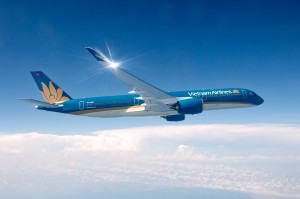
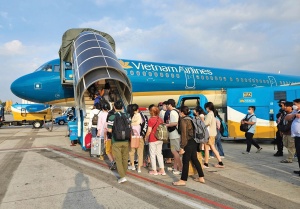
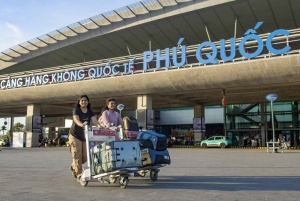
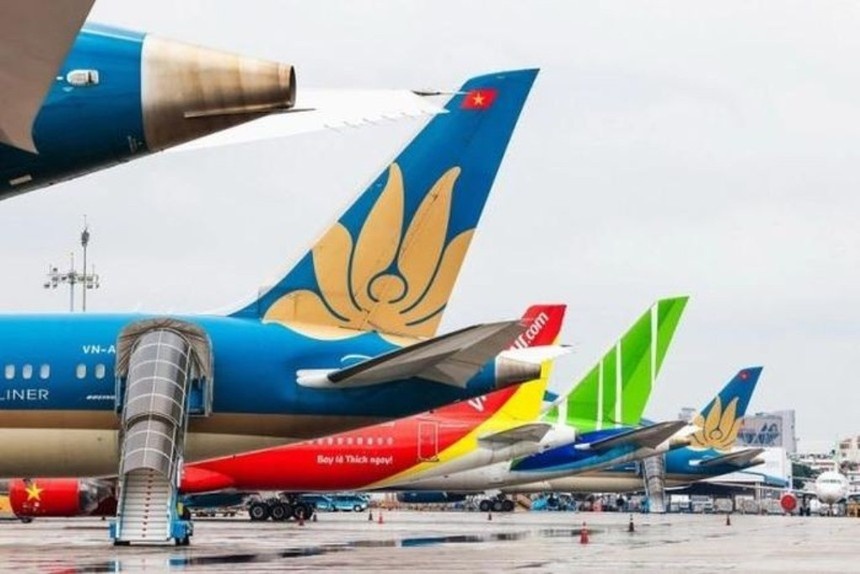
From April 1, Vietnam Airlines – the national flag carrier – announced the temporary suspension of seven routes, including Ho Chi Minh City-Van Don, Ho Chi Minh City-Rach Gia, Ho Chi Minh City-Dien Bien, Haiphong-Can Tho, Haihong-Buon Ma Thuot, Haiphong-Cam Ranh, and Haiphong-Phu Quoc.
Rising fuel costs disrupt flight plans, squeeze airline earnings

Vietravel Airlines has also cancelled charter flights between Hanoi and Lanzhou Zhongchuan International Airport in May.

Meanwhile, budget carrier Vietjet Air announced the cancellation of multiple flights between Vietnam and Japan during the peak period.

On the Narita-Hanoi route, all flights numbered VJ934 and VJ935 will be suspended from April 7 to April 30. Similarly, all Kansai-Hanoi flights (VJ930 and VJ931) will be cancelled from April 8 through the end of the month.

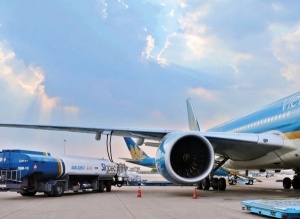
Average Jet A-1 fuel prices in the Singapore market in March 2026 hovered around $190-200 per barrel, peaking at $234.34 per barrel on March 24.

In addition, physical premiums exceeded $30 per barrel, at times reaching $39.60 per barrel, pushing total fuel costs to exceptionally high levels.

Fuel expenses are currently influenced by crude oil prices, refining costs, war risk insurance, and supply disruptions, placing significant pressure on airlines’ operating costs.

Regarding business performance, Vietnam Airlines (ticker HVN) noted that the aviation sector has entered 2026 facing numerous challenges. However, the airline maintained growth momentum in the first quarter of 2026 despite mounting cost pressures.

Data for Q1, 2026 show that international passenger traffic reached an estimated 13.5 million, up 16 per cent on-year and exceeding forecasts, while the domestic market handled approximately 9.95 million passengers, up 9.6 per cent.

In terms of operations, the airline operated nearly 43,000 flights in Q1, up 11 per cent on-year, carrying close to 6.9 million passengers, an increase of nearly 12 per cent, in line with market demand trends.

Amid rising fuel cost pressures driven by ongoing Middle East tensions, from Q2, Vietnam Airlines has developed flexible operating scenarios, focusing on optimising its network across key domestic and international routes, tightening cost controls, and improving fleet efficiency.

According to projections by MB Securities, Vietnam Airlines is expected to post a Q1 profit of approximately $105 million, down 23 per cent on-year.

Parent company net profit declined despite an estimated 15 per cent increase in passenger volume during the peak season, primarily due to a 32 per cent surge in jet fuel prices, which significantly eroded gross margins.

At Airports Corporation of Vietnam, MBS estimates Q1 profit rose slightly by 4 per cent to about $113 million. Total passenger traffic increased by 14 per cent on-year, including an 18 per cent rise in international passengers and a 9 per cent hike in domestic travellers. Financial income declined as the company allocated resources to the ongoing Long Thanh International Airport project.

Vietjet Air has yet to release its Q1 business results. This year, the airline plans to continue expanding its international network, particularly long-haul routes, while enhancing wide-body fleet efficiency, accelerating digital transformation, and optimising costs.
Fresh woes for airlines in fuel costs Fresh woes for airlines in fuel costs

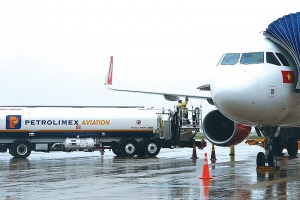
While hoping to rejoice over the imminent resumption of international flights, Vietnamese air carriers are being simultaneously hit with rising fuel prices due to the Russia-Ukraine crisis, and are urging local authorities to look into a financial bailout for them.

Vietnam Airlines intensifies European market promotion Vietnam Airlines intensifies European market promotion

The flag carrier increased marketing activities and partnerships across the continent to boost passenger traffic on Southeast Asian routes.

Aviation and maritime fee exemptions proposed until end-2026 Aviation and maritime fee exemptions proposed until end-2026

The Ministry of Finance (MoF) has proposed exempting a range of fees and charges in the aviation and maritime sectors from April 1 until the end of 2026, in a move aimed at supporting businesses amid volatile fuel prices.

Dr. Robert François Marie Riche, who graduated in obstetrics and gynaecology from Grenoble Alpes University and completed advanced training in laparoscopic surgery at Clermont Auvergne University and Aix-Marseille University, has been using the da Vinci Xi robotic system at FV Hospital to perform highly precise procedures.

Robotic surgery advances womens health at FV Hospital
Riche providing counselling to a patient at FV Hospital. Photo: FV

After many years working in France, he came to Vietnam in the early 2000s. Riche previously served as head of the Obstetrics and Gynaecology Department at FV Hospital from 2004 to 2008, before continuing to provide professional advice to various healthcare systems in Ho Chi Minh City. According to Riche, obstetrics and gynaecology is one of the specialities that demands a high degree of precision in surgery.

A woman’s pelvis contains several vital organs – including the uterus, ovaries, bladder, and rectum – located in close proximity and connected by a complex network of blood vessels and nerves. As a result, each surgery aims to remove damaged tissue while preserving as much of the reproductive organs as possible.

“In obstetrics and gynaecology, simply curing a disease is not enough,” Riche explained. For him, every surgery must be geared towards protecting the patient’s future – especially that of young women who wish to become mothers.

It is from this understanding that doctors consistently prioritise conservative surgical methods when conditions permit: from removing tumours while preserving the ovaries, preserving the uterus in the treatment of fibroids, to early-stage cancer intervention while maintaining the patient’s fertility.

“When I started working at FV in 2004, obstetric and gynaecological surgery was primarily open or performed vaginally. From around 2005 onwards, laparoscopic surgery gradually became more popular due to its advantages of being less invasive, reducing pain, and shortening recovery time for patients,” said Riche.

However, for complex cases located deep within the pelvic region – where surgical space is limited, and many important anatomical structures are concentrated, laparoscopic surgery still has certain limitations. The emergence of the da Vinci Xi robotic surgical system has opened up new possibilities, especially in the treatment of complex obstetric and gynaecological diseases.

Compared to traditional laparoscopic surgery, the da Vinci Xi robotic system offers several significant advantages. The robotic arm’s flexible rotation and absolute vibration resistance enable surgeons to perform stable and precise procedures, even in tight and challenging surgical spaces. Meanwhile, high-resolution 3D images allow doctors to clearly observe the intricate anatomical structures in the pelvic region.

Robotic surgery advances women's health at FV Hospital
Riche in the operating room equipped with the da Vinci Xi robotic system. Photo: FV

No matter how advanced the technology, the effectiveness of robotic surgery still depends on the experience and skill of the surgeon. With over 30 years of experience in obstetrics and gynaecology, Riche is utilising the da Vinci Xi robotic surgery system to great effect, transforming this technology into a powerful tool to assist in many complex surgical procedures.

Robotic surgery advances women's health at FV Hospital
Riche with the da Vinci Xi robotic surgery system. Photo: FV

According to Riche, robotic surgery is particularly useful in treating complex gynaecological diseases such as uterine fibroids, endometriosis, genital prolapse, or early-stage gynaecological cancer. These cases require extremely precise surgical procedures to both remove the damage and preserve the reproductive organs as much as possible.

In robotic surgery, doctors typically only need to make about four small incisions, each approximately 8mm long, in the abdominal wall to insert the instruments. Thanks to its minimal invasiveness, patients typically experience less pain, less blood loss, and faster recovery; hospital stays can be shortened from 7 to 8 days for open surgery to approximately 2 to 3 days.

During a recent robotic surgery observation and practice trip to Malaysia, Riche also monitored many complex cases that were effectively treated, such as endometriosis with a large tumour that was surgically treated in about 45 minutes, or uterine fibroids with complex pelvic adhesions that were completed in about 75 minutes This significantly shortens the surgical time compared to traditional methods.

“90 per cent of current obstetric and gynaecological diseases can be treated with robots. The biggest advantage is that, despite having a level of safety comparable to traditional endoscopy, robotic surgery dramatically reduces the rate of needing to switch to open surgery: from 10 per cent to less than 1 per cent,” Riche said.

He also noted that robotic surgery does not apply to tumours that are too large – 15 to 20 cm – or malignant ovarian tumours that require complete removal.

According to Riche, robotic surgery has become a routine procedure in many developed countries. “Obstetrics and gynaecology require precision and finesse in every operation, and robots are key.”

The French expert also expressed his hope that more and more women in Vietnam will have the opportunity to access this advanced surgical technology, “Because the ultimate goal of treatment is not just to cure the disease, but also to help women maintain their health, confidence, and preserve their ability to become mothers when conditions permit.”

For consultation and examination of obstetric and gynaecological diseases using the da Vinci Xi robotic system with Dr. Robert Francois Marie Riche, readers can contact FV Hospital at 06 Nguyen Luong Bang Street, Tan My Ward (formerly District 7), Ho Chi Minh City or contact via phone number (028) 3511 3333
Race against time: FV doctors save elderly patient from stroke and acute myocardial infarction Race against time: FV doctors save elderly patient from stroke and acute myocardial infarction

An 80-year-old man suffering from both a stroke and an acute myocardial infarction was saved within minutes thanks to FV Hospital’s 24/7 “Golden Hour” cardiac response team and international-standard Cathlab.

FV Hospital's integrated care model proves comprehensive and effective FV Hospital’s integrated care model proves comprehensive and effective

The intensive care unit (ICU) is often seen as the frontline in the battle for patients’ lives, where the collaboration between multiple specialities determines success. At FV Hospital, a multidisciplinary, comprehensive care model has demonstrated remarkable effectiveness in treating critically ill patients.

Robotic surgery proves effective for complex thoracic case at FV Hospital Robotic surgery proves effective for complex thoracic case at FV Hospital

Doctors at FV Hospital have used the da Vinci Xi robotic system to successfully remove a large esophageal tumour from a patient while preserving the oesophagus, demonstrating the growing role of robotic surgery in treating complex thoracic conditions.

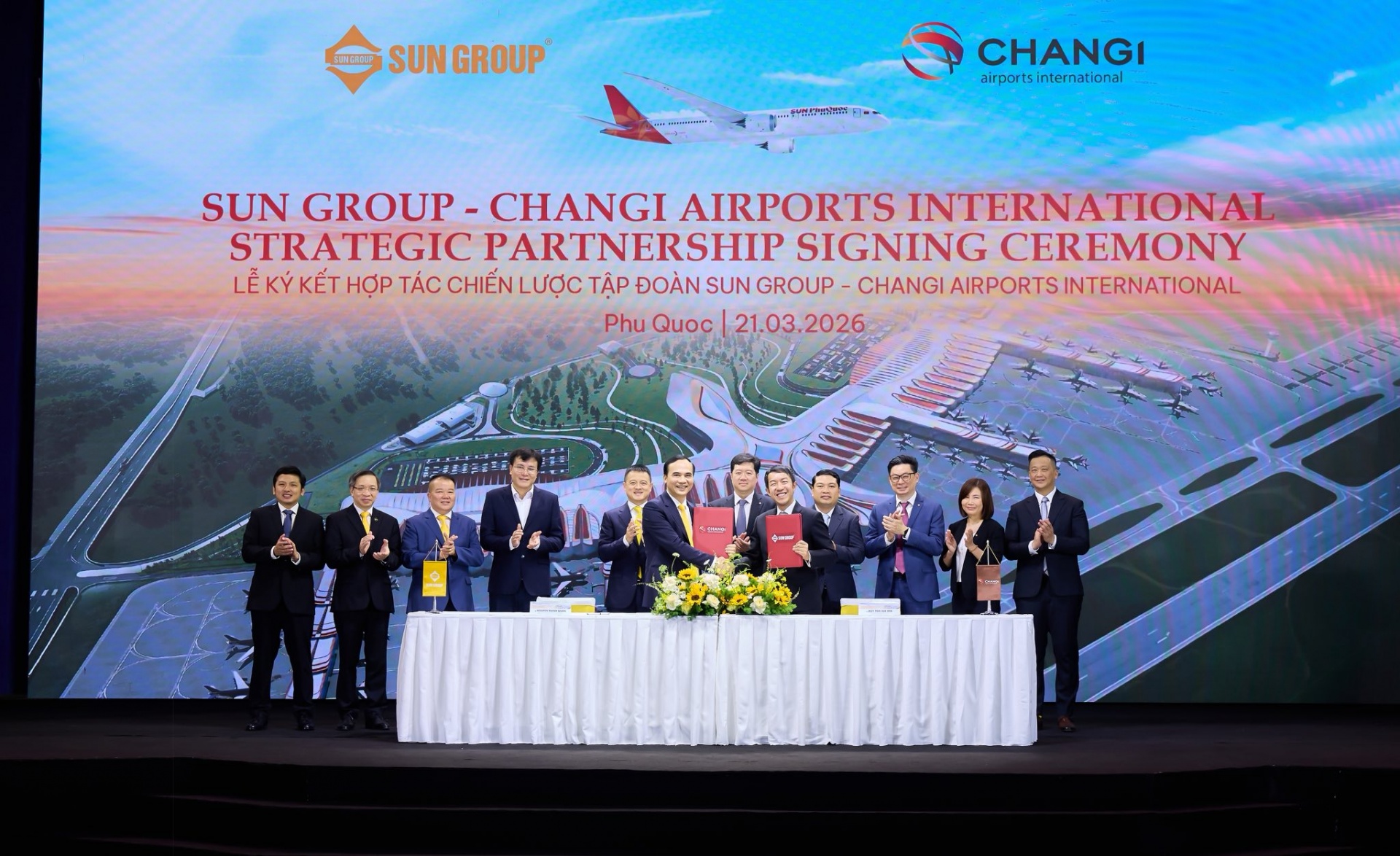
Sun Group partners with CAI to manage Phu Quoc Airport

On March 21, the two companies signed an agreement under which Changi Airports International (CAI) will cooperate in managing the airport, aiming to deliver operations to international 5-star standards. The partnership marks the first time an airport in Vietnam will be managed under such a model.

The announcement means CAI – a member of Changi Airport Group, the operator behind Singapore’s world-renowned Changi Airport – will partner with Sun Group across the entire lifecycle of Phu Quoc International Airport. The partnership has so far covered design advisory, operational readiness, system implementation, and now full management after opening.

CAI will also develop international flight networks, working with airlines to expand connectivity, while building a world-class non-aeronautical ecosystem featuring leading global retail, food and beverage, and duty-free brands.

With this partnership, Phu Quoc International Airport will become one of the first airports in Vietnam to be operated by an international partner under ‘Changi standards’ – a benchmark associated with the pioneering ‘airport destination’ model. This model redefines airports beyond transportation infrastructure, transforming them into destinations in their own right, offering a diverse mix of attractions, entertainment, cultural experiences, retail, dining and iconic architecture, and even large-scale events.

The milestone also marks a crucial step in elevating Phu Quoc’s service standards right from its gateway, in preparation for the APEC 2027 Summit and the island’s promising long-term development.

Currently, in preparation for this major international event, Sun Group is accelerating the expansion of Phu Quoc Airport (spanning over 1,050 hectares and meeting 4E ICAO standards). The project includes a second runway, Terminal 2 for international passengers, a VIP terminal, and expanded apron and supporting infrastructure. Once completed, the airport will reach a capacity of 24 million passengers per year, with potential expansion to 50 million, laying a strong foundation for sustained growth in both tourism and the regional economy.

This partnership with CAI also reflects Sun Group’s long-term vision of building an integrated aviation – tourism ecosystem.

The model is expected to serve as a foundation for future airport developments led by Sun Group, including Phan Thiet Airport and planned projects in Con Dao and Rach Gia – developed in a synchronised approach across infrastructure, operations, and passenger experience, setting a new benchmark for Vietnam’s aviation and tourism industry on the global stage.

Phu Quoc International Airport expansion approved to meet rising demand Phu Quoc International Airport expansion approved to meet rising demand

As air travel demand continues to rise, planning adjustments are becoming essential to ensure Phu Quoc International Airport can accommodate both short-term events and long-term growth.

Sun PhuQuoc Airways announces deal for Boeing 787 Dreamliners Sun PhuQuoc Airways announces deal for Boeing 787 Dreamliners

Sun PhuQuoc Airways has ordered up to 40 Boeing 787 Dreamliners, positioning the widebody jets as the backbone of its long-haul fleet.

Phu Quoc among Asia’s cheapest flight destinations Phu Quoc among Asia’s cheapest flight destinations

Phu Quoc Island has been ranked fourth among the top 10 destinations with the most affordable flight costs in Asia for 2026, according to UK travel platform Skyscanner.

Kim Long Motor exports first buses to Thailand in regional push

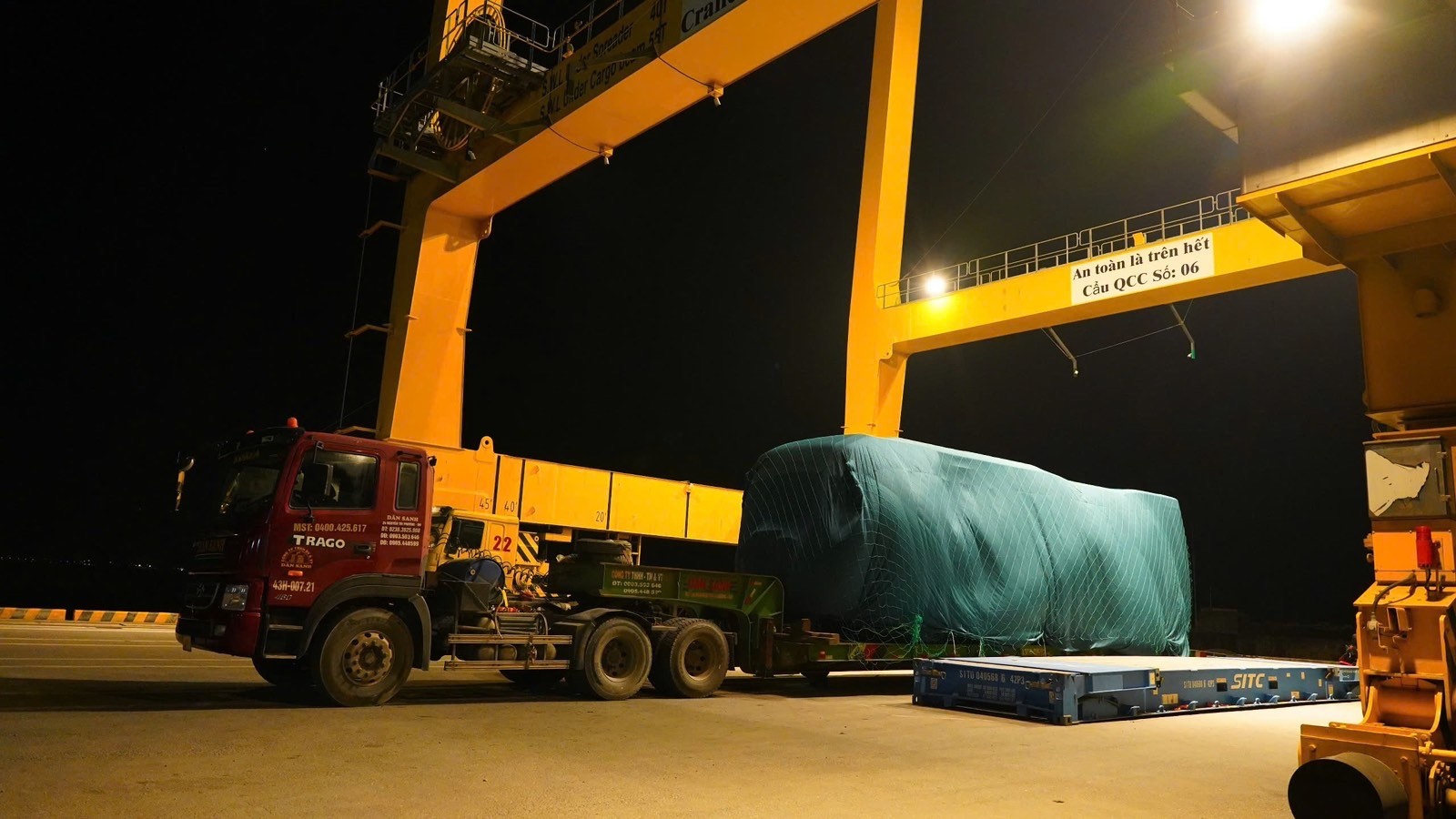
On March 20, the company announced that 10 passenger buses – including both internal combustion and electric engine models – had been shipped as part of a contract for 300 vehicles to be exported to Thailand in 2026. The milestone underscores the manufacturer’s production capacity and the growing regional recognition of Vietnamese-made automobile products.

Researched and developed by Kim Long Motor’s engineering team, the buses are designed to meet Thailand’s terrain, transport infrastructure, and customer requirements. With a localisation rate exceeding 80 per cent at the company’s Hue factory, the vehicles qualify for tax exemptions when imported into Thailand and across ASEAN markets.

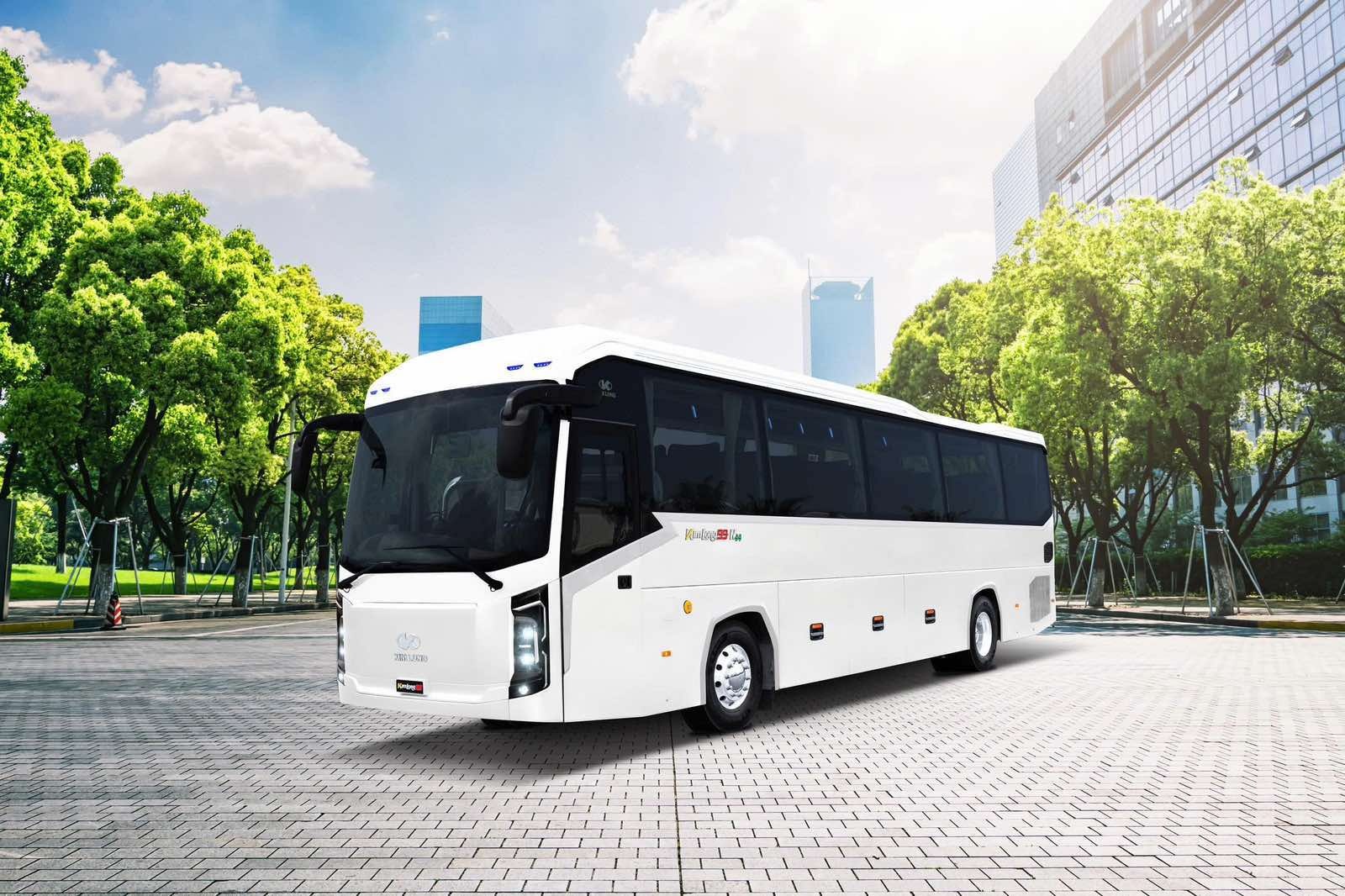
Among the vehicles being shipped, the 12m Kim Long 99-seat buses stand out with their contemporary design and upgraded amenities, catering to the high-quality passenger transport segment.

Kim Long Motor exports first buses to Thailand in regional push

The buses are equipped with a new-generation YUCHAI K11 engine designed for strong and stable performance. Fuel consumption of just 19–21 litres per 100km helps keep operating costs competitive. The integrated body and chassis design is researched and optimised using modern design and simulation software to enhance load capacity, reduce vehicle weight, and adapt to diverse operating conditions in Thailand.

In contrast to products that rely on fragmented supply chains, the chassis and YUCHAI K11 engine of Kim Long’s seated buses are manufactured at the company’s Hue factory, offering a competitive advantage by ensuring consistent quality while strengthening supply chain control.

Alongside traditional internal combustion models, Kim Long Motor has also exported 12m electric buses to Thailand – a significant step in the development of green, environmentally friendly commercial vehicles.

Kim Long Motor exports first buses to Thailand in regional push

The electric bus is equipped with a new BYD battery system, with average power consumption of just 0.8 kWh per km. The battery pack is produced at Kim Long Motor’s commercial electric vehicle battery plant in Hue.

With modern battery technology, the bus can travel more than 400km on a 90 per cent charge, supported by regenerative braking to optimise energy efficiency. The solution enables smooth and stable operation while significantly lowering operating costs compared with traditional vehicles.

The models’ energy efficiency and reduced emissions align with the green transportation trend and support Thailand’s push towards clean energy transition.

With this shipment, Kim Long Motor has taken a step towards establishing its manufacturing capabilities and product quality in international markets. The company aims to strengthen collaboration with strategic partners, advance development of environmentally friendly vehicles, and enhance competitiveness as it works towards becoming a recognised commercial vehicle brand in the region.

Beyond accelerating exports, Kim Long Motor is investing in a comprehensive factory system covering research and development, component manufacturing, vehicle frames, engines, and electric vehicle batteries.

By managing its value chain, the company aims to ensure consistent product quality, control costs, and tailor products to specific market requirements. This provides a foundation for increasing competitiveness, accelerating product rollout, and deepening integration into global supply chains.

With a clear focus on sustainable development, Kim Long Motor is positioning itself as a Vietnamese vehicle brand ready to integrate and compete internationally.

Kim Long Motor and BYD Battery start electric vehicle battery plant in Hue Kim Long Motor and BYD Battery start electric vehicle battery plant in Hue

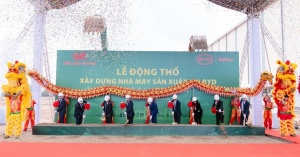
On January 27, Kim Long Motor, in collaboration with BYD Battery, held the groundbreaking ceremony for the BYD battery manufacturing plant at Kim Long’s manufacturing and assembly industrial park, with a total investment of $130 million.

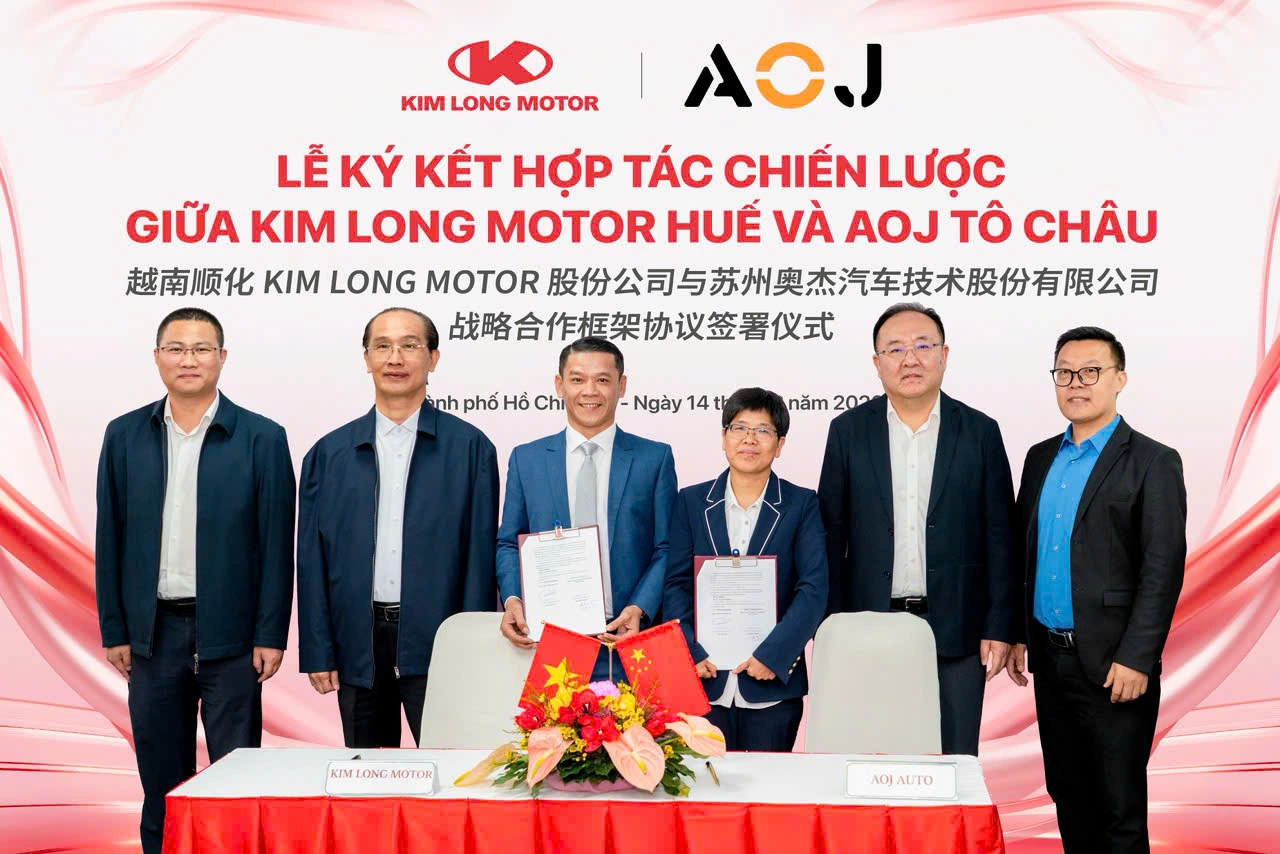
Kim Long Motor and AOJ Suzhou enter strategic partnership Kim Long Motor and AOJ Suzhou enter strategic partnership

Kim Long Motor and AOJ Suzhou signed a strategic cooperation agreement in Ho Chi Minh City on February 14.

Kim Long Motor pioneering fuel-efficient engines and green transition Kim Long Motor pioneering fuel-efficient engines and green transition

Recent geopolitical tensions in the Middle East have continued to raise risks for the global energy market, with diesel prices rising sharply and unpredictably, placing pressure on fuel-intensive sectors such as long-distance passenger transport.

Caution and stability drive Vietnam’s workforce trends

According to the Salary Guide 2026 by Adecco Vietnam on March 19, Vietnam’s economy demonstrated solid momentum in 2025, with GDP growth of 8.02 per cent, driven by services and industrial sectors. Exports grew by 17 per cent, while business remained active despite ongoing market adjustments.

Hiring activity remained cautious but stable. Organisations prioritised efficiency and critical roles, focusing on experienced professionals who can deliver immediate impact. Leaner team structures became more common, while competition for skilled talent, especially in digital, technical, and leadership roles, remained strong.

Based on research involving 10,000 professionals in Vietnam, primarily mid- to senior-level, the report highlights a shift towards more sustainable, people-centric workplaces.

Mental health and wellbeing have emerged as the top trend influencing work life, followed by economic and business uncertainty. This reflects growing awareness of burnout risks and the need for resilience, prompting organisations to place greater emphasis on employee support and workforce stability.

In 2025, salary growth remained moderate, with 33 per cent reporting no change and only 18 per cent seeing increases above 10 per cent, mainly in IT and digital roles. However, expectations for 2026 are more optimistic, with 38 per cent anticipating increases above 10 per cent, highlighting the mportance of compensation in attracting and retaining talent.

At the same time, professionals are becoming more cautious in their career decisions. While 62 per cent are open to new opportunities, a notable 37 per cent prefer stability. Workplace relationships continue to be a key retention factor, with strong satisfaction levels towards colleagues (72 per cent) and line managers (60 per cent).

Although AI was not ranked among the top trends this year, its adoption in daily work continues to grow. Employees are increasingly using AI to streamline tasks and support decision-making, with 73 per cent confident their employers will support the development of AI-related skills, reflecting a strong commitment to upskilling and continuous learning.

Looking ahead, Vietnam’s GDP is forecasted to grow by around 9 per cent in 2026, supported by continued foreign investment, infrastructure development, and expansion across key industries. As businesses adapt to technological advancements and shifting global supply chains, demand for highly skilled, adaptable talent is expected to remain steady.

Organisations will need to strike a balance between operational efficiency and long-term workforce development, while those who invest in digital capabilities, cross-functional skills, and continuous learning will be best positioned to capture emerging opportunities.

Vietnam job market hits new milestone with rising salaries and race for AI talent Vietnam job market hits new milestone with rising salaries and race for AI talent

Robert Walters Vietnam released its Salary Survey 2026 on November 25, revealing that Vietnam’s job market reached a new milestone in 2025.

Vietnam eyes investment and talent development with world-class aerospace leader Vietnam eyes investment and talent development with world-class aerospace leader

Deputy Prime Minister Nguyen Chi Dung has urged a global aerospace and high-tech group to expand cooperation, alongside supporting a plan to train 50,000 semiconductor engineers and drive innovation.

Talent boost vital for semiconductor chip industry Talent boost vital for semiconductor chip industry

Vietnam and Japan are deepening their relationship in developing personnel to support the former’s burgeoning semiconductor industry. Prof. Usagawa Tsuyoshi, of the Vietnam-Japan University under the Vietnam National University in Hanoi, spoke with VIR’s Thanh Thanh about the evolving partnership and what Vietnam must do to cultivate a world-class semiconductor workforce.

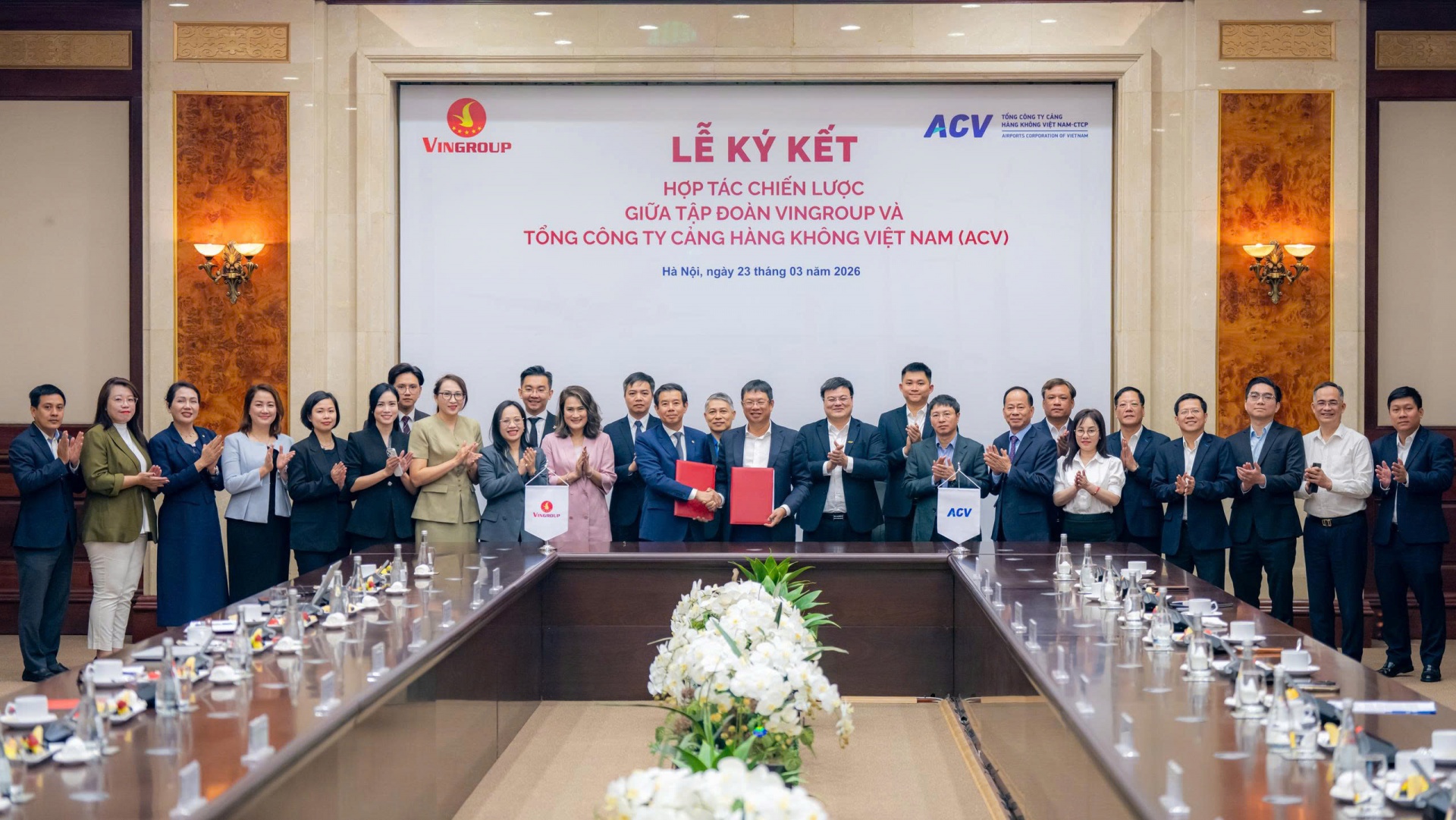
ACV and Vingroup tie up to advance green transition and airport development

This partnership reflects a shared commitment to fostering a modern, intelligent, and environmentally responsible aviation ecosystem, aligned with national priorities and global development trends.

The signing forms part of a long-term strategic orientation to reduce carbon emissions across airport operations, contributing to the achievement of environmental, social, and governance objectives and the net-zero target by 2050.

It also aims to enhance the positioning of Vietnam’s airports as “green – smart” hubs, in line with Decision No. 876/QĐ-TTg dated July 22, 2022.

The two parties have agreed to collaborate in researching and implementing integrated solutions across multiple domains. These include the exploration of advanced energy technologies and the development of sustainable power supply models tailored to the stringent operational standards of airport infrastructure.

Both sides will develop infrastructure supporting electric mobility, including charging networks and associated utilities, ensuring alignment with operational demand. Green passenger transport solutions will also be explored and integrated within airport environments, contributing to enhanced operational efficiency and long-term value creation.

ACV and Vingroup will consider cooperation in developing a comprehensive service ecosystem within airport terminals. This may encompass commercial, retail, and passenger service models, with the dual objective of supporting strategic growth and elevating the overall passenger experience.

The two parties have further agreed to explore opportunities to prioritise the use of each other’s products and services within their respective ecosystems and affiliated entities. In addition, both sides will jointly study mechanisms and preferential policies to facilitate employee access to a wide range of essential services, including mobility, healthcare, education, hospitality, and commerce.

Tran Anh Vu, deputy general director of ACV, said, “The corporation places high value on the potential of this partnership in advancing green, smart, and modern airport development. The integration of capabilities, experience, and ecosystems between the two organisations is expected to unlock new opportunities to enhance service quality, support sustainable development objectives, and contribute to the modernisation of national aviation infrastructure in alignment with the government’s strategic direction on green growth and energy transition.”

Nguyen Viet Quang, vice chairman and CEO of Vingroup, said, “The comprehensive cooperation with ACV represents a significant milestone in boosting sustainable partnership models with leading institutions. Hopefully, Vingroup’s diversified ecosystem, spanning energy, infrastructure, technology–industry, and commercial services, will contribute to improving the quality and international standing of Vietnam’s aviation infrastructure, in close coordination with ACV towards shared green development goals.”

This strategic collaboration underscores not only the complementary strengths of two leading enterprises, but also a strong and enduring commitment to supporting Vietnam’s transition towards a greener world.

ACV proposes second runway at Long Thanh Internatinal Airport ACV proposes second runway at Long Thanh Internatinal Airport

A proposal has been made to build a second runway at Long Thanh Airport and level the area for the T3 terminal to improve operational efficiency.

ACV begins cargo terminal construction at Danang Airport ACV begins cargo terminal construction at Danang Airport

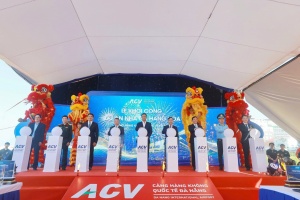
A new cargo terminal project has broken ground at Danang International Airport, as authorities move to ease congestion and upgrade air freight capacity in central Vietnam.

VinFast more than doubles 2025 revenue to $3.6 billion VinFast more than doubles 2025 revenue to $3.6 billion

VinFast more than doubled annual revenue in 2025 to $3.6 billion, driven by record quarterly EV deliveries as the company strengthened its position in key markets.

MoF moves to cut fuel tax amid global oil volatility

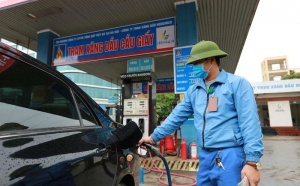
The proposal, outlined in a draft resolution of the National Assembly Standing Committee now open for public consultation, would reduce tax on petrol (excluding ethanol) to VND1,000 (4 cents) per litre and on diesel to VND500 (2 cents) per litre. Jet fuel tax would also be reduced by VND500 to VND1,000 per litre.

If approved, the revised tax rates would take effect from the date of issuance through June 30, with a possible extension subject to further recommendations from the Ministry of Industry and Trade (MoIT) and government approval.

As an indirect tax embedded in retail prices, a reduction in the environmental protection tax is expected to lower fuel prices accordingly. For example, a 4 cents cut in petrol tax could reduce retail prices by around VND1,080 (4.3 cents) per litre, including VAT. Similarly, a 2 cents reduction for diesel and jet fuel may lower prices by approximately VND540 (2.1 cents) per litre.

The proposal follows recommendations from the MoIT, which described the current context as ‘urgent’ due to sharp fluctuations in global oil prices driven by geopolitical tensions in the Middle East. At present, the environmental protection tax accounts for about 6.7 per cent of the base fuel price.

Under current regulations, reducing the tax within the existing framework falls under the authority of the National Assembly Standing Committee, while a reduction to zero would require full National Assembly approval.

According to estimates by the Statistics Office under the Ministry of Finance (MoF), the tax cut would help curb inflation by lowering consumption price index compared to maintaining current tax levels.

However, the MoF also projects a monthly revenue shortfall of around VND1.79 trillion ($71 million), including VAT losses. This is viewed as a form of fiscal support to households and businesses, helping to sustain production and economic activity.

To mitigate the impact on the state budget, the government has directed relevant agencies to strengthen revenue collection, prevent tax evasion and transfer pricing, and review non-essential expenditures at both central and local levels. In addition, higher global crude oil prices could partly offset revenue losses through increased oil-related budget revenues.

The draft Resolution is being developed under expedited procedures and is expected to take effect immediately upon approval.

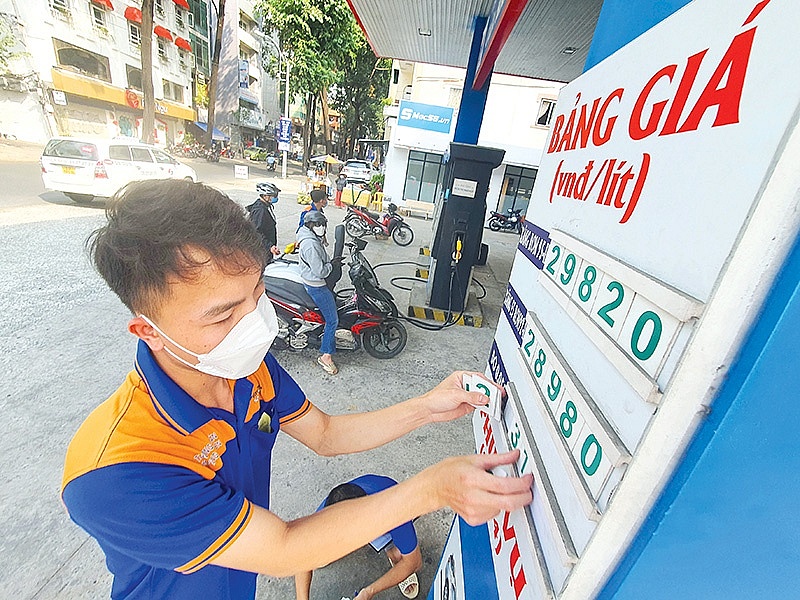
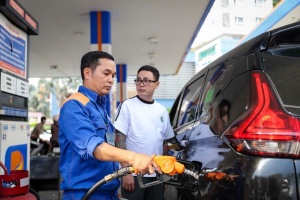
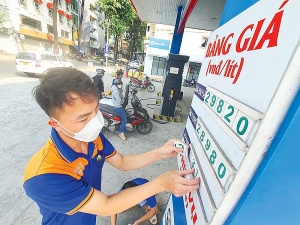
Currently, retail prices stand at around VND30,690 ($1.20) per litre for RON 95-III petrol and VND33,420 ($1.30) per litre for diesel, up 52 per cent and 73 per cent, respectively, compared to late February, before the escalation of tensions in the Middle East.

Fuel import tariffs temporarily cut to zero until April 30 Fuel import tariffs temporarily cut to zero until April 30

The government has temporarily cut preferential import tariffs on several petroleum products to zero, aiming to help businesses secure supply and stabilise the domestic fuel market amid global energy disruptions caused by Middle East tensions.

Middle East tensions raise energy, logistics and FX risks for Vietnam corporates Middle East tensions raise energy, logistics and FX risks for Vietnam corporates

Escalating conflict in the Middle East is raising concerns about credit risks for Vietnamese businesses as energy and transport costs climb and global financial volatility intensifies.

Vietnam Airlines to suspend domestic routes as fuel costs rise Vietnam Airlines to suspend domestic routes as fuel costs rise

Vietnam Airlines is planning to suspend several domestic routes from April 1 amid tightening Jet A-1 fuel supply and surging prices linked to Middle East tensions.

Vietnam Airlines JSC is moving to secure its future long-haul capacity, seeking to acquire 12 widebody aircraft under dry lease arrangements for deliveries starting in late 2028.

The state-owned carrier is targeting a mix of Airbus A350-900XWB, Boeing 787-9, and Boeing 787-10 models. According to the airline’s fleet development plan, the aircraft will be utilised for an eight-year lease term to bolster its international network.

Principal or mandated agents interested in providing these aircraft are invited to submit detailed proposals to the carrier’s Fleet Development Office. Submissions must include aircraft specifications, available quantities, tentative delivery schedules, and indicative lease terms.

The airline intends to issue a formal request for proposals (RFP) in early April 2026. Following the initial intake of interest, Vietnam Airlines will contact eligible respondents with further instructions regarding the potential bidding process.

Key Takeaways for Financiers and Lessors:

Quantity: 12 widebody units.

Models: A350-900XWB, B787-9, B787-10.

Delivery Window: 2028–2030.

Lease Structure: Dry lease for 8 years.

Next Milestone: RFP issuance in April 2026.

Interested parties may contact the Fleet Development Office via email at lanhuynh@vietnamairlines.com, phuongnguyen@vietnamairlines.com, or myvnc@vietnamairlines.com.

Nghi Son Refinery secures alternative crude amid Middle East disruptions

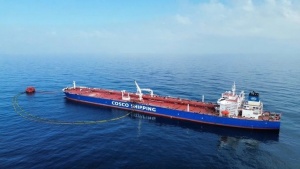
On March 25, Nghi Son Refinery and Petrochemical LLC (NSRP) issued an update stating that while it received a crude shipment from Kuwait in mid-March, subsequent geopolitical developments have temporarily limited additional deliveries. In response, NSRP implemented enhanced sourcing measures and successfully arranged alternative feedstock to support continuous operations.

As a result, the company is sustaining full operational capacity through March and has secured the crude volumes required to ensure uninterrupted operations through the end of May at its optimised capacity under current crude supply conditions, maximising the production of fuel products within those constraints to support domestic demand, in close coordination with the Ministry of Industry and Trade.

NSRP continues to actively pursue additional crude and feedstock sourcing to enable higher run‑rates, where feasible. The company remains focused on maintaining operational integrity, reliability, and continuity under all circumstances.

NSRP also expresses its sincere appreciation for the consistent support of the government, relevant ministries, local authorities, as well as its sponsors and business partners. Their facilitation efforts, particularly in enabling access to potential regional crude sources and supporting ongoing dialogue with international partners, have played an important role in helping the company navigate current market challenges.

The company reaffirms its commitment to stable operations and to contributing to Vietnam’s energy security through reliable, safe, and efficient refinery performance.

Nghi Son refinery processes first non-Kuwaiti crude cargo Nghi Son refinery processes first non-Kuwaiti crude cargo

Nghi Son Refinery and Petrochemical has taken a key step towards diversifying its crude supply and strengthening operational flexibility.

ASEAN countries exposed by Middle East oil dependence ASEAN countries exposed by Middle East oil dependence

ASEAN countries are vulnerable to supply chain disruptions due to their heavy dependence on crude oil imports from the Middle East.

MoF moves to cut fuel tax amid global oil volatility MoF moves to cut fuel tax amid global oil volatility

The Ministry of Finance has proposed halving environmental protection tax on petrol and diesel to ease cost pressures amid volatile global oil prices.

Vietnamese e-commerce beauty spending tops $3 billion in 2025
Photo: baodautu.vn

According to data platform Metric.vn on March 25, revenue from the beauty and personal care segment on three major platforms – TikTok Shop, Shopee, and Lazada – reached nearly VND74.4 trillion (approximately $3 billion) in 2025, making it the leading category in Vietnam’s e-commerce market.

In the fourth quarter (Q4) of 2025 alone, the segment generated around $612 million in revenue, up 23 per cent compared to both the previous quarter and the same period in 2024. Over two consecutive quarters, beauty products accounted for roughly 14 per cent of the total e-commerce market, driven by key segments such as skincare, body care, haircare, cosmetics, fragrances, and personal hygiene.

Sales volume in the Q4 reached 79.3 million units, rising 9 per cent on-quarter but declining 2 per cent on-year. The gap between revenue growth (23 per cent) and volume growth (9 per cent) suggests that the sector’s expansion is increasingly driven by higher value per transaction rather than sheer volume. The average unit price across the sector also increased by around 13 per cent.

Official brand stores accounted for 64 per cent of total revenue, reflecting a shift towards higher-quality and branded products. At the same time, the market is witnessing a consolidation among sellers. Despite rising revenue and sales volume, the number of active shops declined by 8 per cent compared to the previous quarter and by 13 per cent on-year in the Q4 last year.

Metric.vn noted that e-commerce platforms are becoming increasingly selective environments, where only businesses with strong operational capabilities, product quality, and brand investment can sustain growth.

In terms of platform competition, TikTok Shop emerged as the market leader in Q4/2025, capturing around 50 per cent market share with revenue of approximately $308 million, up 27 per cent from the previous quarter.

Shopee followed closely with a 48 per cent share, generating $295.6 million in revenue, an increase of 21 per cent. The narrow gap highlights intensifying competition for platform dominance.

Meanwhile, Lazada accounted for a modest 4 per cent market share, with revenue remaining below the trillion-dong mark.

According to Metric.vn, the market is entering a new phase of competition, driven more by the ability to create demand and shape consumer behaviour, rather than relying solely on price promotions or search optimisation as in the past.

Stronger legal framework urged as trade fraud surges online Stronger legal framework urged as trade fraud surges online
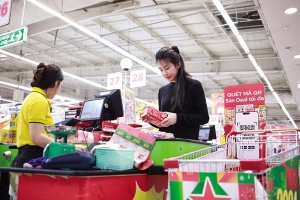
Vietnam's retail market tops $269 billion in 2025 amid e-commerce boom Vietnam’s retail market tops $269 billion in 2025 amid e-commerce boom

E-commerce market undergoes transformation amid rising competition and regulation E-commerce market undergoes transformation amid rising competition and regulation

Shopee and TikTok Shop account for 8 per cent of Vietnam’s retail market Shopee and TikTok Shop account for 8 per cent of Vietnam’s retail market
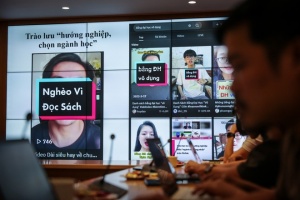
TikTok penalised $35,000 in Vietnam for consumer protection violations TikTok penalised $35,000 in Vietnam for consumer protection violations

Vietnam enters next phase of e-commerce export growth Vietnam enters next phase of e-commerce export growth