Russia-Vietnam bilateral trade grows 6 per cent in 2025
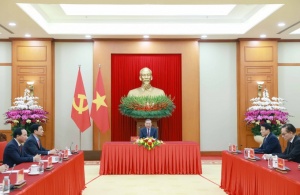
Deputy Prime Minister Dmitry Chernyshenko addressed the forum. Photo: VGP

According to the official portal of the Russian government, Deputy Prime Minister Dmitry Chernyshenko, together with Prime Minister Pham Minh Chinh, welcomed participants to the Russian-Vietnamese Business Forum in Moscow on March 24.

DPM Chernyshenko said that last year marked the 75th anniversary of diplomatic relations between the two nations and quoted Russian President Vladimir Putin, “Over these years, Vietnam and our country, Russia, have forged a unique relationship of alliance and fraternal mutual assistance.”

Over the past year, we have achieved significant progress both in the development of our countries and in bilateral Russian-Vietnamese trade and economic cooperation, DPM Chernyshenko said

“Russia’s economy continues to grow steadily. In 2025, the highest growth rates were observed in tourism and the financial sector, as well as in manufacturing. There is increasing demand from both businesses and the state for stepping up international economic ties. By the end of 2025, bilateral trade between Russia and Vietnam grew by 6 per cent. Both Russian exports to Vietnam and Vietnamese imports to Russia have increased,” the Russian DPM stated.

DPM Chernyshenko added that Vietnam was Russia’s traditional partner in Southeast Asia, and a country with high growth rates and significant economic potential. In 2025, Vietnam’s GDP growth exceeded 8 per cent, and its foreign trade approached $1 trillion.

Regarding promising areas of cooperation, Russia is prepared to serve as a reliable supplier of energy resources, coal, oil, gas, meat, wheat, fertiliser, confectionery, pharmaceutical products, and polymer goods.

The DPM invited relevant companies to expand their presence in the Vietnamese market. An effective infrastructure for trade and project collaboration has already been established for Russian and Vietnamese businesses. The DPM also highlighted the importance of the Vietnam–Russia Joint Venture Bank in supporting business and tourism.

Over the years, logistical connectivity between Russia and Vietnam has improved. In 2025, the geography and frequency of direct flights between the two countries expanded. According to DPM Chernyshenko, this reflects strong interest in mutual tourism and business travel.

“The flow of tourists from Russia to Vietnam in 2025 nearly tripled, reaching 690,000 people. Russia ranks among the top five foreign countries in terms of tourist visits to Vietnam and is ready to compete for leadership in this regard. Tourist arrivals from Vietnam to Russia grew by almost 36 per cent. We are working to simplify visa requirements,” the DPM added.

Russia is prepared to support Vietnam’s sustainable development, which aims to achieve net-zero emissions by 2050. On March 23, in the presence of Russian Prime Minister Mikhail Mishustin and Vietnamese Prime Minister Pham Minh Chinh, an intergovernmental agreement was signed for the construction of Vietnam’s first nuclear power plant using advanced Russian technology.

DPM Chernyshenko added that Russia is also ready to intensify cooperation with Vietnam in digital technologies and education.

“Russia is prepared to share expertise and experience in cutting-edge solutions such as smart and safe cities, cloud technologies, cybersecurity, AI, and the digitalisation of public services. Russia is ready to assist Vietnam in training skilled personnel for high-tech industries through joint projects. This work is being carried out under the Russian-Vietnamese Consortium of Technical Universities,” the DPM said.

DPM Chernyshenko invited Vietnamese colleagues to participate in the 29th St Petersburg International Economic Forum, scheduled for June 3–6, and the Eastern Economic Forum, which will take place from September 1–4.

PM Chinh reported that during his visit, he had met with Russian PM Mikhail Mishustin, Federation Council Speaker Valentina Matviyenko, and State Duma Speaker Vyacheslav Volodin.

“I see great potential for the development of bilateral relations. I am confident that the Russian-Vietnamese Business Forum will bring our business communities together. The advancement of political relations serves as a driving force for opening up bilateral ties in other areas. We regard Russia as our most important partner in Europe, and these relations should unite our economies. We hope that you, our friends, will find ways and opportunities to strengthen our partnership,” said PM Chinh.

Russia-Vietnam bilateral trade grows 6 per cent in 2025

He also outlined prospects for cooperation in education, science, innovation, digital technologies, finance, transport logistics, and other fields.

In the presence of DPM Chernyshenko and PM Chinh, Russian and Vietnamese companies exchanged a series of bilateral agreements, including an MoU between Vietnam Railways and Ava Trading; letters of intent between FESCO Transport Group and Vietnam Maritime Corporation, and between Delo Group and Vietnam Maritime Corporation; and a protocol between Vietnam National Industry and Energy Group and Zarubezhneft covering the re-registration and transfer of subsoil use licences between ZN-Sever and Rusvietpetro.
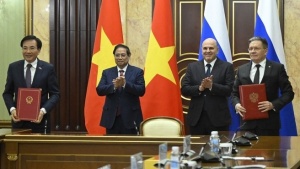
Russia to build 2,400 MW nuclear plant in Vietnam under new deal Russia to build 2,400 MW nuclear plant in Vietnam under new deal

An intergovernmental agreement on cooperation to build the Ninh Thuan 1 Nuclear Power Plant in Vietnam has been signed during Prime Minister Pham Minh Chinh’s official visit to Moscow.

Novatek eyes expanded LNG cooperation in Vietnam Novatek eyes expanded LNG cooperation in Vietnam

As Vietnam races to secure its energy future and meet the demands of its surging economy, a new partnership with a Russian energy giant is taking shape, signalling a deepening of the nations’ long-standing ties.

Russian President congratulates Vietnamese Party leader during phone talks Russian President congratulates Vietnamese Party leader during phone talks

The two leaders expressed their readiness to engage in constructive and open discussions in the spirit of mutual understanding, respect, and harmonisation of interests to elevate cooperation in traditional areas and expand ties to new potential ones.

Palm oil perspectives from nutrition experts
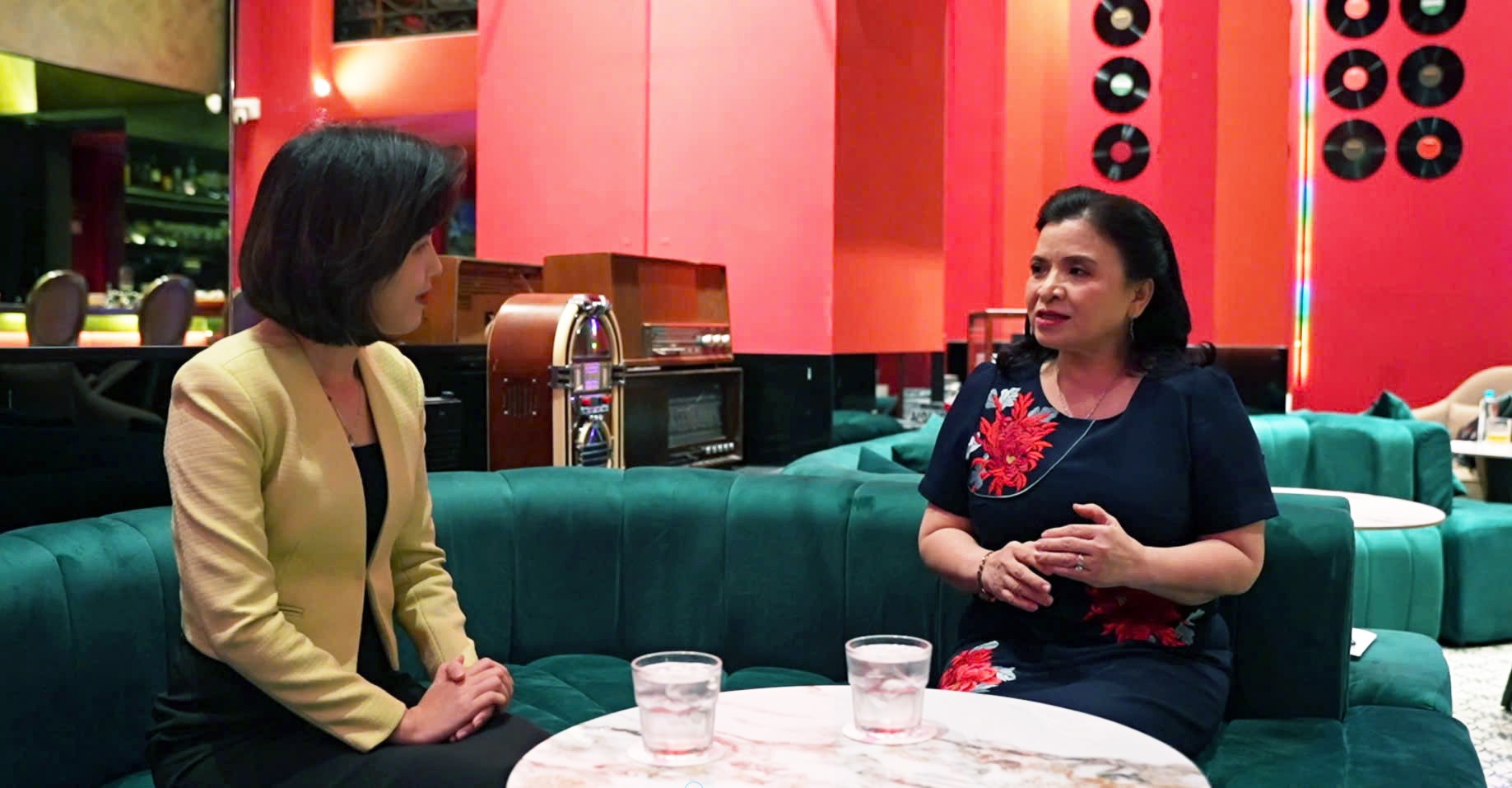
Dr. Do Thi Ngoc Diep will shares the insights on the nutritional composition of palm oil and its implications for human health on HTV9.

Palm oil is a widespread consumer goods, which is widely used as a safe and versatile vegetable oil for daily consumption.

The oil is a complex natural product that contains both saturated and unsaturated fats. Saturated fats, in a balanced diet, serve as an important source of energy and help maintain cell structure. Meanwhile, unsaturated fats, particularly monounsaturated and polyunsaturated fatty acids, contribute to cardiovascular health by supporting healthy cholesterol levels and maintaining heart health. This balance of fat types makes palm oil unique compared to many other vegetable oils.

Beyond its fat profile, it is naturally rich in bioactive compounds. Polyphenols, naturally occurring antioxidants, play a role in reducing oxidative stress, which is linked to ageing and chronic diseases. Palm oil also contains coenzymes that support metabolic processes and energy production at the cellular level. These compounds are particularly beneficial for the brain and nerves, helping to protect nerve cells and maintain cognitive function.

Palm oil perspectives from nutrition experts
Palm oil is a key consumer goods and widely used as a safe and versatile vegetable oil for daily consumption.

Palm oil is also a valuable source of essential vitamins. Vitamin E, especially in the form of tocotrienols, is a powerful antioxidant that protects cells from damage and supports skin health. Provitamin A, the precursor of vitamin A, present in the original form of palm oil mainly as beta-carotene, is crucial for vision, immune function, and growth.

According to Dr. Diep, the health benefits of palm oil depend largely on how it is used. Excessive consumption of any oils and fats, for example, butter, sunflower oil, and others, can lead to imbalances in energy intake and increase the risk of obesity-related conditions.

Balance is key. Palm oil is best used as part of a balanced diet alongside other sources of healthy fats such as olive oil, fish, and nuts. Cooking methods also matter: using palm oil for frying at high temperatures is safe due to its stability, so it is important to use the right oil for different cooking methods.

To gain deeper insights and hear expert perspectives like those of Dr. Do Thi Ngoc Diep, don’t miss the programme Ket noi hoi nhap – Viet Connect, airing at 9 a.m. on Saturday March 7 on HTV9, which explores the science, culture, and global journey of palm oil in greater depth. Or review the full series at: vcomar.com/movies.html

Honda Vietnam marks 30-year milestone

Speaking at the ceremony, Sayaka Arai, general director of Honda Vietnam, expressed her appreciation of government authorities, partners, customers, and employees who have supported the company’s journey over the past three decades.

“Today marks a meaningful milestone, and I would like to express our sincere gratitude to the government of Vietnam, local authorities, our valued dealers, suppliers, media agencies, customers, and associates who have accompanied us throughout three decades,” Arai said. “Your trust and support have been the driving force behind our growth.”

Established in 1996, Honda Vietnam has invested approximately $627 million in the Vietnamese market. Over the past three decades, the company has grown into a comprehensive mobility provider with more than 10,000 employees, while creating jobs across its supporting industries, nationwide dealer network, and supply chain.

According to Arai, Honda Vietnam has steadily strengthened its production capacity, expanded its nationwide distribution network, and increased exports to international markets, contributing to the development of Vietnam’s automotive and motorcycle industries as well as the broader economy.

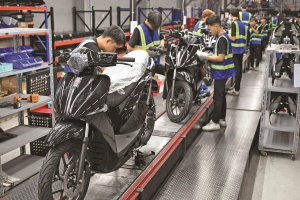
Honda Vietnam has delivered more than 40 million motorcycles to customers across the country over the past 30 years, making it one of the most trusted mobility brands in Vietnam. The company currently operates three motorcycle manufacturing plants with a combined annual production capacity of 2.75 million units, with localisation rates exceeding 96 per cent.

Honda’s motorcycle portfolio in Vietnam has expanded to cover a wide range of segments, from cub and scooter models to manual transmission motorcycles and EVs. The company has also introduced advanced technologies such as anti-lock braking systems, smart keys, the fuel-efficient eSP+ four-valve engine, and Honda RoadSync connectivity to enhance safety and convenience.

As part of its green mobility strategy, Honda Vietnam has introduced several electric motorcycle models. From 2026, Honda motorcycles sold in Vietnam are expected to comply with Euro 4 emission standards, supporting the transition to environmentally friendly mobility.

Honda Vietnam marks 30-year milestone

To mark the company’s 30th anniversary, Honda Vietnam also launched a special edition of the Air Blade 125 in collaboration with MARVEL. Inspired by the iconic characters Spider-Man and Venom, the limited edition—restricted to 4,000 units nationwide—combines distinctive design elements with the model’s well-known performance.

In addition to its motorcycle business, Honda Vietnam has steadily expanded its presence in the car market since entering the segment in 2006. The company’s car factory in Vietnam currently operates with a production capacity of 35,000 units per year.

Key models such as the CR-V and City are assembled locally, delivering Honda’s core values of sporty design, fuel-efficient performance, advanced technologies, and high safety standards.

In line with Honda Motor’s global electrification strategy, Honda Vietnam has expanded its hybrid vehicle lineup. Notably, the CR-V e:HEV became the first hybrid vehicle assembled in Vietnam in 2026, marking a significant milestone in the company’s sustainable mobility journey.

Advanced technologies such as the Honda Sensing driver-assistance system, the Honda Hybrid system, and Honda Connect digital services have also been integrated into Honda vehicles to enhance safety, connectivity, and convenience for drivers.

Looking ahead, Honda Vietnam aims to strengthen its core products by improving quality, efficiency, and environmental performance across its technologies, while advancing electrification through electric motorcycles and hybrid vehicles.

“Guided by this balanced and responsible approach and strengthened by our close partnership with the government and relevant stakeholders, we will contribute to Vietnam’s sustainable development goals while delivering reliable mobility solutions aligned with the country’s development pathway and market conditions,” Arai said

Beyond its business operations, Honda Vietnam continues to promote social initiatives, particularly in road safety education and environmental protection.

Each year, the company collaborates with government authorities and partners to provide traffic safety training to more than 27 million people across different age groups. Since 2018, Honda Vietnam has also worked with authorities to donate helmets and provide safety training for all first-grade students nationwide, with more than 12 million helmets distributed so far.

In 2025, the company cooperated with the Traffic Police Division to pilot moped training programmes for more than 8,700 high school students and nearly 2,000 traffic police officers. These instructors are expected to expand the programme to more than 3.1 million students nationwide.

As part of its 30th anniversary initiatives, Honda Vietnam also donated 408 ICON e: electric motorcycles to high schools across the country to support standardised training vehicles for traffic safety education.

Looking forward, Honda Vietnam said it would continue placing customers at the centre of its strategy while contributing to Vietnam’s sustainable development.

“We aspire to create lasting value for our customers and for Vietnam,” Arai said, adding that the company hopes to continue receiving support and cooperation from partners and stakeholders in the years ahead.

Over 64,000 businesses enter market in first two months

In February alone, 11,300 new businesses were registered nationwide, down 53.2 per cent from the previous month but up 11.6 per cent compared with the same period last year. Nearly 6,200 companies resumed operations, down 74.9 per cent on-month and 12.6 per cent on-year.

Meanwhile, 4,257 enterprises registered temporary suspension of operations for a fixed period, down 92.2 per cent from the previous month but up 19.8 per cent on-year. Another 3,492 companies suspended operations while awaiting dissolution procedures, decreasing 52.2 per cent on-month but increasing 17.5 per cent on-year. A further 3,290 enterprises completed dissolution procedures, down 28.6 per cent from January but surging 89.4 per cent compared with February last year.

Overall, during the first two months of 2026, about 32,200 businesses entered or re-entered the market each month.

The surge suggests a strong wave of business formation at the start of the year, reflecting the positive impact of policies aimed at encouraging the development of the private sector.

By locality, Vietnam’s three major economic hubs, Ho Chi Minh City, Hanoi and Dong Nai, continued to pull in the largest number of newly established businesses. Among them, Dong Nai stood out with an 82.3 per cent increase, highlighting the growing appeal of satellite industrial provinces.

However, the number of businesses exiting the market also reached 77,000, up 14.9 per cent on-year, equivalent to an average of 38,500 enterprises leaving the market each month.

At the same time, total additional registered capital injected into the economy during the first two months of 2026 reached nearly VND852 trillion ($34 billion), representing a 20.1 per cent increase compared with the same period in 2025.

A closer look suggests that the situation is not entirely negative. In fact, 75.9 per cent of businesses exiting the market chose temporary suspension rather than permanent closure, indicating that many companies are pausing operations to restructure and search for new opportunities rather than withdrawing entirely.

This pattern is also cyclical: businesses often reassess performance at the end of the previous year and register temporary suspension at the start of the new financial year. Most of the companies leaving the market are small-scale enterprises, reflecting the market’s natural process of selection and consolidation.

Vietnamese businesses diversify amid global trade shifts Vietnamese businesses diversify amid global trade shifts

Domestic companies are increasing diversification across Southeast Asia while expanding into Latin America and other global markets, unlocking new growth opportunities amid a changing global trade landscape.

Food safety law issues addressed Food safety law issues addressed

Vietnam is striving to solve issues in implementing Decree No. 46/2026/ND-CP, guiding the Law on Food Safety.

Businesses bouncing back after turbulent year Businesses bouncing back after turbulent year

After weathering a turbulent 2025, businesses across the board are entering 2026 with restored profitability, ambitious growth targets and strategic expansions, positioning themselves for a new five-year development cycle.

Women face growing workforce gap as AI reshapes industries

We are standing at a digital crossroads where AI is reshaping how we work and live. Statistics tell a story of efficiency, but as a woman navigating this space, I see a different narrative: a widening gender gap where the roles traditionally held by women are the most vulnerable to automation, while the architects of this new intelligence remain overwhelmingly male.

At the current pace, achieving global gender parity will take 123 years (roughly five generations) with the Asia-Pacific region falling even further behind when it comes to women leading businesses and participating in the economy. It’s a sobering reality, but we have a massive opportunity on the horizon. As AI begins to fundamentally change how we work, bringing with it an estimated 78 million new jobs by 2030, we have a choice to make. If we’re intentional about fairness, we can use this technology to finally build a truly inclusive workforce. However, if we aren’t careful about how we roll it out, we might just end up making the gender gap even worse than it is today.

A new study by NINEby9, a non-profit group focused on gender advocacy, warns that while AI is boosting productivity and changing the way we work, its uneven adoption could actively worsen gender inequality unless firms step up right now to make sure women aren’t left behind. This means being intentional about bringing women into new AI-driven roles and ensuring they have the same access to the reskilling programmes needed to thrive in this new era.

It’s exciting to see high-growth fields like AI engineering, data science, and product management taking off, especially since these roles come with better remuneration, more influence, and great career paths. However, women currently occupy less than one third of AI related positions worldwide, remaining significantly underrepresented in these roles. At the same time, many of the administrative and support roles where women have traditionally been more represented are precisely the ones being most affected by AI automation. So, while we’re seeing some remarkable efficiency gains, the pressure of this transition isn’t being felt equally across the workforce. It’s a bit of an uneven shift that we really need to keep our eyes on.

The bitter truth is that the fastest-growing sectors are precisely those where women are most underrepresented, creating a really unequal situation where women are more vulnerable to job changes but have fewer paths into the best new opportunities. This imbalance carries long-term consequences: excluding women from high-growth digital roles threatens to widen the wealth gap and block their path to leadership in tech-heavy industries.

Furthermore, as AI increasingly shape decisions in hiring, performance, finance, and healthcare, the absence of women in design and oversight roles significantly raises the risk of unintentional bias. Ensuring gender inclusion in AI is not merely a matter of workforce equality, it is fundamental to the credibility and integrity of the systems themselves. For businesses, failing to act means both a sacrifice in potential productivity and a widening between workers.

With fewer women entering the STEM workforce, few transition into technology leadership roles. In 2024, women held 24.4 per cent of managerial positions globally and a mere 12.2 per cent of C-suite positions in STEM-related areas such as technology and digital transformation, according to World Economic Forum. This shows a clear ‘leaky pipeline’ where women are increasingly filtered out as they move towards the top.

Past research emphasises that the leadership gap for women often starts right at the beginning of their careers. According to McKinsey, fewer women successfully transition from individual roles into their first management positions – a problem frequently called the ‘broken rung’ of the career ladder. The data shows an obvious disparity: for every 100 men promoted to a manager role, only 81 women achieve the same step up.

This long-standing barrier is now colliding with the AI-driven workplace transformation, creating a concerning new trend: women are significantly less likely than men to transition into the high-potential roles that AI is currently boosting. As technology redefines professional success, this shift threatens to leave women behind in the very positions where the most growth and opportunity are concentrated.

Close the gap

For organisations, this isn’t just a diversity issue, it’s a direct risk to the talent pipeline and overall productivity. Any AI strategy that leaves half the workforce behind effectively miss the opportunity for innovation and growth. Ensuring fair access to the benefits of AI is essential for reaching gender parity and capturing the performance gains that only diverse teams can deliver.

Solving these challenges requires a structured and proactive plan. Companies must transparently monitor gender representation in AI roles and training to spot where gaps are forming. Targeted reskilling initiatives should support employees in roles most at risk from automation, helping them move into digital growth areas. Furthermore, clear internal mobility paths are necessary to ensure existing talent can reach new opportunities rather than being bypassed by outside hiring. Most importantly, businesses need to set clear, measurable goals for women’s participation in AI training, career movement, and new role development.

Currently, women’s share of emerging AI roles is shrinking just as these positions are becoming the primary gateways to future leadership. If we fail to act, this gap will turn into a permanent inequality, with men designing the future while women remain stuck in vulnerable roles with no path upward. Ultimately, it is systemic barriers, not a lack of ambition or talent, that are holding women back.

Organisations must now view gender representation in AI as a strategic performance metric. It is essential to track who is involved in AI projects and reskilling, while building leadership pathways and offering the flexibility needed to succeed. This makes the AI transformation fairer and more resilient.

We’re standing at a crossroads that our mothers and grandmothers couldn’t have imagined. This AI boom is moving faster than any of us, and while the data tells a tough story, its ending hasn’t been written yet.

To all the women in the workplace: please don’t wait for permission to be a pioneer. Don’t wait for a perfect policy to start experimenting with these new tools. Your diligence and your accuracy are your strengths, but today, I’m asking you to also embrace the ‘messy’ phase of learning. Take up space in those AI projects, raise your hand for that data training, and make your voice heard in the rooms where these systems are being built. You have the ambition and the capability, don’t let a ‘broken rung’ or a new algorithm hold you back.

And to business leaders: the choice is clear, treat AI inclusion as a core business priority or risk building a future that is fundamentally broken and less productive. Let’s use AI to fix – not fuel – the gender gap.

Experts highlight unpaid care work as key barrier to gender equality Experts highlight unpaid care work as key barrier to gender equality

Vietnam’s push for gender equality is hindered by a persistent blind spot: unpaid care work, which limits women’s participation in the workforce.

Gender equality as a top priority for Vietnam’s sustainable development Gender equality as a top priority for Vietnam’s sustainable development

Gender equality is one of the priorities of the German government’s development cooperation and foreign policy. Santiago Alonso Rodriguez, first counselor for Germany in Vietnam, offered more details on the issue with VIR’s Hai Van.

Australia advances gender equality and social inclusion Australia advances gender equality and social inclusion

Up to 100 professionals from Vietnam’s Ministry of Transport attended a five-day workshop in early November to mainstream gender equality and social inclusion across the transport sector.

Women-led businesses in Vietnam account for nearly 25–27.4 per cent of total enterprises. Photo: VCCI
Women-led enterprises account for around 20–25 per cent of businesses in Vietnam. Photo: VCCI

The Ministry of Finance (MoF) in coordination with the Embassy of Canada in Vietnam, launched the Advancing Growth, Innovation, and Leadership for Enterprises (AGILE) project on February 6. The initiative marks a new step in Vietnam–Canada cooperation, aiming to support enterprises in adapting to climate change and transitioning towards a greener growth model.

The project targets women-led small and medium-sized enterprises (SMEs) as key beneficiaries. According to Sam Landon, senior programme director at the World University Service of Canada, which is implementing the initiative, AGILE will prioritise strengthening the capacity of domestic business support organisations.

“The initiative provides financial resources and creates space for enterprises, support organisations, and investors to pilot gender-responsive financial models. The goal is to build a more autonomous and climate-resilient ecosystem, particularly for women-led businesses,” Landon said.

AGILE will be implemented nationwide from now to 2029, with a total budget of $7.2 million.

The MoF kicked off the Shifting Investment Flows Towards Green Transformation (SHIFT) scheme on January 27, with six international organisations taking part and coordination by the German Development Agency.

SHIFT targets key stakeholders, including private enterprises, with a particular focus on SMEs and women-led businesses.

“Priority is given to these, which often face greater barriers in accessing long-term finance. SHIFT also aims to translate green ambitions into tangible investments by supporting enterprises, especially in piloting, deploying, scaling up, and replicating clean energy solutions,” said Chu Duc Lam, director general of the Department of Finance and Economics at the MoF.

“Pilot models will help demonstrate the technical and commercial viability of green technologies, while strengthening confidence among financial institutions to accompany corporate clients in adopting more sustainable solutions.”

Women are playing an increasingly important role in Vietnam’s economy. According to the Vietnam Chamber of Commerce and Industry, women account for 63 per cent of the workforce and are widely represented across sectors such as education, healthcare, and services. 51 per cent of enterprises have women among their owners, while around 20-25 per cent are women-led – a relatively high proportion in the region and projected to reach at least 30 per cent by 2030.

These targets are reinforced by the National Strategy on Gender Equality for 2030, which aims to raise the proportion of female directors and business owners to at least 30 per cent by 2030. Complementing this, the Programme to Support Women’s Entrepreneurship for 2026–2030 seeks to assist 50,000 women-led enterprises in accessing concessional credit and innovation funds, with the figure rising to 75,000 in the 2031–2035 period.

According to an RMIT study on women entrepreneurship in Vietnam in 2025, women are at the helm of over 20 per cent of businesses in Vietnam, with the rate of women-led or owned businesses expected to reach at least 30 per cent by 2030. In line with Vietnam’s net-zero commitments by 2050, many female entrepreneurs are leading efforts in sustainable production, waste reduction, and green supply chains.

“Despite their growing role in the economy, the vast majority of women-owned businesses are still operating on a micro or small scale, and obstacles for women entrepreneurs persist. The study highlights the urgent need to address these challenges through training, financial inclusion, and cultural shifts to ensure a thriving ecosystem for women entrepreneurs in the decades to come,” the research noted.

Meanwhile, Dinh Thi Thu Hoai, vice president of the Hanoi Women Entrepreneurs Association, said women needed to elevate their leadership skills, financial management, strategic business planning, and brand building. In addition, during the digital and technological transformation process, they need support in applying technology to production and business to increase productivity and expand markets.

“Another important support is access to finance and resources. They need to overcome difficulties in capital, legal procedures, and fundraising skills. In addition, it is necessary to create networking and connections networks, which build communities of women entrepreneurs, connecting with large supply chains and international business opportunities,” she said.

Women-led businesses to enhance capacity
Jim Nickel, Canadian Ambassador to Vietnam

Over the last year, we have experienced significant geopolitical competition and economic uncertainty. While there have been many challenges, Canadians have also been reminded of the importance of building strong global partnerships.

AGILE responds to a clear need, strengthening Vietnam’s business support and investment ecosystem so that enterprises, particularly climate- and gender-responsive ones, can grow, innovate, and attract the capital required to scale. By helping enterprises become investment-ready, the scheme can unlock capital more effectively, accelerate the adoption of climate solutions, and reduce the vulnerability of communities most affected by climate change, particularly women working in climate-sensitive sectors.

What makes the initiative particularly innovative is its ecosystem approach. Canadian partners will work with local enterprise support organisations to strengthen their capacity to provide high-quality business development services, helping enterprises become investment-ready and better connected to sources of capital.

At the same time, AGILE will generate new opportunities for Canadian and international investors to engage with Vietnam’s dynamic market. By strengthening green value chains, promoting gender-responsive enterprises, and expanding access to green finance, the project supports Vietnam’s green transition and deeper integration into regional and global markets.

The initiative will support Vietnam’s energy transition and the growth of green finance. Canada stands ready to address climate change challenges, generate financial returns alongside meaningful development impact, and expand trade and investment opportunities between Canada and Vietnam. We remain committed to supporting Vietnam’s ambition to become a hub for impact investment in Southeast Asia.

Women-led businesses to enhance capacity
Do Thanh Trung, Deputy Minister of Finance

Vietnam is currently home to more than one million active enterprises and over five million household businesses, contributing approximately half of GDP, more than 30 per cent of total state budget revenue, and generating around 82 per cent of employment in the private sector.

Of these, women-owned enterprises are playing an increasingly important role in fostering innovation, encouraging inclusive development, and enhancing national competitiveness.

However, women owners continue to face significant barriers, particularly in accessing finance, obtaining specialised technical support, and scaling up operations. Many early-stage enterprises encounter challenges due to unproven business models, unclear product–market fit, and limited data to support innovation. These factors heighten investment risks and constrain capital flows into critical sectors such as climate adaptation and mitigation.

Although both domestic and international investors are showing growing interest in the Vietnamese market, gaps remain in market information, the availability of high-quality, investment-ready projects, and effective mechanisms to connect local enterprises with investors. Notably, the potential of women-led enterprises in the green economy has yet to be fully realised.

In line with commitments to green, inclusive, and people-centred development, strengthening support for women-owned enterprises is not only a matter of gender equality, but also a strategic solution to advance sustainable growth.

With a commitment to accompanying the business community, the Ministry of Finance has introduced various initiatives to develop a comprehensive support ecosystem, including training, advisory services, technical assistance, and resource mobilisation, with priority given to enterprises contributing to green growth.

SHB recognised as the bank with the best SME initiative SHB recognised as the bank with the best SME initiative
Women lead Vietnam’s shift to climate-resilient agriculture Women lead Vietnam’s shift to climate-resilient agriculture

Maternal job loss may affect children’s mental health, research shows Maternal job loss may affect children’s mental health, research shows
Closing workshop highlights five-year impact of Fair for All project Closing workshop highlights five-year impact of Fair for All project

Touch to Share, Give Hope expands cancer support Touch to Share, Give Hope expands cancer support

$250 million deal targets women-owned SMEs, sustainable agriculture $250 million deal targets women-owned SMEs, sustainable agriculture

Empowering women-led small businesses amid volatility Empowering women-led small businesses amid volatility
Women entrepreneurs are key to Vietnam’s economic growth Women entrepreneurs are key to Vietnam’s economic growth

Carlsberg Vietnam makes progress in diversity, equity and inclusion Carlsberg Vietnam makes progress in diversity, equity and inclusion
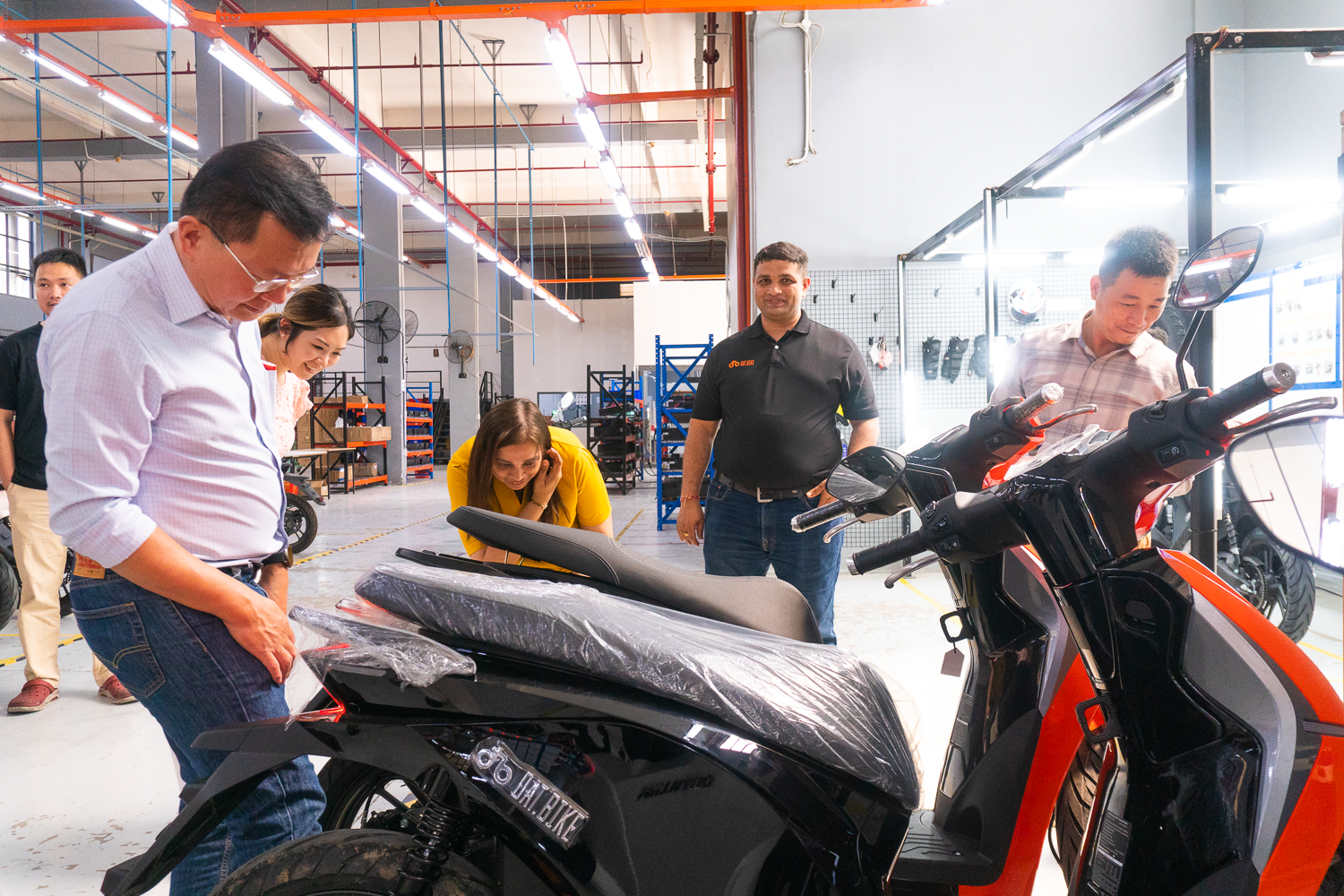
TVS invests $4 million in Dat Bike

This investment was made during Dat Bike’s Series B funding round and marks participation of a Vietnamese investment bank in the electric vehicle sector.

This latest investment by TVS is part of a strategy to encourage technological innovation, green development, and sustainable growth. The capital is expected to be allocated to key areas of Dat Bike, including expanding production capacity, strengthening the supply chain, upgrading the distribution system, and strengthening R&D.

Enhancing these operational foundations will help Dat Bike better prepare for its expansion into the regional market in the next phase. In addition to financial resources, TVS also supports Dat Bike with management consulting, development planning, value chain optimisation, and access to capital markets to enhance operational efficiency and long-term growth potential.

In private equity investment, TVS pursues a proactive and selective strategy, targeting businesses with efficient operational foundations, clear technological capabilities, and strong growth potential. The investment standards increasingly shift towards quality and long-term value creation, placing higher demands on the capabilities of Vietnamese businesses.

With the belief that the private sector is a crucial driver of economic development, TVS continues to strengthen its support for businesses through capital, management expertise, and market connections. This approach helps TVS not only create financial value but also contribute to enhancing the competitiveness of domestic businesses, encouraging modernisation and innovation in key industries. The investment in Dat Bike further reflects this direction – partnering with pioneering Vietnamese businesses that are addressing major societal needs through technology and sustainable development models.

“The trend of green mobility is clearly emerging globally as countries are accelerating emission reduction policies towards the Net Zero goal by 2050,” said Nguyen Thanh Thao, CEO of TVS.

“Vietnam has over 77 million motorbikes in circulation and approximately 3 million new motorbikes sold annually, making it one of the largest two-wheeler markets in the world. In this context, Dat Bike is the pioneering domestic enterprise, with in-house capabilities spanning research, design, and manufacturing. We believe Dat Bike will continue to expand its scale and encourage the transition to clean energy vehicles in Vietnam.”

This investment is not only a milestone in TVS’s green development strategy but also a testament to the growing recognition of Vietnam’s technological capabilities in the eyes of domestic and international investors.

“As a strategic financial investor, TVS wishes to accompany Dat Bike on its journey to expand production, enhance R&D capabilities, and build a Vietnamese electric vehicle ecosystem towards sustainable development and emission reduction. This also demonstrates TVS’s responsible investment orientation: creating long-term value for businesses, investors, and society,” TVS representative added.

Nguyen Ba Canh Son, founder and CEO of Dat Bike said, “TVS’s decision to invest further not only signifies a financial contribution to Dat Bike but also affirms the belief in the ability of Vietnamese-made technology to conquer the international market in general and Dat Bike’s growth strategy in particular.”

“We appreciate the recognition and partnership of a reputable domestic investor like TVS. This collaboration will help Dat Bike accelerate: expanding production, diversifying products, improving the scale and quality of services, and making a practical contribution to the country’s net zero journey.”

Dat Bike secures $4 million convertible loan Dat Bike secures $4 million convertible loan

InfraCo Asia announced on August 26 that it has provided a $4 million convertible loan to Vietnamese electric two-wheeler manufacturing company Dat Bike.

Dat Bike gains momentum with $4 million boost Dat Bike gains momentum with $4 million boost

After securing a $4 million convertible loan from InfraCo Asia under PIDG, Vietnamese startup Dat Bike is accelerating rapidly, capturing market share, drawing consumer attention, and stepping into a new era of green transportation.

Dat Bike accelerates sustainable mobility Dat Bike accelerates sustainable mobility

Despite the global investment slowdown, Vietnam’s pioneering electric motorbike manufacturer Dat Bike has successfully raised $22 million in the latest series B funding round, marking one of the most notable fundraising achievements in the country’s mobility sector this year.

Fuel import tariffs temporarily cut to zero until April 30

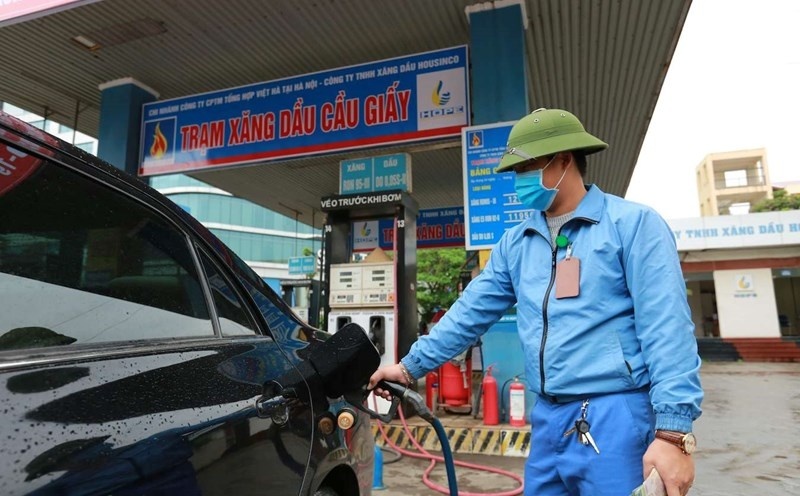
Decree No.72/2026/ND-CP, which took effect on March 9, amends preferential import tariff rates on several petroleum products and petrol production materials. The measure will remain in force until April 30.

The move comes as escalating conflict involving the United States, Israel, and Iran raises concerns over shipping through the Strait of Hormuz, a strategic route for crude oil exports from the Middle East. Disruptions along this corridor could directly affect Asian markets, including Vietnam, which rely heavily on Middle Eastern crude supplies.

Under the decree, preferential import tariffs on unleaded petrol have been reduced from 10 per cent to zero. The affected products include both unblended fuel and ethanol-blended varieties, classified under HS codes 2710.12.21, 2710.12.22, 2710.12.24, and 2710.12.25.

Tariffs on petrol blending components such as naphtha and reformate (HS code 2710.12.80) have also been cut from 10 per cent to zero.

In addition, preferential import duties on diesel fuel, fuel oil, aviation turbine fuel, and kerosene have been lowered from 7 per cent to zero.

Several petrochemical feedstocks will also benefit from the tax reduction. Import tariffs on xylene, condensate, and p-xylene have been cut from 3 per cent to zero, while duties on other cyclic hydrocarbons have been reduced from 2 per cent to zero.

According to the government, the temporary tariff cuts are designed to help enterprises diversify import sources, maintain adequate supply, and mitigate potential disruptions in the domestic fuel market amid global energy uncertainty.

After the decree expires, preferential tariff rates for the affected petroleum products and raw materials will revert to the levels stipulated in Decree No.26/2023/ND-CP issued on May 31, unless the government decides to extend the measure to address urgent economic and market stability requirements.

The Ministry of Industry and Trade may propose an extension to the Ministry of Finance, which would then submit a legal resolution to the government if further intervention is deemed necessary.

Resilient Vietnam economy faces Middle East headwinds

How exposed is Vietnam’s economy to the Middle East conflict, and what buffers exist to sustain growth?

As Vietnam is deeply integrated into the global economy, any global impact – whether negative or positive – will affect our economy to some degree.

The Middle East serves as both the global economy’s oil hub and one of its most critical maritime arteries, with the Strait of Hormuz currently under blockade. The hostilities involving Iran, the US, and Israel will therefore affect Vietnam’s production, business operations, investment activities, and international tourism.

The National Statistics Office will conduct assessments of the conflict’s impact on the country’s economy and propose recommendations and response measures to relevant competent authorities.

The world has never been free from instability, and Vietnam has always sought ways to adapt and grow. The country’s economic growth continues to be supported by traditional drivers – investment, production and exports, and domestic consumption – which remain decisive factors.

New growth drivers – including science and technology, innovation, the digital economy, and institutional reform – began demonstrating their effectiveness in 2025, laying the foundation for medium- and long-term growth.

Investment is expected to serve as the economy’s primary growth driver in 2026, with public investment taking the lead through the largest planned capital allocation on record: more than one quadrillion VND, equivalent to over $40 billion. In the first two months of the year, state budget investment grew 11.5 per cent, reaching 9.4 per cent of the full-year plan – a rare pace for this early stage.

Full disbursement of the $40 billion in planned capital in 2026 is considered essential to achieving double-digit GDP growth,

Accelerating disbursement of major infrastructure projects this year will boost construction, directly increase asset accumulation, and generate spillover effects for material production industries and related services.

Will Vietnam’s export momentum be affected if Iran blocks the Strait of Hormuz, disrupting international maritime transport in the region?

Vietnam’s total import-export value reached $155.7 billion in the first two months of the year, a record for the period and an increase of $28.3 billion on-year. Exports rose 18.3 per cent, while imports climbed 26.3 per cent.

With double-digit import-export growth sustained over many years, Vietnam has entered the top 15 global trading powers by total trade volume – a major step affirming its position as a key manufacturing and trade hub in the Asia-Pacific.

Vietnam’s six largest trading partners – the US, China, Japan, South Korea, ASEAN, and the European Union – account for 80-85 per cent of total trade value. China remains the largest import market, with nearly $32 billion in imports during the first two months, up 36.5 per cent on-year. The US is the largest export market, with $23.8 billion, up 22 per cent.

Even if the Strait of Hormuz is blocked, Vietnam’s trade with China, ASEAN, South Korea, and Japan will not be directly affected. Trade with the US and the European Union also does not pass through the strait. However, Vietnam will still face indirect impacts from the Middle East conflict, as prices of raw materials – particularly fuel and fertilisers – and global maritime freight rates are likely to rise.

With the government pursuing double-digit growth this year, external shocks have emerged from the outset. What gives you confidence the country can overcome these immediate challenges?

Around this time last year, US President Donald Trump announced reciprocal tariffs on goods imported into the United States, creating global shockwaves. Many analysts at the time issued pessimistic forecasts regarding trade, investment, and import-export activities.

Looking back over the past year, however, private investment and foreign direct investment inflows into Vietnam have continued to increase. Manufacturing and exports have remained solid growth pillars, reaffirming the resilience and adaptability of Vietnam’s economy, even as global recovery remains slow, protectionist policies intensify, and tariff barriers become more stringent.

The Industrial Production Index rose 10.4 per cent in the first two months of 2026, compared to 7.5 per cent in the same period of 2025, continuing to demonstrate this adaptability. The processing and manufacturing sector expanded by 11.5 per cent, up from 9.1 per cent growth a year earlier, reflecting the recovery of production and domestic supply capacity despite external uncertainties.

For 2026, the government has identified a fundamental shift in the growth model towards productivity and innovation. Enhancing productivity, improving workforce quality, and placing science, technology, and innovation at the centre of development strategy are key priorities.

The economy is also being restructured towards green, digital, and circular models while accelerating industrialisation and modernisation. Sci-tech, innovation, and digital transformation are positioned as main drivers to improve productivity, quality, efficiency, competitiveness, and economic resilience – a core government task that extends across the entire current term.

Institutional reform serves as another growth driver, helping improve the investment and business environment, reduce compliance costs, and strengthen confidence among enterprises and investors. However, the effectiveness of such reform often comes with a time lag. Its positive impacts in 2025 played a primarily supportive role, helping create room for stronger growth in 2026 and the years ahead.

Middle East tensions set to test VN-Index, boost energy stocks Middle East tensions set to test VN-Index, boost energy stocks

Escalating Middle East tensions are rattling global energy markets, but analysts say several stock groups could outperform even as broader indices face short-term volatility.

Middle East tensions drive cost pressures for seafood exporters Middle East tensions drive cost pressures for seafood exporters

Seafood companies are facing mounting cost pressures and rising cold chain risks as the Middle East conflict escalates, posing urgent questions about market restructuring.

Iran war to modestly impact Vietnam Iran war to modestly impact Vietnam

The US-Iran war is expected to have a modest impact on Vietnam, but a sharp rise in global oil prices could lift inflation and weigh on growth if tensions persist, according to VinaCapital.

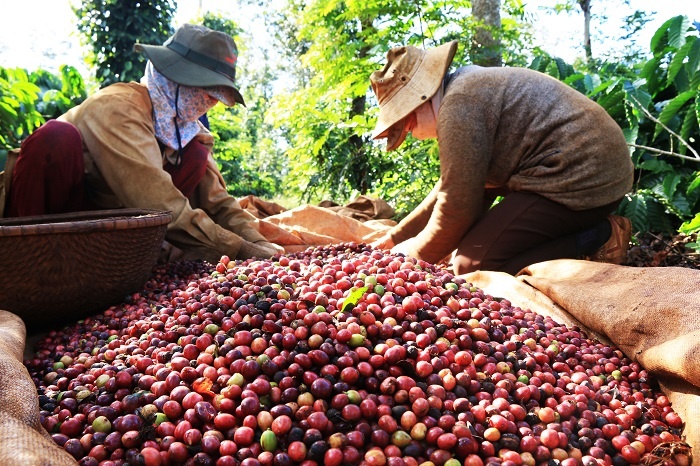
Middle East conflict raises risks for global coffee market

The United States and Israeli offensive against Iran at the end of February unleashed a new wave of instability in the Middle East, rocketing oil prices – which jumped 24 per cent in a week – and strengthening the dollar, while tight Iranian control over the Strait of Hormuz threatened essential global trade routes.

“Against this backdrop, the coffee market is among the sectors that could feel both indirect and direct impacts from the crisis. The rise in oil prices and the volatility of the exchange rate tend to increase production costs – not only because of the greater use of fuel on farms, but also because of the increase in the cost of energy-dependent inputs, such as fertilisers and pesticides. At the same time, the escalation adds a layer of pressure on global coffee logistics,” said Laleska Moda, market intelligence analyst at Hedgepoint Global Markets.

So far, hundreds of ships (including oil tankers and freighters) remain anchored offshore or outside the Strait of Hormuz, unable to reach any port. “This is already affecting coffee shipments destined for Gulf roasters, especially the United Arab Emirates, and could reduce the global availability of vessels,” he says.

Added to this are the growing attacks on oil tankers, increasing the risk to trade routes in the Gulf and even the Suez Canal. The fear of a return to attacks in Yemen has led many companies to suspend or redirect their services away from the region.

The Suez Canal is a key bottleneck for the global coffee trade, being the most efficient route for coffees from East Africa – such as Uganda and Ethiopia – and Southeast Asia to reach the European market.

In this way, logistical issues have the potential to directly impact trade flows and coffee differentials, especially since Europe is the world’s largest consumer market. In recent months, the EU has increased its use of Asian beans – especially from Vietnam – and continues to import more coffee from East Africa, a move reinforced by the lower willingness of Brazilian producers to sell.

“At this time, Vietnamese traders report that the routes have not been interrupted, but confirm that freight costs have increased significantly. Shipments to Europe are already being contained in the country and should remain limited until there is greater clarity on the risks of crossing via Suez. Many transport companies have also suspended bookings to the Gulf, rerouting ships via the Cape of Good Hope – which implies not only higher costs, but also longer shipping times,” Moda said.

Although Europe can diversify its purchases, natural Arabica and Robusta beans are mostly exported by Asia, Uganda and Brazil. Laleska explains that, in the case of Brazil, producers are still reluctant to sell their remaining stocks, while most of the 26/27 harvest will only reach the market from July onwards. This scenario could impact differentials in Brazil, as well as the volume imported by the EU and, potentially, the bloc’s stocks – especially if the conflict continues.

Mexico spending on Vietnamese coffee skyrockets nearly 35 times Mexico spending on Vietnamese coffee skyrockets nearly 35 times

In the first ten months of 2025, Mexico, the world’s eighth-largest coffee exporter, unexpectedly spent nearly 35 times more on purchasing coffee from Vietnam compared to the same period last year.

Vietnam’s coffee exports shift towards higher-value products Vietnam’s coffee exports shift towards higher-value products

Vietnam’s coffee industry is undergoing a clear shift towards value-added production, with processed coffee emerging as a key growth engine, generating $1.46 billion in the year to mid-November, up 58 per cent compared to the same period in 2024.

Vietnam’s coffee exports set new record despite price pressures Vietnam’s coffee exports set new record despite price pressures

Vietnam’s coffee export turnover reached a record high of $7.94 billion in the first 11 months of 2025, far surpassing the previous peak of $5.6 billion recorded in 2024.