The Next Wave of Startups (NWoS) Incubation Program 2026 was announced at the Founders’ Meetup #1 policy seminar in Ho Chi Minh City on July 31.

The event provided a comprehensive overview of Vietnam’s policies supporting startups and innovation, while offering practical guidance on how startups can effectively access resources across the innovation ecosystem.

According to Dinh Xuan Tu, acting director of the Technology Incubation Centre under the Department of Startups and Technology Enterprises at the Ministry of Science and Technology (MoST), developing a vibrant startup and innovation ecosystem, particularly technology spin-off enterprises, is increasingly important as science and technology, innovation, and digital transformation become key drivers of economic growth and national competitiveness.

“Under new resolutions and relevant directives, the Department of Startups and Technology Enterprises has led the formulation of key policies to foster innovation and technology enterprise development,” Tu said.

According to the MoST, Vietnam’s innovation startup ecosystem has made significant progress, with around 4,000 innovative startups, nearly 210 venture capital funds, close to 200 incubators, and approximately 1,000 enterprises certified as sci-tech businesses. In addition, more than 40 technology spin-offs have been established from research institutes, universities, and corporations.

However, from a public administration perspective, Tu noted that the number of technology spin-offs in Vietnam remains well below the country’s research and innovation potential.

“The commercialisation of research outcomes continues to face significant challenges. Limited access to capital, expert support, markets, and government support policies remains a major obstacle for many startups and technology spin-offs. These are also the issues that policymakers are working to address by refining mechanisms to create a more enabling environment for innovation and enterprise development in the years ahead,” he said.

Nguyen Dac Binh Minh, deputy director general of the National Academy for Advanced Techonogy and Innovation under the MoST, said Vietnam needs to foster a new entrepreneurial mindset, encouraging young people to seek employment after graduation and become founders and leaders of future technology enterprises and corporations.

According to Minh, the government is shifting from a regulatory mindset to a development-oriented, enabling approach that recognises businesses and innovation as key drivers of economic growth.

“Alongside the new legal framework, the government is introducing a range of policies to strengthen the innovation ecosystem. These include regulations on the National Venture Capital Fund, financial mechanisms for science, technology and innovation, public-private partnerships in sci-tech, technology market development, as well as policies to support startups and innovation networks,” Minh said.

Following its inaugural edition in 2025, the Next Wave of Startups initiative, launched by WorkFlow, the Open Innovation & Technopreneur Institute, and partners to support Vietnam’s and the region’s startup ecosystem, has entered a new phase with the launch of the NWoS Incubation Program 2026.

While the 2025 edition focused on identifying and selecting promising startups through a competition format, the 2026 programme marks a shift towards a comprehensive incubation model. The initiative is designed to support startups in refining their business models, expanding into new markets, and strengthening their long-term growth potential.

The 2025 NWoS offering attracted nearly 200 applications, bringing together almost 40 local and international experts and mentors, as well as more than 1,000 participants, including representatives from organisations, businesses, and international partners. These outcomes reflected the strong interest of the startup community while providing organisers with valuable insights into the evolving needs of Vietnamese startups as they move into their next stage of development.

As Vietnam’s innovation ecosystem continues to mature, an increasing number of startups have progressed beyond the ideation stage, with early products already in the market. They are now facing more complex challenges, including validating business models, acquiring enterprise customers, expanding into new markets, and preparing for fundraising rounds. In response, the programme has evolved into an incubation model focused on providing long-term, hands-on support, rather than limiting its role to identifying and selecting promising startups.

New programme addresses changing startup landscape
Private capital market shifts from growth-at-all-costs to patient capital Private capital market shifts from growth-at-all-costs to patient capital

As Vietnam’s private capital market matures, investors are shifting their focus from aggressive expansion to long-term, sustainable growth. At the VIPC Summit on May 28, Nguyen Thanh Thao, CEO of Thien Viet Securities (TVS) explained why ‘patient capital’ – capital focused on governance, operational resilience, and sustainable value – is becoming the new benchmark.

Capital concentrated in later-stage startups, leaving funding gaps for early ventures Capital concentrated in later-stage startups, leaving funding gaps for early ventures

Capital remains available for Vietnam’s innovation economy, but it is becoming increasingly concentrated in later-stage companies, exposing critical funding and exit gaps that could constrain the next generation of startups.

Vietnam’s reforms earn international recognition as government reviews July performance
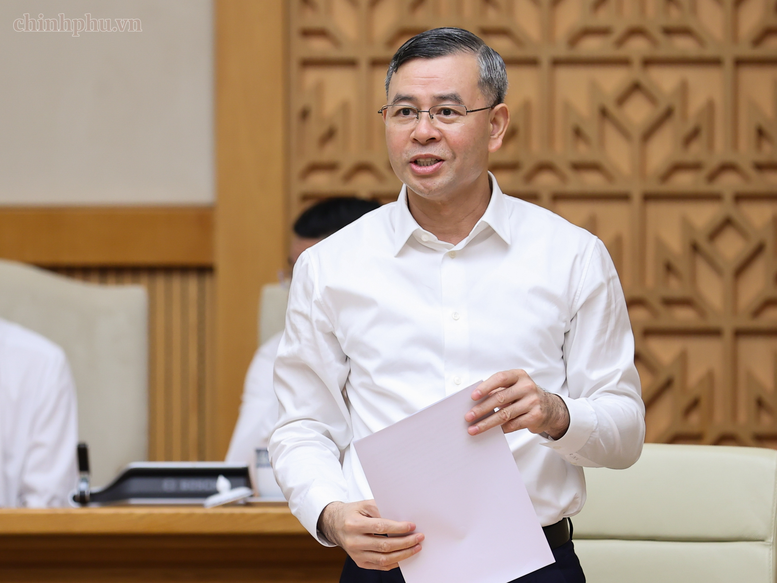
Minister of Finance Ngo Van Tuan. Photo: VGP/ Nhat Bac

International organisations raise Vietnam’s growth outlook

According to the Ministry of Finance (MoF), the global environment remains volatile, with slowing growth in major economies, renewed tensions in the Middle East pushing up oil prices, and the United States imposing additional tariffs of 10-12.5 per cent on imports from 60 economies.

Domestically, following the third plenum of the Party Central Committee, the government has accelerated new policies. International organisations have continued to commend Vietnam’s reform efforts and have revised their forecasts for the country’s GDP growth upwards.

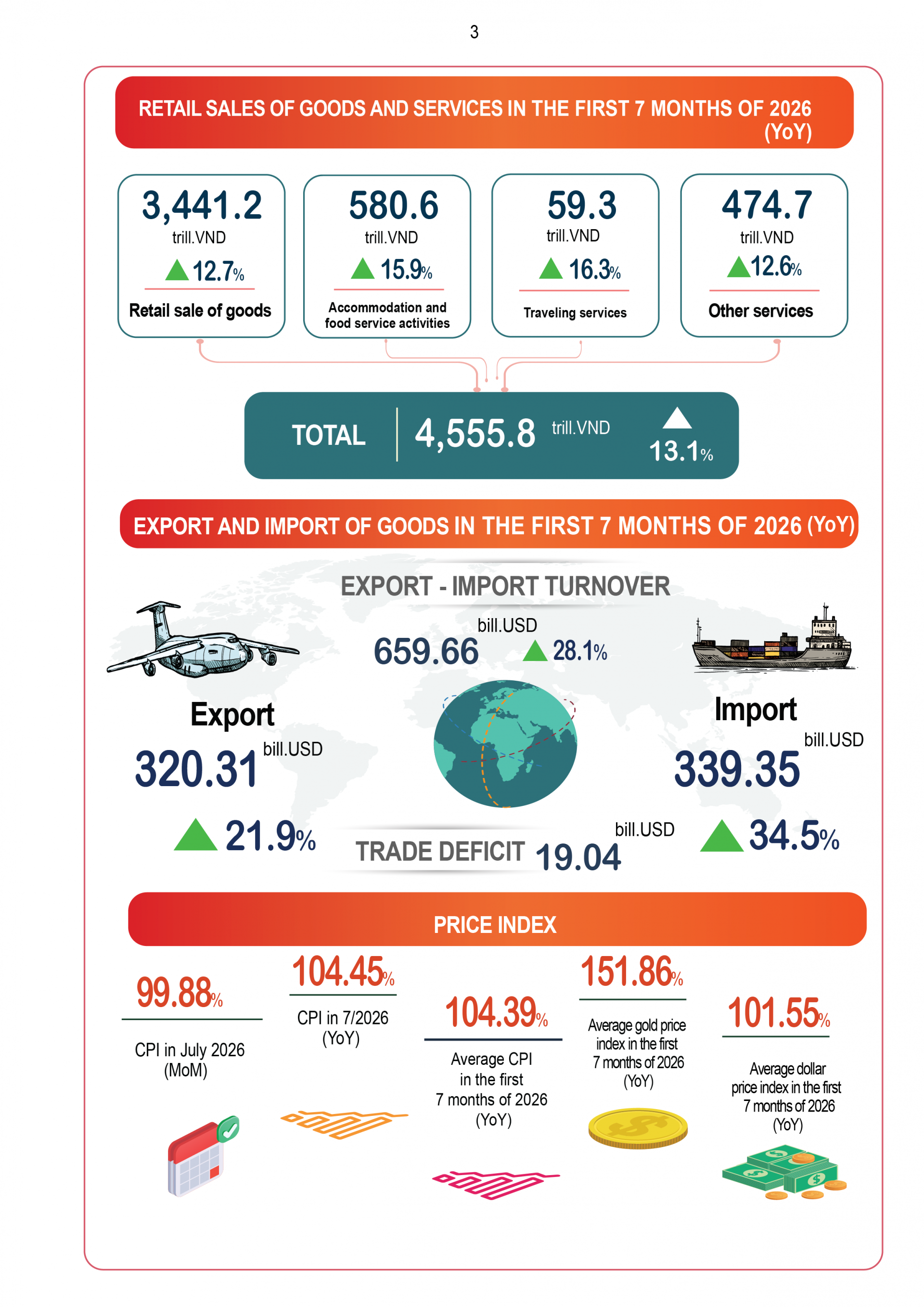
Macroeconomic conditions remain broadly stable, with inflation under control. The consumer price index fell 0.1 per cent in July from the previous month, while average inflation for the first seven months was estimated at 4.39 per cent on-year, remaining within the government’s annual target.

Supplies of electricity and petroleum products were secured, while domestic fuel prices remained relatively low compared with regional markets thanks to tax and fee measures.

Monetary policy, exchange rates, and interest rates continued to be managed proactively amid external pressures, helping improve short-term banking system liquidity. Capital market development also continued, with registered capital mobilisation reaching an estimated $16 billion, up 25.9 per cent on-year.

State budget revenue in the first seven months was estimated at $71 billion, equivalent to 72.5 per cent of the annual target and up 16 per cent from a year earlier. The government also completed the allocation of more than $103 billion in medium-term public investment capital.

Public investment disbursement reached $16 billion during January-July, equivalent to 41.9 per cent of the annual plan, up $3 billion from the same period last year.

Registered foreign direct investment totalled $38.06 billion in the first seven months, up 50.9 per cent on-year, while realised FDI reached $15.2 billion, an increase of 11.8 per cent. Total import-export turnover was estimated at $659.6 billion, up 28.1 per cent.

Agriculture maintained stable production, while the industrial production index rose 11.4 per cent in the first seven months, the highest growth since 2019. Retail sales and consumer service revenue increased 13.1 per cent during the period, in line with the government’s annual target, while international arrivals reached a record 13.92 million, up 13.7 per cent.

187,200 enterprises entered the market during the first seven months, up 7.5 per cent, exceeding the 155,300 businesses that exited the market.

Government steps up reforms

Minister Tuan said the government had continued rolling out Conclusion No.18-KL/TW, focusing on improving institutions, enhancing the investment climate, upgrading infrastructure, and attracting investment from all economic sectors.

During the first seven months, the government and the prime minister issued 387 legal documents, including 47 in July alone, while accelerating draft legislation and resolving long-delayed projects.

The government also launched a 100-day action plan to remove bottlenecks in digital transformation and completed a review resulting in a catalogue of more than 3,000 standards supporting strategic technology development.

Despite the positive results, the MoF said industrial production growth remained around 0.6 percentage points below the level required to achieve the annual target of 12-14 per cent.

Private consumption improved in July but remained relatively weak. Excluding price effects, consumption increased 7.5 per cent, only slightly above the 7.4 per cent recorded in the same period last year.

Projects continued to face localised labour shortages, rising labour and material costs, and weather-related disruptions to public investment disbursement. Five ministries and localities recorded disbursement rates below 10 per cent or had yet to disburse public investment funds.

Inflation management remains challenging as price pressures typically increase towards the end of the year and global oil prices remain volatile. Lending interest rates have continued to rise, while the banking sector faces ongoing liquidity pressure. Delays in issuing implementing regulations also persist.

Key priorities for rest of year

The MoF proposed eight priorities to support growth during the rest of the year. On fiscal policy, the government will continue tax and fee support measures for businesses and households, adjust fuel taxes where necessary, accelerate public investment disbursement, and tighten recurrent spending.

The State Bank of Vietnam will maintain stability in the monetary and foreign exchange markets, manage credit growth flexibly, stabilise lending rates, improve access to finance, accelerate bad debt resolution, and strengthen banking supervision.

The Ministry of Industry and Trade will continue managing domestic fuel prices, ensure energy security, assess trade imbalances, and maximise the benefits of Vietnam’s free trade agreements while working with relevant agencies to address issues arising during trade negotiations with the United States.

Local authorities will also continue reducing administrative procedures, logistics costs, and compliance burdens for businesses, while accelerating key transport infrastructure projects, including Long Thanh International Airport, boosting private investment, improving the business environment, advancing institutional reform, and implementing the government’s 100-day digital transformation programme.

Vietnam urged to upgrade FDI quality as global production chains restructure Vietnam urged to upgrade FDI quality as global production chains restructure

Global production networks are undergoing profound restructuring under the combined impact of tariff policies, AI, and growing concerns over supply chain security. As competition among major economies shifts from low-cost manufacturing to technological capability, Vietnam needs to improve the quality of foreign direct investment, strengthen its industrial ecosystem, and develop domestic enterprises to move up global value chains.

Economy needs 11.9 per cent growth in H2 to achieve 10 per cent GDP target for 2026 Economy needs 11.9 per cent growth in H2 to achieve 10 per cent GDP target for 2026

Vietnam’s economy will need to grow by around 11.9 per cent in the second half of 2026 to achieve the government’s 10 per cent GDP growth target for the full year. However, this is not simply a matter of accelerating growth. It also requires keeping inflation under control, maintaining macroeconomic stability, and improving the quality of growth.

Second-quarter 2026 financial results released by several cement manufacturers point to solid business performance both during the quarter and in the first half of the year.

Accordingly, Vicem Ha Tien Cement JSC has reported second-quarter (Q2) 2026 net revenue of approximately $90.4 million, up 17 per cent on-year. Its pre-tax profit reached $6.73 million, an increase of 31.7 per cent on-year.

The result marked the company’s highest quarterly profit in the past five years, enabling Vicem Ha Tien to complete more than half of its annual profit target after the first half of the year.

Cement producers sustain growth as construction demand holds firm
Total cement and clinker consumption approximated 61 million tonnes in the first half of 2026, up nearly 16 per cent on-year

According to the company, the strong performance was driven by a 6.4 per cent increase in cement sales volume compared with the same period of 2025.

The company also recognised revenue from cost-recovery fees related to the construction of a road stretch connecting Nguyen Duy Trinh road to Phu Huu Industrial Park in Ho Chi Minh City.

For the first six months of 2026, Vicem Ha Tien posted net revenue of nearly $164.8 million and pre-tax profit of more than $10.8 million, representing on-year growth of 17.15 per cent and 109.5 per cent, respectively.

La Hien VVMI Cement JSC also reported improved results, saying cement sales volume rose about 12.4 per cent in Q2 as local property market showed signs of recovery.

In addition to higher average selling prices, which boosted revenue compared with the same period last year, the company’s financial income increased by nearly 63.6 per cent. Measures to improve productivity and reduce production costs also contributed to stronger profit growth.

The company’s net revenue reached $7.9 million, up 5 per cent on-year, while Q2 pre-tax profit rose 47 per cent to $1 million. In the first half of 2026, the company’s pre-tax profit totalled $1.12 million, an increase of 40.7 per cent from a year earlier.

Vicem But Son, which posted a pre-tax loss of $644,000 in the first half of 2025, returned to profitability with first-half 2026 pre-tax earnings of $564,000, including $440,000 in the second quarter alone.

Vicem Hoang Mai also reported positive results, recording first-half pre-tax profit of $320,000, up 1.5 per cent on-year.

According to data from the Vietnam Building Materials Information and Data Centre (BIDC), total cement production reached 58.14 million tonnes in the first half, an increase of around 9 per cent compared with the same period last year.

Total cement and clinker consumption reached 60.98 million tonnes, up nearly 16 per cent. Although June saw signs of slower market growth, cumulative first-half results continued to reflect solid underlying demand.

Domestic consumption totalled 41.58 million tonnes, up 16 per cent on-year, while total exports reached 19.4 million tonnes, an increase of 15 per cent. Export value was approximately $720.5 million, up 14 per cent from the same period last year.

BIDC also noted that market activities slowed in June, with production, domestic consumption and exports all declining slightly from the previous month, although remaining above levels recorded in June 2025.

The trend suggests that market demand has not weakened remarkably, but future growth is becoming increasingly dependent on public investment and exports.

During the remainder of the year, the cement industry’s outlook will hinge on the pace of infrastructure investment disbursement, the recovery of the property market and developments in international freight costs.

Businesses face challenges in greenhouse gas inventories Businesses face challenges in greenhouse gas inventories

Enterprises, particularly in the thermal power, cement, and iron and steel sectors, face major challenges in compiling greenhouse gas inventories due to fragmented data systems, inconsistent activity data, and a lack of dedicated personnel.

Thailand cuts 3.8 million tonnes of CO2 via low-carbon cement Thailand cuts 3.8 million tonnes of CO2 via low-carbon cement

Thailand reduced more than 3.8 million tonnes of CO2 through low-carbon cement adoption, exceeding its nationally determined contribution targets and advancing a collaborative public-private Net Zero model.

Cement firms maintain pessimistic outlook Cement firms maintain pessimistic outlook

Cement firms across the country continue to face tough times with dwindling consumption amidst the stagnant real estate market, reduced residential project deployment, and shrinking exports.

Cement firms aspire for better performance following policy move Cement firms aspire for better performance following policy move

A new policy aimed at addressing the challenges facing the production and consumption of construction materials, particularly cement, is expected to help the sector boost consumption and improve revenue over the rest of this year.

Vietnam’s seven-month trade reaches $659.58 billion as deficit widens
Source: The National Statistics Office

The National Statistics Office reported on August 3 that total export-import turnover reached $659.58 billion during the period, up 28.1 per cent on-year. Exports increased by 21.7 per cent, while imports rose by a faster 34.8 per cent.

The widening gap between export and import growth reflected stronger demand for raw materials, machinery, equipment, and other goods used for manufacturing and investment activities.

In July, Vietnam’s total merchandise trade value stood at $109.75 billion, an increase of 5.3 per cent compared with June and 33 per cent against the same month last year.

July export turnover was estimated at $53.08 billion, up 4.5 per cent on-month. The domestic sector generated $10.27 billion, rising 2.7 per cent, while foreign-invested enterprises (FIEs), including crude oil, contributed $42.81 billion, up 5 per cent.

Compared with July 2025, the country’s export value expanded by 25 per cent. Exports by domestically owned businesses increased by 14 per cent, while FIEs recorded growth of 27.9 per cent.

During the first seven months, Vietnam exported goods worth $319.53 billion, an increase of 21.7 per cent from a year earlier. FIEs continued to dominate export activity, generating $255.89 billion, equivalent to 80.1 per cent of the national total. Its export turnover increased by 26.4 per cent on-year.

Meanwhile, the domestic sector recorded export revenue of $63.64 billion, accounting for 19.9 per cent of total exports and representing growth of 5.8 per cent.

The country had 31 commodity groups with export turnover exceeding $1 billion each during the seven-month period. Together, these products accounted for 93 per cent of total export value.

Of these, seven commodity groups posted export turnover of more than $10 billion each, collectively making up 69.7 per cent of Vietnam’s total merchandise exports.

On the import side, turnover reached $340.05 billion in the first seven months, rising 34.8 per cent compared with the same period of 2025.

Imports by the domestic sector stood at $92.14 billion, up 24.1 per cent, while FIEs imported goods worth $247.91 billion, representing a sharper increase of 39.2 per cent.

The strong expansion in imports exceeded export growth and caused Vietnam’s merchandise trade balance to move from surplus into deficit.

The country recorded an estimated trade deficit of $3.59 billion in July. For the full seven-month period, the deficit reached $20.52 billion, compared with a trade surplus of $10.35 billion in the corresponding period last year.

The domestic sector posted a trade deficit of $28.5 billion, while FIEs, including crude oil, maintained a trade surplus of $7.98 billion.

The figures indicated that businesses were increasing imports of production inputs, machinery, and equipment as they mobilised resources for manufacturing expansion and investment in the coming period.

Vietnam's recruitment market shows resilience in H1

While overall hiring demand remained broadly flat on-year, employers continued to prioritise strategic and business-critical positions that support growth, operational efficiency, digital transformation and governance.

Vietnam’s strong economic fundamentals continued to support recruitment activity. The country attracted $34.65 billion in registered foreign direct investment (FDI), representing a 61 per cent on-year increase, while disbursed FDI reached $13.03 billion, the highest in the past five years.

As business confidence improved, Adecco Vietnam recorded a 32 per cent increase in job requests in Q2 compared with Q1. However, talent availability remained a key challenge, with Adecco recording a 13 per cent decline in candidate applications compared with H1 2025. At the same time, employers continued to face intense competition for highly skilled professionals, particularly in AI, GenAI, data, cloud, cybersecurity and semiconductor-related roles.

Among all industries, manufacturing and engineering recorded the strongest hiring momentum, with job orders increasing by 70 per cent on-year, driven by manufacturing expansion, supply chain transformation and continued investment in advanced manufacturing.

Employers actively sought professionals in engineering, operations, supply chain, procurement, quality management and plant leadership, while demand for B2B sales and marketing remained stable. Talent shortages persisted across engineering, semiconductor, automation and leadership roles.

In the consumer health and retail sector, skincare cosmetics continued to outperform the broader healthcare market, supported by growing skincare awareness and rapid expansion of pharmacy, clinic and e-commerce channels. With the market expected to grow by more than 10 per cent annually, hiring demand in Northern Vietnam increased by 21 per cent on-year.

Companies continued investing in commercial and marketing capabilities, particularly across omnichannel, e-commerce, CRM and D2C functions, while AI adoption created increasing demand for digitally savvy commercial leaders.

Recruitment in technology and financial services also remained strong, with Adecco recording a 44 per cent increase in job orders compared with H1/2025. Hiring focused on AI, GenAI, data, cloud, cybersecurity and semiconductor talent, while financial services employers prioritised corporate banking, relationship management, private banking, risk, compliance and FDI banking professionals. Demand also remained high for Chinese- and Japanese-speaking banking talent.

Demand for payroll, staffing and outsourcing solutions continued to grow as organisations sought greater workforce flexibility, cost optimisation and regulatory compliance. Manufacturing, logistics, fast-moving consumer goods and technology remained the most active sectors, with businesses increasingly adopting integrated HR solutions, cloud payroll systems, electronic labour contracts and technology-enabled workforce management.

Looking ahead to H2, Adecco Vietnam expects hiring demand to remain resilient, supported by continued FDI inflows, digital transformation and business expansion across key industries. Employers are expected to remain selective, with continued demand for AI, technology, engineering, supply chain, financial services and commercial leadership talent. At the same time, demand for staffing, payroll and outsourcing services is expected to strengthen as organisations prioritise workforce agility, compliance and operational efficiency.

“We expect hiring demand to remain resilient throughout H2, although employers will continue to recruit more selectively. High demand for skilled professionals in AI, technology, engineering, supply chain, financial services and leadership positions is expected to persist, while talent shortages in these areas will remain a key challenge,” said Nguyen Hoang Thanh Chuong, head of Recruitment Business at Adecco Vietnam.

Recruitment soaring in tech titan positions Recruitment soaring in tech titan positions

A number of foreign-invested enterprises are relocating their operations to the north, creating greater demand for local recruitment.

Vietnamese recruitment landscape should expect stable salaries and regular increments Vietnamese recruitment landscape should expect stable salaries and regular increments

The Salary Survey 2024 that was conducted by Robert Walters and released on January 17 reveals that in the face of economic challenges, the Vietnamese recruitment market is displaying remarkable resilience and showing great optimism for 2024.

Vietnam job market hits new milestone with rising salaries and race for AI talent Vietnam job market hits new milestone with rising salaries and race for AI talent

Robert Walters Vietnam released its Salary Survey 2026 on November 25, revealing that Vietnam’s job market reached a new milestone in 2025.

Photo:
Photo: Ministry of Industry and Trade

On August 6, as part of the “Europe Full of Flavours – Tradition and Quality” programme, the Embassy of Poland in Vietnam, the Polish Investment and Trade Agency in Vietnam, and the Polish Chamber of Commerce and Industry (KIGCP) held a Vietnam – Poland business networking event in Ho Chi Minh City.

Speaking at the event, Tomasz Parzybut, CEO of the Association of Polish Butchers, Producers and Processors, said Vietnam was currently Poland’s third-largest market for pork exports. In 2025 alone, Polish pork exports to Vietnam increased by 34 per cent.

“This result reflects the growing trade ties between the two countries,” Parzybut said.

He added that Polish businesses were coming to Vietnam not only to explore opportunities to export Polish specialities, but also to seek quality raw materials and agricultural products from Vietnam.

One company in the delegation visited a Vietnamese shrimp processing facility and is planning to import shrimp to develop shrimp burger products in Poland. Polish businesses are also looking for Vietnamese spices, including pepper.

Bui Thi Ninh, deputy director of the Vietnam Chamber of Commerce and Industry’s Ho Chi Minh City Branch, said Polish businesses had, over the years, brought a wide range of high-quality food products, including apples, meat and dairy products, closer to Vietnamese consumers.

“The two economies are highly complementary, with Poland being one of Europe’s leading food production and processing hubs, while Vietnam is a dynamic consumer market and a gateway to the wider ASEAN region,” she said.

Andrzej Arendarski, president of the Polish Chamber of Commerce and Industry, said there remains significant room to expand trade cooperation between the two countries, particularly in agriculture and food.

“However, to make better use of this potential, Vietnamese products need to be promoted more strongly in Poland so that consumers become more familiar with them, including Vietnamese coffee,” he said.

Paweł Meyner, chief veterinary officer at Poland’s General Veterinary Inspectorate, said Polish food products comply with the European Union’s strictest standards.

“The entire production chain, from livestock breeding, reproduction and animal nutrition to slaughtering, processing and distribution, is closely controlled to ensure epidemiological and microbiological safety,” he said.

Thanks to compliance with these standards, 167 Polish businesses are currently licensed to export agricultural and food products to Vietnam. Polish products already available on the Vietnamese market include meat, including frozen meat, milk and dairy products, fruit juices, snacks and confectionery.

In 2025, Poland exported around 12,000 tonnes of pork to Vietnam, up 34 per cent on-year.

According to Bożena Wróblewska, chairwoman of the Promotion Centre under KIGCP, Poland currently exports an average of around 780,000 tonnes of apples annually to international markets.

For Vietnam, Poland exported around 1,500 tonnes of fresh apples in 2025.

“Poland expects apple exports to Vietnam to continue increasing this year, although official statistics are not yet available,” she said.

Polish-Vietnamese trade ties intensify Polish-Vietnamese trade ties intensify

Polish drug taken from market after casualties Polish drug taken from market after casualties

More support forthcoming thanks to Polish interest More support forthcoming thanks to Polish interest

Polish authorities to support traders hit by shopping complex blaze Polish authorities to support traders hit by shopping complex blaze

Vietnam and Poland target bilateral trade turnover of $5 billion Vietnam and Poland target bilateral trade turnover of $5 billion

De Beers launches Ombré Desert Diamonds and polished Origin series De Beers launches Ombré Desert Diamonds and polished Origin series

LOT Polish Airlines is set to launch Warsaw–Hanoi route LOT Polish Airlines is set to launch Warsaw–Hanoi route

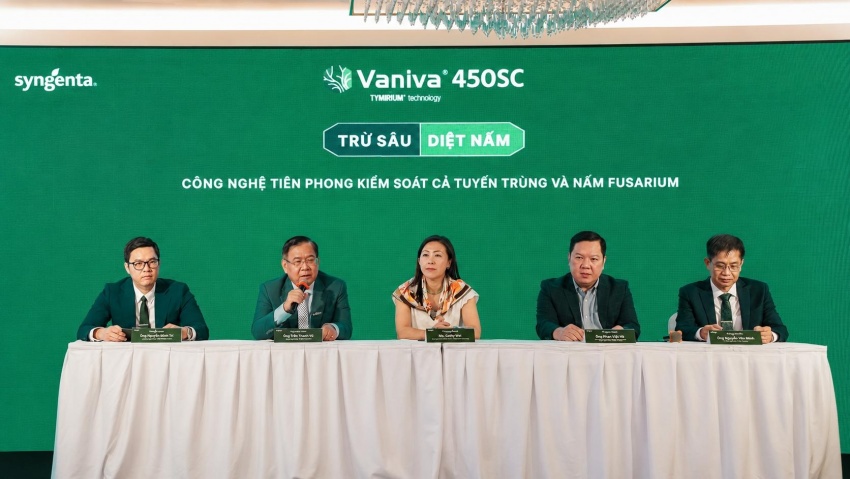
Together with its March 2025 launch for nematodes, this completes a comprehensive root-protection solution addressing the two biggest underground threats across high-value crops such as durian, banana, coffee and citrus.

Syngenta Vietnam strengthens crop root disease protection with Vaniva 450SC

Vaniva is a new-generation solution and is the only product in Vietnam classified in the dual mode-of-action group, registered for the control of both nematodes and Fusarium. Photo: Syngenta Vietnam

Fusarium – a persistent, global threat

Fusarium spp.-induced yellowing and root rot are among the most difficult soil-borne diseases to manage across a wide range of crops. The fungus can persist in the soil for many years and often goes undetected until the root system has been severely damaged. By the time above-ground symptoms appear – such as yellowing leaves and widespread leaf drop – the disease is extremely difficult, and sometimes impossible, to control

Globally, a soil-borne fungal strain known as Fusarium Tropical Race 4 (TR4) – the cause of so-called “Panama disease” in bananas – is projected to affect up to 17 per cent of the world’s banana-growing area by 2040.

Without effective control, this could result in losses of approximately 36 million tonnes of bananas, representing more than $10 billion in losses to the global banana industry as a whole. FAO has also warned that the spread of TR4 could reduce global banana production by approximately 2 per cent by 2028 and affect around 240,000 jobs across the banana value chain.

In Vietnam, Fusarium spp. are also major pathogens responsible for yellowing and root rot in several economically important crops. According to studies by WASI and VAAS, the combined presence of Fusarium spp. and root-knot nematodes (Meloidogyne spp.) is a major cause of reduced growth and yield in coffee plantations in the Central Highlands.

In durian, black pepper and citrus, Fusarium – together with other soil-borne fungi – often forms part of a disease complex that weakens plants and may ultimately cause plant death if an appropriate control strategy is not implemented from the outset.

Nguyen Hac Hien, director of the Dak Lak Sub-Department of Crop Production and Plant Protection, said, “Yellow-leaf root rot has become one of the most pressing challenges in the province’s key crop-growing areas, directly affecting yields, the productive lifespan of orchards and farmers’ incomes. One of the greatest difficulties is that the disease develops below ground; by the time visible symptoms appear, the root system has often already suffered severe damage.”

“We therefore encourage farmers to take early preventive action, maintain soil health and adopt science-based integrated crop protection measures, while using crop protection products safely, effectively and strictly in accordance with label instructions. The availability of new solutions with advanced modes of action will provide valuable support for pest and disease management efforts across the province.”

Syngenta Vietnam strengthens crop root disease protection with Vaniva 450SC
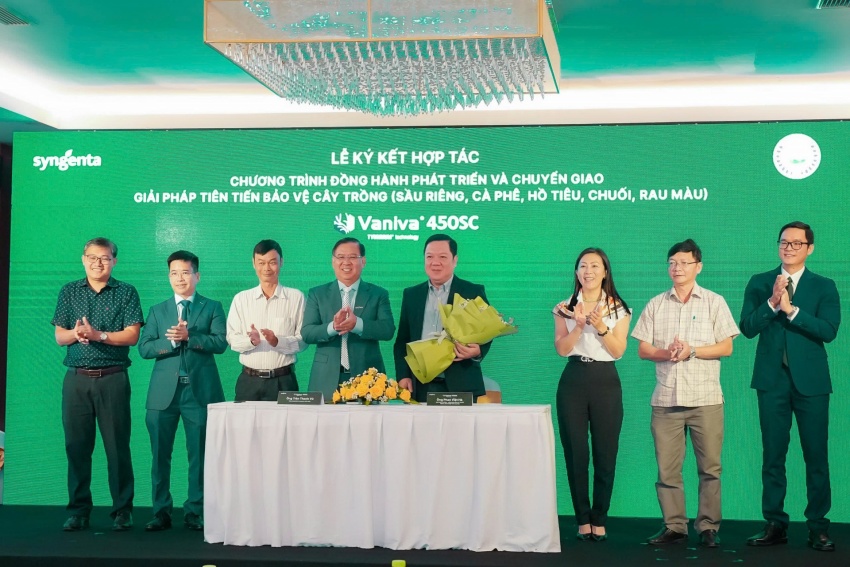
Representatives of Syngenta Vietnam and WASI at the Vaniva® 450SC press conference. Photo: Syngenta Vietnam

Breakthrough solution from Syngenta

Powered by TYMIRIUM technology and featuring the active ingredient cyclobutrifluram, Vaniva 450SC provides effective control of plant-parasitic nematodes and key soil-borne diseases, particularly Fusarium spp., helping protect root systems and establish a strong foundation for healthy crop growth from the earliest stages.

Developed through more than 15 years of Syngenta research and innovation, TYMIRIUM technology is designed to address some of the most challenging below-ground pests and diseases while protecting soil and root health.

Vaniva is a new-generation solution and is currently the only product in Vietnam classified in the dual mode-of-action group, registered for the control of both nematodes and Fusarium.

By safeguarding root systems early in the crop cycle, Vaniva 450SC helps improve water and nutrient uptake, supports vigorous crop establishment, and enhances plant resilience under challenging growing conditions. Beyond delivering effective crop protection, TYMIRIUM technology reflects Syngenta’s commitment to advancing sustainable and regenerative agriculture by developing innovative solutions that help farmers increase productivity while reducing environmental impact.

According to Syngenta, solutions powered by TYMIRIUM technology are being introduced across more than 100 crops in over 60 countries, demonstrating the company’s continued commitment to innovation that enables farmers to produce more while caring for the health of their soils and the future of agriculture.

Syngenta Vietnam strengthens crop root disease protection with Vaniva 450SC
Syngenta Vietnam and WASI sign a cooperation agreement for a joint programme to develop and transfer crop protection solutions. Photo: Syngenta Vietnam

Safe for people and crops

Vaniva 450SC delivers superior efficacy at low active-ingredient rates – only 1/2 to 1/10 of some other solutions – meaning significantly less active ingredient enters the environment, reducing environmental impact and better protecting beneficial organisms. In the soil, the product does not affect earthworms or the beneficial microorganisms essential to soil fertility.

By conserving soil biodiversity and increasing root biomass, it supports soil health and a sustainable agricultural ecosystem – reflecting Syngenta’s direction of developing solutions that protect soil health, support regenerative agriculture and reduce environmental impact.

The launch of Vaniva 450SC reflects Syngenta’s long-term commitment, guided by its purpose of “Breakthroughs for farmers, in every field.”

What sets Syngenta apart is not only its innovative products, but also its integrated approach – combining world-leading research and innovation with close partnerships with farmers through technical knowledge transfer, safe crop protection stewardship training, field days, and on-farm demonstration trials conducted directly in farming communities.

Tran Thanh Vu, managing director of Syngenta Vietnam, said, “With Vaniva 450SC we complete a comprehensive root-protection solution for farmers – from nematodes to fungal disease, including Fusarium, for which no truly effective solution previously existed. This is the result of many years of research, and it reflects Syngenta’s commitment: bringing the most advanced technologies, safer for people and the environment, to Vietnam’s fields.”

ASEAN steps up digital push for agriculture MSMEs to boost competitiveness ASEAN steps up digital push for agriculture MSMEs to boost competitiveness

USDA opens applications for agribusiness trade mission to Vietnam USDA opens applications for agribusiness trade mission to Vietnam
Hanoi, Bac Ninh and Hung Yen seek closer regional integration to attract investment in smart agriculture Hanoi, Bac Ninh and Hung Yen seek closer regional integration to attract investment in smart agriculture

Rize raises $31 million to accelerate sustainable rice farming in Vietnam and Southeast Asia Rize raises $31 million to accelerate sustainable rice farming in Vietnam and Southeast Asia
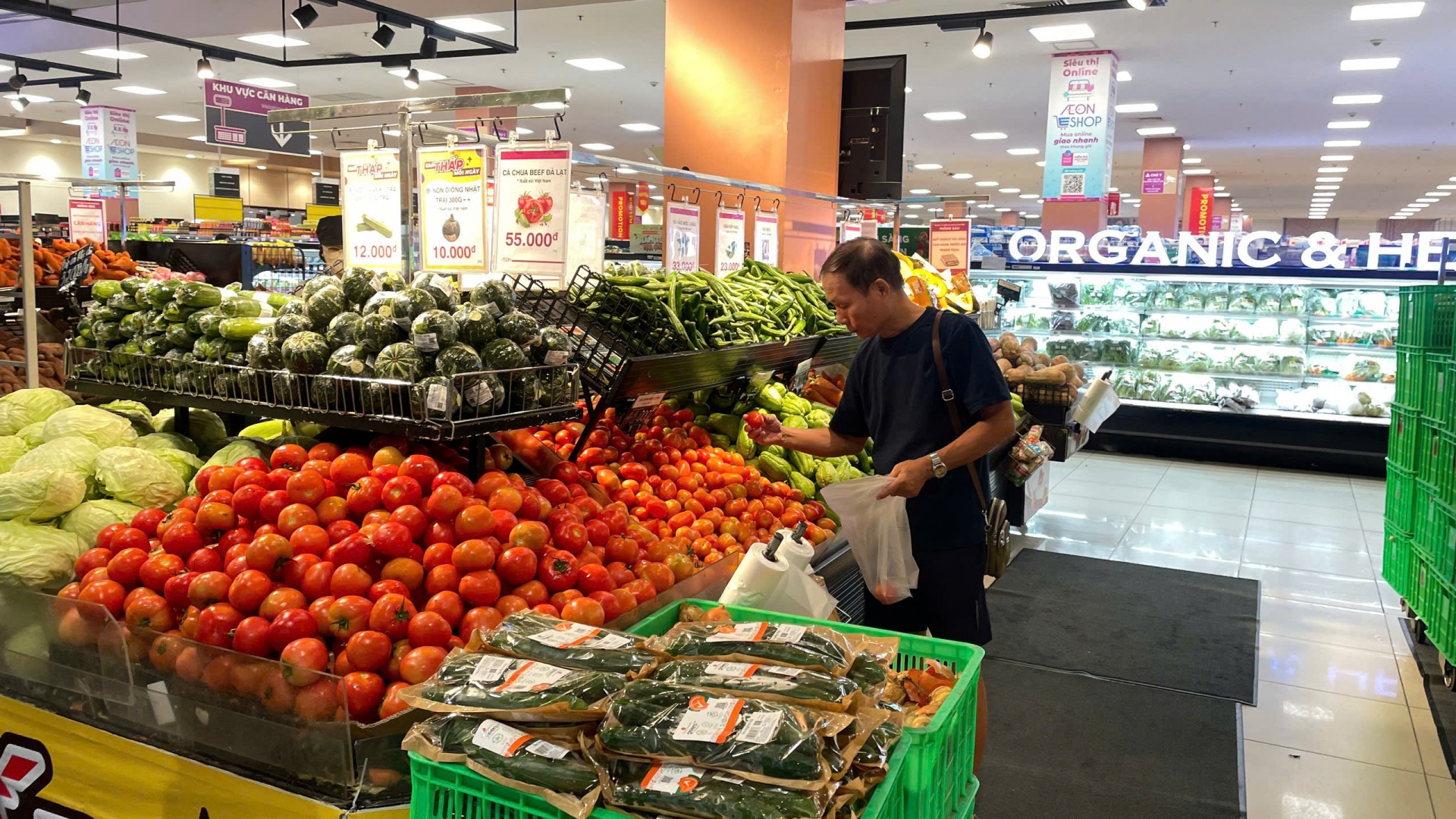

Fruit and vegetable exports top $1 billion for first time in July
Photo: Hoang Oanh

In the first seven months of 2026, exports totalled approximately $4.76 billion, representing a 23 per cent increase compared to the same period last year.

The sector’s growth was driven primarily by a recovery in durian exports, which account for more than half of the industry’s total export value.

China remained the largest export market, accounting for around 55 per cent of total export value, while the United States and South Korea continued to post positive growth.

Other Vietnamese products, including coconuts, mangoes, bananas, passion fruit, and processed fruit and vegetables, also recorded strong growth.

The sector is expanding in scale while undergoing a notable shift in its export structure, with processed products accounting for an increasingly significant share, particularly in distant and highly demanding markets such as the EU.

Data from the Vietnam Fruit and Vegetable Association (Vinafruit) showed that fruit and vegetable exports to the EU reached approximately $214.4 million in the first six months of the year, up 32 per cent on-year. In June alone, export turnover to the market increased by 38 per cent.

Notably, processed products account for a significantly larger share of exports to the EU than the industry average. While processed products currently make up around 31 per cent of Vietnam’s total fruit and vegetable export value, the proportion in the EU market is close to two-thirds.

Within the EU, the Netherlands was Vietnam’s largest fruit and vegetable import market, with export turnover reaching $117 million, up 46.8 per cent year-on-year and accounting for 54.6 per cent of Vietnam’s total exports to the bloc. Germany followed with $58.4 million, up 47 per cent, while France accounted for 14.7 per cent.

Vinafruit said deep processing is becoming an important avenue for Vietnamese agricultural products to overcome the disadvantages posed by geographical distance.

Fresh fruit and vegetables exported to distant markets often face challenges due to high air freight costs, while sea transport requires stringent preservation and storage technologies.

In fact, several processed products are recording strong growth. Exports of processed passion fruit reached $123.2 million, up 37.5 per cent, while potato exports surged 100.7 per cent and processed dragon fruit exports increased 50 per cent.

In Germany, one of the EU’s major markets, the value of processed fruit and vegetable imports from Vietnam reached $32.6 million in the first five months of the year, up 126 per cent.

Dang Phuc Nguyen, secretary general of Vinafruit, said deep processing also helps address the issue of post-harvest losses.

“Post-harvest losses of fruit and vegetables in Vietnam remain high at 30–40 per cent, significantly above the approximately 10-15 per cent recorded in Thailand,” he said.

Foreign fruits flood Vietnamese market Foreign fruits flood Vietnamese market
Fruit and vegetable exports surge ahead of Lunar New Year Fruit and vegetable exports surge ahead of Lunar New Year

Vietnam and Chile work to remove barriers to fruit and meat trade Vietnam and Chile work to remove barriers to fruit and meat trade
US approves X-ray technology for Vietnamese fruit irradiation facility US approves X-ray technology for Vietnamese fruit irradiation facility
Vietnam eyes 8 billion USD in fruit, vegetable export value in 2025 Vietnam eyes 8 billion USD in fruit, vegetable export value in 2025

Agro-staples project further gains Agro-staples project further gains
Vietnam’s fruit and vegetable exports reach $7.8 billion in first 11 months Vietnam’s fruit and vegetable exports reach $7.8 billion in first 11 months
The draft decree aims to strengthen decentralisation, reduce procedures, and unlock resources for the enterprise, while ensuring transparency and strict supervision in line with market economy principles and state management.

Specific financial mechanism proposed for Vietnam Railways
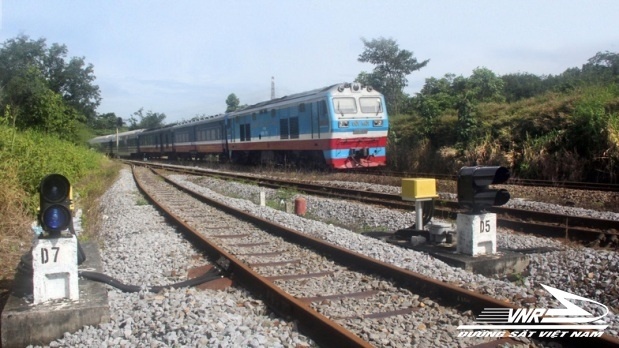
Photo: VNR

The draft proposes special mechanisms for the railway industrial complex project; management, maintenance, repair, renovation, and upgrading of national railway infrastructure assets; construction of commercial and office buildings at railway stations; and investment credit incentives.

The investment preparation process for the railway industrial complex project is subject to several specific policies as follows: Vietnam Rail (VNR) is allowed to consult domestic and foreign contractors and organisations regarding technology, reference prices, and potential risks during the project preparation process; this consultation must be transparent and must not provide an unfair advantage to any supplier.

VNR is allowed to decide on the use of foreign contractors for consulting and pre-implementation activities for the project.

Regarding the performance of tasks and orders for railway industrial services and railway industrial goods of the railway industrial complex, VNR is assigned and orders enterprises in which VNR has 100 per cent invested capital to perform all or part of railway industrial services and railway industrial goods in accordance with the law.

The draft clearly states that VNR is assigned the task of commissioning its dependent and independent accounting units, and commissioning its subsidiaries to carry out repairs, renovations, upgrades, and functional enhancements to national railway infrastructure assets using the company’s own capital.

In cases where the state entrusts VNR with the management, maintenance, operation of national railway infrastructure, VNR shall implement initiatives to construct commercial service and office buildings within railway stations and on land designated for railways associated with stations through the selection of investors as stipulated in the 2025 Investment Law.

The MoF also proposes adding investment projects for the production, assembly, and procurement of various types of railway locomotives and carriages; specialised vehicles operating on railways; machinery and equipment for railway infrastructure maintenance; and mechanical components, systems, and parts for the production and assembly of locomotives, carriages, and railway transport vehicles to Section III – the list of investment credit loan projects issued with the government’s Decree No.78/2023/ND-CP from 2023, amending and supplementing a number of articles of Decree No.32/2017/ND-CP from 2017, on state investment credit.

At present, the draft is currently open for public comment on the MoF’s online portal.

Vietnam Railways restructuring plans approved Vietnam Railways restructuring plans approved

With the approval of the restructuring plan for 2026-2030, Vietnam Railways will develop into a group model, aiming to create a driving force for the industry development and attract more investment.

More opportunities for French businesses in Vietnam’s railways More opportunities for French businesses in Vietnam’s railways

Vietnamese Deputy Minister of Construction Nguyen Tuong Van on May 7 worked with a delegation of French businesses on railway investment and business opportunities.

Railway administrative procedures amended to support investment Railway administrative procedures amended to support investment

New railway industry regulations are expected to streamline administrative procedures and boost business and investment activities in the sector.

The initiative aims to gather 10,000 emerging “Builders”–including business owners, founders, investors, and business students–to explore and support the development of the Vietnam International Financial Center (VIFC).

GOE Alliance (Global On-chain Economy), the campaign’s initiator, operates in infrastructure and ecosystem development for the digital economy and maintains a representative office at the VIFC. The campaign’s technology partners are Tether and MEXC Ventures.

Launch of the “Lights On” campaign to build the VIFC community
MEXC Ventures is the campaign’s technology partner

A highlight of the event was the organisers’ announcement of their goal to build a community of 10,000 “Builders”. Rather than claiming an existing network, they publicly committed to the target and activated a “Lighting-Up Clock” to track progress in real time. Business associations, universities, and media outlets were invited to join the initiative and monitor its progress.

The campaign is implemented in three main ways: a series of market education events, the VIFC Challenge, and VIFC Talent (the IFC Builder Program).

The programme plans to host 10 events tailored to small and medium-sized enterprises, individual investors, startups, and the “Builder” community, with approximately 50 visitors per event. The content will centre on practical topics such as the legal framework and operational mechanisms of VIFC, pathways to accessing international capital, and roadmaps for Vietnamese enterprises to expand into global markets. Details regarding the date, venue, and topic of the inaugural event will be announced during the campaign launch.

The VIFC Challenge is an initiative to address real-world issues facing Ho Chi Minh City and the VIFC. Co-organised by BNI Vietnam—a network of around 9,200 member businesses—and SVF, the programme aims to reach around 10,000 people across the business and startup communities. Beyond raising awareness of the VIFC, the challenge is designed to engage participants in developing solutions to the city and financial centre’s key development challenges.

Meanwhile, the IFC Builder Program aims to cultivate a future workforce for the IFC. Working with universities, the programme features training and prepared knowledge assessments regarding the VIFC, utilising a professional learning model designed for third- and fourth-year students majoring in Finance, Banking, and Economics. Its long-term objective is to train and connect approximately 10,000 students with knowledge of the VIFC before they enter the labour market.

Also as part of the event series, at the seminar “VIFC – A Gateway for Vietnamese Enterprises to Go Global,” Jenny Nguyen, head of strategy for MEXC Ventures in Vietnam, stated that MEXC currently operates in Vietnam through two main pillars: the investment fund MEXC Ventures and the digital asset trading platform MEXC.

MEXC Ventures focuses on investing in high-potential projects within the blockchain and digital asset sectors–fields attracting significant global interest and for which a legal framework is gradually taking shape in Vietnam.

Launch of the “Lights On” campaign to build the VIFC community
Jenny Nguyen, head of strategy for MEXC Ventures in Vietnam (second from the right)

According to Nguyen, MEXC goes beyond the role of a mere sponsor, but aims to play a deeper part in the development of Vietnam’s IFC, contributing to an ecosystem that connects businesses, investors, and high-quality talent.

“We share the vision of the ‘Sang Den‘ campaign to establish Vietnam’s IFC as a gateway for Vietnamese enterprises to expand into the global market. With operations spanning over 170 countries and territories, we look forward to partnering with and supporting Vietnamese businesses in accessing new resources and opportunities in the international arena,” she said.

A representative from MEXC Ventures emphasised that capital goes hand in hand with expertise. Consequently, capital flows gravitate towards entities that are well-prepared in terms of knowledge, capabilities, and vision. If a business does not truly understand the operational mechanisms, opportunities, and requirements associated with an IFC, accessing capital will face significant hurdles, regardless of the magnitude of the capital involved.

“Therefore, education and knowledge dissemination serve as a vital foundation. We believe that the ‘Sang Den’ campaign will help raise awareness, foster connections, and prepare the necessary resources for the Vietnamese business community to be ready to seize new opportunities,” added Nguyen.

UOB CEO mulls new headquarters in Ho Chi Minh City and joining VIFC UOB CEO mulls new headquarters in Ho Chi Minh City and joining VIFC

UOB vice chairman and CEO Wee Ee Cheong met with Party General Secretary and State President To Lam during his state visit to Singapore to discuss the bank’s long-term commitment to Vietnam’s growth.

VIFC-HCMC, Touchstone Partners, Temasek Foundation to collaborate on green economy VIFC-HCMC, Touchstone Partners, Temasek Foundation to collaborate on green economy

On May 29, the Vietnam International Financial Center in Ho Chi Minh City, Touchstone Partners and Temasek Foundation signed a trilateral strategic collaboration agreement to mobilize financial resources to advance technology development, contributing to Vietnam’s green transition.

VIFC set to raise the bar for Ho Chi Minh City's office market VIFC set to raise the bar for Ho Chi Minh City’s office market

Vietnam’s International Financial Center is expected to add substantial office space to Ho Chi Minh City’s market while raising competitive standards across the sector.