At its fourth session last week, the National Assembly Standing Committee reviewed the draft law amending and supplementing provisions relating to the List of Conditional Business Lines under the Law on Investment.

According to Minister of Finance Ngo Van Tuan, the draft law introduces a ban on trading nitrous oxide for human inhalation.

“Outside medical purposes, it also replaces the List of Conditional Business Lines under the 2025 Law on Investment, building on the list set out in Government Resolution No.6617 dated May 15, which removes 56 conditional business lines and revises the scope of 14 others compared with the 2025 Law on Investment,” Minister Tuan said.
Vietnam urges meaningful business condition cuts to support development
The government is ramping up efforts to support business development

Based on proposals from the Ministry of Industry and Trade, the revised list further eliminates two conditional business lines: ‘the trading of goods and activities directly related to the trading of goods by foreign service providers in Vietnam’ and ‘petroleum activities.’

Presenting the verification body’s assessment, Chairman of the National Assembly’s (NA) Committee for Economic and Financial Affairs Phan Van Mai noted that although the bill was drafted under the expedited legislative procedure, its amendments would have a broad impact on citizens, businesses and the investment and business environment.

“The draft law should include policy impact assessments commensurate with the proposed reforms, fully compile and explain comments from affected stakeholders, and undergo a thorough review to ensure consistency across the legal system,” he said. “It is essential to ensure that the reduction of business conditions is genuine, while avoiding any weakening of necessary regulatory safeguards or creating new risks that would be difficult to address in practice.”

Providing further clarification after comments from the NA Standing Committee, Minister Tuan revealed that conditional business requirements should be concentrated only in sectors affecting national security, defence, public health, ethics and the environment. Where sector-specific laws already establish sufficient technical standards and operational requirements, there is no need to impose additional business conditions, he noted.

“For example, in the clean water sector, the Ministry of Construction should issue technical standards defining what constitutes clean water so that projects meet the requirements for operation and commissioning without posing risks to public health,” Minister Tuan said.

Also drafted by the Ministry of Finance, the proposed amendments to the Law on Customs received strong support from the NA Standing Committee.

According to the government’s submission, the amendments focus on reducing and simplifying administrative procedures while advancing digital customs.

They replace the requirement for ‘electronic documents’ in customs dossiers with ‘electronic data messages’ to facilitate the operation of digital customs.

The draft law also abolishes licensing requirements for customs brokerage agents and customs brokerage employees.

In addition, the draft reduces reporting obligations for businesses while expanding the application of IT in customs administration.

NA Chairman Tran Thanh Man said the amendments to the Law on Customs should go beyond revising procedures and instead transform the management mindset.

“This amendment is not simply about changing procedures. It must shift customs management from pre-clearance inspection to risk management, from document management to data management, and from administrative control to facilitating development,” he said. “With taxation and customs today, encouraging voluntary compliance is the single most important priority.”

Minister Tuan added that the drafting process had been built on a data-driven approach, with risk management serving as the core management method, while establishing the legal foundation for applying advanced technologies such as AI, big data and other emerging technologies throughout customs administration.

NA Vice Chairman Nguyen Khac Dinh said after incorporating the comments of the NA Standing Committee the draft law was ready to be submitted to the National Assembly for consideration and approval at the NA’s first extraordinary session to be held in early August.
Business support packages in the frame for maximum impact Business support packages in the frame for maximum impact

With many businesses becoming gradually exhausted and in critical need of state support, many National Assembly members have asked the government to apply feasible solutions to lift them out of woes. What will the government do to continue assisting them in the time to come?

Hanoi vows to deliver efficient business support Hanoi vows to deliver efficient business support

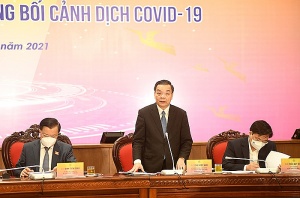
Chu Ngoc Anh, Chairman of Hanoi People’s Committee has promised support for businesses at a recent meeting hosted by Hanoi Promotion Agency (HPA) along with relevant sectors and departments to support businesses to steer through COVID-19.

Legal streamlining required for business support package Legal streamlining required for business support package

While businesses are thirsty for capital, removing legal obstacles is now essential to enable the confidence of businesses, commercial banks, and local authorities to unlock resources for growth and production.

No year-end easing of focus on business support and stability No year-end easing of focus on business support and stability

Vietnam’s year-end direction is focused on maintaining stability in both interest rates and exchange rates while implementing capital support measures for businesses.

As Vietnam continues to accelerate the development of industrial facilities and infrastructure, particularly large-scale projects such as airports, industrial complexes, and logistics centres, the approach to design and project delivery is undergoing a significant transformation.

Whereas steel structures were once regarded primarily as a technical solution during construction, they have now evolved into a key element of the overall design process, influencing spatial planning, structural systems, and project execution strategies from the earliest stages.

In response to this trend, BMB Steel – a global steel structure contractor serving industrial, commercial and infrastructure projects – goes beyond providing steel structure solutions by working alongside project owners and design consultants from the outset of a project.

BMB Steels perspective: Steel structures drive modern construction
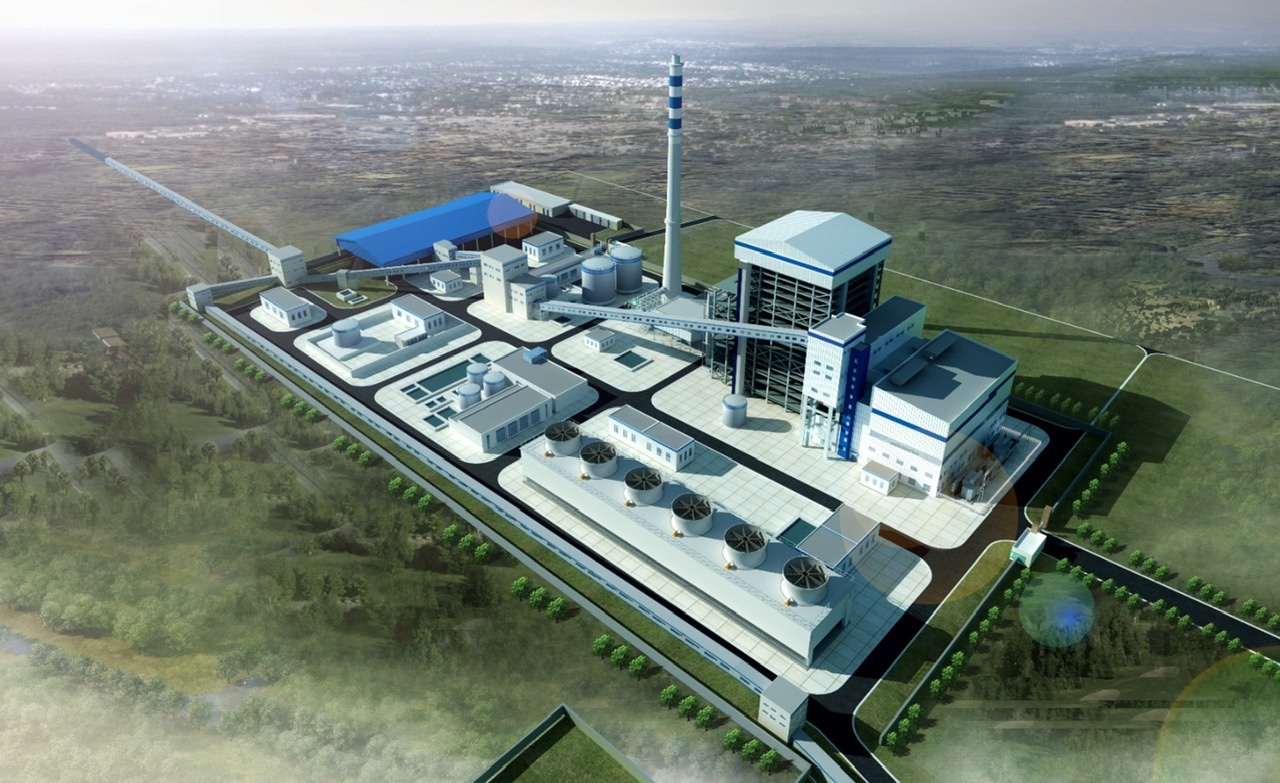
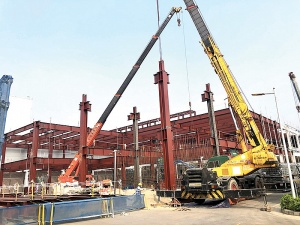
Na Duong II Thermal Power Plant Project

Early coordination among architectural, structural, and construction teams helps optimise space utilisation, shorten project schedules, and reduce design changes during construction.

Drawing on extensive experience delivering large-scale industrial and infrastructure projects, BMB Steel provides effective structural solutions that meet the demands of faster project delivery, future expansion, and long-term operational performance.

Several projects undertaken by BMB Steel, particularly in the heavy industrial sector, reflect the evolving approach to collaboration among project stakeholders.

At the Na Duong II Thermal Power Plant in northern mountainous province of Lang Son, BMB Steel delivered approximately 3,800 tonnes of structural steel for the turbine building, coal storage facility, and auxiliary structures across a 7.4-hectare site.

The project required close coordination between design, fabrication, and construction to ensure seamless execution and overall schedule alignment. As a large-scale industrial facility, it required a high level of precision, as even minor deviations during design or construction could affect the entire project’s progress.

Building on its involvement in large-scale energy projects, BMB Steel also delivered approximately 5,000 tonnes of structural steel for the Quang Trach I Thermal Power Plant in Quang Binh province.

The project involved a substantial structural steel scope and required rigorous quality control throughout every stage, from fabrication to erection, while ensuring the timely delivery of one of Vietnam’s key national energy infrastructure projects.

Alongside its project delivery capabilities, BMB Steel has developed an integrated approach that combines design, fabrication, and construction.

Steel components are fabricated at the company’s manufacturing facilities under a standardised quality control process before being delivered to the construction site.

This approach helps minimise discrepancies between design and on-site execution while improving schedule control for large-scale projects.

BMB Steels perspective: Steel structures drive modern construction
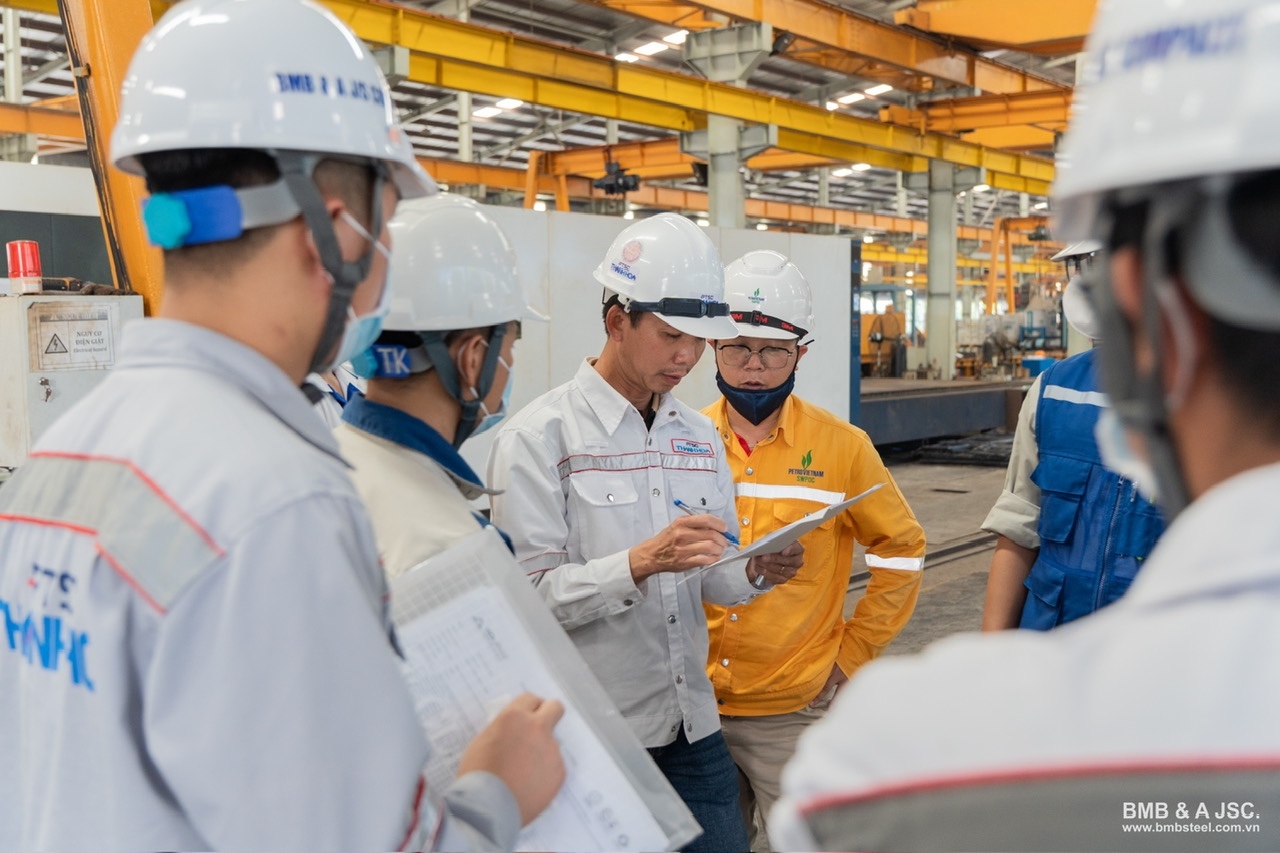
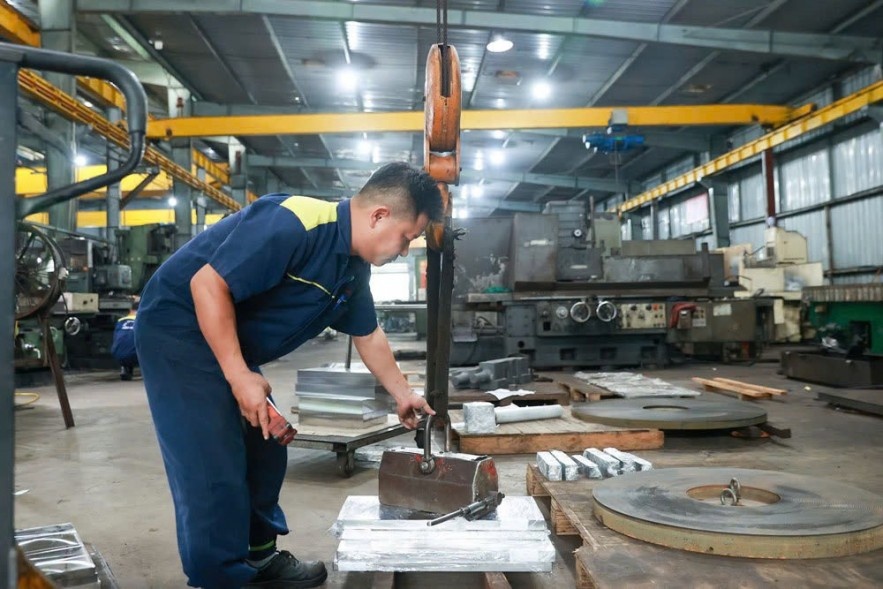
BMB Steel’s steel structure fabrication plant with integrated quality control

The demanding schedules of today’s industrial and infrastructure developments are also raising expectations for steel structure contractors.

Their role now extends beyond construction alone, with companies such as BMB Steel becoming increasingly involved in optimising technical solutions from the earliest stages of a project, particularly for complex developments where efficient coordination and technical expertise are essential to successful project delivery.

Overall, the evolving approach to industrial and infrastructure development is increasingly blurring the boundaries between design and construction.

In this context, structural steel is no longer viewed solely as a technical solution during the construction phase but has become an integral part of project planning from the earliest stages of development.

Practical experience gained from projects such as the Na Duong II Thermal Power Plant and the Quang Trach I Thermal Power Plant highlights BMB Steel’s increasingly important role in the modern construction value chain, particularly in delivering large-scale industrial and infrastructure projects.

Minh Cuong mct JSC A steel structure and construction pioneer that builds in trust Minh Cuong mct JSC A steel structure and construction pioneer that builds in trust

As a pioneer in Vietnamese pre-engineered steel building and industrial construction for 25 years, Minh Cuong Mechanics-Construction-Trading JSC is a prestigious high-tech provider of steel structure solutions for both foreign and local partners at home and abroad.

THACO raises the bar for steel industry THACO raises the bar for steel industry

THACO Industries has significantly intensified its investment in steel structures and Mechanical, Electrical, and Plumbing (MEP) systems, aiming to become the top general contractor in Vietnam.

ATAD Steel Structure Corporation honoured at Manufacturing Asia Awards ATAD Steel Structure Corporation honoured at Manufacturing Asia Awards

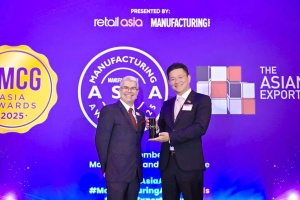
ATAD Steel Structure Corporation was named the winner of the Vietnam Excellence Award – Steel at the Manufacturing Asia Awards 2025 on November 18 at the Marina Bay Sands Expo and Convention Centre in Singapore.

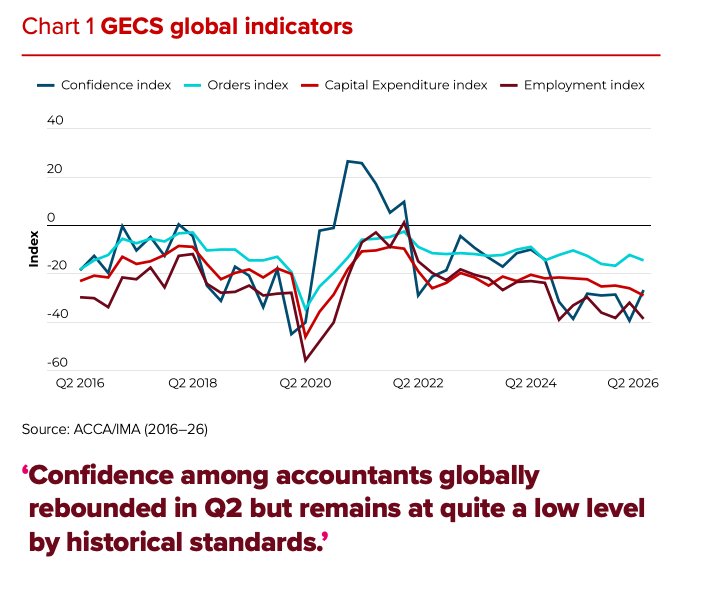
The findings of the Global Economic Conditions Survey, conducted by the Association of Chartered Certified Accountants (ACCA) and the Institute of Management Accountants (IMA) and released on July 21, highlighted the continued impact of the conflict in the Middle East on global business sentiment. The survey was conducted between 3-17 June, before the renewed fighting and resumption of the US naval blockade.

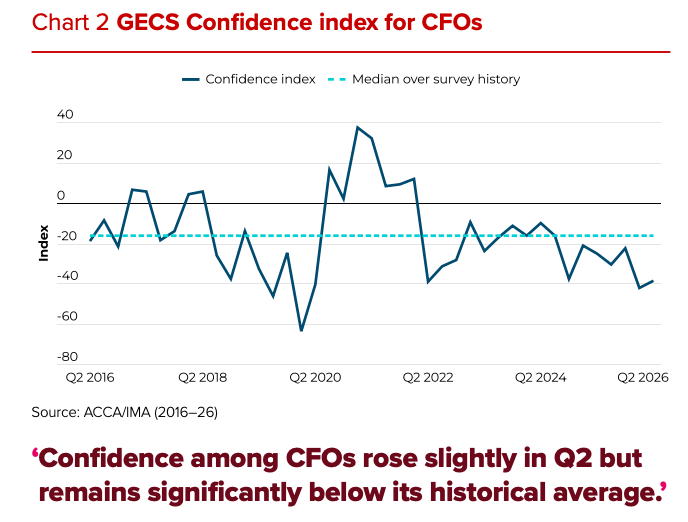
Over three-quarters of accountants globally reported increased operating costs in the second quarter (Q2), above the previous record set in the aftermath of Russia’s invasion of Ukraine, amid soaring commodity prices and supply chain disruptions resulting from the conflict. Strikingly, 83 per cent of CFOs experienced increased costs, following a record-breaking rise of over 20 percentage points from Q1. This is close to series peaks recorded in 2022 and 2023.

Despite soaring costs, there was some recovery in confidence among accountants globally in Q2, from what was close to a record low in Q1. While they remain quite downbeat by historical standards, the improvement likely reflects the relative resilience of the global economy and signs at the time of the survey of movement towards a potential resolution of the conflict, which may have reduced fears of worst-case scenarios.

Accountants and CFOs see sharp Q2 cost increases

That said, declines in the Global New Orders, Capital Expenditure and Employment indices point to some slowing in global growth, likely reflecting headwinds from increased private sector caution, rising inflation, and tighter-than-expected monetary policy, although they do not appear to be signalling a major economic slowdown.

Confidence among accountants remains weak by historical standards in North America and Western Europe, but after a sharp recovery in Q2 is now meaningfully above average in Asia-Pacific. While the region is very exposed to developments in the Middle East, hopes of a potential resolution of the conflict and the relative resilience of the global economy have likely been factors boosting sentiment, as well as the global AI boom, of which the region’s exporters are major beneficiaries.

Economic pressures returned as accountants’ top risk priority in Q2 2026, at 22 per cent, ahead of geopolitical instability at 20per cent and cybersecurity at 14 per cent. Respondents described how understanding today’s risk landscape extends beyond traditional economic cycle management, pointing to the converging effects of prolonged wars, rising cybercrime and policy uncertainty. AI featured prominently, with comments focusing on sustainable value, cyber resilience and accountability.

Accountants and CFOs see sharp Q2 cost increases

“The AI boom is providing major support to the global economy and financial markets, but developments in the Middle East over coming months will be crucial. If progress can be made in resolving the conflict, that would clearly be supportive for global growth as we progress through the second half of 2026. But downside risks would quickly build if there were a return to major hostilities and surge in energy prices,” said Alain Mulder, senior director, Europe Operations and Global Special Projects at IMA.

Jonathan Ashworth, chief economist at ACCA, noted that sharply rising costs were a major issue for firms in the second quarter.

“If they increasingly try to pass these on to consumers, this would significantly raise the risk of policy tightening by the world’s major central banks,” Ashworth said. “That said, policymakers will be hoping for favourable developments on the diplomatic front and a return of oil prices to around pre-crisis levels, potentially allowing them to sit on their hands for the rest of 2026.”

“Despite some improvement in confidence, accountants globally remain very cautious, likely reflecting the uncertain operating environment which has become the ‘new normal’ in recent years,” he added.

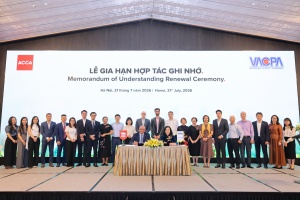
ACCA and VACPA deepen partnership to support Vietnam's green finance transition ACCA and VACPA deepen partnership to support Vietnam’s green finance transition

The renewal of the MoU between ACCA Vietnam and the VACPA marks not only a new chapter in their long-standing partnership, but also a shared commitment to build a transparent, sustainable financial ecosystem and address the growing risk of greenwashing.

Career guidance aligned with global norms gain traction Career guidance aligned with global norms gain traction

Moves to reinforce career guidance in general education are advancing, supported by initiatives that incorporate international professional standards into pathways for secondary school students.

Small business ESG strategies unlocked Small business ESG strategies unlocked

A true sustainability ecosystem requires global endorsement, genuine green financing, and technology solutions to lower the cost of implementation for businesses.

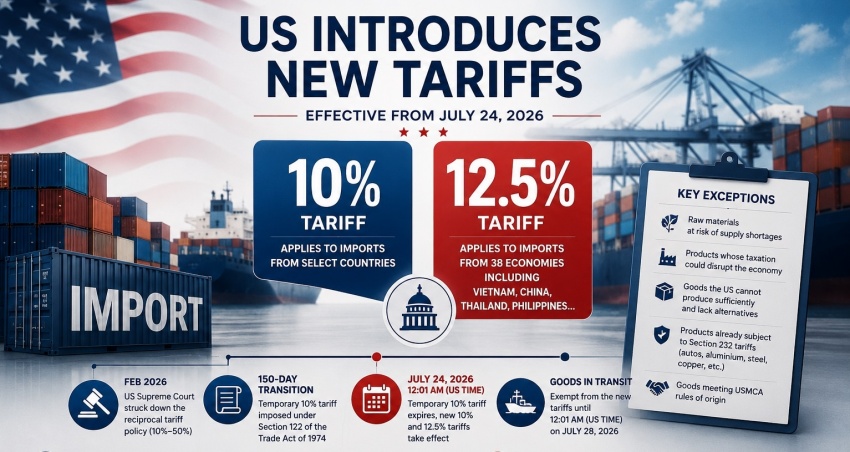
US introduces new 10 and 12.5 per cent tariffs, replacing temporary 10 per cent levy

According to a notice issued by the Office of the US Trade Representative (USTR), the additional duties apply to goods entered for consumption, or withdrawn from bonded warehouses for consumption, from 12:01 a.m (US time) on July 24, 2026. The new tariff rates of 10 and 12.5 per cent officially took effect at midnight on July 24, replacing the temporary 10 per cent tariff that expired simultaneously.

According to a USTR document released on July 23, the new tariffs will cover 99.4 per cent of US trade. CNBC reported that the agency said it is not yet able to estimate the amount of revenue the new duties will generate.

The tariffs will apply to all goods imported from economies subject to the investigation, with several exceptions. These include raw materials facing potential supply shortages, products whose taxation could disrupt the broader economy, and goods that cannot be produced in sufficient quantities in the US and for which there are no viable alternative sources.

Products already subject to tariffs under Section 232 national security measures introduced last year, including automobiles, aluminium, steel, and copper, will also be exempt from the new duties. In addition, certain products that meet the rules of origin under the US-Mexico-Canada Agreement will not be subject to the new tariffs, reflecting the high degree of integration within North American supply chains and the significant US value content of these goods.

USTR Jamieson Greer also pledged that, for countries that have concluded trade agreements with the US, the new tariffs will not cause total tariff levels to exceed the ceilings agreed between the two sides.

According to the USTR announcement, the 10 per cent tariff will apply to imports from countries including Cambodia, Indonesia, Argentina, Bangladesh, Malaysia, the United Kingdom, Canada, Ecuador, El Salvador, Guatemala, Honduras, India, Jordan, and Mexico.

Meanwhile, for the European Union, Taiwan, Japan, South Korea, and Switzerland, the new tariff, when combined with the existing most-favoured-nation duty, will result in a total tariff rate of either 10 or 12.5 per cent, depending on the economy.

A total of 38 economies will face the 12.5 per cent tariff, including Vietnam, China, Thailand, and the Philippines.

The new tariffs are widely viewed as the latest step in the US efforts to restore the near-universal tariff policy championed by President Donald Trump during his election campaign.

In February 2026, the US Supreme Court struck down the reciprocal tariff policy of 10 to 50 per cent that President Trump had introduced last year under national emergency legislation to reduce the country’s trade deficit.

Following the ruling, President Trump invoked Section 122 of the Trade Act of 1974 to impose a temporary 10 per cent tariff for 150 days. That measure officially expired at 12:01 a.m (US time) on July 24, with the new tariff rates taking effect immediately afterwards. Goods already in transit will remain exempt until 12:01 a.m on July 28 (US time).

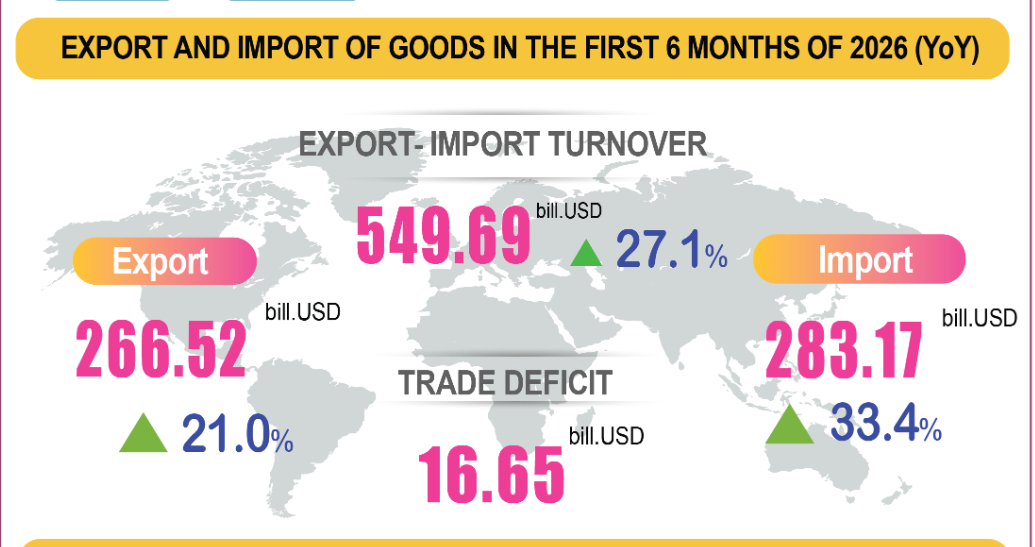
Vietnam posts trade deficit as imports outpace exports in first half Vietnam posts trade deficit as imports outpace exports in first half
China and Iraq drive surge in Vietnam’s rice exports China and Iraq drive surge in Vietnam’s rice exports

US approves X-ray technology for Vietnamese fruit irradiation facility US approves X-ray technology for Vietnamese fruit irradiation facility
China imports $1.4 billion of Vietnamese seafood in first half of 2026 China imports $1.4 billion of Vietnamese seafood in first half of 2026

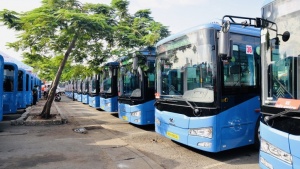
Kim Long Motor to supply 100 electric buses to Phuong Trinh Buslines

Signed on July 24, the sales contract aligns with Decision No.876/QD-TTg and the government’s net-zero emissions goal, supporting the transition to clean-energy public transport.

Under the agreement, Kim Long Motor Hue JSC will supply 100 electric buses to Phuong Trinh JSC with three lines, namely KIMLONGB30-EV, KIMLONGB40-EV, and KIMLONGB60-EV. The vehicles are researched, designed, and manufactured at Kim Long’s manufacturing and assembly plant. Produced on a modern production line, the vehicles meet stringent standards for quality, safety, and operational efficiency.

Developed specifically for the public passenger transport sector, KIMLONGB30-EV (30 seats), KIMLONGB40-EV (40 seats) and KIMLONGB60-EV (60 seats) boast modern design, smooth performance, zero emissions, and optimised operating costs.

All three vehicle lines are equipped with advanced BYD batteries, providing a travel distance of approximately 270 km, 300 km, and 350 km, respectively, on a single charge. These buses also feature many amenities, including high-capacity air conditioning, surveillance cameras, and electronic route displays. The vehicles cater to diverse demands from inner-city routes to routes connecting urban areas, residential zones, and tourist areas.

Kim Long Motor has become a reliable partner for transport companies and regulatory agencies in advancing green transportation. Its electric bus lines are already in operation in Ho Chi Minh City, Danang, and Dak Lak, and the company continues to expand across other localities to improve public passenger transport quality.

At the signing ceremony, Mai Tien Phat, member of the Board of Directors at Kim Long Motor, said, “As a vehicle supplier for Phuong Trinh, Kim Long Motor continues to affirm its quality, production capability, and brand prestige in Vietnam’s commercial vehicle market.”

“Beyond delivering high-quality products, we are committed to comprehensive after-sales service, warranty, maintenance, and technical support to ensure stable vehicle operation,” he added. “We believe this partnership will advance green transportation in Vietnam, creating tangible benefits for businesses, communities, and the environment.”

Phuong Trinh JSC, which operates bus routes in Ho Chi Minh City, has extensive experience in public passenger transport. The investment in 100 electric buses reinforces its sustainable development strategy towards building a modern, environmentally friendly public transport system that better serves passengers’ commuting needs.

Nguyen Thi Diem Van, chairwoman of Phuong Trinh JSC, said, “After a careful research and partner selection process, we highly appreciate Kim Long Motor’s research and manufacturing capabilities. We are particularly impressed with the quality of Vietnamese-branded buses.”

“The investment in 100 electric buses will contribute to improving the quality of public passenger transport services. The move also reflects Phuong Trinh JSC’s commitment to green transportation, emissions reduction, and environmental protection. We expect the Kim Long electric bus fleet to be put into effective operation soon, providing people with safe, convenient, and civilised travel experiences,” she added.

For Kim Long Motor, the contract represents more than a commercial milestone in its strategy to develop the new-energy commercial vehicle market. The move also encourages the company to invest, research, innovate technologies and improve product quality. With the

With a gradually developing automotive industry ecosystem and increasing localisation rates, Kim Long Motor is steadily asserting its position as one of Vietnam’s leading commercial vehicle manufacturers. The efforts contribute to the realisation of the Party and government’s policies on developing the automotive industry, promoting a green economy and circular economy, and accompanying Vietnam’s emission reduction roadmap.

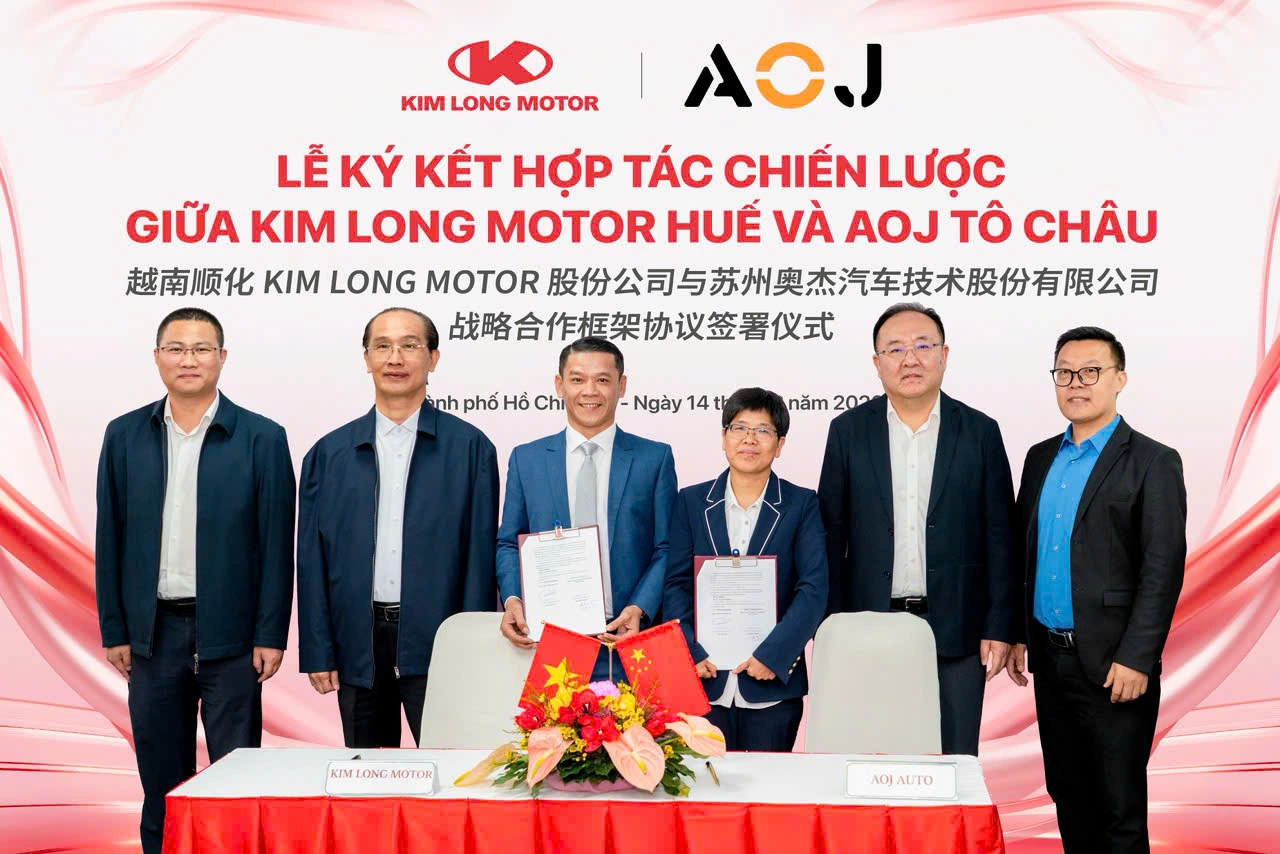
Kim Long Motor and AOJ Suzhou enter strategic partnership Kim Long Motor and AOJ Suzhou enter strategic partnership

Kim Long Motor and AOJ Suzhou signed a strategic cooperation agreement in Ho Chi Minh City on February 14.

Kim Long Motor pioneering fuel-efficient engines and green transition Kim Long Motor pioneering fuel-efficient engines and green transition

Recent geopolitical tensions in the Middle East have continued to raise risks for the global energy market, with diesel prices rising sharply and unpredictably, placing pressure on fuel-intensive sectors such as long-distance passenger transport.

Kim Long Motor exports first buses to Thailand in regional push Kim Long Motor exports first buses to Thailand in regional push

Kim Long Motor has exported its first batch of locally manufactured buses to Thailand, marking a significant step in the company’s international expansion strategy.

The Ministry of Finance (MoF) has rolled out a series of tax, fee, and charge measures in 2026 to support businesses and individuals while promoting economic growth. Among the most significant measures is the extension of the 2 percentage-point reduction in VAT through the end of 2026.

In response to volatility in global energy markets, the MoF has also advised the government and the National Assembly to adopt a series of tax relief measures on petroleum products during 2026.

Tax incentives drive small business investment and expansion

These included reductions in preferential import tariffs, environmental protection tax, VAT and special consumption tax (SCT) on petrol and oil products during appropriate periods, helping stabilise fuel supplies and curb rising energy prices.

Alongside these short-term measures, the MoF proposed amendments to several tax laws, which were adopted by the National Assembly on April 24 as Law No.09/2026/QH16.

The legislation raises the revenue threshold below which individual business operators are exempt from personal income tax, increases the VAT exemption threshold for household businesses and individual entrepreneurs, and extends the preferential SCT treatment for battery-powered vehicles carrying fewer than 24 passengers through the end of 2030.

The government has also issued regulations extending payment deadlines for VAT, corporate income tax, personal income tax and land rental fees in 2026, easing cash-flow pressures for businesses and household enterprises.

The coordinated implementation of tax and fee measures has received broad support from both the business community and the public, helping lower input costs, support production and business activities, create jobs, contain inflation and maintain macroeconomic stability.

According to data from the Tax Department under the Ministry of Finance, total tax reductions reached approximately $2.21 billion in the first six months of 2026.

Specifically, reducing the VAT rate from 10 per cent to 8 per cent allowed businesses to retain approximately $875.6 million. More importantly, operating cost pressures were substantially eased after the environmental protection tax on petrol and oil was reduced to zero per litre, providing support equivalent to approximately $1.07 billion.

In addition, the application of a zero per cent SCT on petrol reduced costs by a further $148 million, while the abolition of the business licence fee from the beginning of 2026 enabled small businesses and household enterprises to save approximately $116 million.

These figures underscore the effectiveness of the government’s policy approach, which contributed to GDP growth of 8.18 per cent in the first half of 2026.

They also reflect the government’s strategy of accepting lower short-term budget revenues to foster stronger long-term revenue generation.

Mac Quoc Anh, vice chairman and secretary general of the Hanoi Small and Medium-sized Enterprises (SMEs) Association, said Vietnam has introduced a series of tax measures in recent years to support SMEs, a key segment of the private sector that makes a significant contribution to economic growth and employment.

“Revised tax laws provide preferential tax rates for SMEs, particularly micro-enterprises and household businesses,” said Quoc Anh, “Tax exemptions, reductions, and payment deferrals have helped businesses maintain liquidity, secure cash flow for wages and raw materials, and support a return to growth.”

“They also encourage companies to invest in machinery, improve production processes, and move towards meeting environmental, social, and governance standards and advancing the green transition,” he added. “These are essential conditions for SMEs to scale up rapidly, develop sustainably, and integrate into global value chains.”

Bui Manh Toan, chairman and CEO of Vietnox JSC, said tax incentives are among the most important tools for helping SMEs accelerate growth while pursuing long-term sustainability.

“When tax burdens are reduced, businesses have greater resources to invest in production, technological innovation, product quality improvements, and market expansion,” he said. “However, tax and fee incentives should be complemented by broader support measures, including improved access to finance and stronger corporate governance capabilities. Such a comprehensive policy framework will help SMEs achieve stable and sustainable long-term growth.”

Tax incentives set to accelerate EV adoption and curb pollution Tax incentives set to accelerate EV adoption and curb pollution

Vietnam is moving to extend tax breaks for electric vehicles, aiming to accelerate adoption, cut emissions and support industry growth as the country pushes forward with its green transition agenda.

VCCI agrees with proposal to extend tax incentives for EVs VCCI agrees with proposal to extend tax incentives for EVs

The Vietnam Chamber of Commerce and Industry agrees with the Ministry of Finance’s proposal to extend the special consumption tax on motor vehicles under 24 seats powered by batteries.

Vietnam grants tax incentives for long-term fund investors Vietnam grants tax incentives for long-term fund investors

Investors holding open-ended fund certificates for more than two years have become eligible for capital gains tax exemptions from July 1, while the tax on investment income from funds has been halved under Vietnam’s revised Personal Income Tax Law.

EVFTA deepens Vietnam-EU relations after six years

The EVFTA acts as a vital economic highway to boost trade between Vietnam and EU. In 2019, the Vietnam – EU two-way trade stood at $49.8 billion. This figure rose to $74 billion by the end of 2025.

In the first six months of 2026, two-way trade between Vietnam and the EU totalled $41.7 billion. Vietnam’s exports to the EU reached $31.8 billion, while imports from the bloc stood at $9.9 billion.

After six years of the agreement, bilateral trade turnover between Vietnam and the EU has increased by 40 per cent, with growth around 10–15 per cent annually.

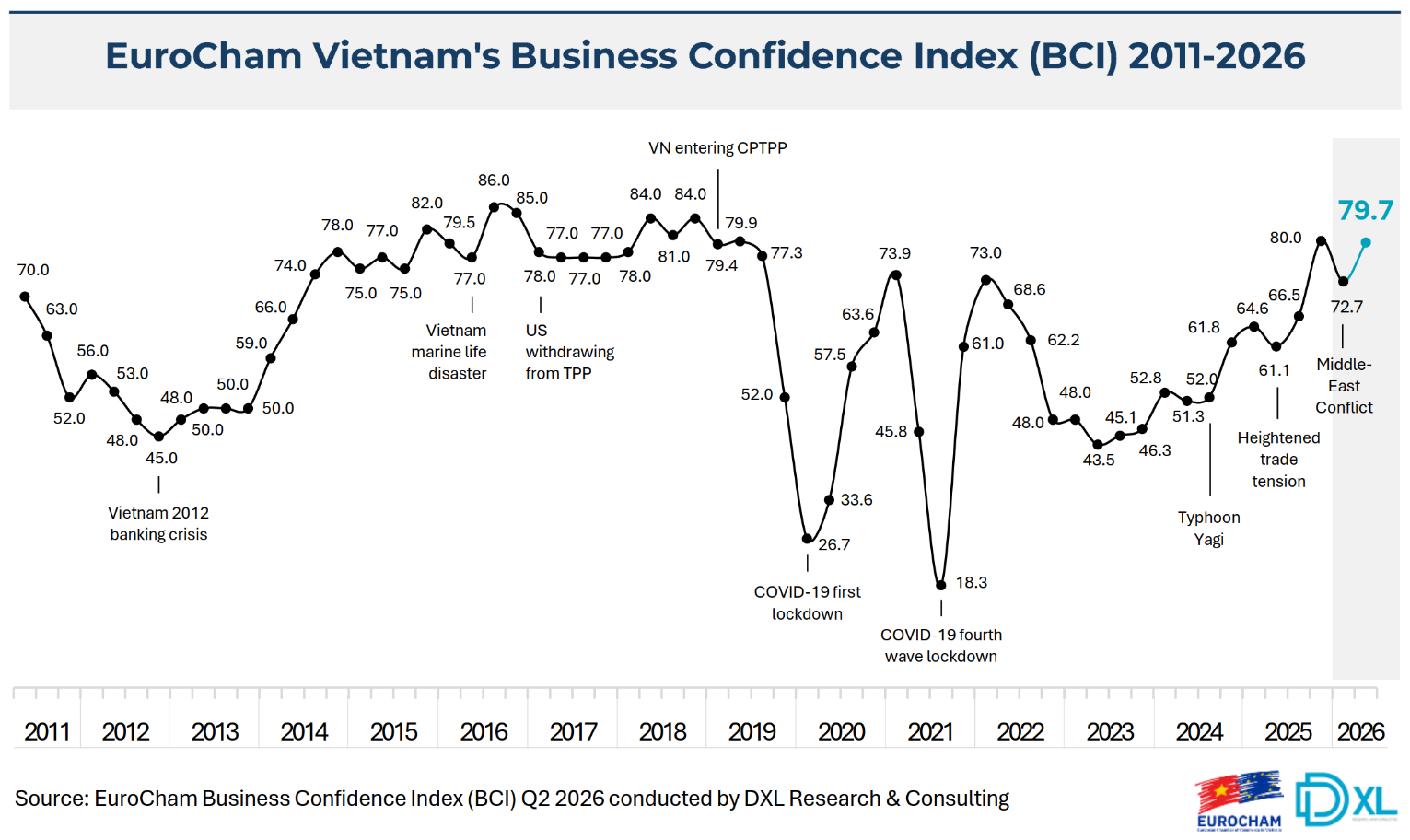
The EVFTA has also made it easier for European companies to do business in Vietnam. According to EuroCham’s Business Confidence Index for the second quarter, nearly seven in 10 European businesses (68 per cent) are engaged in Vietnam–EU trade, either through direct imports, exports, or participation in regional supply chains.

Among businesses engaged in Vietnam–EU trade, half already benefit from EVFTA tariff preferences. For many, the impact is important: 32 per cent report that at least 20 per cent of their EU–Vietnam trade is covered, including 19 per cent where more than half is covered.

These findings indicate that EVFTA is already generating tangible commercial value, while highlighting opportunities to expand utilisation.

Agriculture and food value chain business records the highest overall benefit (77 per cent), while trade, logistics and consumer goods also gain strongly (62 per cent). Manufacturing and agriculture record the highest shares of businesses benefiting from EVFTA tariff preferences on more than 80 per cent of their EU– Vietnam trade (15 per cent each).

In addition, two-thirds of EVFTA beneficiaries report measurable cost savings from tariff preferences. For most, savings range between 5 per cent and 15 per cent, while 11 per cent achieve reductions exceeding 30 per cent, demonstrating the agreement’s capacity to generate meaningful commercial value. These findings reinforce EVFTA’s role in strengthening Vietnam’s competitiveness as a manufacturing, sourcing, and trade hub for European businesses.

European business confidence in Vietnam surged in second quarter European business confidence in Vietnam surged in second quarter

Defying global supply chain volatility and shifting trade dynamics, European business confidence in Vietnam has surged to 79.7 points in the second quarter of 2026, underscoring Vietnam’s resilience amid one of the most volatile global operating environments in recent years.

EU Council president to visit Vietnam amid partnership upgrade EU Council president to visit Vietnam amid partnership upgrade

High-level exchanges are set to underscore the deepening ties between the European Union and Vietnam as both sides advance a new phase of strategic cooperation.

French welcome elevation of Vietnamese ties with Europe French welcome elevation of Vietnamese ties with Europe

Vietnam and France are set to intensify their trade and investment ties via many activities. French Ambassador to Vietnam Olivier Brochet talked with VIR’s Thanh Tung about how the cooperation will be driven, with Vietnam becoming an increasingly attractive market for French investors.

AMRO upgrades Vietnam growth forecast to 7.5 per cent

AMRO released its July 2026 Quarterly Update of the ASEAN+3 Regional Economic Outlook on July 27, projecting Vietnam to grow 7.5 per cent in 2026, up from its June forecast of 7.2 per cent.

AMRO also raised its growth forecast to 7.3 per cent in 2027, up from its June forecast of 7 per cent, while revising down its inflation forecasts to 4.3 per cent in 2026 and 3.9 per cent in 2027.

The upward revision to Vietnam’s growth forecast is in line with other organisations. Standard Chartered has raised its forecast for Vietnam’s economic growth in 2026 to 9.5 per cent, up from its previous projection of 7.2 per cent.

Standard Chartered said the adjustment follows Vietnam’s positive economic performance in the first half of the year, with growth drivers continuing to gain momentum. It also expects the positive trend to carry into 2027, predicting GDP growth of 11 per cent.

Likewise, United Overseas Bank (UOB) has revised up Vietnam’s 2026 GDP growth forecast to 8.5 per cent, citing stronger-than-expected first-half economic performance driven by manufacturing, investment and foreign direct investment.

UOB noted that Vietnam’s GDP growth accelerated to 8.39 per cent on-year in the second quarter of 2026, from 7.94 per cent in the first quarter, bringing first-half growth to 8.18 per cent.

Vietnam’s positive economic outlook comes as regional growth prospects improve. AMRO projects the ASEAN+3 region to grow by 4.1 per cent in 2026, before moderating slightly to 4 per cent in 2027. Headline inflation is projected at 1.6 per cent in 2026, down from 1.8 per cent previously, reflecting lower global commodity price assumptions. ASEAN+3 comprises the 10 ASEAN member states together with China, Japan, and South Korea

The upgrade outlook reflects sustained momentum in the region’s technology sector, particularly robust demand for semiconductors and other AI-related products, alongside a more favourable global commodity price outlook. Firm household spending, resilient investment, and robust semiconductor and electronics exports are expected to continue driving growth. Energy and industrial input supply disruptions proved less severe than initially feared, with manufacturing activity continuing to expand.

“ASEAN+3 has remained resilient, supported by firm domestic demand and its central role in global AI supply chains,” said AMRO chief economist Dong He. “The impact of the Middle East conflict has also been less severe than initially expected, although elevated energy and input costs continue to pose risks to inflation and industrial activity.”

AMRO notes Vietnam's economic resilience despite global uncertainties AMRO notes Vietnam’s economic resilience despite global uncertainties

Vietnam’s economy has demonstrated notable resilience despite global uncertainties, according to the ASEAN+3 Macroeconomic Research Office.

Strong fundamentals to keep Vietnam at the top of ASEAN growth rankings Strong fundamentals to keep Vietnam at the top of ASEAN growth rankings

Maybank forecasts Vietnam’s GDP growth of 7.8 per cent in 2026 and 7.9 per cent in 2027, making it the fastest-growing major economy in ASEAN.

ADB maintains Vietnam's growth outlook amid Southeast Asia downgrades ADB maintains Vietnam’s growth outlook amid Southeast Asia downgrades

The Asian Development Bank (ADB) has slightly lowered its growth forecast for developing Southeast Asia while maintaining its outlook for Vietnam, citing disruption to energy supplies from the Middle East conflict.

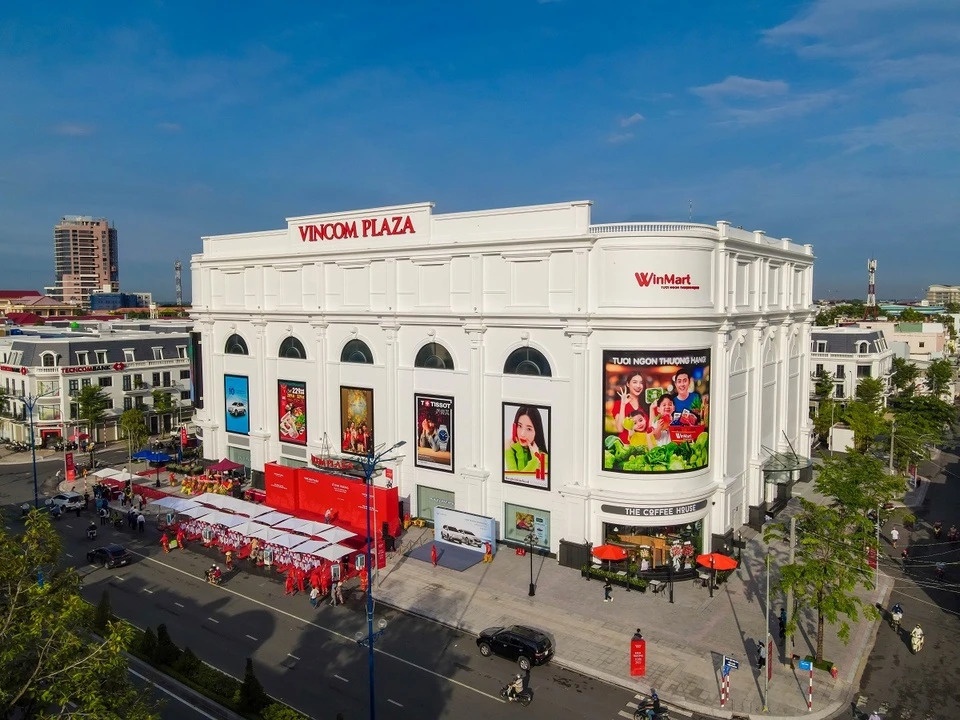
Photo: Vincom Retail

On July 29, Vincom Retail released its consolidated financial statements for the second quarter, reporting net revenue of approximately $91 million, up 11 per cent on-year.

Revenue from shopping mall leasing and related services reached around $87.2 million, an increase of 10 per cent on-year. The growth was driven by an improvement in the occupancy rate, which rose 2.3 percentage points to 88.6 per cent at the end of the second quarter, a slight increase in average rental rates across the portfolio, and contributions from shopping centres opened in the second half of 2025.

Excluding the performance of Vincom Center Nguyen Chi Thanh, leasing and related service revenue increased 11.5 per cent on-year during the quarter.

In addition to its core business, financial income remained a key earnings driver. Financial revenue rose 25 per cent on-year to approximately $32.5 million in the second quarter, bringing the total for the first six months of 2026 to around $65 million.

The largest contributor to financial income was interest earned from deposits, loans, and deposits paid, totalling approximately $32.7 million during the quarter. Meanwhile, financial expenses declined 18 per cent to around $8.5 million, including interest expenses of approximately $7.7 million.

After accounting for expenses and taxes, Vincom Retail posted net profit of approximately $61.9 million in the second quarter, up 30 per cent compared to a year earlier.

The company said its adjusted consolidated net revenue, calculated by adding pro forma revenue from the transfer of investment property recorded in the first quarter to reported net revenue, and first-half after-tax profit had respectively fulfilled 49 per cent and 58 per cent of its full-year 2026 targets.

Part of the Vingroup ecosystem, Vincom Retail operates the country’s largest shopping mall network, comprising 90 shopping centres across 31 provinces and cities with a total gross floor area of nearly 1.91 million square metres.

For 2026, the company targets revenue of approximately $390 million and after-tax profit of around $207 million.

According to the company, Vincom shopping centres welcomed 112 million visitors in the first half of the year, while its commercial streets attracted 4.2 million visitors, representing on-year increases of 11.6 per cent and 16.3 per cent, respectively.

In the third quarter, Vincom Retail plans to continue expanding its network with the opening of Vincom Plaza Dan Phuong, which is scheduled to commence operations in August.

Vingroup divests from Vincom Retail Vingroup divests from Vincom Retail
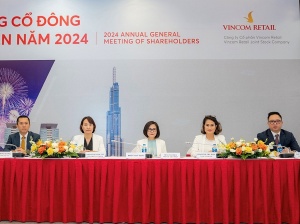
Vincom Retail retains brand name following Vingroup divestment Vincom Retail retains brand name following Vingroup divestment
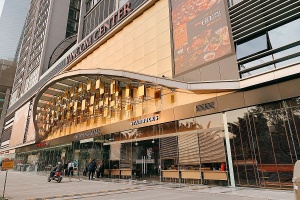
Vincom Retail poised for growth Vincom Retail poised for growth
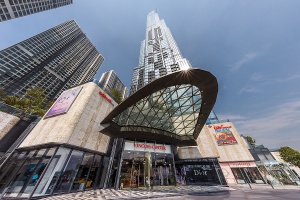
Vincom Retail named among Forbes Vietnam's top 25 leading brands Vincom Retail named among Forbes Vietnam’s top 25 leading brands

Vincom Mega Mall Ocean City – a “rookie” magnet for international brands Vincom Mega Mall Ocean City – a “rookie” magnet for international brands
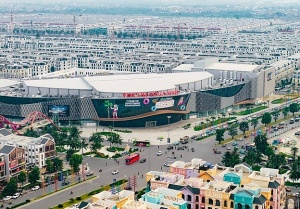
Vincom Mega Mall Ocean City unveils lineup of unprecedented experiences Vincom Mega Mall Ocean City unveils lineup of unprecedented experiences
Vincom Retail transfers ownership of Vincom Centre Nguyen Chi Thanh Vincom Retail transfers ownership of Vincom Centre Nguyen Chi Thanh

Vincom Retail Debuts Multi-Experience Commercial Concept Vincom Retail Debuts Multi-Experience Commercial Concept

DatVietVAC set for IPO to unlock growth capital
The ‘Anh trai say hi’ concert organised by DatVietVAC in Ho Chi Minh City in April. Photo: DatVietVAC

The initial public offering (IPO) was unveiled on July 8. Upon completion, the company’s charter capital will rise to VND1.11 trillion ($42.69 million), with an expected market capitalisation of approximately $240 million. All shares are expected to list on the Ho Chi Minh City Stock Exchange within 2026.

Given the nature of DatVietVAC’s value-generating assets – which are intangible, including intellectual property rights over scripts, music, recordings, and exclusive artist contracts – the group faces challenges in accessing long-term credit from the traditional banking system, which typically requires tangible collateral.

Accordingly, the IPO and subsequent listing are intended to increase DatVietVAC’s transparency, credibility and brand value, creating conditions for the company to improve its ability to access a more diverse range of funding sources supporting its growth strategy.

In addition, the additional capital will help DatVietVAC strengthen its financial capacity, with a focus on financial restructuring and debt repayment to optimise net profit margins for its core subsidiaries. Specifically, VND536.9 billion ($20.65 million) will be allocated as additional capital contribution to DatViet VAC Media, supporting its two subsidiaries Dat Viet Media and TKL, while VND 74 billion ($2.85 million) will be allocated as additional capital contribution to DatViet VAC Entertainment to strengthen the capacity of its two content production units, Vie Channel and Dong Tay Promotion.

Intellectual property assets, music copyrights, and scripts remain relatively new and abstract concepts to Vietnam’s financial investment community. Bringing the company to the public market, subjecting it to strict disclosure requirements and independent audit, with a 15-year audit history by KPMG, represents the strongest commitment to the seriousness of its business model.

At the issue price of VND54,800 ($2.11) per share, the valuation corresponds to a pre-issuance 2026 forward price-to-earnings (P/E) ratio of approximately 13x. This is considered a relatively attractive valuation compared with the average forward P/E of the entertainment sector in Southeast Asia and Asia, with an average of 18.1x and a median of 16.1x. Accordingly, DatVietVAC’s IPO valuation is being offered at a discount of approximately 28 per cent to the regional average.

DatVietVAC Group Holdings was established in 2019 to operate under a holding company model, with the group’s operating foundation inherited from member companies that have continuously developed for more than three decades since 1993. Starting from its position as an outdoor advertising company, DatVietVAC has shifted its strategy to become a major player dominating the content sector through a closed, vertically integrated ecosystem model.

This model operates through direct ownership of subsidiaries representing two main business segments: the Content segment, managed by DatViet VAC Entertainment, and the Media Services segment, managed by DatViet VAC Media.

For 2026, DatVietVAC has set a revenue target of VND3.38 trillion ($130 million) and net profit after tax of VND420 billion ($16.15 million), representing growth of 11 per cent compared with VND379 billion ($14.58 million) in 2025. Projected return on equity is 34.7 per cent.

DatVietVAC’s 2026-2030 strategy targets average annual growth of 15 per cent, aiming to reach VND5 trillion ($192.31 million) in revenue and VND780 billion ($30 million) in profit by 2030. The main driver of this target comes from the strategic pivot towards multi-layered intellectual property monetisation and the development of the Fandom Economy.

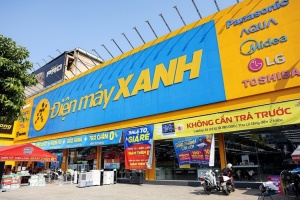
Dien May Xanh's IPO raises over $500 million Dien May Xanh’s IPO raises over $500 million

Dien May Xanh has completed a public share sale, raising more than VND13.3 trillion ($500 million) and increasing its charter capital to VND12.68 trillion ($487.7 million).

Large FIEs preparing for IPOs in Vietnam Large FIEs preparing for IPOs in Vietnam

Vietnam has reached a consensus on allowing large foreign-invested enterprises to conduct IPOs and list on the domestic stock market, with a number of major candidates already preparing listing applications, according to the State Securities Commission.

Jollibee subsidiary Highlands Coffee evaluates Vietnam IPO Jollibee subsidiary Highlands Coffee evaluates Vietnam IPO

Jollibee Foods Corporation has announced that the board of its subsidiary Highlands Coffee is evaluating a planned public listing in Vietnam.